How That Shows Up in the Door
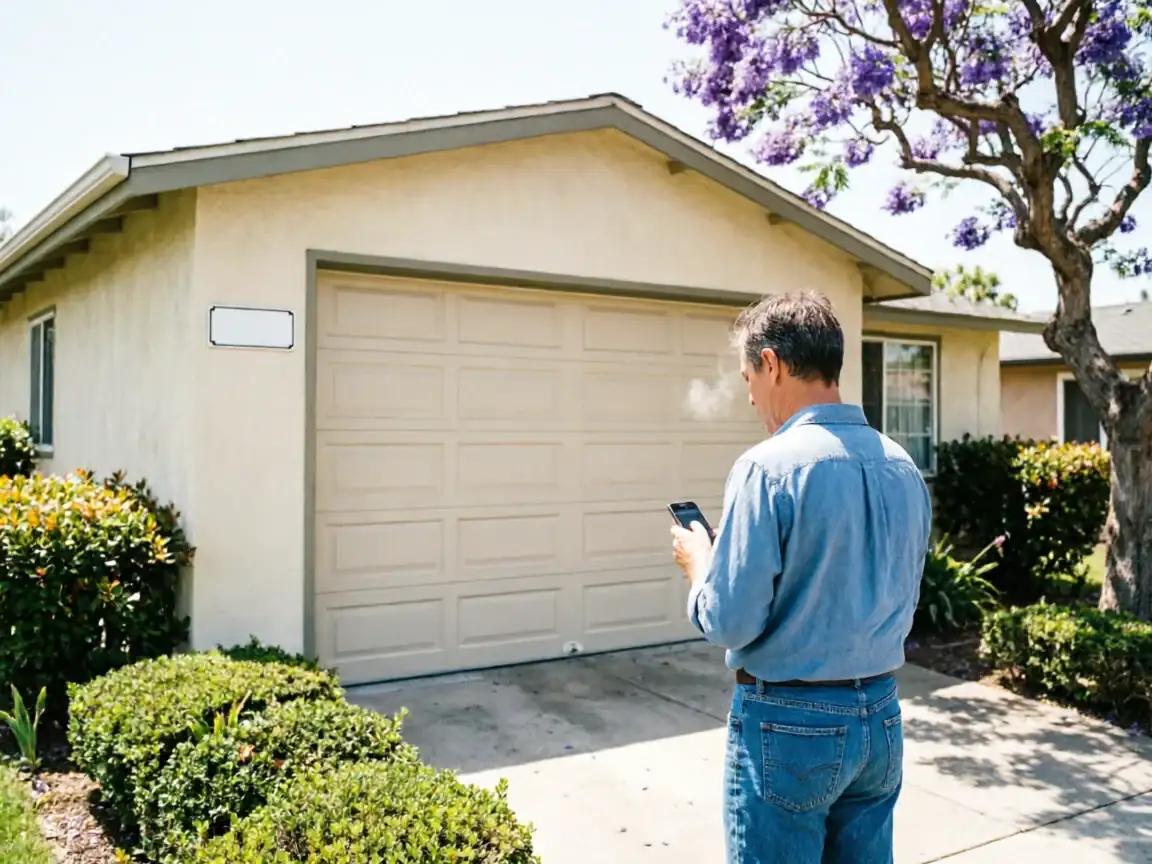
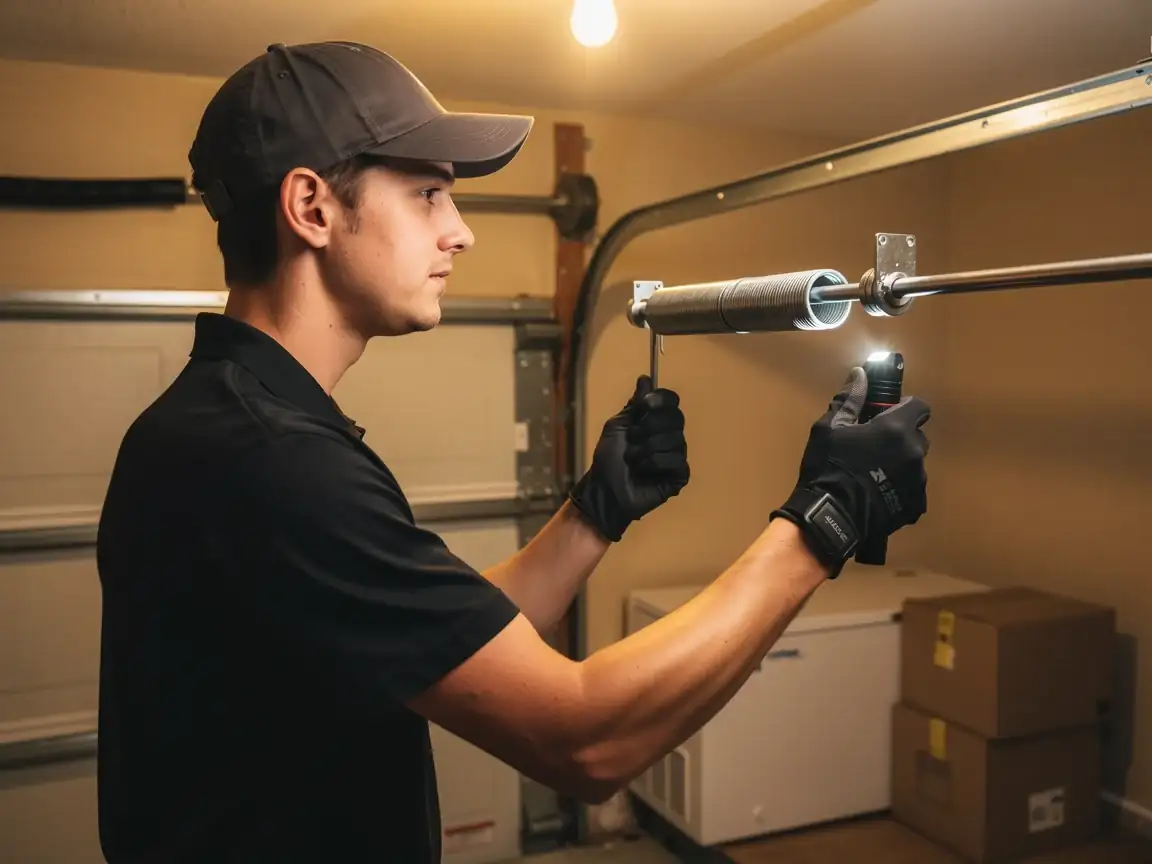
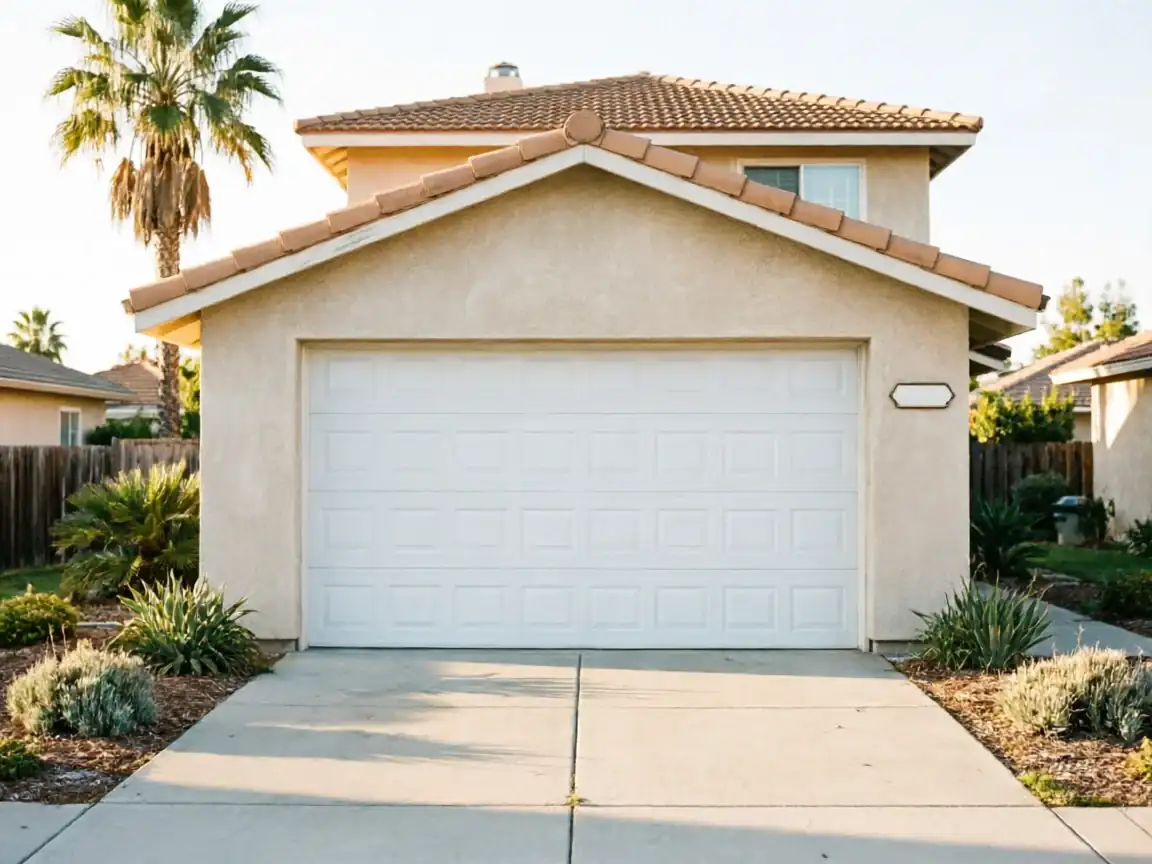
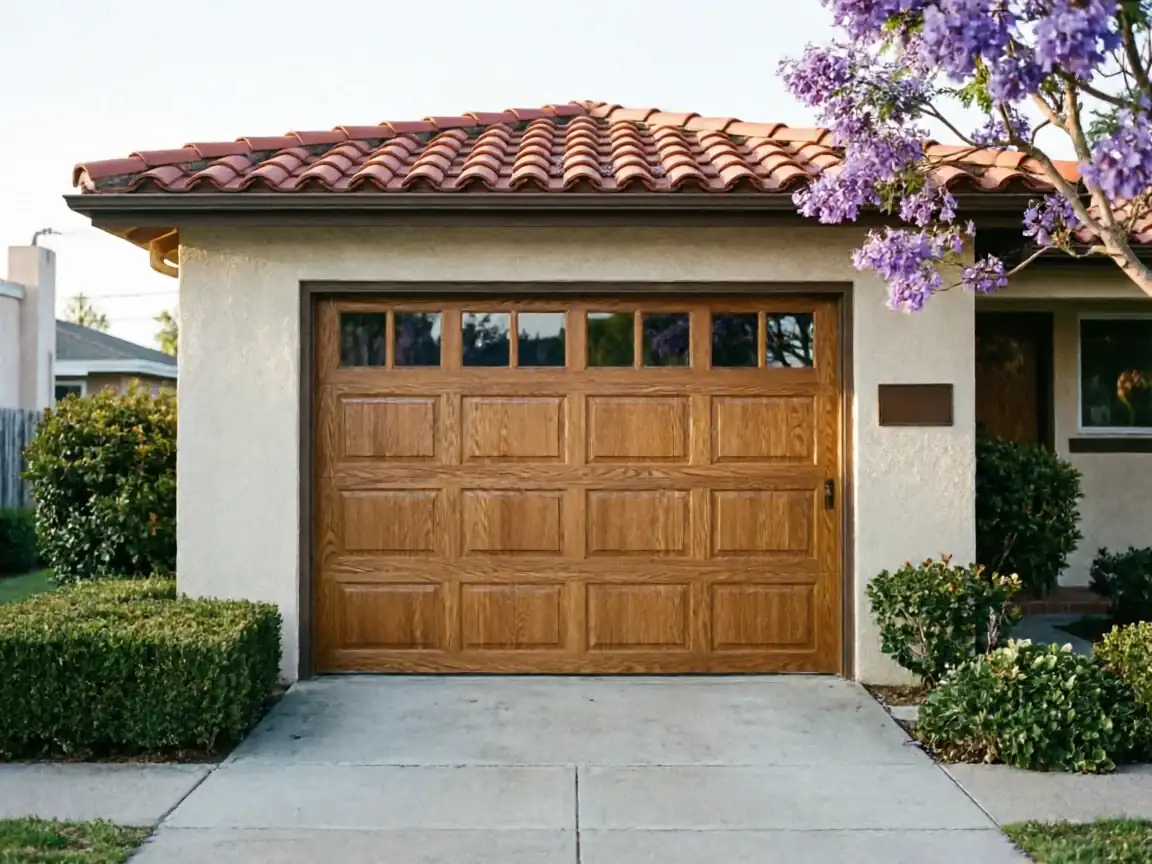
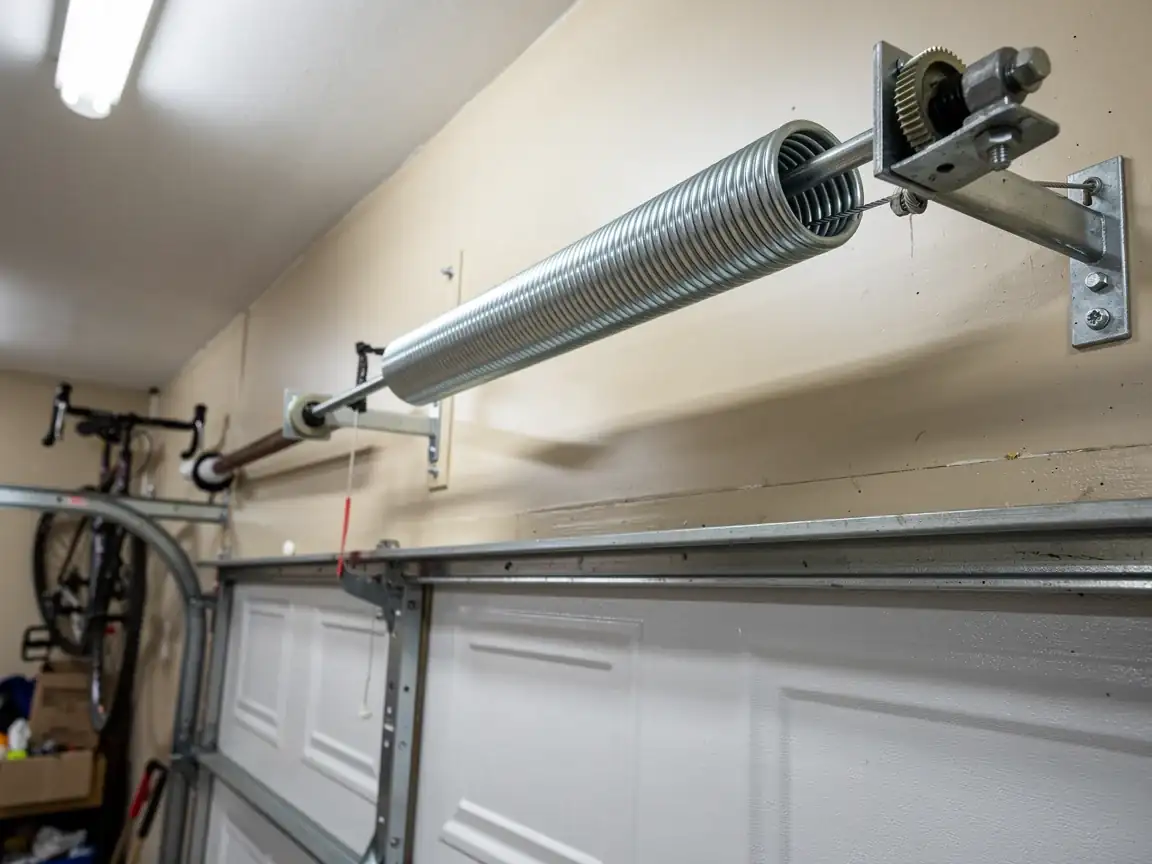
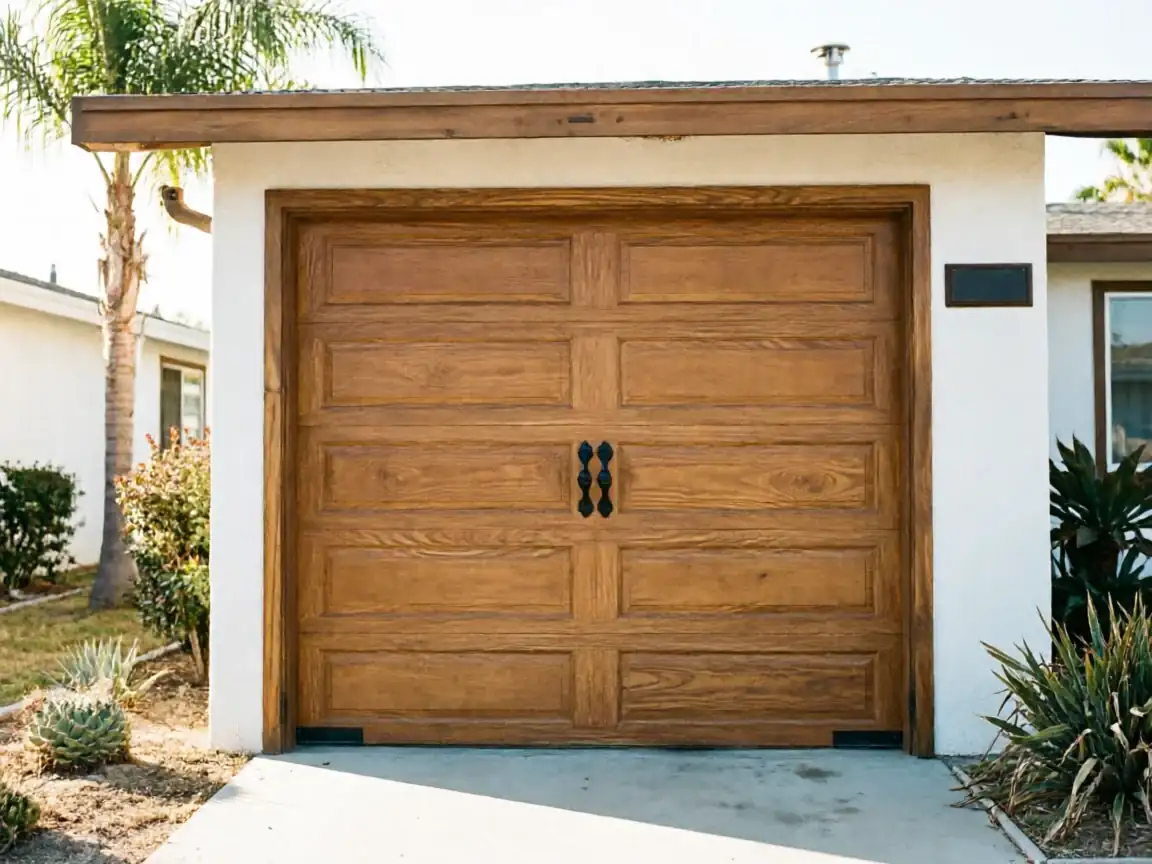
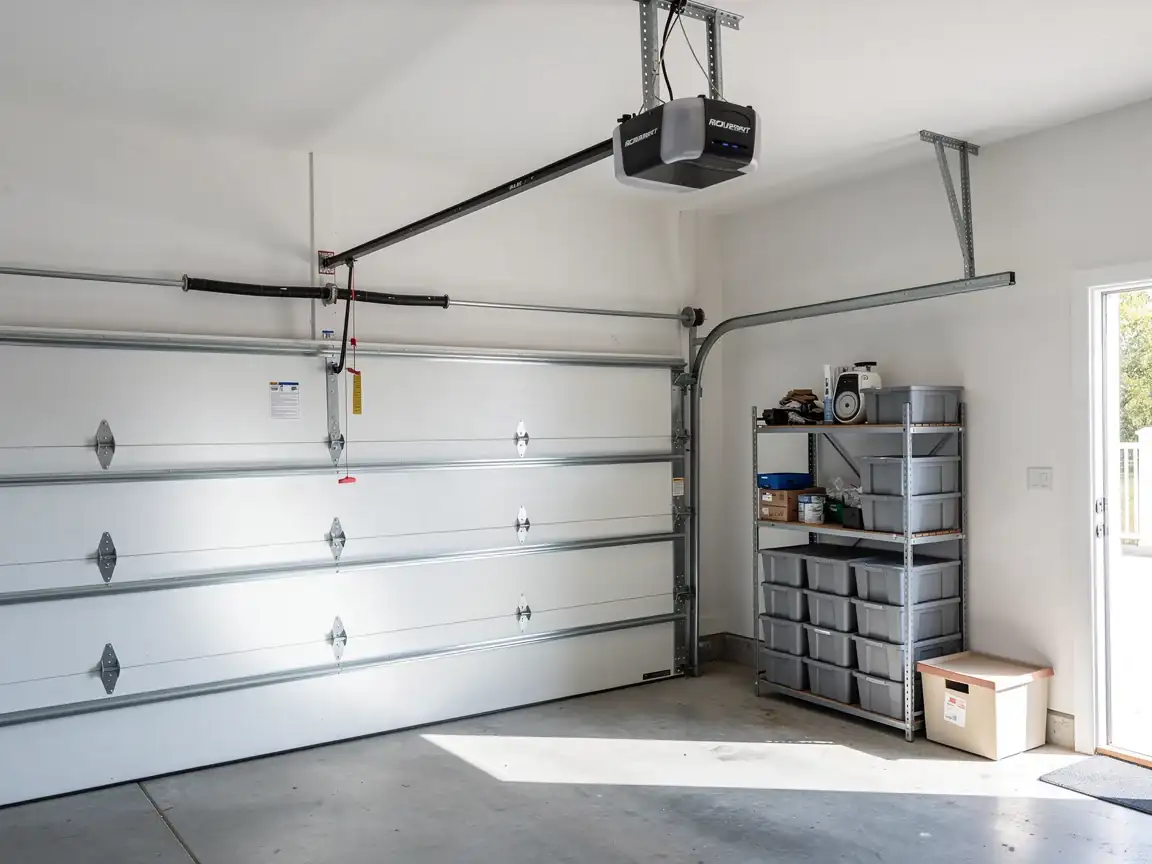
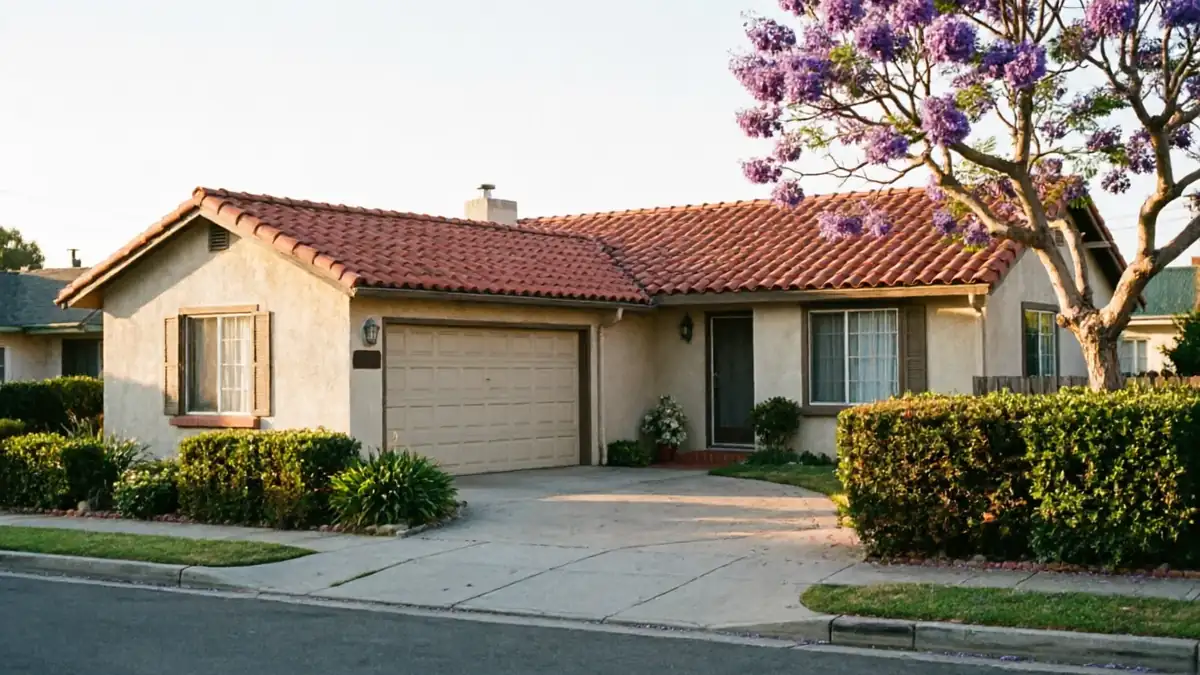
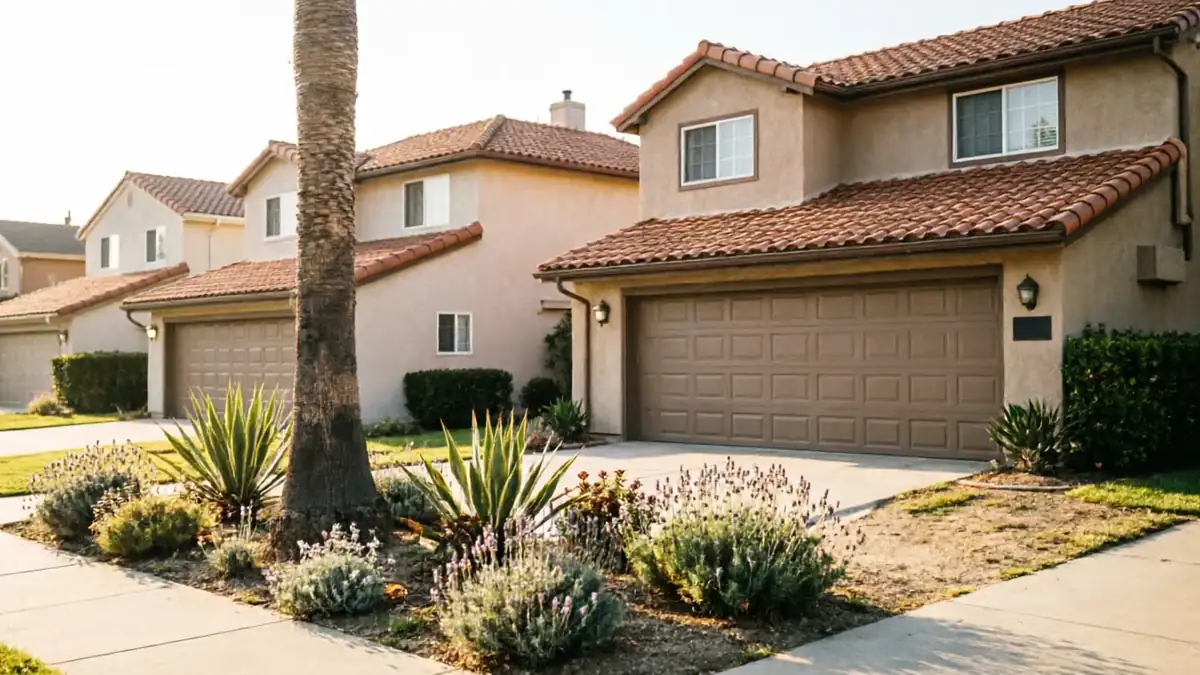
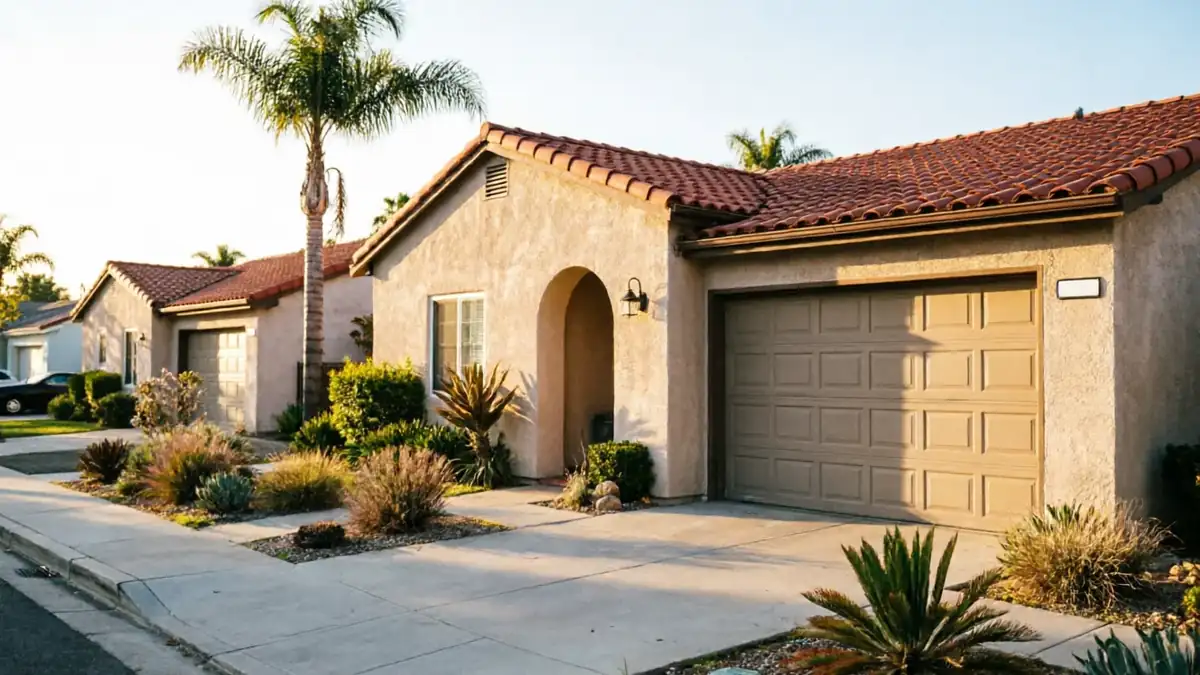
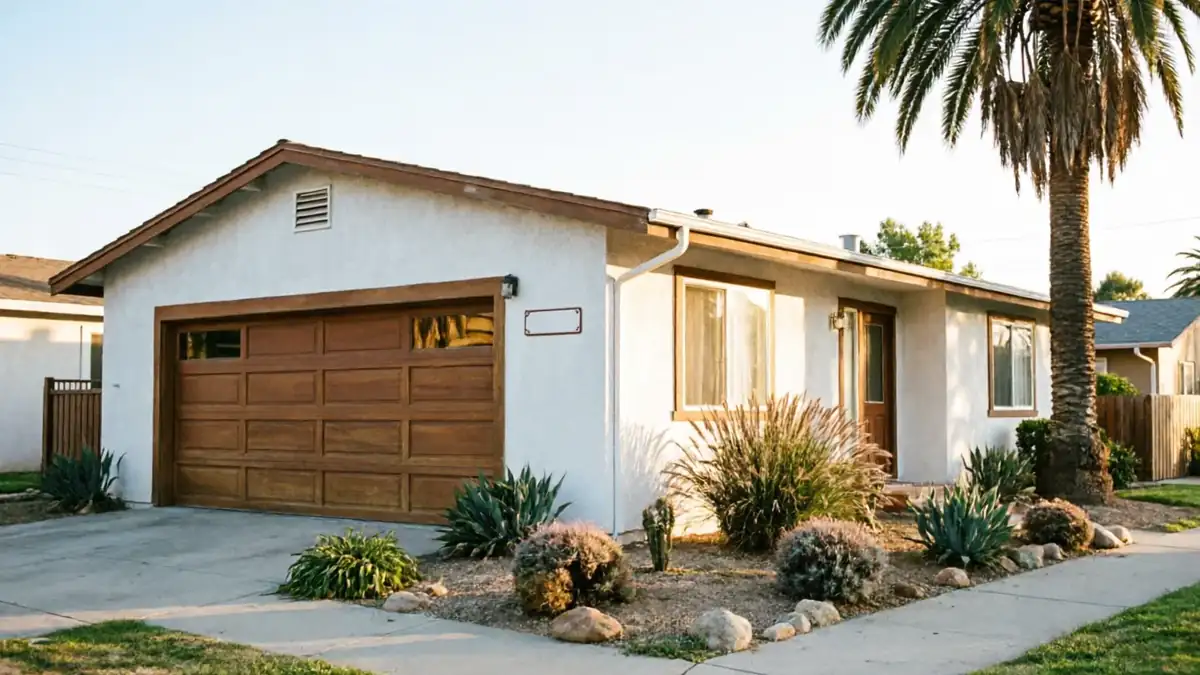
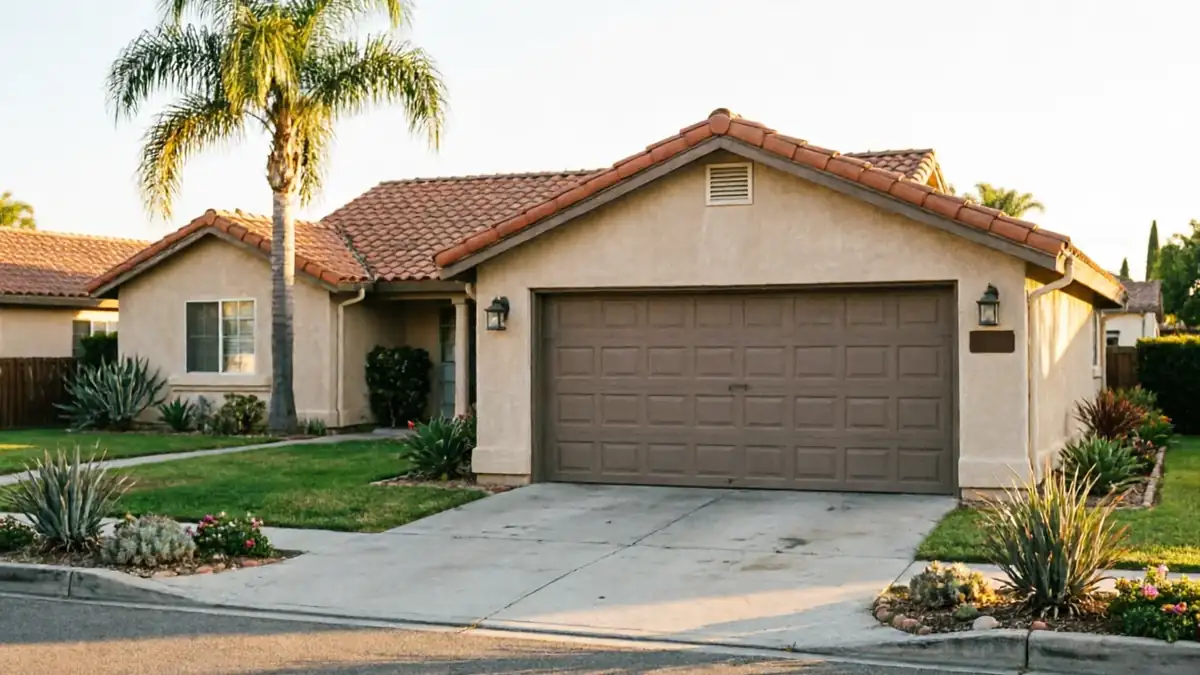
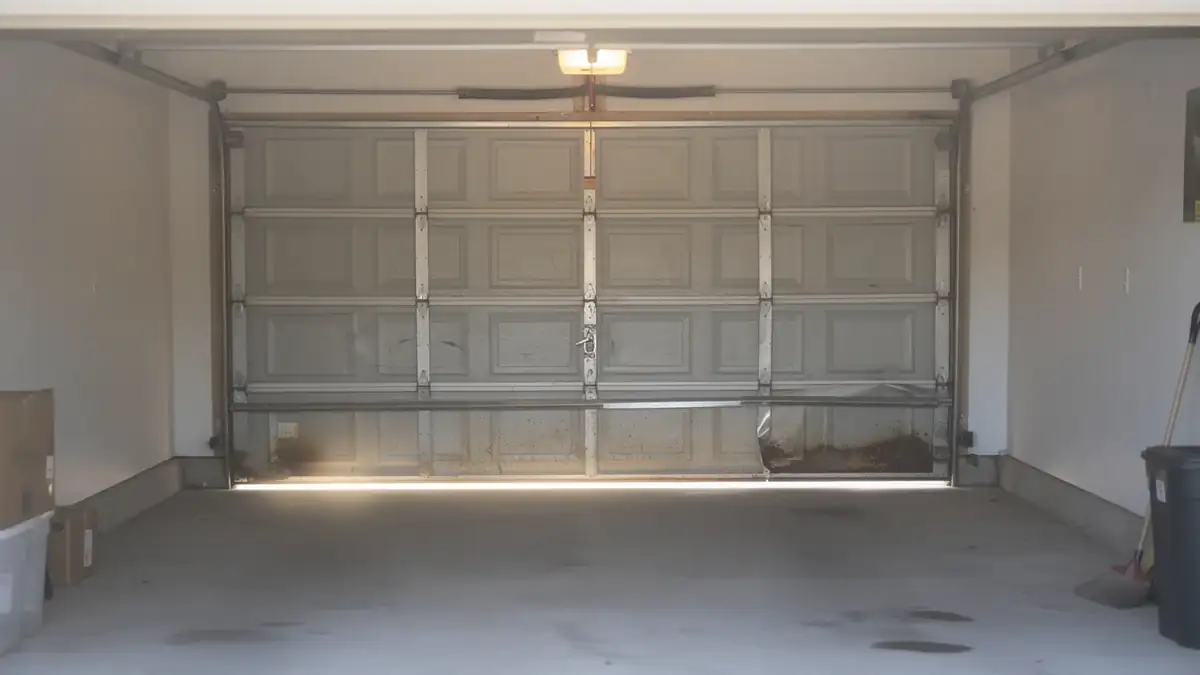
North Tustin's median home dates to 1965, which puts most of the neighborhood a good decade ahead of Irvine's own median build year of 1976. That gap matters more than it sounds like it should. A house framed in the mid-60s was built with a garage opening sized for the cars and doors of that era, usually a single wide double-car opening with a one-piece or early sectional door on side-mounted hardware. The torsion springs, drums, and cable anchors from that period use dimensions and mounting patterns that newer production doors don't replicate exactly. When one of those springs lets go, you can't always walk into a big box store and match it off the shelf. We've pulled springs and rollers off these early installs that were clearly never touched since they went in. The upside of an older, well-built door is that the steel gauge and wood jambs are usually solid even when the hardware isn't. The downside is that a homeowner here looking for a quick same-day part match sometimes has to wait while we source the right size. That's an honest limitation, not a sales pitch: we'd rather tell you the lead time up front than promise a part we don't have on the truck.
The Split Between Old and New
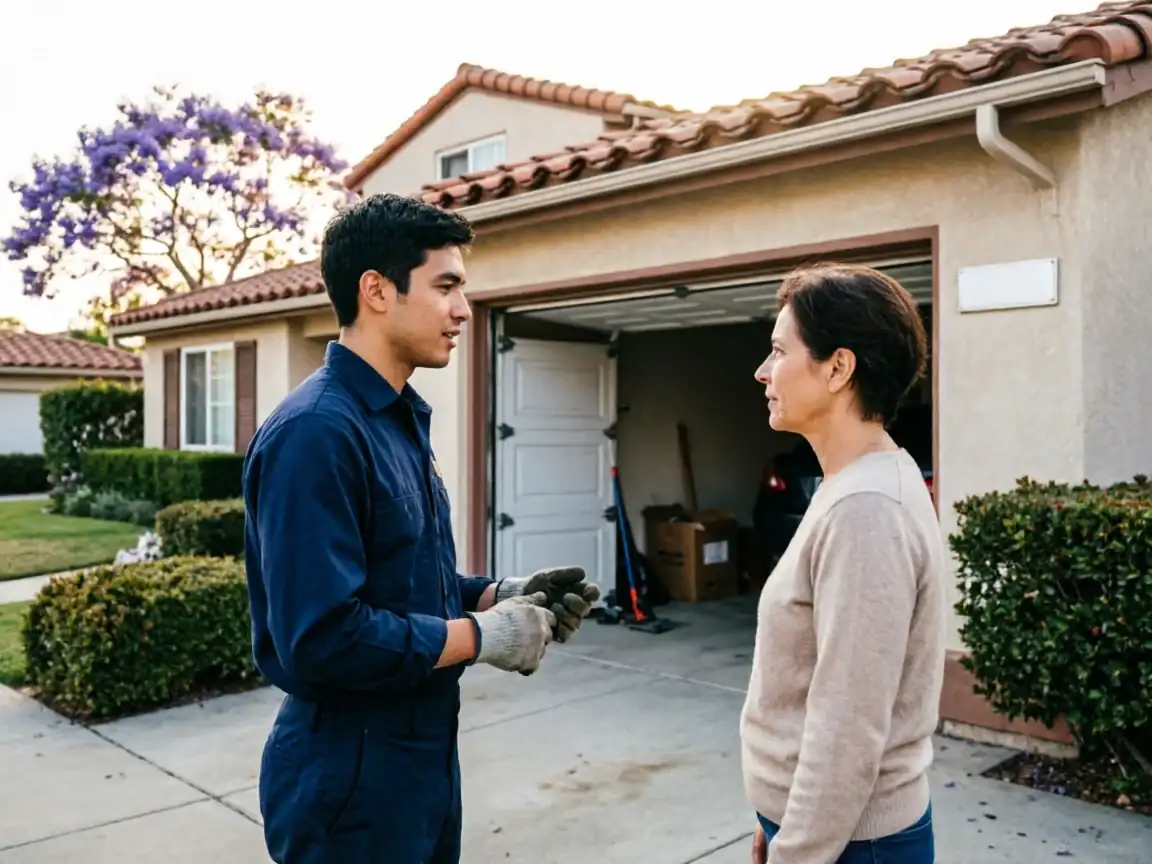
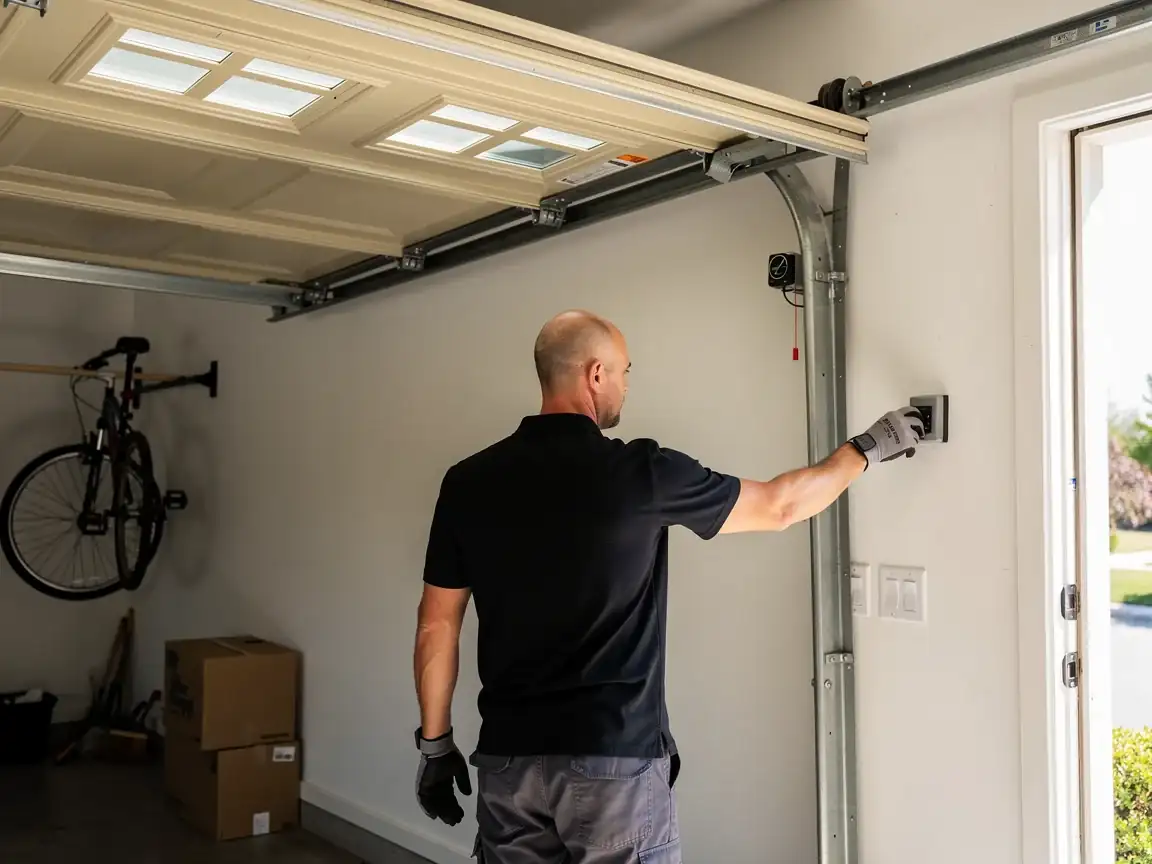
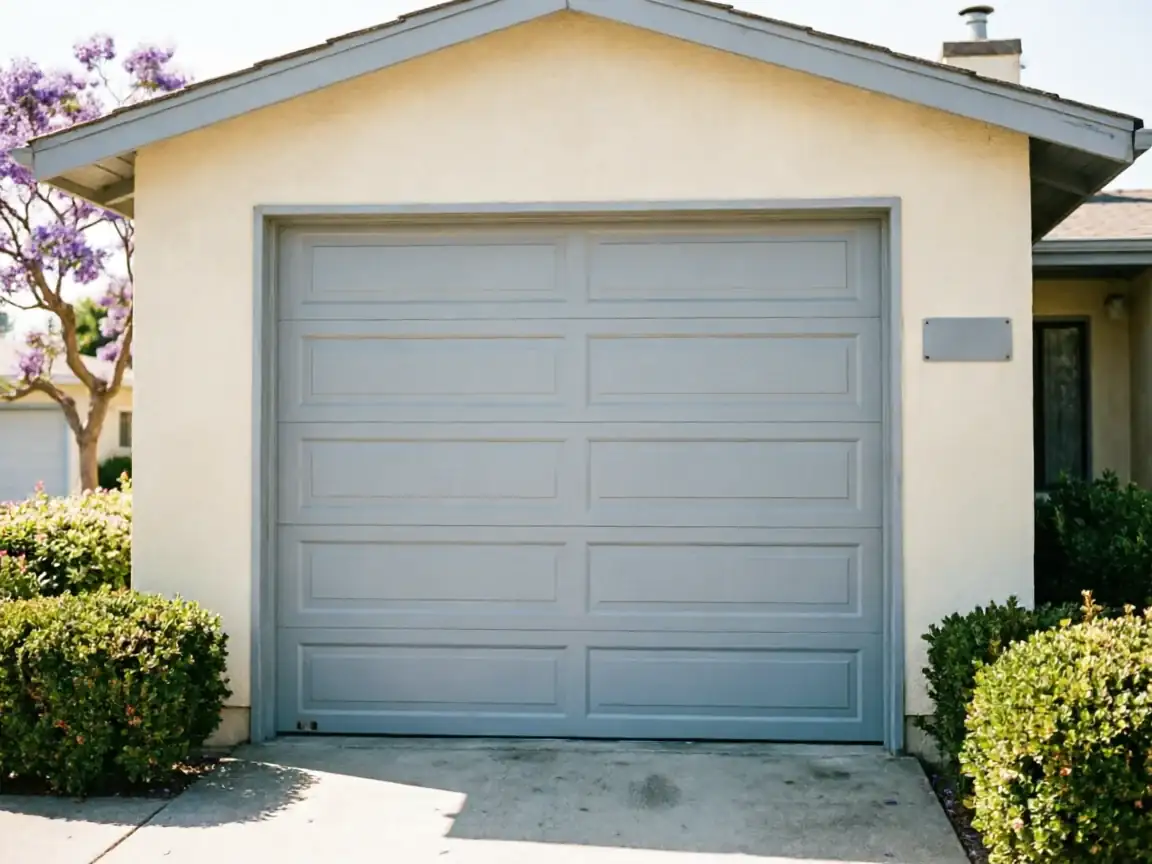
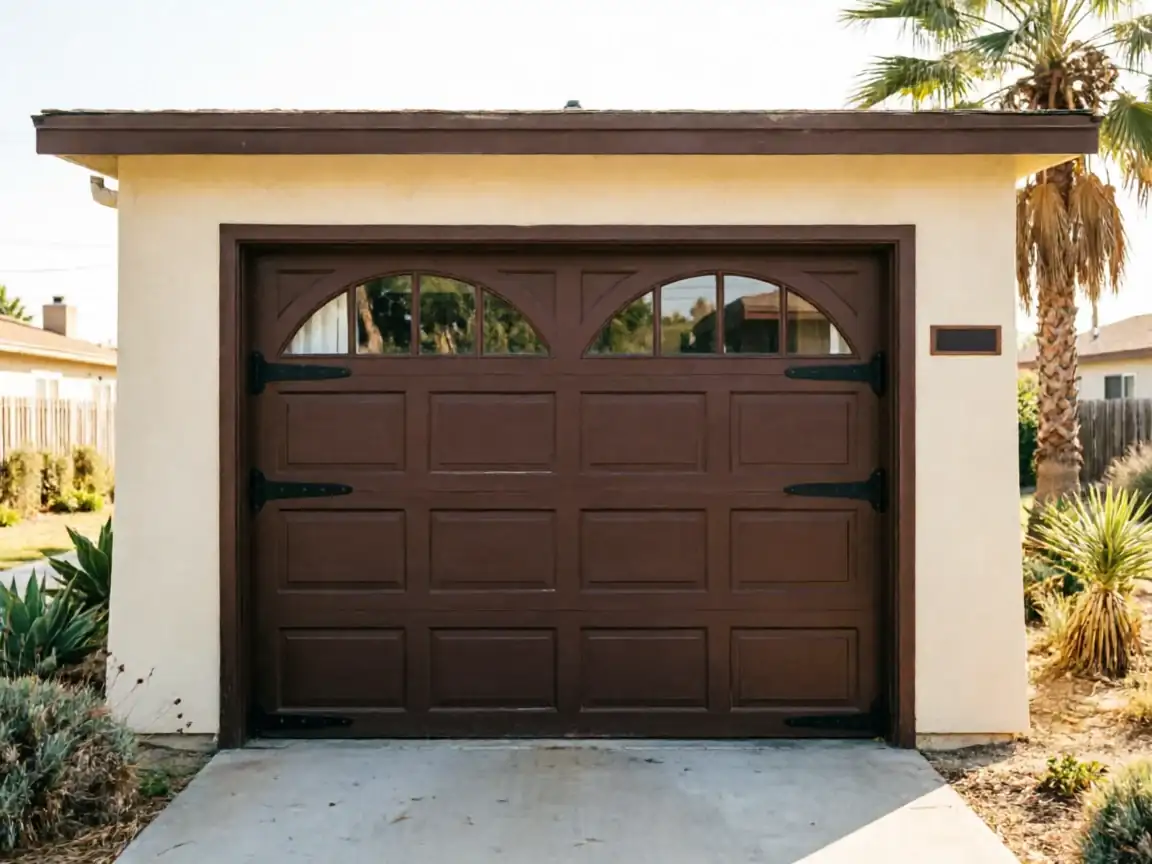
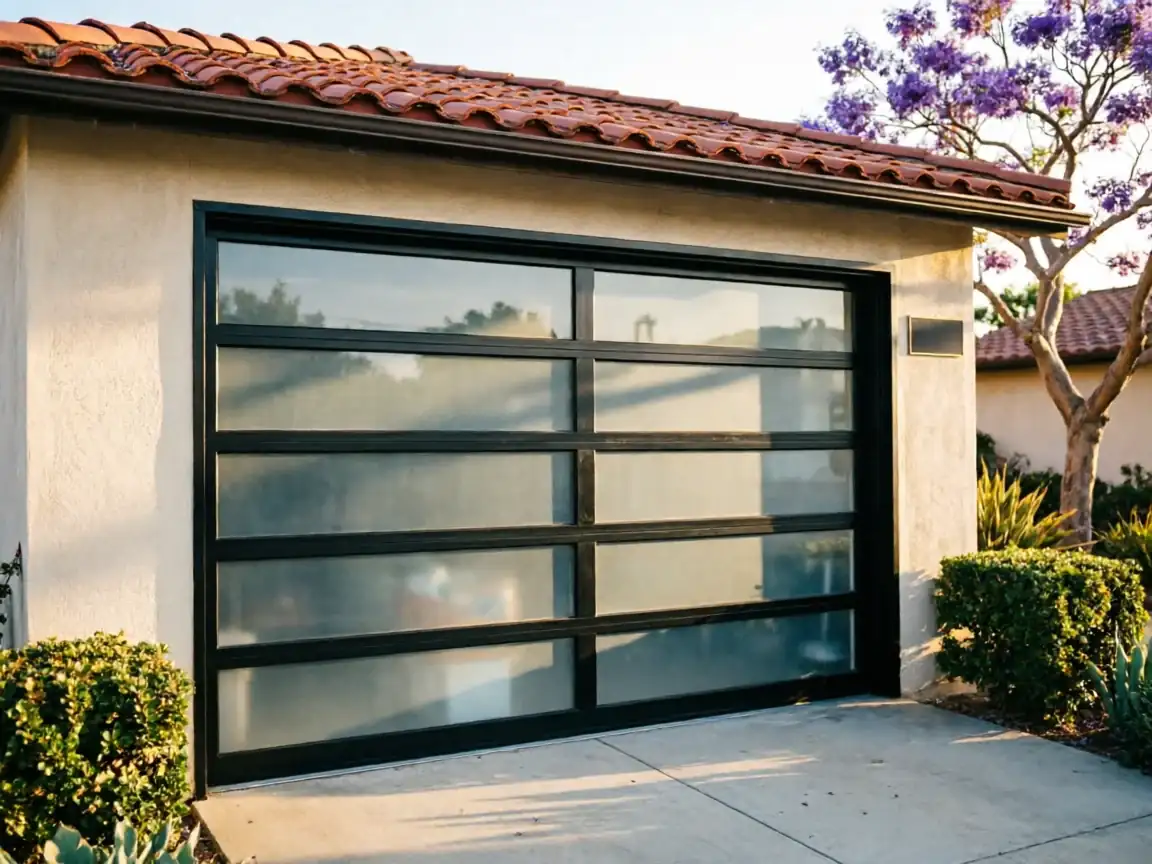
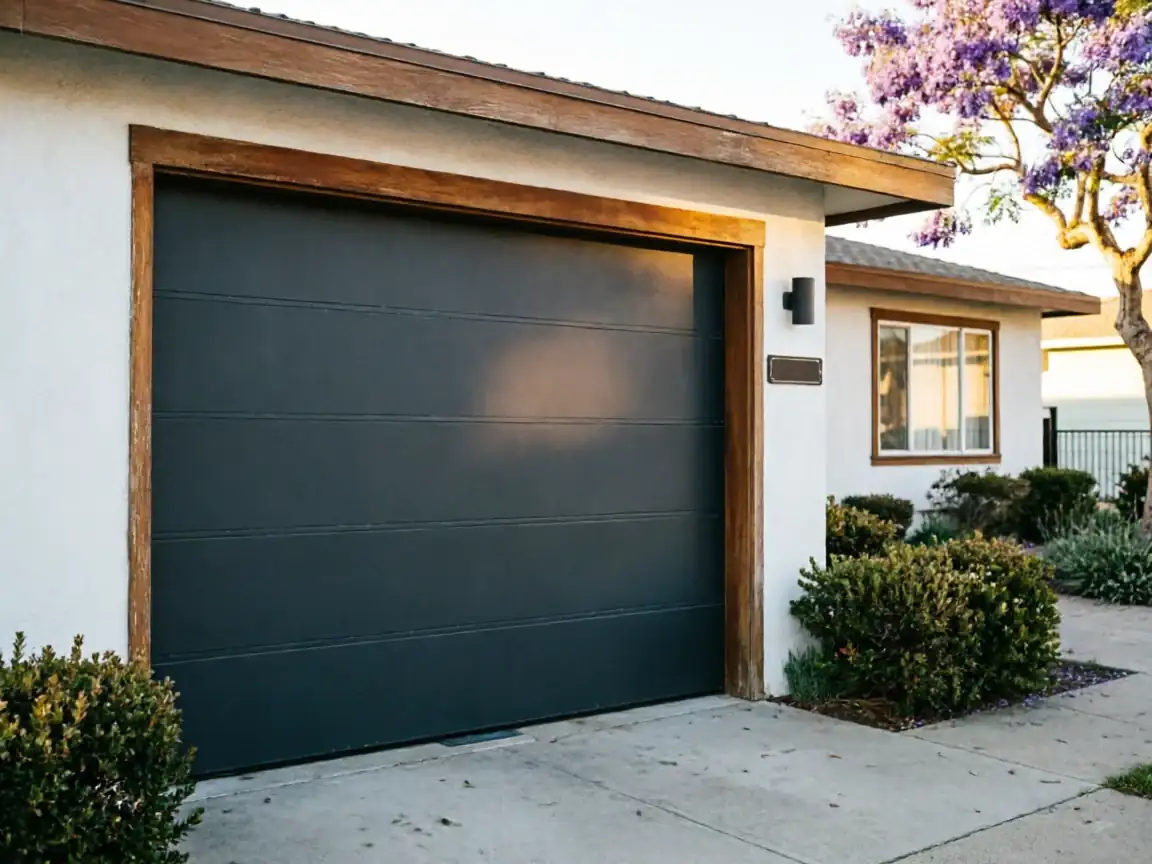
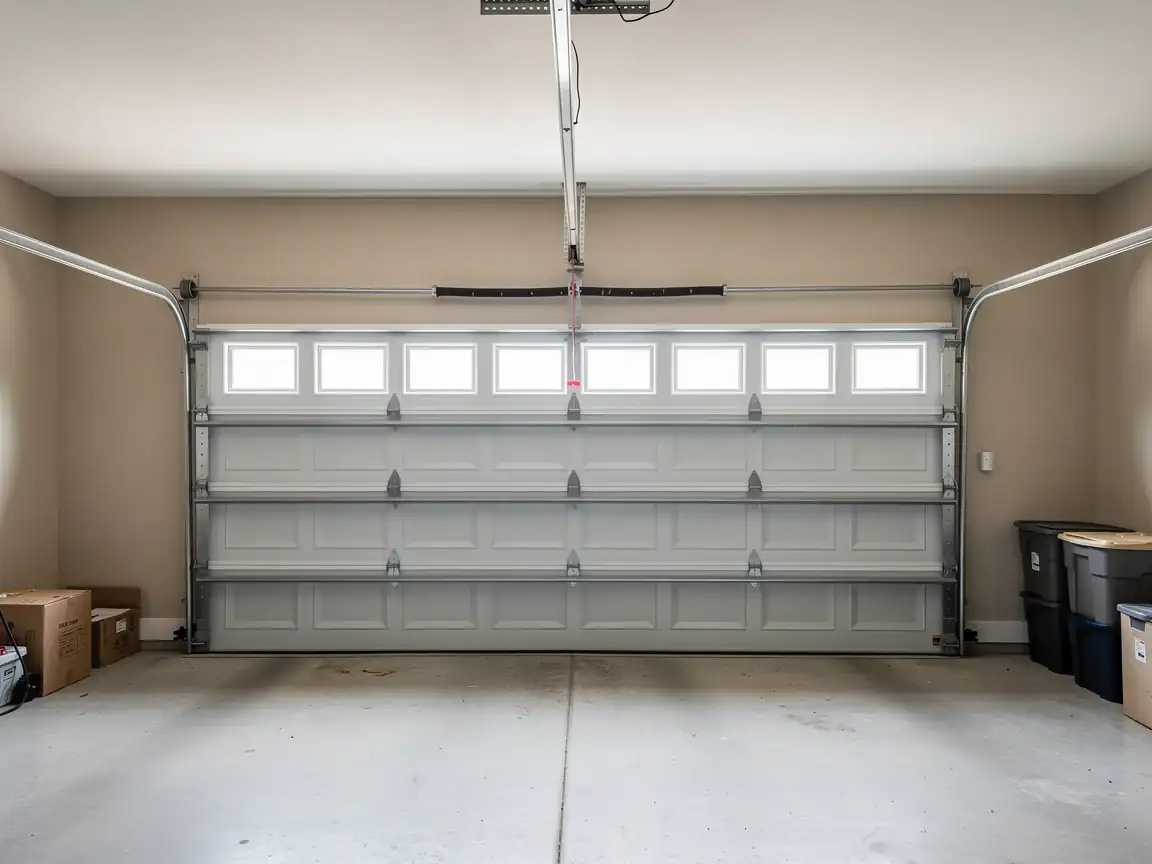
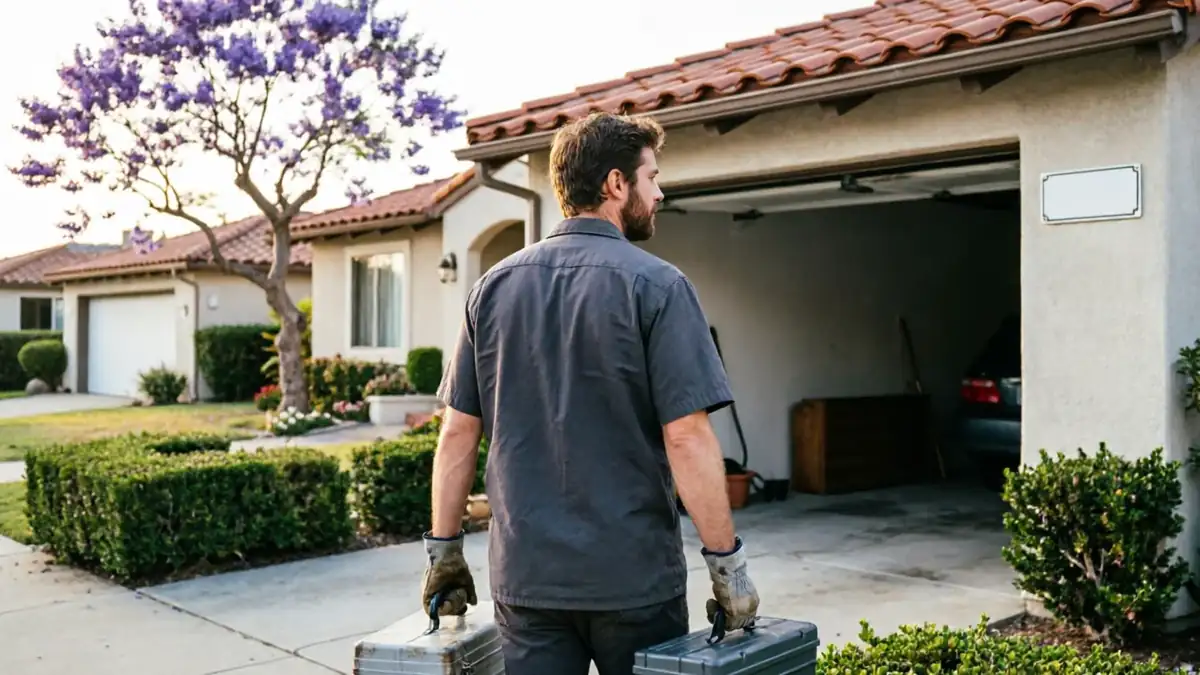
Not every door in North Tustin is original. Across the broader service area the housing stock runs from 1938 up through 2015, and North Tustin sits toward the older end of that range without being the oldest pocket. What you actually find on the ground is a mix: original 1960s sectional doors still running on their first opener, and doors that got swapped out in a remodel for a modern steel or composite panel with a newer belt-drive opener bolted onto 60-year-old framing. The two generations fail differently. The original doors tend to go at the spring or the hinges first, since the torsion hardware has had the most cycles. The remodeled doors more often have an opener problem, because a modern opener's logic board and sensors are the weak point, not the panel itself. When we get a call here, the first question we ask isn't the symptom, it's the age of the door versus the age of the opener, because those two parts frequently don't match.
This Area's Housing
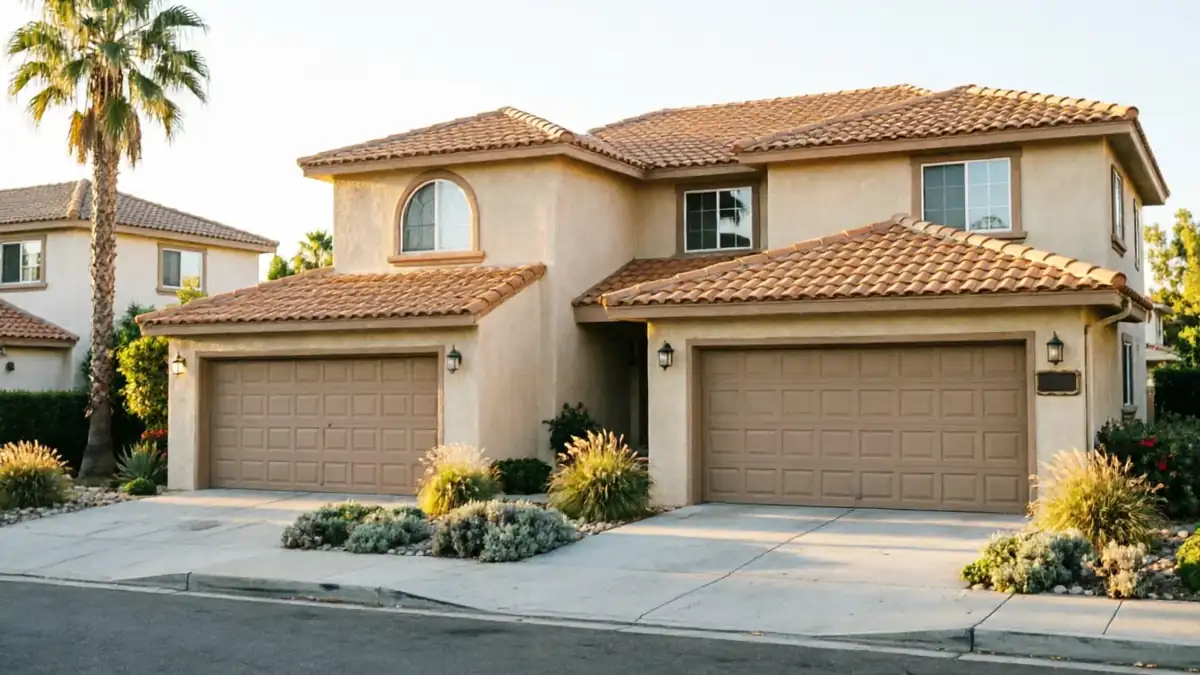
North Tustin has about 8,926 households, a small slice compared to the roughly 316,088 across the whole service area, and the median household income here runs about $186,250, well above the area-wide median of $124,167. That income gap shows up in the calls we get: more requests for insulated steel doors, quiet belt-drive opener upgrades, and full hardware replacement rather than patch repairs, because homeowners here are more willing to replace an aging system outright instead of nursing it along. The climate across the region is mild temperate, so we're not dealing with the extreme cold-weather failures that crack seals or freeze tracks. Wear here comes mostly from age and cycle count, not weather. Nearby pockets like share some of that same 1960s-to-70s building window, but North Tustin's older median and higher income combination is its own thing on our route.