The Common Mistake
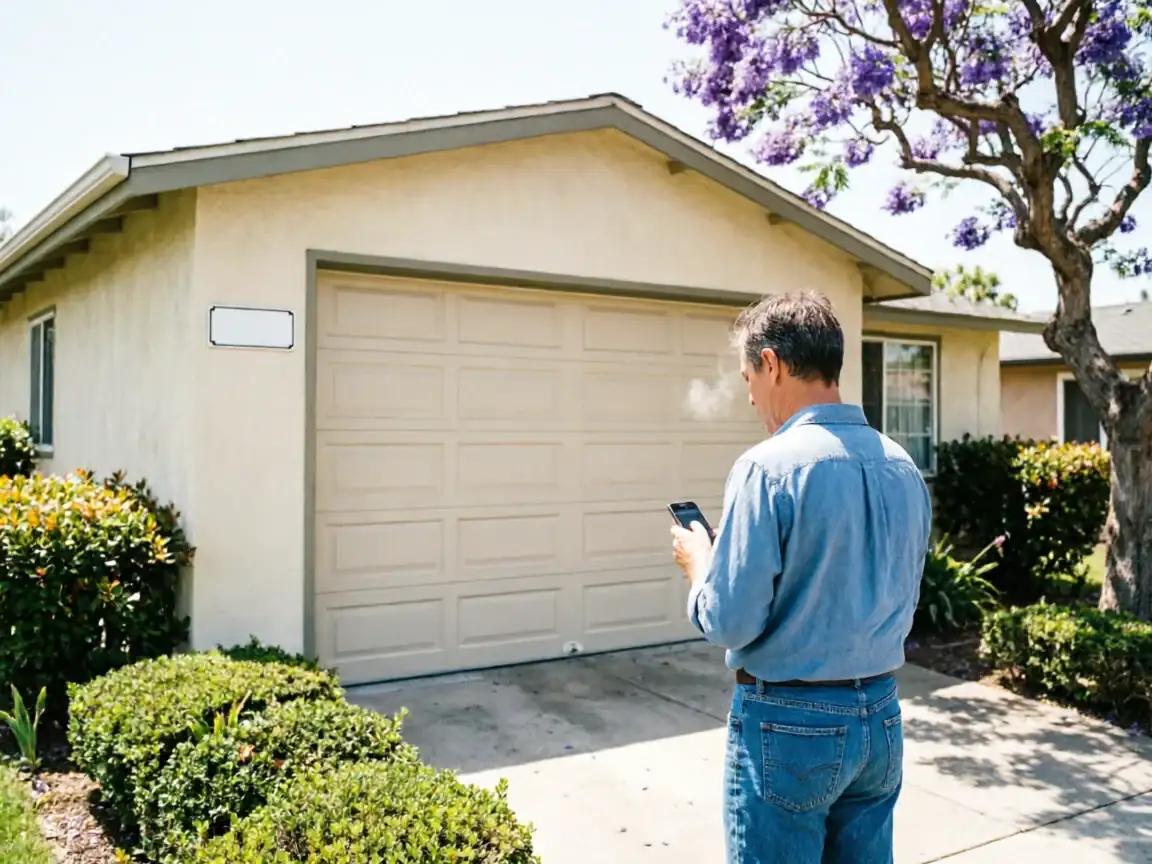
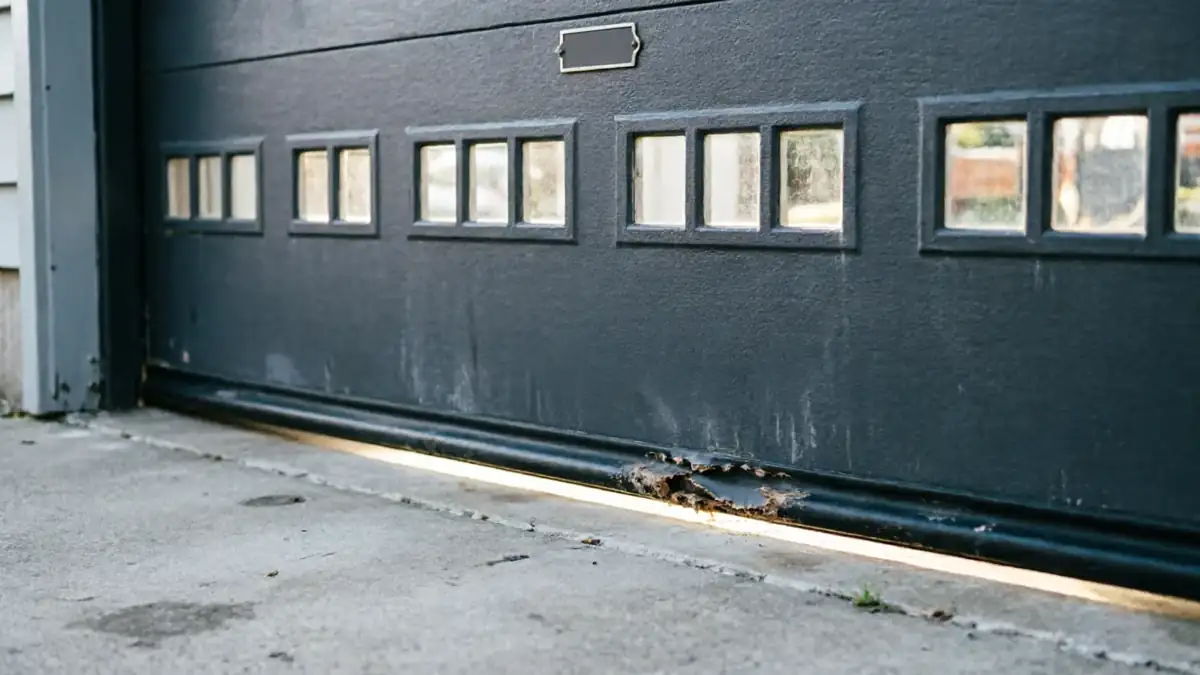
Most owners here never think about the seal at the bottom of the door until something's visibly wrong - a strip of daylight, a line of dust along the slab, a dead gecko that got further than it should have. Because Irvine doesn't get hard freezes or driving rain most of the year, people assume a cracked bottom seal is cosmetic. It isn't urgent the way a snapped spring is, so it sits for a year, then three.
The mistake is treating the seal like it's optional trim. It's doing a job: keeping dust, pollen, and dry outside air out of a space that often stores cardboard, fabric, and anything with a circuit board. On houses built in the 1960s and 70s - which describes most of the stock across this area - the seal is also the only thing standing between the garage and a slab that was never sealed to modern standards in the first place. Once the rubber hardens and pulls away from the slab, you're not fixing a draft. You're fixing a gap that's been open for months.
The Problem
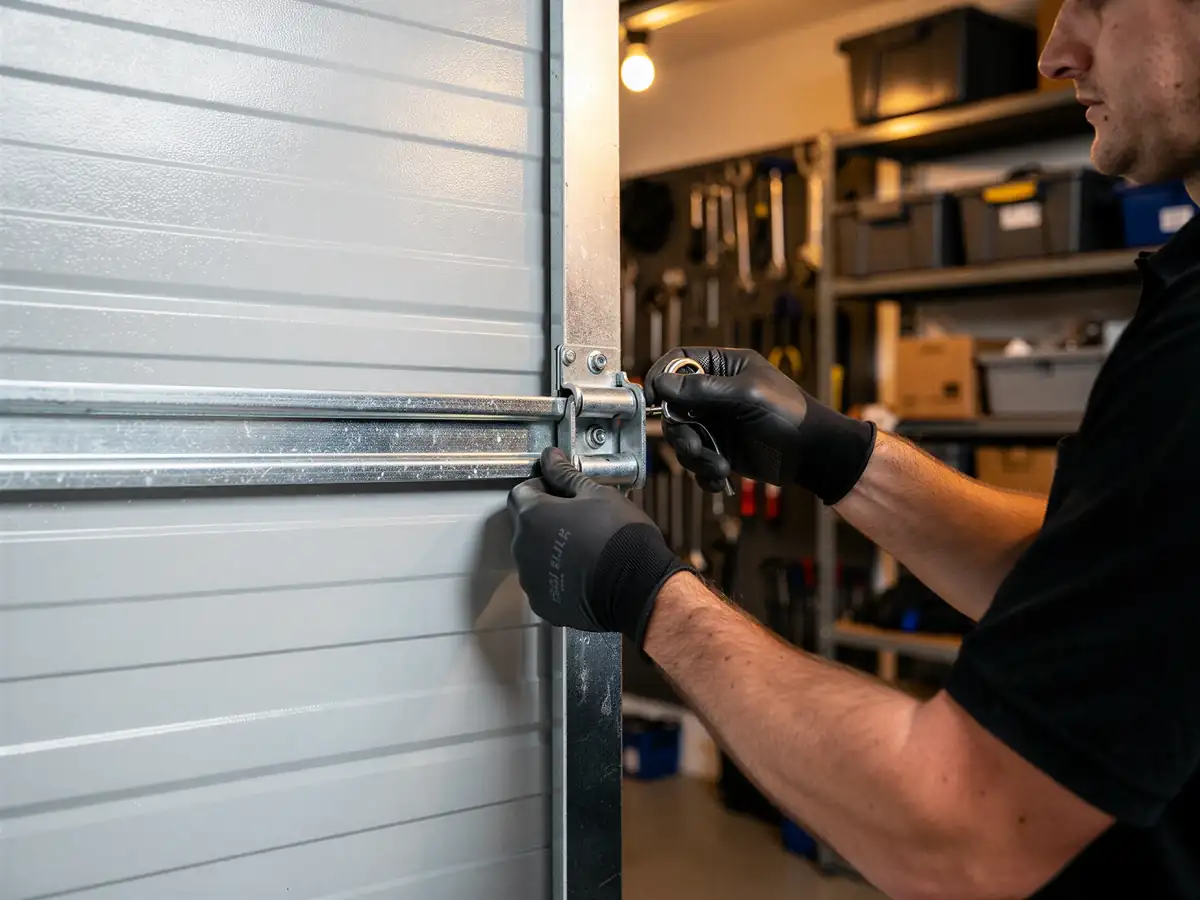
A garage door bottom seal is a strip of PVC or rubber set into an aluminum retainer, and it has exactly one enemy in a climate like this: ultraviolet light and daily heat cycling, not frost. Irvine sits in a mild temperate band - no deep winter, no real freeze-thaw - so the seal doesn't crack from ice the way it would somewhere colder. Instead it bakes. Day after day of sun on a west- or south-facing door heats the vinyl until it loses its flex, then it cools overnight and contracts. Do that for years and the material goes brittle and starts to pull away from the aluminum track that holds it.
On the older end of the housing stock here - homes going back to 1938, with the bulk built between the 1960s and the 2000s - that retainer track is often the original aluminum extrusion, slightly warped from decades of the same cycle. A new seal dropped into a warped track won't seat right no matter how new the rubber is. That's the part people miss: sometimes the seal isn't the problem, the track underneath it is.
Season by Season
Irvine doesn't swing the way inland or northern climates do, but it isn't flat either
Late spring and summer bring the longest stretch of direct sun on west-facing doors - common in villages like where garages line up in rows facing the same direction - and that's when seals harden fastest. By late summer a seal that looked fine in February is visibly stiff.
Fall and winter are milder and the rubber relaxes a little
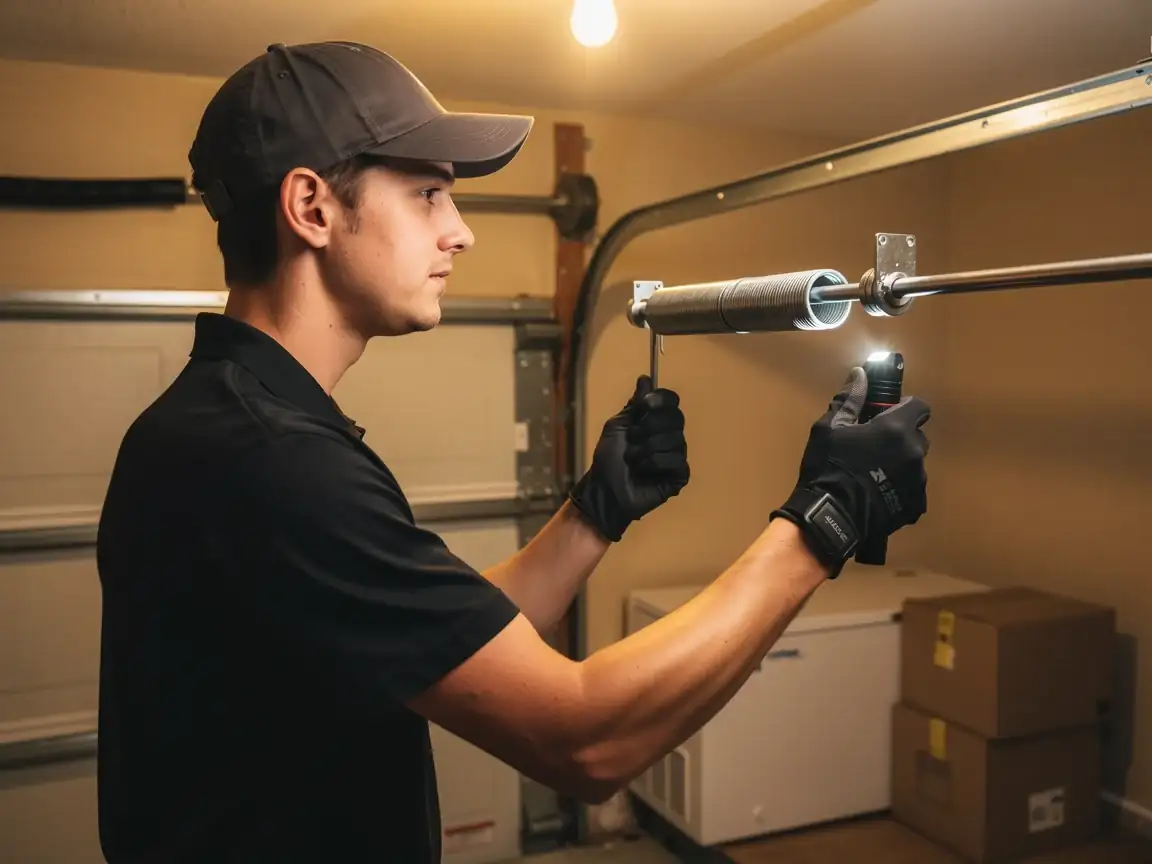
Which is actually when small gaps are easiest to spot - put a flashlight against the closed door at night and walk the perimeter from inside. You'll see light where the seal has pulled back. Because there's no snowmelt or freeze cycle here, the damage doesn't happen all at once in a cold snap. It's gradual, which is exactly why it gets ignored until the gap is wide enough to let in real dust and the odd rodent, not just a draft.
What the Weather Here Does to It
Strip away the national advice about freeze-proofing and ice-damming, and what's left for a mild, dry climate like Irvine's is simpler: UV, heat-cycling, and dust infiltration. The seal's job isn't to keep out rain most of the year - it's to keep the garage from turning into a wind tunnel for the dry, dusty air that moves through this part of the county, and to stop daily temperature swings in the garage from cooking whatever's stored against that wall.
Here's the honest limit: if your door and track are original to a house from the 1960s-70s wave, a new universal seal often won't seat flush, because the aluminum retainer has warped slightly over fifty-plus years of heat cycling. In that case replacing just the seal is a temporary fix, and we'll tell you that up front rather than sell you a strip of rubber that'll gap again in a year. Given the cost of doing the retainer and seal together once versus the seal twice, most owners here choose to do it right the first time.