What You Are Seeing
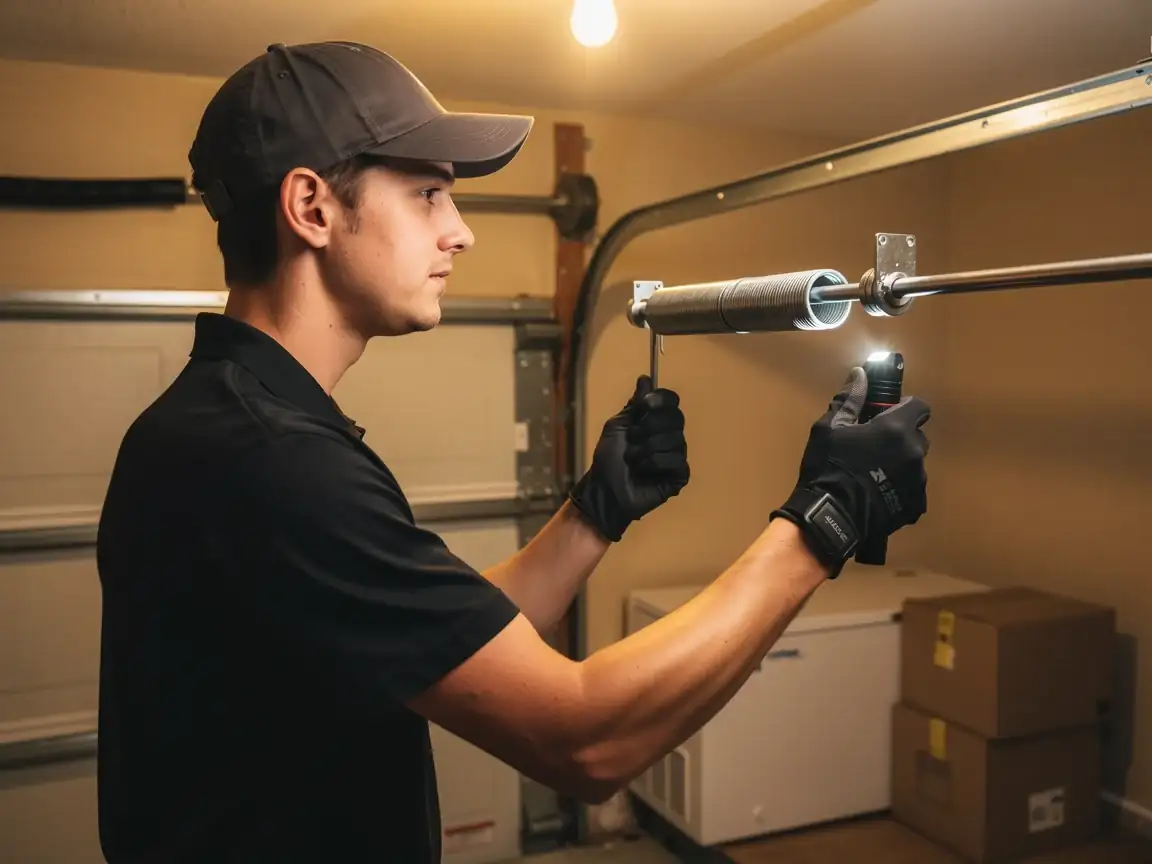
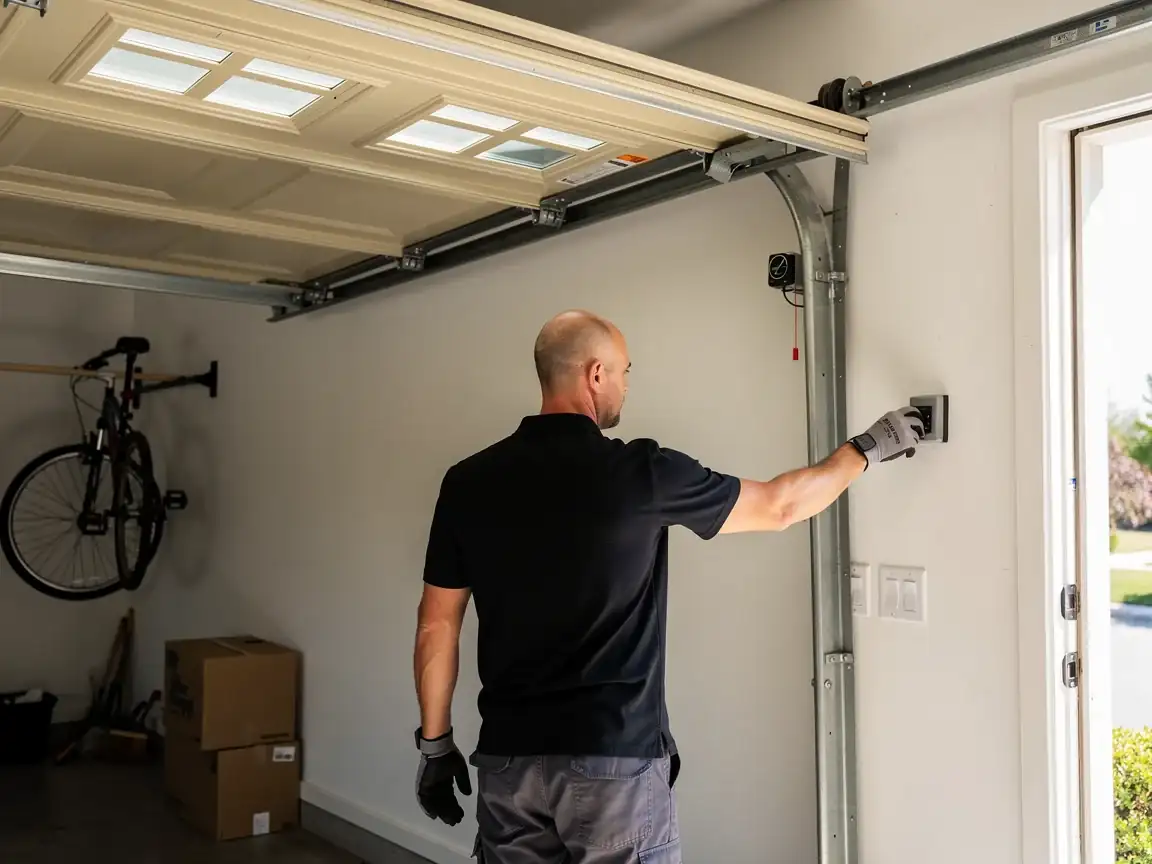
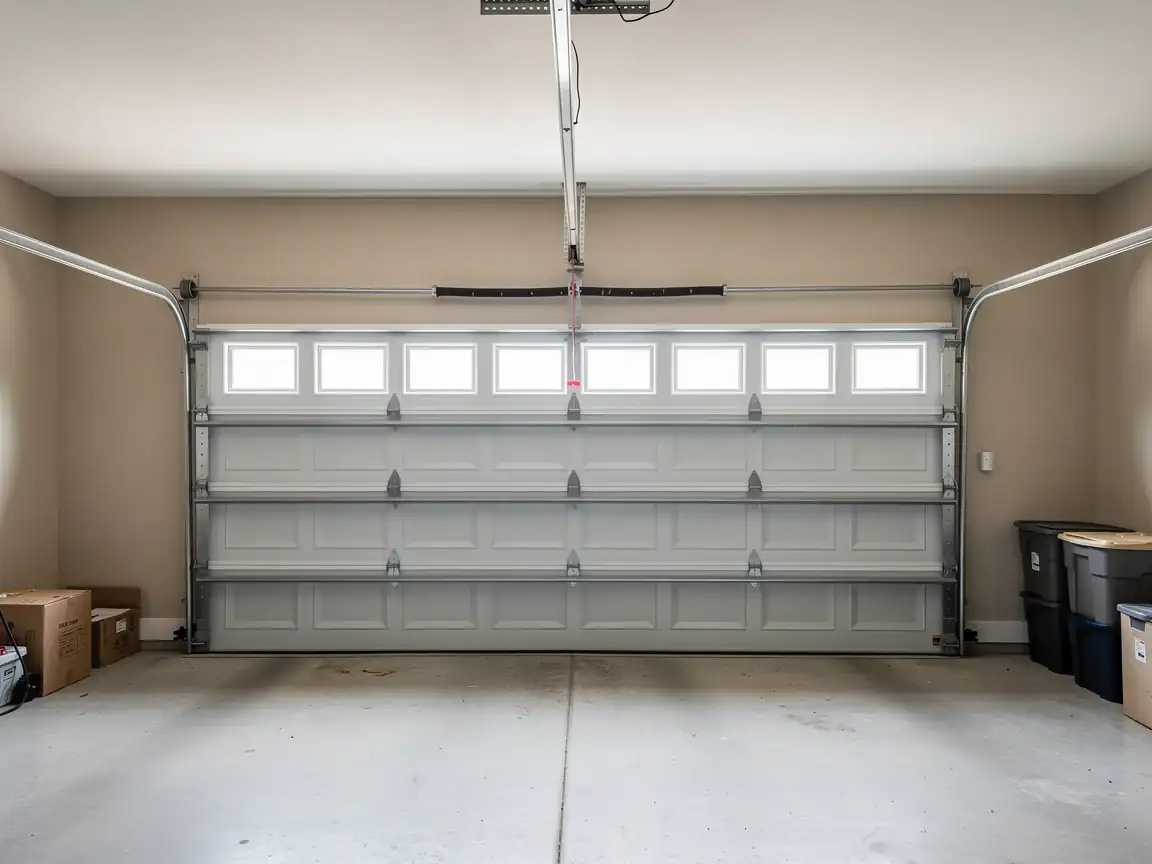
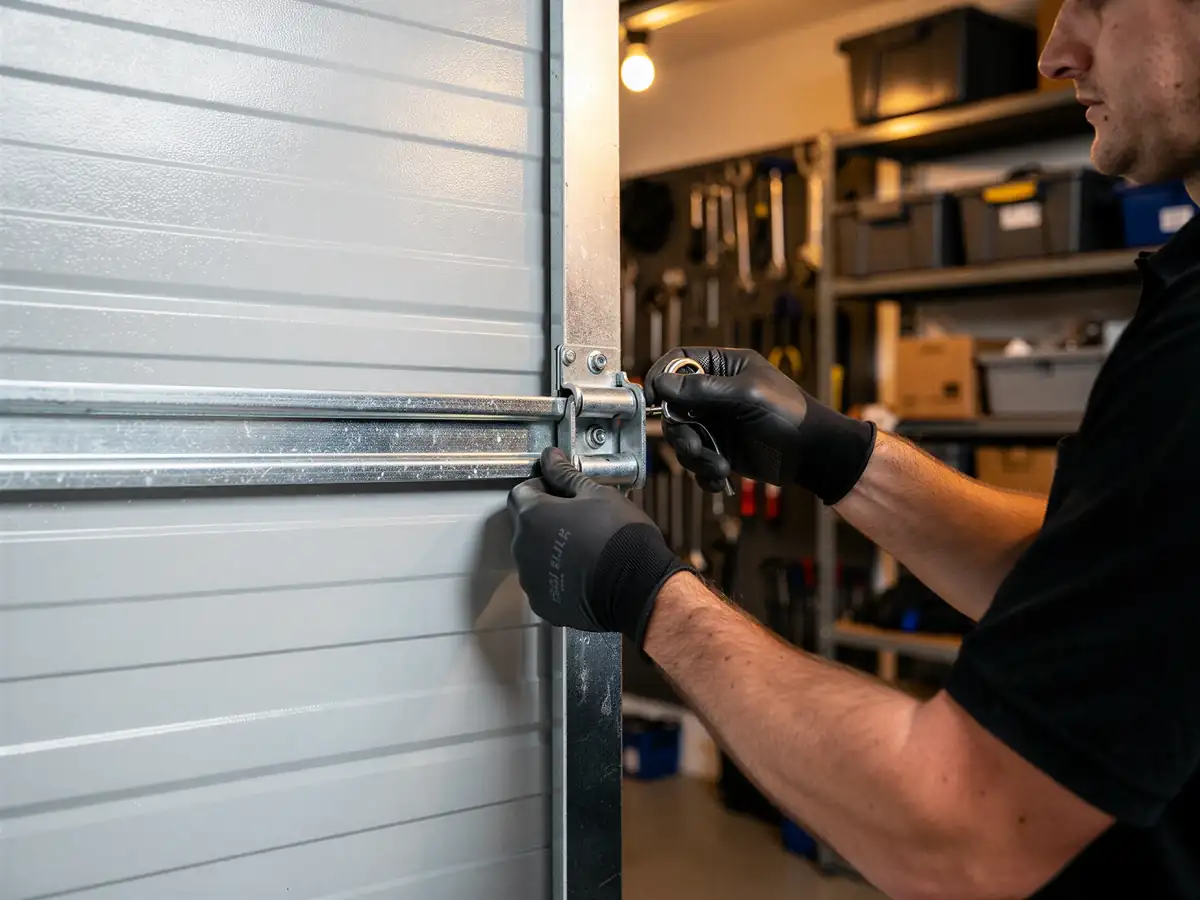
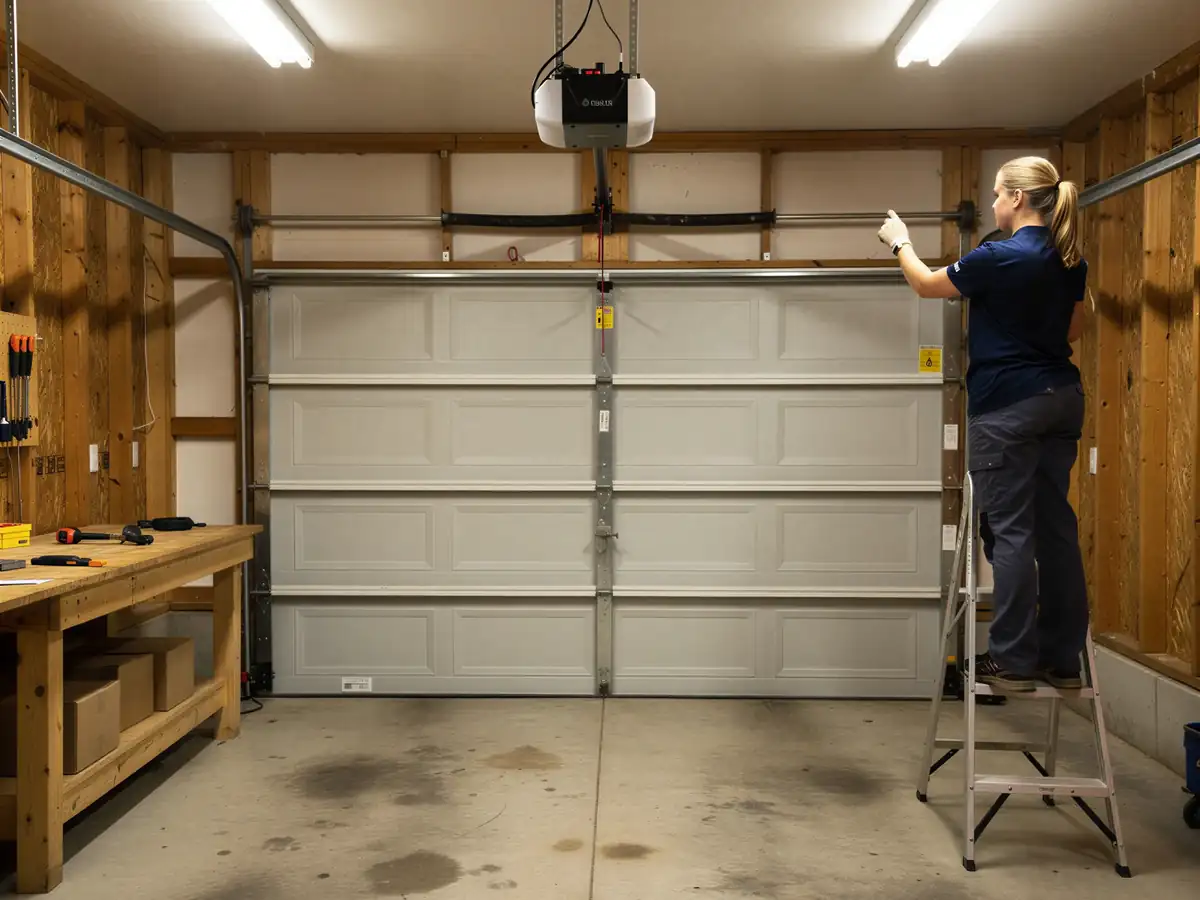
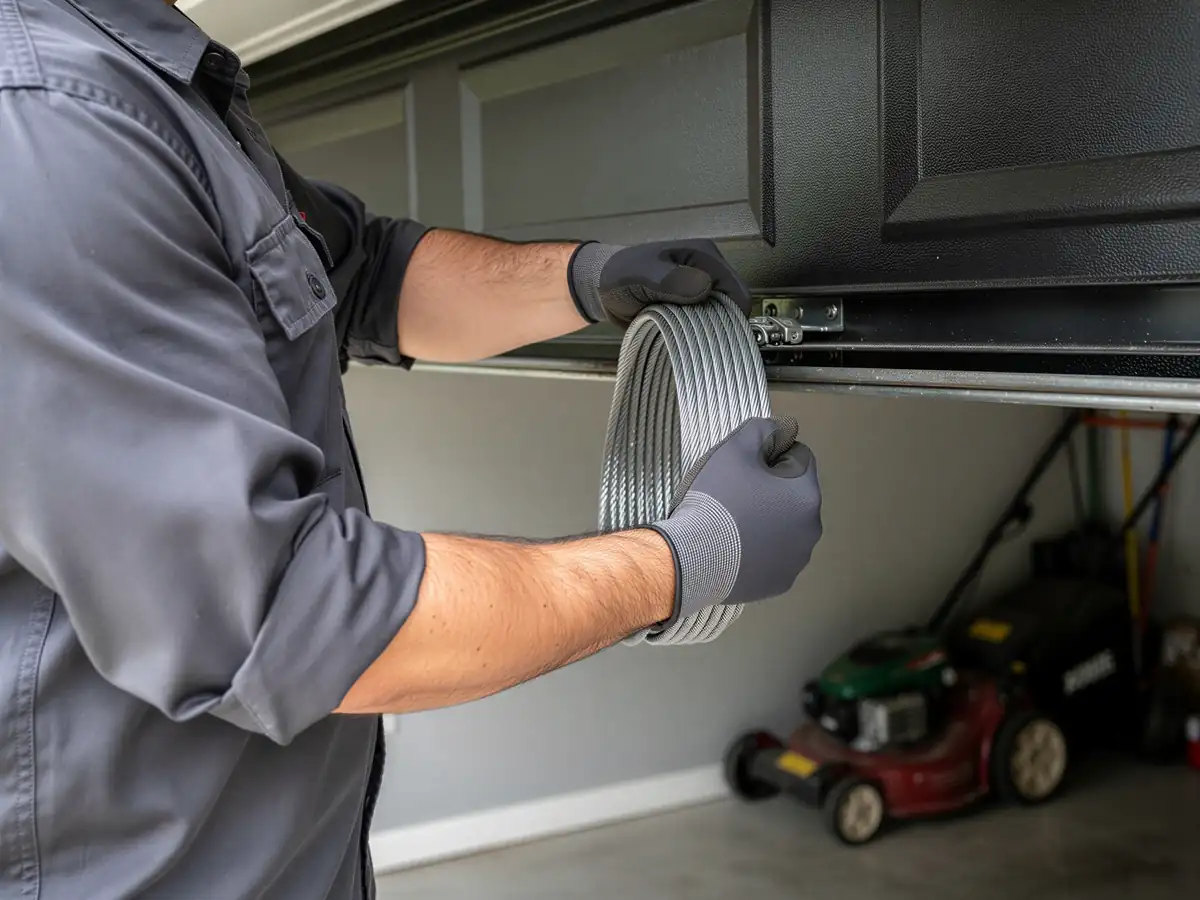
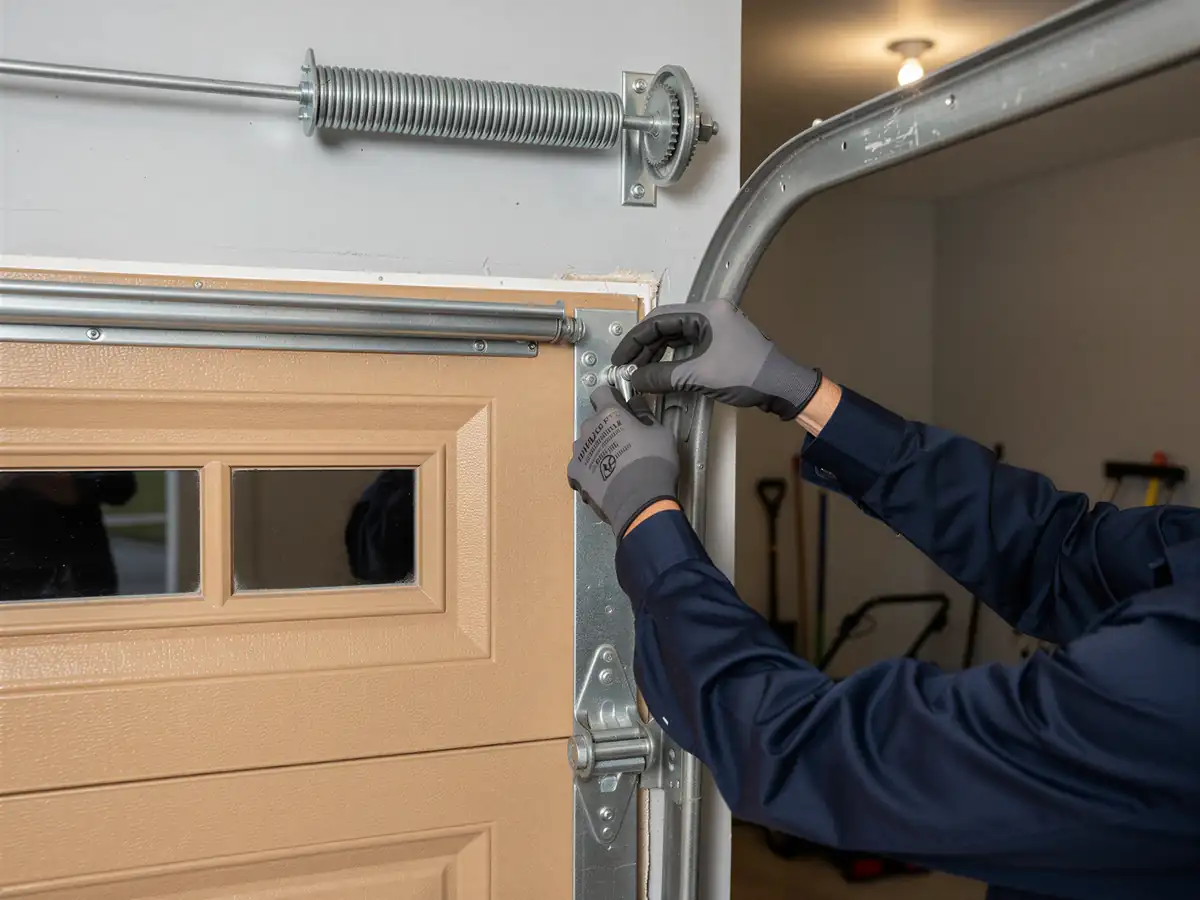
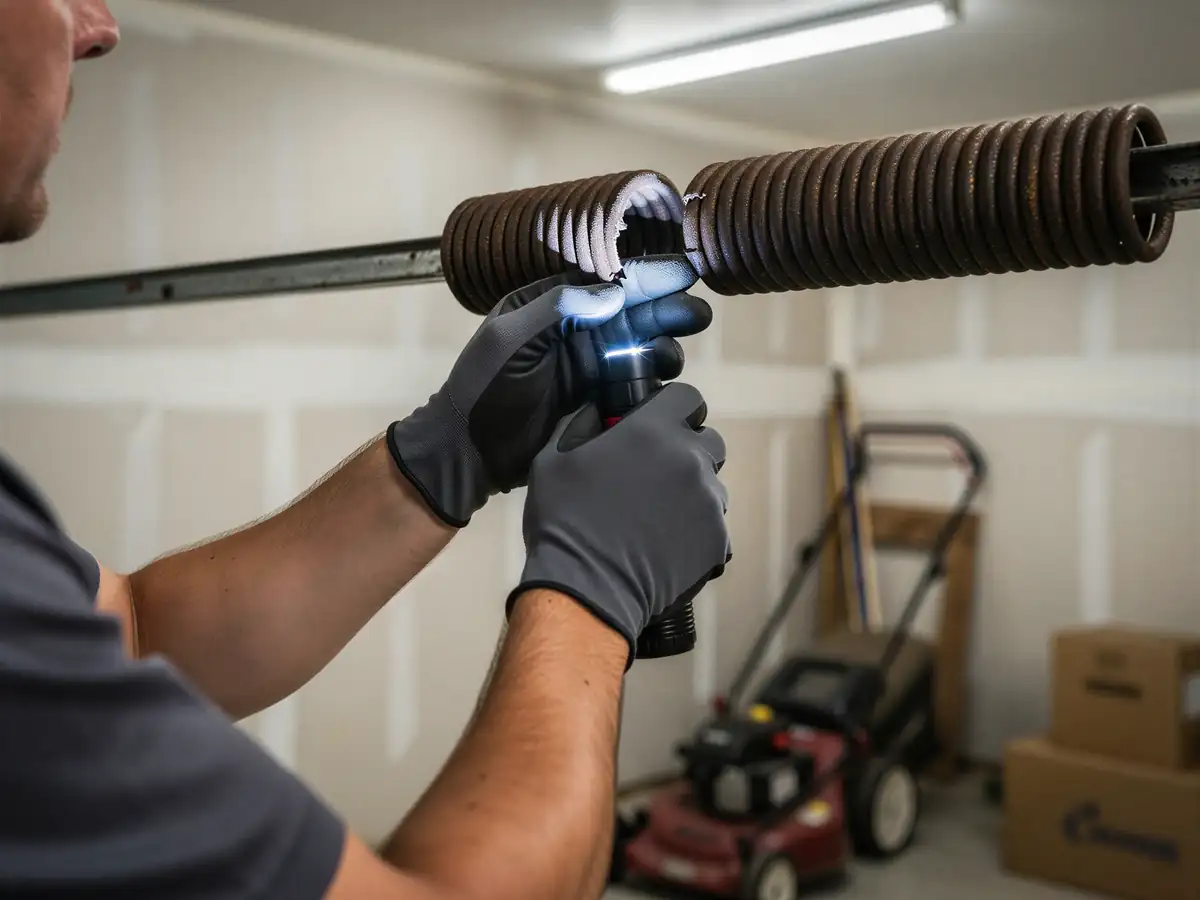
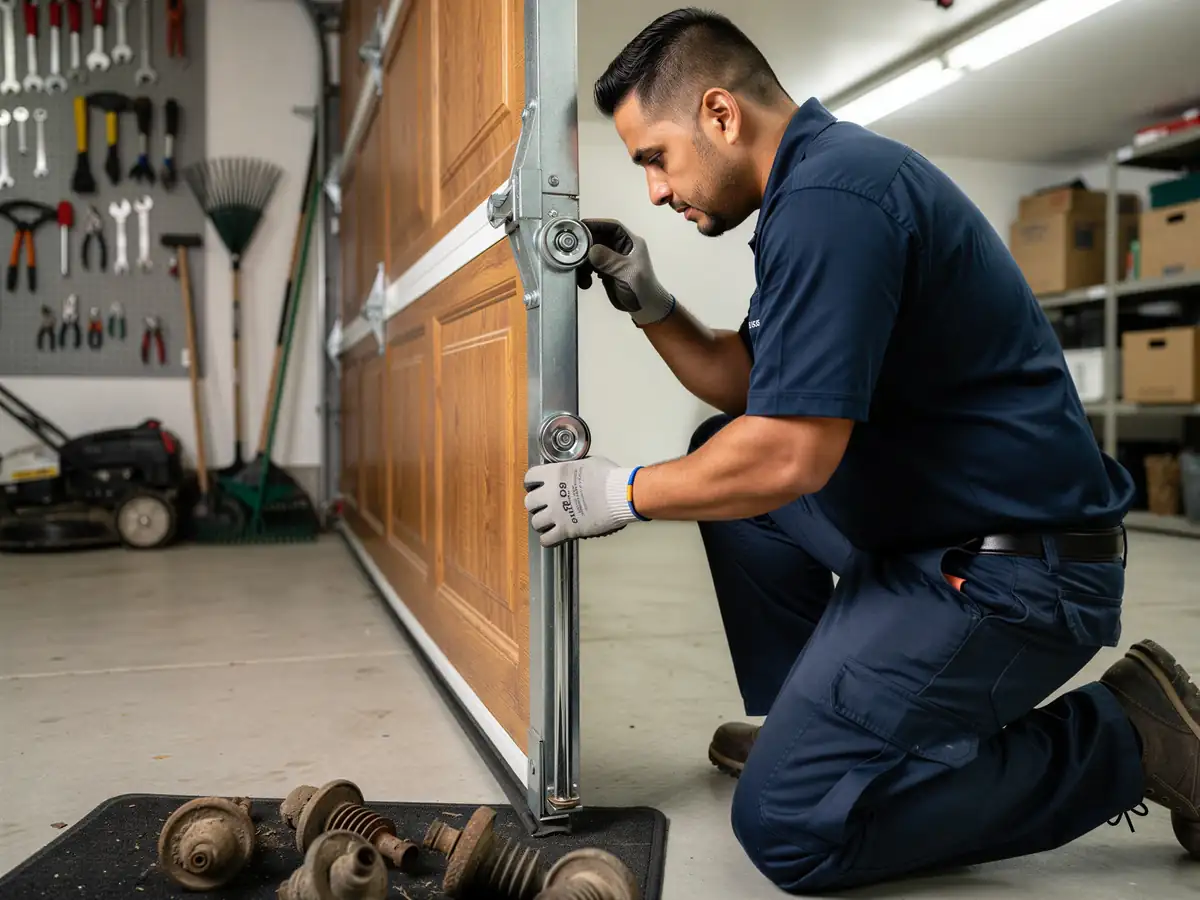
If the door grinds, hops, or hesitates partway up the track, the rollers are usually the first thing worn out, not the opener. Nylon rollers wear down at the stem and the wheel goes oval instead of round, so the door rides rough through the last foot of travel. Steel rollers on older doors rust at the bearing and seize, which makes the opener strain even though the spring is fine. Across Irvine's housing stock, built mostly between the 1960s and 1970s with some sections dating to 1938 and others as recent as 2015, we see a split: the older tract doors still running original steel rollers on bare bearings, and the newer doors with nylon rollers that have simply logged enough open-close cycles to wear flat. Either way, the symptom is the same noise, the same catch point, and a door that's working harder than it should. A door that drags on the track also pulls sideways on the cables and hinges, so a roller job put off long enough turns into a cable job or a hinge job. We check the whole track and roller set on every call, not just the one roller you heard squeak, because if one has worn out the others on that side are close behind from the same mileage.
The Cost of This Job
Roller replacement is priced by what's actually on the door: how many rollers need swapping, whether they're nylon or steel, and whether the track itself needs adjustment or replacement alongside them. A single-side roller swap on a door that's otherwise sound costs less than a full set with track realignment, and a door where the rollers failed because the track bent costs more than one where the rollers simply wore out on a straight track. We don't quote a flat number over the phone because we haven't seen the door - what we can tell you is that rollers alone are one of the less expensive repairs we do, well under the cost of a spring or opener job, and we'll give you the actual figure once we've looked at the stem wear, the bearing condition, and the track. If a door needs more than rollers, we say so before we start, not after. One honest limit: if the track is bent badly enough that it's pulling away from the frame, replacing rollers into a bad track just wastes the new rollers, and we'll tell you to fix the track first.
What Causes It Around Here
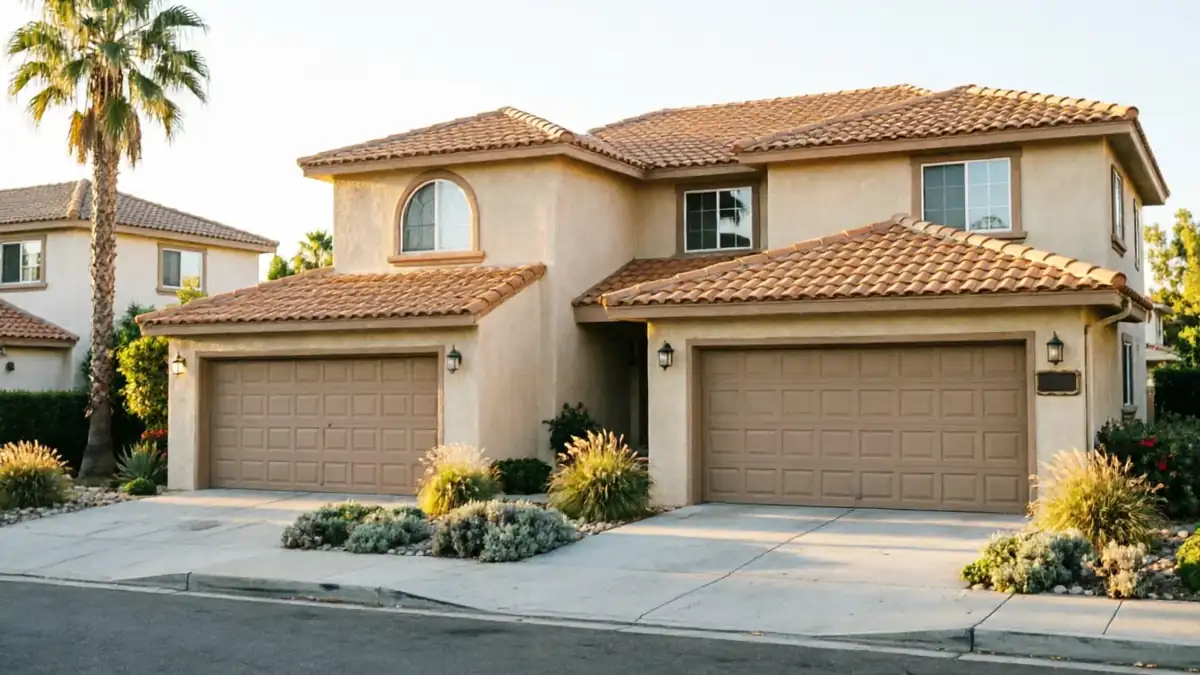
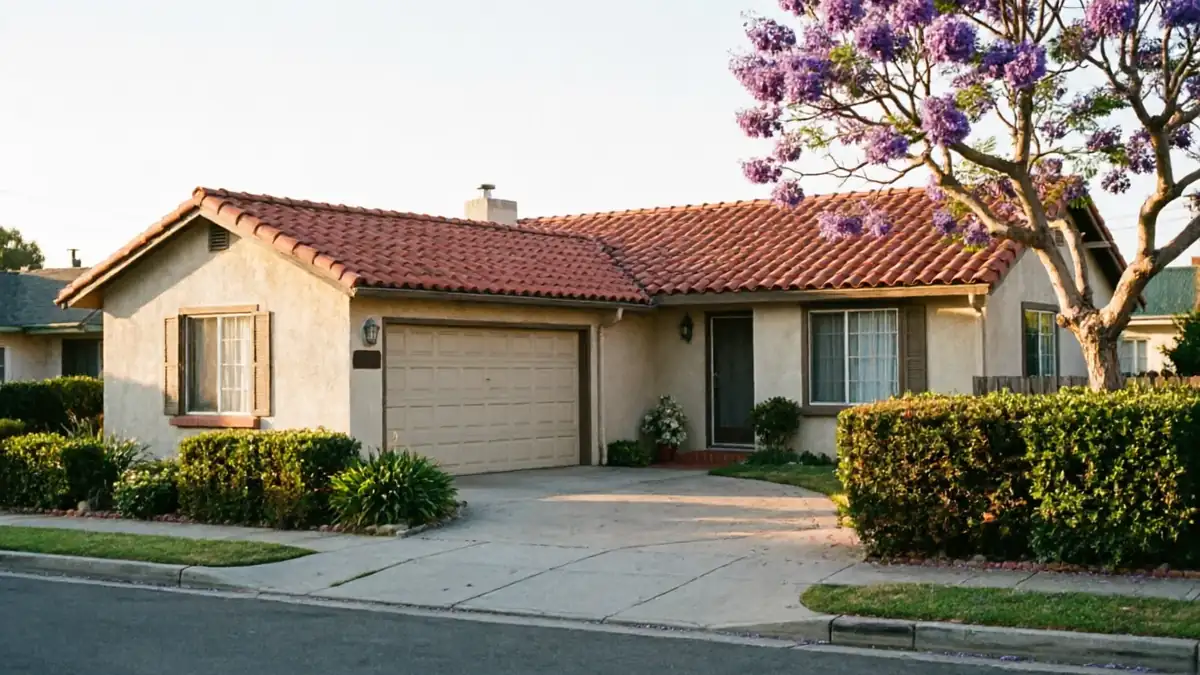
Irvine's climate is mild temperate - no hard freezes, no real humidity swings - so rollers here don't fail from rust-through the way they might somewhere with harsh winters. What wears them out instead is straight mileage: a median household income of $124,167 across the service area's roughly 316,088 households tracks with higher rates of two- and three-car households and more daily door cycles per home than you'd see in a lower-car-ownership area. More cycles, more wear, especially on the original rollers that came with houses built across the 1938-2015 span but concentrated in that 1960s-70s wave. Those original builders put in whatever roller was standard at the time, often steel on exposed bearings, and thirty-plus years of twice-daily cycling is enough to wear through even a well-made part. Newer builds closer to 2015 came with nylon rollers from the factory, which run quieter but still wear at the stem over time. Either generation, the fix is the same: swap the worn parts before they take the track or the cable with them.