How That Shows Up in the Door
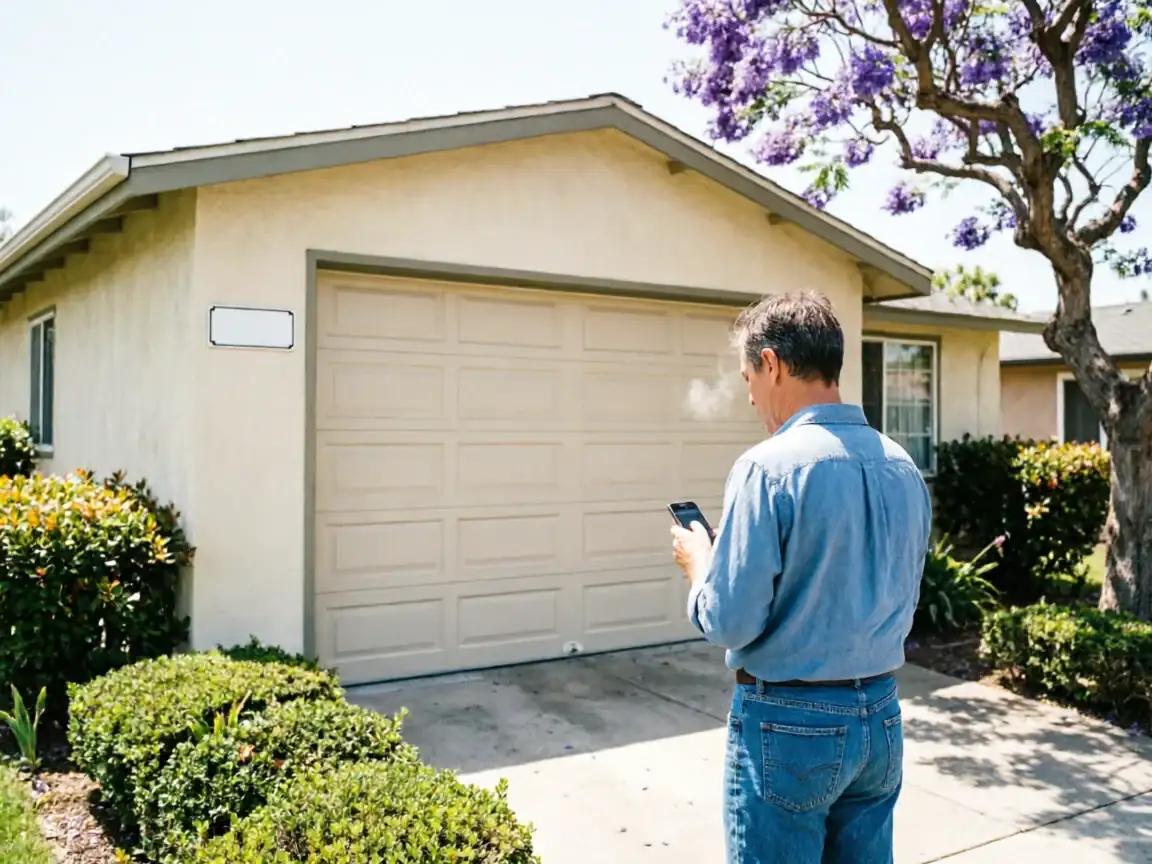
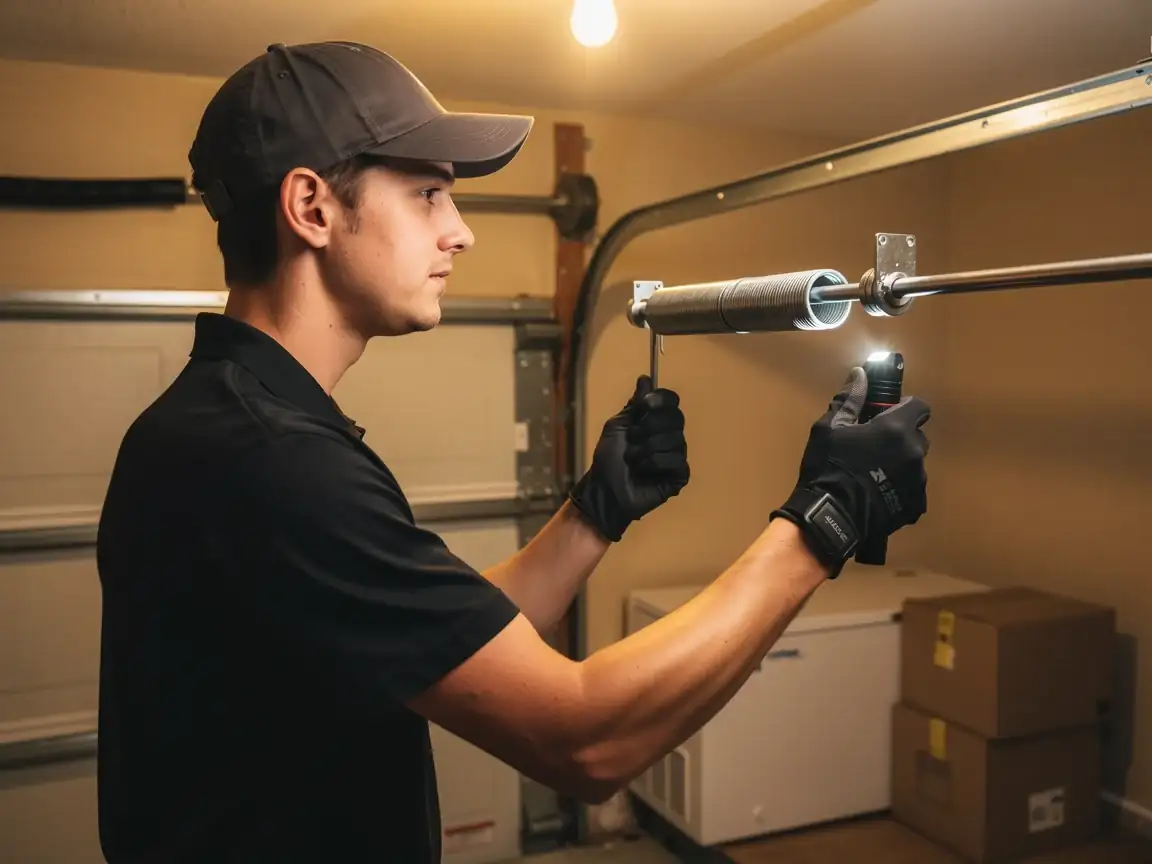
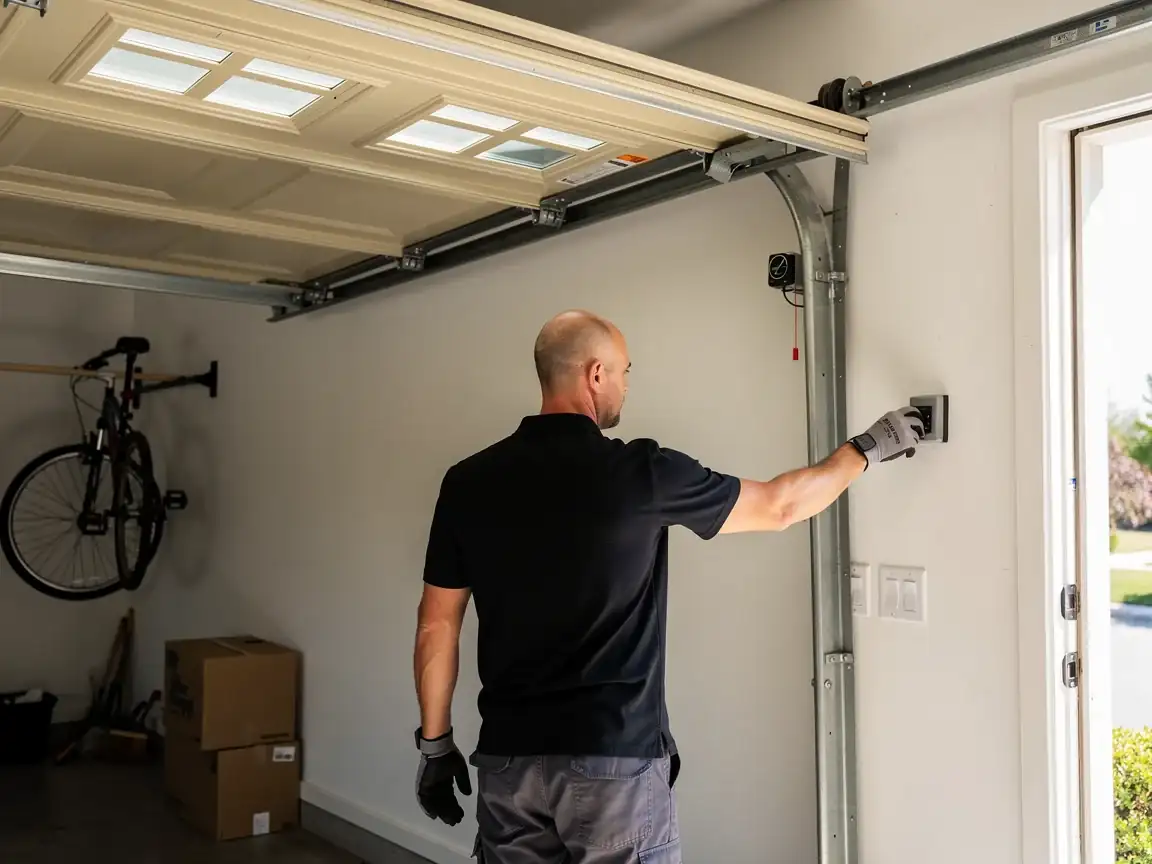
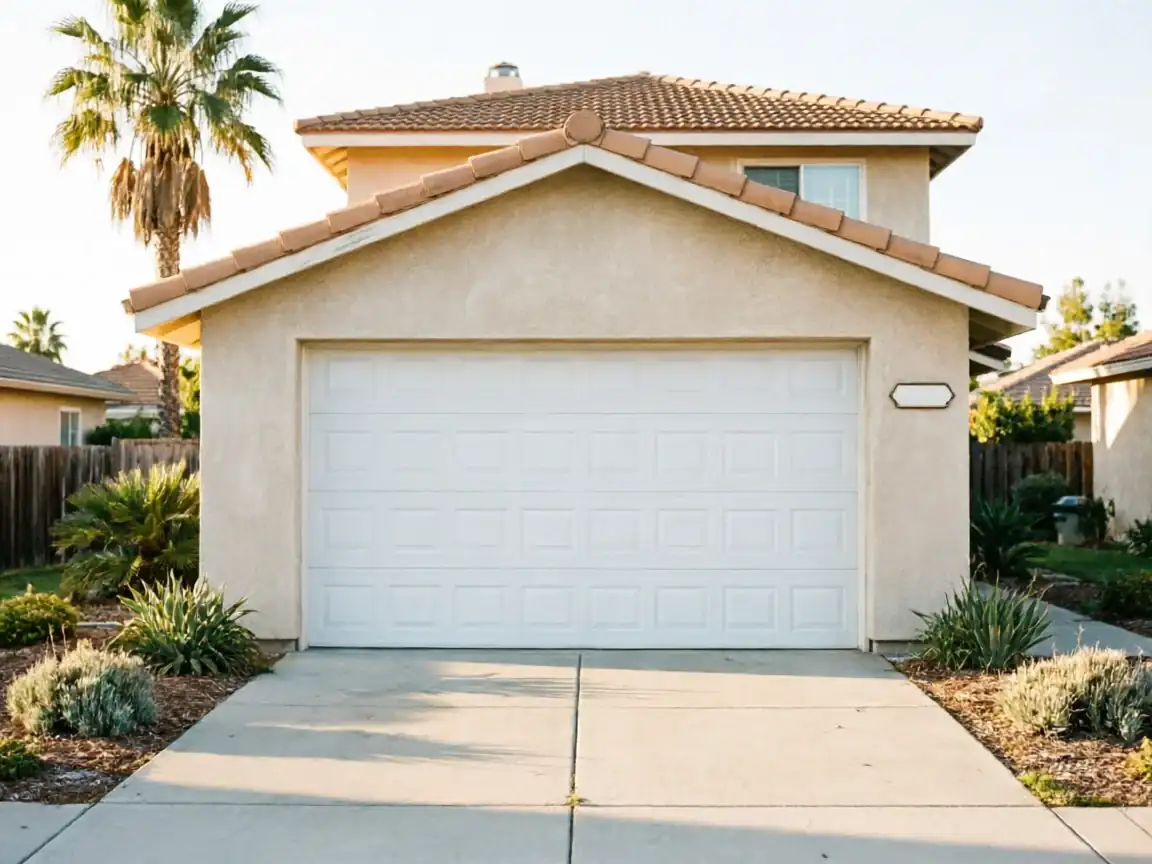
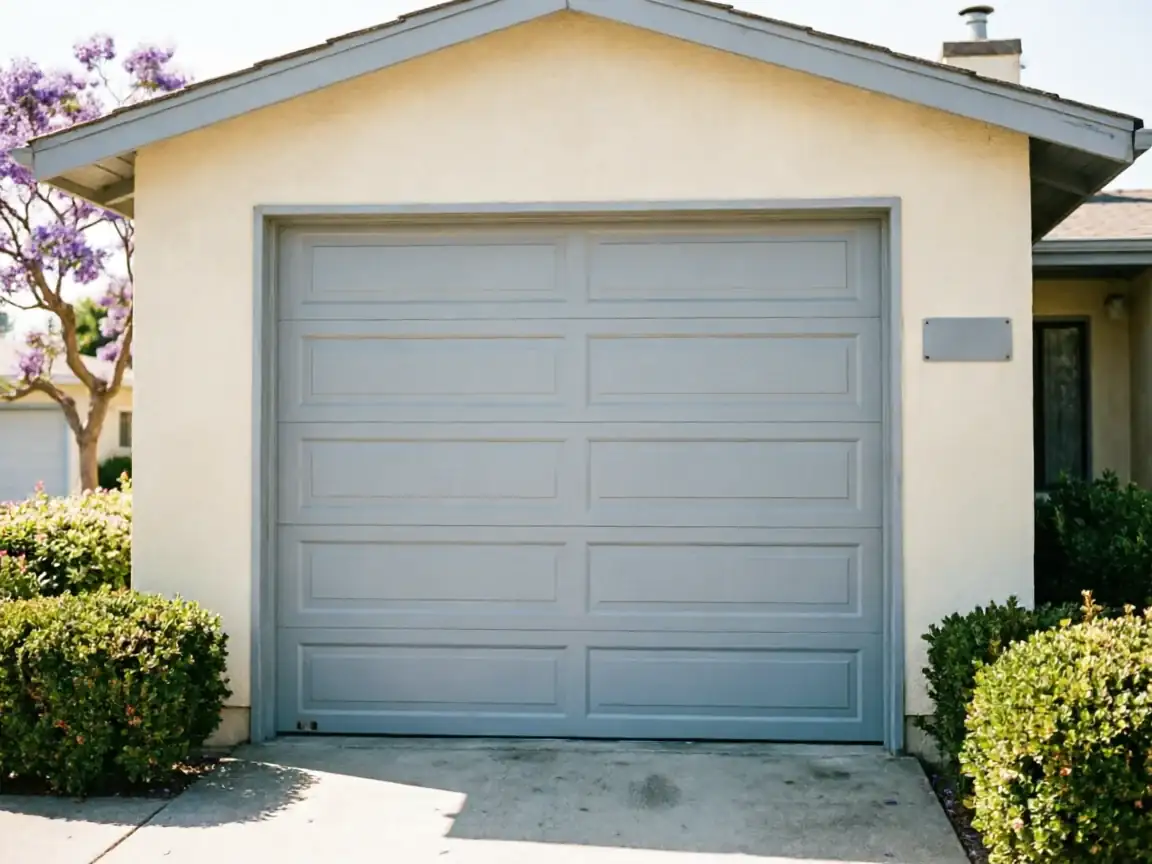
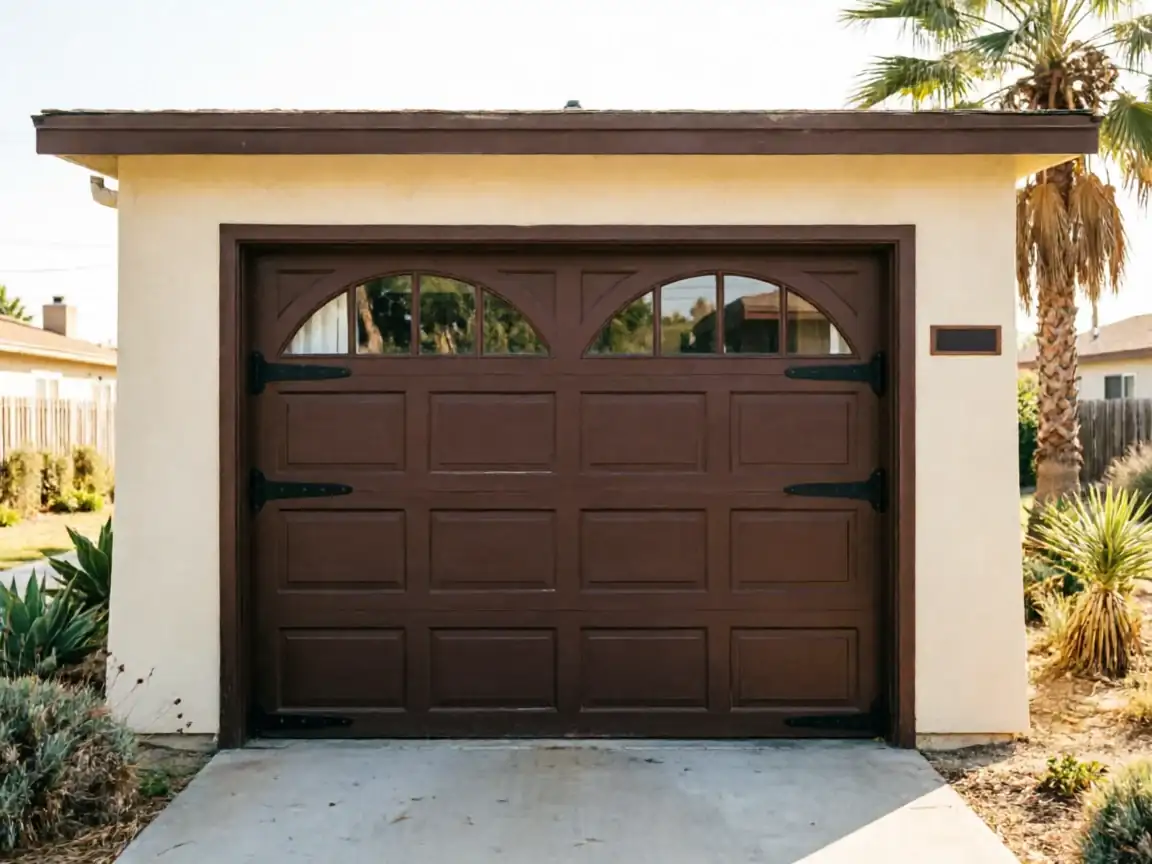
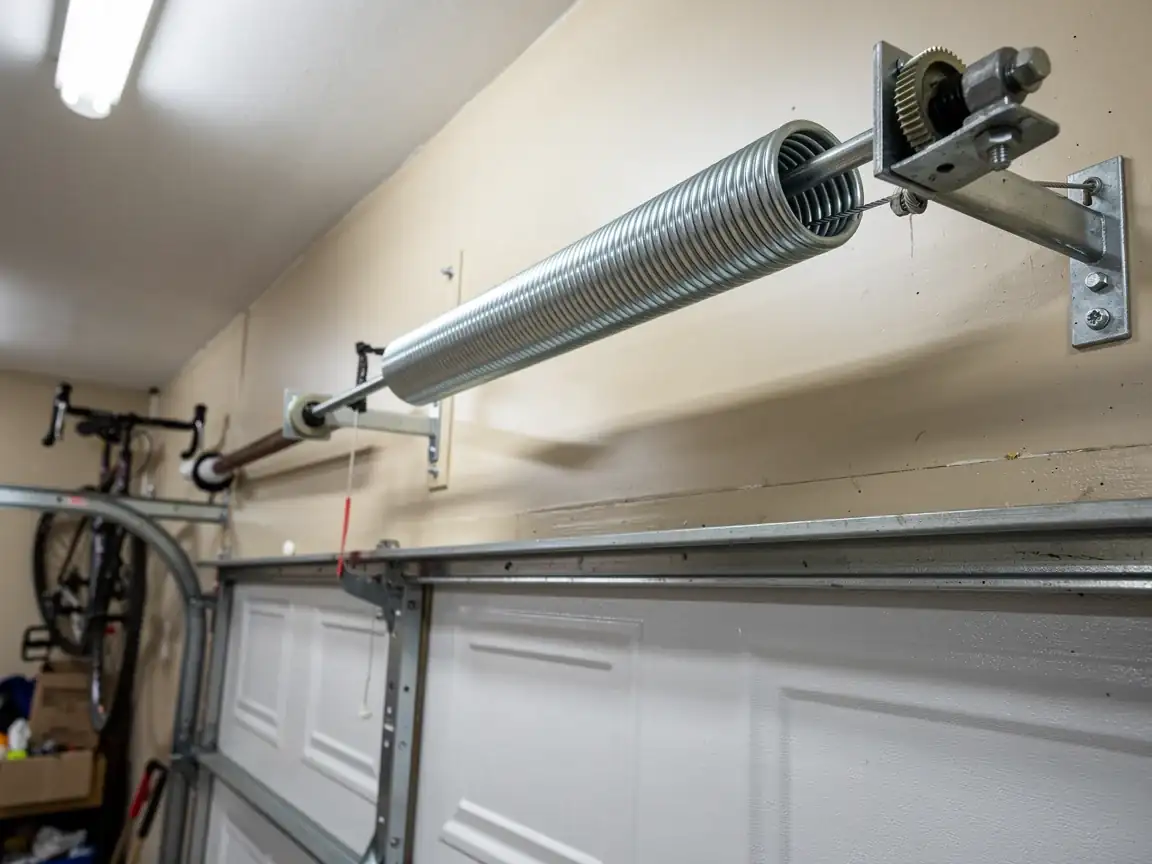
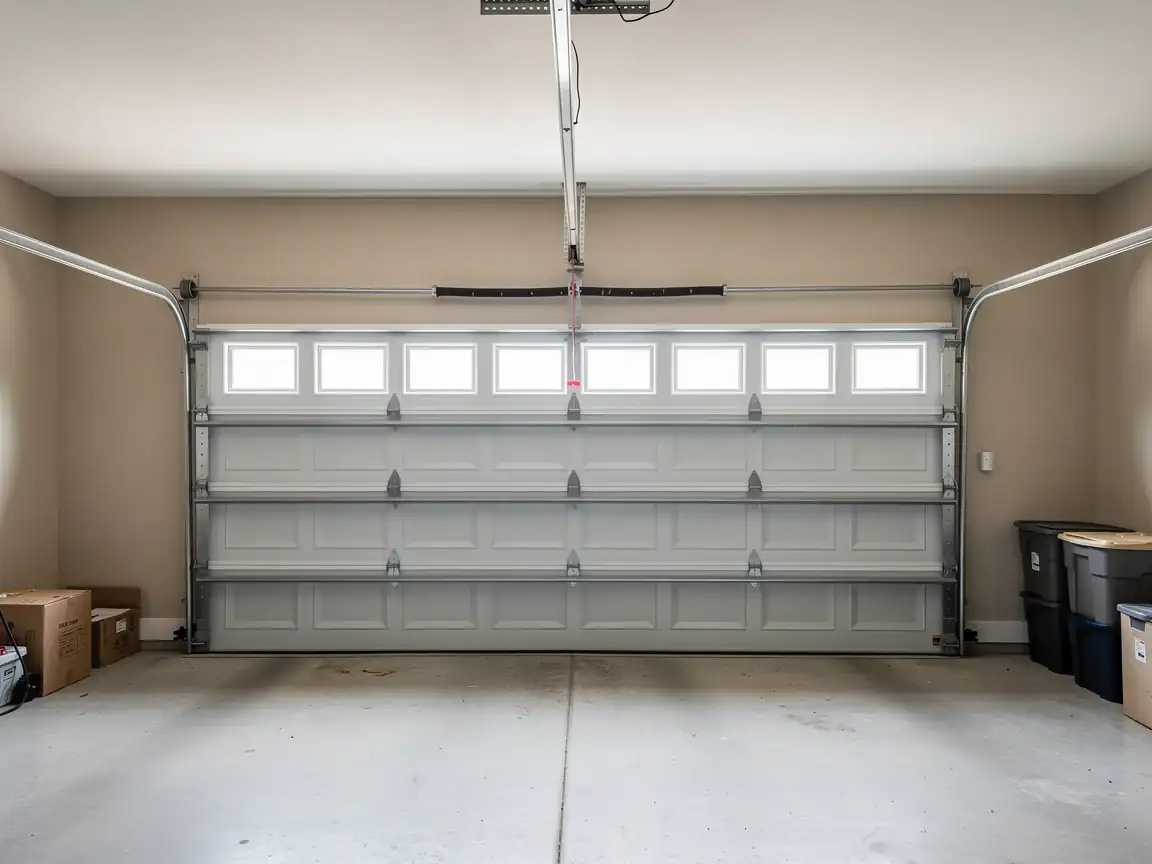
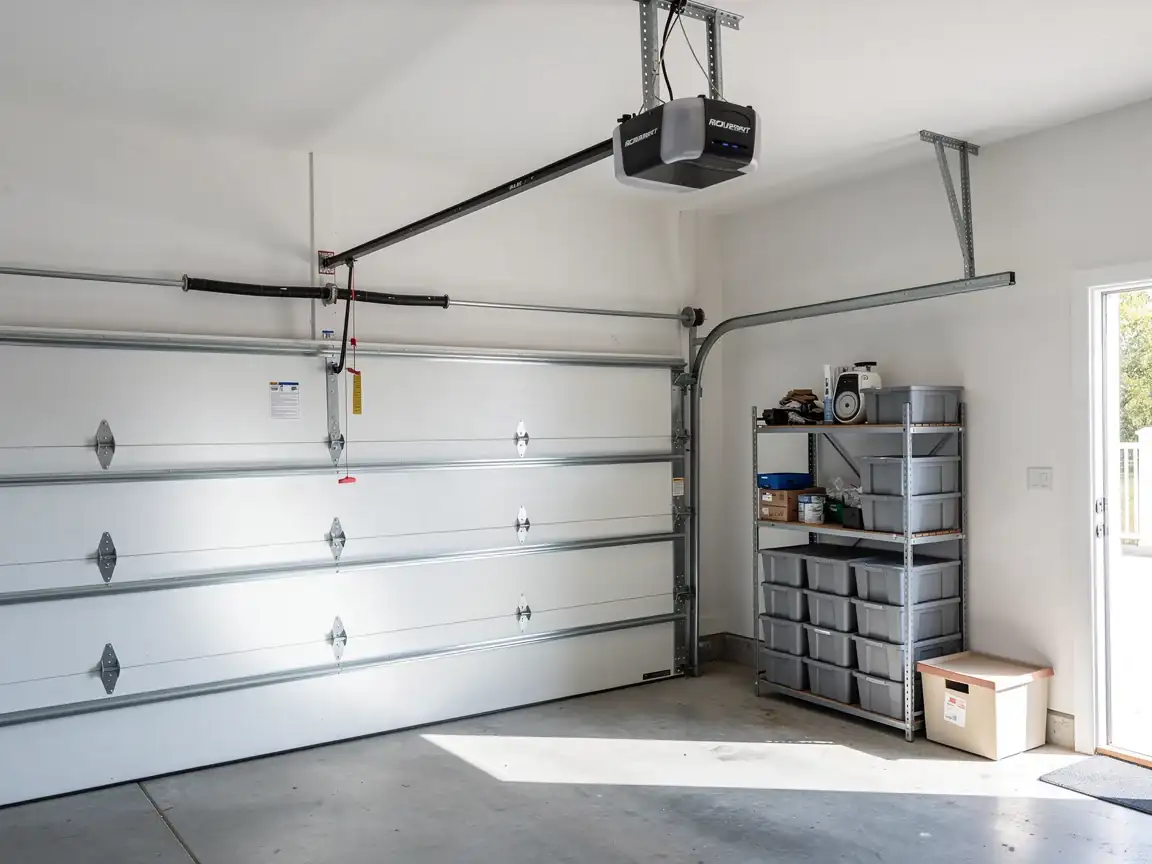
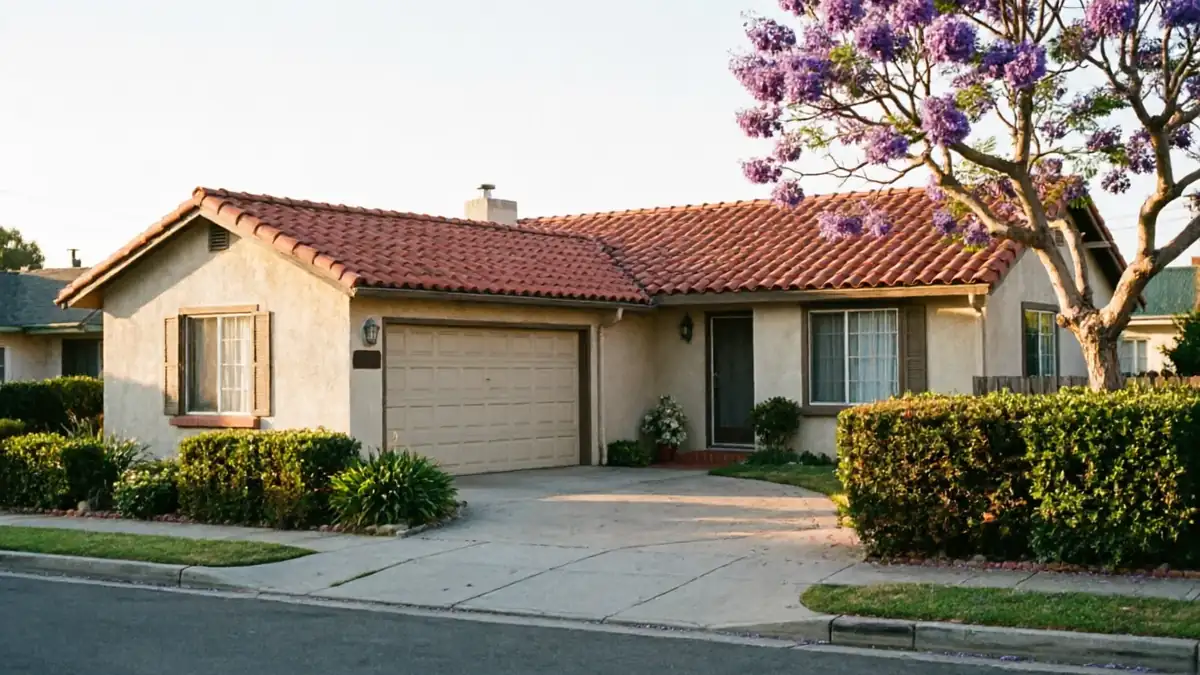
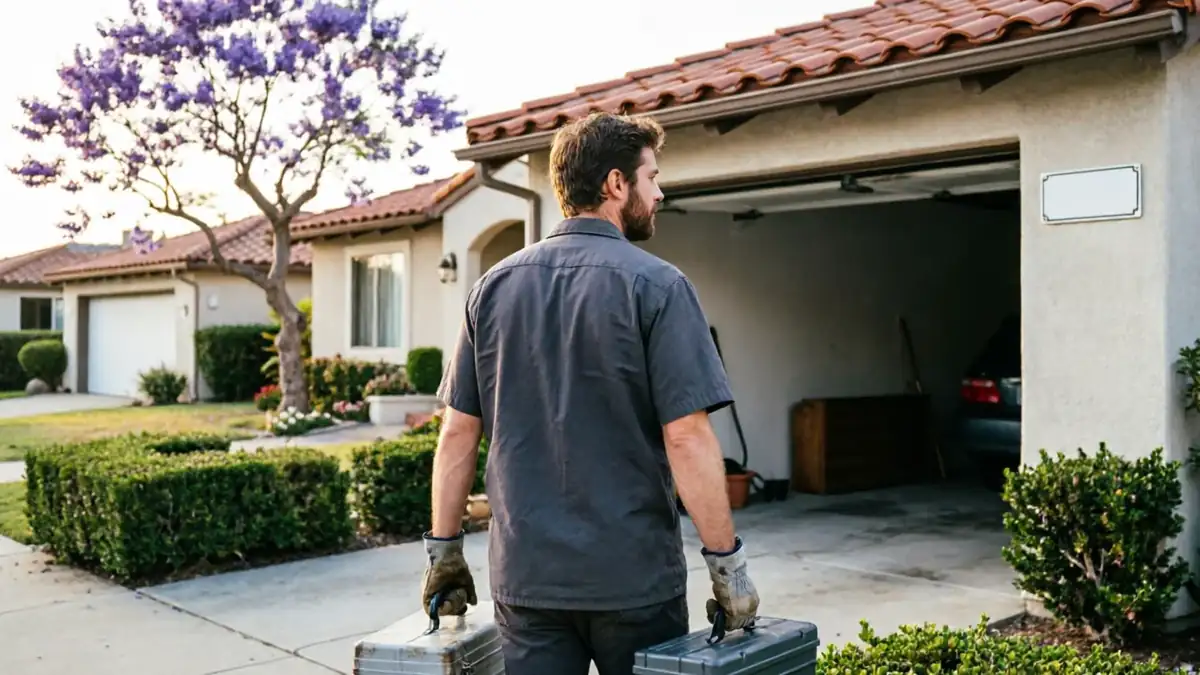
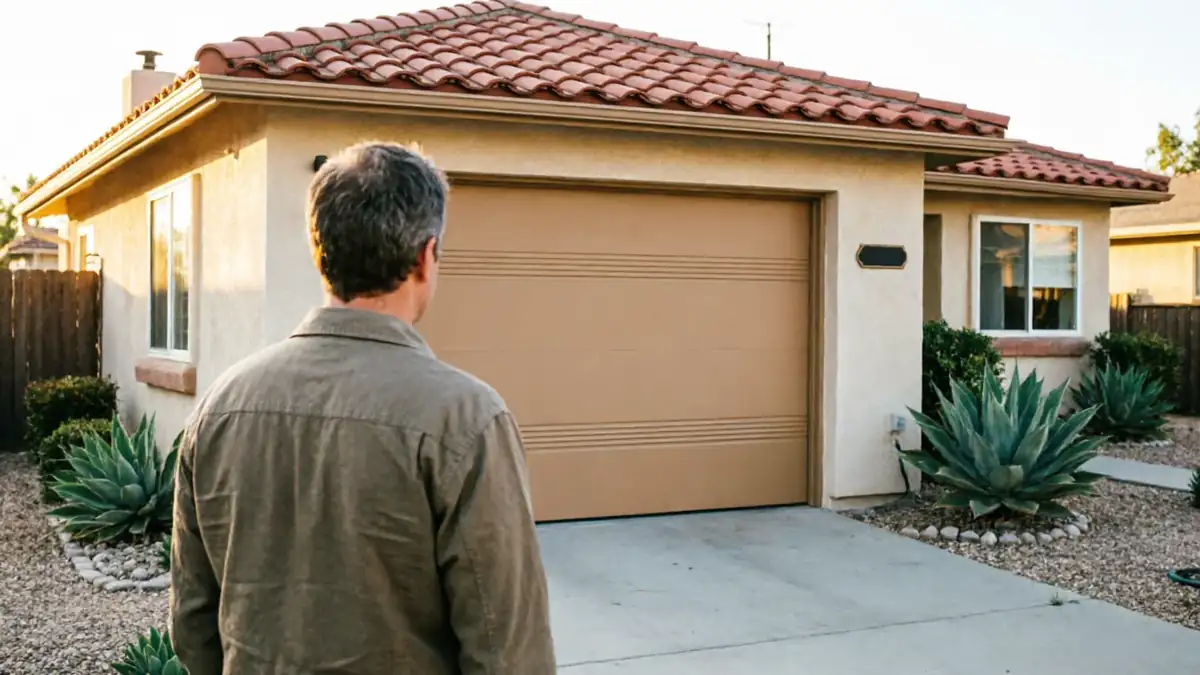
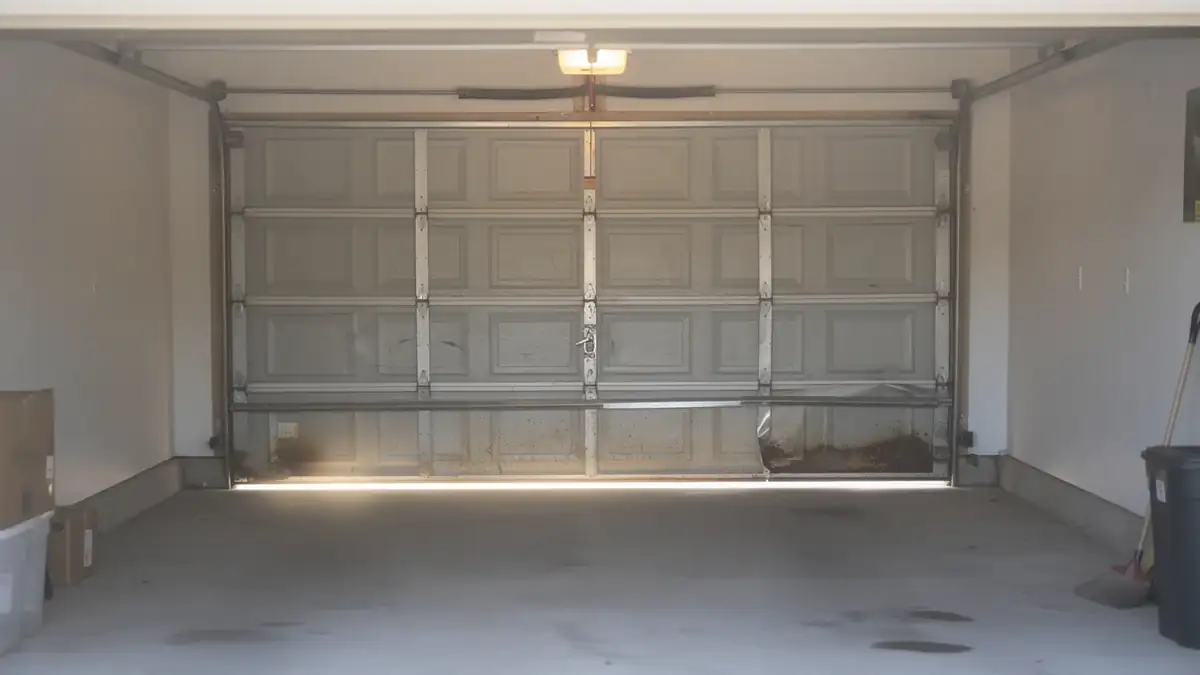
San Clemente's housing stock centers on a median build year of 1982, which puts it a few years past the broader service area's 1976 median. That gap matters more than it sounds like it should. By the early 1980s, builders had largely shifted from extension springs mounted along the horizontal track to torsion springs mounted on a shaft above the door - but the openers going in during that window were still mostly chain-drive units with early circuit boards, not the belt-drive, battery-backup models you'd see in a newer build. What we run into here is a specific pairing: torsion hardware that's held up fine mechanically, bolted to an opener whose logic board or motor capacitor is now 40-plus years old and starting to fail intermittently rather than all at once. That's a different diagnostic path than a straight spring snap, and it's worth knowing before you call - a door that opens on some tries and not others is usually the opener, not the spring, on houses from this build era.
The Split Between Old and New
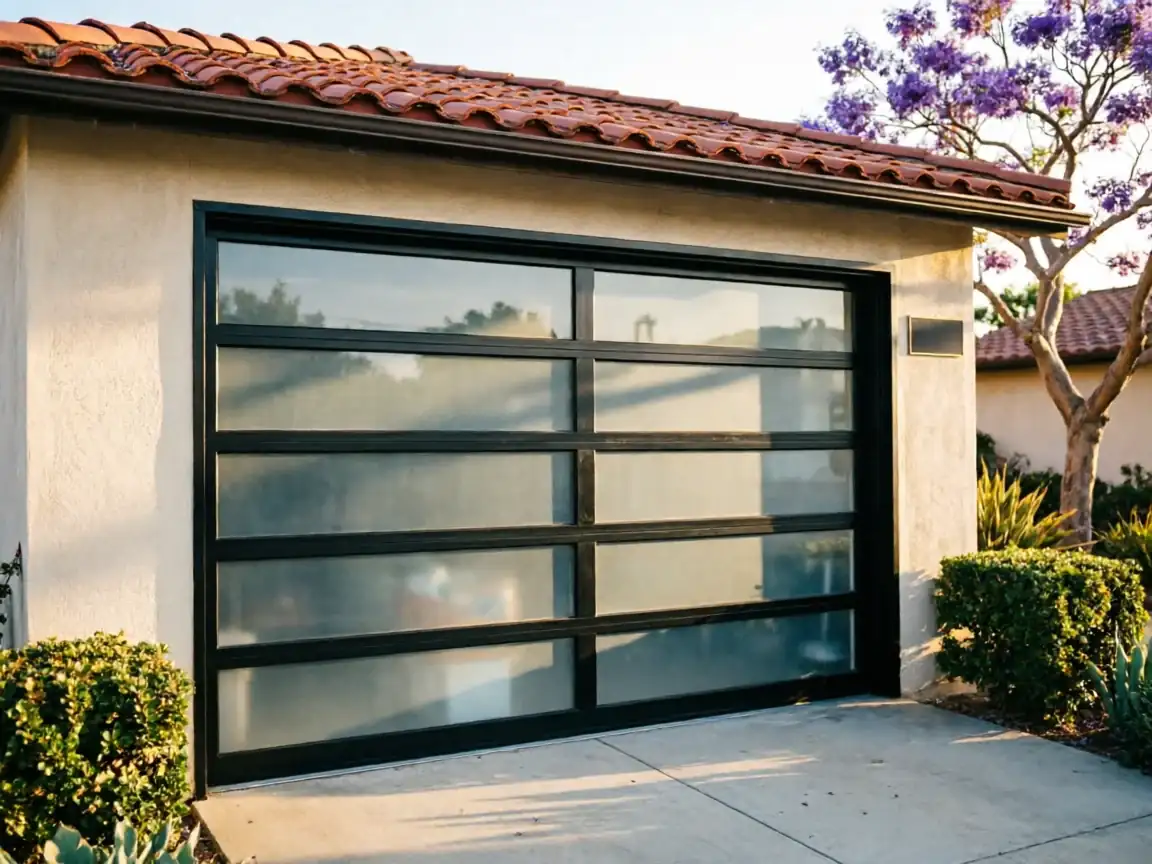
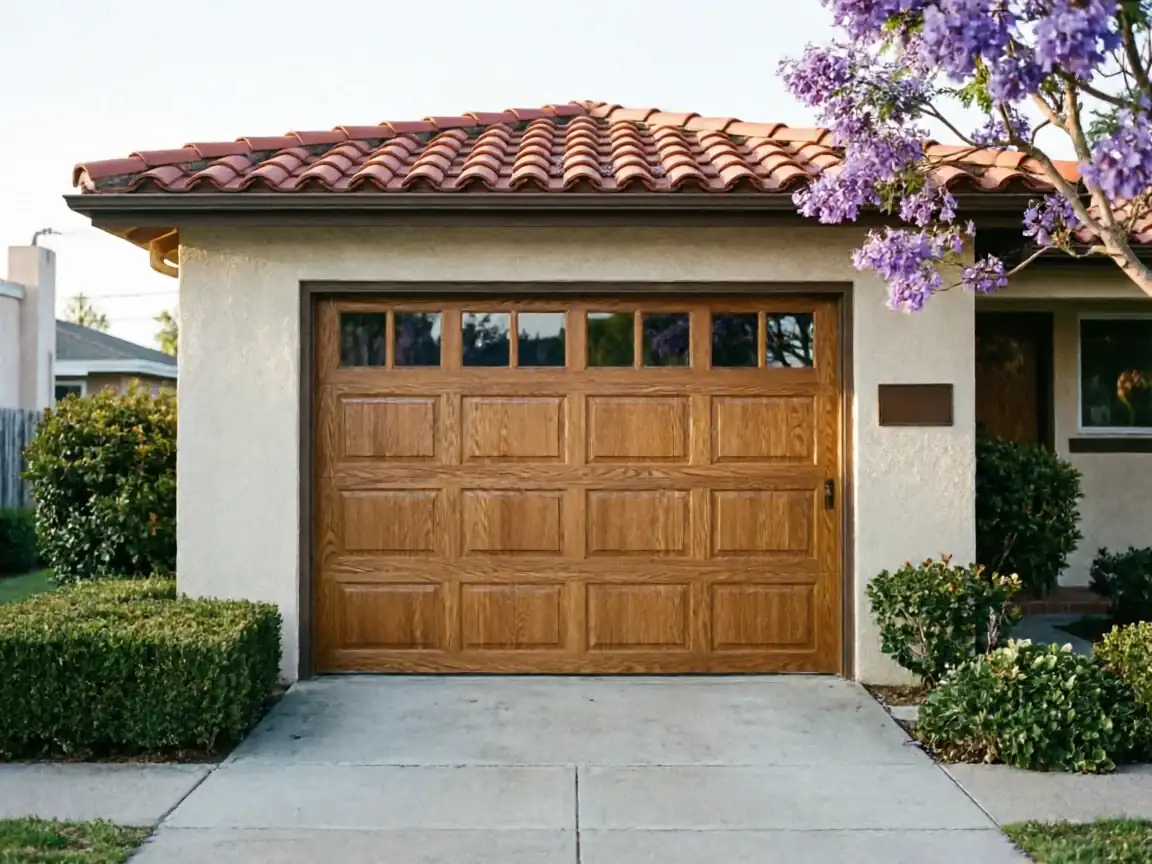
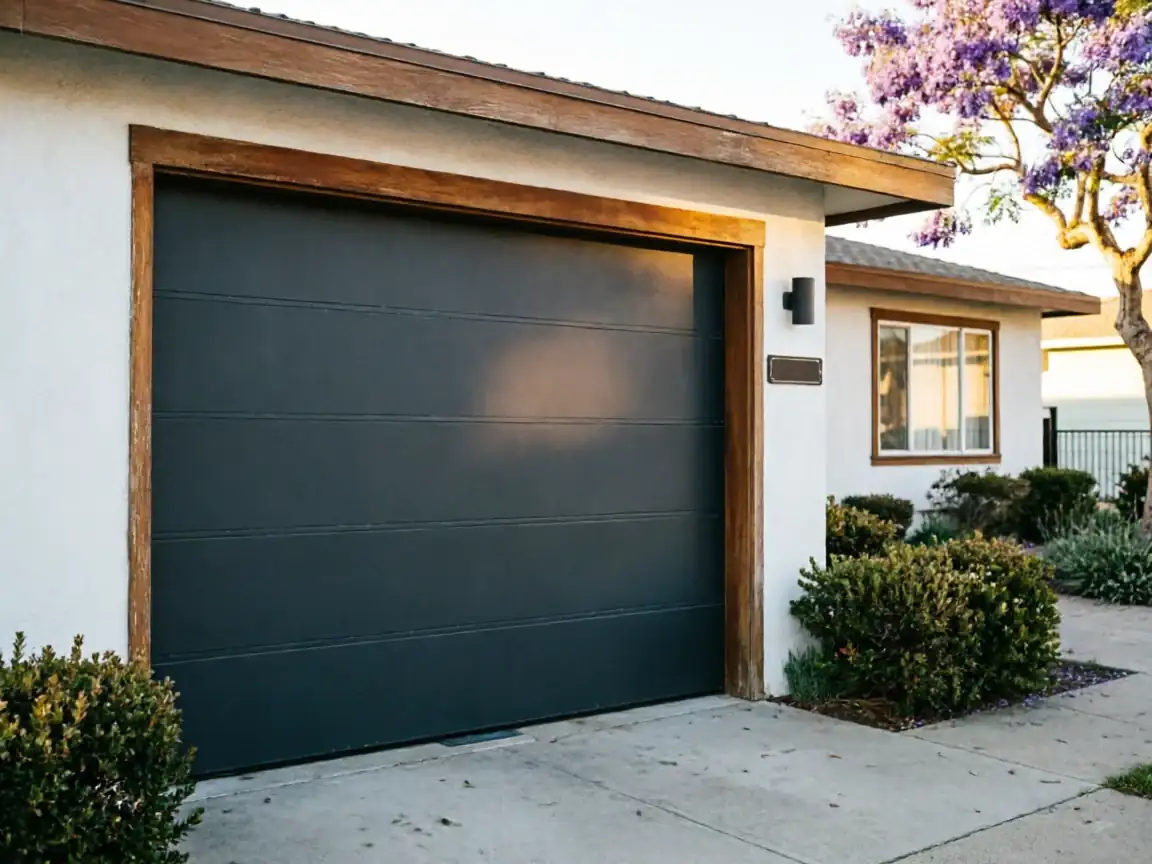
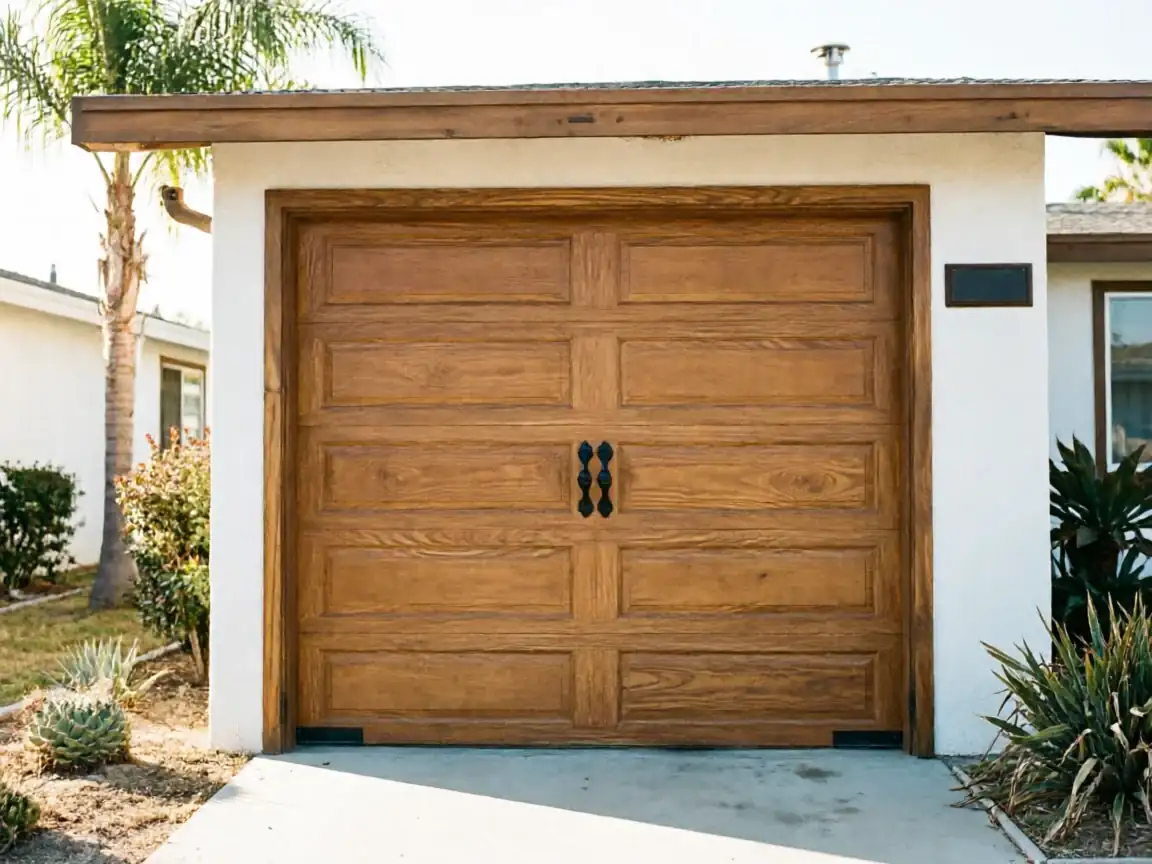
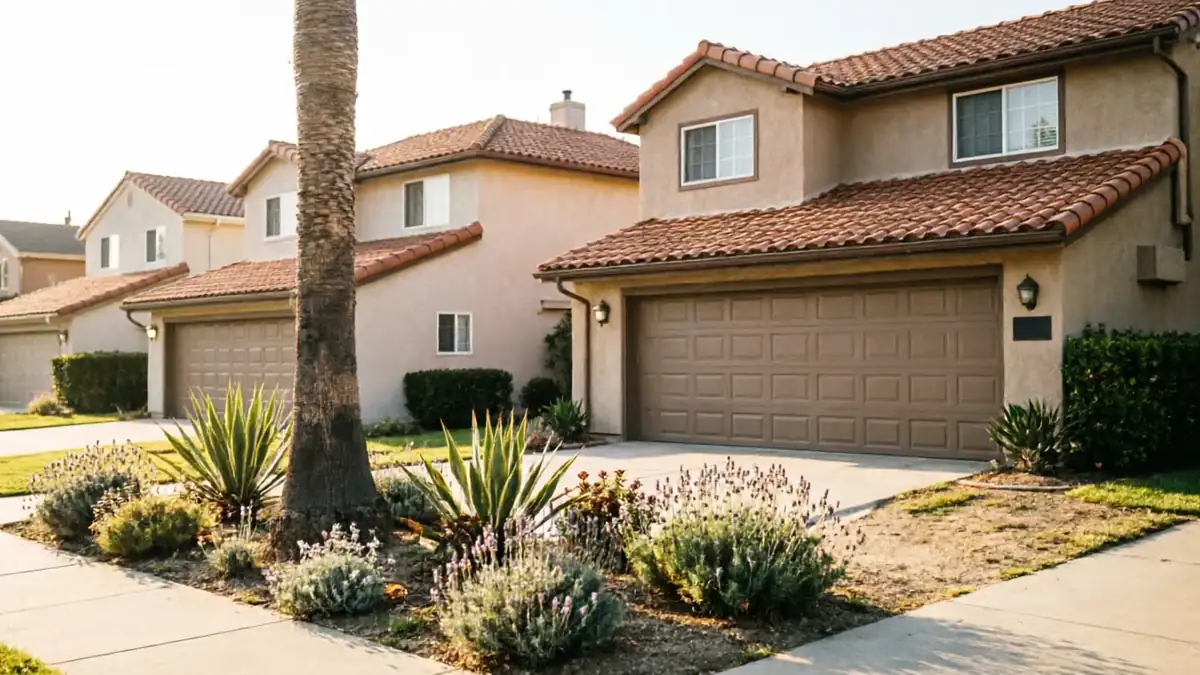
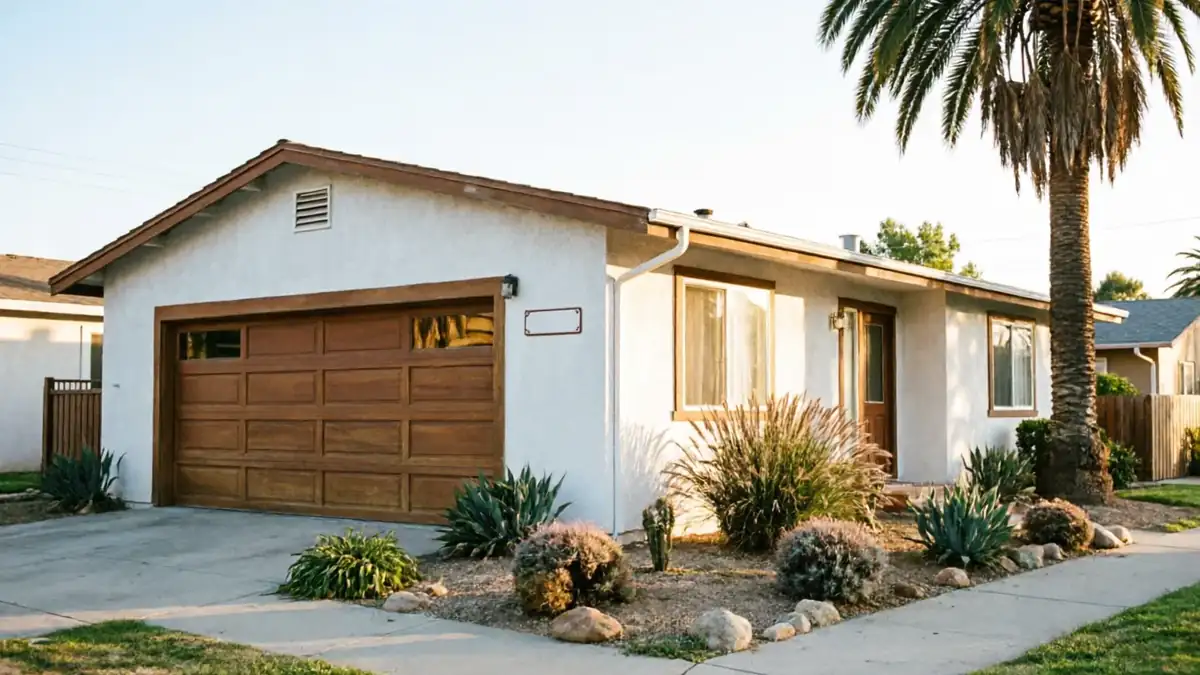
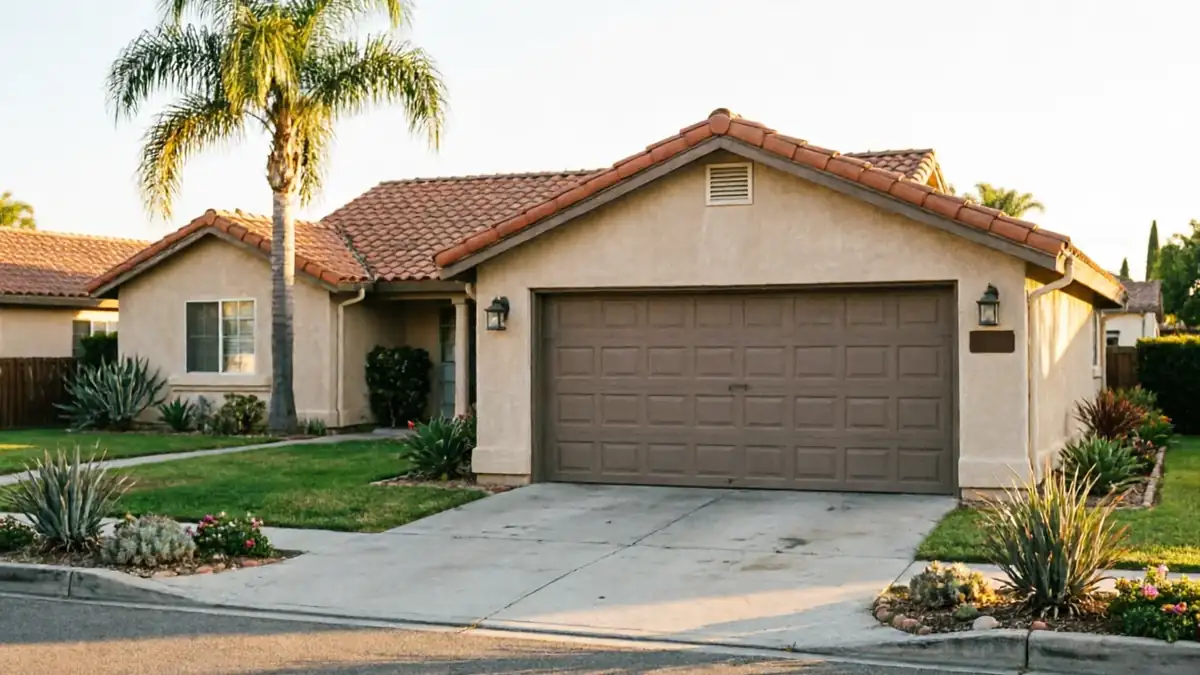
The wider area this company works spans housing built anywhere from 1938 to 2015, and San Clemente sits toward the middle-to-later part of that range rather than at either edge. You won't find the oldest one-piece doors and side-mounted hardware that show up in the earliest-built pockets of the service area, but you also won't find the all-aluminum, insulated steel doors with integrated WiFi openers that come standard in the newest tracts. What you'll find instead is a fairly consistent generation of door: steel panel, torsion spring, chain-drive opener, installed once and rarely swapped out since. That consistency is useful - parts for this era aren't rare - but it also means a lot of these doors are approaching the point where the opener motor, not the door itself, is the thing worth replacing rather than repairing again.
This Area's Housing
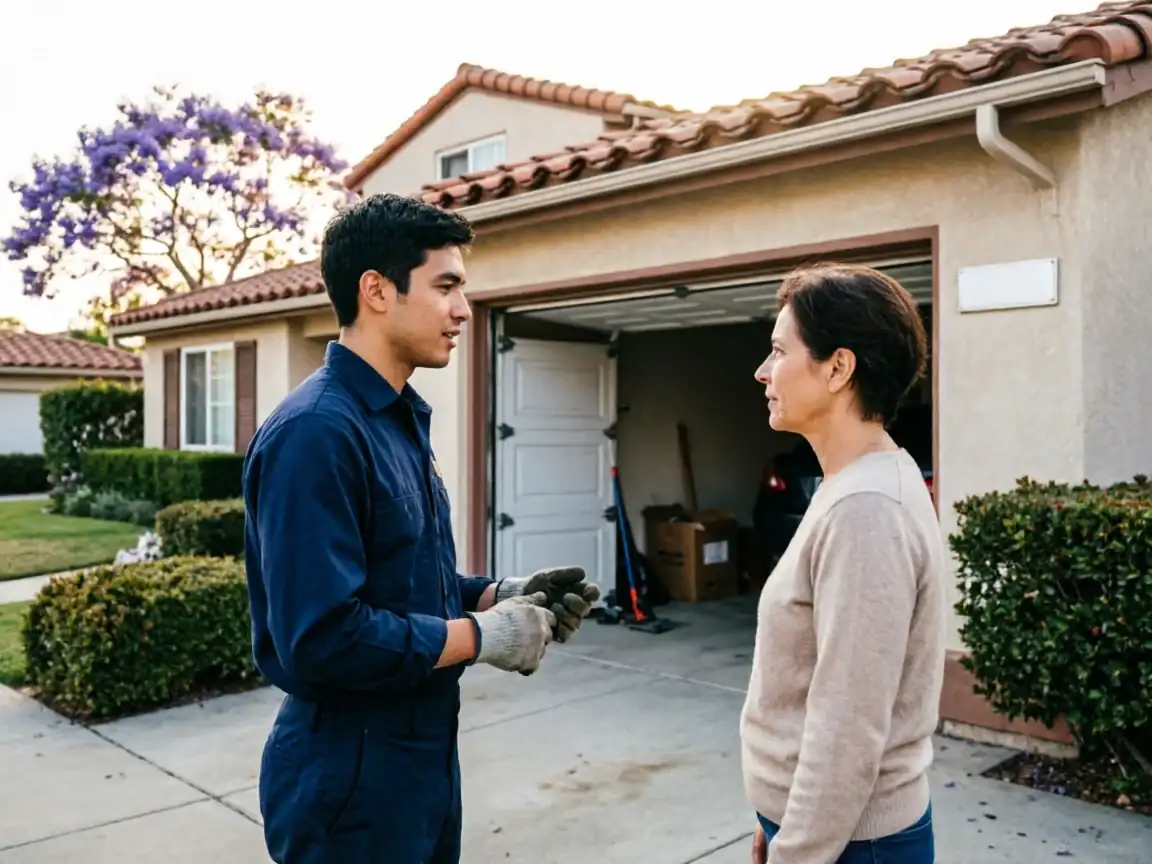
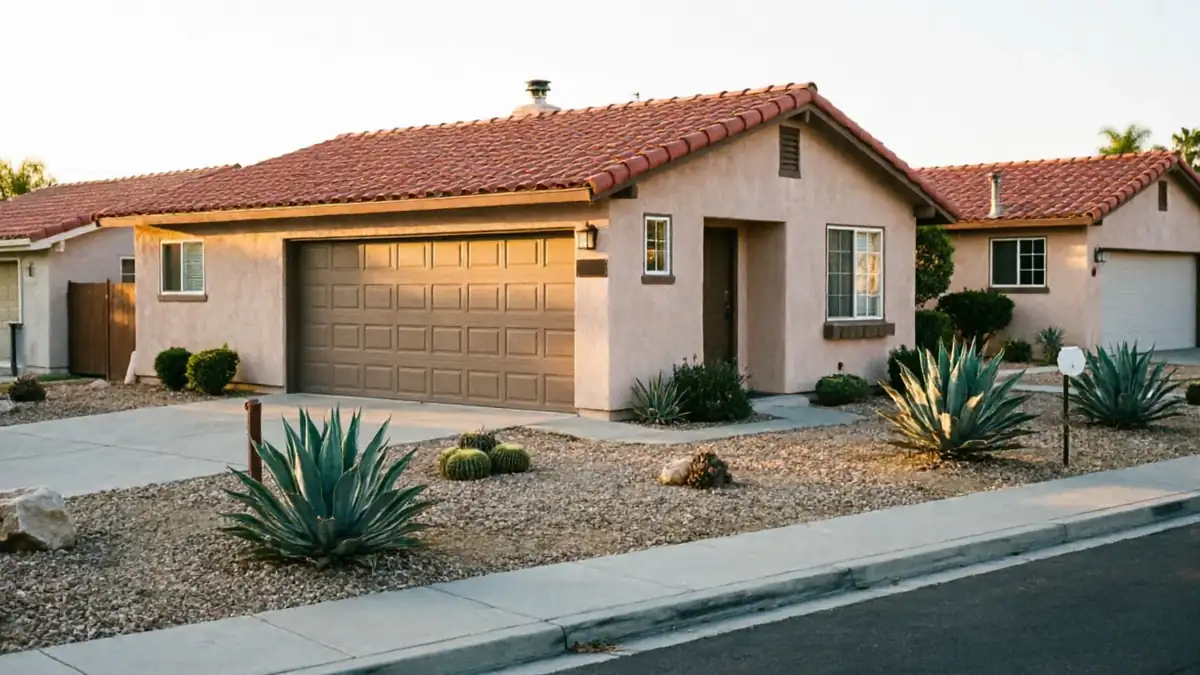
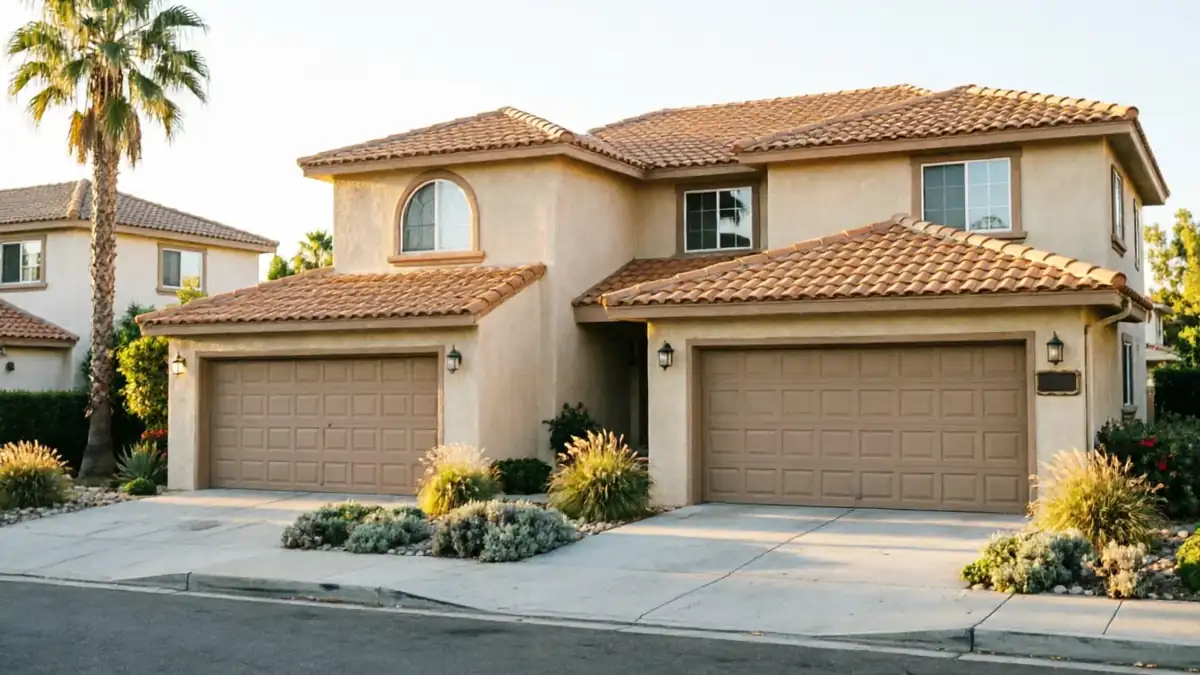
San Clemente has roughly 24,093 households, smaller than the owner-occupied count across the full service area (128,495 of 316,088 households, F6), and median household income here runs about $134,735 - above the broader area's $124,167 median. That income level tends to track with homeowners who replace a failing opener rather than patch it repeatedly, and with doors that get repainted or resurfaced instead of left to weather. Climate-wise, this falls in the mild temperate band that covers the whole region, so you're not dealing with the freeze-thaw cycles that crack old wood jambs or the swings that warp steel panels elsewhere in the country. Most of the wear we see here is age and cycle count on torsion springs and opener motors, not weather damage to the door itself.