Can You Do This Yourself
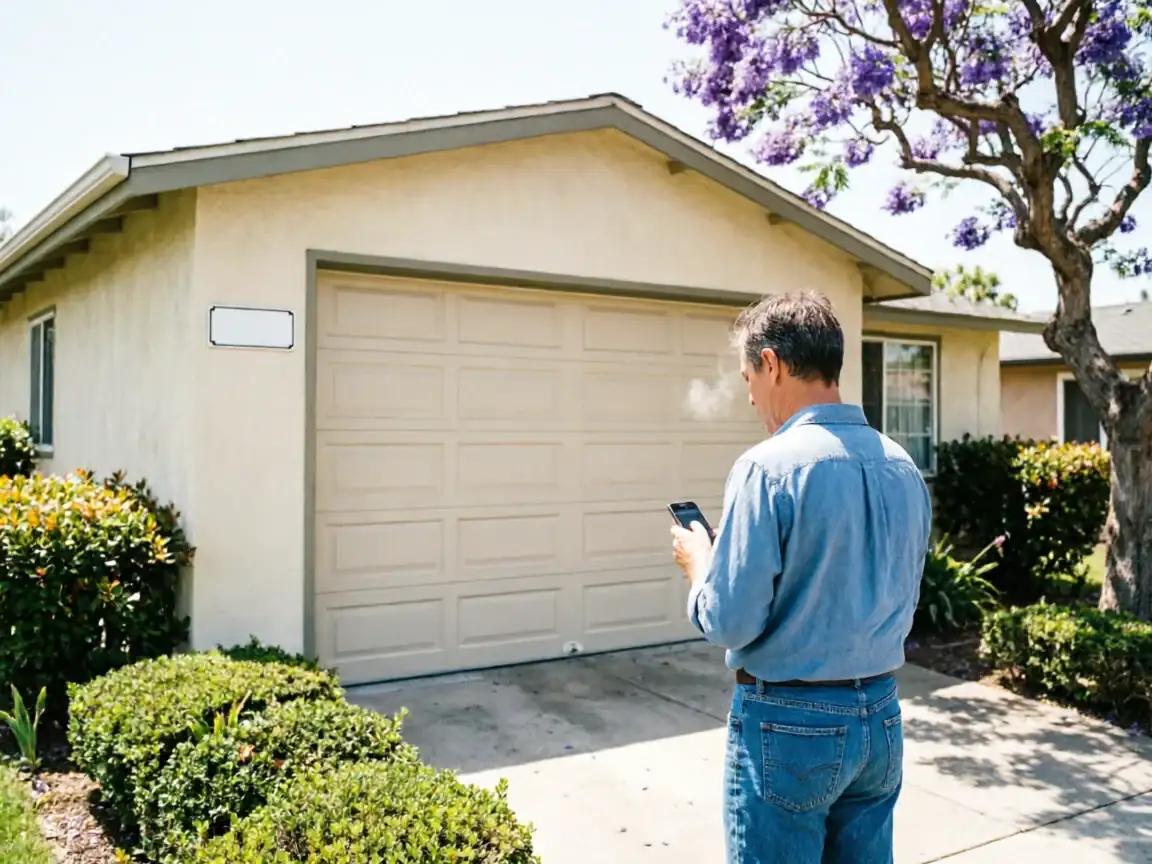
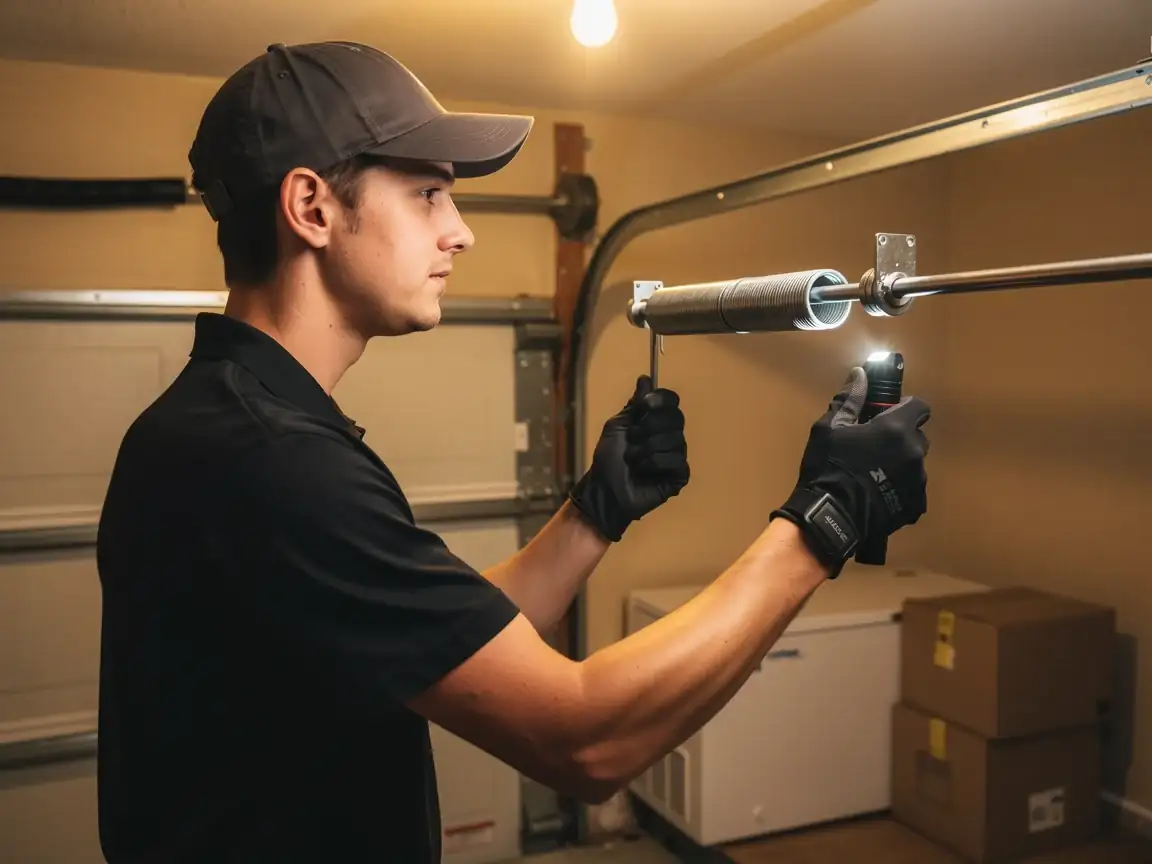
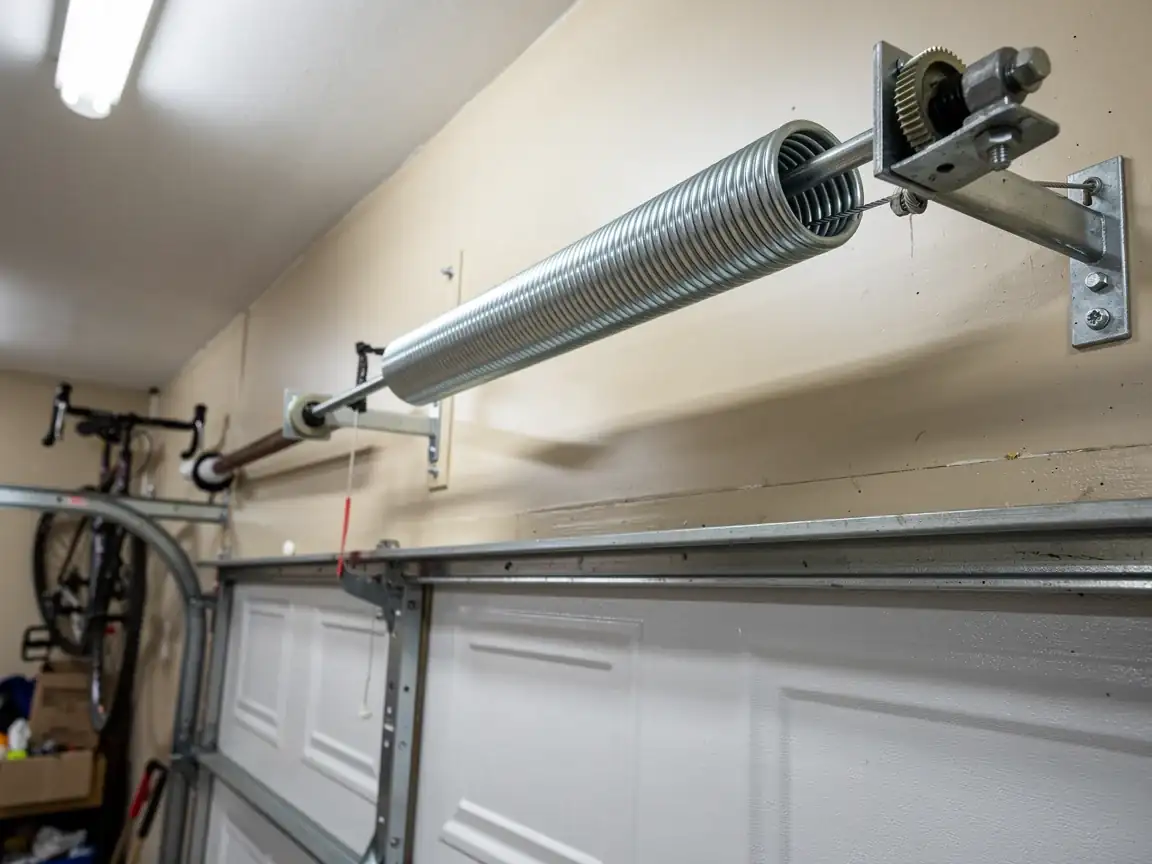
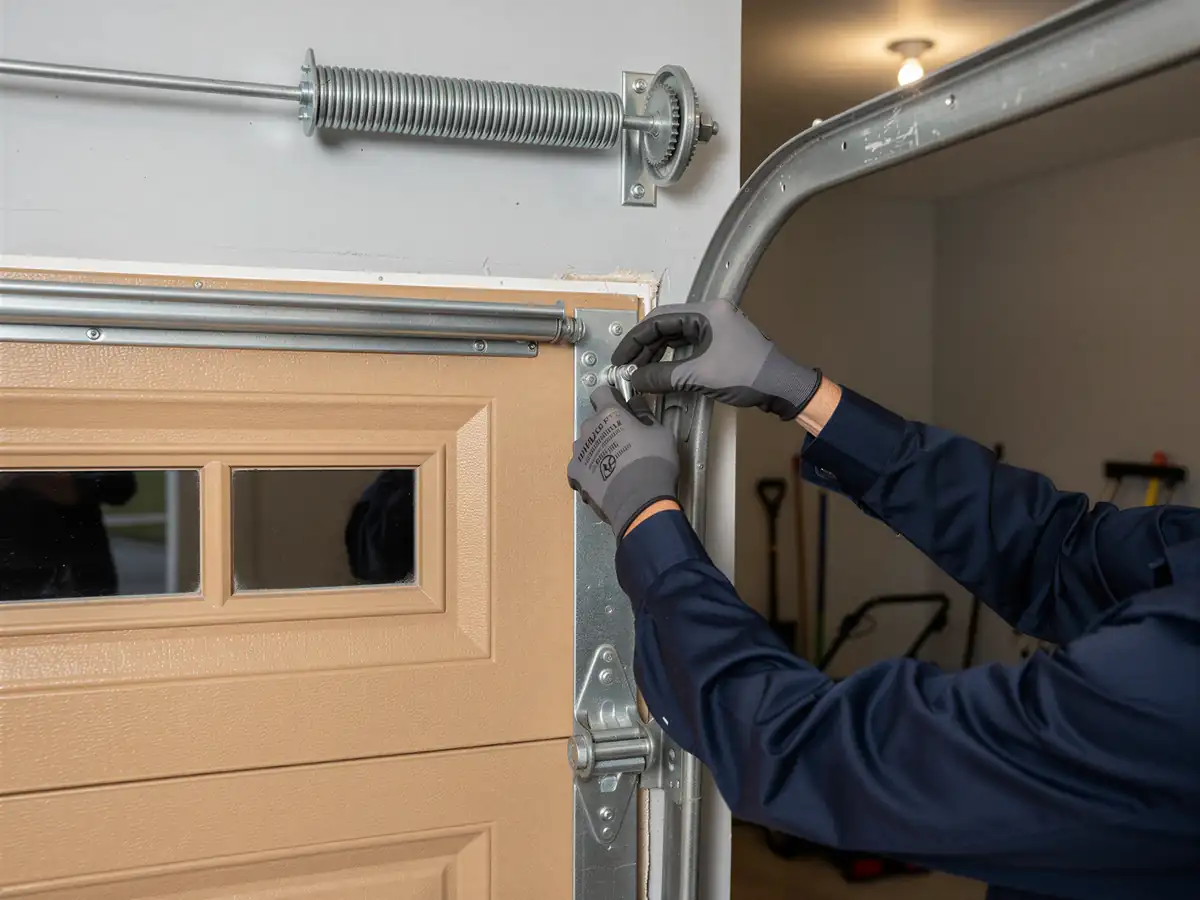
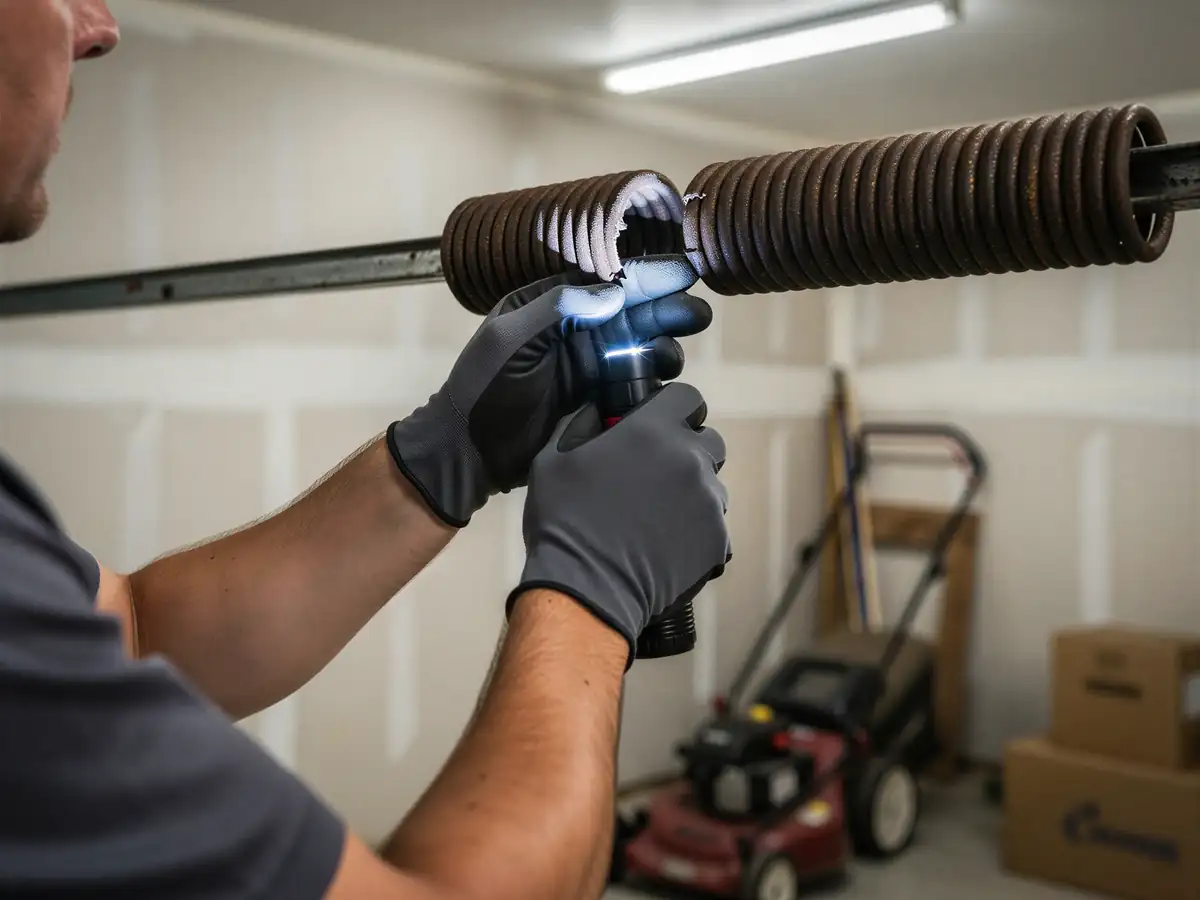
Most houses in San Clemente went up around 1982, about six years after the median build year across the rest of this service area. That matters because a door from 1982 is over four decades old now, and on most of these houses nobody has ever touched the torsion hardware. The spring, the end bearing plates, the cable drums - original parts, holding full tension, rated for a product lifespan that expired a long time ago.
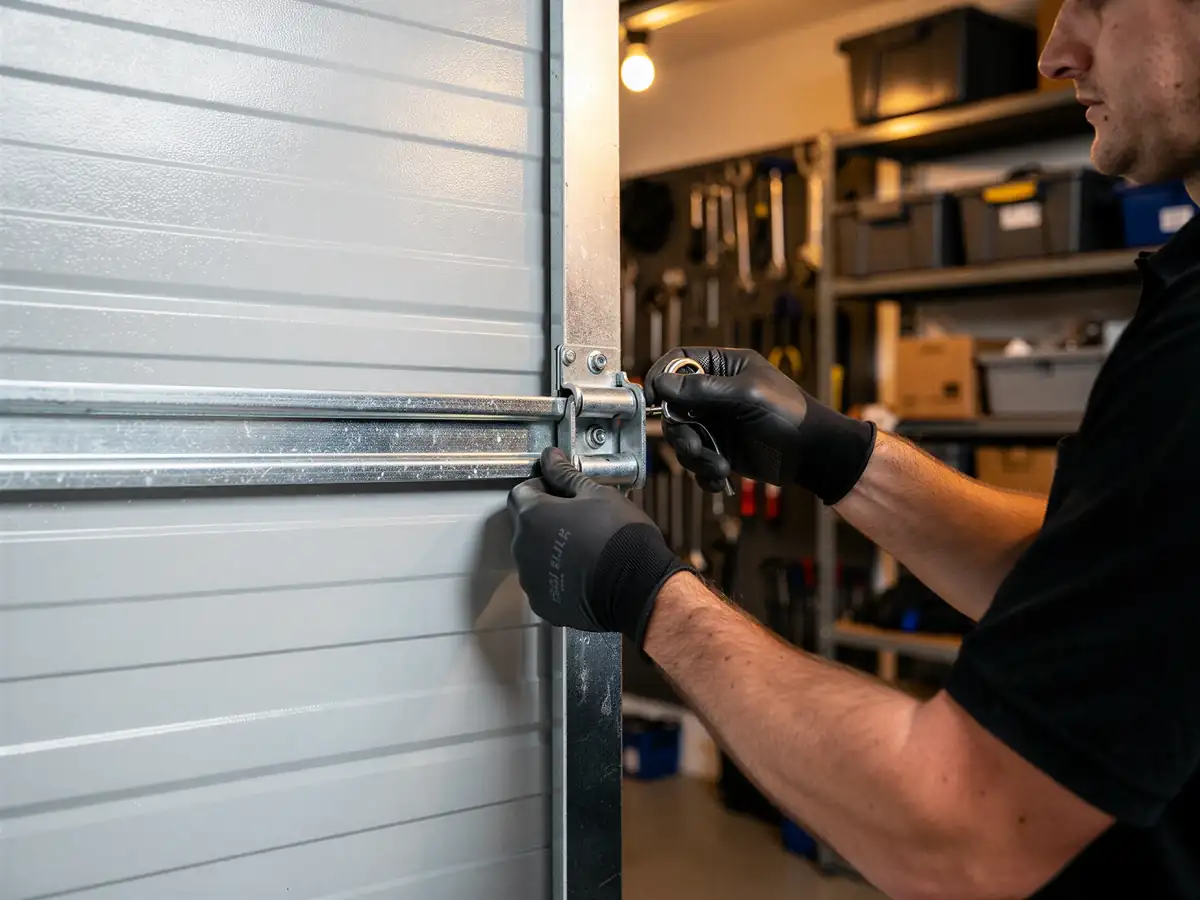
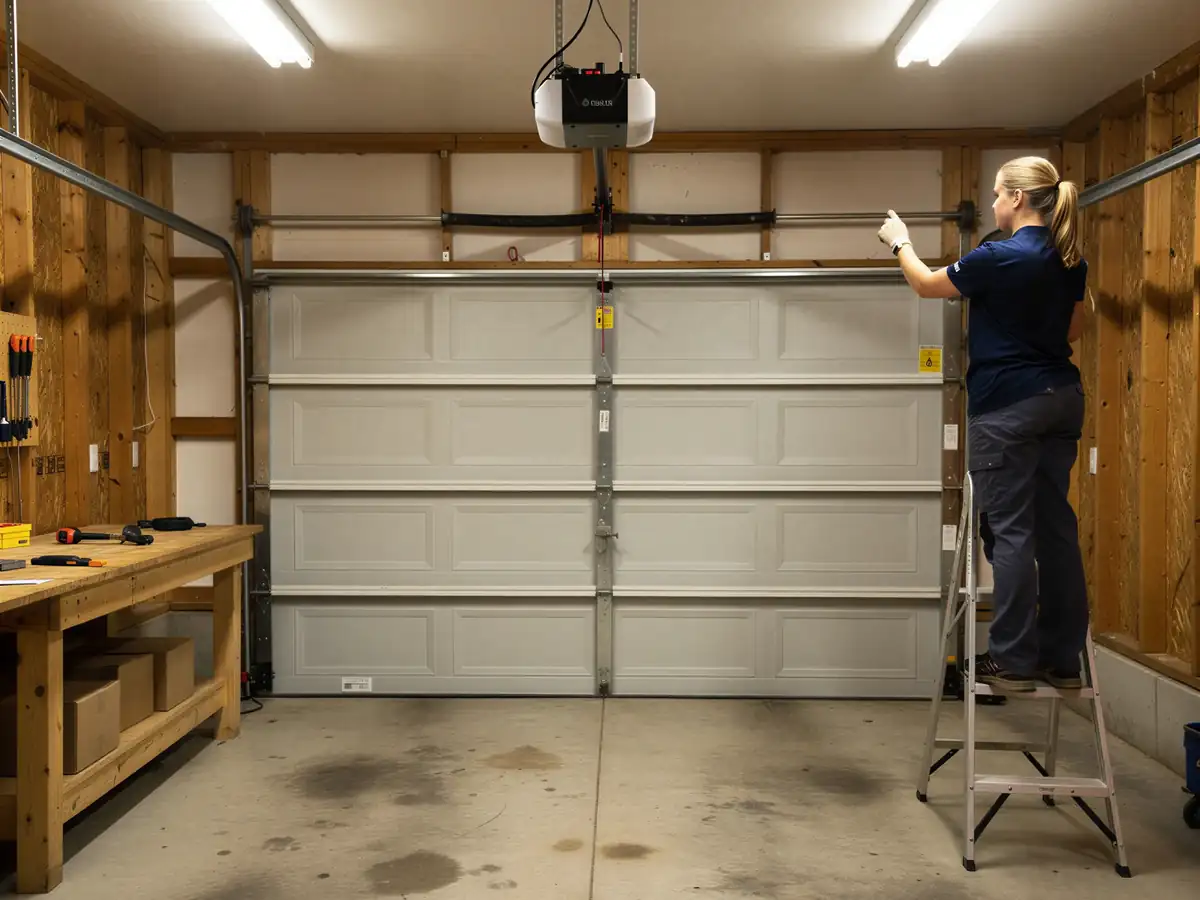
Swapping a full door yourself means disconnecting that tension safely, squaring a new frame against an opening that may have settled over forty-plus years, and getting the torsion spring sized right for the new door's weight. People get hurt doing this. We're not going to pretend a video tutorial covers it. If you're comfortable swapping weatherstripping or a broken roller, fine - that's a different job. A full teardown-and-install on 1982-vintage hardware is not the place to learn on the fly.
Where a homeowner can genuinely help: clearing the garage, pulling vehicles out for the day, and deciding ahead of time on insulation and window-panel preferences so the install doesn't stall on a decision that should've been made before the truck shows up.
Time on the Job
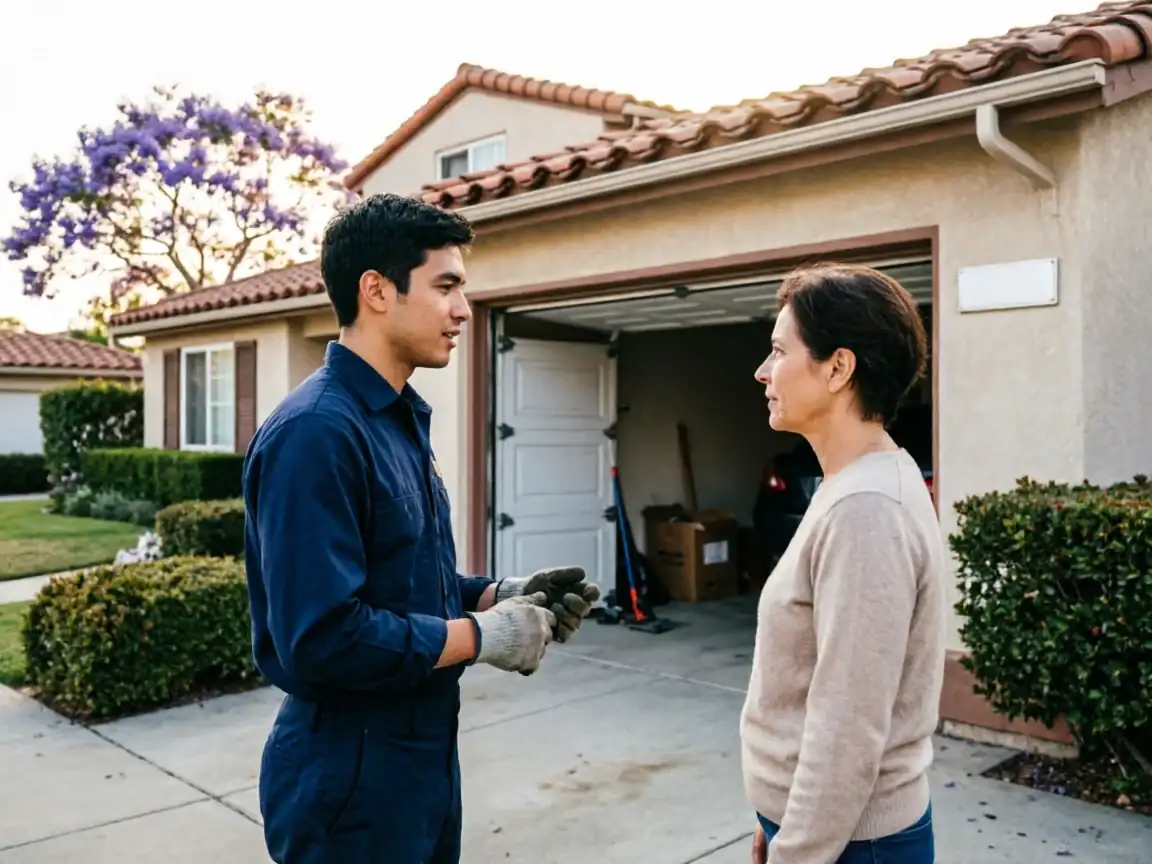
We run this job from Irvine, and San Clemente sits about 18 miles out - one of the farther stops on this list, past Laguna Beach and San Juan Capistrano on the way down. That distance doesn't change how long the install itself takes once the crew is on site, but it does mean the day gets planned around drive time, not squeezed in as an add-on between closer jobs.
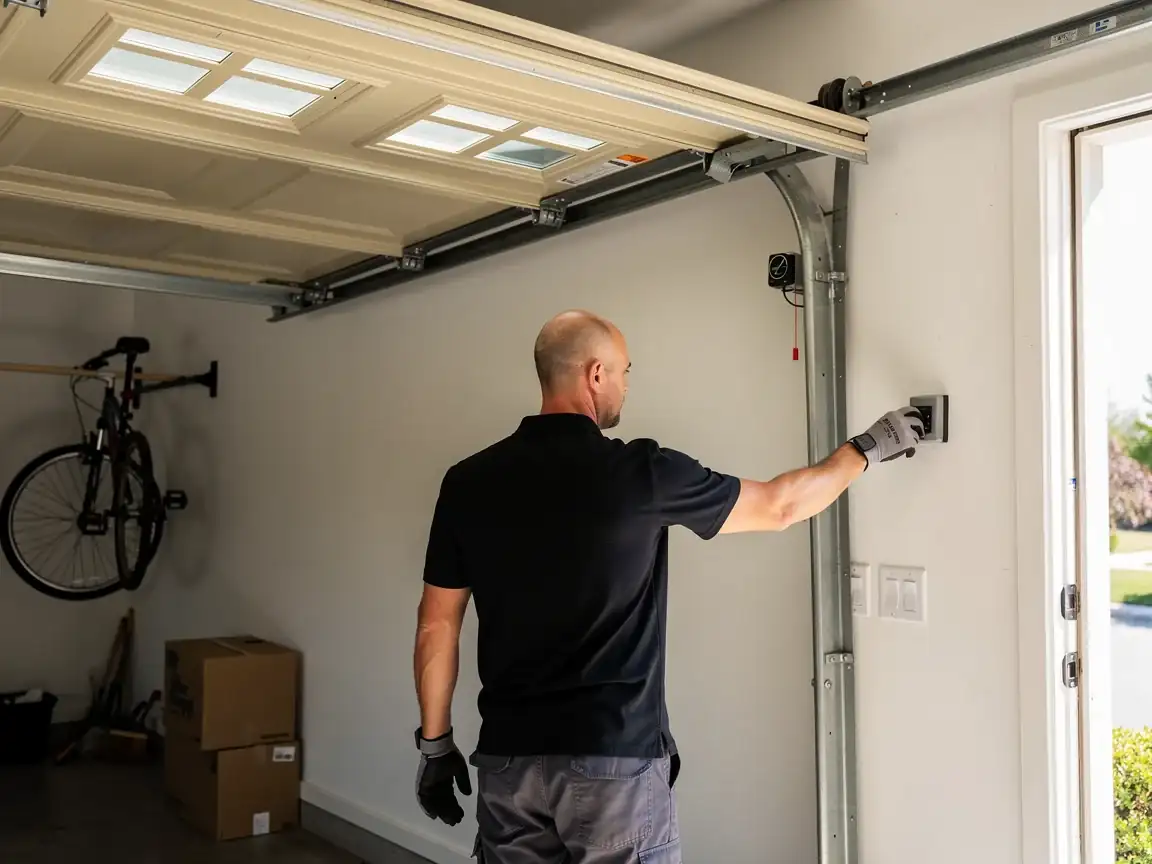
A straight swap - old door and track out, new door and torsion system in, opener remounted and recalibrated - is a one-day job on a single garage. Double garages or anything where the framing needs adjusting for a newer door's dimensions runs longer. If the opening itself has shifted over the decades, which happens on houses this age, that gets caught and dealt with before the new door goes in, not after.
We don't promise a same-day or next-day slot here - at 18 miles out, scheduling is set in advance, not worked around emergency calls the way it might be for closer areas.
What You Are Seeing
On a house built around 1982, the signs that it's time for a new door usually aren't subtle once you know what you're looking at
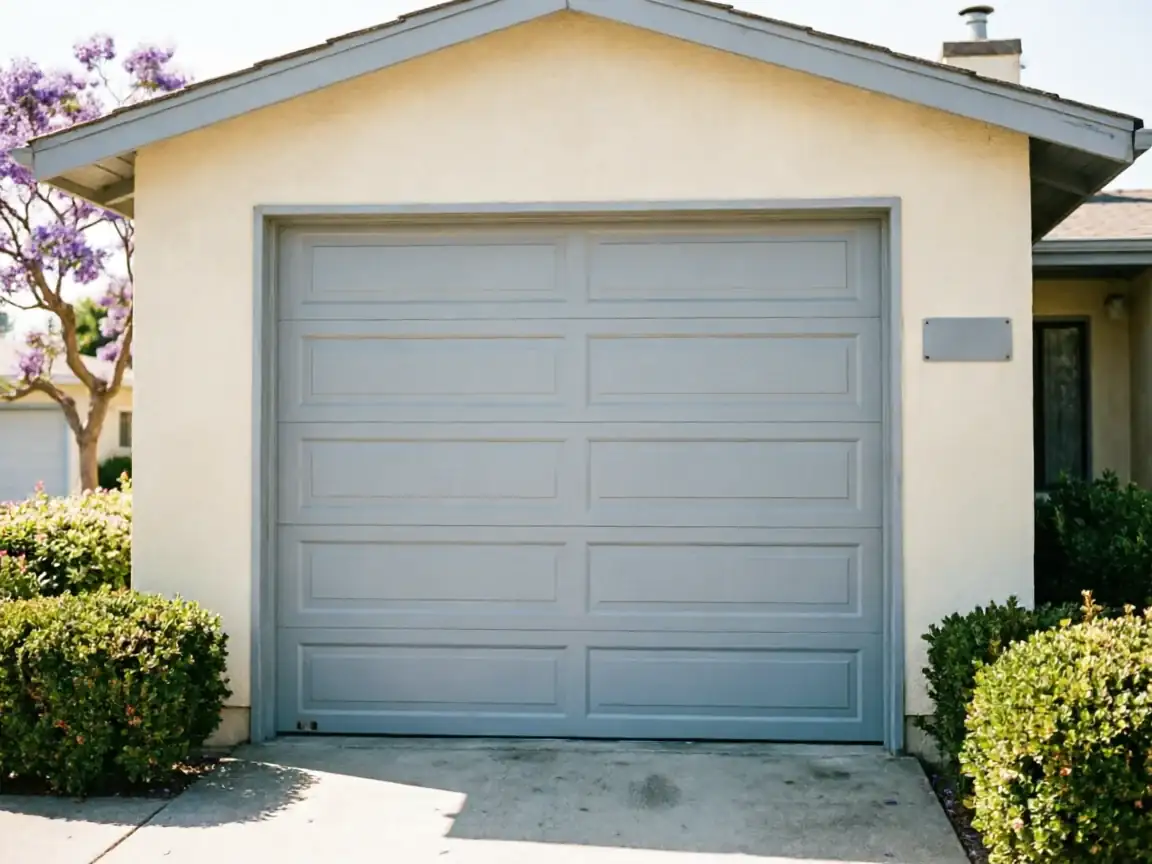
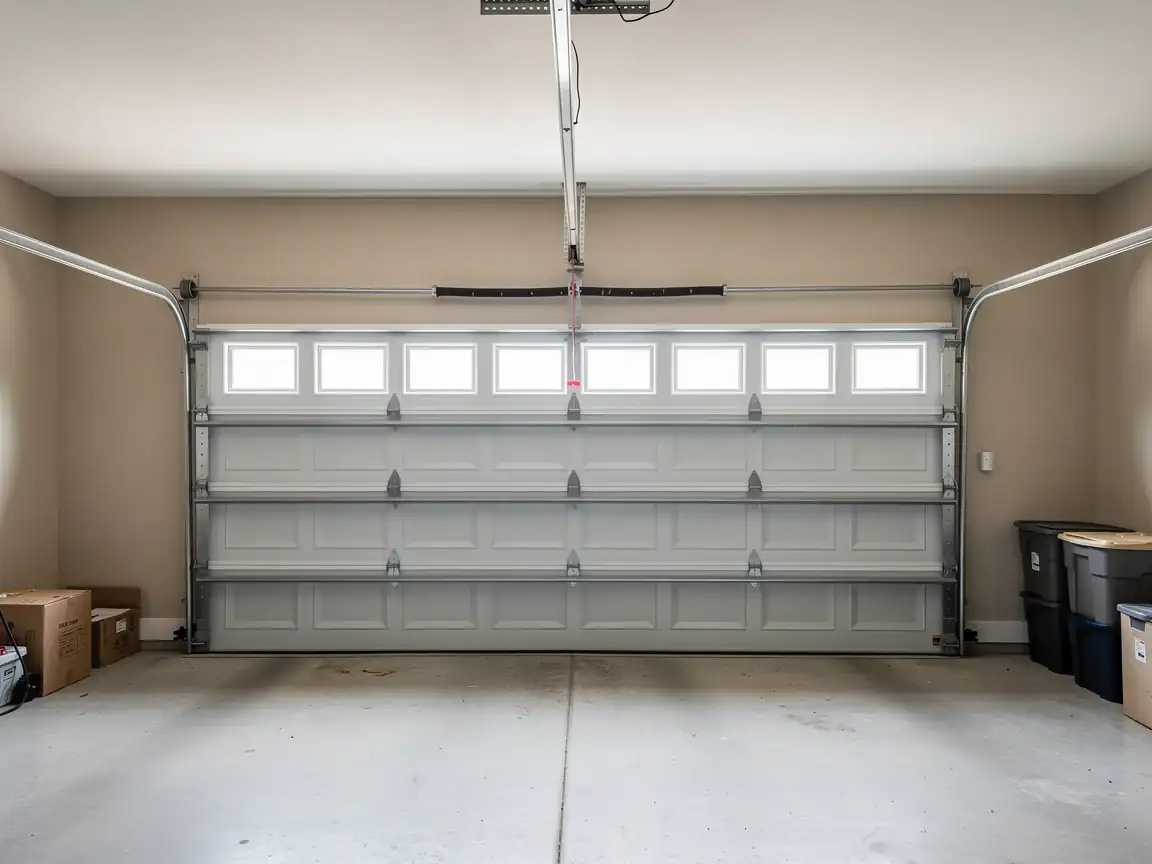
Single-layer steel panels with no insulation, visible rust bloom at the bottom panel seams, a track that's bent from decades of minor impacts, or a spring that's been repainted or replaced piecemeal while everything else stayed original - all common on doors this age.
The climate band here is mild temperate, the same as the rest of the service area
So you're generally not fighting weather damage the way a harsher climate would produce. What you're fighting is straight material fatigue: cycle count on a spring that's done its job for forty years, rollers that have worn their tracks into an uneven groove, an opener motor from an earlier generation that strains and stalls.
San Clemente runs a median household income of $134,735, above the $124,167 figure for the broader service area
And what we see reflected in that is more owners opting to replace with an insulated, better-balanced door rather than patch the original one more than once.
What the Fix Involves
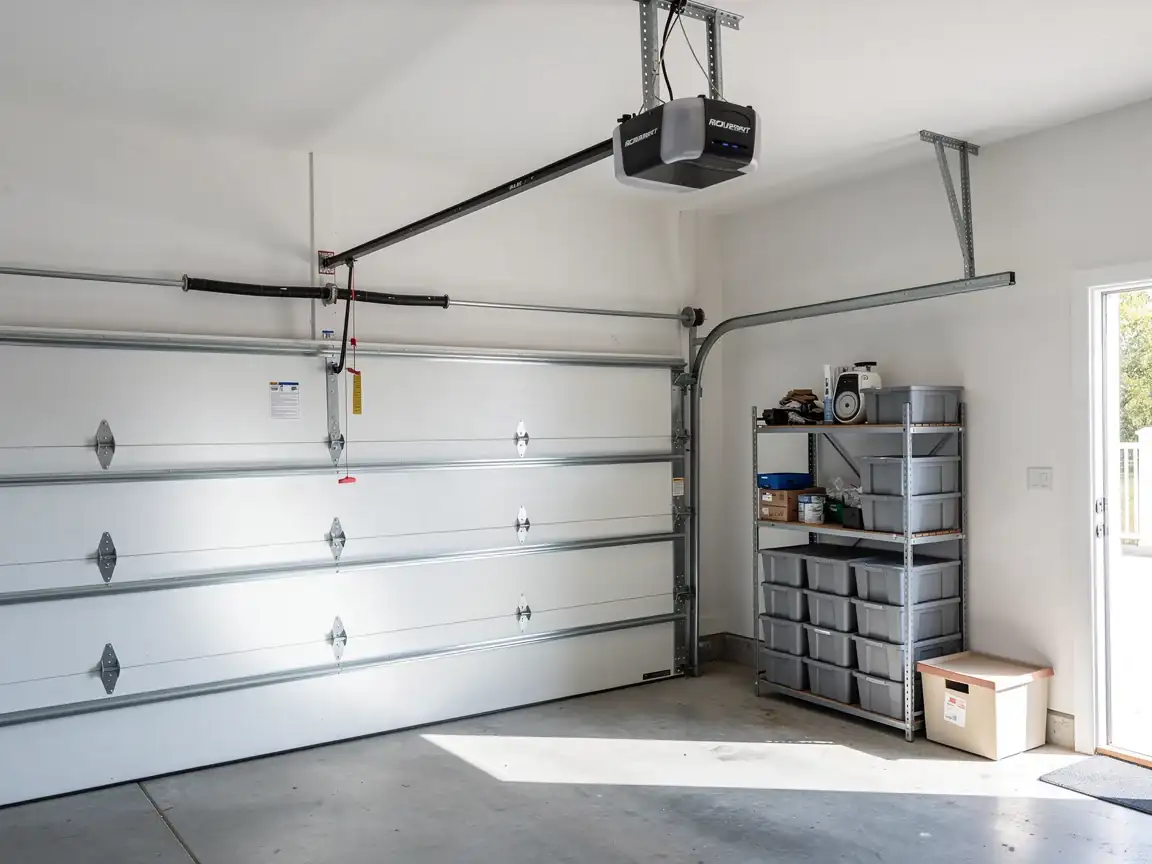
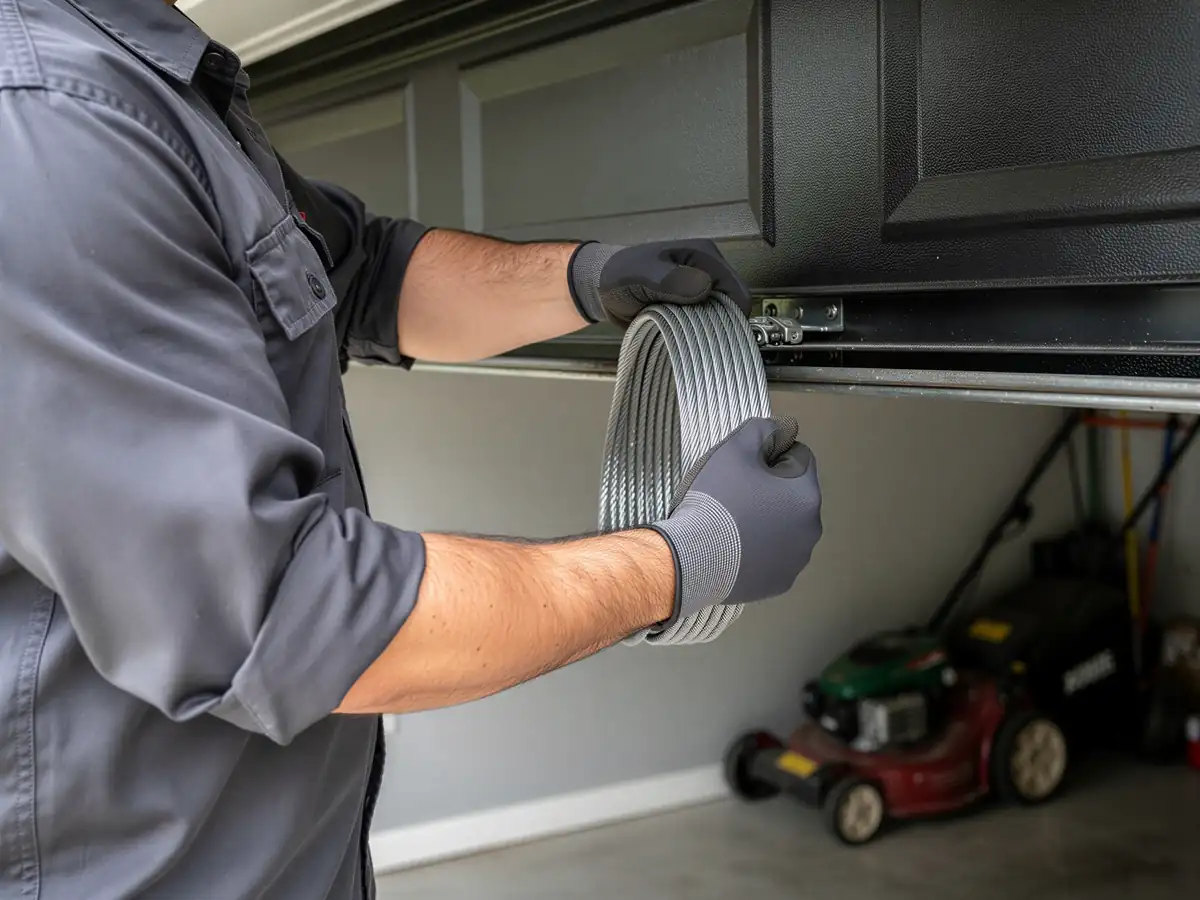
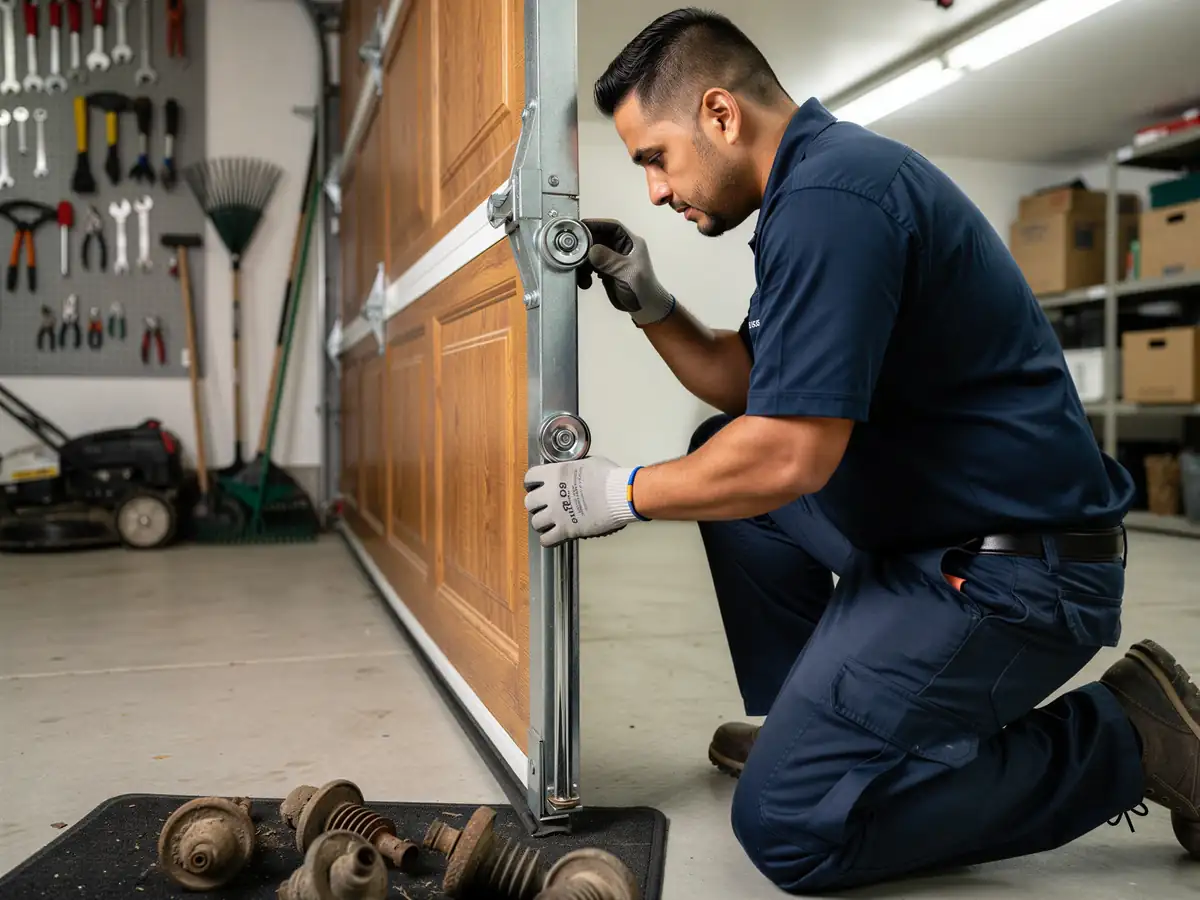
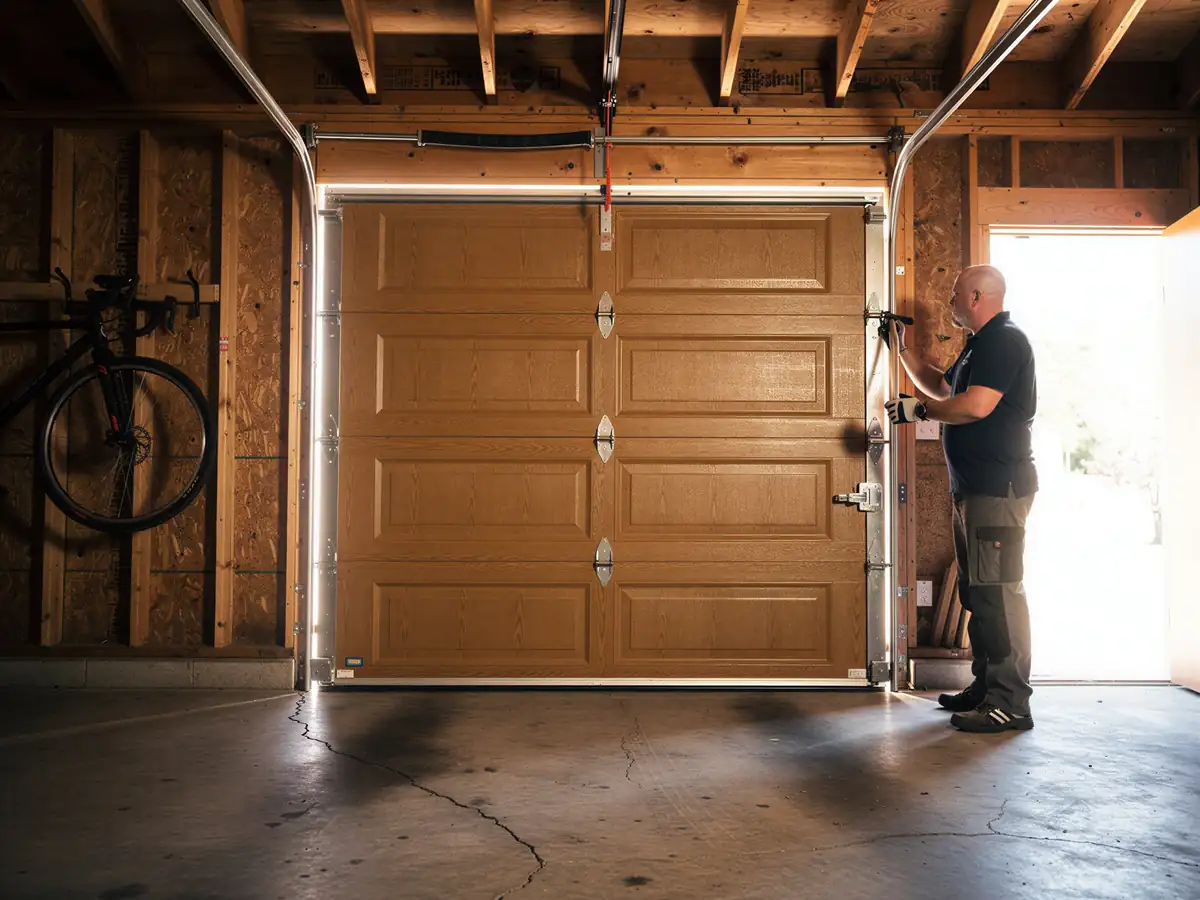
A full install starts with pulling the old door, track, and spring system out entirely - on a 1982-era door, that's original hardware coming out, not a five-year-old replacement. The opening gets checked for square and for any settling in the framing, which is more common the older the house.
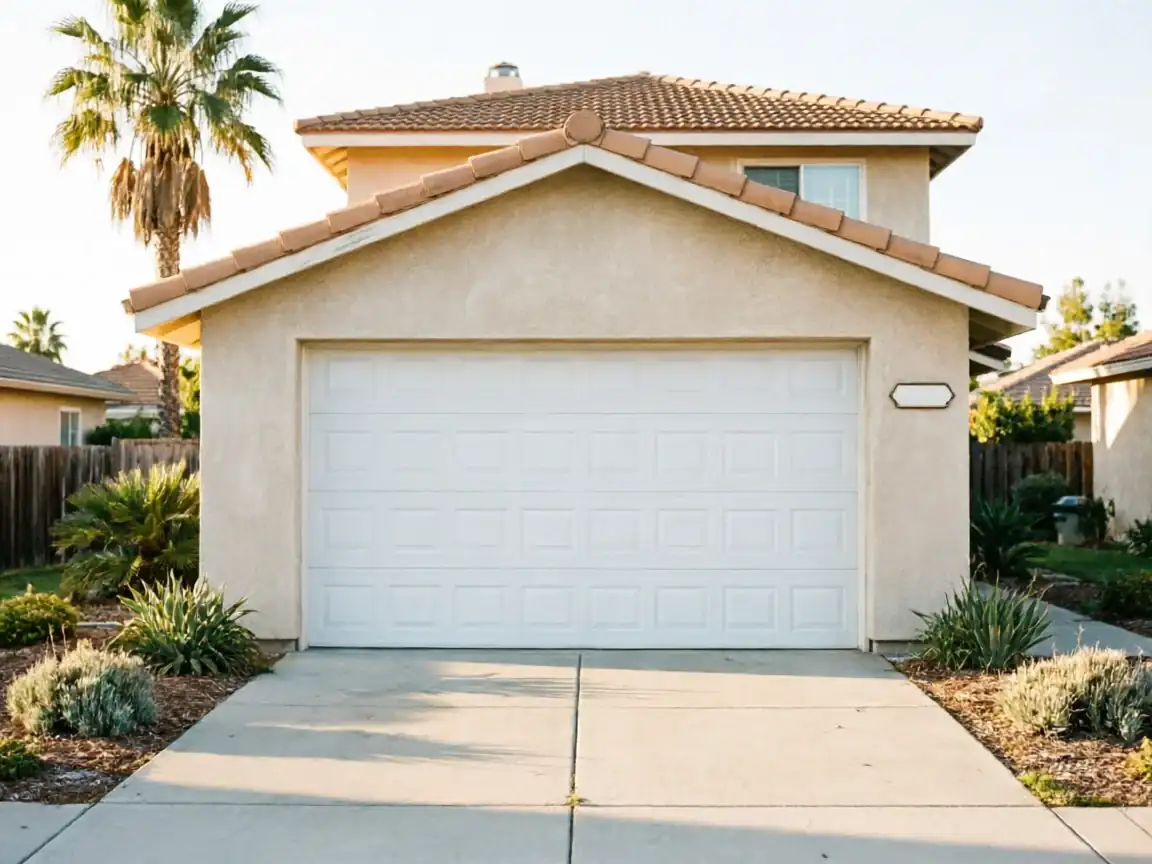
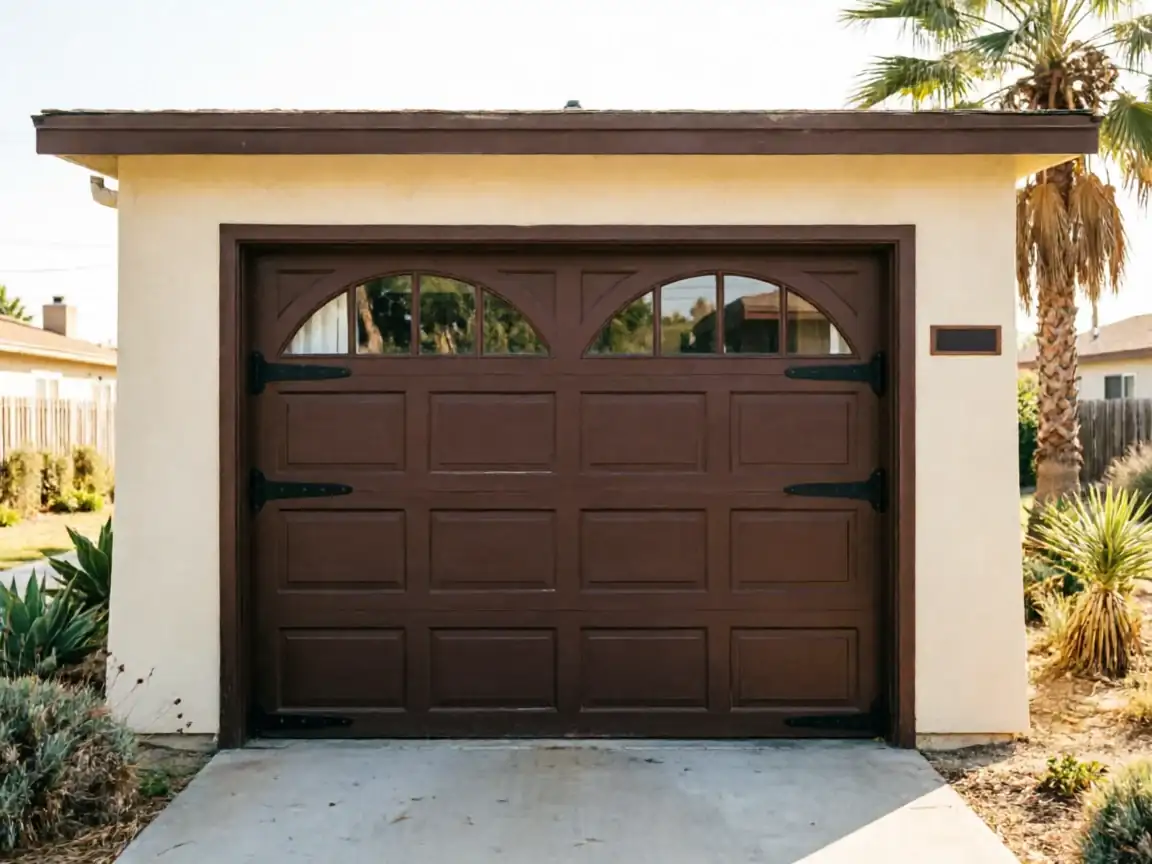
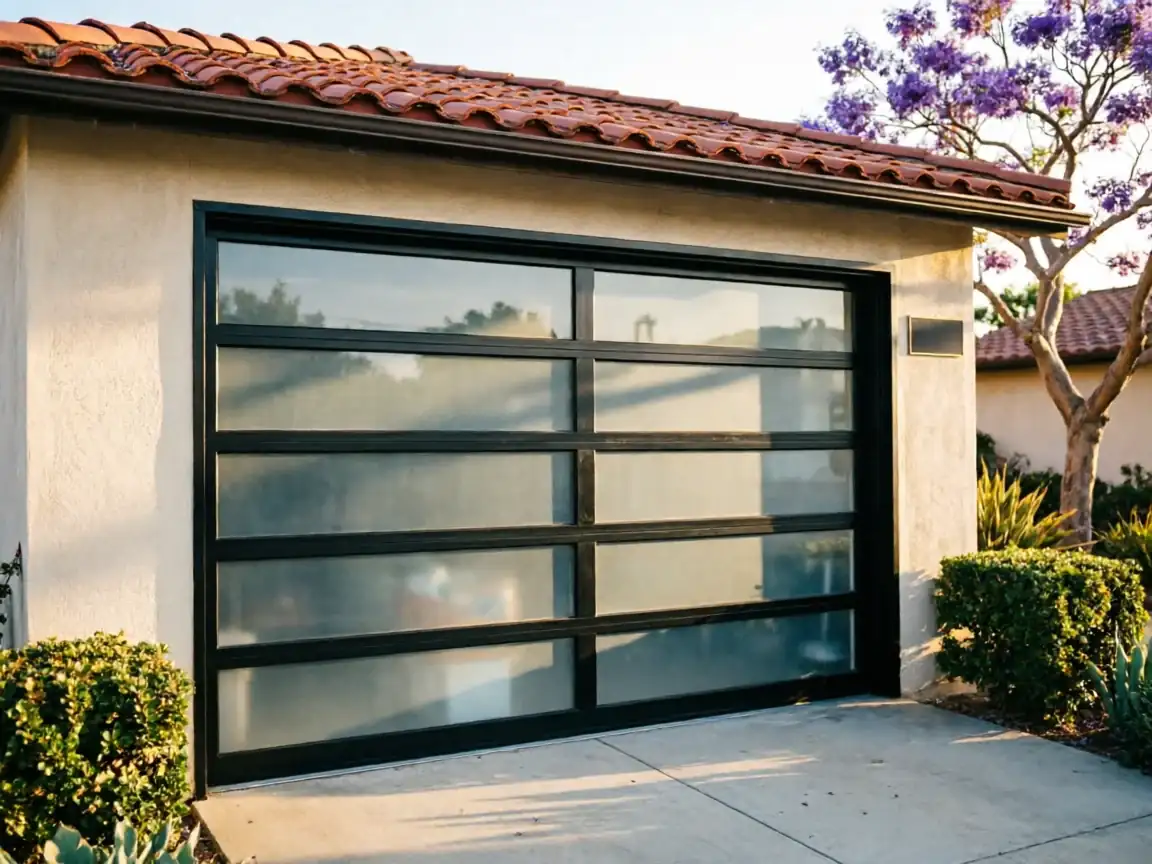
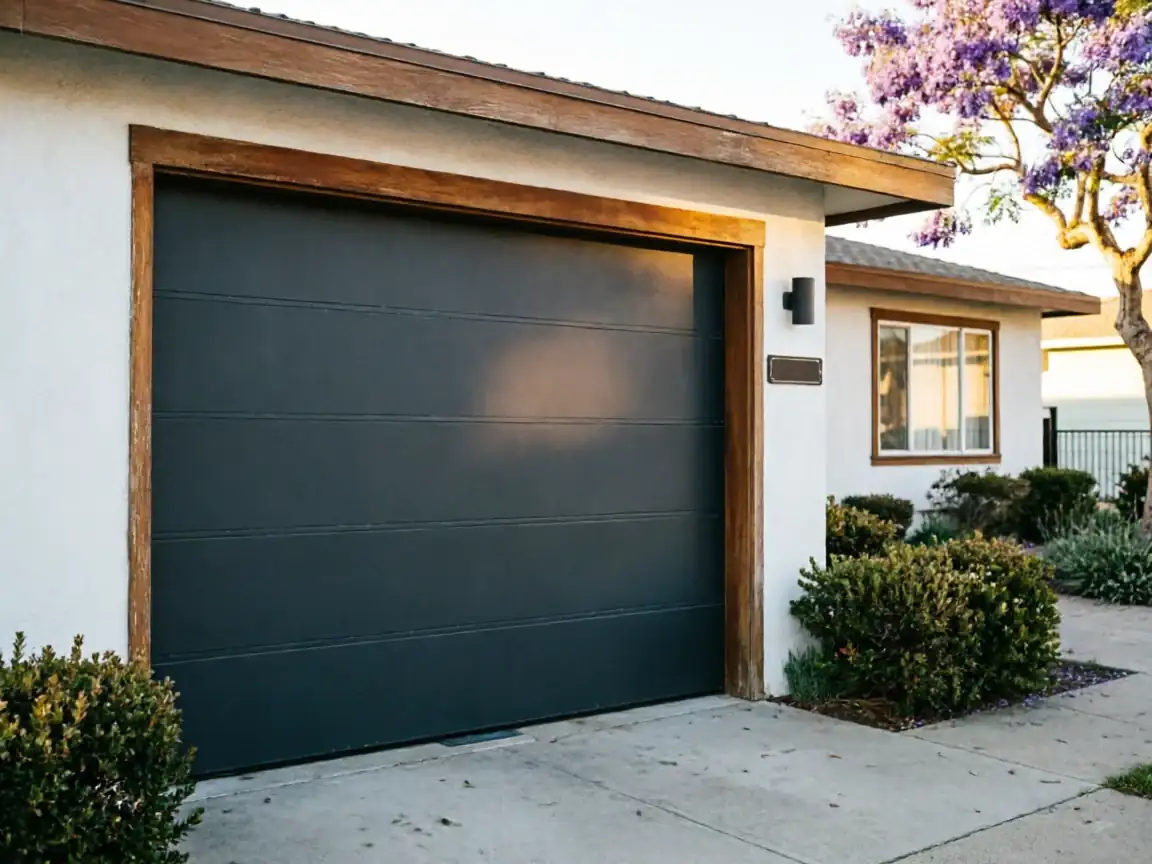
New track goes in sized to the new door's panel thickness, a new torsion spring gets calibrated to the door's actual weight (not guessed at), and the opener either gets remounted if it's still functioning well or replaced if it's from the same era as the door and showing its age. Panel choice matters here too - insulated steel is the common upgrade from the single-layer doors that shipped standard in the early 1980s, and it changes the weight calculation for the spring, so that part isn't optional once insulation enters the picture.
One limitation worth saying plainly: if the framing around the opening has shifted enough that it's out of square by more than a small margin, that's carpentry work beyond a standard door swap, and it gets flagged before the job proceeds rather than forced through.
The Cost of This Job
We're not going to put a number here we can't back up - pricing depends on door size, panel material, insulation, and whether the opener gets replaced alongside the door, and that's a conversation for a quote, not a blanket figure on a page.
What we can say: San Clemente's 24,093 households sit at a higher median income than the $124,167 figure for the wider area this company covers, and in practice that shows up as more owners choosing insulated doors and newer openers over the cheapest like-for-like swap. That's a preference, not a requirement - a standard steel door without insulation is still a legitimate, lower-cost option if that's what fits the budget.
The honest trade-off: spending more upfront on insulation and a better opener usually means fewer callbacks later, especially on a door replacing hardware that's been in place since 1982. But if the goal is simply a working door that passes inspection and holds up, that's a shorter, less expensive job, and we'll quote it that way if that's what's wanted.