How That Shows Up in the Door
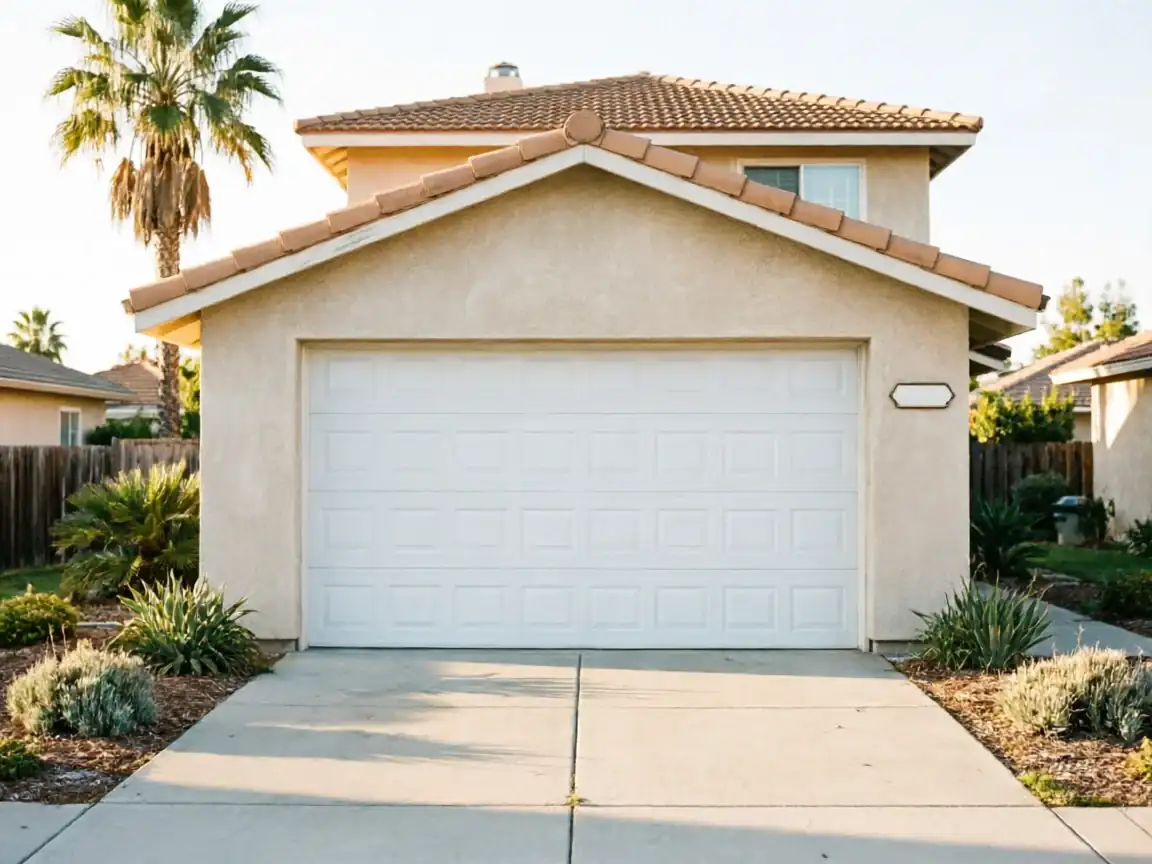
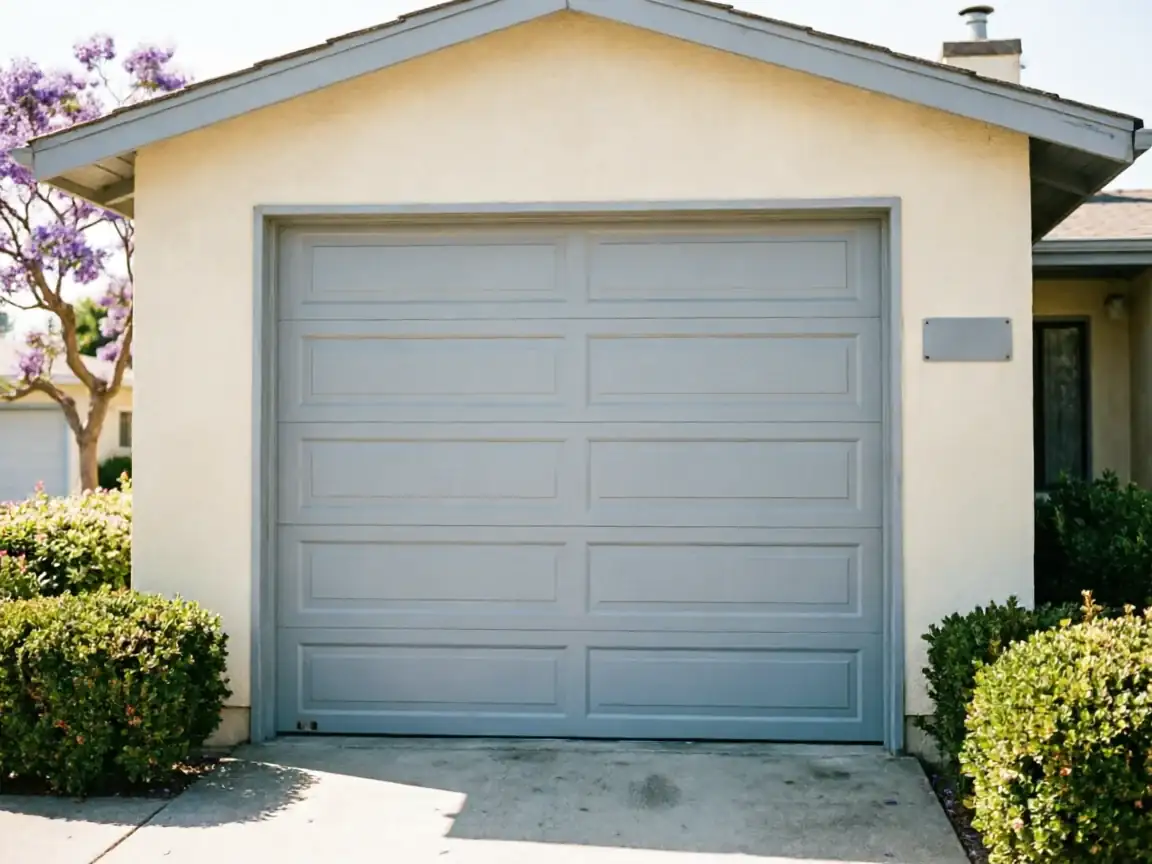
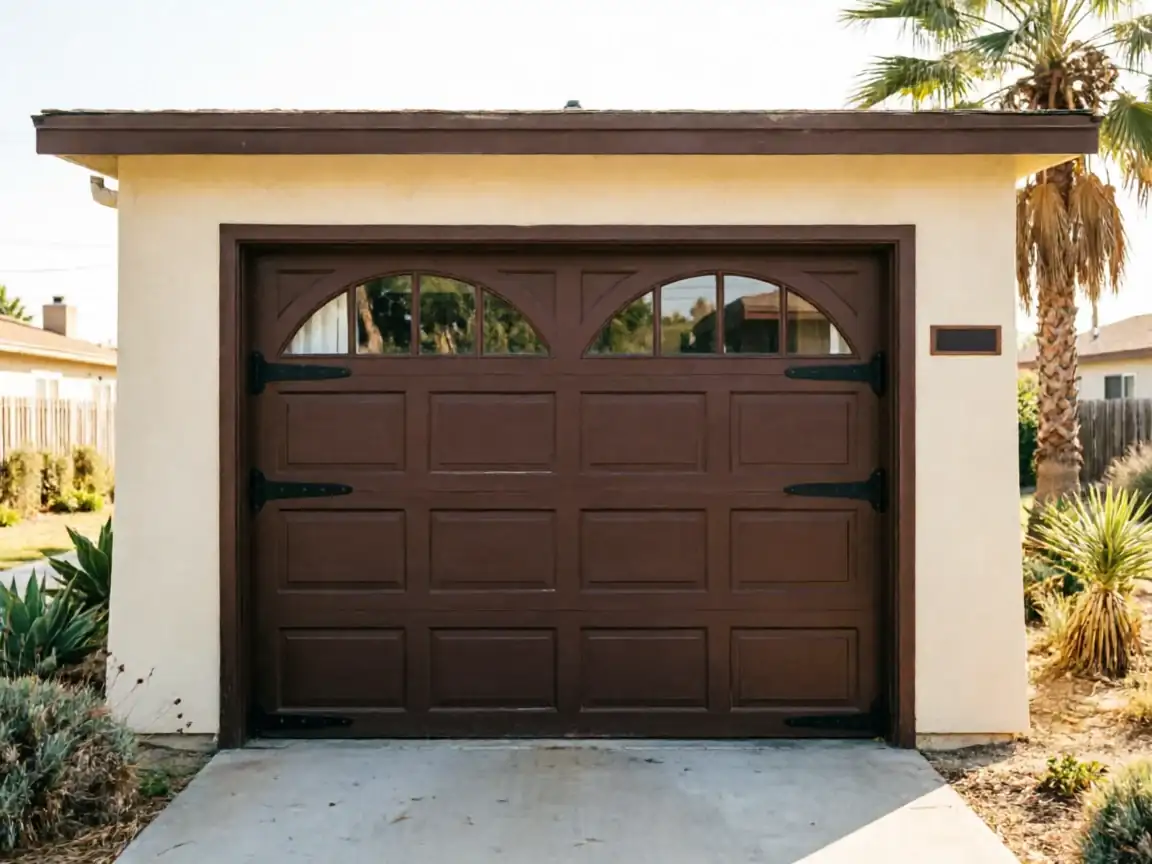
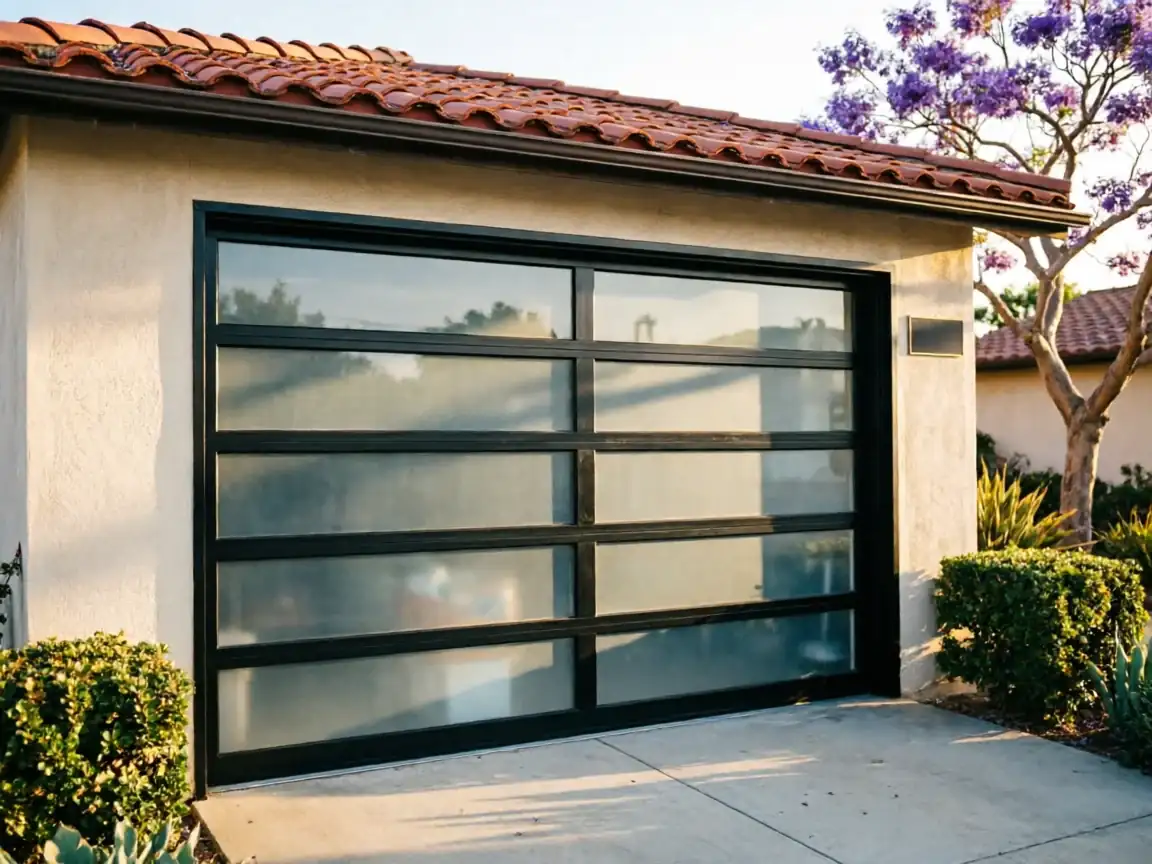
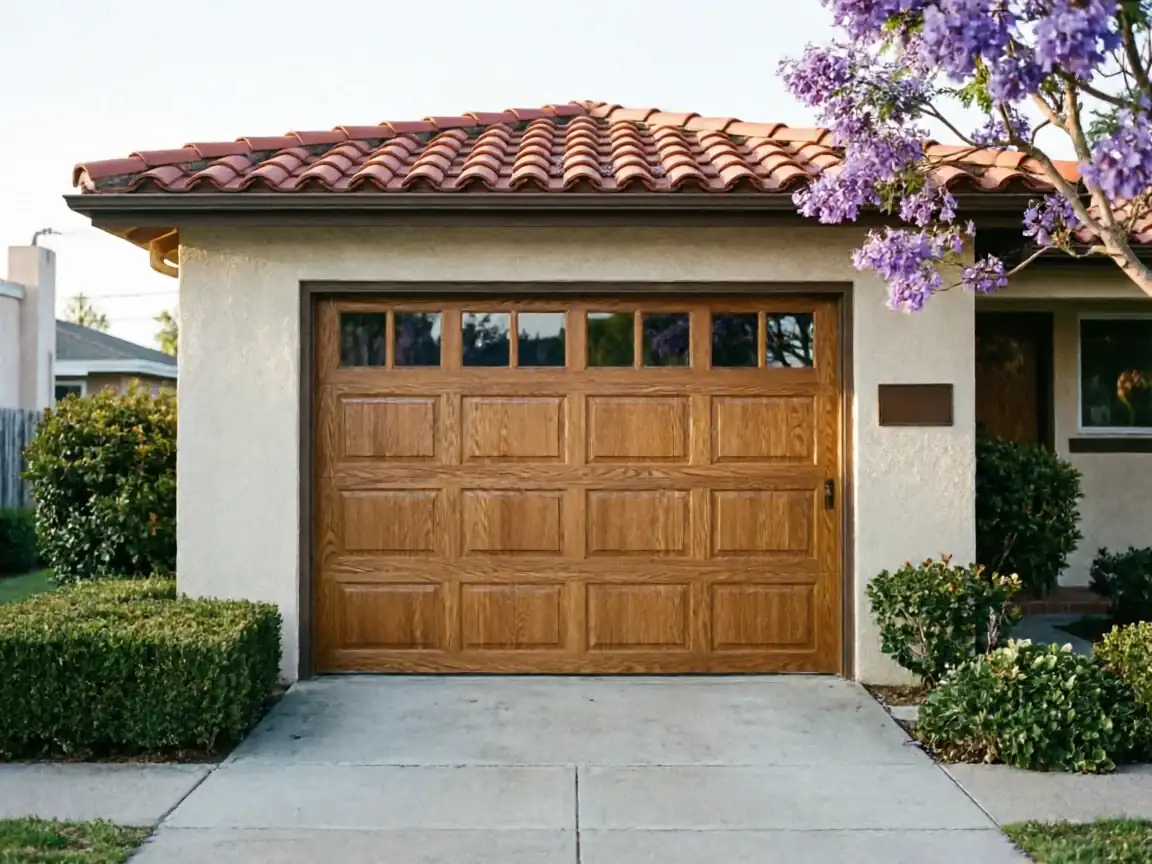
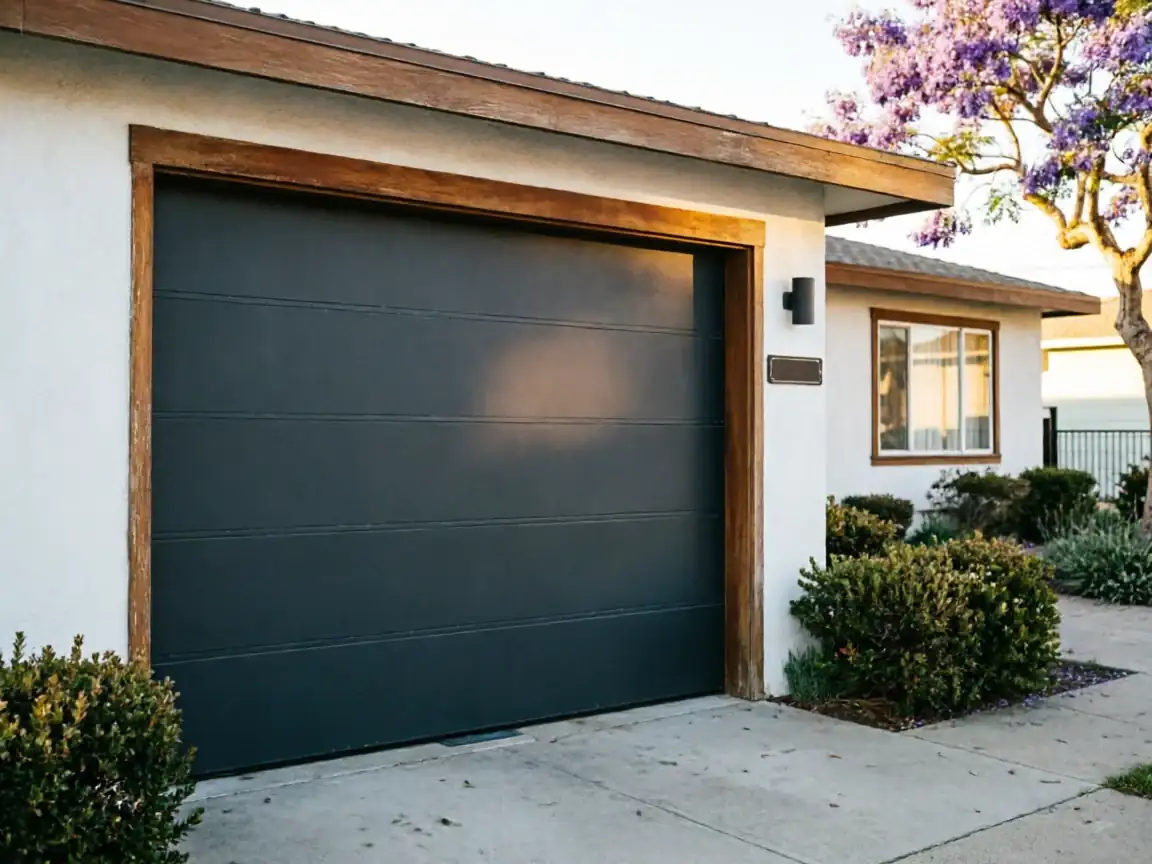
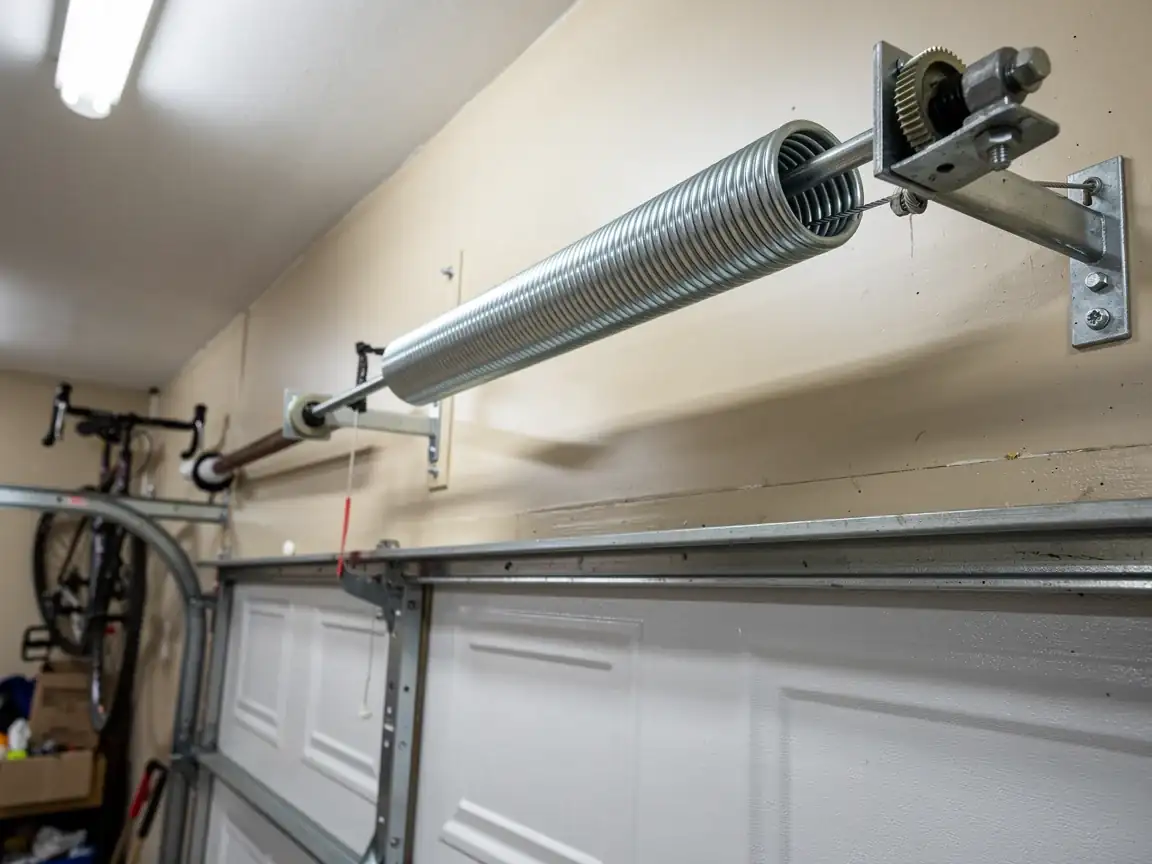
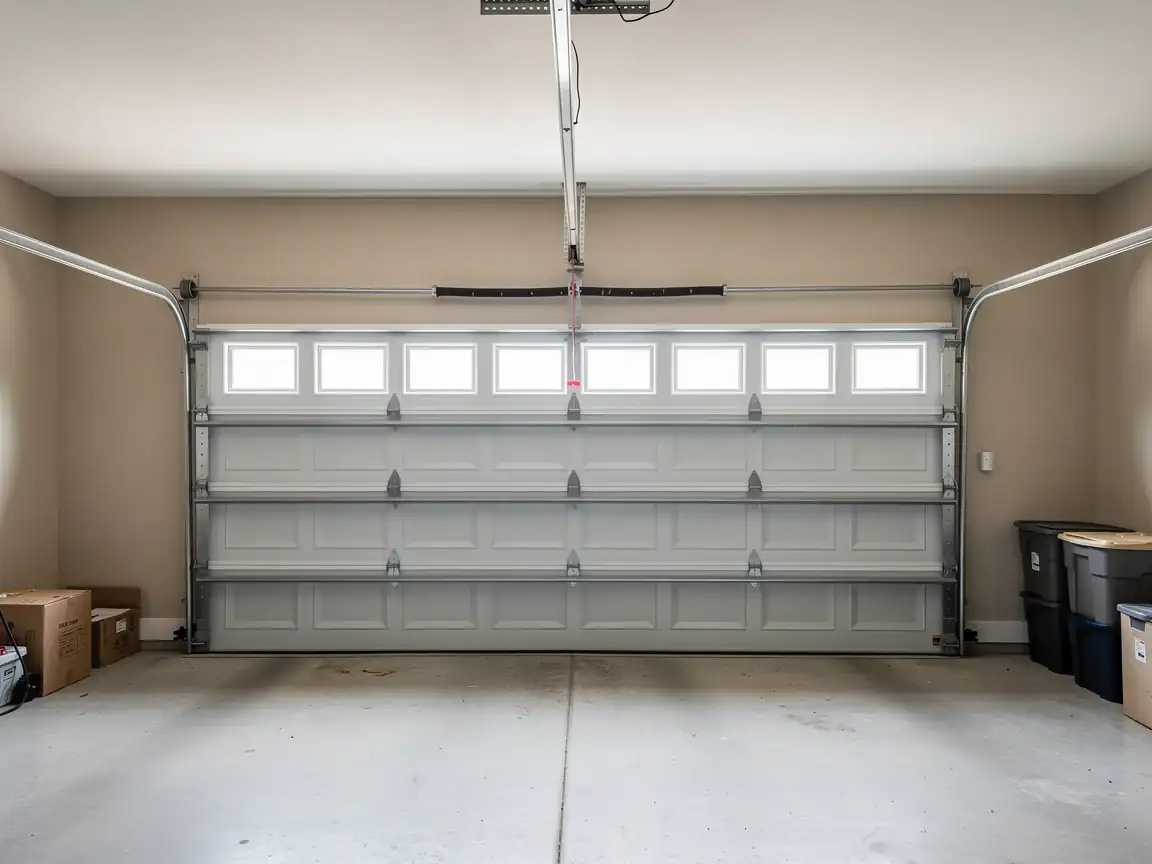
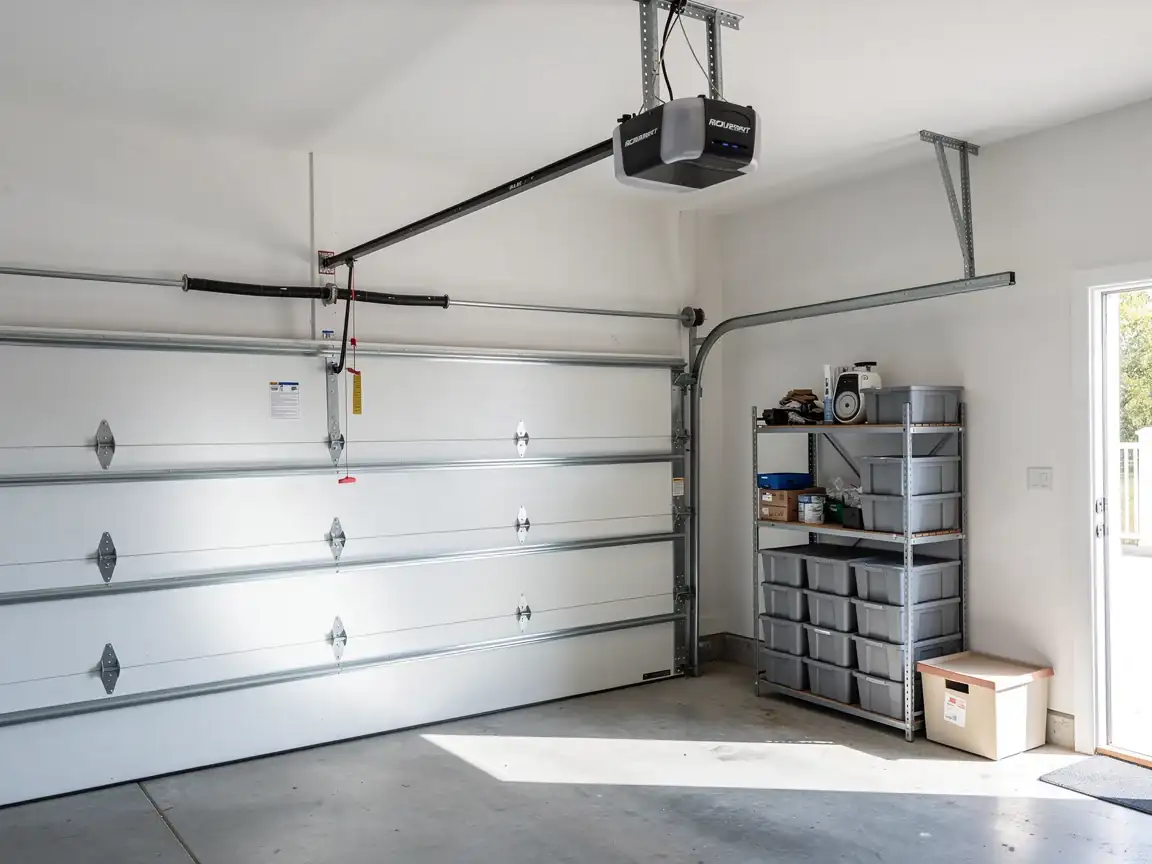
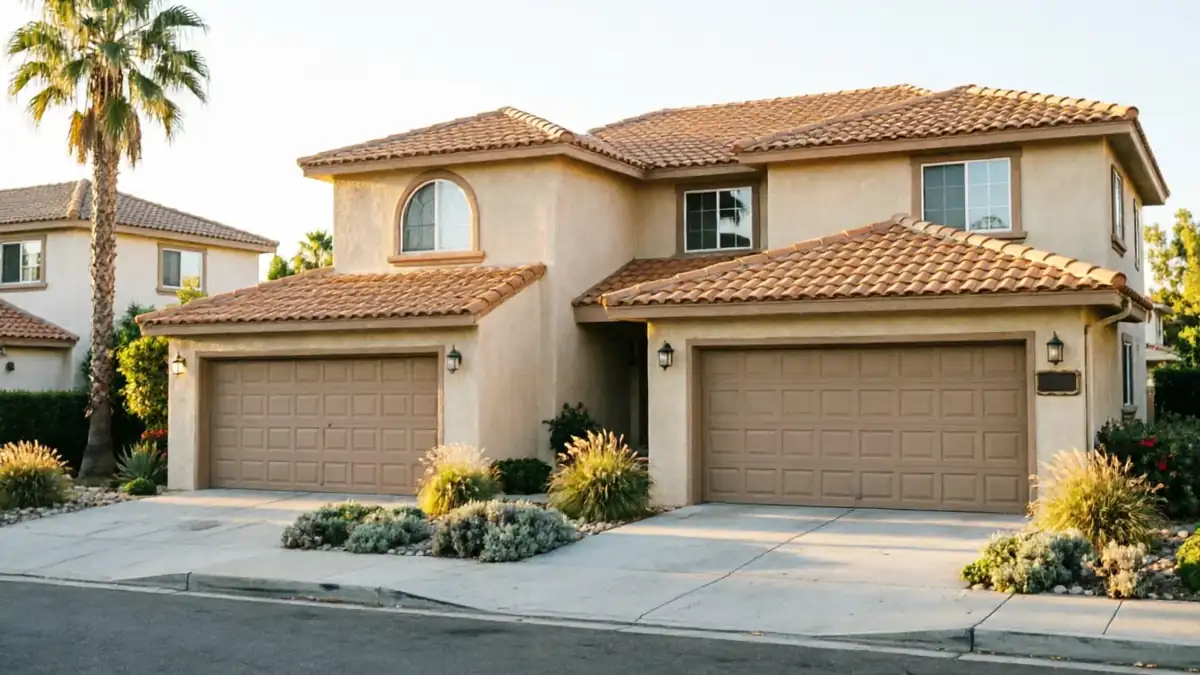
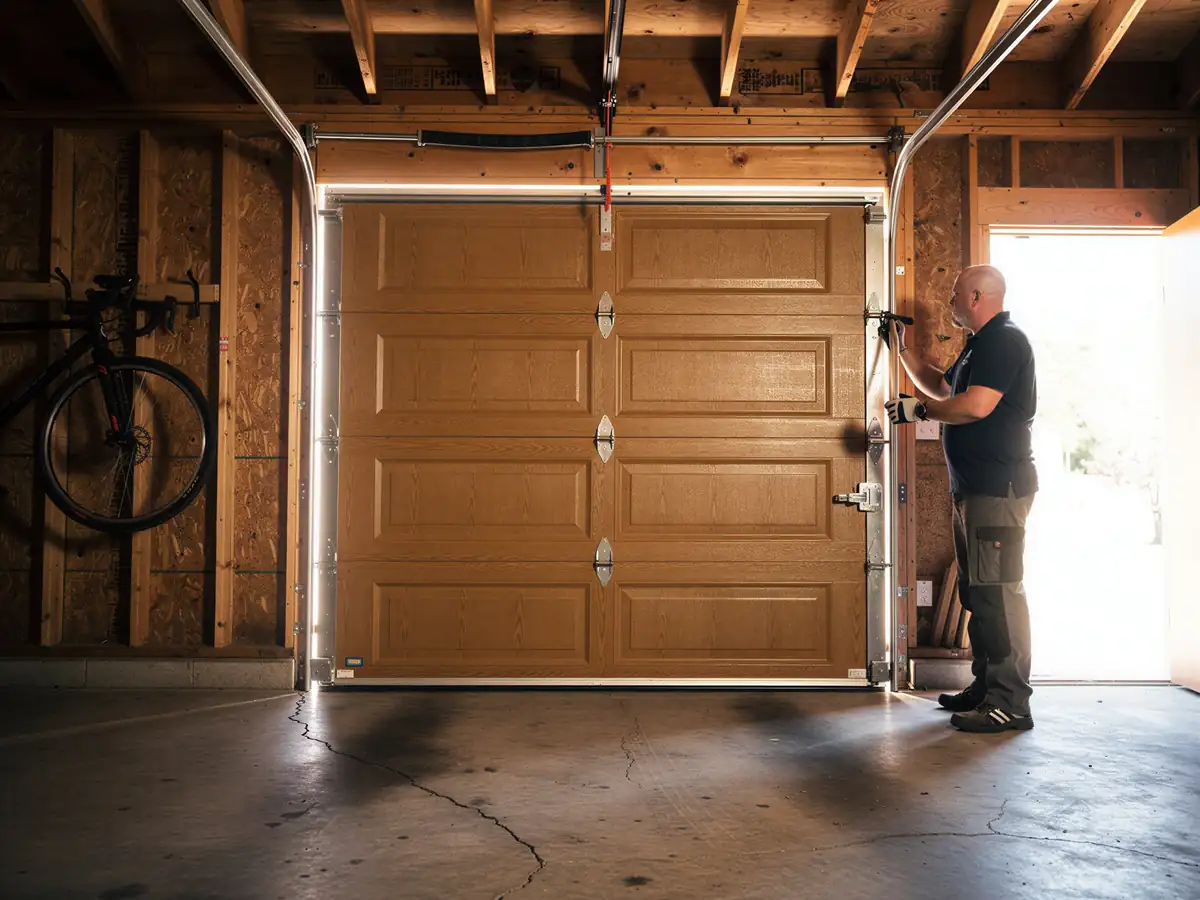
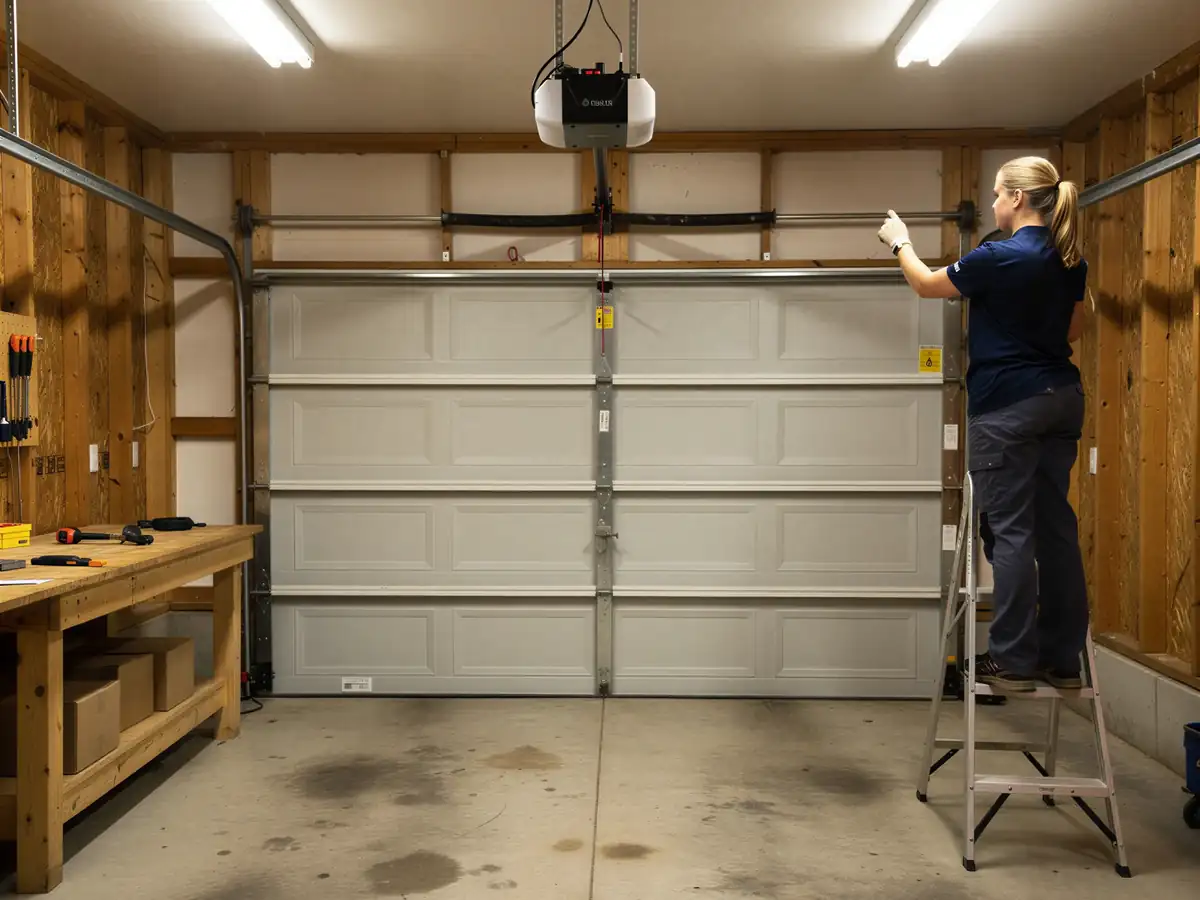
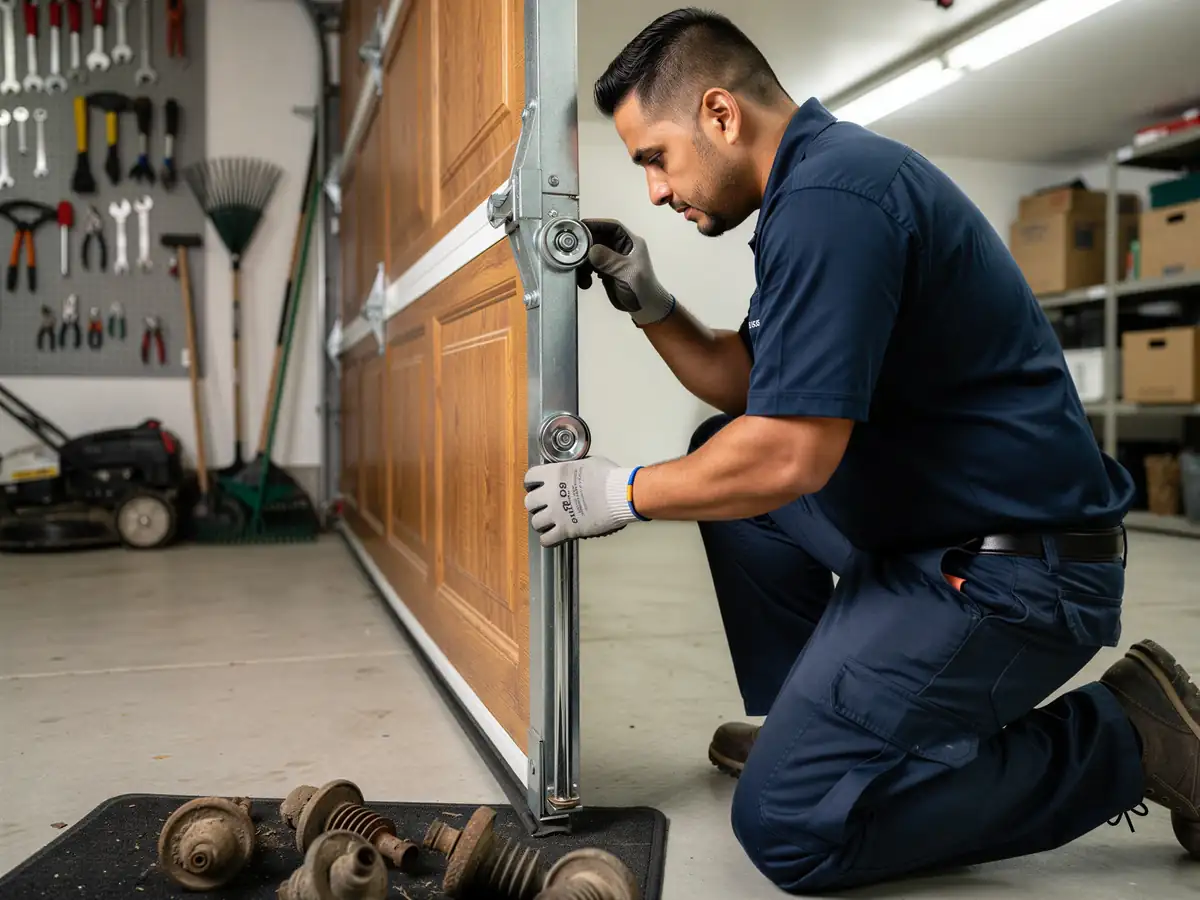
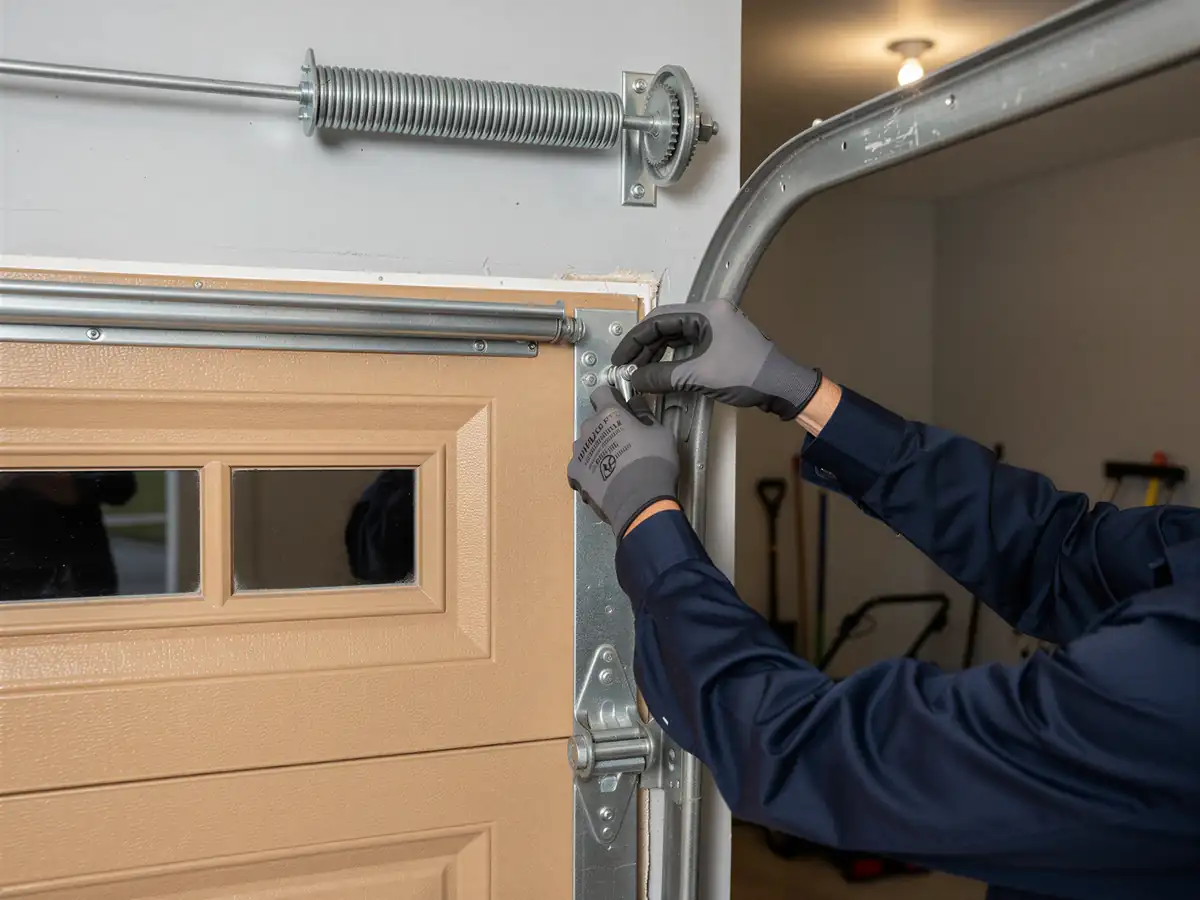
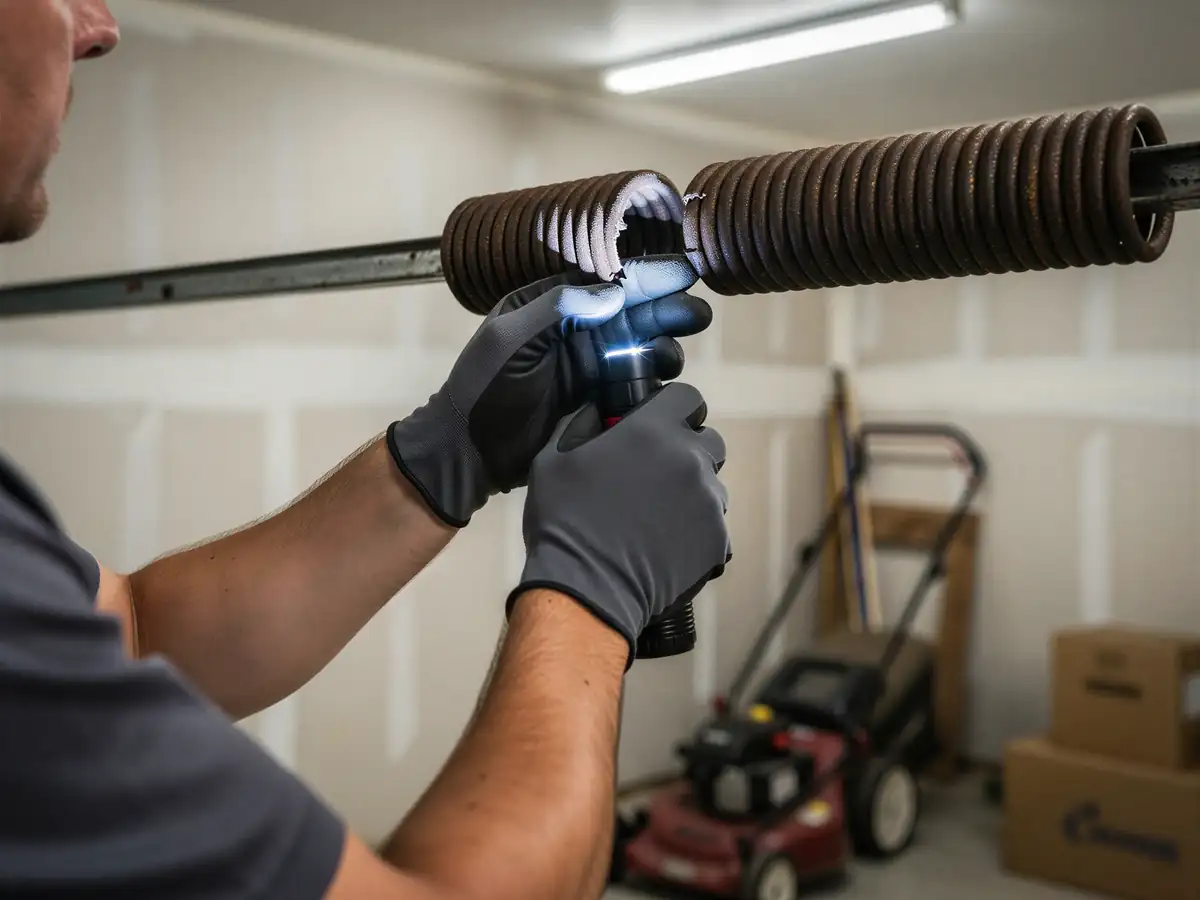
Temescal Valley's median home dates to around 2003, which puts most of the garage doors here on steel sectional panels, extension or torsion springs rated for modern door weights, and openers built after rolling-code security became standard. That's a different animal from the older torsion setups we see closer to Irvine, where the median build year sits at 1976. Newer doors in this area tend to fail at the opener board, the safety sensor wiring, or the plastic idler pulleys that wore out faster than the steel they're bolted to - not at the hardware itself. We still see spring failures, but they're usually the first spring the house ever had, not a third or fourth replacement. If your opener is original to a 2003-era build, it's past the point where parts and circuit boards are easy to source, and that's worth knowing before you pay for a diagnostic call instead of a straight swap.
The Split Between Old and New
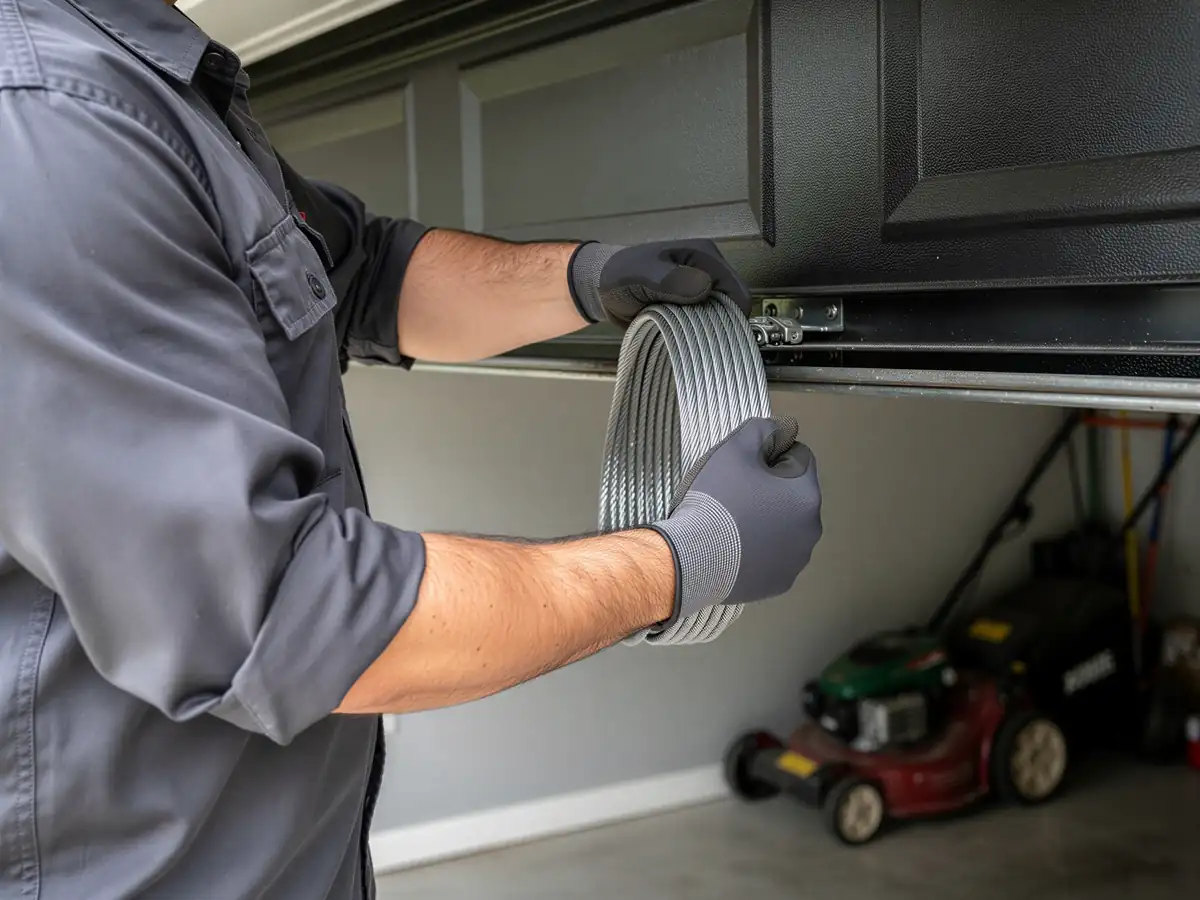
Across the broader service area, housing runs from 1938 up through 2015, with the median at 1976 and most of the stock concentrated in the 1960s and 70s. Temescal Valley sits well outside that center - it's one of the newer pockets we reach, built out closer to the 2000s. That split matters for how we show up prepared. A 1960s door in Irvine proper might need a torsion conversion or obsolete track hardware nobody stocks. A 2003 door out here is more likely a straightforward panel, roller, or sensor fix on parts still in production. We don't guess which one your house is before we look - but knowing the area's build era means we're not walking in blind, and we're not pricing a job as if every house in the territory has the same bones.
This Area's Housing
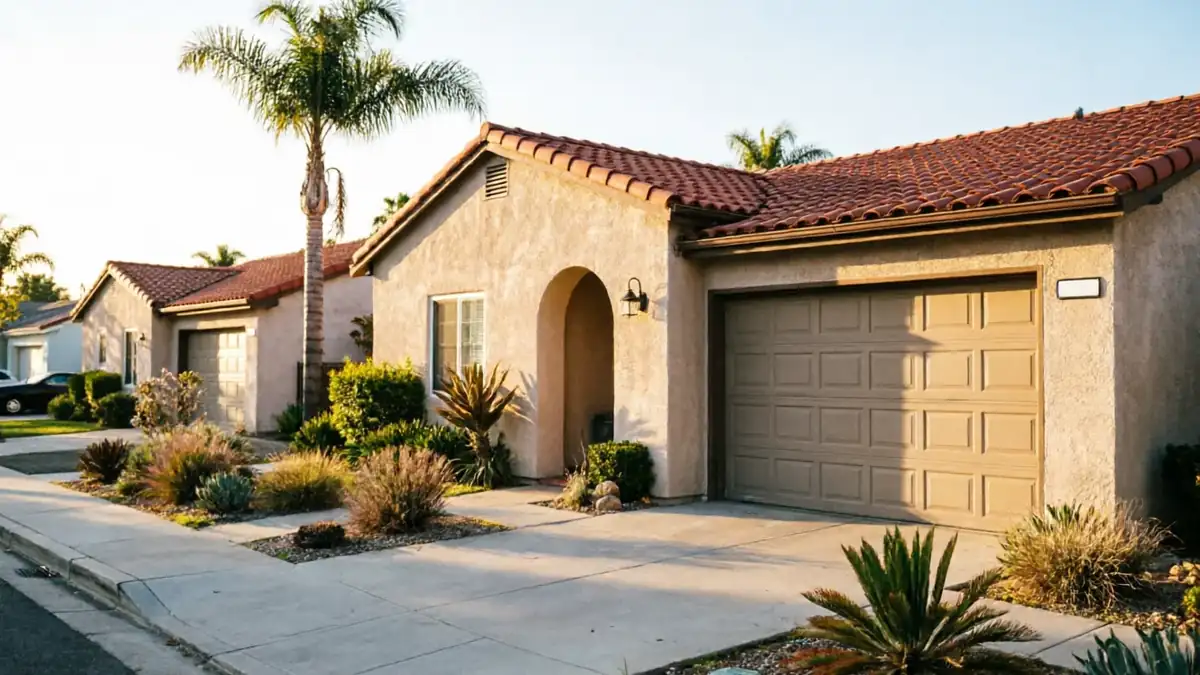
Temescal Valley has roughly 9,013 households and a median household income of $119,647, a bit below the wider service area's $124,167 but not dramatically so. With a median build year around 2003, most homes here were built to more recent title 24 and energy code expectations than the older housing closer to Irvine, which can mean better-insulated doors but also opener and sensor electronics that are now 20-plus years old and starting to show it. We don't have block-by-block data on this area beyond those figures, so we size up each door on-site rather than assuming the whole neighborhood matches one build pattern.