Time on the Job
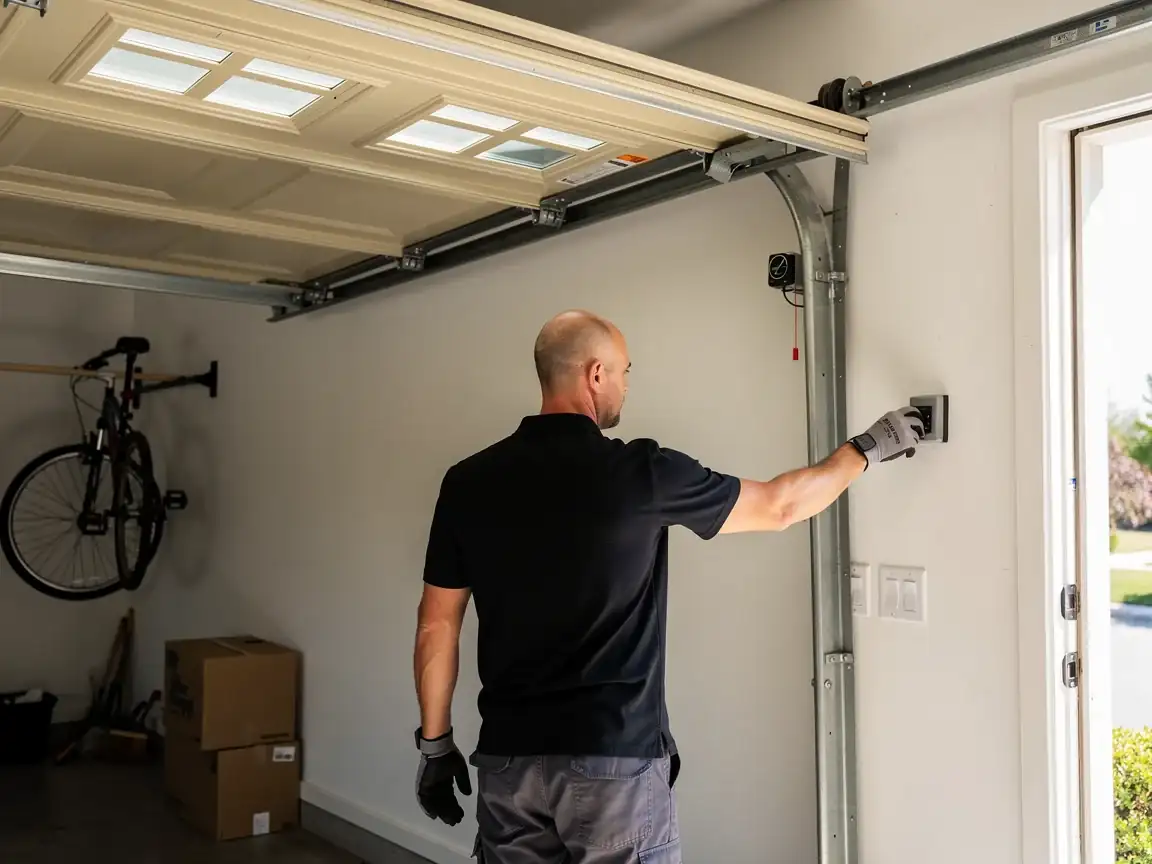
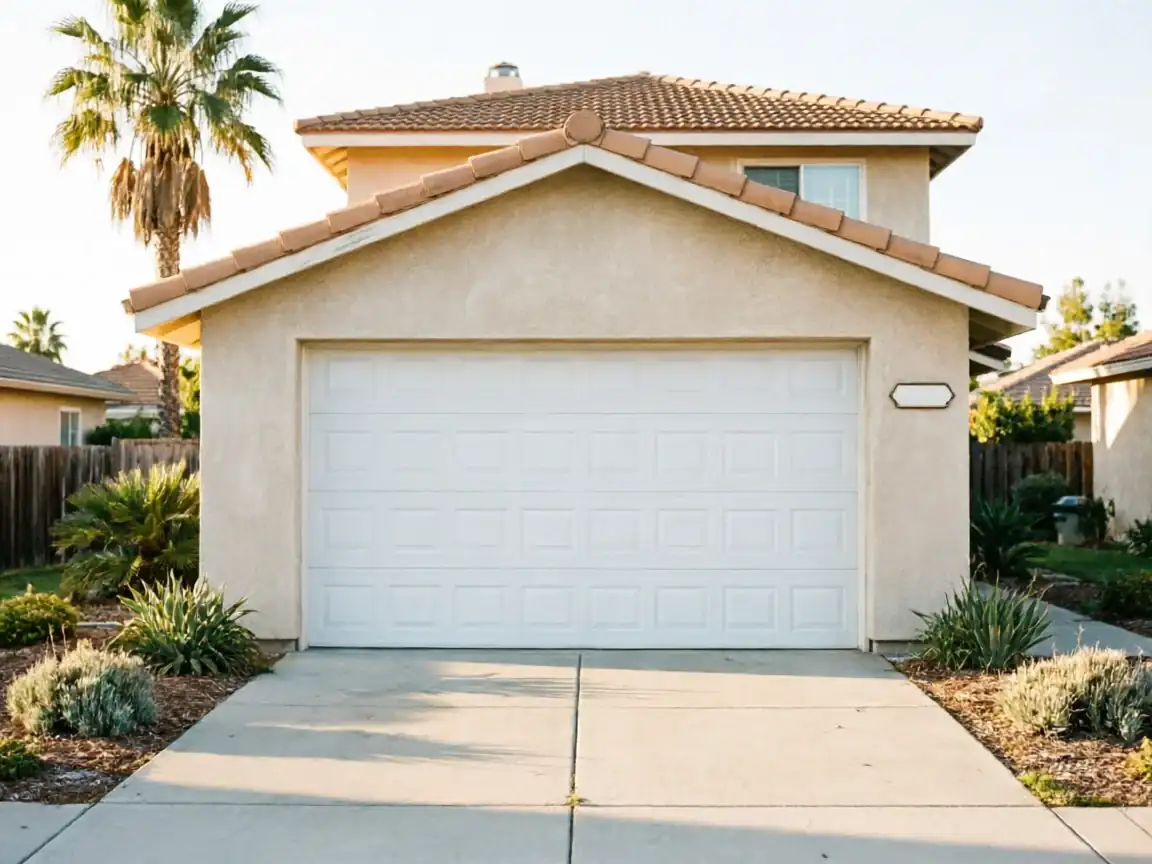
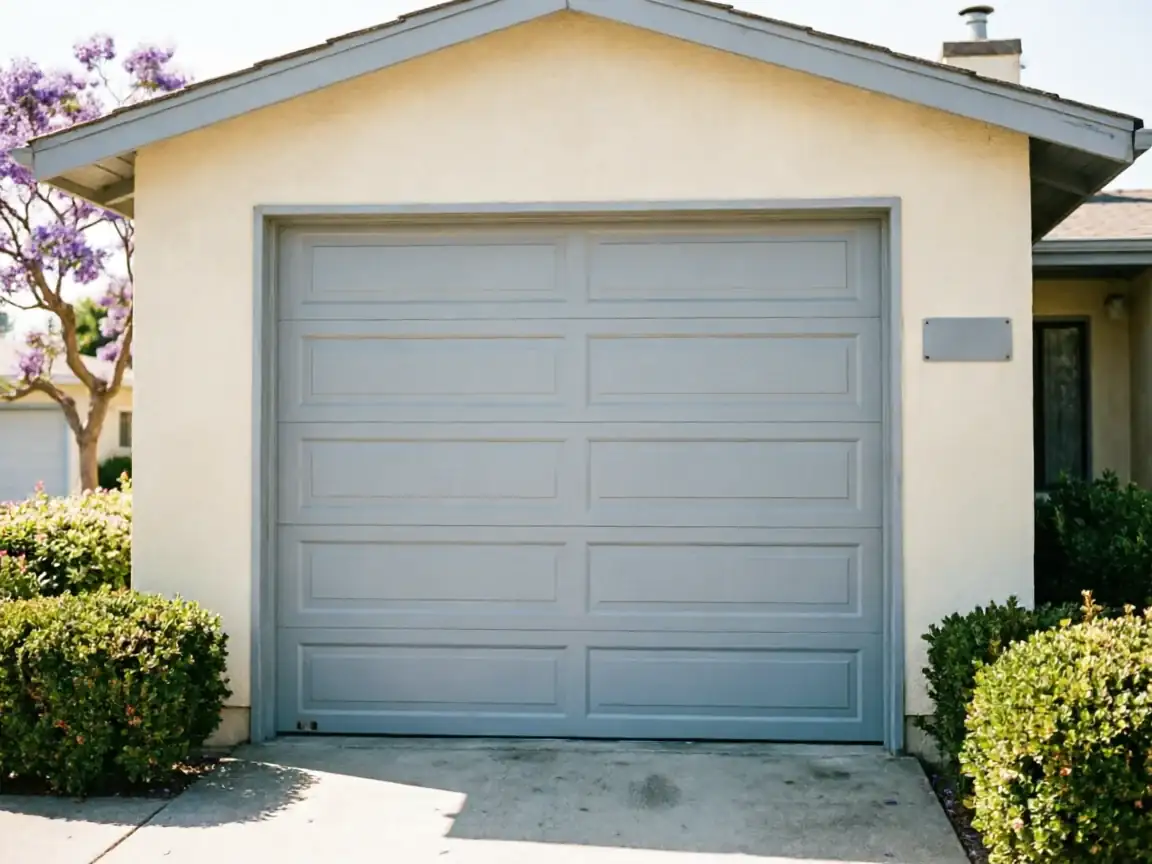
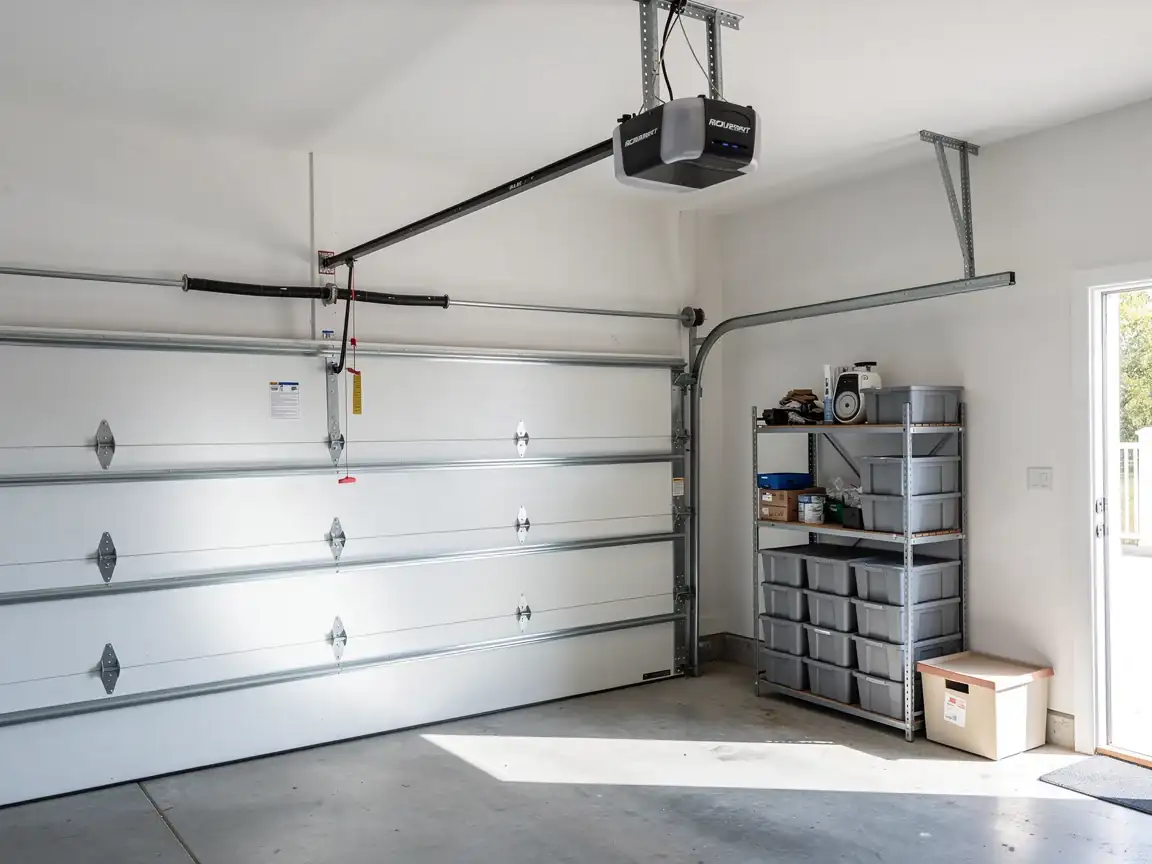
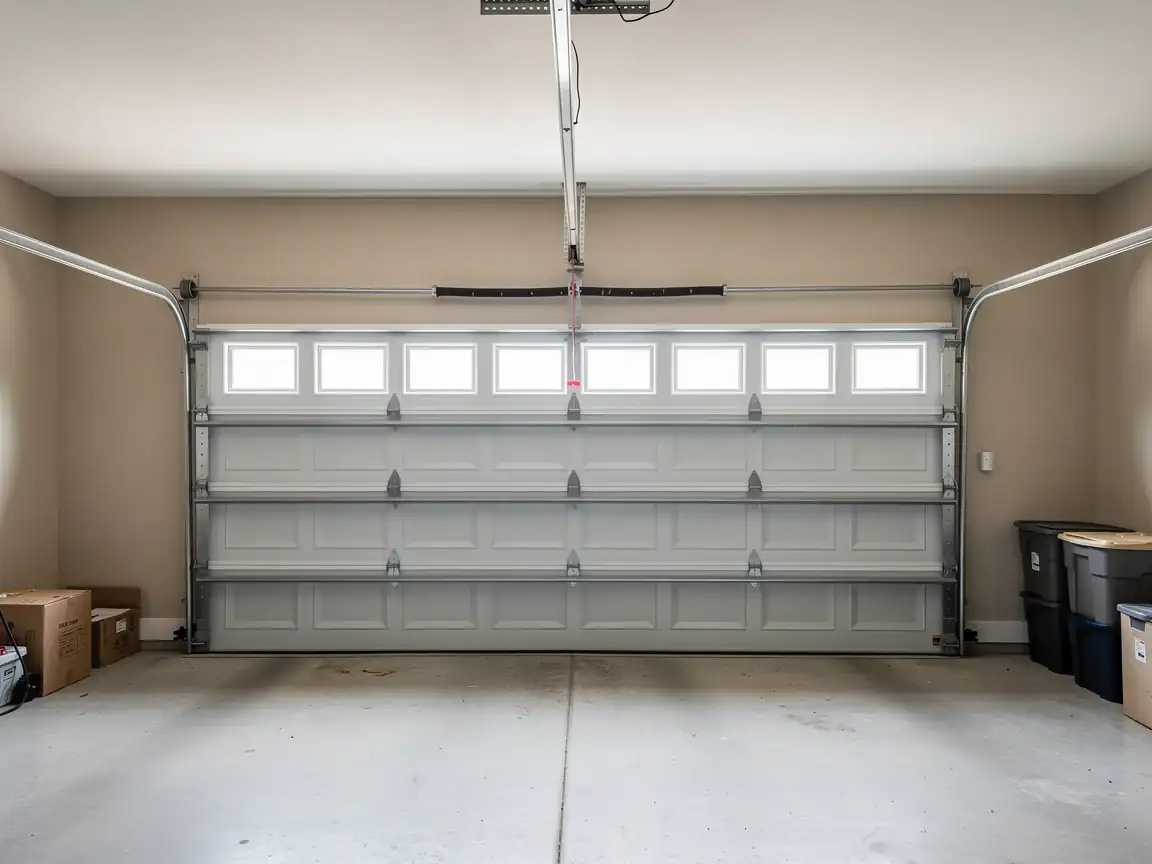
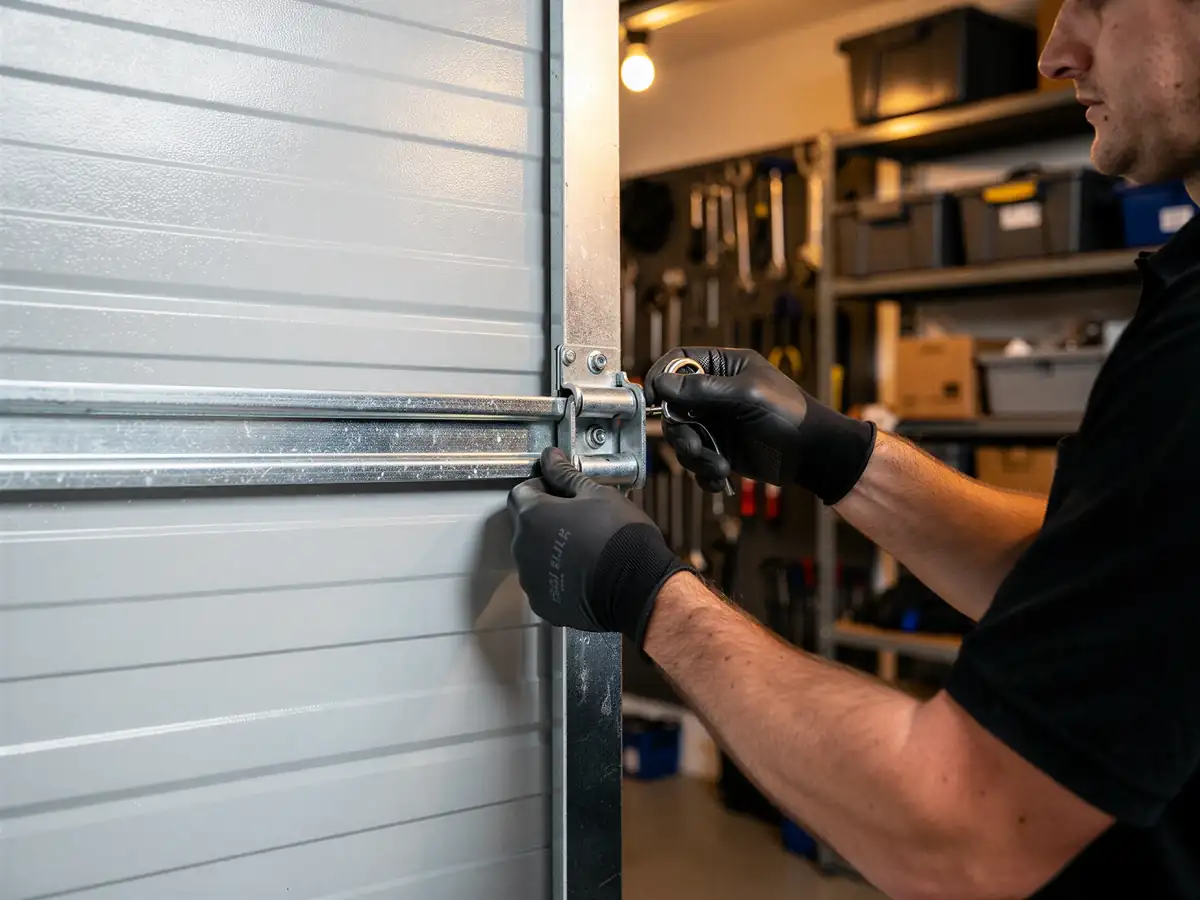
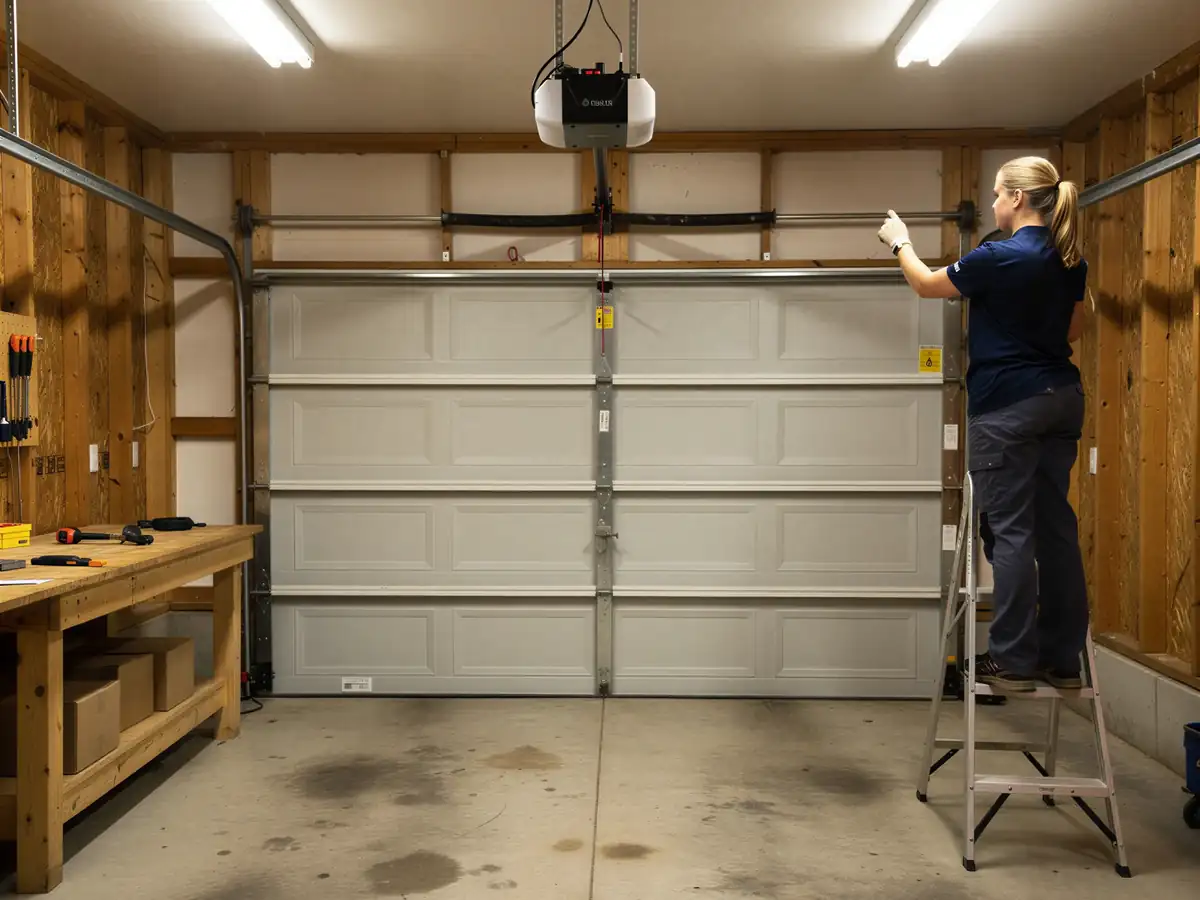
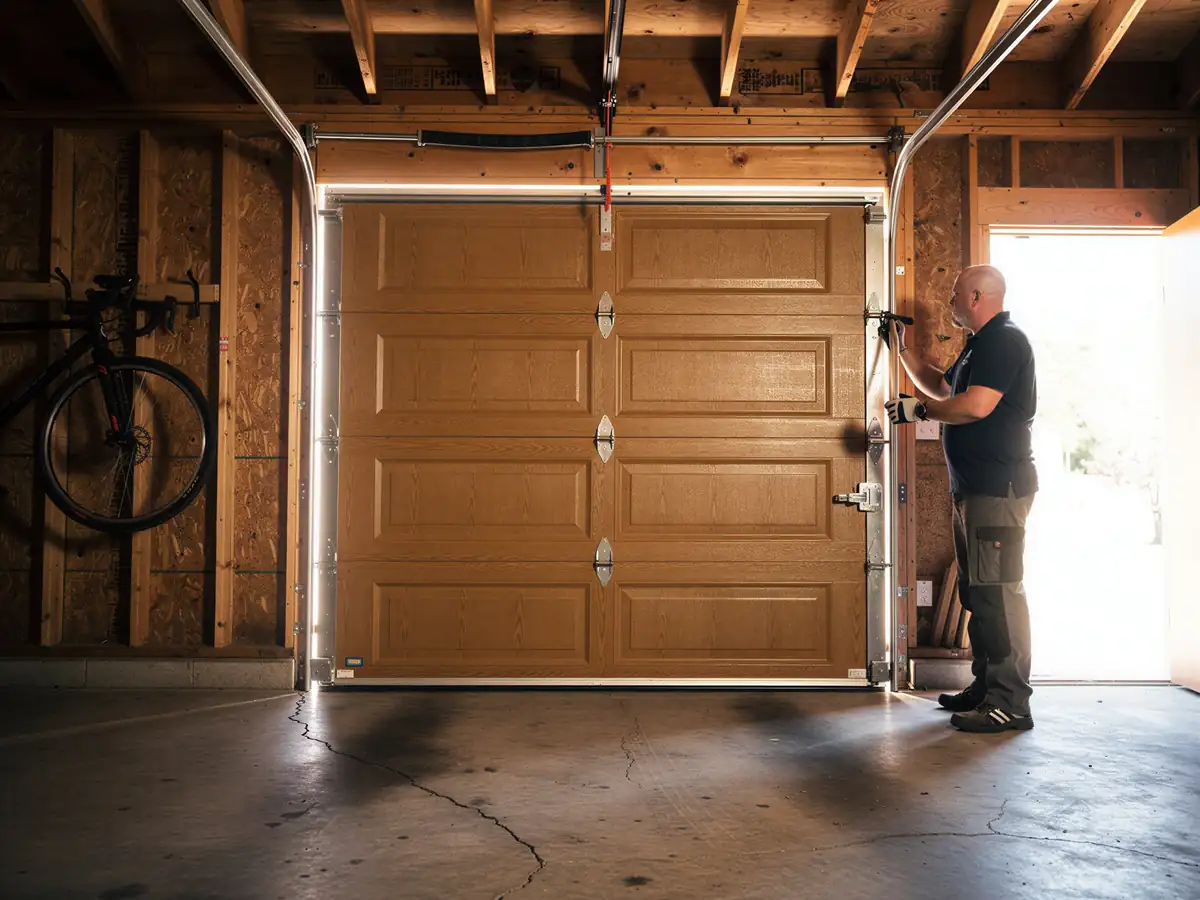
A straight swap on a 2003-era house is usually the simplest job we do out this way. The opening is standard, the framing is square, and the electrical for an opener is already run the way code expected it in the early 2000s - not retrofitted later. We pull the old sectional door and torsion spring system, set new track and a new door, and balance it before we leave. Where the day runs longer is when the opener gets replaced too, since we're also swapping the safety sensors and wiring to current standards. Either way, this is one visit, not a return trip to finish trim or wiring, because houses from this era weren't built with the odd stud spacing or low headroom that turns an install into a carpentry job first. We tell people up front when a job looks like it'll run past a half day - usually that's a double-wide opening with a wall-mount opener conversion, not a straight panel swap.
Stocked Parts
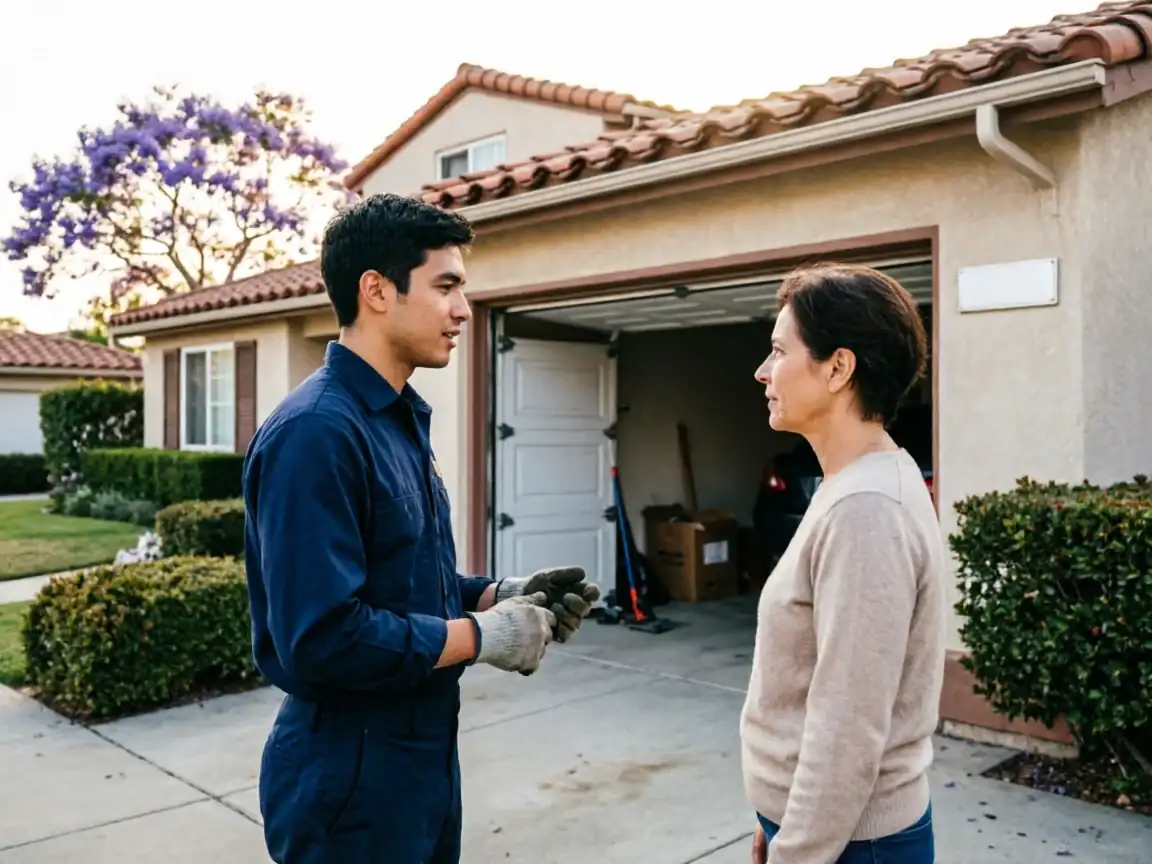
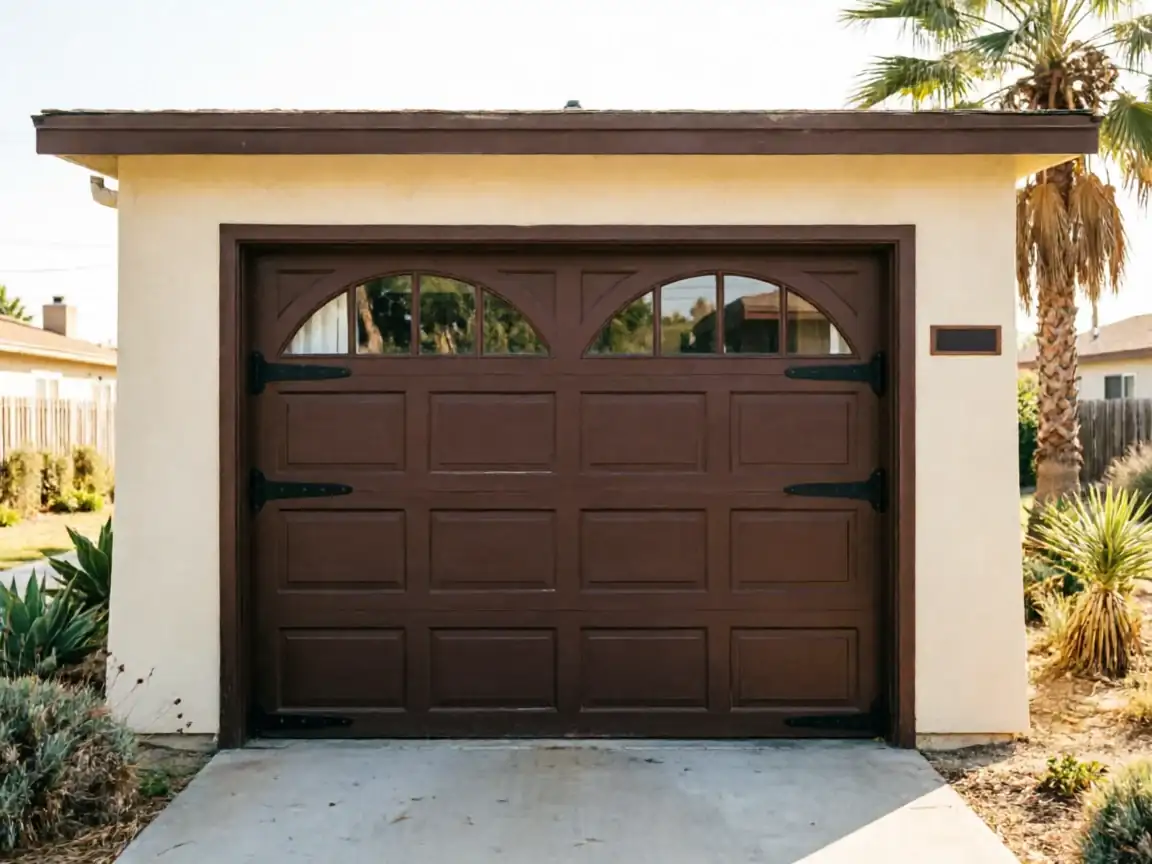
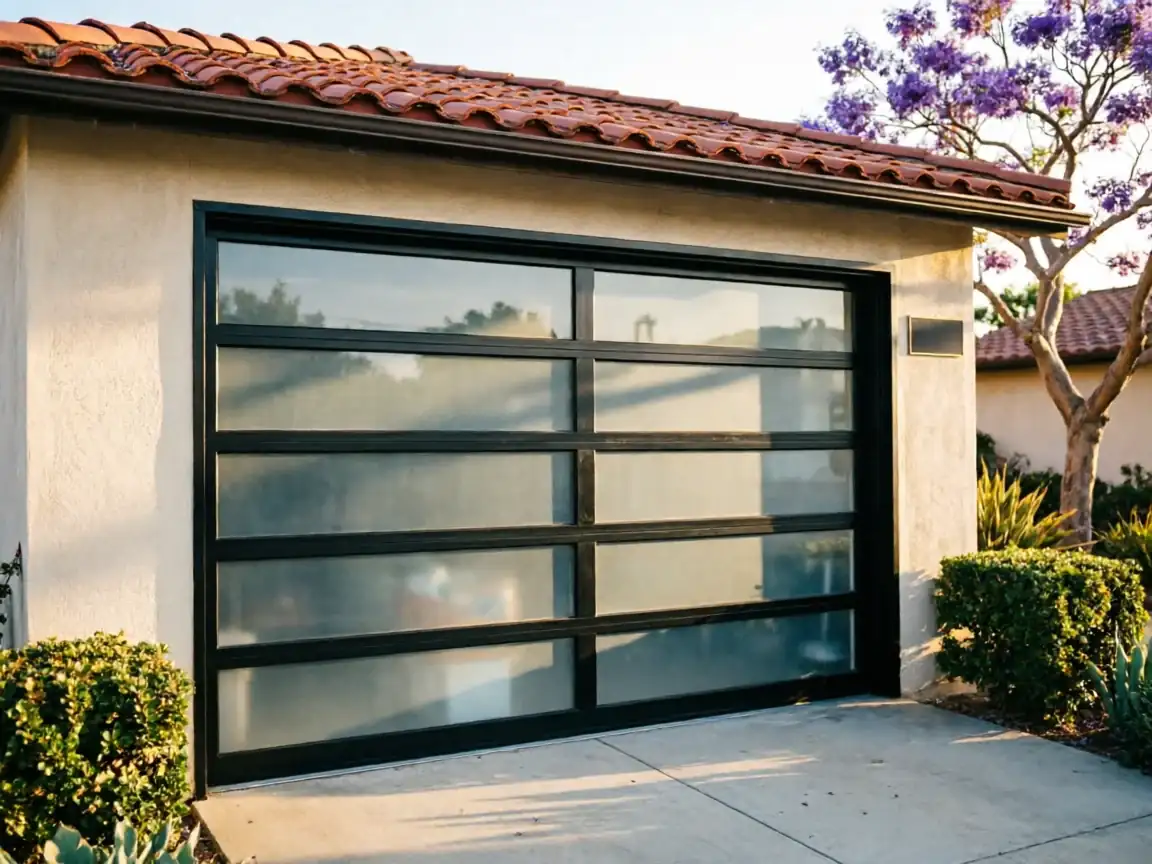
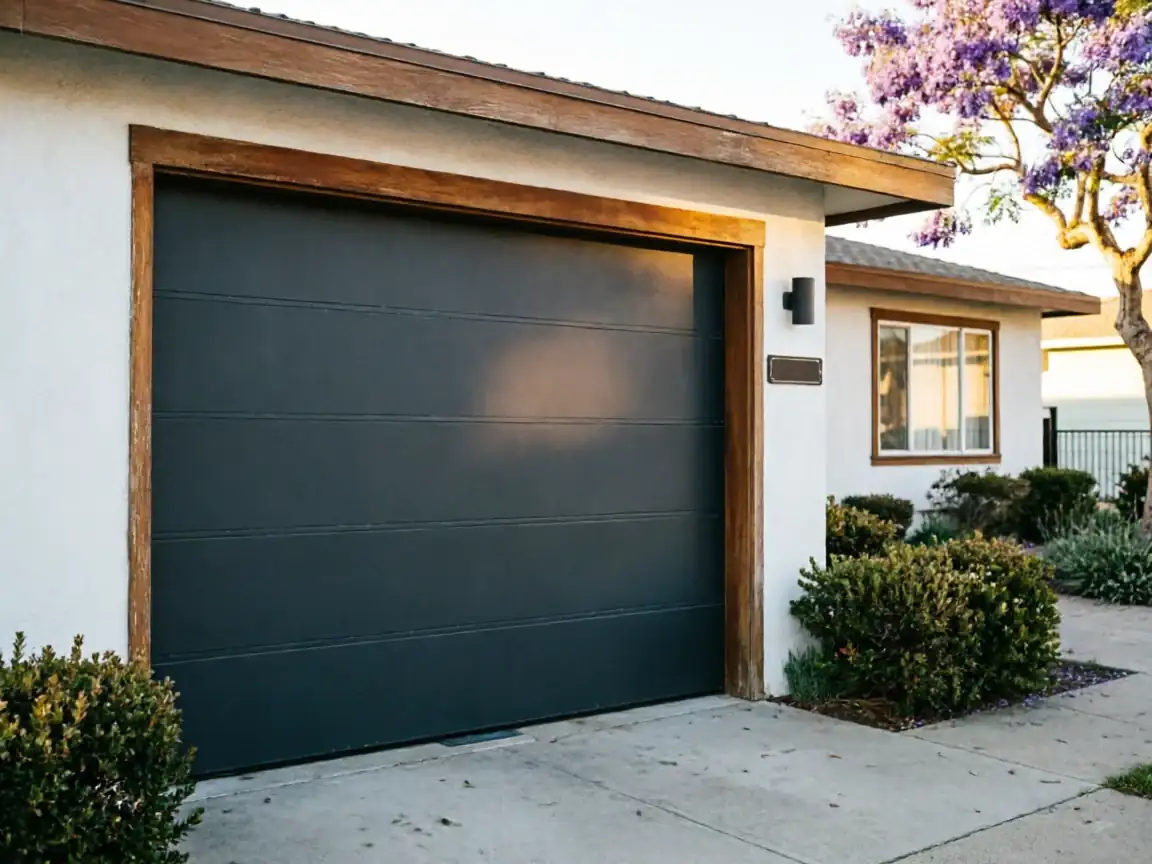
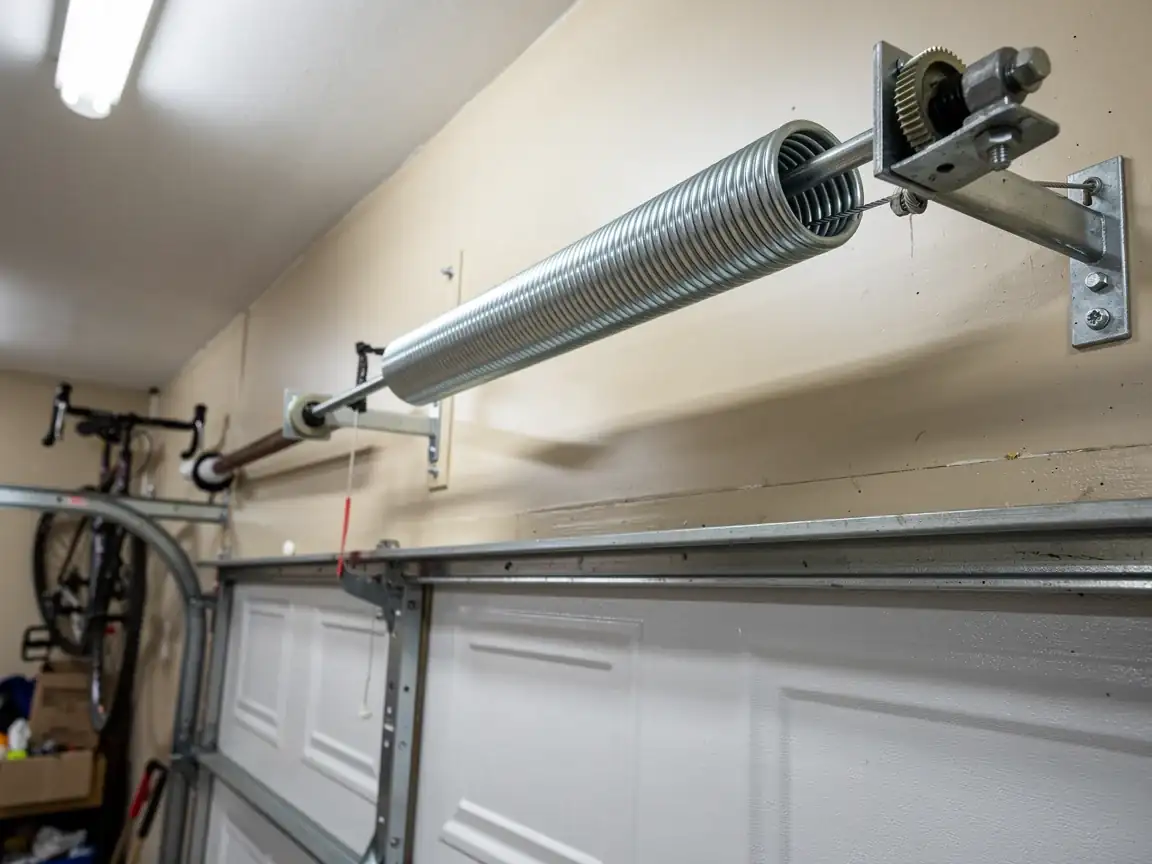
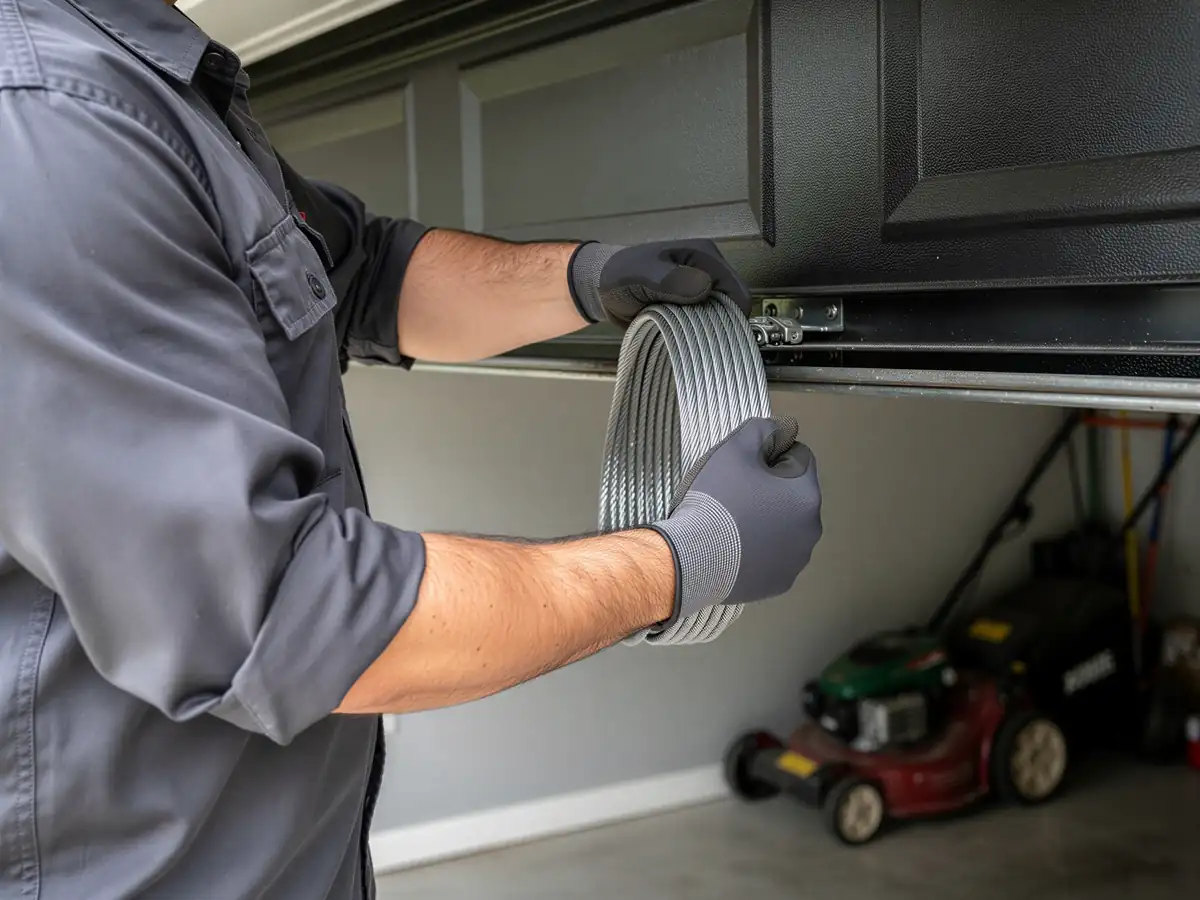
Doors built around 2003 mostly take standard steel sectional panels on 2-inch torsion springs, which is the sizing we carry on the truck most often for this part of the service area. That's different from the mix we carry for 1960s and 70s stock closer to Irvine, where one-piece doors and odd-width openings are more common. For Temescal Valley we're usually matching a 7-foot or 8-foot standard opening with a modern steel or insulated composite door, and the opener hardware - rail, trolley, sensors - is the same current-generation gear across the service area. We do run into one gap: specialty finishes or custom panel windows sometimes have to come from the manufacturer rather than off the truck, which adds a few days to the job. We'll tell you at the estimate if your pick is a stock item or a special order.
Can You Do This Yourself
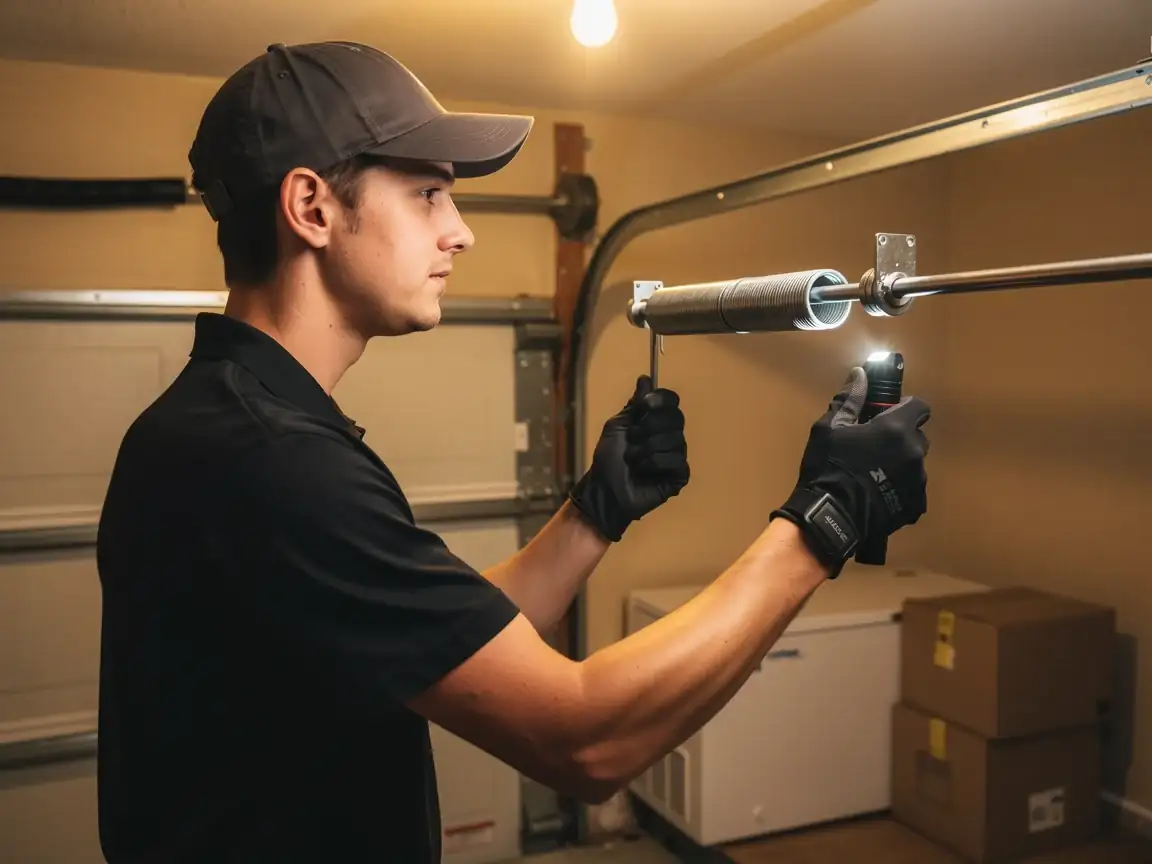
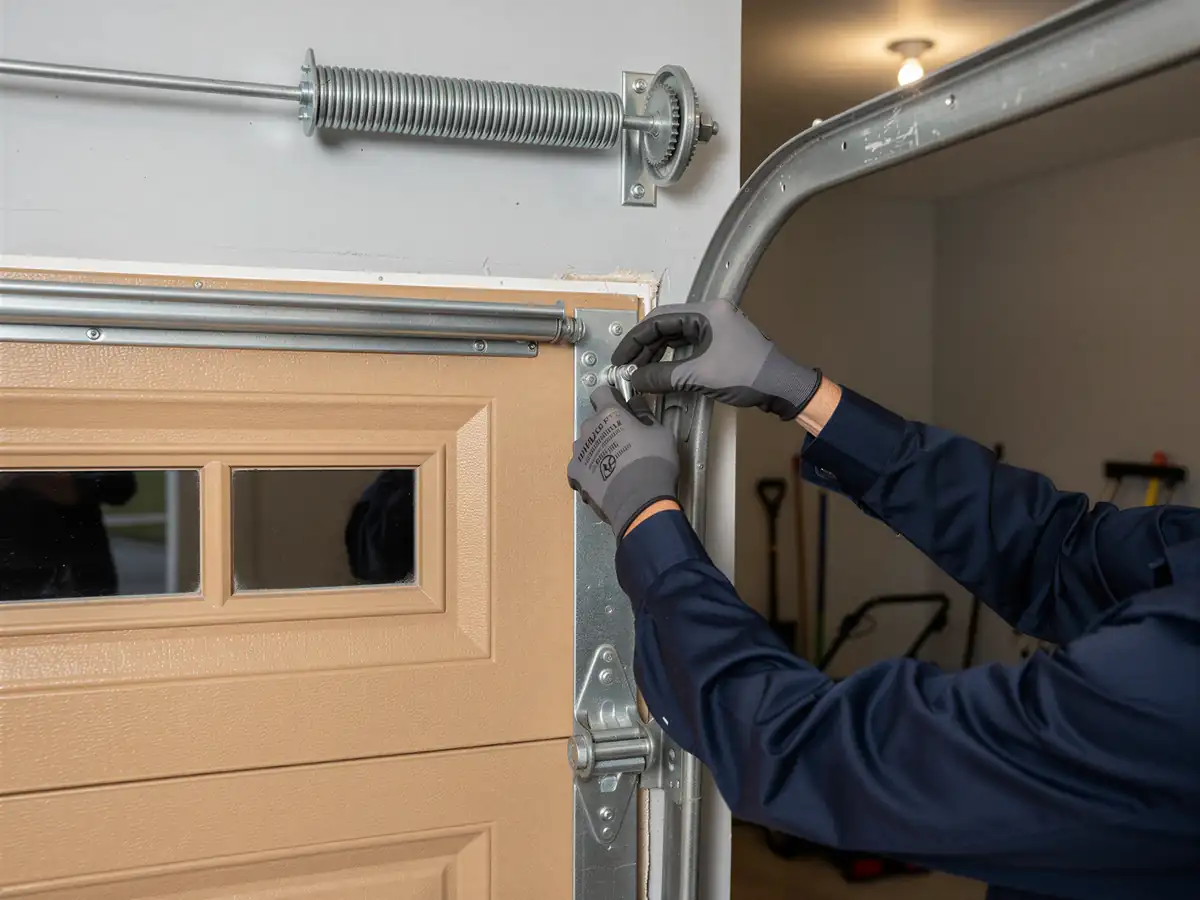
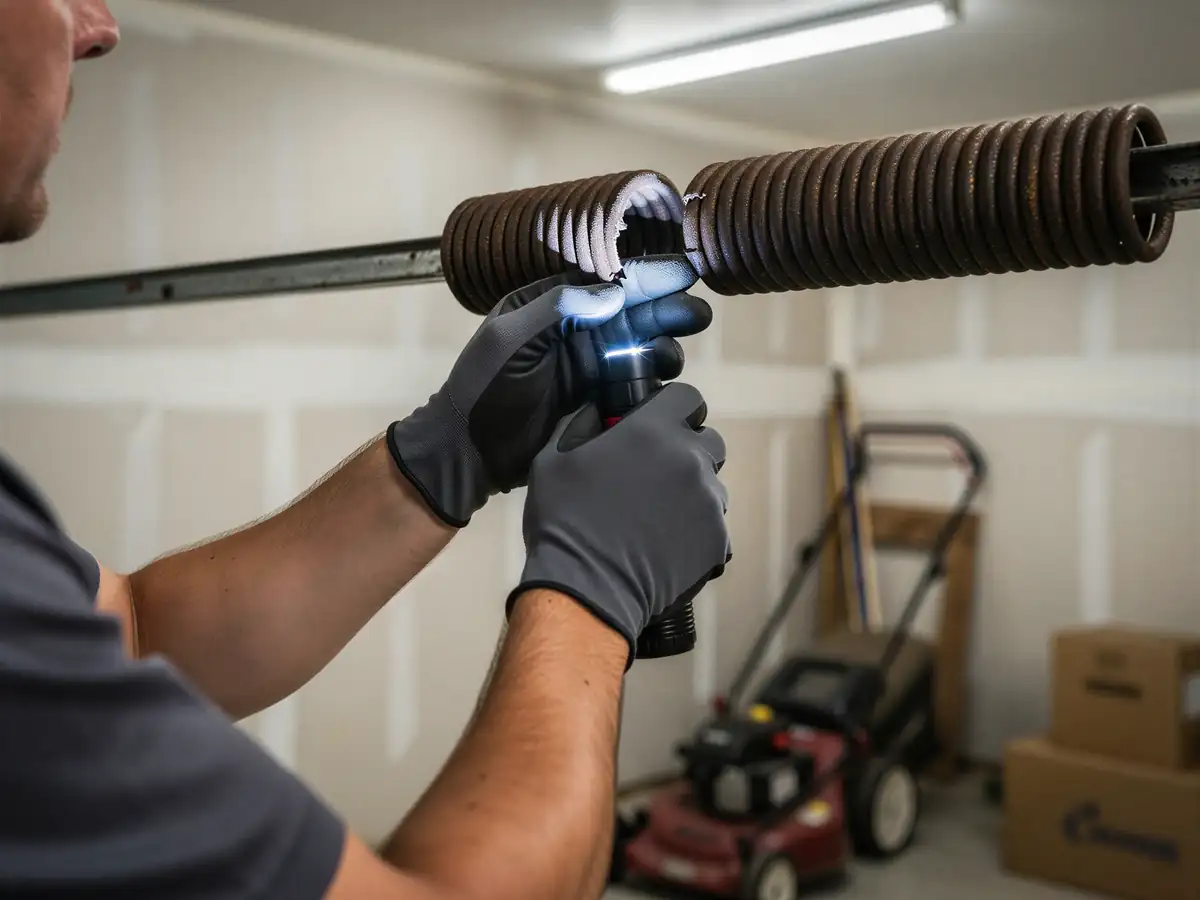
A new garage door is not a weekend DIY project, even on a straightforward 2003-built house. The torsion spring is under enough tension to break a bone or worse if it's released or installed wrong, and getting the door balanced on the track takes more than a level and a guess. Where homeowners can reasonably do their own work is the opener's smart features - adding a camera, a keypad, or app control after we've installed the door and base opener is simple and doesn't touch anything dangerous. What we won't recommend is reusing an old spring or track system with a new door to save money; the hardware is sized to the door's weight, and mismatched parts wear out fast or fail outright. If your current door is sagging, off its track, or the spring has already gone, that's a call for us, not a tutorial.
What Causes It Around Here
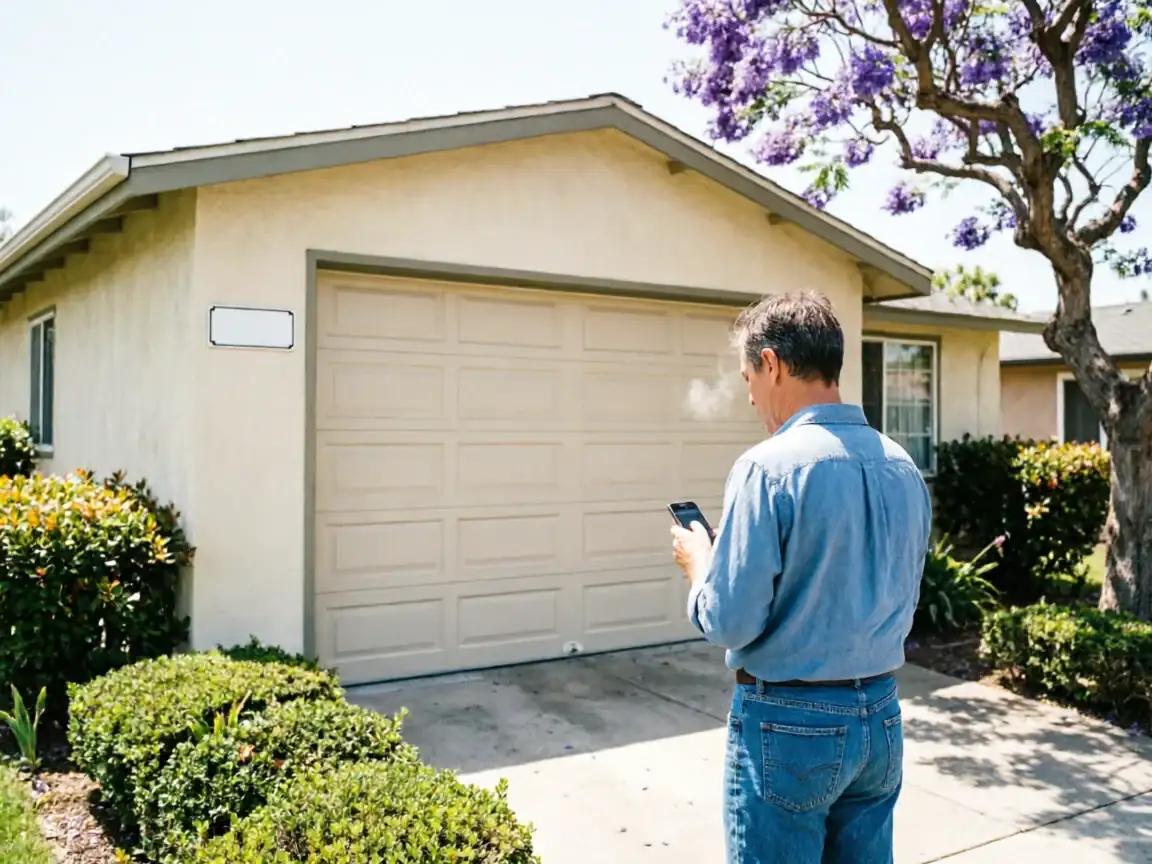
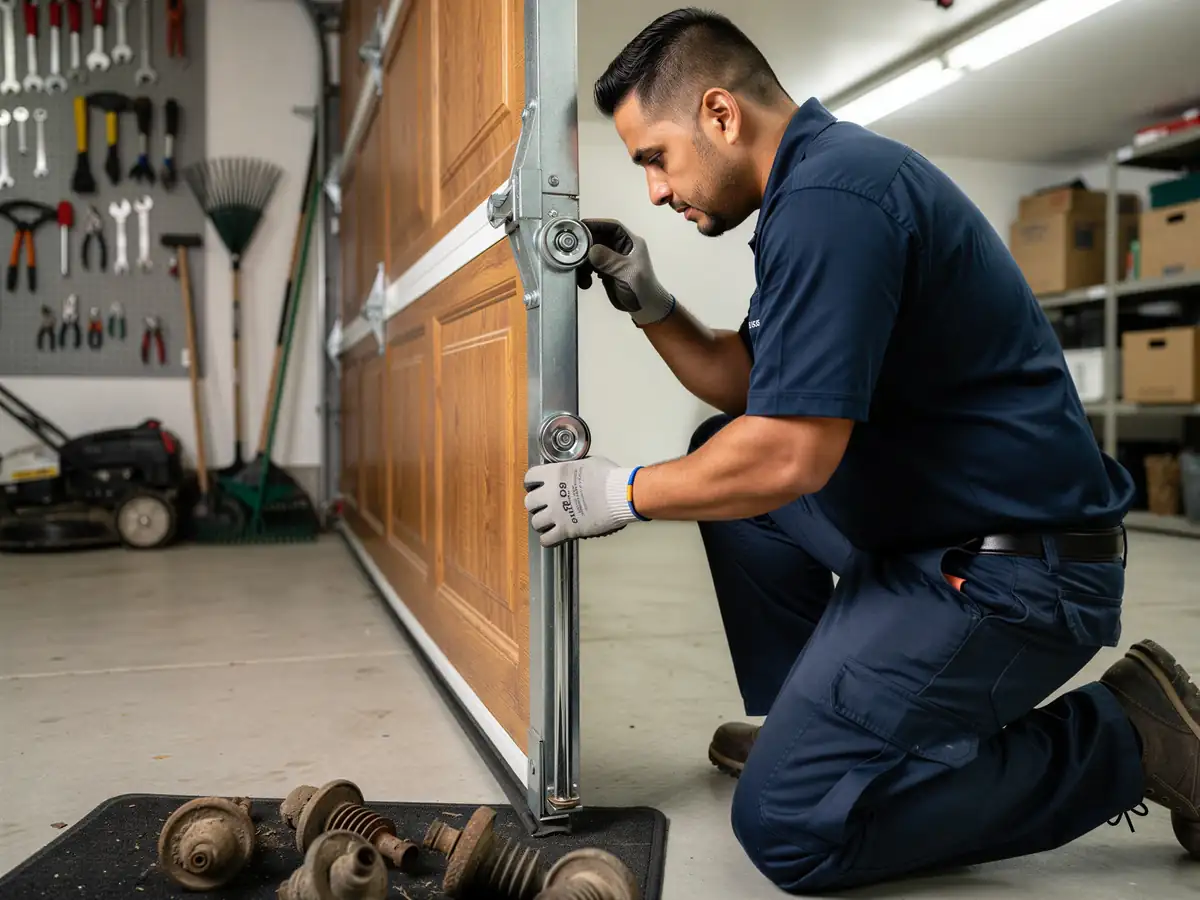
Most of what pushes a Temescal Valley homeowner toward full replacement instead of a repair is age catching up with a door that was fine for fifteen or twenty years and now isn't - not storm damage or a one-off accident. Houses here were mostly built around 2003, so the doors going in today are often the first replacement that house has ever needed: original torsion springs are rated for a set number of cycles, and a door opened twice a day for two decades is due. The mild temperate climate here doesn't put the stress on doors that extreme heat or heavy coastal salt air does elsewhere in the region, so when we do see early failure it's usually a track knocked out of alignment or a roller that was never lubricated, not weather damage. We don't see a lot of wholesale storm-related replacement calls out this way, which is one reason timing often comes down to the owner noticing the door's gotten loud or slow rather than an emergency.