Time on the Job
We run out of Irvine to reach Temescal Valley, which sits about 18 miles from our shop. That's not a five-minute hop, so when you call, we're scheduling a drive, not dispatching from a local depot. We don't have a branch here and we won't pretend otherwise. What we can tell you is what we're likely walking into once we're on site: a garage built close to 2003, with hardware that's probably never been touched.
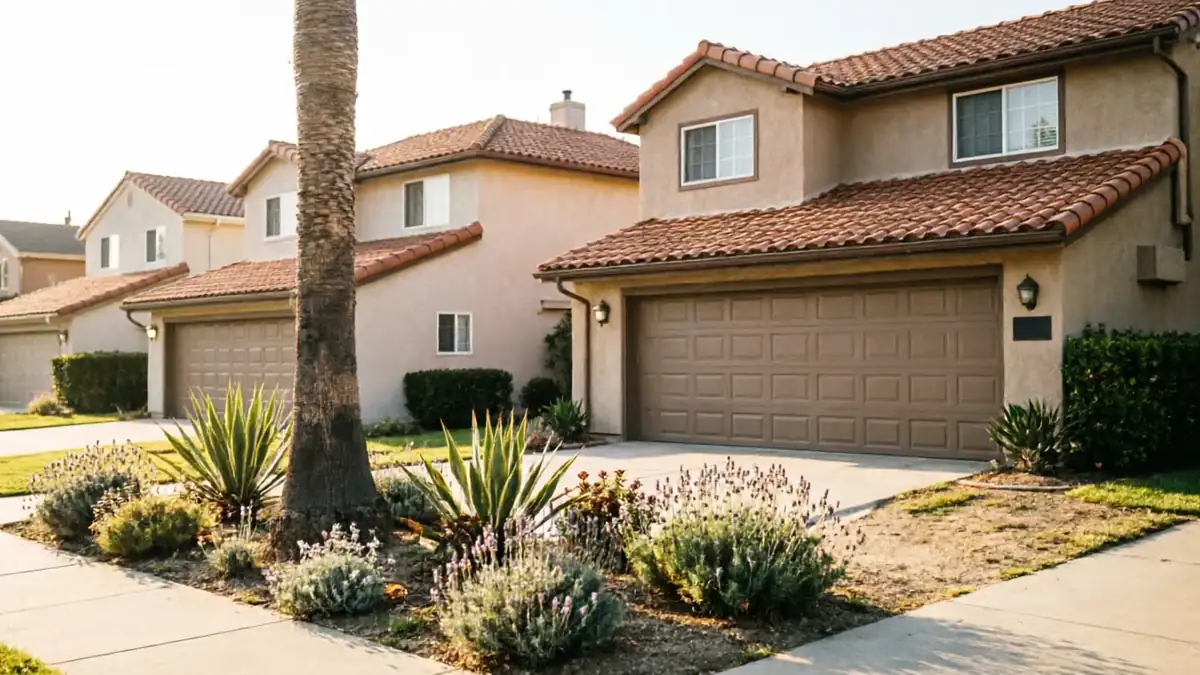
Most of the housing stock in this part of the service area went up in a tight window around that year, which is a lot younger than the 1976 median you'd find closer to Irvine's older tracts. That matters for scheduling because newer builds tend to have one failure mode rather than five competing ones. We're not guessing at a 1960s torsion conversion or a hand-me-down opener from three owners back. We're looking at factory-original parts hitting the end of a normal service life around the same time across a lot of houses at once, which is exactly what we're seeing calls for.
Stocked Parts
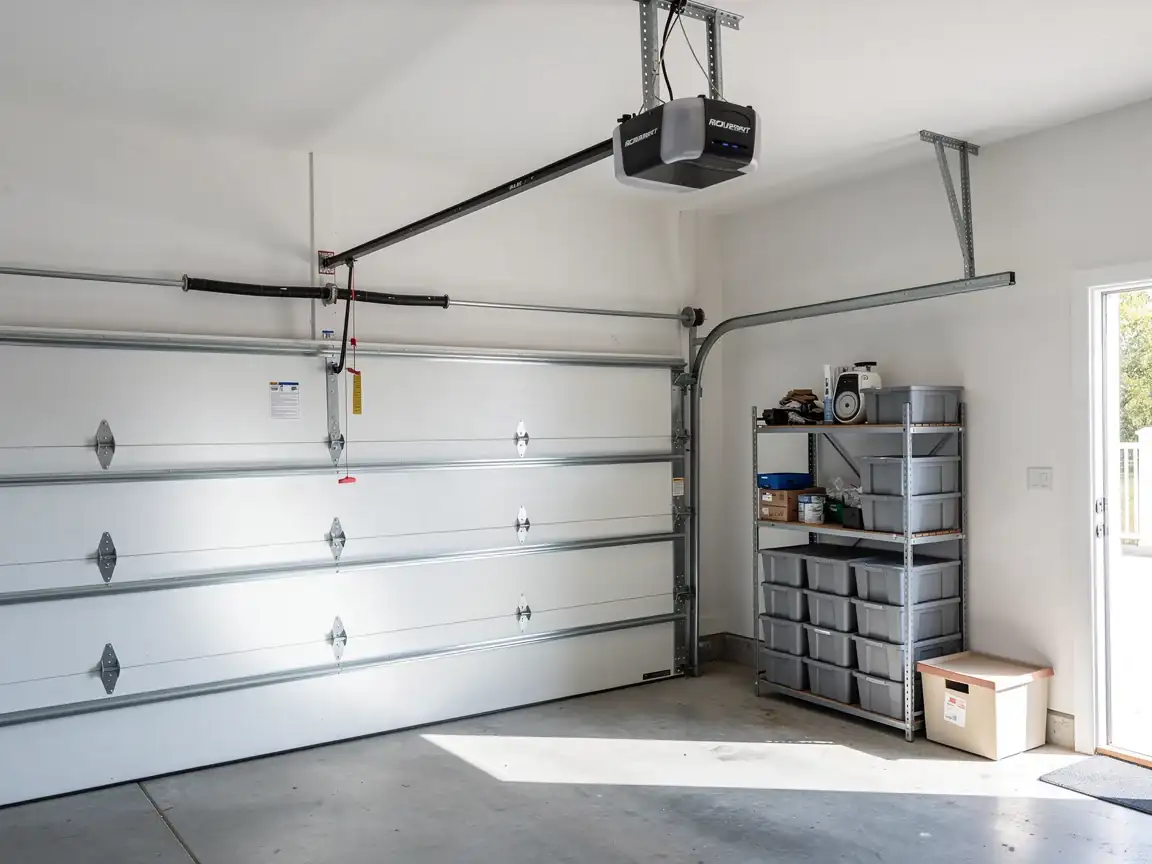
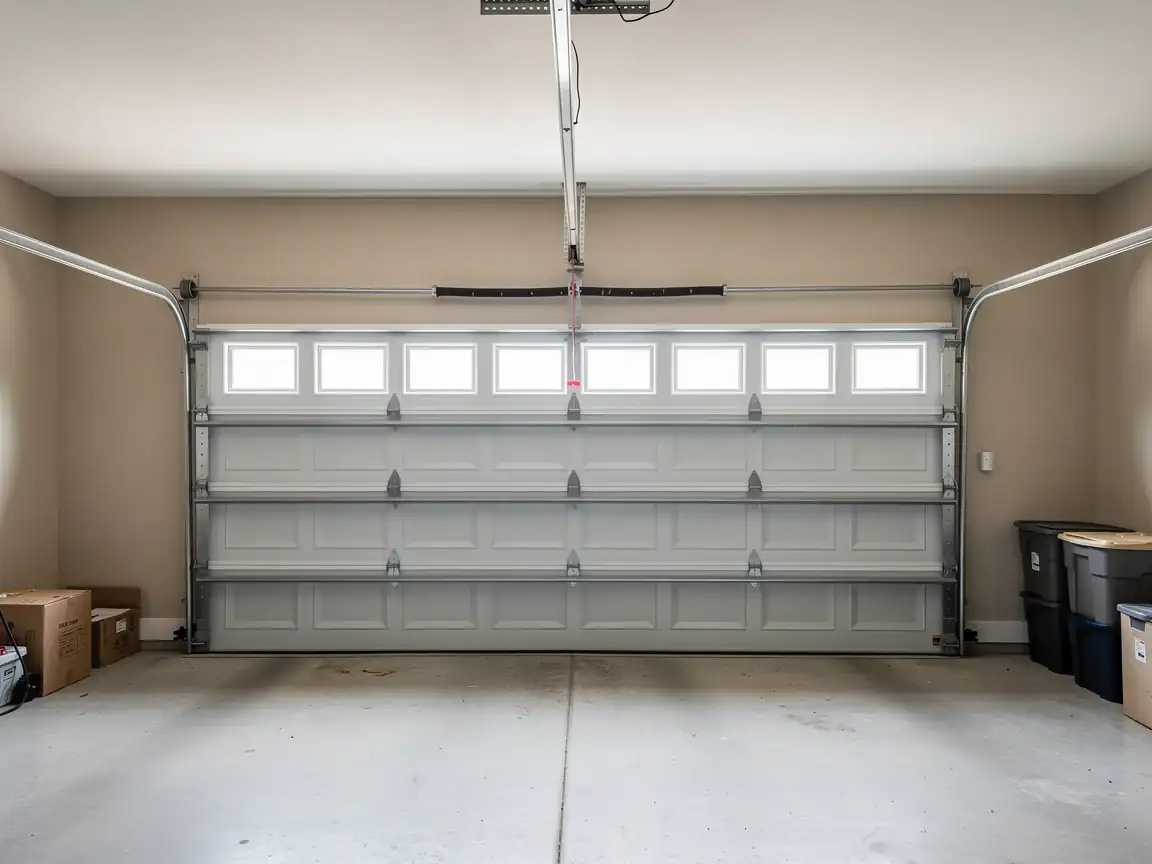
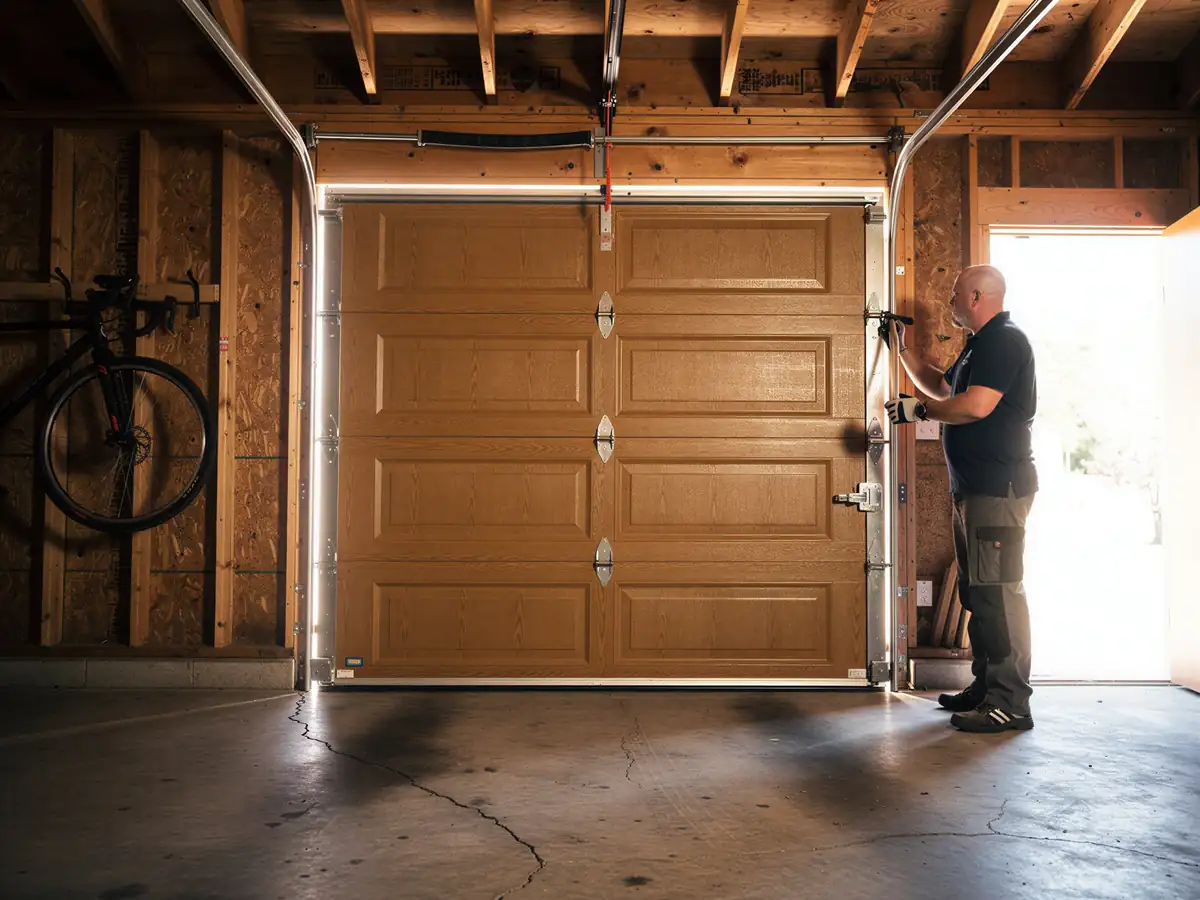
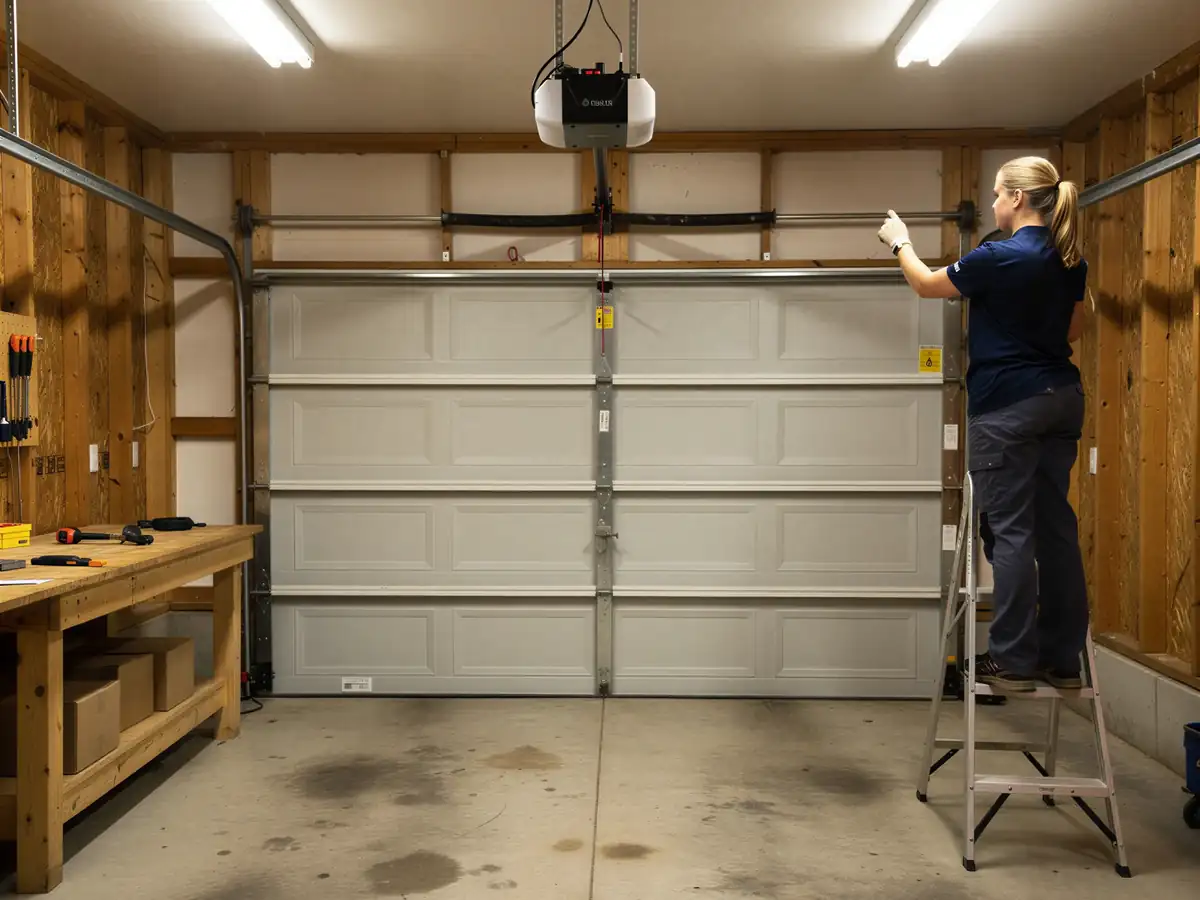
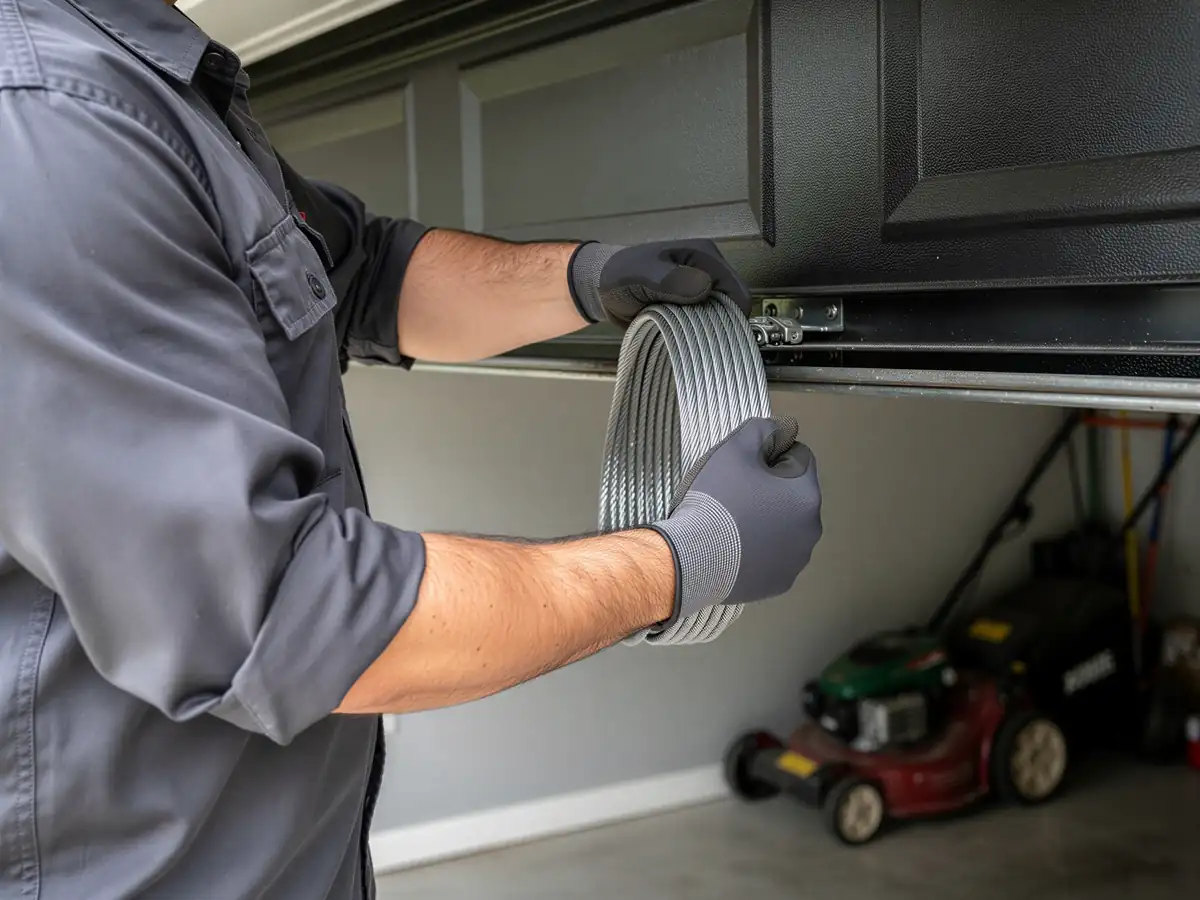
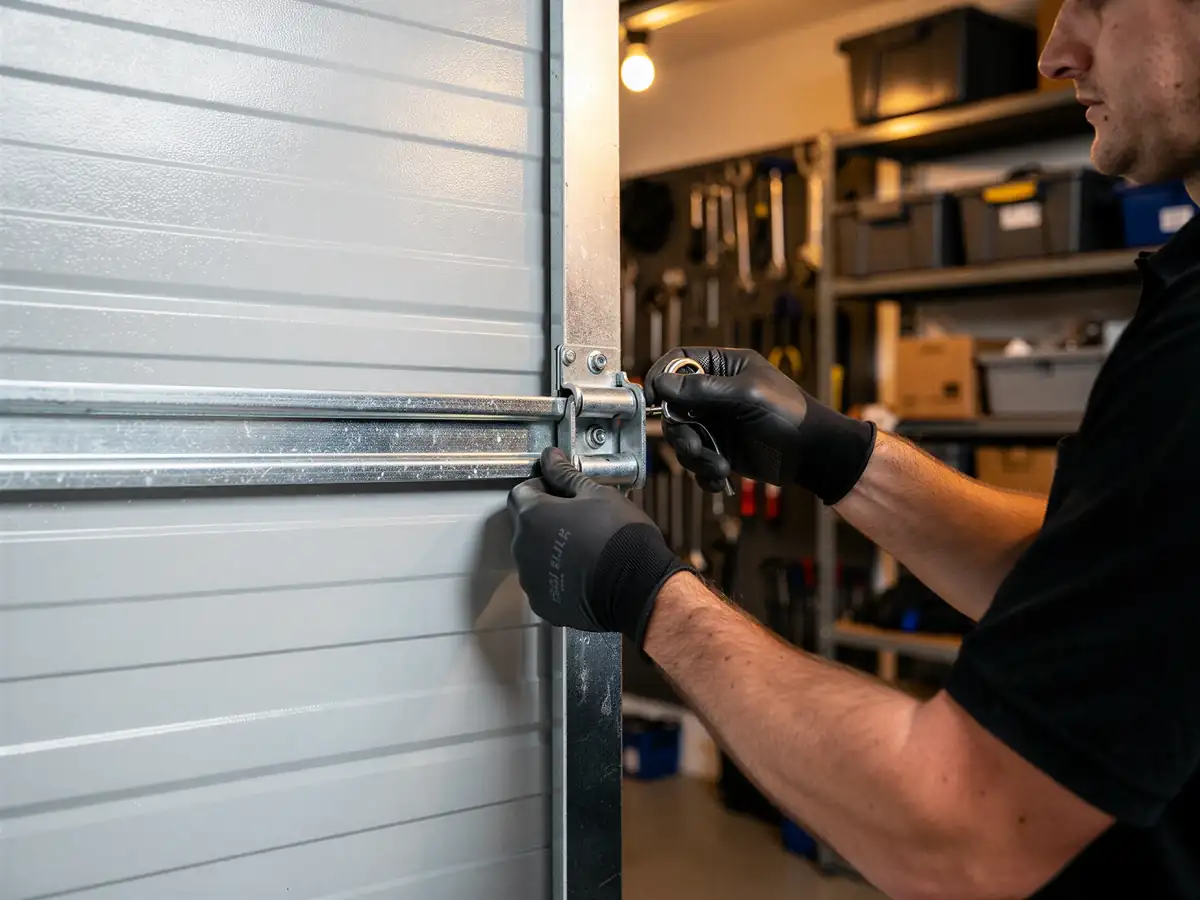
A 2003-era door usually came with steel torsion springs sized for the original panel weight and a chain or belt-drive opener with a circuit board from that generation. We carry standard torsion spring sets, rollers, and cable in sizes that cover that build era, along with common comparable openers for when the board or motor is what's failed rather than the door itself.
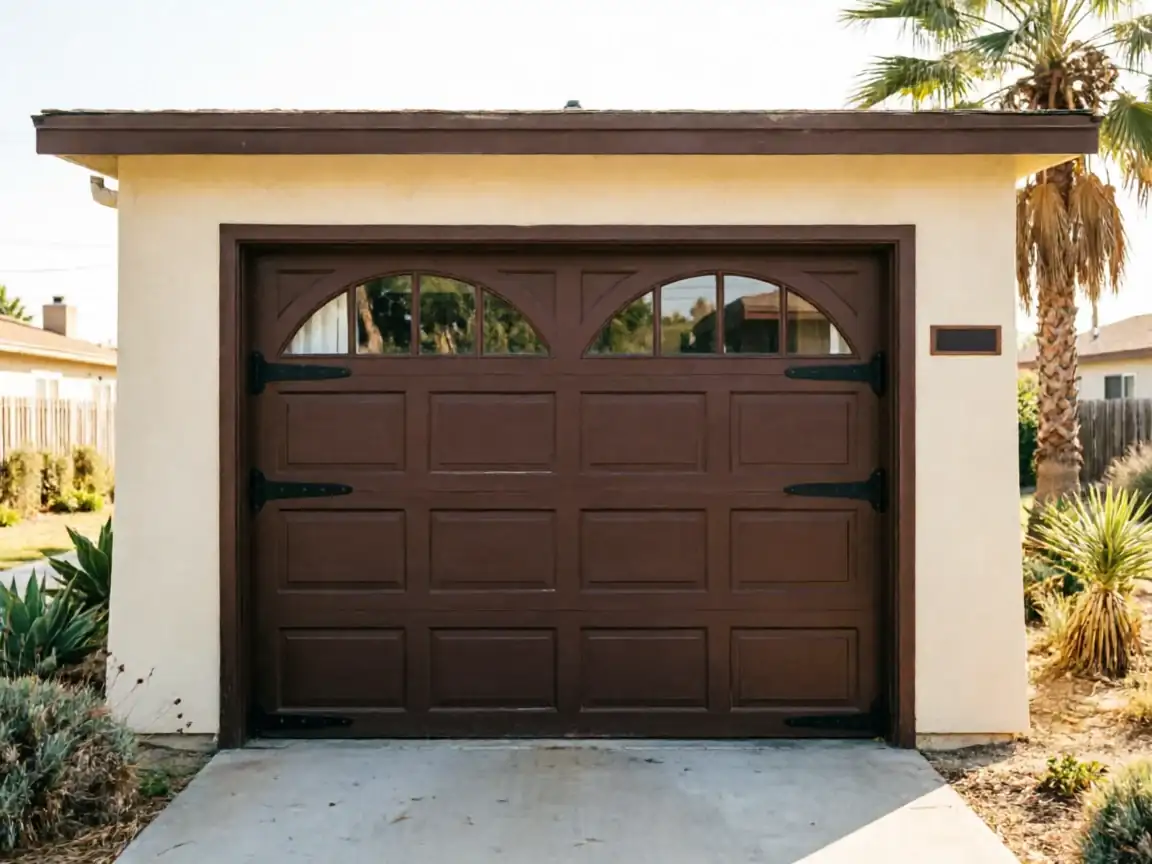
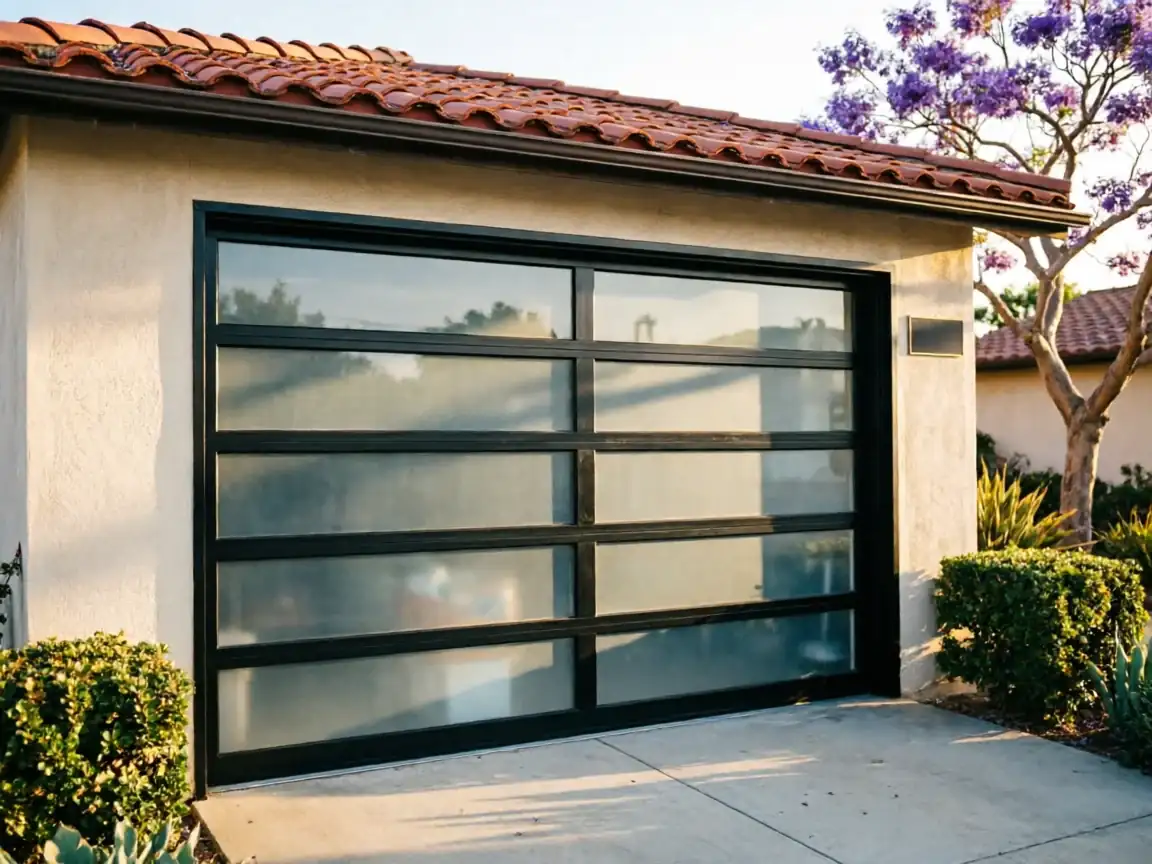
What we don't carry on the truck is a part specific to a custom or architectural door - some Temescal Valley homes have upgraded doors that aren't standard builder-grade, and those parts sometimes have to be ordered. If that's your situation we'll tell you on site rather than stall you with an optimistic estimate. For the builder-standard setup that's common through this stretch of the service area, we're usually carrying what the repair needs.
The Cost of This Job
Across the service area as a whole, median household income runs around $124,167
With about 316,088 households and 128,495 owner-occupied houses. Temescal Valley on its own is smaller - roughly 9,013 households - and runs a bit under that area median, closer to $119,647. That's relevant mainly because it tells us what kind of repair most people here choose: a straight spring or opener fix on a door that's basically sound, not a full replacement, since the doors in this age bracket haven't earned a replacement yet on wear alone.
- $124,167 median household income
- 316,088 households
- 128,495 owner-occupied
We don't quote a number without seeing the door
Spring sizing, drive type, and whether the opener board is original all move the price. What we can say is that a 2003-built garage door failing today is failing on a predictable part, not a mystery, and that keeps the job from turning into an open-ended estimate.
Can You Do This Yourself
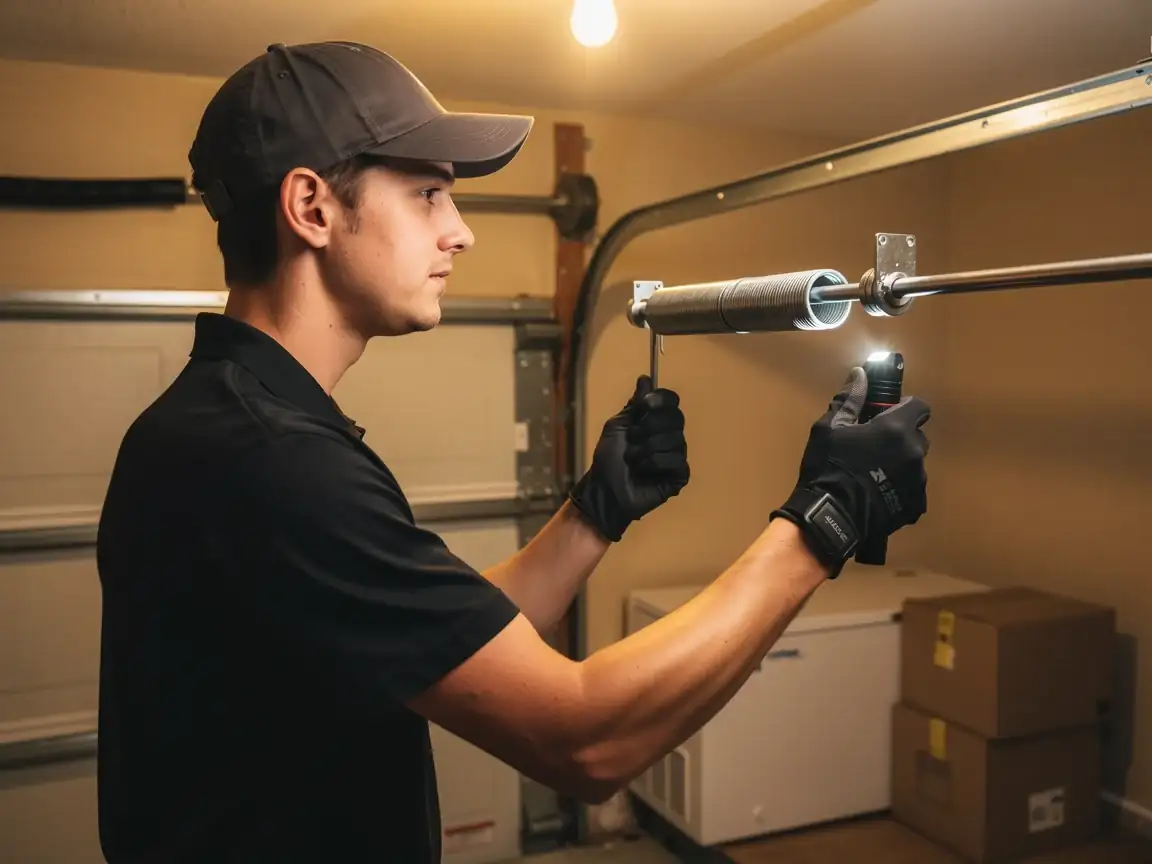
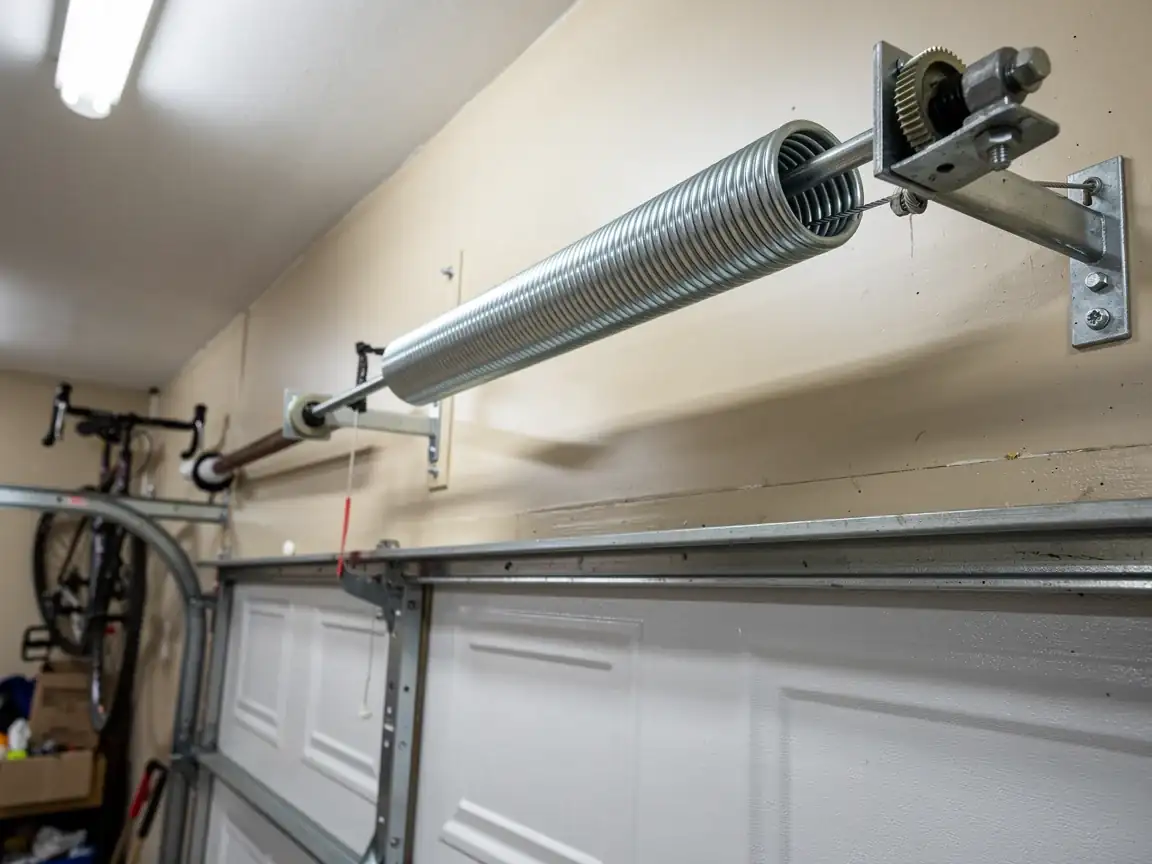
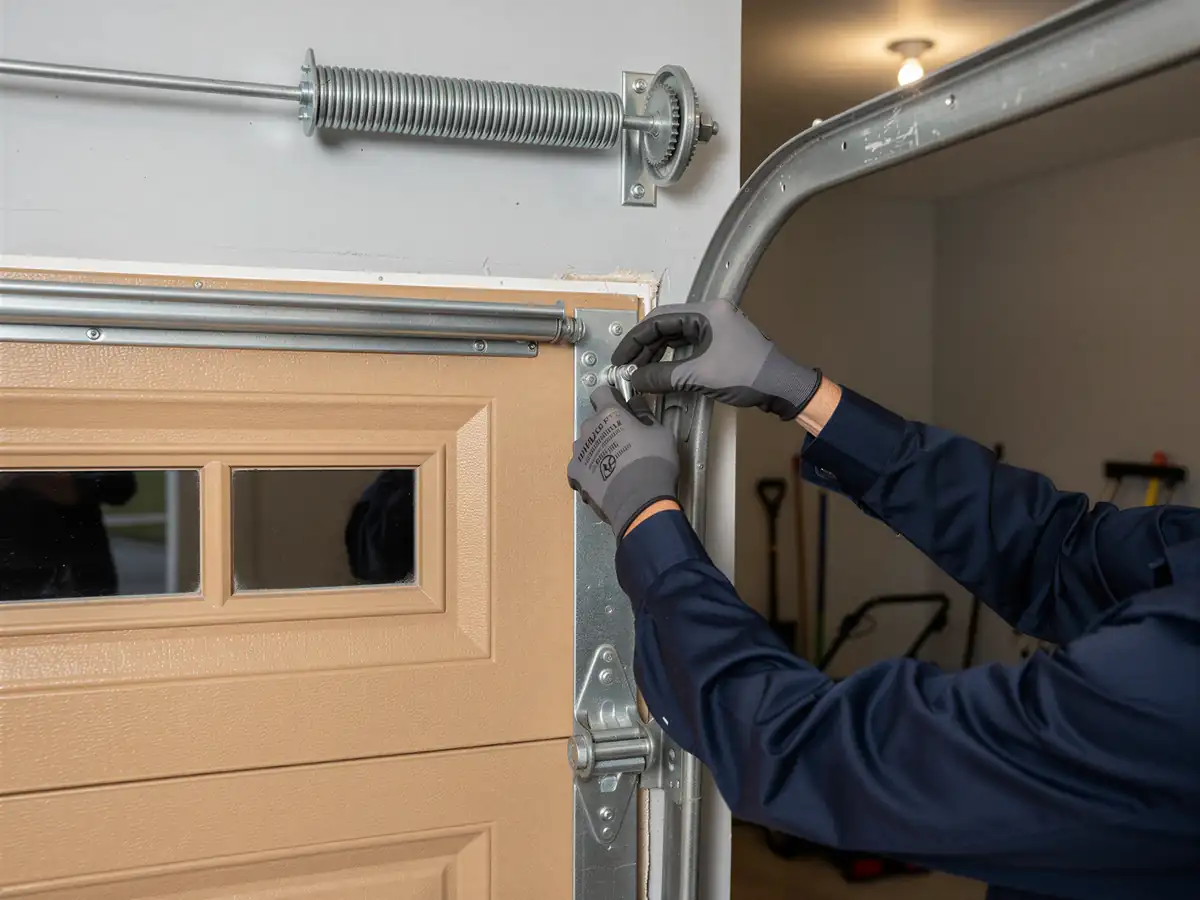
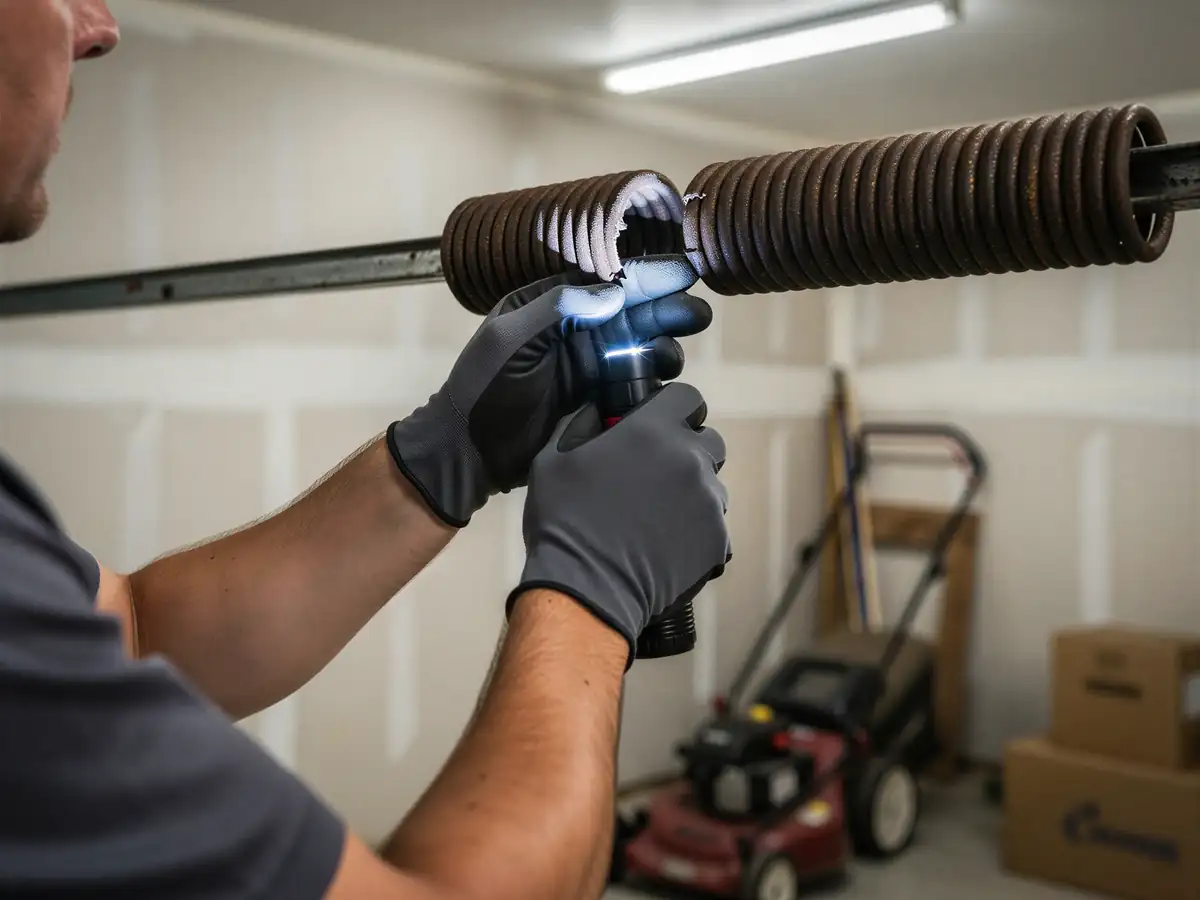
If the opener remote stopped working and the door still opens fine by hand, that's often a battery or a logic-board glitch you can troubleshoot yourself before calling anyone. If a torsion spring has snapped - you'll know, because the door won't lift, or it slams down - that's not a DIY repair. Torsion springs are wound under enough tension to cause a serious injury, and on a door this age, the spring is almost certainly still the factory original, sized exactly to that door's weight. Swapping it wrong doesn't just risk the door, it risks you.
We'll say plainly: we'd rather talk you out of a job you don't need done than take a call for something you could've fixed with a 9-volt battery. But spring and cable work on a torsion system isn't a weekend project, and that's the honest limit here.
What Causes It Around Here
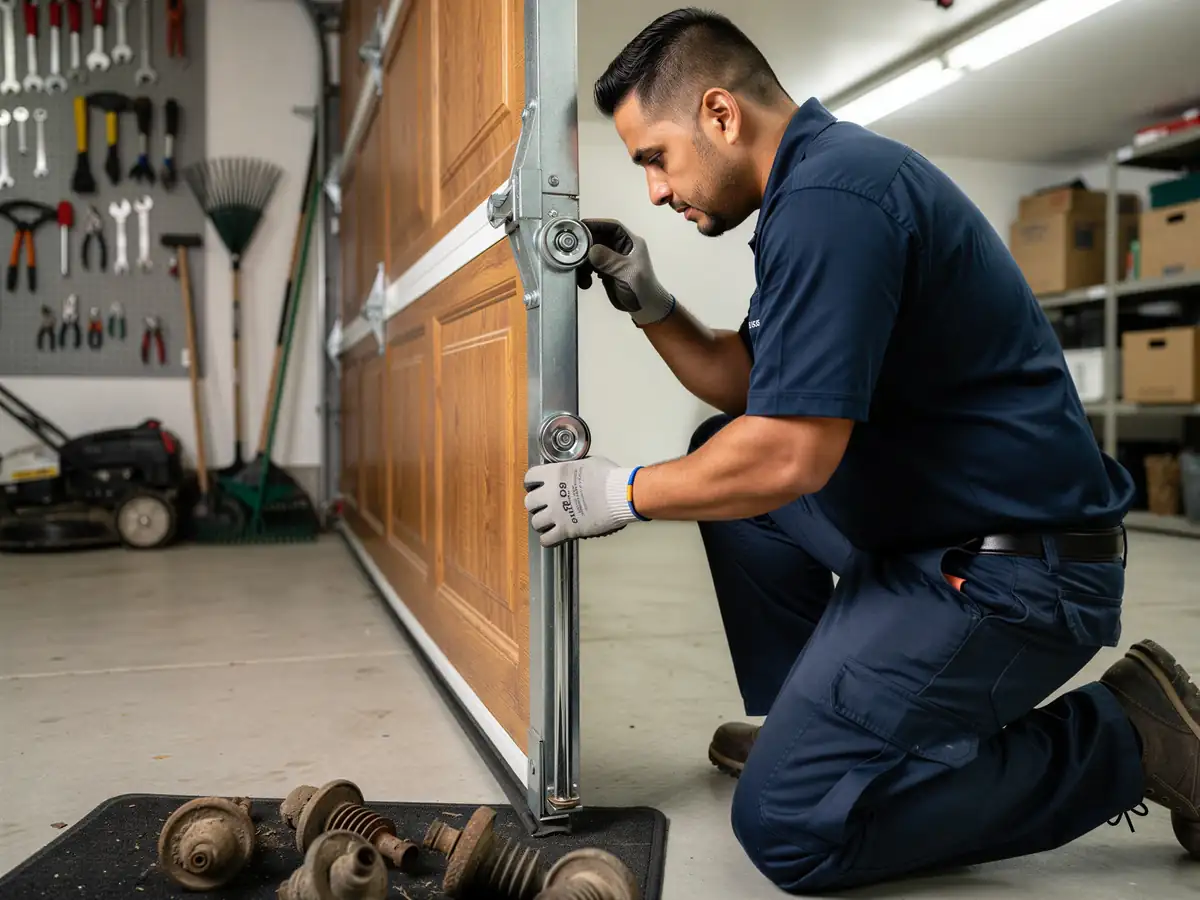
The mild temperate climate across this service area means we're not chasing freeze-cracked panels or ice-jammed tracks the way a colder-climate company would. What we do see on 2003-era doors is straightforward mechanical fatigue: the original torsion spring finally giving out after two decades of daily cycles, nylon rollers going brittle and shedding, or an opener's circuit board failing outright rather than degrading slowly.
Because Temescal Valley's housing clusters so tightly around one build year, these failures tend to show up in waves - one production run of springs or openers aging out together rather than a scattered mix of eras like you'd find in an older, patchwork neighborhood. That's useful information for us walking in: we're not troubleshooting five different decades of hardware, we're troubleshooting one.
What You Are Seeing
A door that's suddenly heavier to lift by hand
Or that the opener strains against before giving up partway, is usually the torsion spring losing tension - common on a door this age. A door that opens but shudders or makes a grinding sound along the track is more often a roller going bad than anything structural. If the opener runs but the door doesn't move at all, check whether the carriage has disengaged from the rail before assuming the motor's dead; that's a quick fix, not a repair call.
If you're hearing a loud bang followed by the door refusing to open, that's very likely a broken torsion spring
And at that point stop trying to force it. We're happy to walk through what you're seeing over the phone before you decide whether it's worth a visit, but on a door built around 2003, most of what breaks now breaks the same handful of ways.