Time on the Job
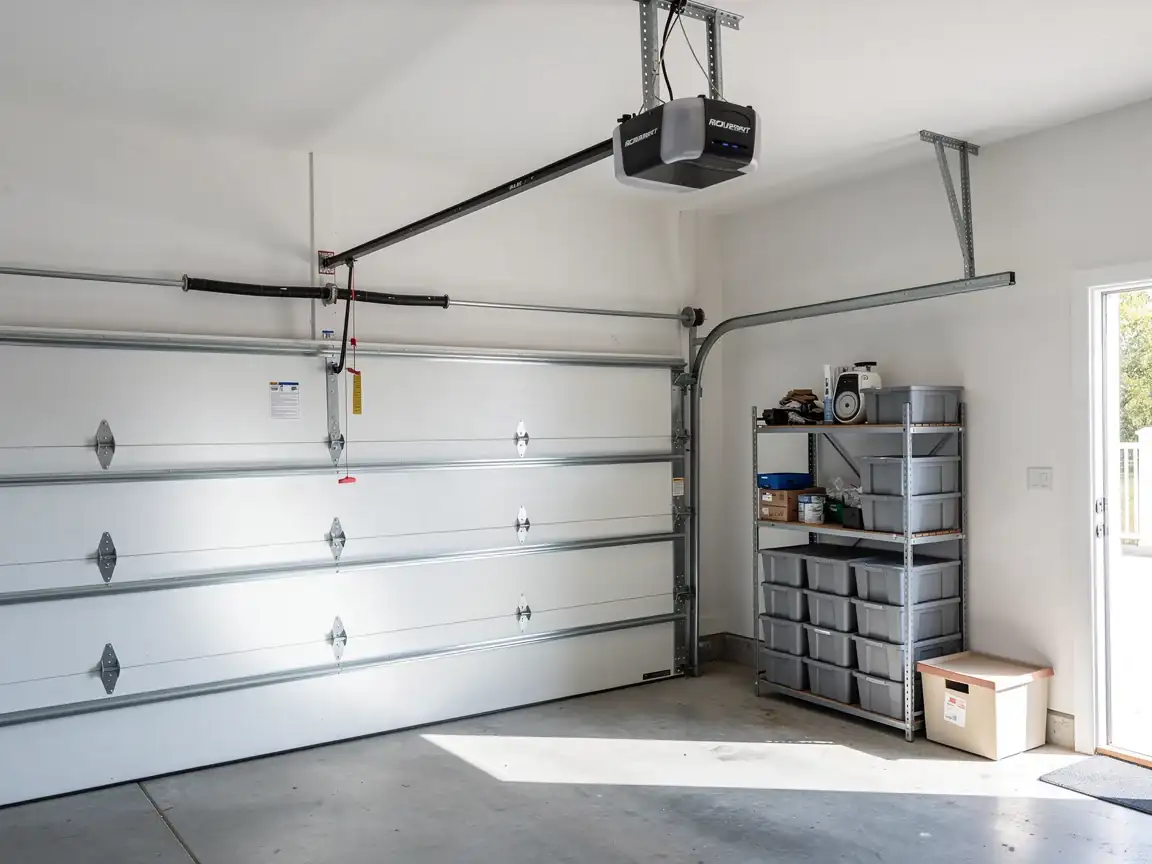
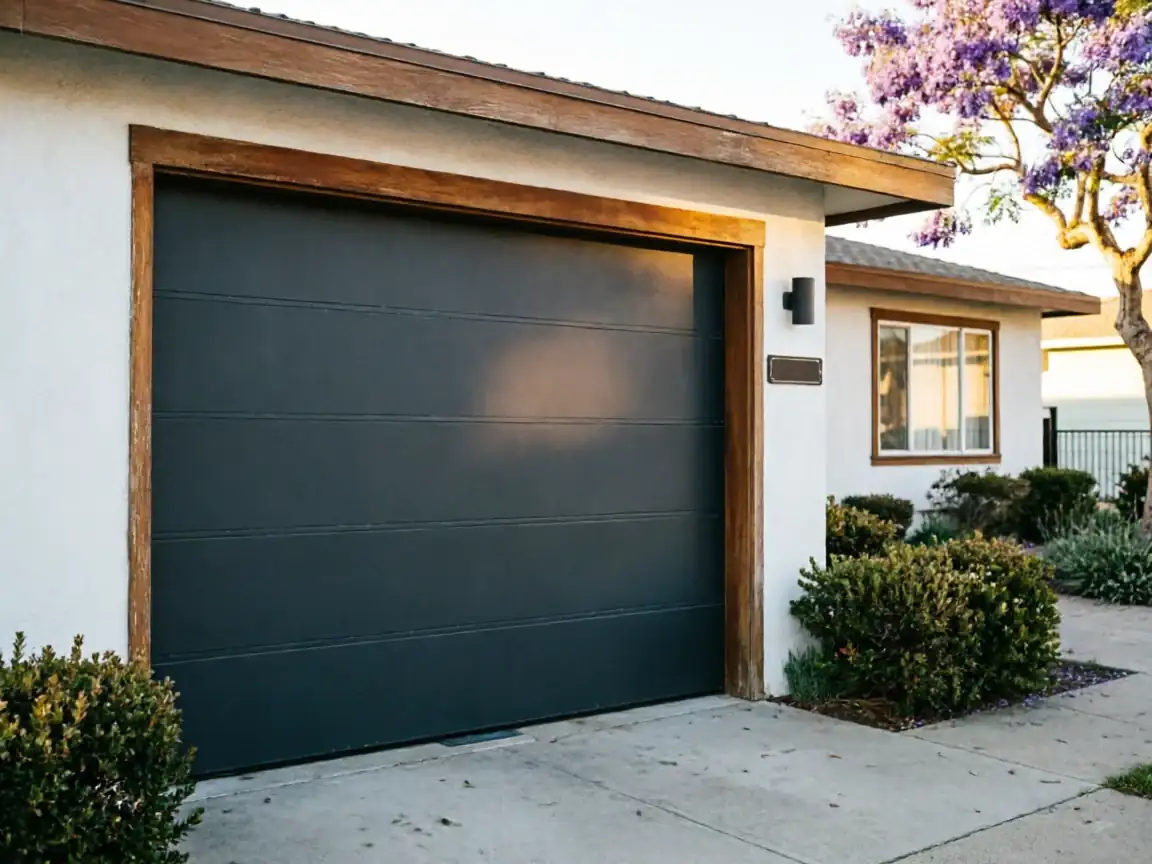
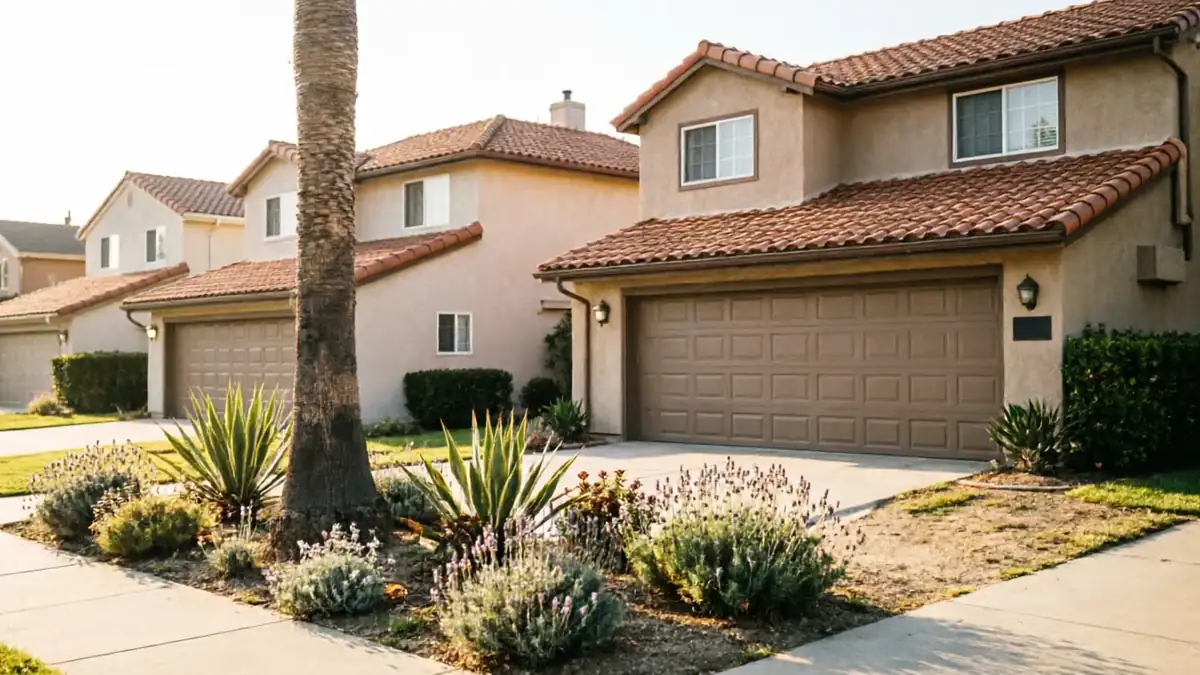
Temescal Valley sits about 18 miles from our Irvine shop, which is the honest number to start with since we don't keep a truck or a drop point out here. We come out on scheduled jobs and roll the parts and labor into one visit rather than running back and forth. Because the housing here mostly went up around 2003, we're not guessing at what's behind the door when we get the call - it's almost always a steel sectional door on a torsion spring system built to early-2000s code, not the older low-headroom setups you find in neighborhoods with 1960s and 70s stock. That consistency means less time spent diagnosing and more time spent actually fixing the thing. We still ask what's wrong before we load the truck, because a spring job and an opener job call for different parts, and there's no point hauling out the wrong ones for an 18-mile drive.
Stocked Parts
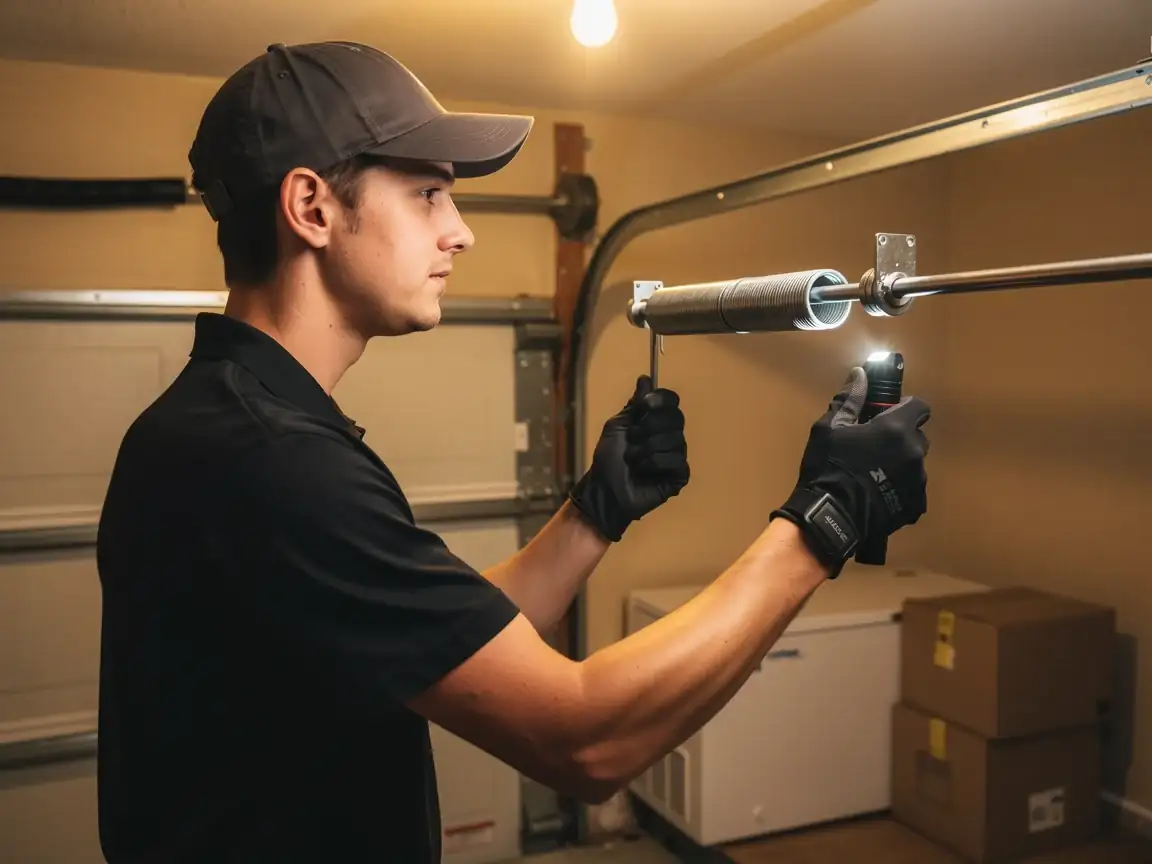
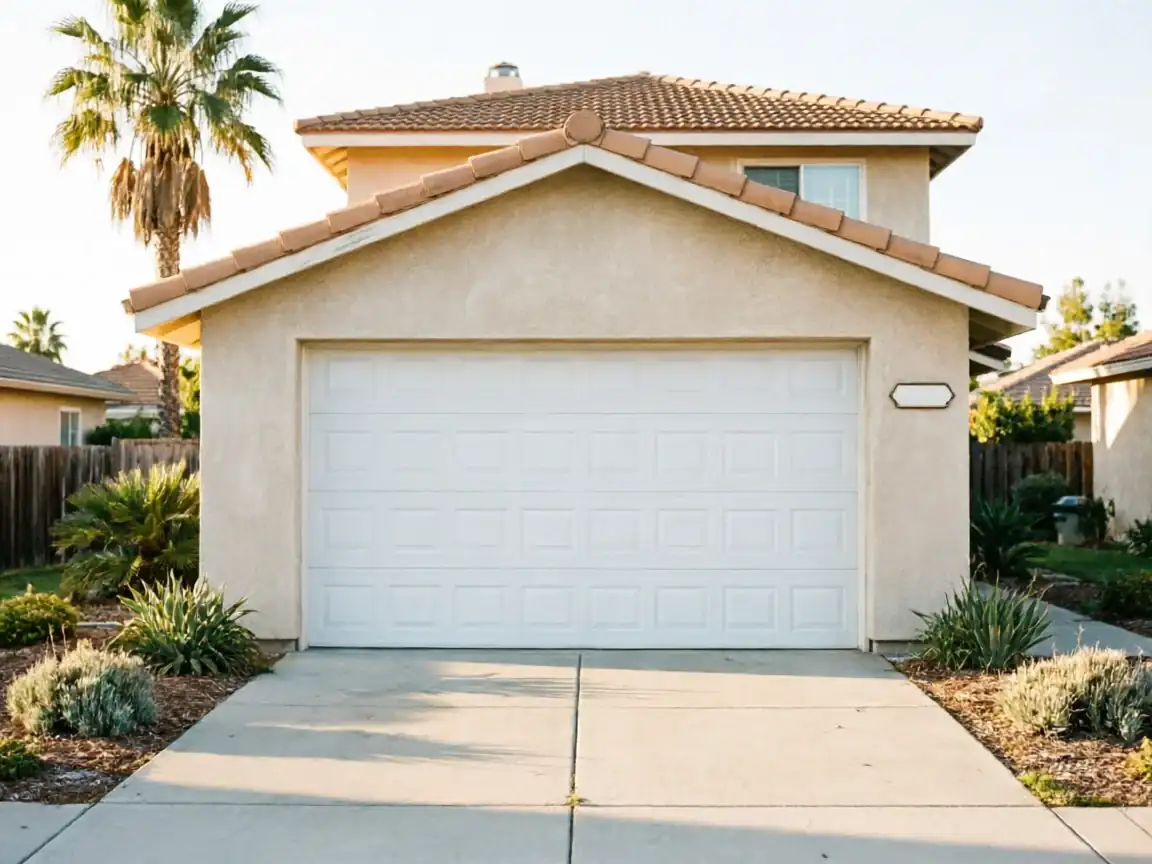
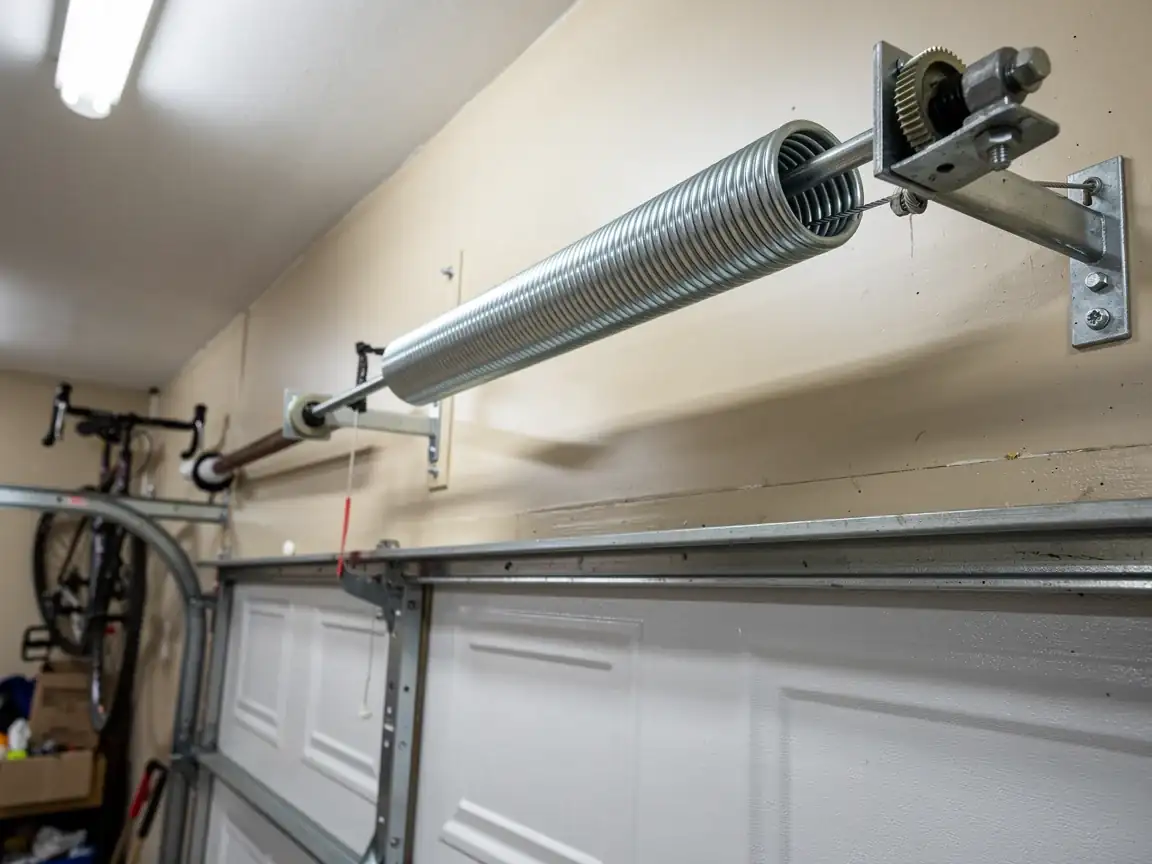
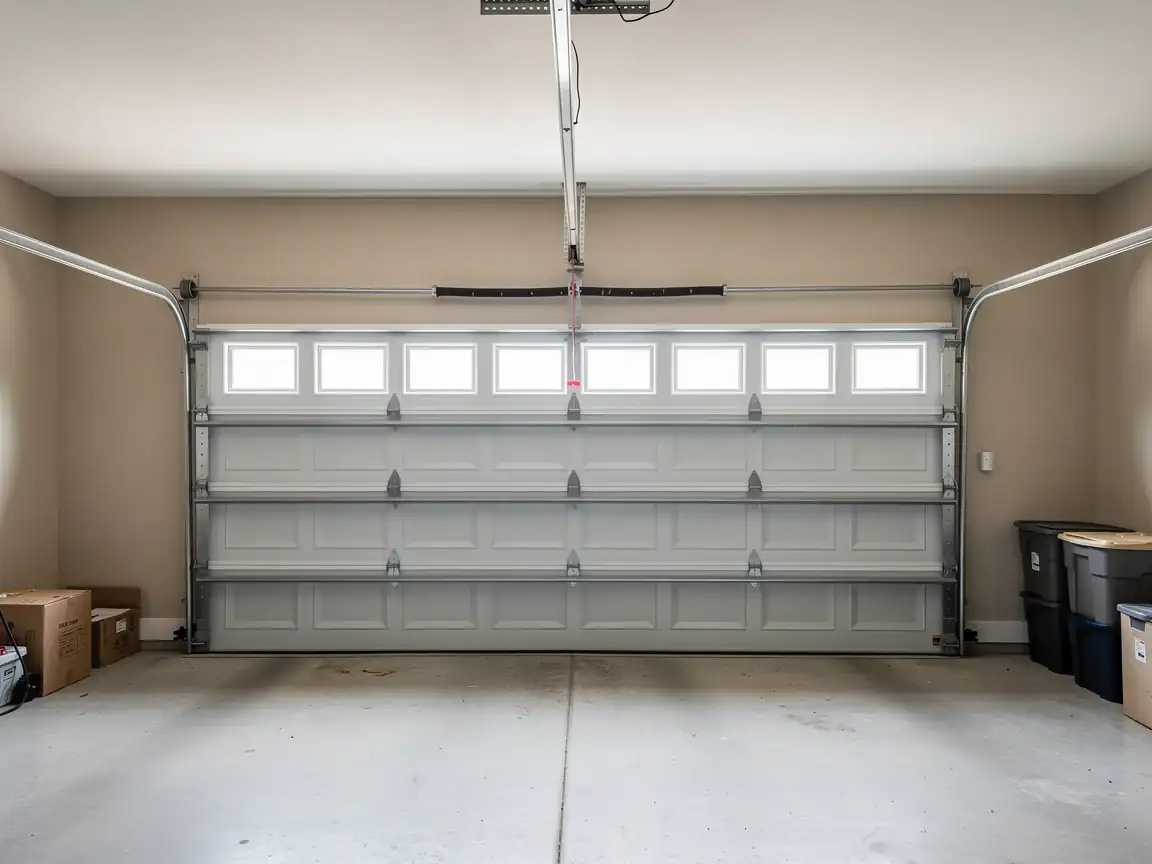
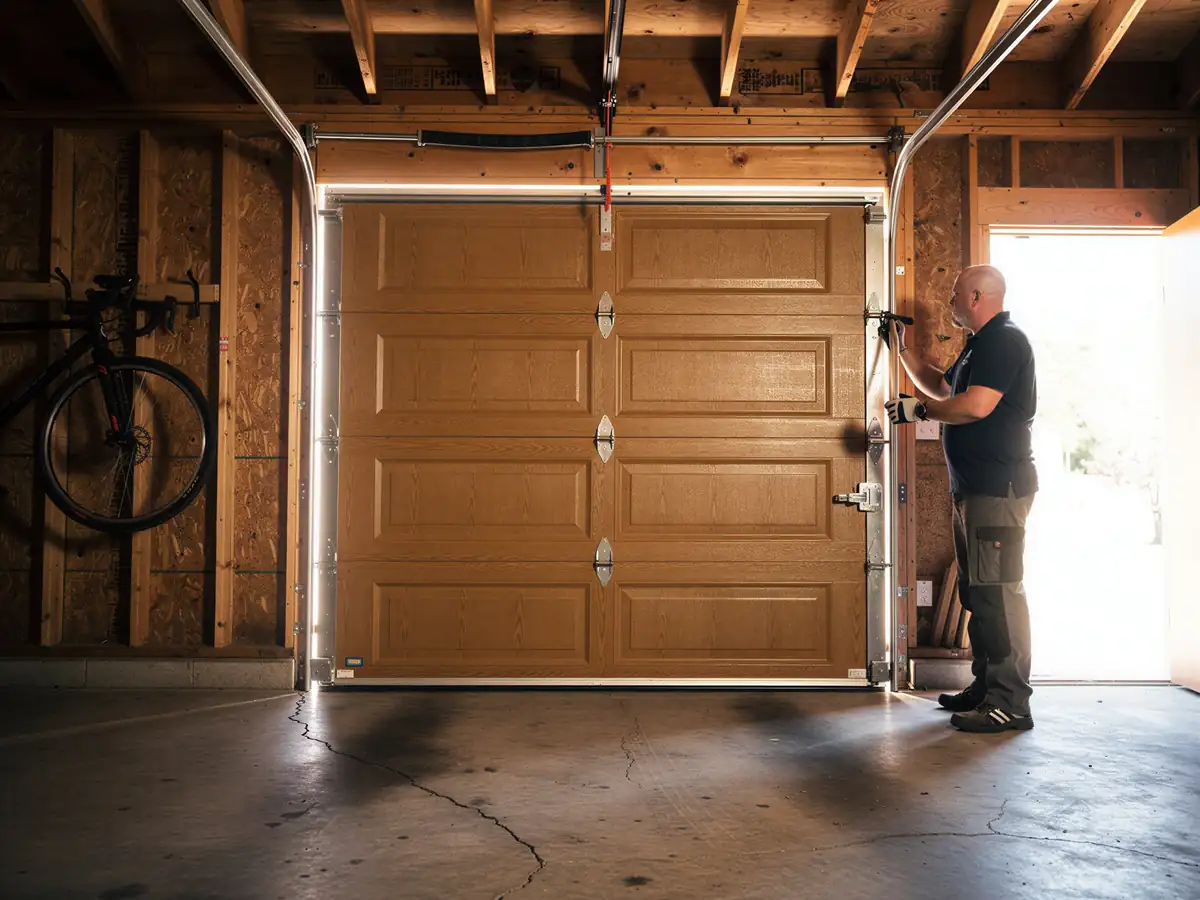
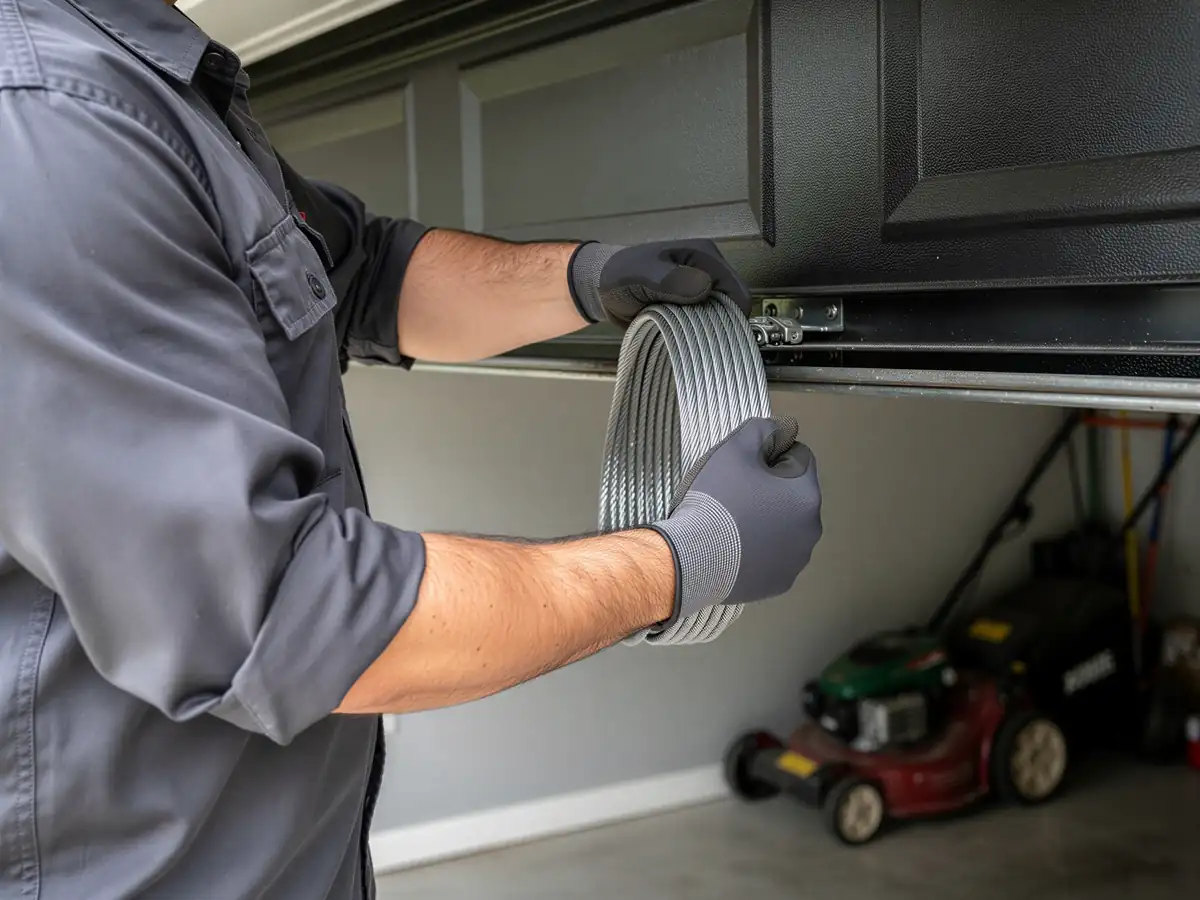
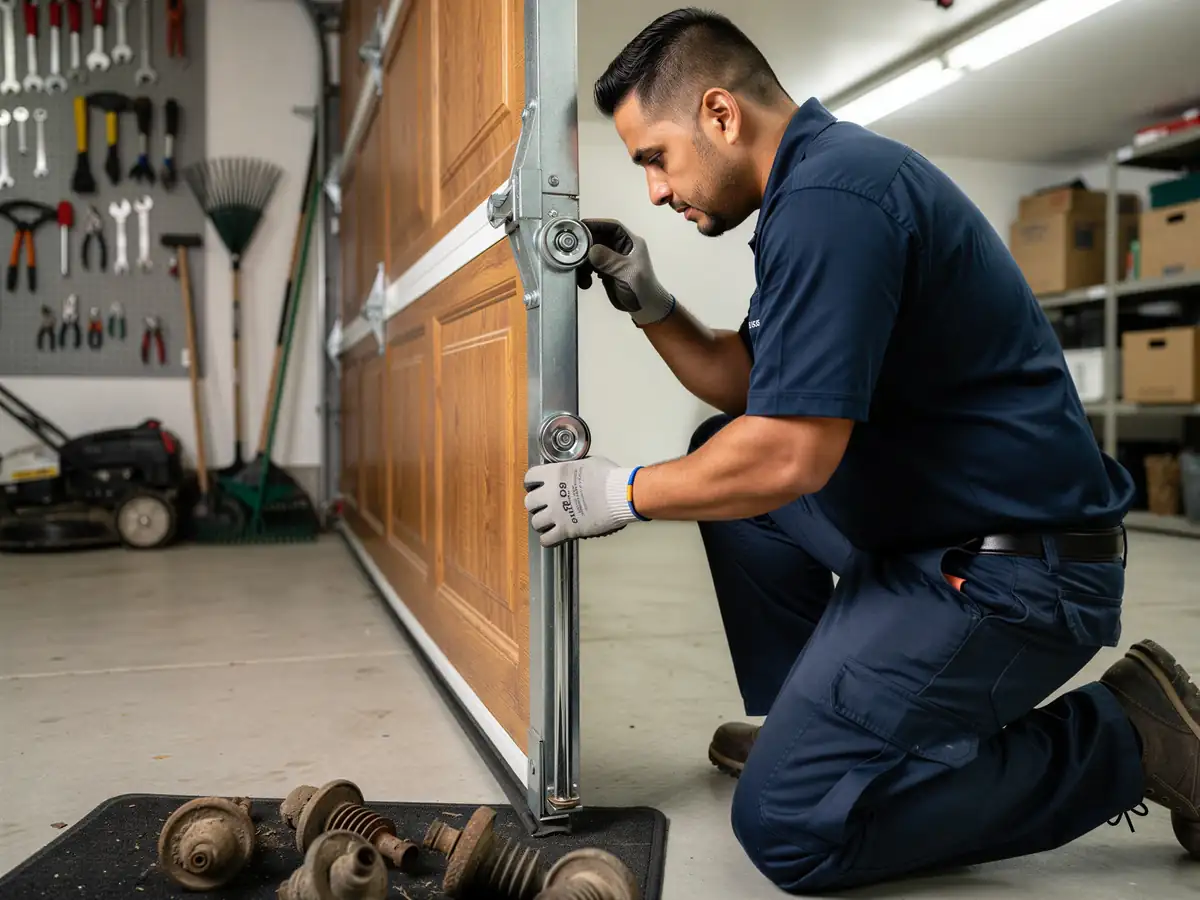
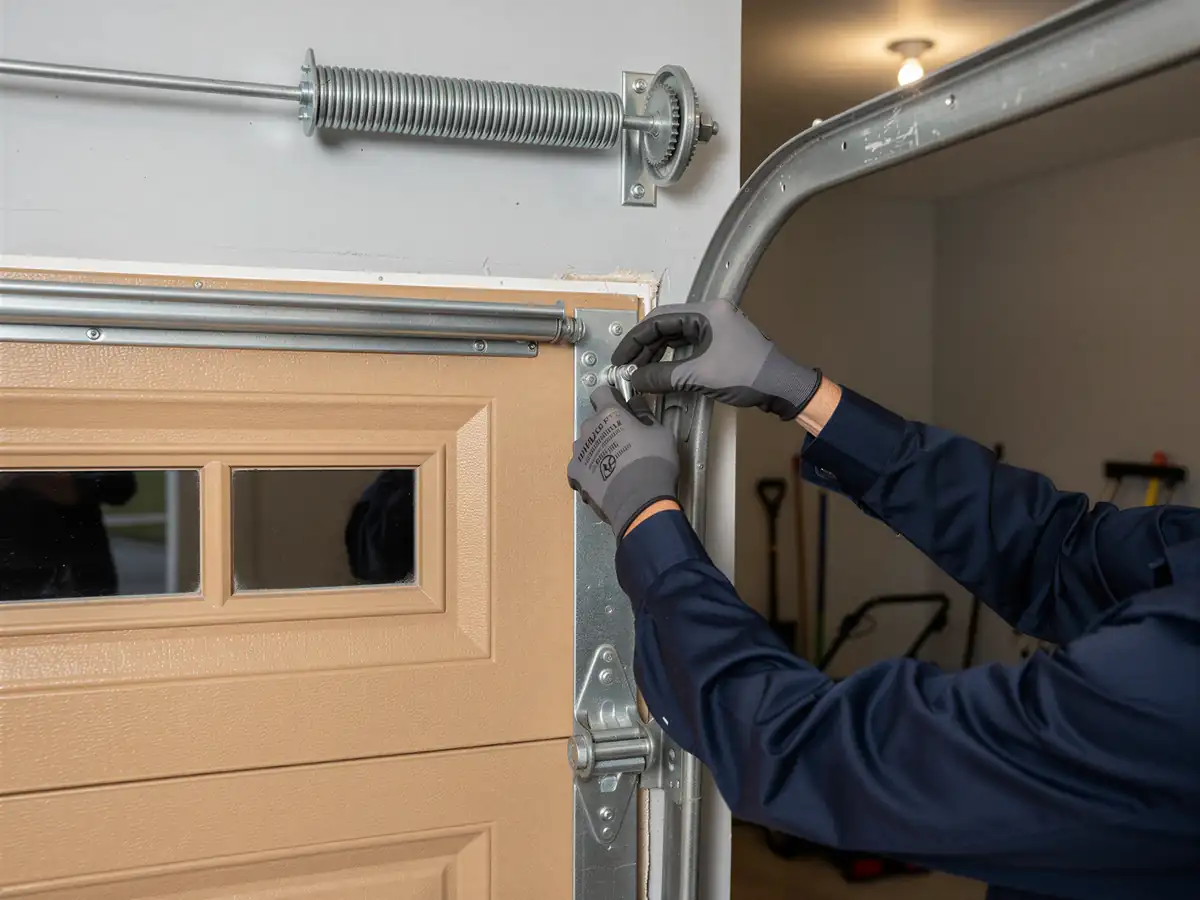
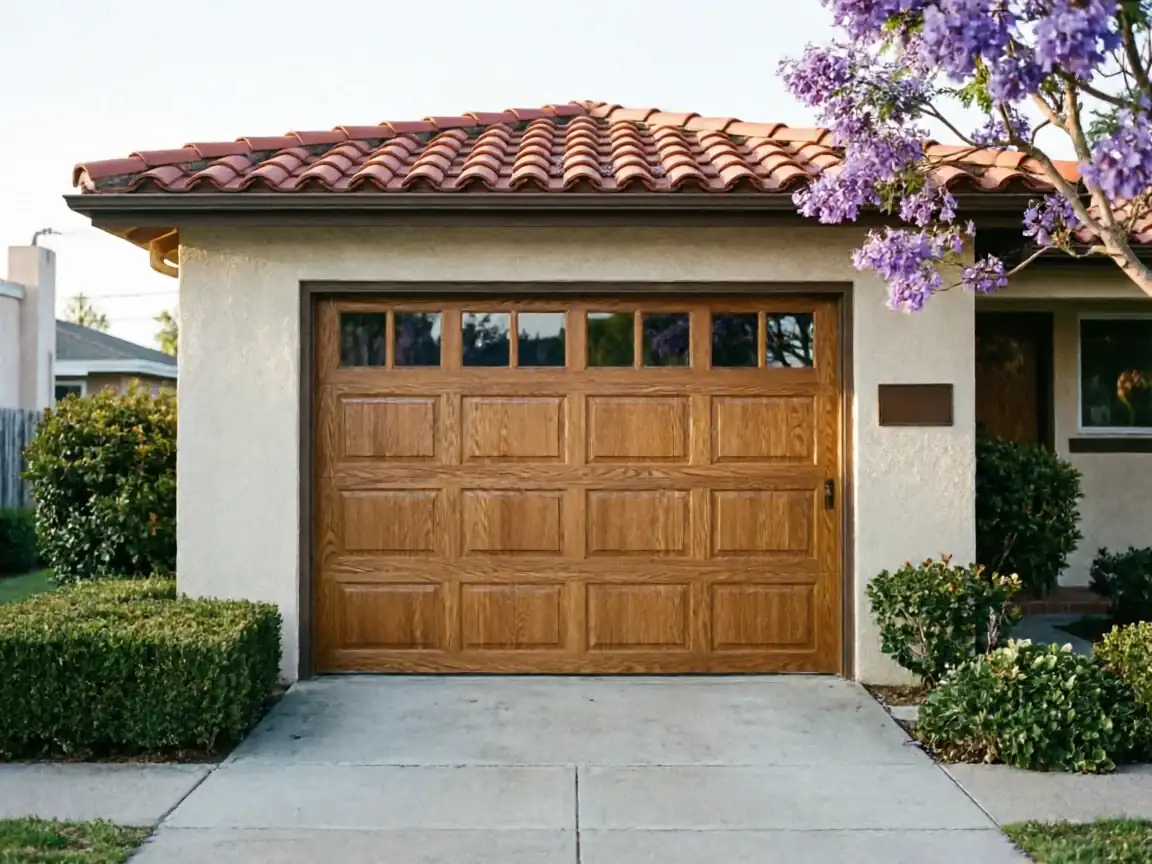
Doors built around the early 2000s in this area are almost always steel raised-panel, two-car width, running on torsion springs sized for a heavier insulated panel than what you'd find on an older single-layer door. We stock standard torsion springs, nylon and steel rollers, and the lift cables that match that era's drum size, because that's what shows up on most calls out here. What we don't always have on the truck is a specialty panel in a discontinued color or a custom window insert - those still need to be special-ordered from the manufacturer, and that can add a few days to a job that's otherwise a same-visit fix. If your door is one of the few older holdouts with a different spring size, we bring the tools to measure and order correctly rather than force a part that's close enough.
Can You Do This Yourself
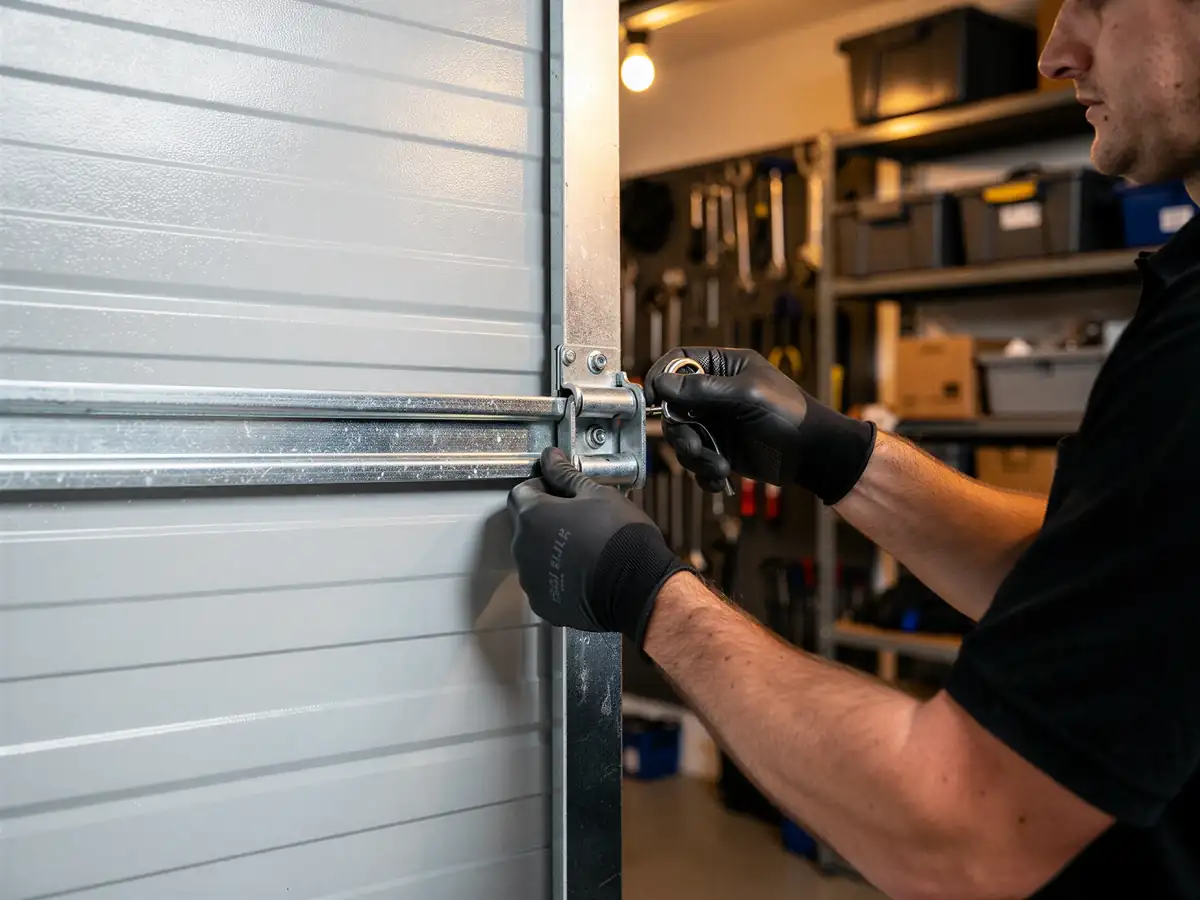
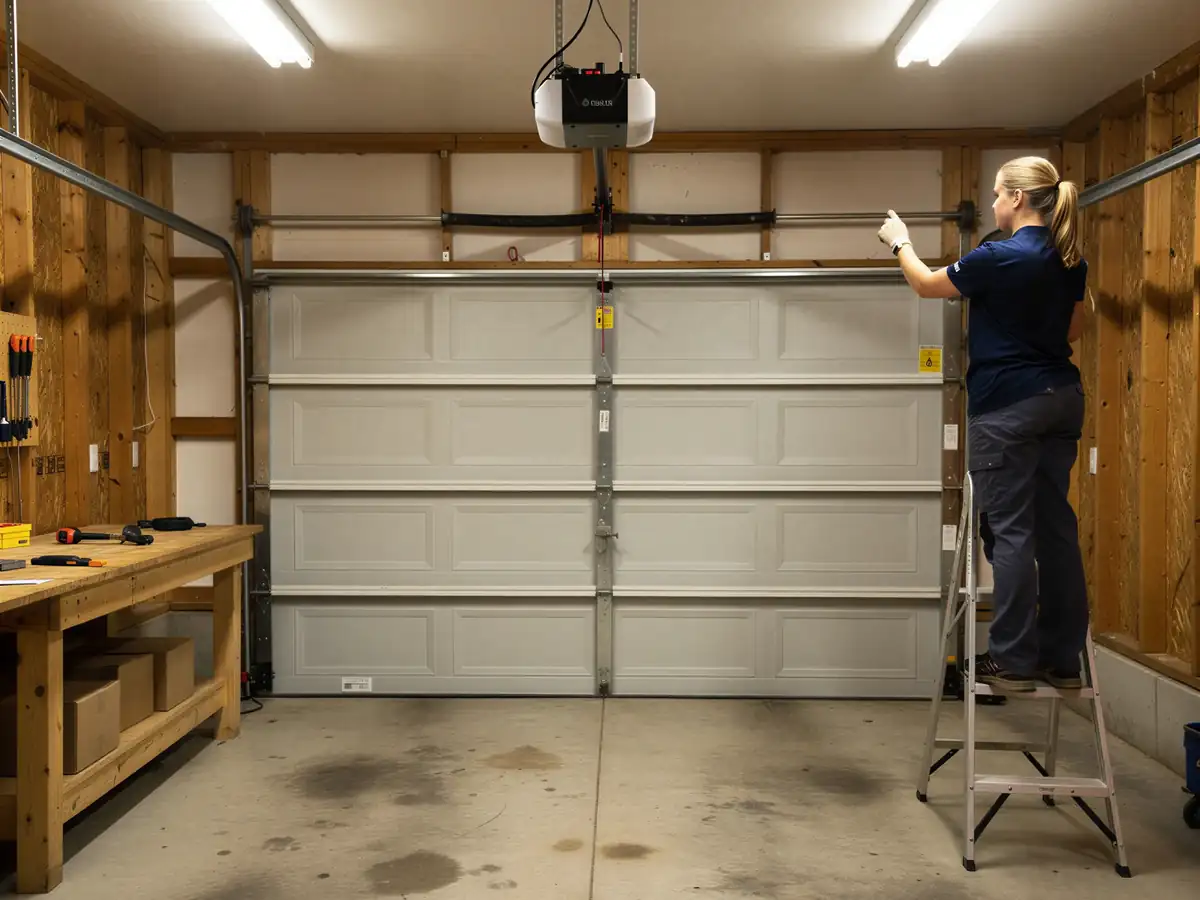
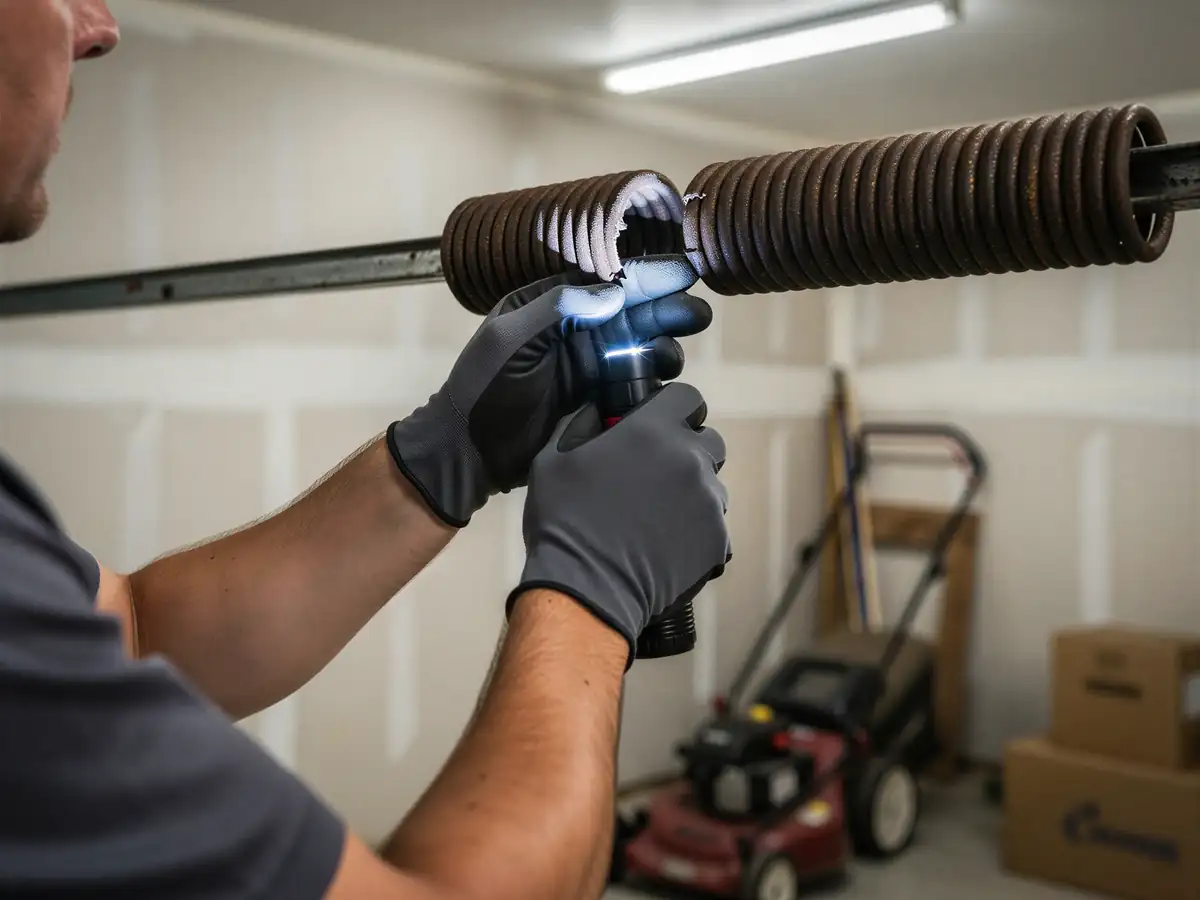
A torsion spring under tension can take a finger or worse, and that doesn't change because your house is newer. If your opener is just out of alignment or a sensor needs cleaning, that's a reasonable DIY afternoon. Replacing a broken torsion spring, a cable, or re-tensioning a system on a 2003-era steel door is not - the spring sizing on these doors is matched to a heavier insulated panel, and the wrong spring under-lifts or over-lifts the door, which wears out the opener fast. We'd rather tell you that honestly than sell you a service call for something you can handle yourself.
What Causes It Around Here
Temescal Valley falls in the same mild temperate climate band as the rest of our service area, so we're not dealing with the kind of freeze-thaw cycling that cracks seals or seizes hardware in colder regions. What we do see on doors from this housing era is ordinary fatigue - torsion springs rated for a set number of cycles finally giving out after two decades of regular use, nylon rollers wearing down, and openers from the original builder-grade install reaching the end of their working life. It's less about weather damage and more about a door that's simply put in its years.