What You Are Seeing
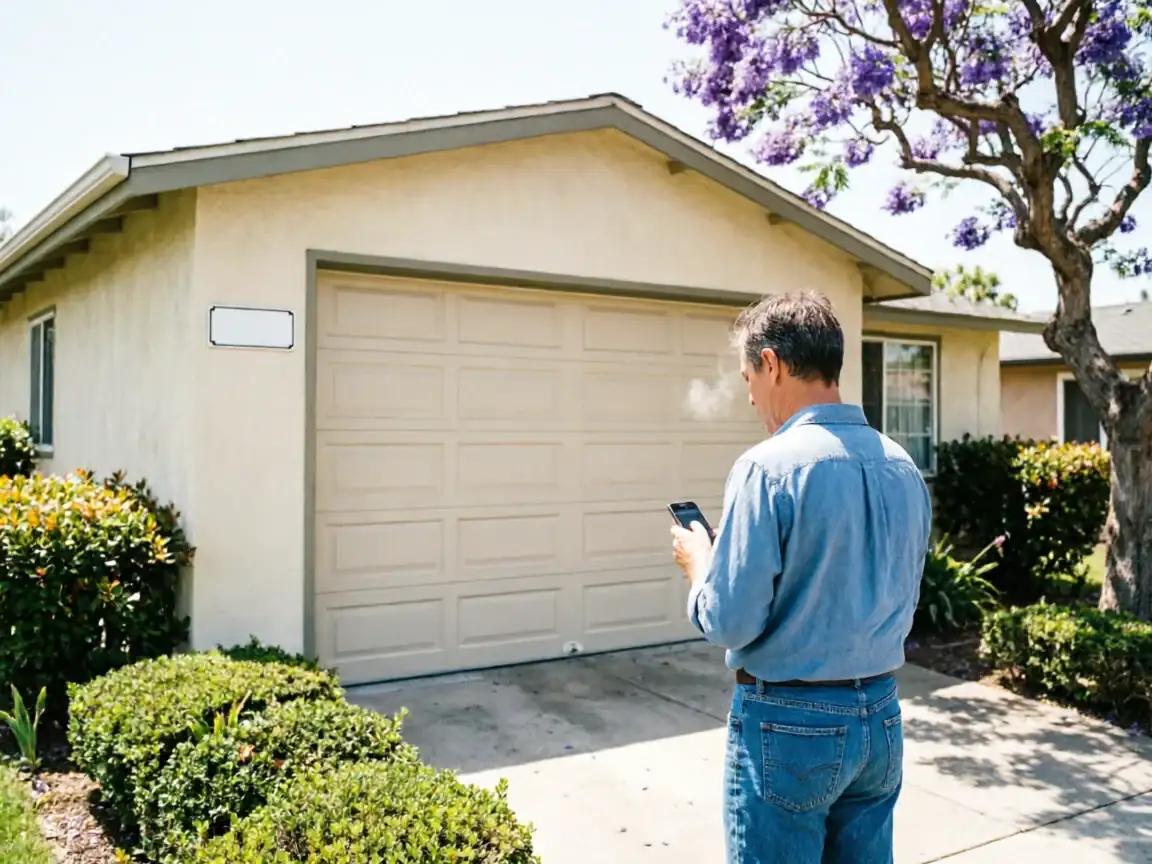
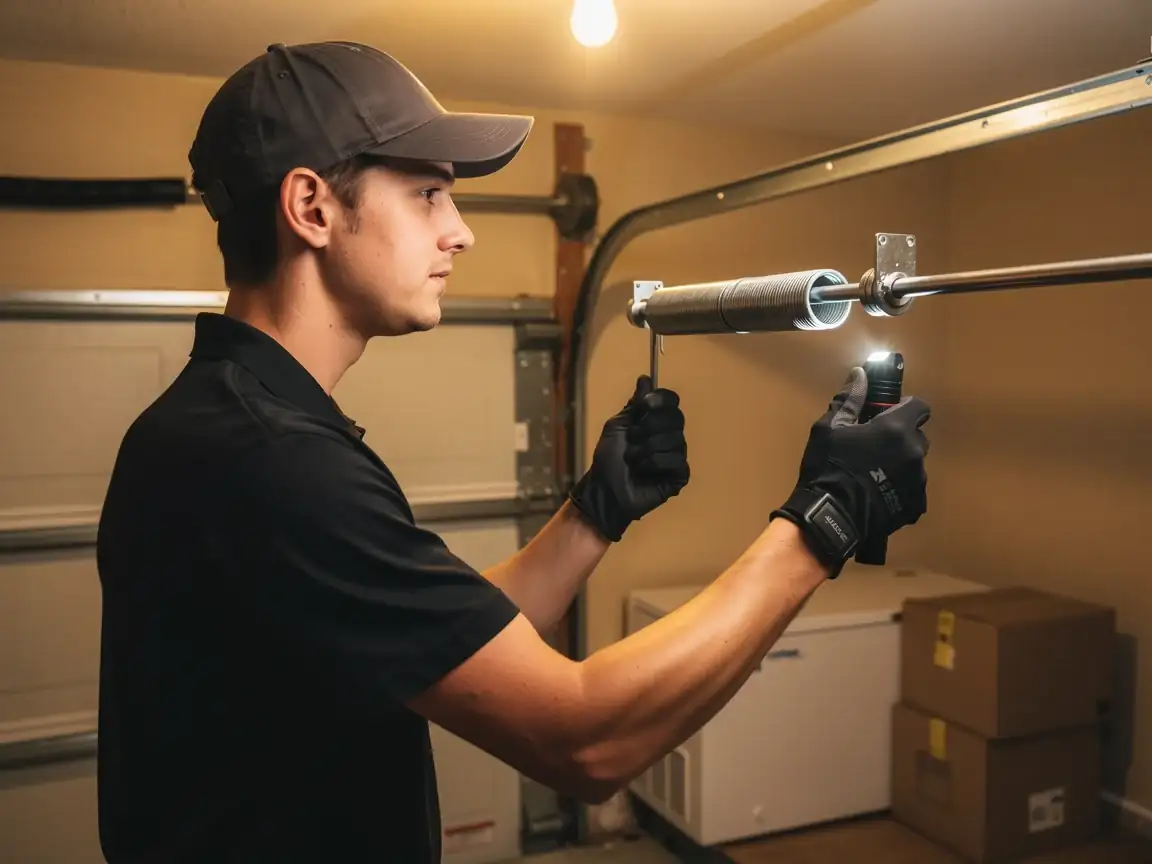
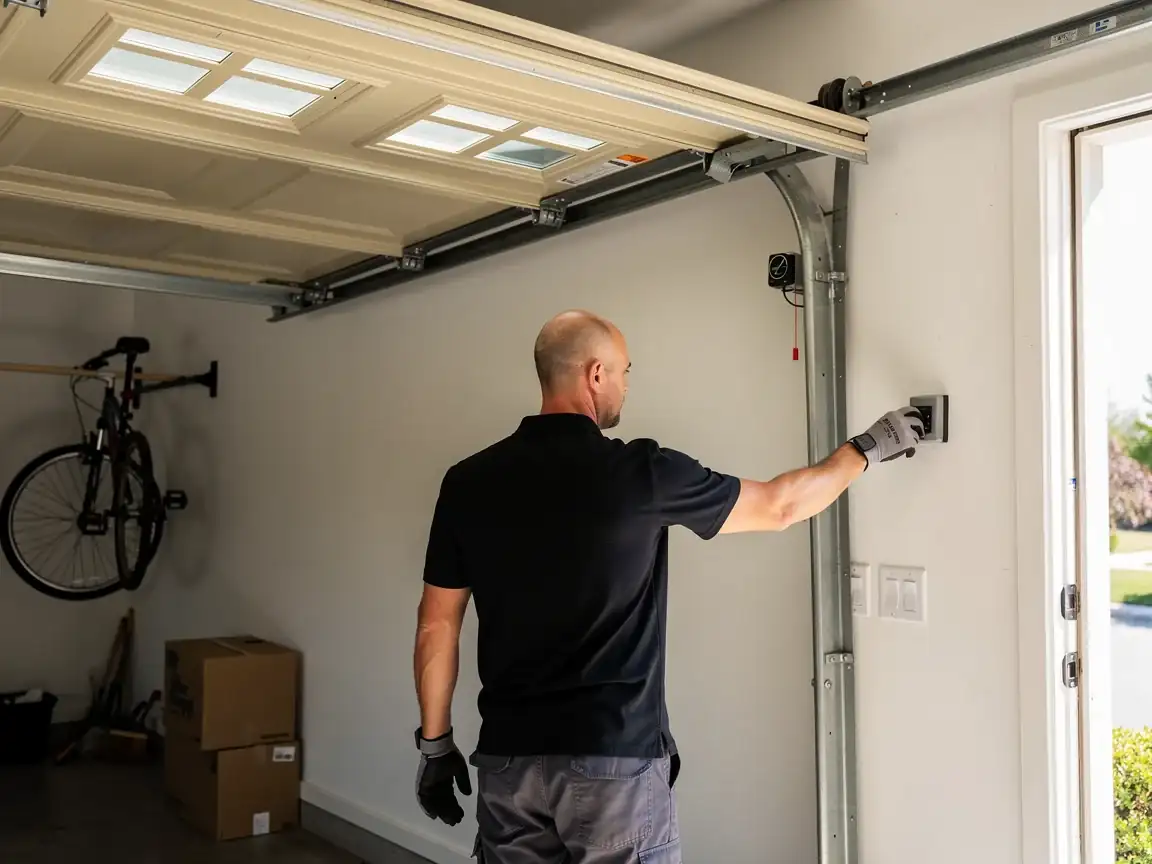
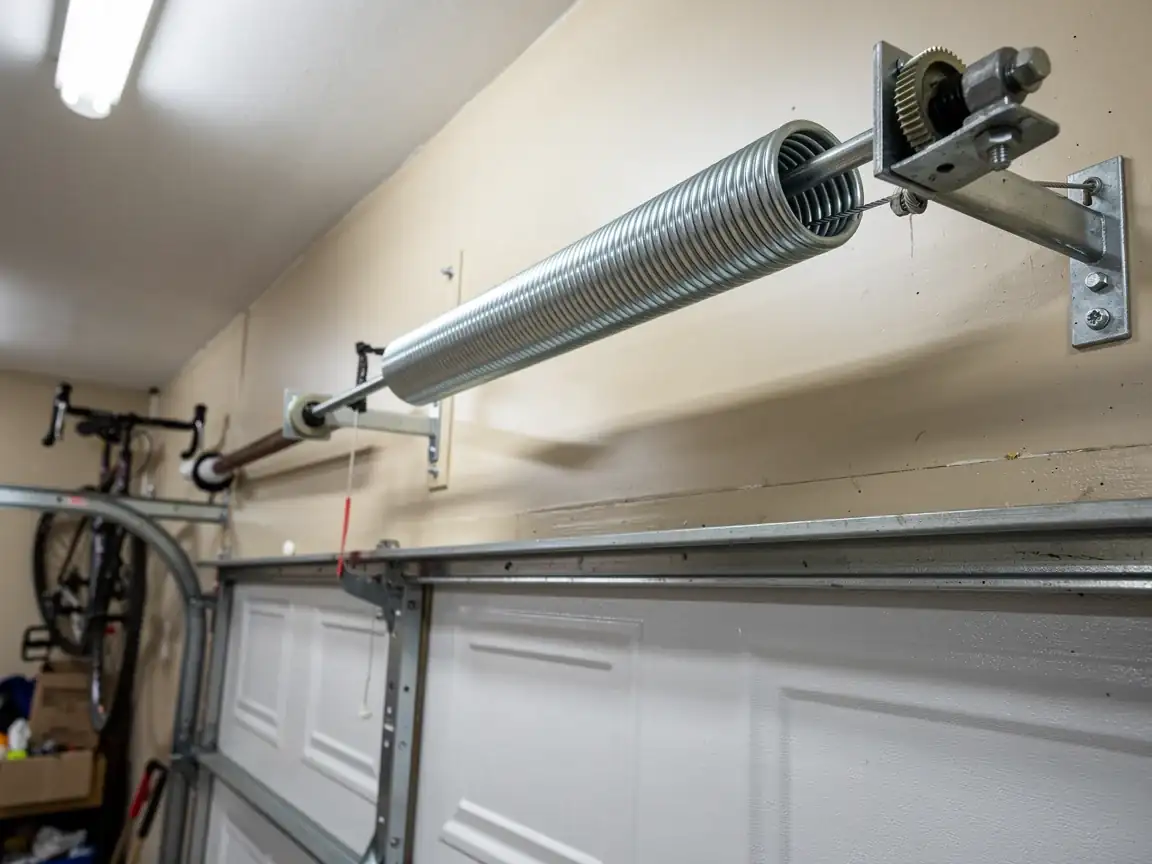
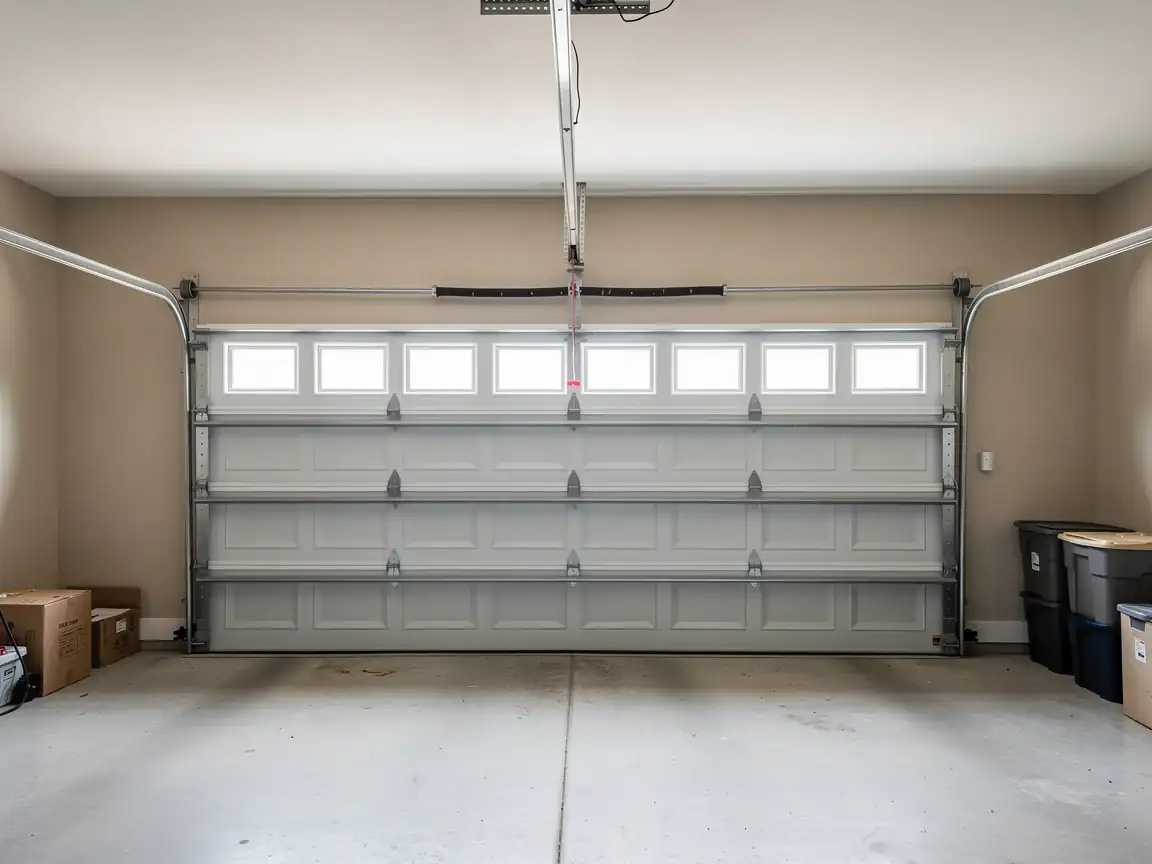
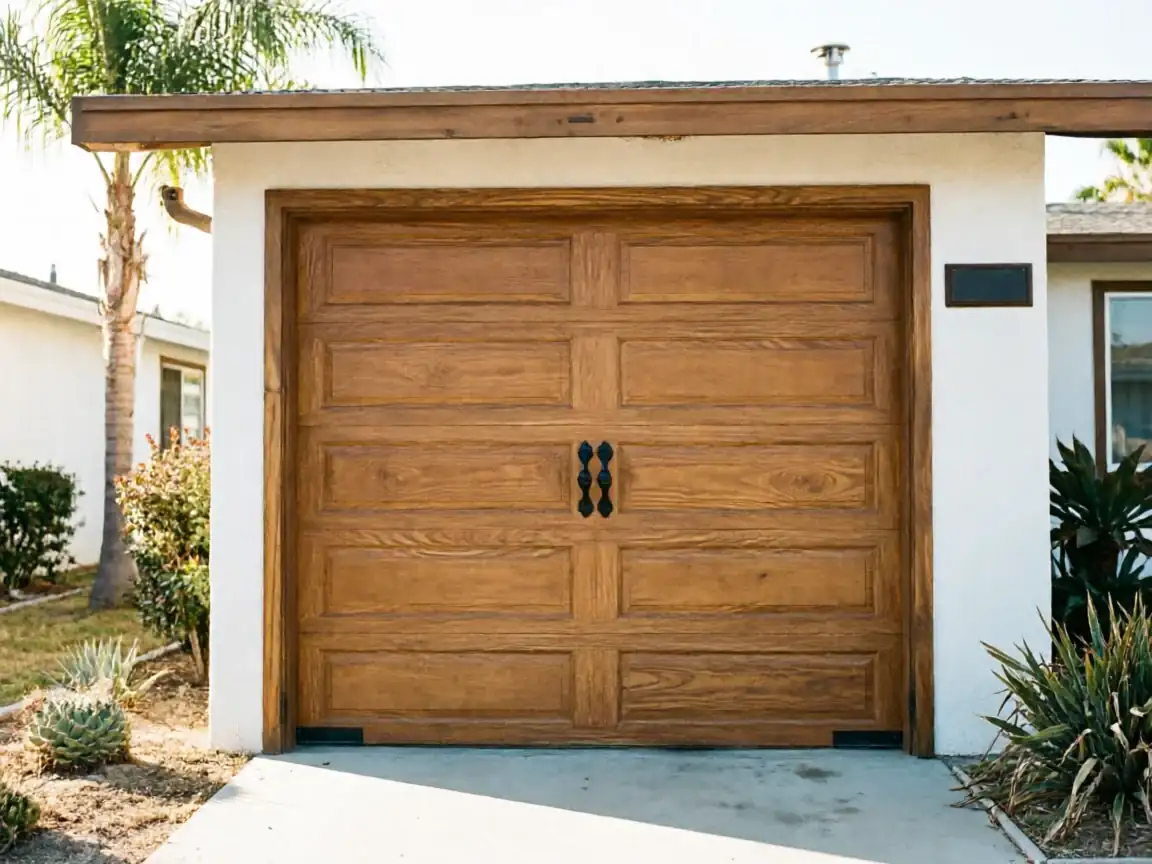
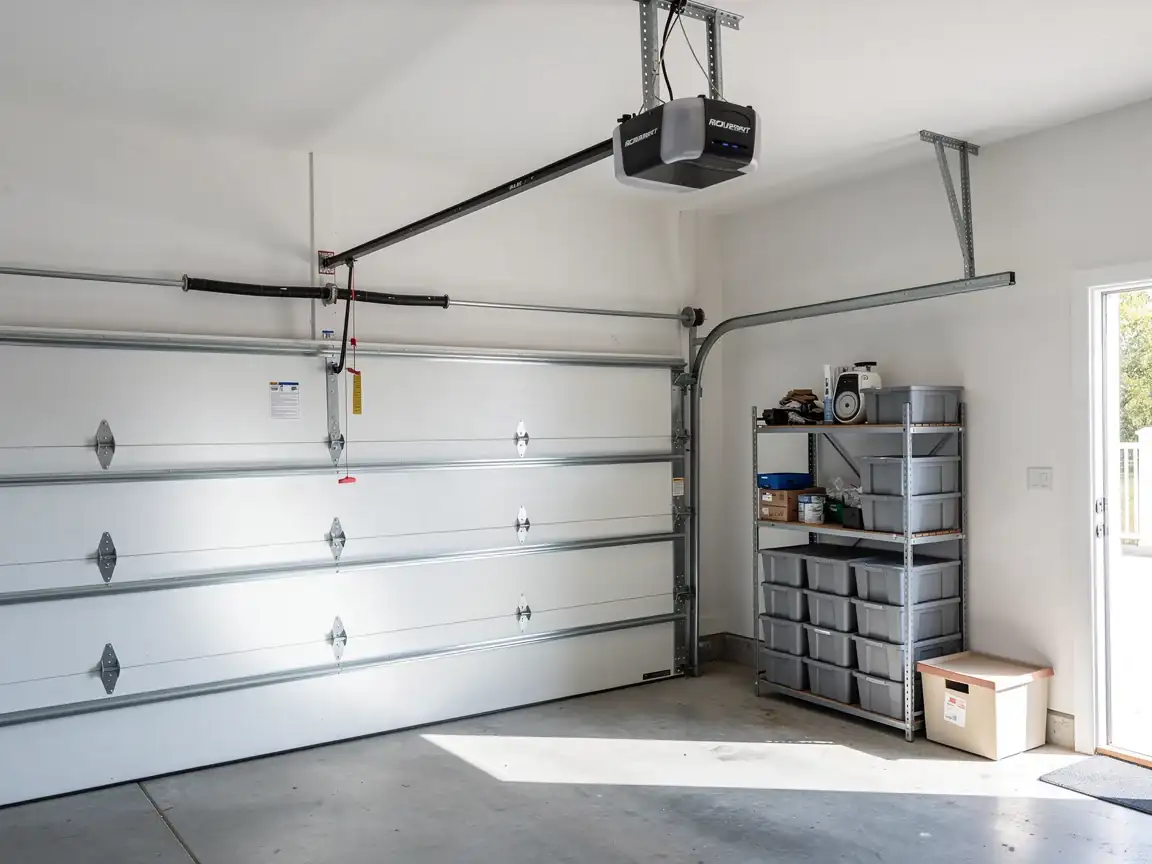
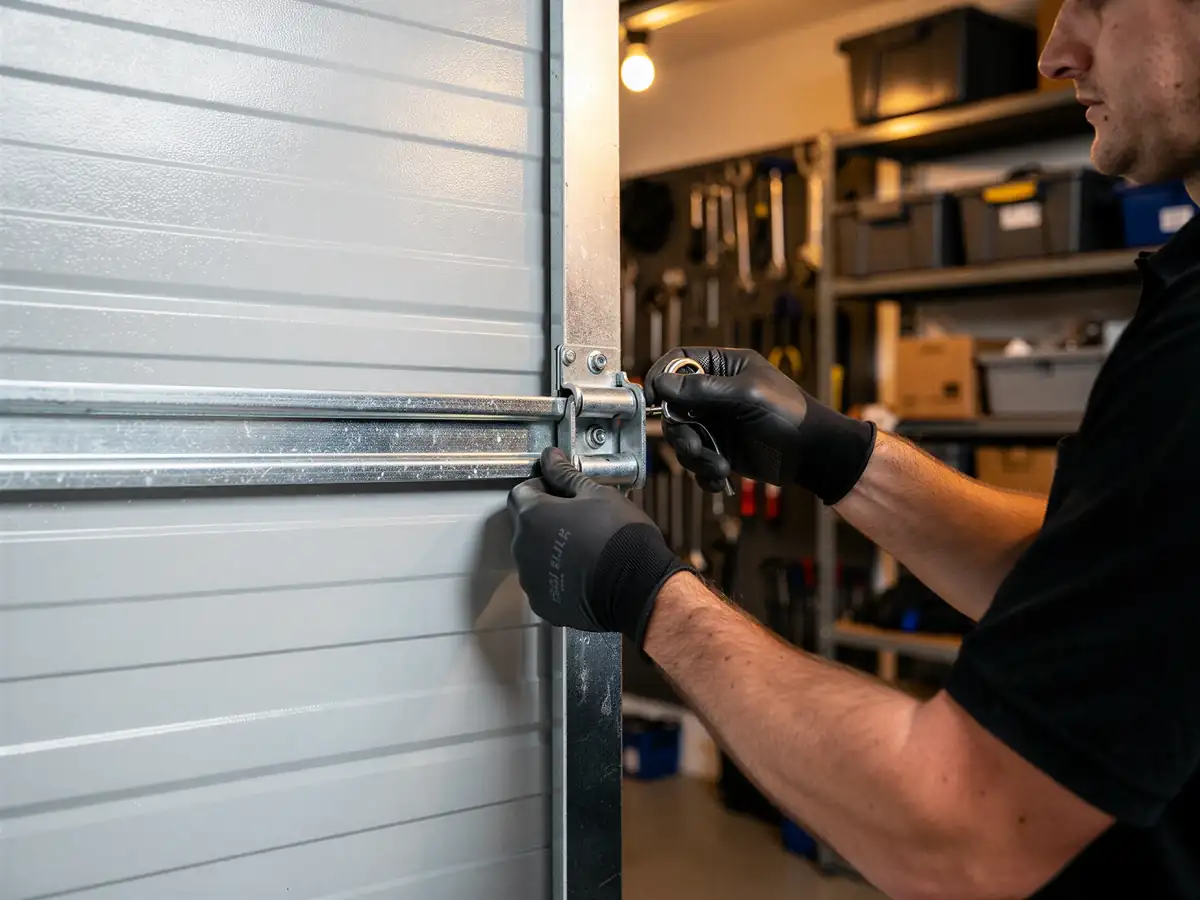
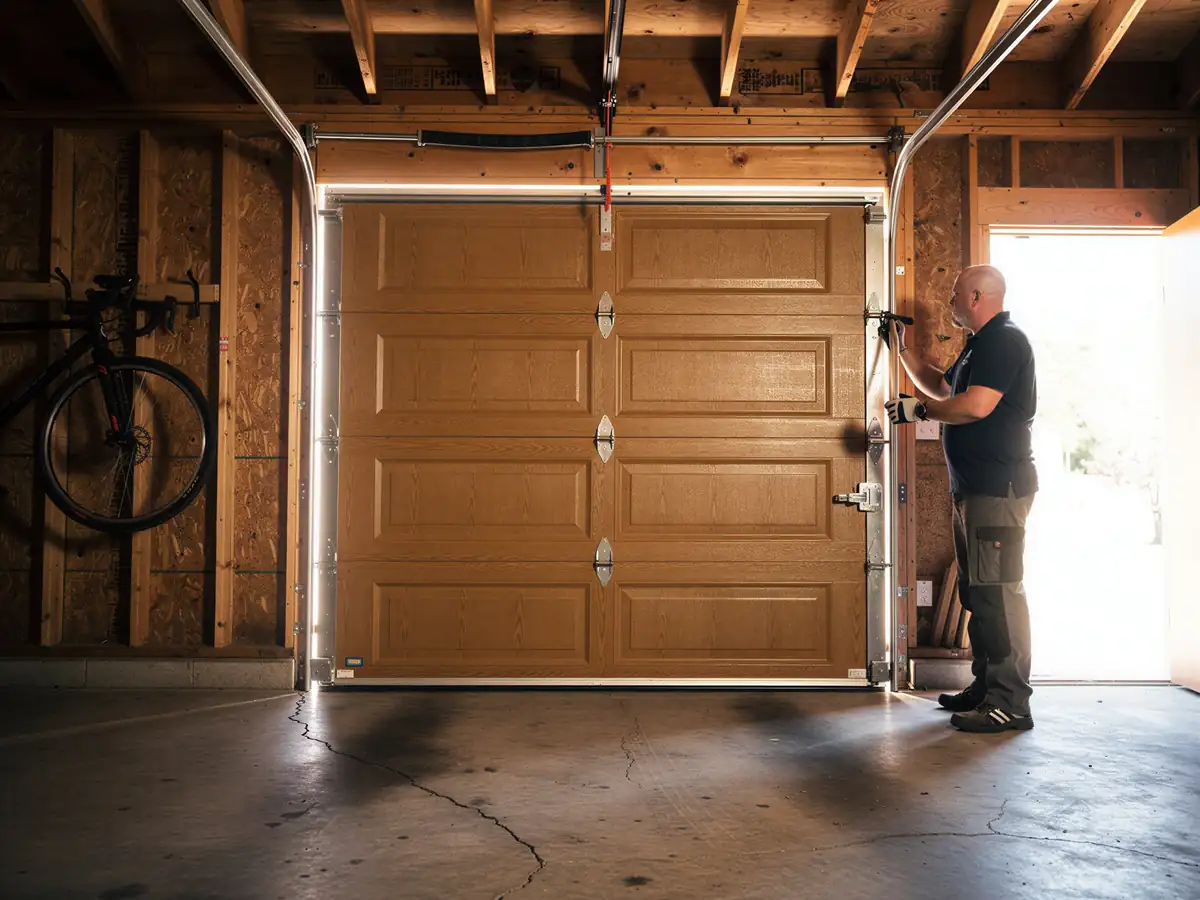
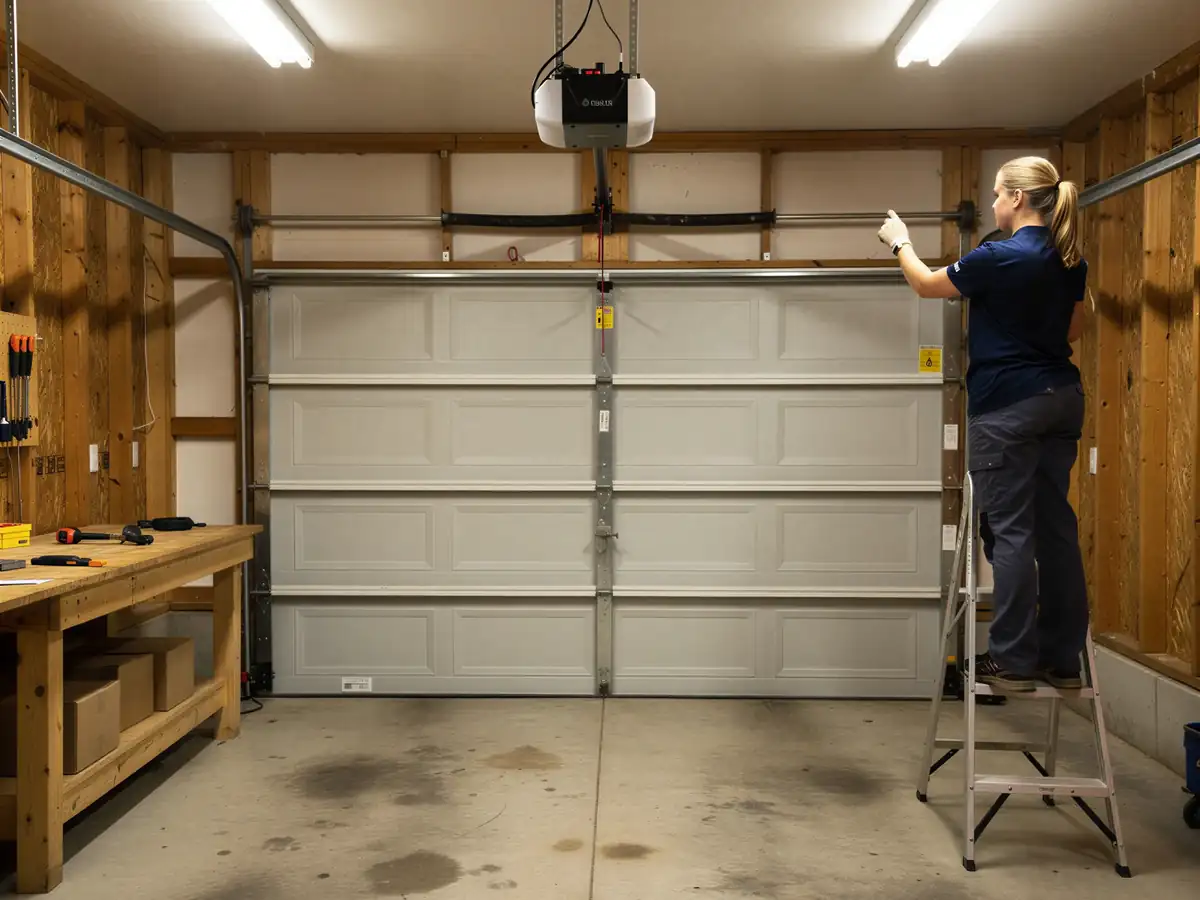
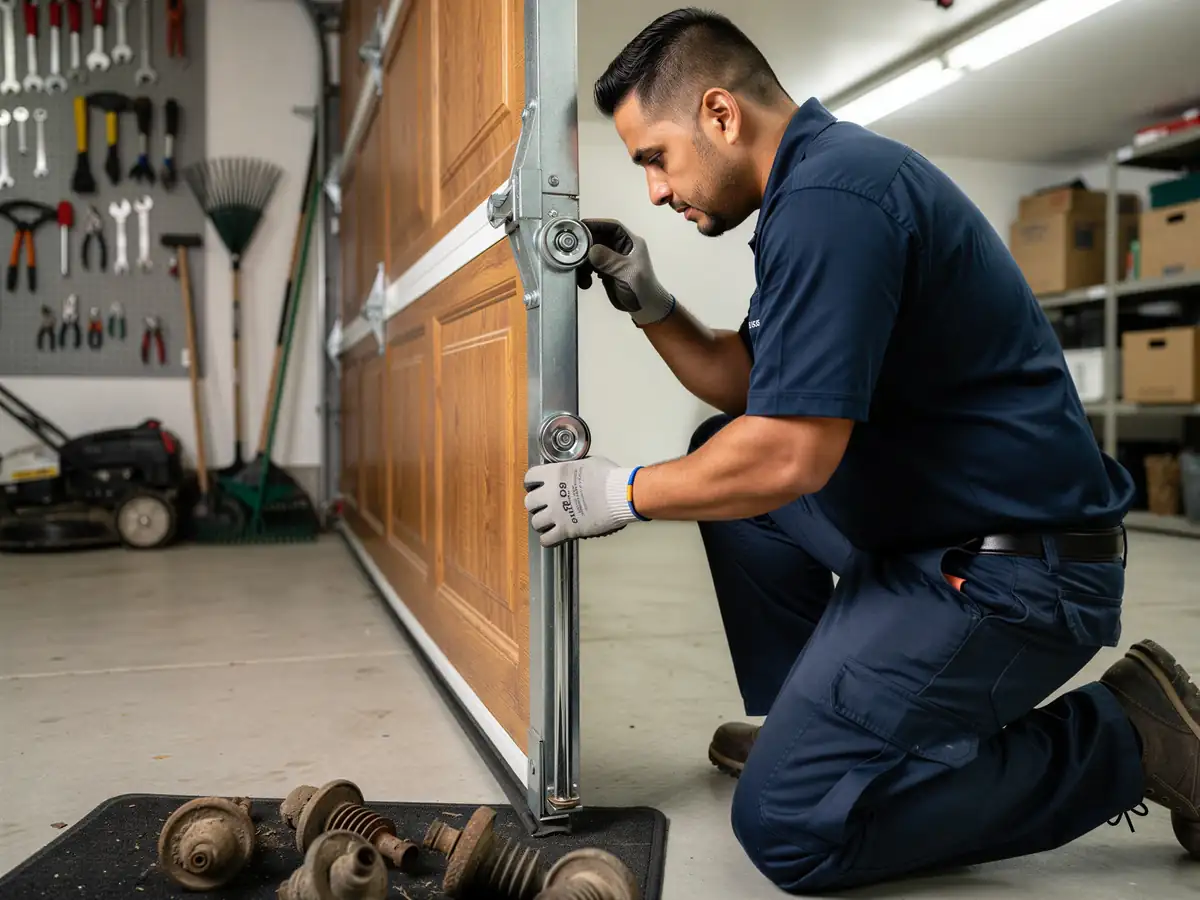
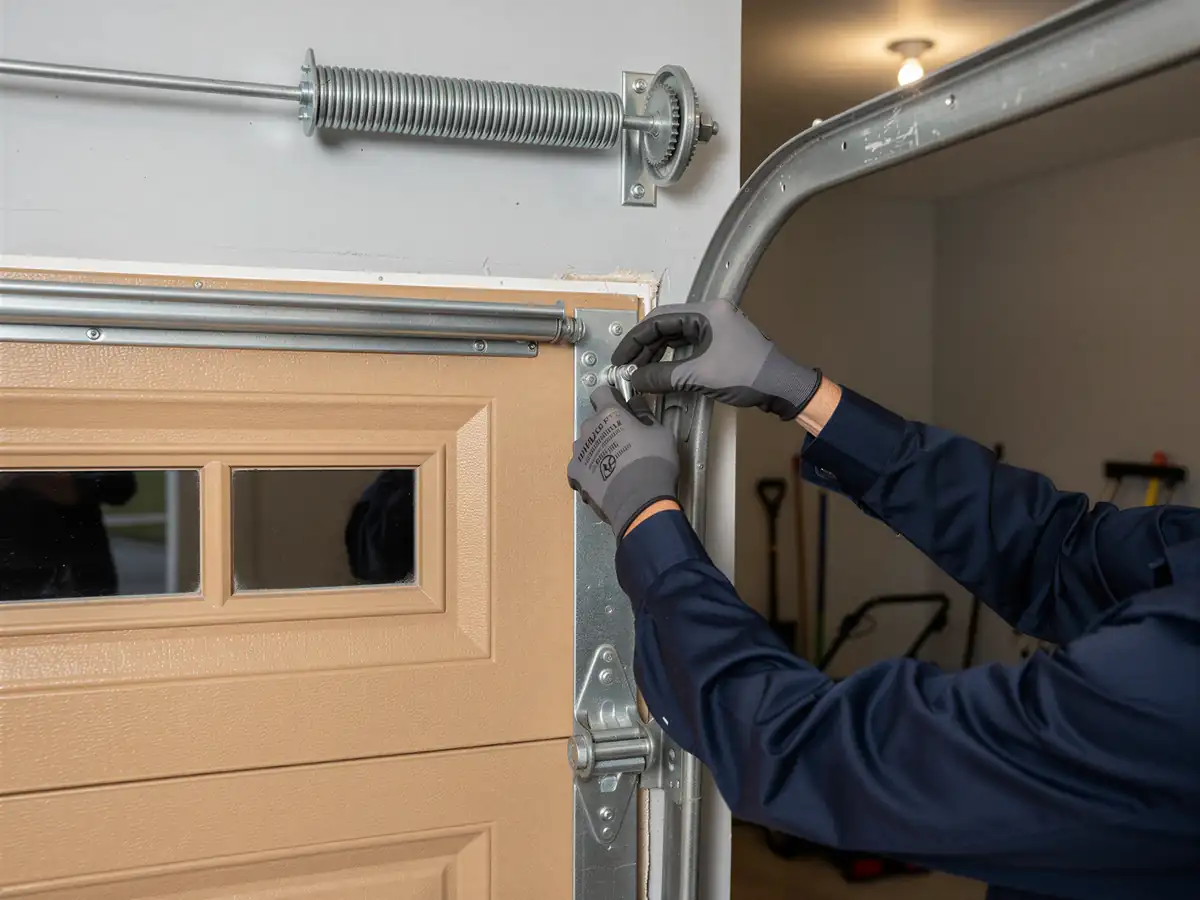
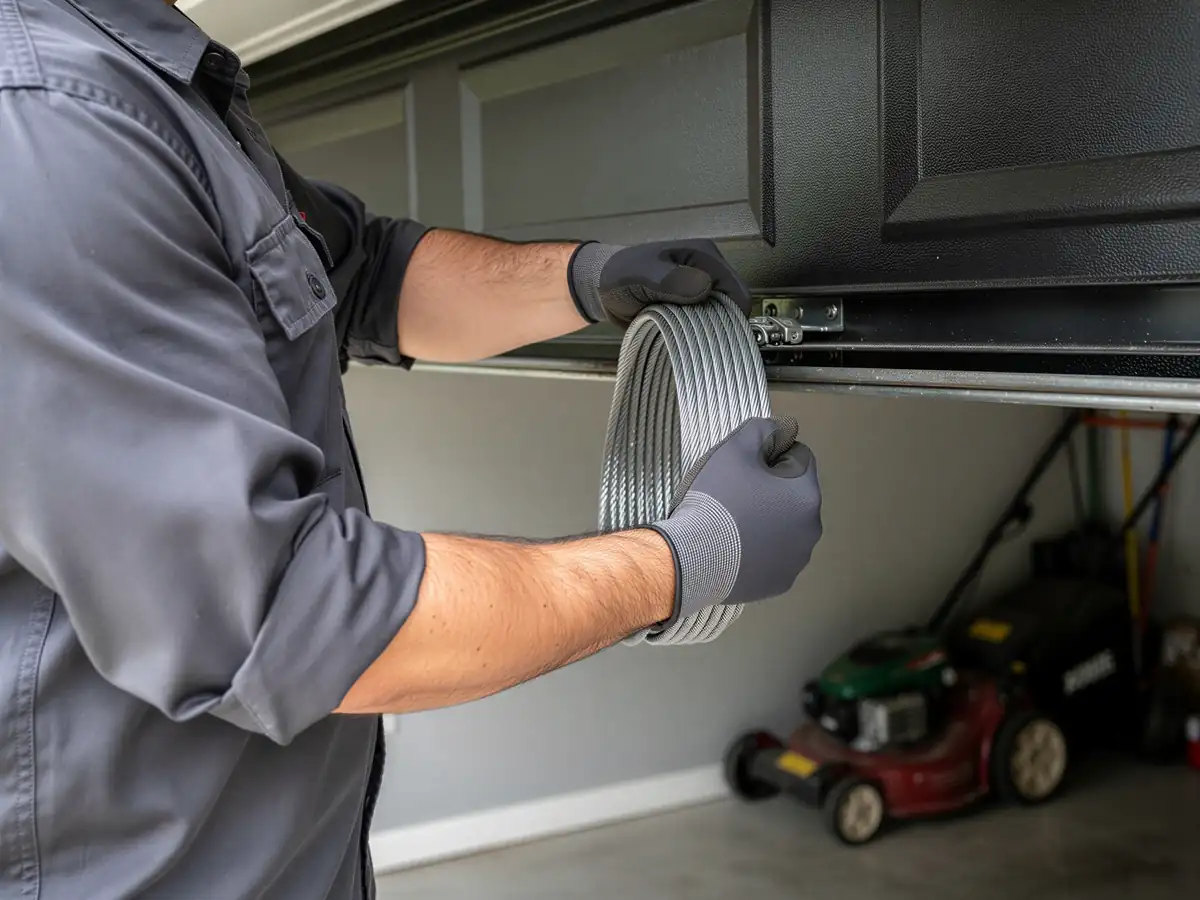
A frayed or snapped cable usually shows up one of two ways: the door won't budge, hanging crooked in the track with one side higher than the other, or it drops fast and uneven when you hit the opener button. Sometimes you'll spot the cable itself, a bundle of thin wires unraveling near the bottom roller bracket or where it wraps the drum at the top.
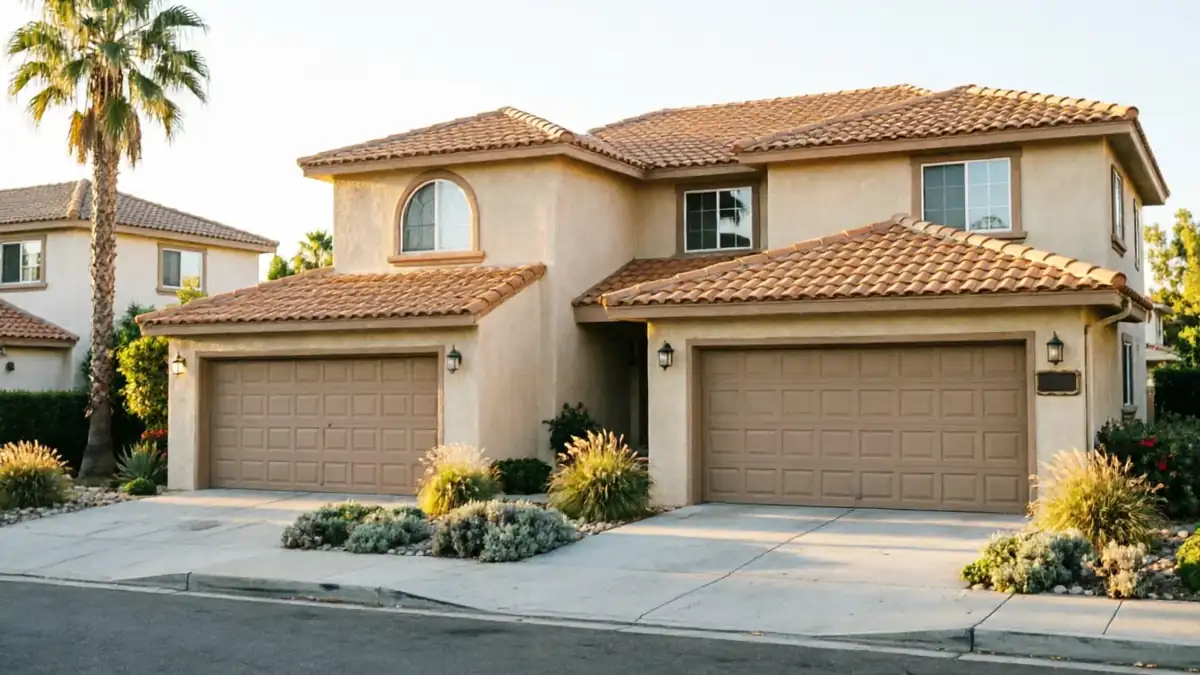
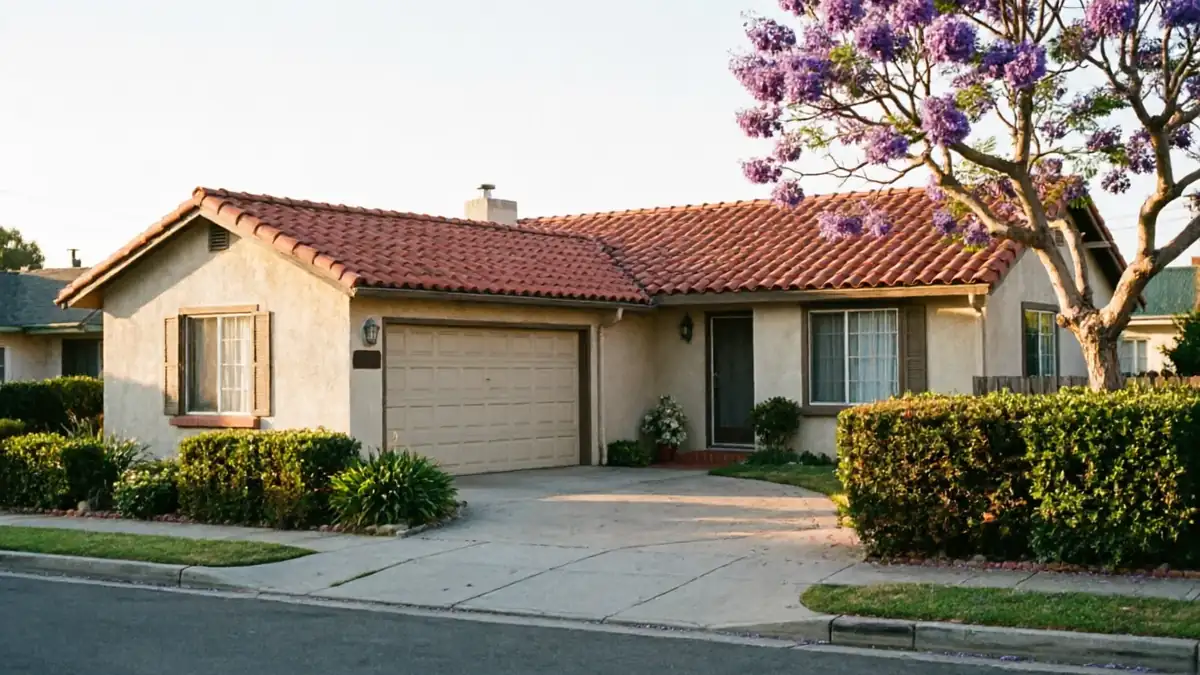
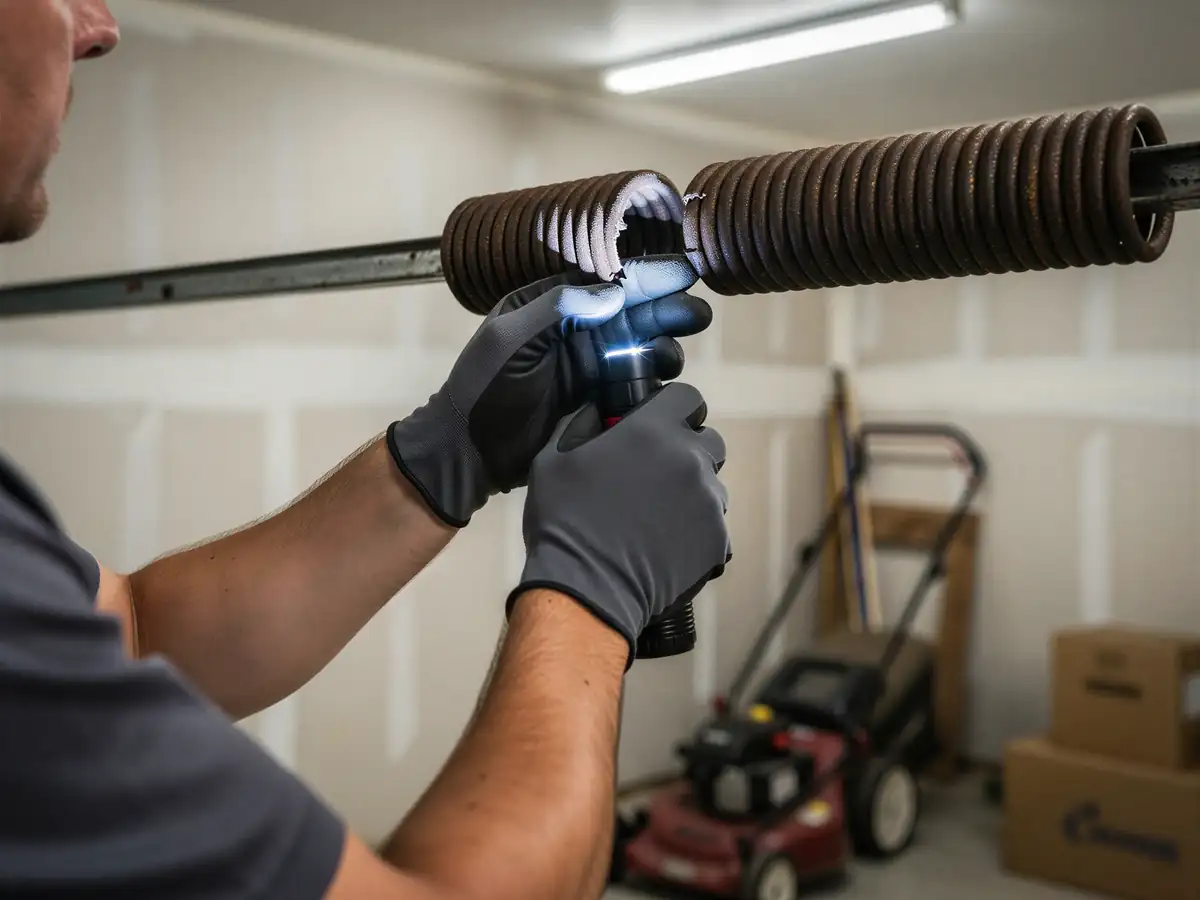
Irvine's housing stock runs from 1938 to 2015, with median construction around 1976 and most of the 29 named areas built out through the 1960s and 70s. That matters here: a lot of these doors are still running the cable and drum setup that came standard on torsion systems from that era, not the newer galvanized, nylon-coated cable you'd find on a door installed in the last ten years. Older cable stretches, develops rust pitting where it's exposed, and eventually gives at a weak point - often right where it bends around the bottom bracket.
If you catch it early, you'll hear a faint popping or grinding sound before the cable actually lets go. If you don't catch it, the door comes down unevenly and can jump the track, which turns a cable job into a track and roller job too.
The Cost of This Job
We don't have a flat number to quote you here, because cable repair cost depends on whether one cable broke or both, whether the drums and bottom brackets took damage on the way down, and whether your door is a standard single-car size or a heavier double. What we can tell you is what drives the price up: a door that dropped hard enough to bend the track, a broken cable that's been left long enough to throw the opener's travel limits out, or a spring that was already weak and finished failing under the uneven load.
Households across this service area have a median income of $124,167, and the housing stock skews toward owner-occupied single family homes - 128,495 of them out of 316,088 households total. That's relevant mainly because it means most of the doors we're called out to aren't rentals with deferred maintenance; they're owned, and owners tend to want the job done right rather than patched. We'll tell you straight if a cable repair is the fix, or if your drums and rollers are worn enough that replacing the whole lift system makes more sense than doing the cable twice in two years.
Booking a Visit
If the door is down and won't move, don't force it by hand or run the opener trying to clear it
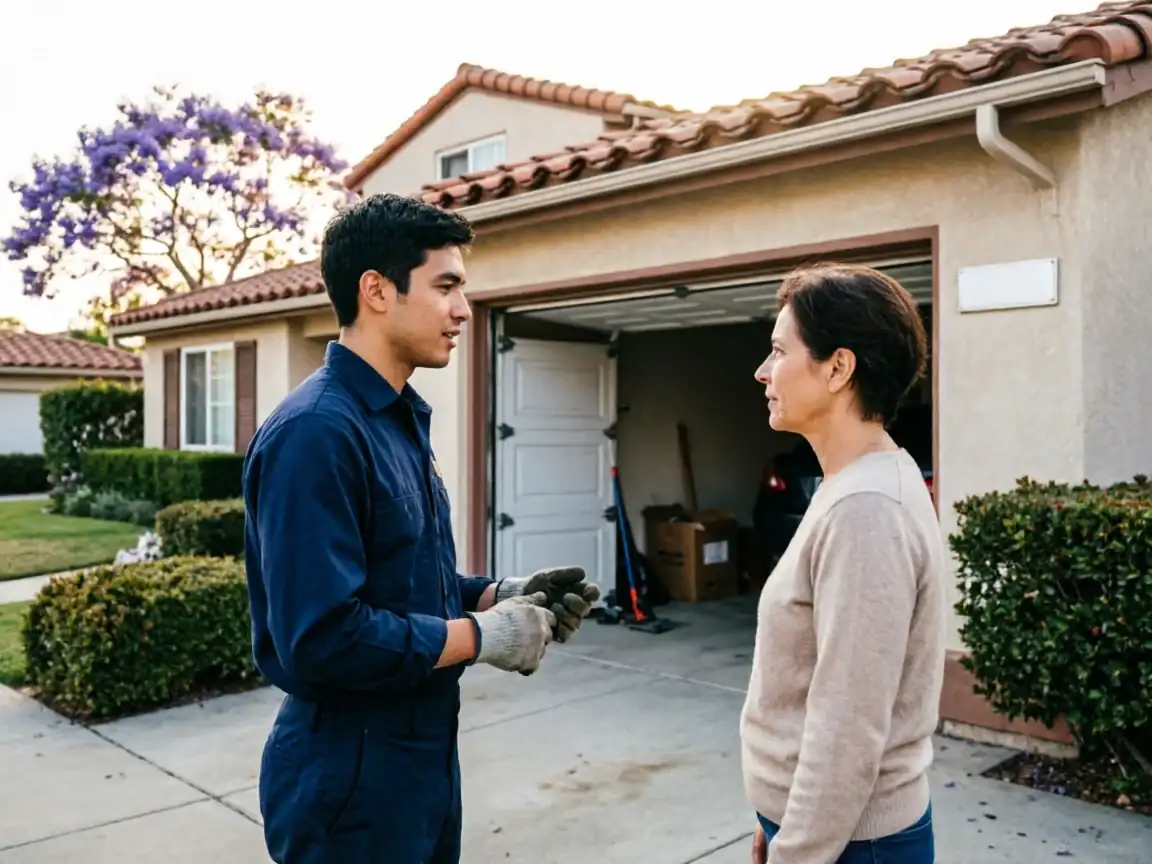
That's how a bent track or a cracked panel gets added to the job. Leave it where it sits and give us a call. We'll ask what you're seeing (crooked door, door stuck shut, loud snap you heard) so the truck that shows up has the right cable gauge and drum hardware for your door size.
We cover the full service area out from Irvine
Including the named areas and nearby communities like Laguna Woods, North Tustin, Aliso Viejo, Laguna Hills, and the rest of the towns within range. If you're closer to one of those, you'll find a page specific to that town with details that don't belong on this one. Either way, the call-in process is the same: tell us what the door is doing, and we'll get a truck out with the parts most likely to fix it on the first visit.
What Causes It Around Here
Three things show up again and again on cable calls in this area. First, age - with median construction around 1976 and a lot of the housing stock dating to the 1960s and 70s, plenty of doors are still running original or first-replacement cable that's simply worn out from decades of cycles. Second, the climate here sits in a mild temperate band, which sounds like it should be easy on hardware, and mostly it is - but mild doesn't mean dry year-round, and cable that never gets a hard freeze to flag a problem can rust quietly for years without anyone noticing until it snaps.
Third, mismatched maintenance: a lot of these older systems have had springs replaced or an opener swapped at some point, but the cables never got touched because nothing failed yet. That leaves newer, higher-tension hardware pulling on old cable, which speeds up wear right at the drum. None of this is exotic - it's just what happens when a door built in one decade keeps running decades past its original hardware's expected life.