The Common Mistake
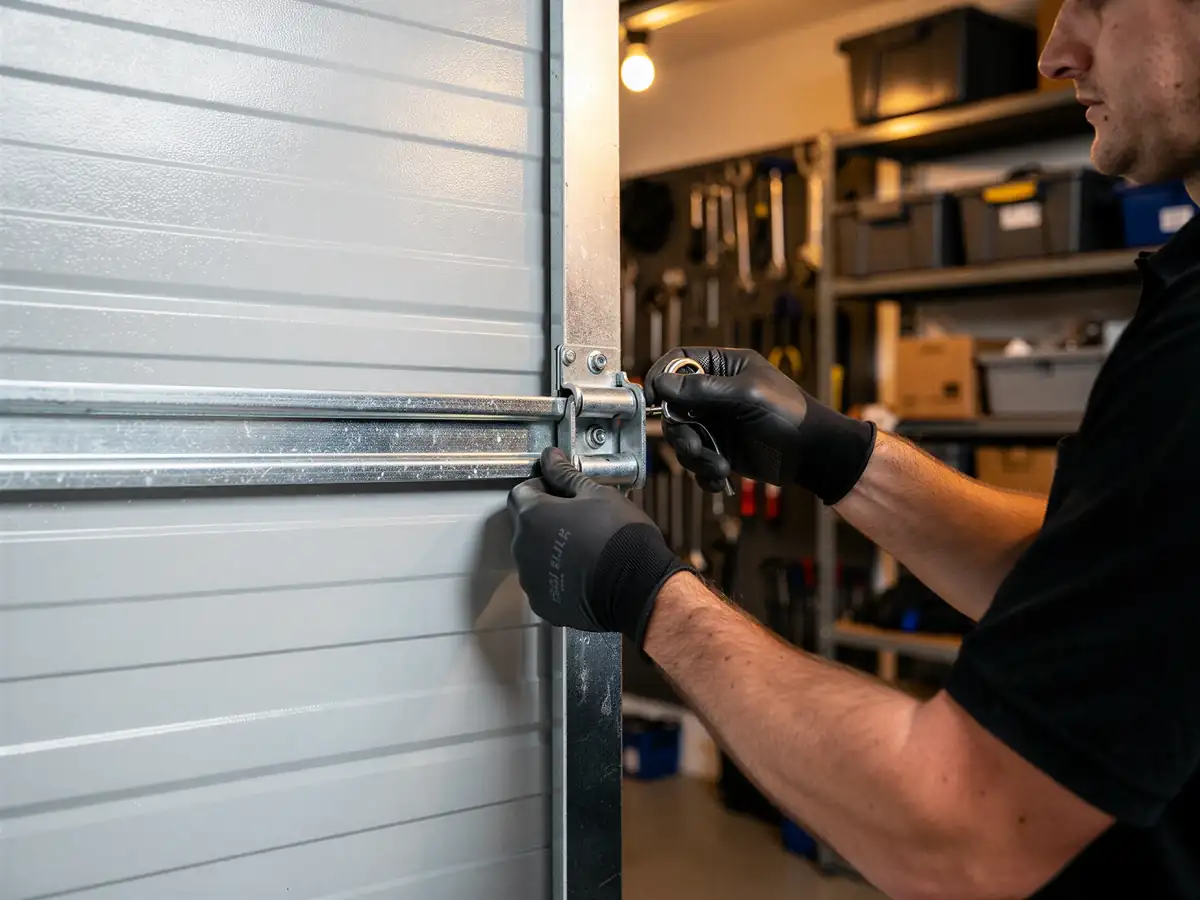
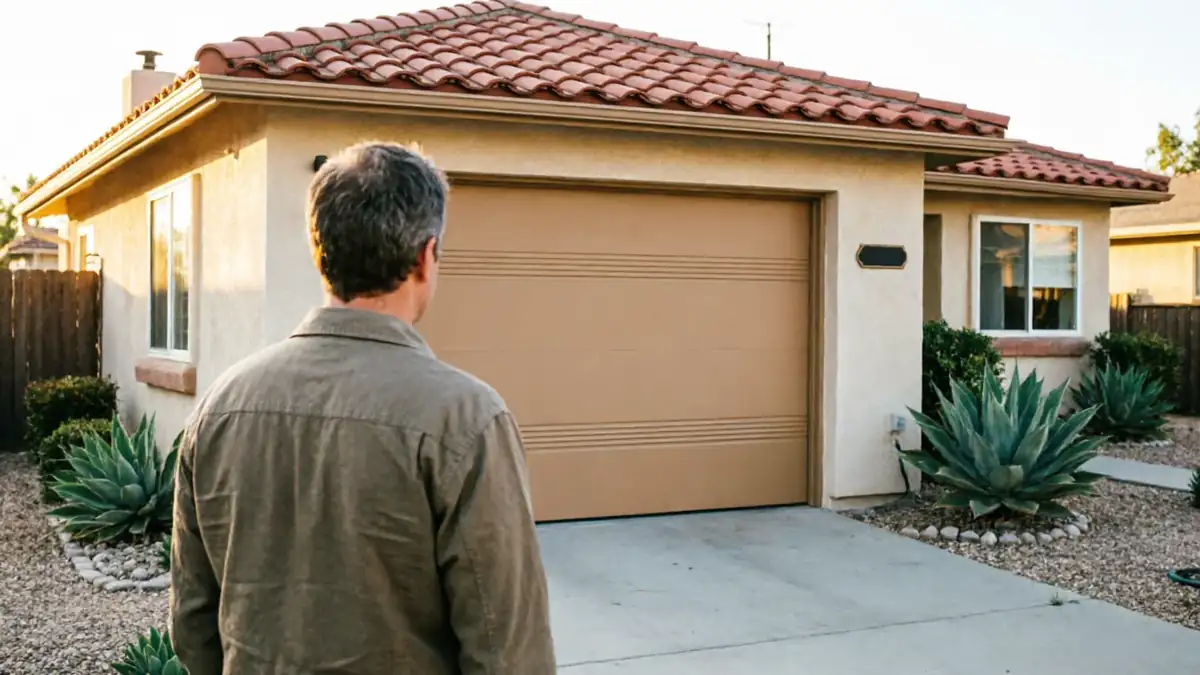
The mistake we see most is someone walking into a big-box store, picking a door off the showroom floor, and assuming it will just bolt onto their house the way it did in the brochure. It doesn't always work that way here. Irvine's housing stock runs from 1938 up through 2015, but the median year built is 1976, which means a large share of garages were framed to openings and track specs that predate today's standard door widths and spring systems. A door that fits a house built in 2015 can be the wrong width, the wrong track depth, or need a different headroom clearance on a garage framed decades earlier. Buying first and measuring second is how people end up with a door sitting in the driveway that doesn't clear the header, or hardware that needs an adapter kit nobody stocks locally. The fix isn't complicated - measure the opening, the headroom, and the track style before you shop, not after. It costs nothing and saves a restocking fee. We'll say plainly: a door that looks right in a catalog photo is not the same as a door that fits your garage, and the two get confused more often than you'd think.
The Problem
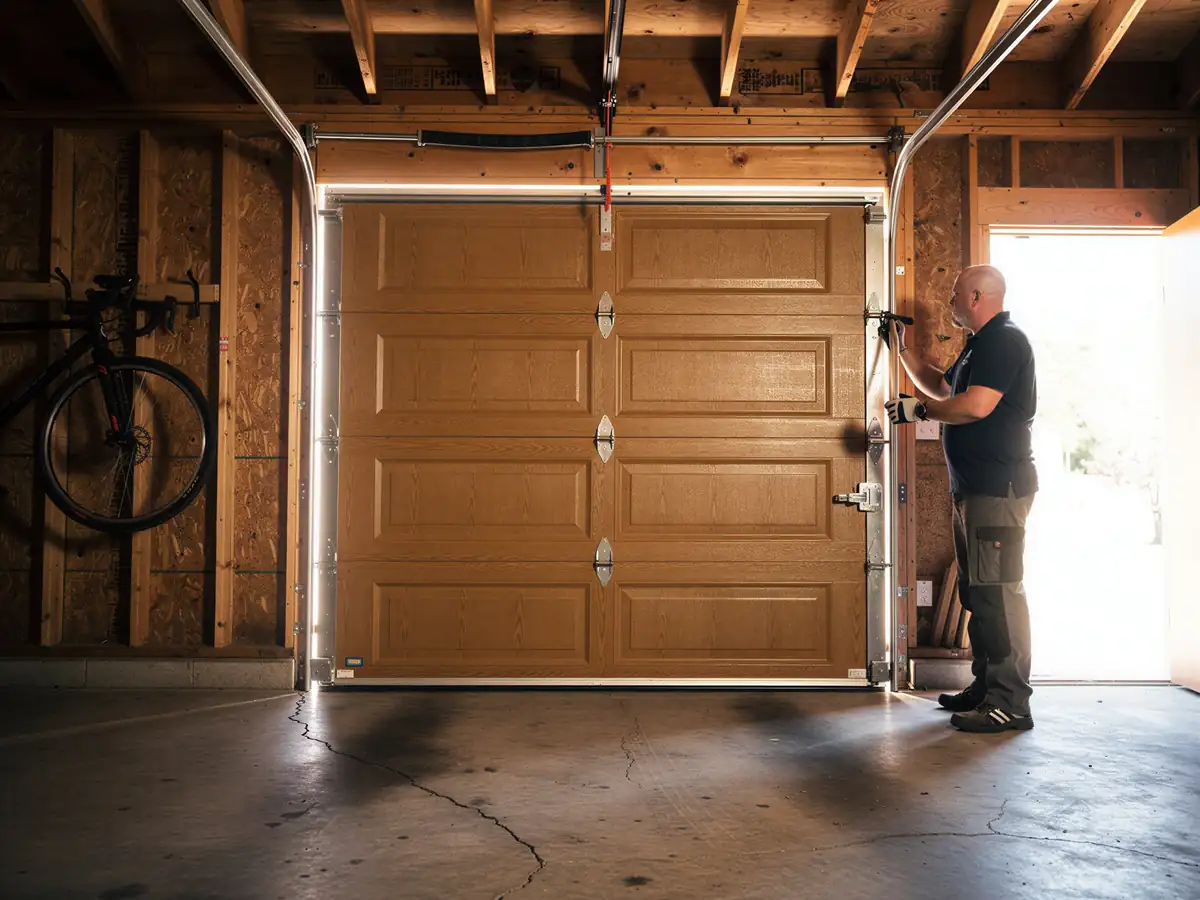
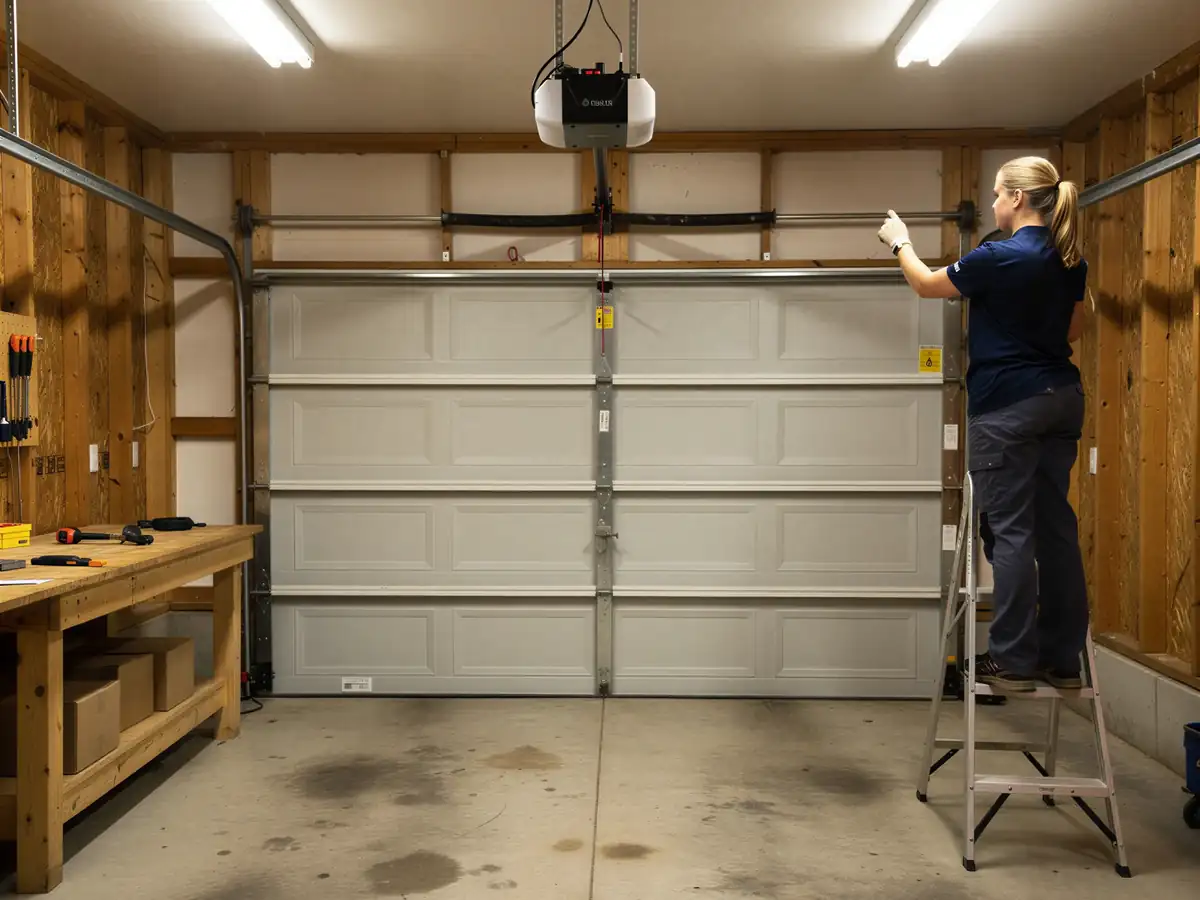
A good chunk of Irvine's older neighborhoods - areas like - went up through the 1960s and 70s, when single-car doors on narrower openings and lighter-gauge steel panels were the norm. Newer sections of the city, built closer to 2015, were framed for today's wider double-door garages and heavier insulated panels. That split matters when you're shopping for a replacement, because a standard 16-foot double door bought for a newer Irvine home will not drop into a 1970s-era opening built for two separate single doors, and the reverse mismatch happens just as often. We also run into older torsion spring setups mounted for doors that no longer exist on the market, meaning the new door needs new hardware, not just a swap. Here's the honest limitation: if your opening is a genuinely nonstandard size from that era, a custom door has to be ordered, and that can add real lead time to the job - we won't tell you a stock door will work just to get it installed faster.
What the Weather Here Does to It
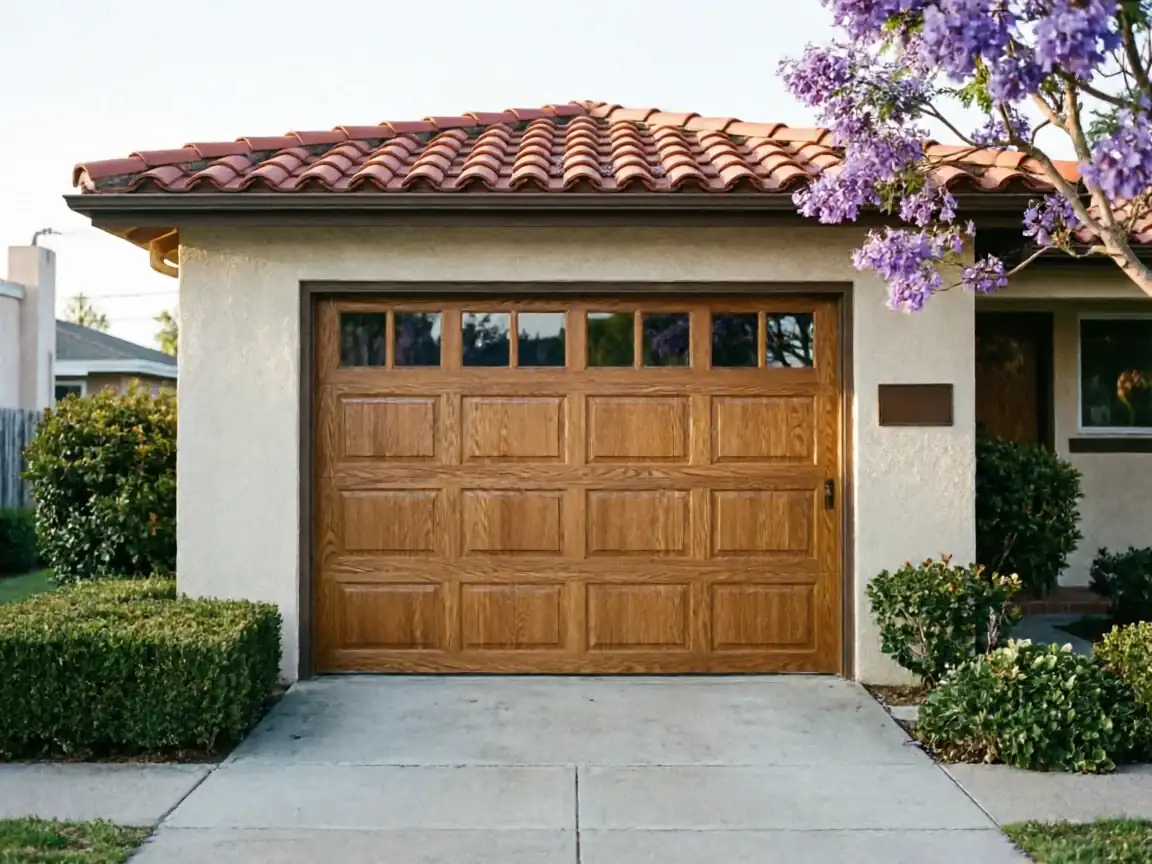
The mild temperate climate doesn't stress a door's mechanics the way cold-weather regions do, but it isn't nothing either. Consistent sun on an uncovered, south- or west-facing garage door bleaches and chalks painted steel finishes over years, which is a cosmetic problem more than a functional one, but it's a real reason people decide to replace rather than repaint. Weatherstripping along the bottom seal and side jambs still dries out and cracks under steady sun exposure even without hard winters to blame. We don't see the cable and spring failures tied to ice and snow load that other regions deal with, but UV breakdown on rubber seals and gaskets is a steady, slow process here, and it's often the first thing that goes on an otherwise sound door. Across the broader service area there are 128,495 owner-occupied houses out of 316,088 households, so most of the doors we're asked about belong to owners who've lived with the same door through a decade or more of that sun exposure before they call.