How That Shows Up in the Door
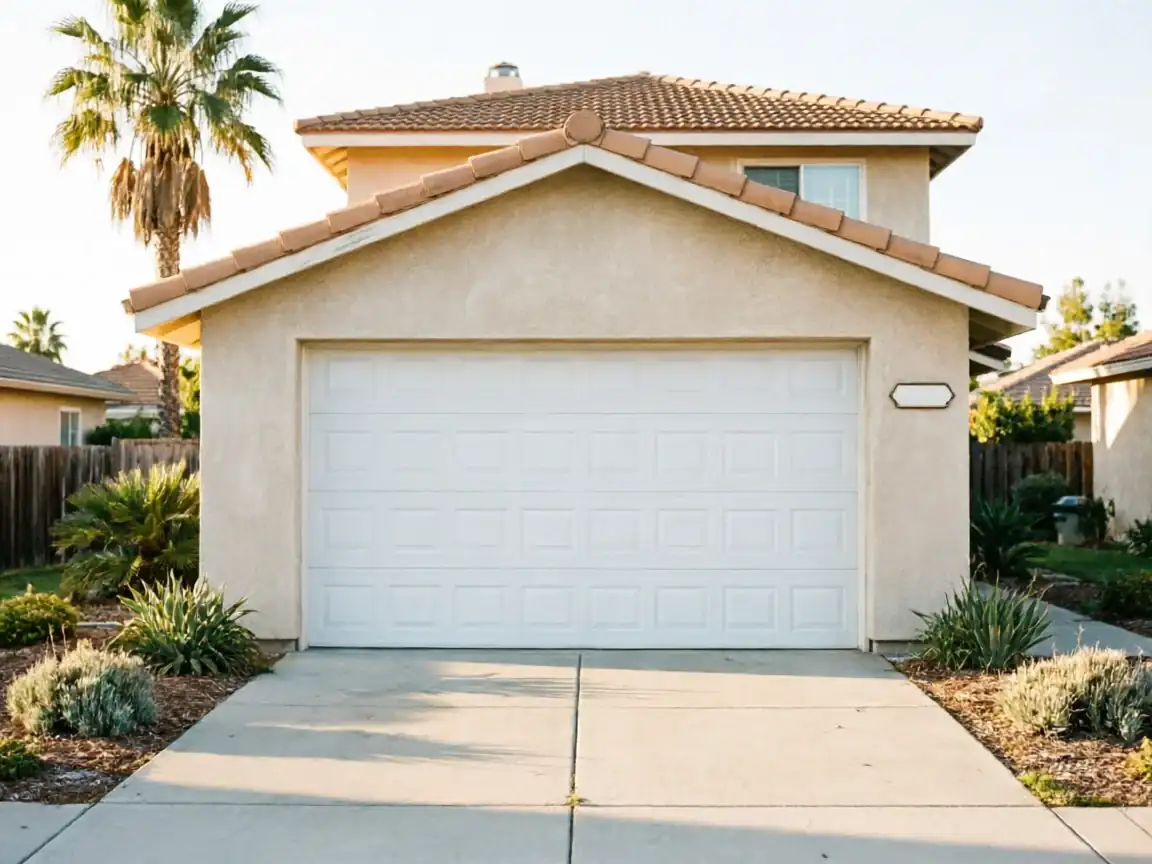
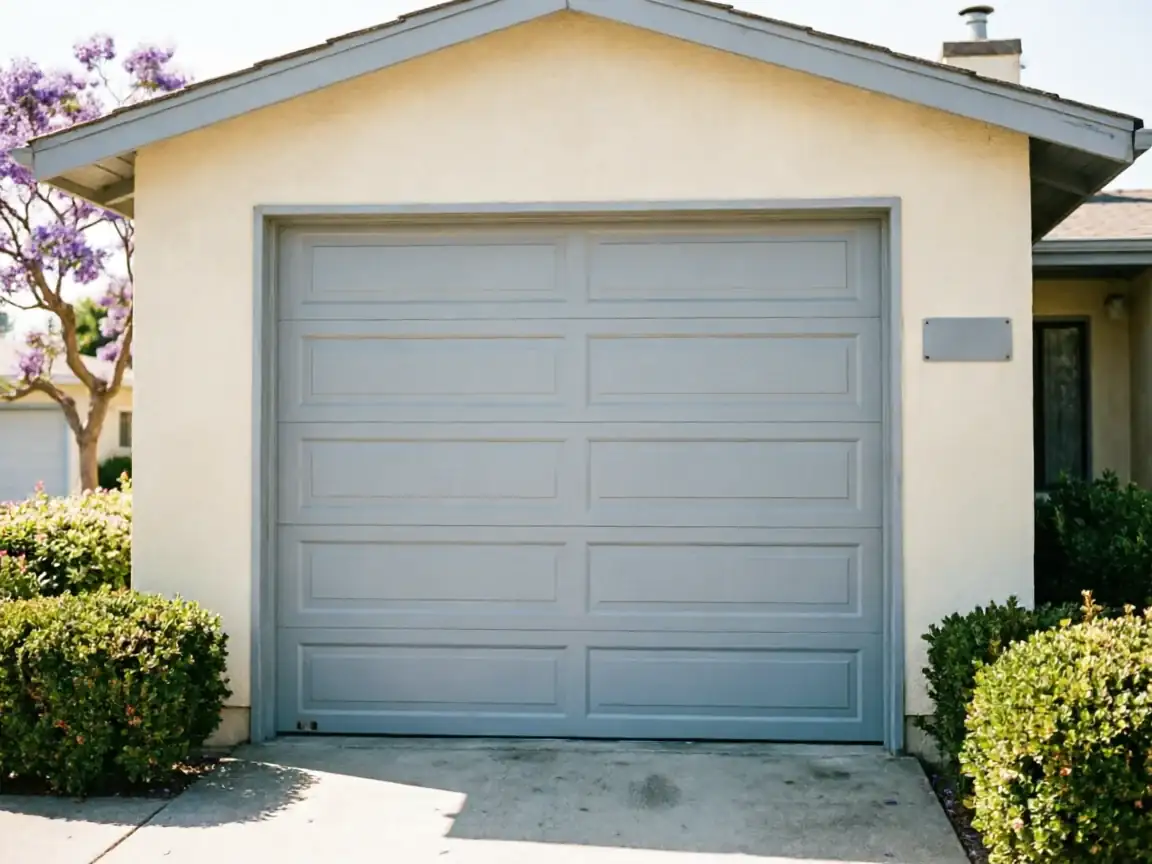
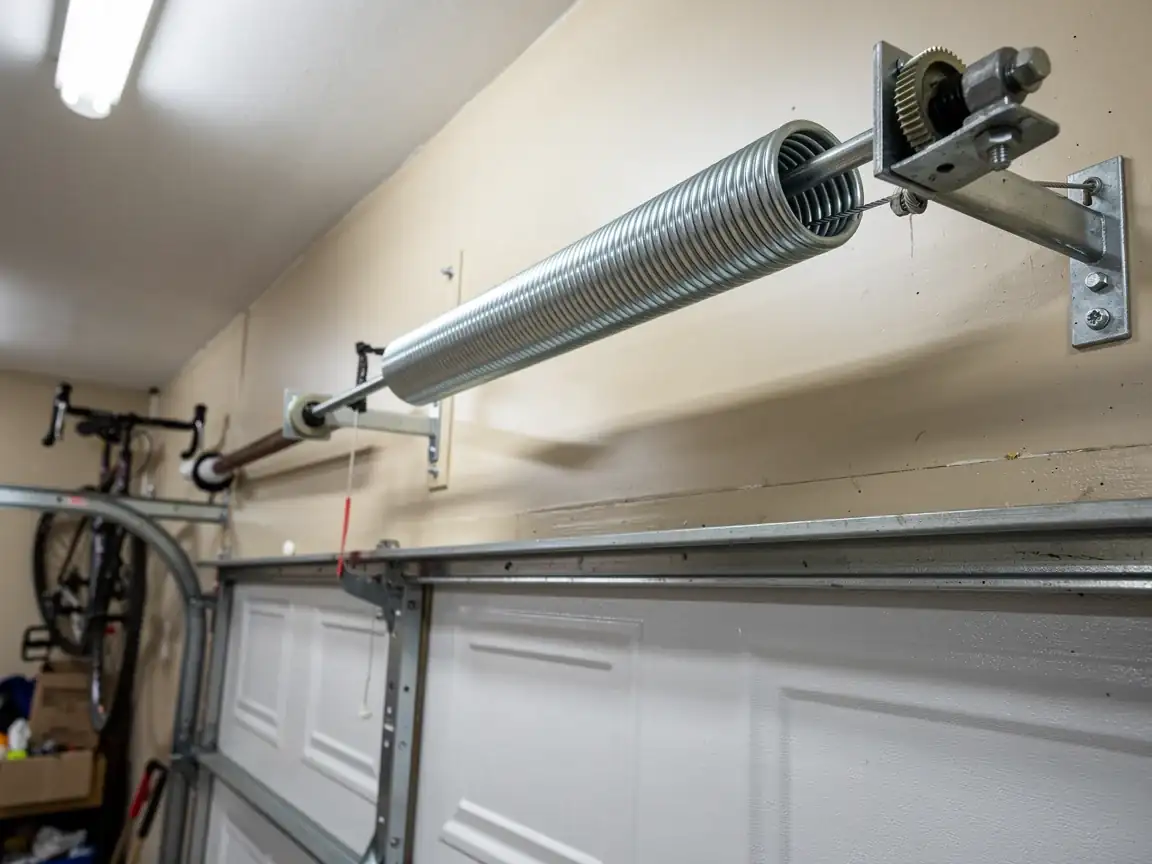
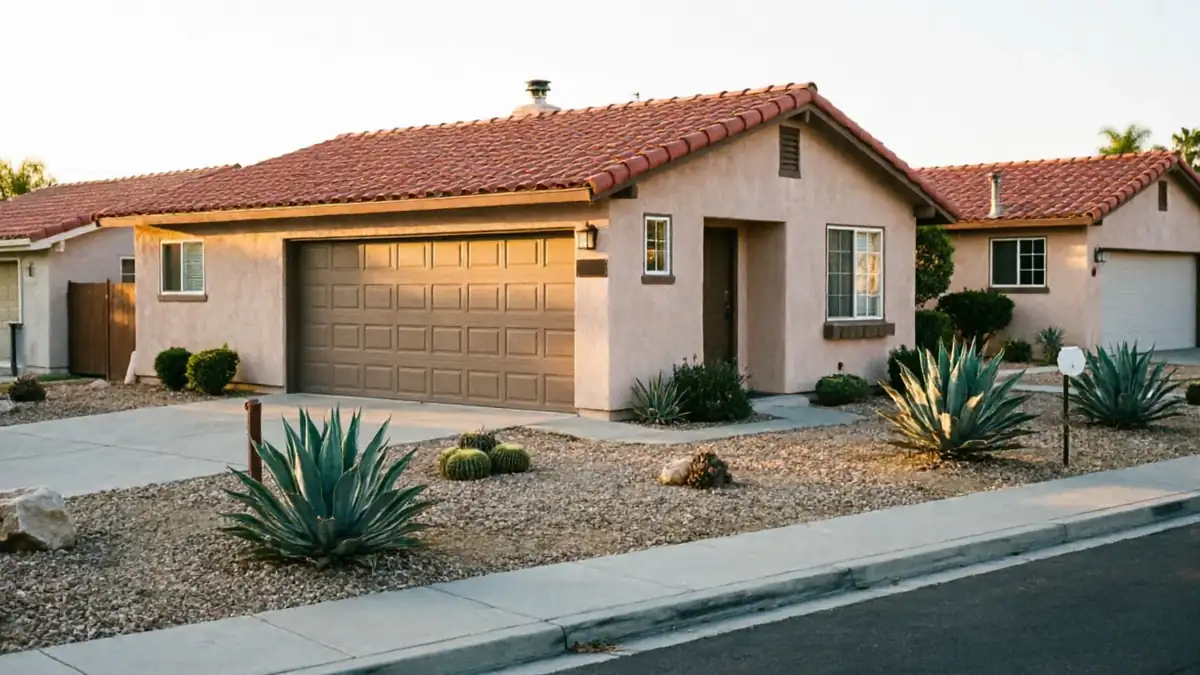
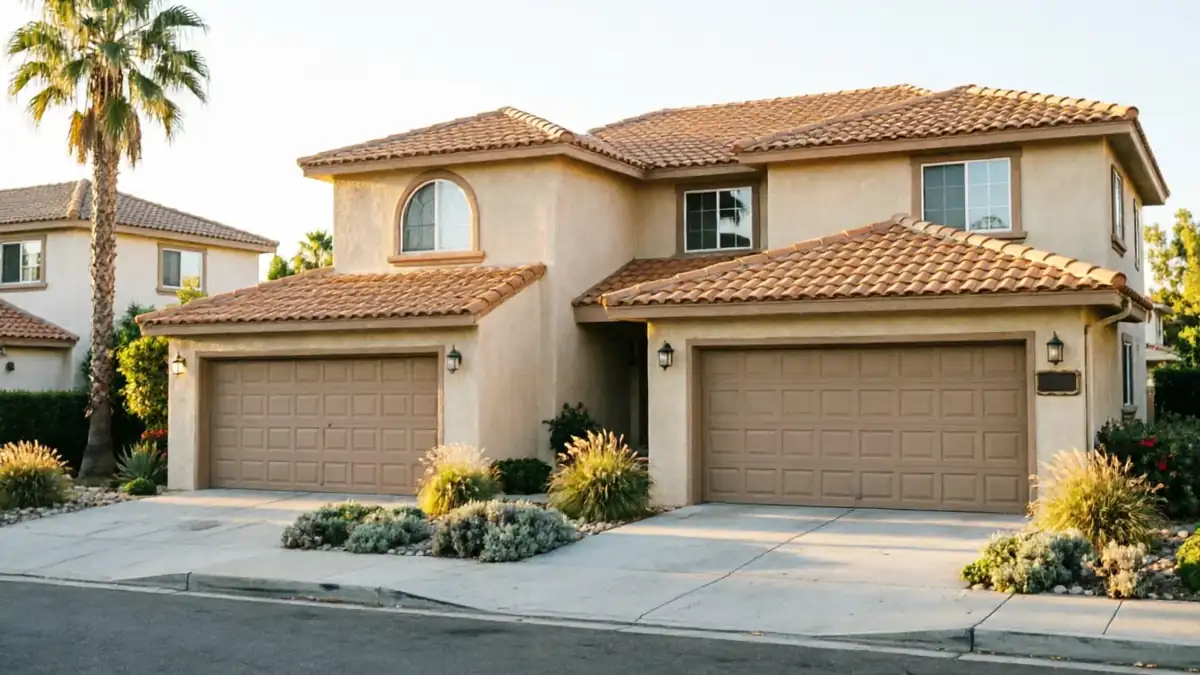
Cypress sits about 18 miles from our Irvine shop, and the typical house here went up around 1971 - earlier than the median build year across our wider service area, which lands closer to 1976. That five-year gap matters more than it sounds like. A house built in the early 1970s usually got a lighter-gauge steel door, a single torsion spring instead of a pair, and an opener bracket mounted straight to drywall rather than to a reinforced header. When that spring finally fails, or that bracket pulls loose, it's not a part you grab off a generic shelf truck - it's a part you match to the house first.
We make the drive out for the call because the job is worth doing right, not because we're parked around the corner. That's worth saying plainly: we travel from Irvine, so same-day isn't something we promise sight unseen. But once we're looking at the door, knowing the stock it likely came with saves time on-site - we're not guessing at spring wind direction or hinge spacing, we're confirming it.
The Split Between Old and New
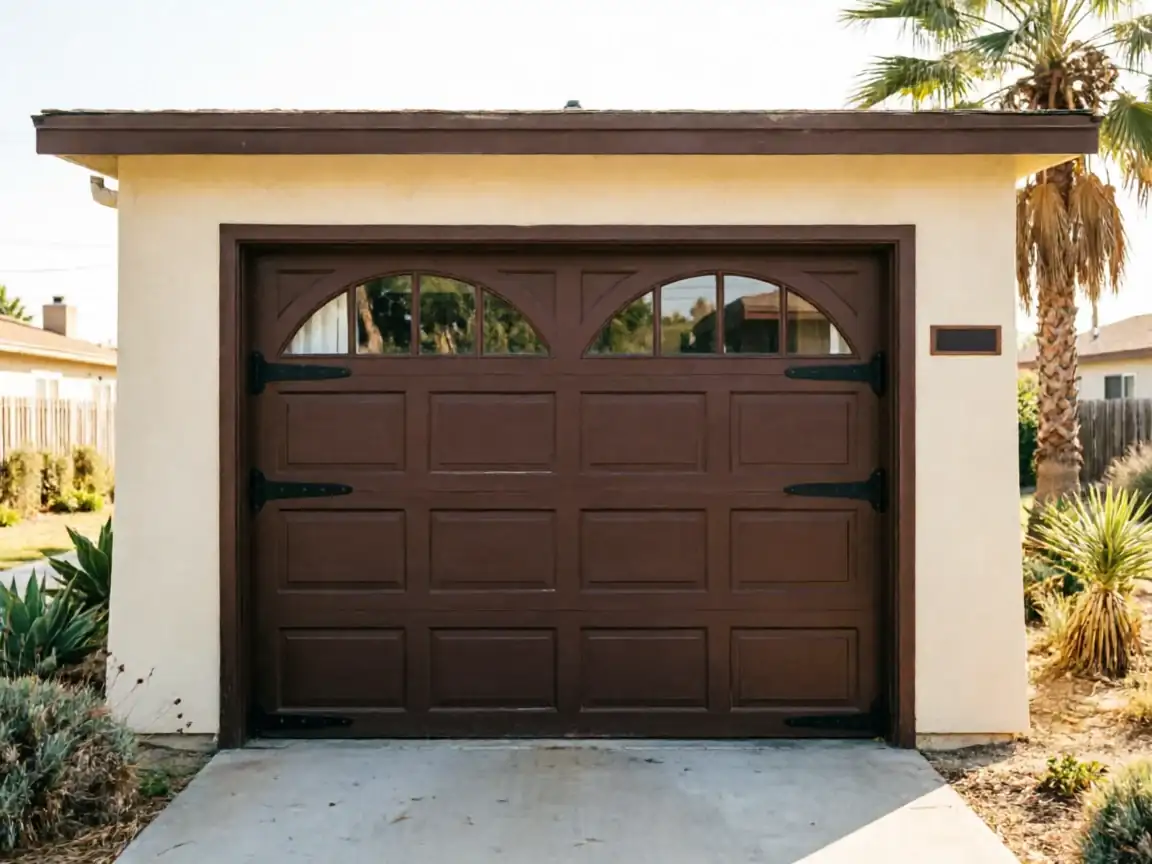
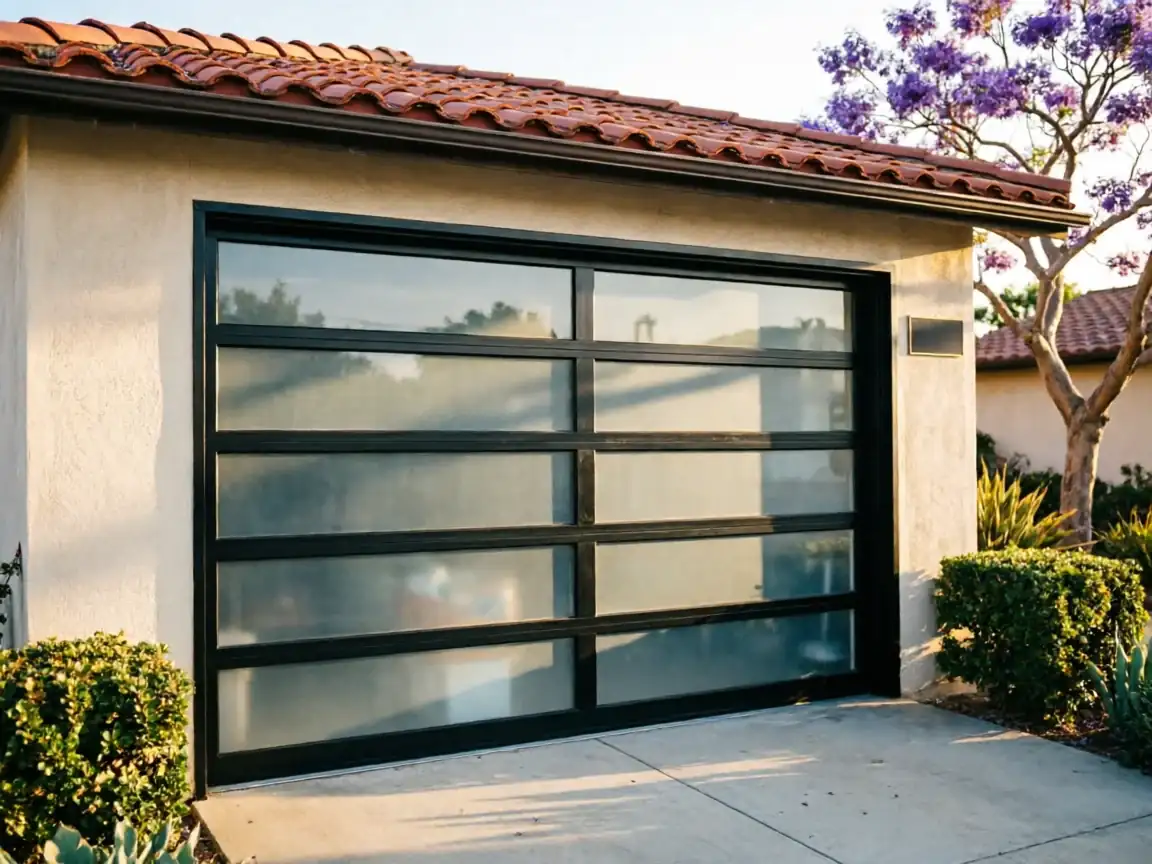
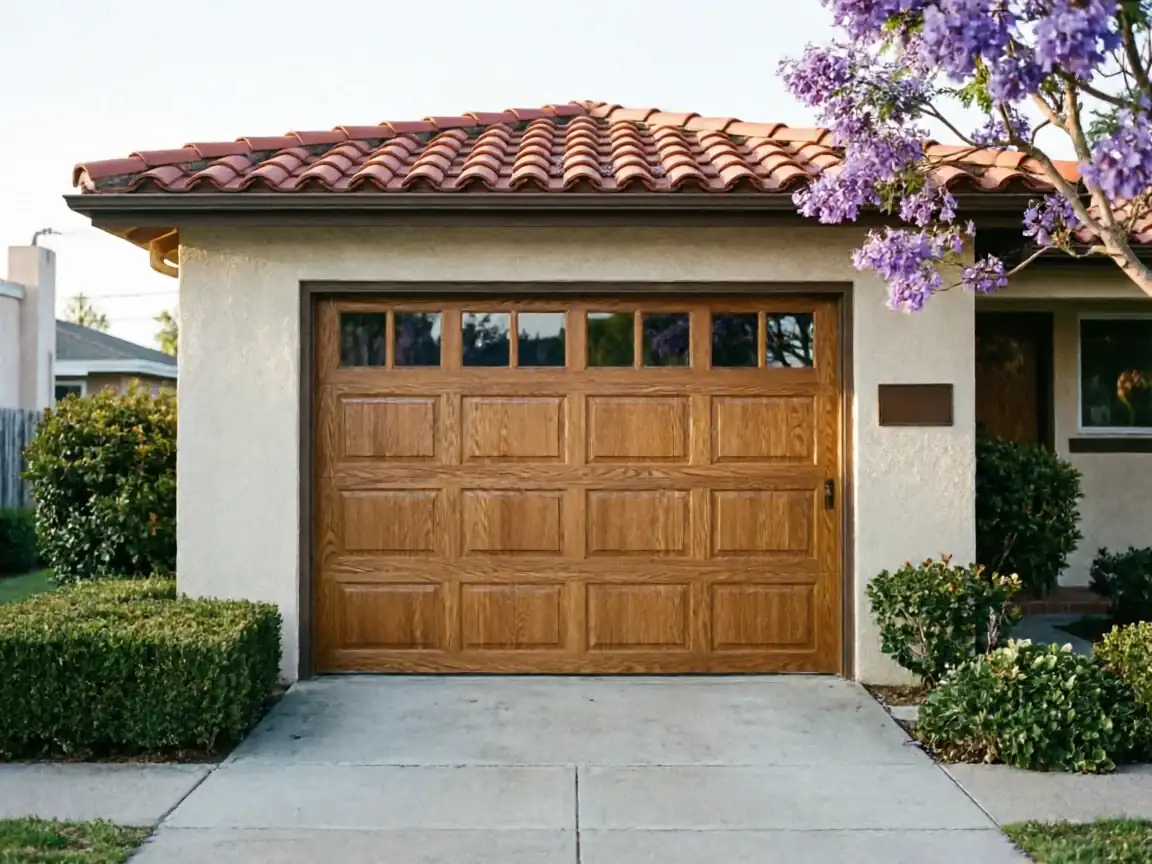
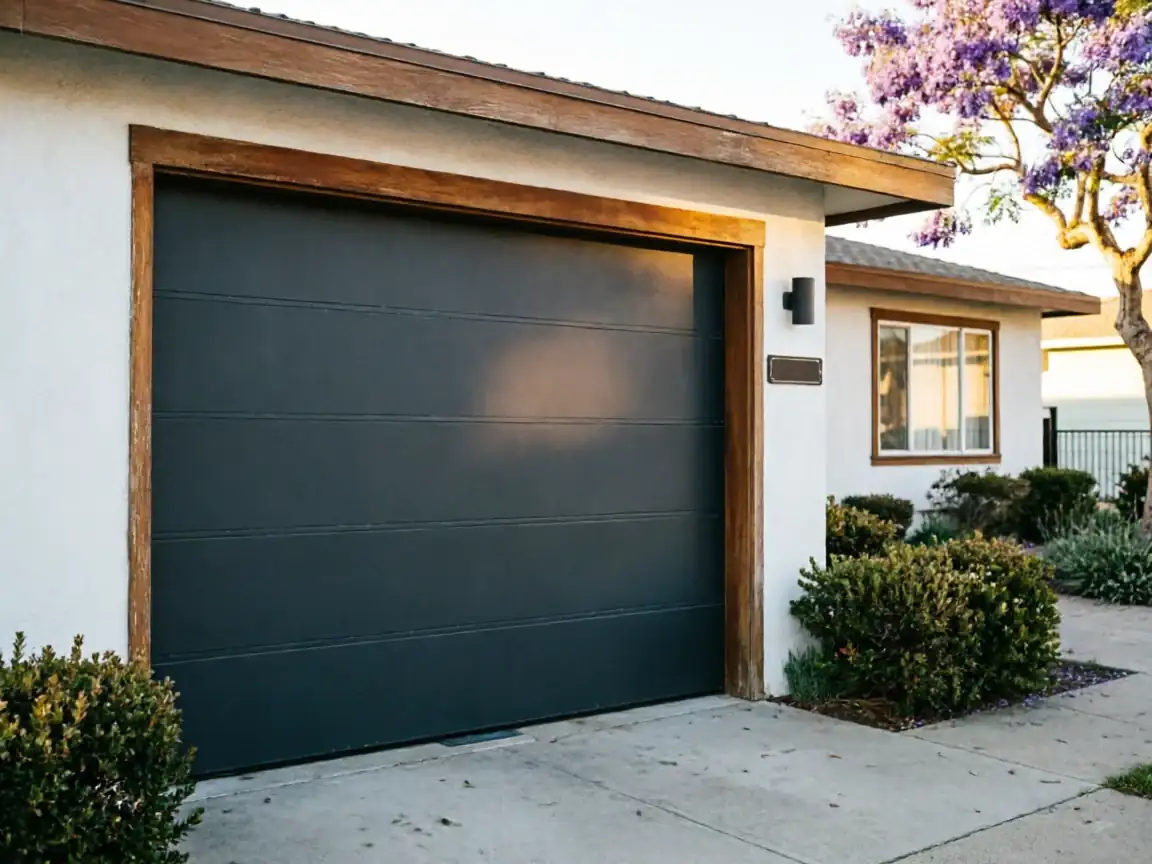
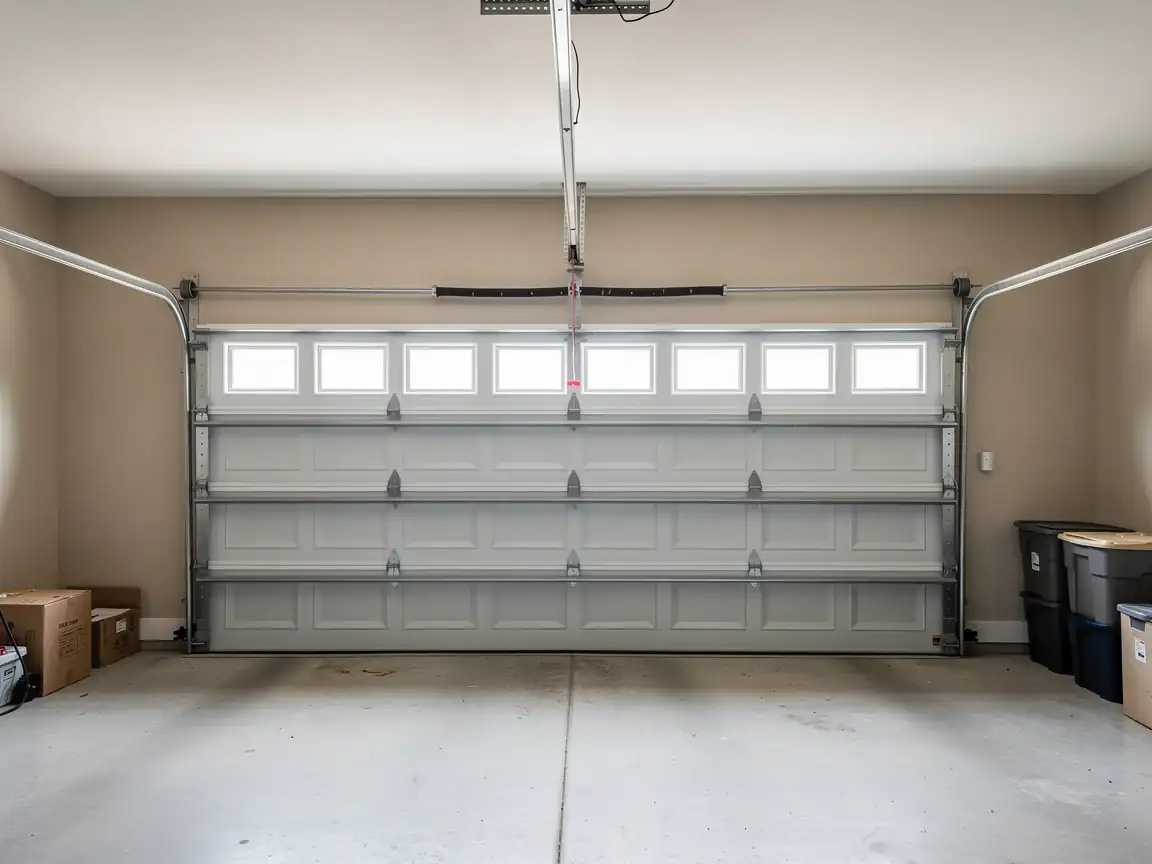
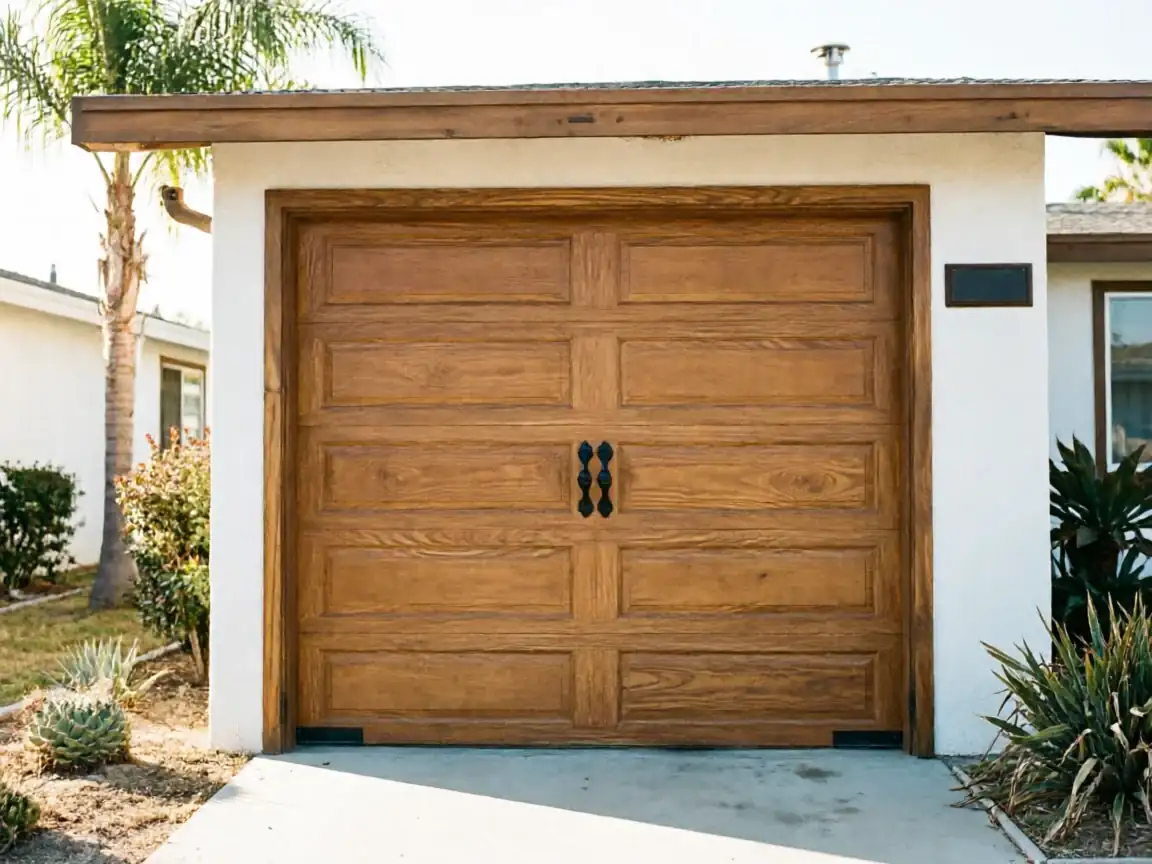
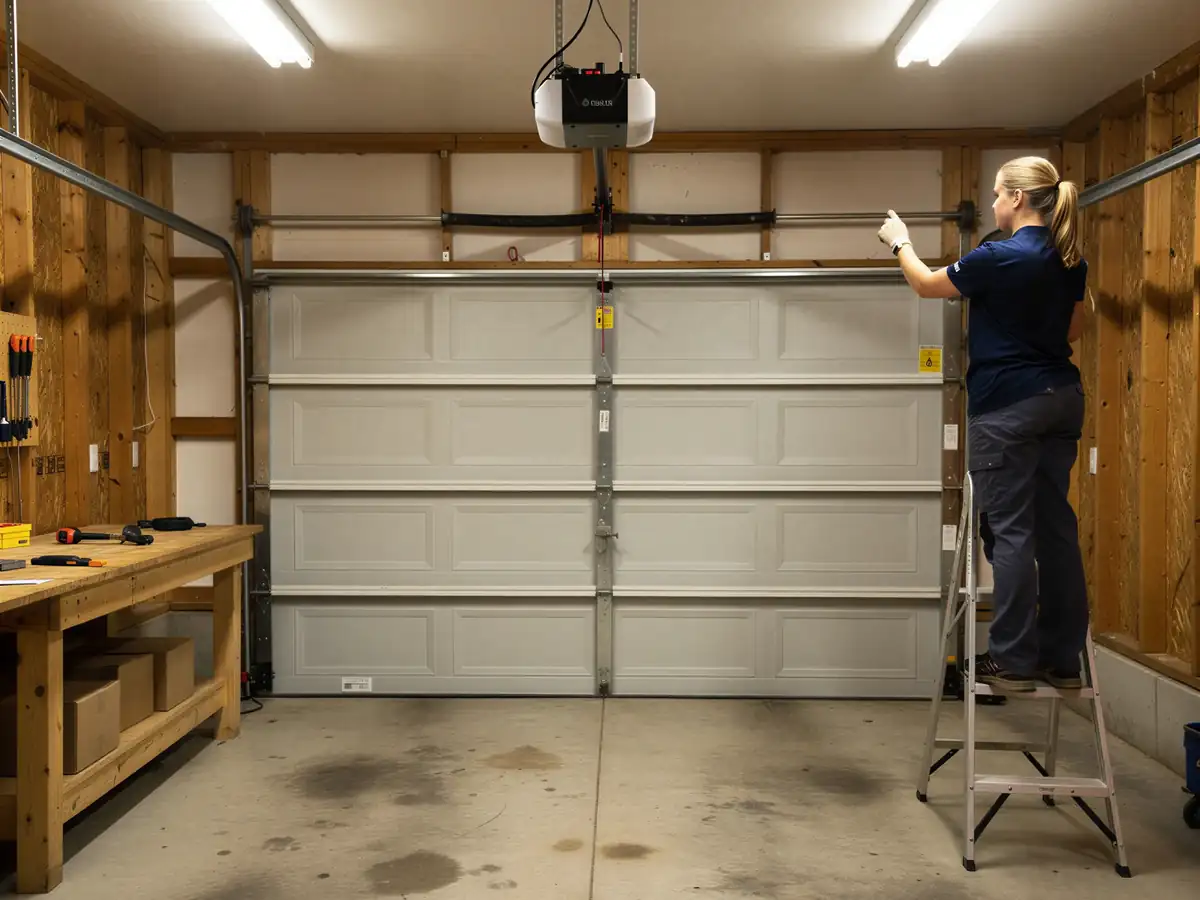
Not every door in Cypress is original to 1971. Plenty of homeowners have already swapped in a modern steel or composite door with dual torsion springs and a belt-drive opener, and those jobs look nothing like the originals under the skin. The split we see is pretty even: half the calls are on hardware that's been replaced at least once, half are still running close to what the house shipped with.
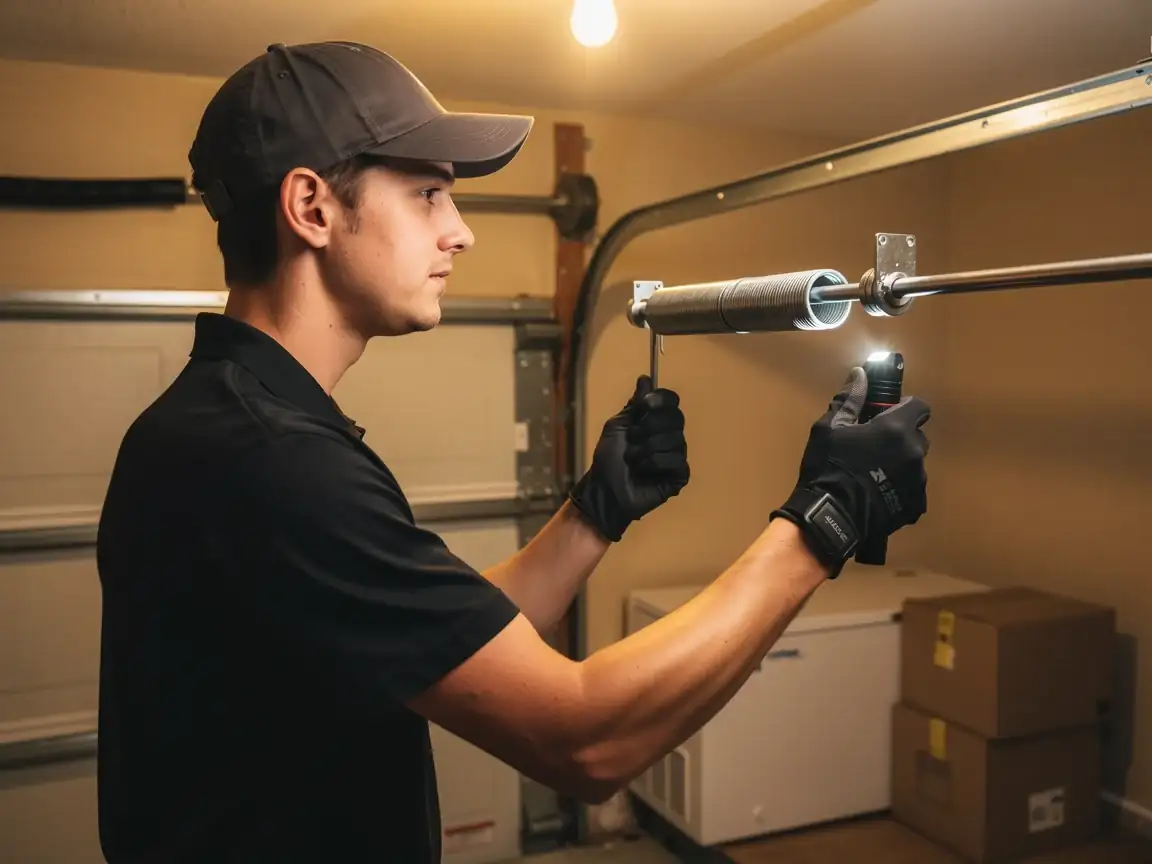
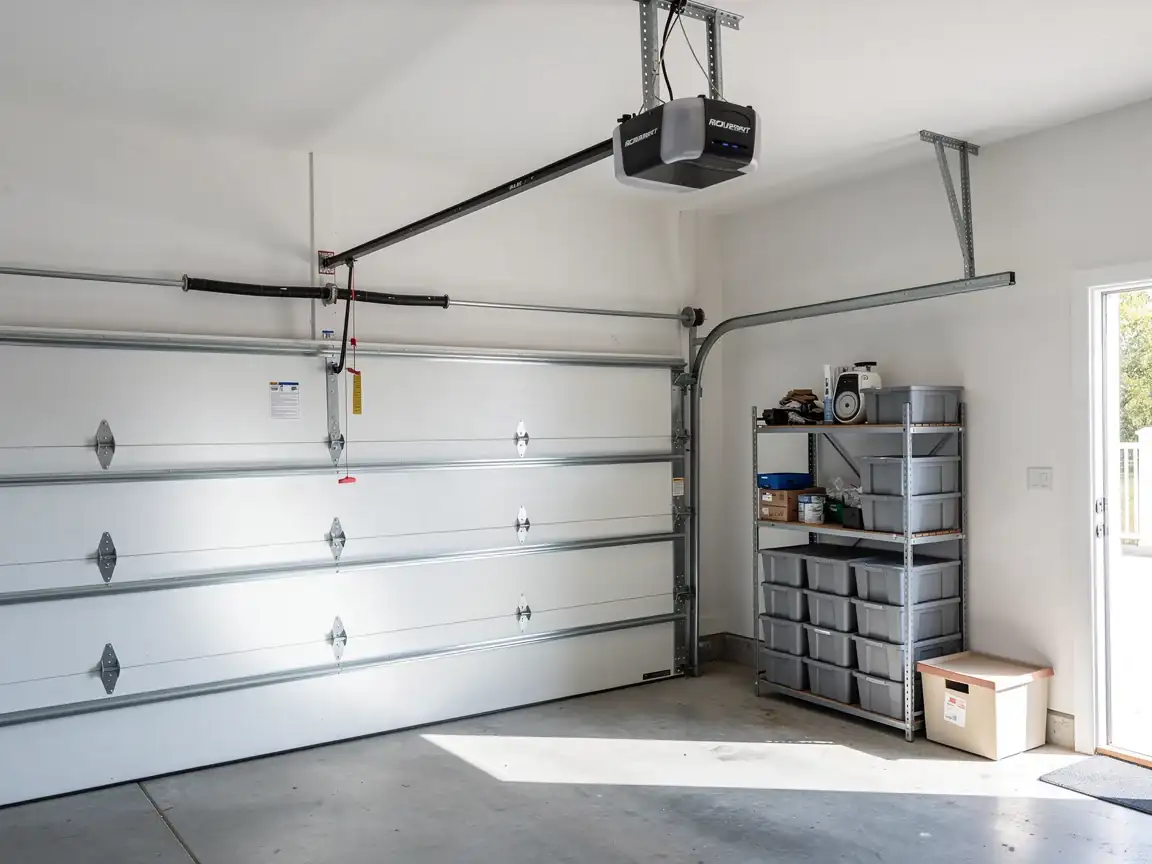
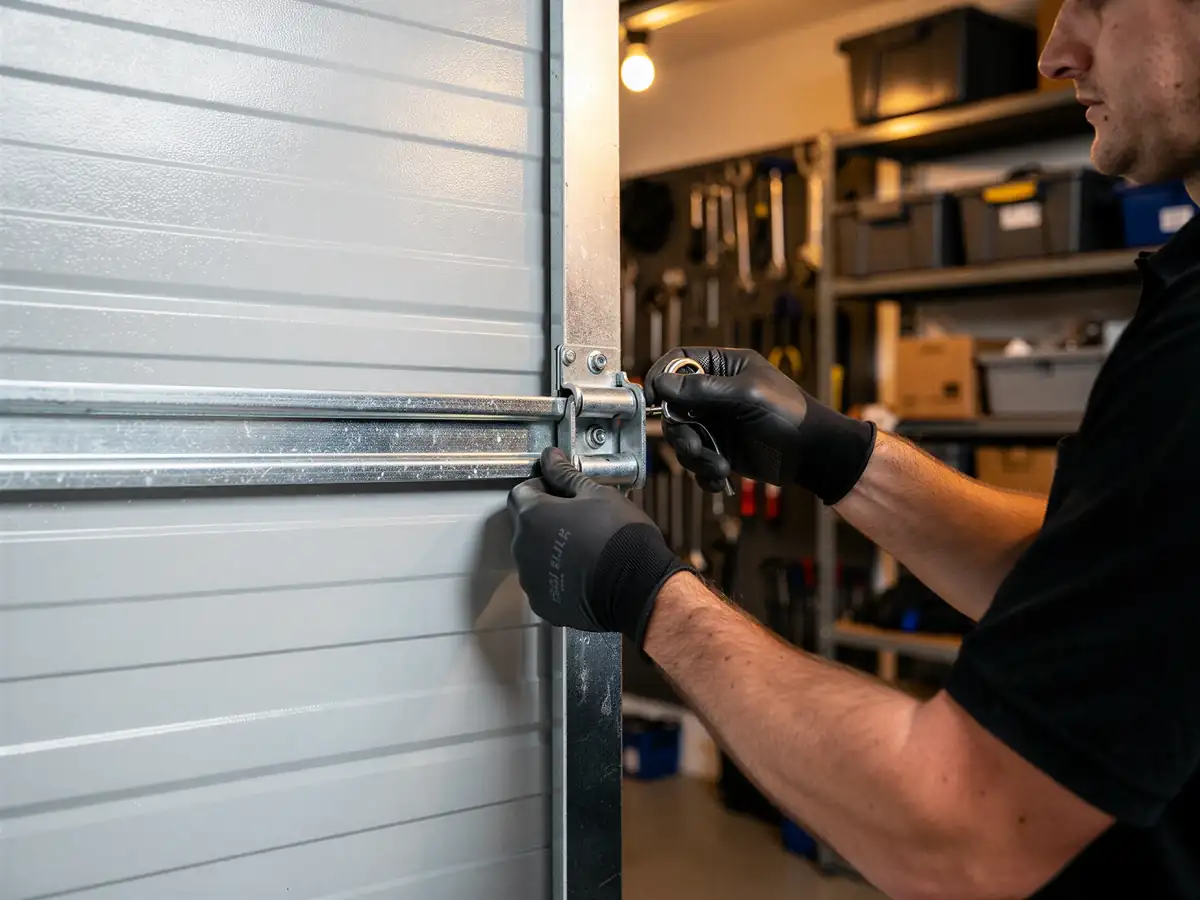
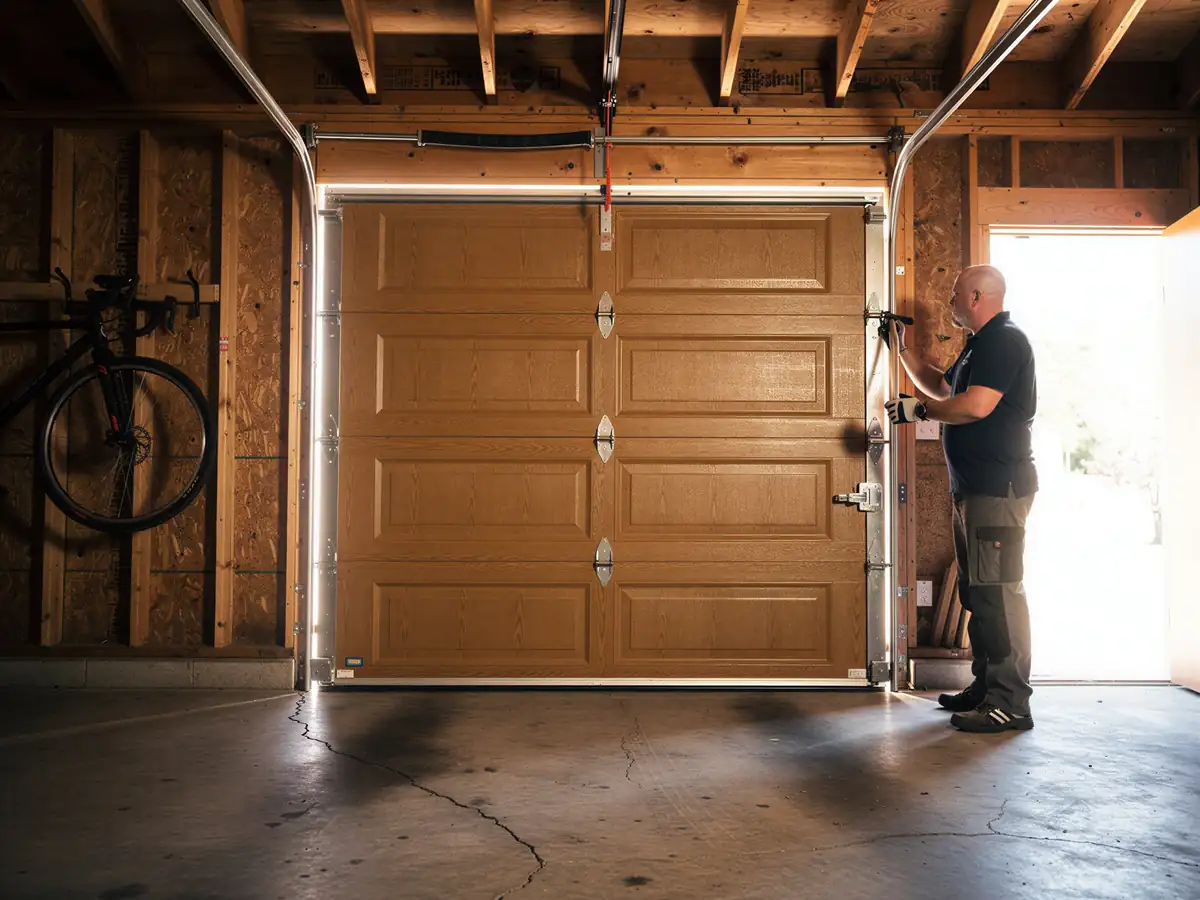
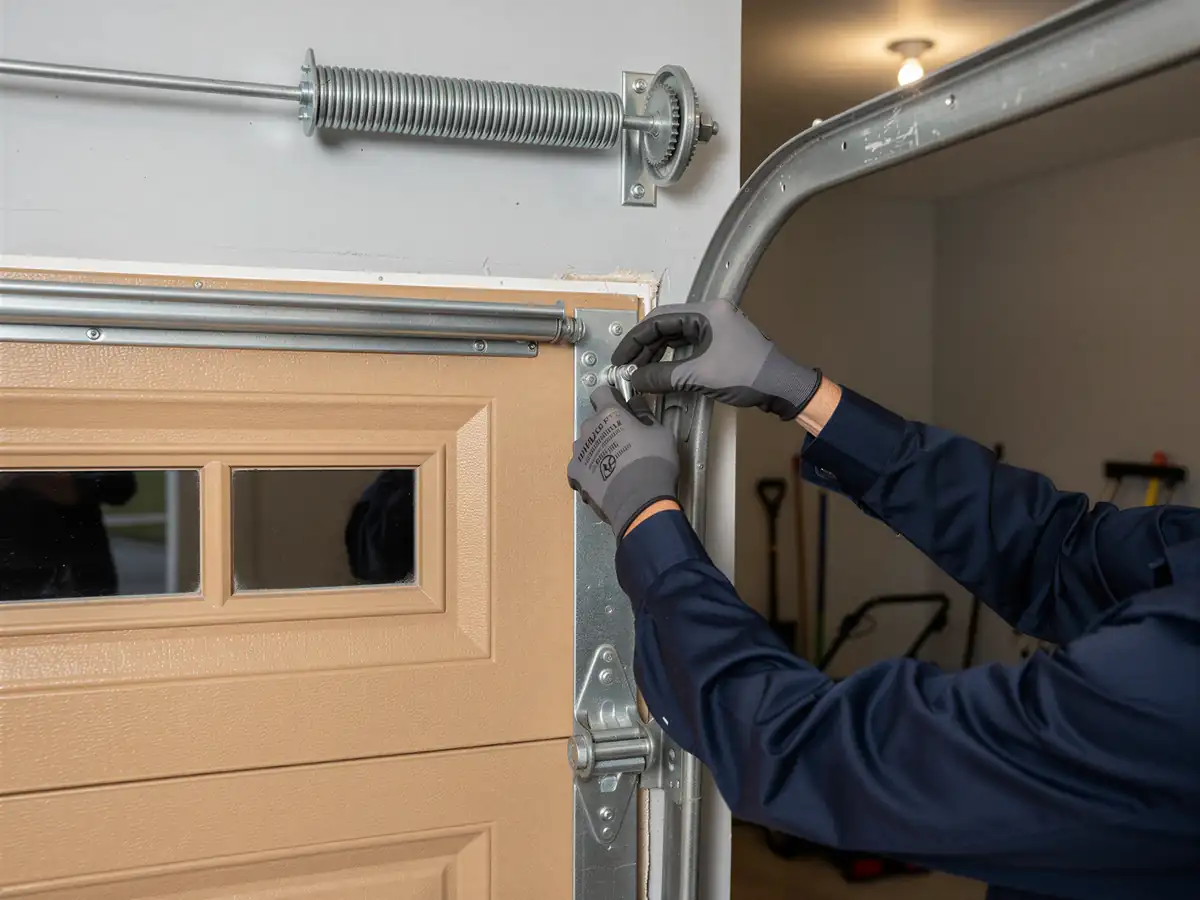
The tell is usually the track. Older setups run narrower track with fewer roller brackets, and the drum size on the torsion shaft is smaller - which means more winding turns to get the right lift, and less room for error if someone's tried to adjust it without a winding bar rated for the job. On a replaced setup, we're mostly checking opener logic boards, travel limits, and photo-eye alignment rather than fighting fifty-year-old steel. Both jobs are real work. They're just not the same work, and treating them the same is how a repair gets done twice.
Where We Stop
We don't carry every obsolete part on the truck for a one-off repair
If a door needs a discontinued panel or a spring size nobody stocks locally anymore, we'll tell you that up front rather than stringing out a visit - sometimes the honest answer is that replacement costs less over a year than chasing parts for a door that age. We also don't do structural header or framing repair; if the wood behind the track bracket has rotted or pulled away from the stud, that's a carpenter's job before it's ours, and we'll say so rather than bolt new hardware to bad wood.
We serve this stretch from Irvine, 18 miles out
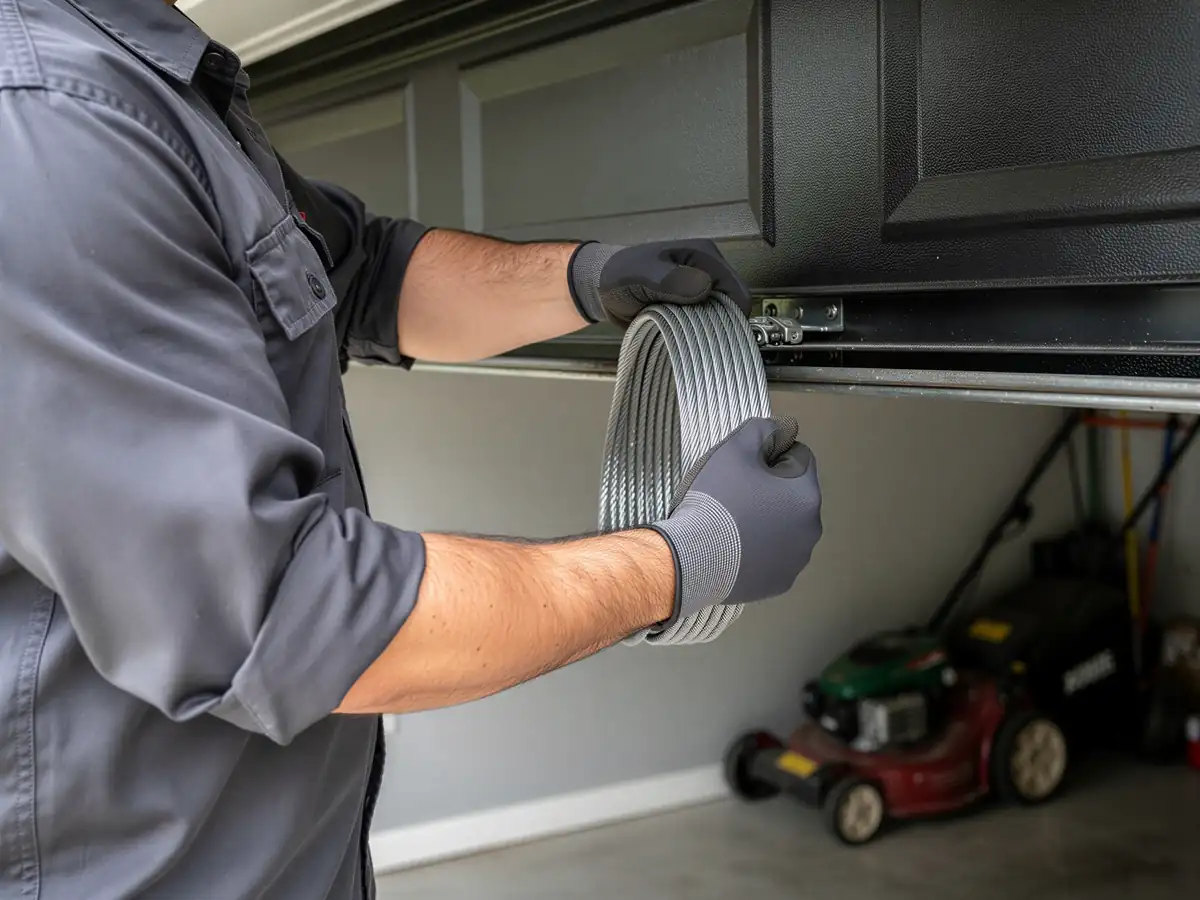
So we're not a walk-in counter and we don't hold inventory on-site in Cypress. What we do carry covers the common failures - springs, cables, rollers, openers, standard panel sections. For the unusual stuff, we'd rather quote you a straight answer than pretend we've got it in the truck.
- 18 miles
This Area's Housing
Cypress carries roughly 15,988 households, and the median household income across our service area sits at $124,167 - numbers that tend to track with steady, planned maintenance rather than emergency-only calls, which is consistent with what we see here: more scheduled tune-ups and fewer total-failure visits than in areas with older, more deferred-maintenance housing stock.
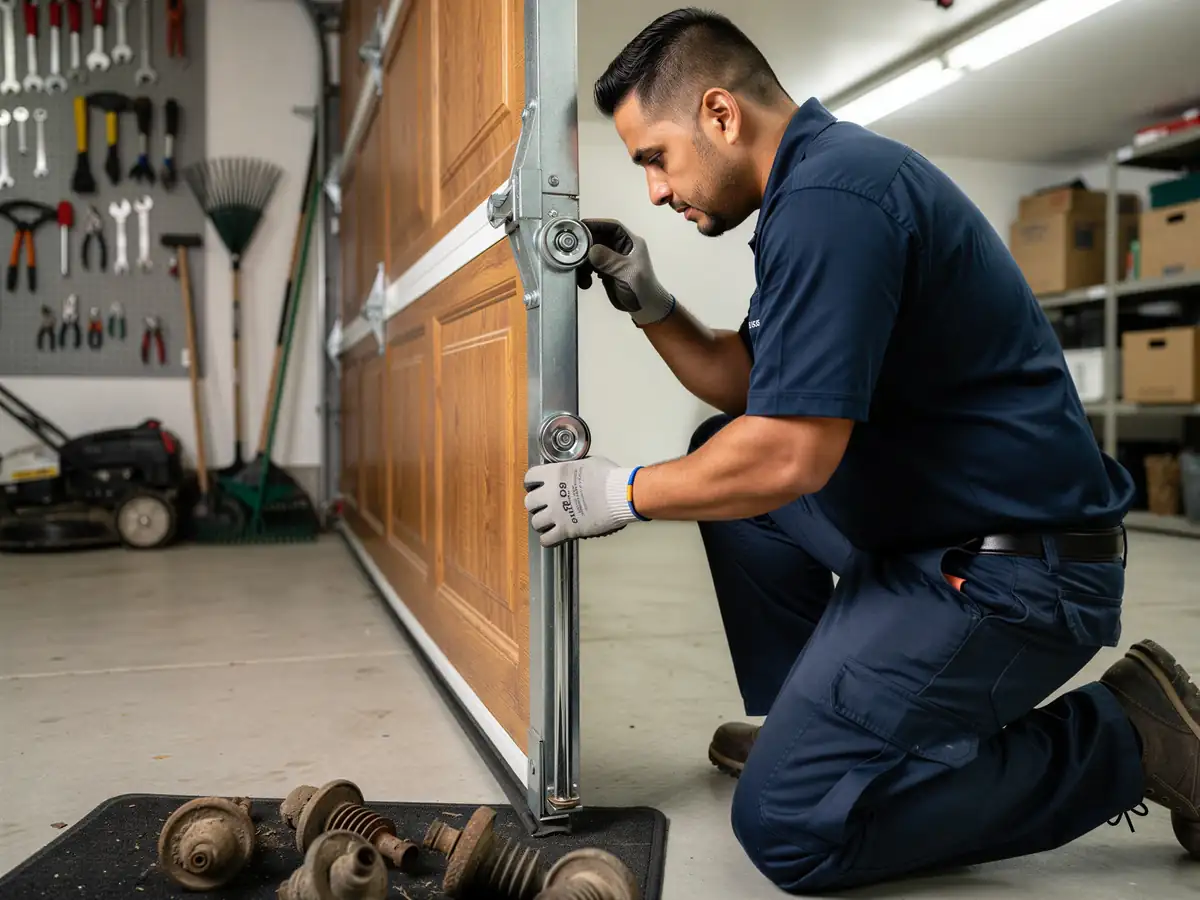
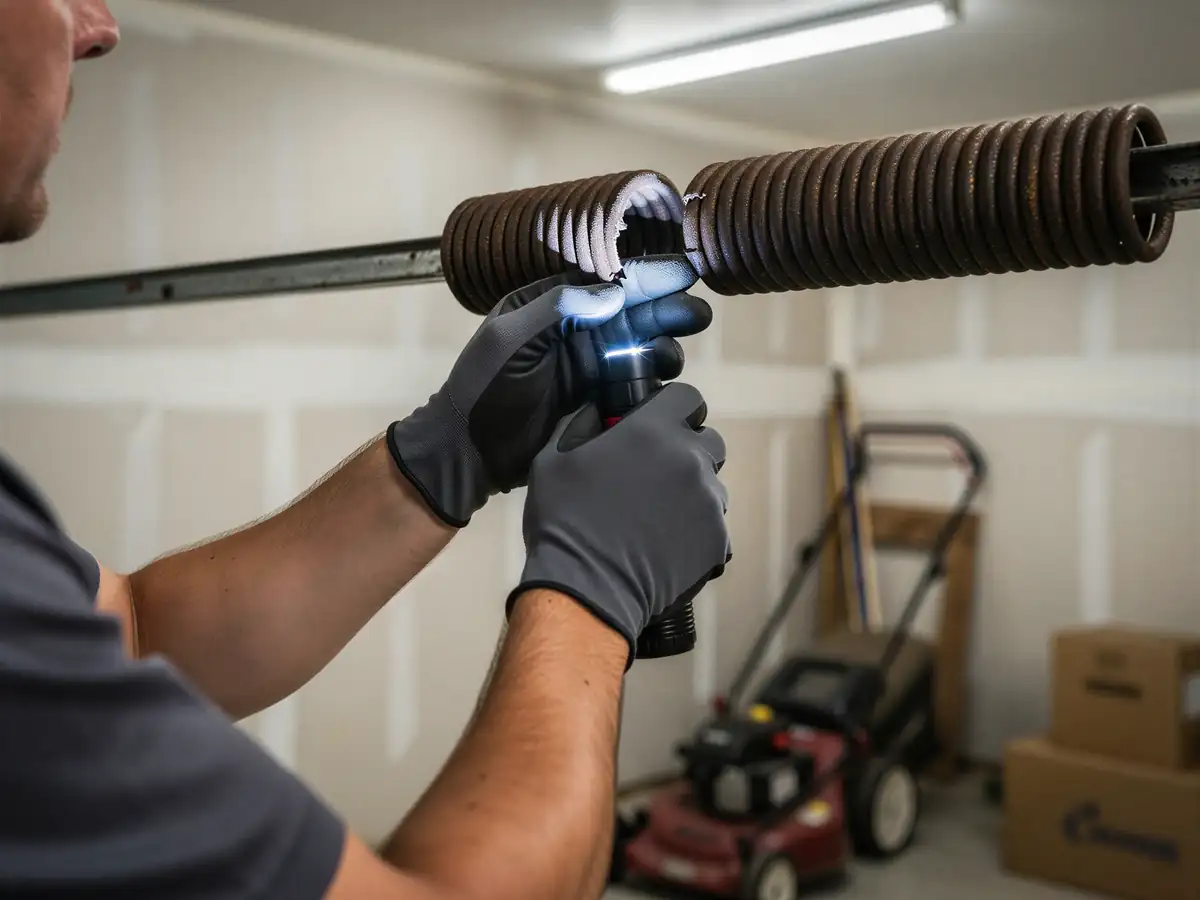
The climate band across this whole region is mild temperate, so we're not fighting the extreme freeze-thaw cycles that crack door bottom seals or warp wood jambs in colder states. What we do see instead is slow wear - nylon rollers that have quietly worn oval over twenty-plus years, spring steel that's fatigued without ever snapping outright, and openers from the 1990s and 2000s still running on original gear-and-sprocket drives. None of it looks urgent until the day it is.