What Can Go Wrong
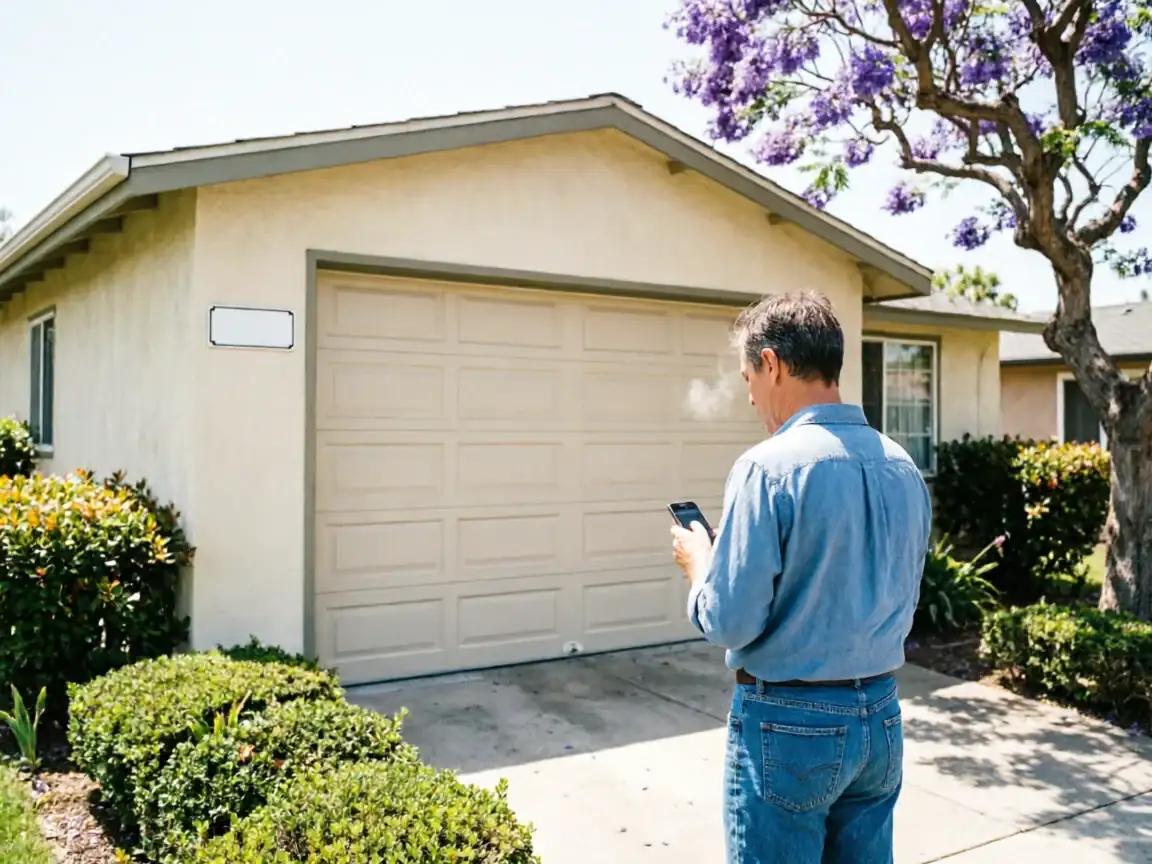
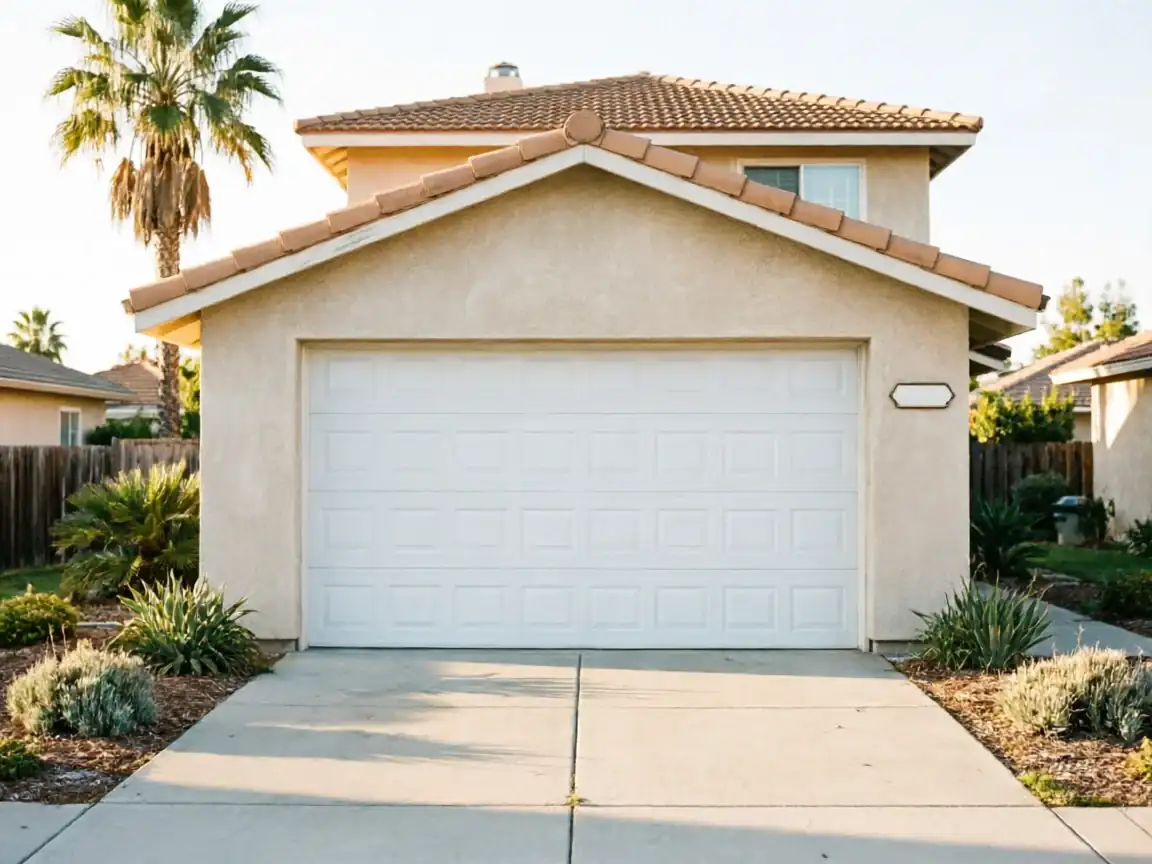
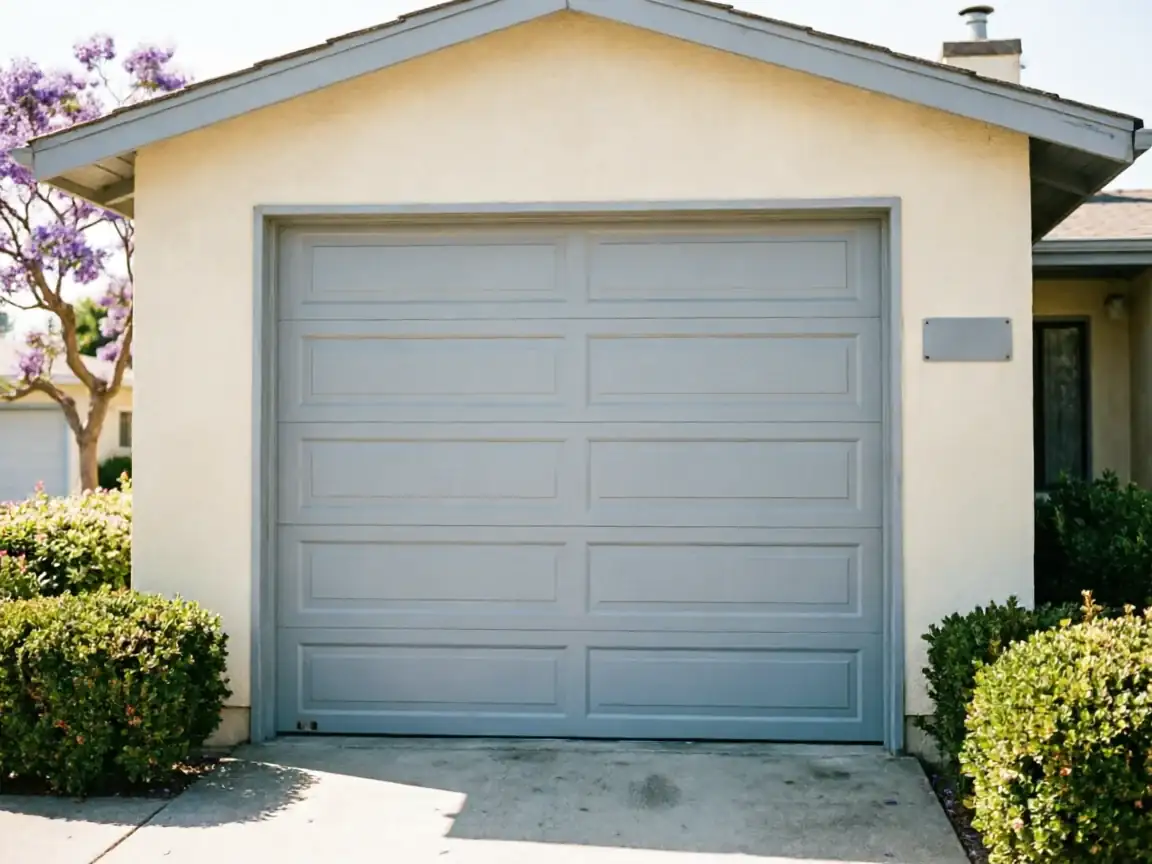
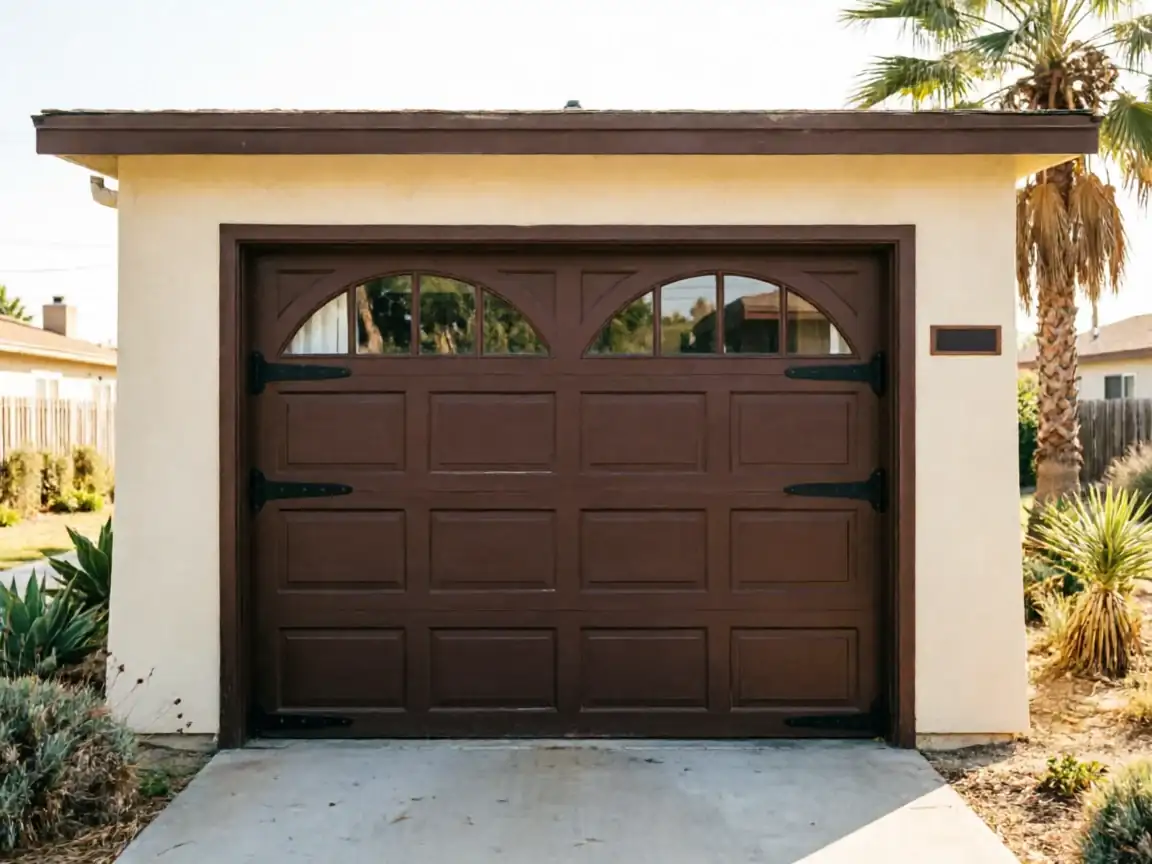
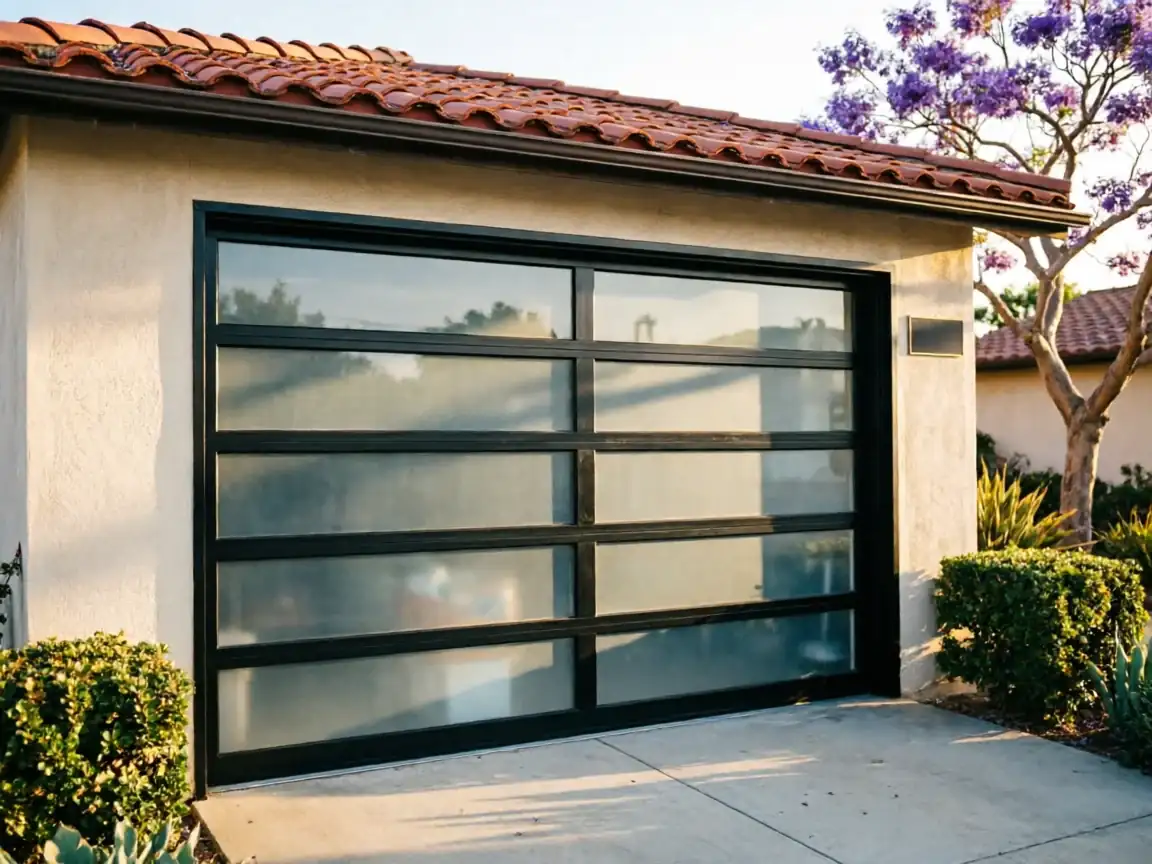
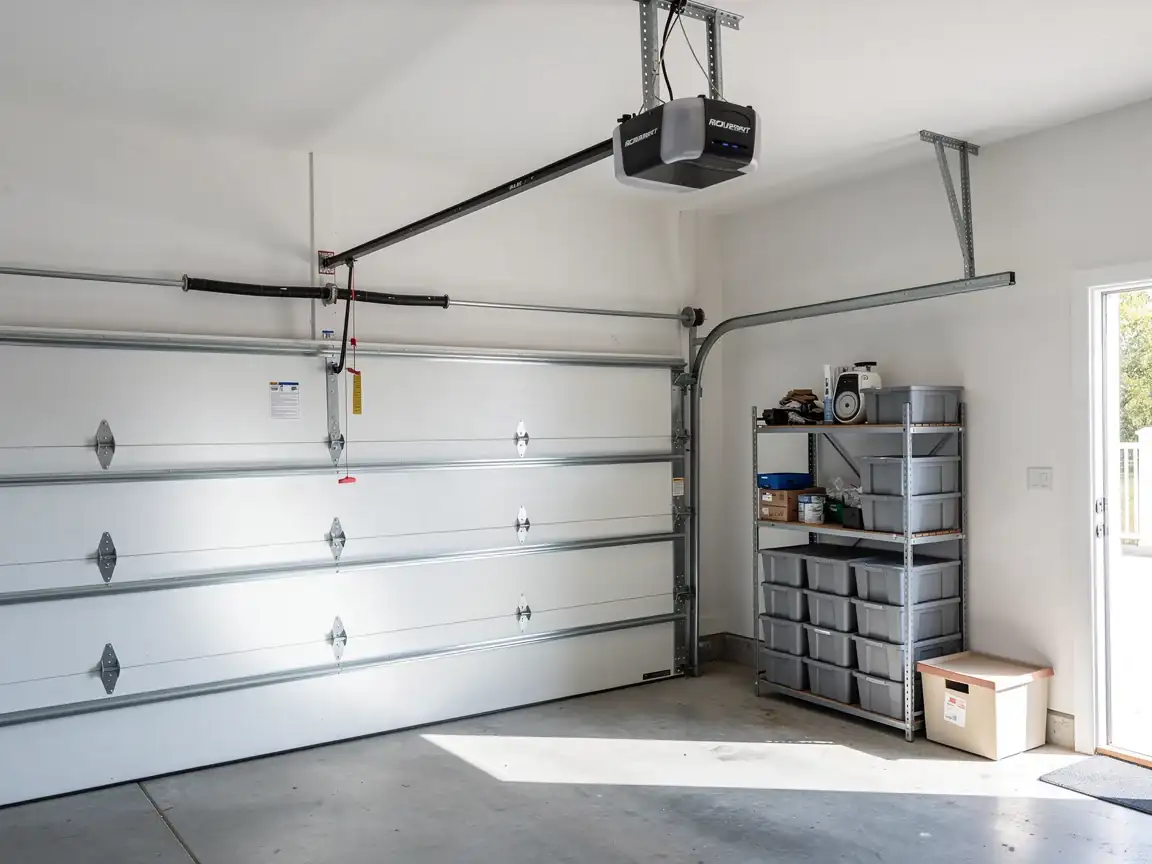
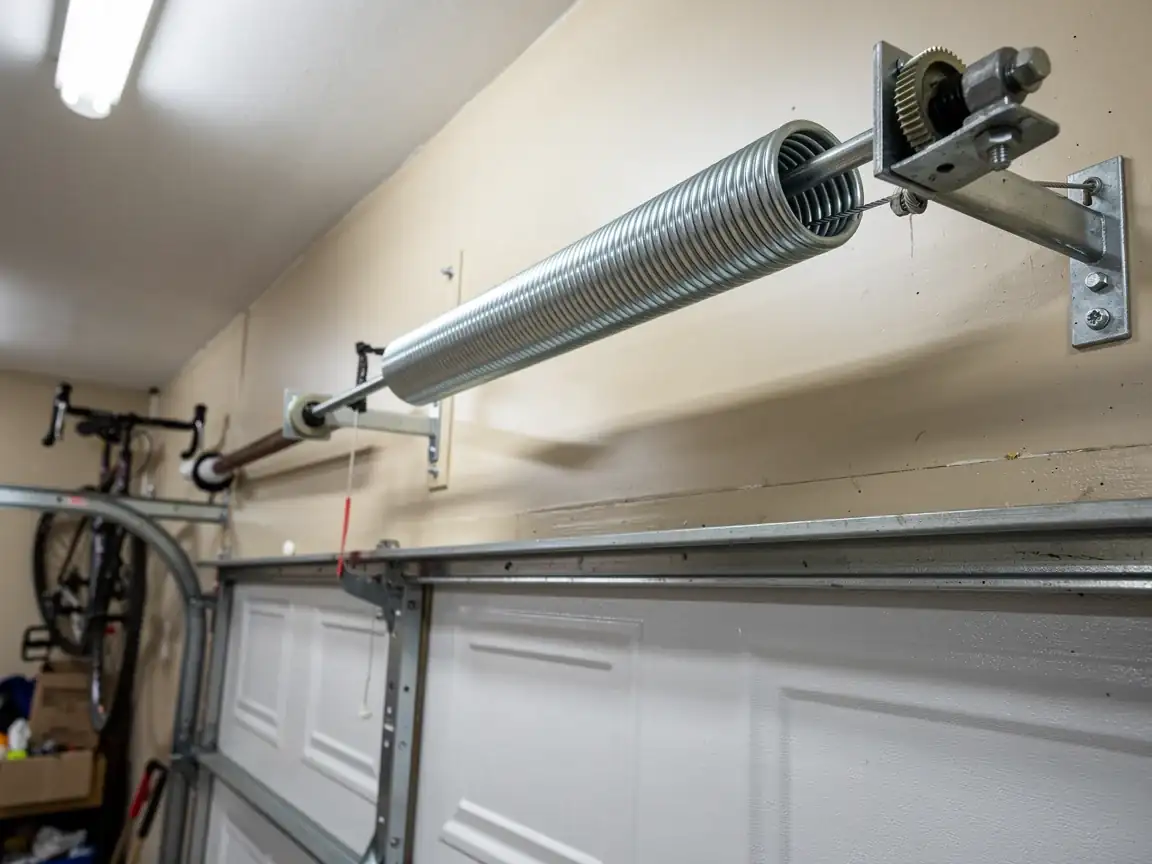
Most garage doors in Cypress date back to around 1971, when the neighborhood's homes went up throughout the city's build boom. That means a lot of the hardware behind the door panel - the torsion spring, the end bearing plates, the lift cables - has never been swapped out. A door can look fine and still be running on forty-plus-year-old steel that's one hard cycle from snapping.
The broader area's housing runs from 1938 to 2015, with most of it concentrated in that 1960s-70s band, and Cypress sits right in the thick of that. Original rollers on these doors are usually steel, not nylon, and they've worn grooves into the track over the decades that make the door louder and rougher every year it goes unchecked. Because the climate here stays mild and dry, you don't get the rust failures some regions see - what you get instead is metal fatigue from sheer cycle count. A spring doesn't rust through in this climate. It just keeps flexing until it doesn't anymore, usually without warning.
Openers from that era, if they haven't already been replaced, also tend to lack the modern safety reversal sensors - worth flagging even on a maintenance visit, not just a repair call.
Booking a Visit
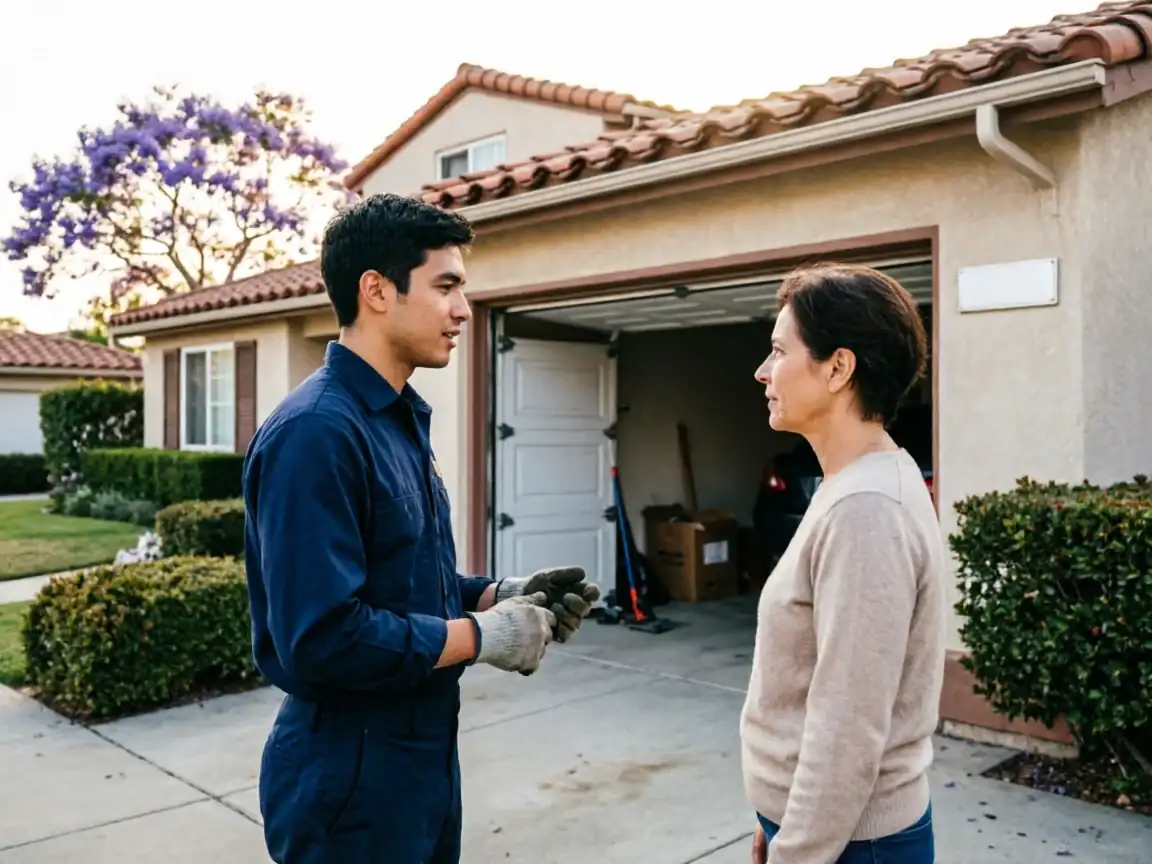
We cover Cypress from our base in Irvine, about 18 miles out, so maintenance visits here get scheduled rather than slotted in same-day. That's worth knowing up front if you're hoping for a quick fix on a door that's just started grinding - we'll get there, but not within the hour.
You can see what a visit covers and request one through the Cypress service page. If your door is doing something specific - binding on one side, slow to close, opener light blinking - mention it when you book. It helps us bring the right parts for a 1971-era door instead of showing up with stock for a newer system that doesn't match what's actually on your garage.
Time on the Job
A straightforward maintenance visit on a door this age usually runs longer than it would on a newer system
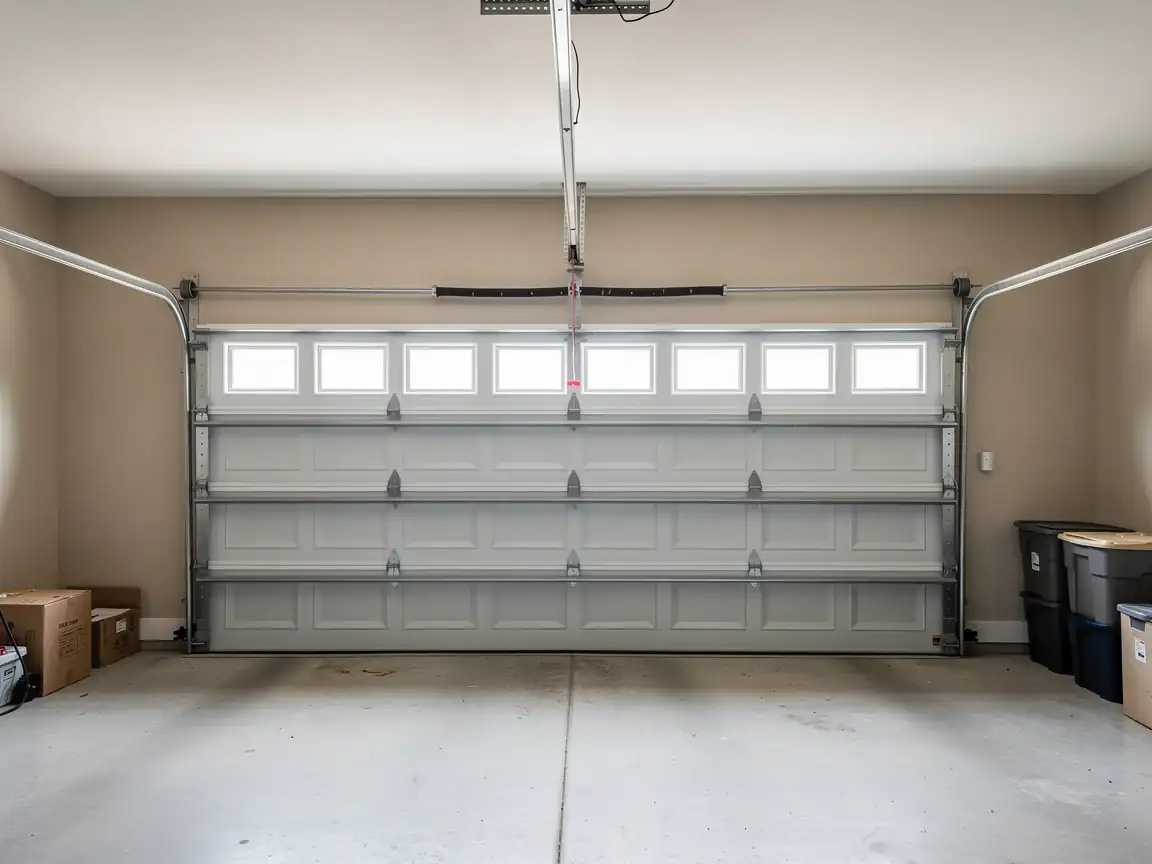
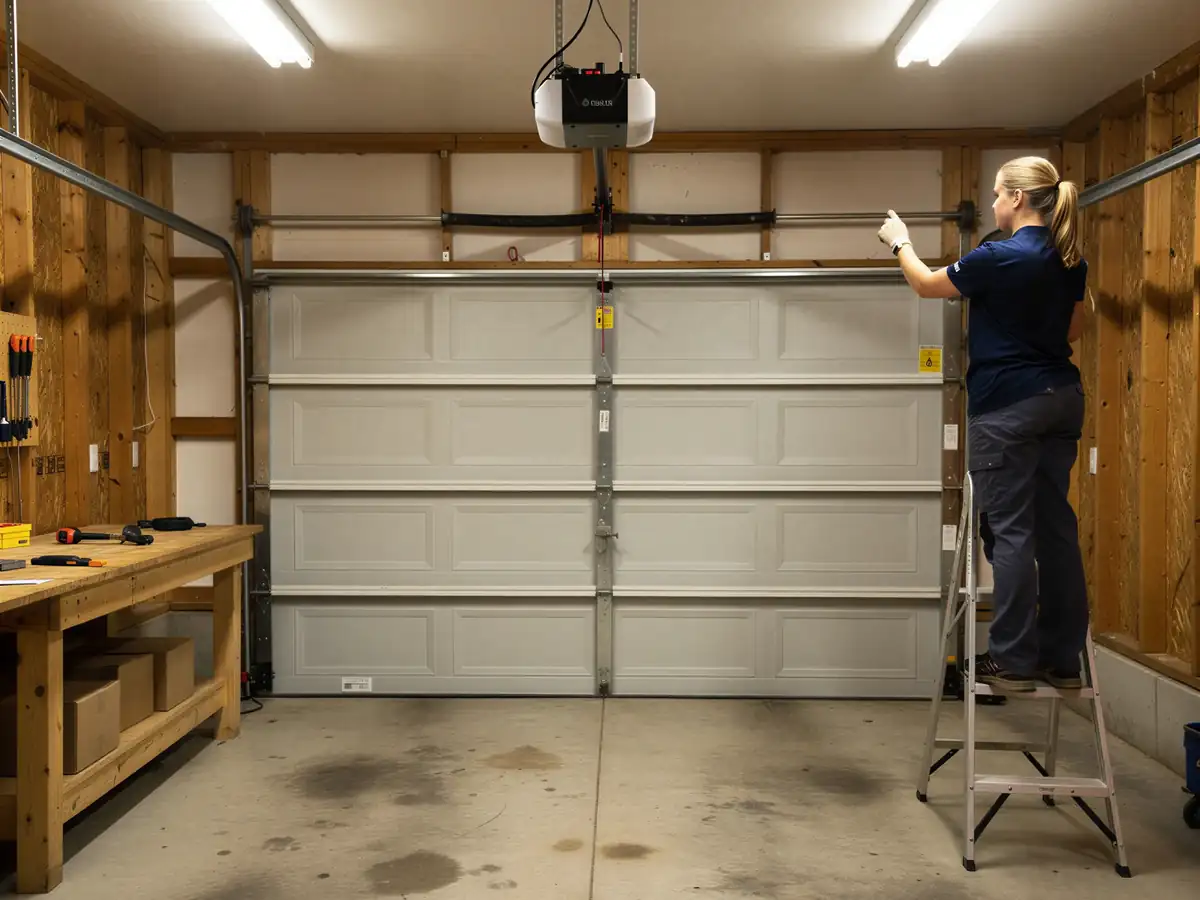
Mostly because there's more to check: spring tension, cable fray, roller wear, track alignment, and the condition of hardware that's never been touched since the house was built. We're not rushing through a checklist - we're looking at parts that have had decades to wear unevenly.
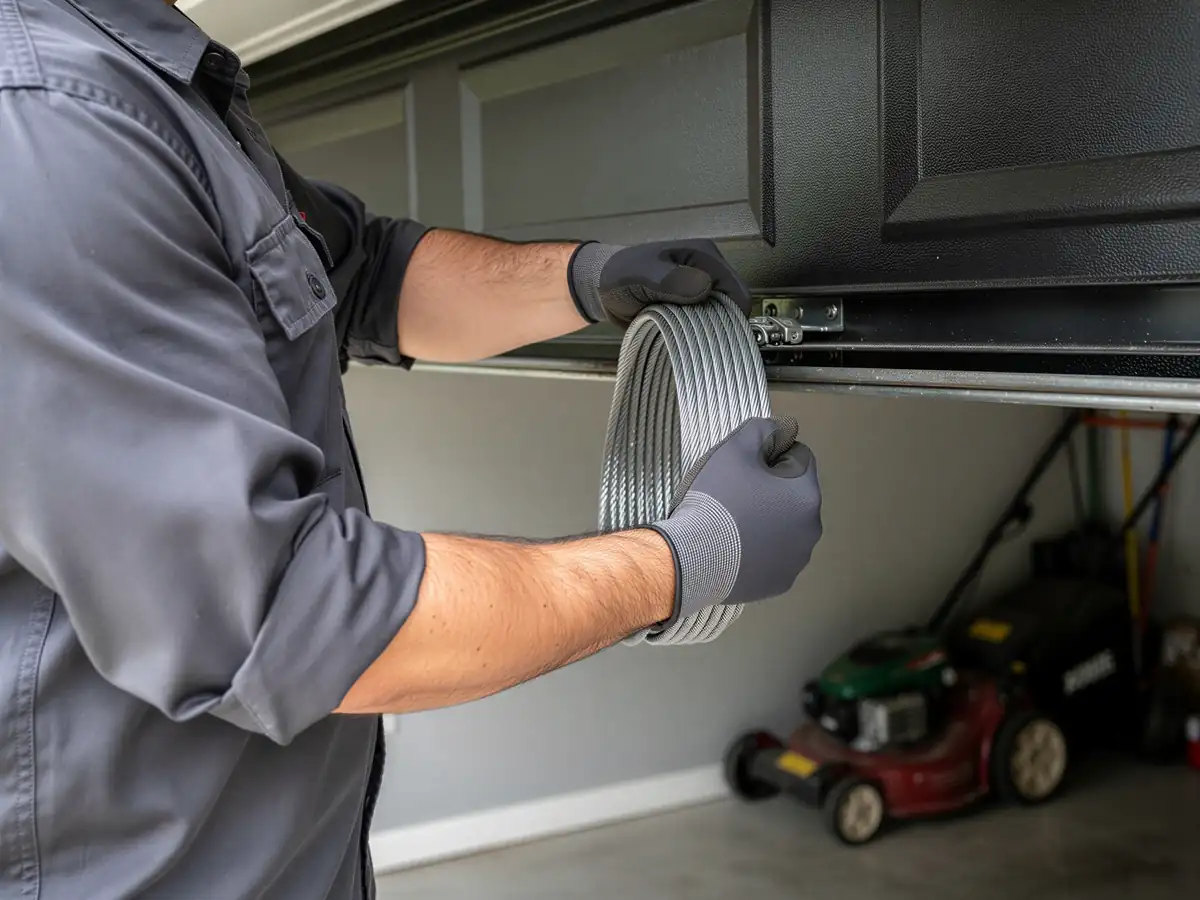
If we find a roller that's chipped or a cable showing strands
That gets flagged during the same visit rather than scheduled as a separate trip, where it makes sense to handle it on the spot. Anything bigger - a spring that's clearly near the end of its life, or a track that's bent from age rather than just dirty - gets a separate conversation about repair versus replacement, since that's a different scope of work than a maintenance call.
The Cost of This Job
We don't have a fixed number to quote you here without seeing the door, and we're not going to make one up. What we can say is that a 1971-era door with original hardware tends to need more attention per visit than a newer one - more lubrication points, more worn parts to assess, sometimes a part or two that needs replacing right then rather than waiting.
Household income across the area runs a median of $124,167, and most owners we see at this income level treat maintenance as the cheaper alternative to a spring failure that takes out a cable or jams the door mid-cycle. That's the real cost comparison worth making: a maintenance visit against an emergency repair on a door system this old, where more components are close to end of life at once.
What the Fix Involves
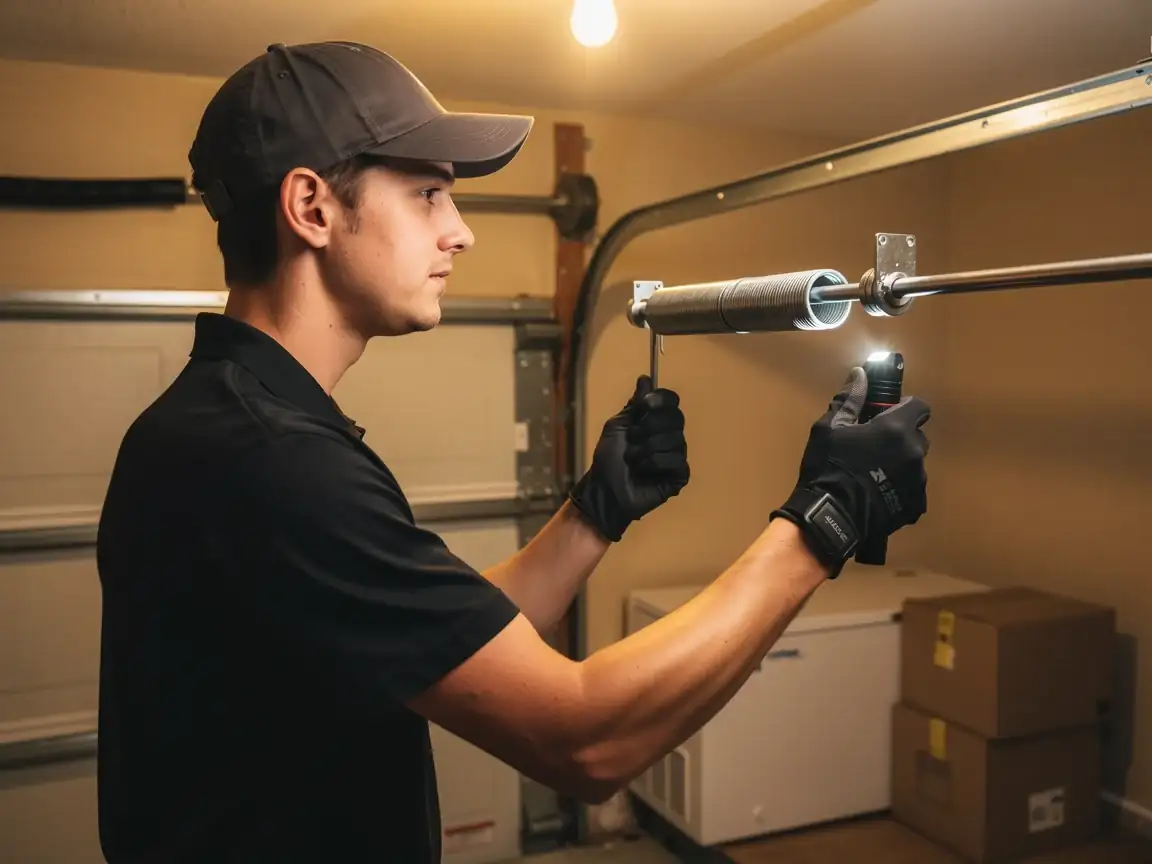
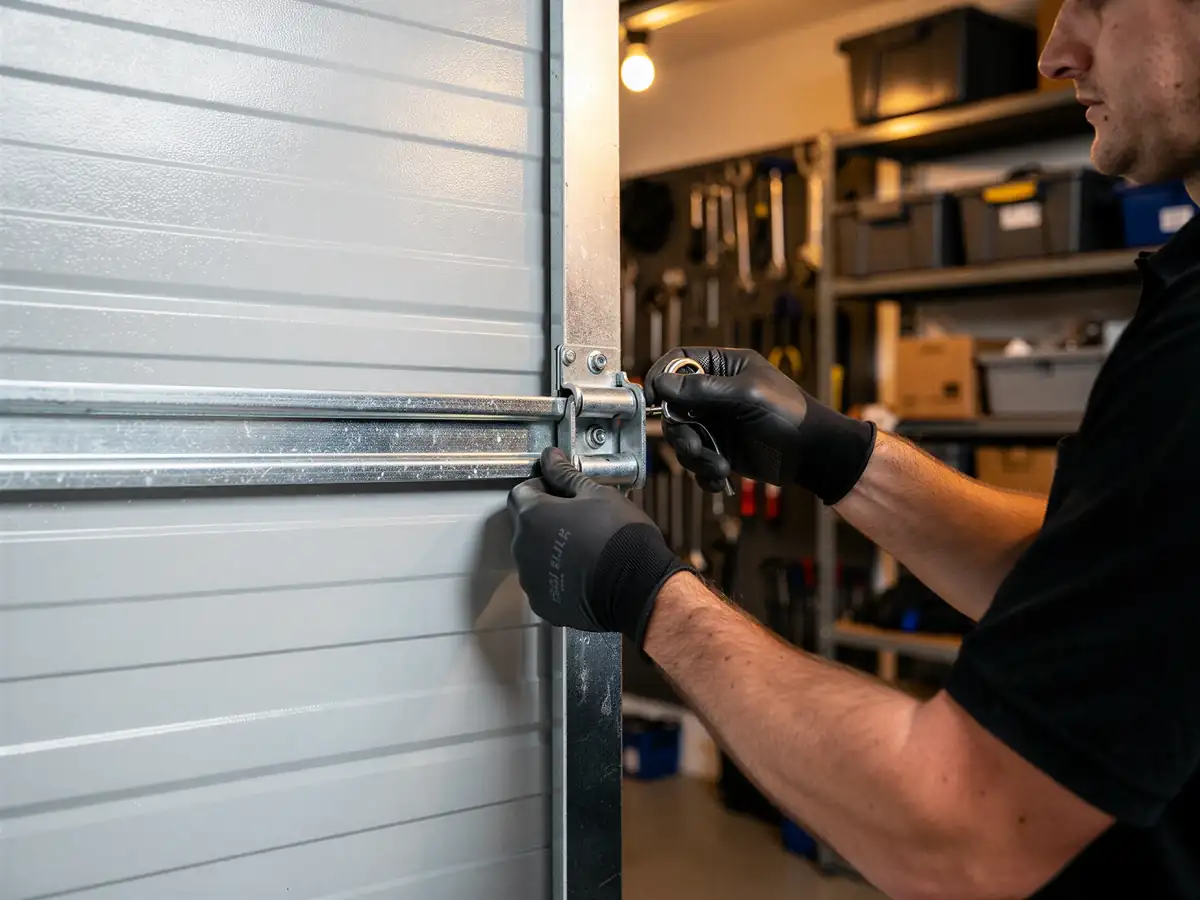
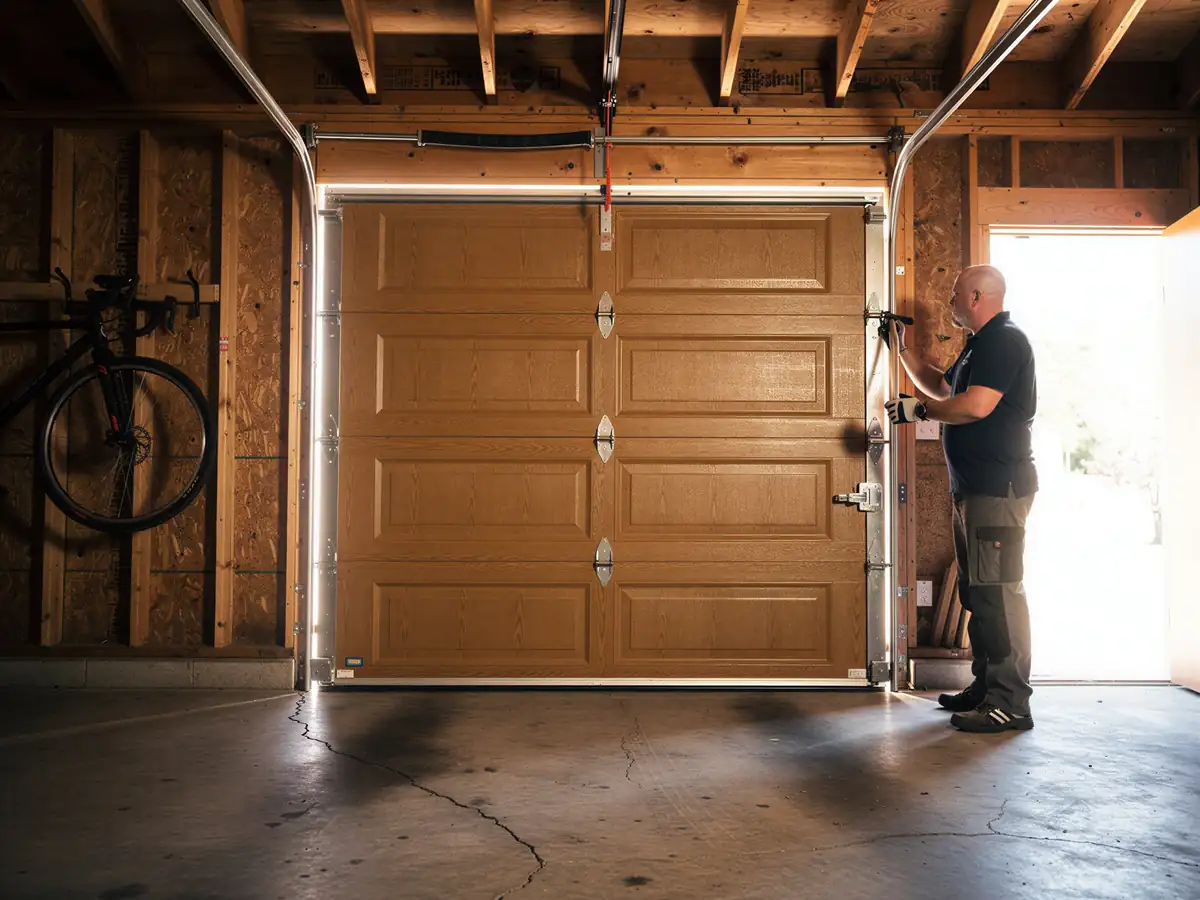
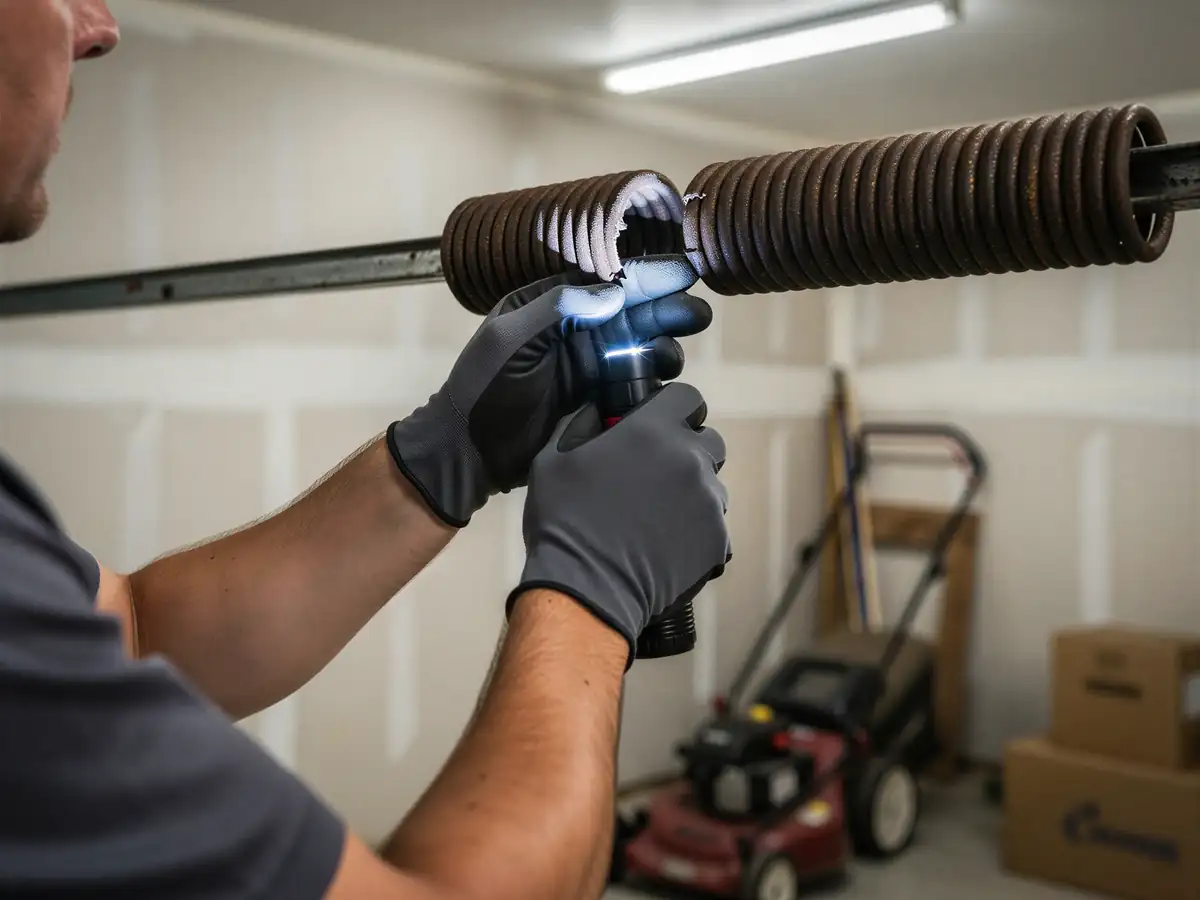
On a door built around 1971, the visit starts with a visual check of the spring - looking for gaps in the coil, rust pitting even in this mild climate, or a spring that's clearly been stretched past its working length. From there it's the cables, checking for fraying at the drum, then the rollers and track, looking for the wear grooves and misalignment that build up over forty-plus years of use.
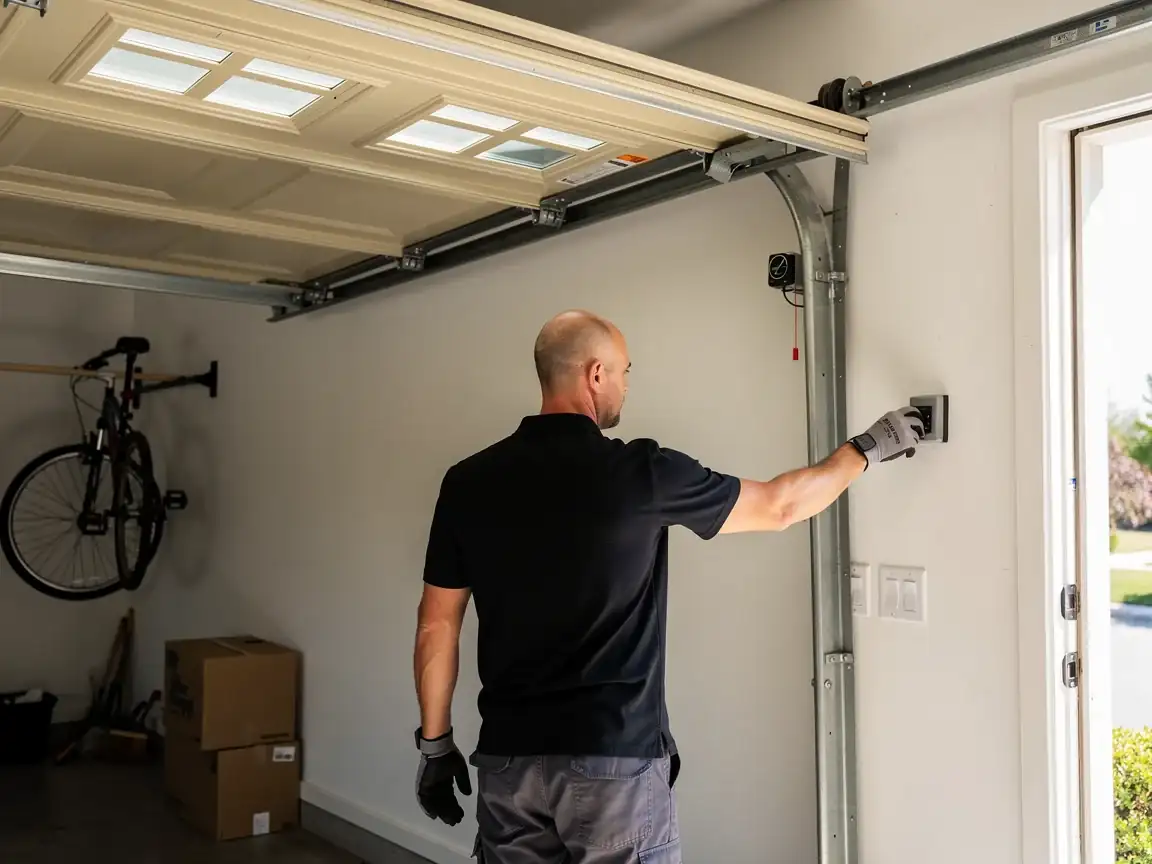
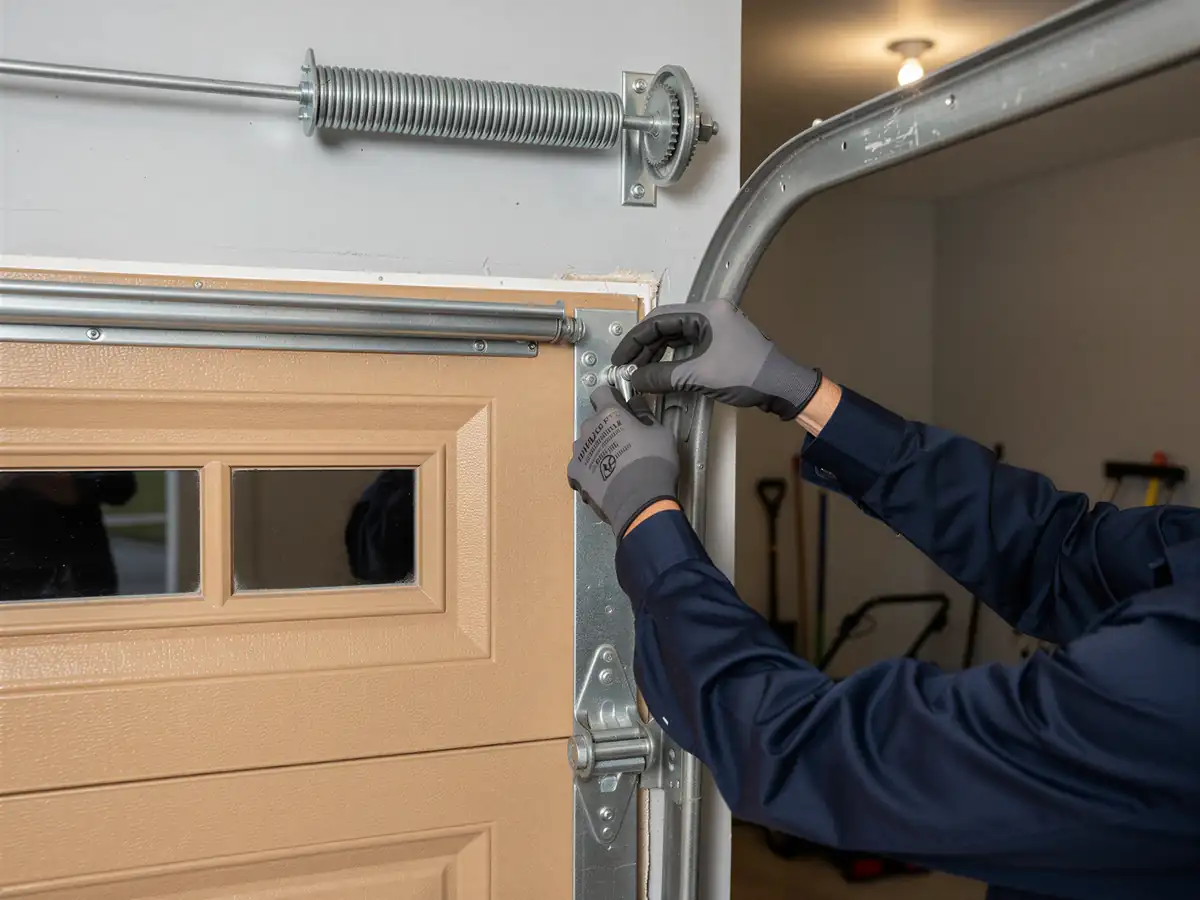
Every moving part gets lubricated - hinges, rollers, the torsion bar - and the track gets checked for level, since houses settle over decades and a track that was square in 1971 isn't always square now. We test the auto-reverse safety feature regardless of the opener's age, and we check the balance of the door itself by disconnecting the opener and seeing if it holds position halfway up. A door that drifts up or down when disconnected is carrying too much spring tension or not enough, and that's worth catching before it's a cable snap instead of an adjustment.
Stocked Parts
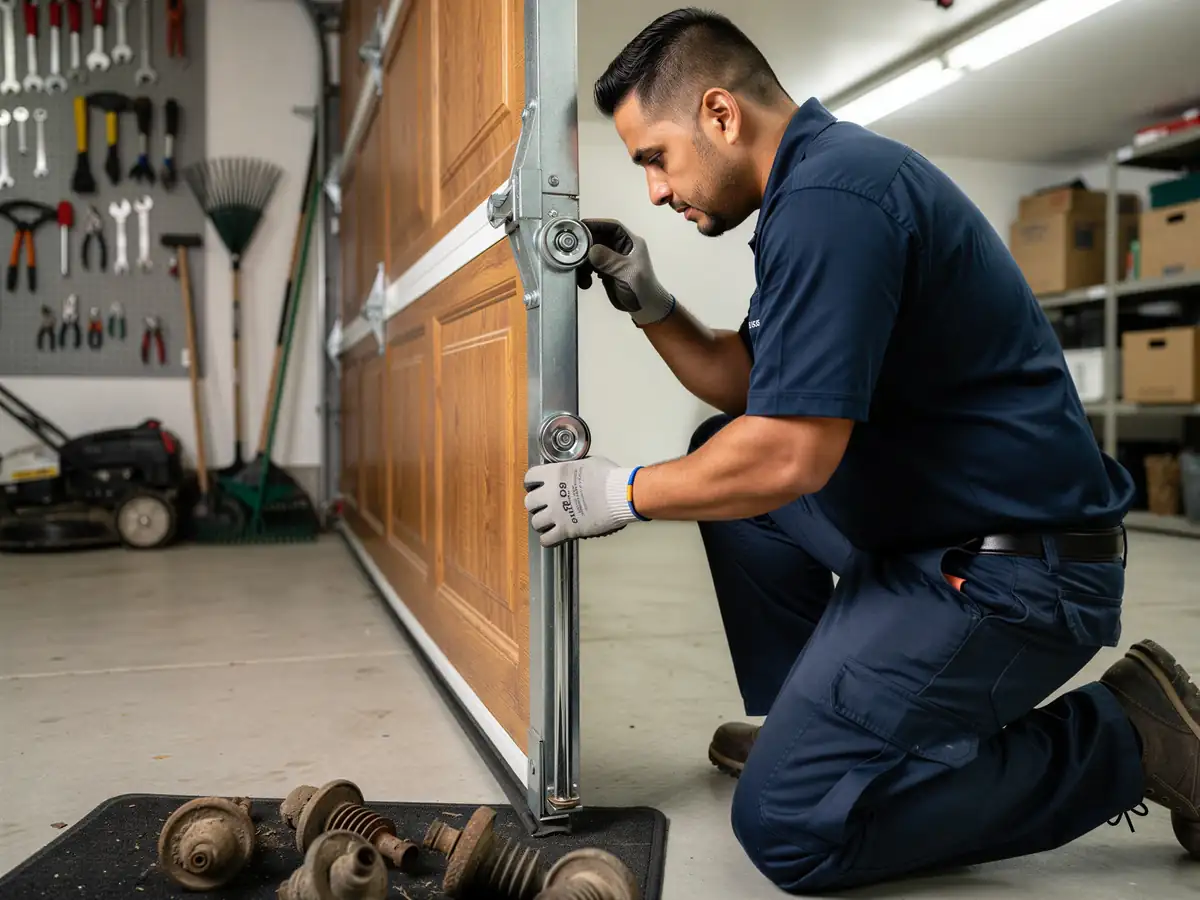
We carry common rollers, cables, hinges, and lubricant on the truck for most visits
Where it gets slower is torsion springs and some hardware sized for older doors - a 1971 door doesn't always take the same spring wind or drum size as what's standard today, and matching that sometimes means a special order rather than a part off the shelf.
That's the honest limit here
If your door needs an exact-match spring for its original hardware, we may need to order it rather than finish everything in one visit. We'd rather tell you that up front than pretend every Cypress garage from 1971 takes a stock part, because plenty of them don't. For the general maintenance approach we use across the wider service area, the Irvine maintenance page covers that in more depth.