What Can Go Wrong
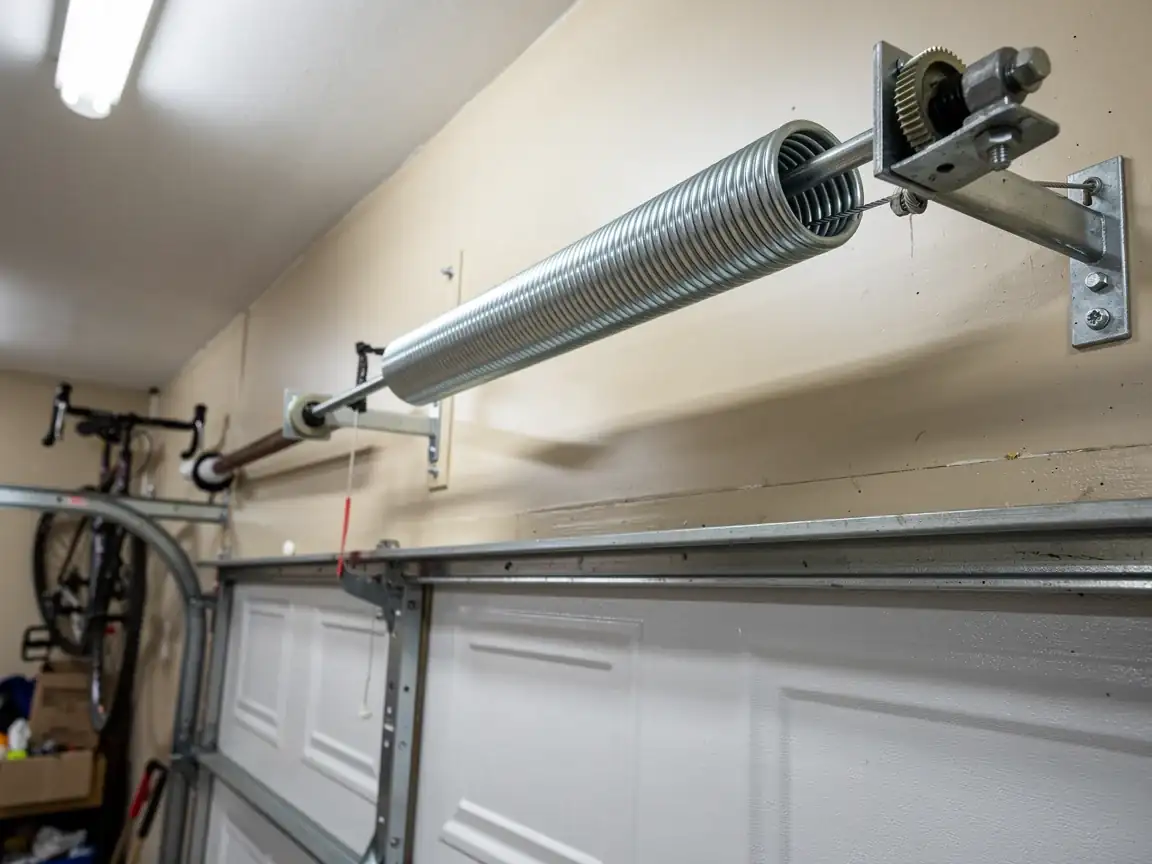
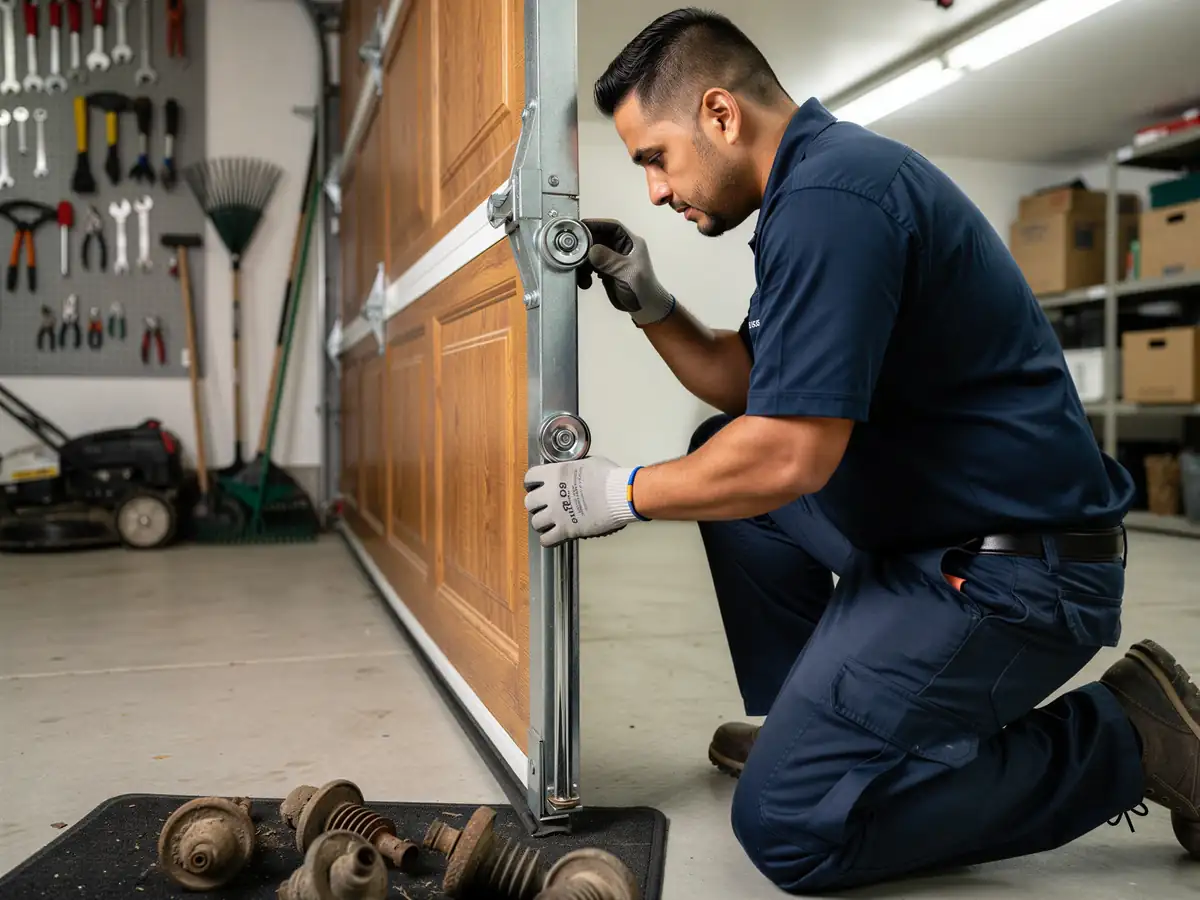
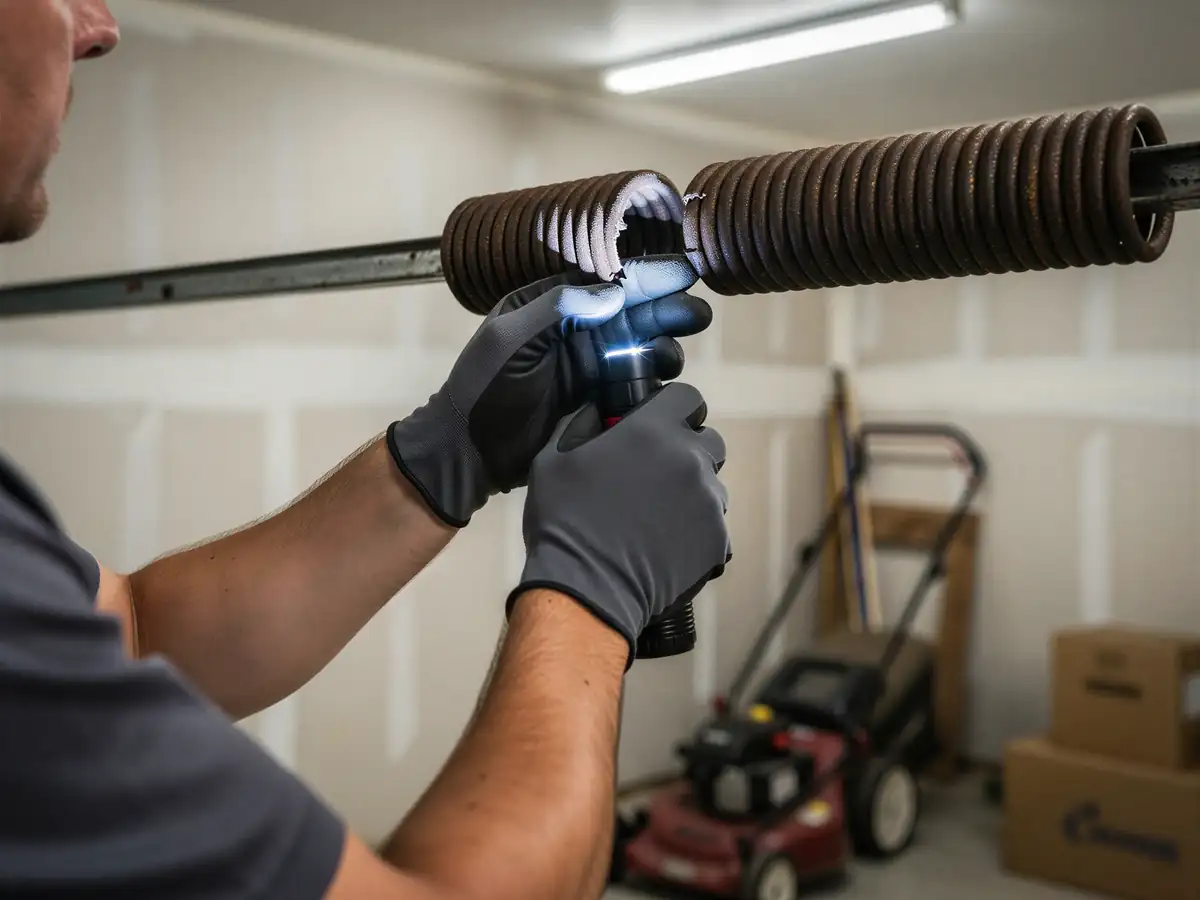
Cypress is the farthest stop on this company's route from Irvine, 18 miles out, and most of the houses here were built around 1971. That puts a lot of this town's garage doors on hardware that's been through two or three decades of California sun and salt air drift without a full replacement. The failure pattern on a door this old isn't usually one bad part - it's the whole assembly reaching the end of its service life at once. Steel sections that have oxidized at the bottom corners, a track that's been bent and re-bent by a chain-drive opener installed long after the door, torsion springs sized for a lighter door than whatever got hung on it in a remodel. When a homeowner here calls about a door that "just feels heavy" or won't seal at the bottom anymore, it's rarely a single fix. It's usually a sign the door itself, not just a part, is due. We'll tell you straight if that's where you are before we quote a repair that won't hold.
Booking a Visit
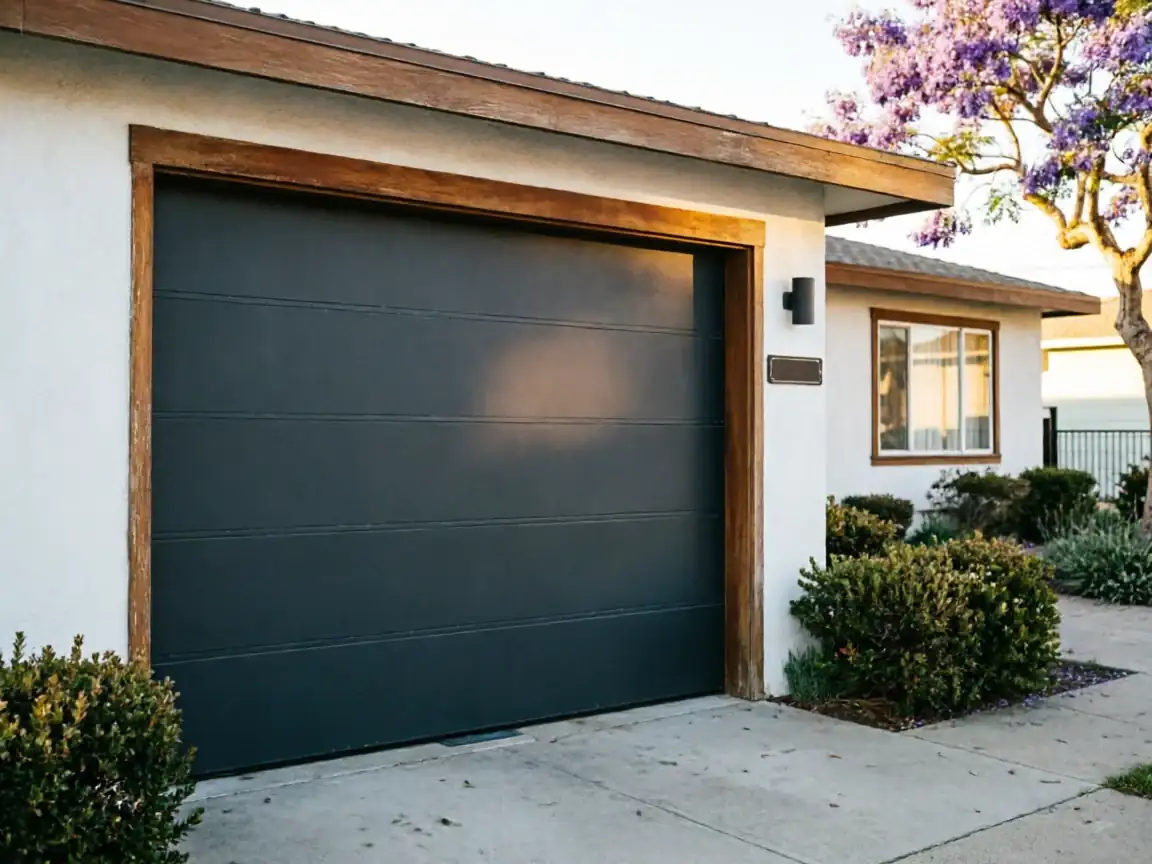
Because this job is scheduled out of Irvine, a Cypress install gets booked as a planned visit rather than a same-day emergency call - that's true of the distance, not of the work. We come out, measure the opening, check the header and jamb condition against what a 1971-era frame typically has, and give you a firm quote before anything gets ordered. If your opening is a non-standard width, which turns up more often in houses from this build era than in newer tract construction, we confirm that measurement on-site rather than guessing from a phone description. You pick the door model and insulation level; we don't push a spec you don't need.
The Cost of This Job
At a median household income of $124,167, Cypress sits well above where we'd normally start steering someone toward a patch-and-wait repair instead of replacement. That number matters because the repair-or-replace line isn't really about the door's age - it's about whether spending on a full new door makes sense against the household budget, and at this income level a full install on a worn-out 1971-era door is usually the better spend than a string of repairs on hardware that keeps failing. We'll still tell you when a repair is the right call. If your spring just snapped and the rest of the door is sound, replacing the whole unit isn't the honest answer, no matter the neighborhood's numbers.
What the Fix Involves
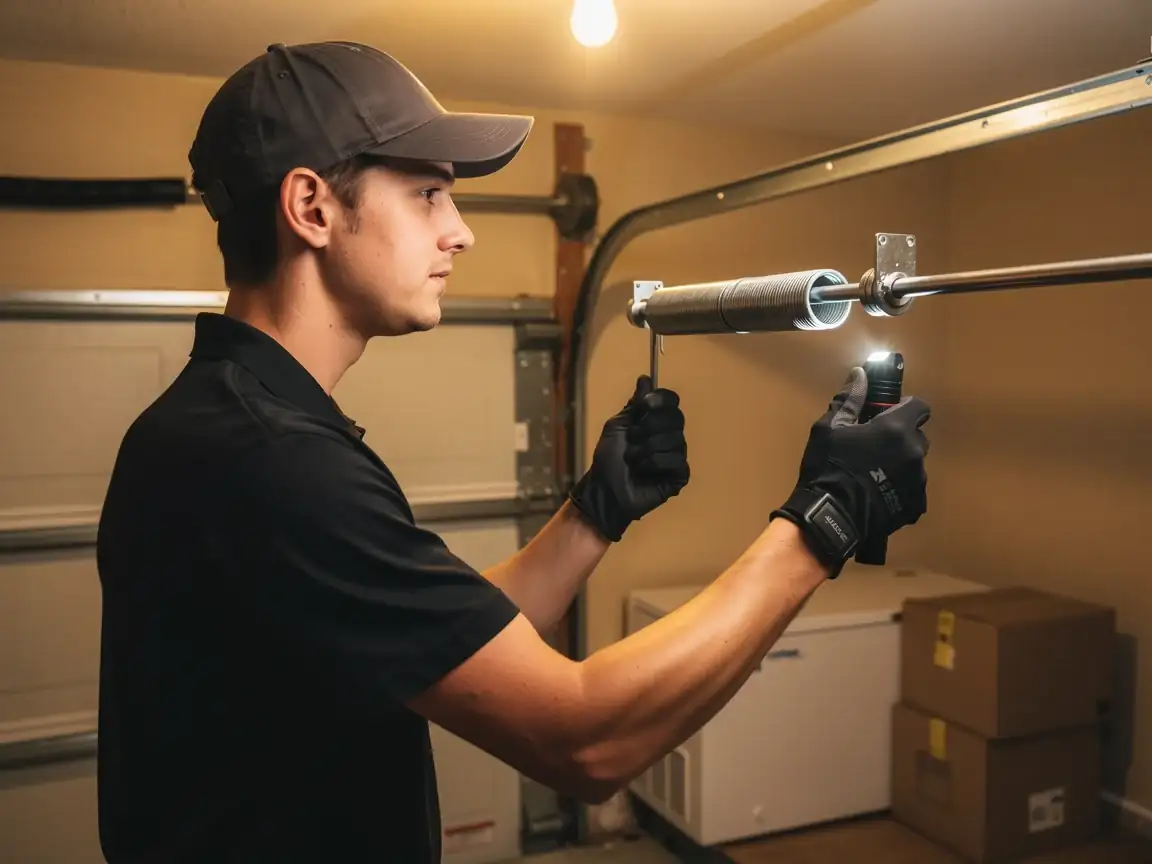
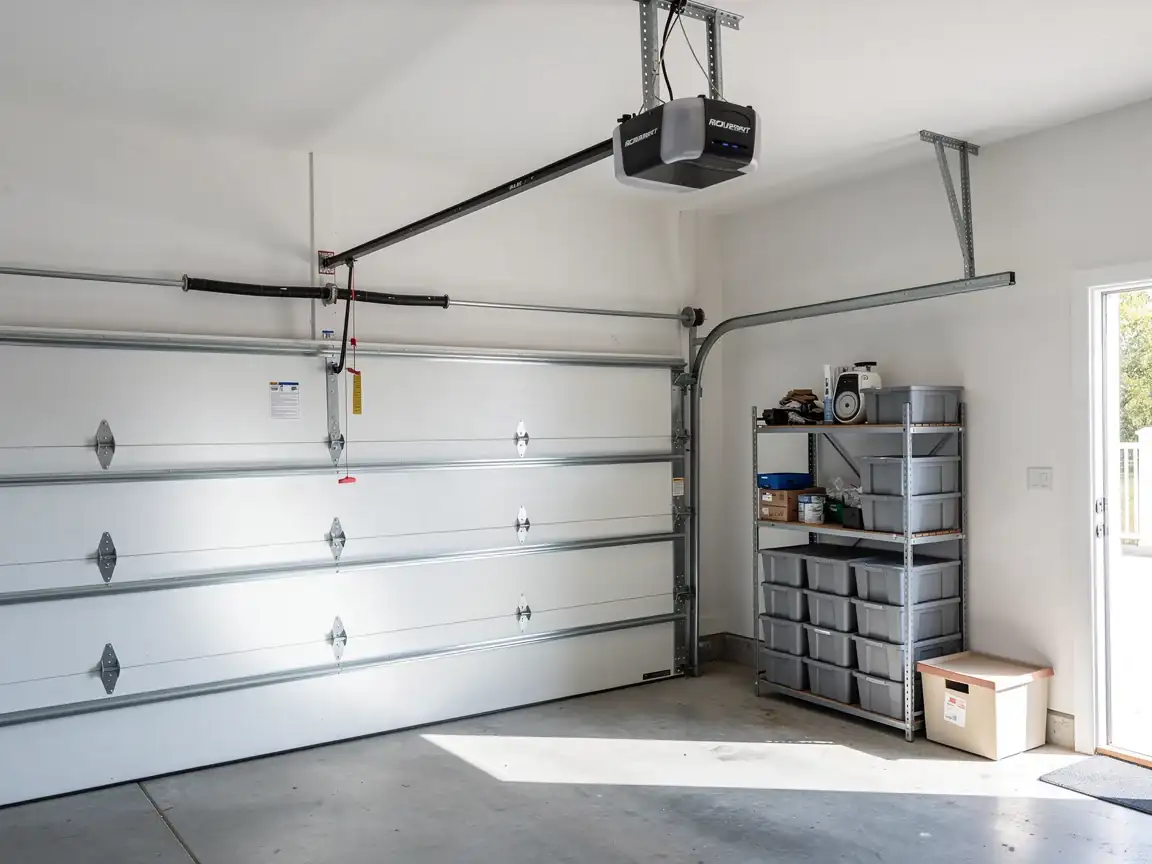
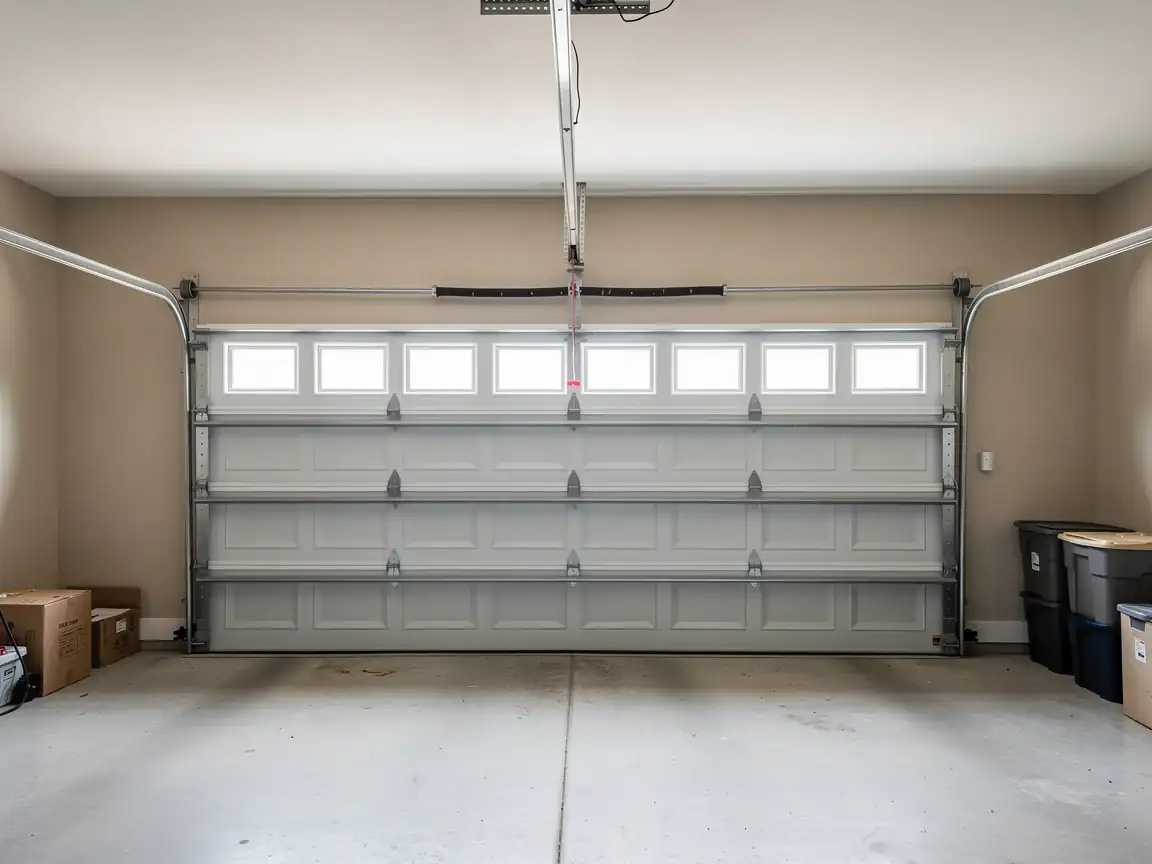
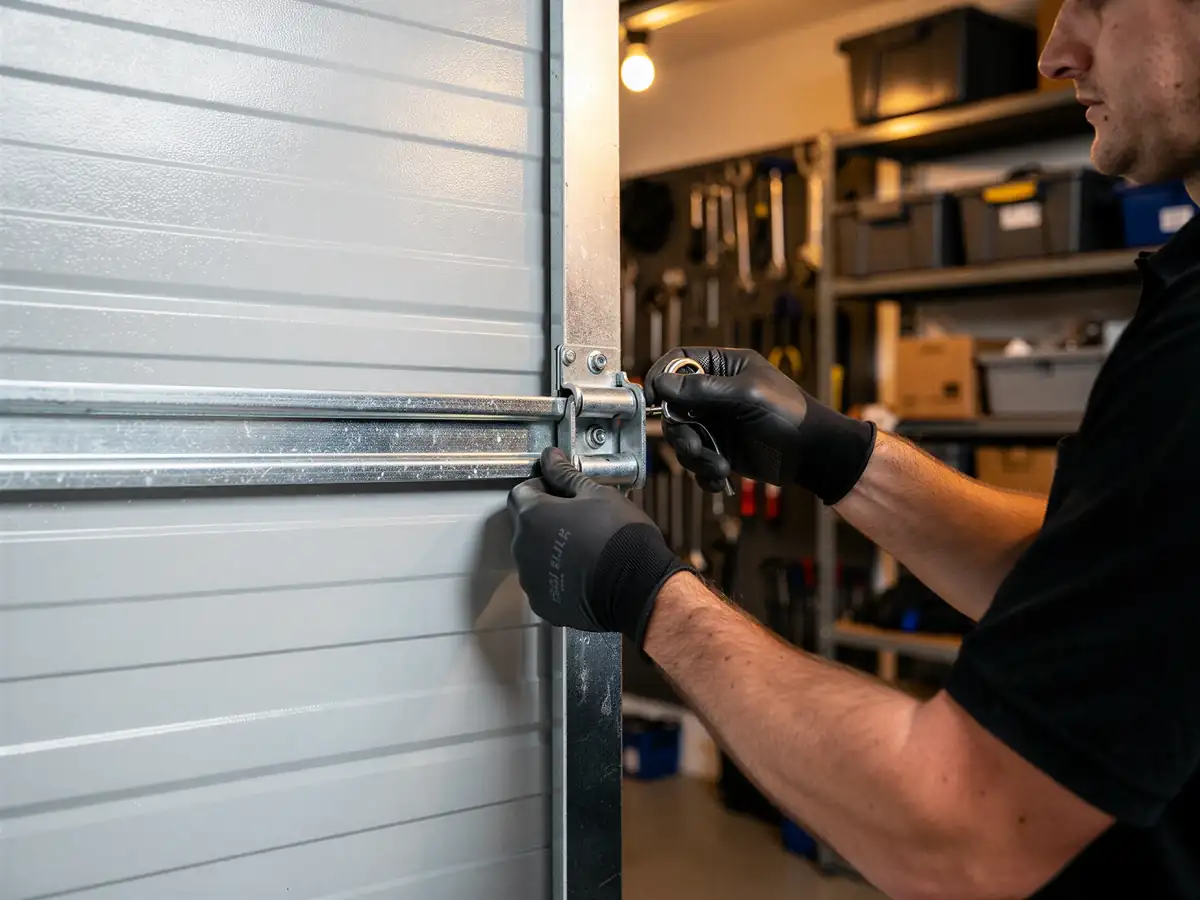
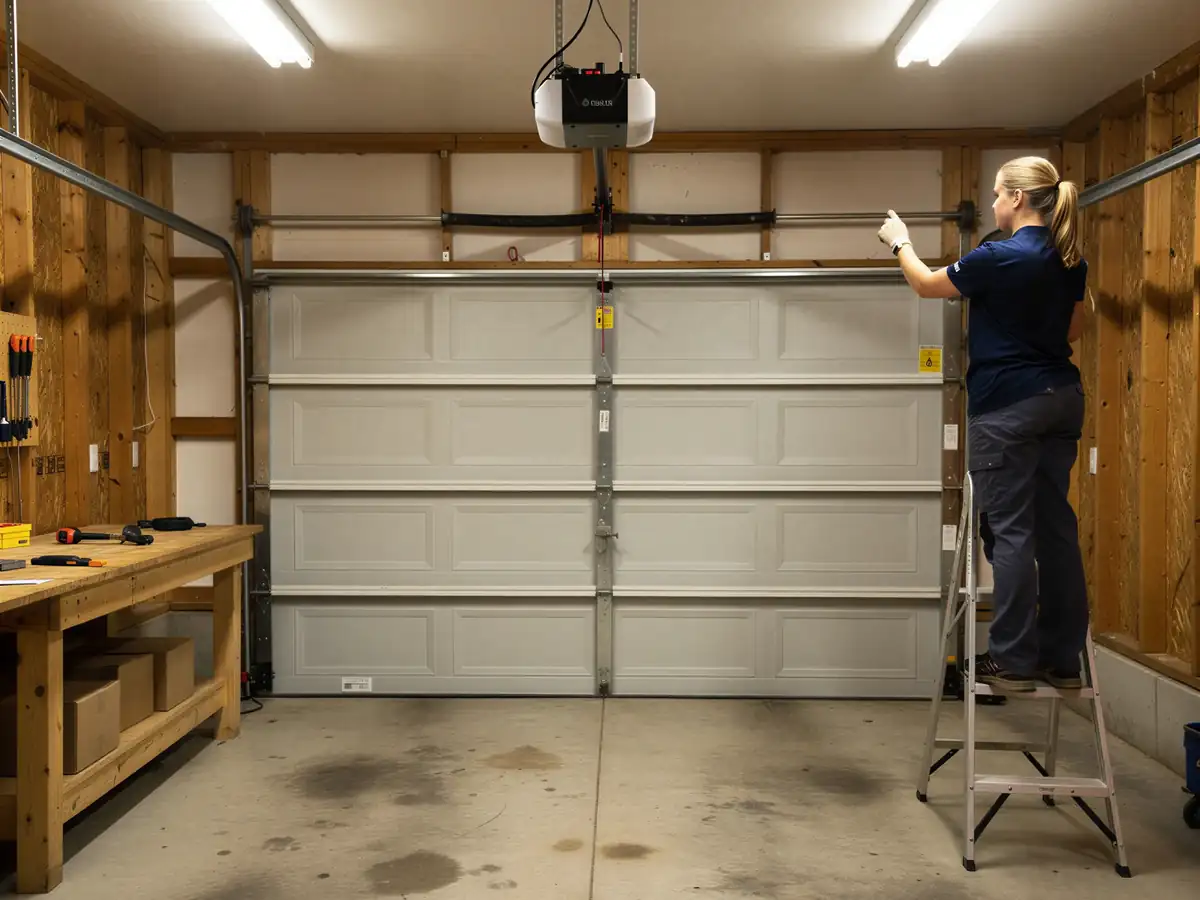
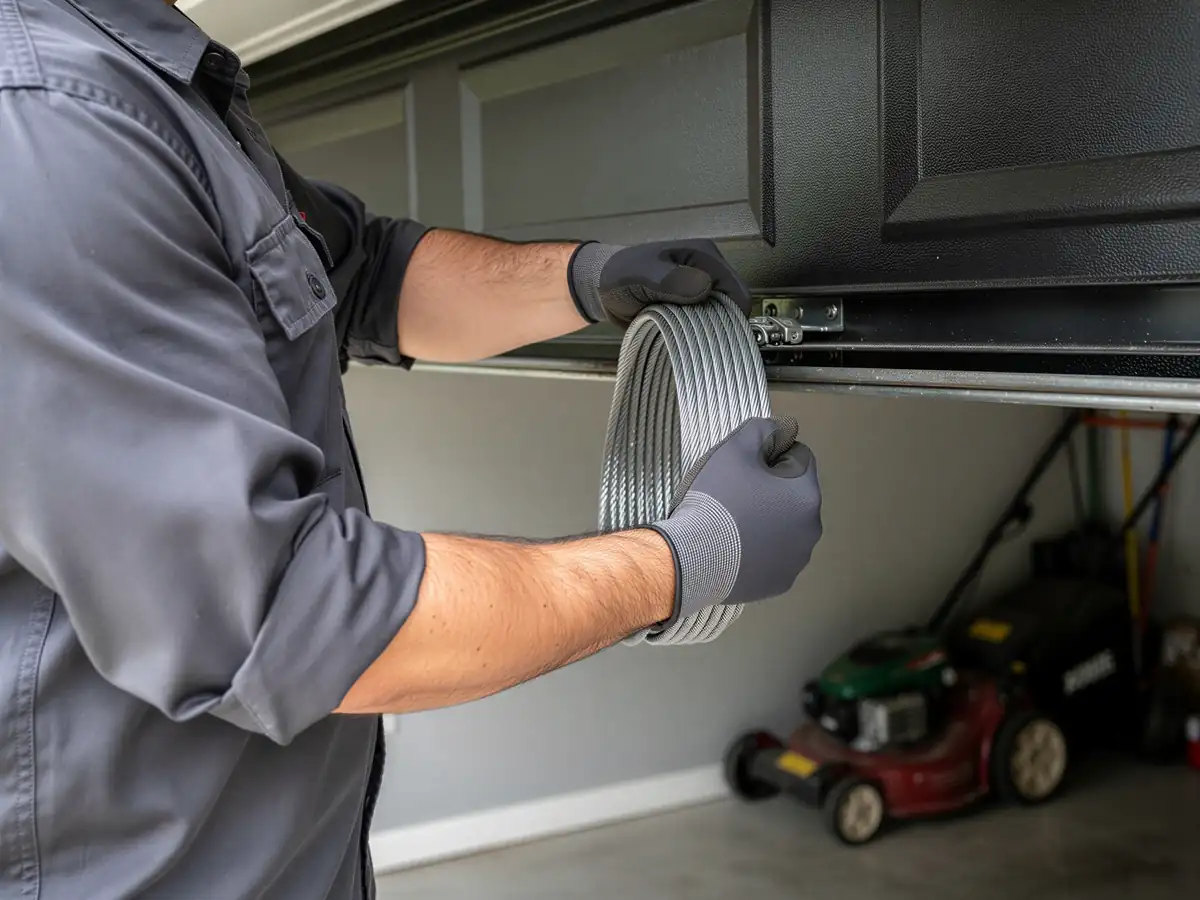
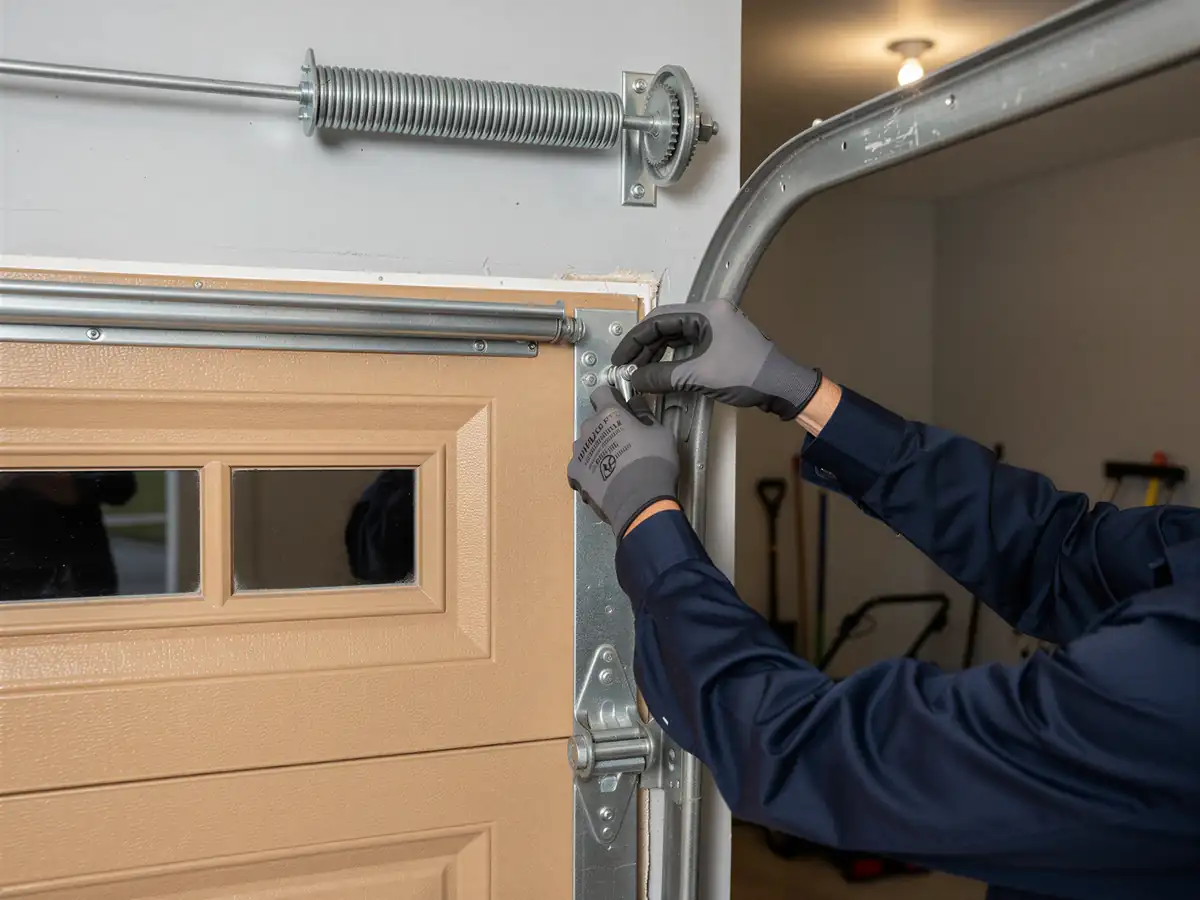
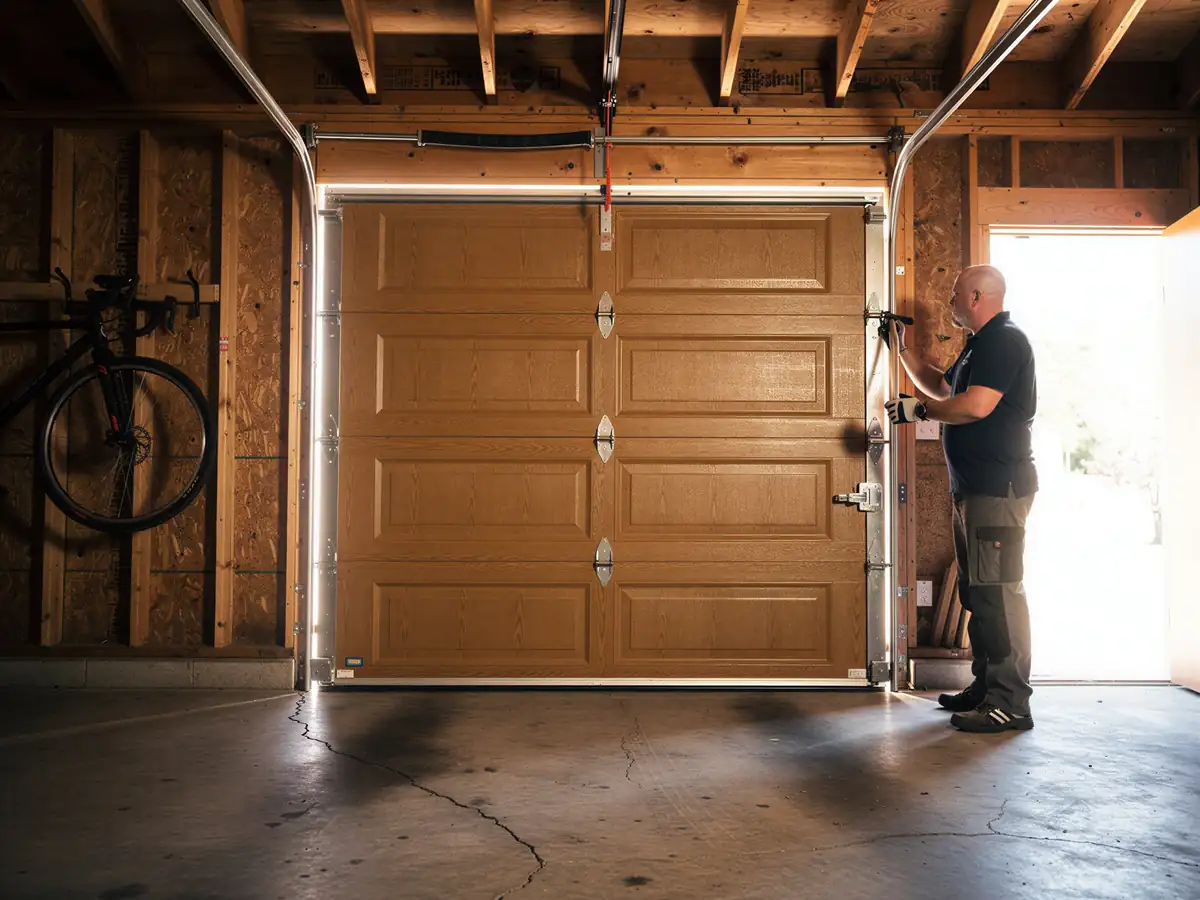
A new install means pulling the old door, track, and often the springs as one unit, checking the opening for square, and setting new vertical tracks and horizontal rails sized to the door you've picked. On houses from this build era we usually find the original header hardware was sized for a lighter wood-panel door than what's gone up since, so torsion spring sizing gets recalculated for the new door's actual weight, not assumed from what came off the wall. Opener compatibility gets checked too - a lot of 1971 openings were later retrofitted with openers that don't match the new door's travel distance, and that gets corrected as part of the same job, not left for a callback.