What Can Go Wrong
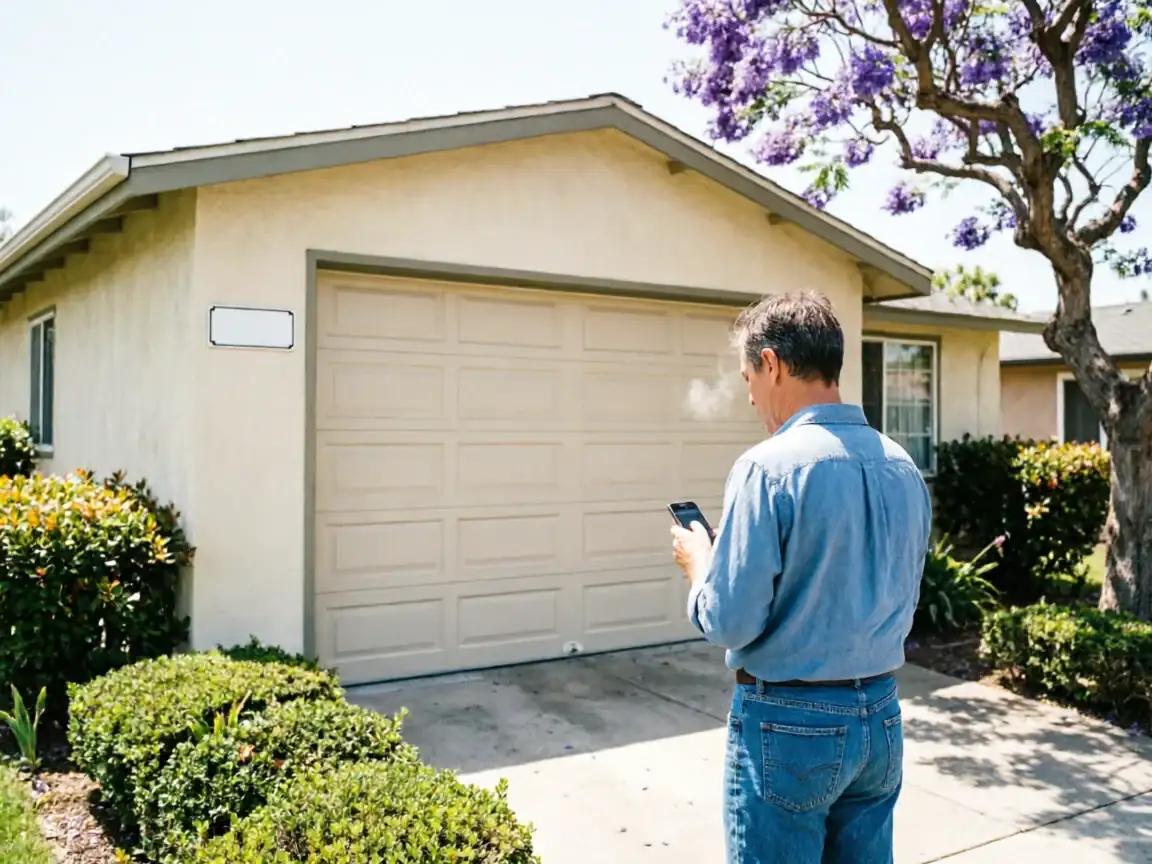
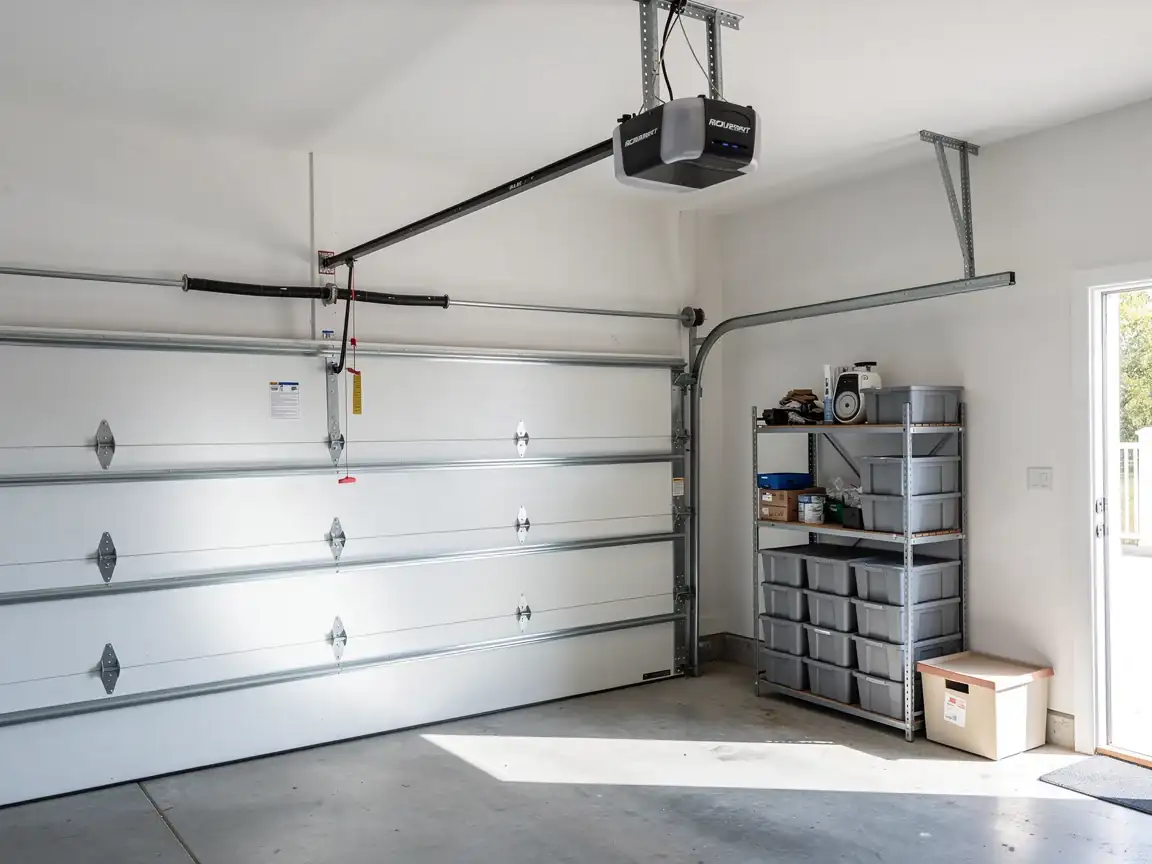
Cypress homes went up with a median build year around 1971, and a lot of those garages still carry the opener that came with the house or a direct replacement from the 1980s or 90s. Those units are chain-drive, steel rail, with a drive gear that's plastic and wears down to a nub after enough years of lifting a solid wood or early steel sectional door. The symptom is a motor that runs but the trolley doesn't move, or a grinding sound right before the chain goes slack. Circuit boards from that generation don't like humidity swings even in a mild coastal climate, and capacitors dry out. Safety sensors are the other common failure - the original units predate the photo-eye requirement, so a lot of Cypress garages have a retrofit sensor pair wired in later, sometimes poorly aligned from the start. We also see remotes that stopped syncing because the receiver board inside the unit is the actual failure point, not the remote battery.
Booking a Visit
We run this job out of Irvine, about 18 miles from Cypress, so a visit here gets scheduled rather than walked up to same-day. Tell us the opener's rough age and whether it's chain, belt, or screw drive when you call - most Cypress homes built in the early 70s still run chain-drive units, and knowing that before the truck leaves saves a second trip if the part needs pulling from stock first. We'll also ask whether the issue is the motor, the sensors, or the remote, since those are three different repairs with different parts on the van.
The Cost of This Job
We don't post flat prices here because the repair depends on what's actually failed - a gear and sprocket kit is a different bill than a logic board or a full motor swap. What we can tell you is that Cypress's median household income sits at $124,167 across the service area, and most of the repairs we do here are the gear, sensor, or board category rather than full opener replacement, because the chassis and rail on these older units are usually still sound.
What the Fix Involves
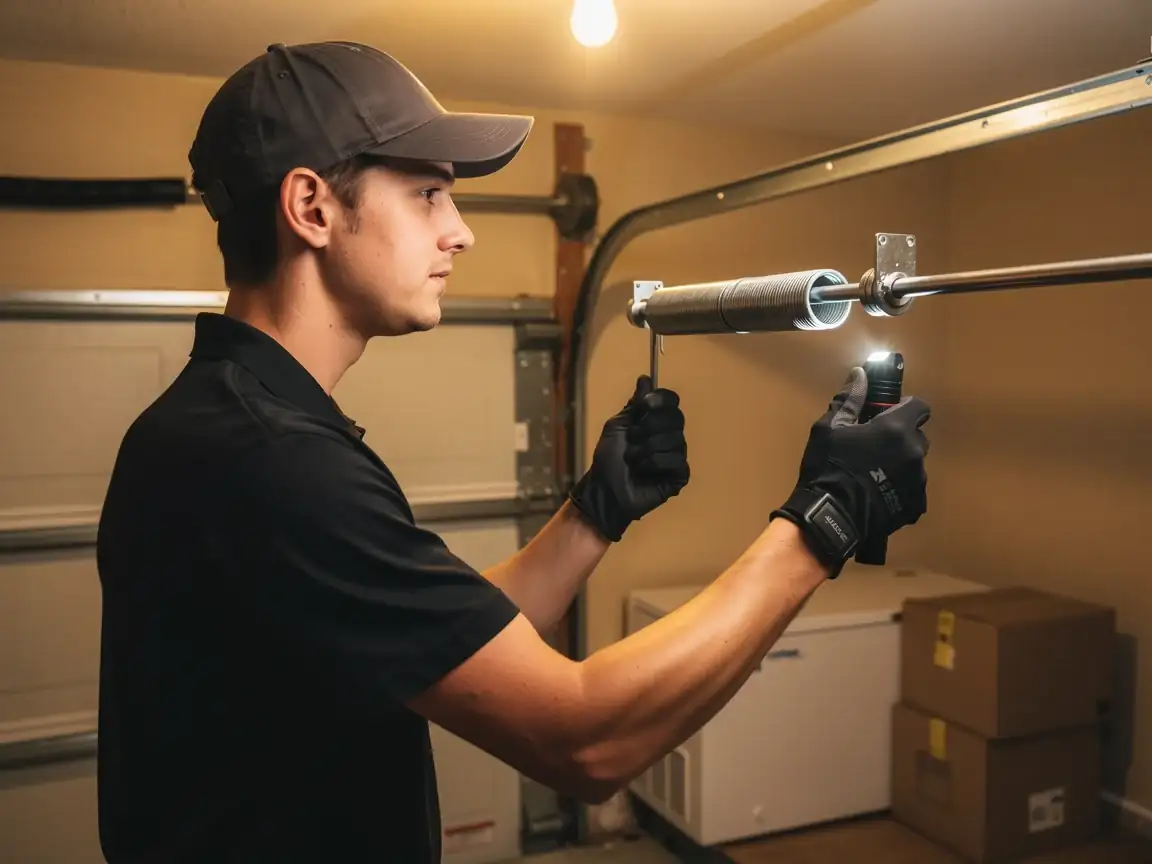
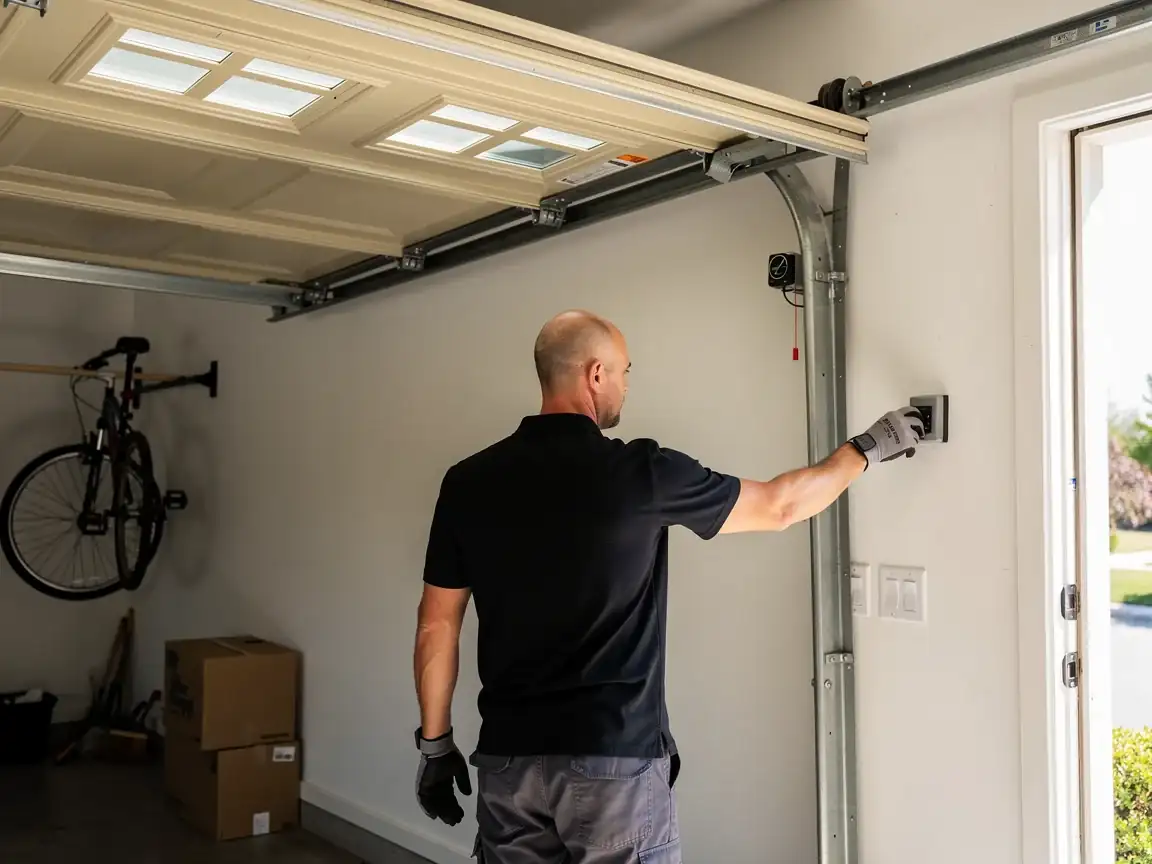
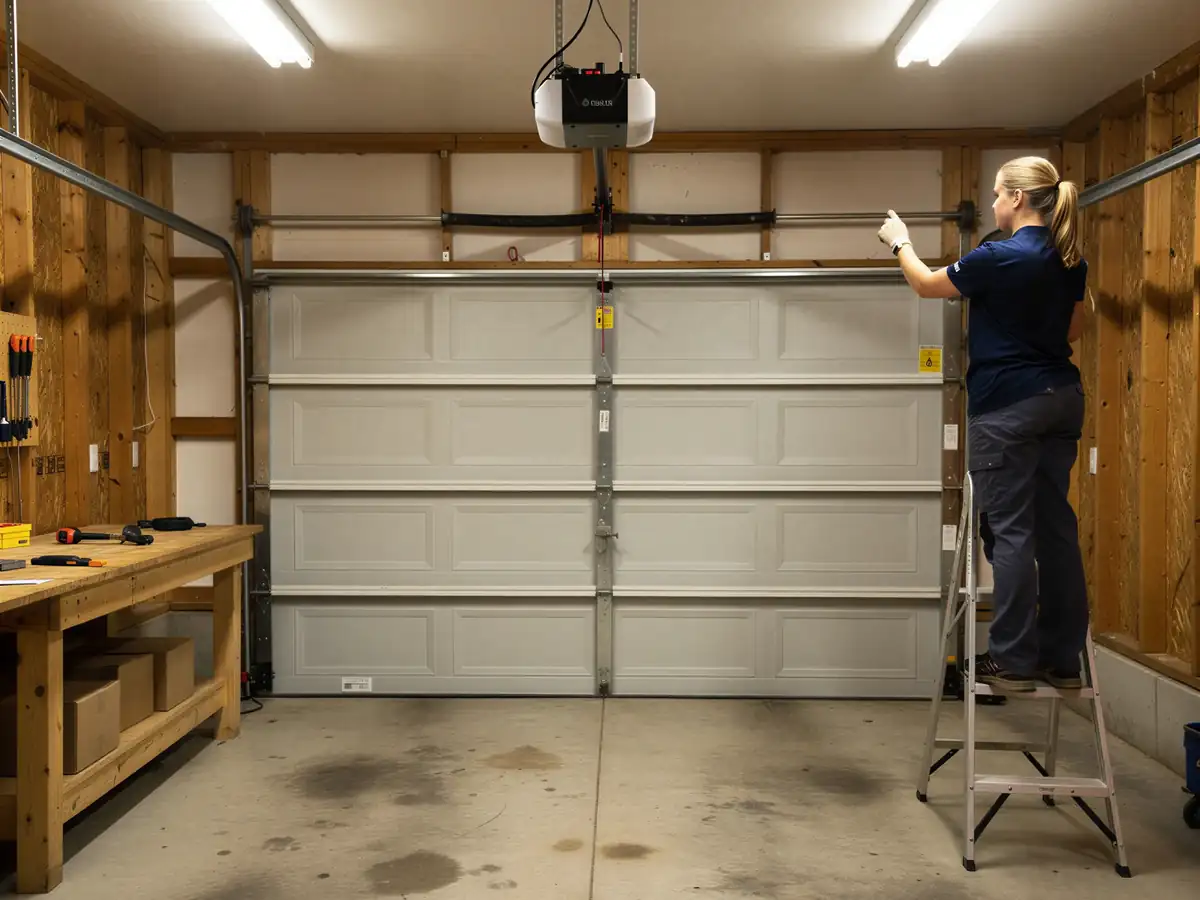
For a chain-drive unit from the 1970s or 80s, the fix usually starts with pulling the cover to check the drive gear and capacitor before touching anything else - those two parts fail more than the motor itself. If the gear's stripped, we replace the gear and sprocket assembly, re-tension the chain, and run the door through a full cycle to check travel limits. If the board has gone bad, we match the terminal count and voltage to the existing motor rather than swapping the whole unit, since the motor on these older openers tends to outlast two or three board generations. Sensor work means remounting the eyes level with each other, low enough that a trash can won't block the beam, and running the force settings so the door reverses properly on an obstruction. One thing we won't do is rewire a unit that predates safety reversal entirely and call it repaired - if the opener has no reversing mechanism at all, replacement is the honest answer, not a patch.