Serving Irvine, CA & nearby
(949) 288-3992
Irvine, CA

When a Spring Snaps on a Cold Morning in Irvine

Why Irvine's mild overnight temperature swings still snap aging torsion springs on 1960s-70s era garage doors, and what to watch for before yours breaks.

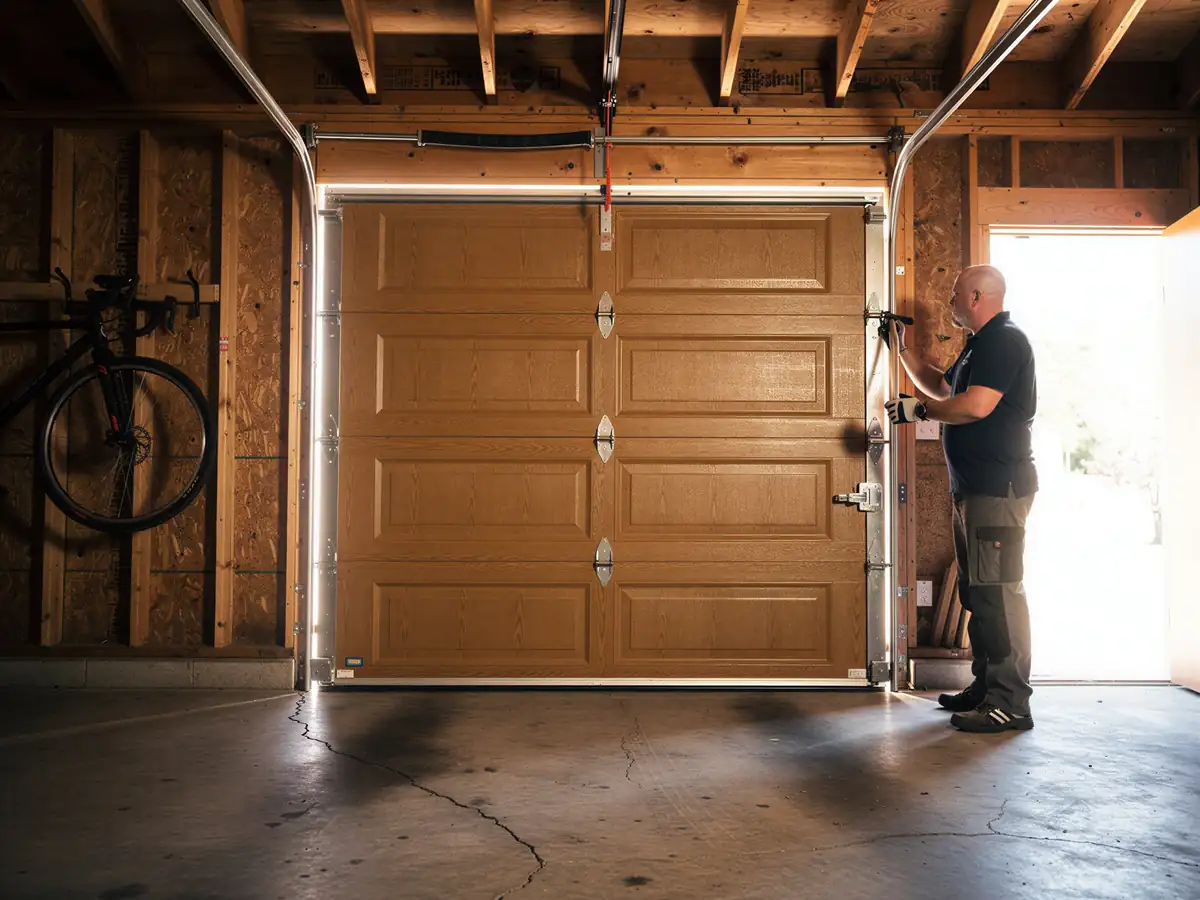
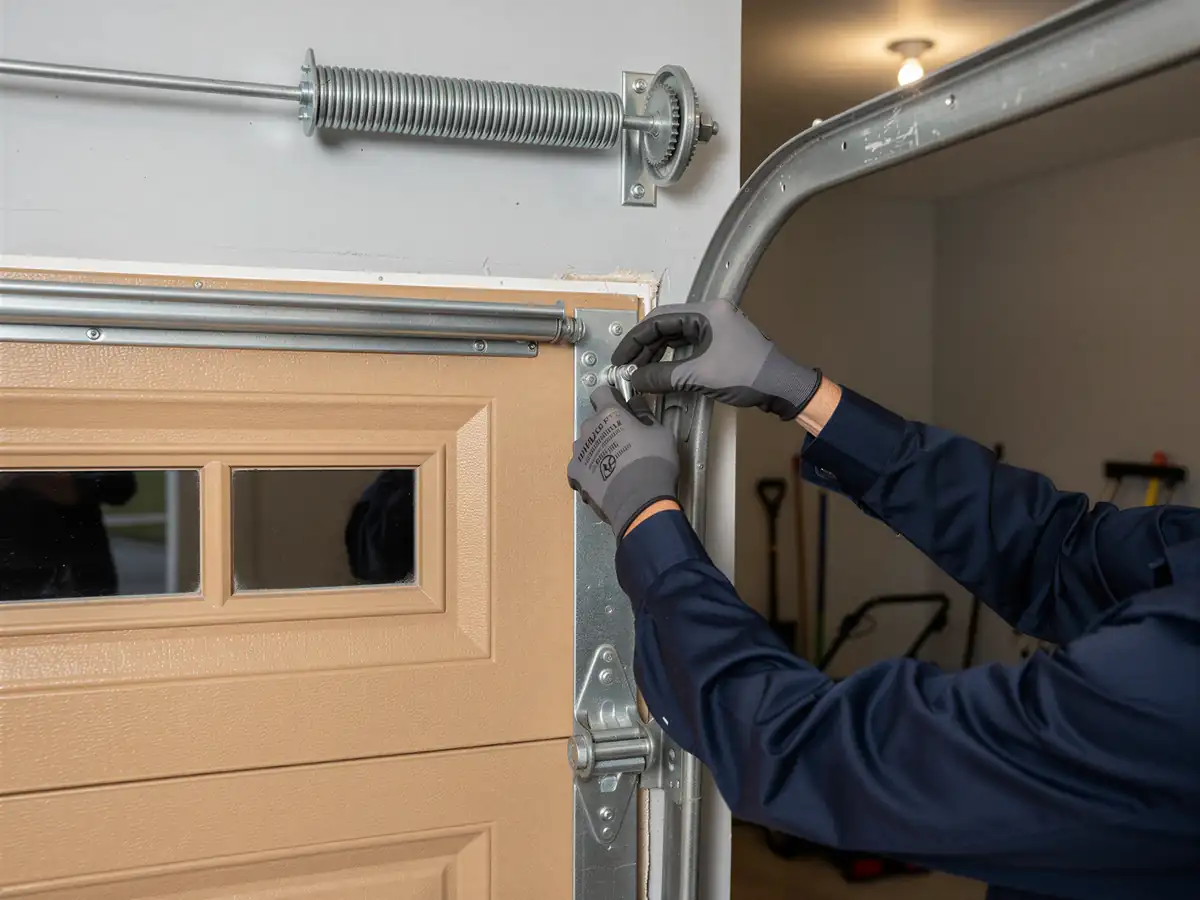
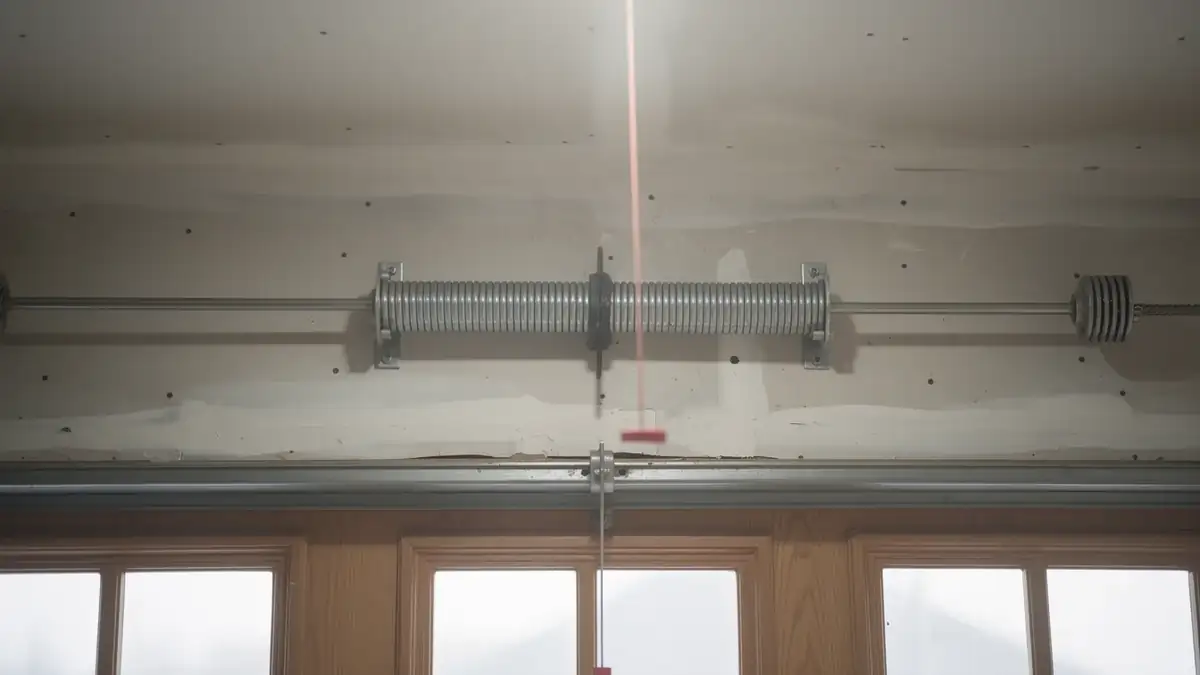
A garage door torsion spring is mounted above a wooden garage door.

The Common Mistake

The mistake is assuming cold weather doesn't apply here. Irvine sits in a mild temperate band, so nobody expects a garage door problem that reads like a line from a Midwest repair blog. But a torsion spring doesn't need a hard freeze to fail - it needs a swing. Steel contracts when it cools, and the swing between a warm afternoon and a clear, cold early morning is exactly the kind of stress that finds a weak spot in metal that's already near the end of its life. Homeowners here skip the fall check because they figure the weather's too easy on the house. Then the door won't lift on a 42-degree morning and they're standing in the driveway wondering why, since it never snows. It's not the cold itself. It's the daily swing, repeated for years, on a spring that was never swapped out.

The Problem

Housing in this part of the county went up mostly between 1938 and 2015, with the median landing around 1976. That means a large share of the garage doors in the 29 named areas this service covers are still running on the torsion spring that came with the house, or a direct replacement installed decades ago. Springs are rated for a number of open-close cycles, not years, but age still matters - fatigue sets in whether or not the spring is used every day. A spring that's been fine for forty years of mild California weather can still be sitting right at its limit, and the first sharp overnight cool-down of the season is often what finishes the job. It's not dramatic. Usually it's a loud bang in the garage and a door that won't budge the next morning.

Season by Season

Spring and summer here are easy on hardware - steady temperatures, no real swing day to day, and springs mostly fail from simple cycle fatigue rather than weather stress. Fall is where it starts to matter: nights cool off faster than the days do, and that gap between a warm afternoon sun on a south-facing garage door and a cold clear night is the biggest swing of the year. Winter keeps that pattern going, with the coldest mornings landing well below the daytime high. None of this is severe by national standards - there's no ice, no snow load, nothing structural. But a spring under tension that cools and contracts repeatedly through that fall-into-winter stretch is doing real work, and if it was already close to its cycle limit, this is the stretch where it lets go.

What the Weather Here Does to It

A mild climate band means the door itself, the track, and the opener rarely take real damage from weather - no rust from snow melt, no warping from freeze-thaw. The spring is the one part that still answers to temperature, because it's pure tensioned steel and steel responds to heat and cold regardless of the forecast. In a place with harsher winters, you'd expect spring failures clustered in the deep-freeze months. Here, they cluster instead around the first run of cold, clear nights each year, because that's the first real contraction cycle the spring has seen since the previous fall. One honest limit: we can't tell you from the driveway how many cycles are left on a spring that's never been logged. If it's original to a 1976-era house, replacing it before it breaks is usually cheaper than an emergency call after it does.
How it works

From “it’s stuck” to “it’s fixed”

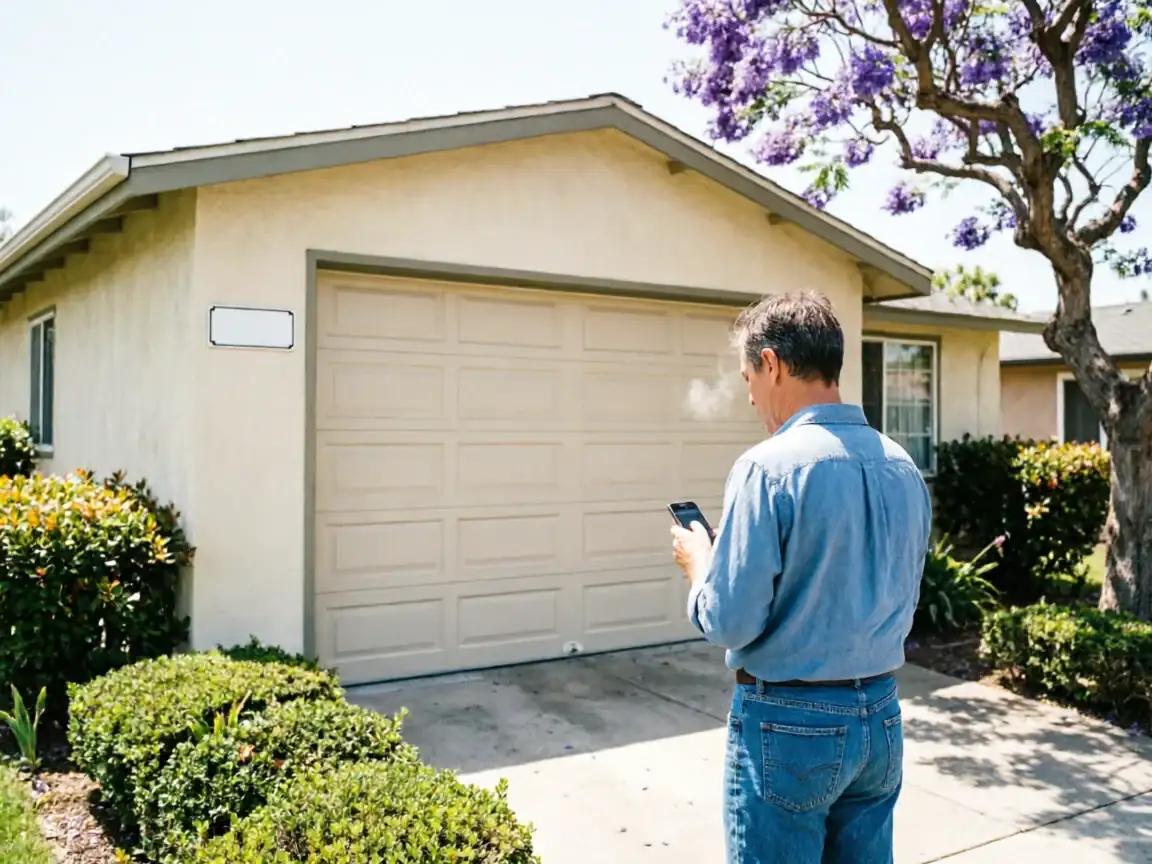
A man stands in a driveway, looking at his phone in front of a closed garage door.

Tell us what’s wrong

Describe the symptom - won’t open, loud bang, opener runs but the door won’t move.

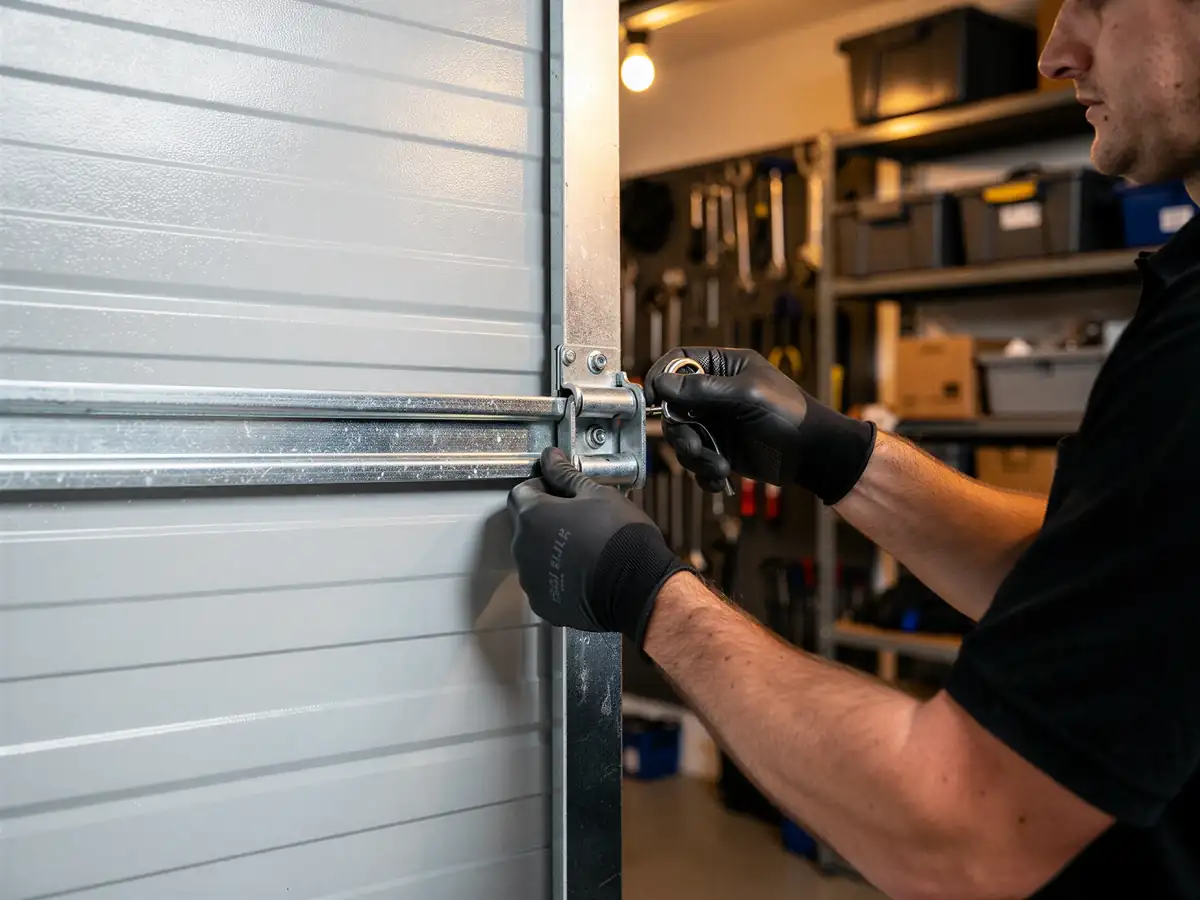
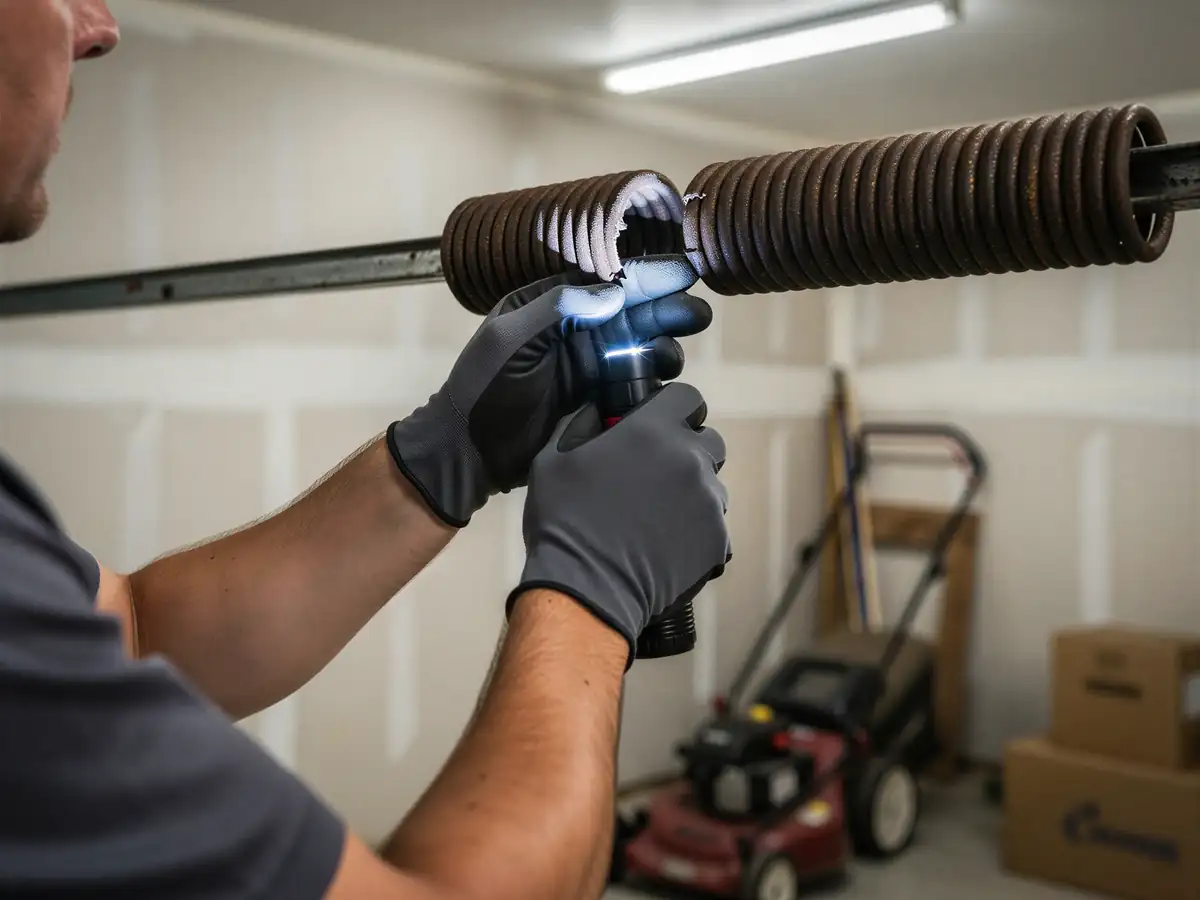
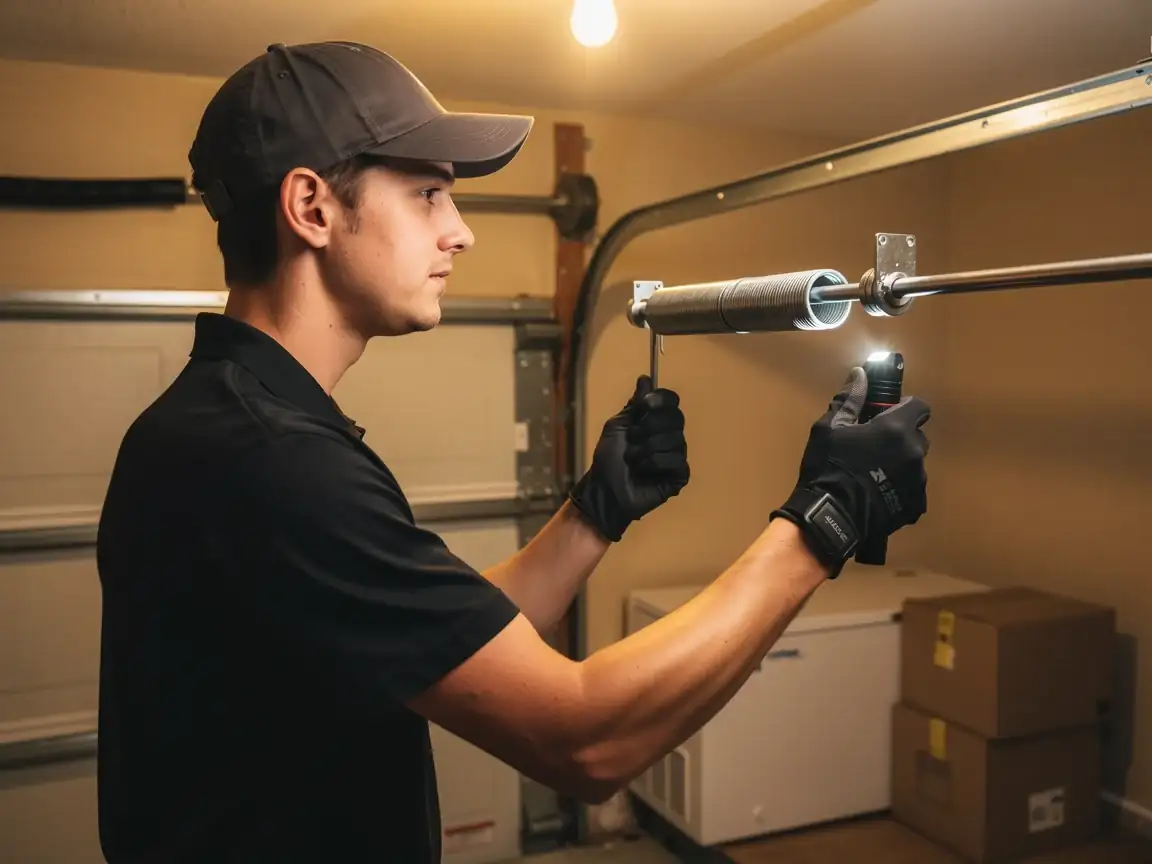
A technician in a gray hat and black gloves inspects a garage door torsion spring.

On-site diagnosis

A technician tests the door under power and by hand and finds what actually failed.

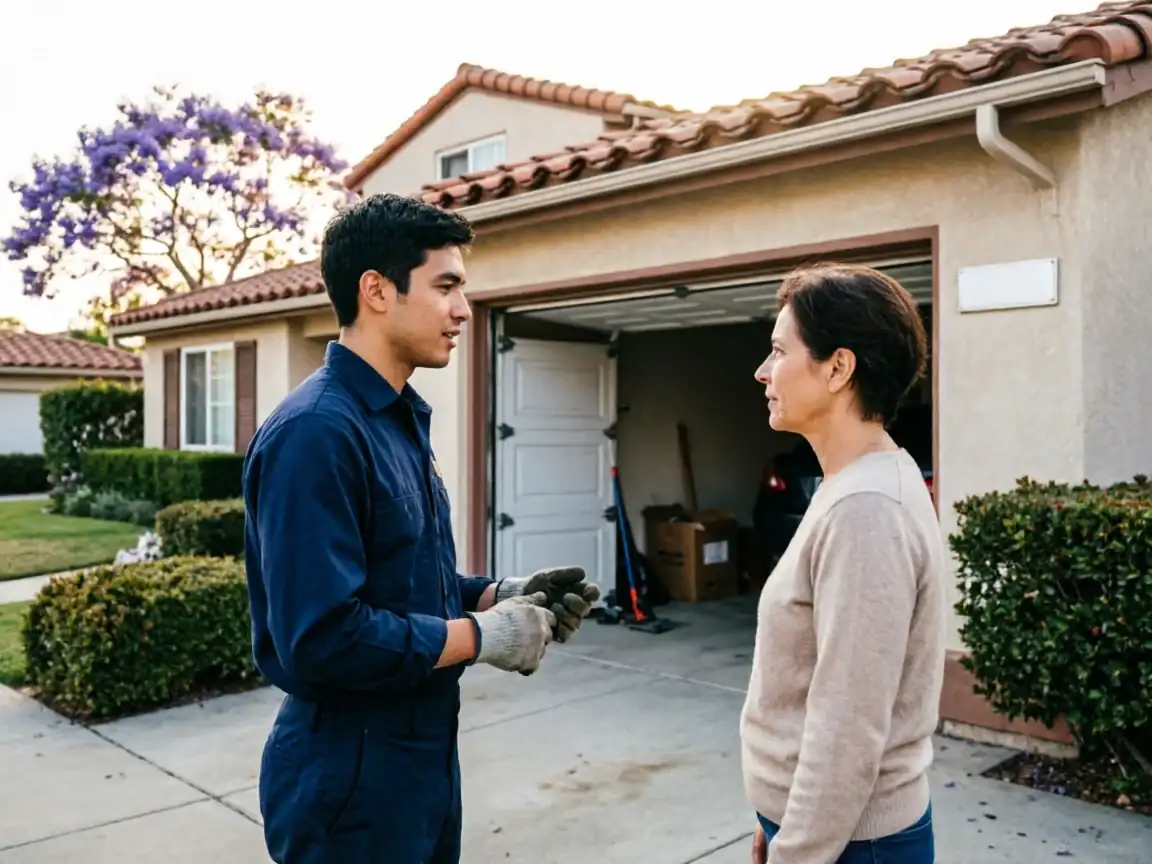
A technician in a blue uniform talks to a woman in front of a house.

Clear, up-front plan

You get the fix that’s needed and what drives the cost - before any work starts.

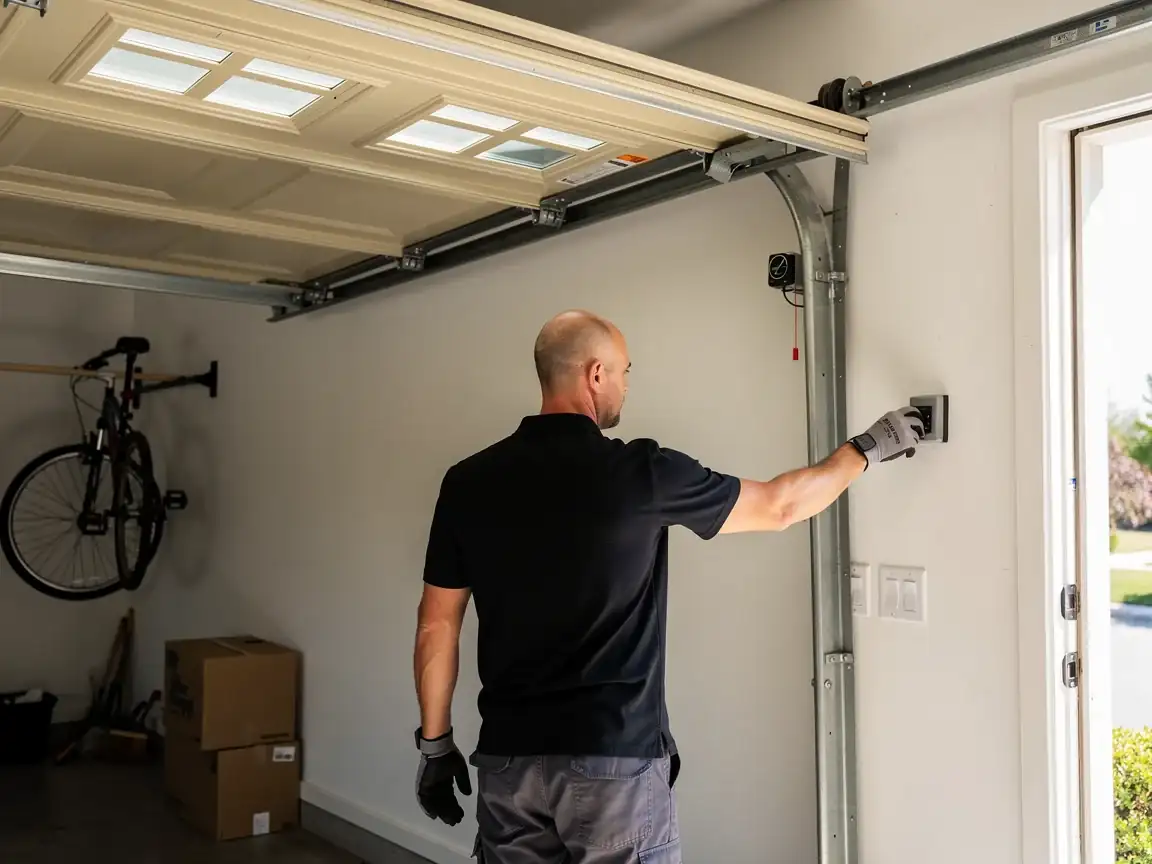
A technician in gloves presses a button on a garage wall.

Repaired & tested

The repair is done, the door is set true and tested, and the work area left clean.

Not sure which repair your door needs in Irvine, CA? Describe what it’s doing - every job starts with a diagnosis.

How we work

What to expect

Diagnosis firstEvery visit starts by finding what actually failed - not a pre-written parts list.
The right part for the doorSprings and openers matched to the door’s weight and age, so the fix holds up.
Straight answersWhen a repair makes more sense than a replacement - or the reverse - you hear it plainly.
Clean, careful workTension released safely, hardware set true, the door tested under power before we leave.
Questions

Frequently asked

Straight answers about garage door repair in Irvine. Still unsure? Ask us directly.

Does Irvine's weather really affect garage door springs if it never freezes here?

Yes, though not the way cold does elsewhere. The climate here is mild temperate, so there's no deep freeze, but the swing between a warm afternoon and a cold clear night still contracts the steel in a torsion spring. On a spring already near the end of its life, that daily swing in fall and winter is often what triggers the break.

How old does a garage door spring have to be before it's a risk?

It's about cycles more than years, but in houses from this area's median build year of 1976, a lot of springs have never been replaced. If yours is original to the house, it's worth having it looked at before the first cold snap of the season rather than after it snaps.

Why did my spring break overnight with no warning?

Springs rarely give warning. A spring near its cycle limit can hold through months of normal use, then let go on the first sharp overnight temperature drop of the season, because the contraction adds the last bit of stress it needed to fail.

Ready to get your garage door sorted?

Tell us what it’s doing and where you are in Irvine - we’ll take it from there.

8Services offered
7Areas covered
Diagnosisfirst, then the fix
Request a QuoteCall