What You Are Seeing
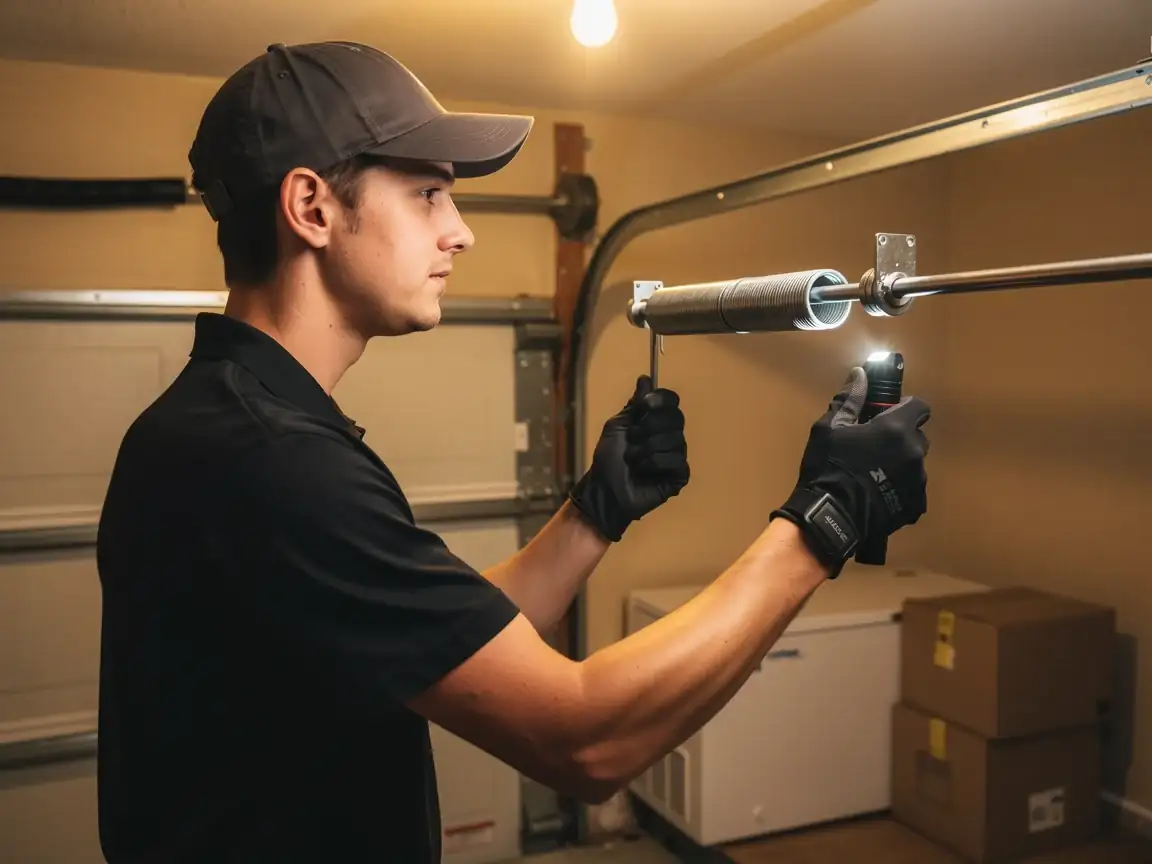
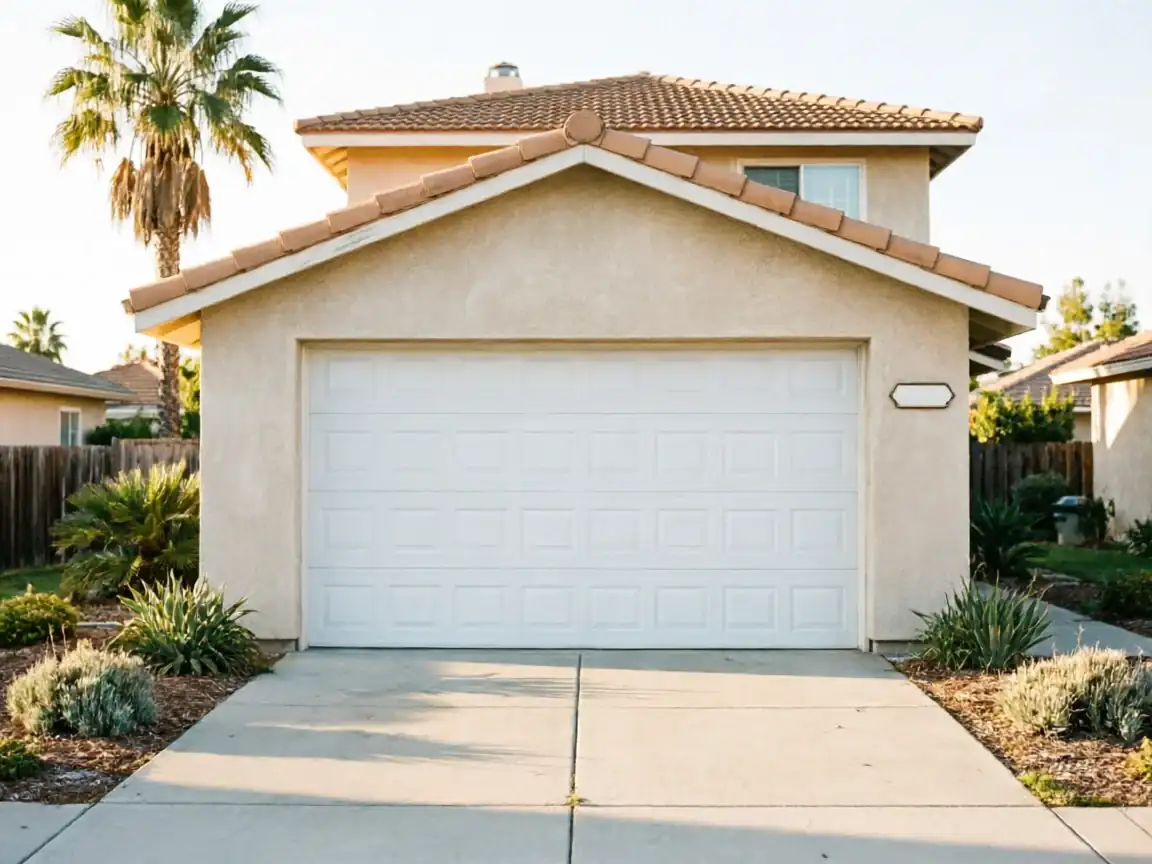
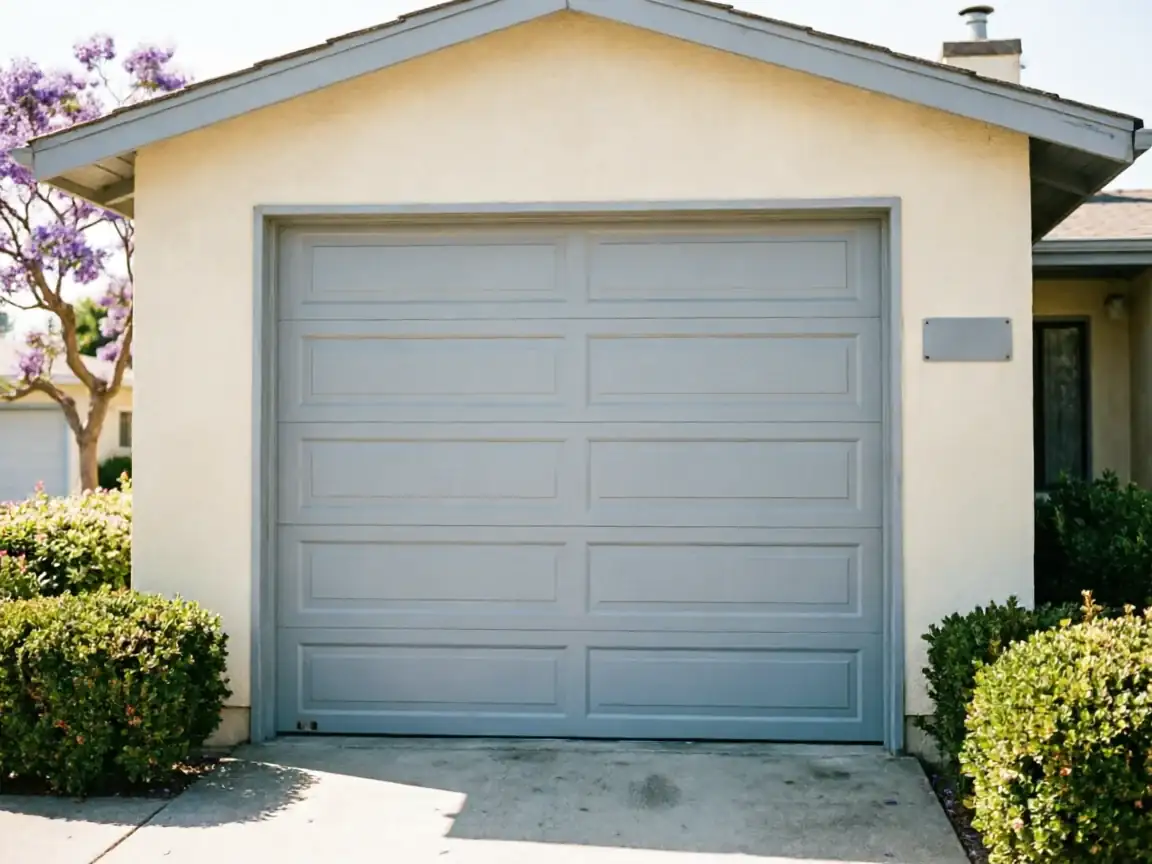
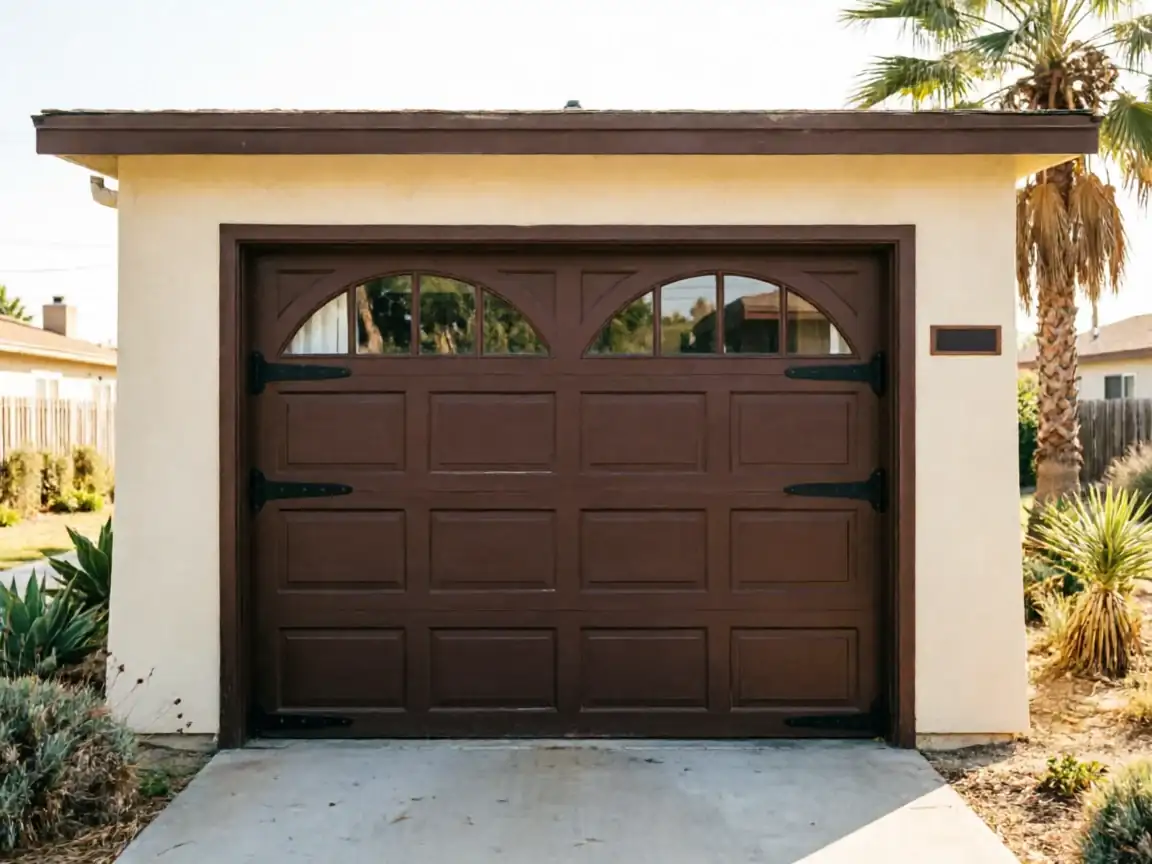
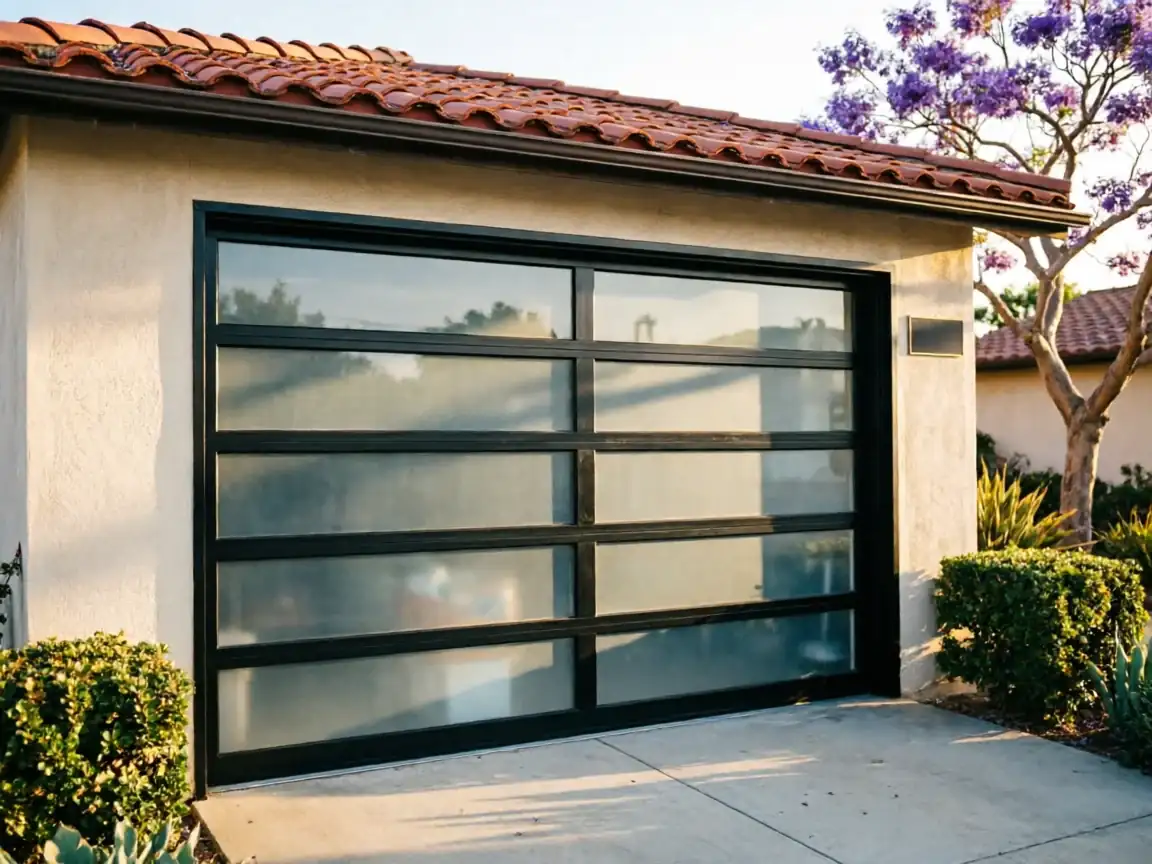
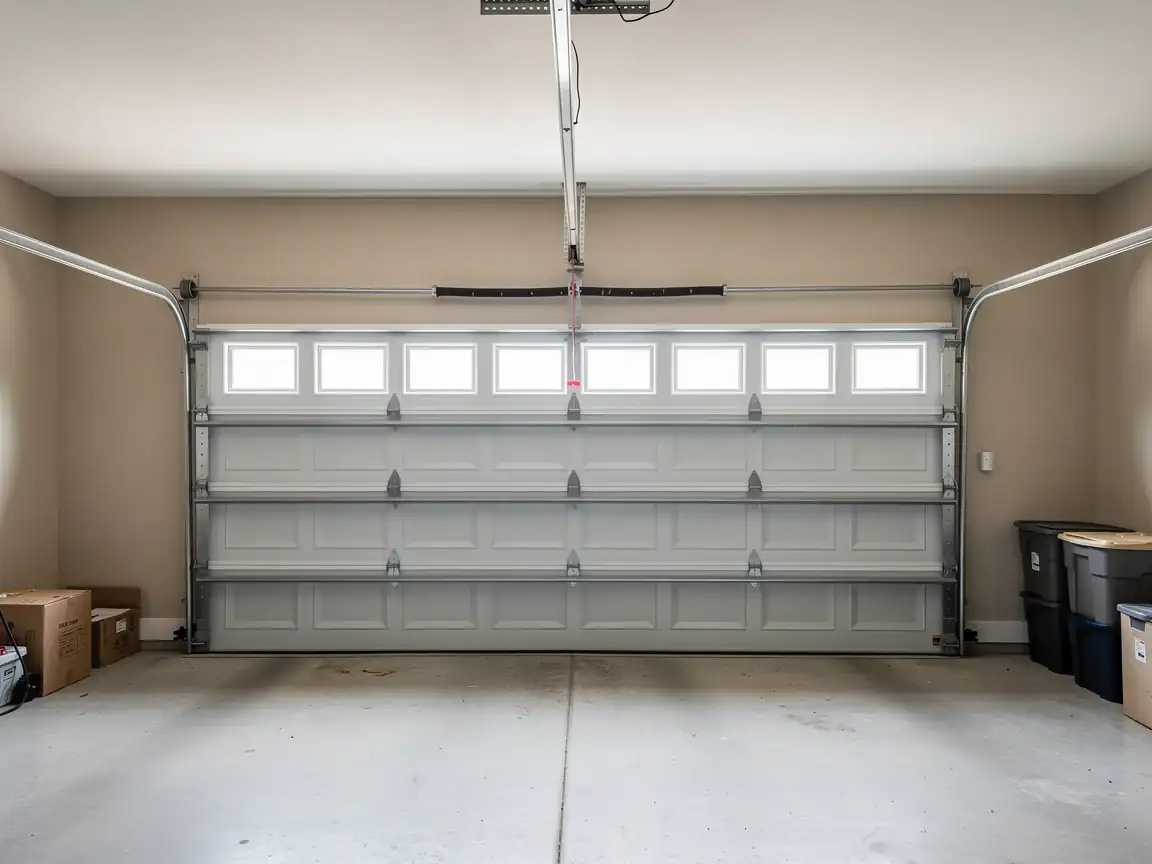
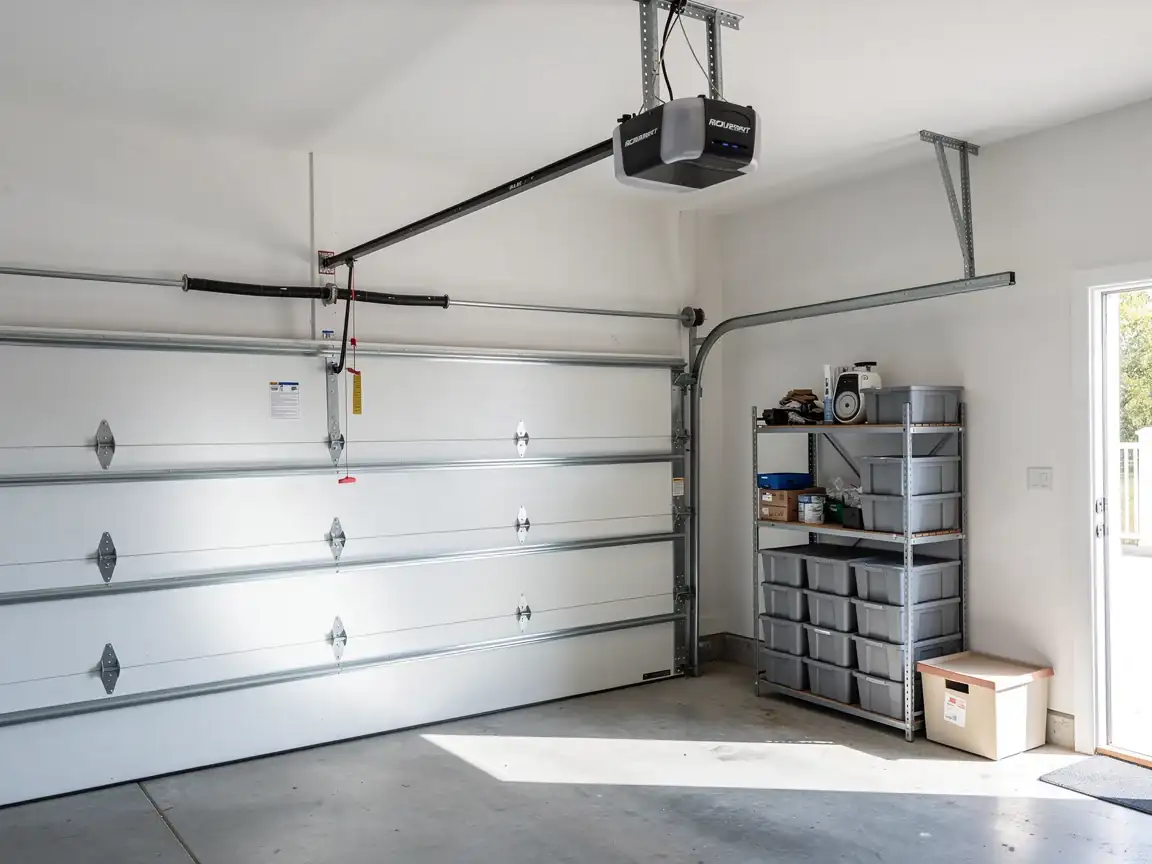
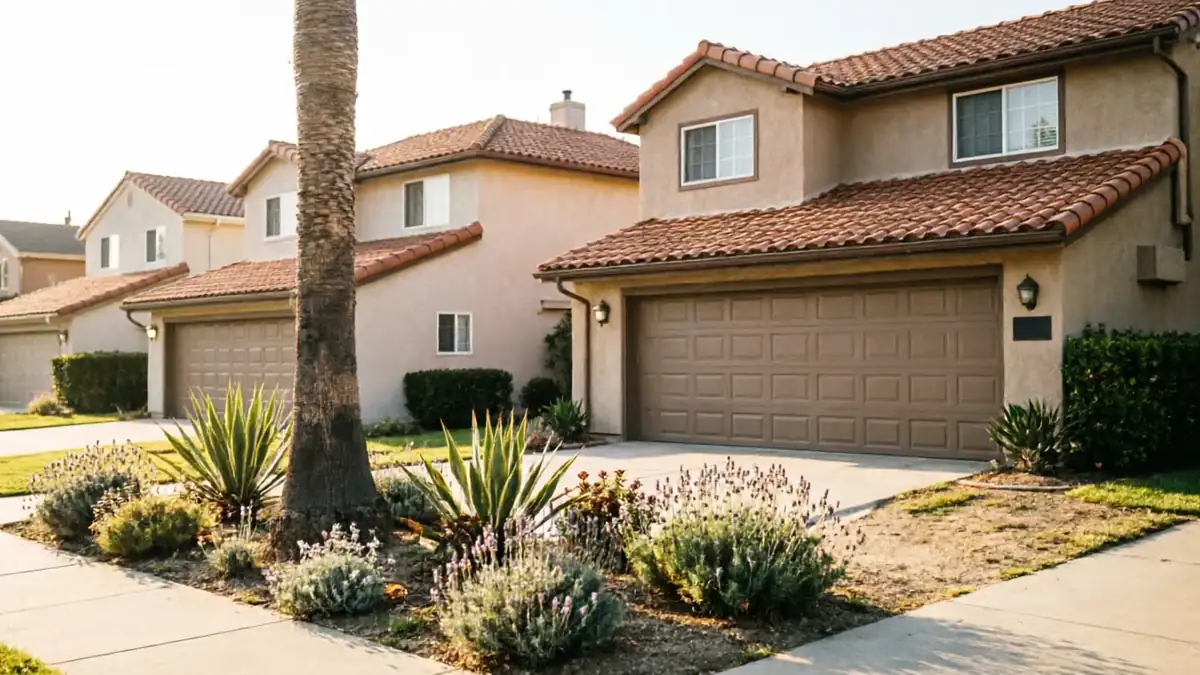
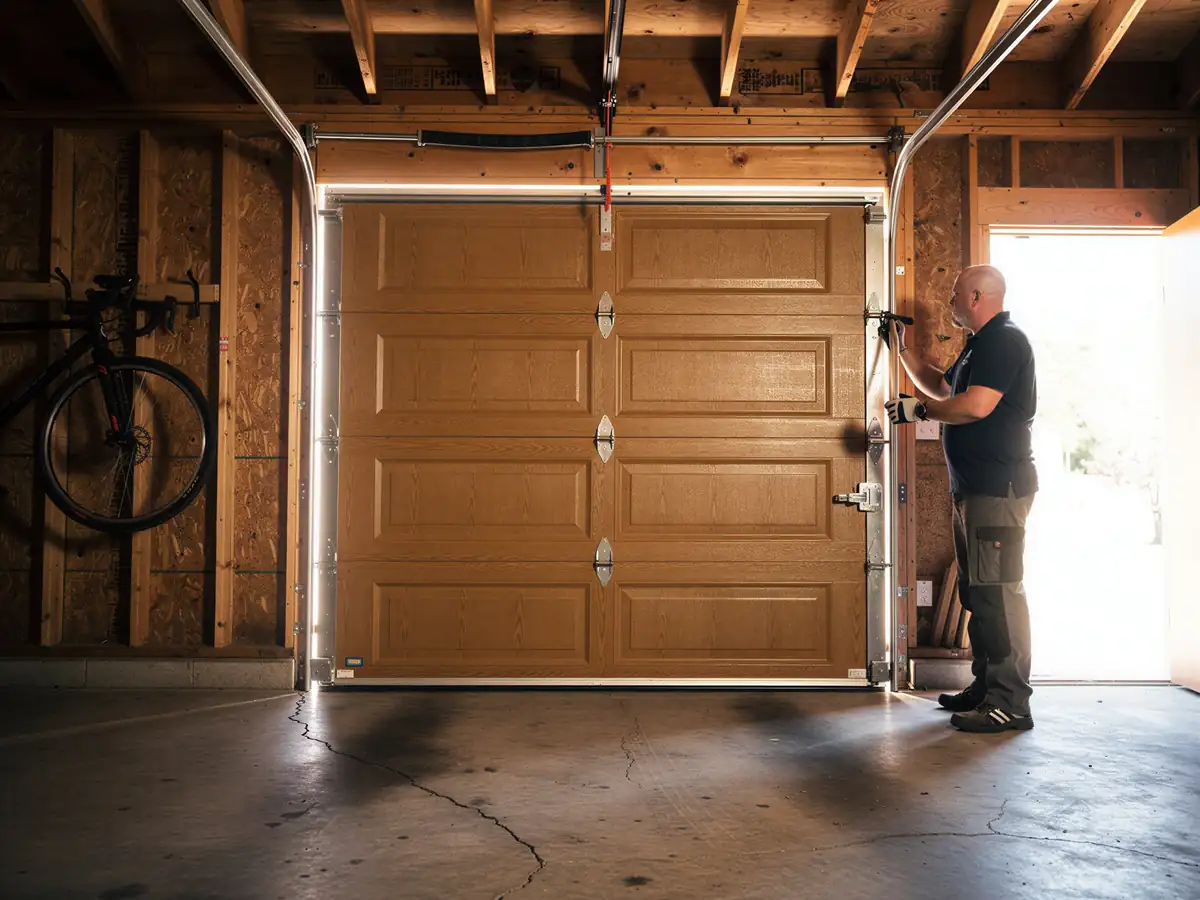
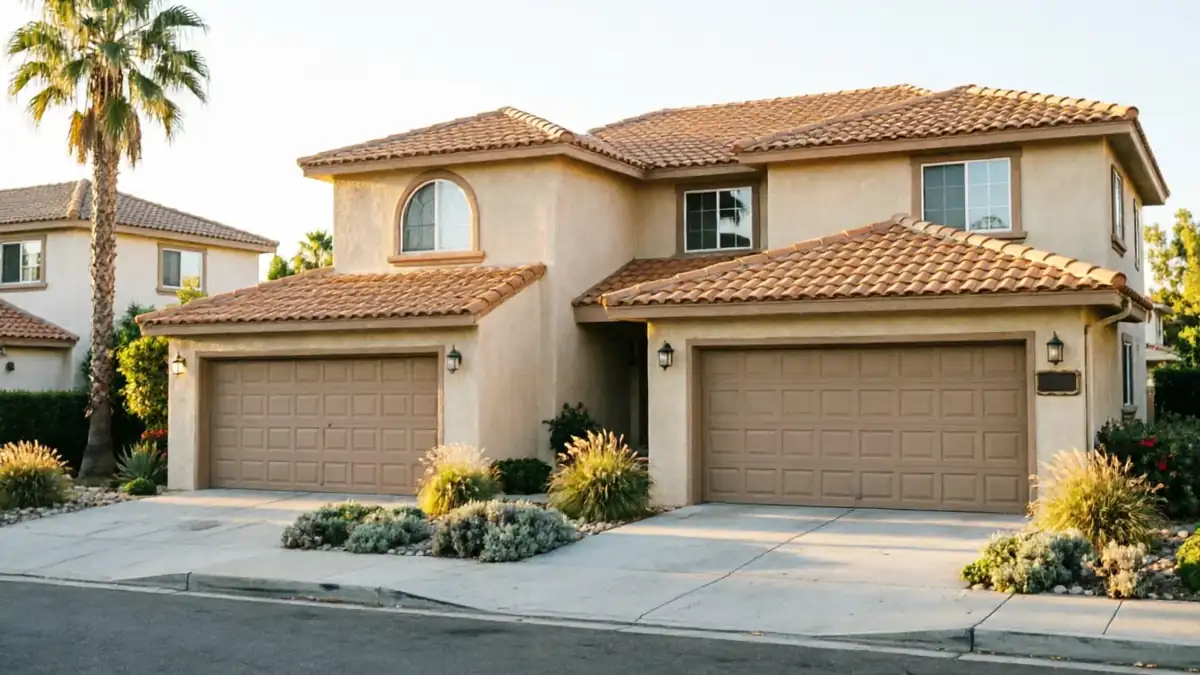
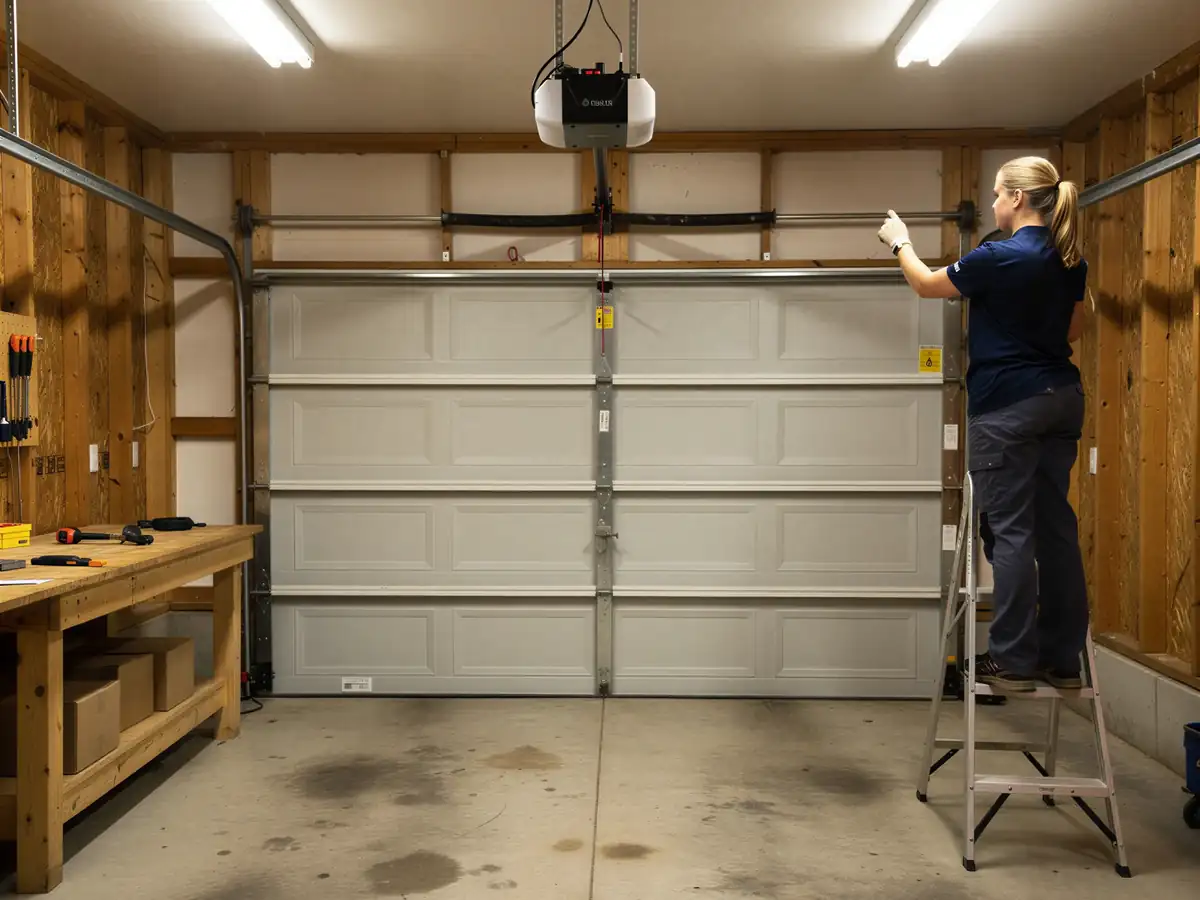
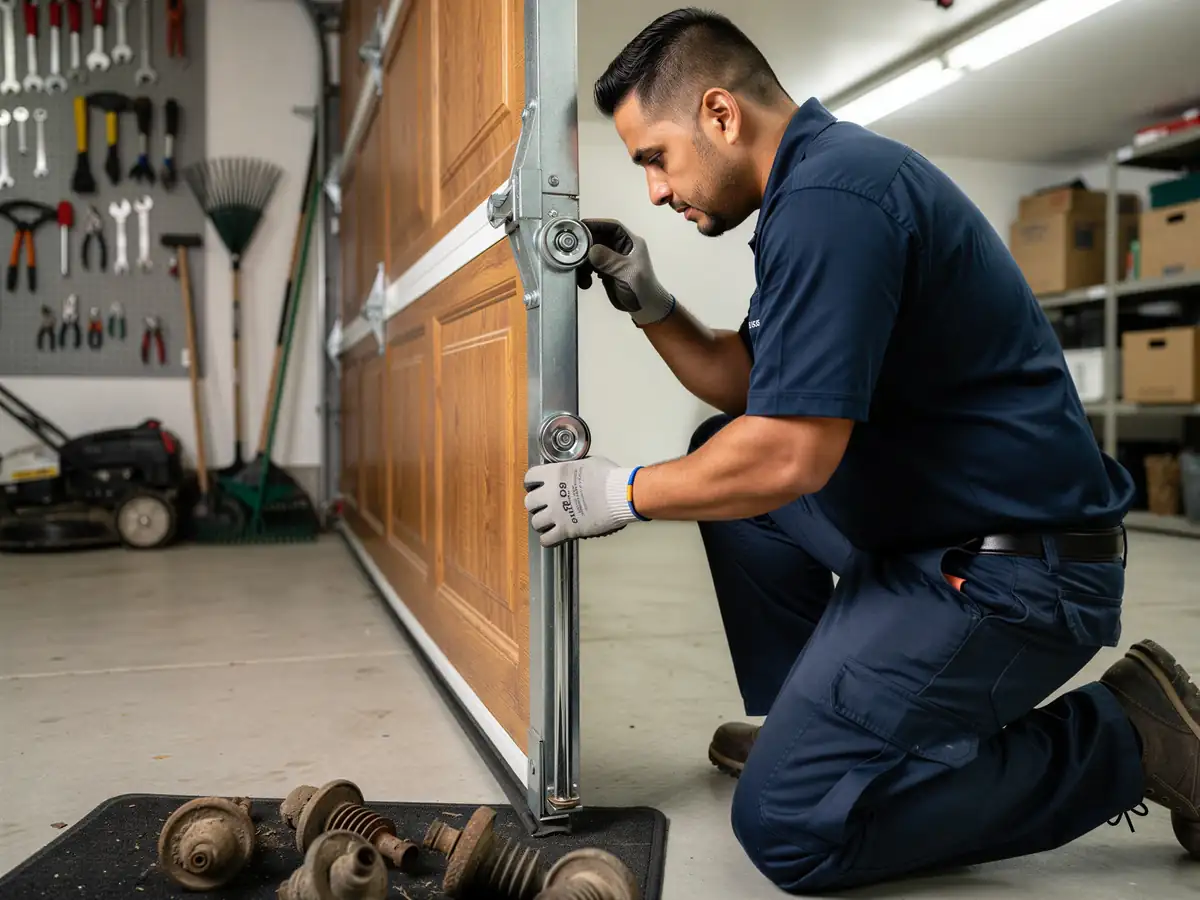
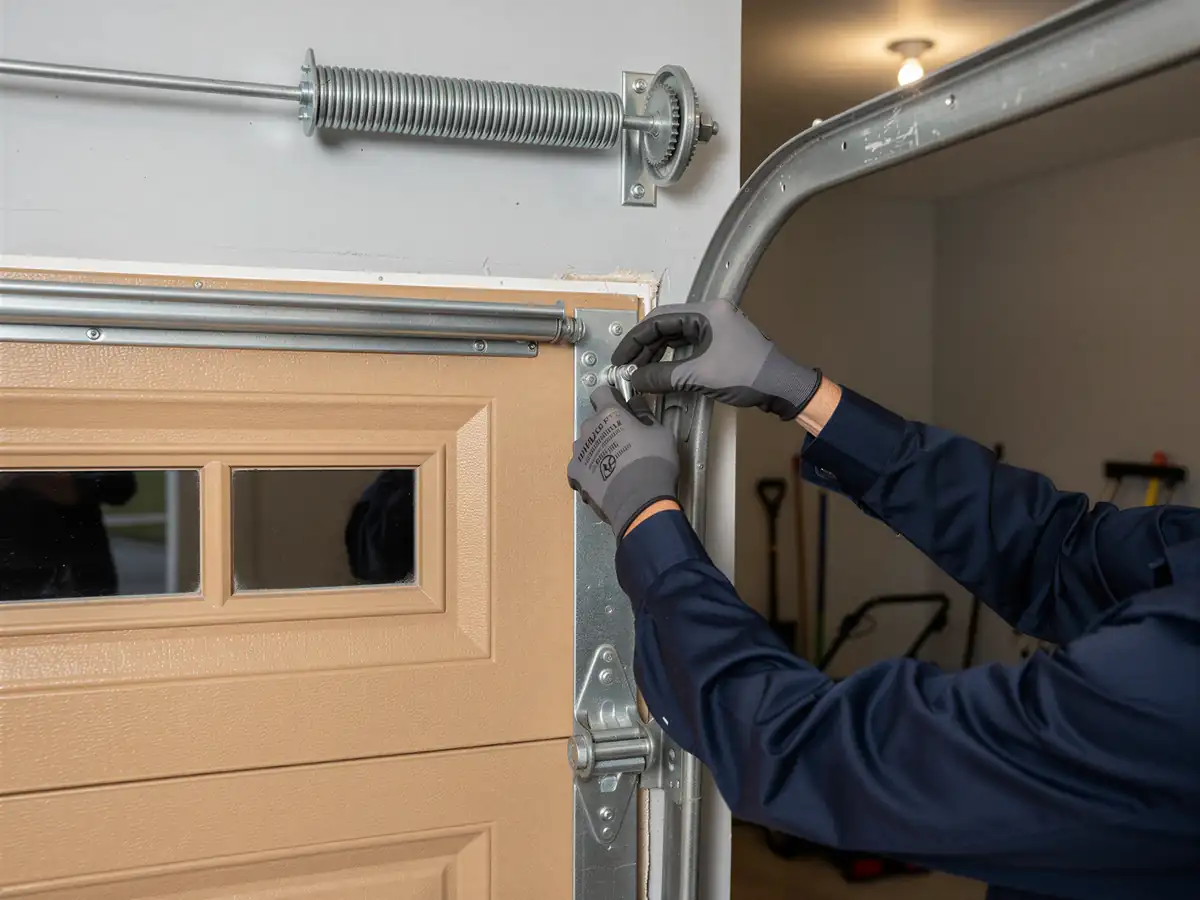
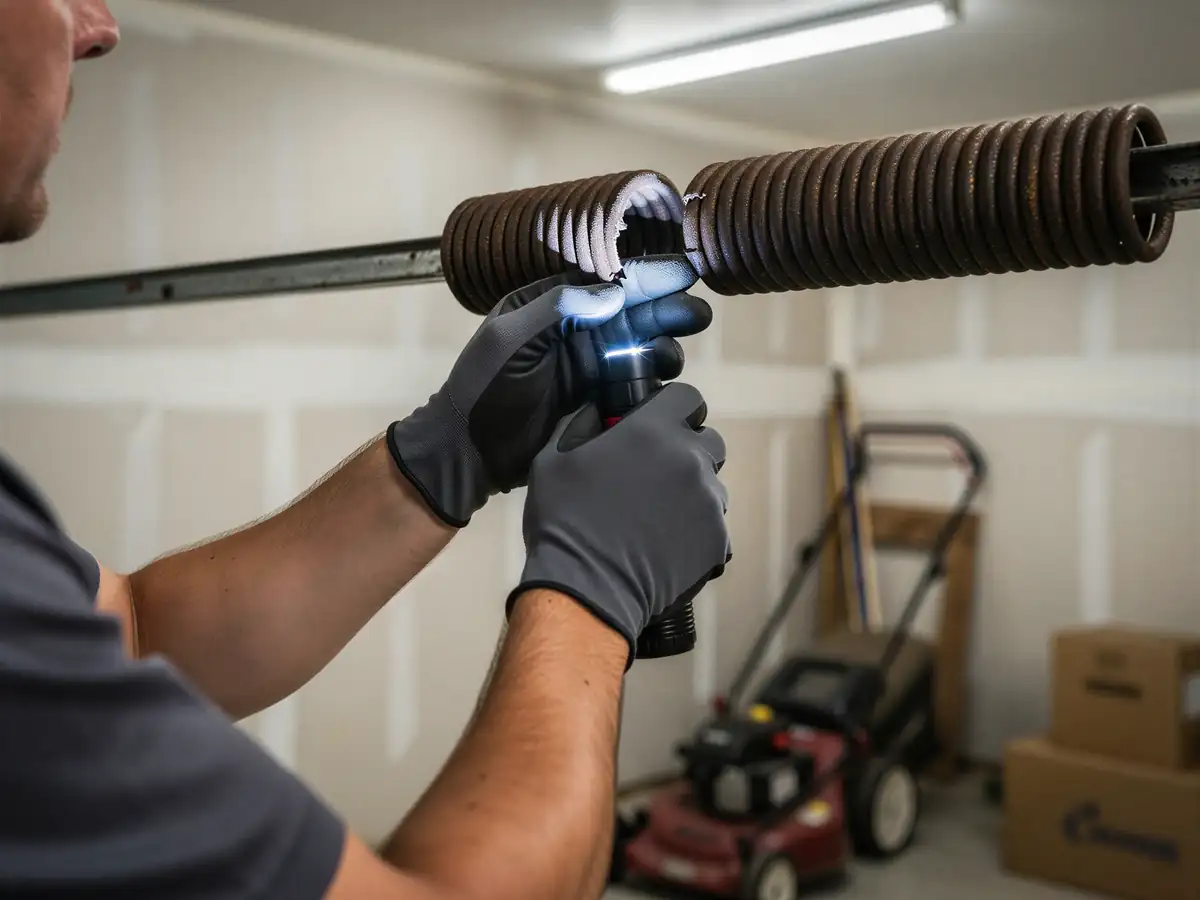
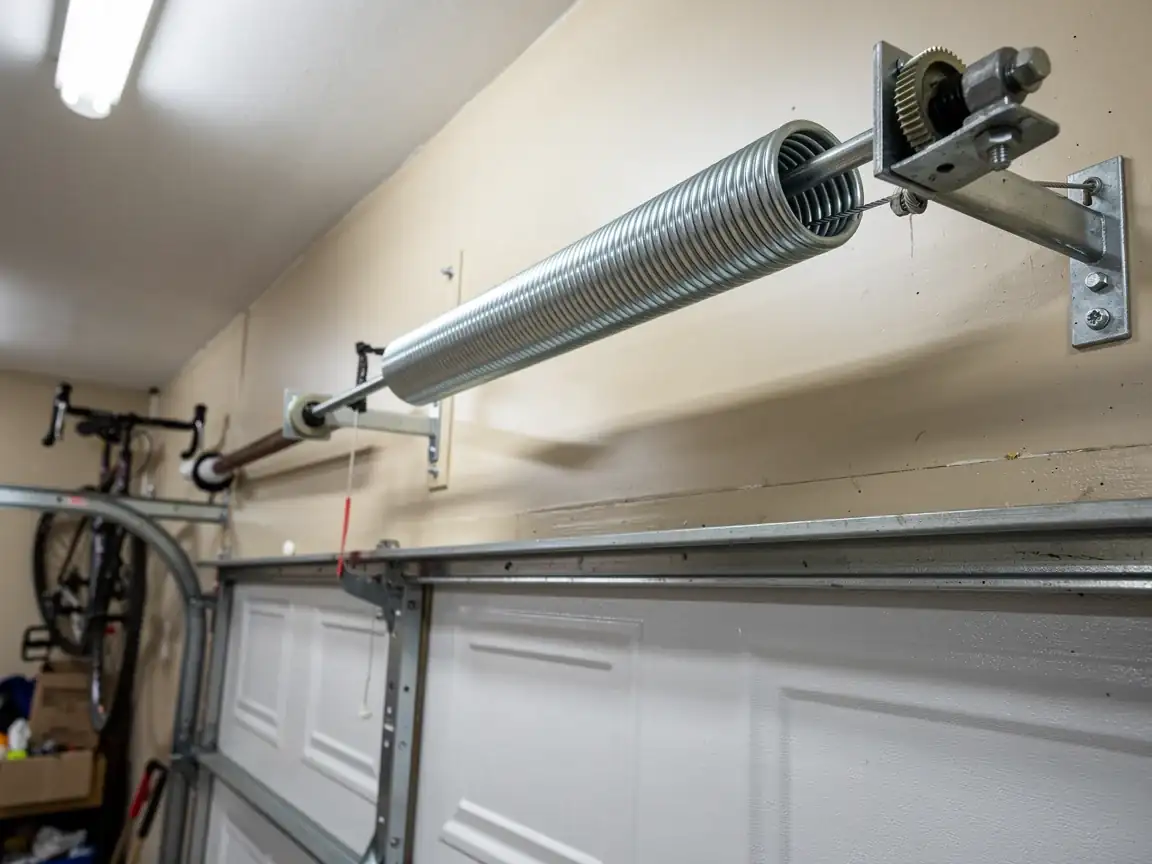
If your door is grinding, dropping unevenly, or the opener strains and reverses before it closes, you're looking at a worn torsion spring, a bent track, or roller hardware that's finally given out. Irvine's housing stock runs from 1938 up through 2015, with a lot of it concentrated in the 1960s-70s build wave that shows up across the 29 named pockets of this city. Houses from that era were built with steel torsion springs and galvanized track rated for a certain number of cycles. After decades of daily openings, those springs lose tension unevenly, and the door starts to sag on one side or slam the last six inches instead of settling. Newer builds near Great Park run different hardware - nylon rollers, heavier-gauge track, sometimes dual springs - so the failure looks different: usually an opener sensor issue or a misaligned safety eye rather than spring fatigue. What you're seeing depends a lot on when your section of Irvine went up.
The Cost of This Job
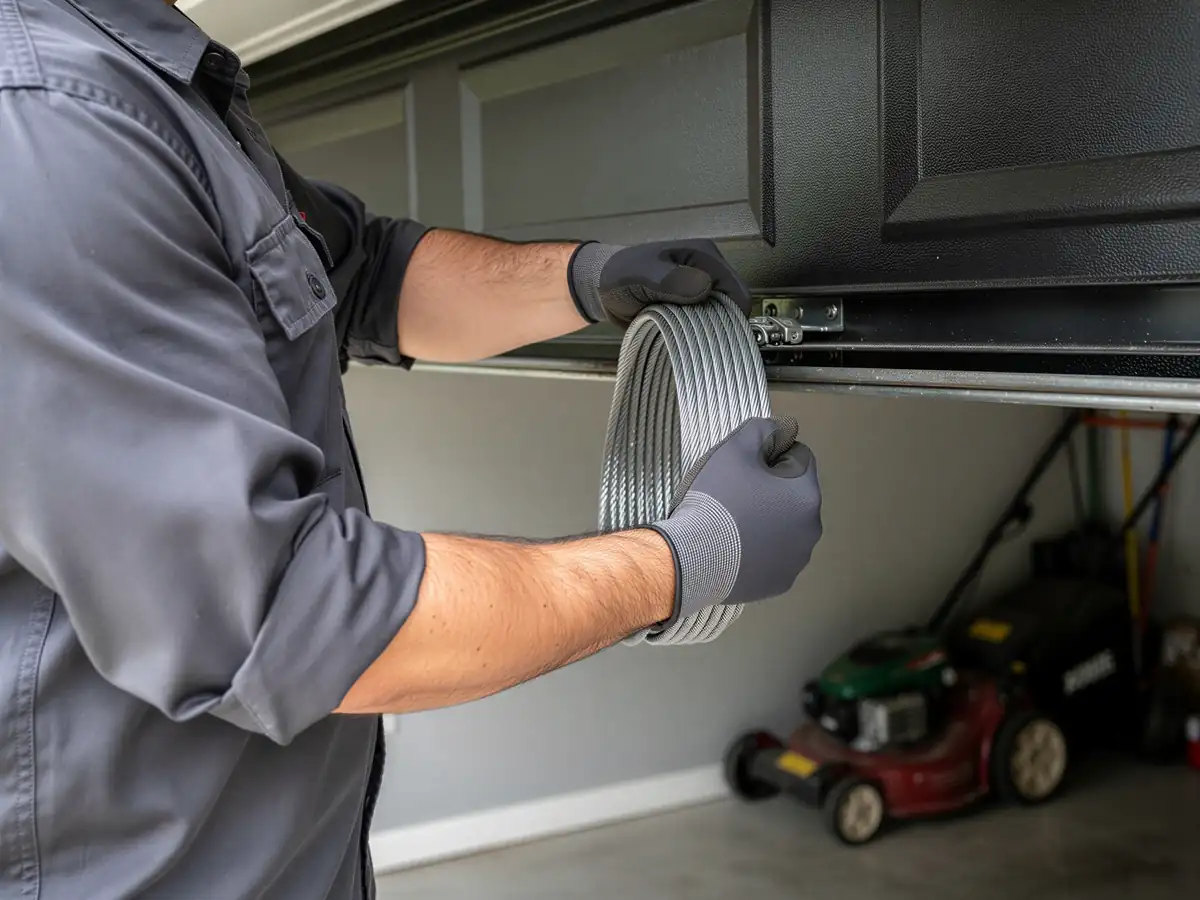
We don't have a flat number to quote here because the job itself varies - a single broken spring on a standard door is a different job than two springs plus a cracked drum, or an opener swap where the old unit no longer has a parts match. What we can tell you is what drives the cost: the age and size of the door, whether it's one spring or a matched pair, and whether the track or rollers need replacing alongside the spring. Houses built in the earlier part of Irvine's 1938-2015 range more often need full hardware swaps rather than a single part, simply because more of the original system has worn out at once. We'll give you the actual number after we look at the door in person, not over the phone. One honest limit: if a door is far enough gone - warped panels, a drum that's been grinding for months, an opener motor that's seized - replacement is usually the better money than patching it, and we'll tell you that straight instead of billing you for a repair that won't hold.
What Causes It Around Here
Irvine sits in a mild temperate band - no deep freezes, no monsoon season - so the failures here aren't weather-driven the way they are in places with hard winters or heavy humidity swings. What drives wear instead is age and cycle count. A median build year around 1976 means a huge share of doors in this service area are on their second or third spring already, and original openers from that era are long past their rated life even if they still technically run. With 128,495 owner-occupied houses across the broader service area and household incomes here averaging $124,167, we see a lot of homeowners who've kept the original door system going well past when they'd have replaced it elsewhere - partly because the mild climate doesn't force the issue the way rust or ice would. The failure shows up as fatigue: a spring that's cycled tens of thousands of times finally lets go, not a dramatic weather event. That's the pattern across the 29 named areas we work, from the older pockets near to the newer stock by Great Park.