How That Shows Up in the Door
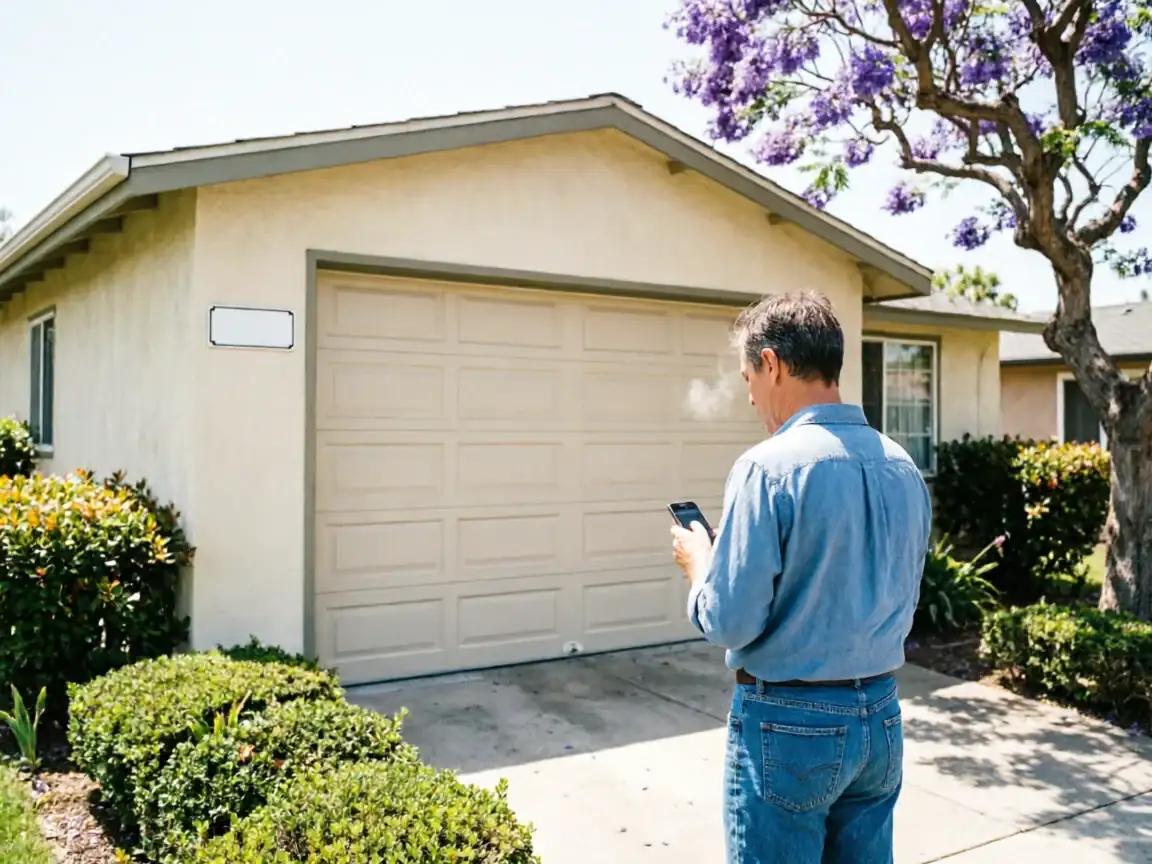
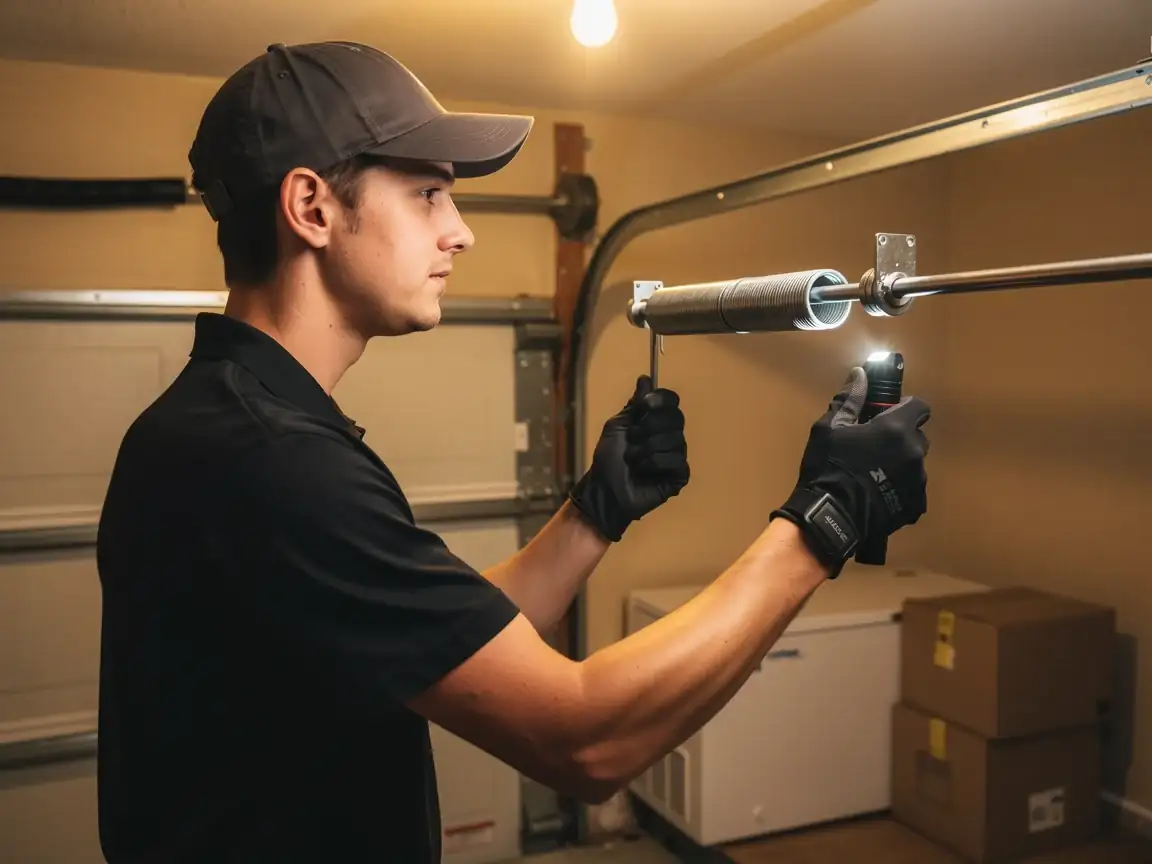
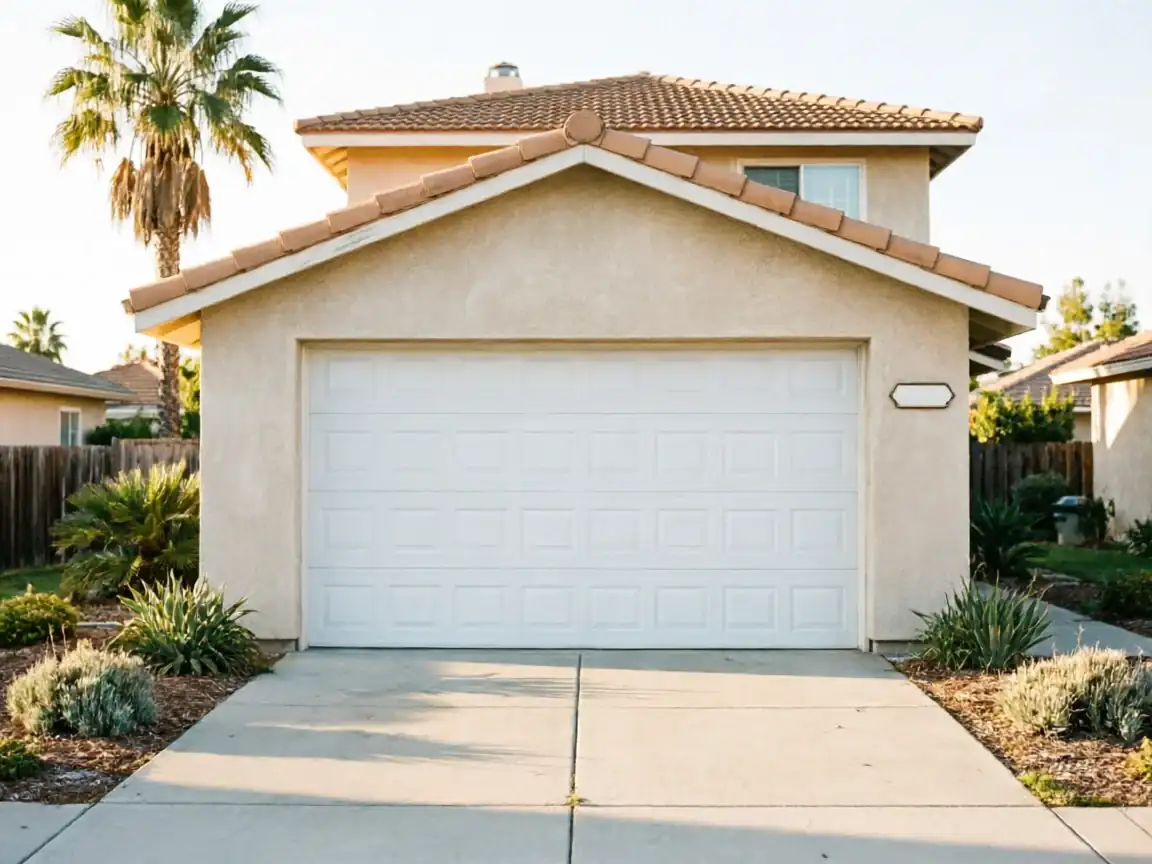
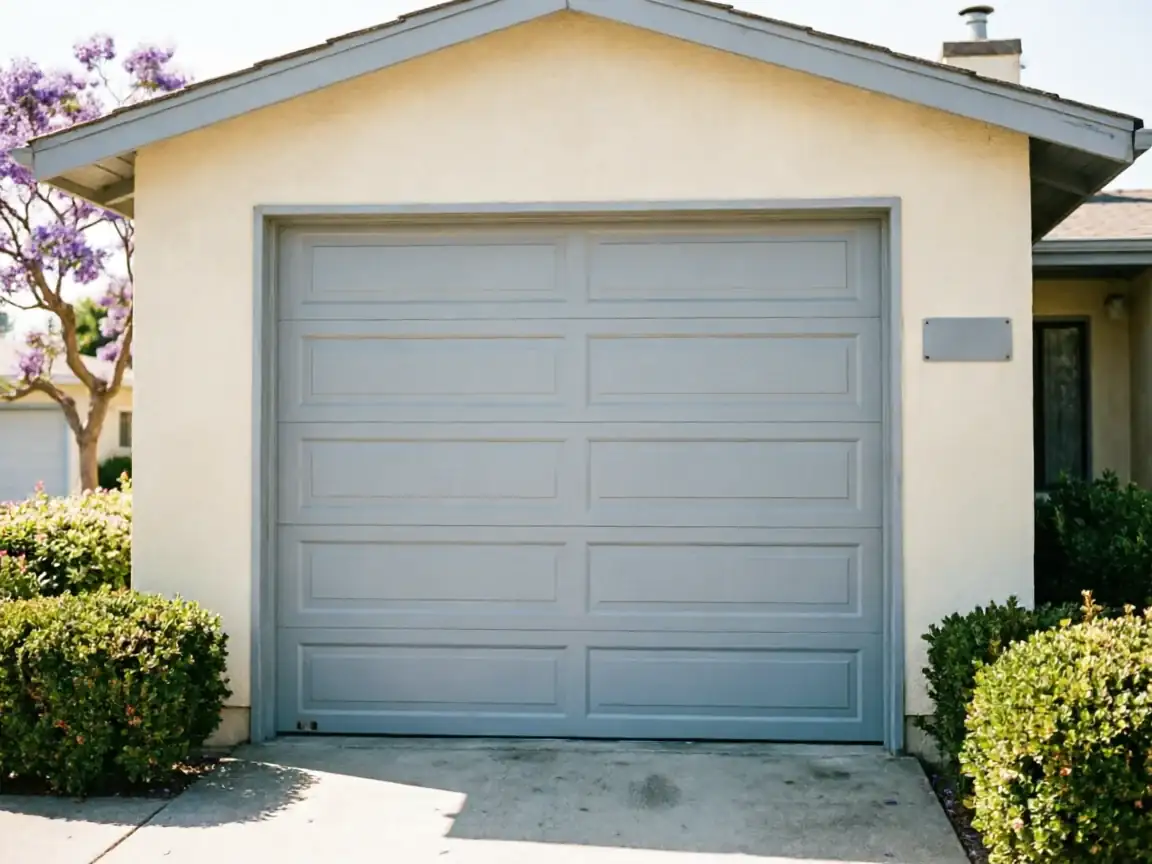
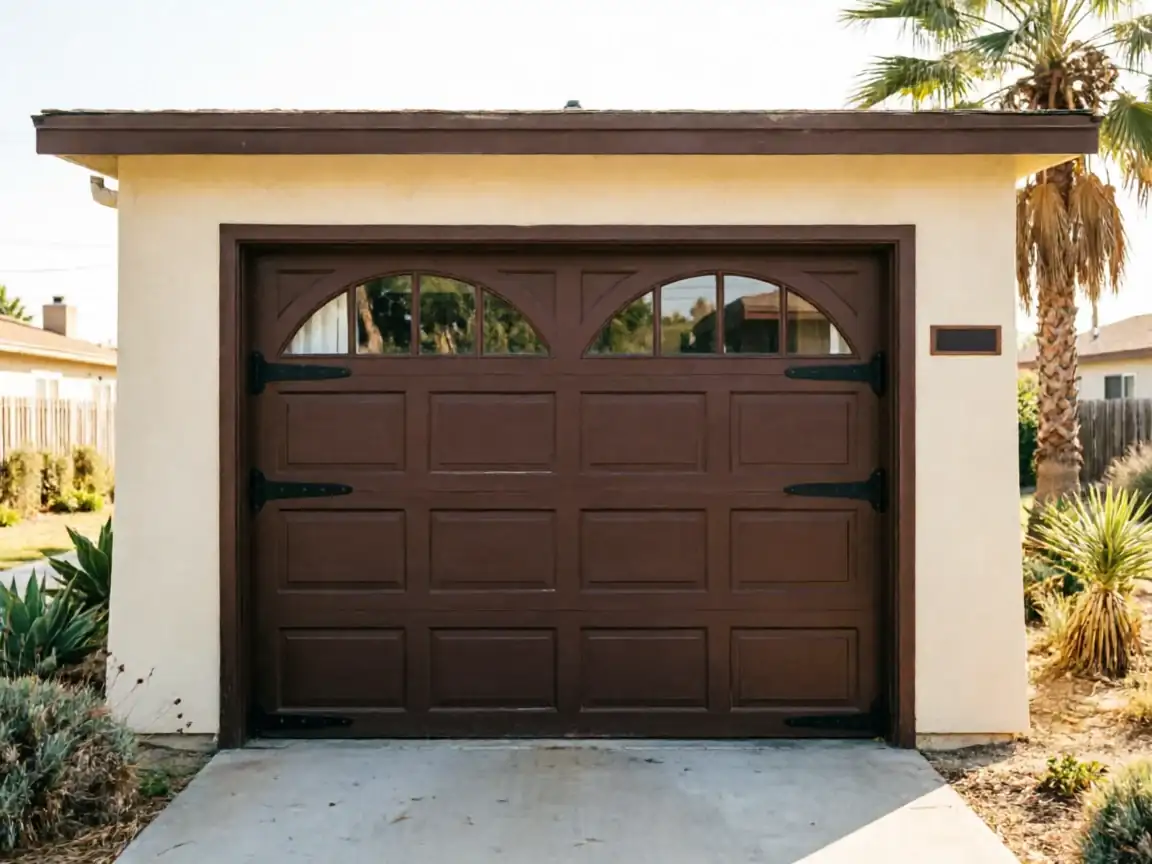
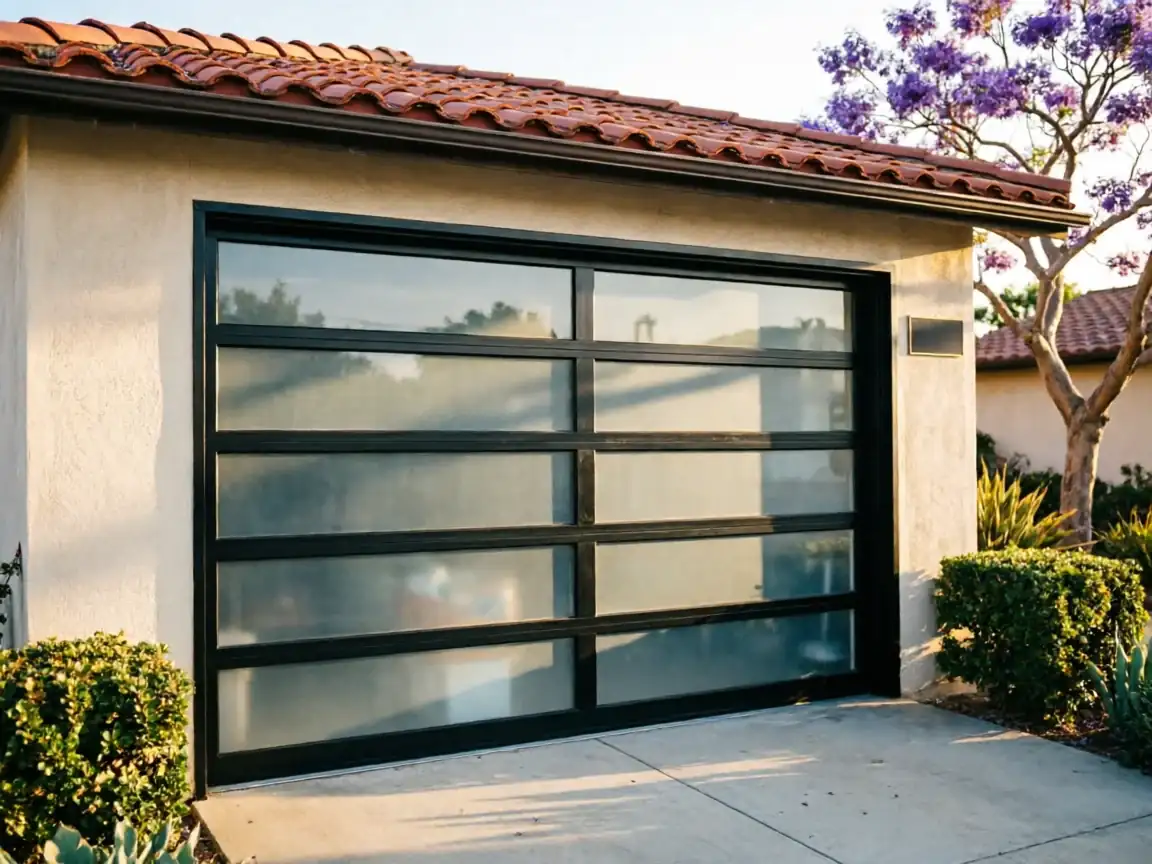
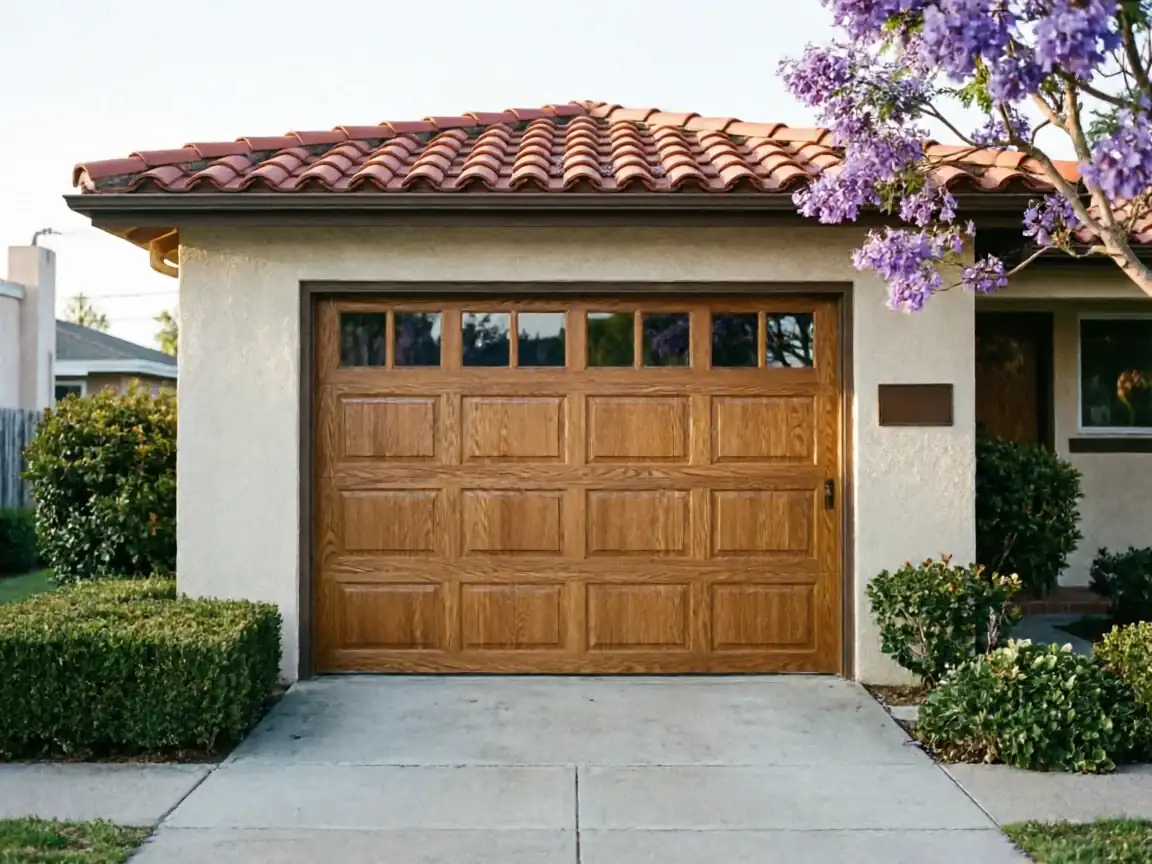
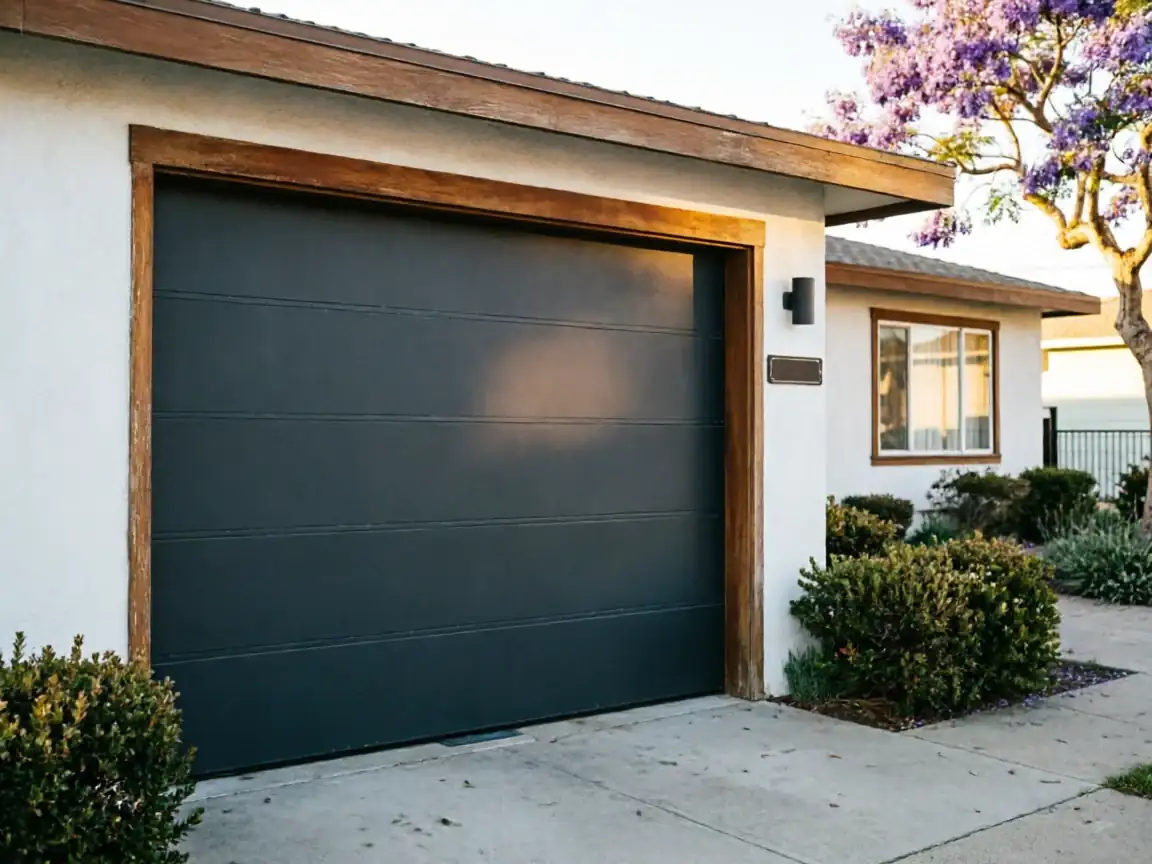
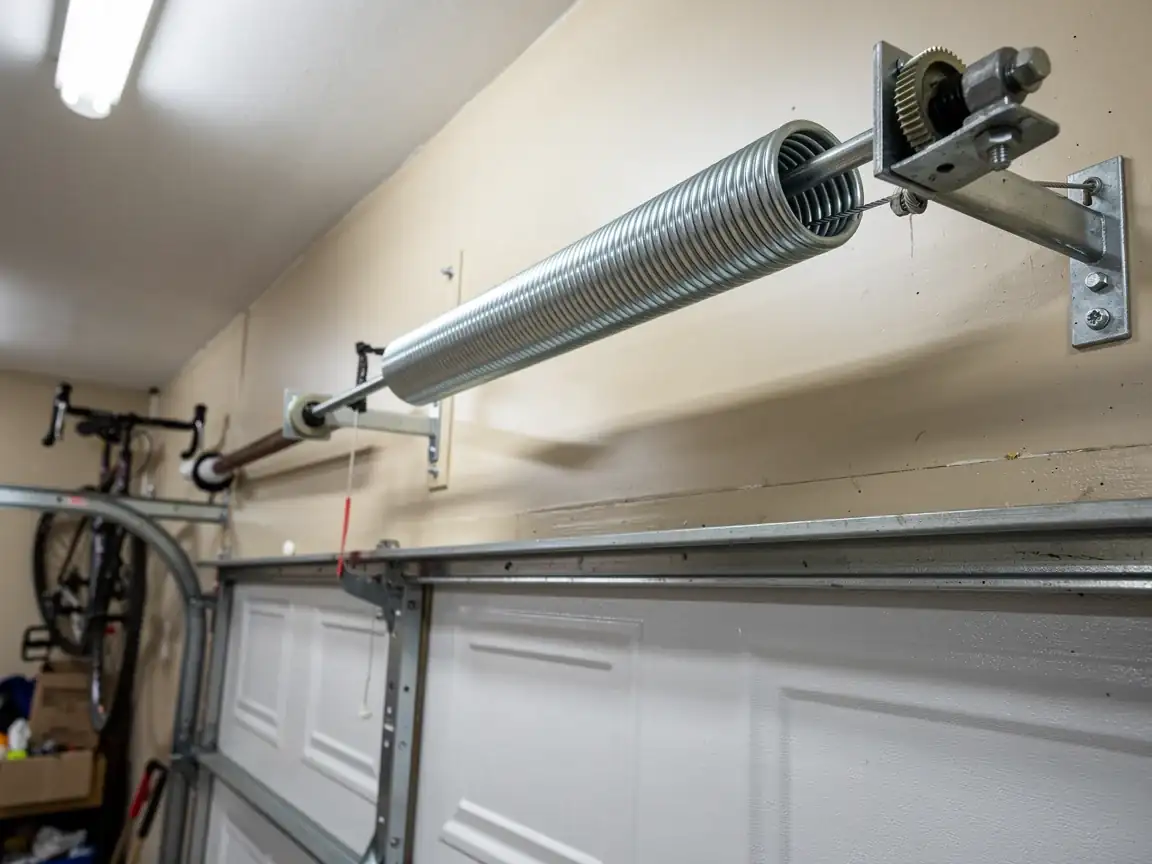
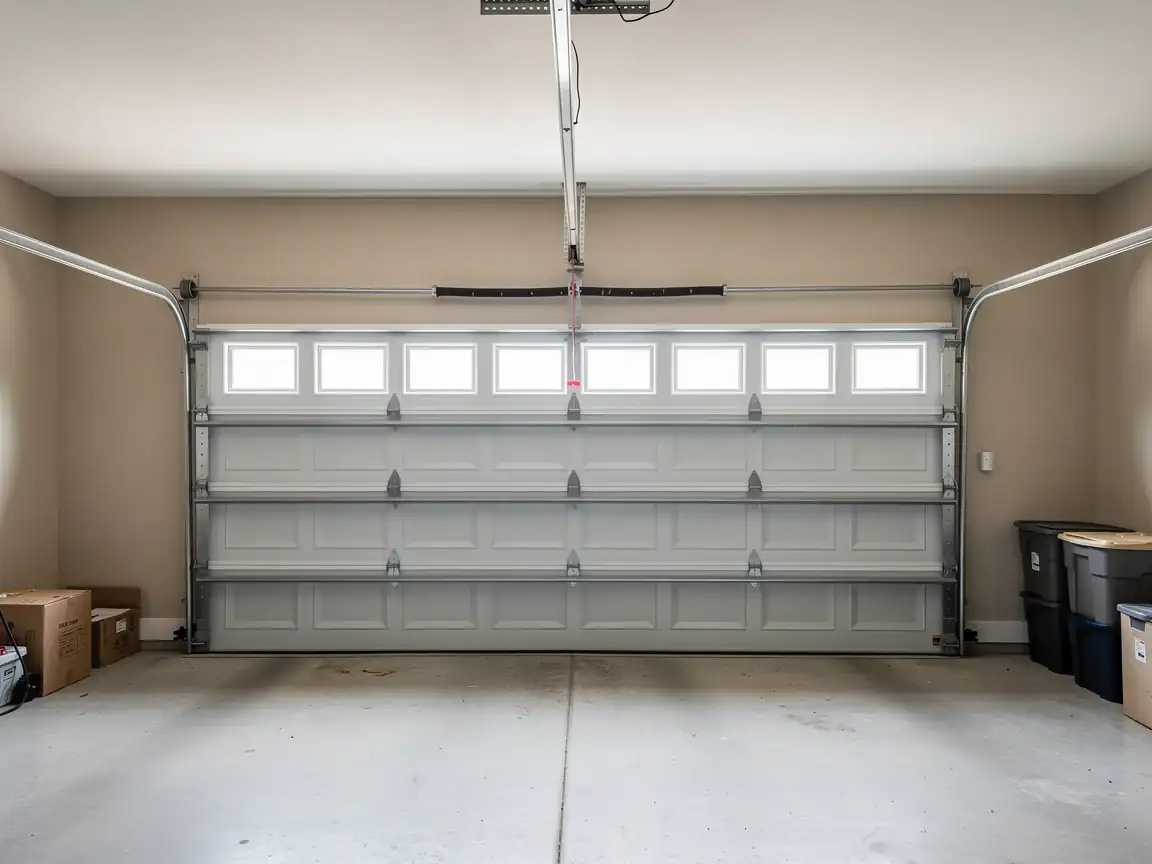
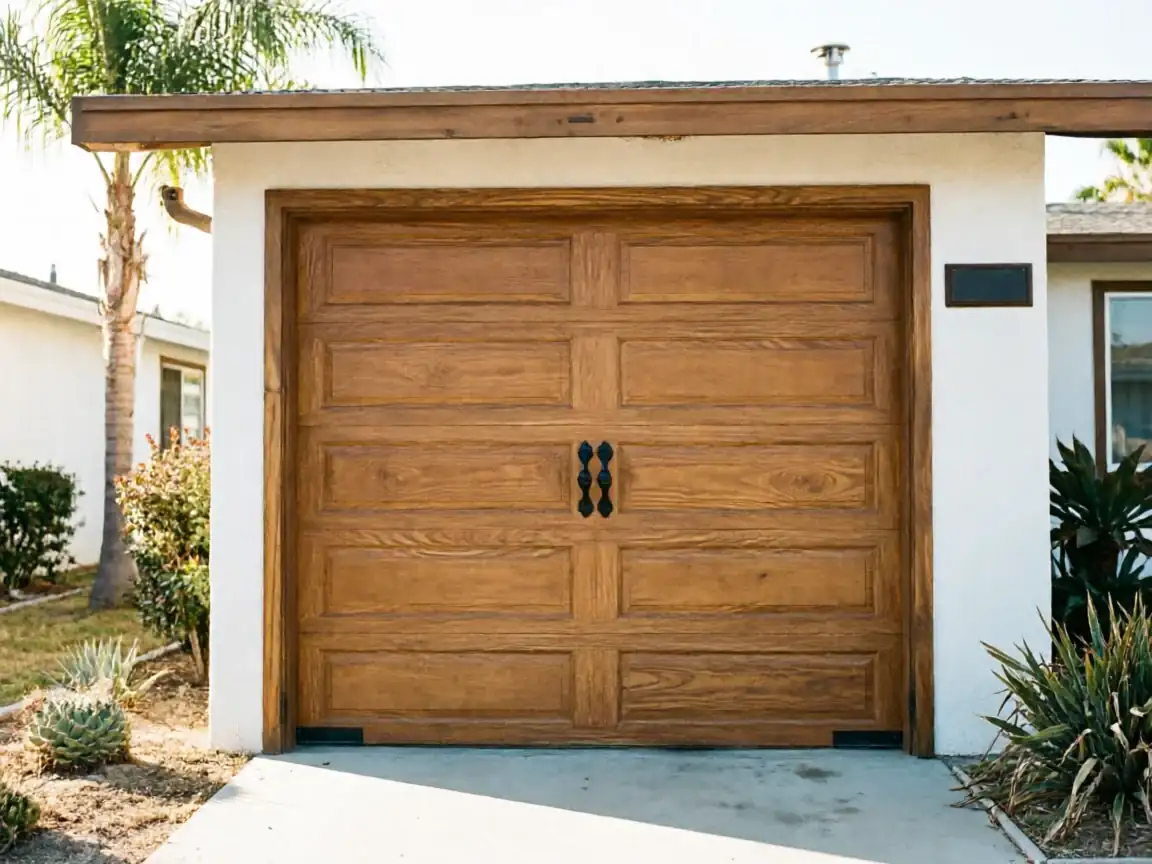
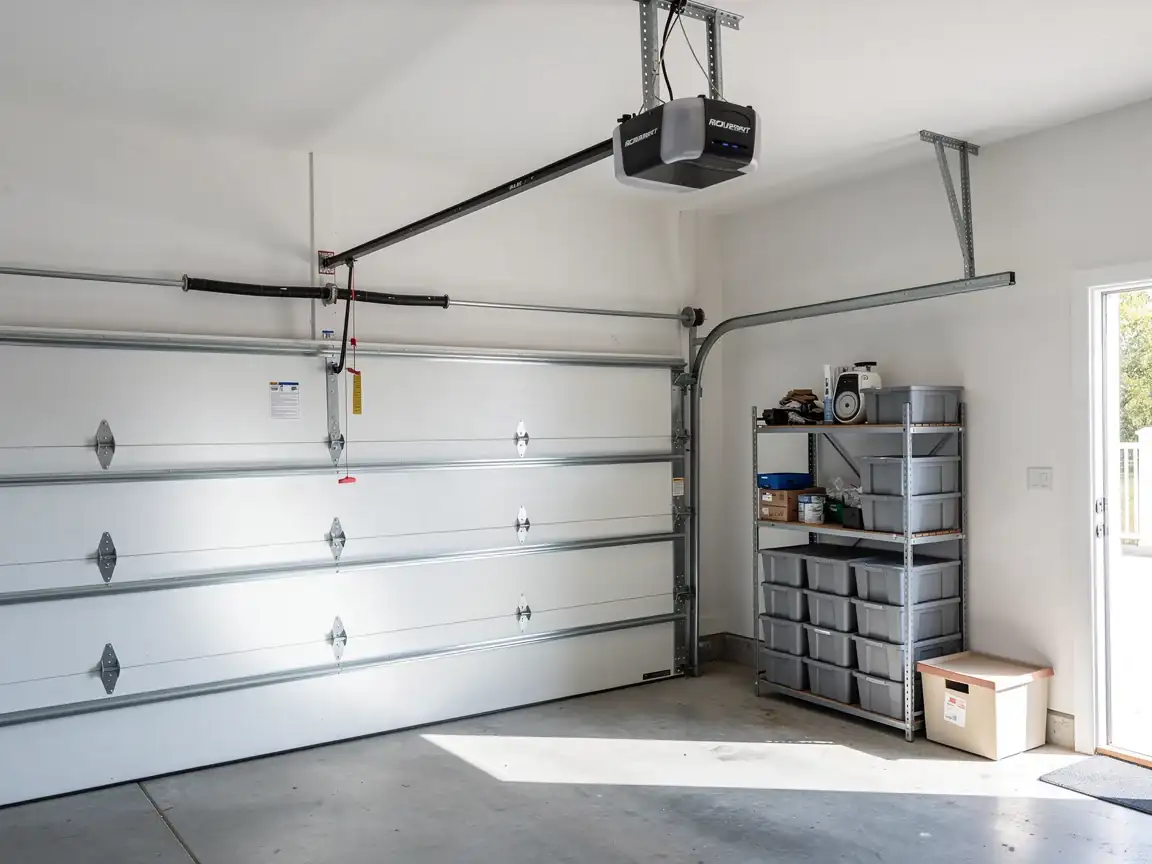
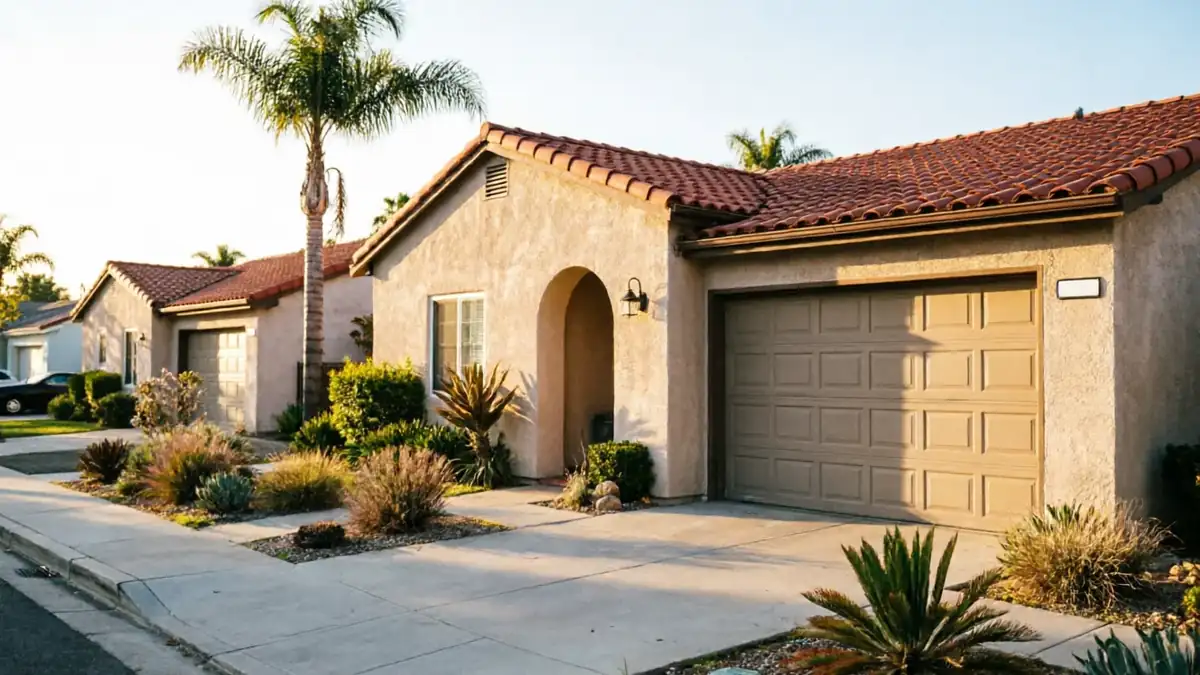
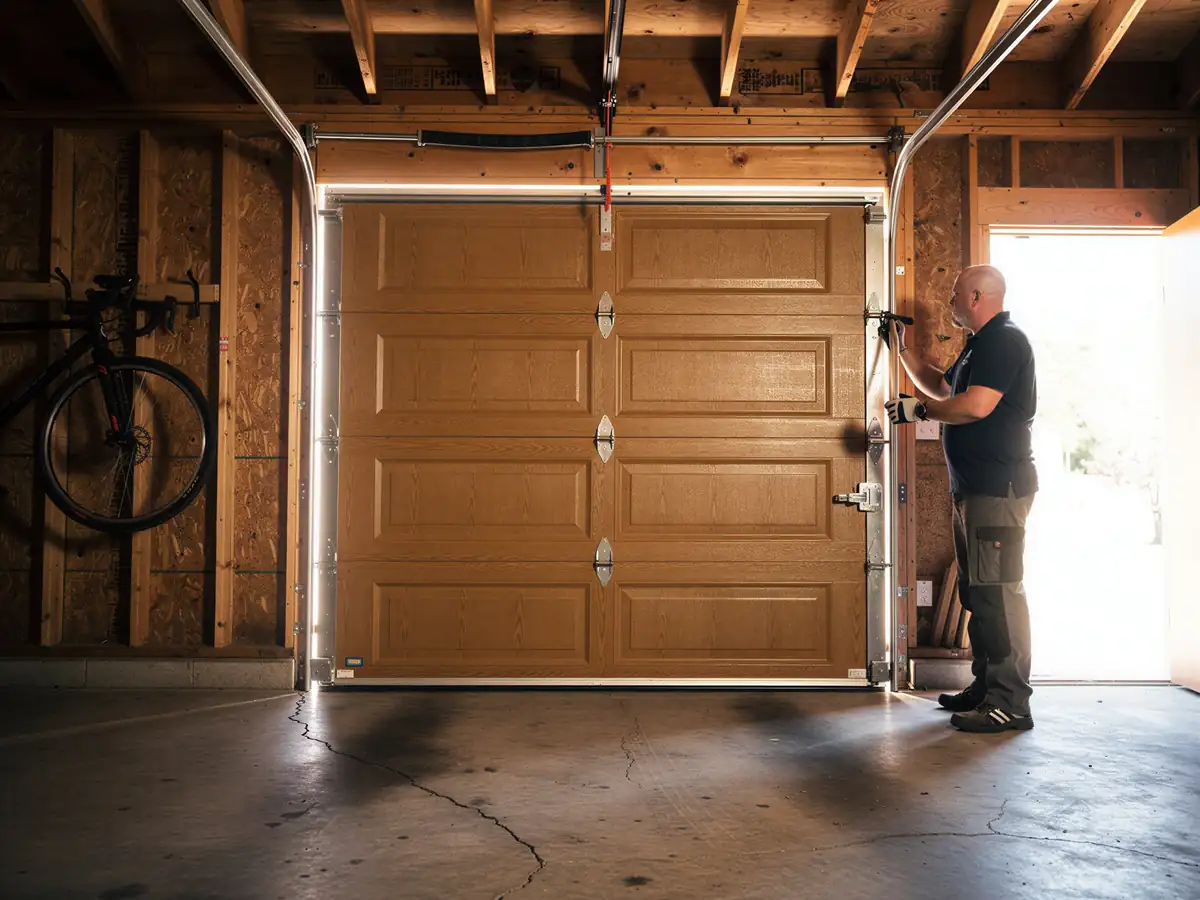
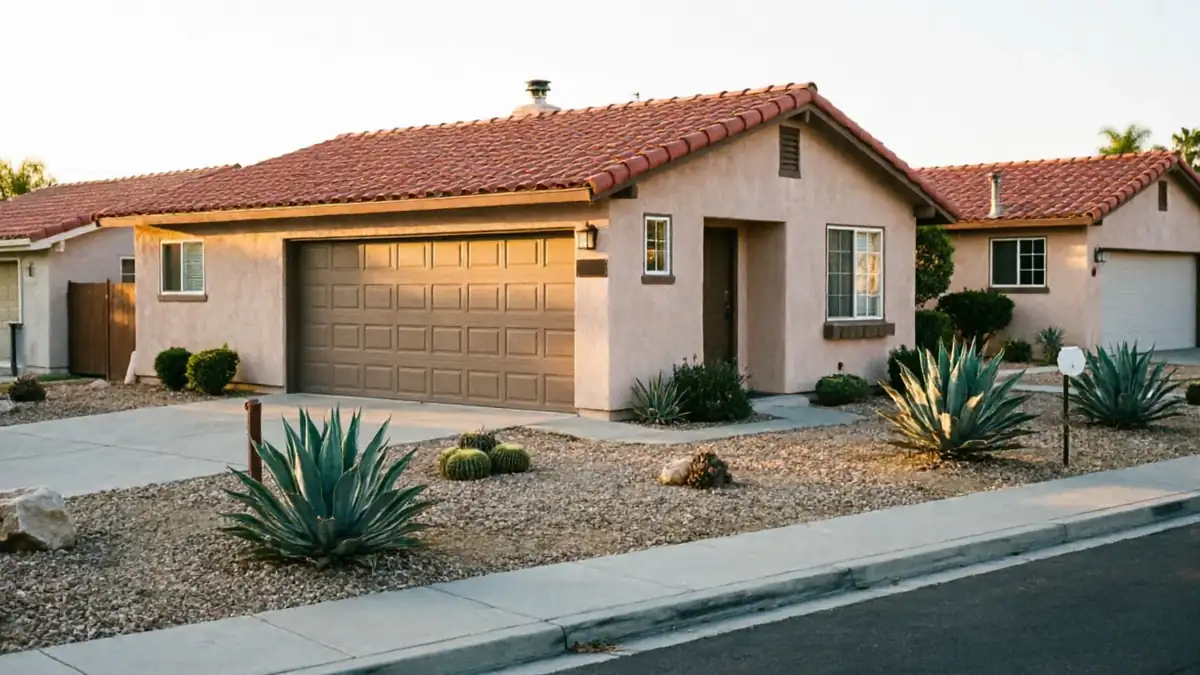
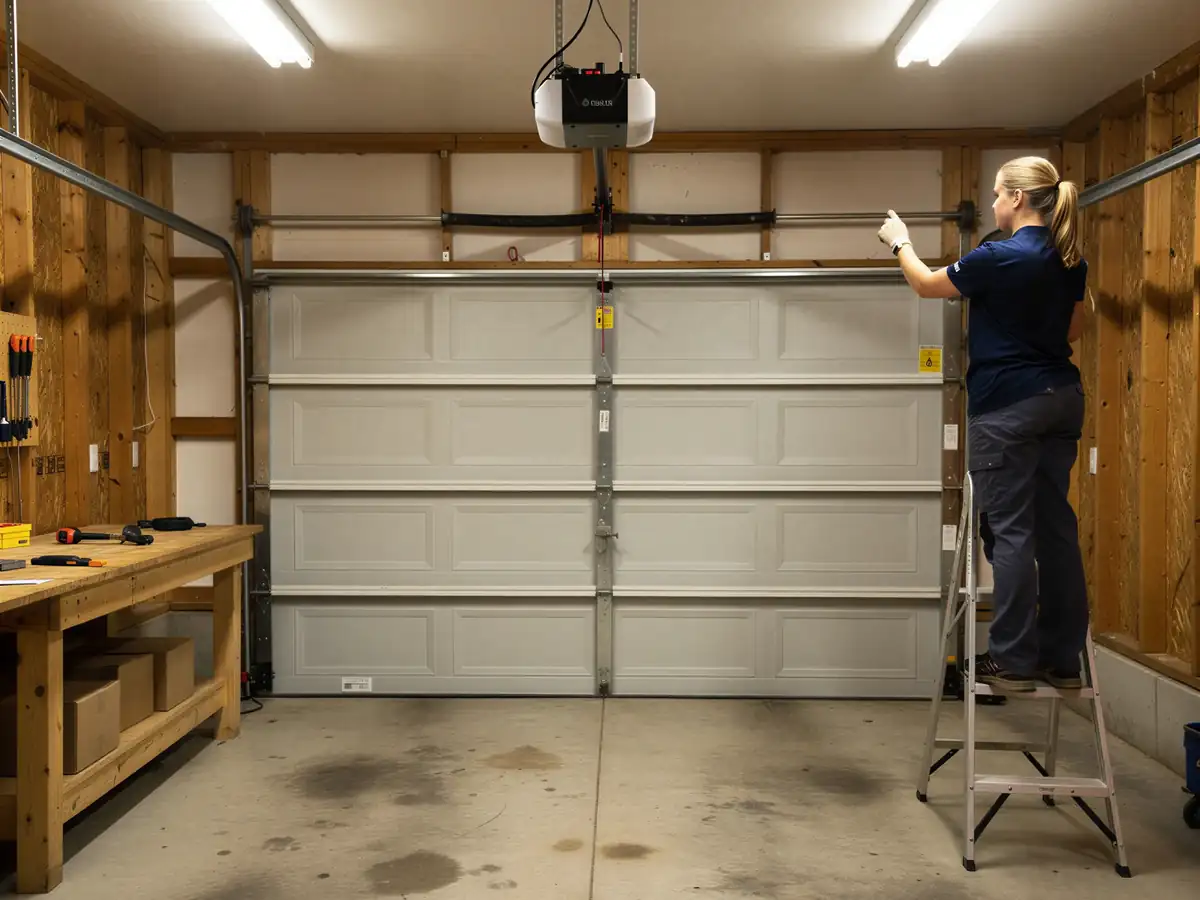
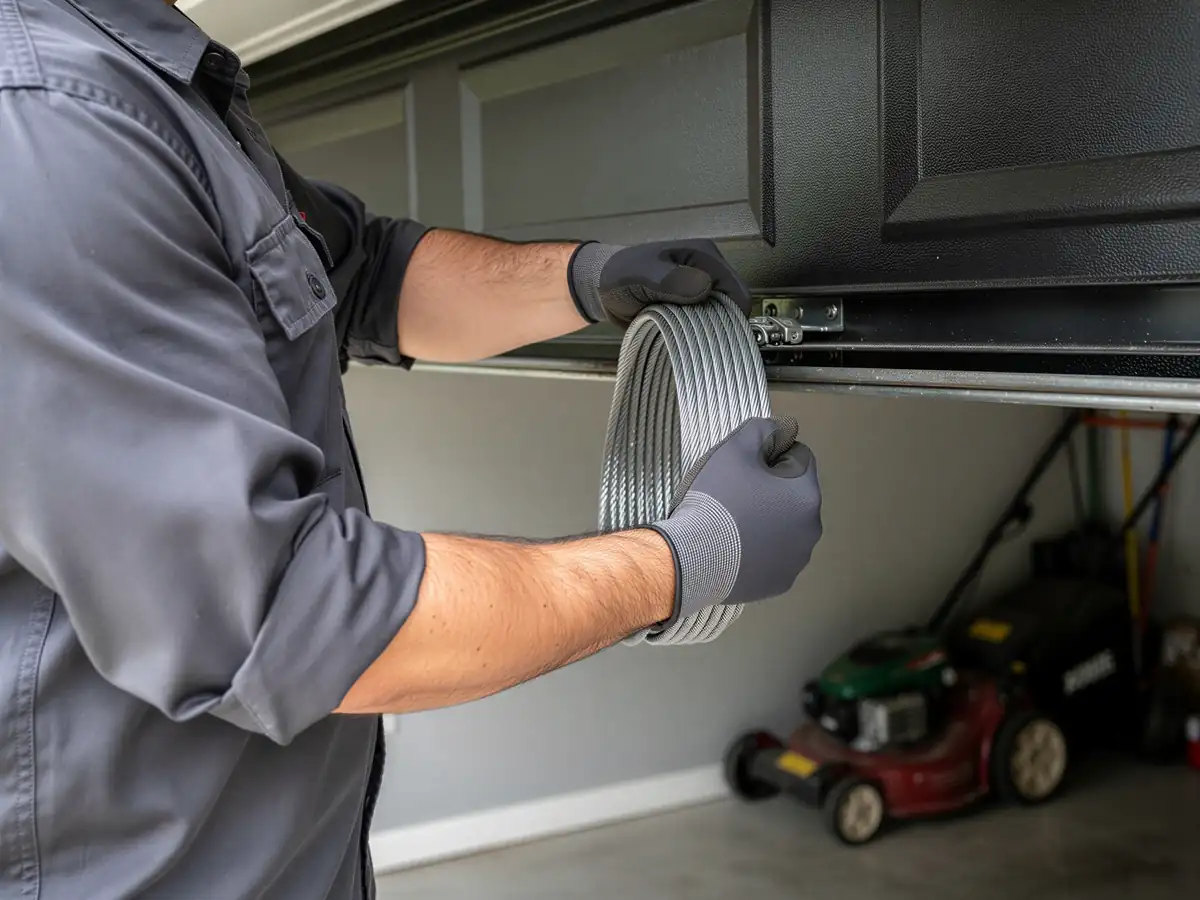
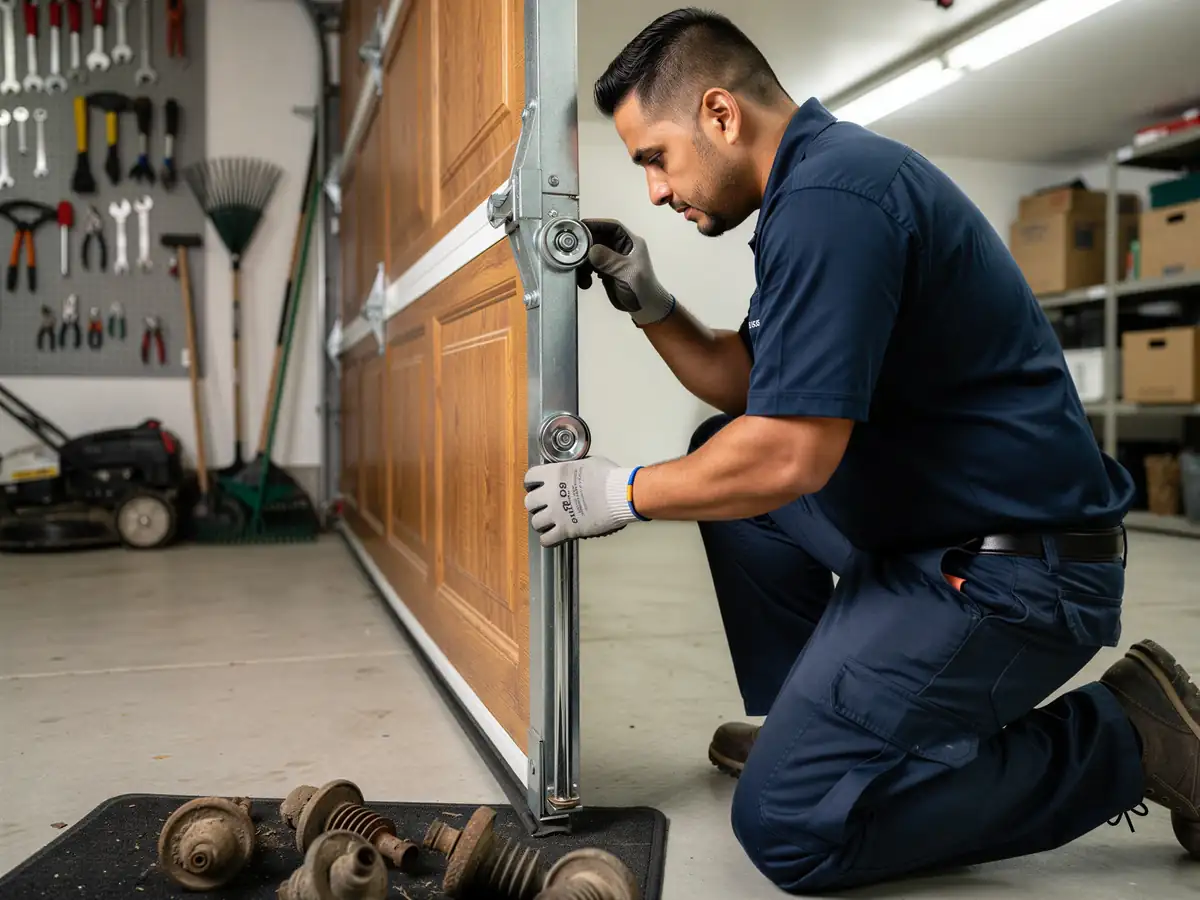
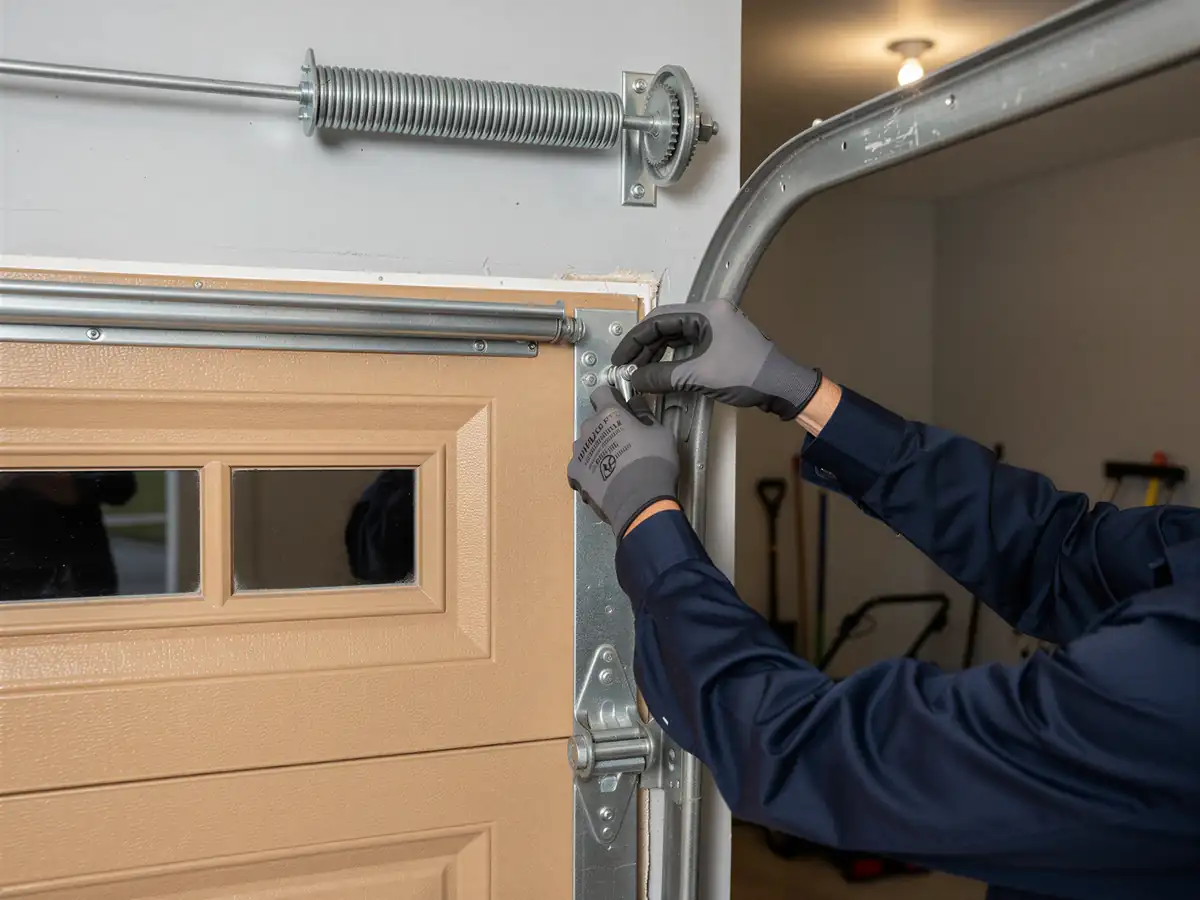
Rancho Santa Margarita isn't an old neighborhood. Most of the housing here went up around 1992, which puts it a full generation past the 1960s and 70s tract construction that makes up a lot of the stock closer to Irvine. That gap matters more than people think. A house built in 1992 almost always came with a steel sectional door on a factory torsion spring setup, not the older extension-spring doors with the side rails and exposed cables that you still find on pre-1970s construction. The openers from that build era were chain-drive units, usually half horsepower, and by now a lot of them are on their second or third logic board, if they haven't been swapped outright. What we don't do is try to match obsolete early-90s panel profiles or colors when a single section gets dented. Builders from that period used door lines that got phased out years ago, and hunting down a matching panel usually costs more in time than just replacing the section run or the whole door. We'll tell you straight when that's the case instead of promising a match we can't deliver.
The Split Between Old and New
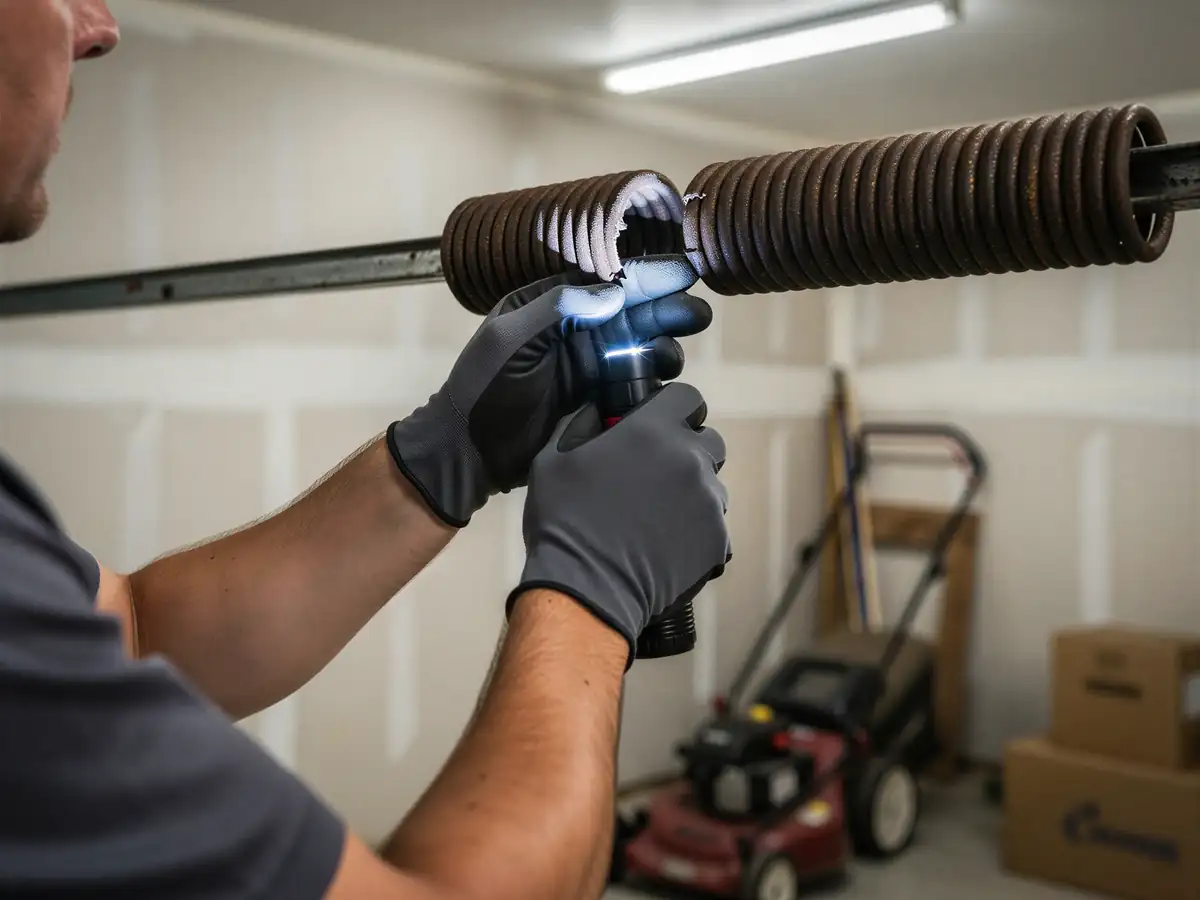
The area's own numbers set it apart from the rest of the service territory. Median household income here runs $146,827, well above the $124,167 figure for the broader area we cover out of Irvine. Rancho Santa Margarita has about 17,042 households, a small piece of the 316,088 households spread across the full service area and its 128,495 owner-occupied houses. What that means on the ground: because the housing here went up in a tighter window, the faults repeat in a predictable way. You don't get the odd mix of 1940s original hardware next to a 2010s remodel that shows up elsewhere. Here it's mostly the same generation of torsion spring reaching end of cycle life around the same time, the same chain-drive openers losing their gears, the same steel doors starting to rust at the bottom panel seam. That consistency actually makes diagnosis faster. We're not guessing whether a house got a retrofit halfway through its life. The split between old and new in this service area isn't really about this neighborhood versus another neighborhood - it's about this neighborhood's single, narrower build era against the wider range the rest of the territory carries.
This Area's Housing
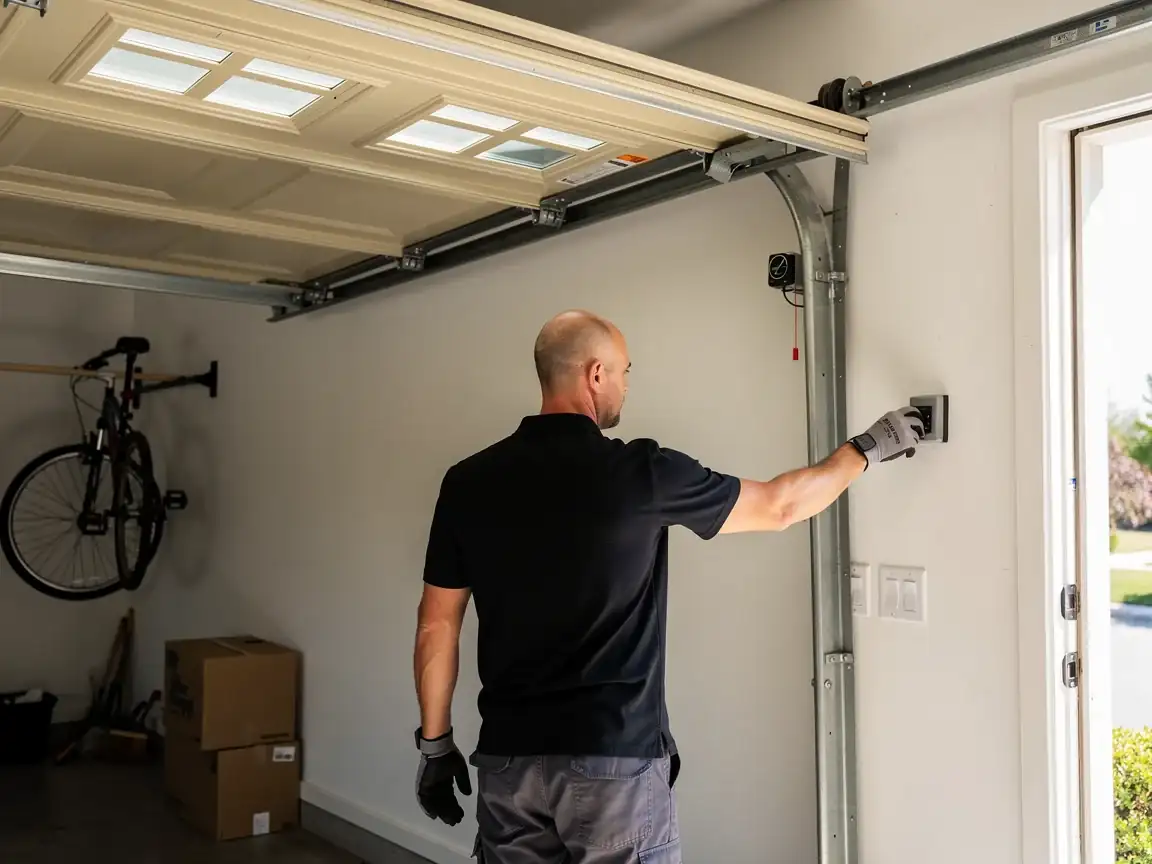
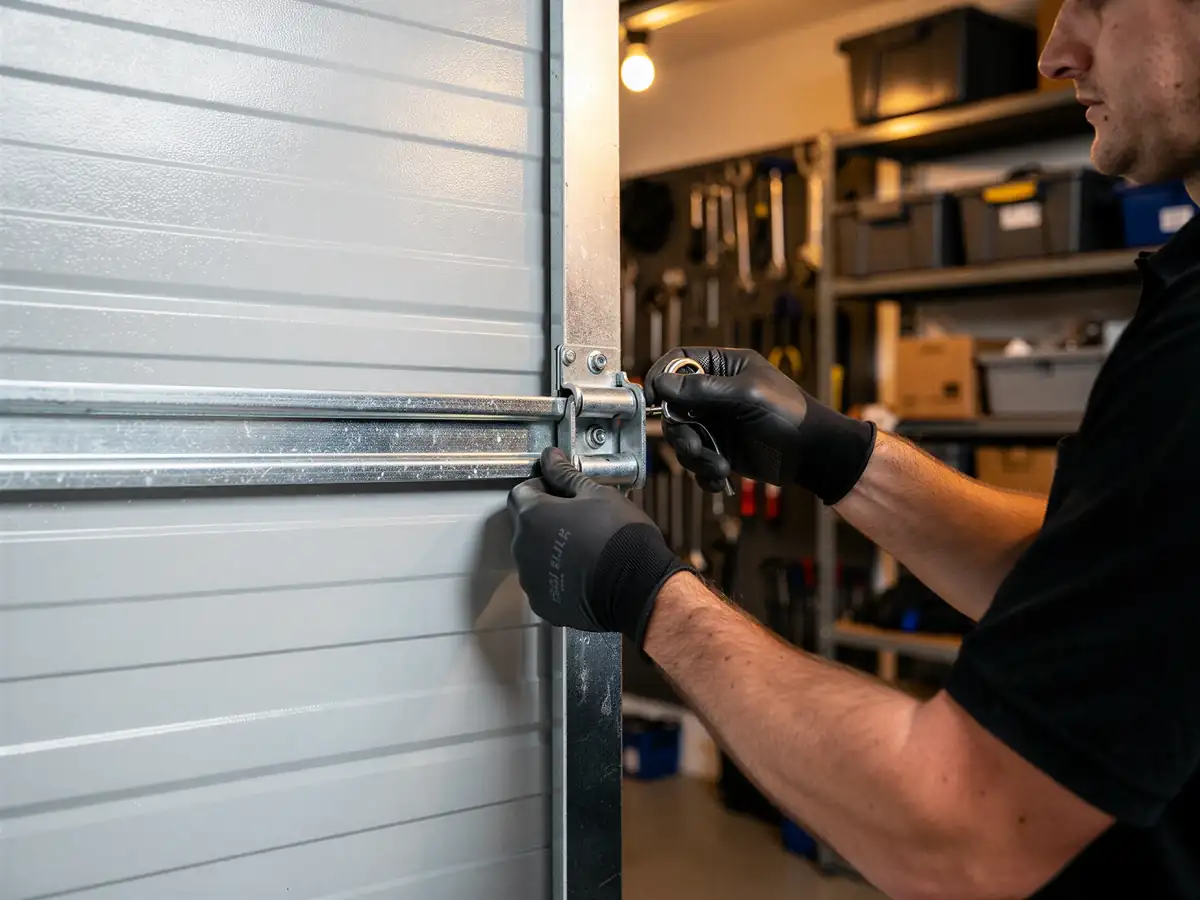
With roughly 17,042 households and a median build year around 1992, Rancho Santa Margarita's housing stock is more uniform than most of the territory we cover. That means fewer surprises on a service call. Door openings tend to follow the standard sizes builders used in that era, torsion spring setups are factory-installed rather than retrofitted, and most openers are chain or belt drive units from the 1990s through early 2000s, many of which are now well past a reasonable service life. The $146,827 median household income here is the highest contrast point against the wider service area's $124,167, and in practice that shows up as more replacement jobs relative to patch repairs - homeowners here are more likely to replace an aging opener outright than keep nursing it. We still check the simple stuff first: track alignment, roller wear, cable fray. Not every call needs a new unit. But when a system is pushing three decades old, replacement often makes more sense than another repair, and we'll say so rather than stack a fix on top of a door that's near the end anyway.