What Causes It Around Here
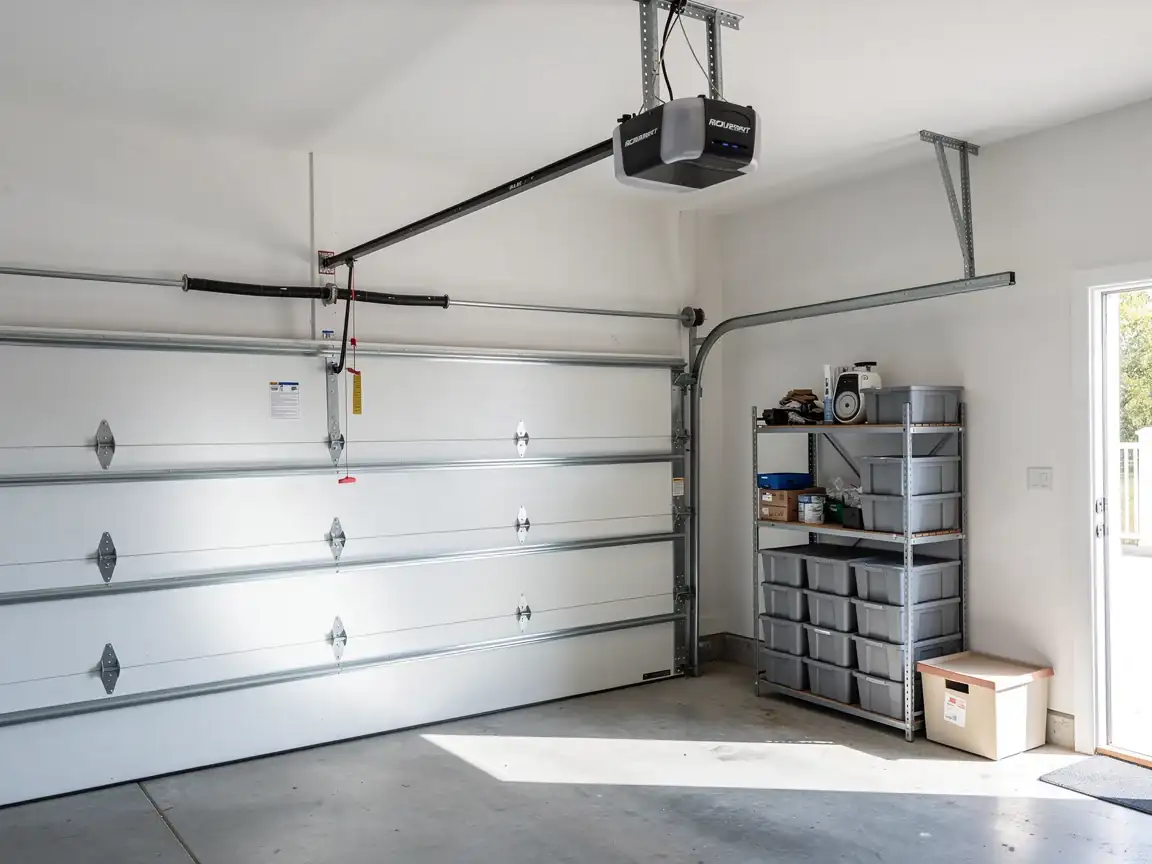
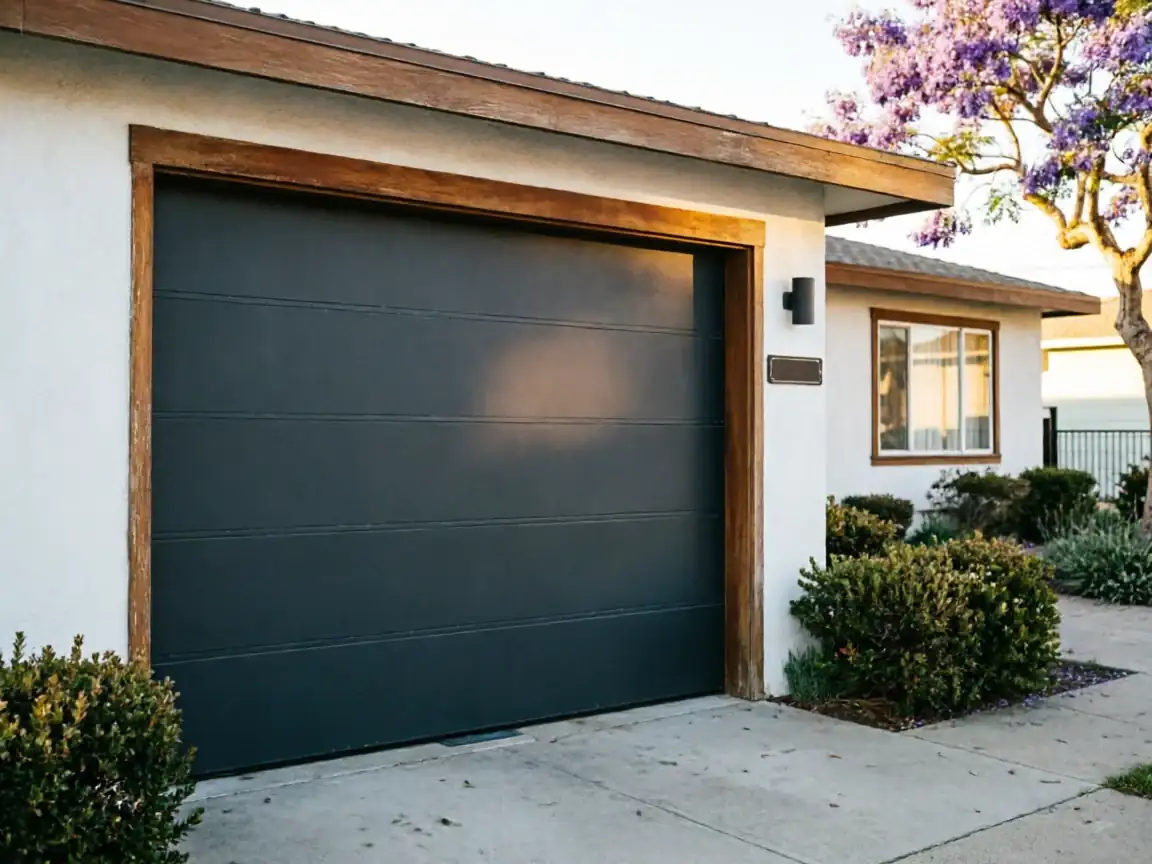
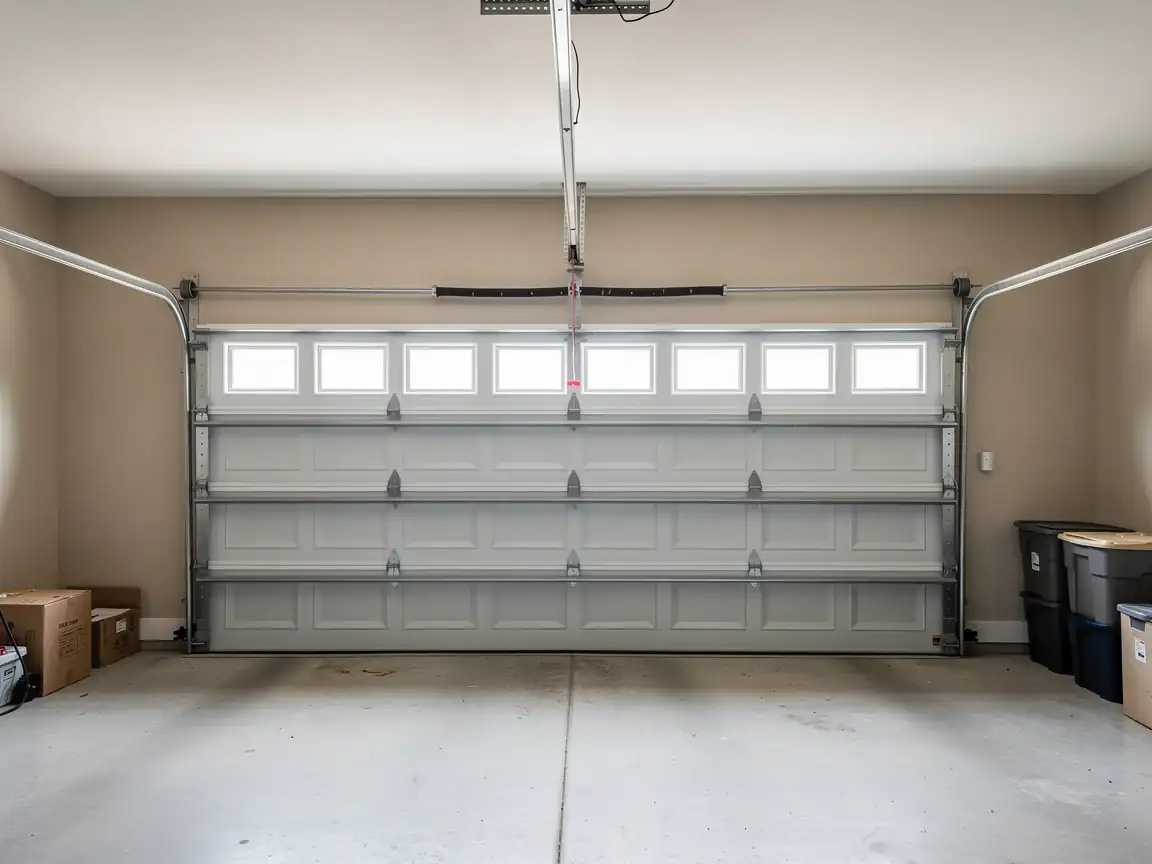
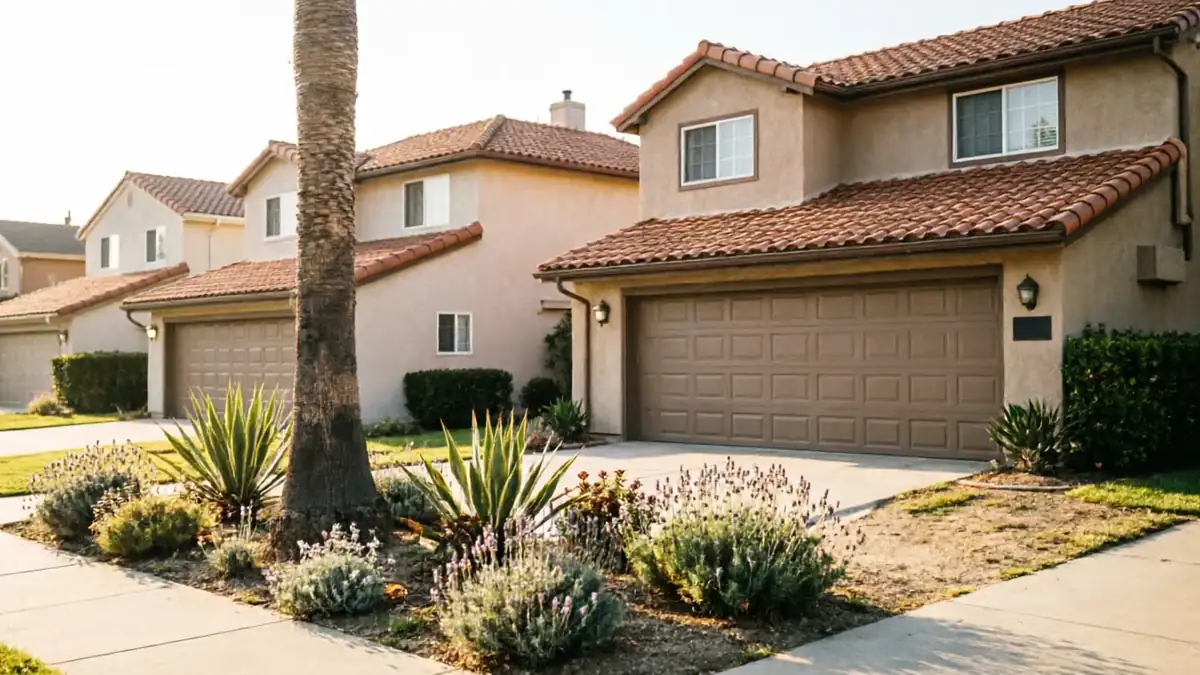
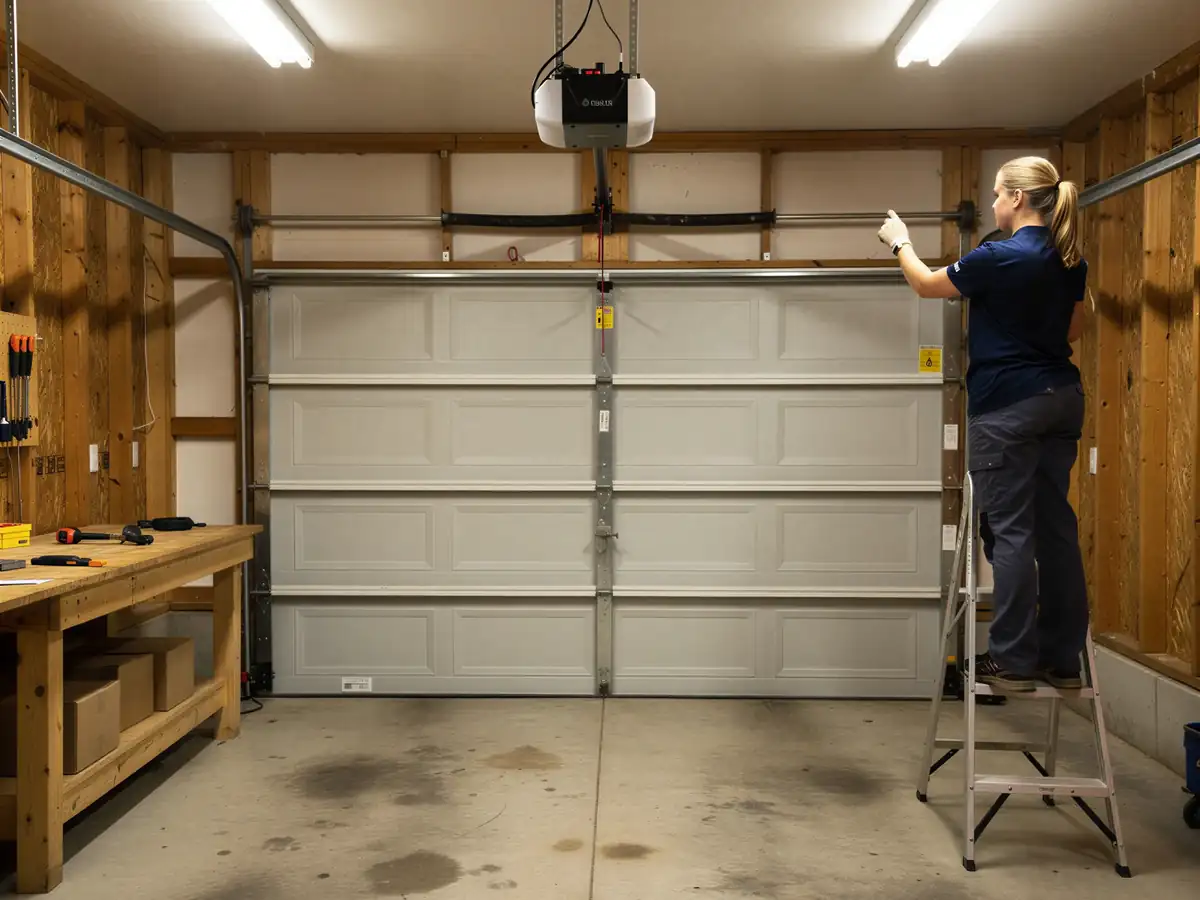
Most of the calls we get from Rancho Santa Margarita trace back to one thing: the house was built around 1992, and whatever garage door hardware went in at the time is still there, or close to it. That's a steel sectional door on torsion springs, likely with the original chain-drive opener, now over thirty years into a job it was built to do for maybe fifteen.
The rest of this company's service area skews older - the broader territory runs a median build year of 1976, with plenty of houses from the 1960s and 70s mixed in. Rancho Santa Margarita is newer than that by a solid margin, which changes what breaks. You're less likely to find a side-mounted torsion setup with obsolete brackets, and more likely to find a worn opener gear, a tired torsion spring that's simply done its cycles, or original rollers that were plastic from day one and are finally cracking.
Climate here is the mild temperate band that covers the whole area, so you're not fighting the rust and swelling that coastal fog or desert heat swings cause elsewhere. The failures in Rancho Santa Margarita are age failures, not weather failures - parts that have simply worn through their rated cycle count.
Booking a Visit
We run out of Irvine, about 10 miles from Rancho Santa Margarita, and we book the visit the same way for every house in that radius - you tell us what the door is doing (or not doing), we bring the parts that early-90s hardware typically needs, and we diagnose on site before any work starts. We don't keep a branch or a drop box in Rancho Santa Margarita; the truck comes from Irvine, which is worth knowing if you're expecting a same-block technician.
Have the opener brand and the door's approximate age ready if you know it - for a house built in 1992, that's often the one detail that tells us whether we're looking at a spring, an opener gear set, or both before we even pull into the driveway.
What Can Go Wrong
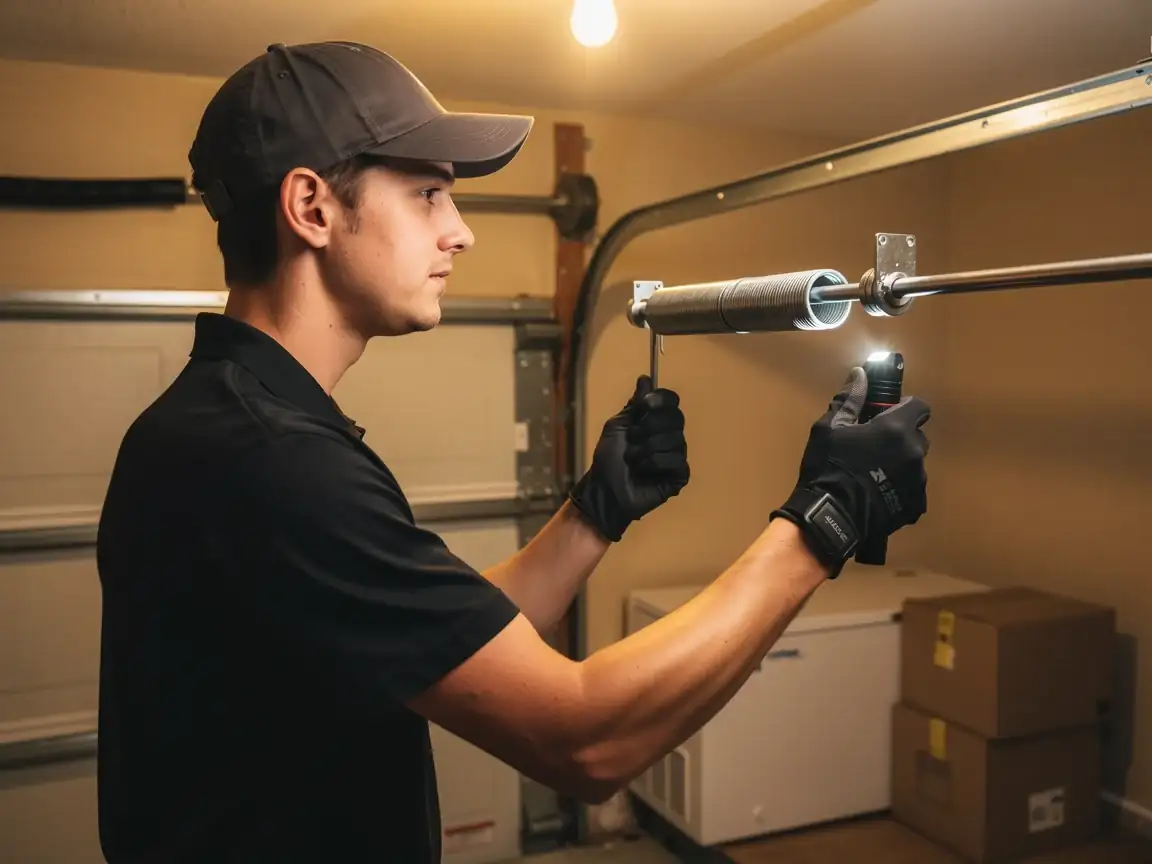
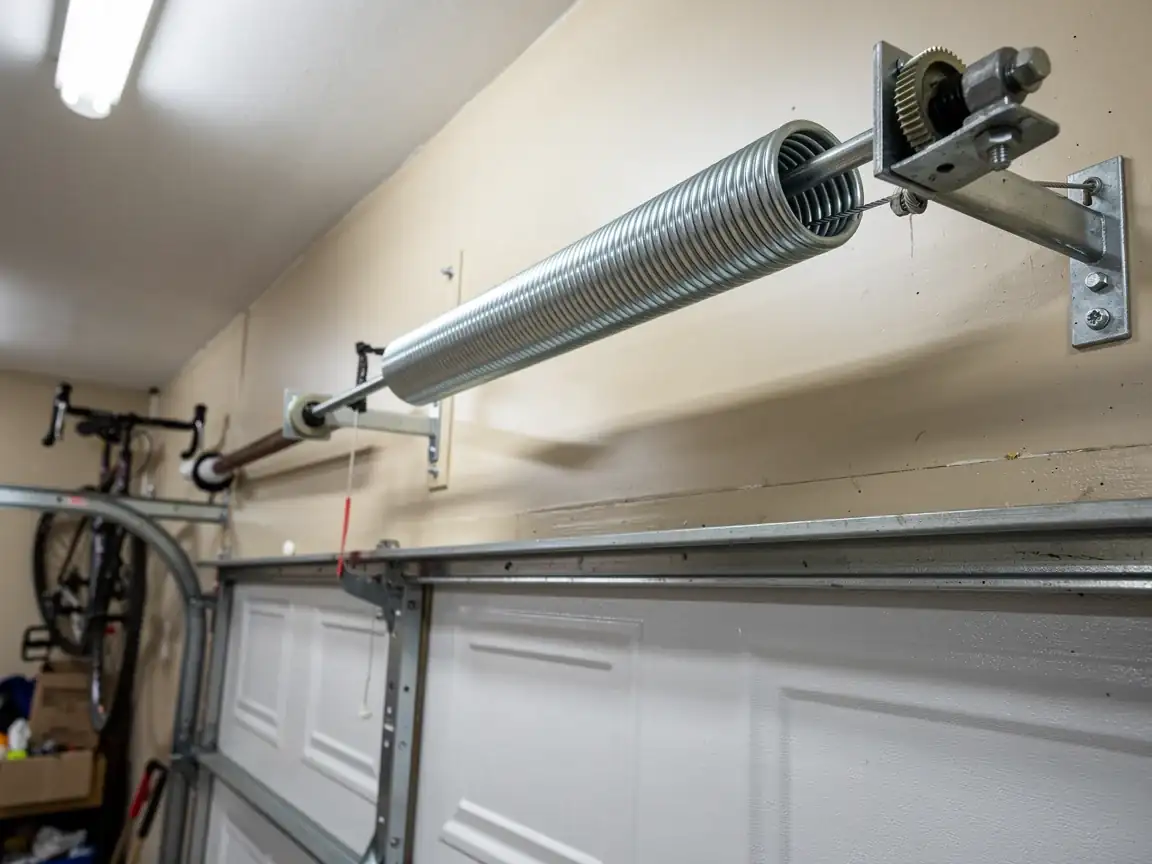
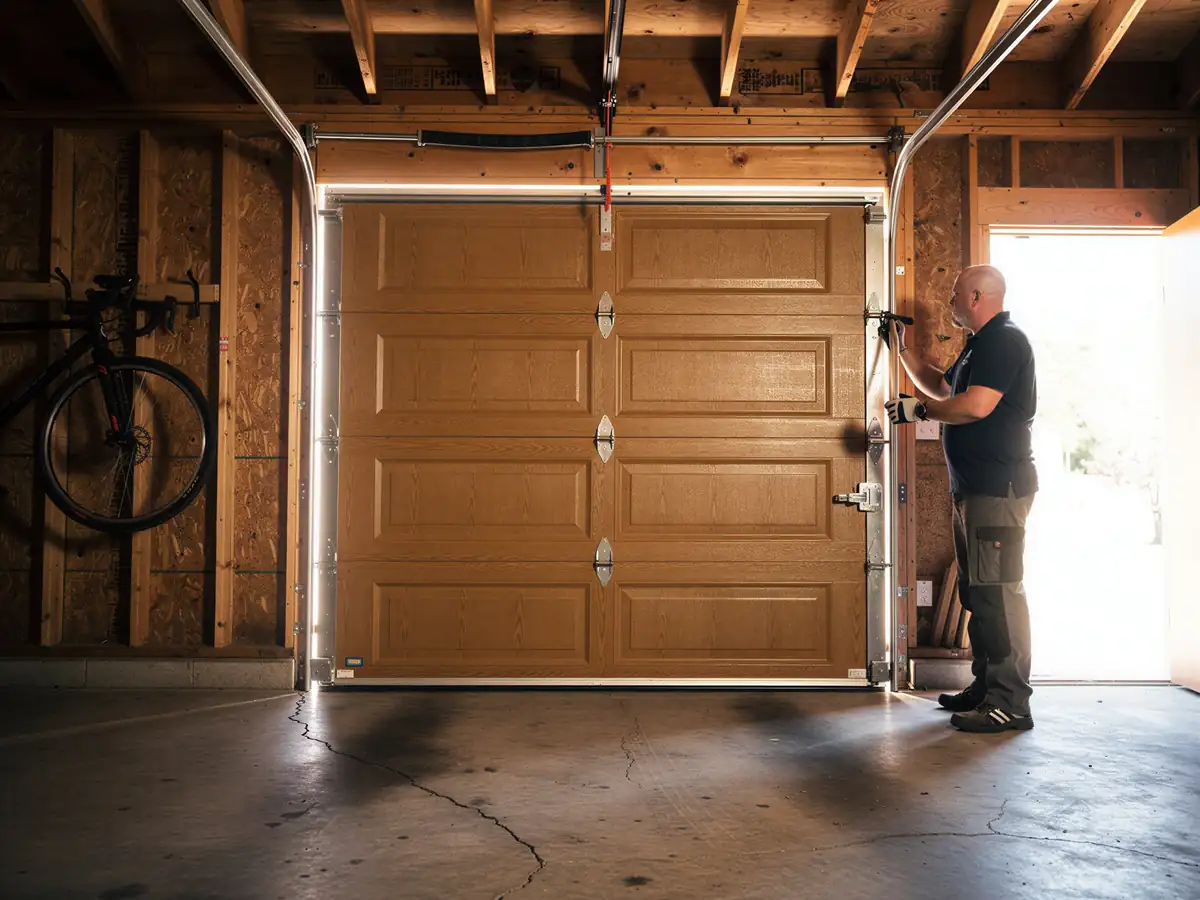
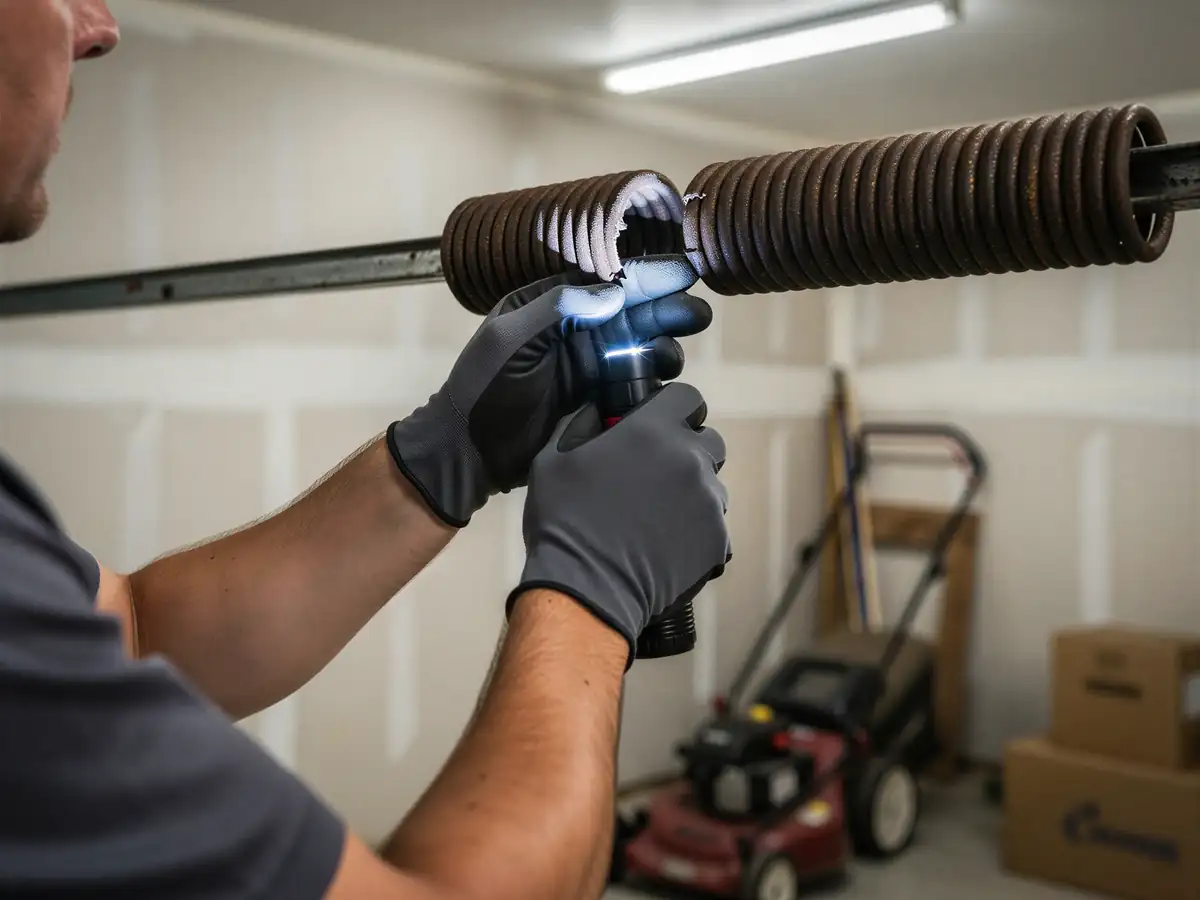
On a door this age, the torsion spring is usually the first thing to go
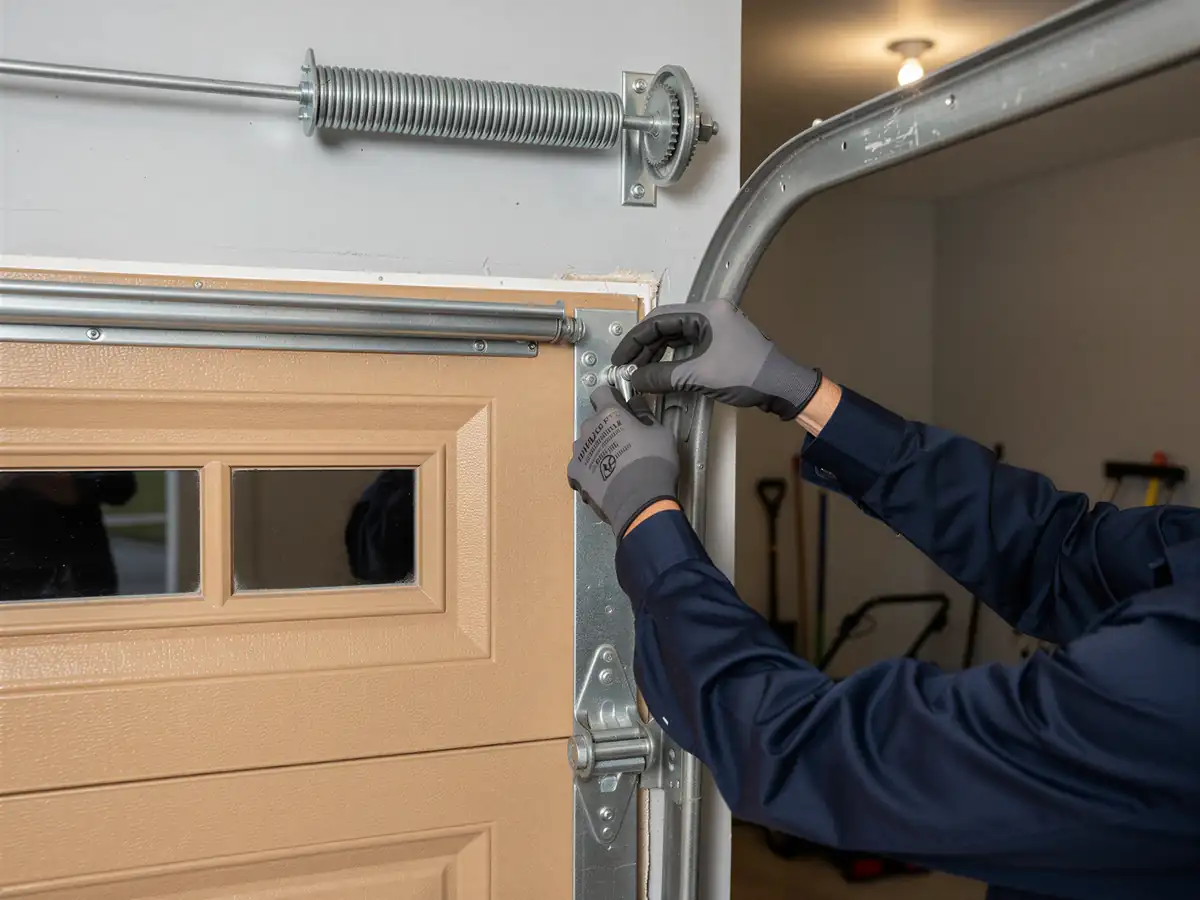
It's rated for a set number of open-close cycles, and a spring installed when the house was built in the early 1990s has had three decades to use them up. When it snaps, the door won't lift, or it'll lift unevenly and bind in the track.
Next most common: the opener itself
A chain-drive unit from that era is mechanically simple, which is good for repair, but the drive gear inside the motor housing is usually nylon, and nylon gears strip. If the opener runs but the door doesn't move, that's the first place we look.
Rollers are the quieter failure
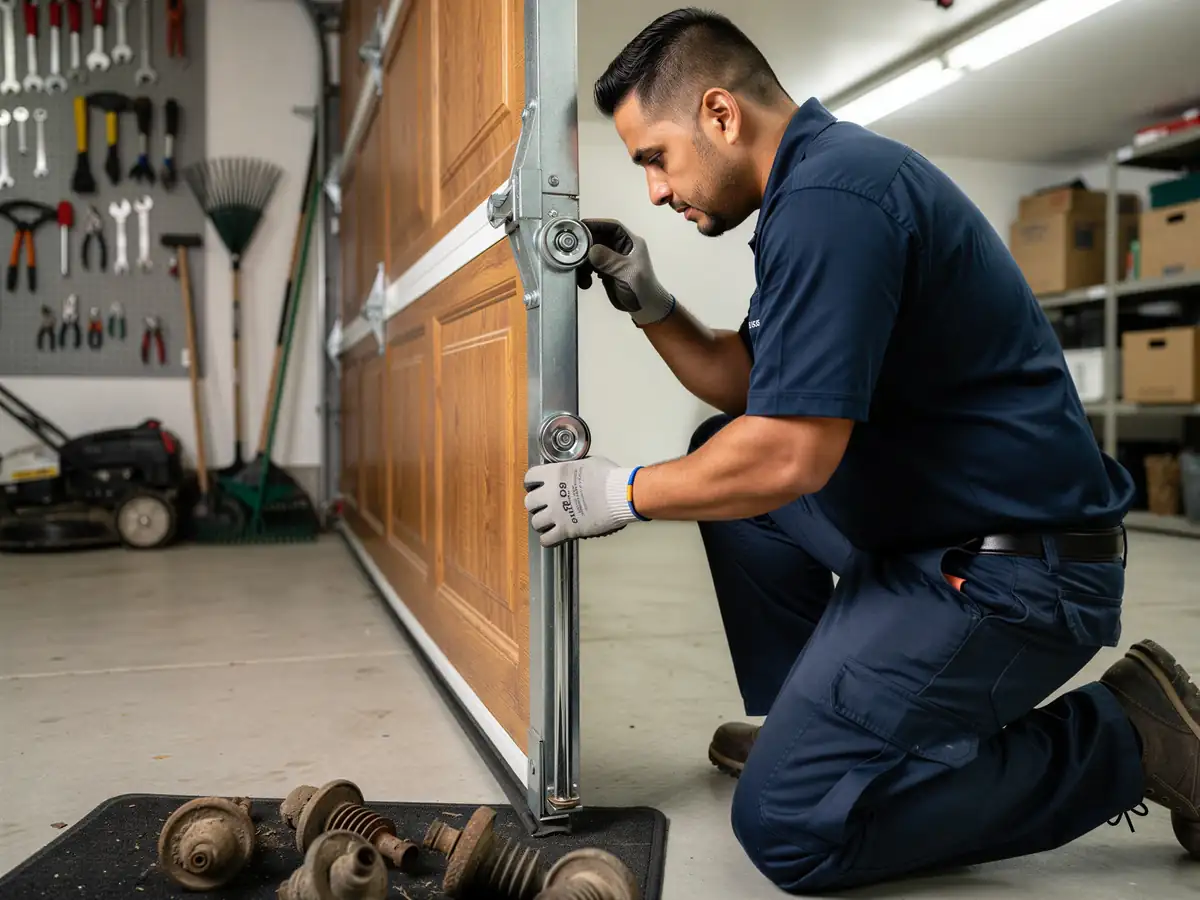
Original plastic rollers on a 1992 door have usually gone brittle and started chipping, which shows up as grinding or hopping as the door travels. It's not an emergency, but it accelerates wear on the track and the roller stems if it sits too long.
Cables fray less often on doors this age than on older stock
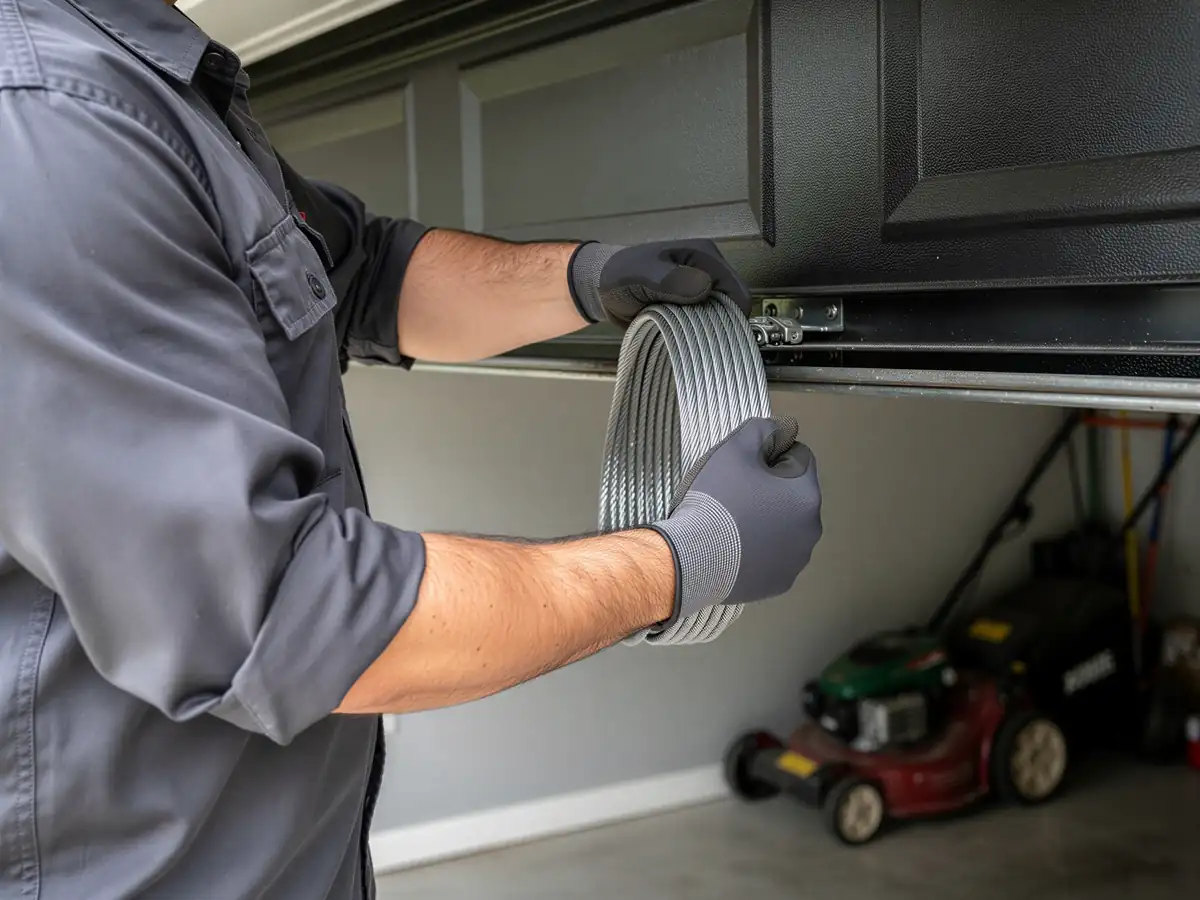
But a frayed cable on an unevenly loaded door is a safety issue, not a cosmetic one - we treat it as same-visit work, not a follow-up.
What You Are Seeing
If the door is heavy to lift by hand, or the opener strains and reverses partway up, that's almost always the torsion spring losing tension - expected wear on a door installed when the house went up in 1992, not a defect.
A door that stutters, hops, or makes a grinding noise on the way up or down is usually the rollers, especially if you can see visible wear or flat spots on them.
If the opener motor runs - you can hear it - but the door doesn't budge, suspect the drive gear inside the opener housing, particularly on a unit old enough to date back to the original build.
A door that opens fine but won't stay up, or drifts back down on its own, points to spring tension again, just from the other side: too little resistance left to hold the weight.
Stocked Parts
We carry torsion springs sized for standard residential sectional doors, the plastic and nylon roller types common to early-1990s installs, and opener drive gears for the chain-drive units that era used most. Those three cover the bulk of what we see on Rancho Santa Margarita calls.
One honest limit: if your opener is a less common brand from that period and the control board has failed rather than the gear, we may need to order the board rather than swap it on the spot. We'll tell you that at diagnosis, not after we've already opened the unit up, and we won't guess at a part we don't have in the truck.