What Causes It Around Here
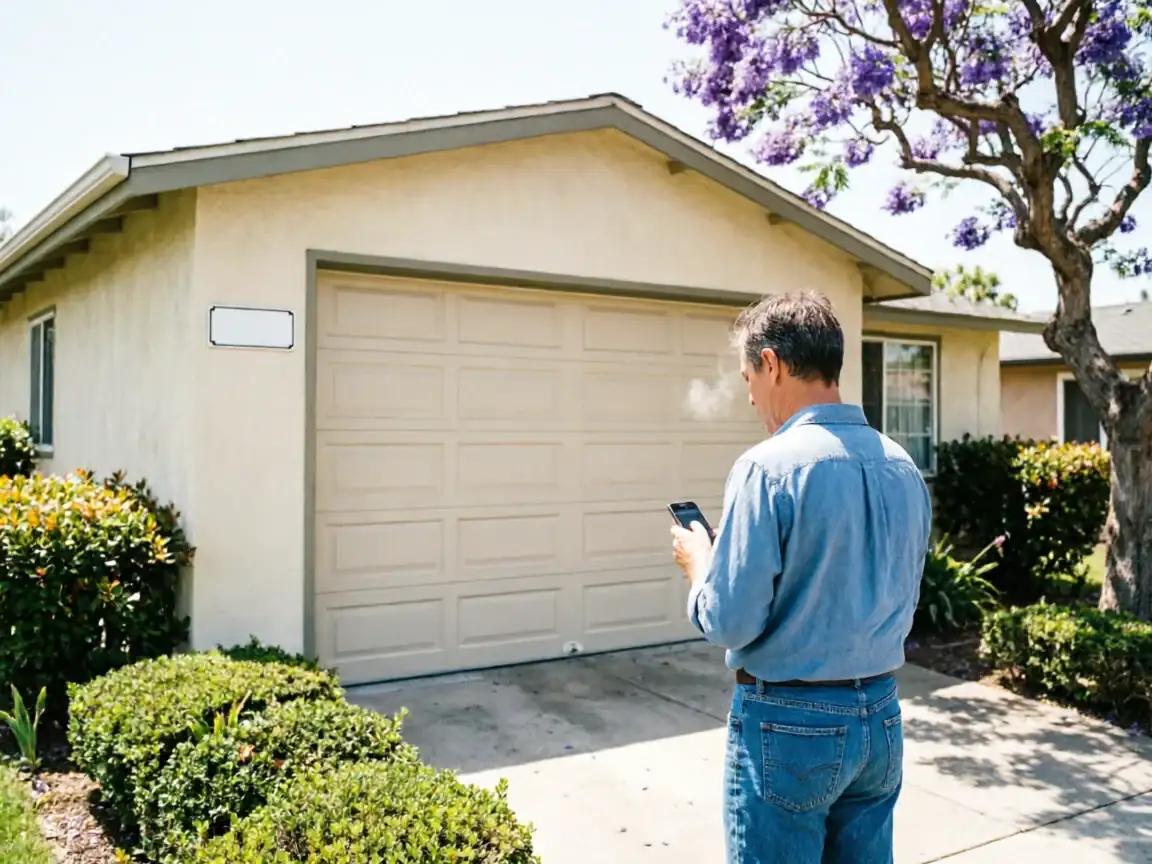
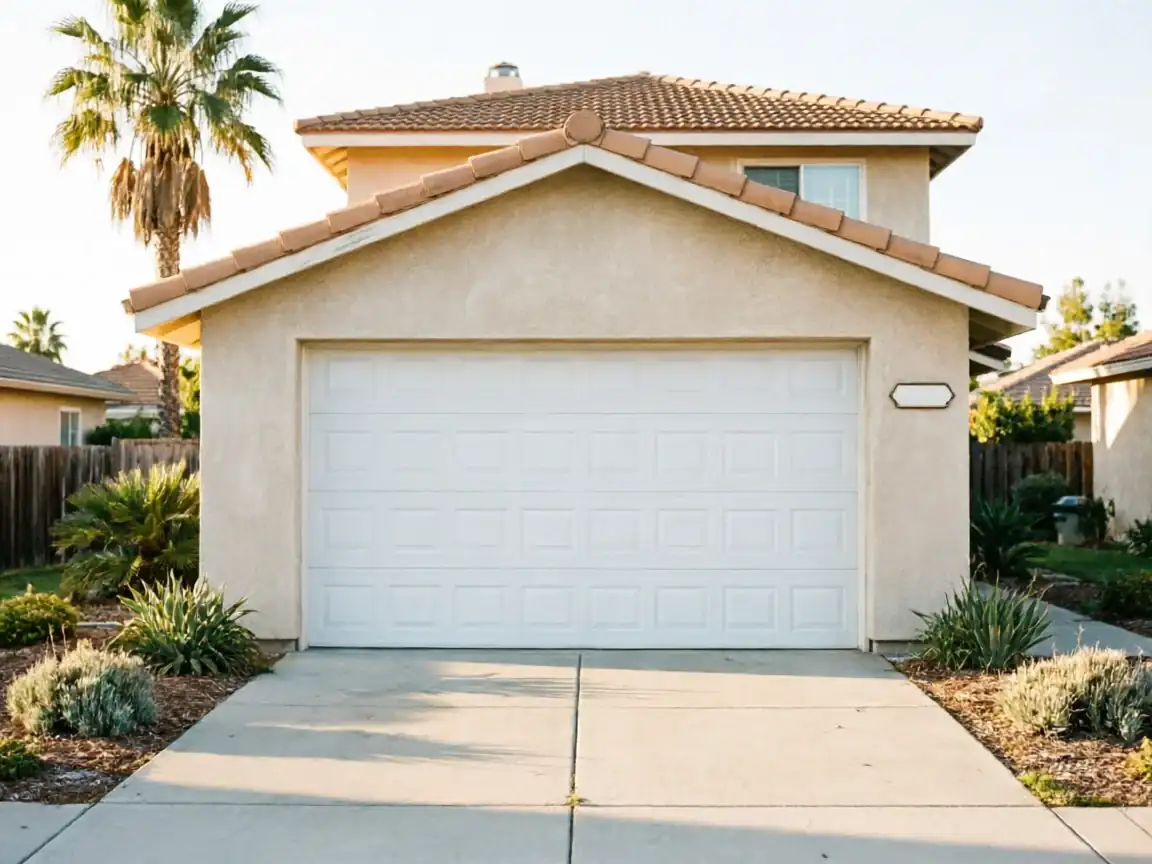
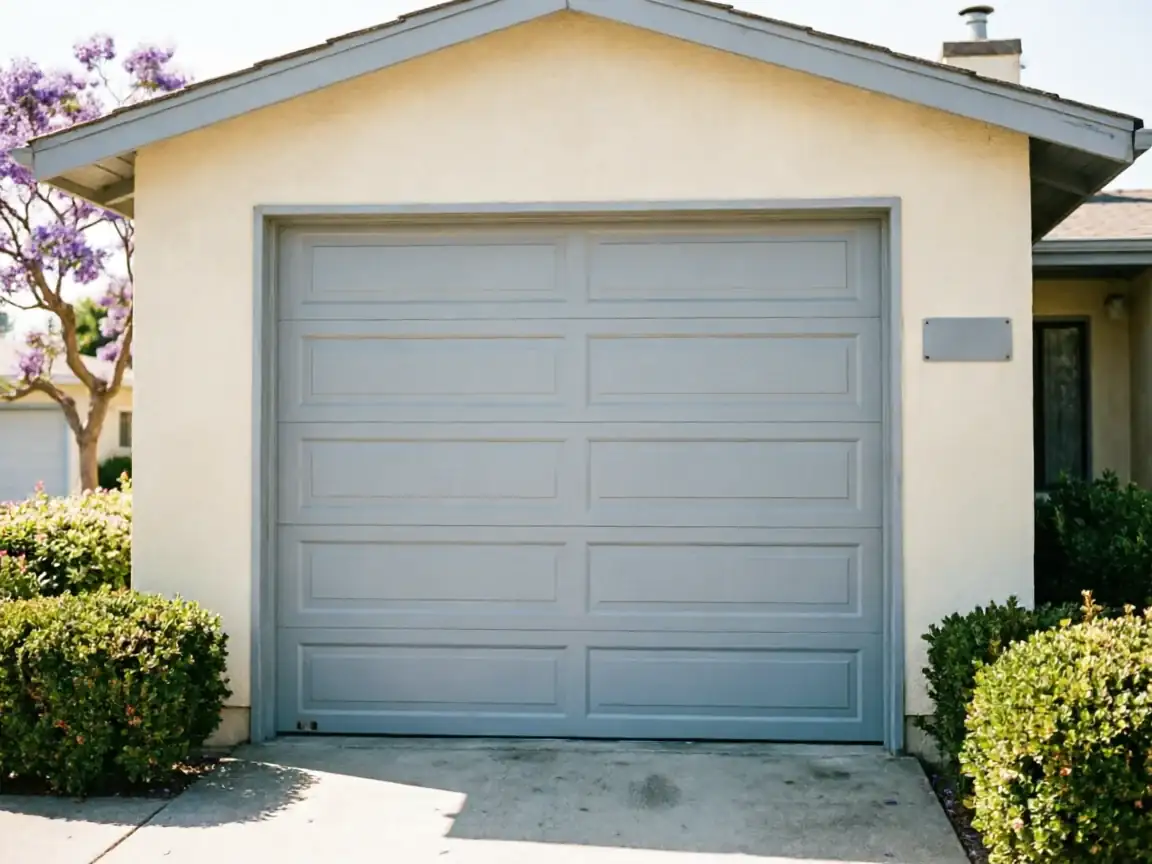
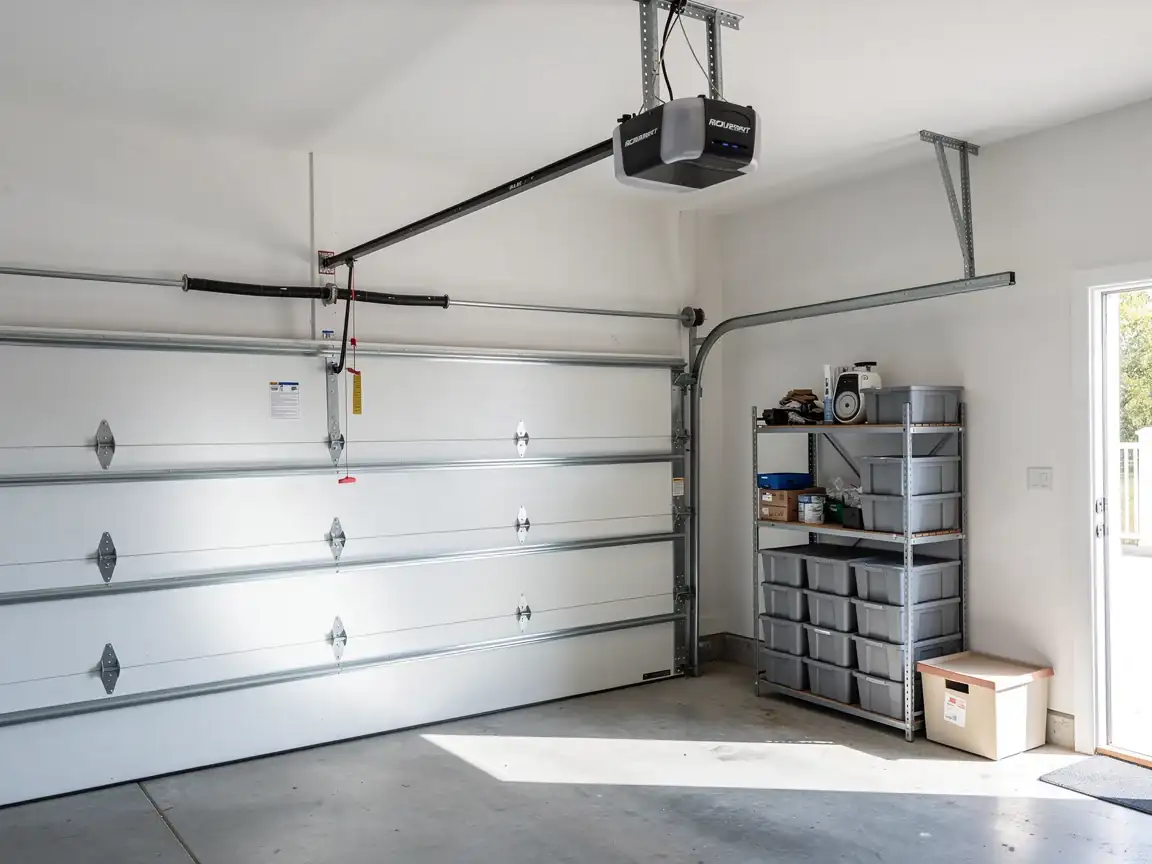
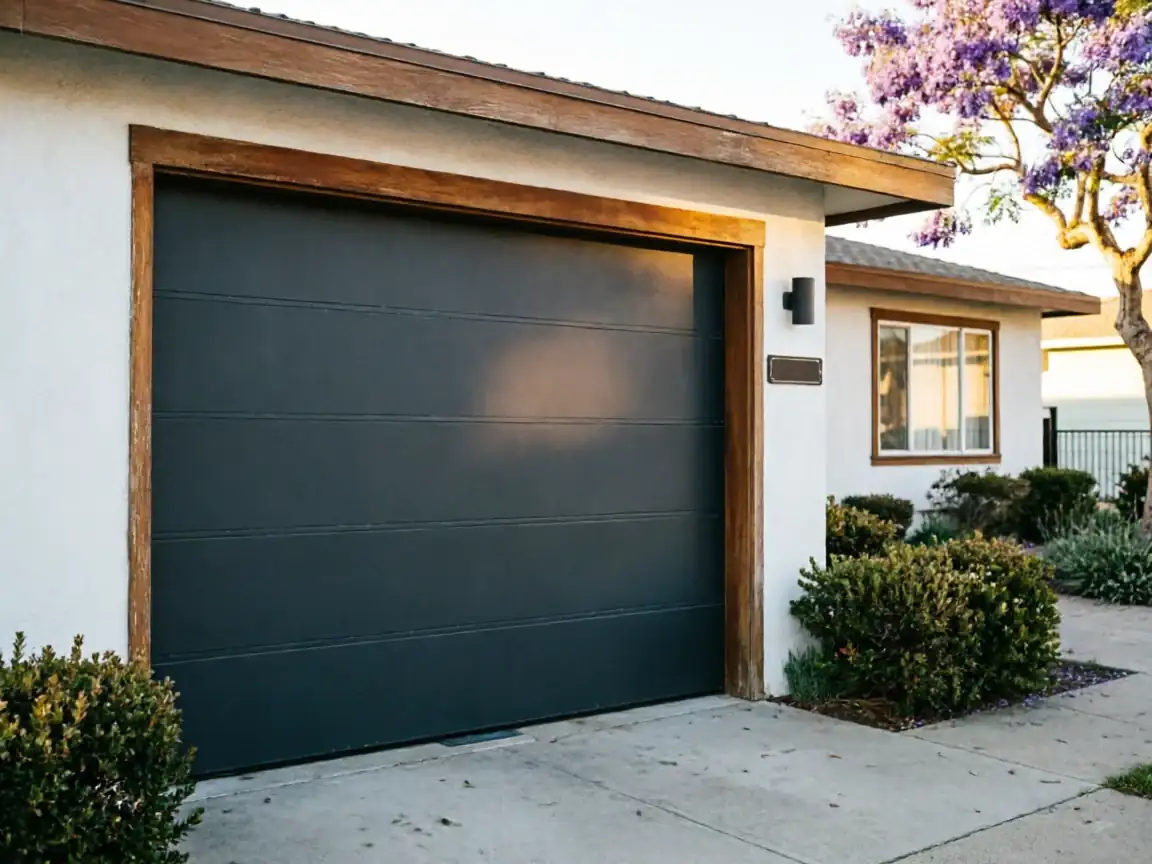
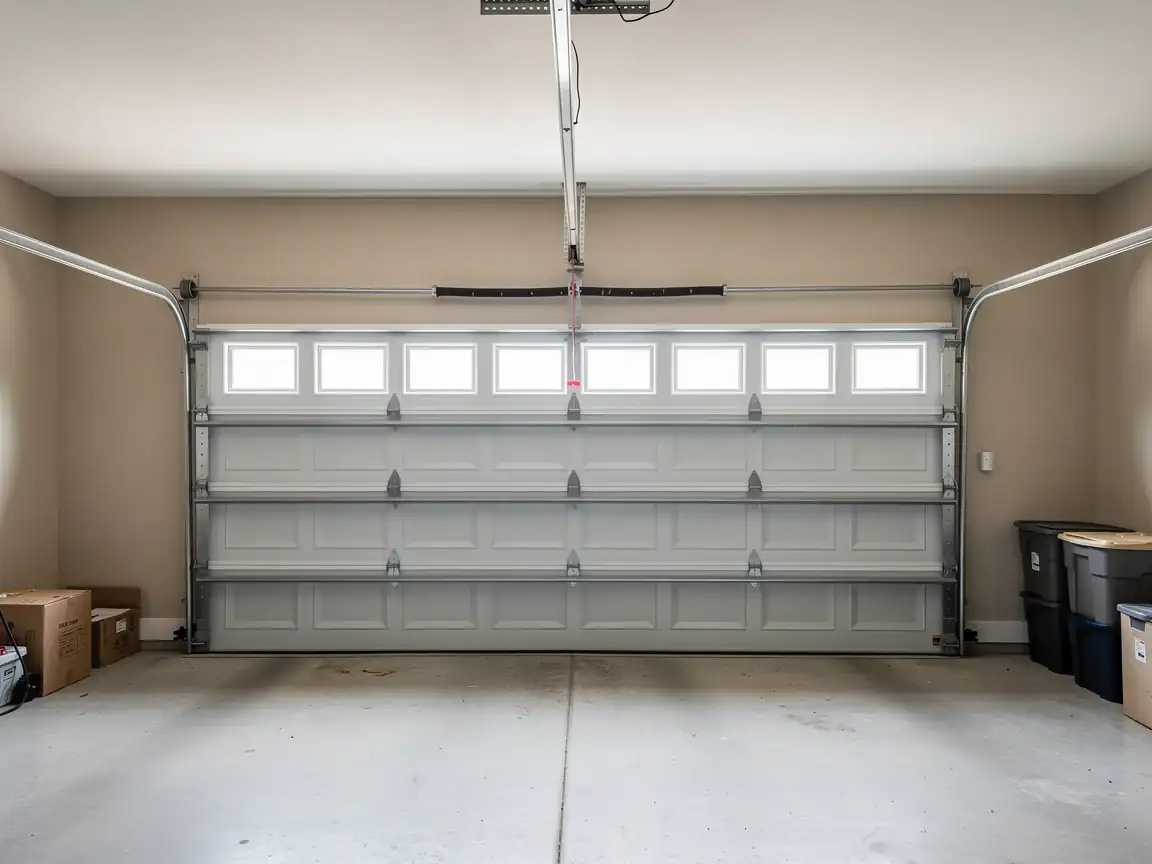
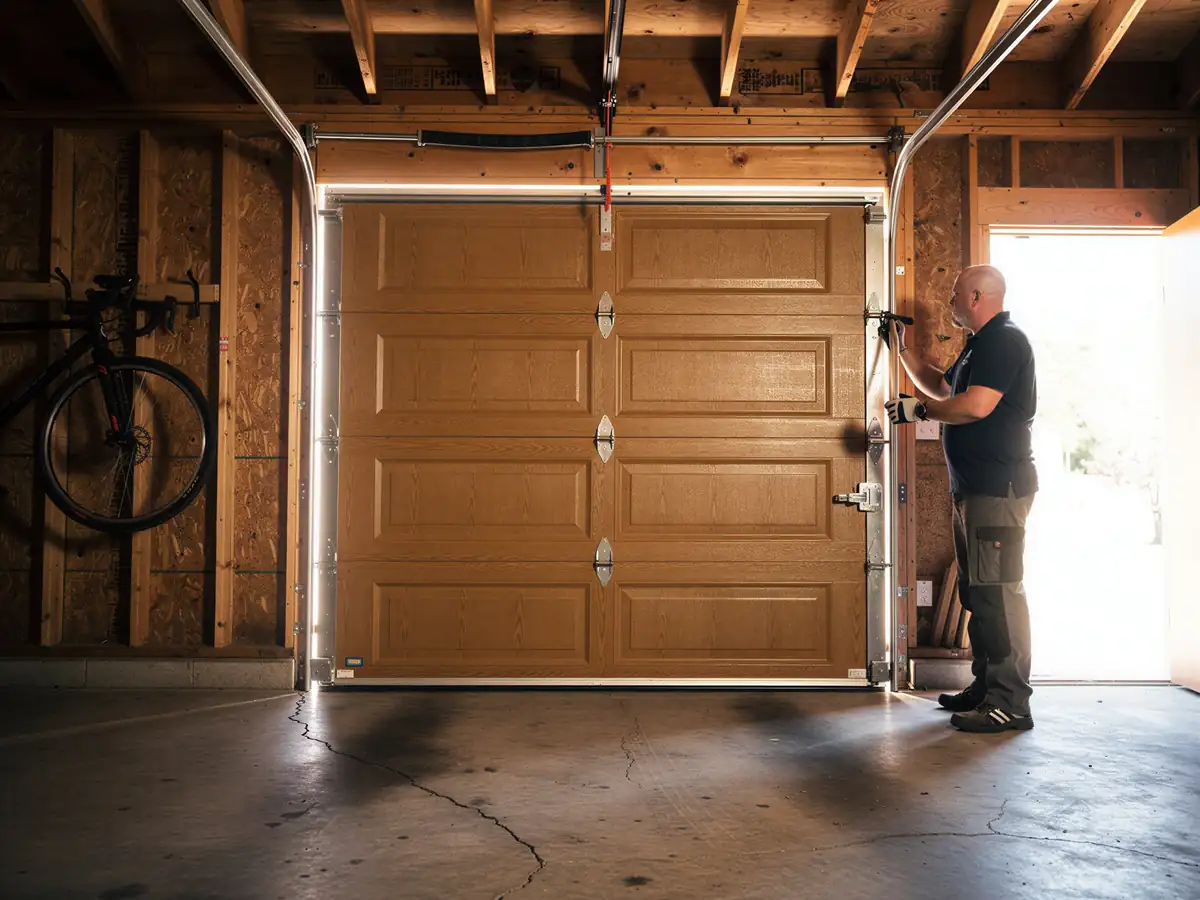
Start with the door itself before the fault. The median home in Rancho Santa Margarita was built in 1992, a full generation after much of the stock we see closer to our Irvine shop, where the median sits around 1976. That gap matters because by 1992 builders had mostly moved past wood and lightweight aluminum into steel sectional doors on galvanized torsion springs, hung in the standard two-car 16-by-7 and one-car 9-by-7 openings that defined the tract phase this town grew up in.
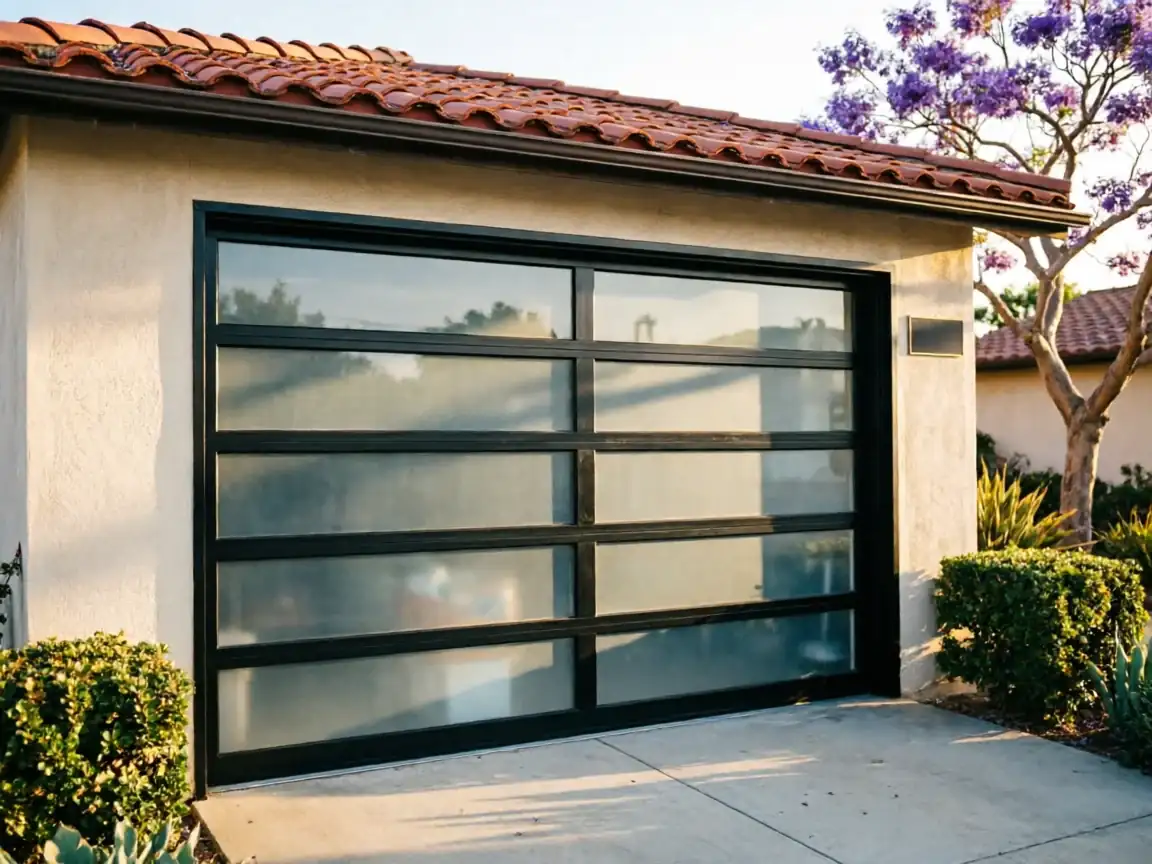
Most of those original panels were a single layer of rolled steel, no foam core, because the mild temperate climate out here never forced the insulation question the way a harsher region would have. Thirty-plus years later, the steel itself usually holds up fine. What wears out first is what moves: the torsion spring, the rollers, the hinges at the stress points. At a median household income of $146,827, a fair number of owners here are replacing on their own schedule, not waiting for a failure, and asking for an insulated upgrade over the original bare panel.
That's the real local picture: not a worn-out house, but a door built for a different era's standards, now due for a swap on a homeowner's terms rather than a breakdown.
Booking a Visit
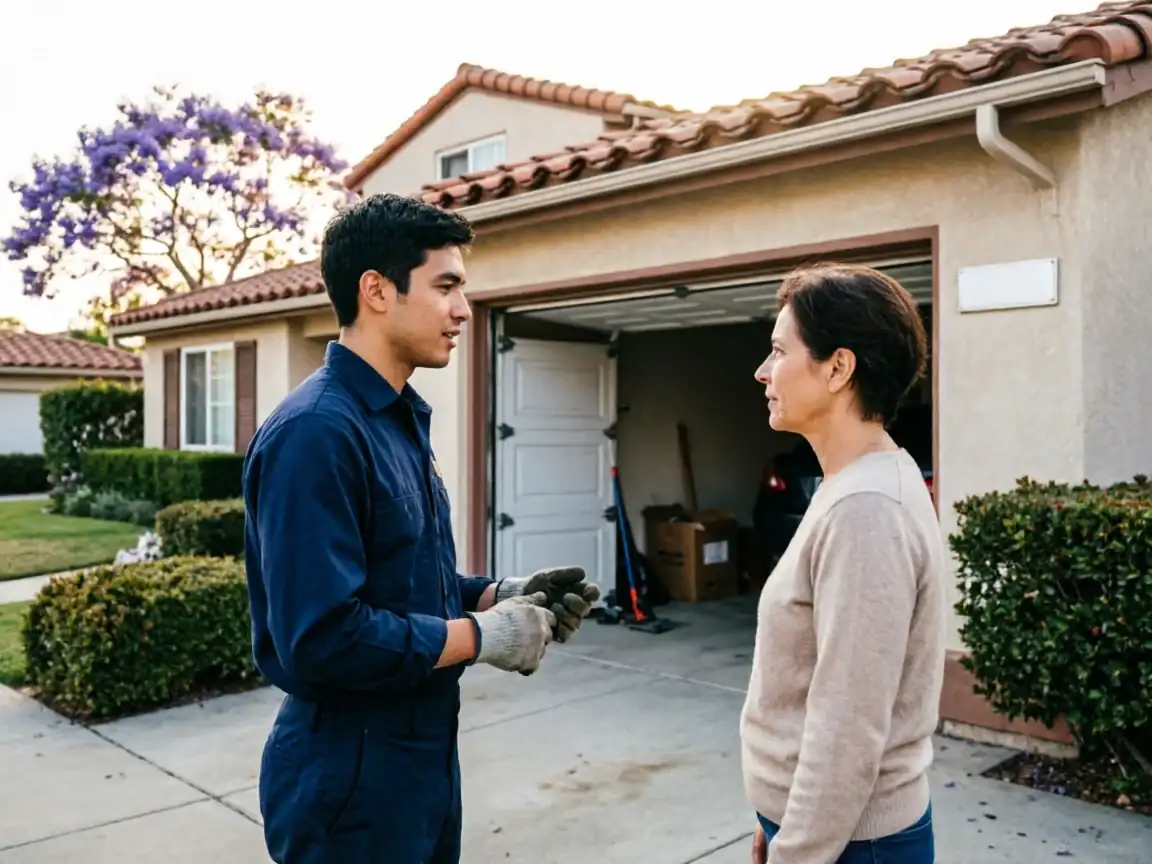
We run this job out of our Irvine shop, about 10 miles from Rancho Santa Margarita. There's no branch or yard in town, so a visit here is a scheduled trip, not a same-hour drop-by - we build the drive into the appointment window rather than pretending it isn't there.
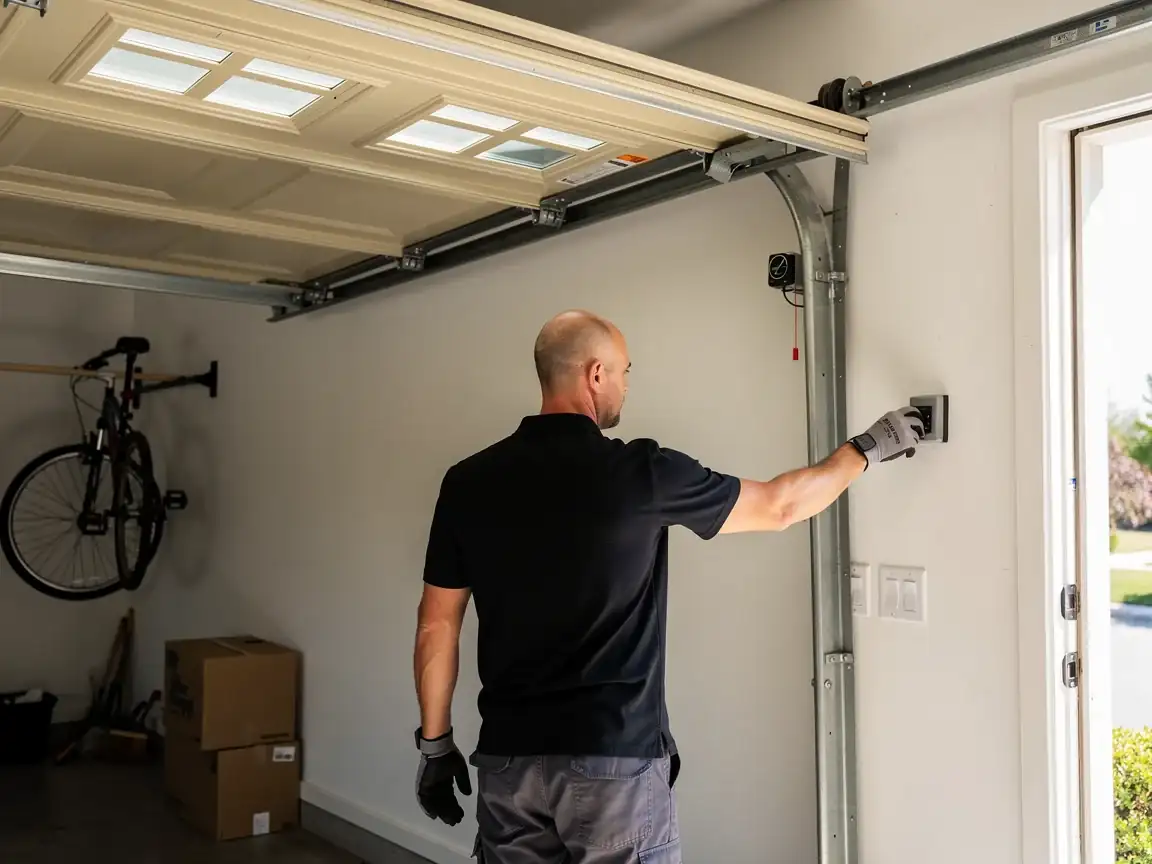
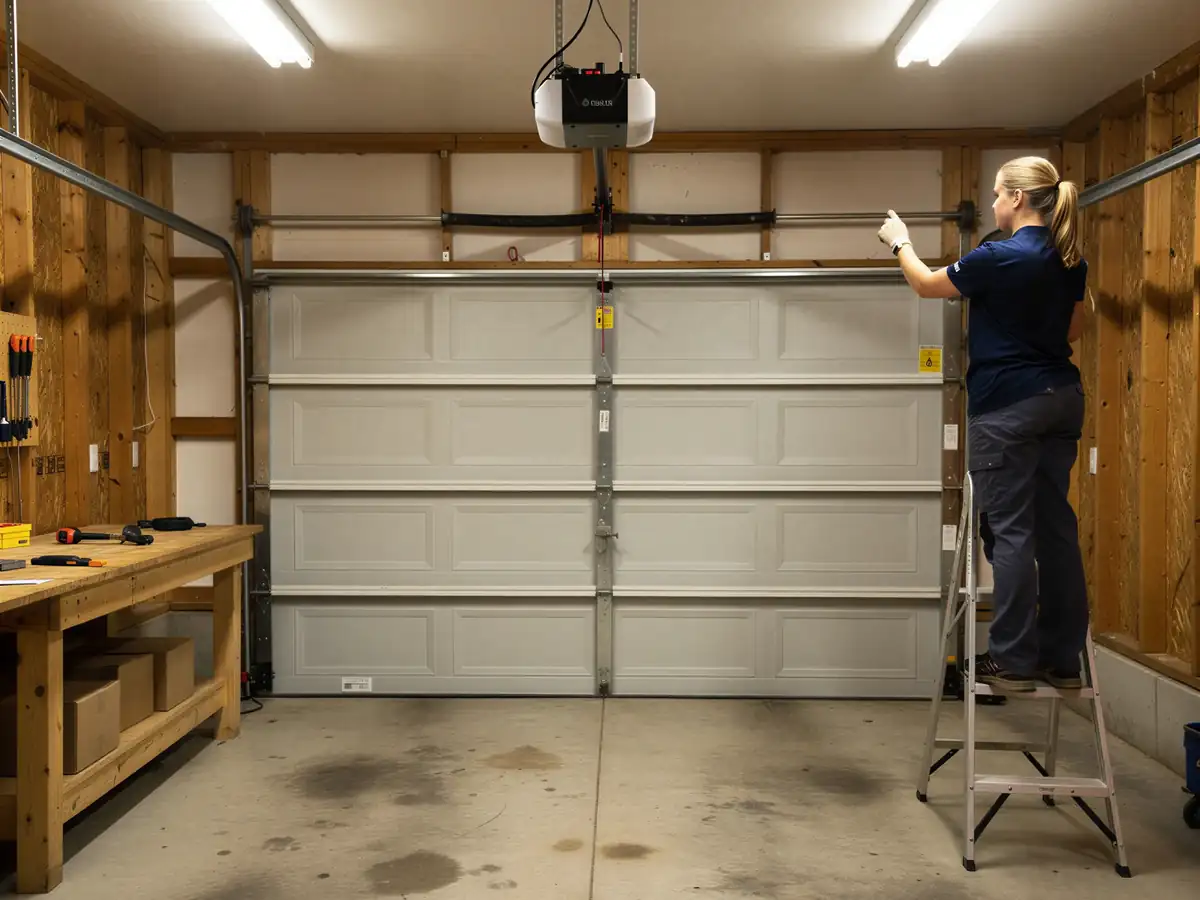
For measuring, quoting, and installing a new door, the process starts the same way it would for any home in this part of our service area: a look at the opening, the track space, and what's left of the original hardware before we size the new door and spring. If something about the existing setup needs attention before a new door goes in - a bent track, a header that's out of square - we'll say so at the visit rather than after the door's already ordered.
If you want the broader rundown of how we handle installs day to day, that lives on our main installation page; the service page for this town covers booking and local scheduling specifically. Book service or see our Irvine installation page for the full process.
What Can Go Wrong
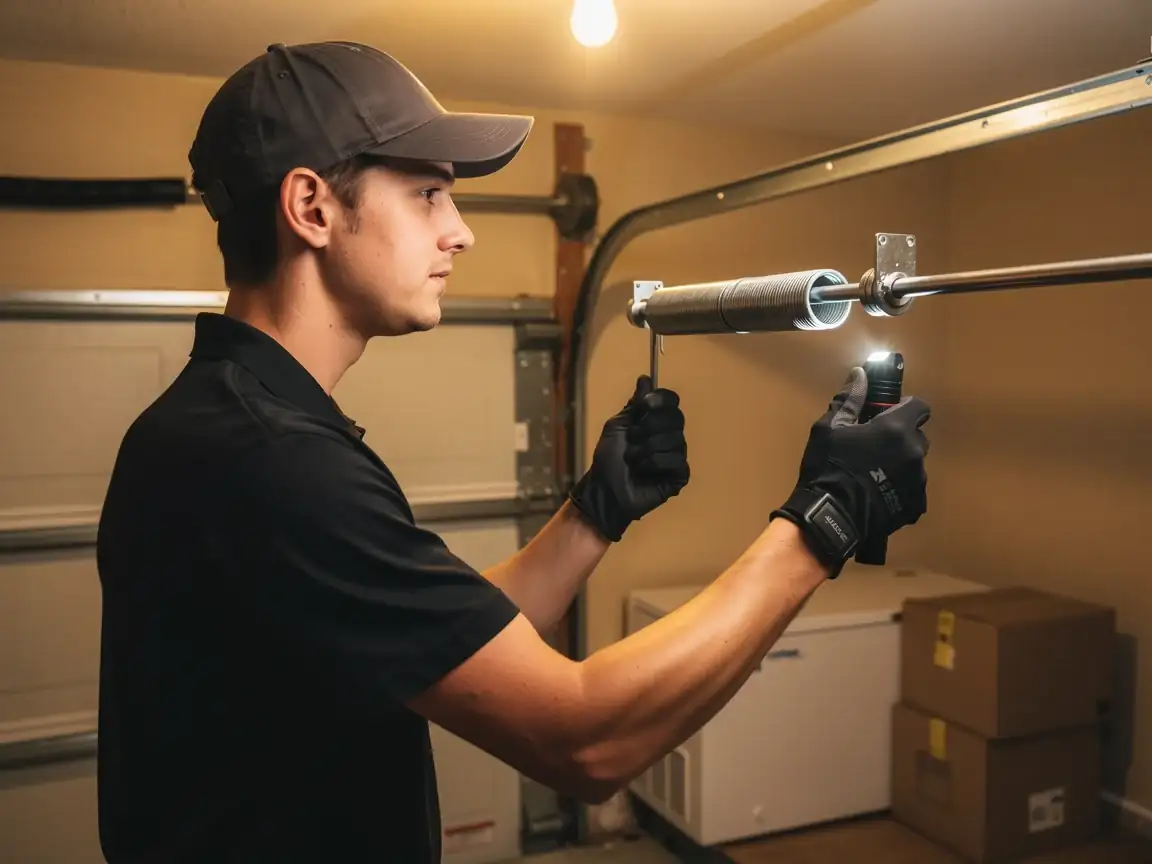
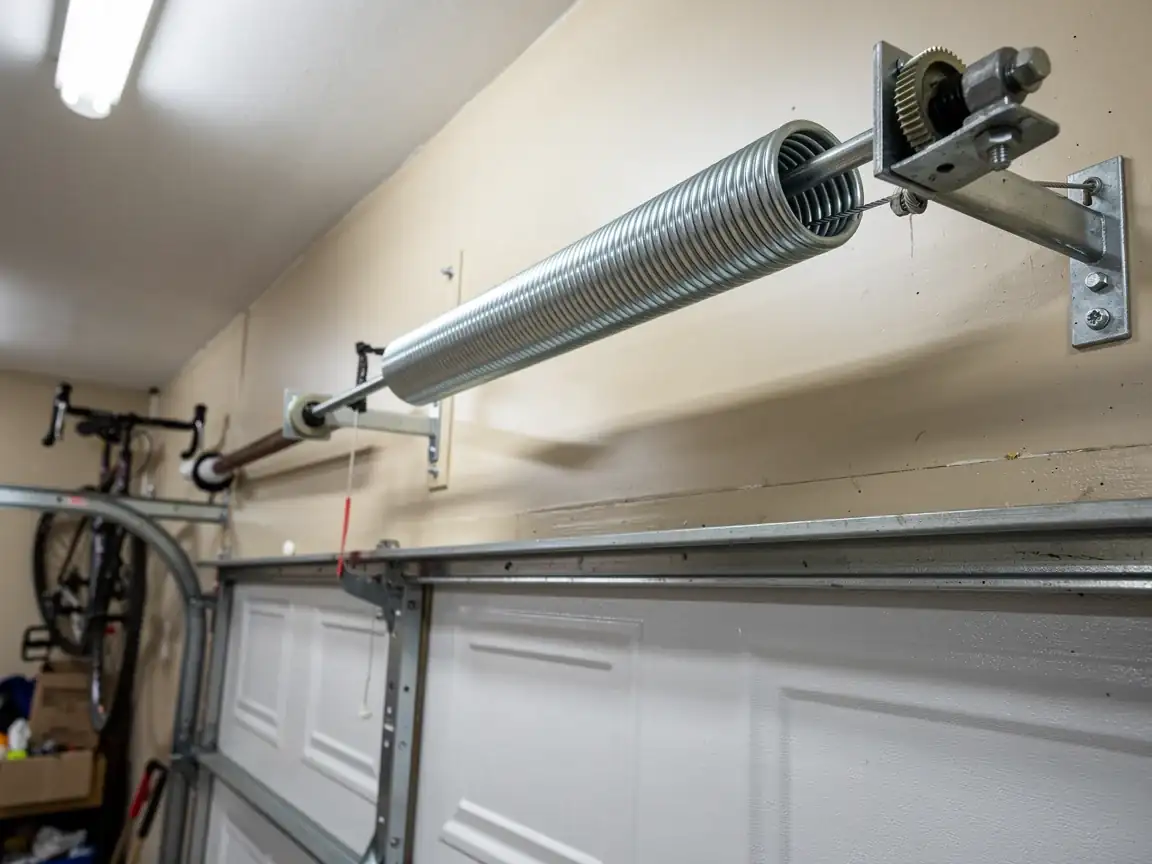
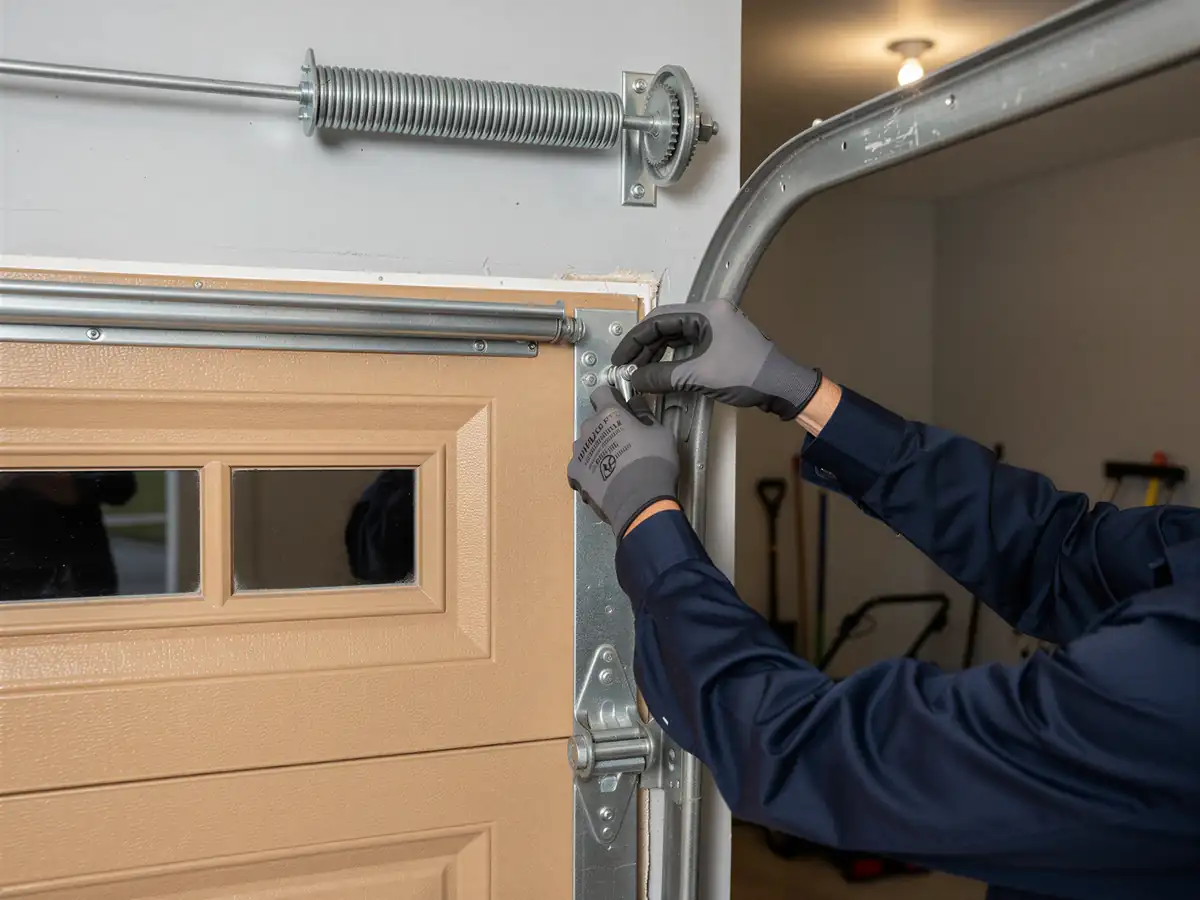
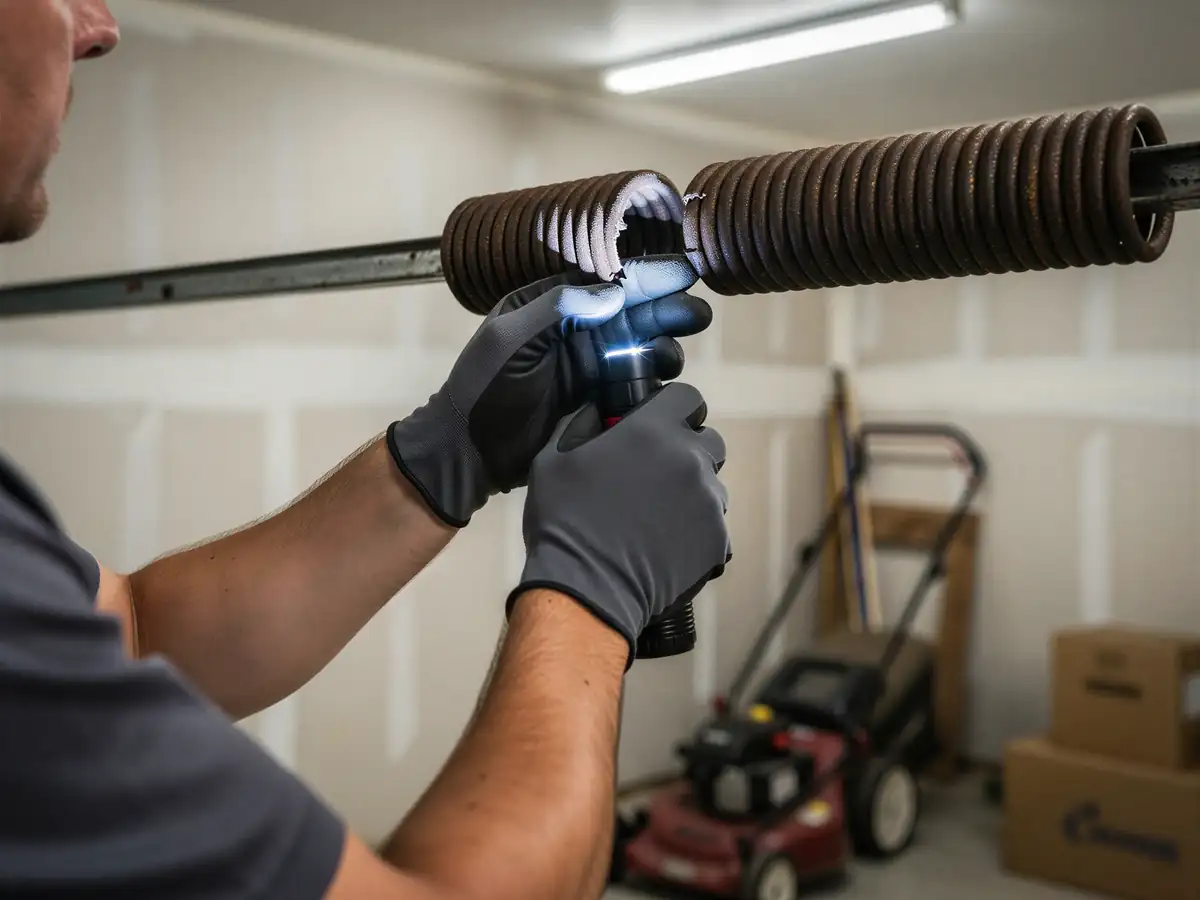
On a door this age, the spring is usually the first thing to go
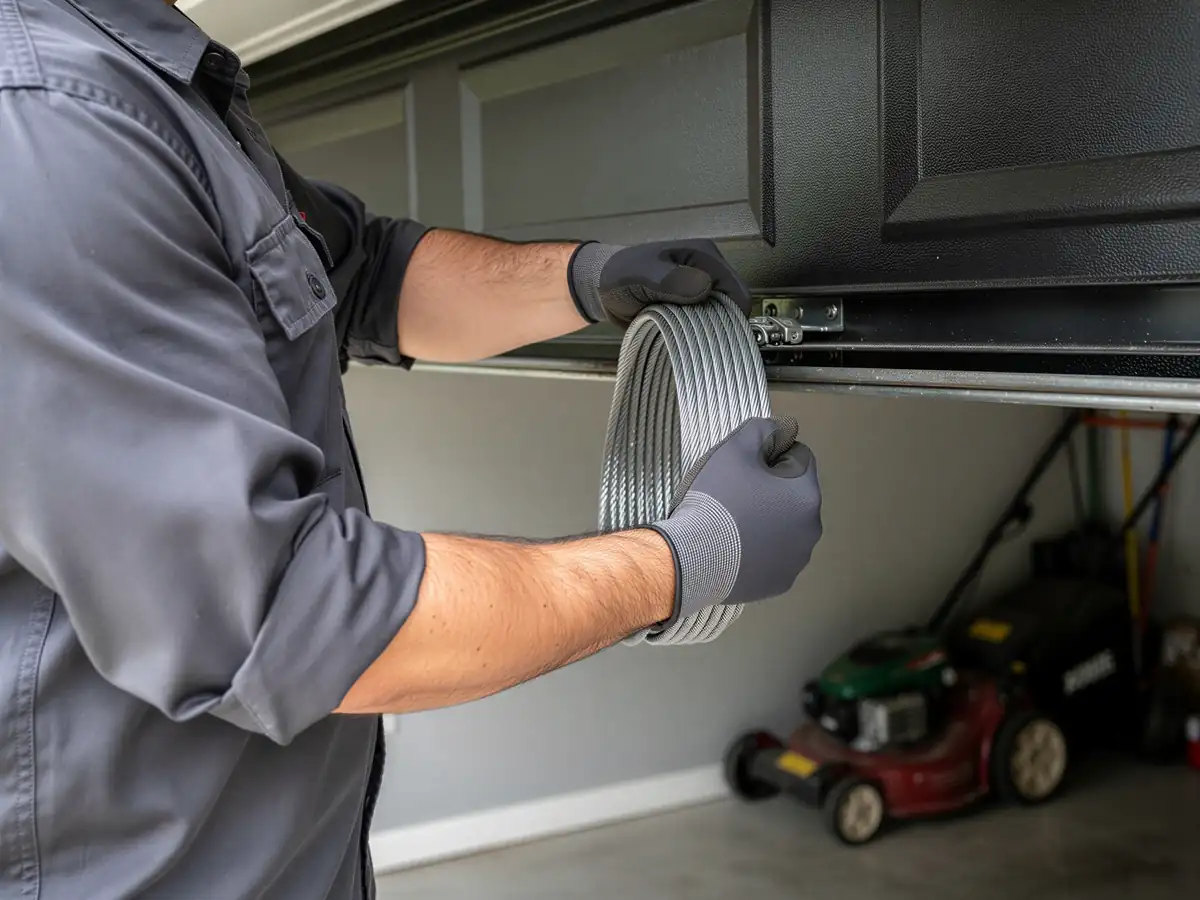
A torsion spring sized for an uninsulated 1990s panel will often fail, or just go slack, once a homeowner swaps in a heavier insulated door and never upgrades the spring to match - the door looks fine, then suddenly won't lift evenly.
The second common issue is the panel profile itself
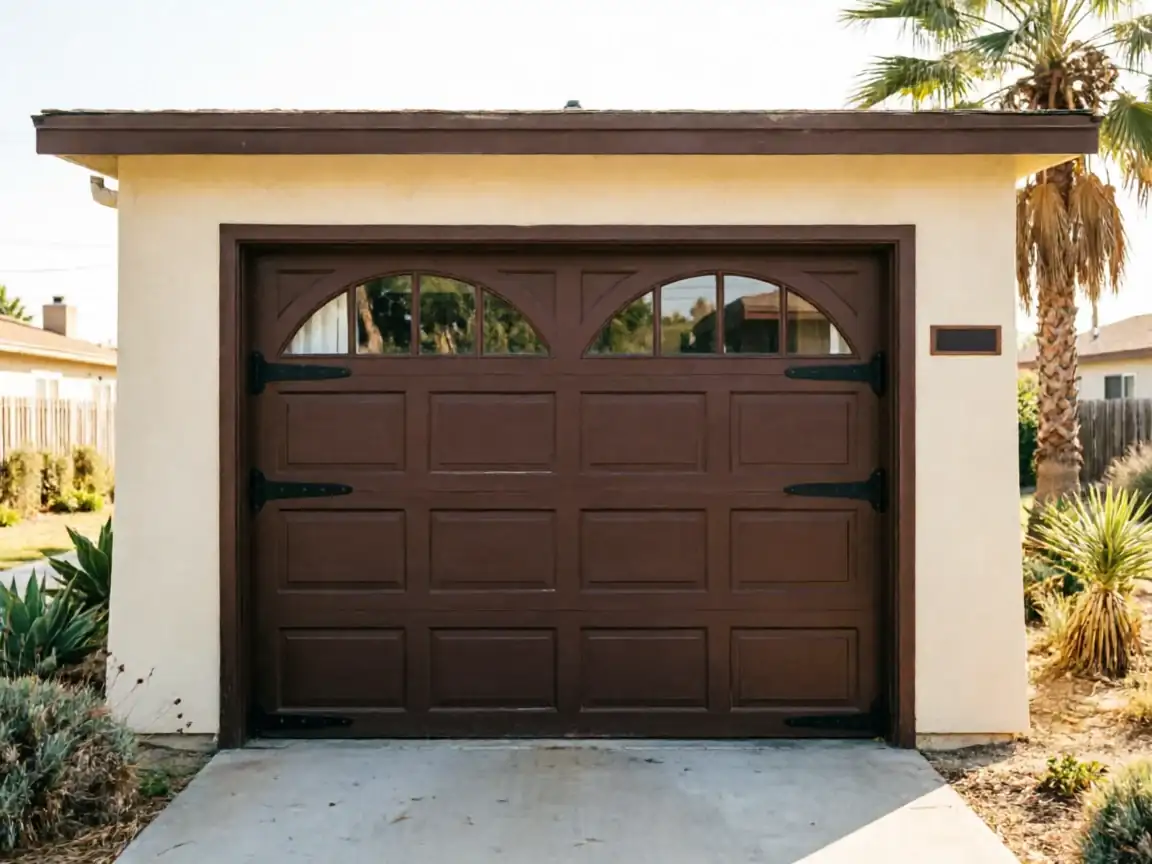
Steel doors from the early 1990s tract-building push often used panel widths and lock styles that manufacturers have since discontinued. If one panel gets dented or rusts through at the bottom, a lot of owners find that the exact replacement panel no longer exists, and the real fix is a full door rather than a patch.
Hinges and rollers are the quieter failure
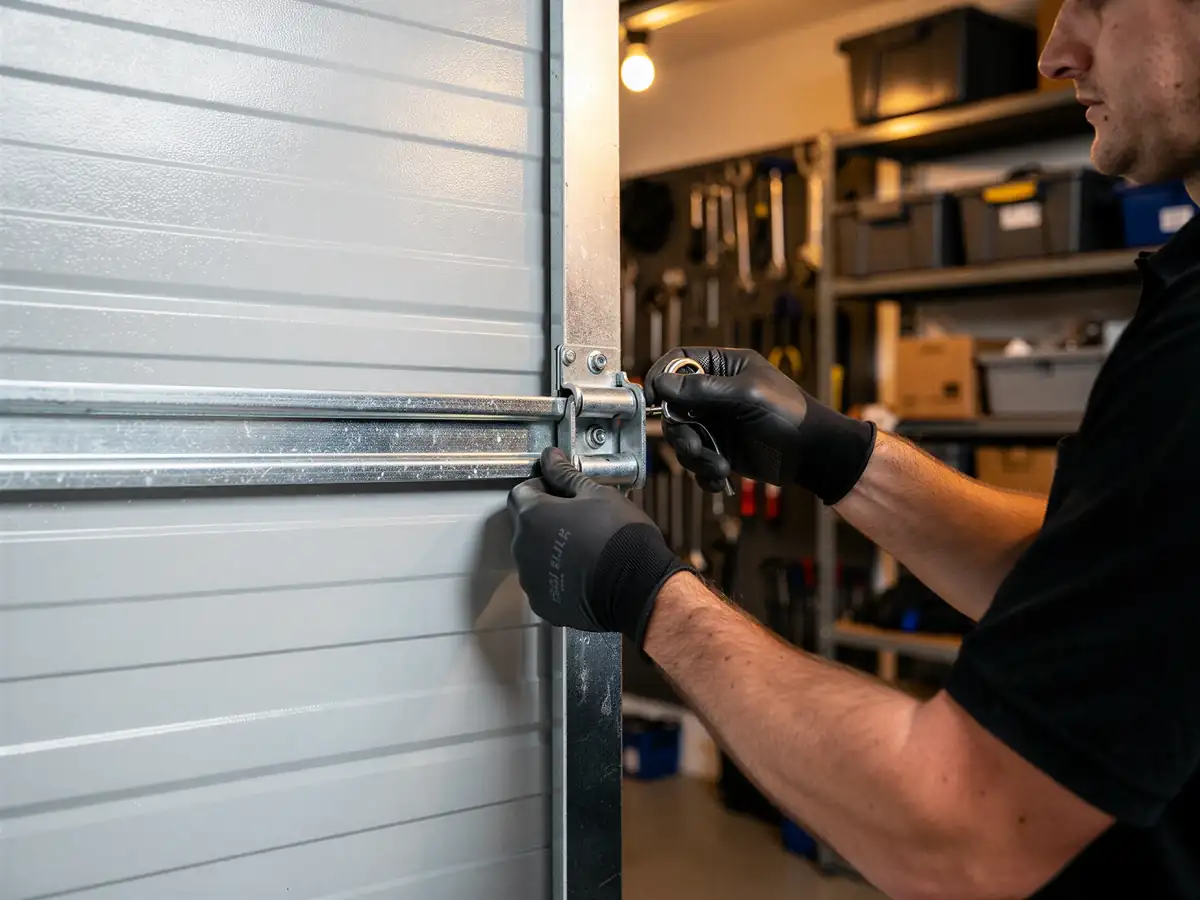
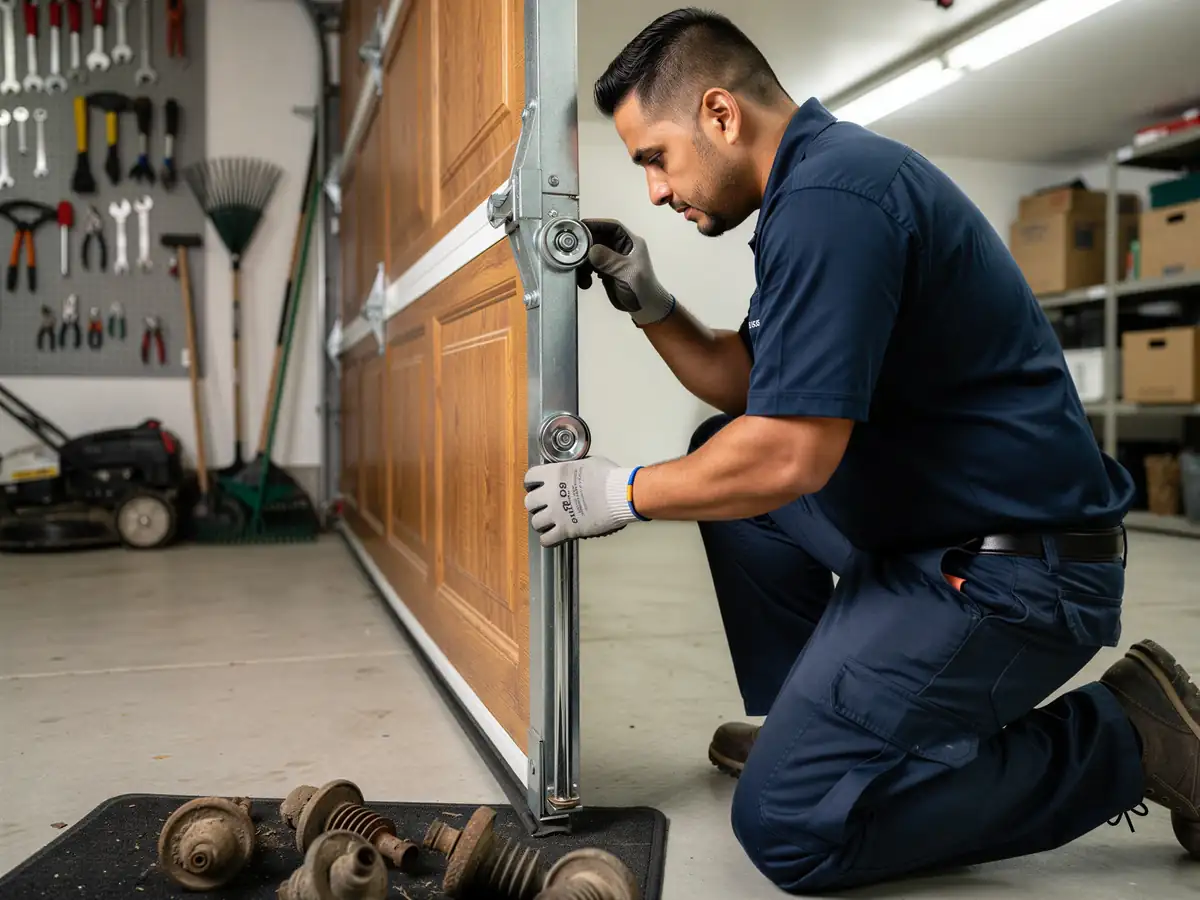
Original hardware on a 30-year-old door has usually cycled tens of thousands of times, and the play that builds up in worn hinge pivots shows up as side-to-side wobble, not a dramatic break. None of this is unique to one house - it's what you'd expect from hardware that's simply reached the end of its working life, on a door built to the standards of its decade rather than today's.
What You Are Seeing
If your door is from the original 1992-era build, the symptoms tend to show up gradually rather than all at once. A door that used to close flush starts leaving a gap at one bottom corner - that's usually a weakened torsion spring letting one side drop before the other. A grinding or popping sound partway through the cycle often points to worn rollers riding in a track that's never been realigned.
Some owners notice an energy angle instead of a mechanical one: an uninsulated single-layer steel panel does nothing to buffer the garage from outside temperature, and if that garage shares a wall with living space, it shows up as a draftier room next door. That's not a defect, just the limit of what a bare steel panel was built to do in 1992.
A door that's visibly sagging on one side when it's down, or that needs a shove partway up before the opener can finish the lift, has usually crossed from