What Causes It Around Here
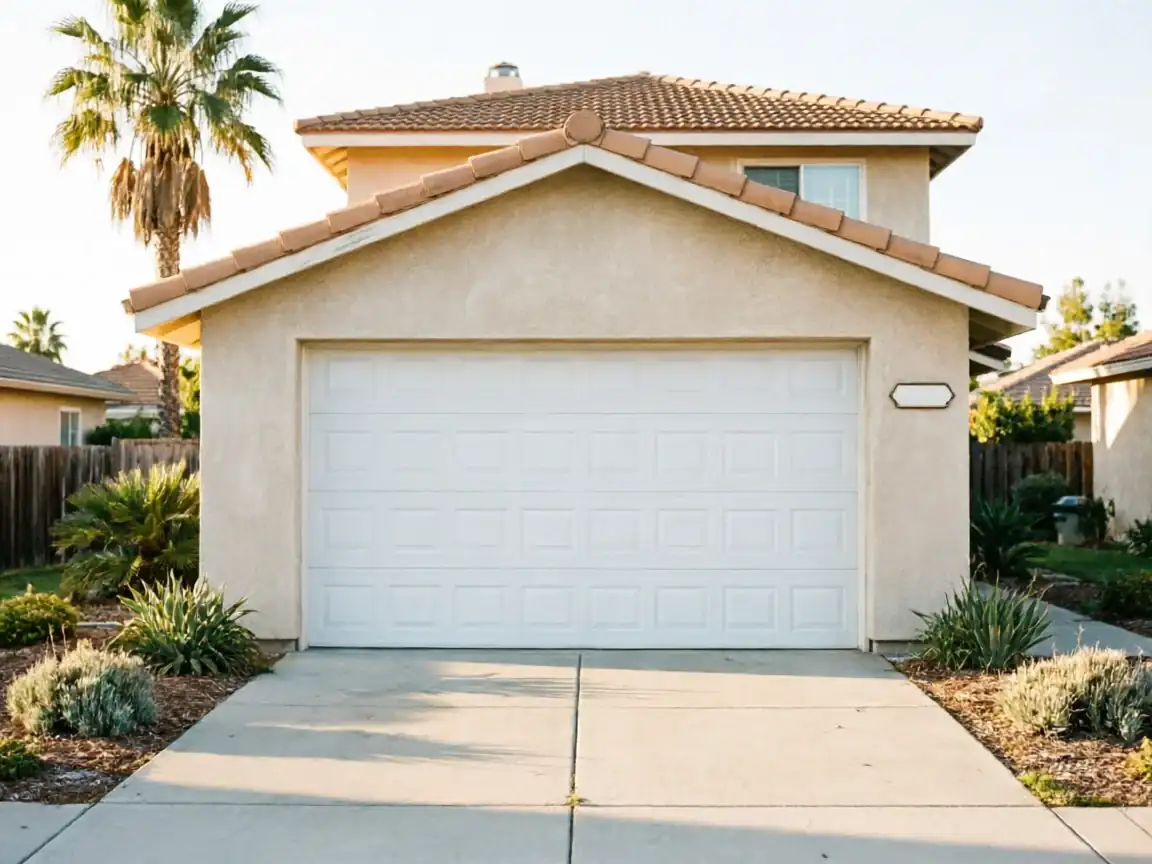
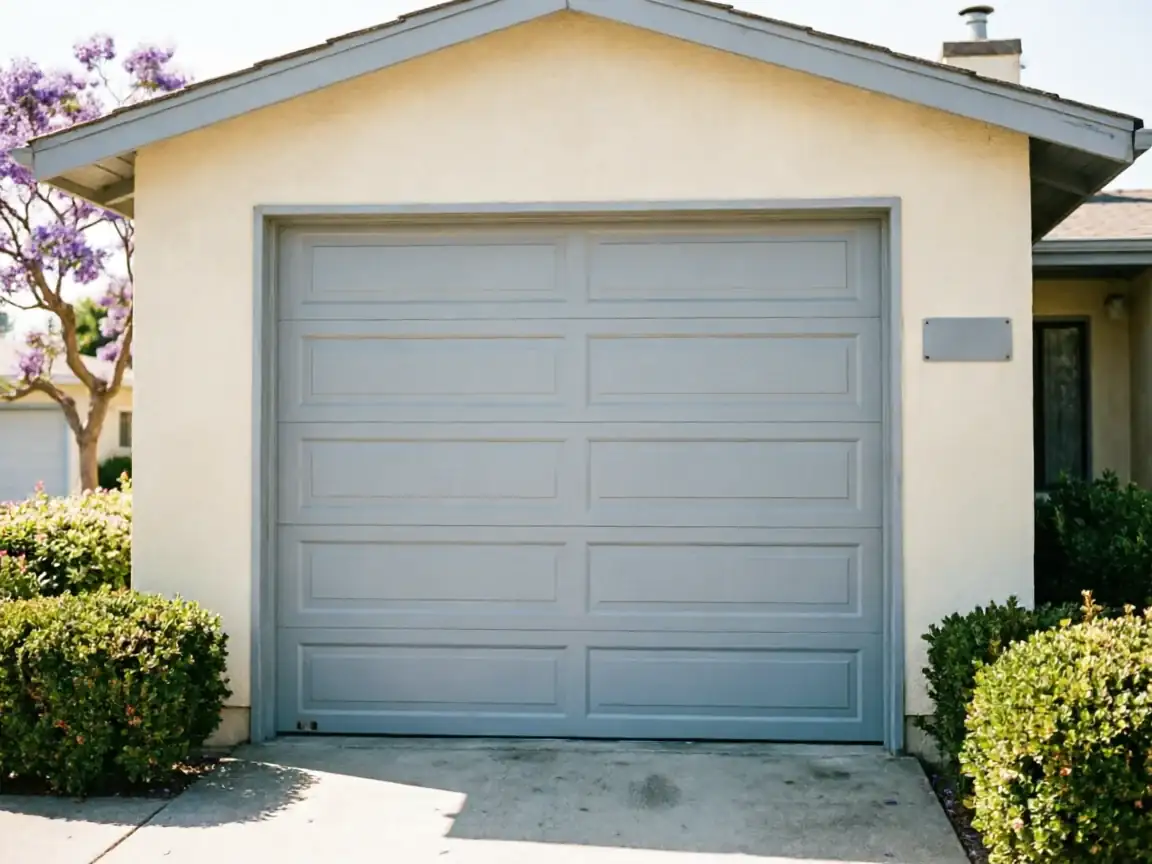
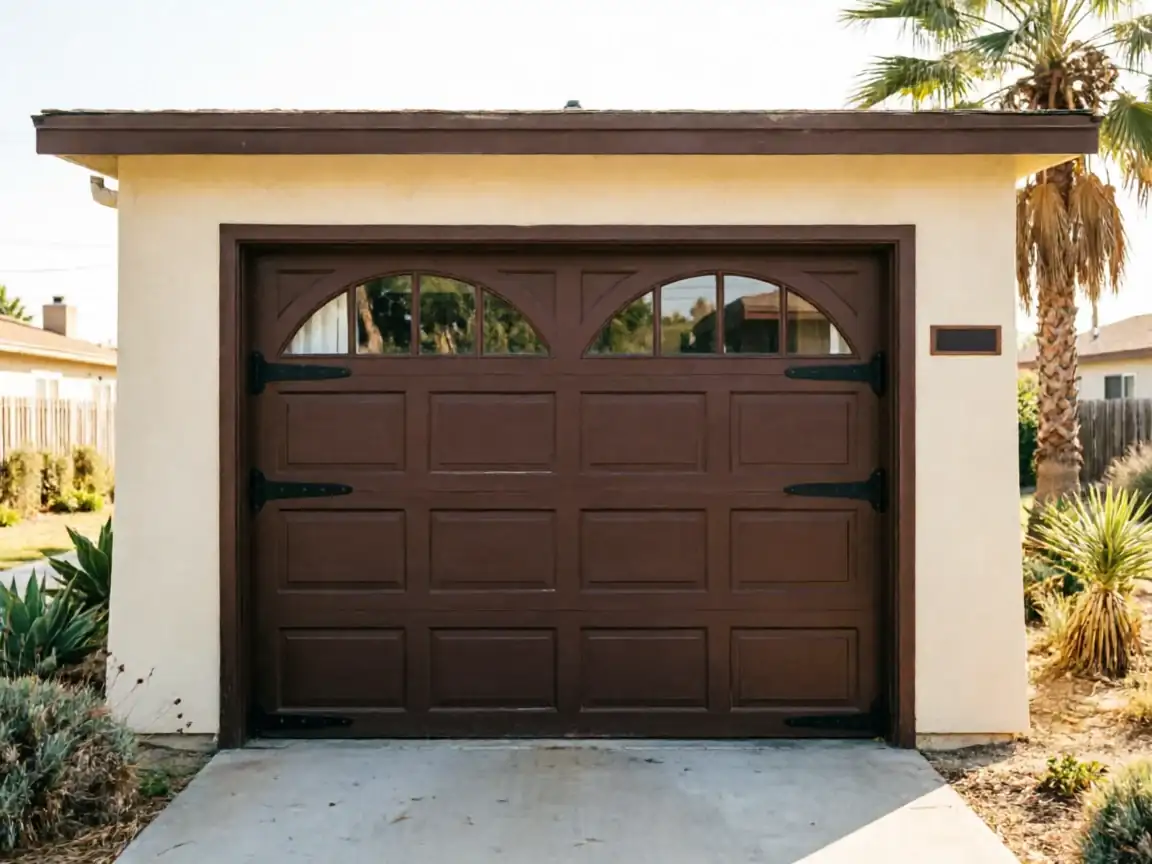
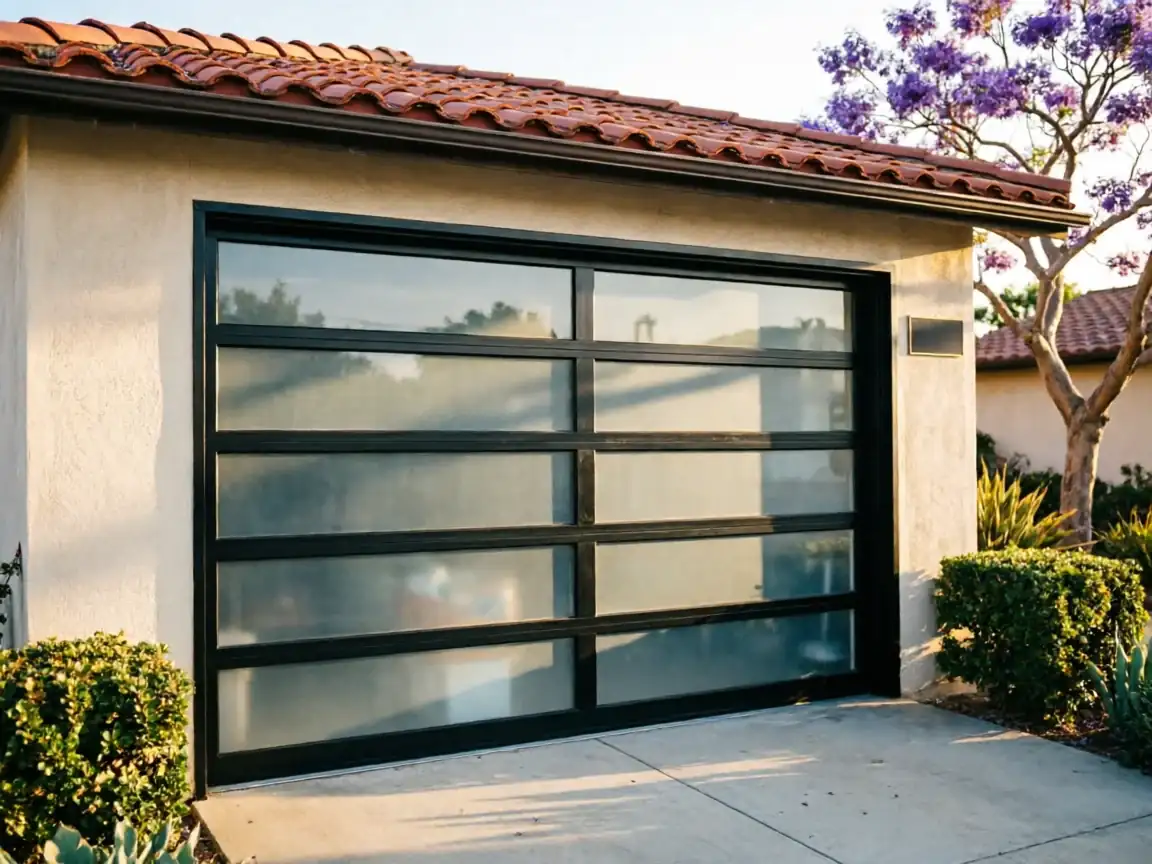
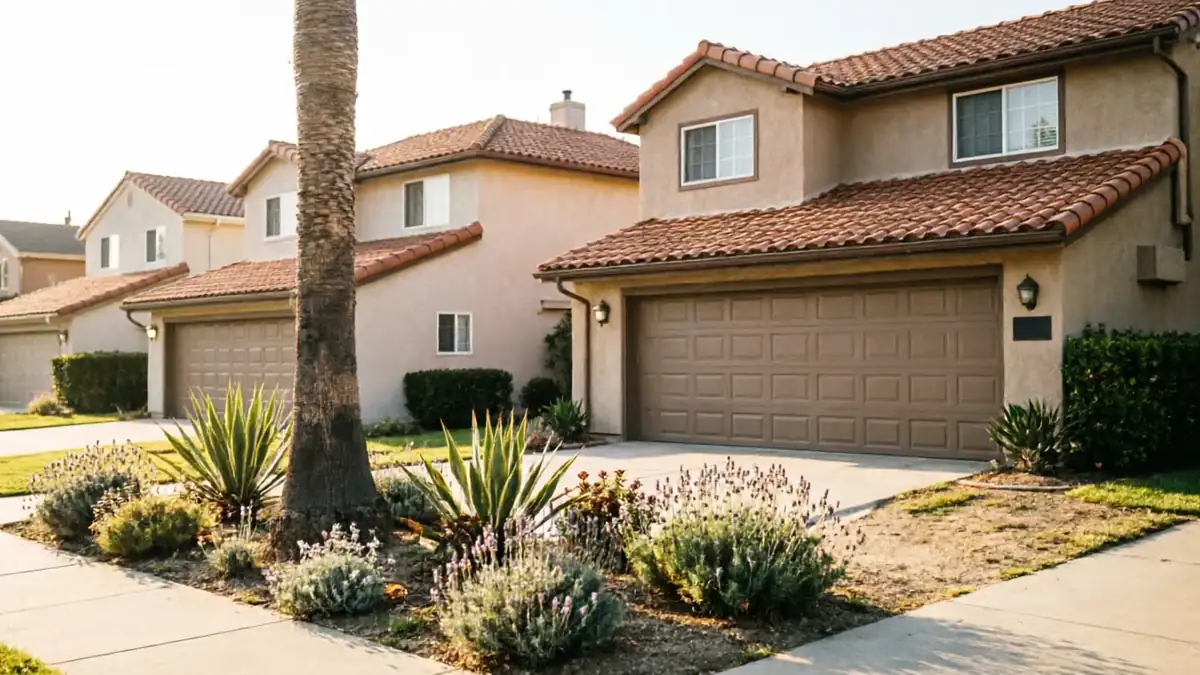
Rancho Santa Margarita is a smaller town, around 17,042 households, which means fewer doors overall but a tighter build window than most of the suburbs we cover. Most of the housing here went up around 1992, a full generation newer than the service area's overall median build year of 1976. That matters for maintenance because a 1992 door and opener are now passing the 30-year mark, the point where original hardware starts to fail on its own schedule rather than from abuse.
The climate band here is mild temperate, so you're not fighting the freeze-thaw cycling that cracks springs or the salt air that eats galvanizing on the coast. What you do get is steady UV and heat cycling on rollers, seals, and plastic opener gears, year after year, with no real off-season to let components rest. On a newer-era door that's often nylon rollers going brittle and foam weatherstrip drying out and splitting at the corners rather than steel rusting through. It's slower damage, but it's just as real, and it tends to show up all at once when a part finally lets go mid-cycle.
Booking a Visit
We run maintenance calls out to Rancho Santa Margarita from our Irvine base, about 10 miles away. There's no branch location in town, so every visit is a dispatched truck rather than a drop-in, which is worth knowing if you're hoping for a same-morning fix on a whim. Scheduling ahead works better than calling and expecting someone within the hour.
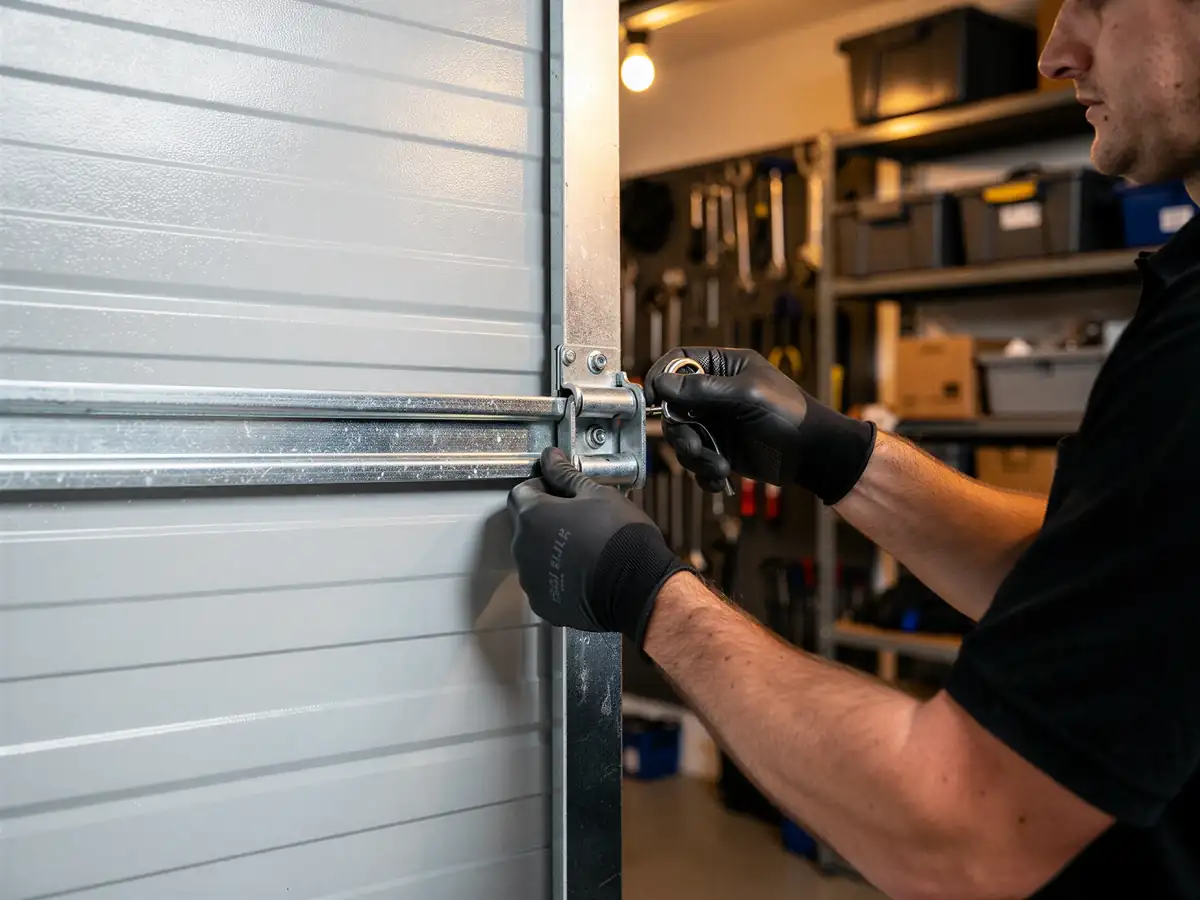
Because the town sits on the edge of our coverage area along with places like Coto de Caza and Rancho Mission Viejo at similar distances, we try to route maintenance visits efficiently rather than one-off. If you book a tune-up, it helps to mention the door's approximate age and whether it's ever had the opener replaced, since that tells us before we arrive whether we're looking at a lubrication-and-adjustment visit or something closer to an opener swap. We're straightforward on the phone about which one it sounds like from your description.
What Can Go Wrong
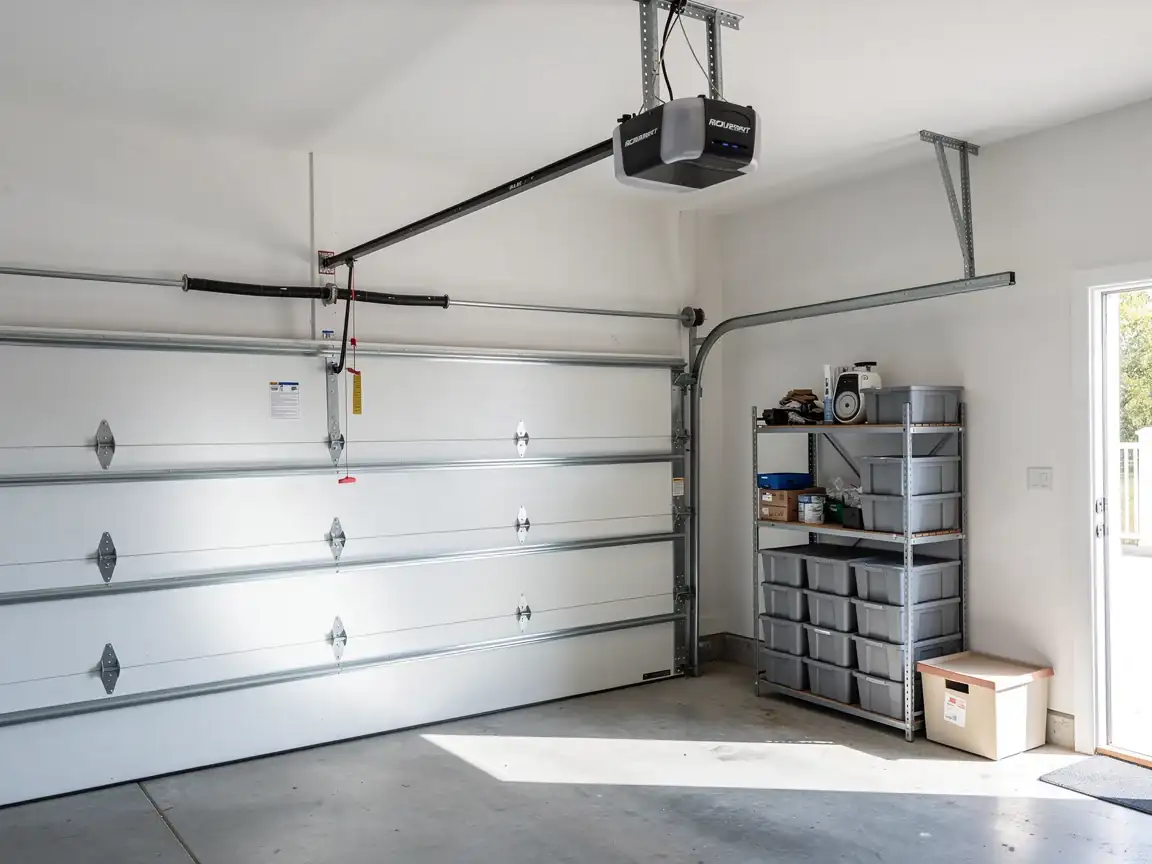
On a door installed around 1992, the opener is usually the first thing to show its age
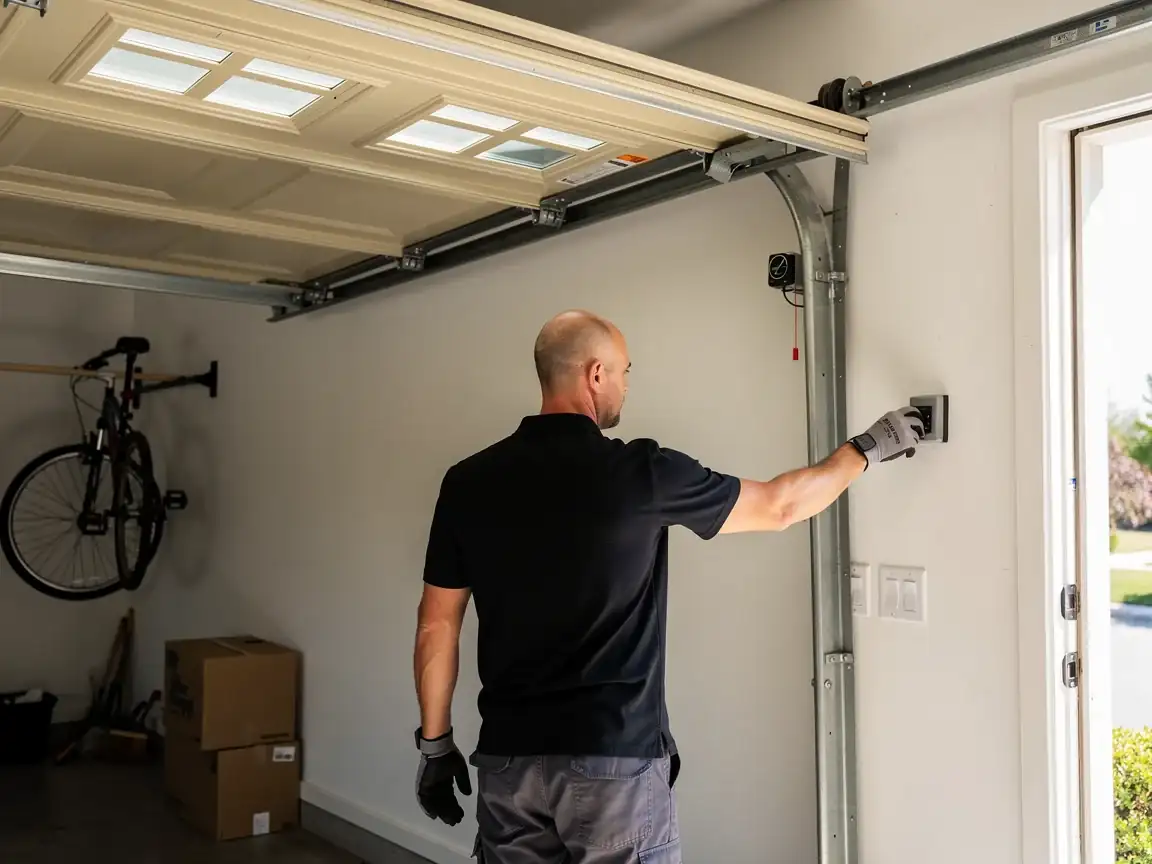
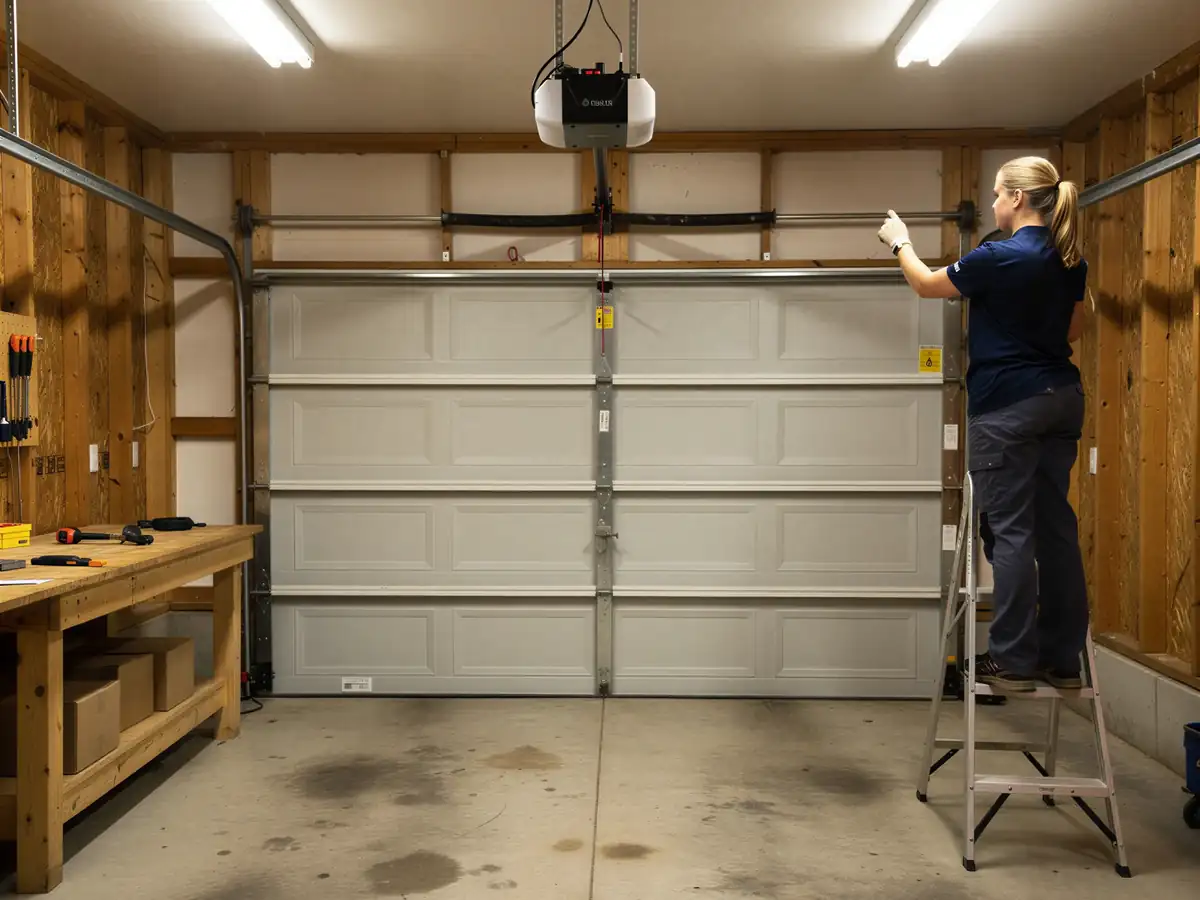
Chain-drive and early screw-drive units from that era used plastic gear-and-sprocket assemblies that wear down from the inside, so the motor runs but the door creeps or stalls. Capacitors in the motor housing also dry out over three decades, which shows up as a unit that hums but won't start moving.
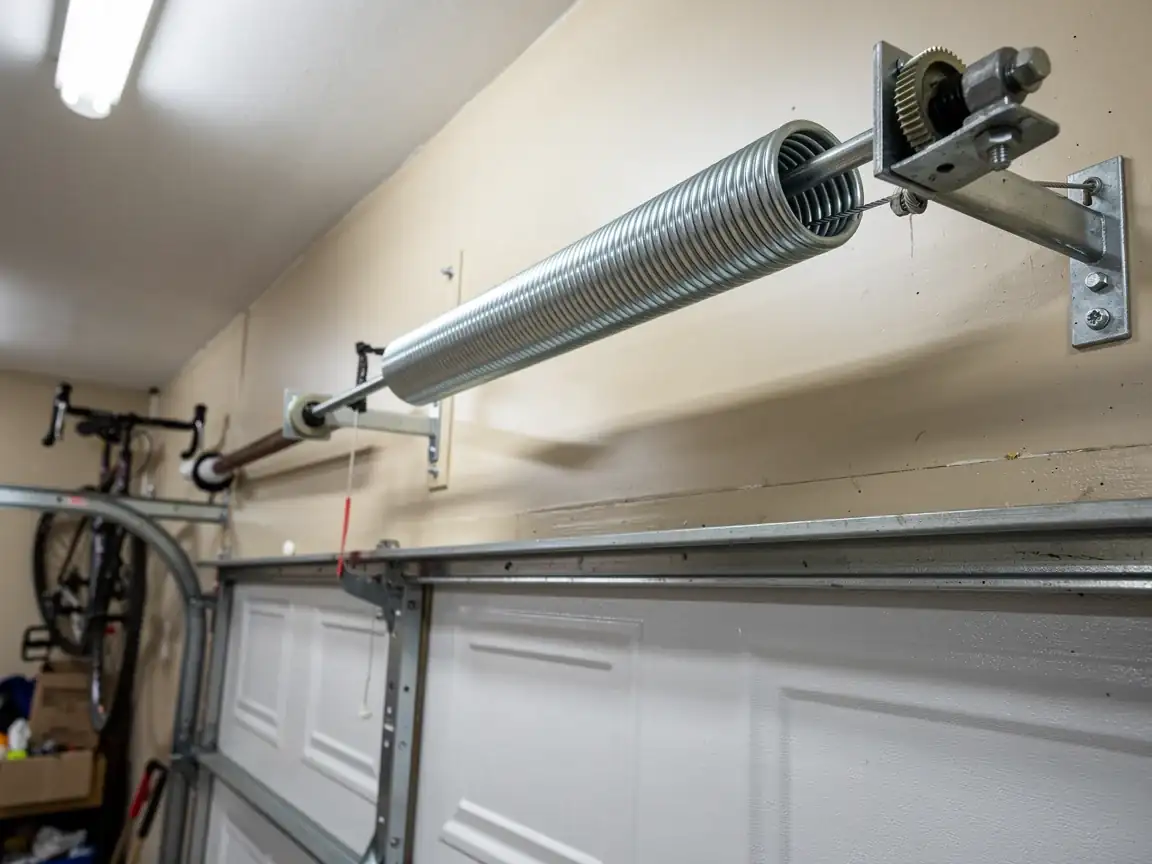
Springs on a door this age have usually been replaced at least once already
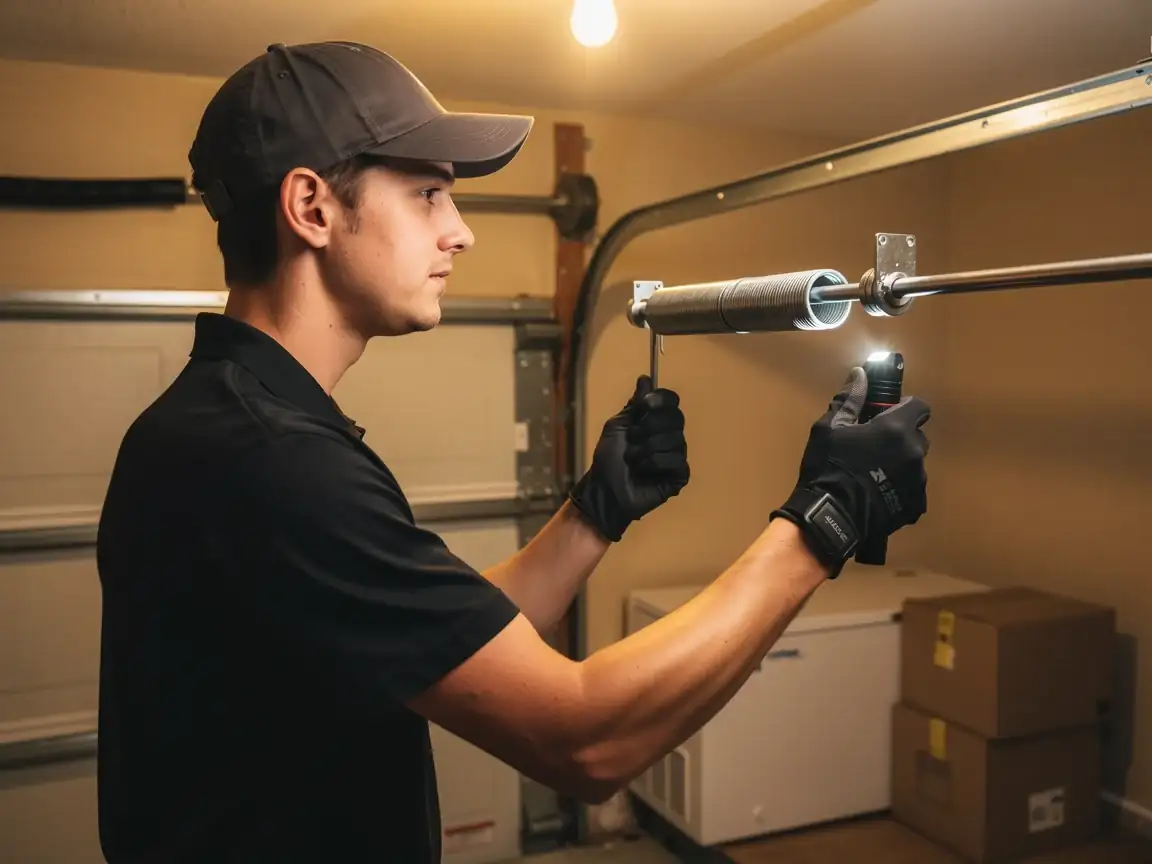
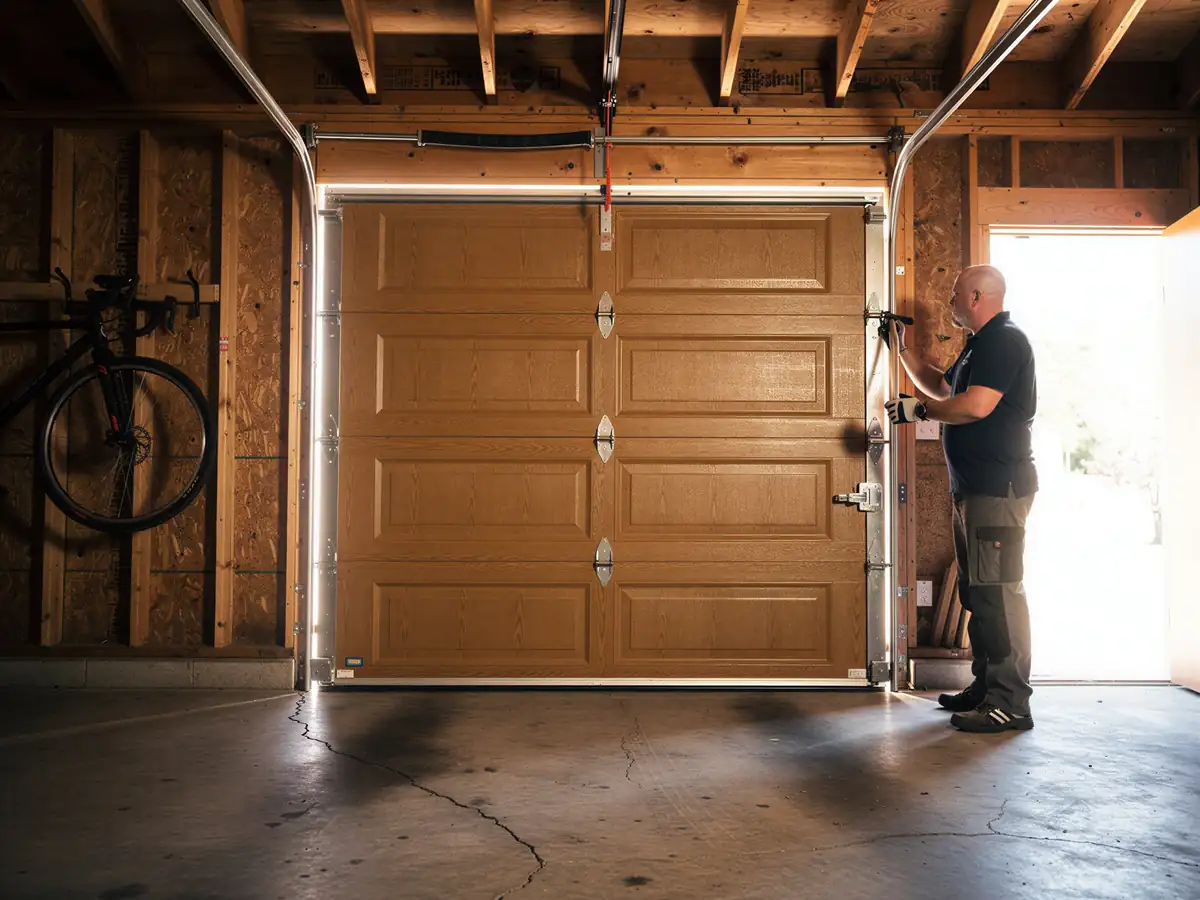
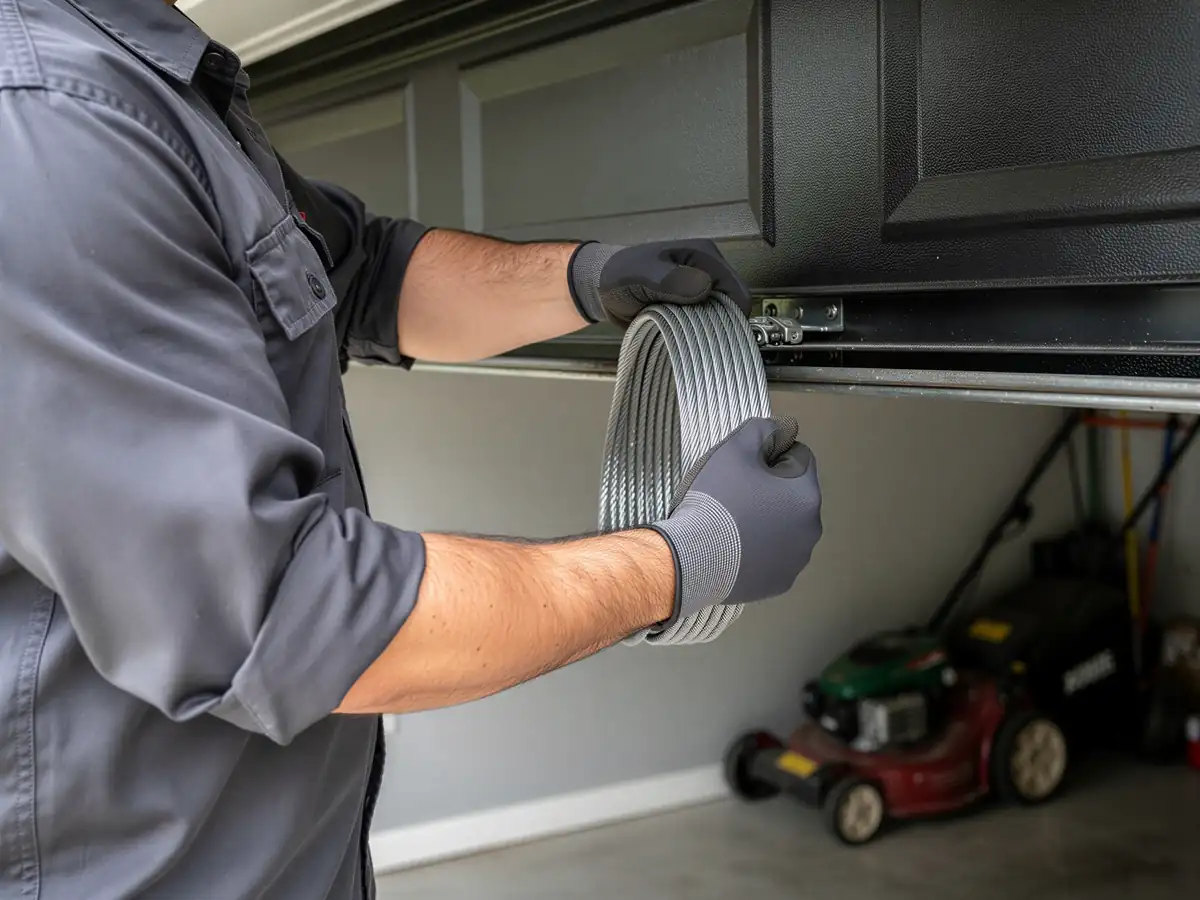
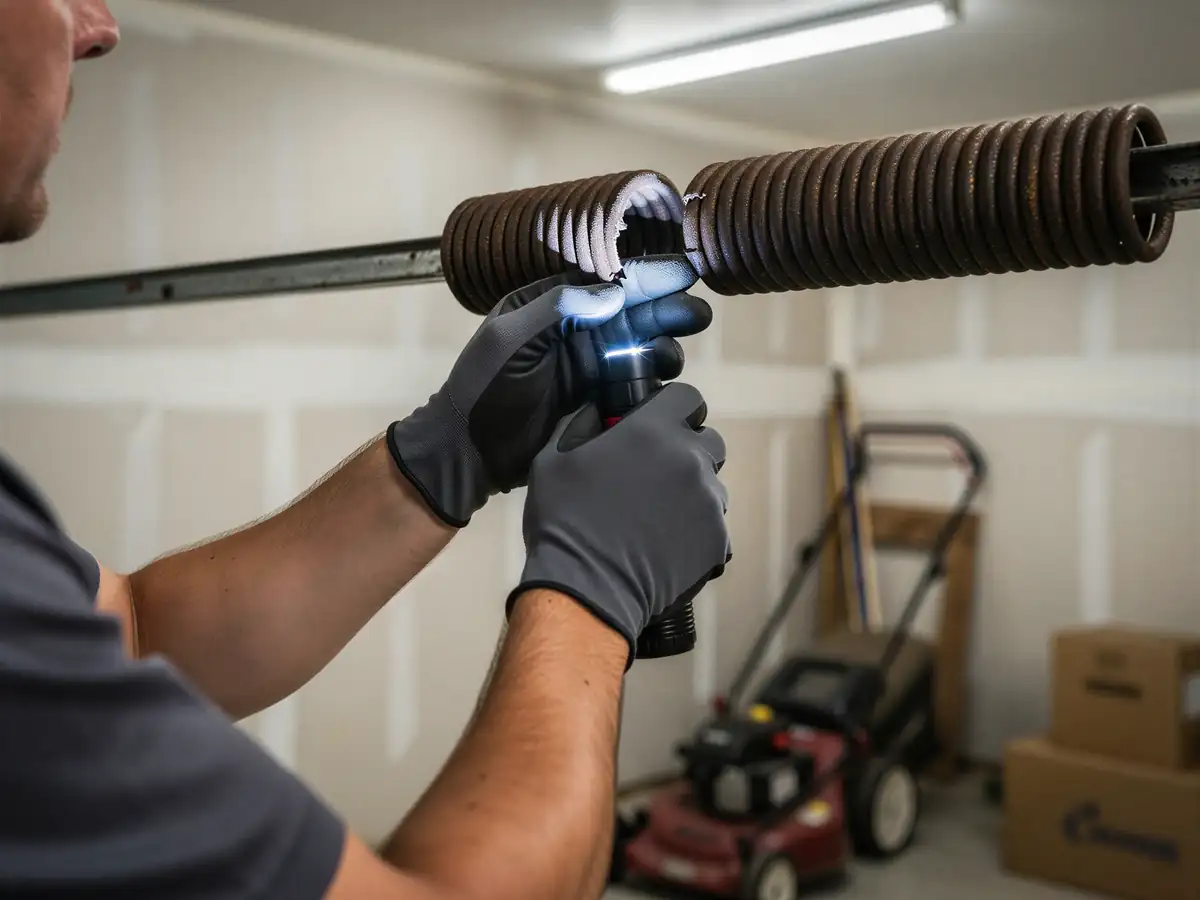
But if the original torsion spring is still in place, 1992-era coatings don't hold up as well as what's used now, and you'll see surface rust well before the spring itself fails. Cables fraying at the bottom bracket is common on original hardware too.
What we don't do is replace a working opener just because it's old
If the motor still runs strong and the gears aren't slipping, a service and adjustment is the honest call, not a sale.
What You Are Seeing
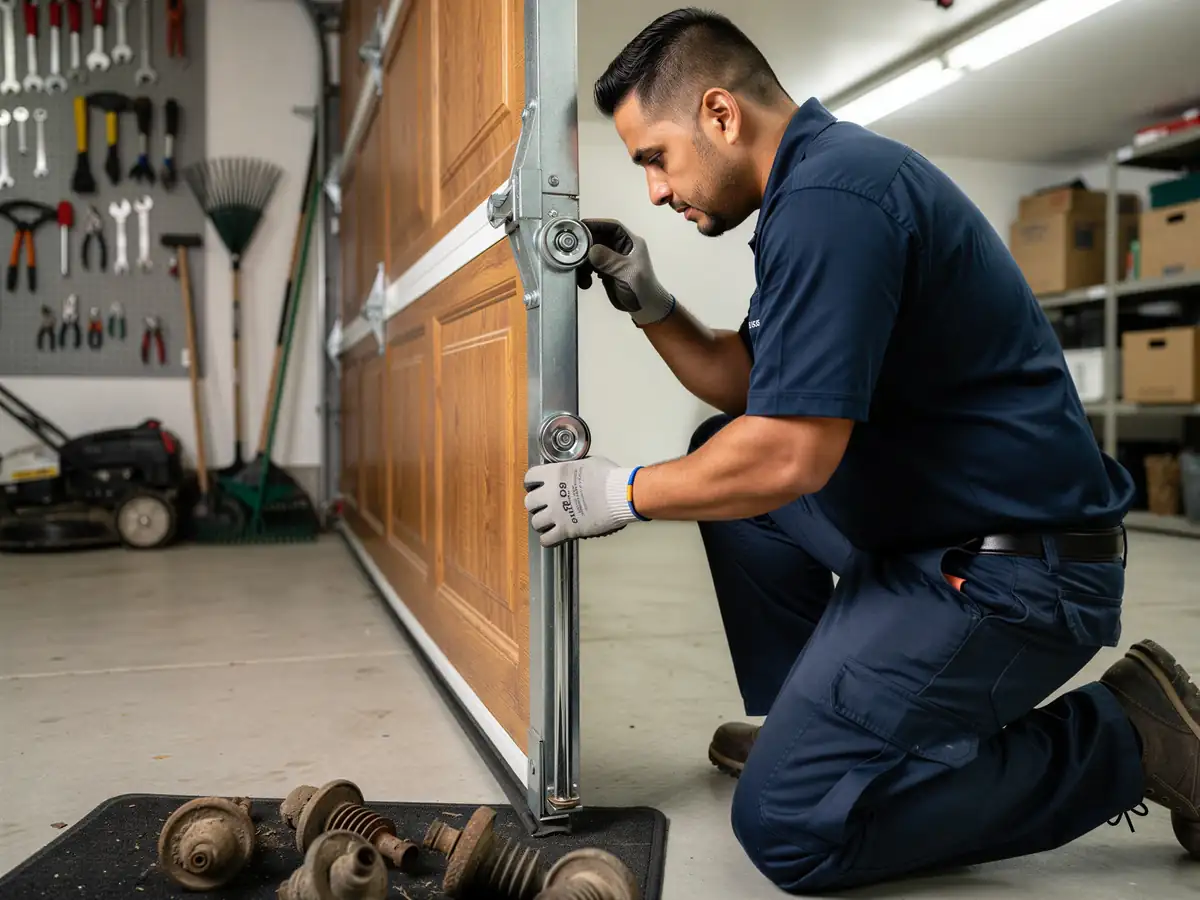
A door that reverses before it touches the floor usually means the opener's travel limits have drifted, common on units original to a 1992 build once the gear assembly has a little play in it. A door that's noticeably louder than it used to be, especially a grinding or rattling on the way up, often points to rollers that have gone from nylon-smooth to flat-sided and brittle from years of UV exposure.
If the door lurches or feels heavier on one side as it opens, check the cables first; fraying near the bottom bracket is one of the more common findings on original 1990s hardware we see in this area. A remote that's gone unreliable, needing multiple presses, is more often a worn wall switch or a dying opener logic board than a dead battery once it's been happening for weeks rather than days.
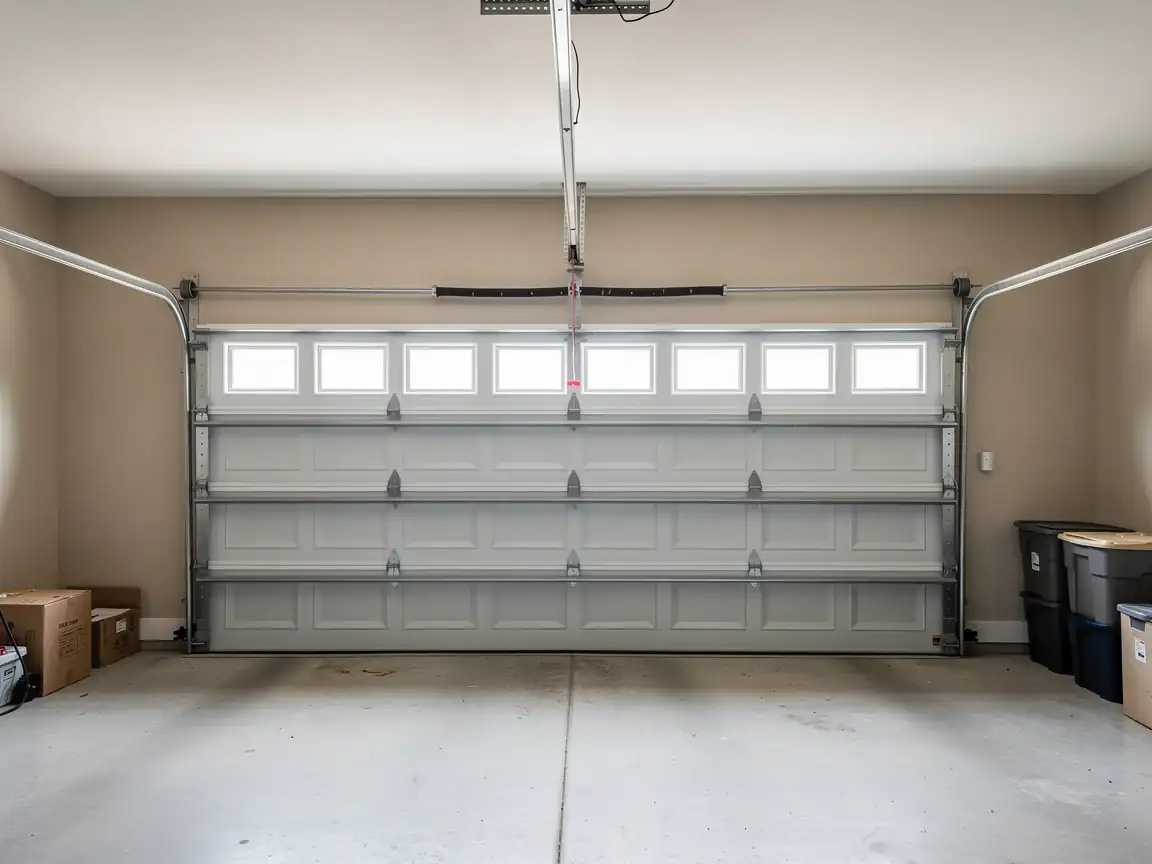
A door that won't fully seal at the bottom, letting in light at the corners, is almost always weatherstrip that's dried out and shrunk, an easy fix and one of the cheaper calls on this list.
Stocked Parts
For doors built around the early 1990s we carry nylon rollers, standard bottom brackets, and weatherstrip in the common widths as regular stock, since those wear out on a predictable schedule regardless of which opener brand is mounted. Torsion springs in standard sizes are also on the truck for same-visit swaps.
Where we run into lead time is opener-specific parts: logic boards and drive gears for discontinued 1990s models aren't something we keep on hand, since manufacturers stopped making them years ago and aftermarket supply is thin. If your opener needs one of those, we'll usually recommend a full opener replacement instead of waiting on a part that may take a week or more to source, or may not be available at all. We'll say so plainly rather than quoting a repair we can't actually deliver on schedule.