The Common Mistake
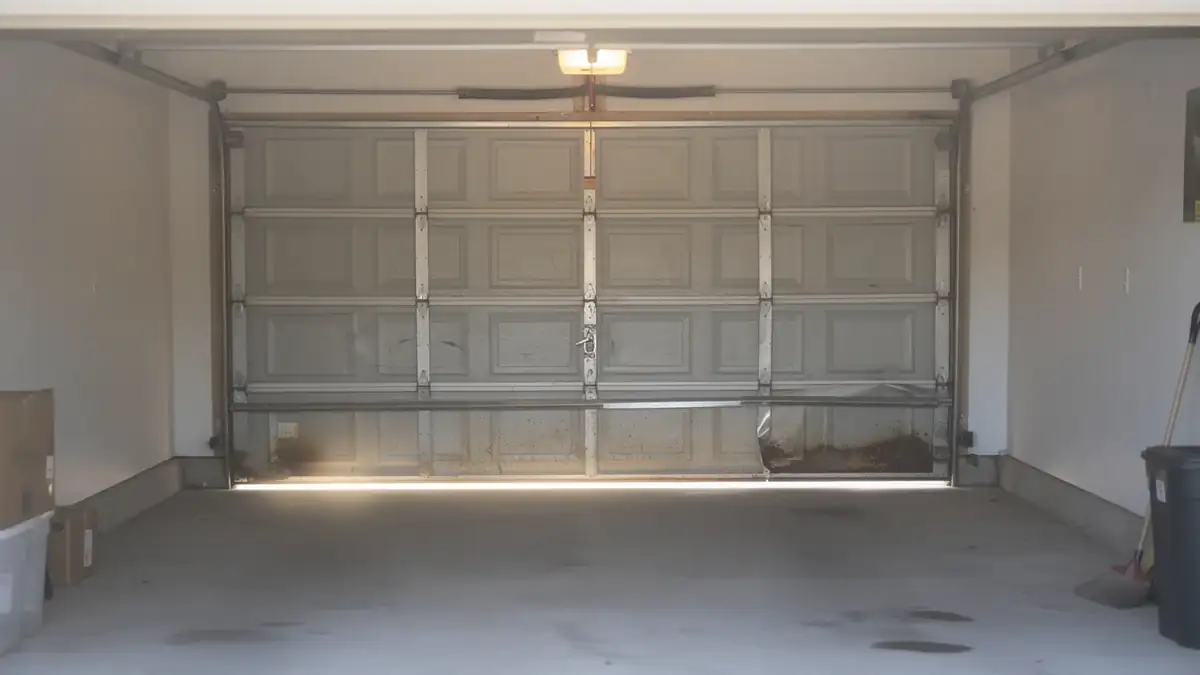
The mistake we see most in Irvine is an owner assuming that because the door still opens and closes, it's doing its job. With a median build year of 1976 across this housing stock, a lot of garages here still have their original or first-replacement door - a single layer of steel with nothing behind it. Owners figure the mild weather means it doesn't matter much whether the door is insulated. That logic holds up fine for the door's hardware, but it ignores what's actually hanging on your tracks: doors on houses built before insulation rules became standard, which were never designed to hold a temperature line between the garage and the rest of the house. If your garage backs onto a bedroom or a laundry room, as it does in a lot of the 1960s and '70s tract layouts across this area, that thin steel panel is doing almost no work for you. The fix isn't a tune-up. It's recognizing the door for what it is - an old, uninsulated panel that was built to a different standard than what goes in new construction today.
The Problem
Across the roughly 29 named areas that make up this part of Irvine, most of the housing stock dates to the 1960s and '70s, with some newer infill pushing the overall range out to 1938 through 2015. The older end of that range is where the uninsulated doors live. A single-skin steel door from that era has no foam core, no thermal break at the frame, and often no weatherstrip worth mentioning at the bottom panel. Over decades that steel has taken on dents, the tracks have shifted slightly as the slab settled, and the rollers have worn past where they roll smoothly. None of that is dramatic - it's just slow wear that nobody notices because the door still technically works. The real problem shows up when you try to compare your utility bill or garage temperature to a neighbor's newer build in one of the areas built out later. Same climate, same mild year-round temperatures, very different door. Replacing a panel on a door this old usually isn't practical since manufacturers don't keep matching stock for a steel profile from the 1970s - at that point you're replacing the whole door, not patching it.
What the Weather Here Does to It
The mild temperate climate across this part of Orange County is genuinely easy on garage doors compared to most of the country - no ice, no heavy snow load, no deep freeze to worry about. That's the good news. The trade-off is that mild weather lets a bad door coast along for years without forcing the issue, which is exactly why so many houses from the 1960s and '70s stock are still running their original uninsulated panels decades past when they'd have been replaced somewhere with harsher winters. The daily and seasonal temperature swing here is modest but constant, and it's that steady low-grade cycling - not any single storm - that eventually loosens hardware and fatigues old steel. We won't tell you the weather is wearing your door out fast, because it isn't. We will tell you that mild weather is the reason a door built before insulation rules has lasted this long without anyone noticing what it's costing in comfort and noise.