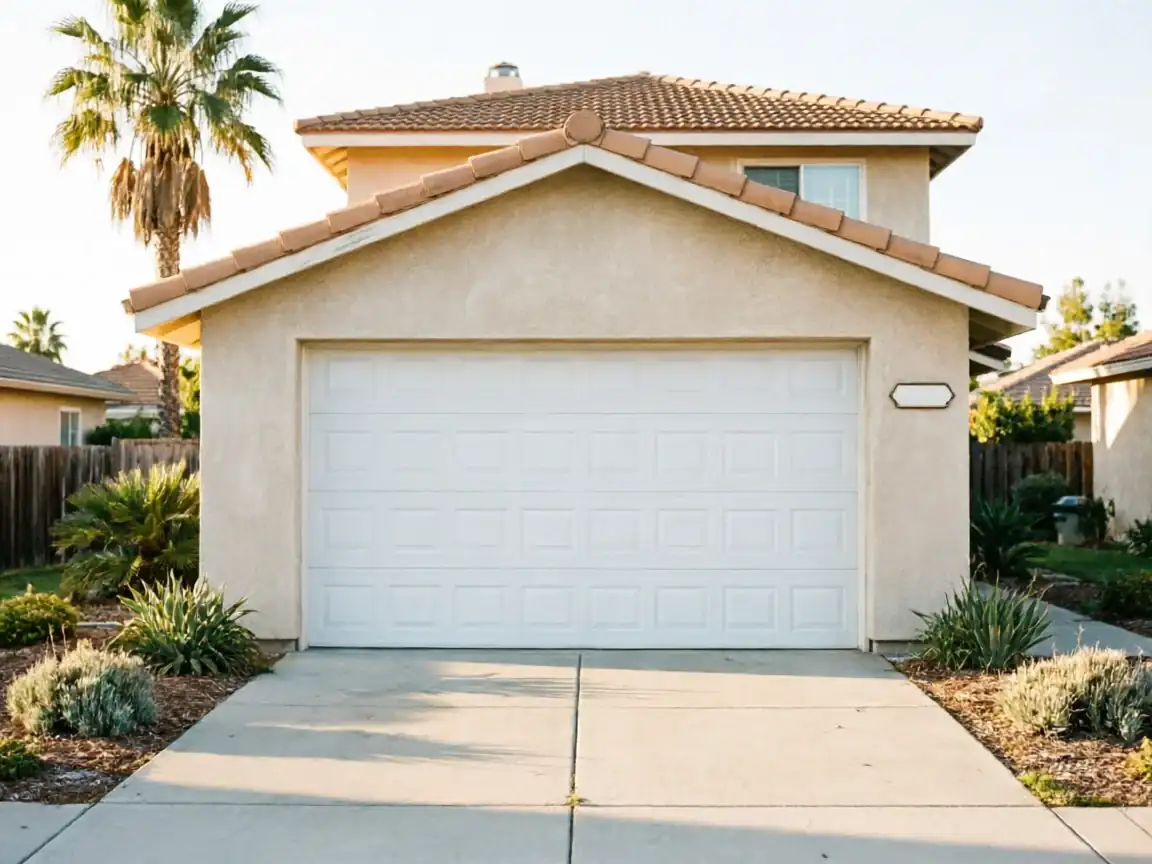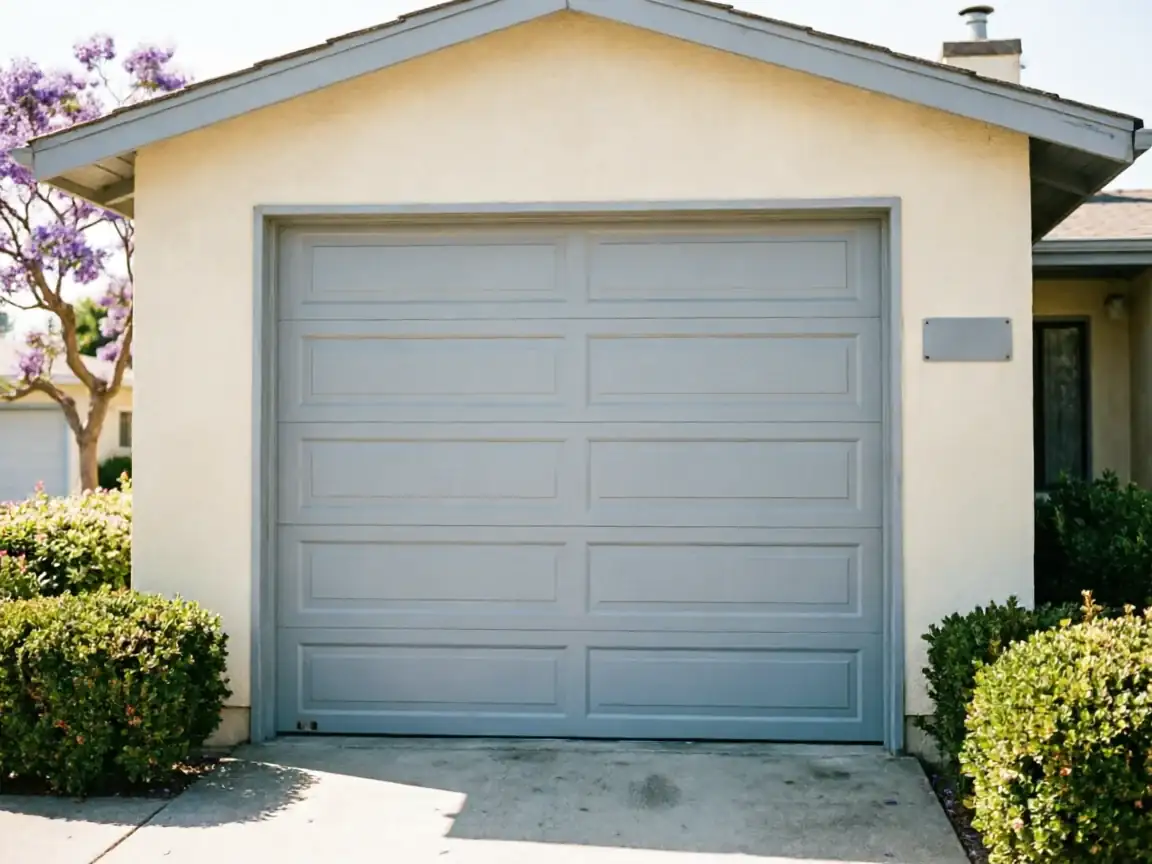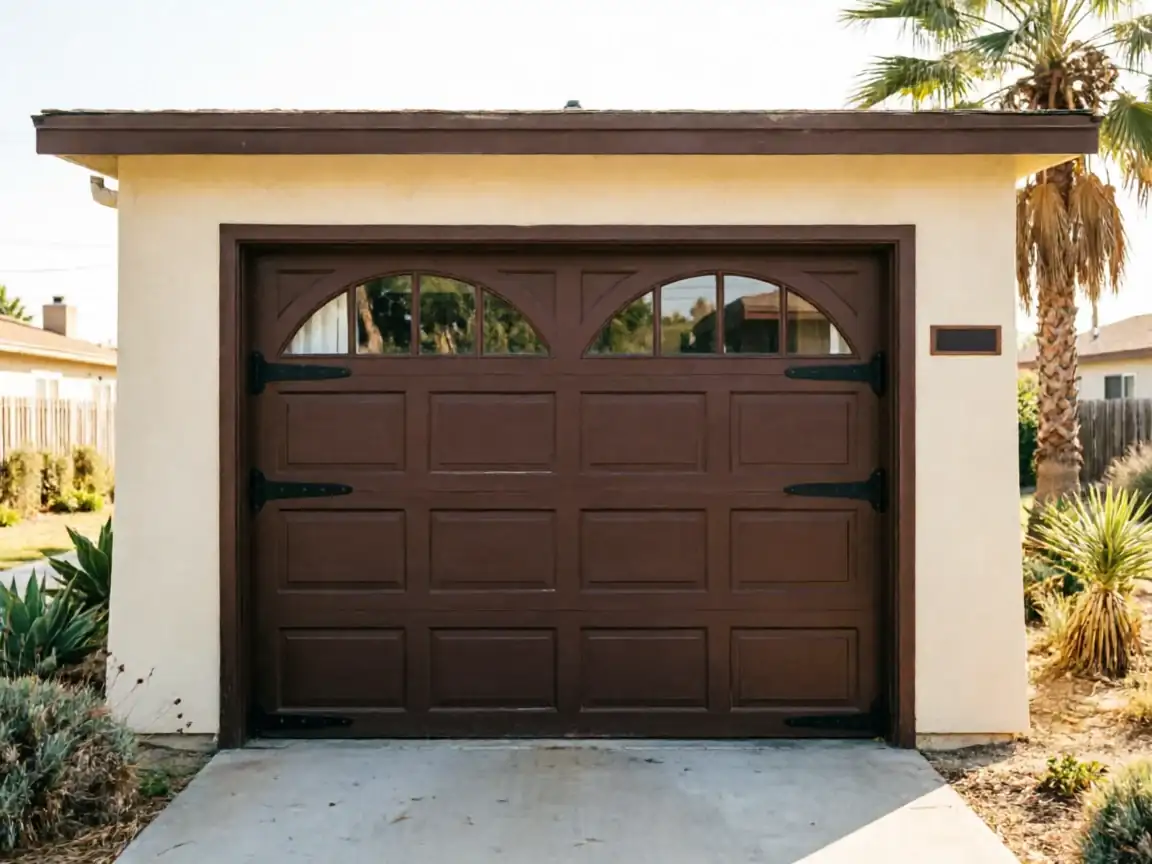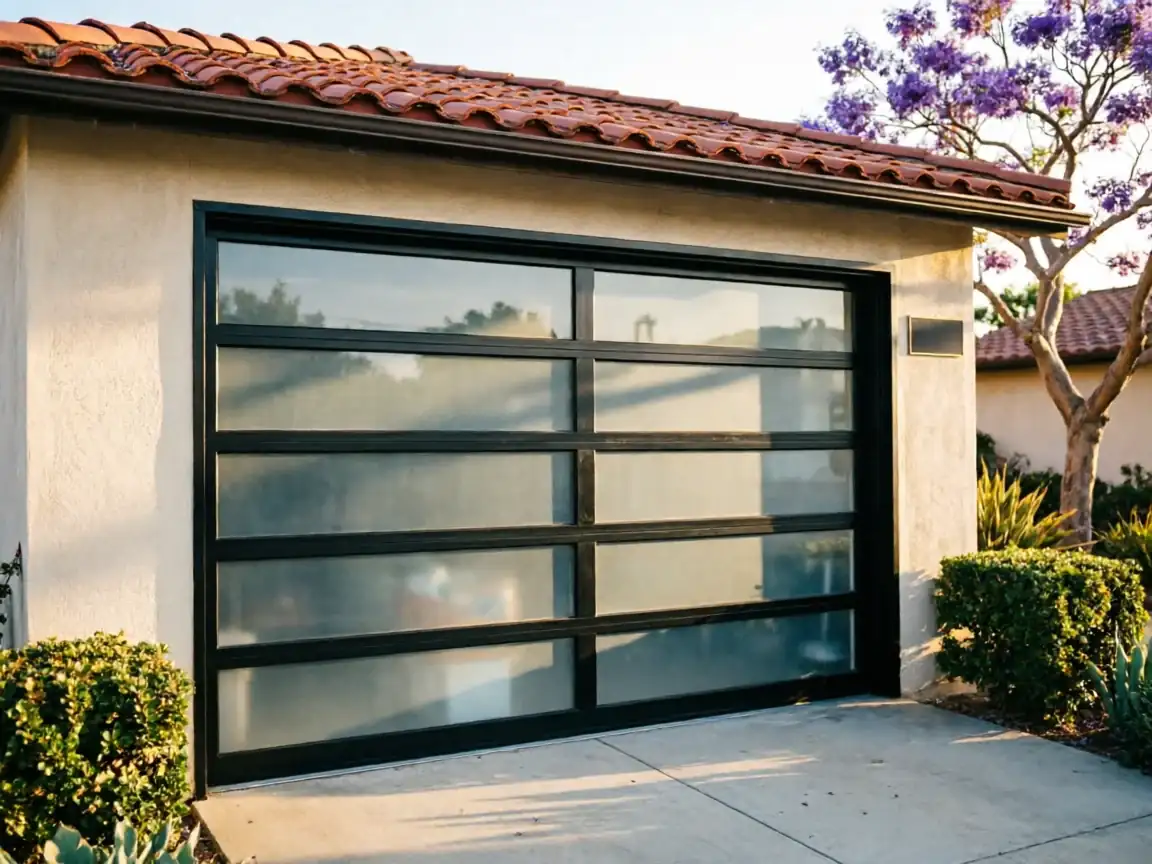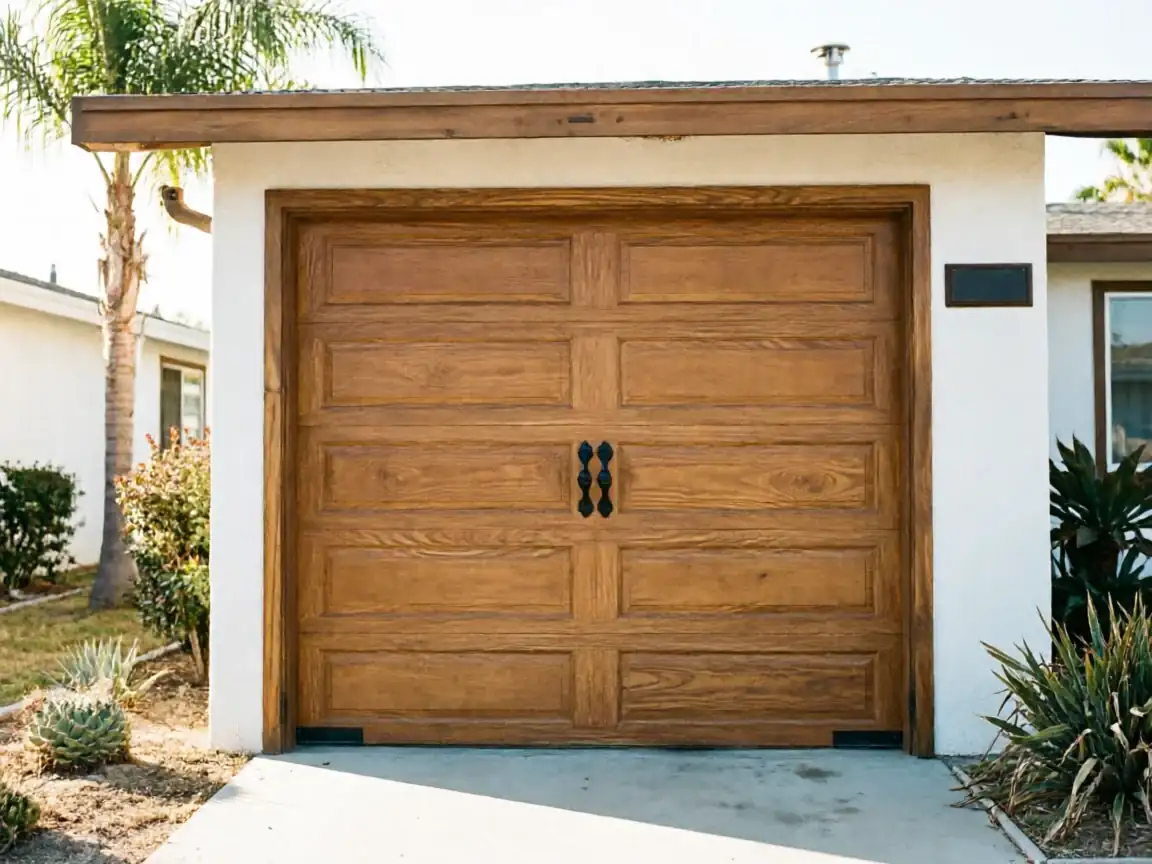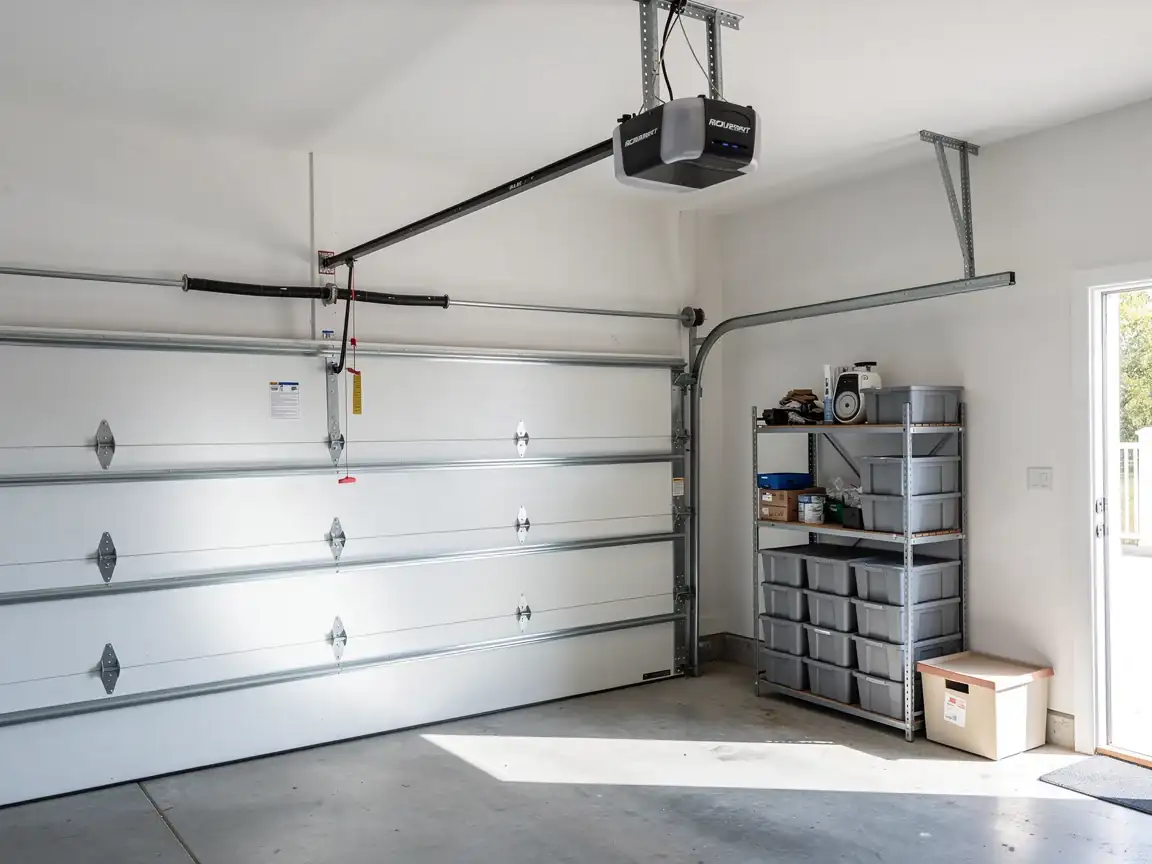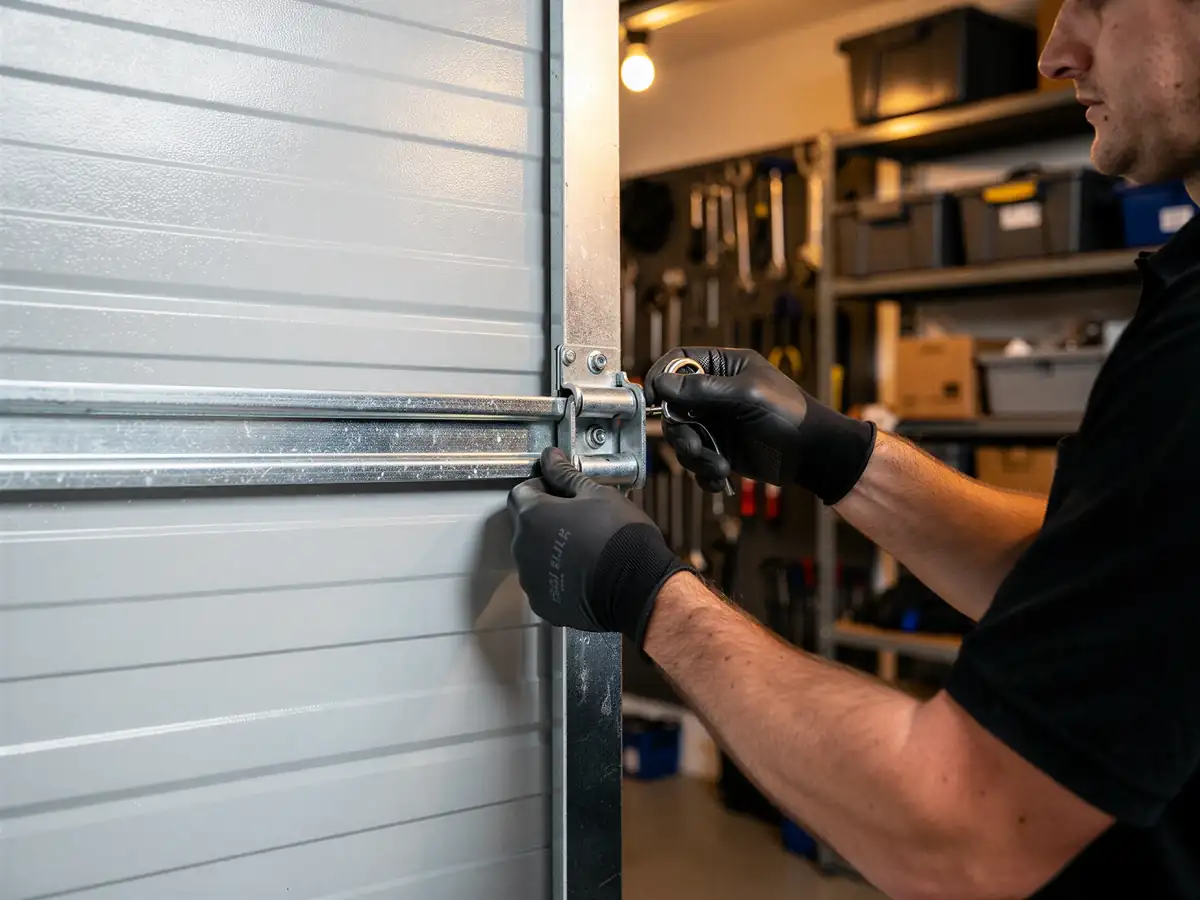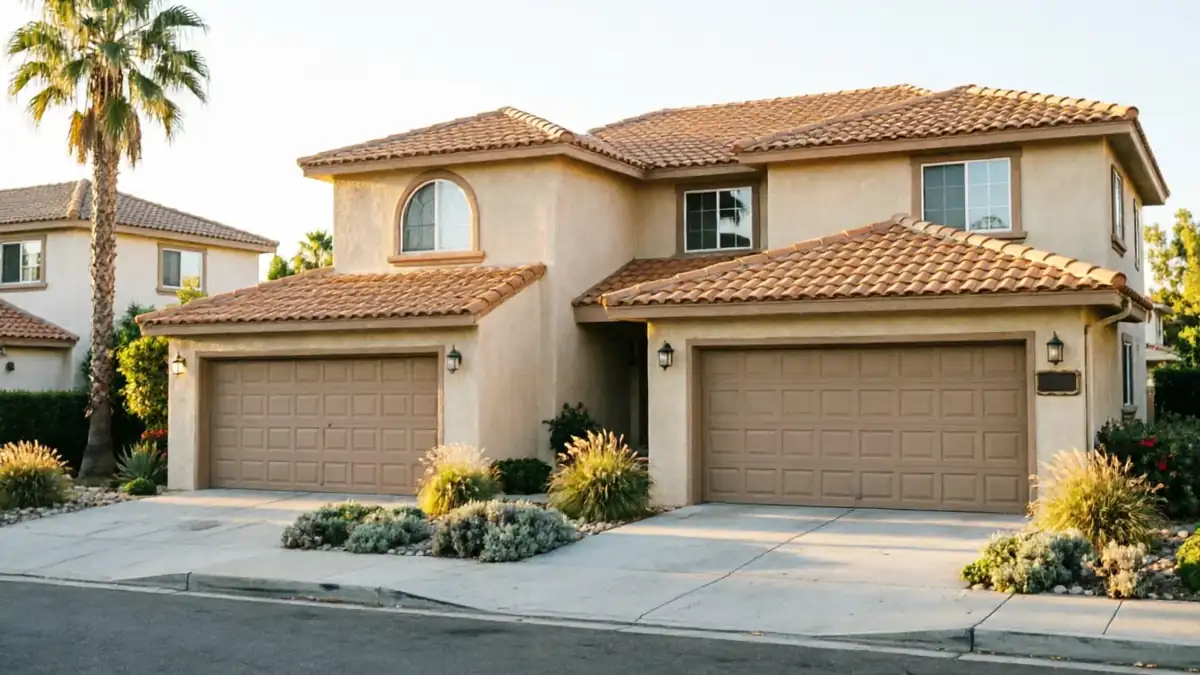
What You Are Seeing
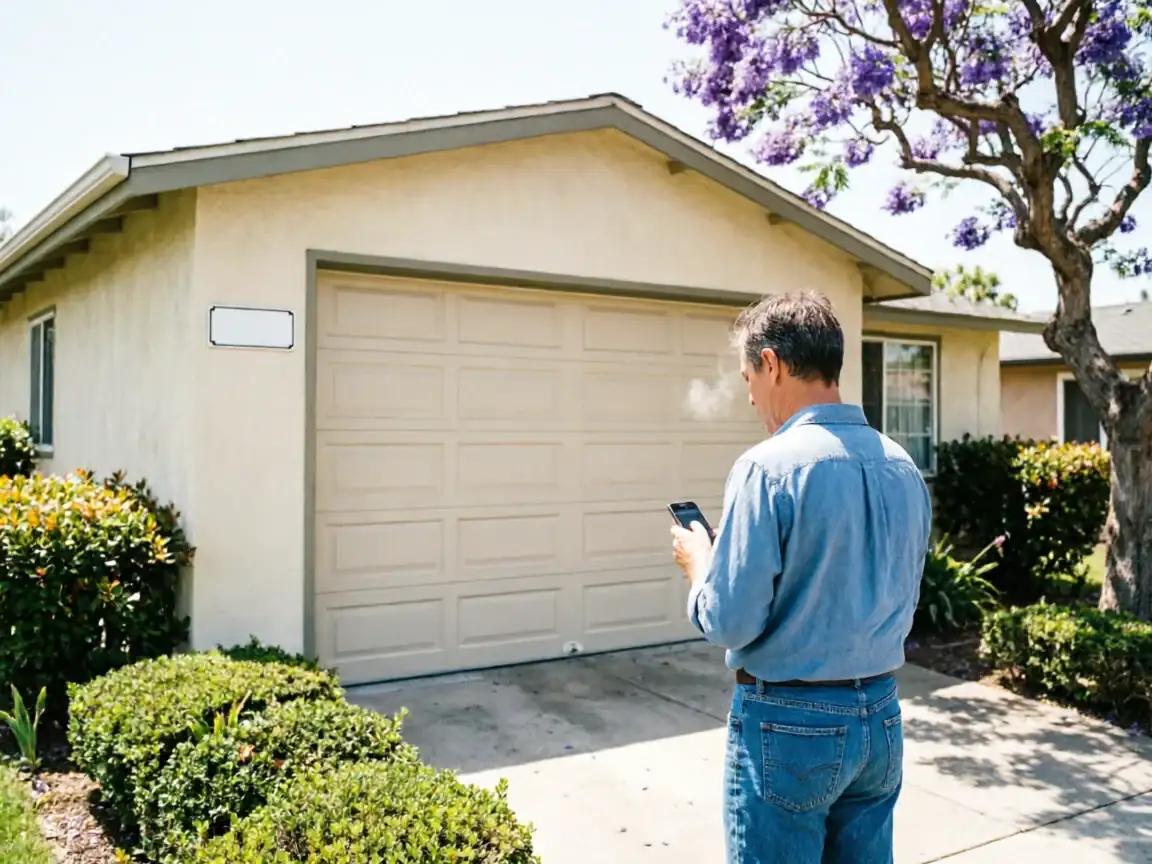
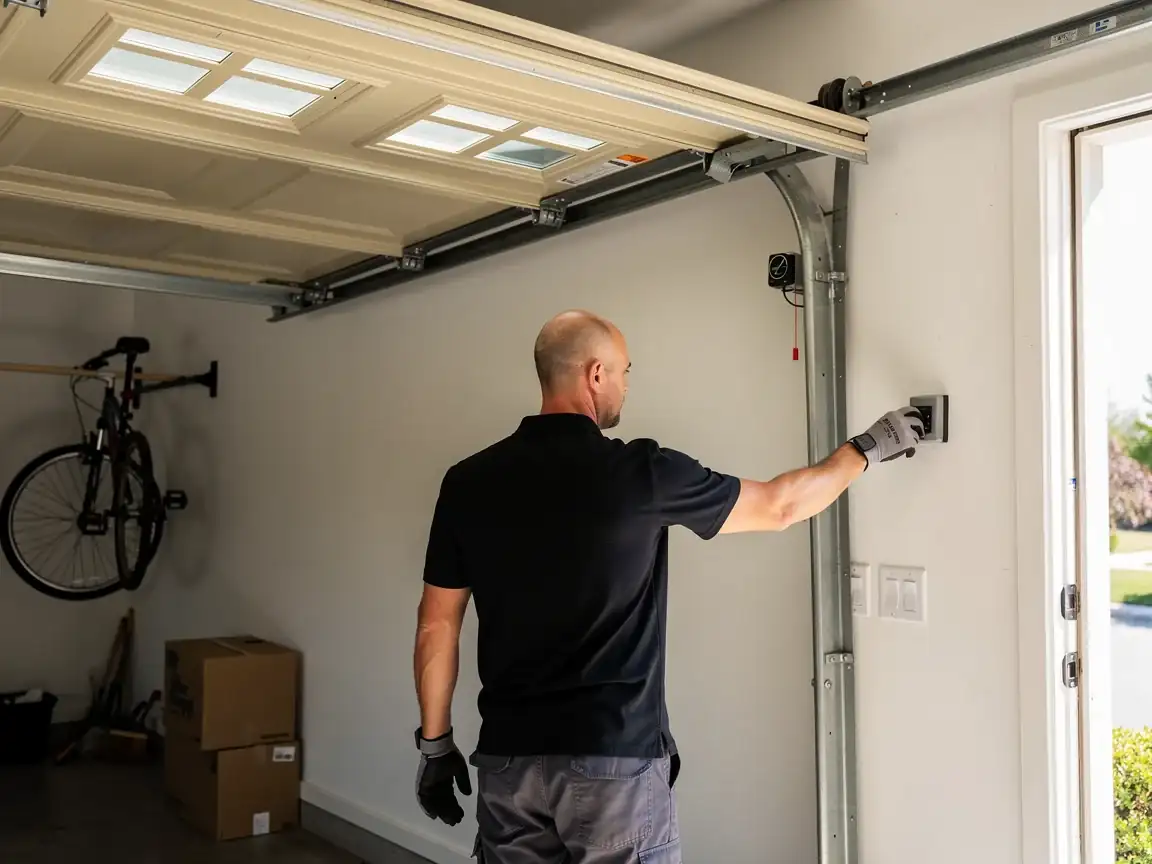
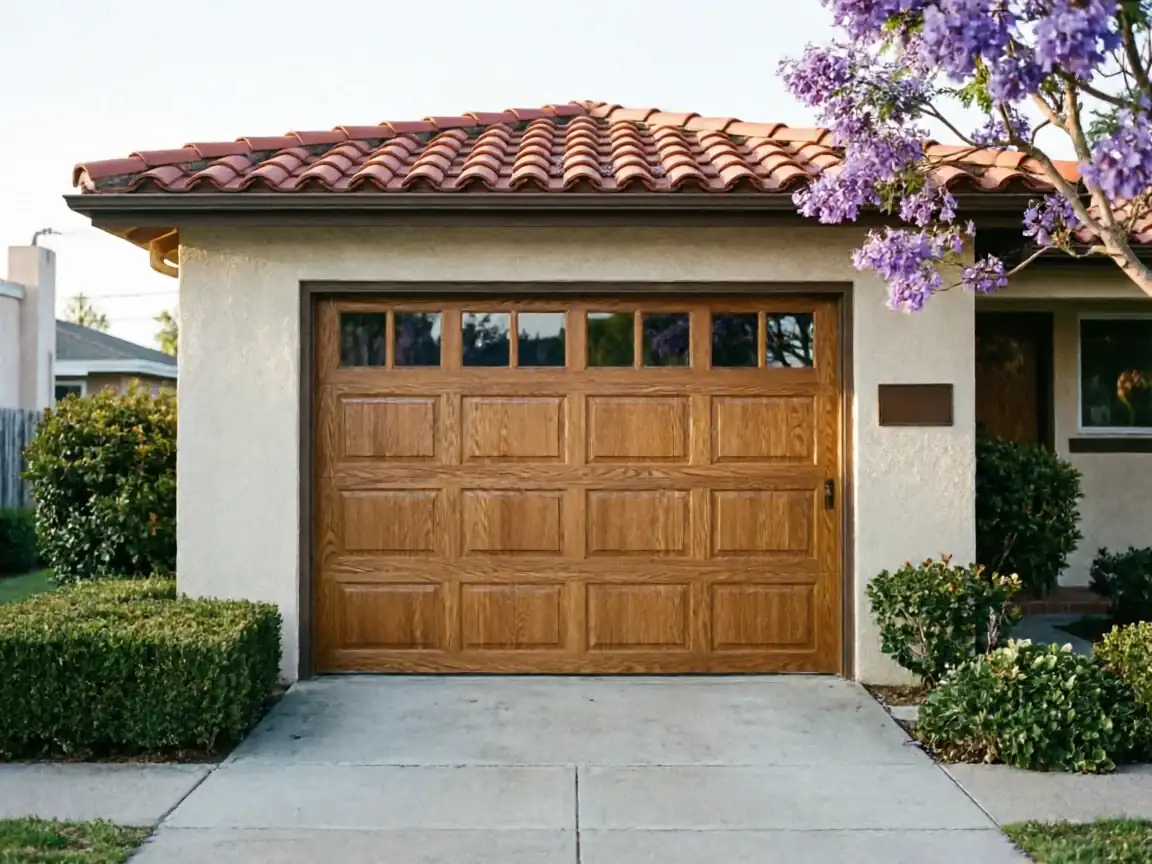
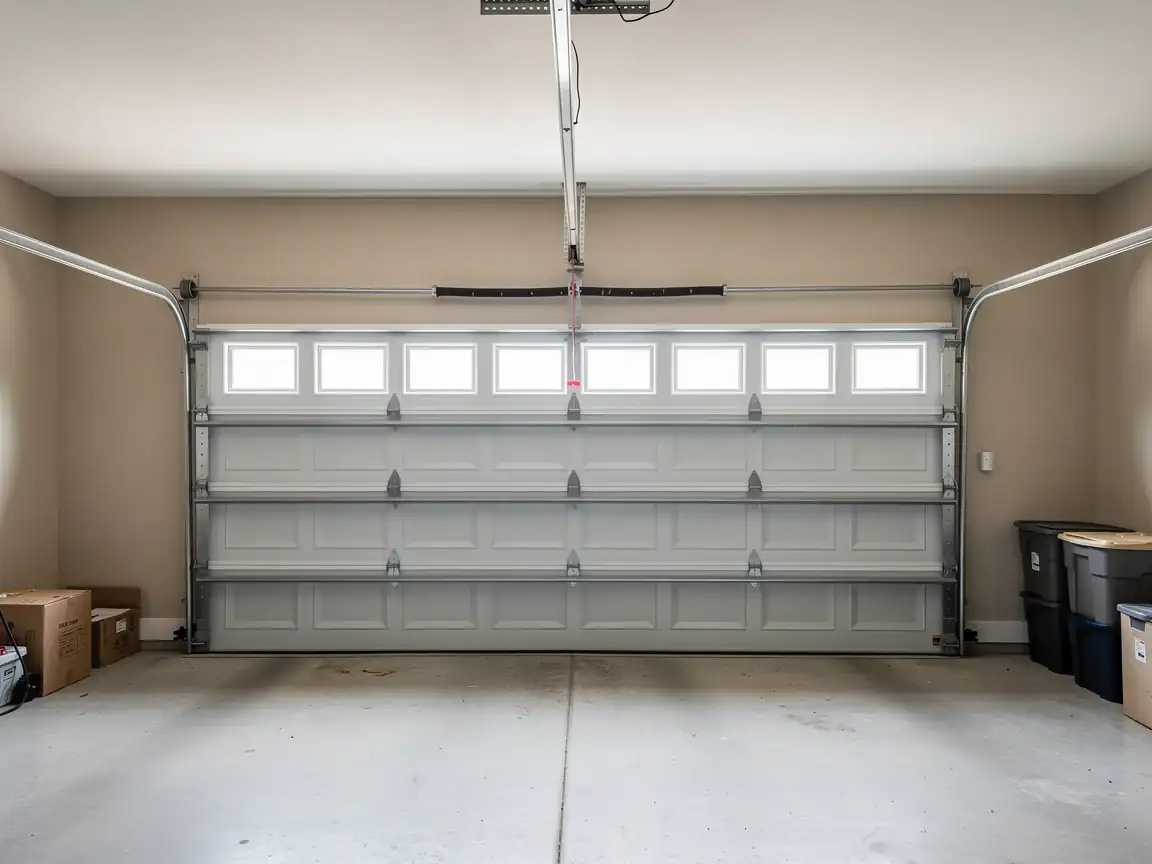
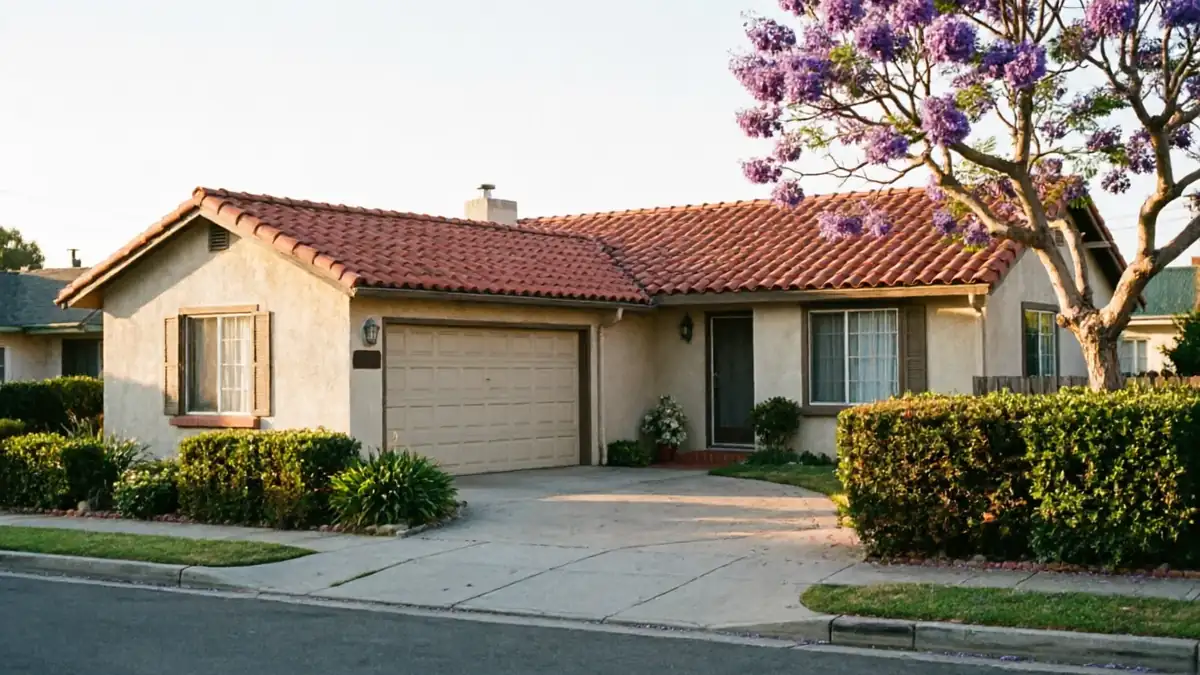
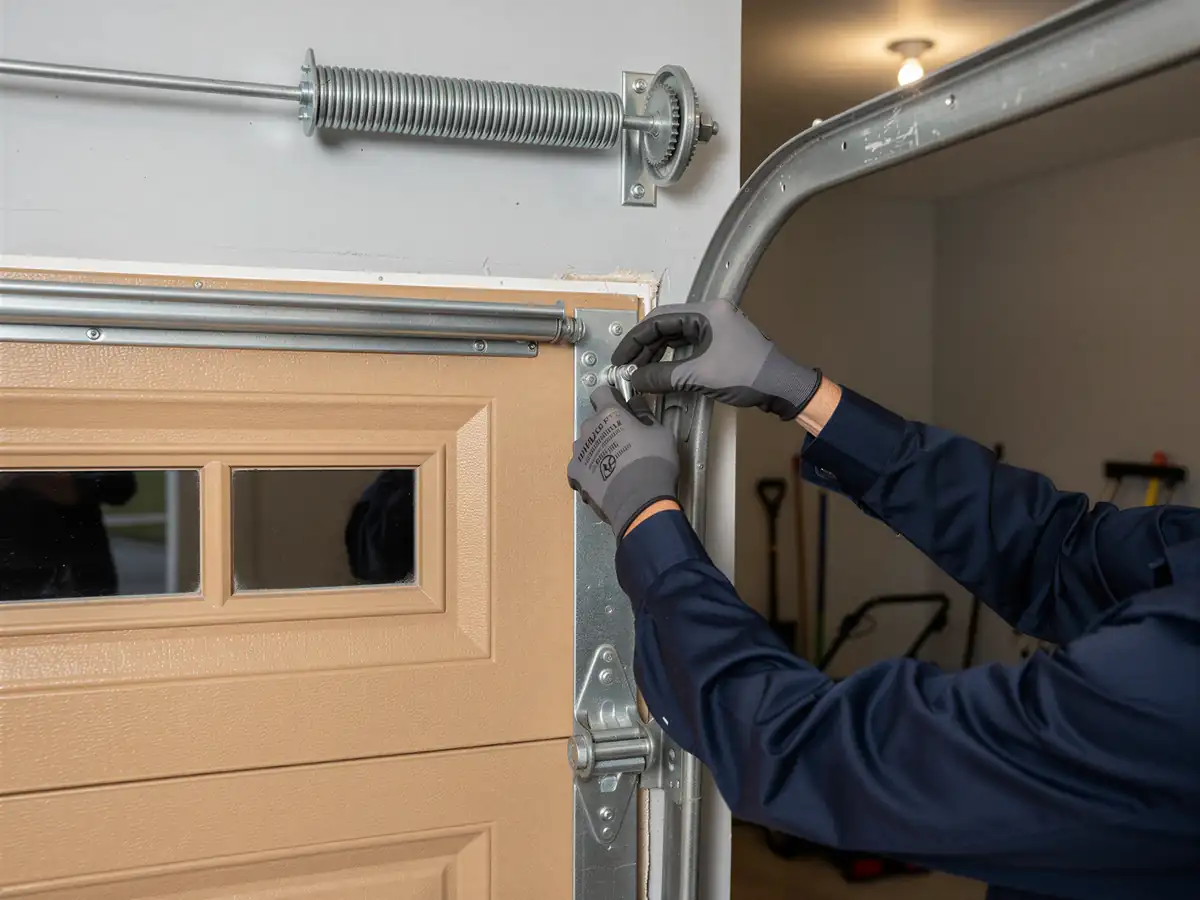
If you're reading this, your door is probably doing one of a few things: it sticks halfway up, the panels have started to bow or delaminate, the opener strains and reverses on its own, or you've just decided the thing is old enough that another repair isn't worth it. Across this part of Orange County, housing went up mostly between the 1960s and 1970s, with the overall build range running from 1938 to 2015 and a median year of 1976. A door that's original to a 1970s build has been opening and closing for five decades in direct Southern California sun, and steel, wood, and vinyl all age differently under that kind of exposure than they do in a colder, wetter market. You're not imagining that it looks tired - it is tired. Sometimes the fix really is a new spring or a track adjustment. Sometimes the door itself, the panels, the seals, and the opener are all past the point where patching one part makes sense. We'll tell you which one you're looking at before we quote anything, because a full install isn't the right call every time someone calls about a problem door.
The Cost of This Job
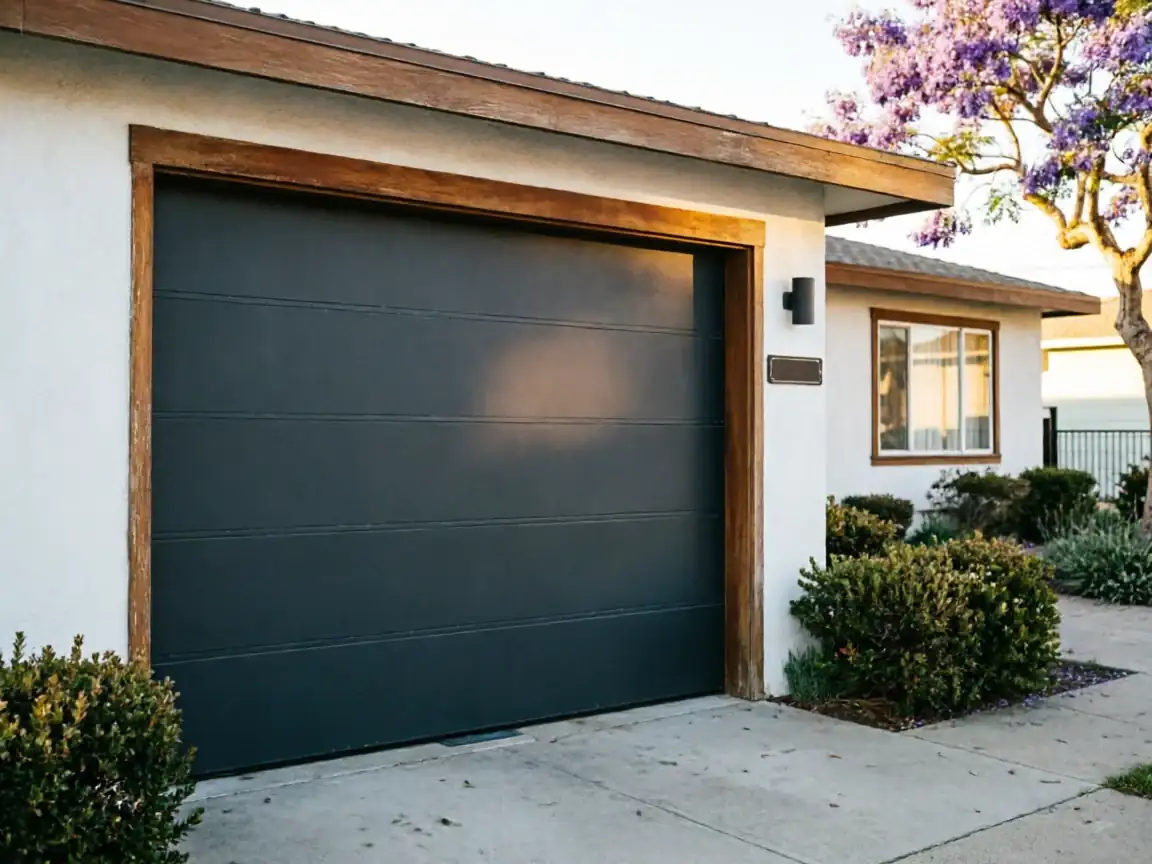
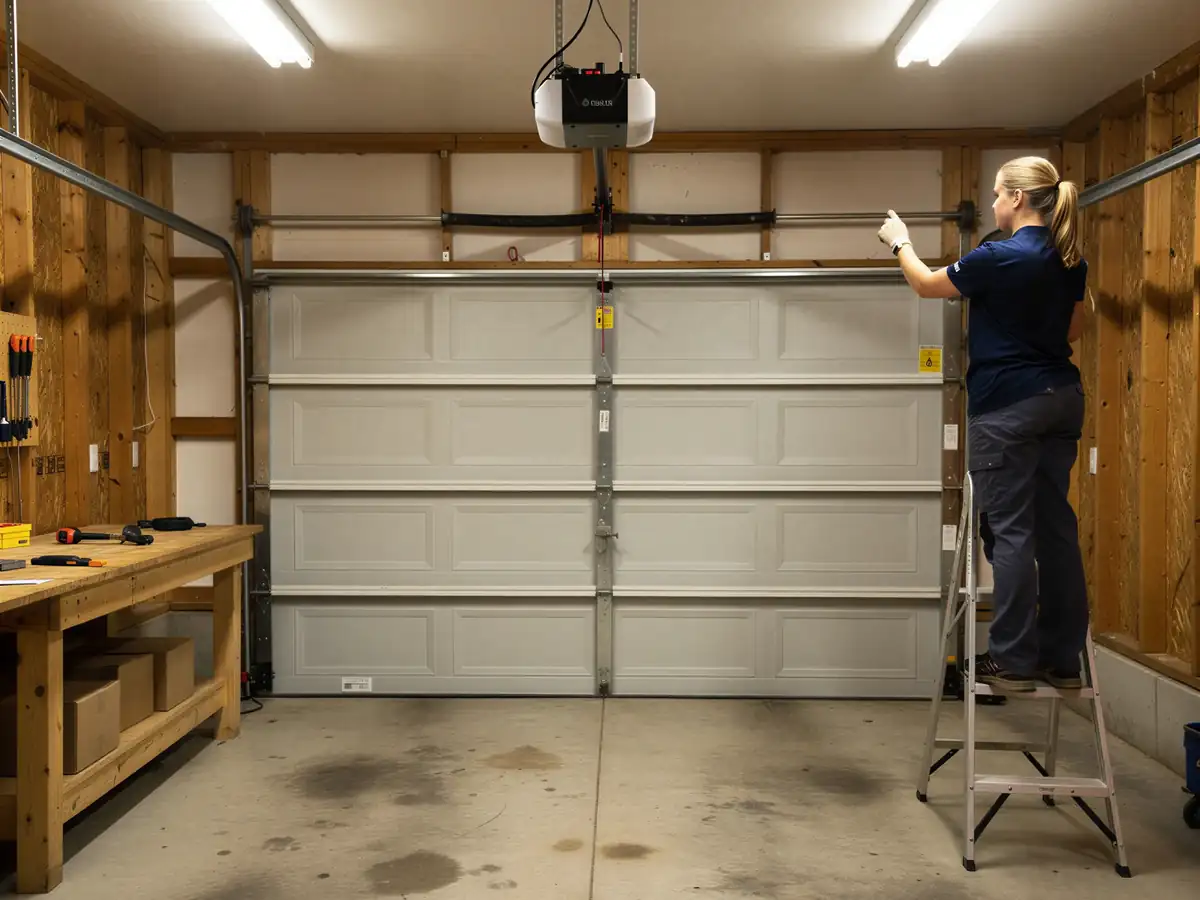
We're not going to put a number here that doesn't hold up once we're standing in your driveway, because door size, insulation level, track configuration, and whether the opener needs replacing too all move the price. What we can tell you is what tends to drive the decision in this area: with a median household income of $124,167 across the service area, a good share of owners here choose insulated steel over bare aluminum or uninsulated wood, since the mild temperate climate still means hot garages in summer even without hard freezes to worry about. That insulation costs more up front and pays it back in a quieter, more stable door. Older homes with original hardware sometimes need extra work on the jamb or header to fit a new door correctly, which is a line item people don't expect until we're on site measuring. We'll walk you through what's driving your specific number before you sign anything, and we'll say plainly if a repair would get you more years for less money than a full replacement.
What Causes It Around Here
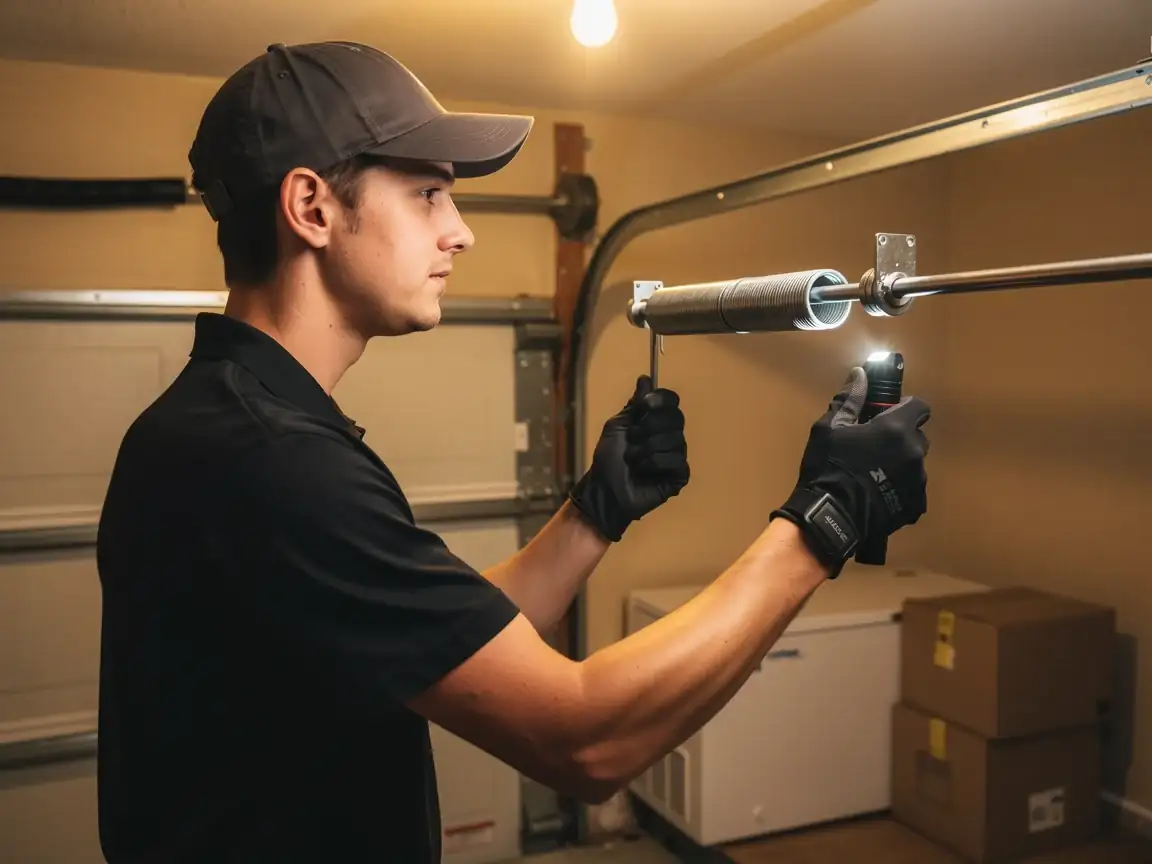
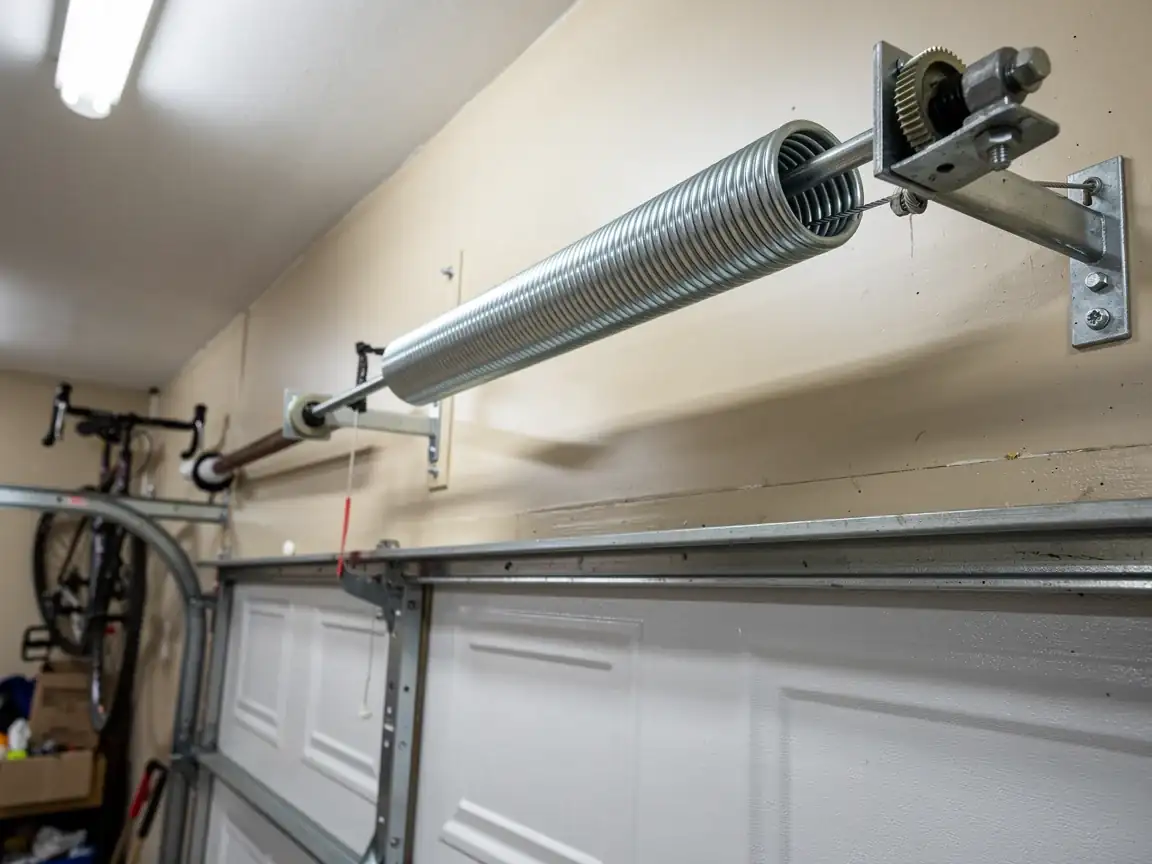
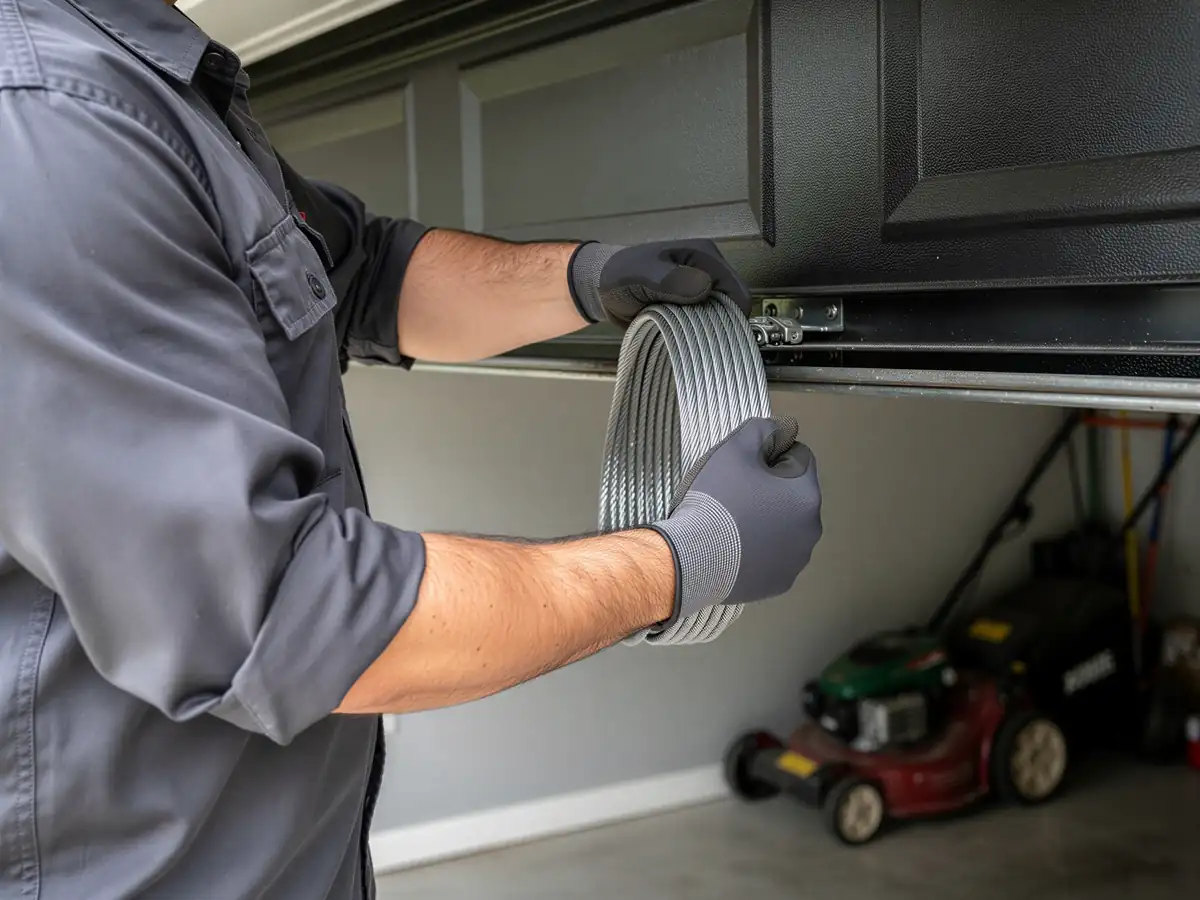
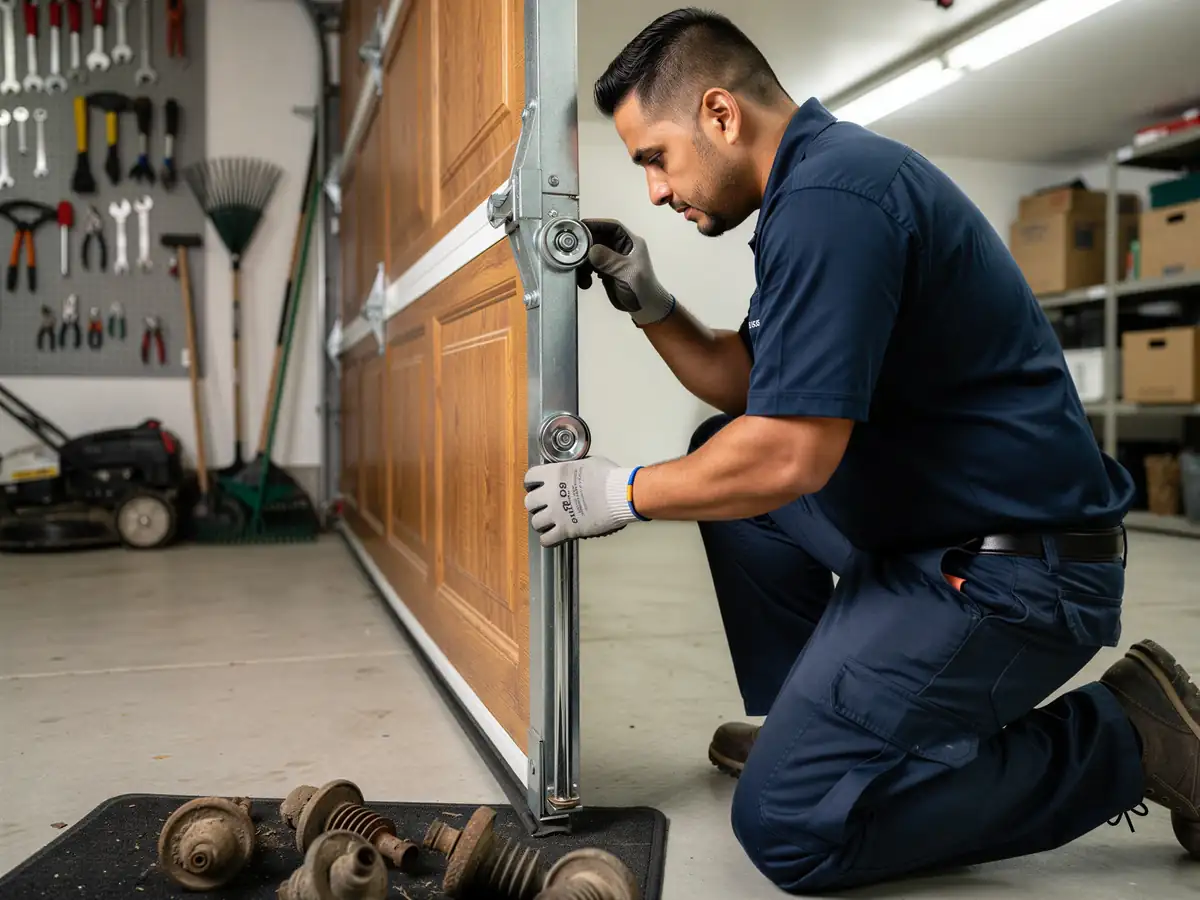
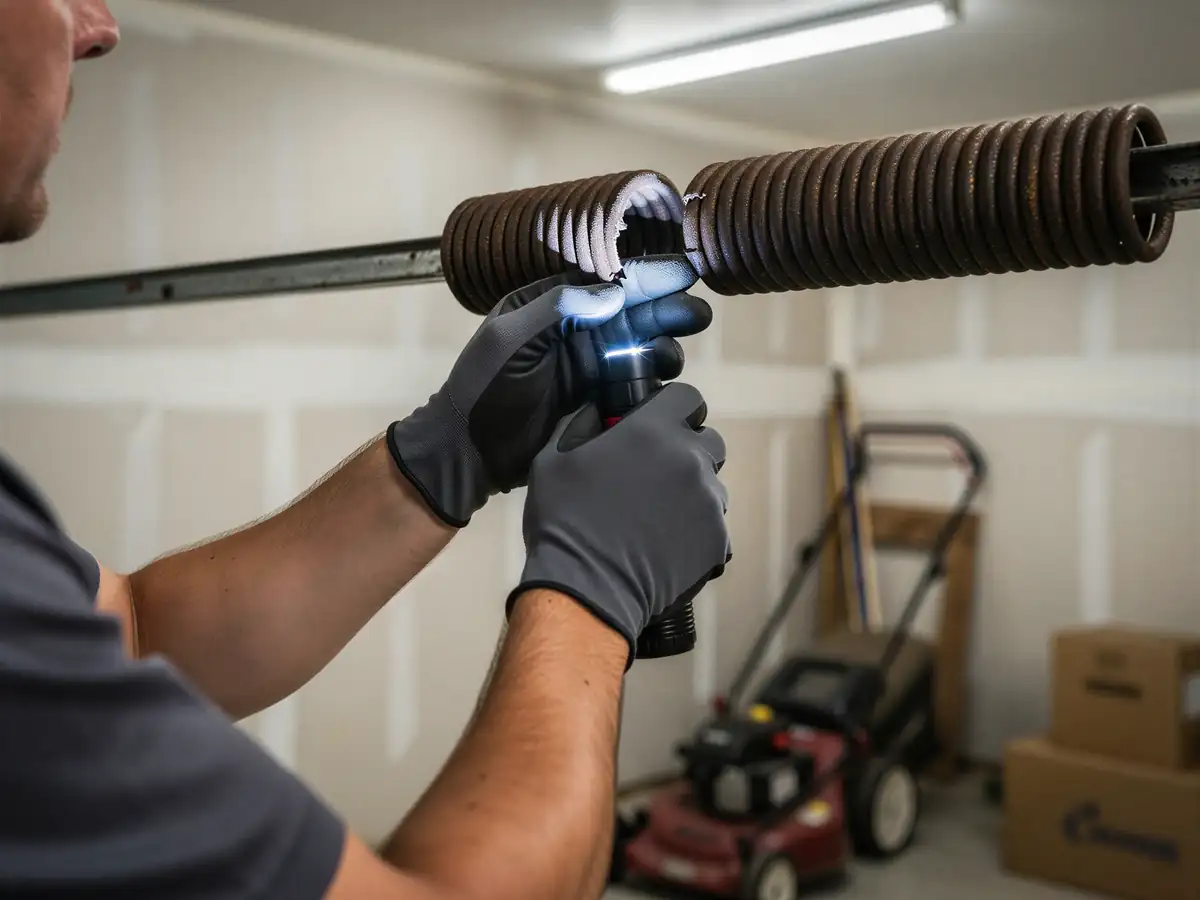
Two things do most of the damage to garage doors in this area, and neither one is dramatic. First is age plus sun: with a median build year of 1976, a lot of original doors and openers are simply past their rated cycle count, and years of direct UV exposure under a mild, mostly dry climate bakes out lubricants and dries seals faster than people expect, since there's no heavy rain or freeze cycle to remind anyone the door needs attention. Second is mismatched upgrades - a homeowner swaps in a heavier insulated door on decades-old torsion hardware sized for a lighter original panel, and the springs and opener end up working harder than they were built for. Neither problem shows up as an emergency. It shows up as a door that gets a little slower, a little noisier, and a little more hesitant every year until one day it doesn't open at all. That slow decline is what a full installation resets, rather than another round of patching parts that were never matched to begin with.