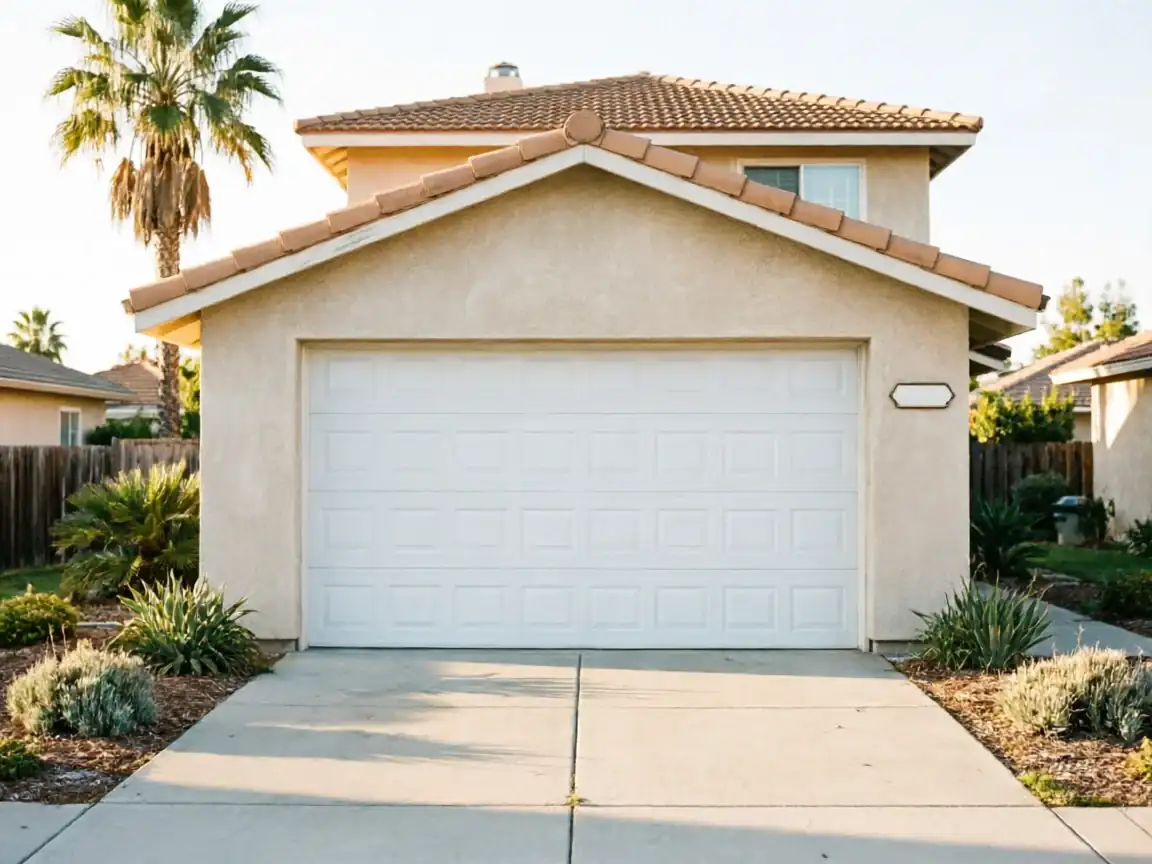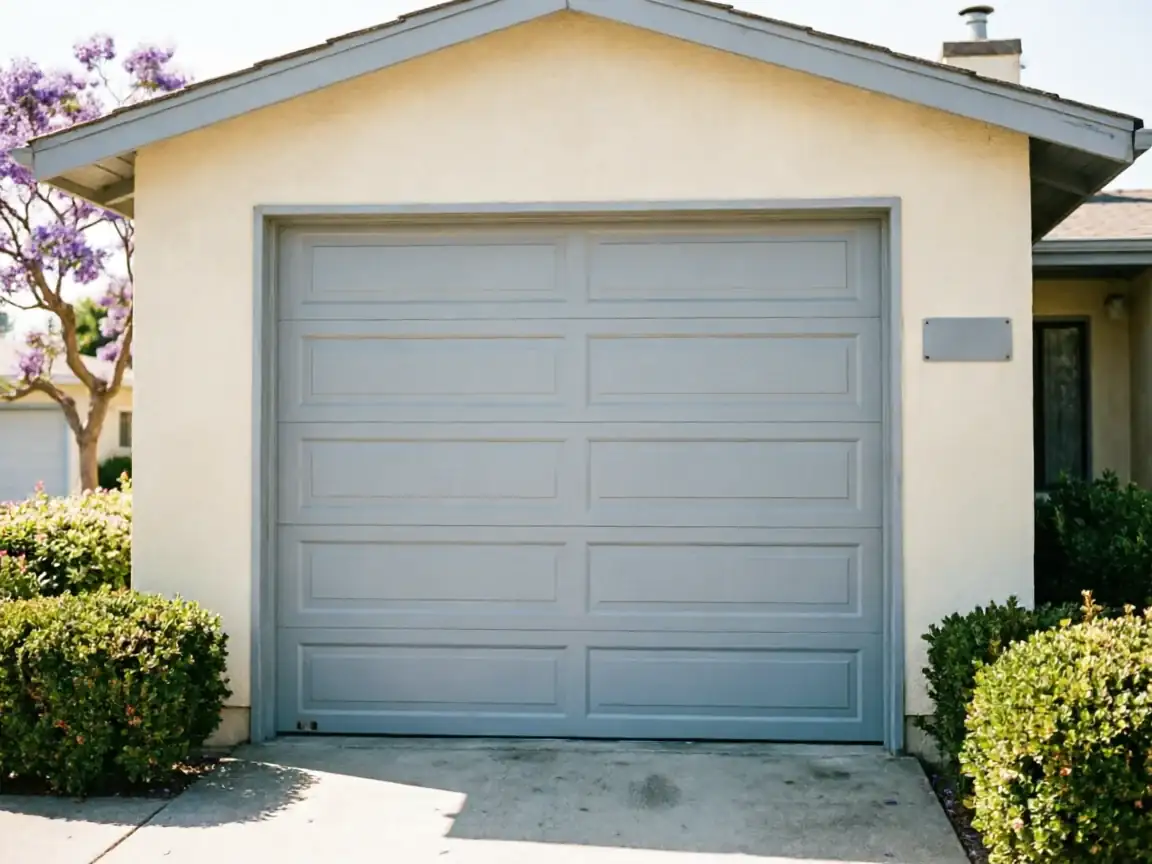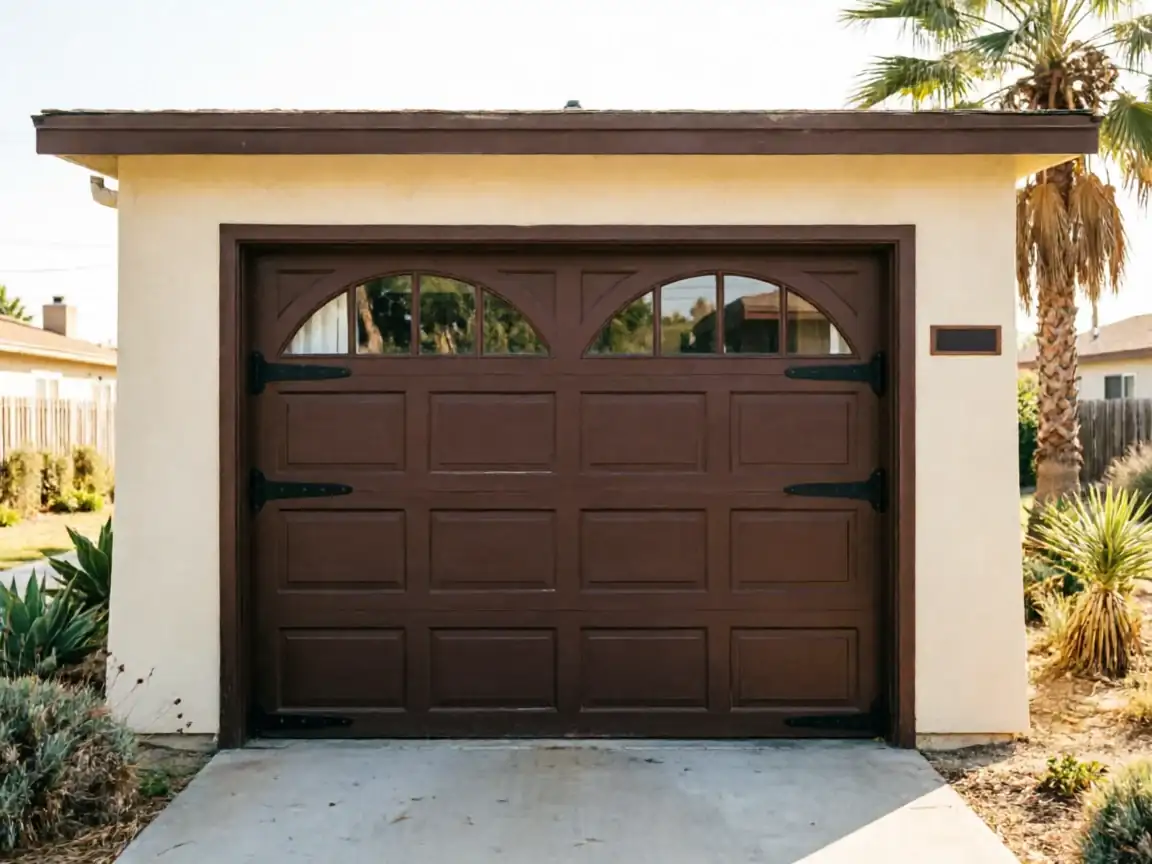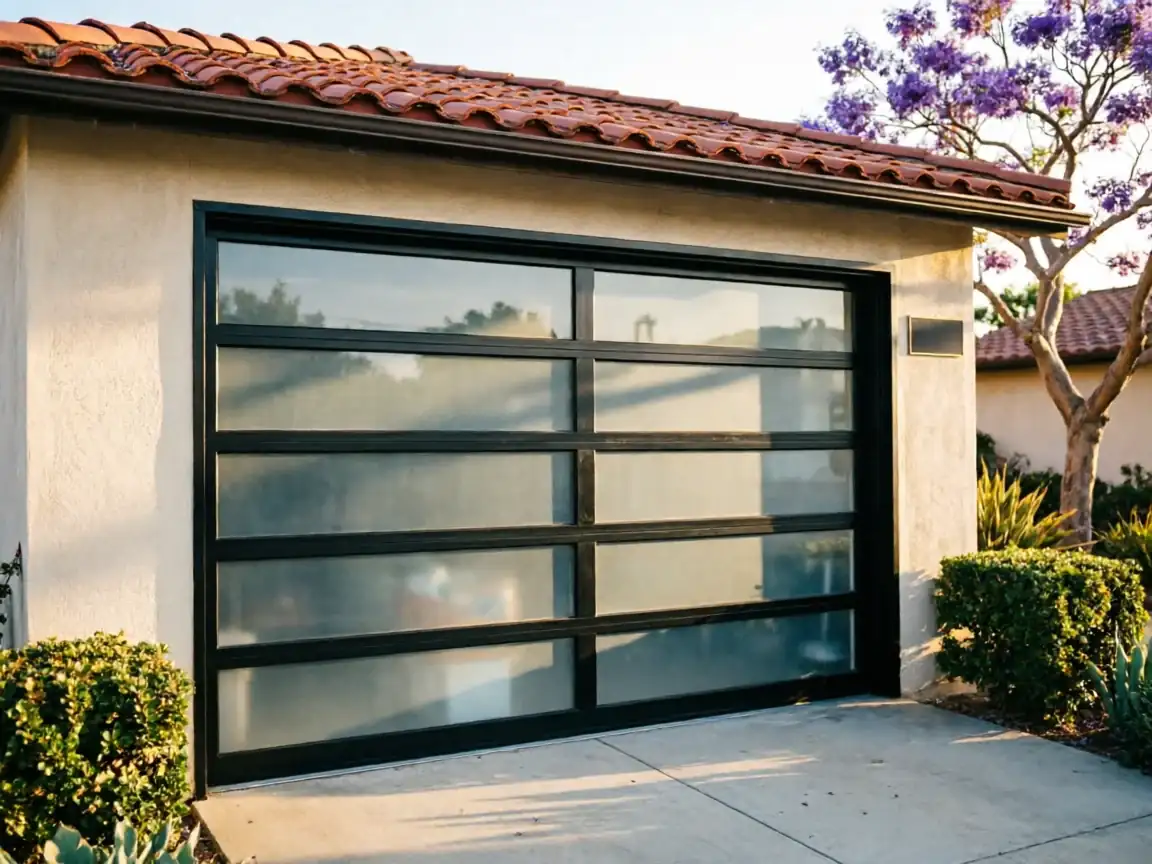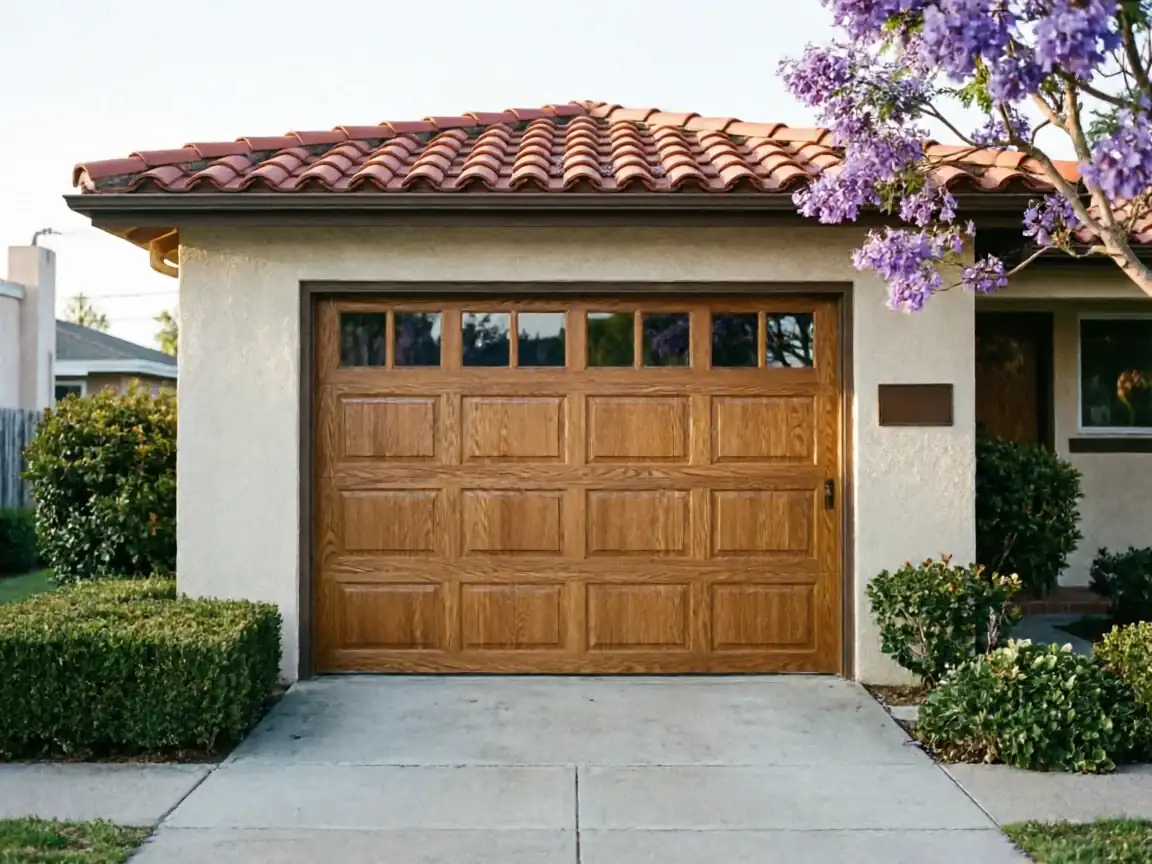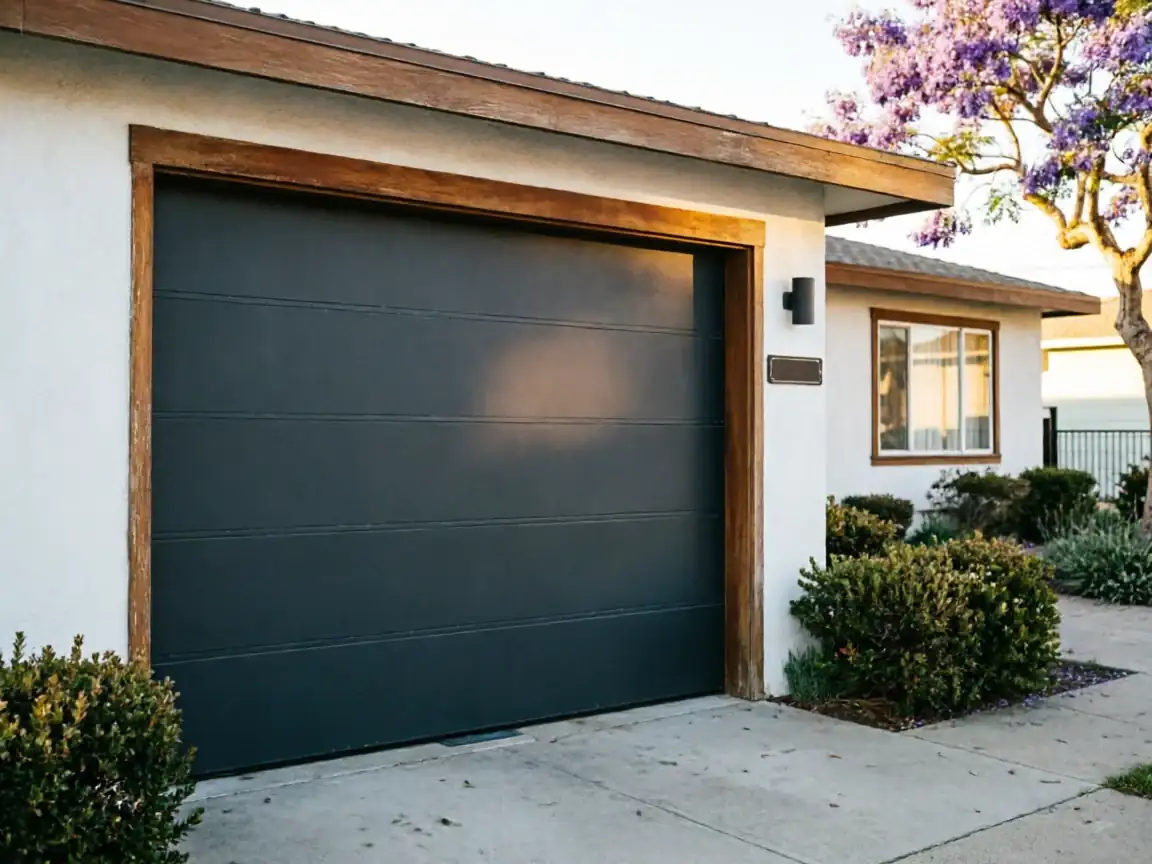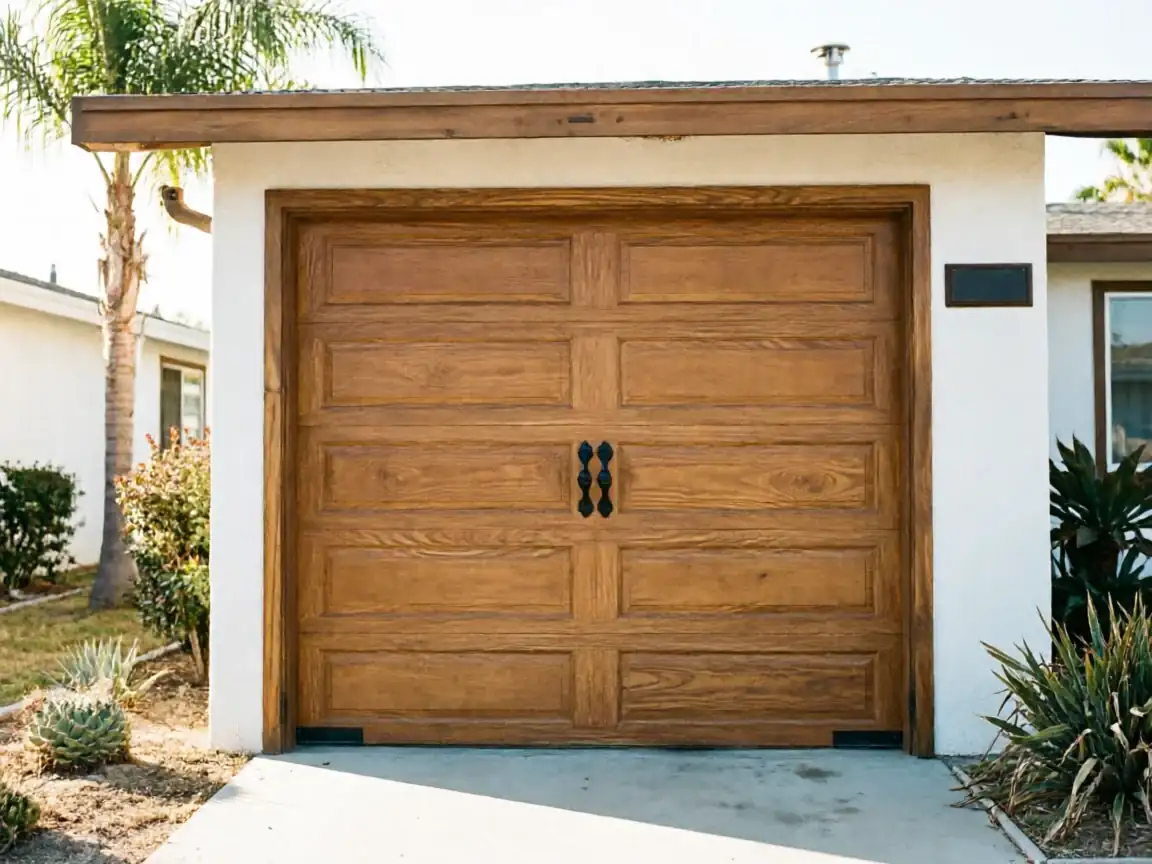
What You Are Seeing
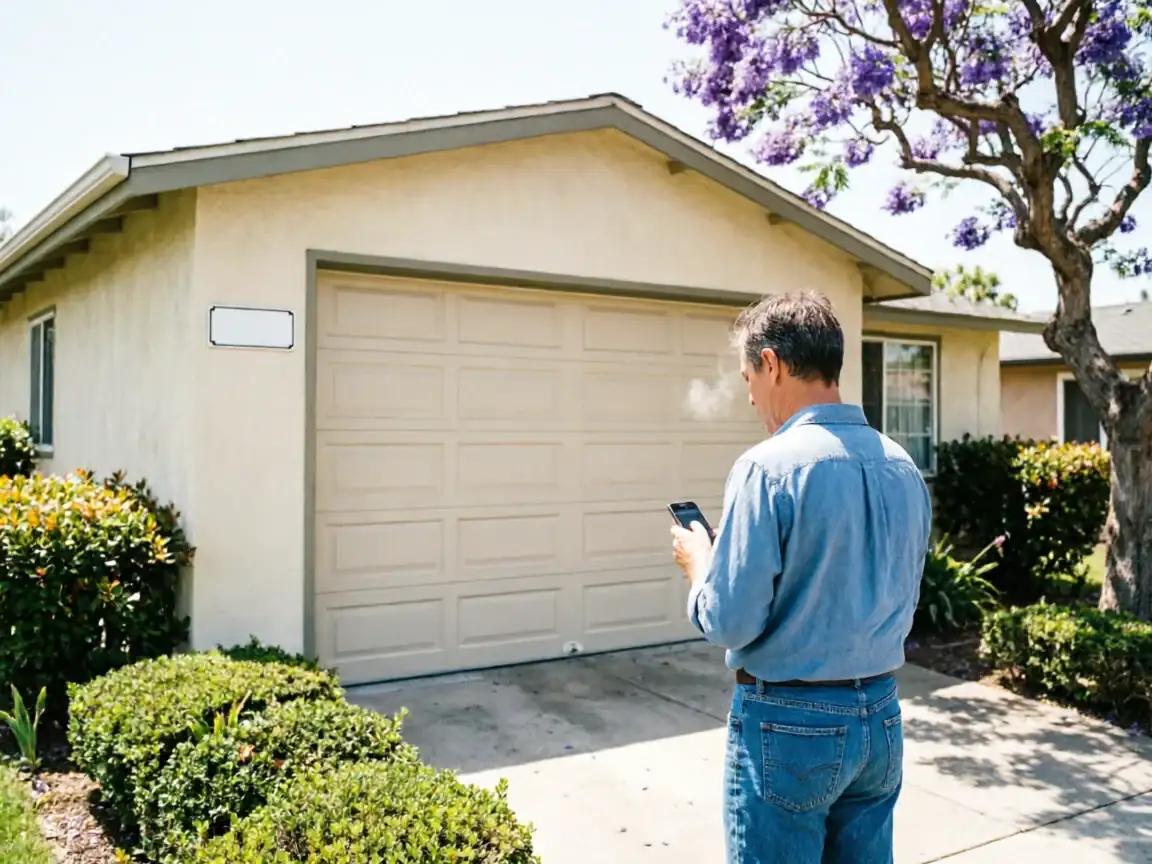
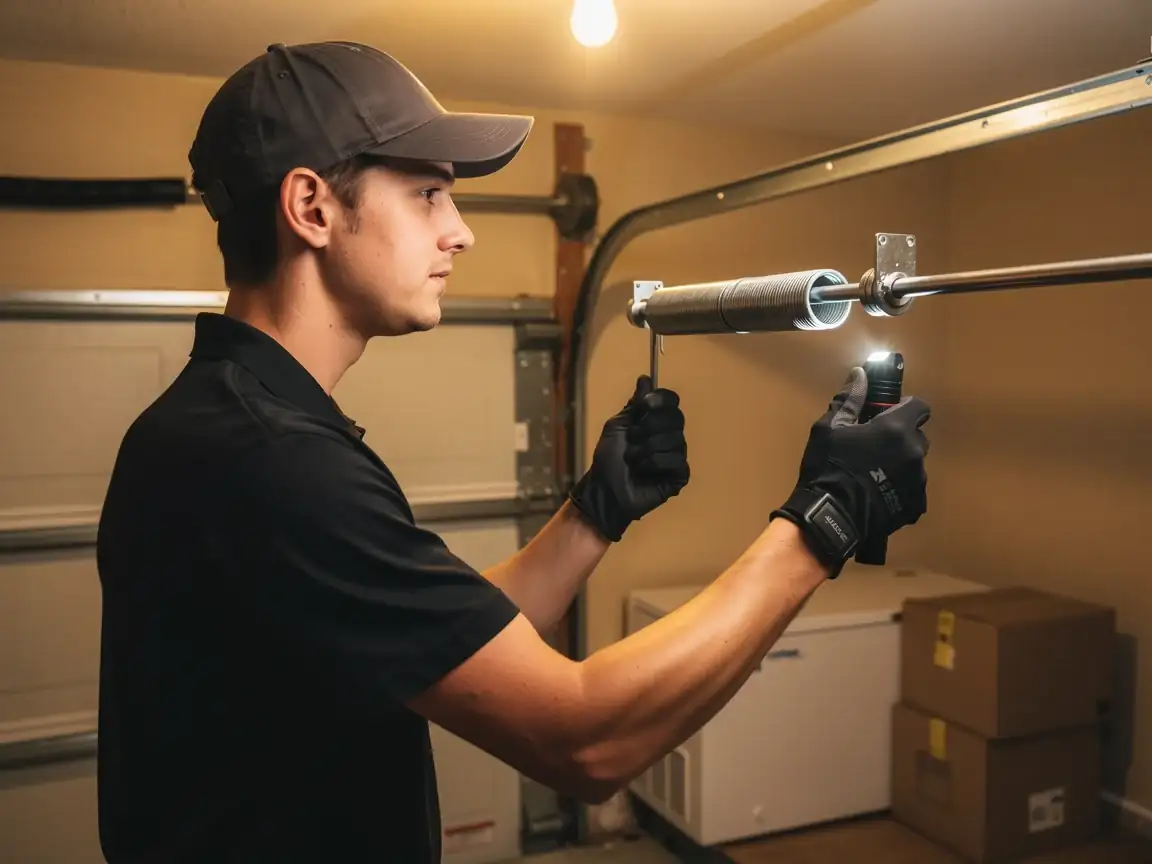
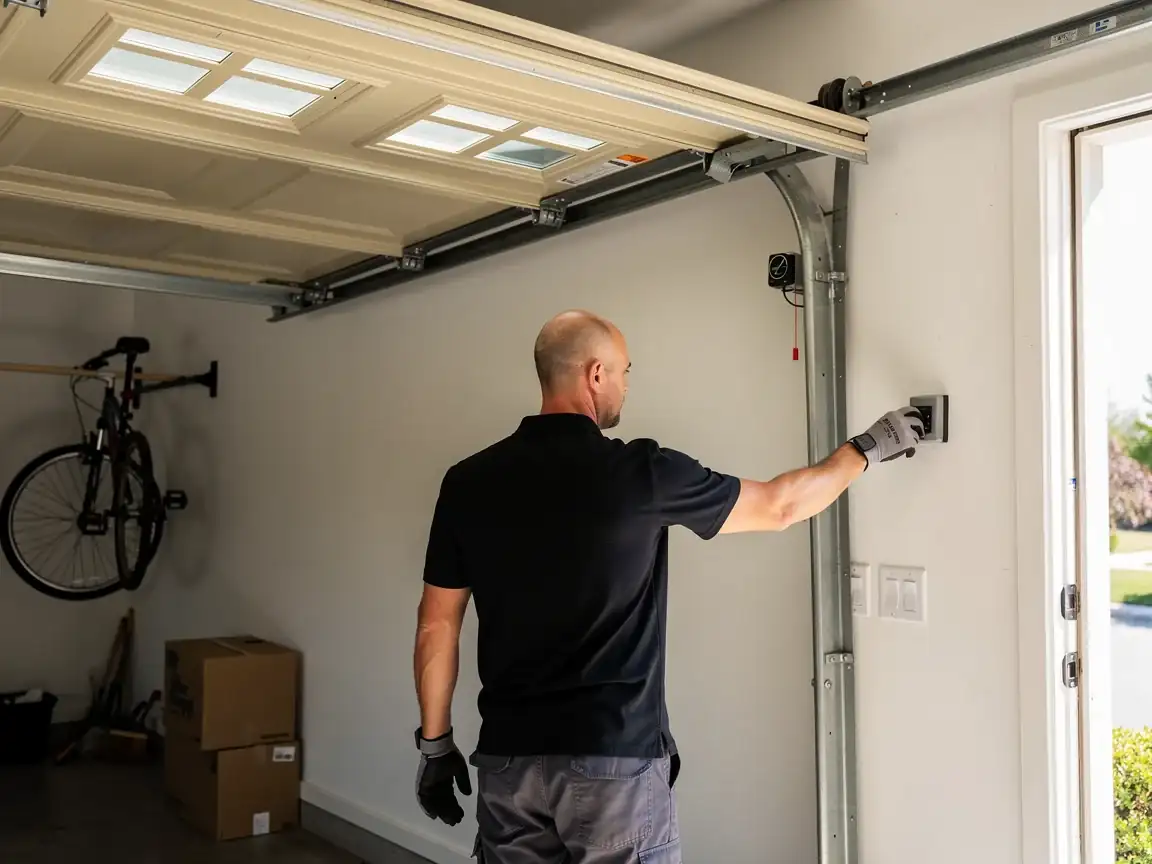
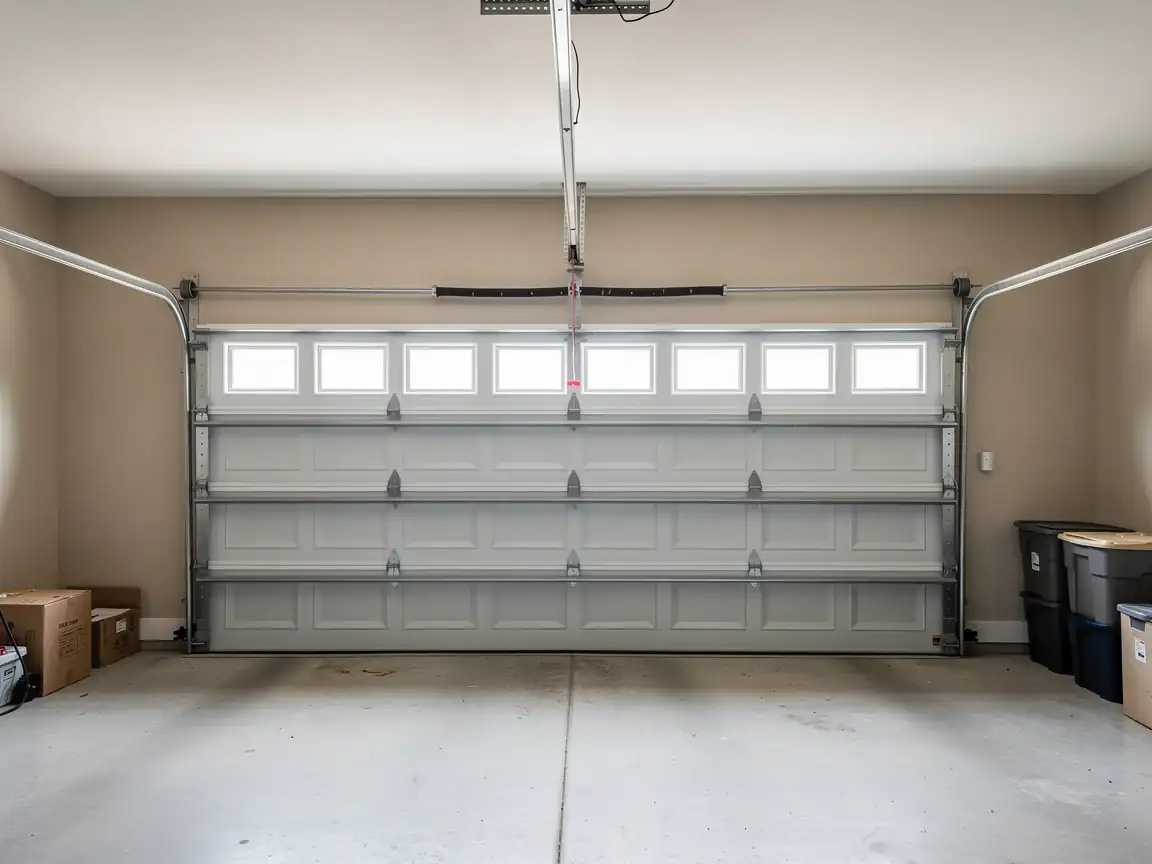
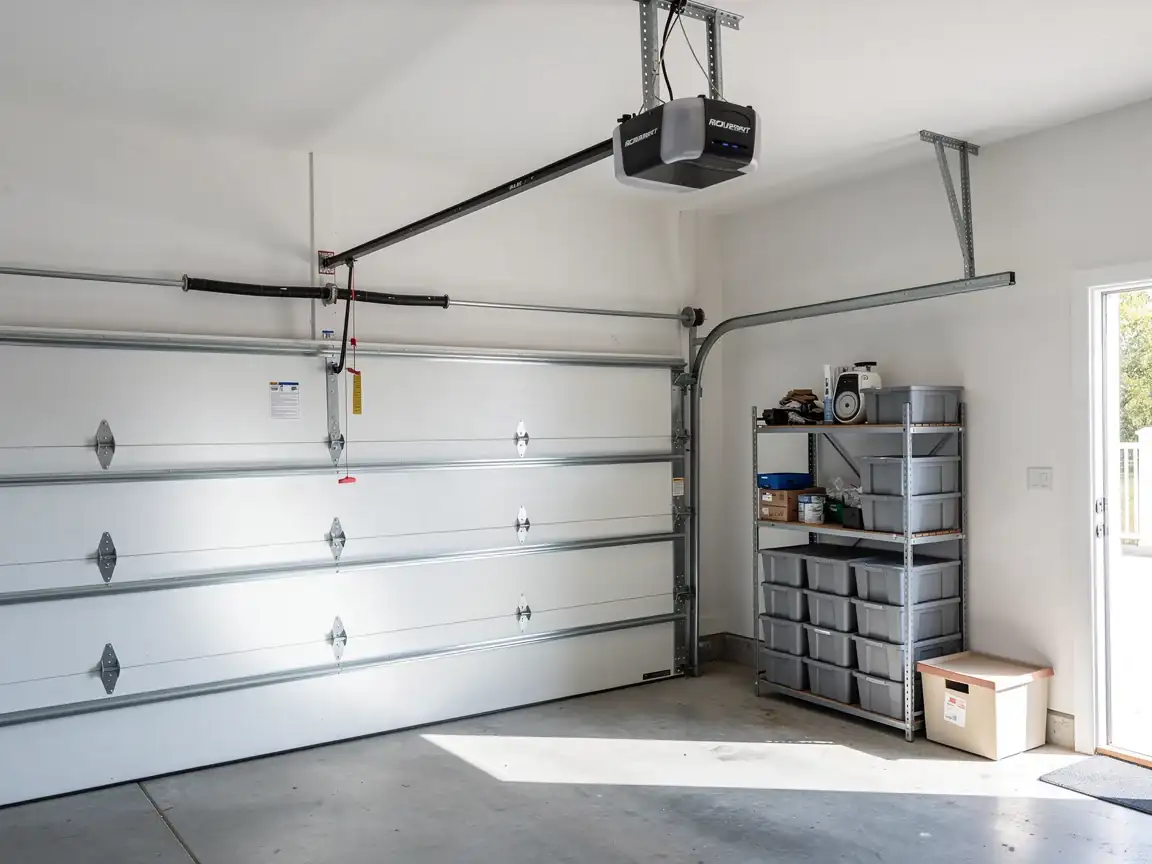
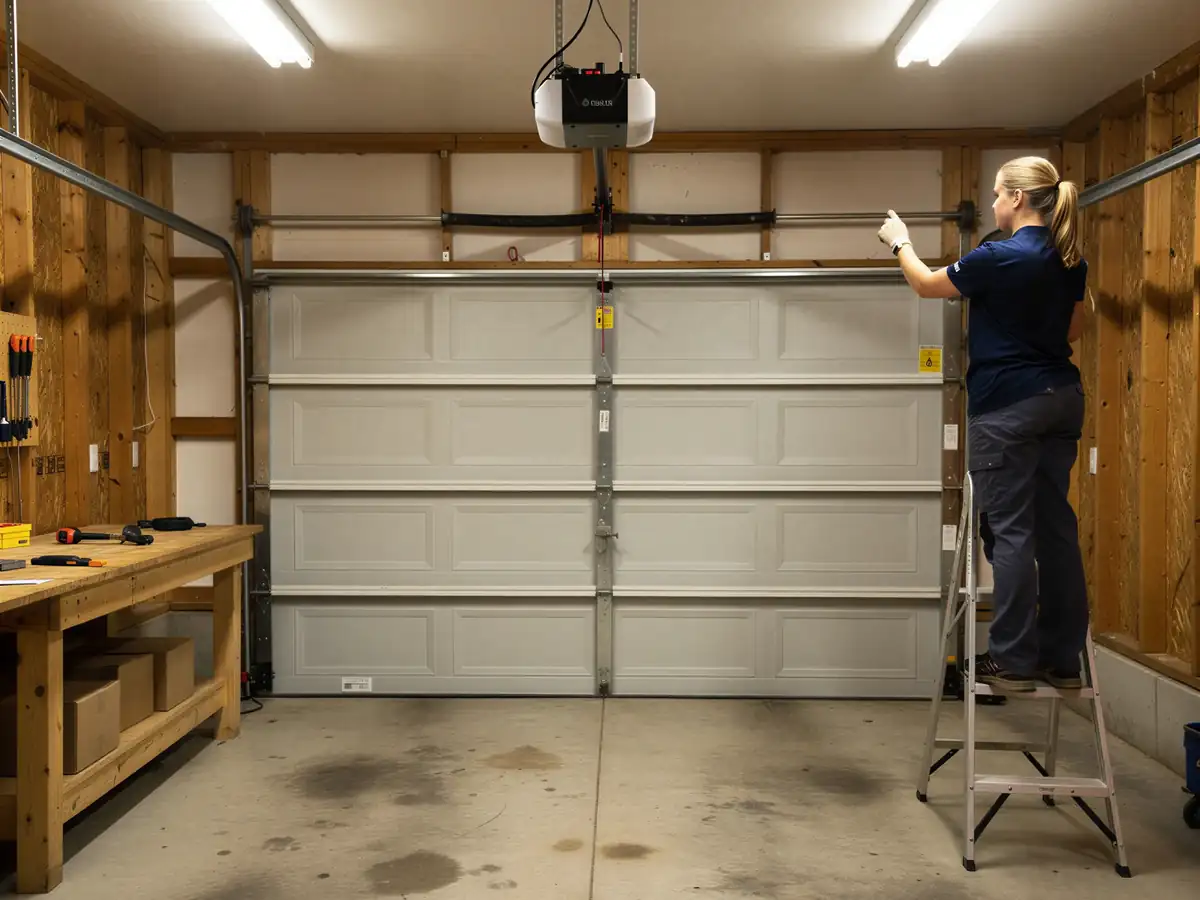
An opener that hums but the door doesn't move, a remote that works sometimes, lights that blink a code and nothing else happens - these are the calls we get most from Irvine. The symptom usually points to one of three places: the motor and gear assembly inside the head unit, the logic board that reads your remote and keypad signal, or the safety sensors mounted low on the track rails.
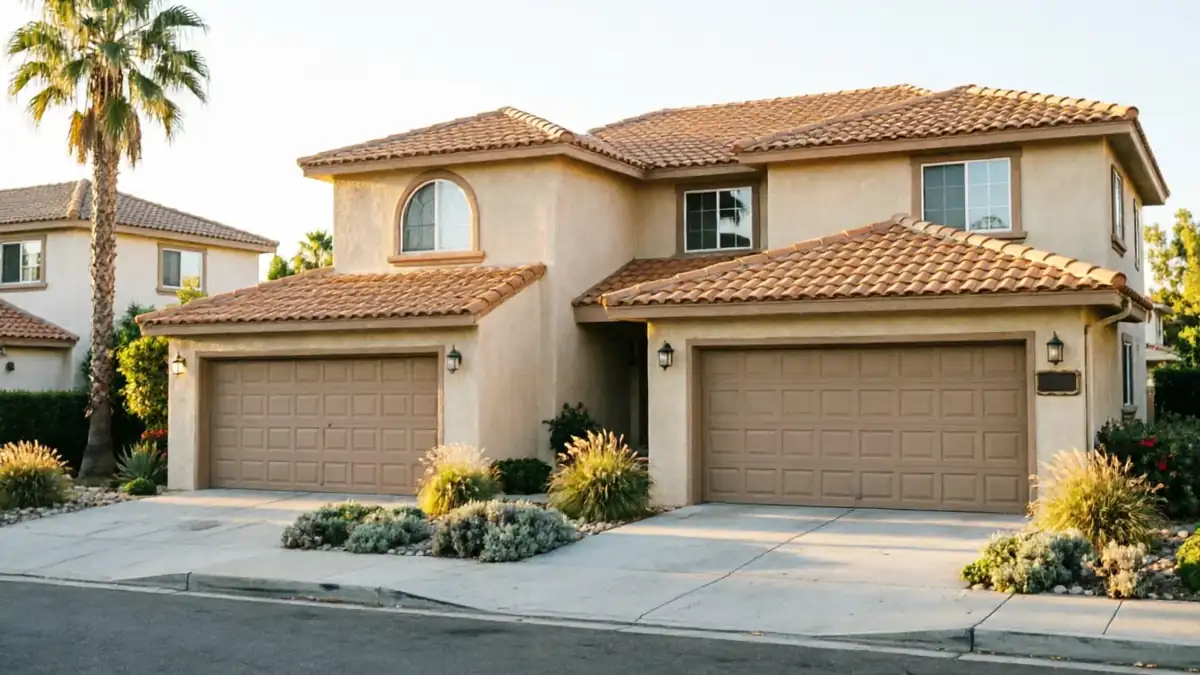
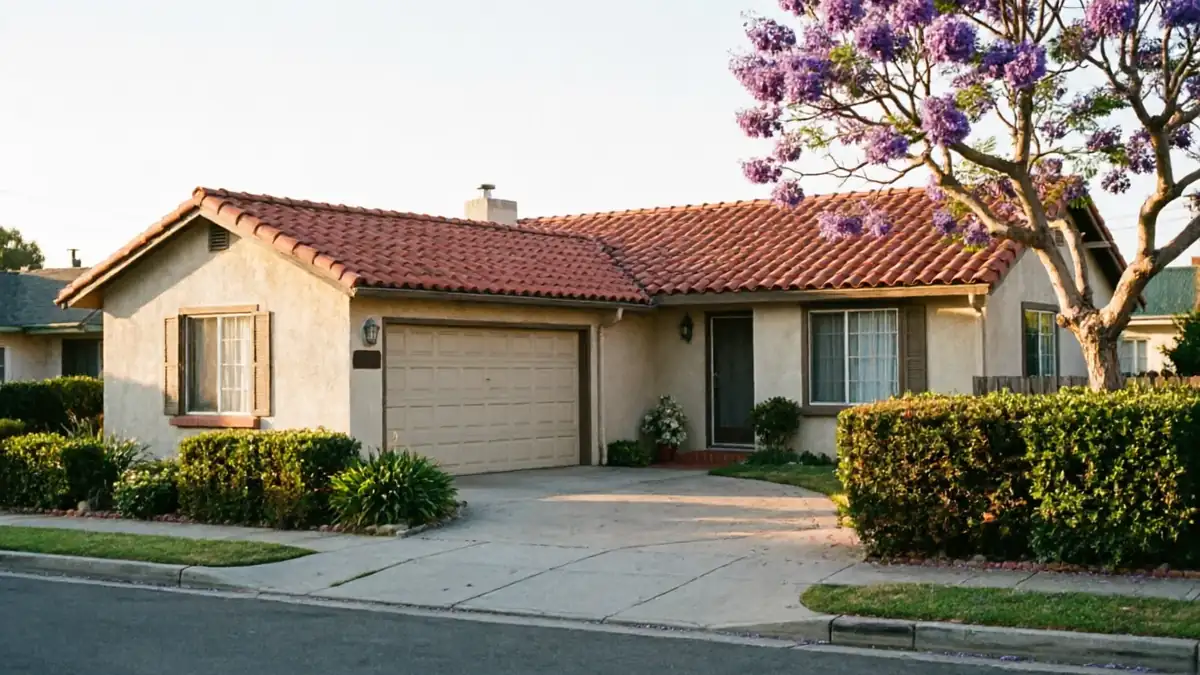
Because Irvine's housing stock spans 1938 through 2015 with a median build year around 1976, we see a wide range of opener generations in a single week - chain-drive units original to 1970s tract homes in neighborhoods like belt-drive units from 1990s and 2000s builds in areas like and newer Wi-Fi-enabled models in homes finished closer to 2015. A dead capacitor looks the same across all of them, but the fix and the part differ by unit age.
If your door moves fine with the wall button but not the remote, that's almost always the logic board or the remote itself, not the motor. If the door reverses immediately after it starts closing, check the sensors first - a knocked-out-of-alignment sensor is cheap to fix and gets blamed on the whole opener more often than it should.
The Cost of This Job
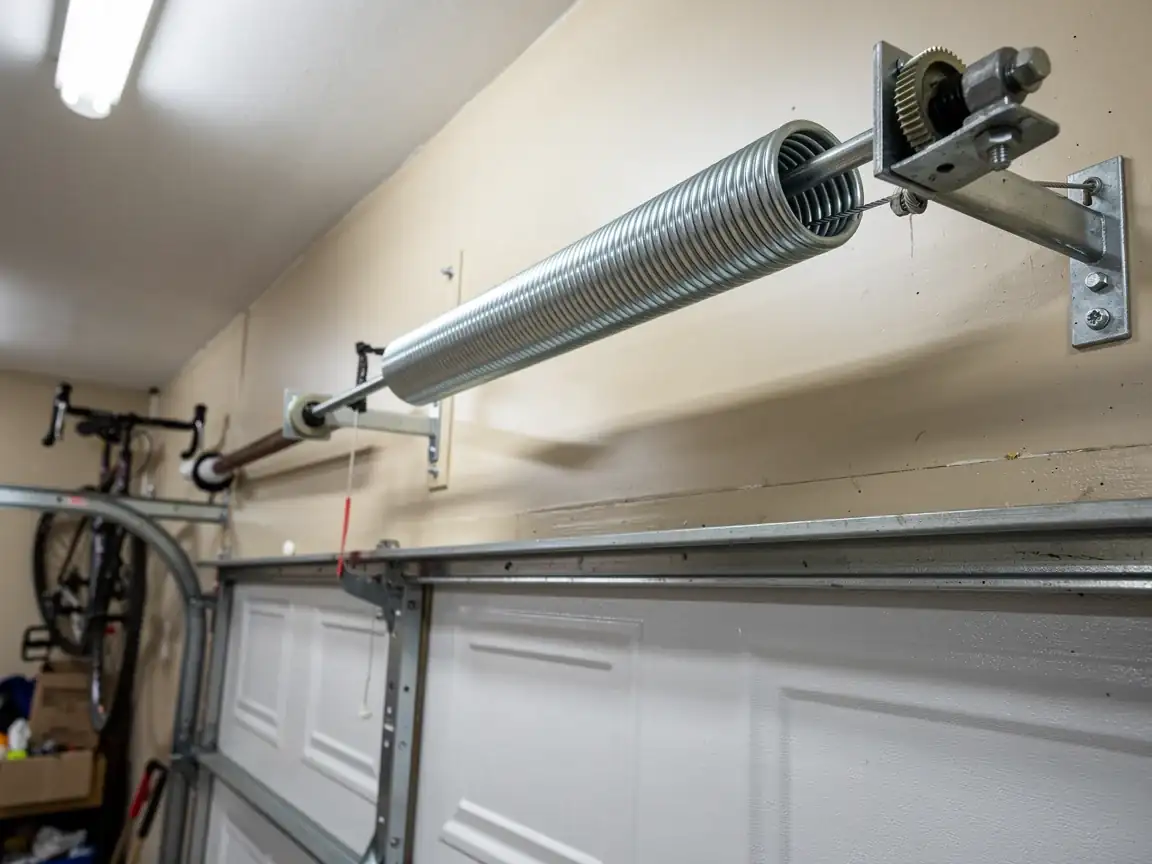
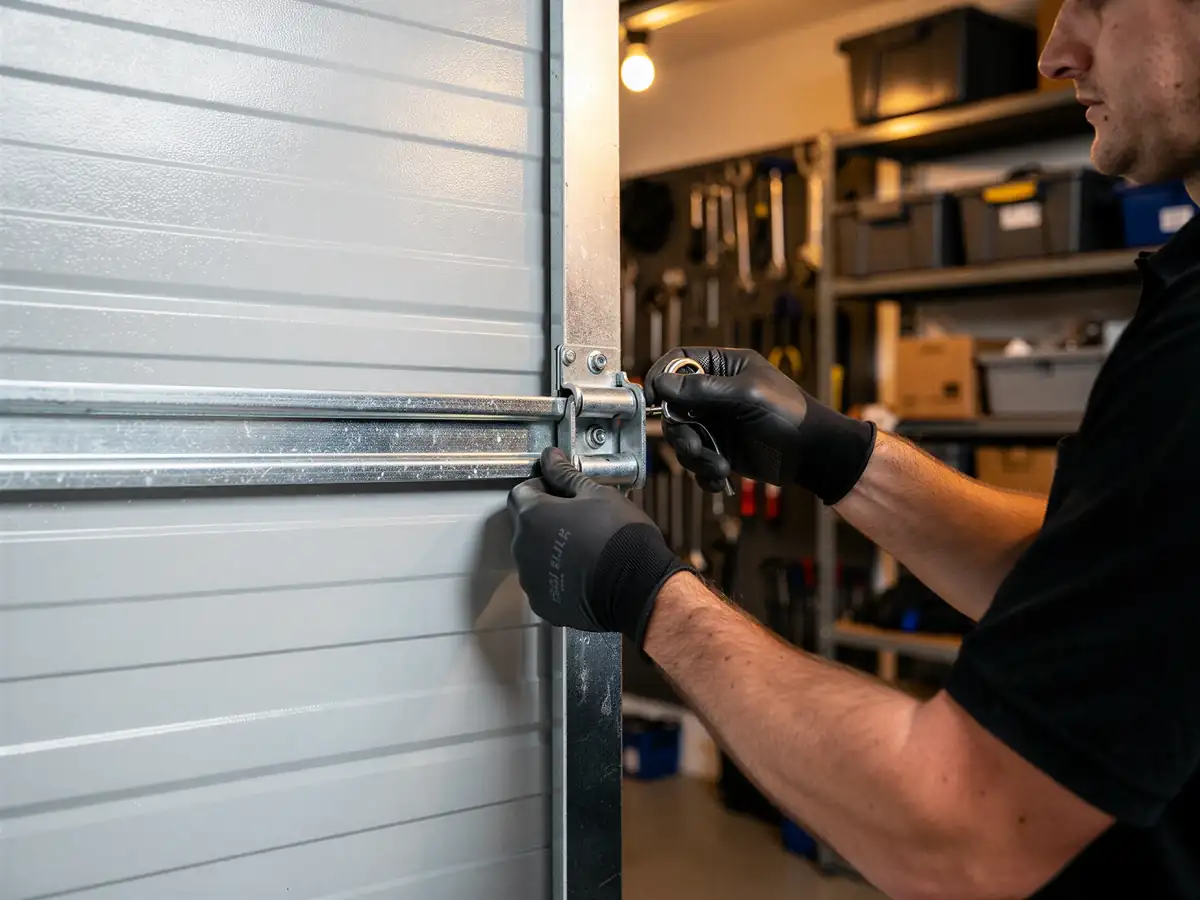
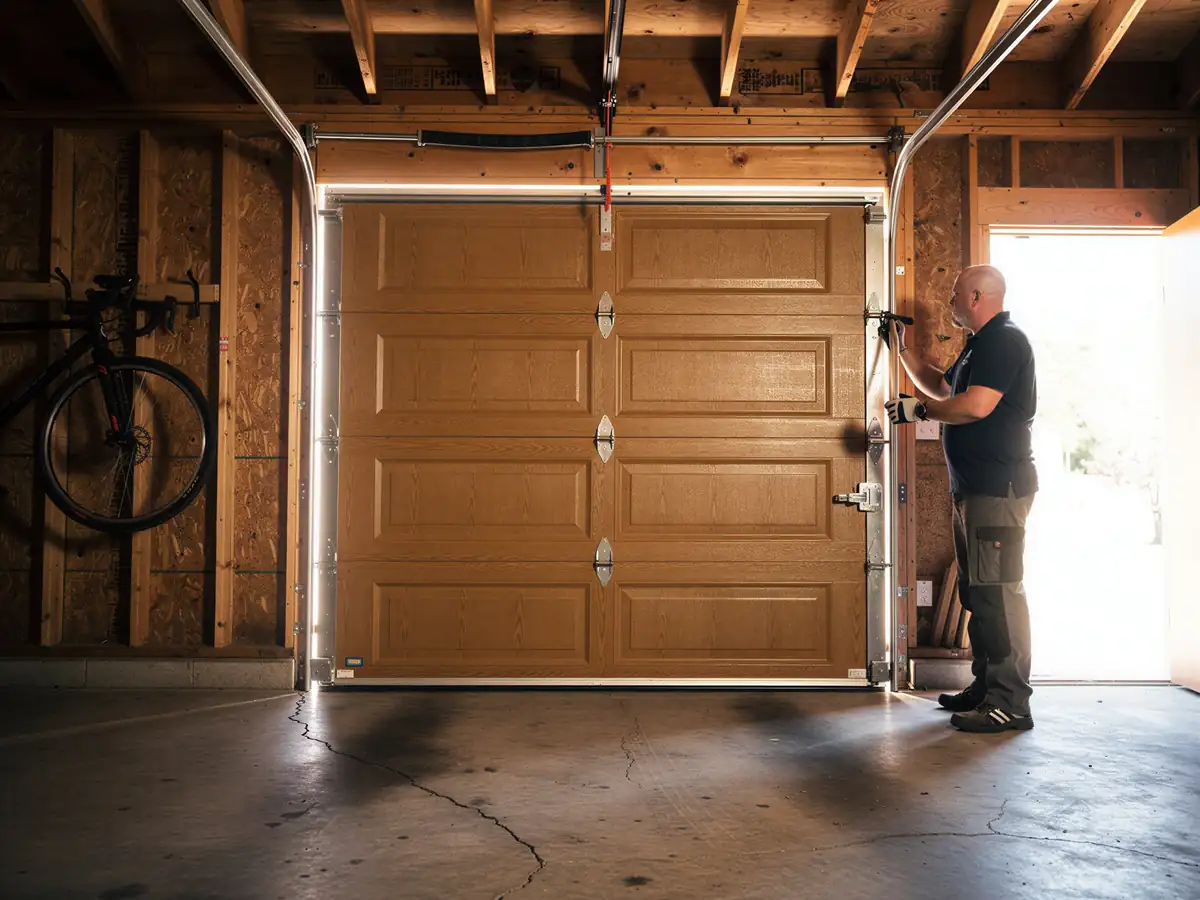
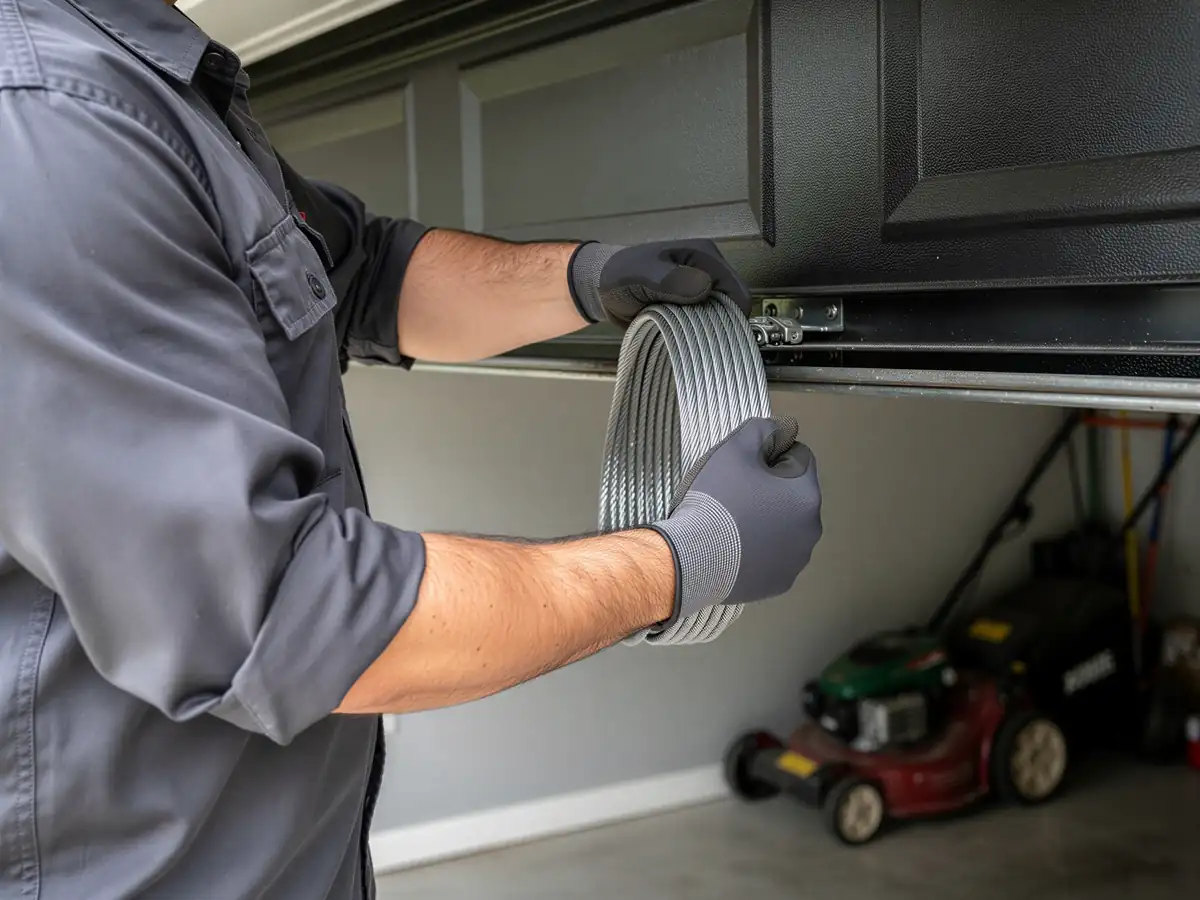
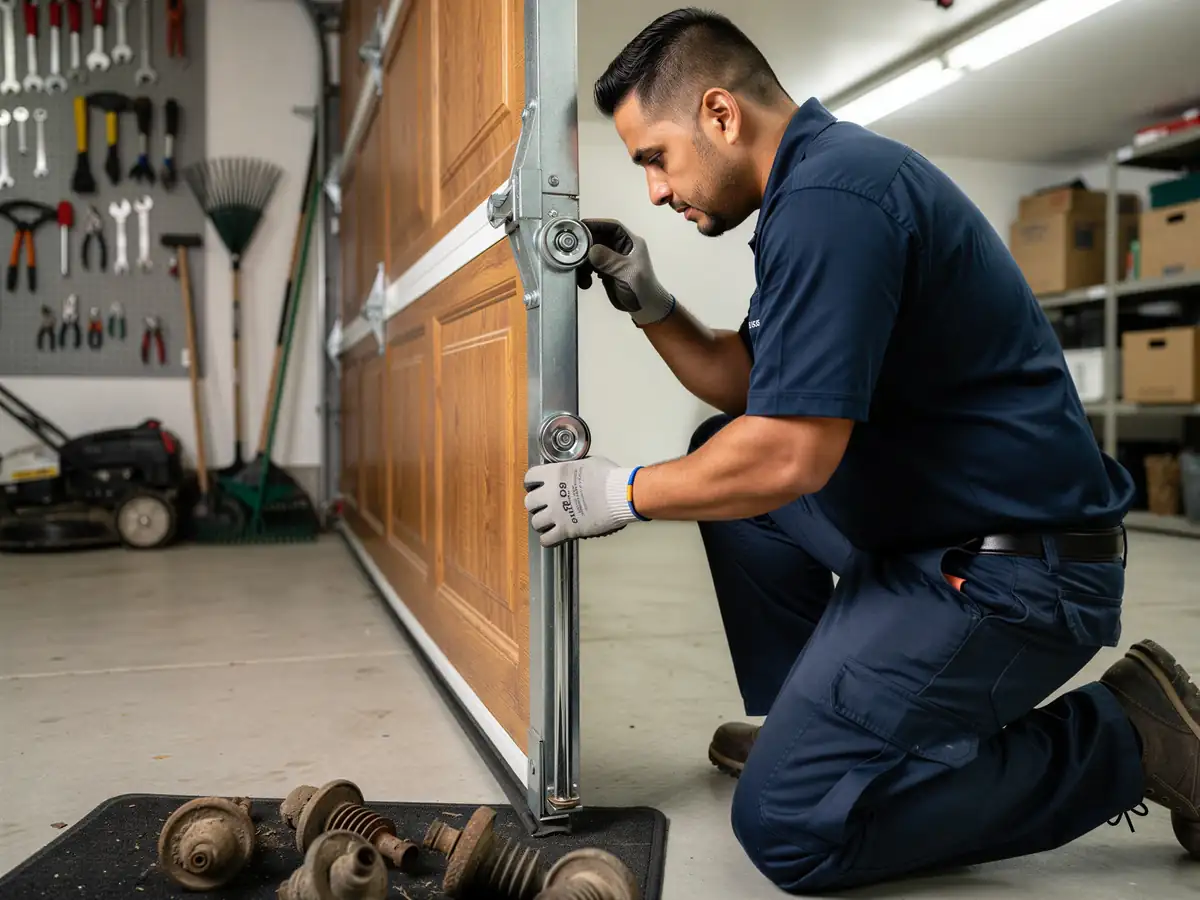
We can't post a number here that would hold for every opener in the service area - a stripped plastic gear on a 2005 belt-drive unit is a different job than a dead logic board on a smart opener installed last year, and parts availability varies by brand and age. What we can tell you is what drives the number up or down: whether the motor itself is still good, whether the part is something we carry on the truck or has to be ordered, and whether the issue is isolated to the opener or has spread to the door's spring and cable system, which is a separate repair entirely.
Homes across the Irvine service area run a median household income of $124,167, and we price jobs to be fixed, not estimated after the fact - you get a number before we start work, not after. If an opener is old enough that a repair would cost close to a new unit, we'll tell you that plainly instead of patching something that's going to fail again in a year. That's the honest limitation here: not every opener is worth saving, and we'd rather lose a repair ticket than sell you a Band-Aid.
Booking a Visit
Call or go through the site to get a truck scheduled
Tell us the symptom - doesn't respond to remote, grinds but doesn't lift, reverses on close, makes noise but doesn't move the door - and we'll have the likely parts on hand before we knock on your door. That cuts down on a second trip for a part we didn't expect to need.
We cover the full Irvine service area, roughly 316,088 households and 128,495 owner-occupied houses across the region
From the core neighborhoods out to the surrounding cities we service. If you're closer to Laguna Woods, Aliso Viejo, North Tustin, or one of the other nearby towns we reach, say so when you call - it doesn't change the repair, just which truck gets sent.
- 316,088 households
- 128,495 owner-occupied
What Causes It Around Here
Irvine sits in a mild temperate climate band, which actually works against opener longevity in one specific way: without hard freezes or heavy humidity swings to force early part failures, a lot of original openers run 25, 30, even 35 years past when a harsher climate would have killed them. That sounds like good news until the plastic gears inside a decades-old unit finally give out all at once, often with no warning, because nothing forced an earlier replacement.
The other driver is the housing mix itself. With most of the stock across the service area's 29 named areas dating to the 1960s and 70s, a large share of openers in use today are original or first-replacement units nearing or past their expected life. Newer construction nearer the 2015 end of that build range tends to have newer openers with fewer of these failures, but older sections - closer to that 1976 median build year - are where we get the steady stream of dead-motor and stripped-gear calls. It's less about weather damage and more about parts simply reaching the end of a long, mild-climate life.