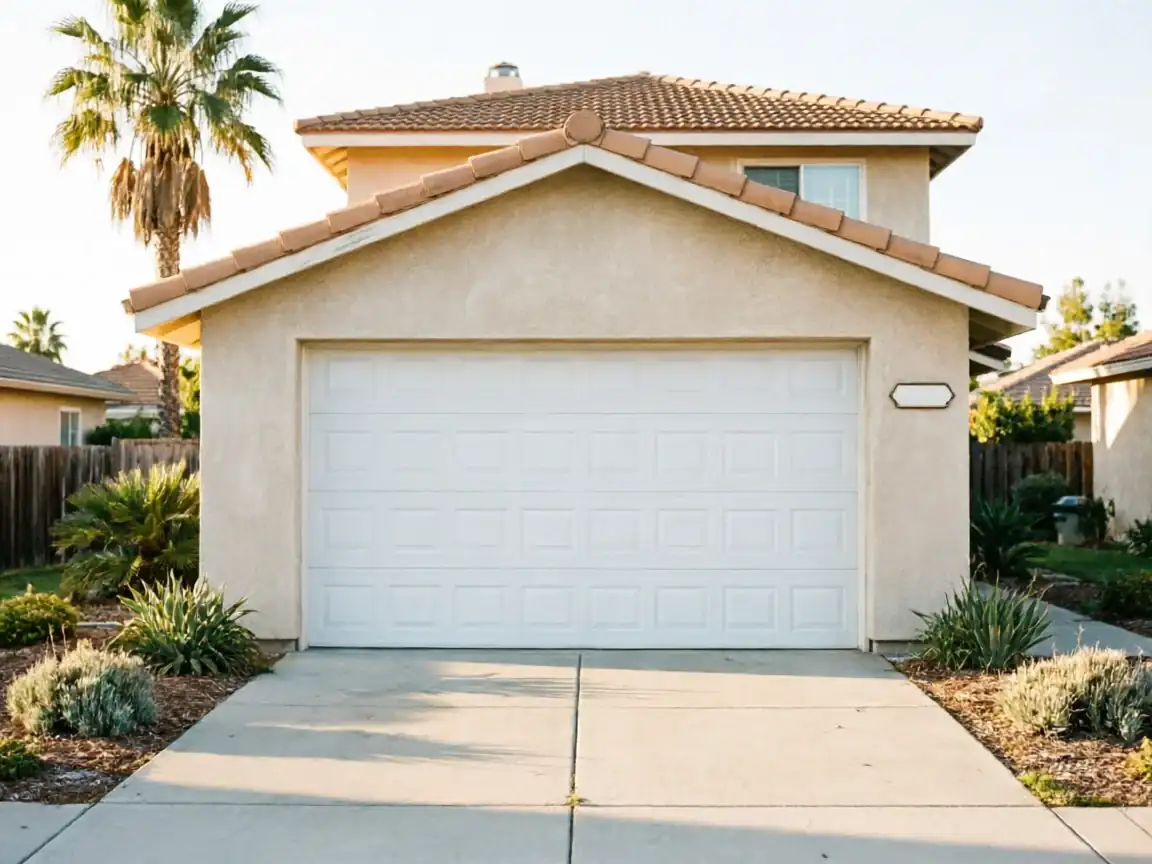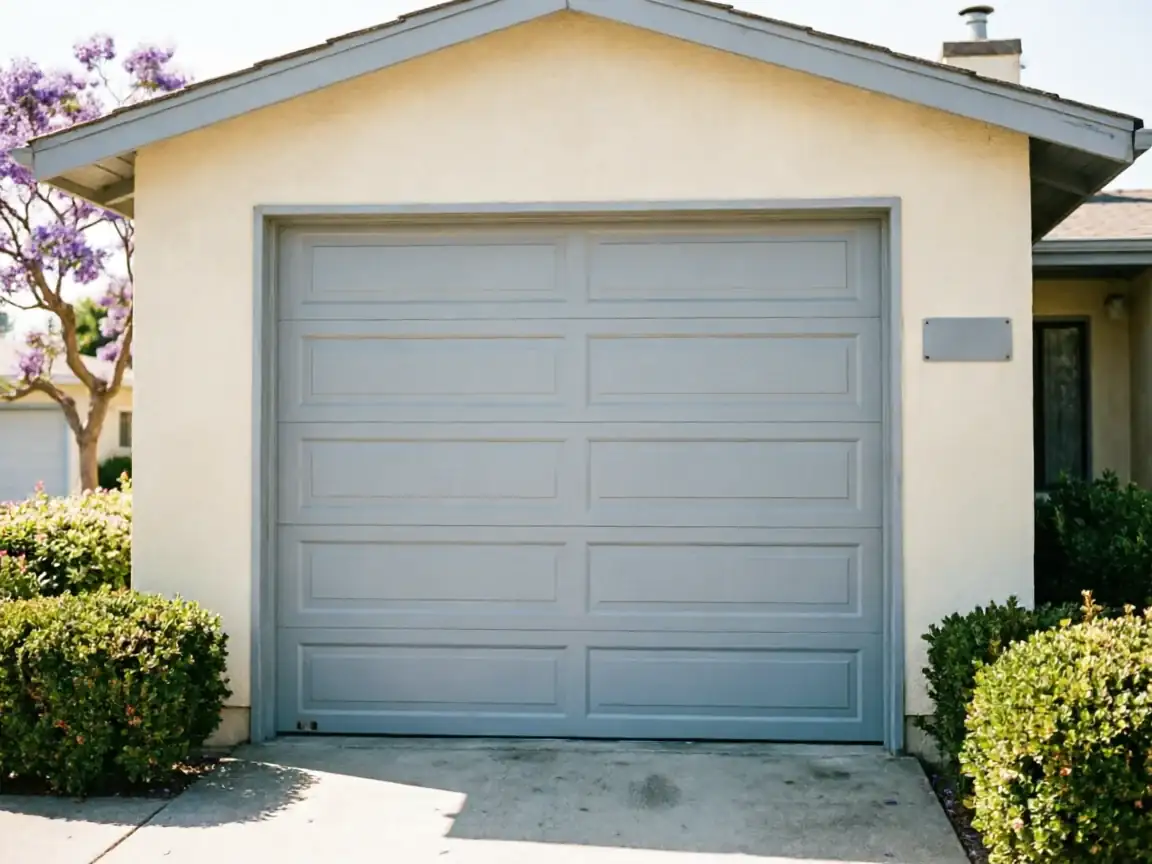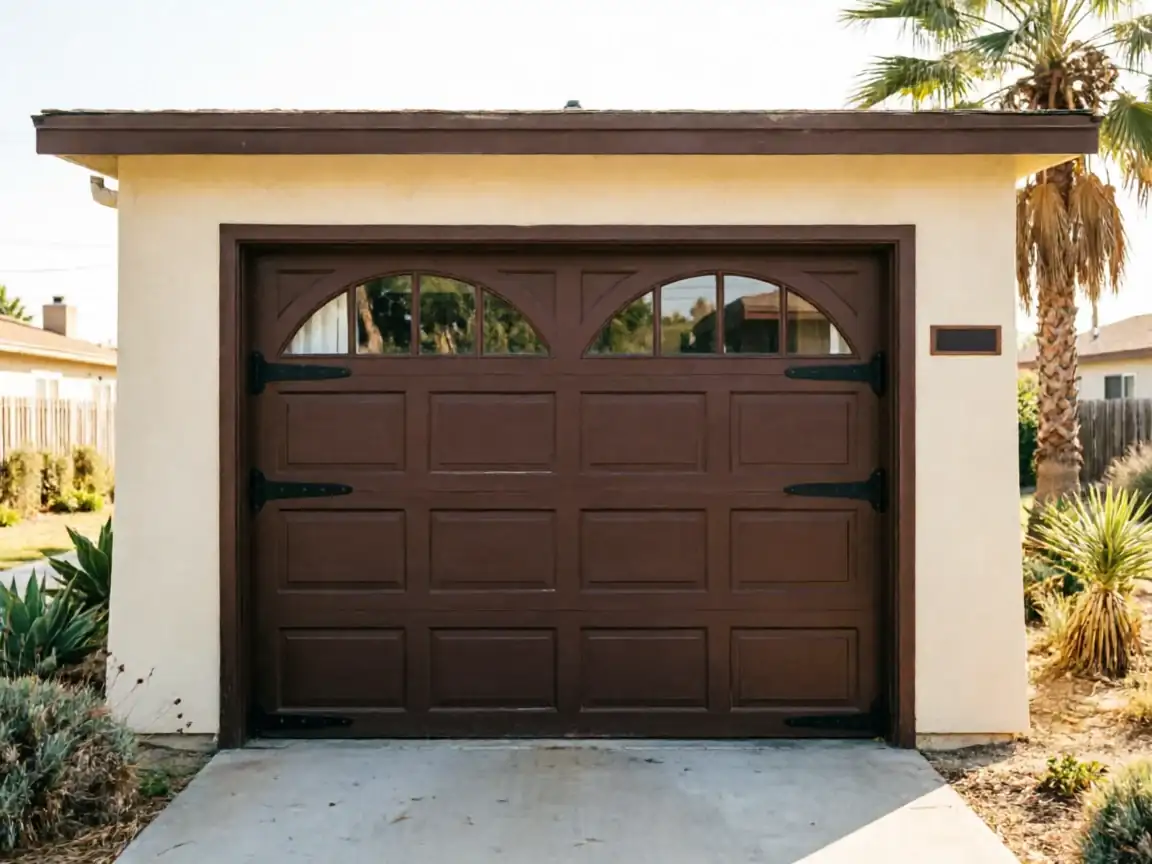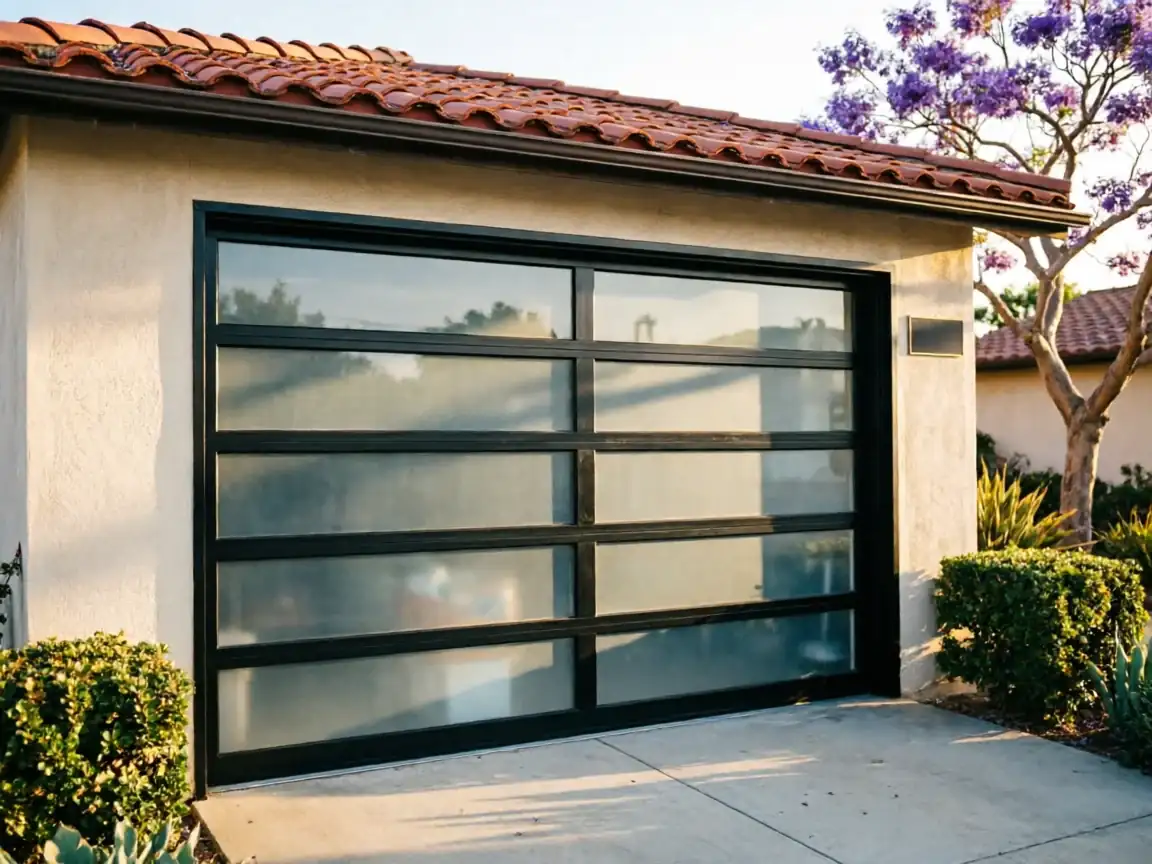
What You Are Seeing
Most calls we get for maintenance in Irvine aren't about a door that's stopped working. They're about a door that's started making a new noise, hanging a little crooked, or taking an extra second to catch when it closes. That's the door telling you something before it breaks.
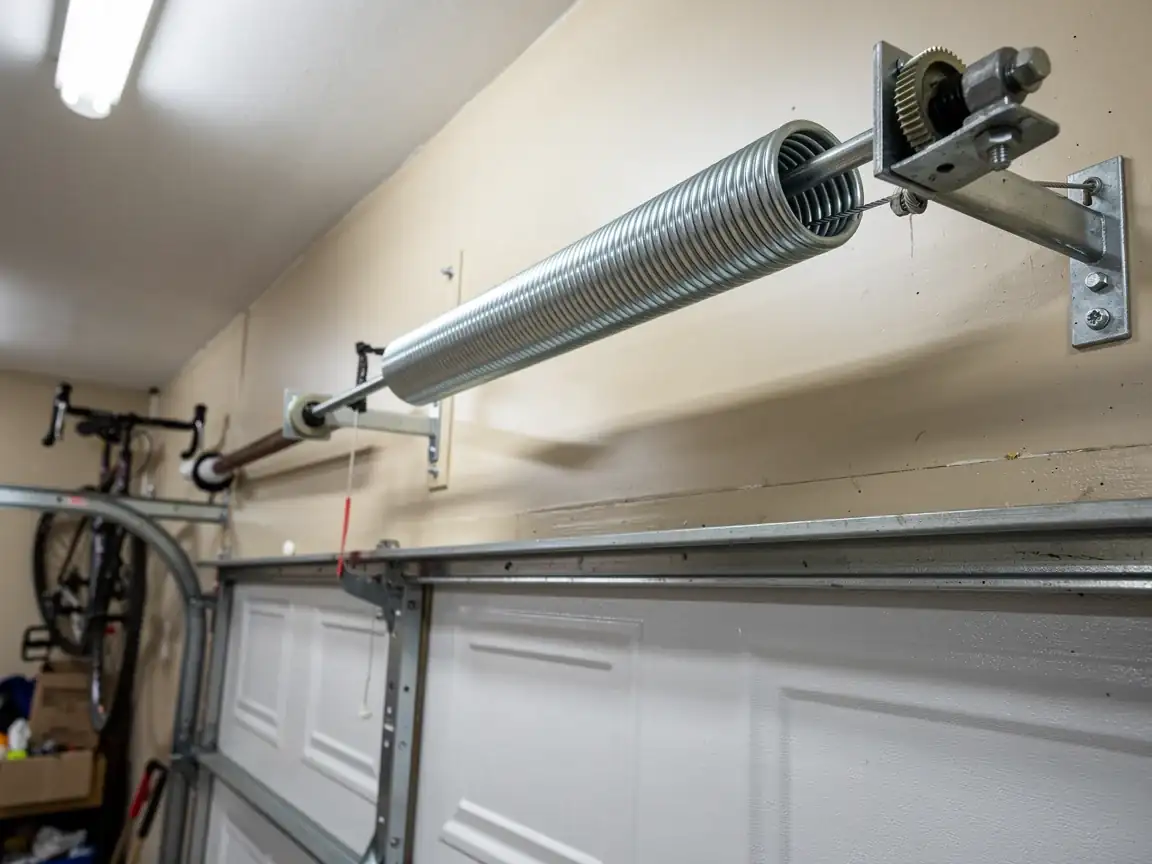
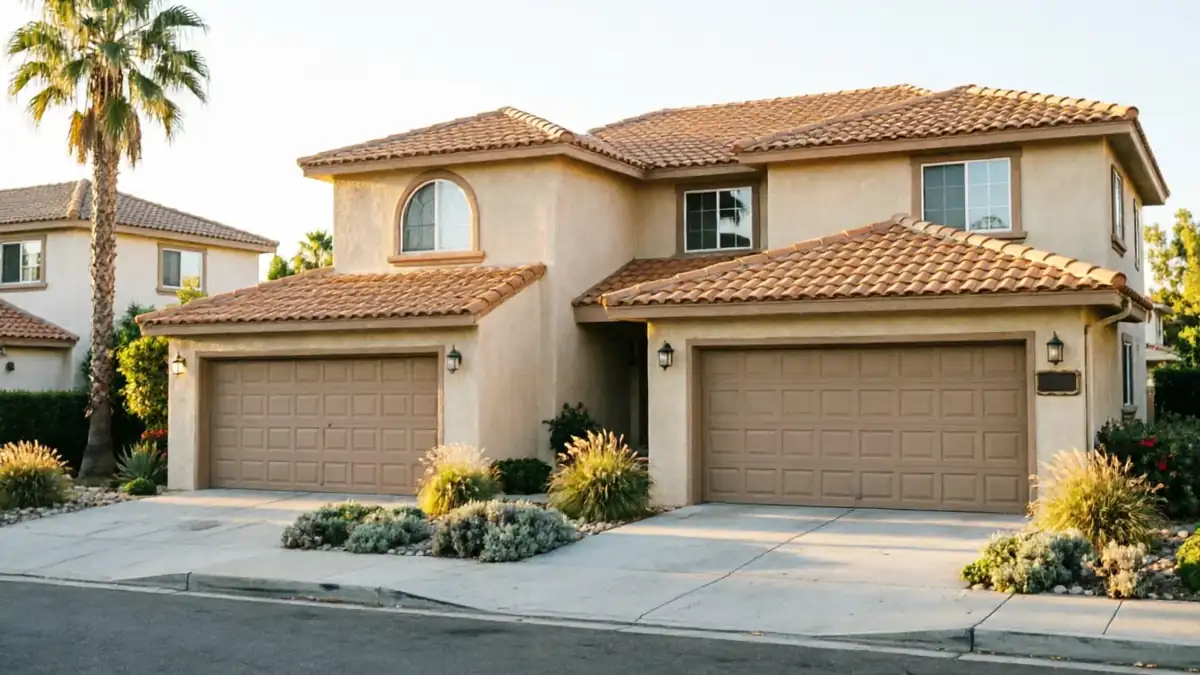
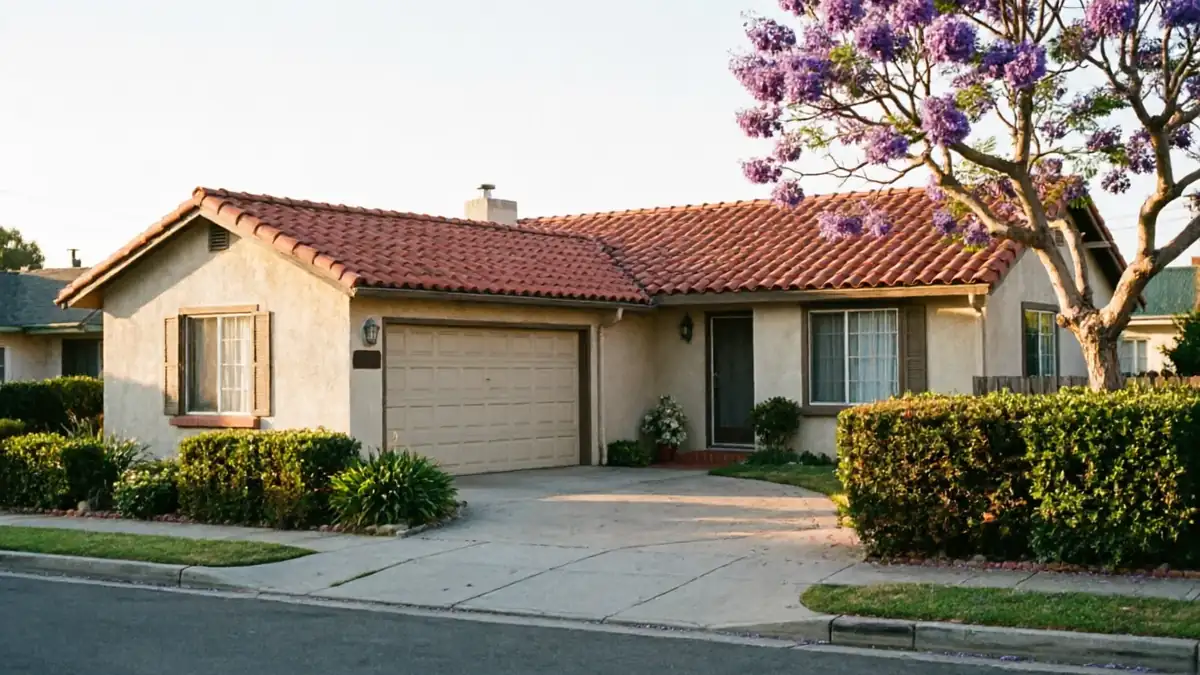
Irvine's housing runs from 1938 up through 2015, but the bulk of what's on the ground across the area's 29 named neighborhoods went up in the 1960s and 70s. A door and opener installed or last replaced during that window is now on its second or third set of rollers, and the torsion spring is well past the point where anyone should be guessing at its remaining cycles.
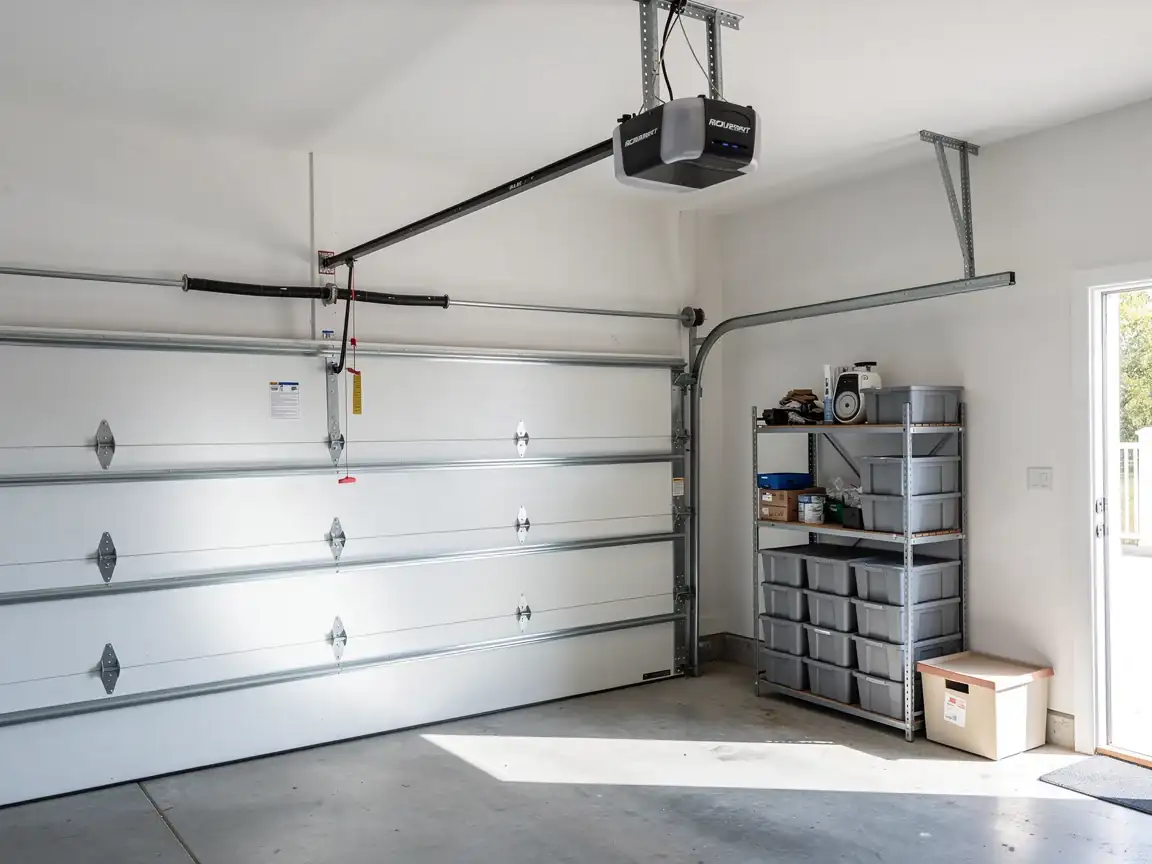
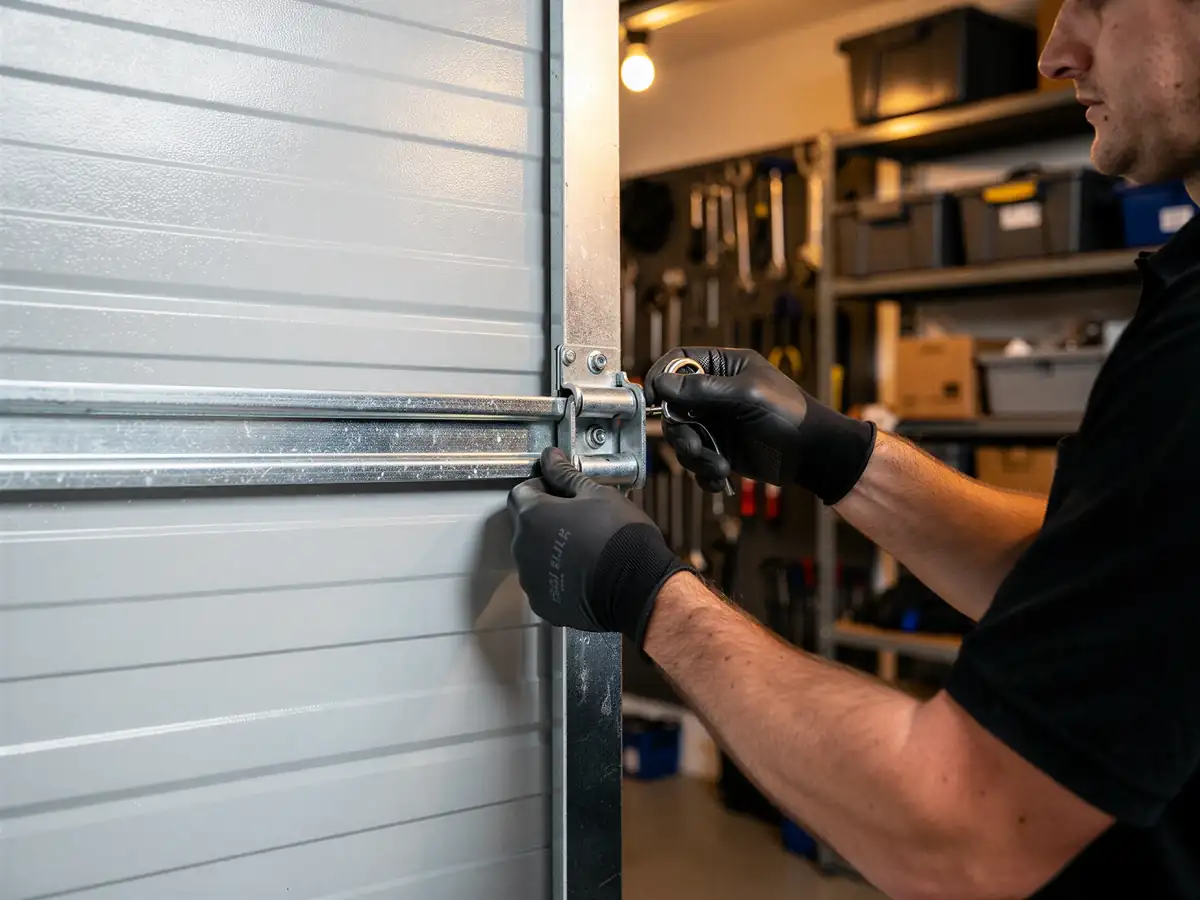
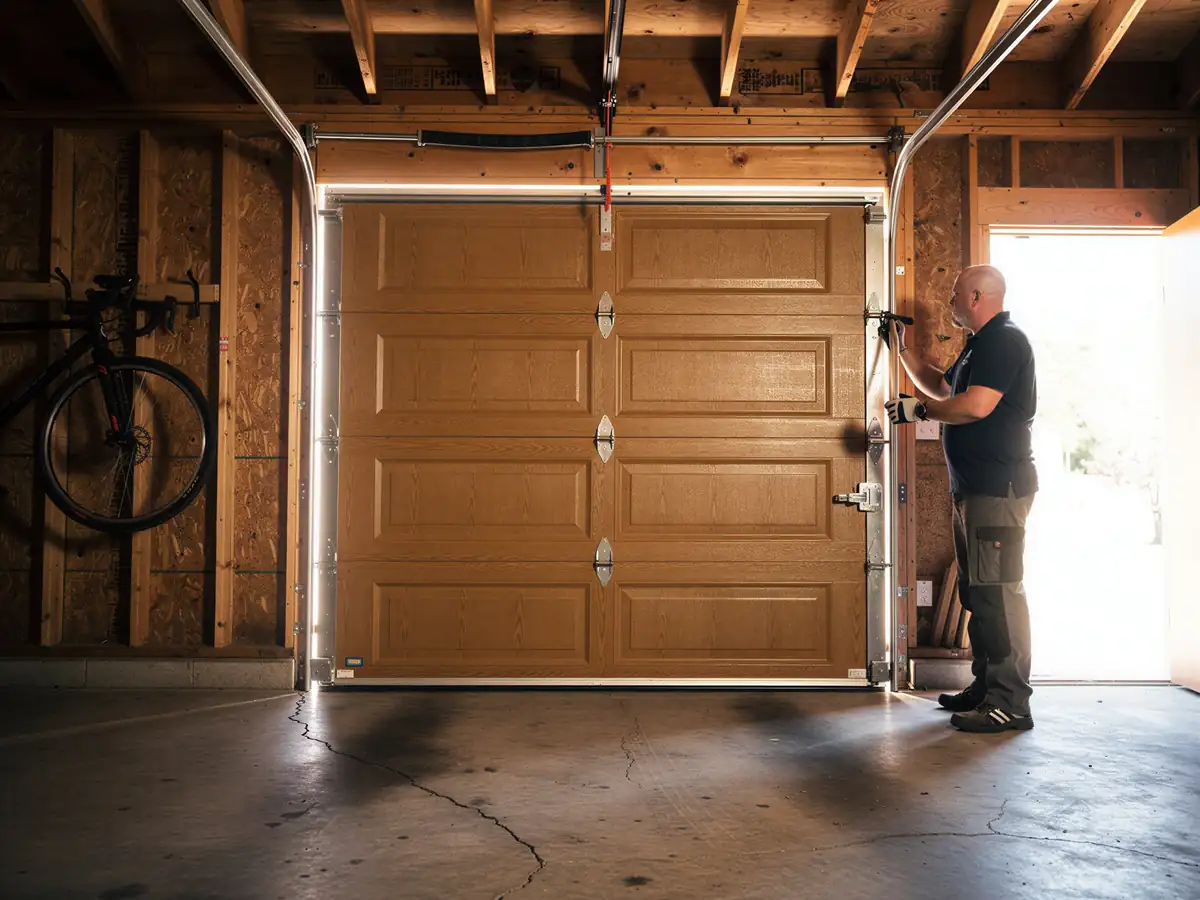
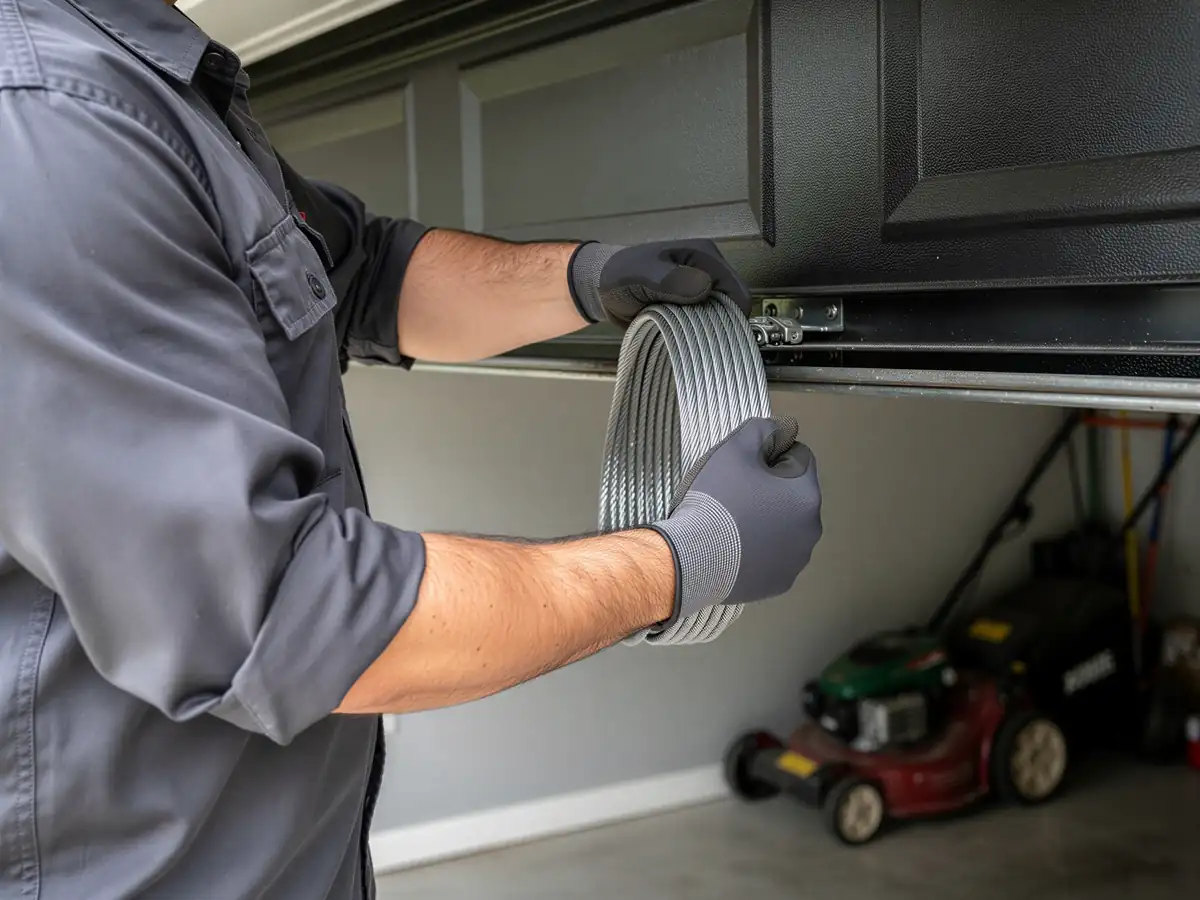
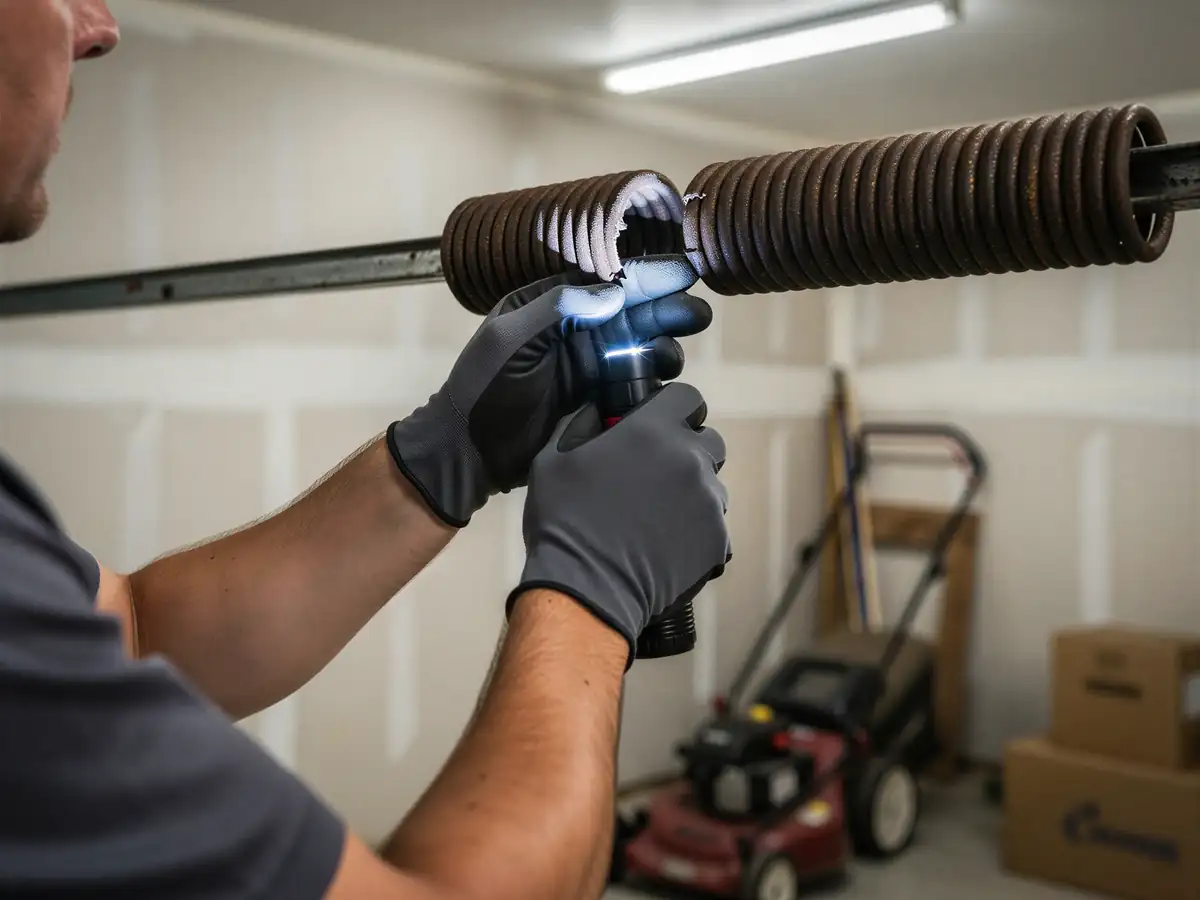
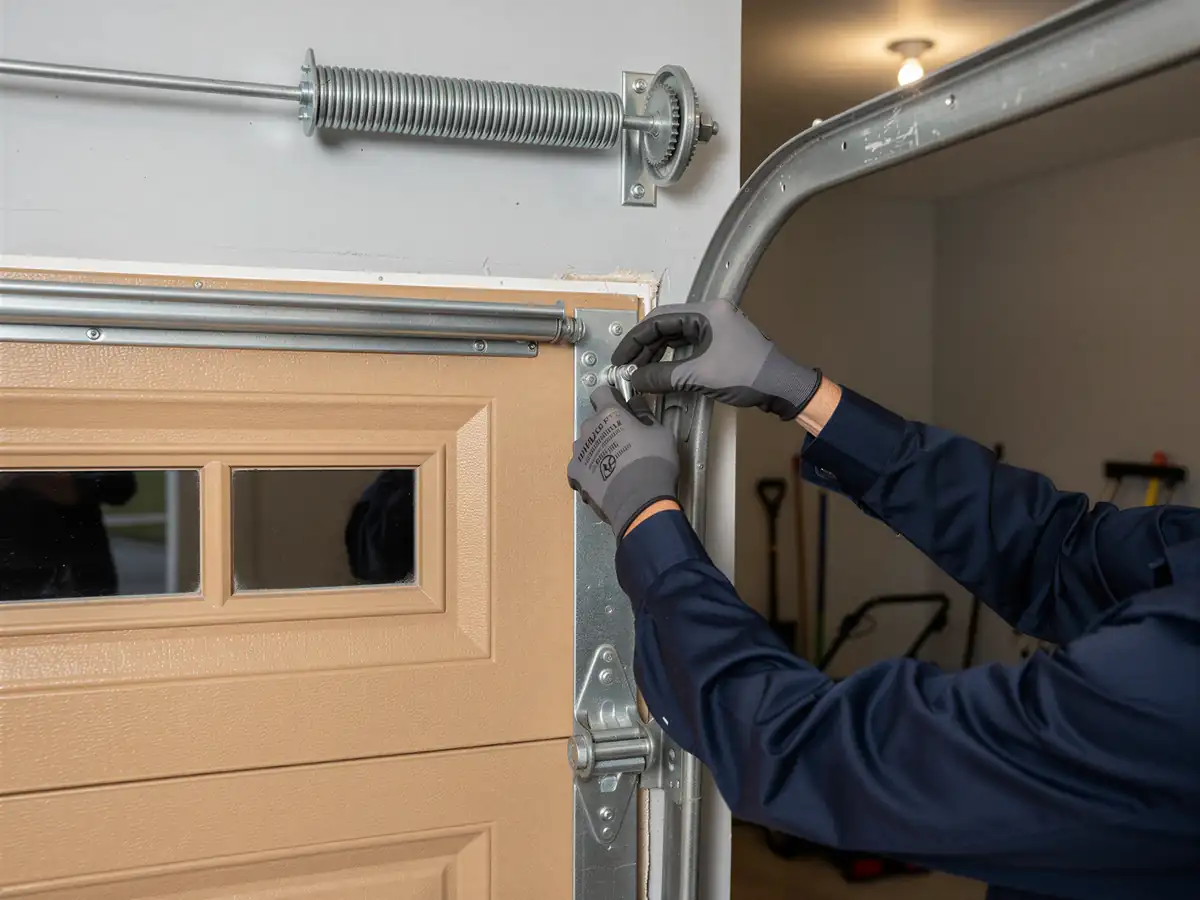
The tell signs: a track that's developed a slight bow, hinges that have worked loose from the panel, a cable with visible fraying near the drum, or an opener that strains on the first foot of travel and then runs fine. None of these stop the door today. All of them are the reason it stops working on a Saturday.
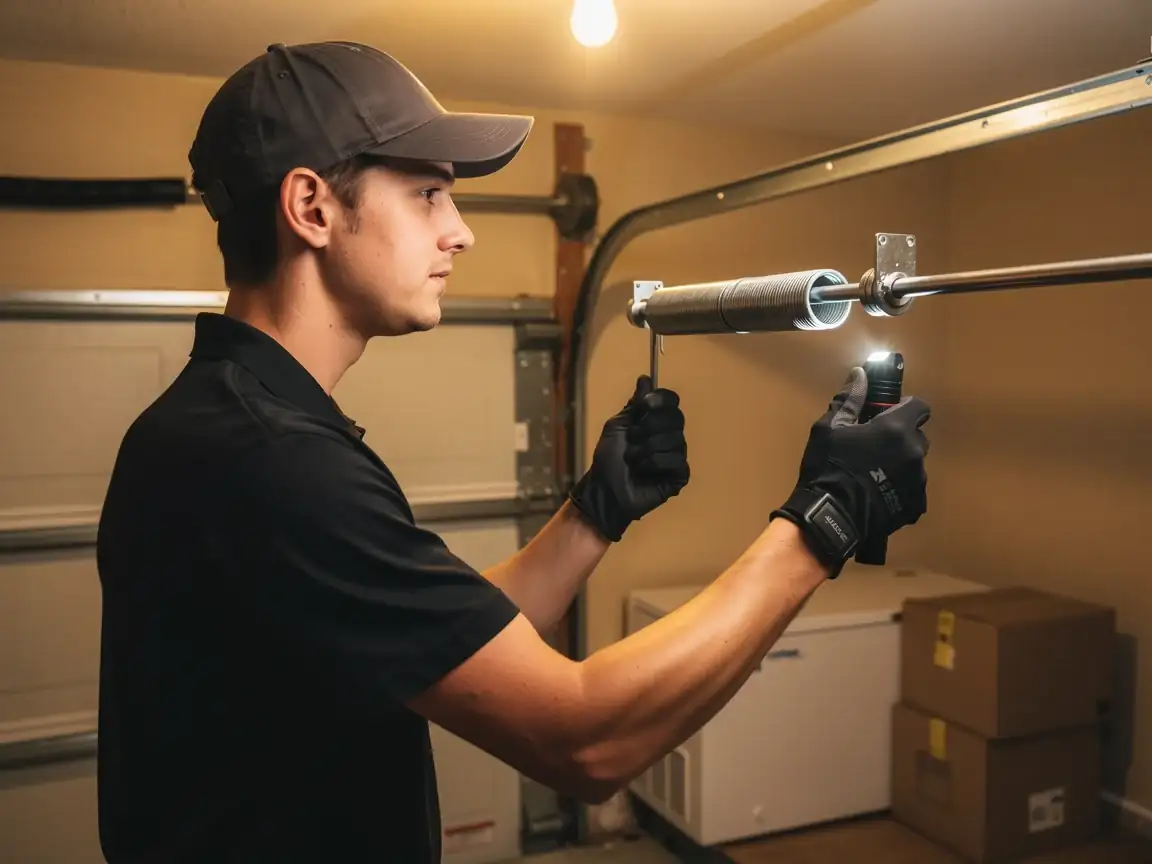
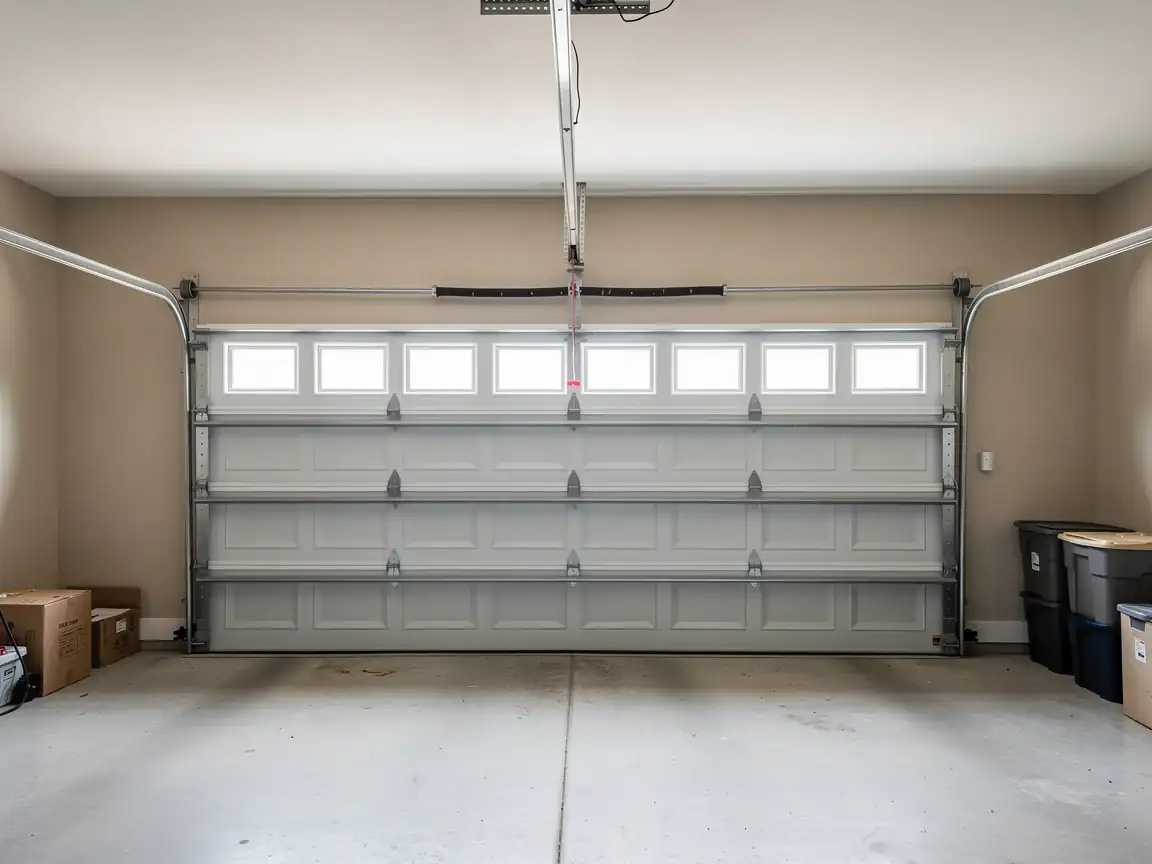
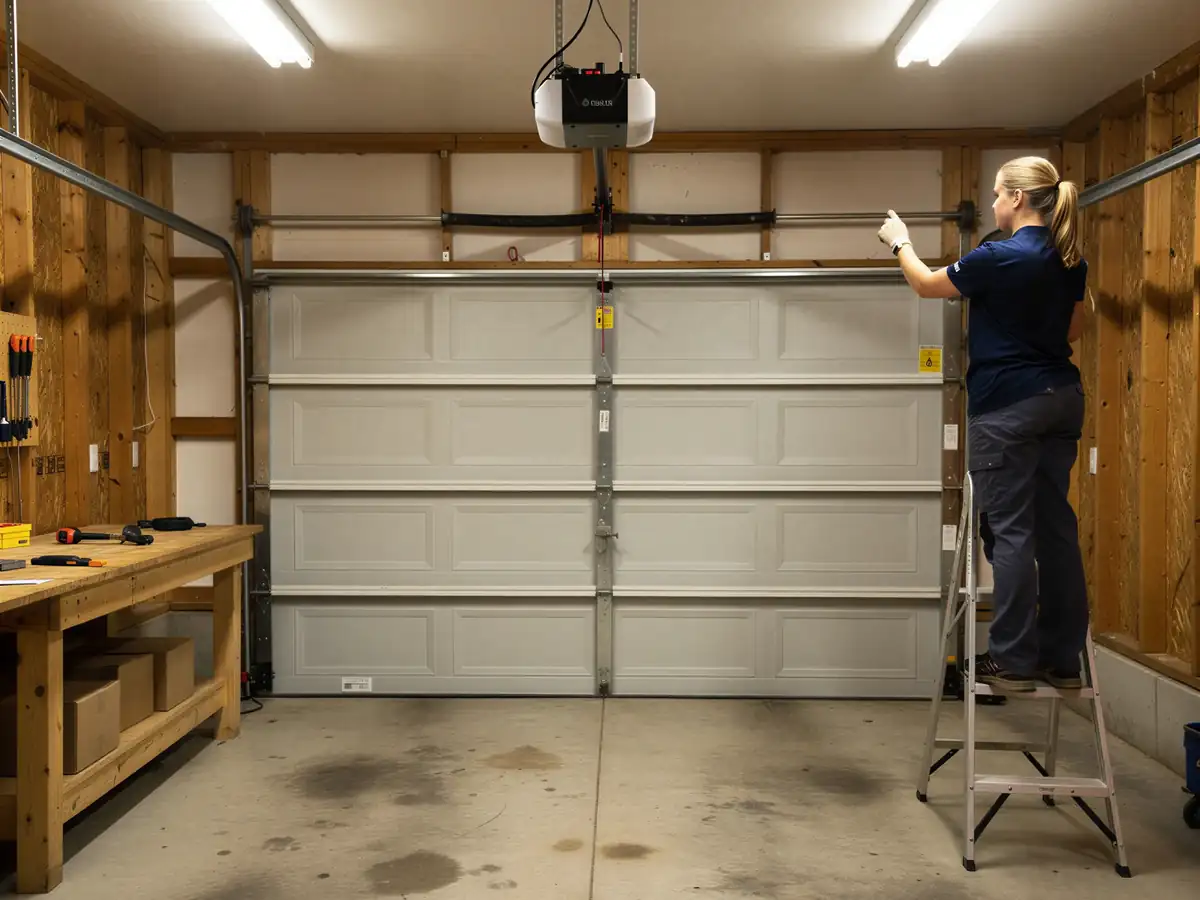
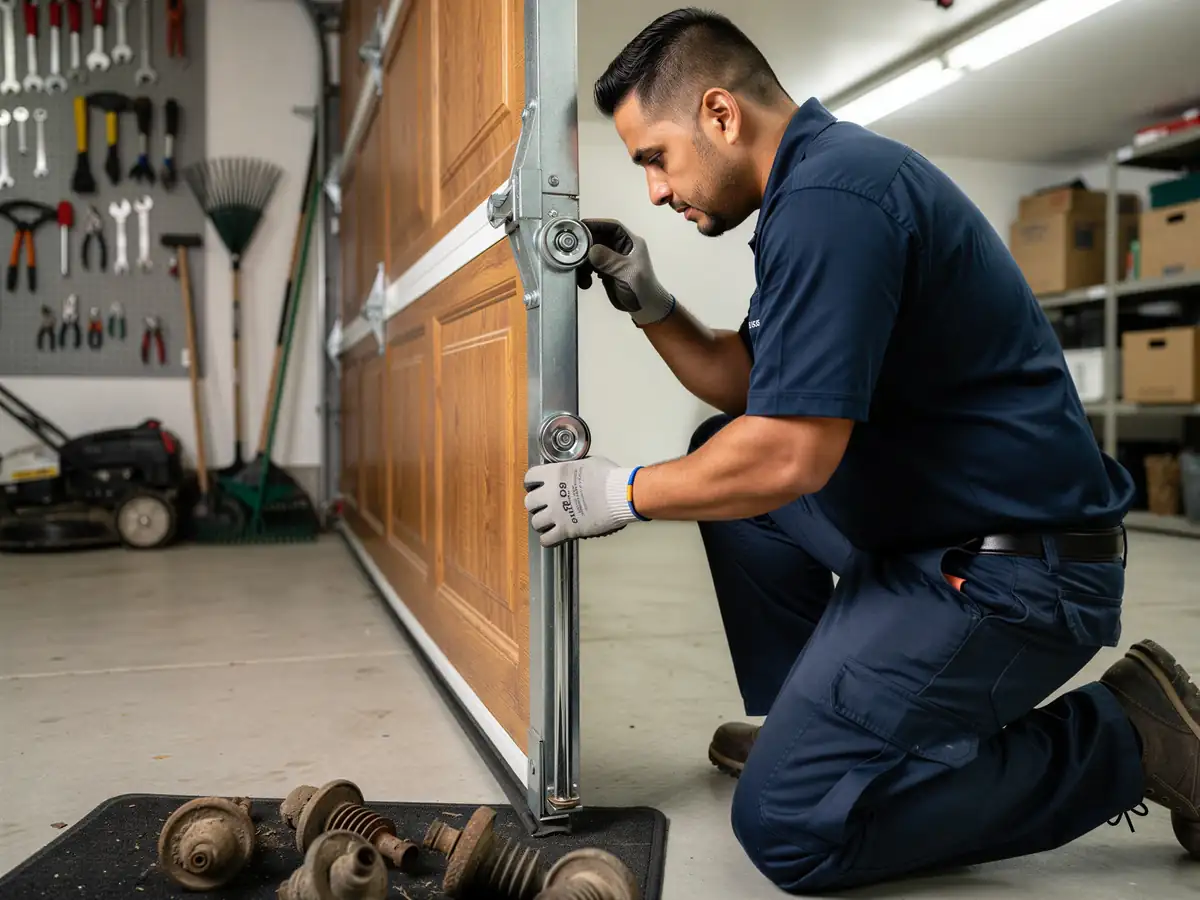
We check hardware torque, spring balance, track alignment, and opener force settings as a set, not one at a time, because on a door this age they tend to drift together.
The Cost of This Job
We don't have a flat number to quote here without seeing the door, and we'd rather tell you that than make one up. What drives the cost on a maintenance visit is how much has been deferred: a door that's had yearly lube and a look-over costs less to keep healthy than one that's gone a decade untouched.
Irvine's mild temperate climate is actually on your side here. You're not fighting the freeze-thaw cycles that crack hardware or the heavy humidity that rusts springs from the inside out. That's part of why original hardware from the 1960s and 70s stock still shows up running, just tired. The job is often adjustment and lubrication rather than replacement, which keeps the visit shorter and the bill smaller than in harsher climates.
Where cost jumps is when a worn part gets ignored long enough to take a second part with it - a frayed cable that lets a panel drop and bend a track, for instance. Catching that early is the whole point of a maintenance visit instead of a repair call.
One honest limit: if your opener is old enough that replacement parts aren't stocked anymore, we'll tell you plainly that a tune-up is a stopgap, not a fix, and let you decide from there.
Booking a Visit
If your door is original to a 1960s or 70s build
Or you simply don't remember the last time anyone looked at the springs and track, that's reason enough to get on the schedule. We serve the Irvine service area and the nearby communities around it, from the close-in neighborhoods a mile or two out to places ten to twenty miles off.
Tell us roughly when the door or opener was installed if you know it
Even a decade estimate helps us bring the right parts on the truck instead of making a second trip. If the door sticks, drags, or reverses unexpectedly, mention that up front too, since it changes what we check first.
We're not going to push a full replacement on a door that just needs balancing and a new set of rollers
We're also not going to tell you a door is fine when the spring is visibly stretched past its coil gap. The visit is a look, a diagnosis, and a plan, in that order.
You can reach us through the site to get on the calendar
What Causes It Around Here
The short version: age and use, not weather extremes. Irvine's mild temperate climate means the usual culprits elsewhere - ice-locked tracks, heat-warped panels, salt-air corrosion - aren't doing much damage here. What is doing the damage is simple cycle count on hardware that, in a lot of the area's housing, dates back to original 1960s-70s construction or an early-generation replacement.
A torsion spring is rated for a set number of open-close cycles. A household that uses the garage door as the main entry, which is common across Irvine's owner-occupied houses, runs through those cycles faster than a side-door household does. Add original rollers that were steel, not nylon, and you get the grinding and vibration that eventually works bolts loose and bends track over years of daily use.
Openers follow the same arc. A unit from the 1976-median era of the area's housing is long past any lifetep a manufacturer promised, and its force settings tend to drift as gears wear, which is exactly the kind of thing a maintenance check catches before it becomes a slammed-shut door on someone's car.