The Common Mistake
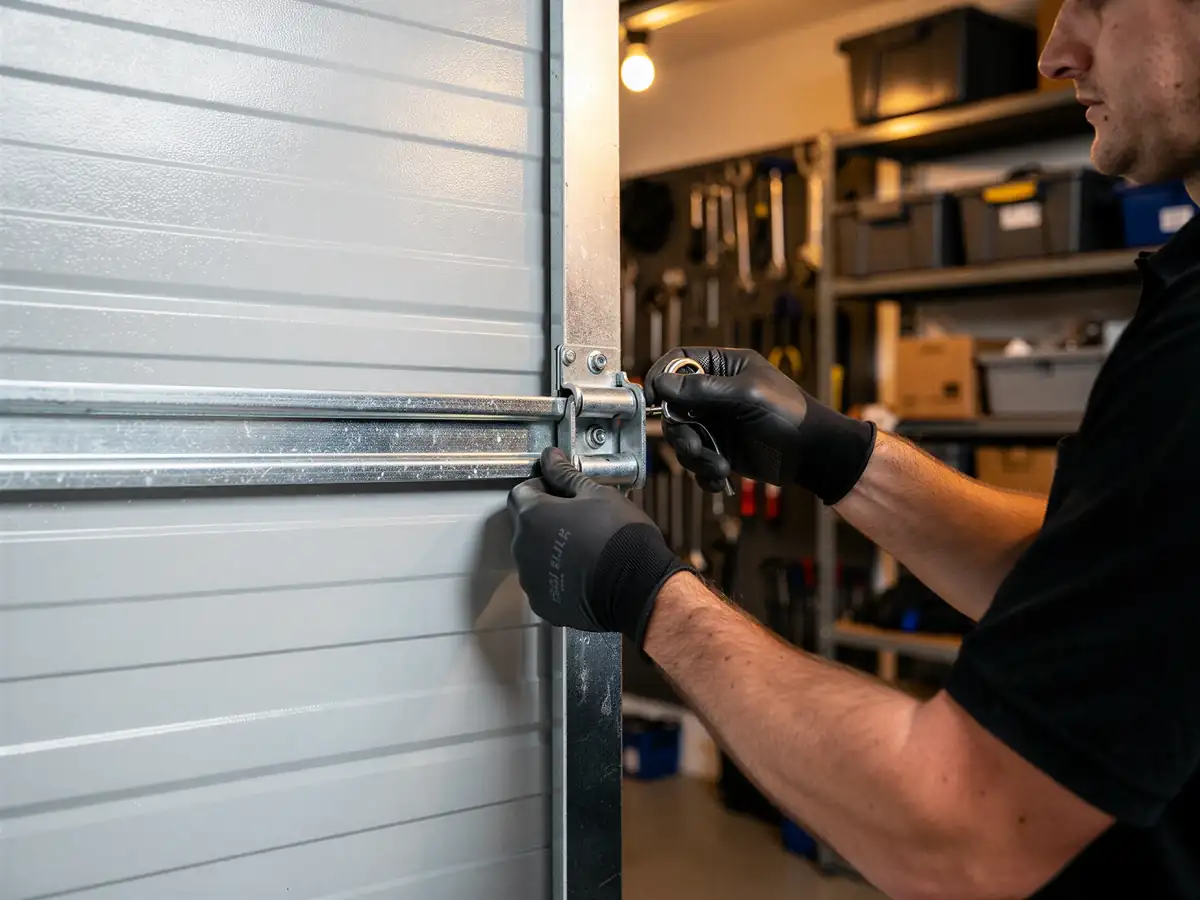
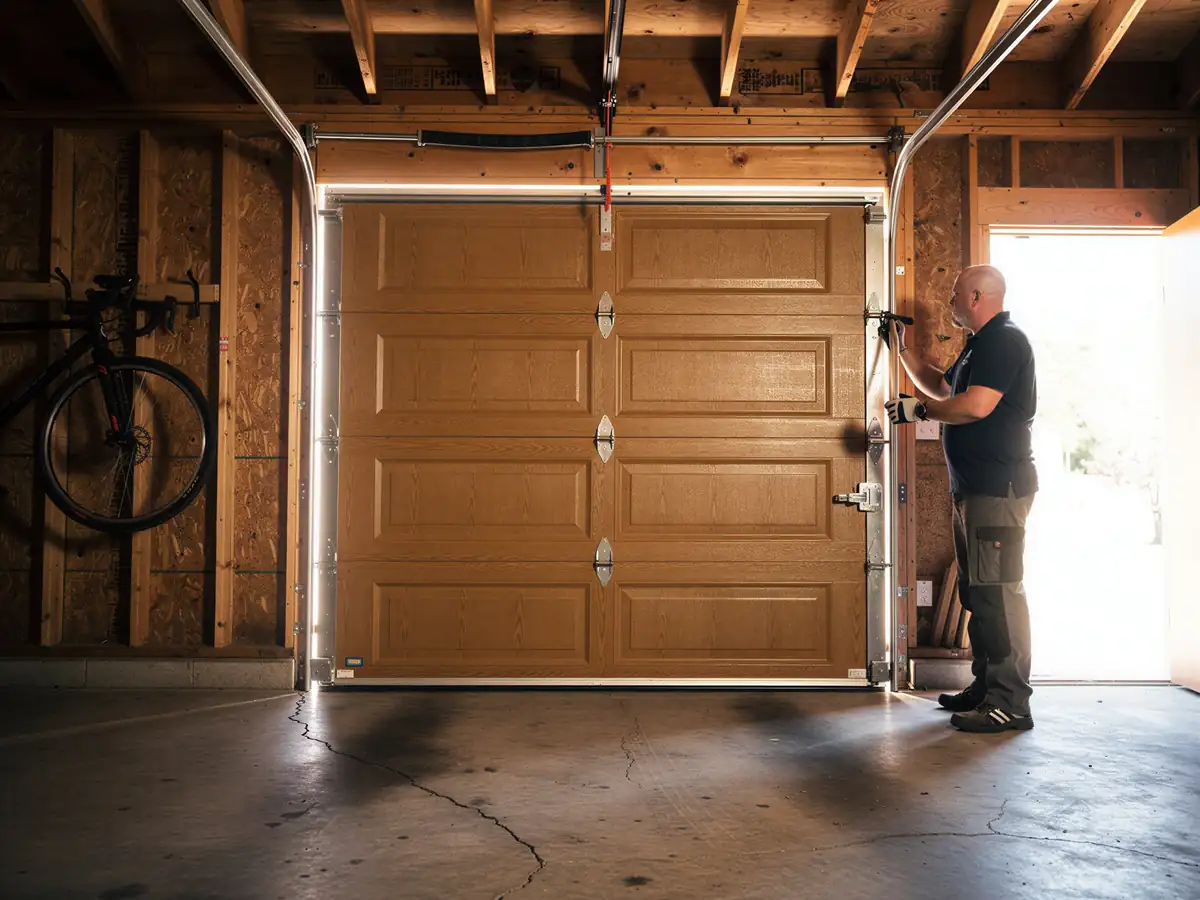
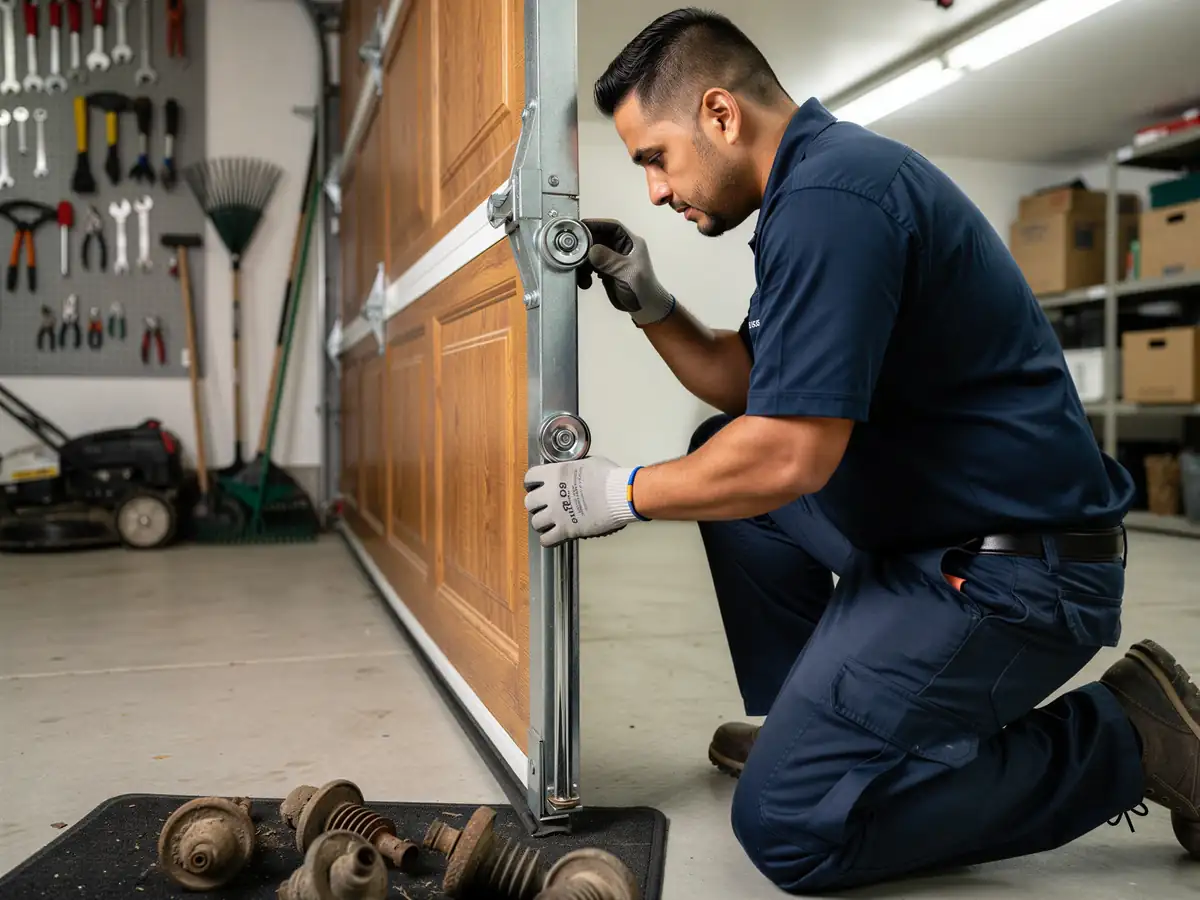
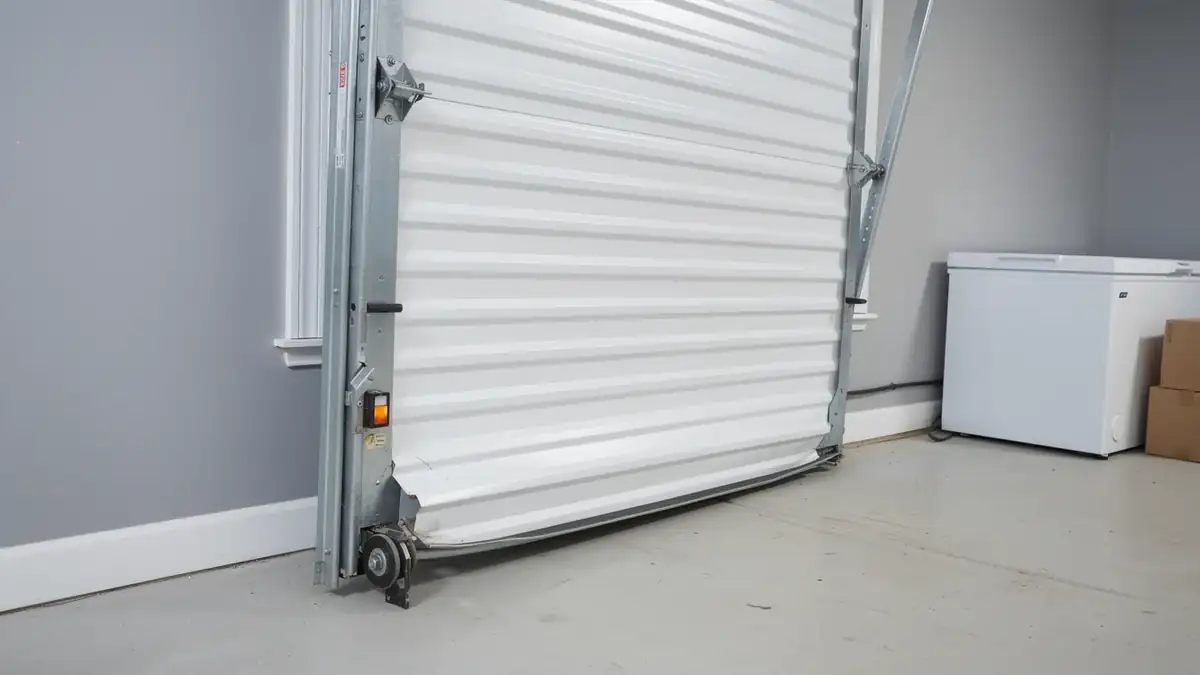
Most homeowners who call about a door off its track assume a roller snapped or a cable popped, and they picture something dramatic. In practice, the usual cause around Irvine is slower and duller: a track bracket that's worked loose from the jamb over years, pulling the rail a few degrees out of parallel. Because so much of the housing here dates to the 1960s and 70s stock that makes up most of the area's 29 named neighborhoods, the original mounting hardware is often original too - lag screws into wood jambs that have shrunk and settled since the door was installed. Nobody notices the drift until the door binds on one side and jumps the roller. The mistake is treating that as a roller problem and swapping rollers, which does nothing if the track itself is tilted. A straight track with a bad roller rides rough but stays put. A true track, bolted square, is the thing that actually keeps a door running where it should.
The Problem
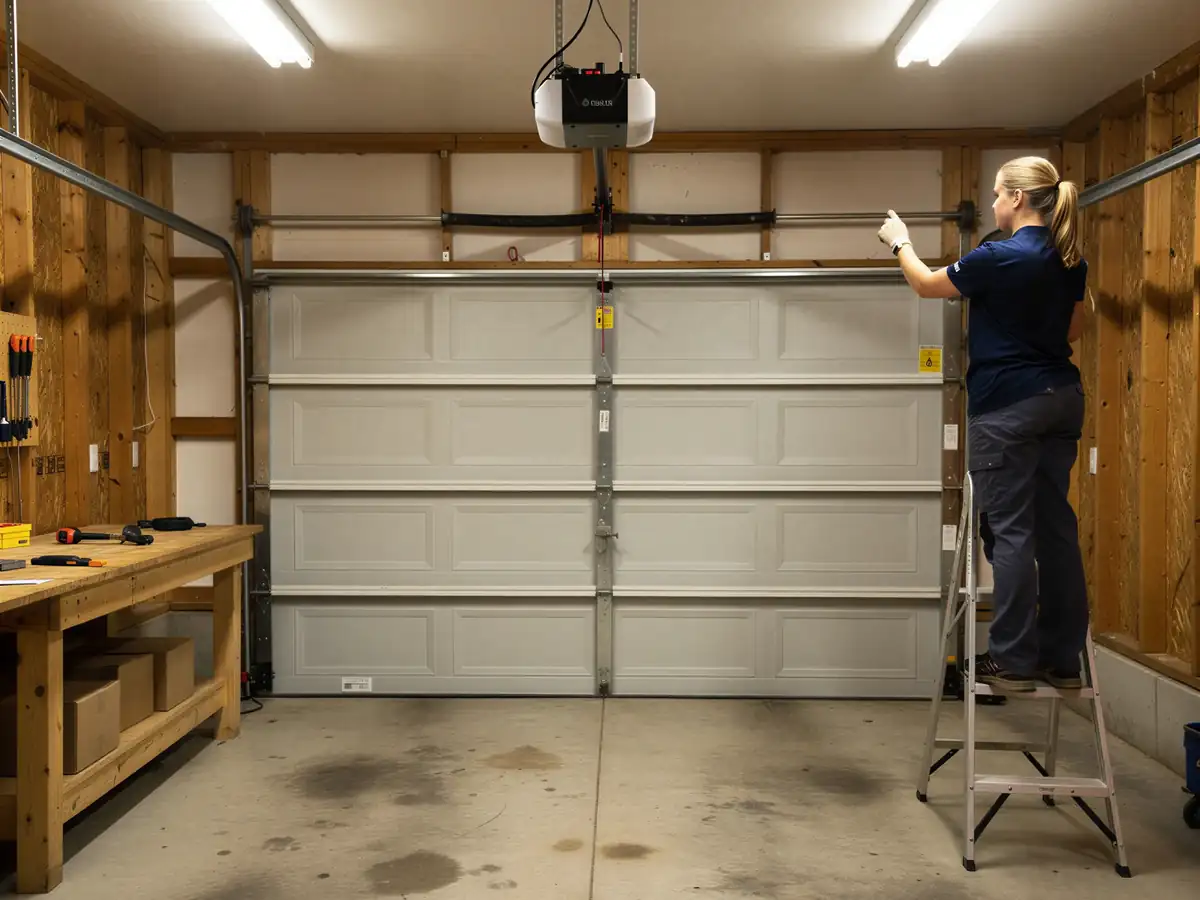
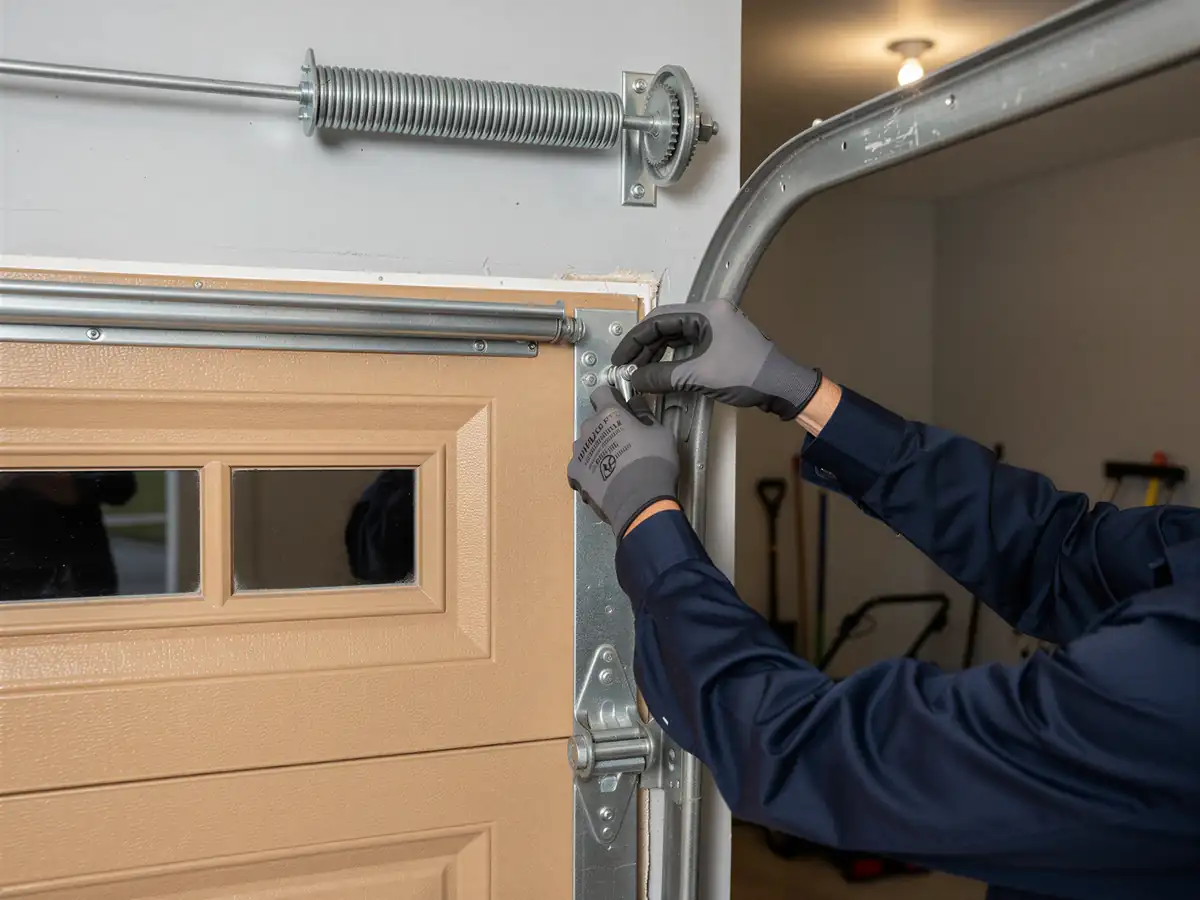
Once a track bracket loosens, the rail flexes slightly every time the door cycles, and that flex is what walks a roller out of the channel. On older homes - and with median housing age back to 1976 across the service area - the jamb wood has had decades to move, so the original fasteners sit in slightly oversized holes even when they look tight. Add a spring that's lost tension unevenly on one side of a double door, and the imbalance accelerates the same drift. We see this most on doors original to houses built well before 2000, less on anything from the newer end of the 1938-2015 build range. The honest limit here: if the track itself is bent, not just loose, realignment is a patch, not a fix. A bent rail that's been forced back into shape once tends to go again, and at that point replacing the section costs less in the long run than a second service call.
What the Weather Here Does to It
Because the climate is mild, this isn't a story about ice jamming a track or a cold snap snapping a brittle cable - that's not what the weather does in Irvine. What it does is remove the forcing function that would otherwise flag a loose bracket early. In a harsher climate, extreme contraction pulls fasteners out fast enough that an owner notices within a season or two. Here, the same loosening happens, just stretched over many mild years, so by the time a door jumps track the hardware has usually been marginal for a while. That's the real weather effect in this area: not damage, but a long runway that lets a small problem go unnoticed until the roller finally leaves the rail.