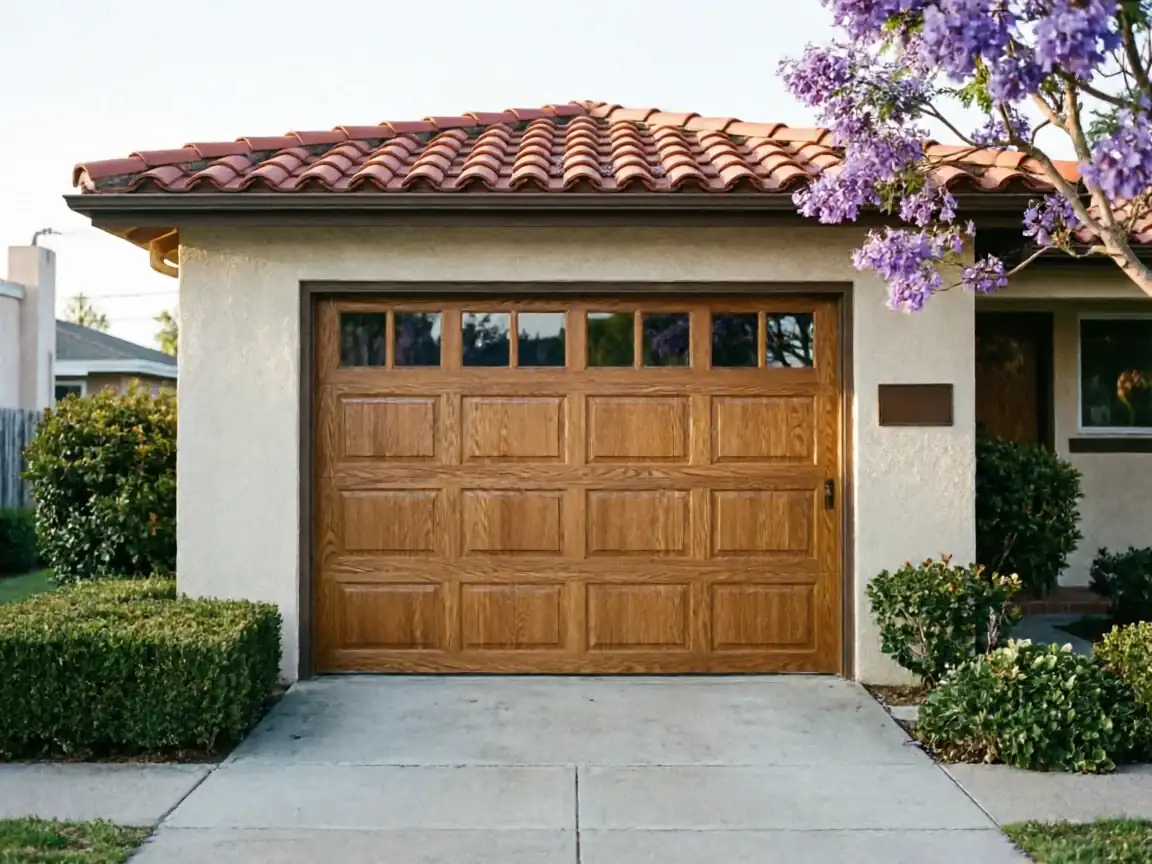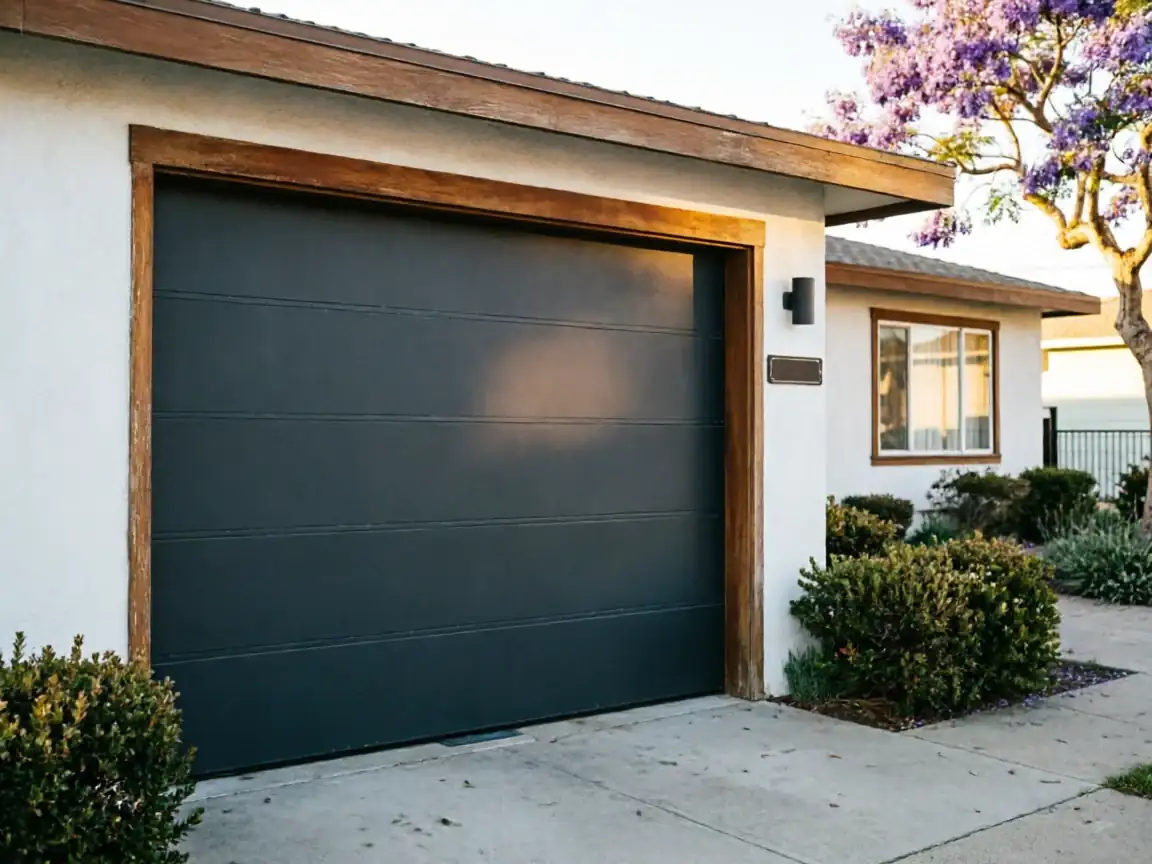
What You Are Seeing
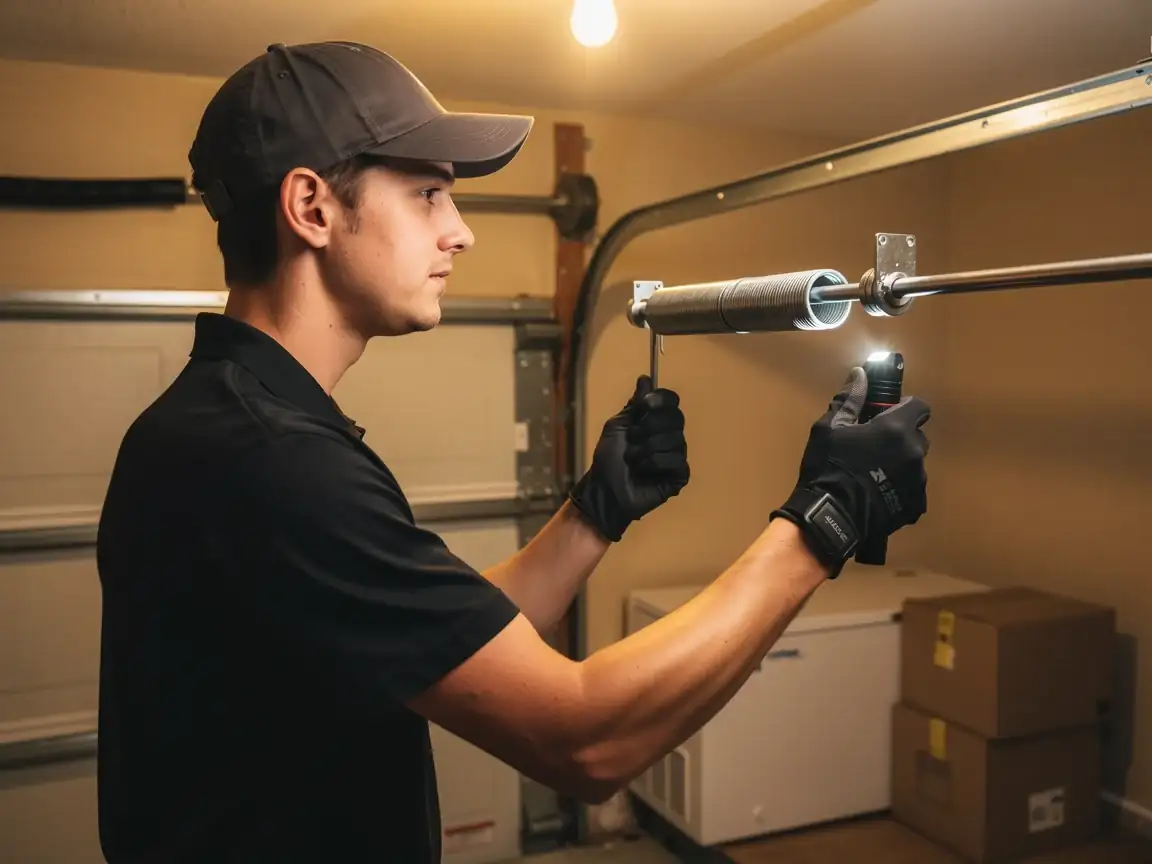
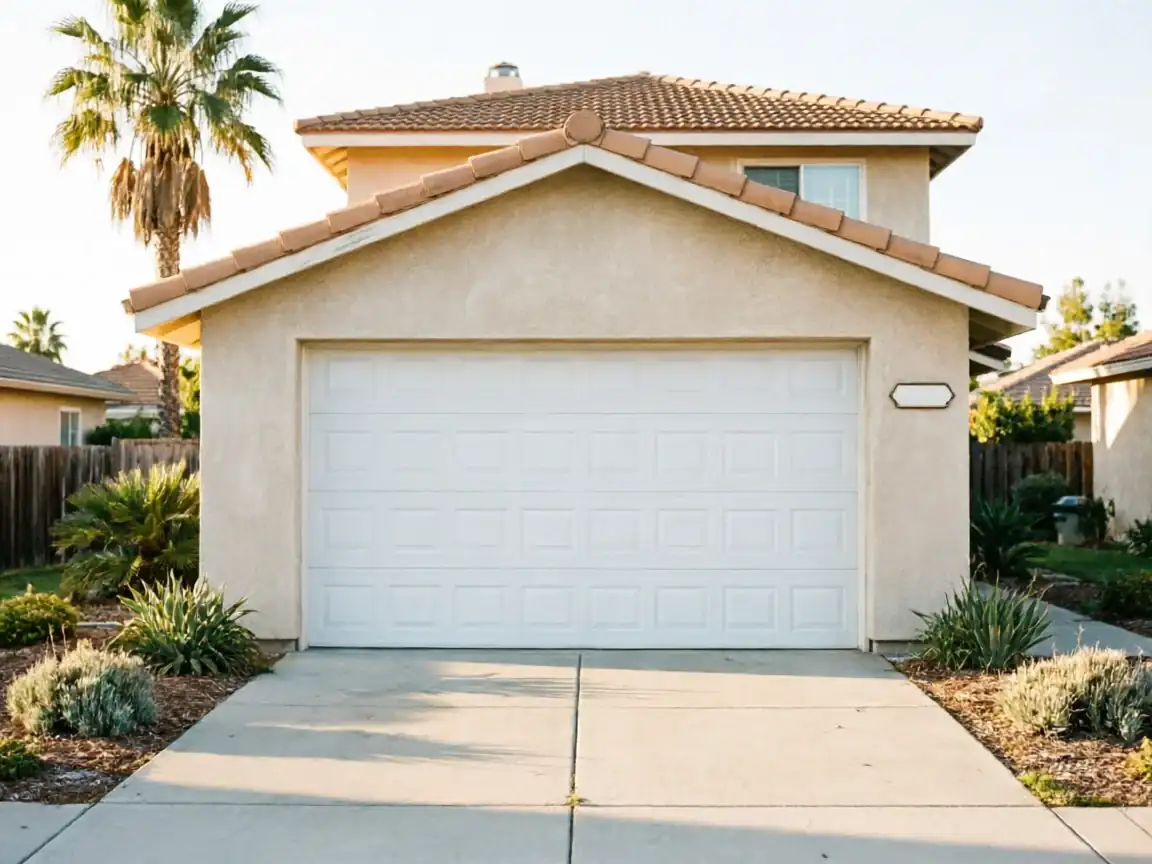
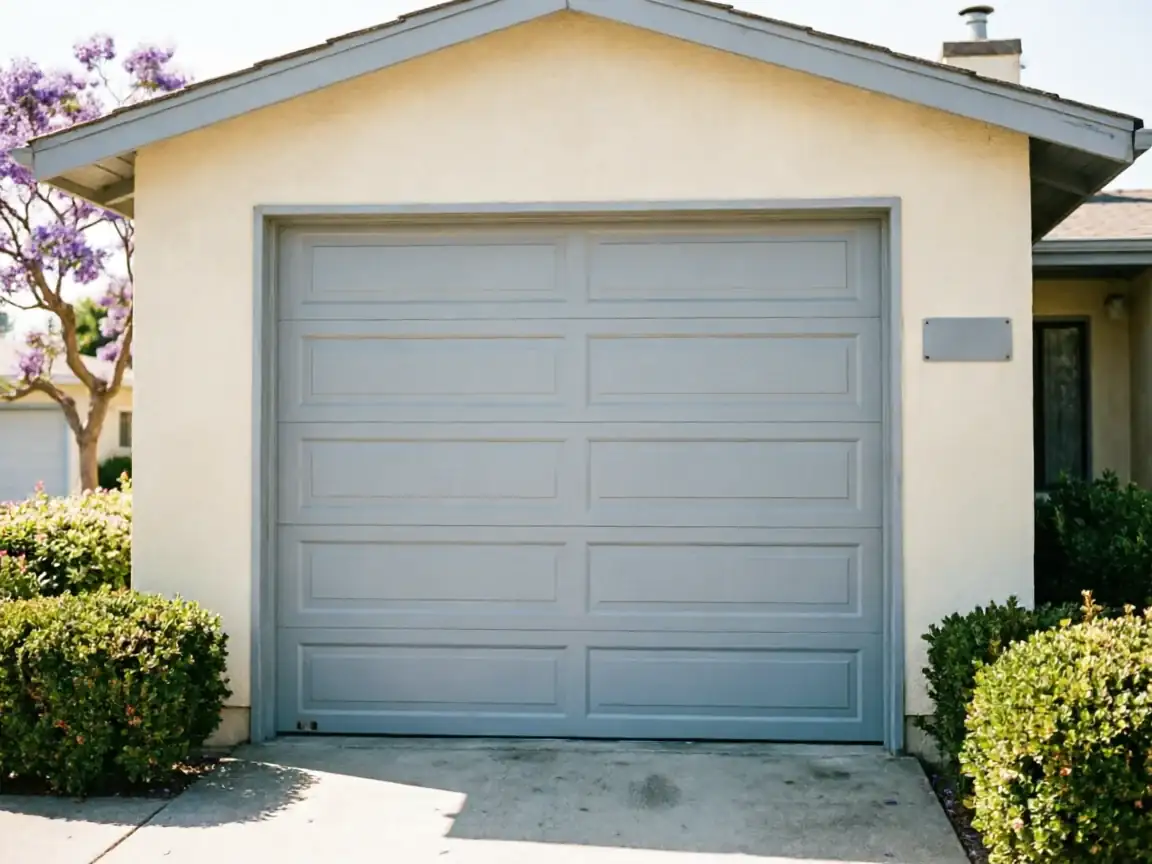
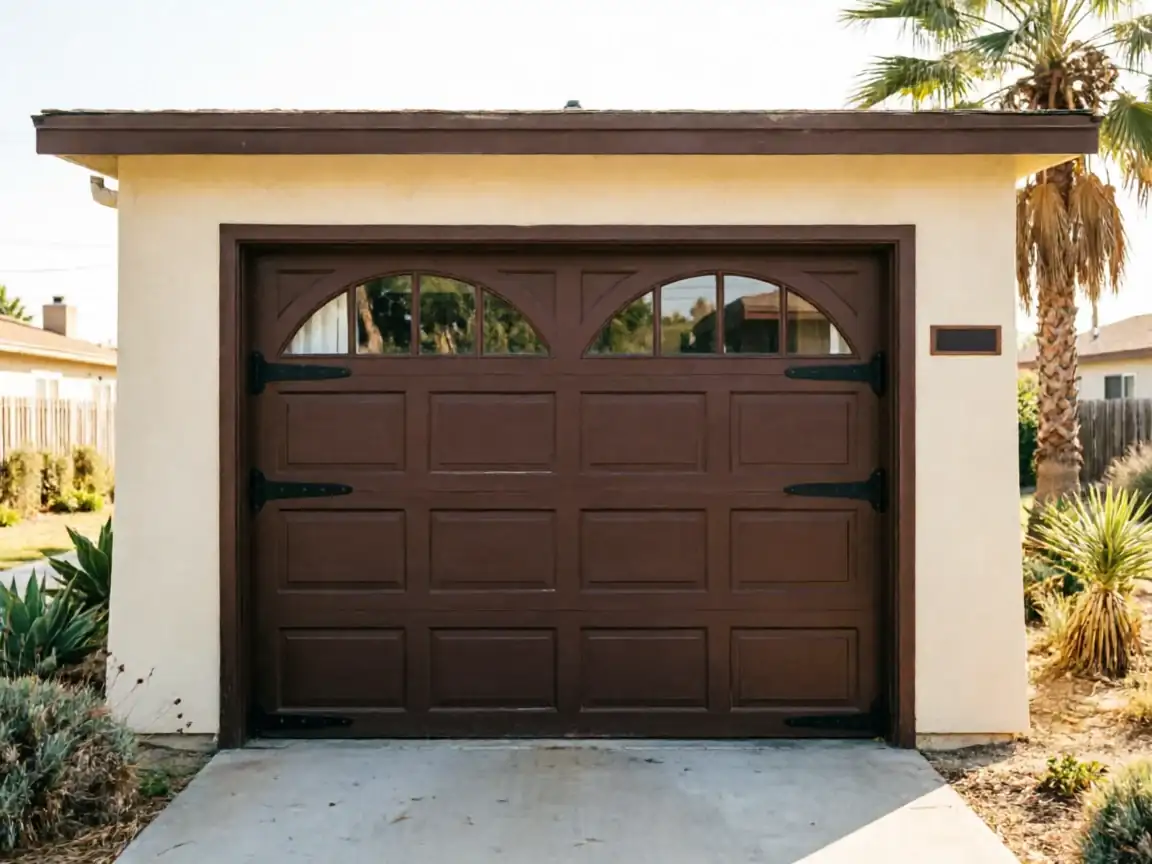
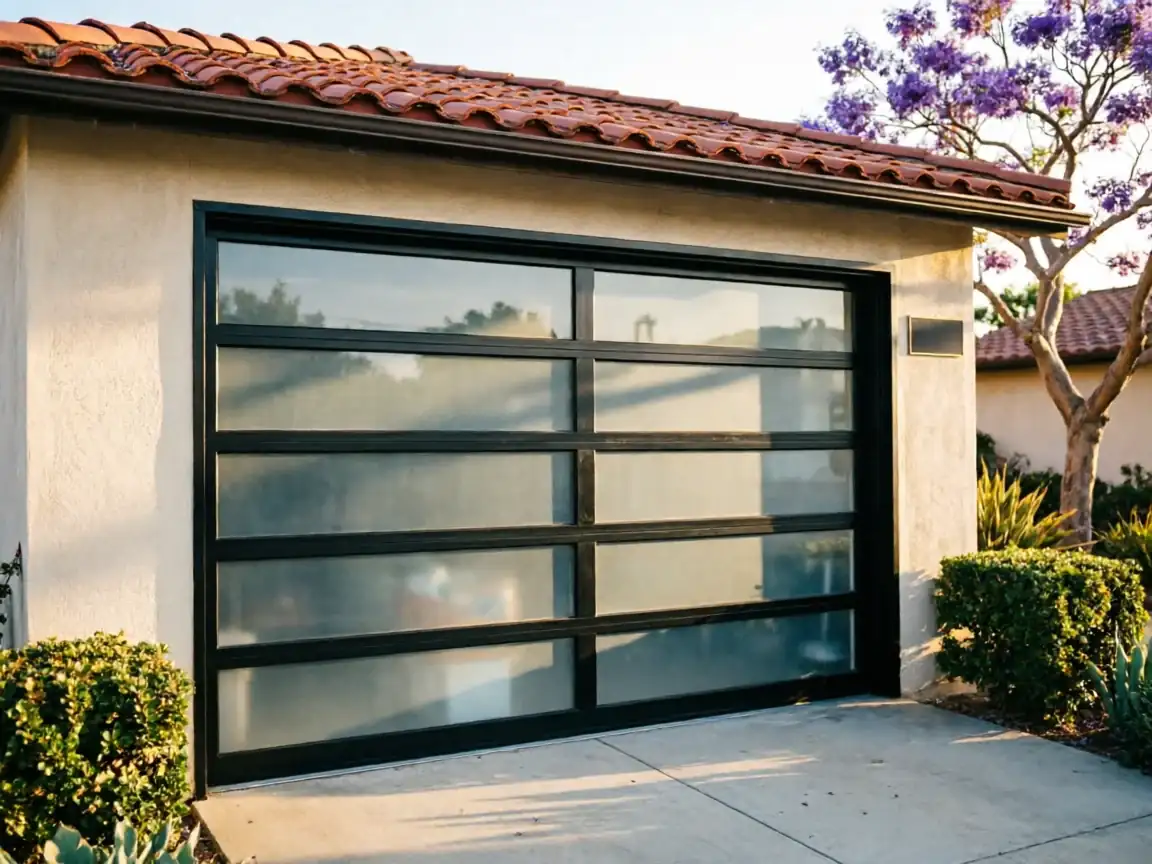
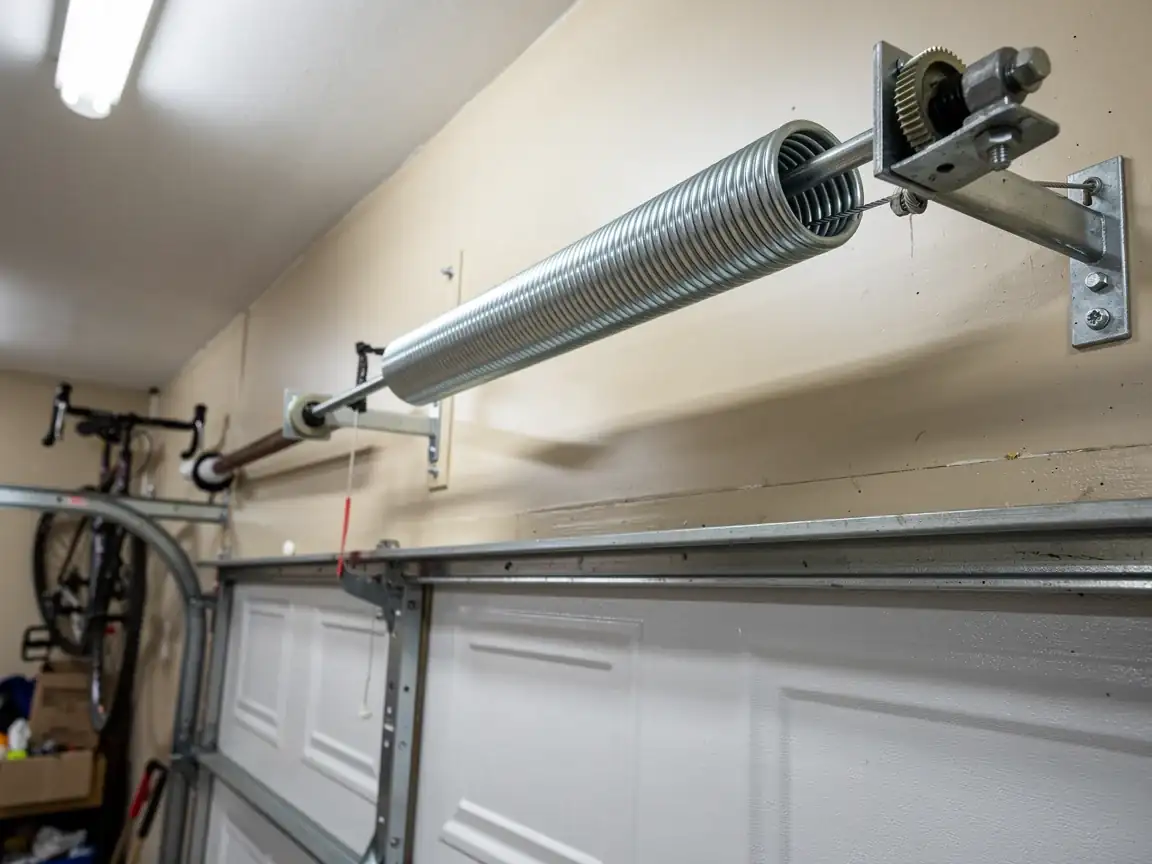
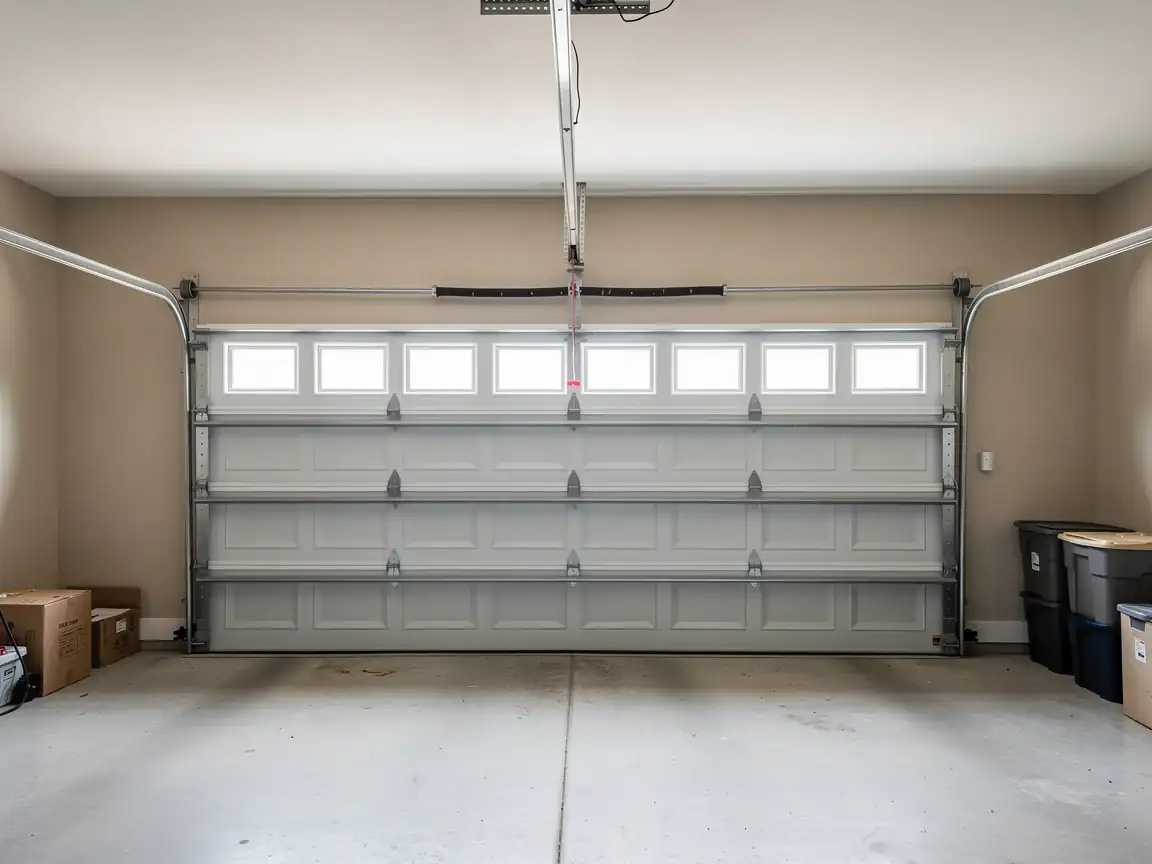
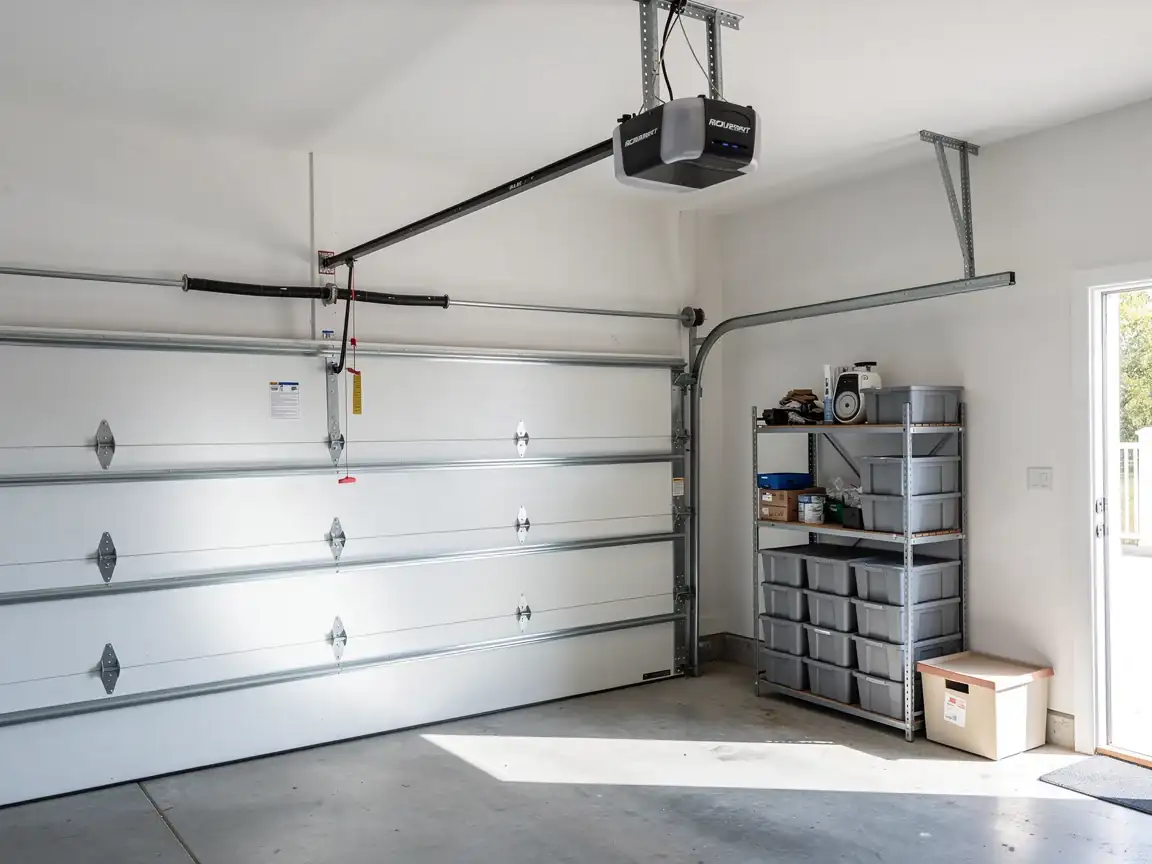
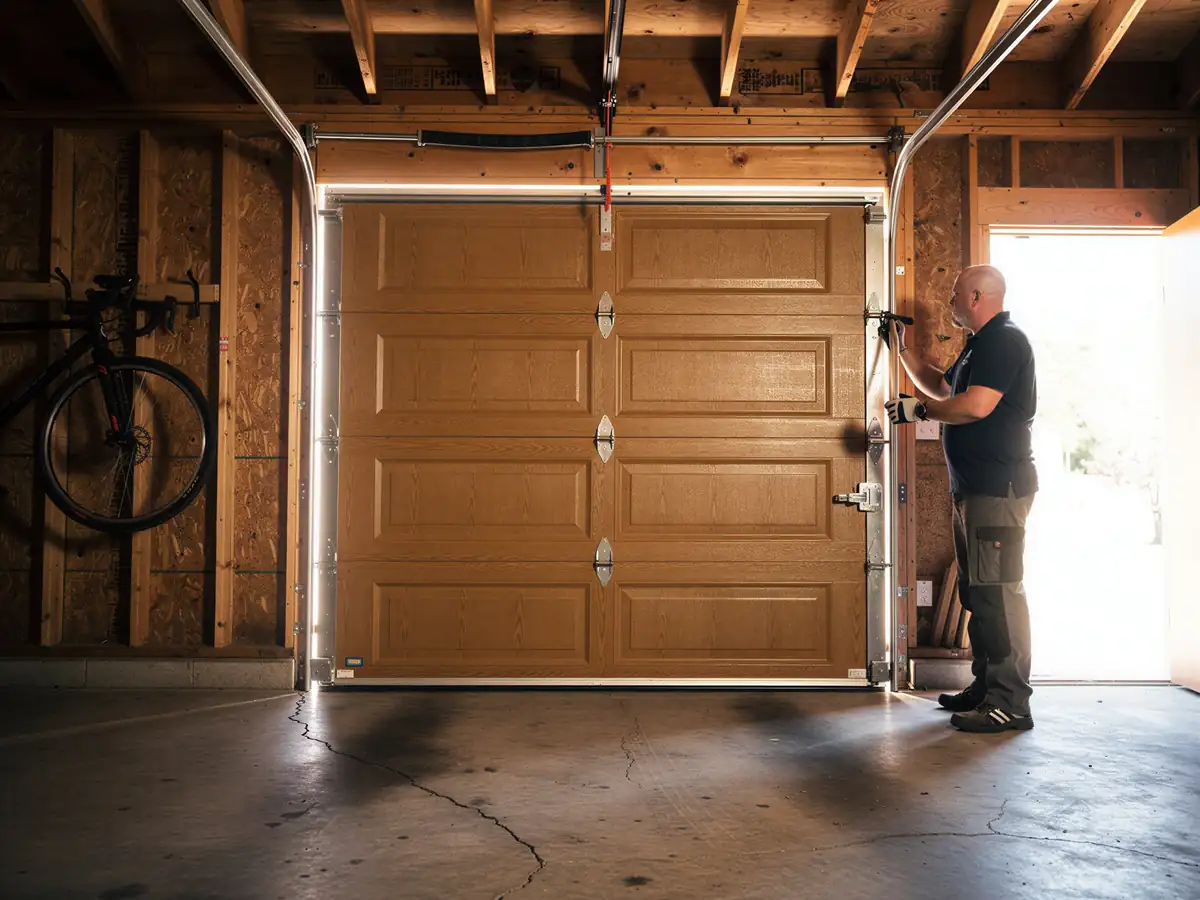
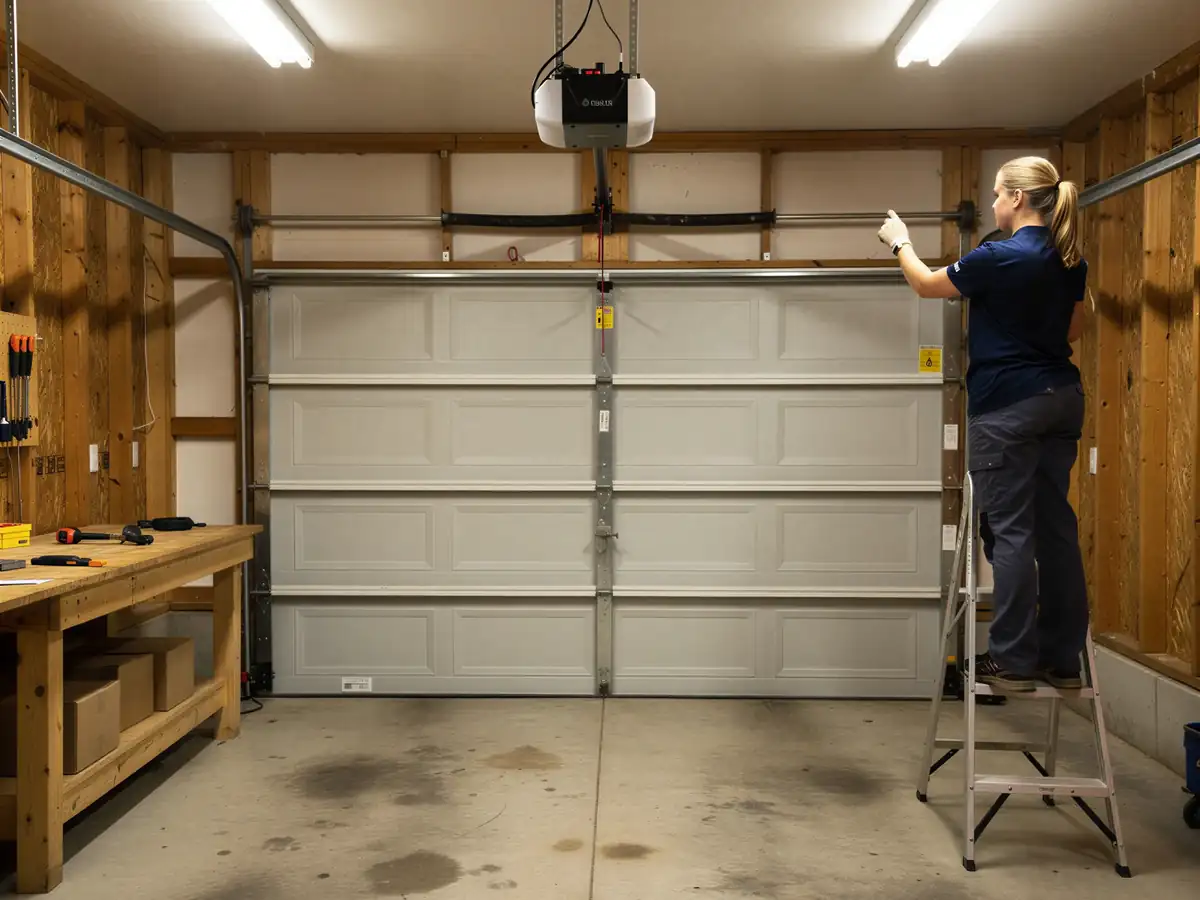
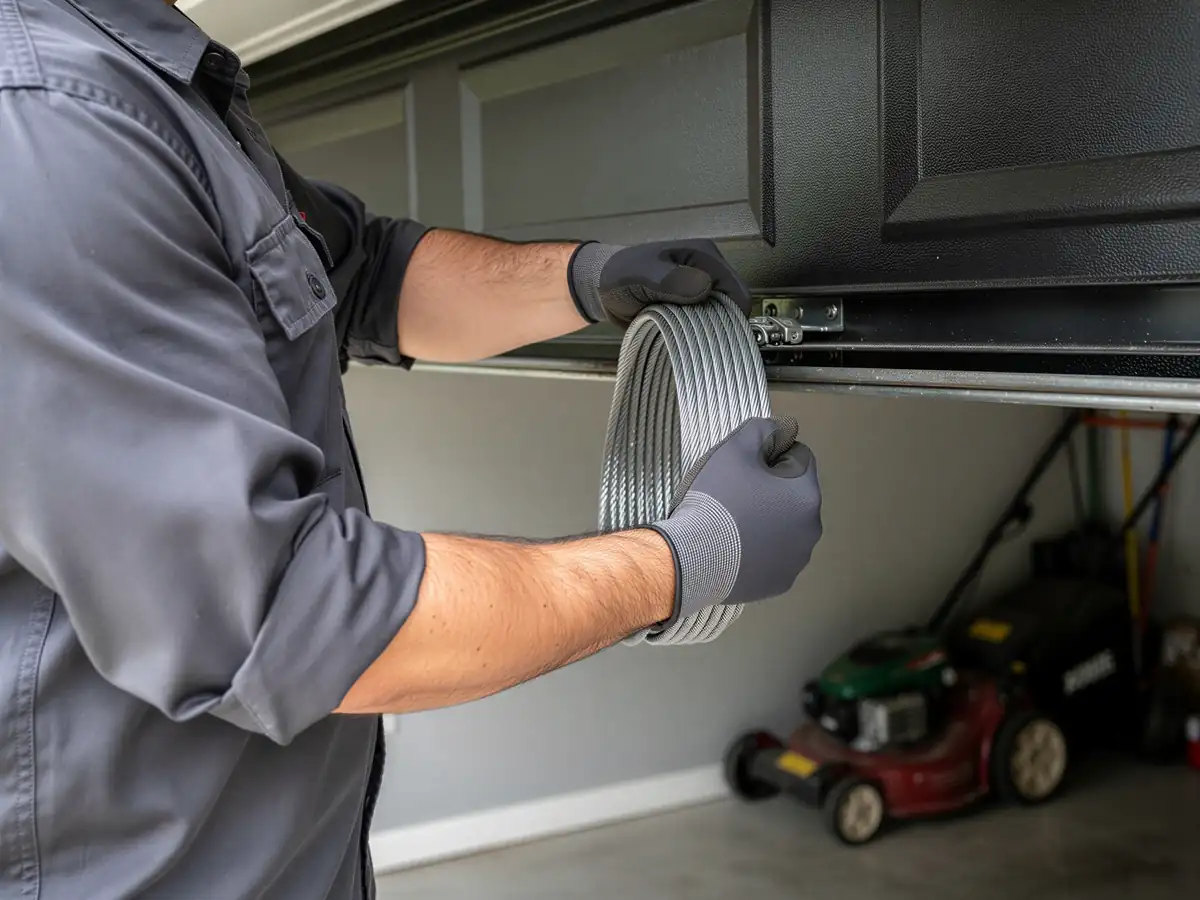
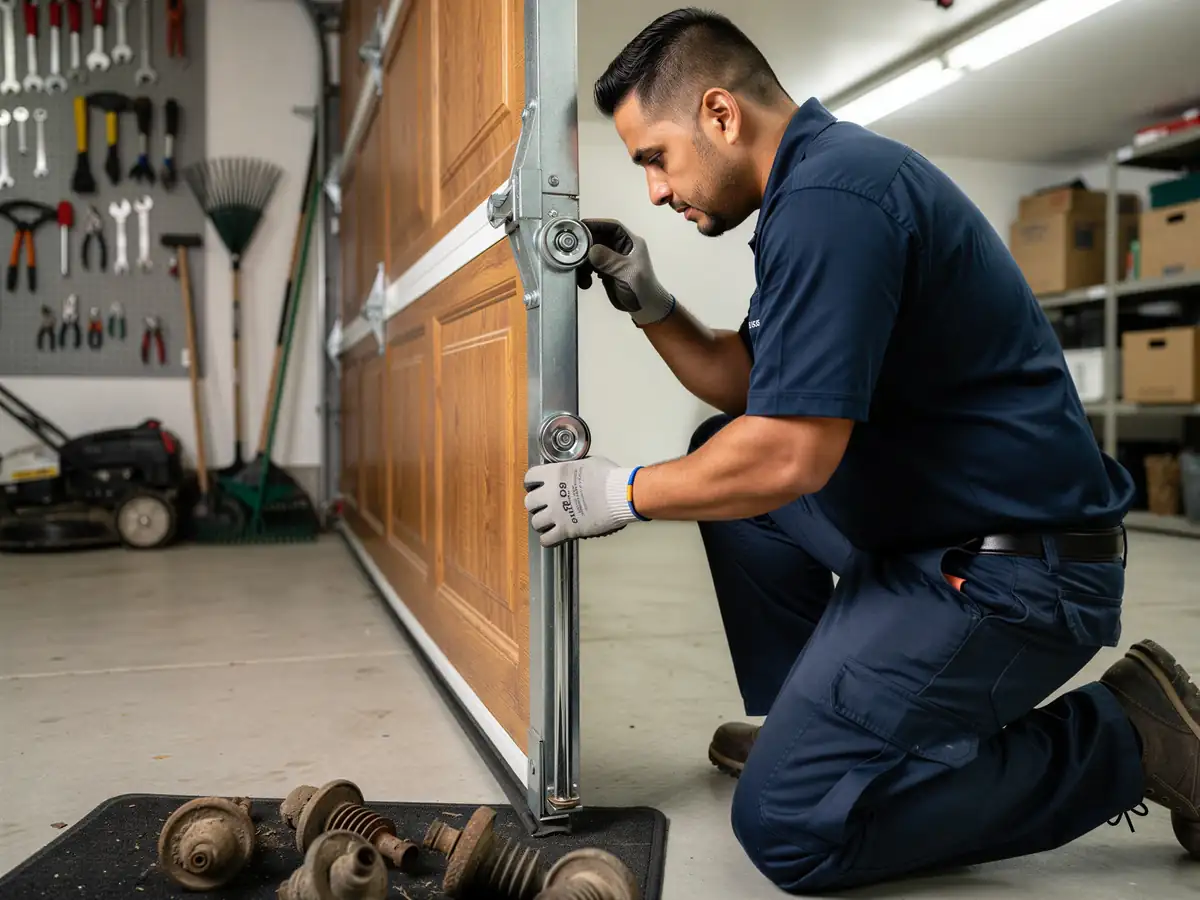
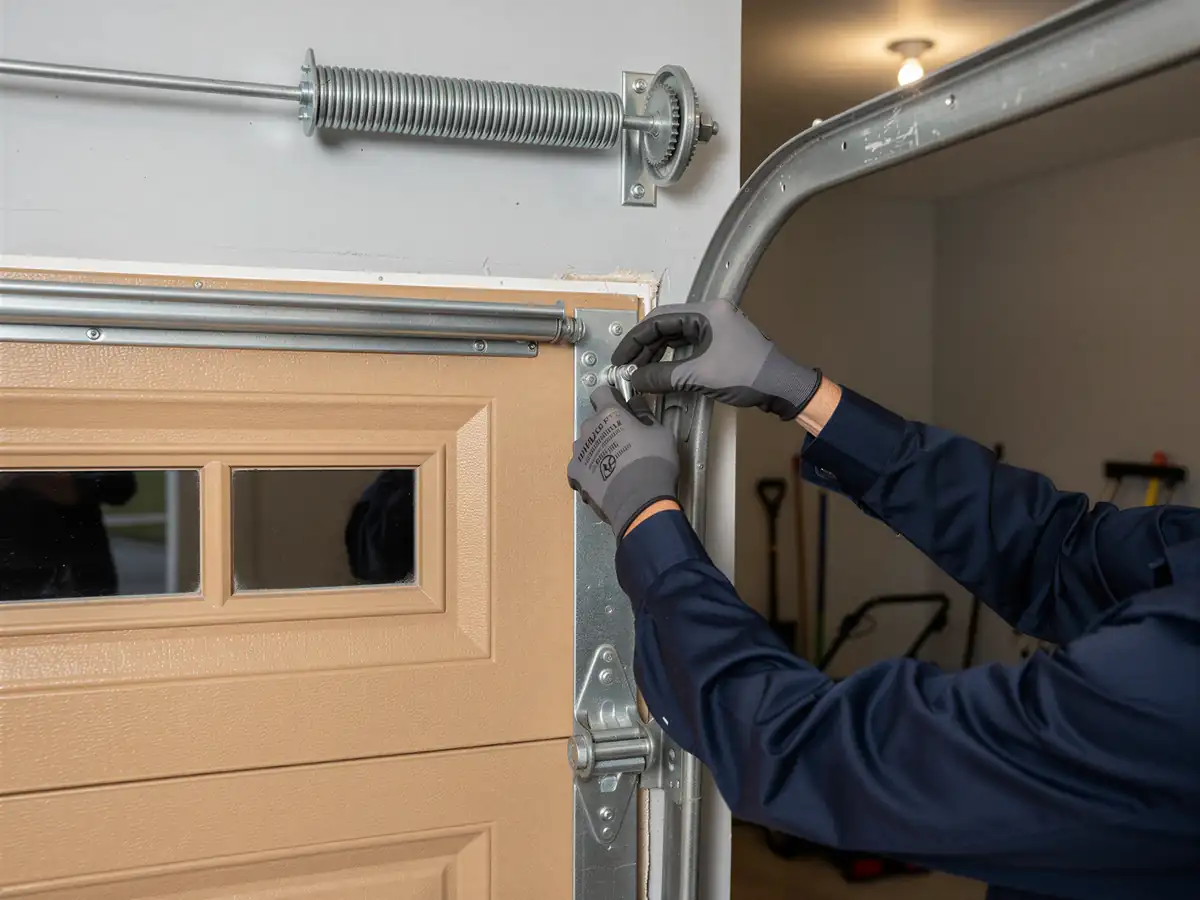
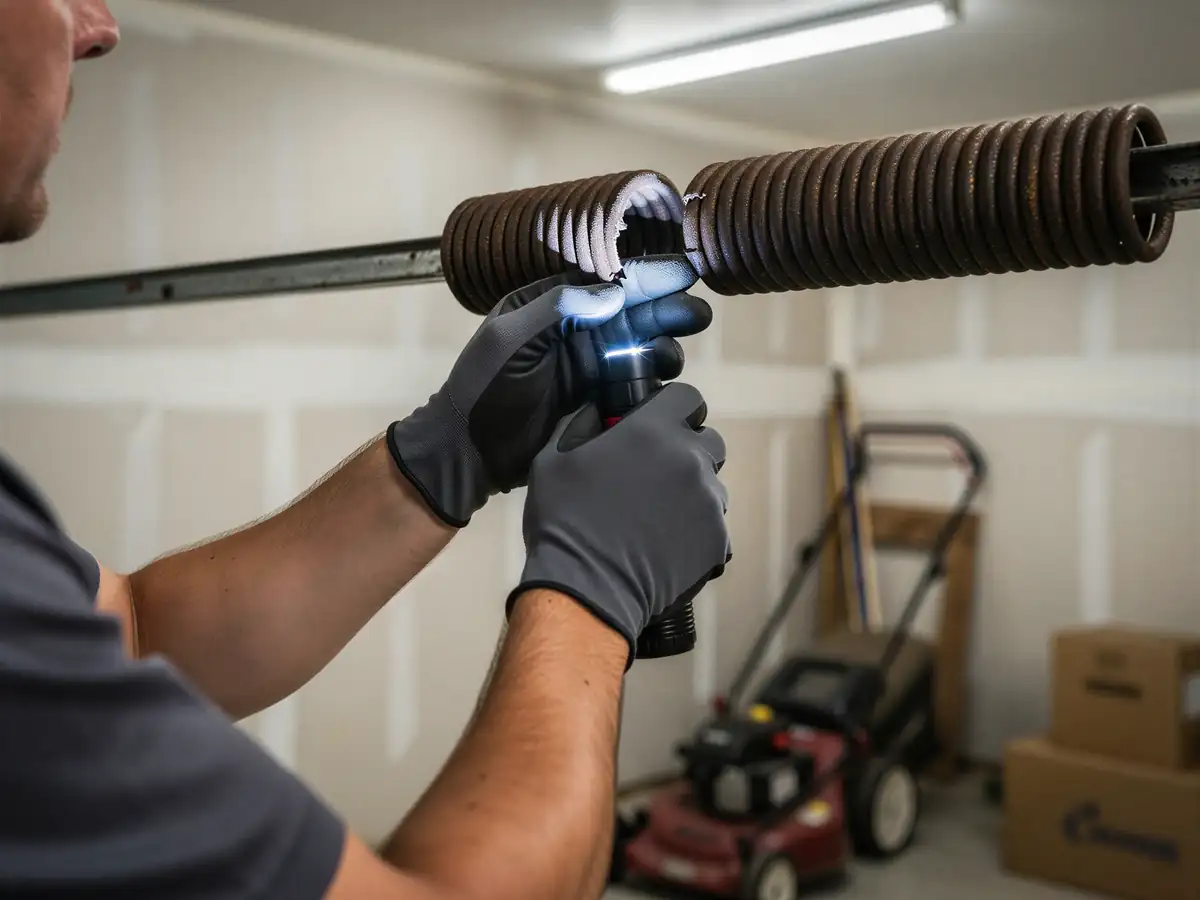
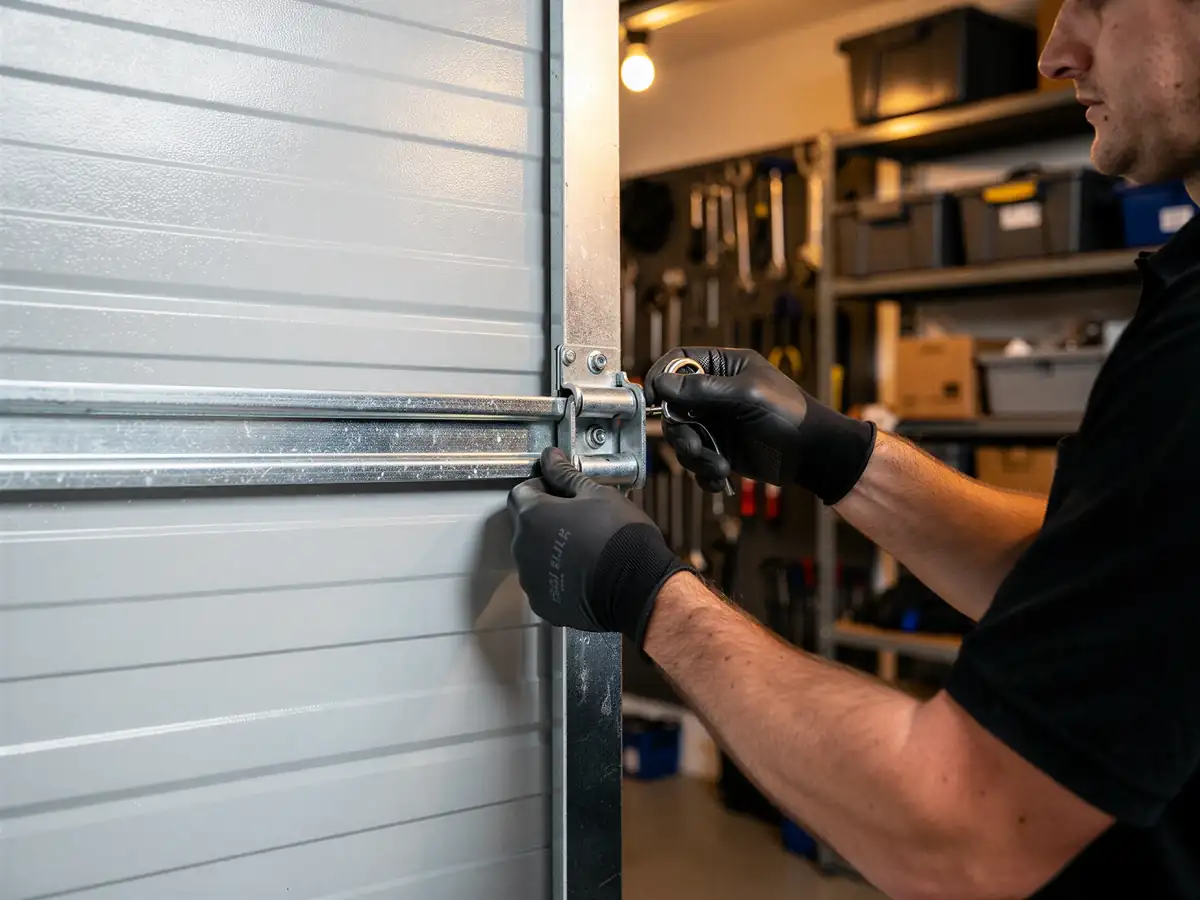
If the door won't budge, slams down the last foot of travel, or the opener grinds without lifting anything, you're almost always looking at a torsion spring that's given out or a cable that's jumped the drum. On older sectional doors, a cracked bottom panel or a roller that's worn its bearing out of round will show up as a door that shudders halfway through the cycle instead of running smooth.
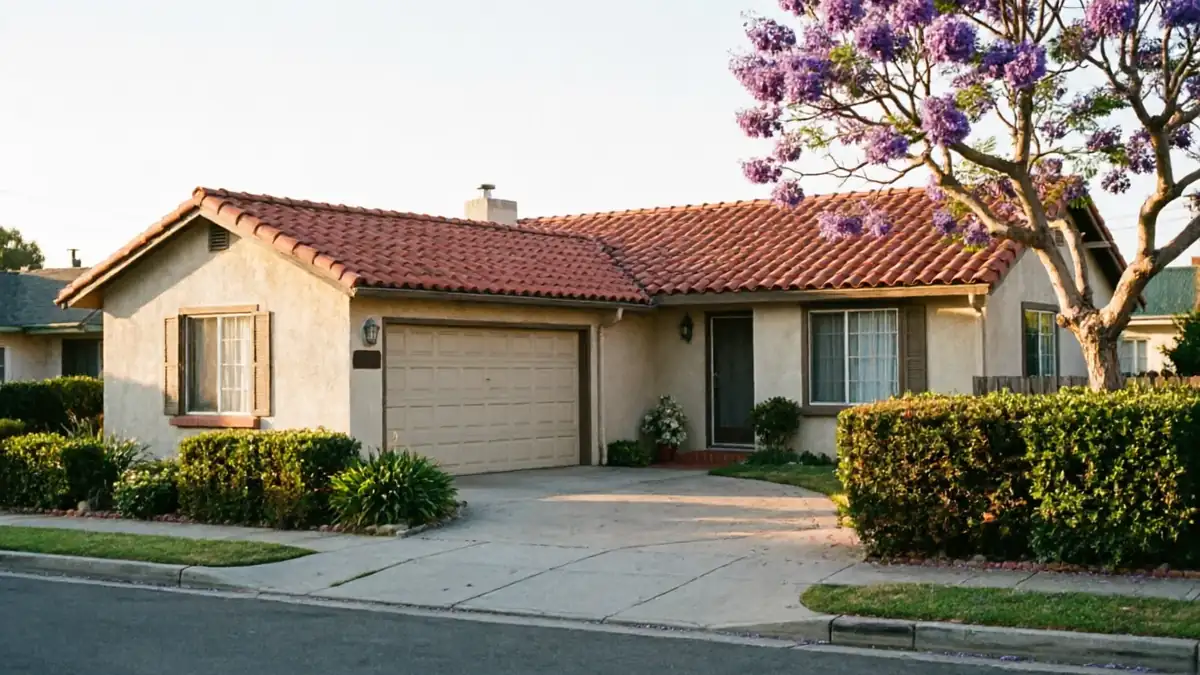
Irvine's housing stock runs from 1938 to 2015, with a median build year around 1976, and the bulk of it across the older villages - - went up in the 1960s and 70s. Doors and openers from that era weren't built to run forever, and plenty of homes still have the original torsion hardware, which means the spring that's failing now has been doing its job, uninterrupted, for decades.
What you won't see as often here is rust seizing a track or ice splitting a seal - that's a cold-climate problem. In Irvine's mild temperate conditions, the wear we find is almost always mechanical fatigue: a spring that's done its rated number of cycles, a gear in the opener head that's worn down from heat and UV rather than frost.
The Cost of This Job
We can't give you a number without seeing the door - a torsion spring swap, a cable replacement, and a full opener change are three different jobs with three different parts lists, and quoting blind over the phone does nobody any favors. What we can tell you is what drives the cost: whether it's one spring or a matched pair, whether the drum or the cable came off the shaft with it, and whether the opener is original equipment or already a replacement.
With a median household income of $124,167 across the service area, we see a fair number of owners who'd rather replace an aging opener outright than keep patching one that's twenty-plus years old. That's a call worth making honestly: if the motor's original to a 1970s build and the gear kit is already stripped, a new opener usually costs less over five years than repeated service calls on the old one. We'll tell you straight when a repair isn't worth doing.
Booking a Visit
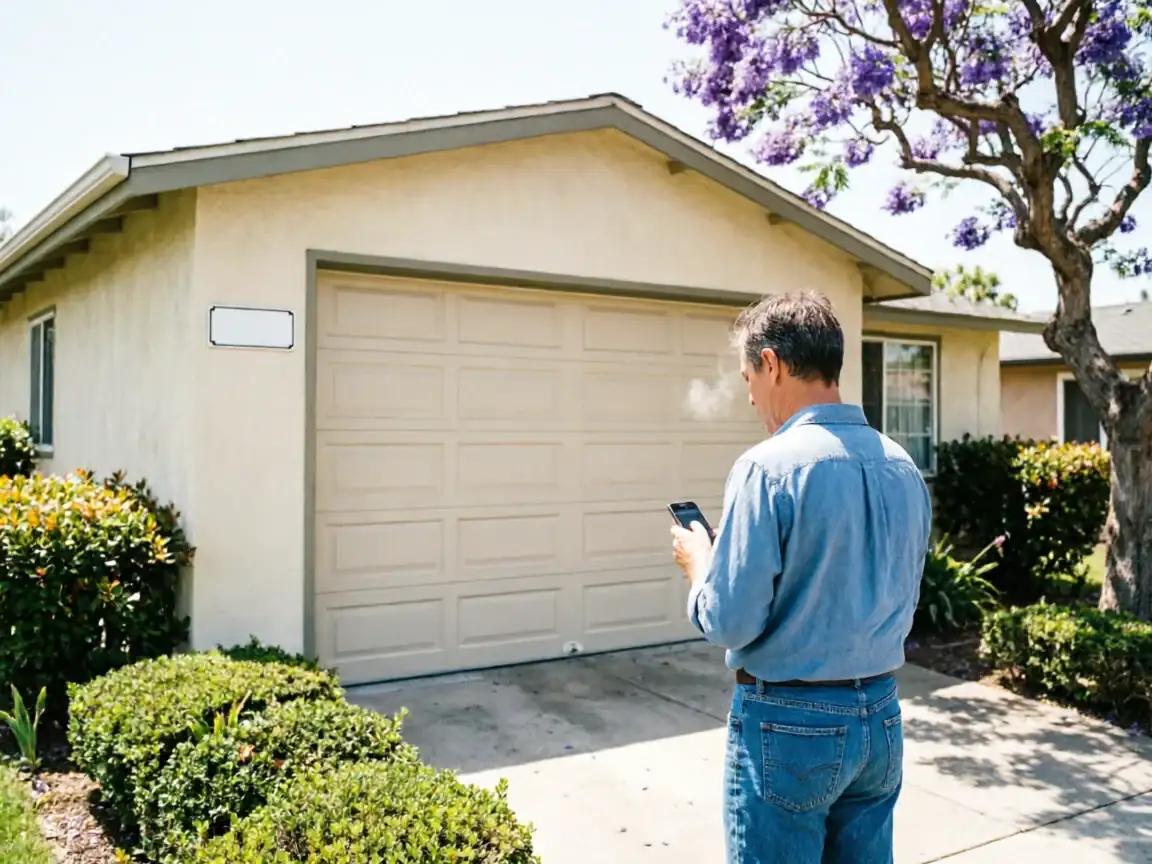
Call and describe what the door's doing
Whether it's stuck, off-track, or just noisy - and we'll bring the parts most likely to match a job like that. Across 316,088 households and 128,495 owner-occupied houses in this service area, the failure patterns repeat enough that we can usually guess the cause before we're in the driveway, though we still verify it on-site before any work starts.
- 316,088 households
- 128,495 owner-occupied
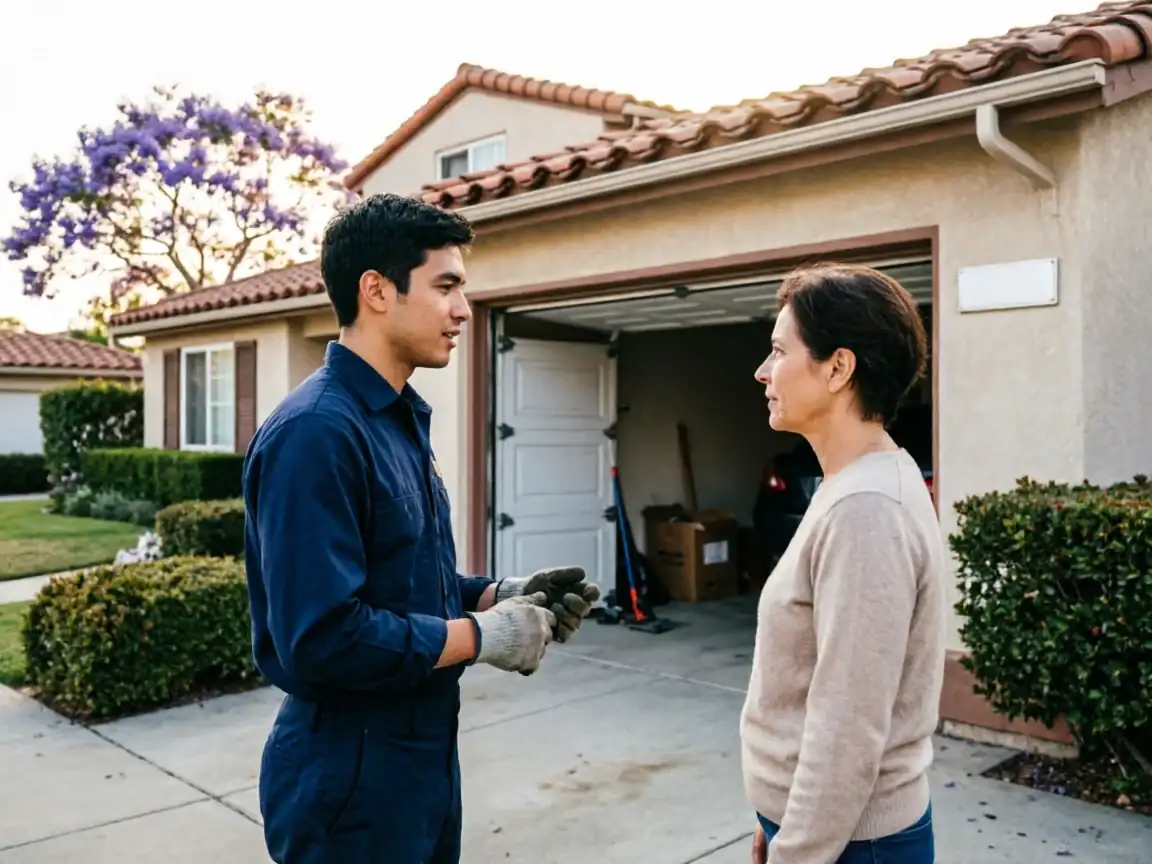
We work the villages close in
Oak Creek, Great Park - plus the wider Irvine area out toward North Tustin and Laguna Woods. If you're not sure we reach your street, call and ask before you book.
What Causes It Around Here
The pattern we see traces straight back to when a neighborhood was built. Homes from the 1960s and 70s stretch of Irvine's housing - the bulk of the 1938-to-2015 range - were fitted with torsion springs rated for a certain number of open-close cycles, and a lot of those springs are still the originals. After forty or fifty years of daily use, metal fatigue catches up with them regardless of how well the door's been kept.
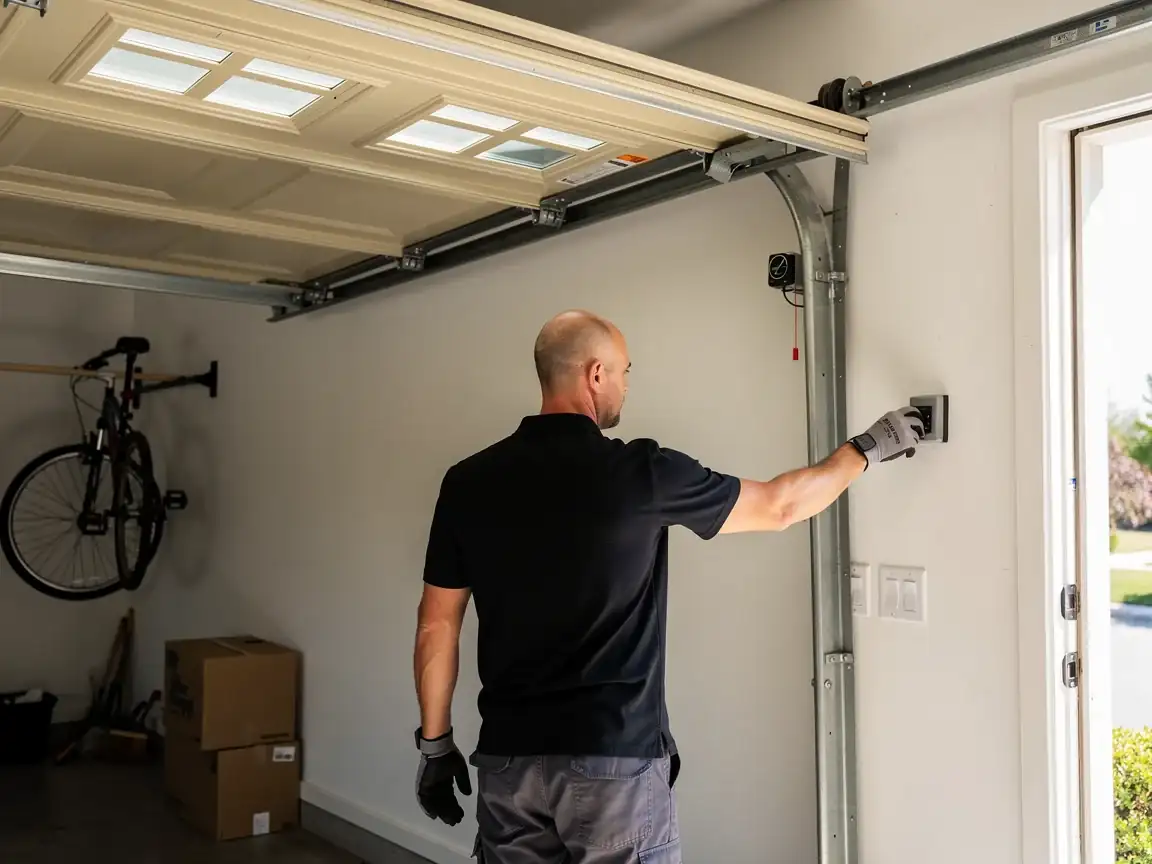
Because Irvine sits in a mild temperate band, we're not fighting the freeze-thaw cracking or road-salt corrosion that chews through hardware in colder states. What gets doors here instead is UV breakdown on plastic opener gears, dried-out nylon rollers, and plain cycle count - garages that open and close multiple times a day, every day, for decades. Newer builds in the later end of that 1938-2015 range tend to have factory openers with sensors and lighter steel, which fail differently: usually a sensor eye knocked out of alignment or a circuit board glitch rather than a snapped spring. Knowing which era a house falls into tells us which failure to expect before we even open the panel.