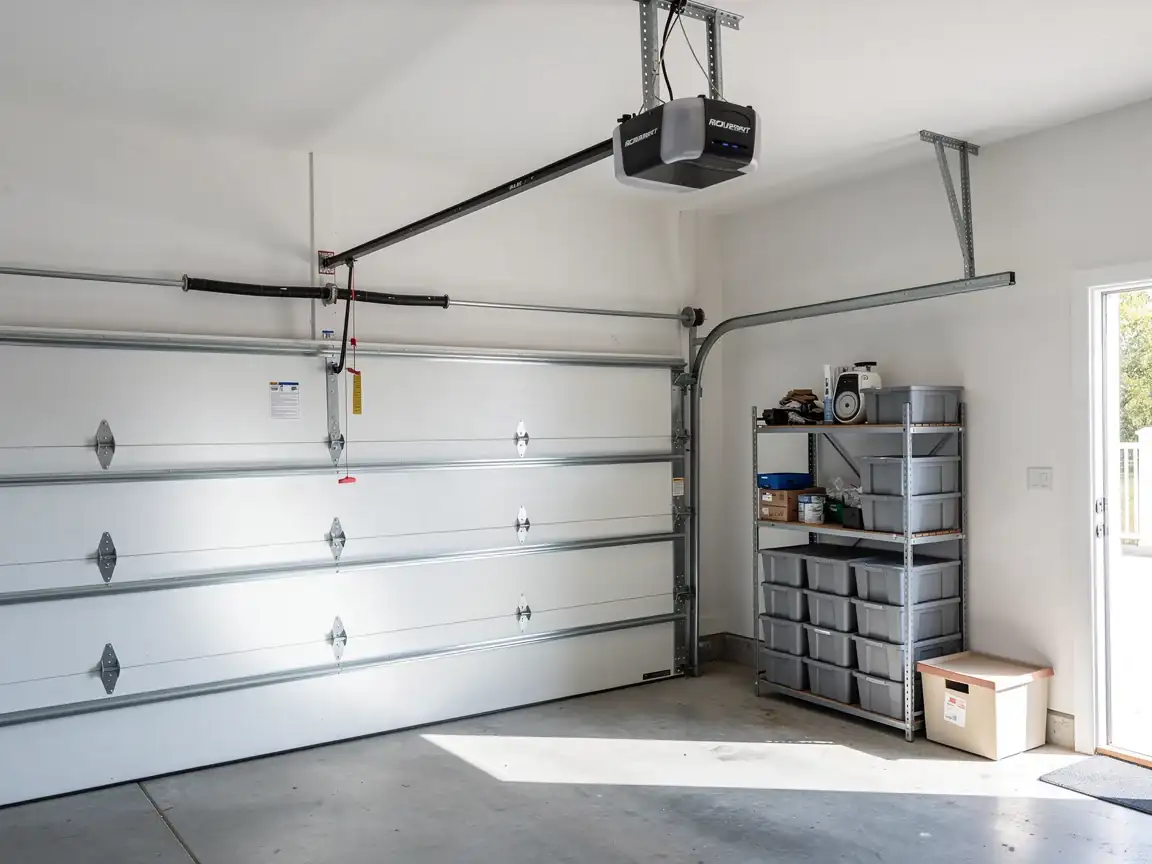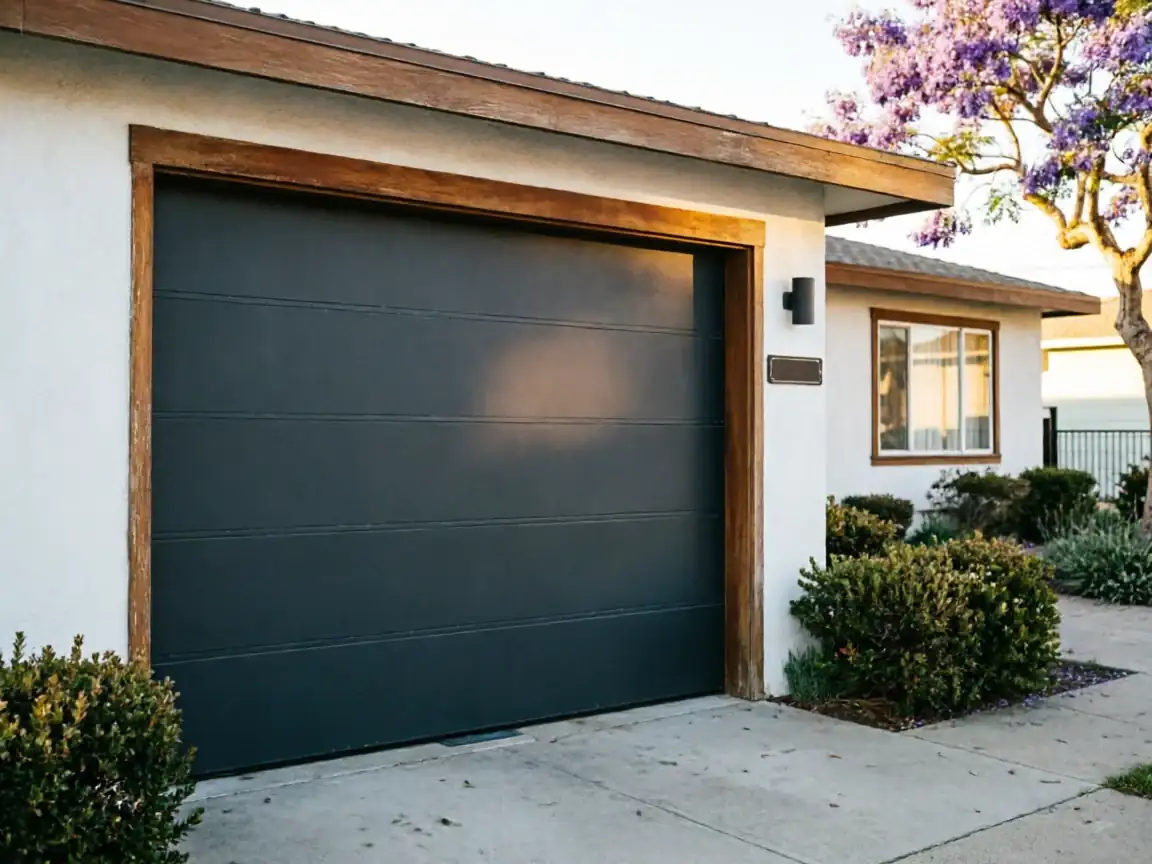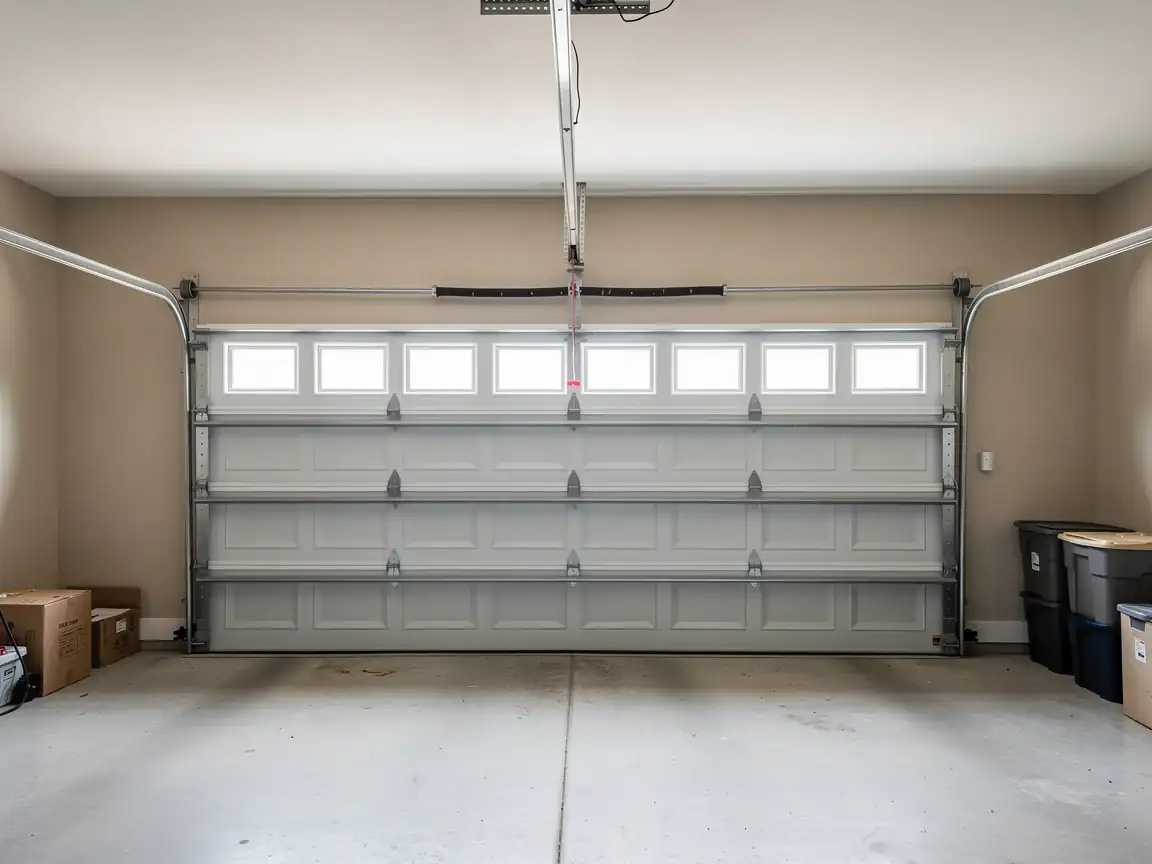
What Can Go Wrong
Cypress sits 18 miles from our Irvine shop, which is the longest regular run we make in this service area, and it shapes how we plan the call before the truck leaves. We don't send someone out to "take a look" on a job that far - we ask enough questions on the phone to know what's likely wrong and what to bring the first time.
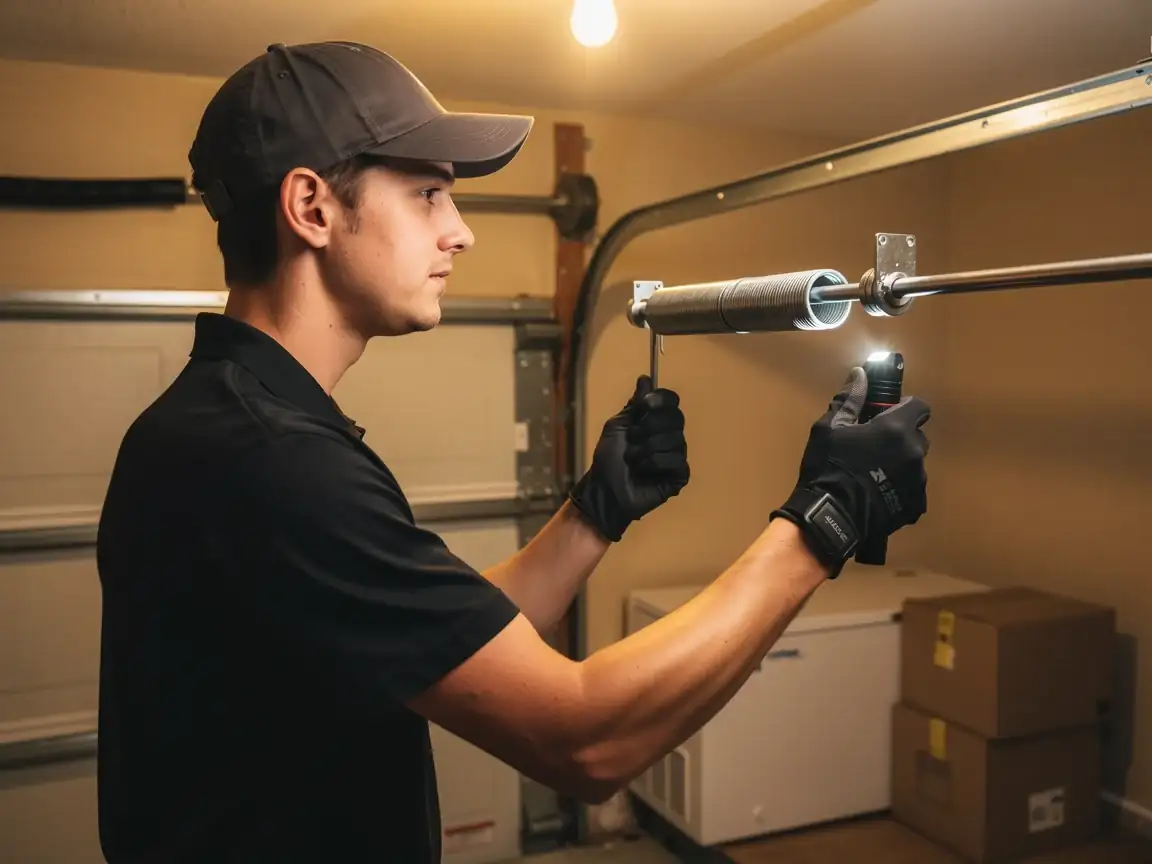
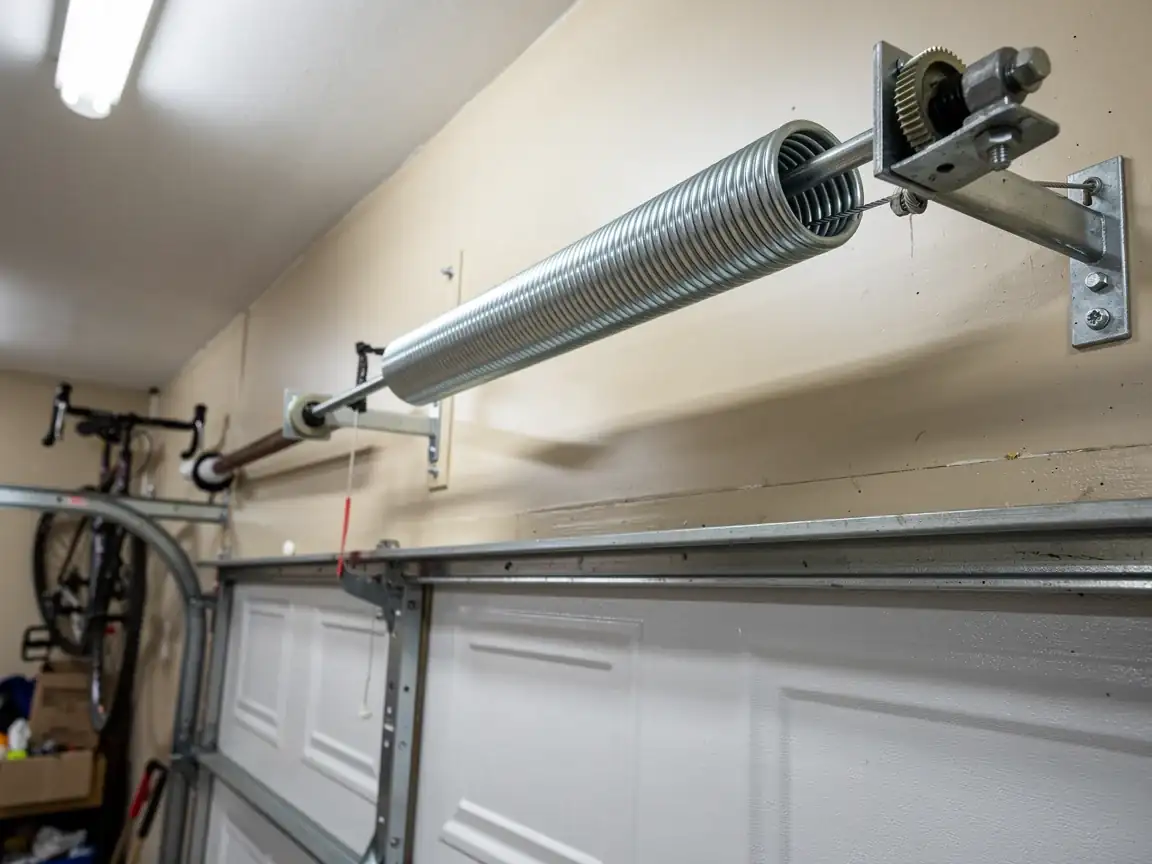
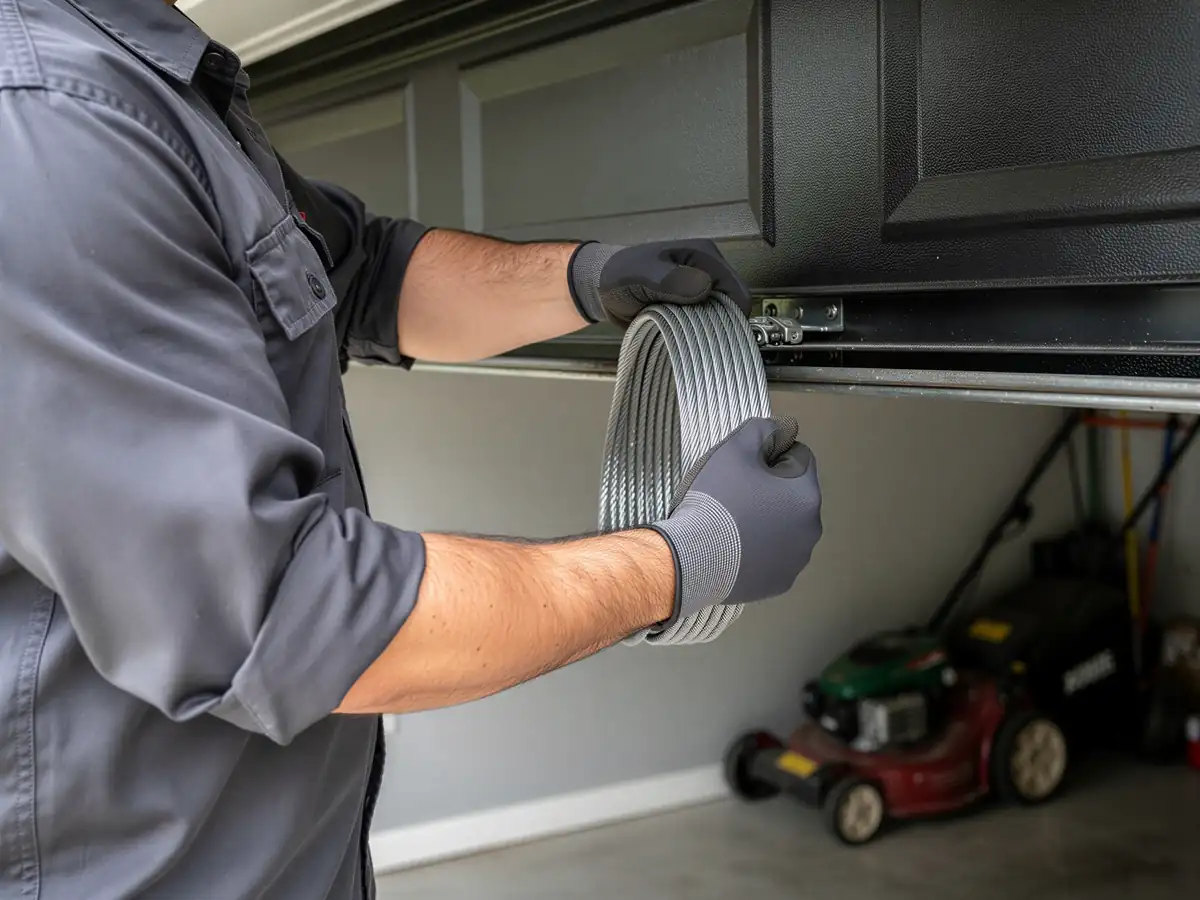
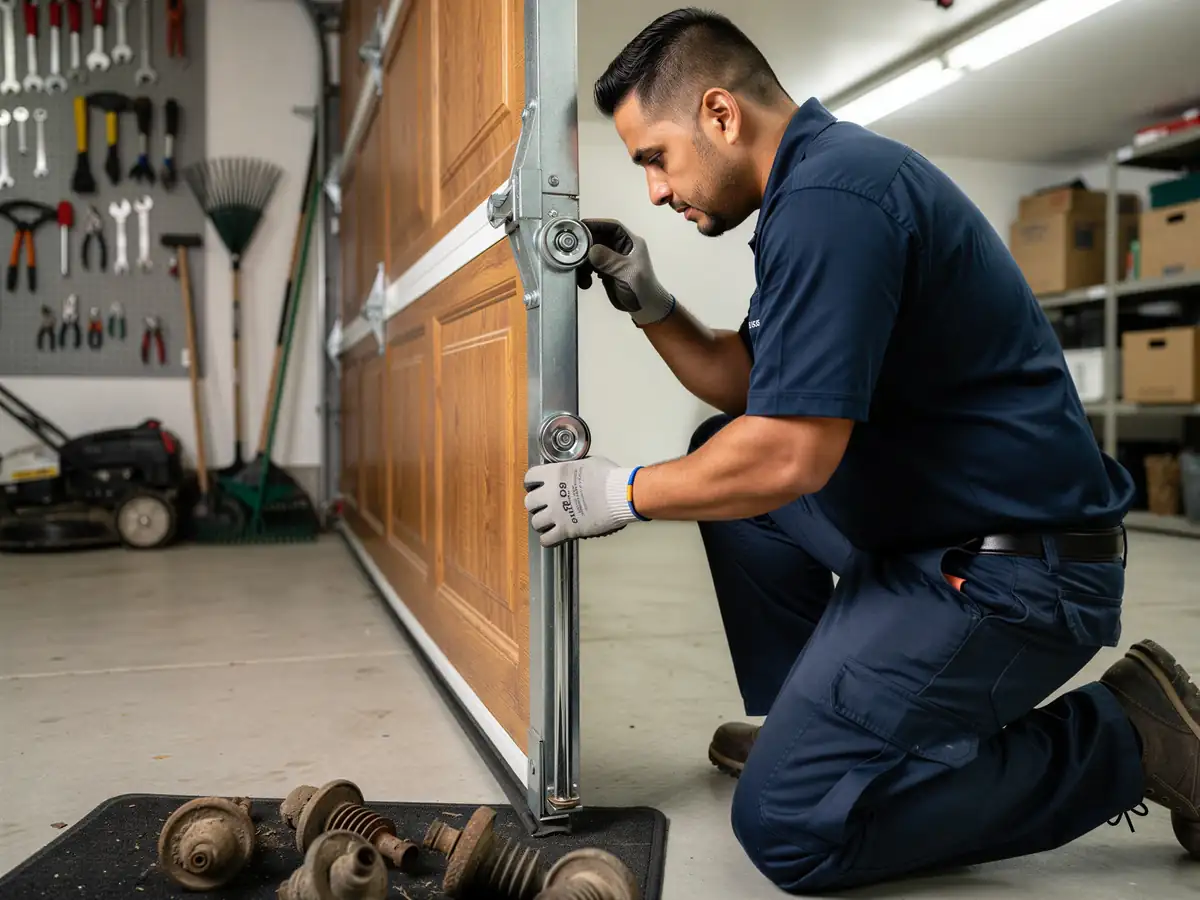
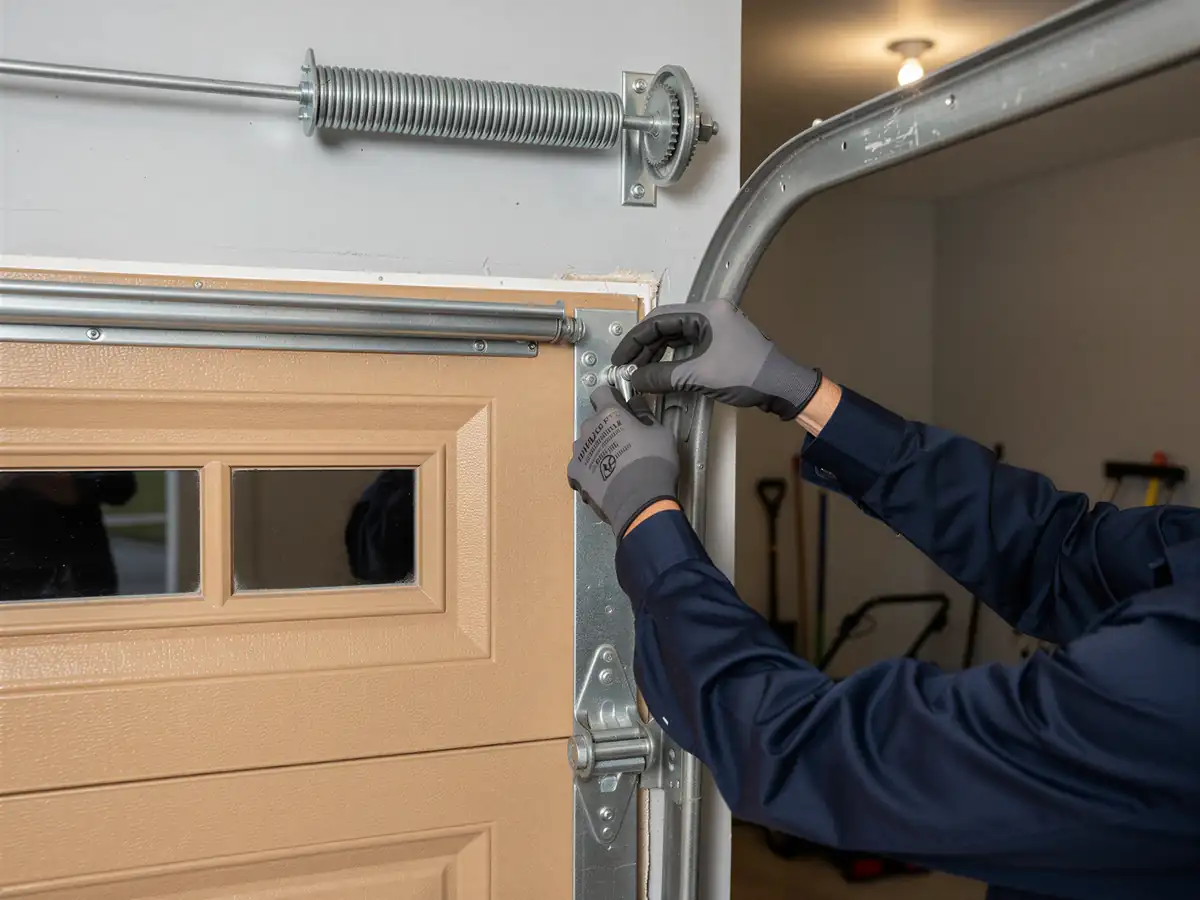
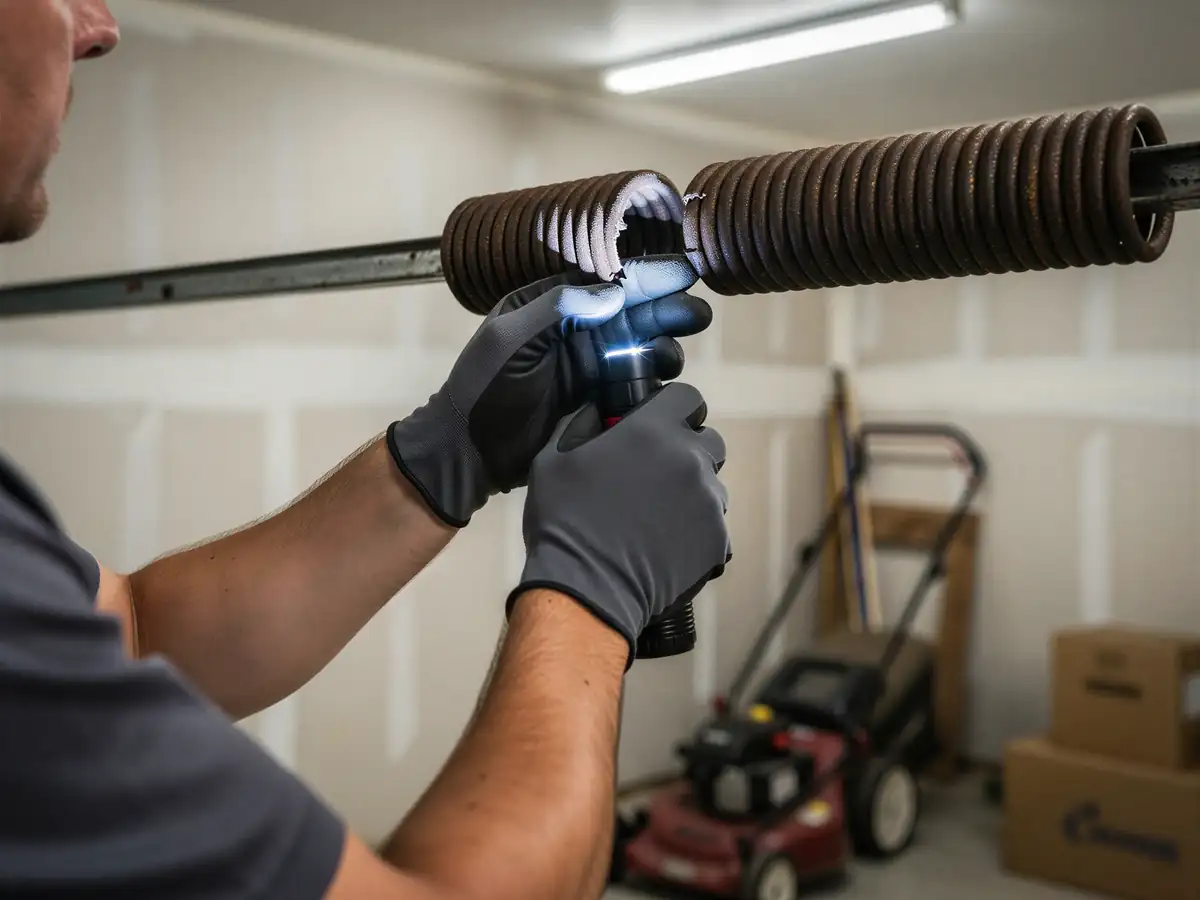
Most houses here went up around 1971, which puts them square in the 1960s-70s building wave that defines a lot of this region's housing stock. That era used torsion springs sized for heavier single-panel and early sectional doors, galvanized cable that's long past its rated life by now, and rollers that were never sealed or nylon to begin with. The common failure we see on homes from this period is a snapped torsion spring or a cable that's frayed through at the drum - both are wear items on a 50-year clock, not defects.
The mild temperate climate here doesn't put the same stress on doors that extreme heat or hard freezes would elsewhere, so corrosion and weather seals aren't usually the driver. It's age and cycle count. A door opened twice a day for five decades has gone through tens of thousands of cycles on hardware that was never meant to last that long.
Booking a Visit
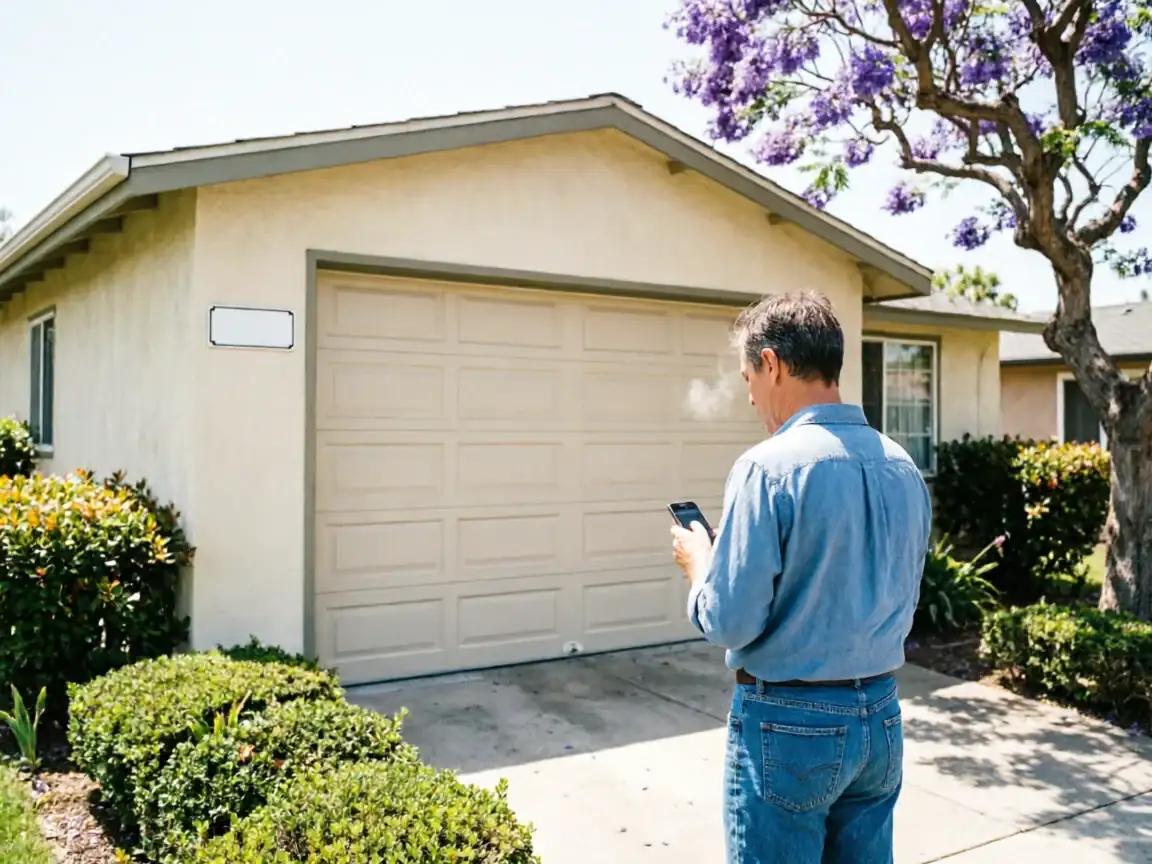
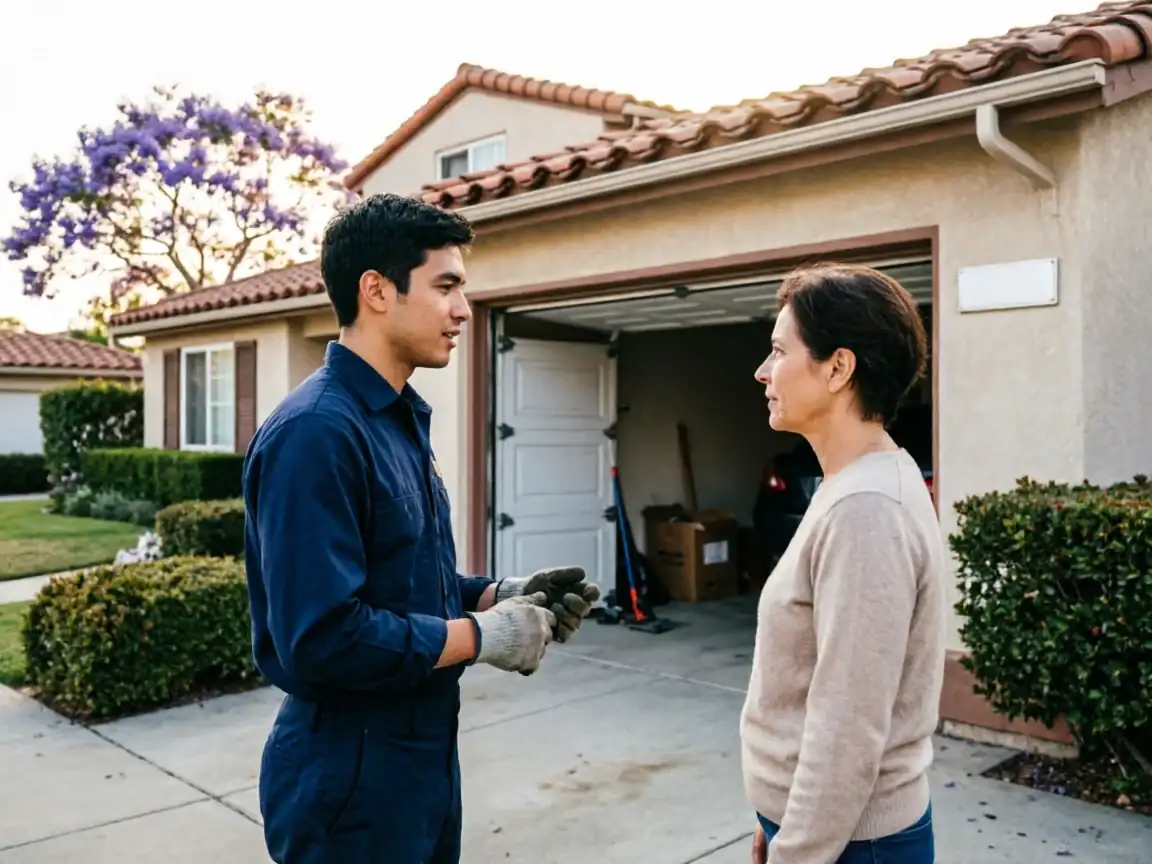
Because Cypress is an 18-mile drive from Irvine, we ask more up front than we would for a closer call - the make and rough age of your opener, whether the door is stuck open or stuck shut, and whether you hear a spring snap (a loud bang, usually) or just feel the door getting heavier to lift by hand. That lets us load the right spring size and cable length before we leave, instead of guessing.
We don't keep a branch or a standing crew in Cypress. Every job here is dispatched from Irvine, so if you need an exact arrival window, ask when you book rather than assume we're already nearby. We're honest about that distance because it affects planning, not because it affects the quality of the repair.
Time on the Job
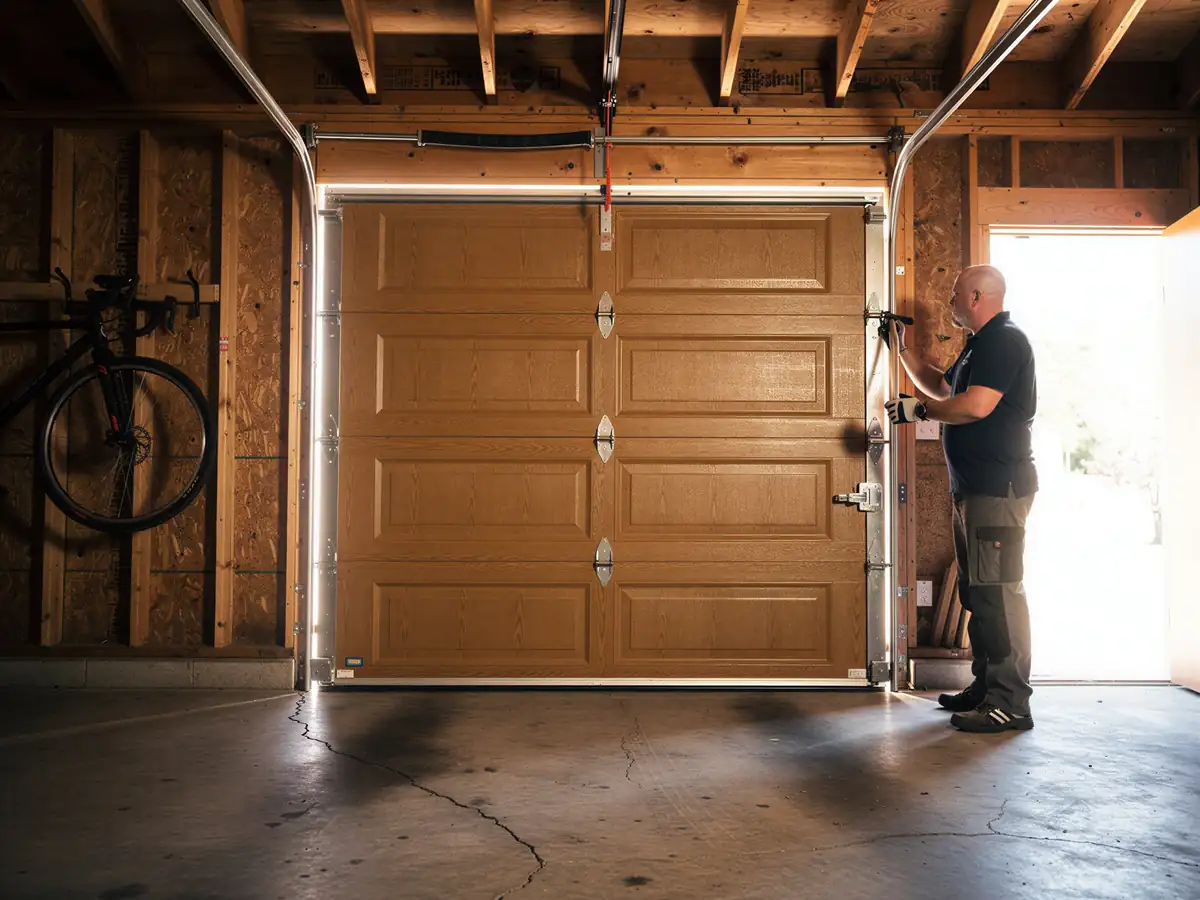
A straight torsion spring replacement or cable swap on a 1971-era door usually runs under two hours once the truck is on site
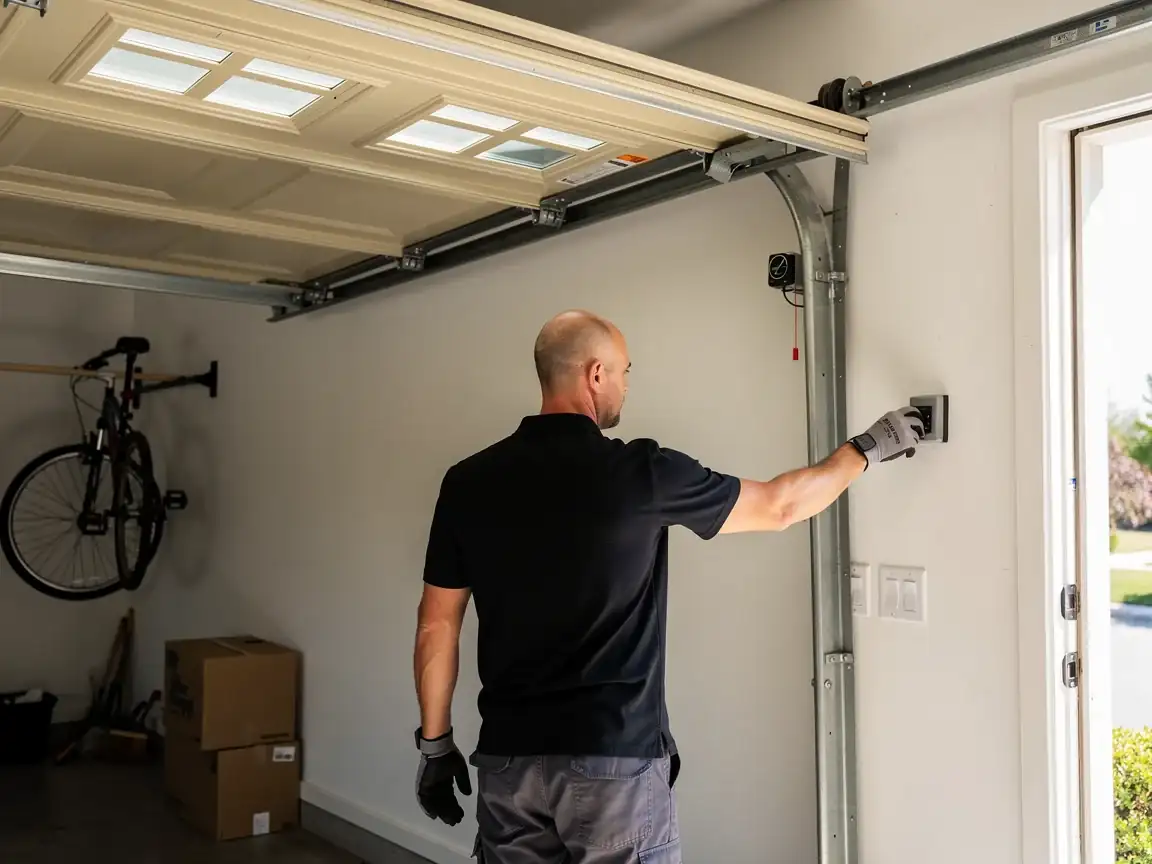
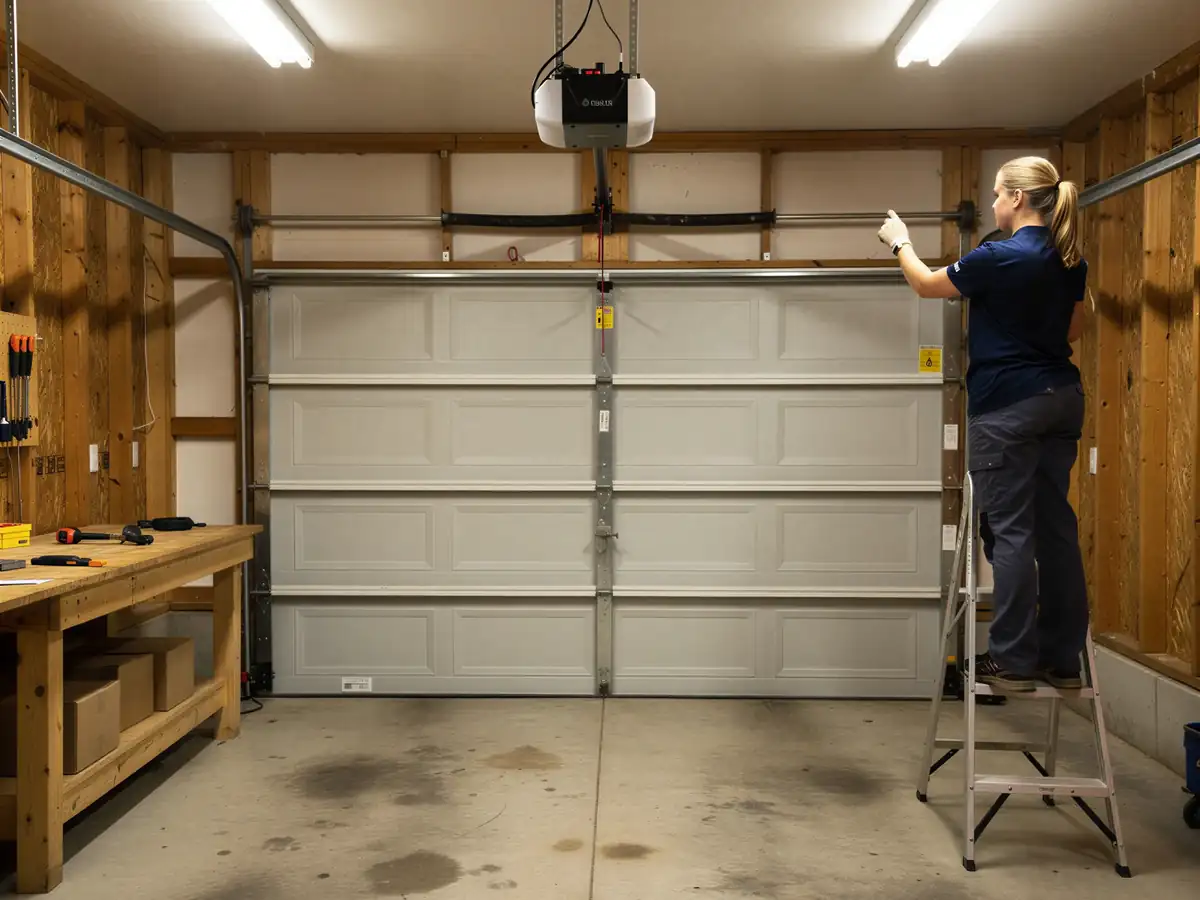
Assuming the drums and track are in decent shape and we're not also fighting a bent track or a worn-out opener trying to compensate for a bad spring. Add time if the door has been "helped along" by an opener that's been straining against a broken spring - that often means replacing the drive gear too, since forcing an opener to lift dead weight burns it out fast.
The drive itself doesn't eat into job time once we're there
It's accounted for in scheduling, not in the repair window.
The Cost of This Job
We don't post a flat number here because spring size, cable length, and drum condition vary enough within the same build era that a fixed price would be wrong for half the doors in Cypress. What we can tell you is that the median household income across our service area is $124,167, and most repairs on a 1971-built door - a single broken spring, a cable, a roller set - fall into routine, parts-and-labor territory rather than full-replacement territory. We'll quote the job on site before any work starts.
What the Fix Involves
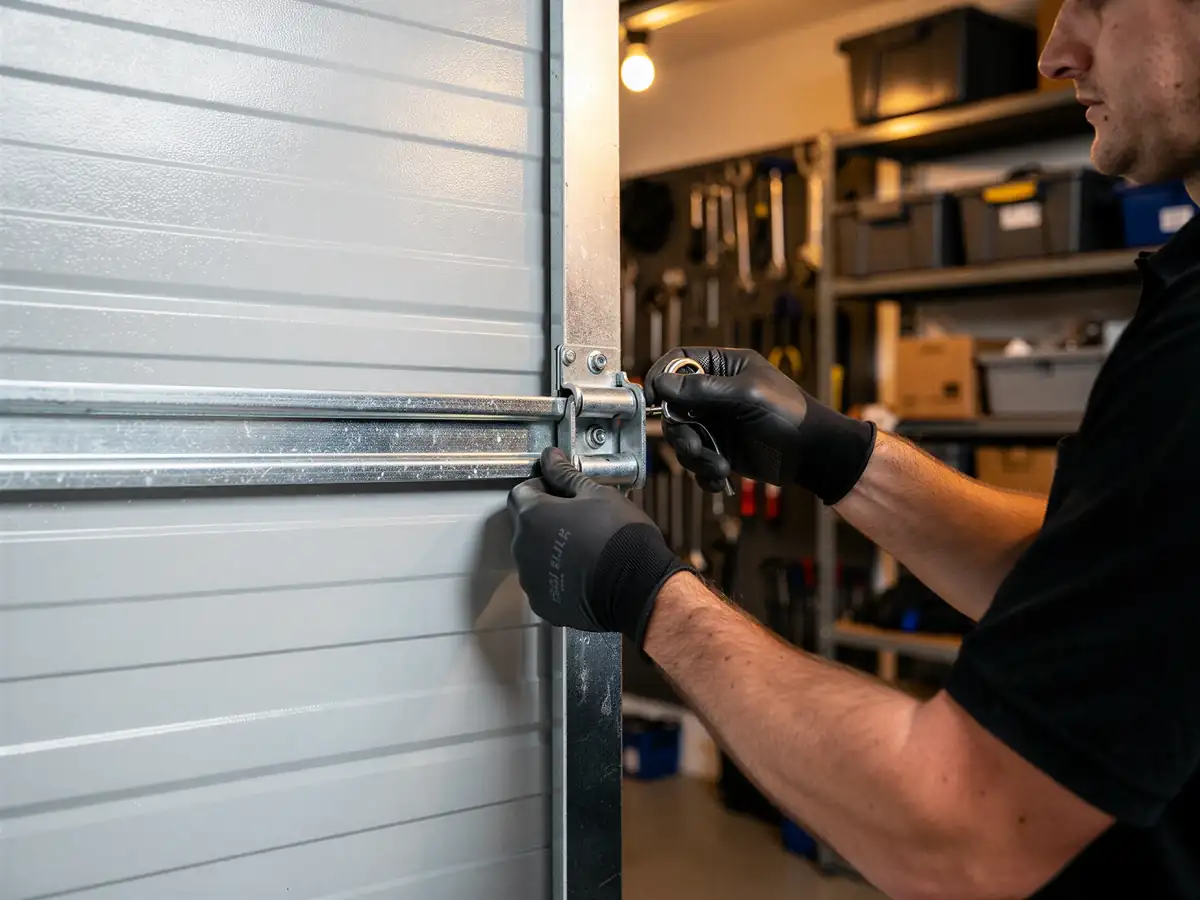
On a house from this era, the fix is rarely just the broken part. We check the opposite spring too - if one side went, the other is usually close behind on the same age clock - and we inspect the drums and cable for wear that matches the spring's wear pattern. If the door is original steel and the track has sagged from decades of use, we true it up rather than just swapping the spring and calling it done.
What we won't do is sell you a full door replacement when a spring and cable job will hold for years. If the panels are dented but structurally sound and the opener still runs fine, replacing the whole door isn't the honest answer - fixing the hardware is.