What Can Go Wrong
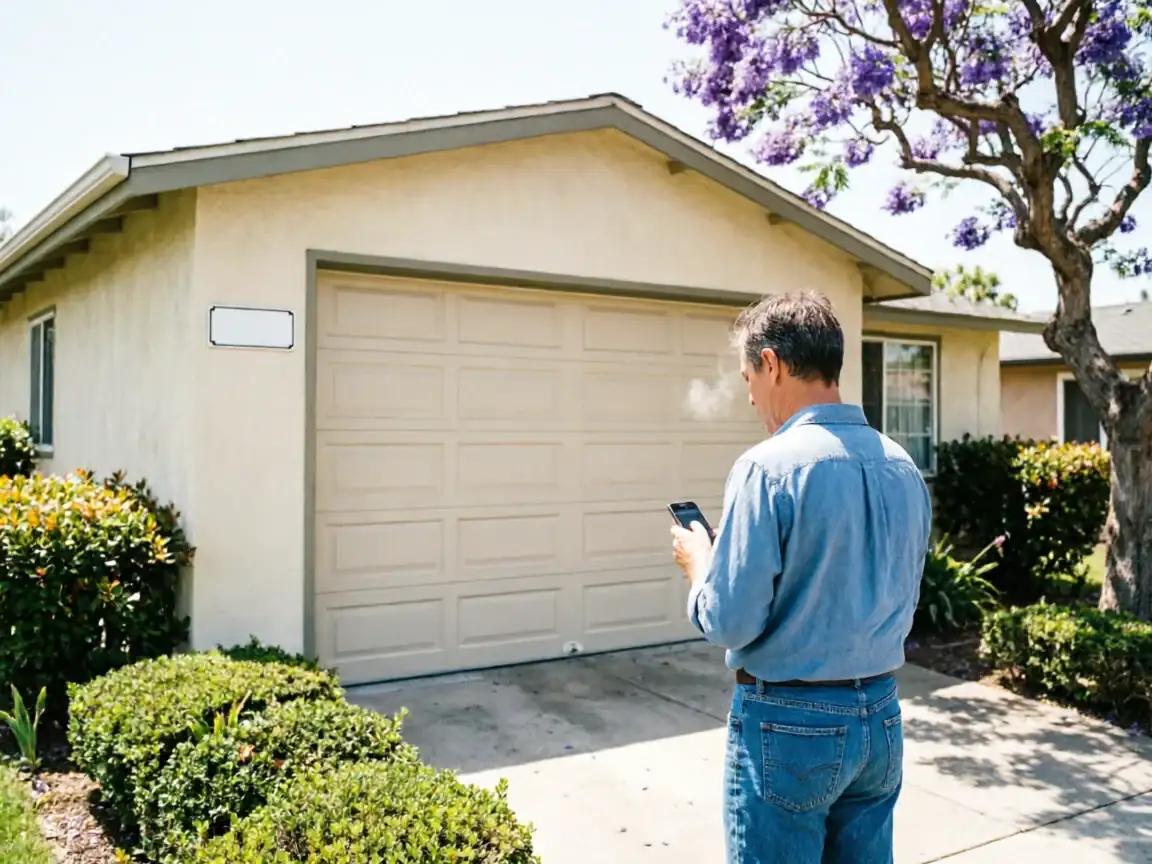
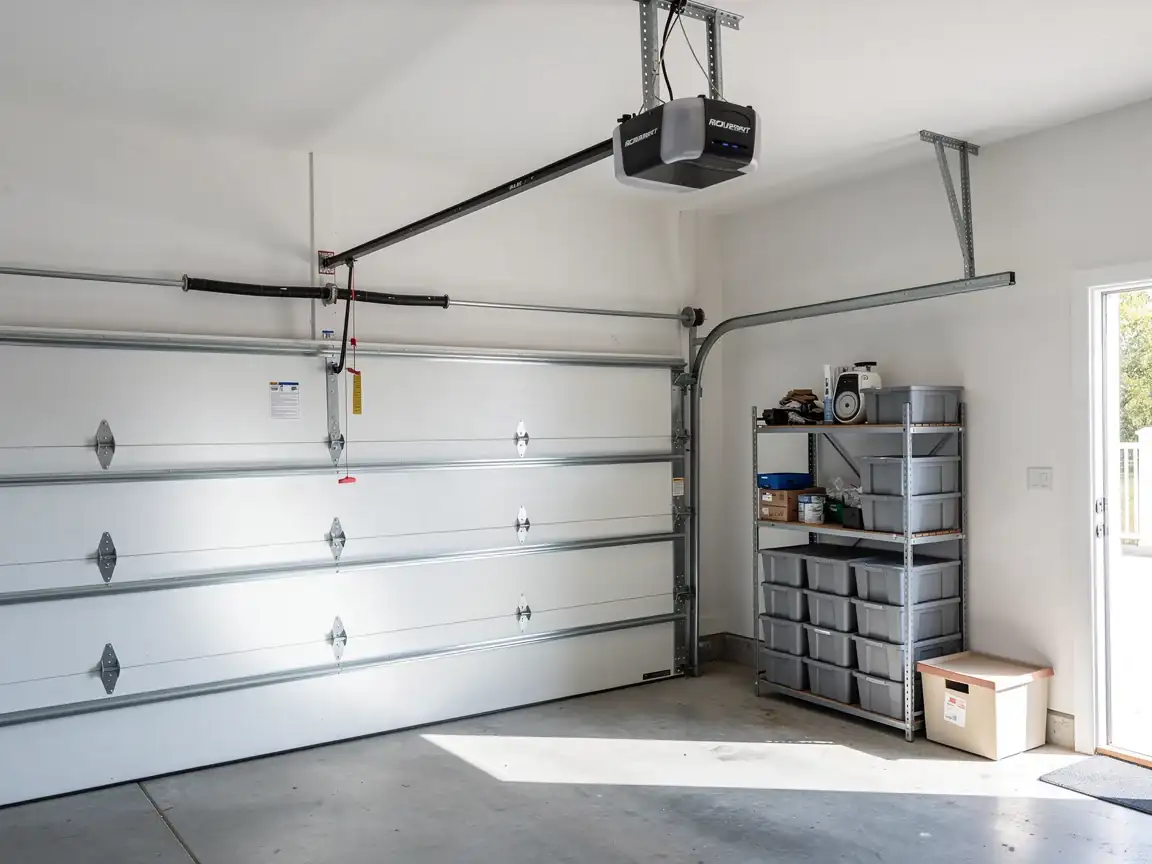
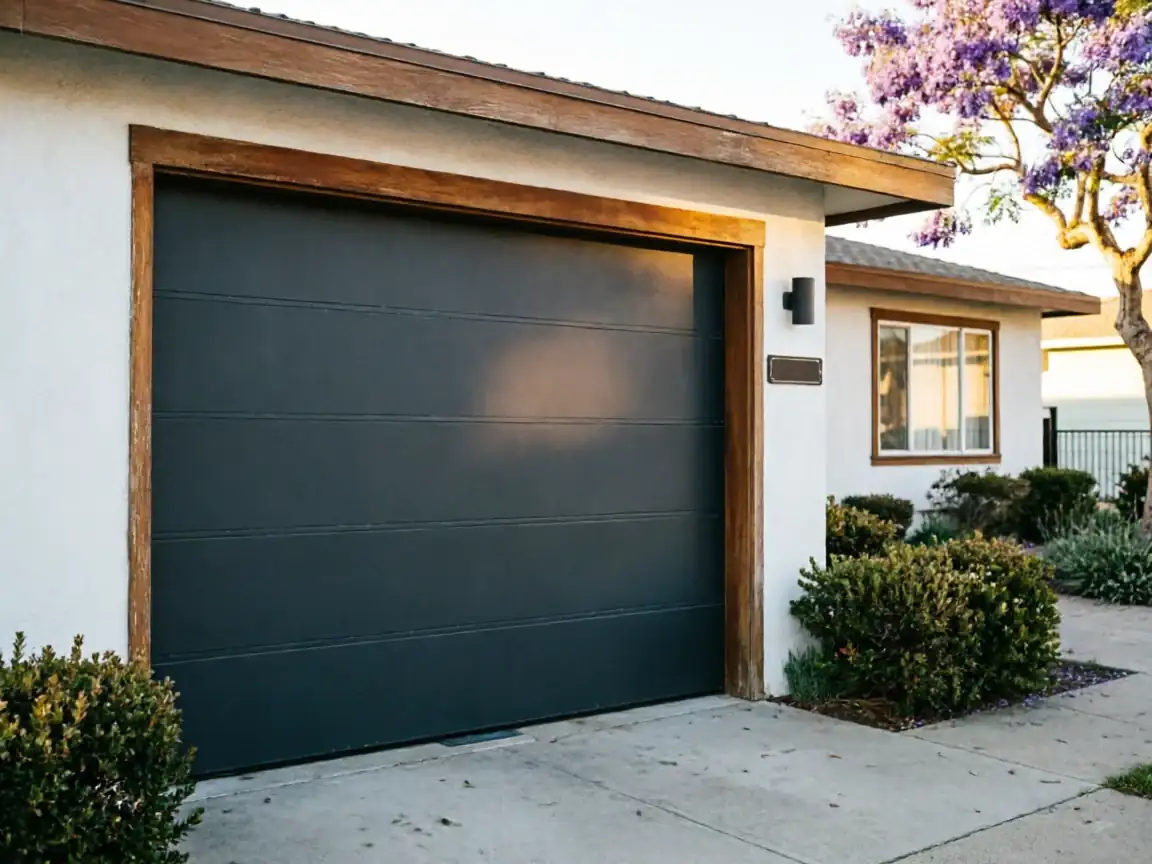
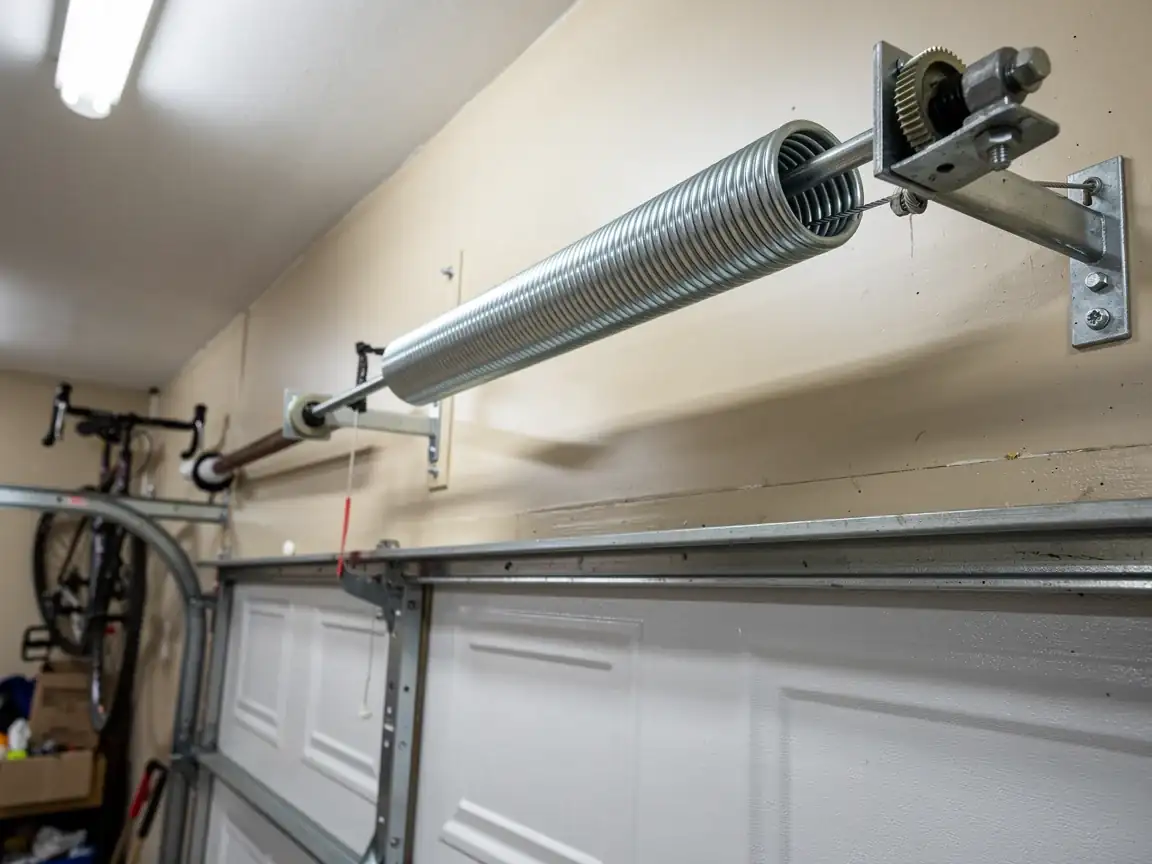
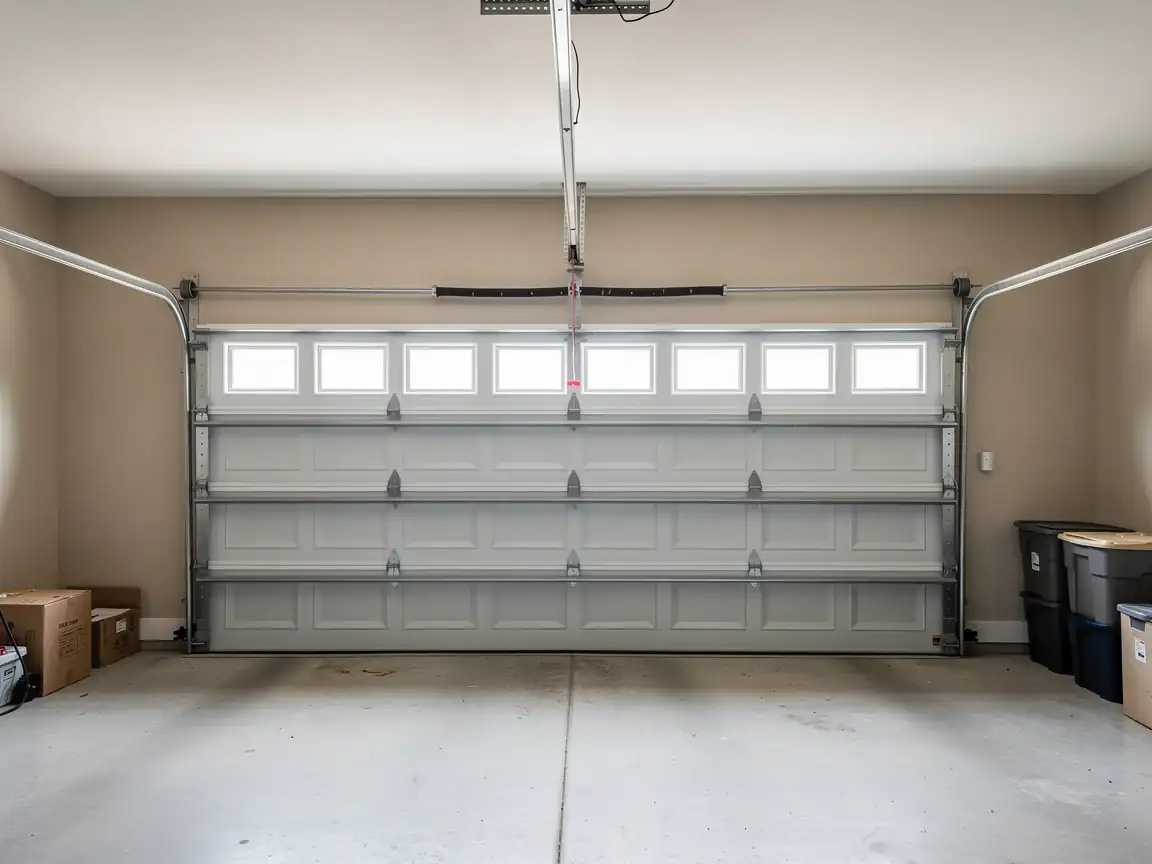
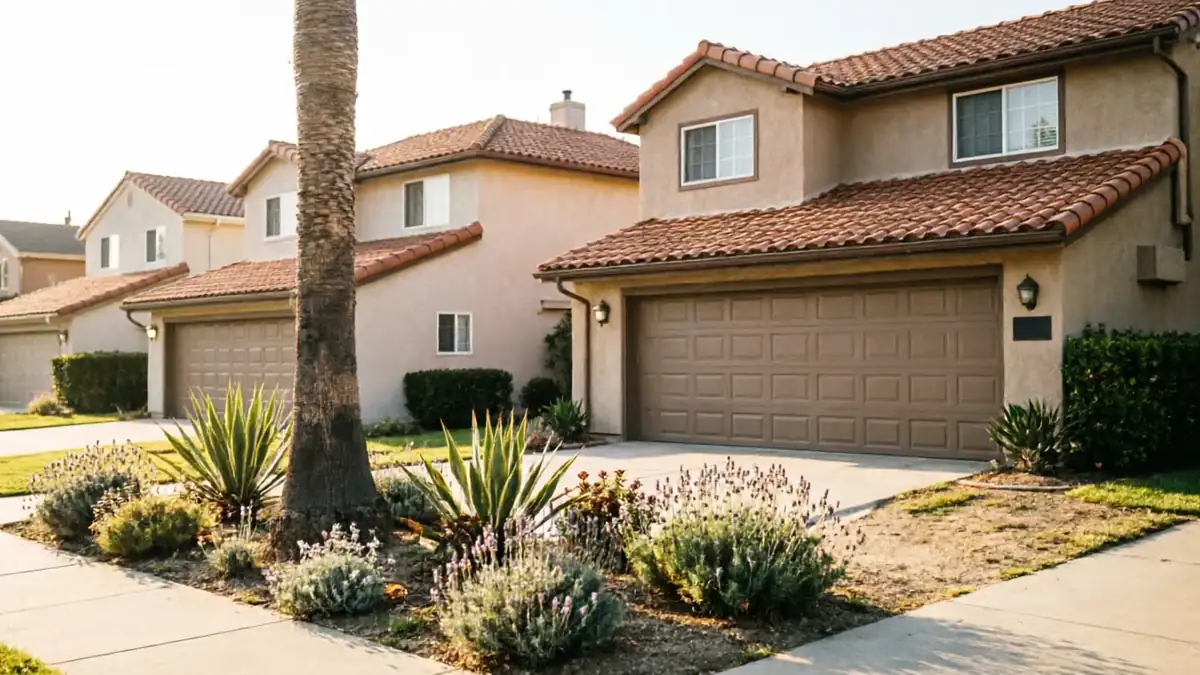
Cypress has about 15,988 households, which is a small, settled number compared to the broader service area's 316,088 - this isn't a town with a lot of new construction cycling through, it's blocks of houses that went up close together and are aging together. Most of what we see dates to right around 1971, which fits the wider pattern of 1960s-70s stock across this region. That means steel sectional doors on torsion springs that are now past their rated cycle count, galvanized rollers that have gone dry and loud, and openers that were swapped once in the 90s and never serviced since. The mild temperate climate here hasn't been hard on the metal the way salt air or deep freeze would be elsewhere, so a lot of these doors still look fine from the driveway. The failures tend to be mechanical, not cosmetic - a spring that finally lets go, a cable that frays where it wraps the drum, a sensor bracket that's been knocked out of alignment for months without anyone noticing. We don't see much storm damage here. We see fatigue.
Booking a Visit
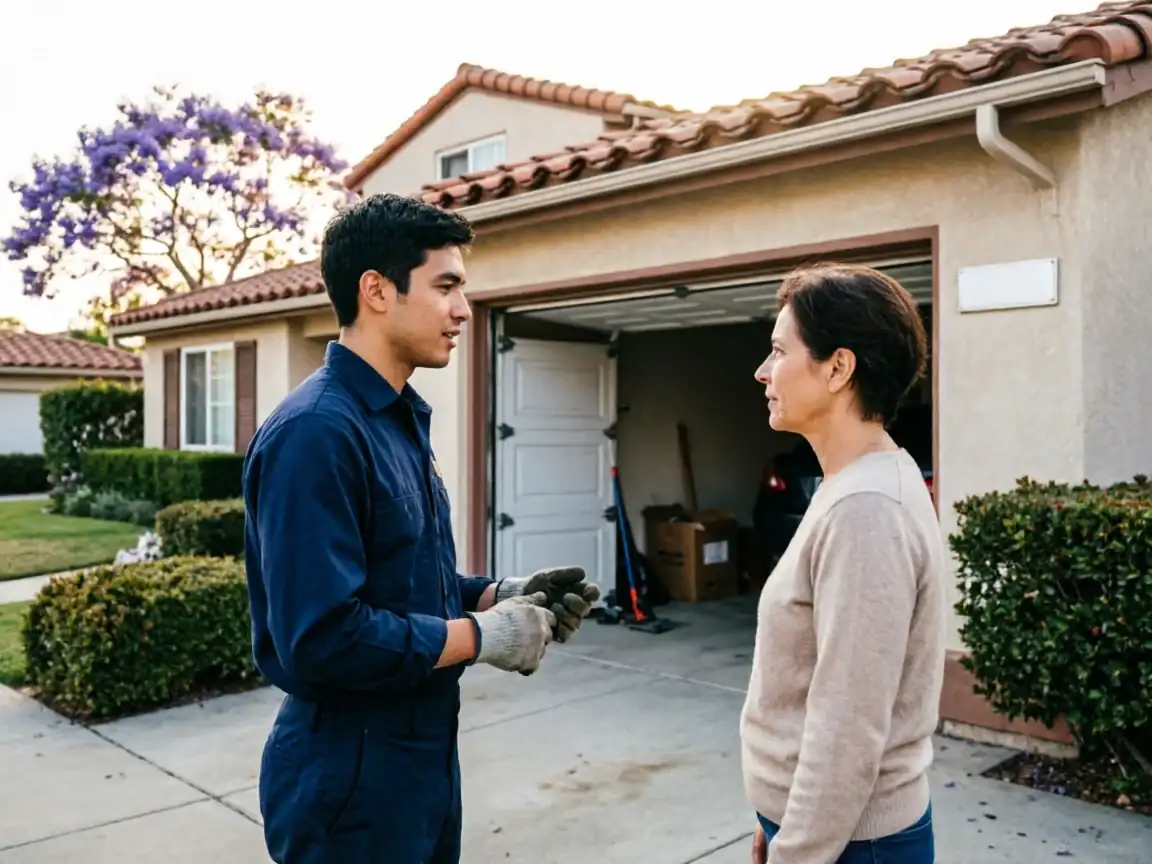
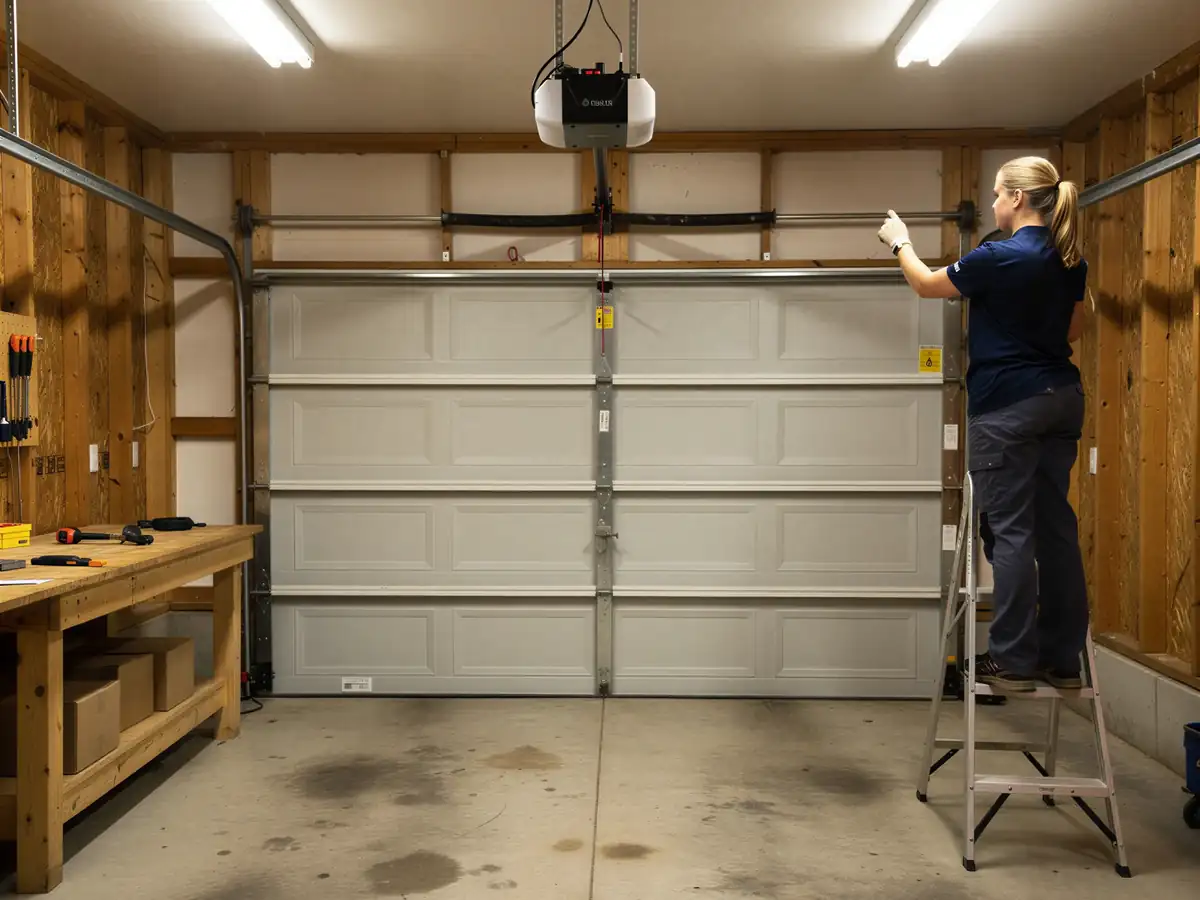
We cover Cypress from our base in Irvine, about 18 miles out, so a visit here gets scheduled rather than dropped in on same-day the way a closer call might. When you reach out, tell us the year the door was installed if you know it - for a town built out mostly around 1971, that single detail tells us a lot about what hardware we're likely dealing with before the truck even leaves. We'll ask about the symptom too: door won't open, door opens partway and stops, opener runs but nothing moves. Those point to different parts. If you want the broader picture of what we handle across the service area, that's covered on our main Irvine page, not here - this page is specifically about getting someone out to your Cypress address and what that job tends to look like once we're there.
The Cost of This Job
We don't have a posted price list for this page, and we're not going to invent one - what a job costs depends on the door, the spring size, and whether one worn part took others with it. What we can say is that Cypress sits in a service area with a median household income of $124,167, and that figure shapes the kind of repair most owners here choose: full replacement of a worn part rather than a patch job, because the house is worth maintaining properly. We'll give you a number on site after we've looked at the door, not over the phone from a guess. If a repair would cost most of what a new door costs, we'll tell you that too - sometimes the honest answer on a door built in the early 1970s is that replacement beats another round of repairs on hardware that's been limping for years.
What the Fix Involves
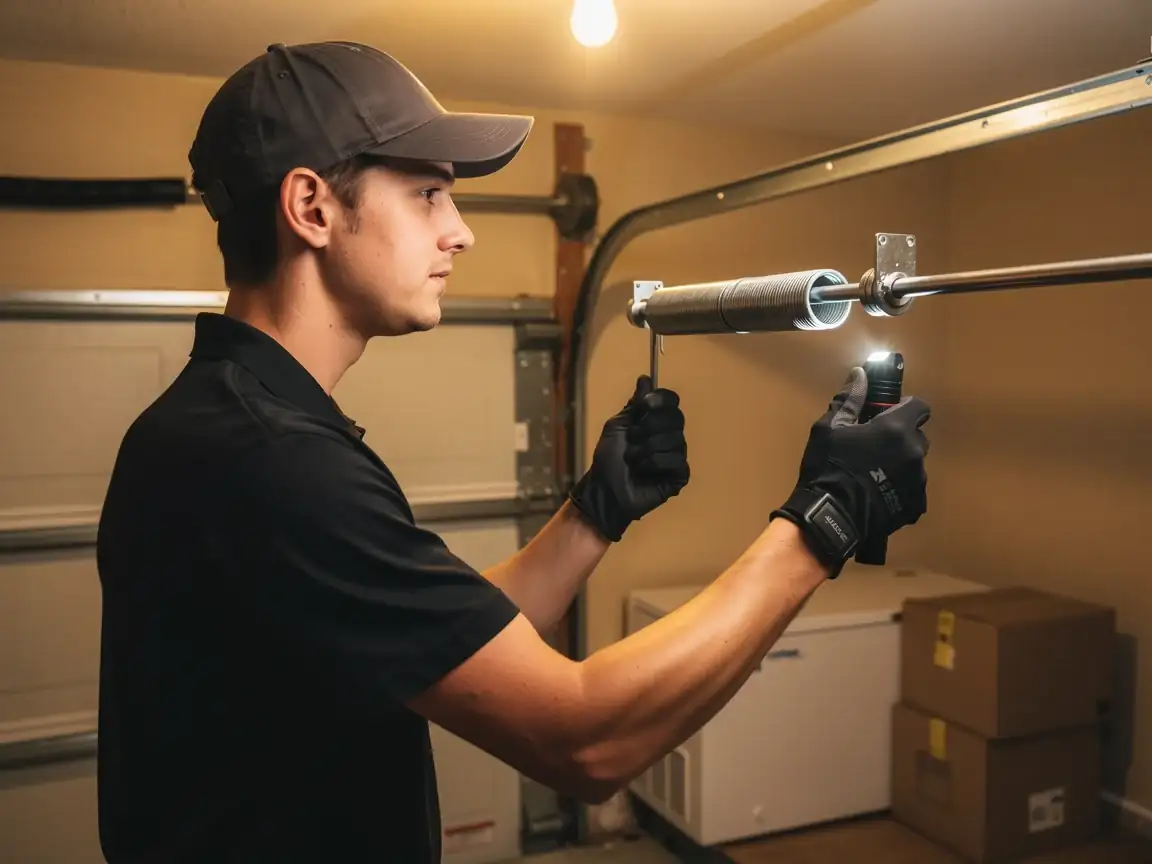
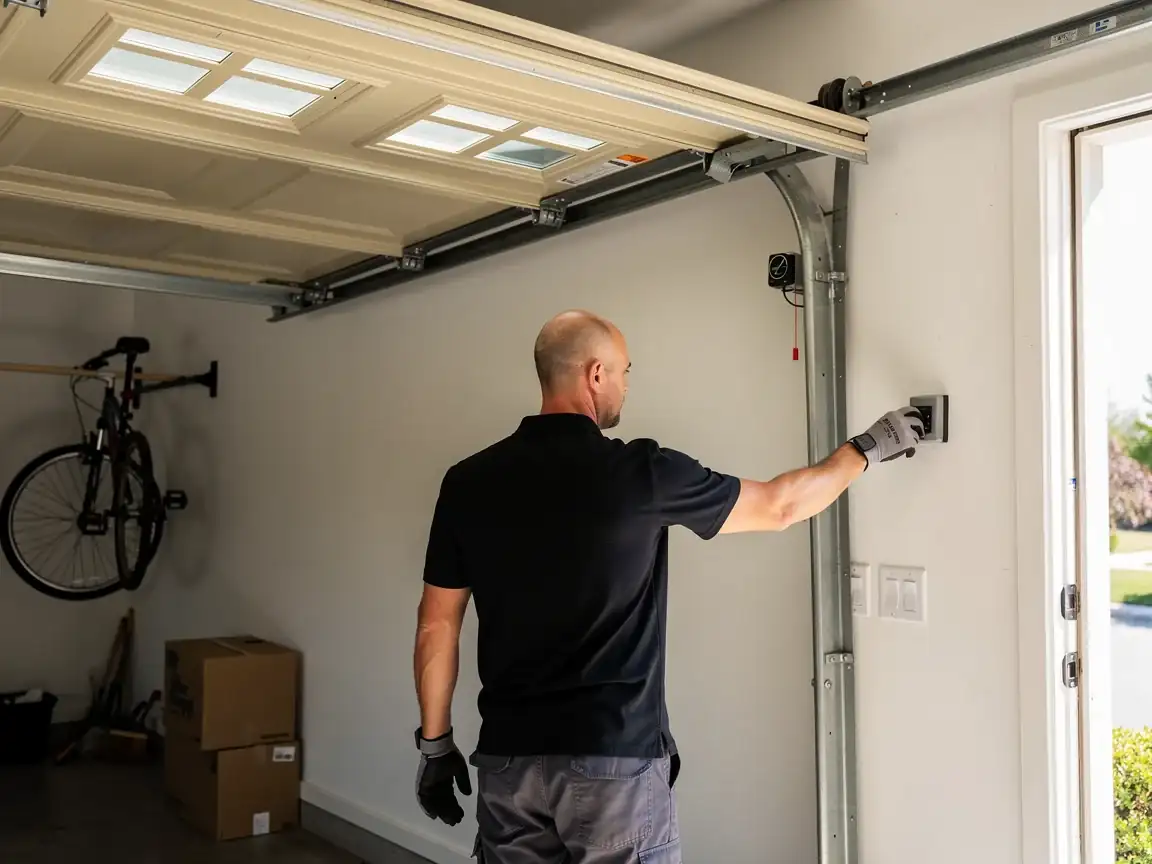
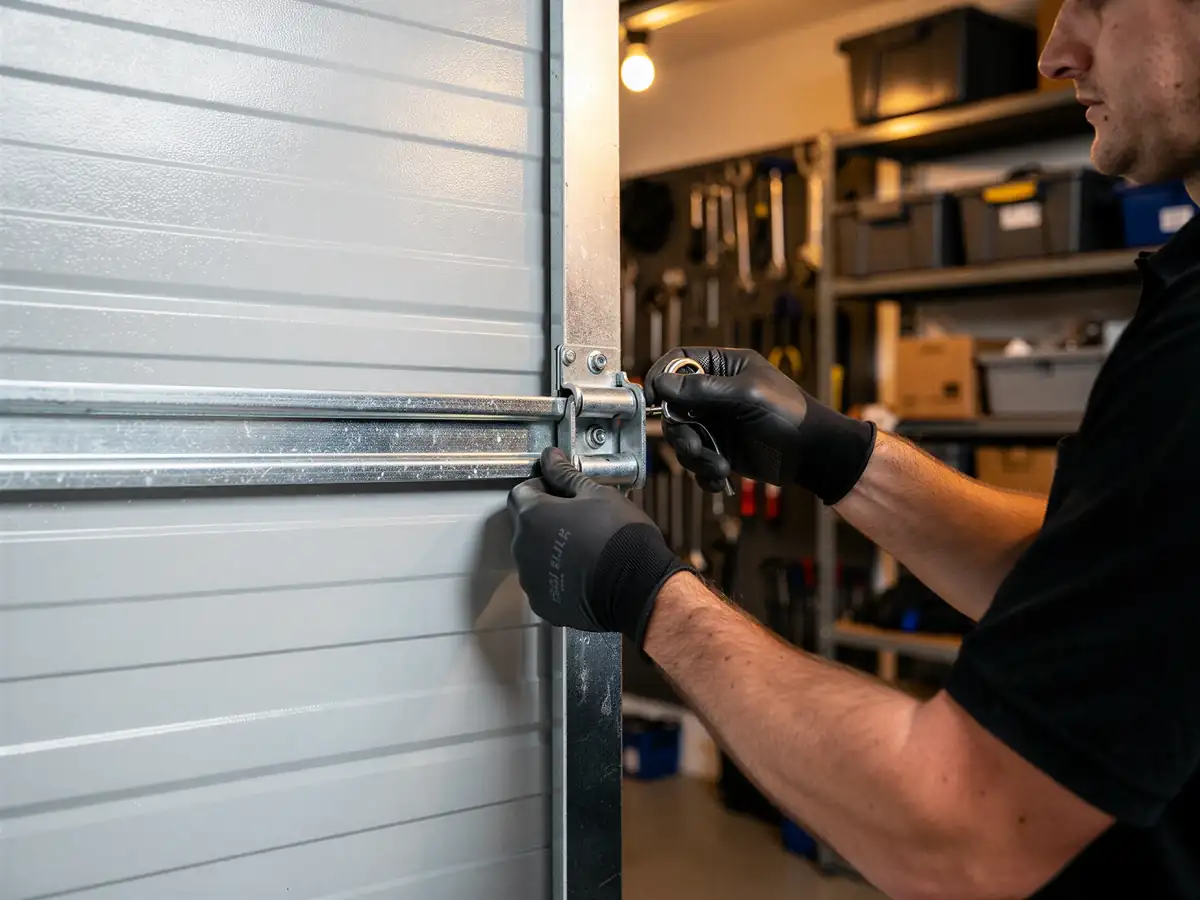
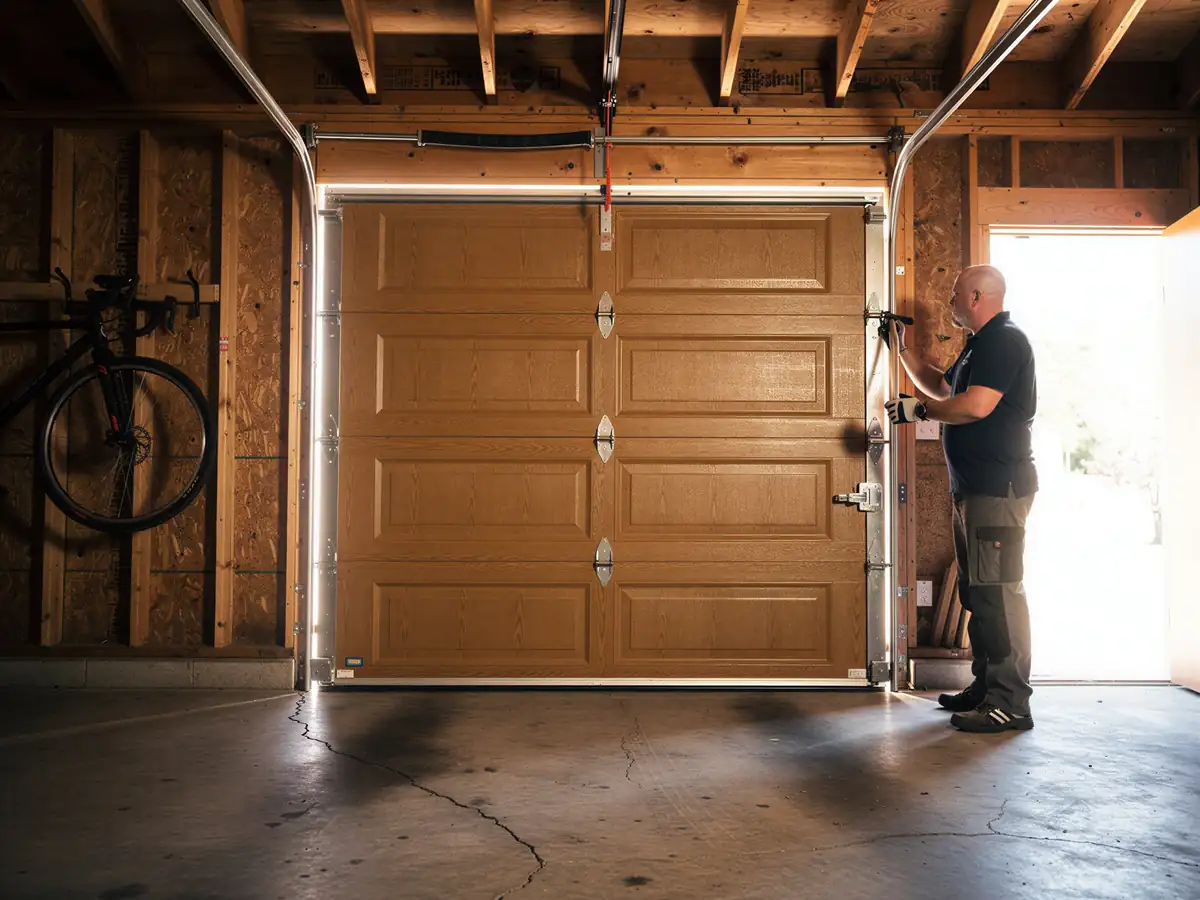
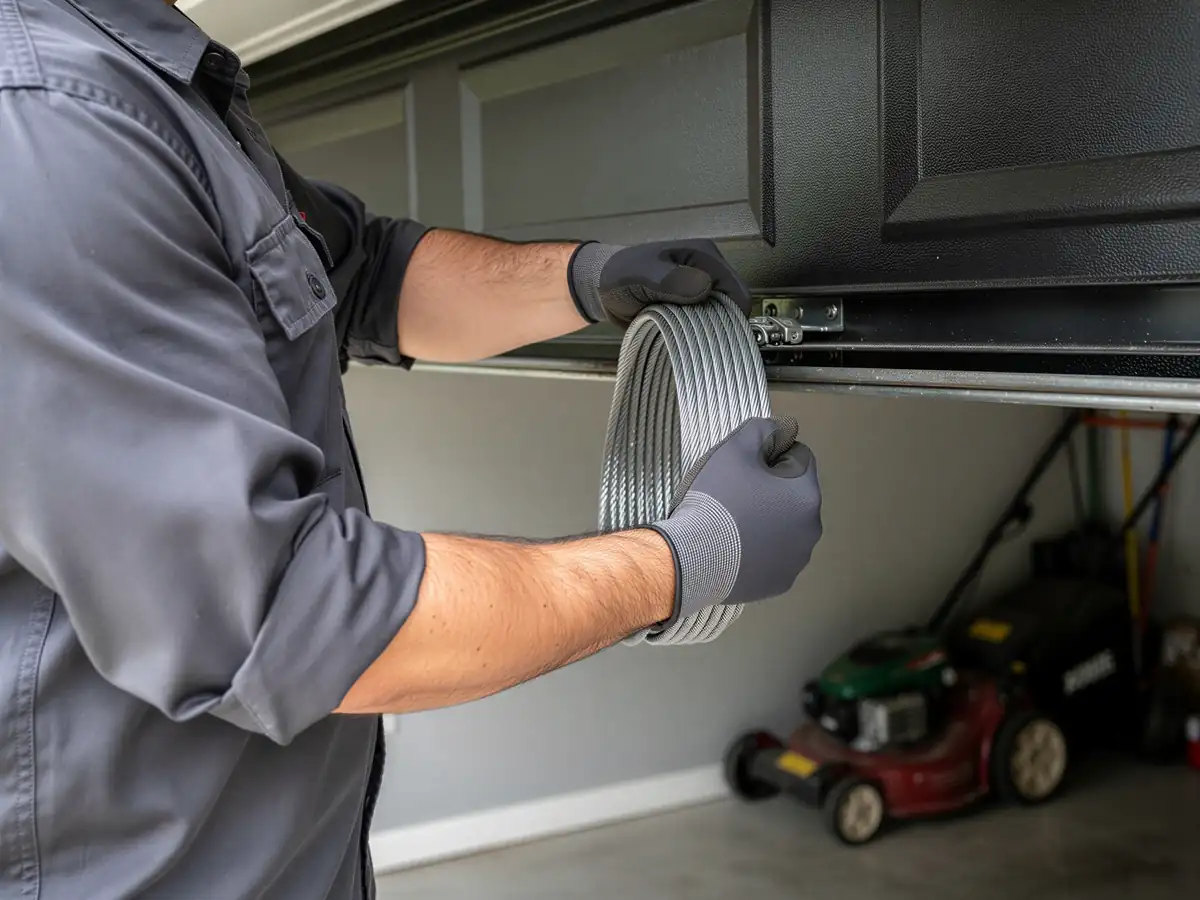
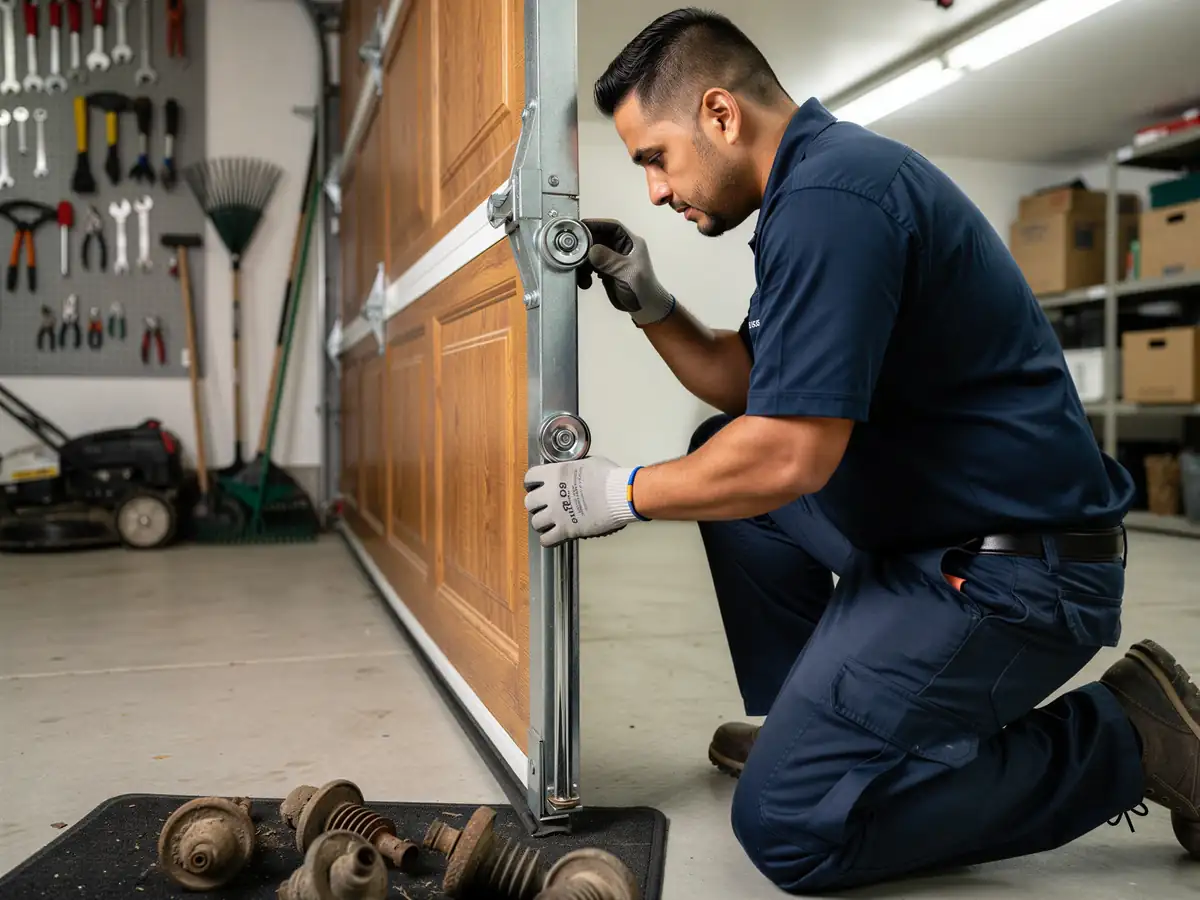
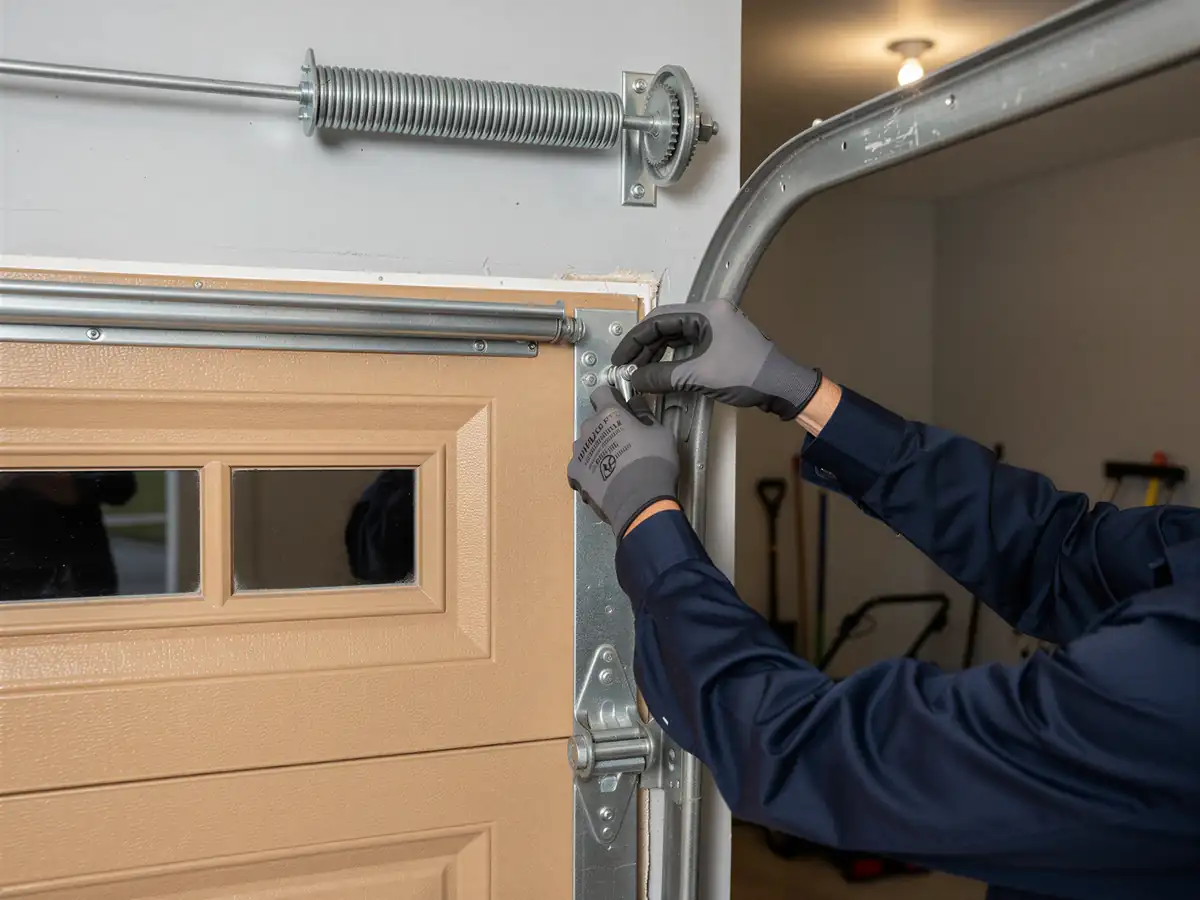
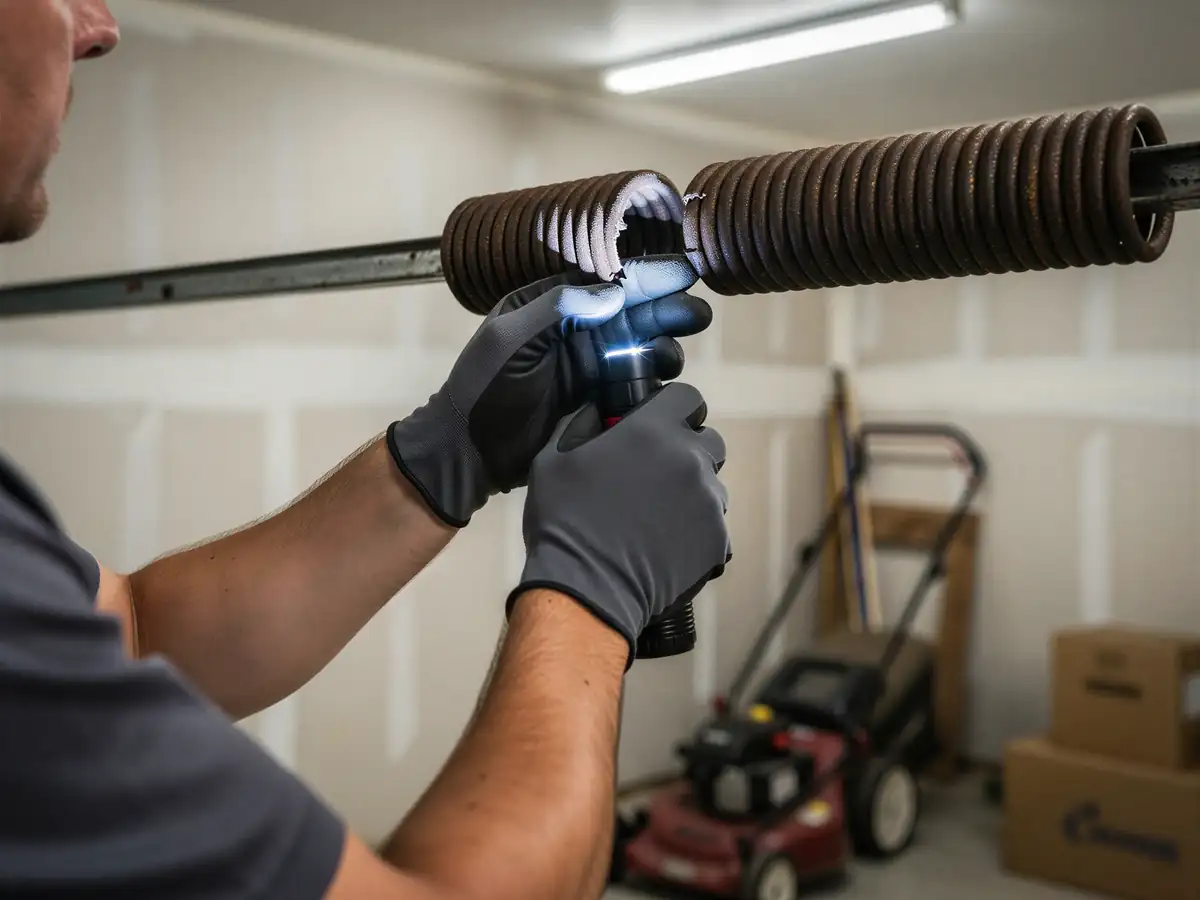
On a 1971-era door, the fix usually starts with pulling the old torsion spring under control - winding bars, not guesswork, because a spring under tension is the one part of this job that actually hurts people when it's rushed. From there we check the drums and cables for wear that matches the spring failure, since a spring doesn't usually go without taking some wear partner with it. If the track has been bowed by years of an unbalanced door, we true it up before anything gets reinstalled. Openers from this era, if original, are usually long past worth repairing, and we'll say so rather than patching a 40-year-old motor. The mild climate here means we're rarely fighting rust-through on the panels themselves, so the structure of the door is usually sound even when the moving parts aren't - which keeps these jobs closer to a hardware repair than a full door replacement.