What Can Go Wrong
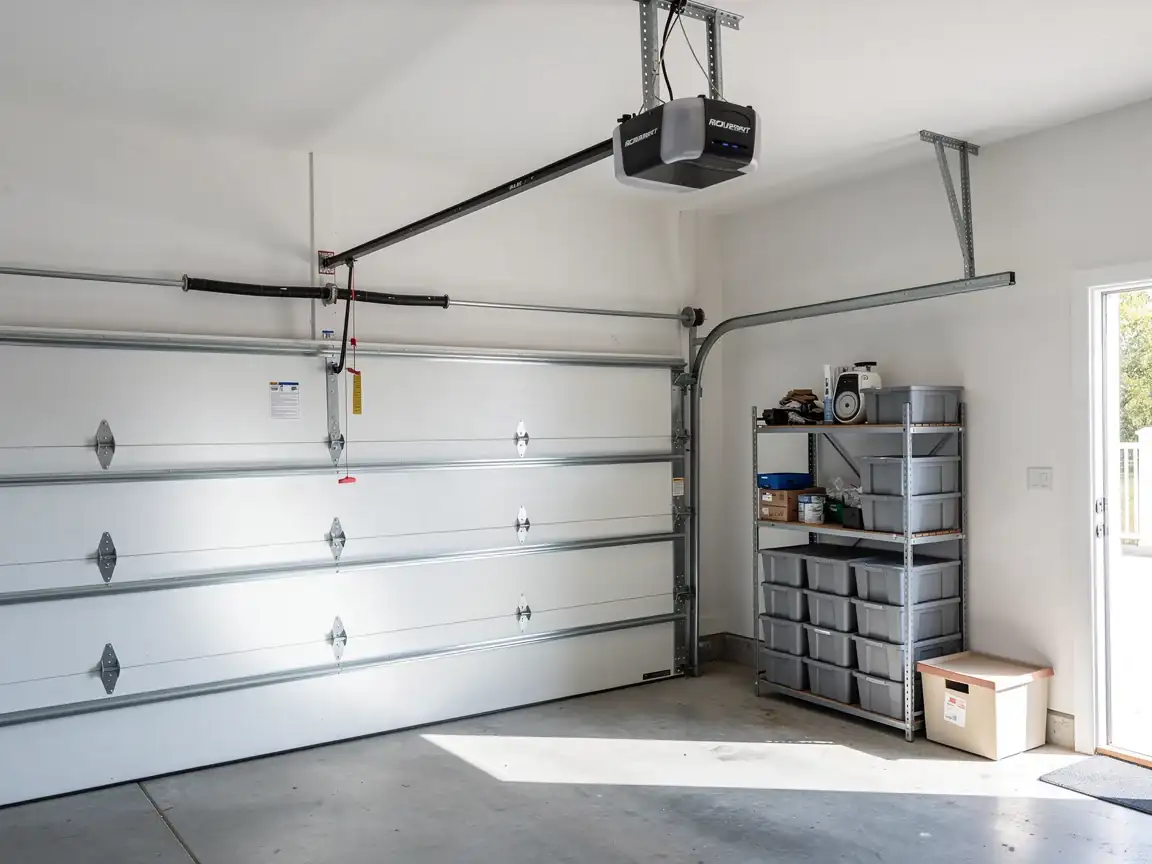
Houses in this stretch of Cypress went up around 1971, which puts the original garage door hardware on steel rollers riding bare steel track - no nylon, no sealed bearings, just metal on metal with a dab of grease that dried out decades ago. That's five years earlier than the median house across the broader Irvine service area, and it shows up in the calls: grinding on the way up, a door that jumps the track on the last foot of travel, or a roller that's worn into an oval shape instead of a circle.
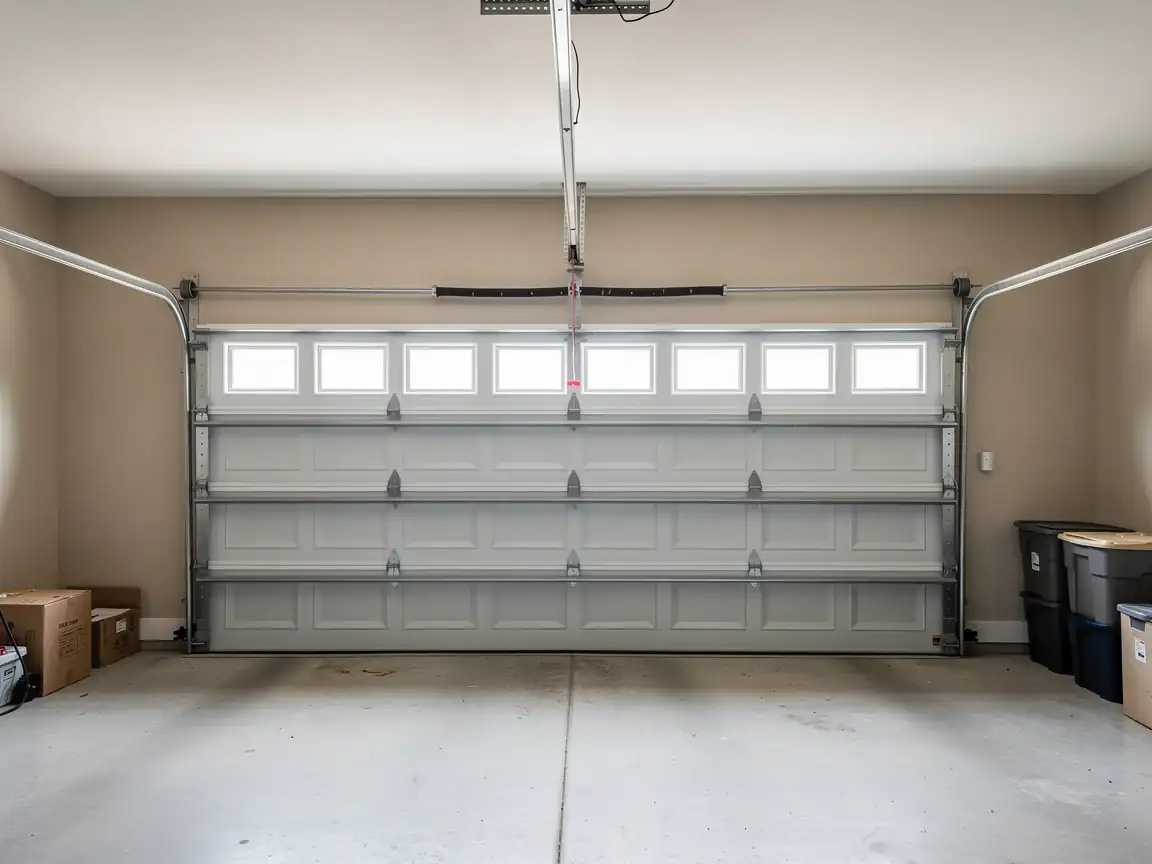
On a 1971-era door, the track itself has usually been bent and straightened more than once by whoever owned the place before. Worn rollers accelerate that wear because they don't ride true anymore - they chew at the track edges instead of rolling smoothly through them. By the time an owner calls, it's often not just rollers, it's rollers plus a track that needs re-aligning or swapping.
The mild temperate climate across this service area is actually one thing working in your favor. You're not dealing with the ice-cracking or heat-warping that ages hardware fast in harsher climates, so a roller failure here is almost always simple wear, not weather damage.
Booking a Visit
The crew runs this job out of Irvine, about 18 miles from Cypress, so this isn't a same-day walk-in service the way it might be for a town with a branch next door. Book ahead and plan the visit around a window rather than an hour. Bring up the door's approximate age when you call - on a house from the early 1970s, that one detail tells the tech whether to expect standard 2-inch rollers on an older track gauge or something that's already been partly updated.
If you've had any part of the door serviced before - an opener swap, a spring replacement - mention it. Mixed-generation hardware on an old door is common in this area and it changes what the tech brings on the truck.
The Cost of This Job
We don't have a published price list to quote you a number here, so the honest answer is that it depends on what the tech finds once the door's open. A straightforward roller swap costs less than a job that also needs new track sections, and a door that's been limping along with worn rollers for years is more likely to need both. Ask for the breakdown in writing before work starts, not after.
One limitation worth saying plainly: if the door itself has reached the end of its life - warped panels, a frame that's racked - replacing rollers on it is a short-term fix at best, and the tech should tell you that instead of selling you parts for a door that won't hold them well.
What the Fix Involves
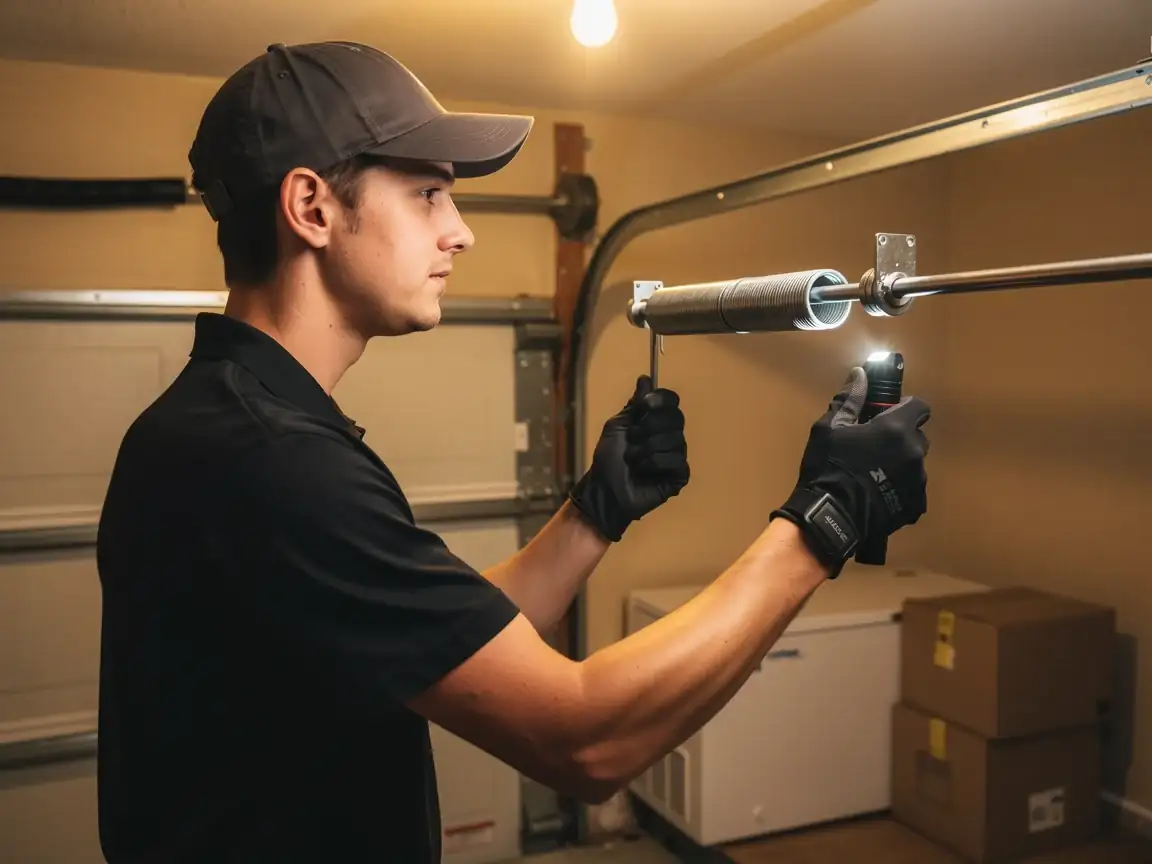
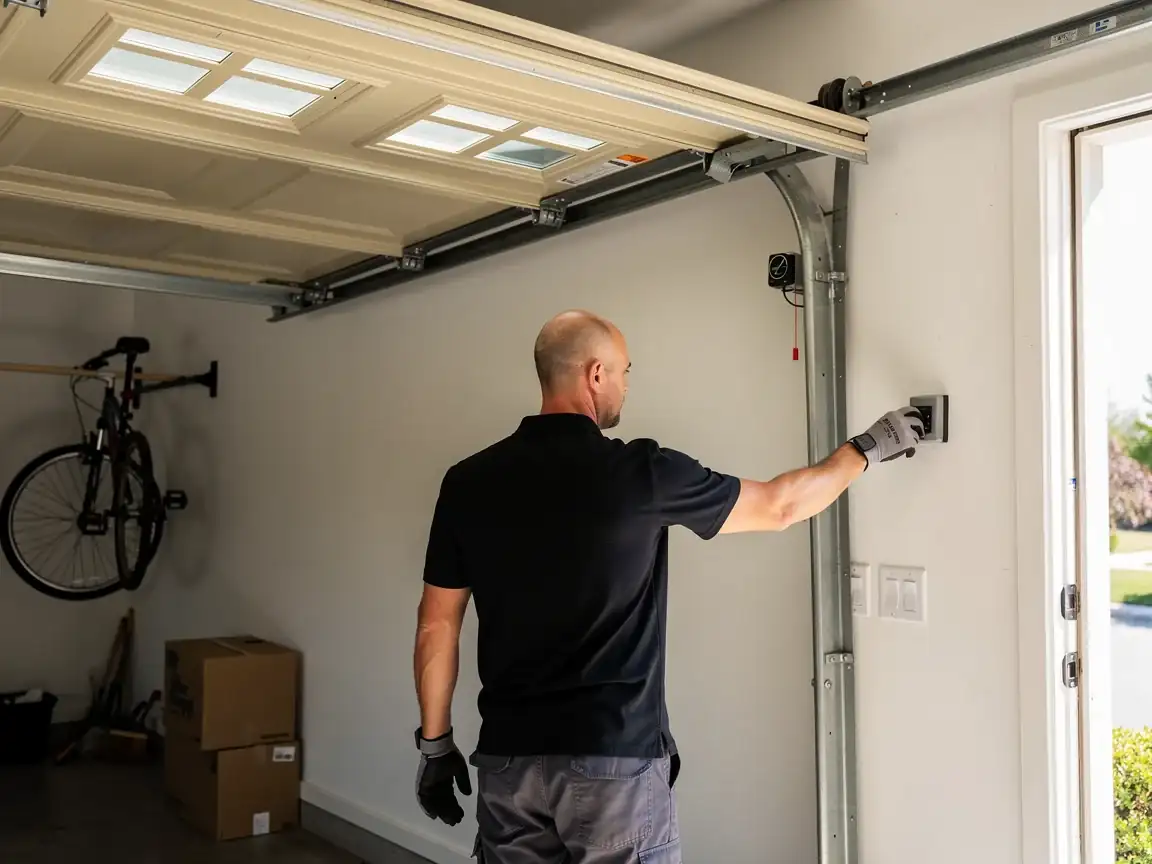
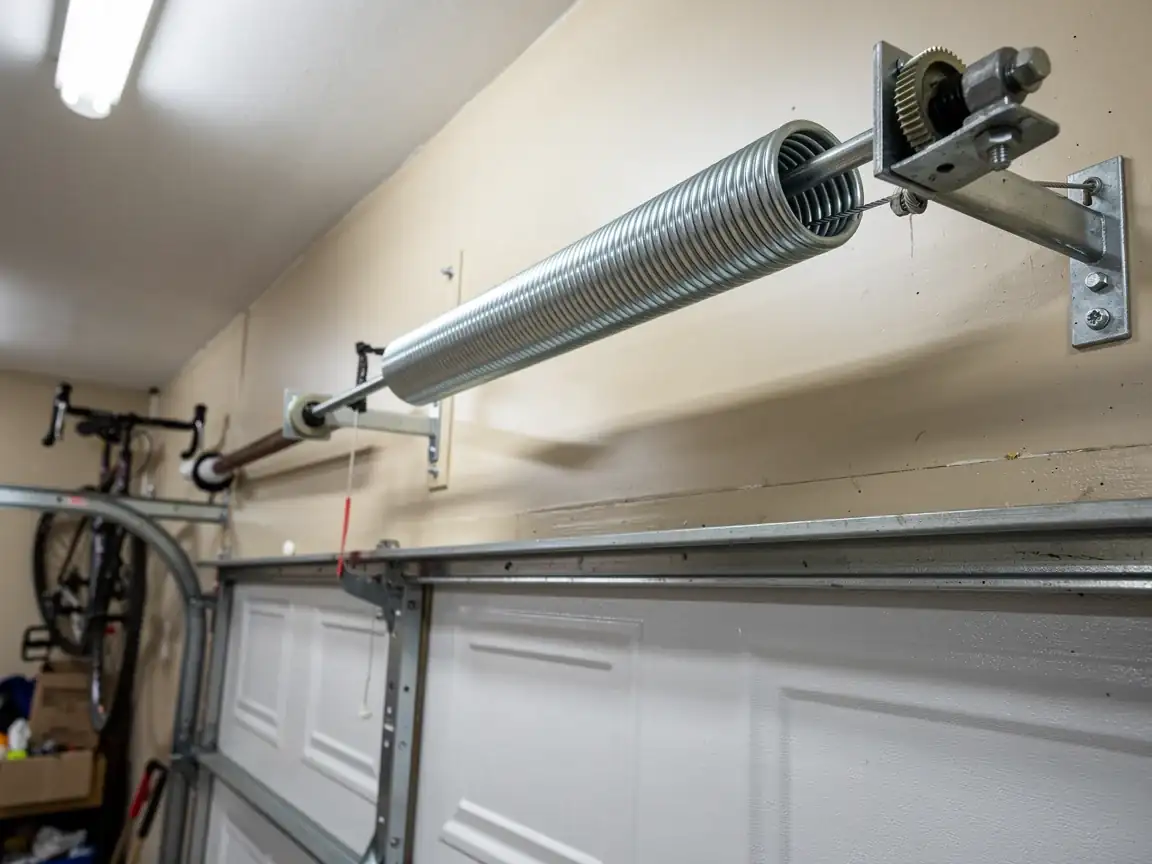
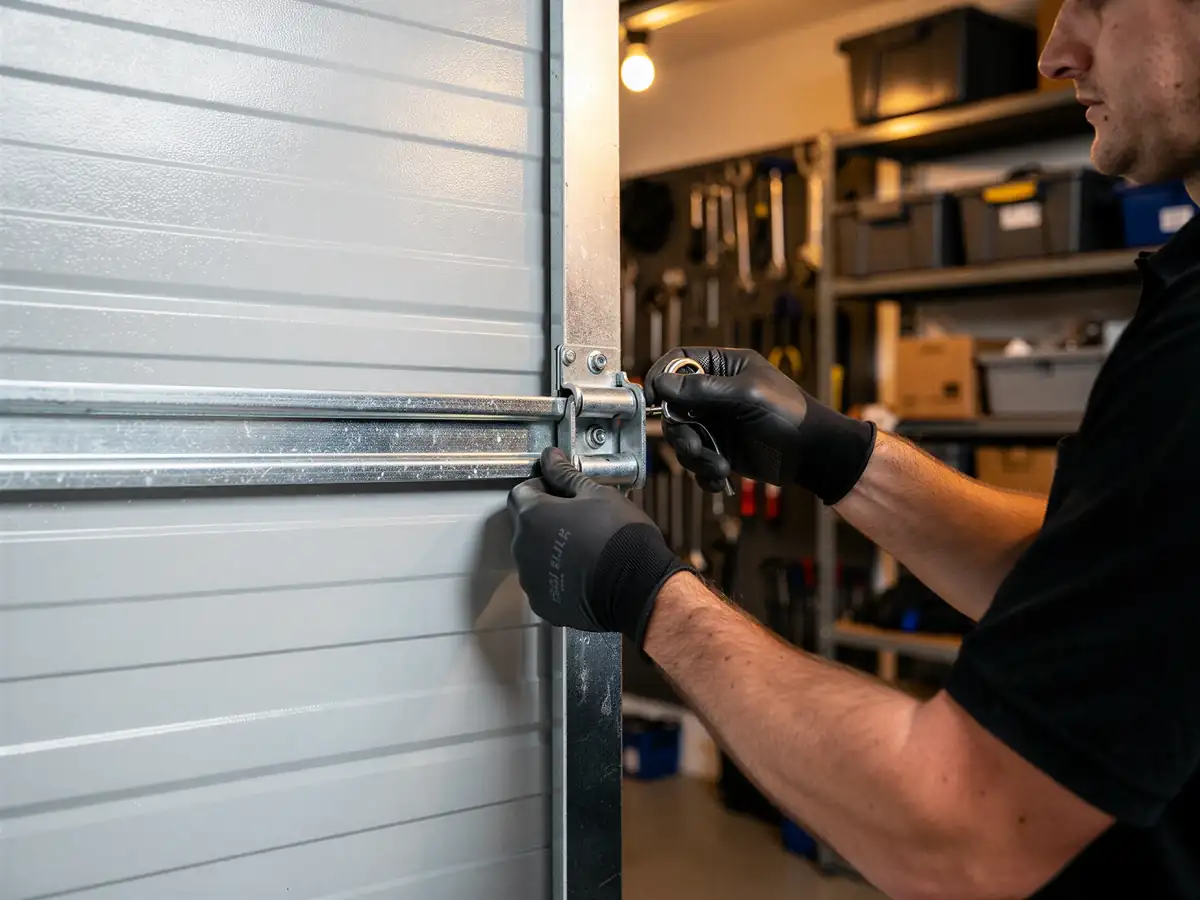
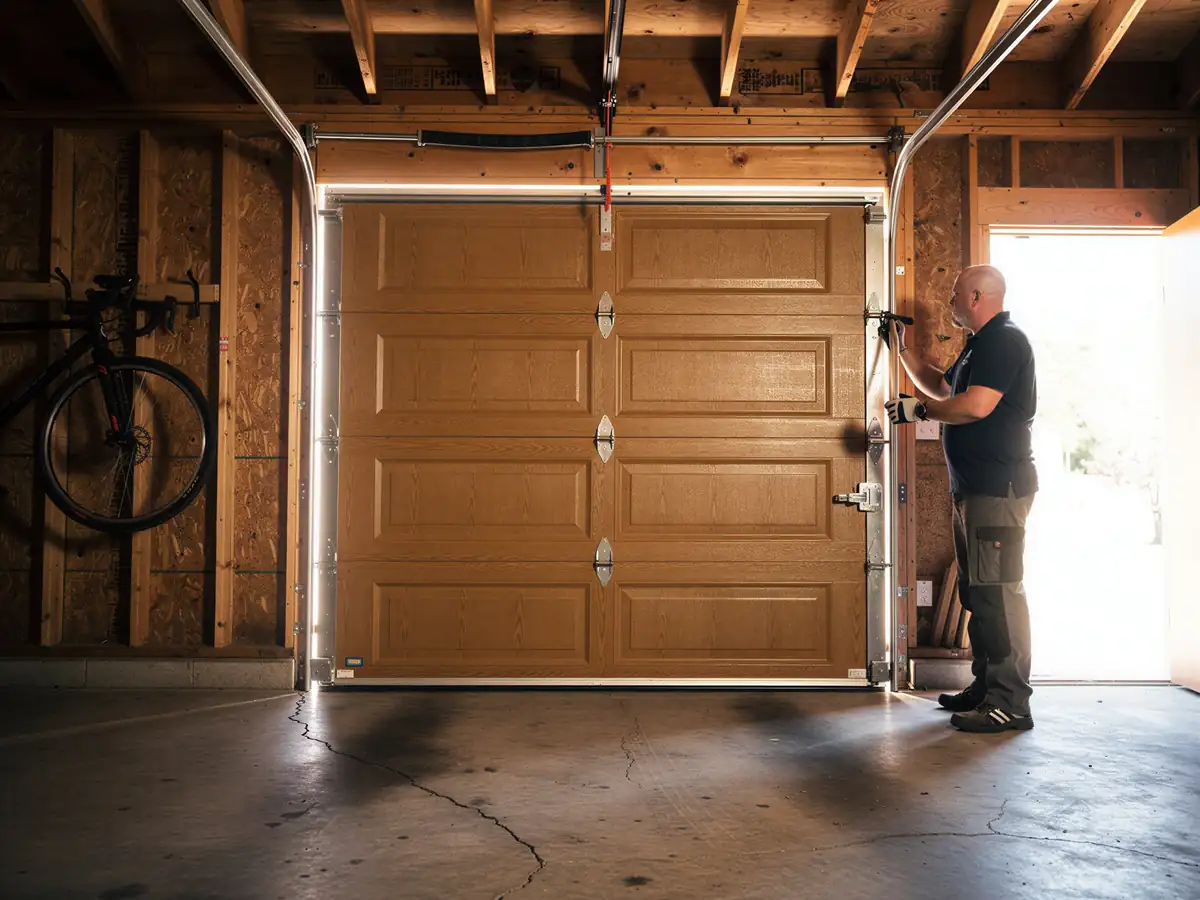
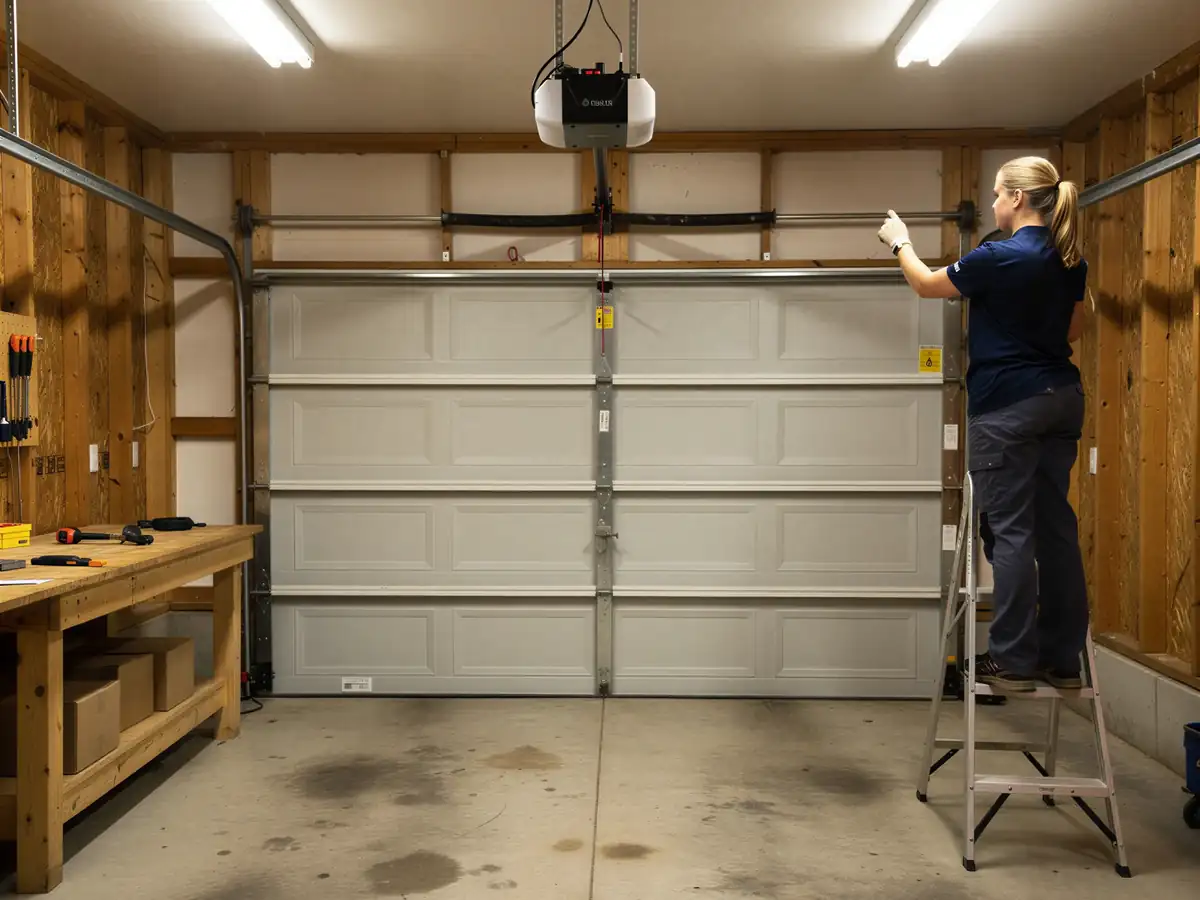
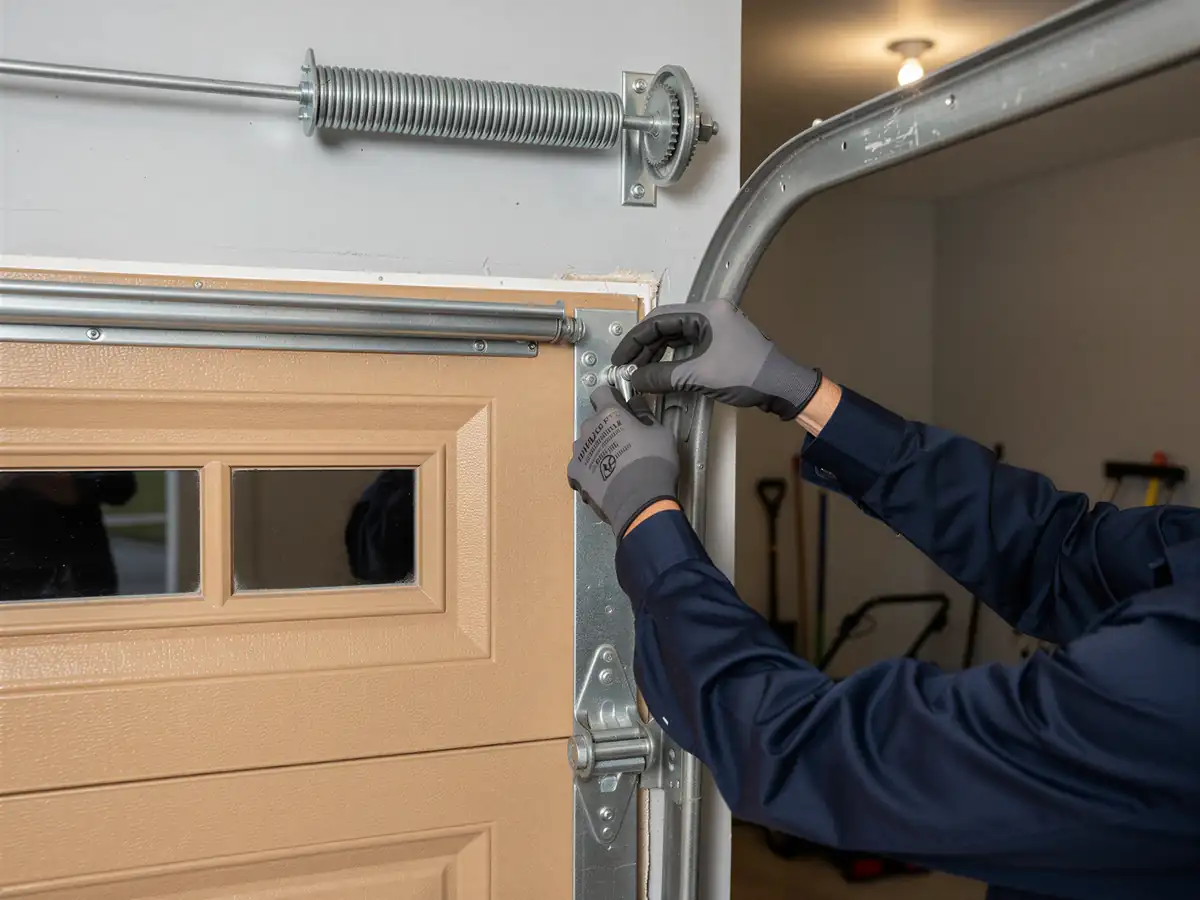
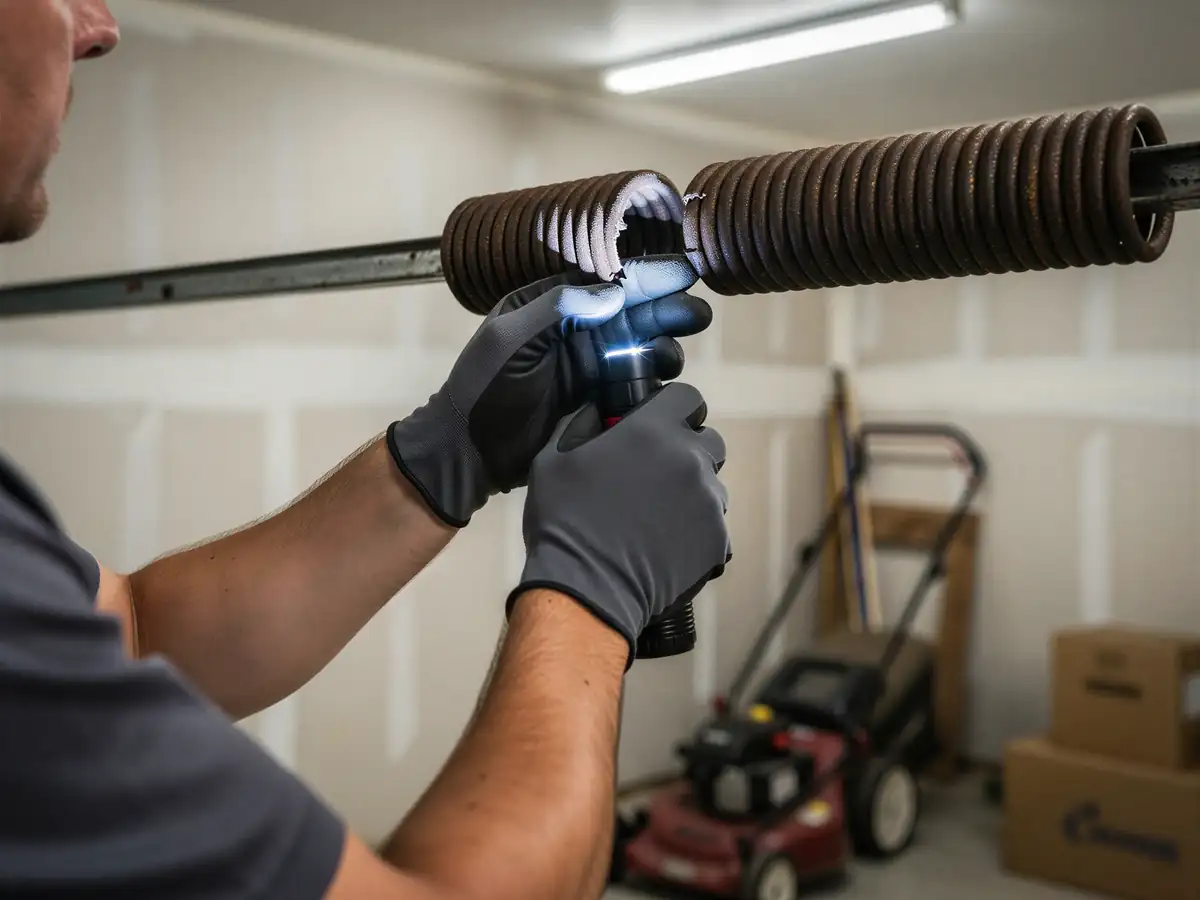
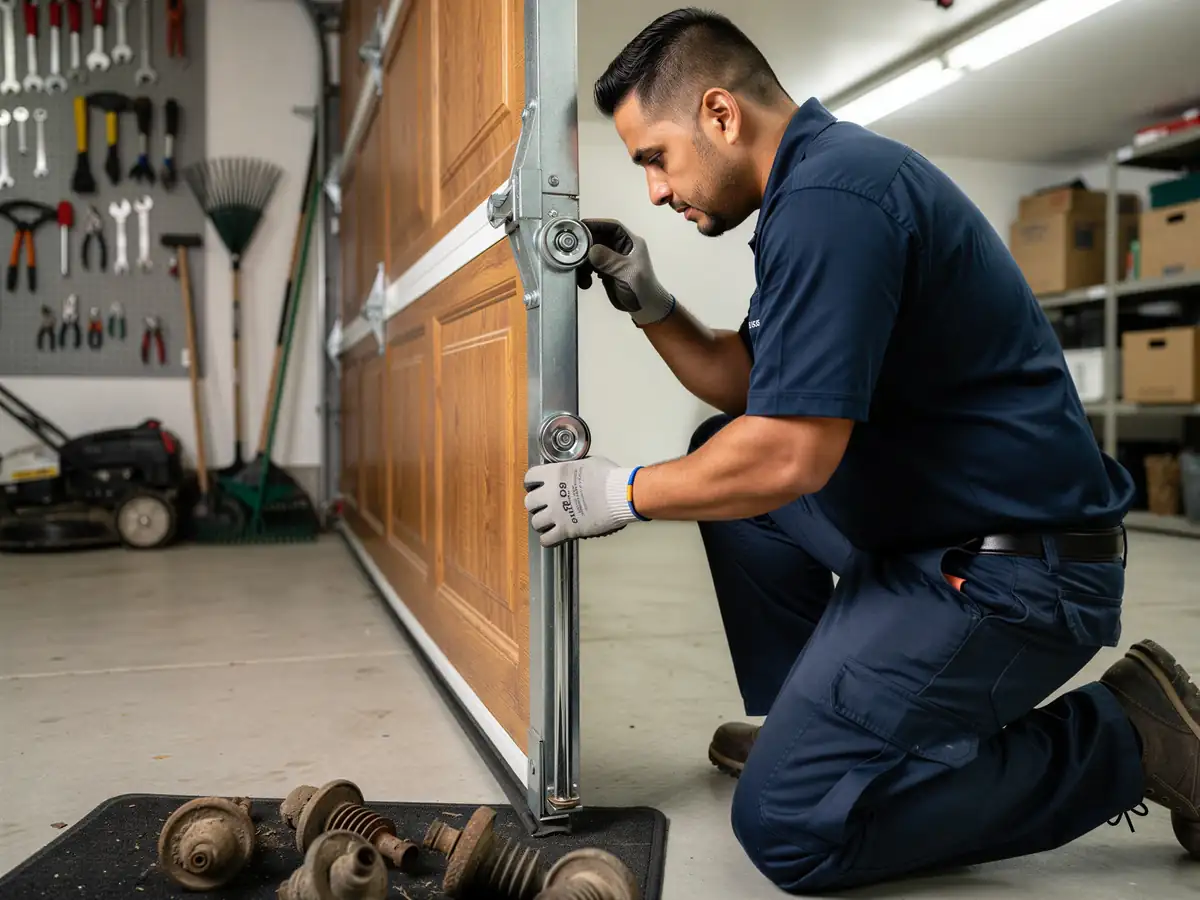
The tech releases tension safely, lifts the door off its track, and pulls the old rollers out of the hinge brackets one at a time, checking each hinge and bracket for wear as they go - on a door this age, a bent hinge is as common as a worn roller. New rollers go in, the track gets checked for straightness and re-aligned if it's bowed, and the door gets reset and tested through a full cycle before the tech calls it done. On a 1971-era door, this is also when a tech will flag a cable or spring that's close to failing, since all of that hardware dates to the same install.