Time on the Job
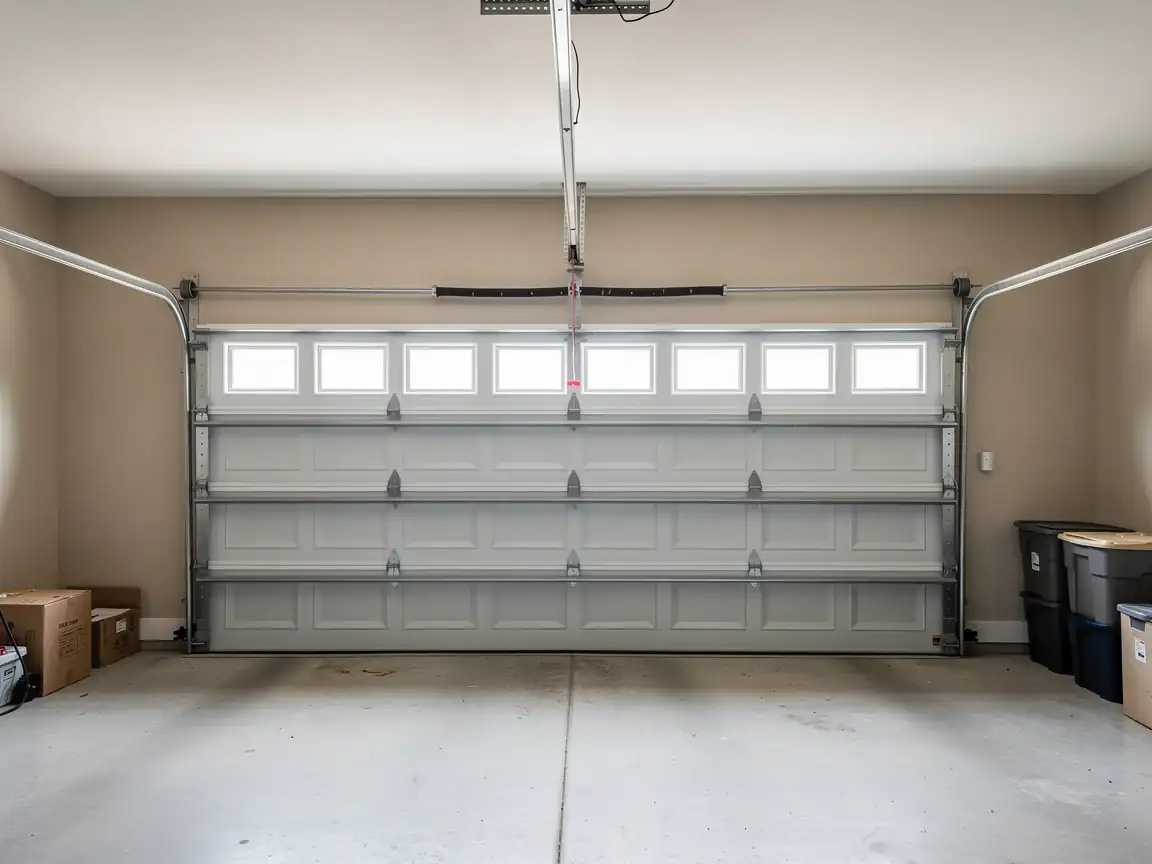
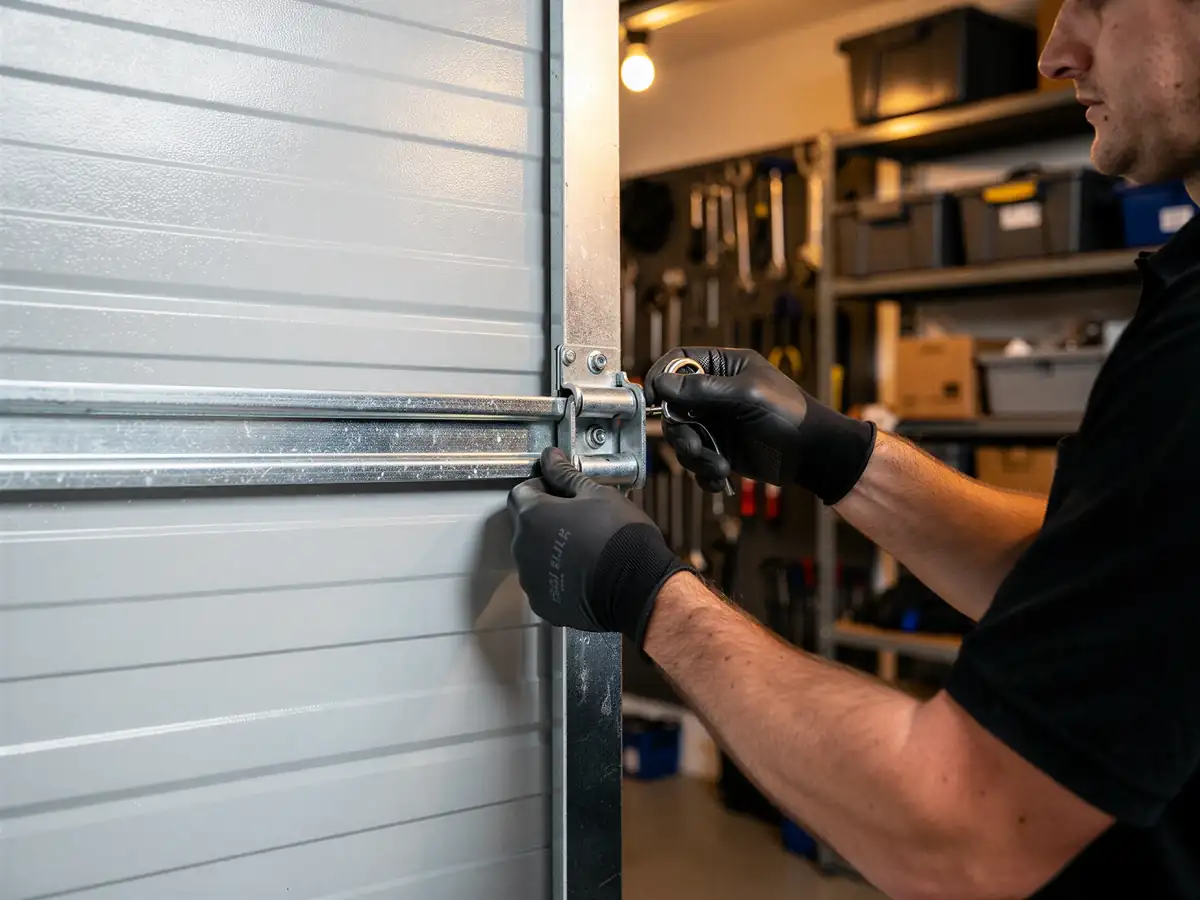
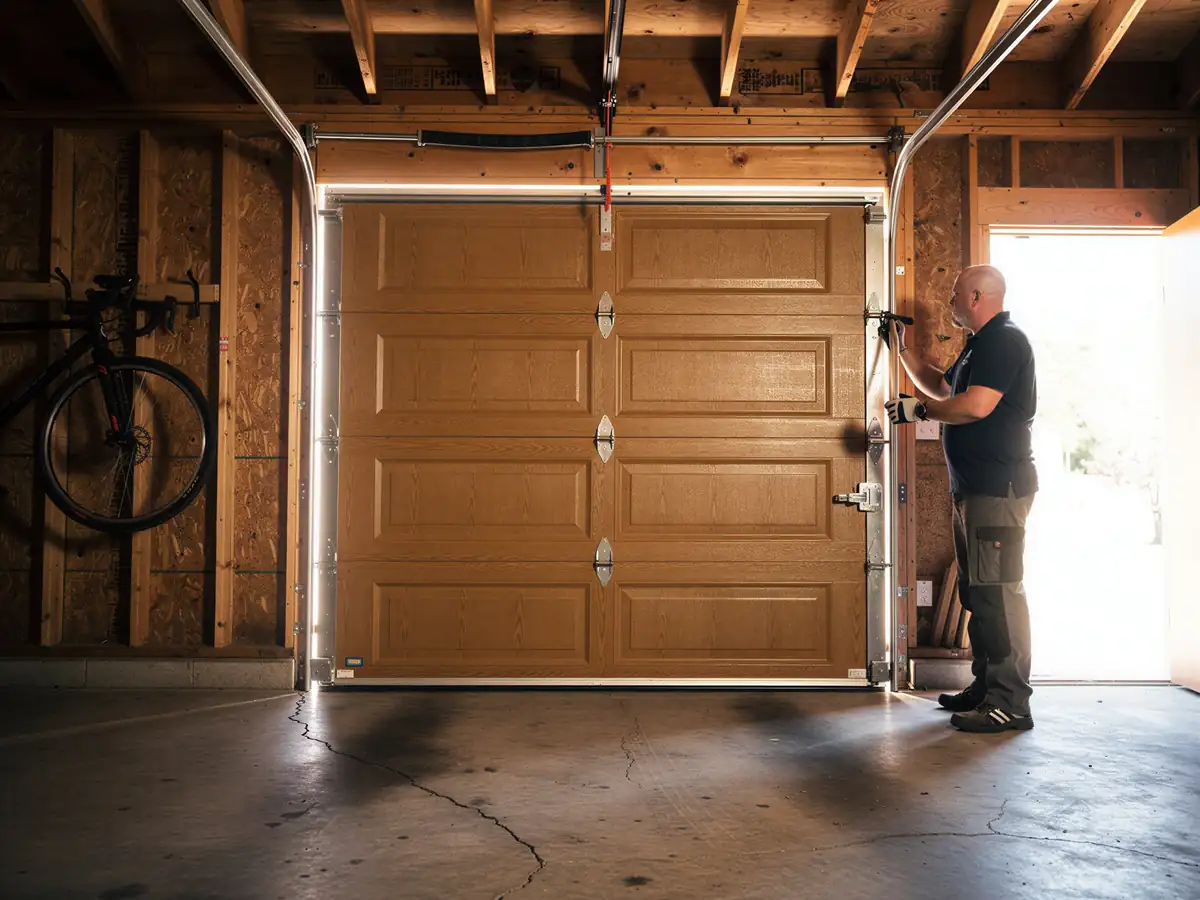
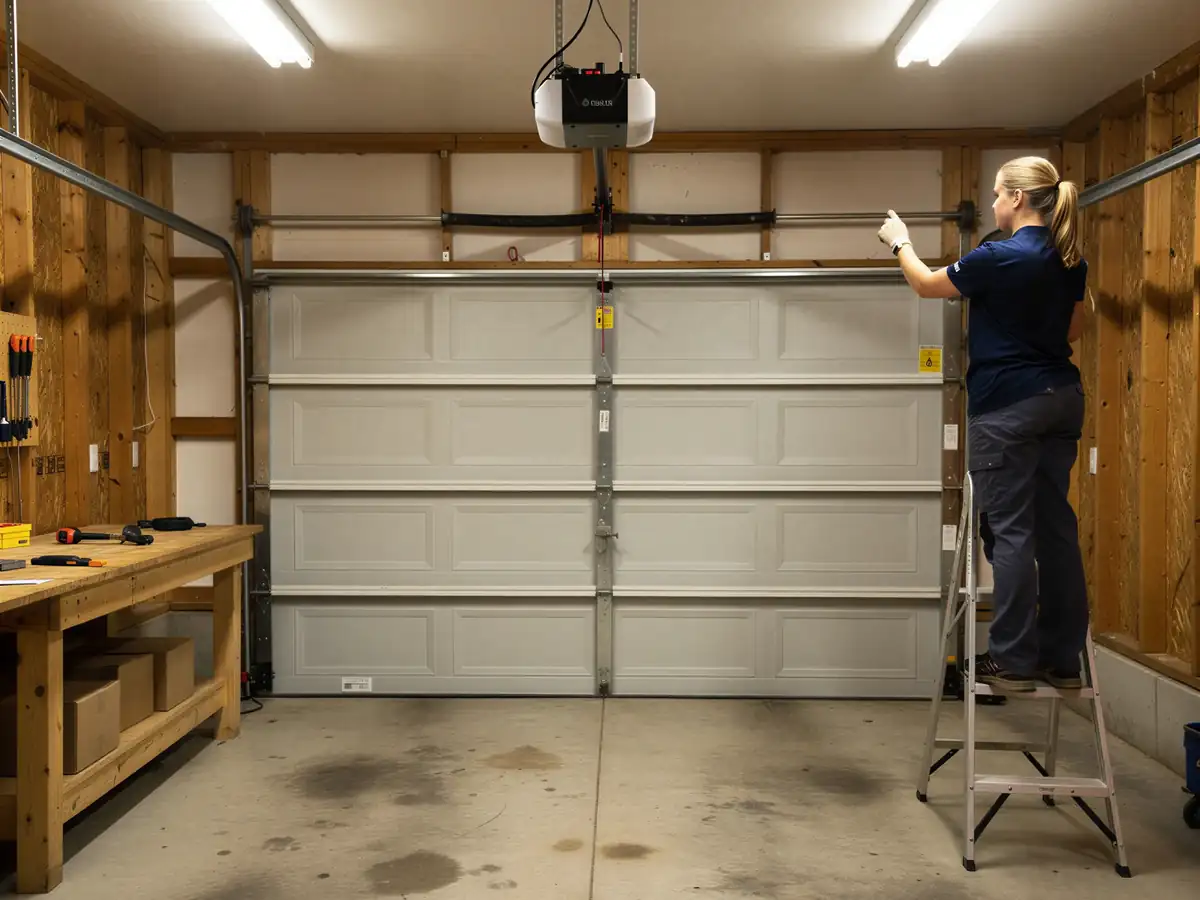
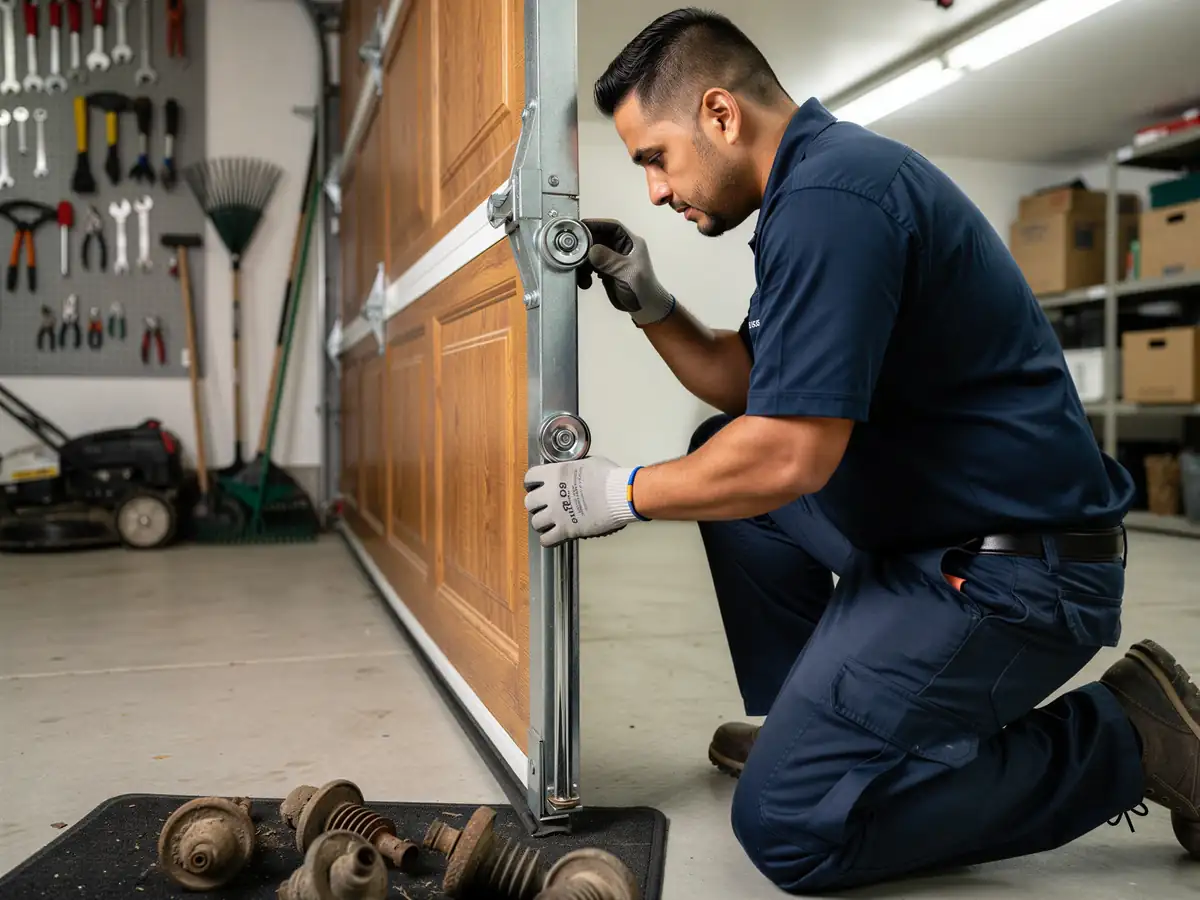
A roller swap on a double door usually runs under two hours once we're on site, and a single door is quicker. The time isn't the hard part out here - the drive is. We come from Irvine, which is about 18 miles, so we batch these calls and ask you to flag anything else going on with the door (a stiff spring, a rattling track) while we're already under the hood, so to speak. If the track itself is bent or the rollers have been grinding a groove into it, that adds time, because we're pulling the track too, not just the rollers.
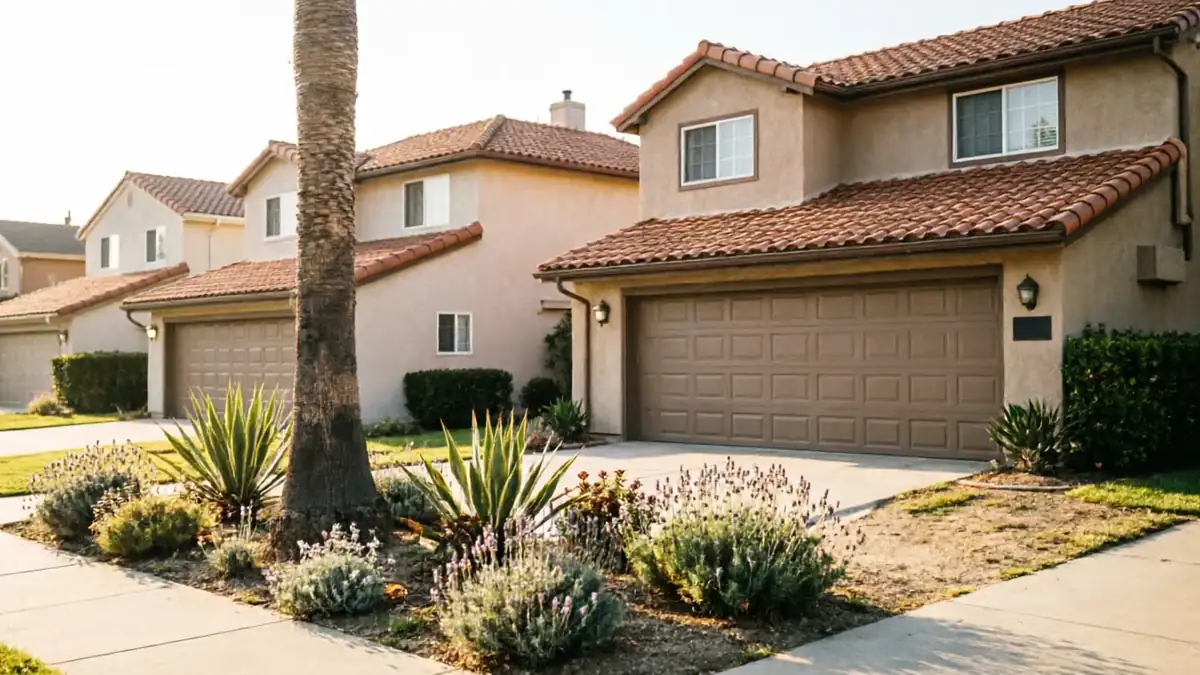
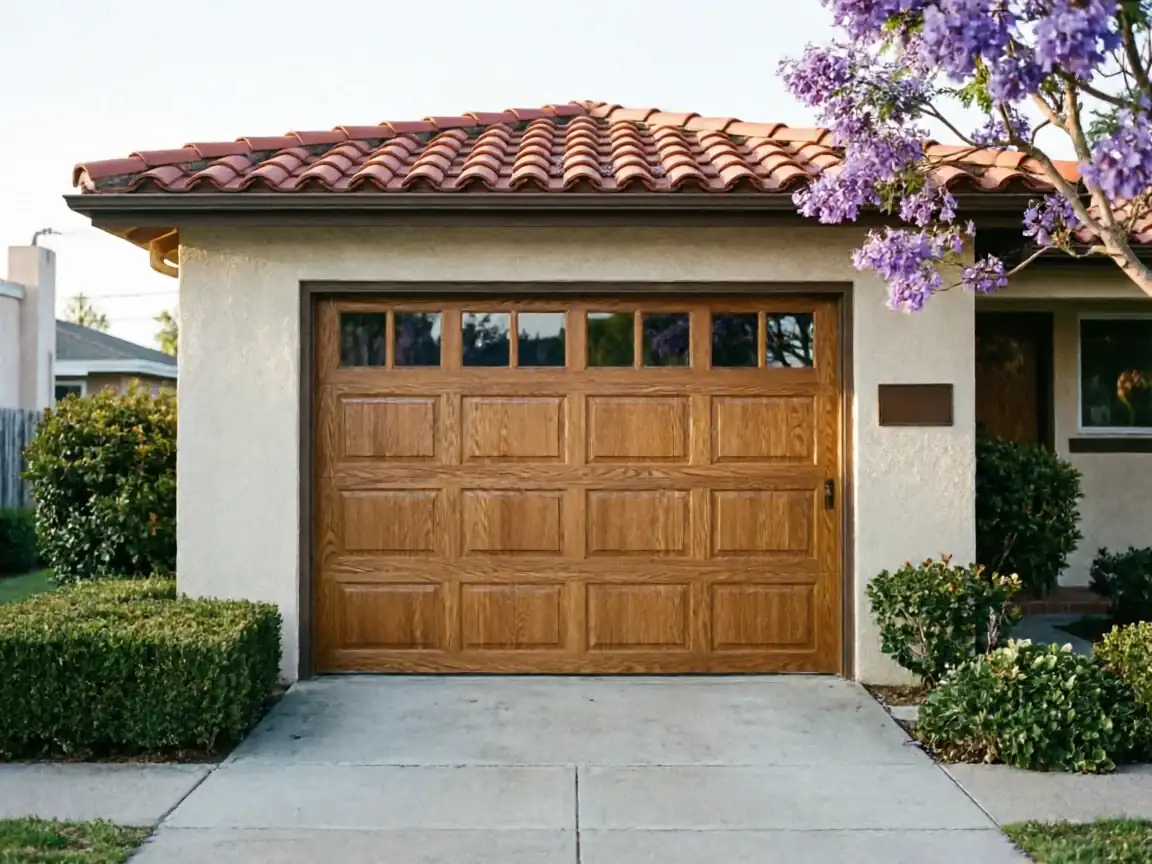
Most of the roller jobs we see in Temescal Valley are on doors that have never had this done before. The median home here was built around 2003, which puts the original hardware at roughly two decades of use. Plastic rollers with stamped-steel stems don't last that long once the nylon face starts flat-spotting. By the time a homeowner calls, the door is usually loud enough that the whole street can hear it open.
Stocked Parts
We carry nylon rollers with sealed ball bearings and 7-inch and 10-inch stems, which cover the vast majority of doors built in the early 2000s production runs. We also stock steel rollers for owners who want to skip nylon entirely and go straight to the harder-wearing option. What we don't stock is the exact OEM roller for every builder-grade door that went into a 2003-era subdivision - some of those used proprietary stem lengths or track profiles, and if yours is one of them, we may need a day to get the right part rather than force a near-match that'll wear your track unevenly.
Can You Do This Yourself
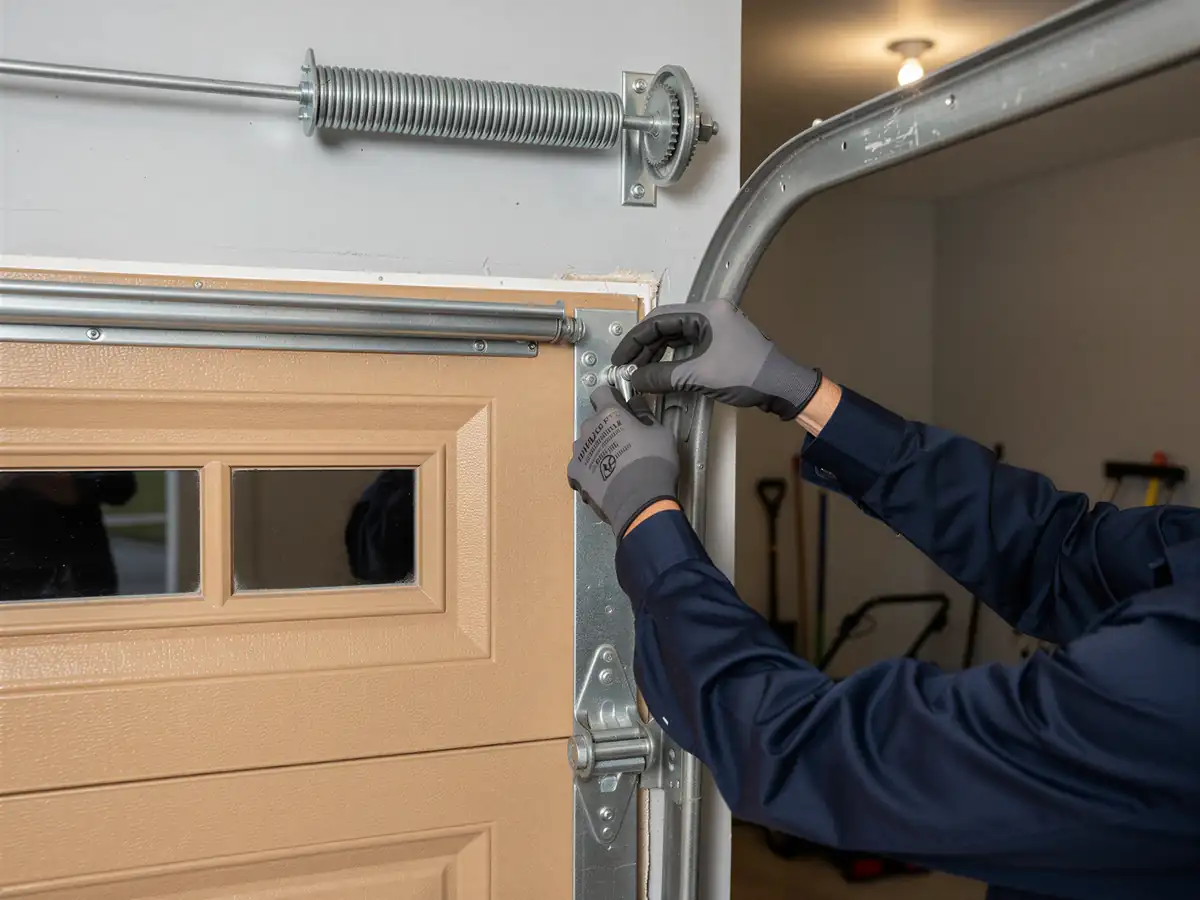
Rollers are one of the few garage door jobs a handy homeowner can actually do without specialty tools, provided the door isn't under spring tension on the section you're working on and you're not touching the bottom roller near the cable drum. The risk is the track: pull it wrong and you can bow it, and a bowed track will eat a brand-new roller just as fast as it ate the old one. If your door is quiet and smooth except for rollers that look worn, it's a reasonable DIY project. If it's binding, jumping, or the door feels heavy to lift, something else is going on and rollers alone won't fix it.
What Causes It Around Here
Temescal Valley sits in the same mild temperate band as the rest of the service area, so we're not dealing with the deep-freeze cracking or monsoon rust you'd get elsewhere. The failure here is almost entirely age and mileage: a door built in 2003 opening and closing a couple of times a day has racked up tens of thousands of cycles on rollers that were never meant to be the long-term part. Nylon rollers were the standard builder spec in that era because they're quiet and cheap, not because they're durable. Once the nylon face wears flat, the roller stops rolling smoothly in the track and starts grinding, which is the rattle homeowners usually call us about.