Time on the Job
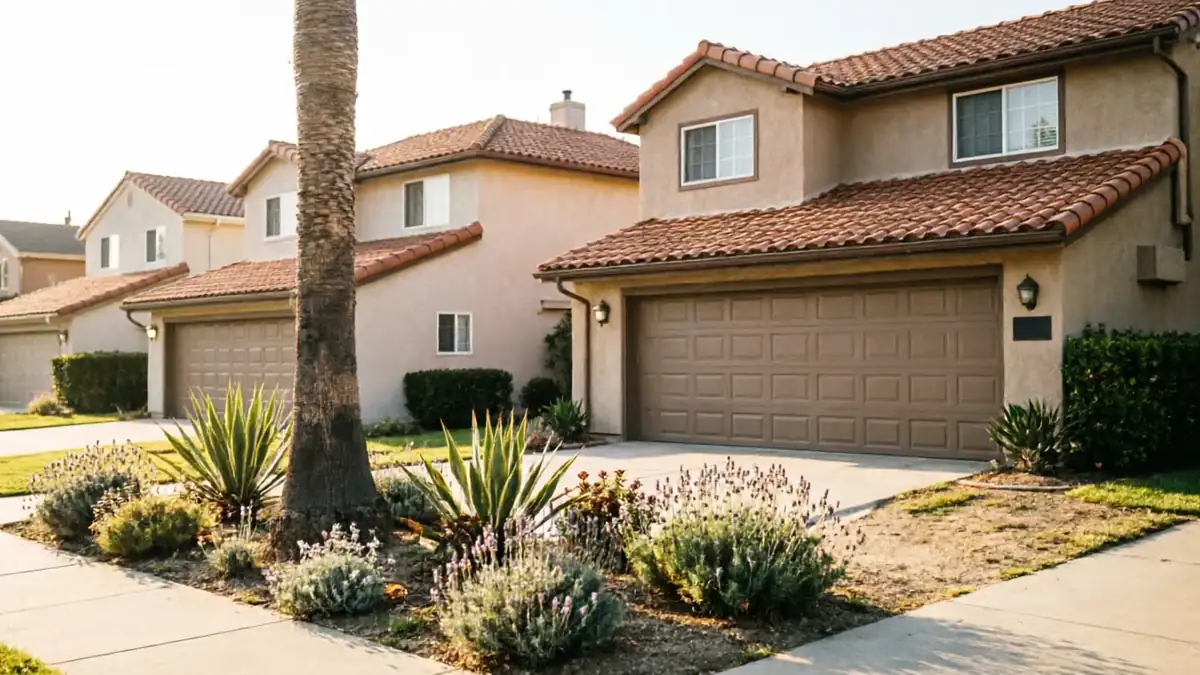
We run this call from Irvine, 18 miles out, so we don't pretend to have a branch around the corner from you. What we do have is a good sense of what's behind your garage wall before we open the panel. Temescal Valley's housing stock is newer than most of the area we cover - median build year 2003, against a median of 1976 for the service area as a whole. That twenty-seven year gap matters more than it sounds like it should. A 1976 house in the older parts of our territory often still has its original mechanical opener, or a replacement from the 90s bolted to the same worn bracket. A 2003 house in Temescal Valley almost never does. You're dealing with a unit that was already required to have a safety reversing sensor and auto-reverse logic when it went in, which changes what actually breaks and how we diagnose it. We're not guessing at your opener's age range when we load the truck - we're building the first visit around it.
Stocked Parts
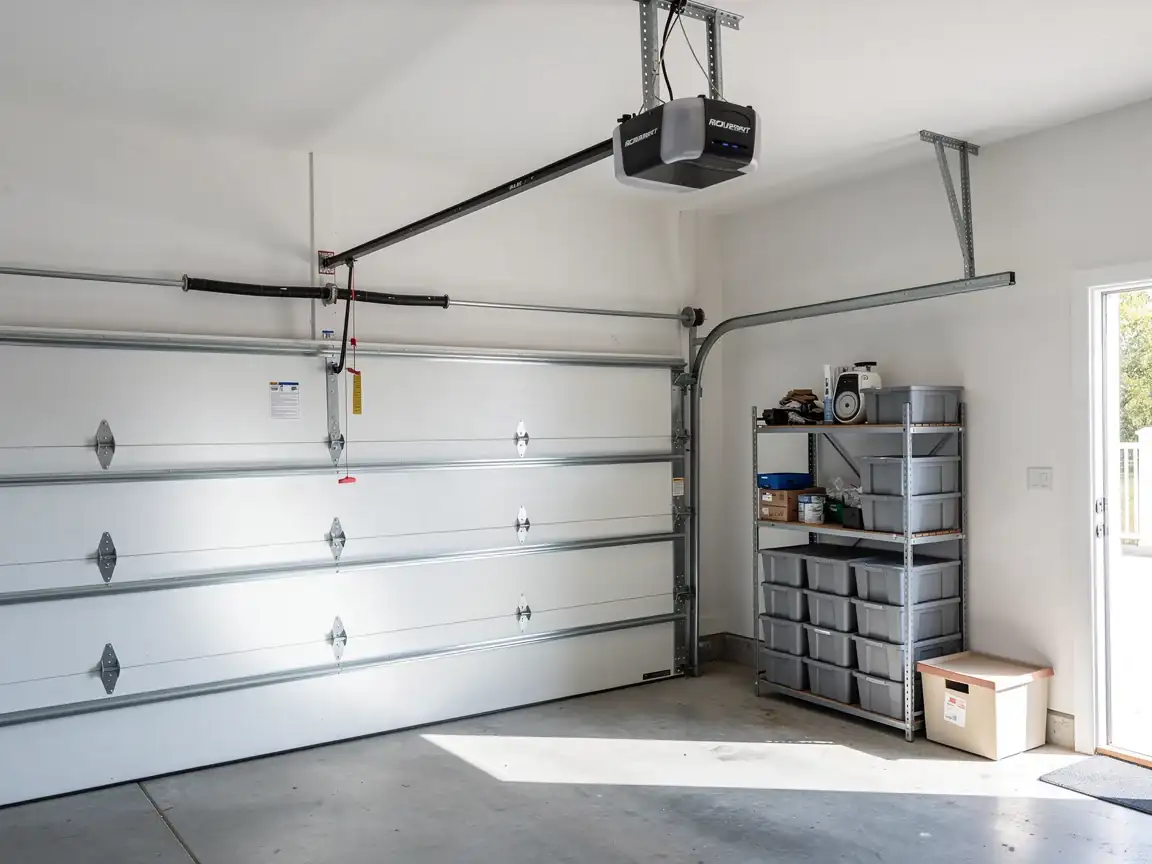
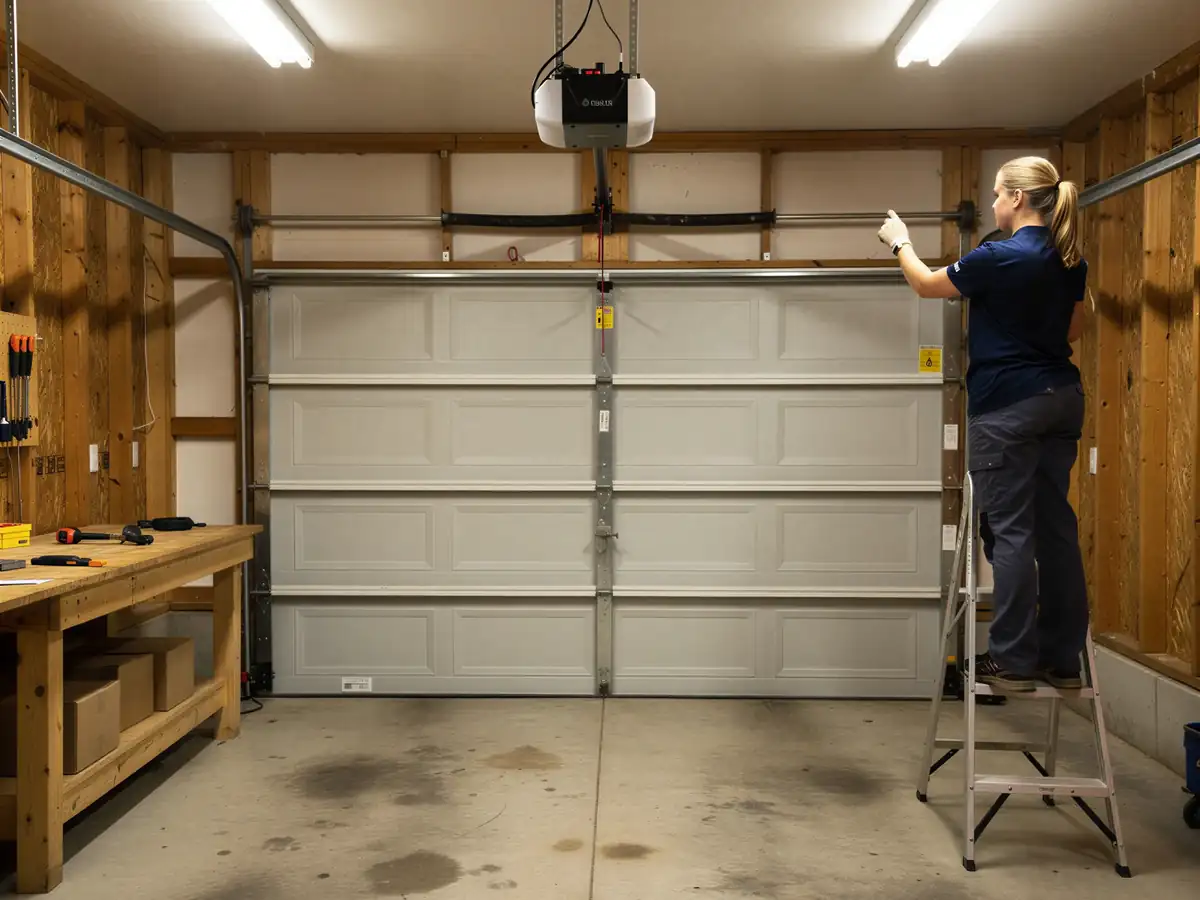
Because the opener generation here skews newer, we carry circuit boards, logic boards, and sensor eyes sized for chain and belt drives from the 2000s onward, along with the wall console and remote learn buttons that match that era. What we don't stock are parts for openers built before the mid-90s safety-sensor mandate - those units are rare in Temescal Valley's housing stock and we'd be carrying dead weight on the truck for a call that almost never comes here. If your opener turns out to be an outlier, older than the neighborhood around it, we may need to order a part rather than pull it off the shelf, and we'll tell you that up front rather than make you wait at the door to find out.
Can You Do This Yourself
Realigning a safety sensor or reprogramming a remote is within reach for most homeowners - the manual that came with a 2003-era opener usually walks you through both. Replacing a circuit board, diagnosing an intermittent short, or working on anything tied to the opener's power circuit is not a weekend project, and we'd rather you call than take the cover off a board you can't troubleshoot. One honest limit on our side: if the opener is old enough or damaged enough that parts aren't available new, we'll say so and talk replacement instead of stringing out a repair that won't hold.
What Causes It Around Here
Temescal Valley sits in the same mild temperate climate band as the rest of the area we serve, so you're not fighting the freeze-thaw cycles or heavy humidity swings that wear out seals and lubricants elsewhere in the country. What we see instead, given the newer housing stock, is wear tied to age and use rather than weather: sensor eyes knocked out of alignment, belt drives stretching after years of cycles, and circuit boards that finally give out after a decade and a half of service. It's a different failure pattern than the older mechanical-opener wear we chase down in the 1970s-built sections of our territory - less rust and seized gearing, more electronics reaching the end of their service life.