Time on the Job
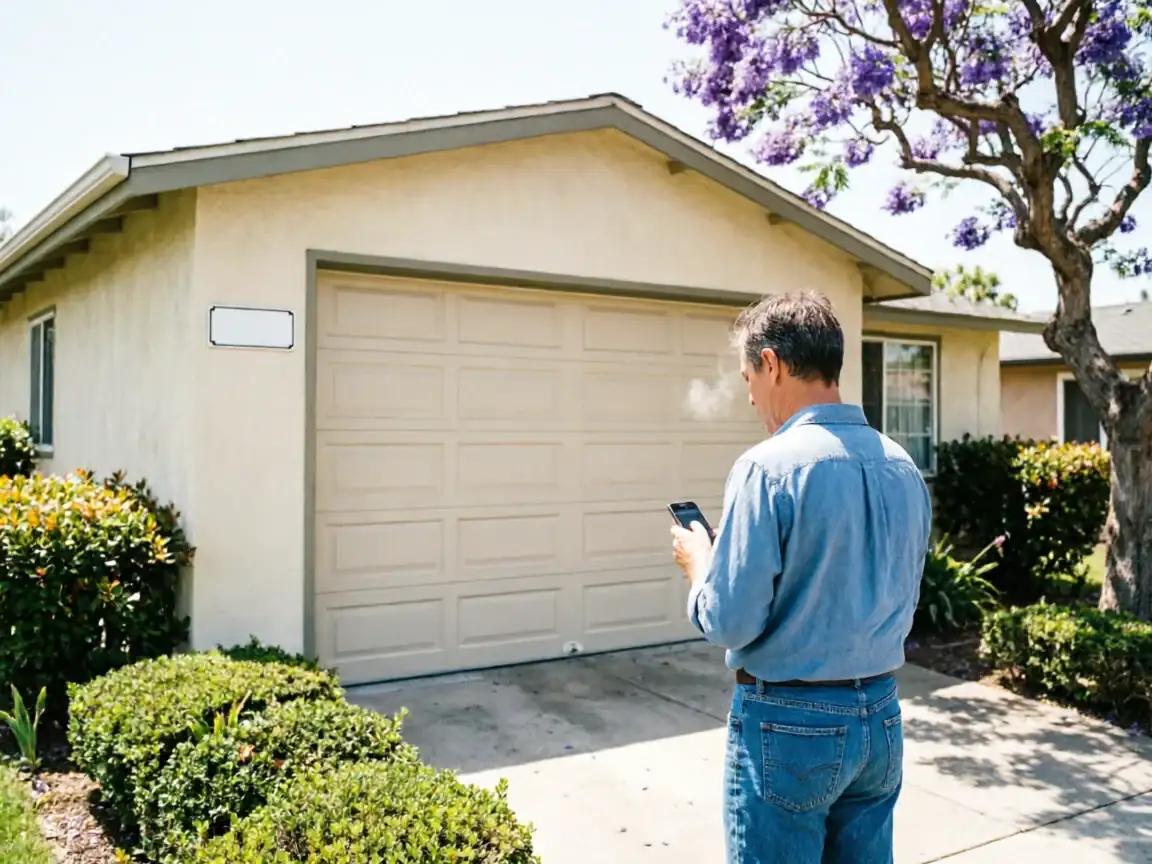
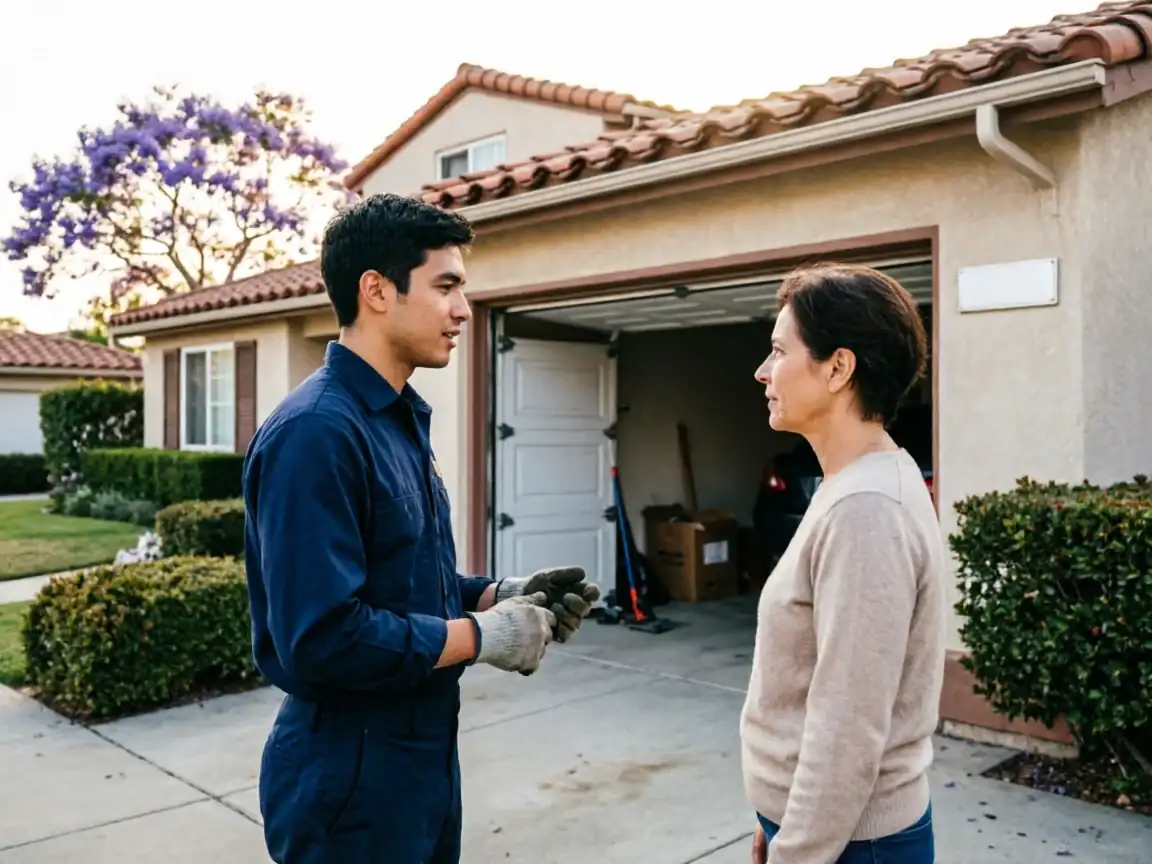
Temescal Valley runs about 9,013 households, which is a fraction of the denser neighborhoods closer to our Irvine shop. That matters for how we plan the day: a broken spring out here isn't a five-minute hop between calls, it's a real drive, roughly 18 miles each way. We don't pretend to have a branch or a depot in Temescal Valley - we don't - so when you call, you're getting a truck that's coming from Irvine, not one that was already idling around the corner. That's the honest version of how this works. We still take the call and still get out there the same day in most cases, but if you're picturing a crew stationed five minutes from your driveway, that's not how this service area is built. We'd rather tell you that up front than let you find out when you're standing in the driveway with a door that won't move.
Stocked Parts
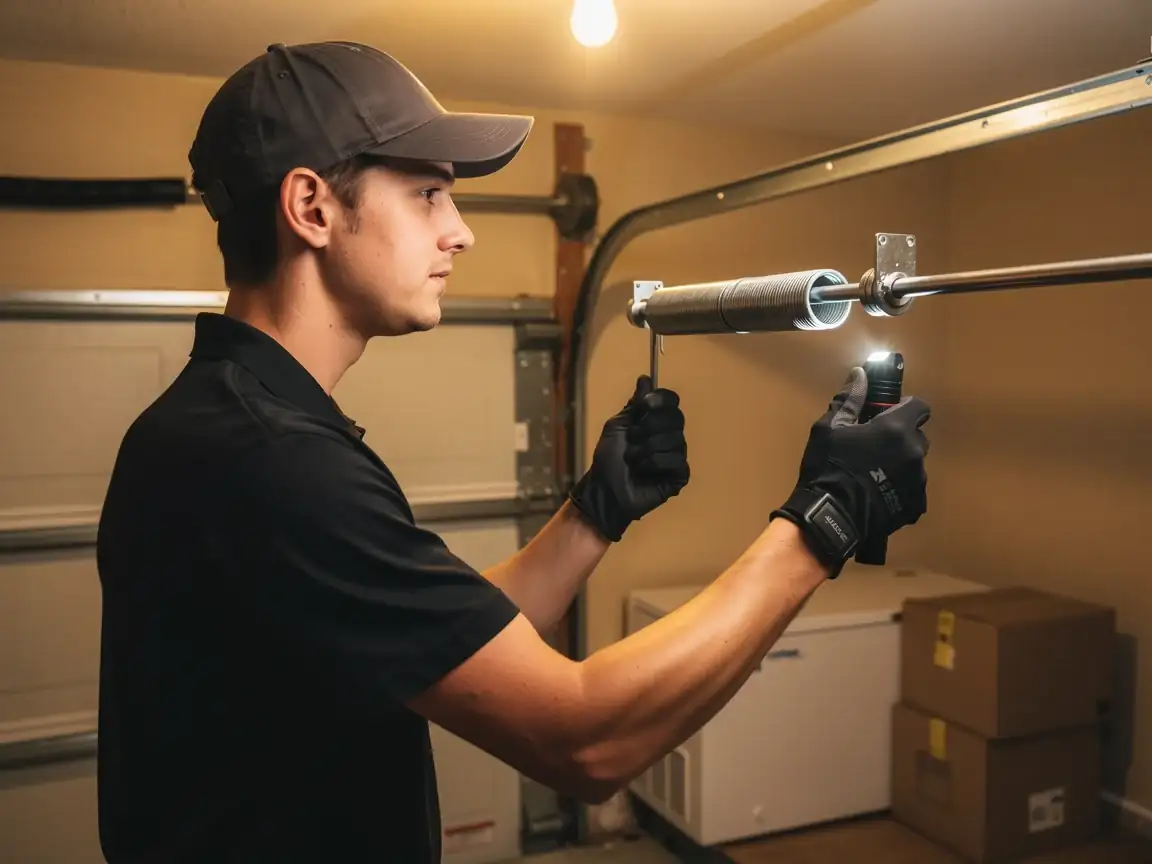
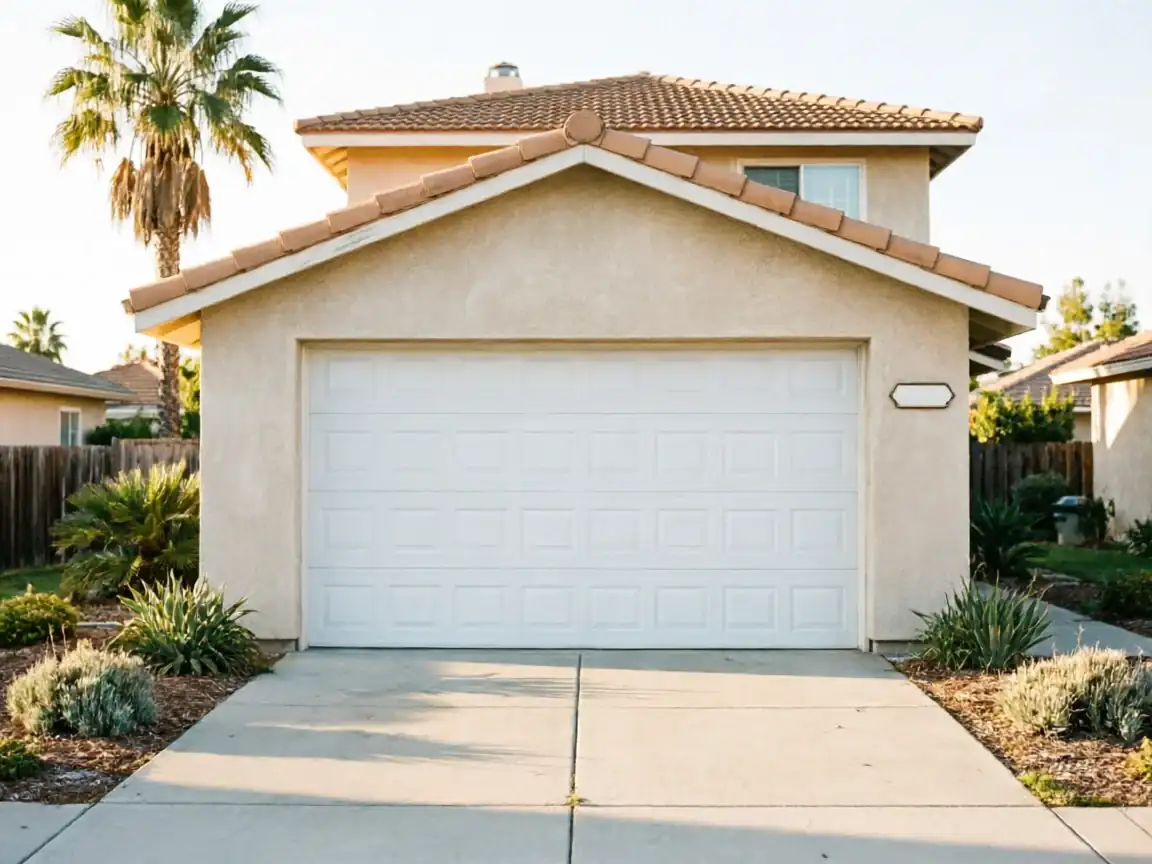
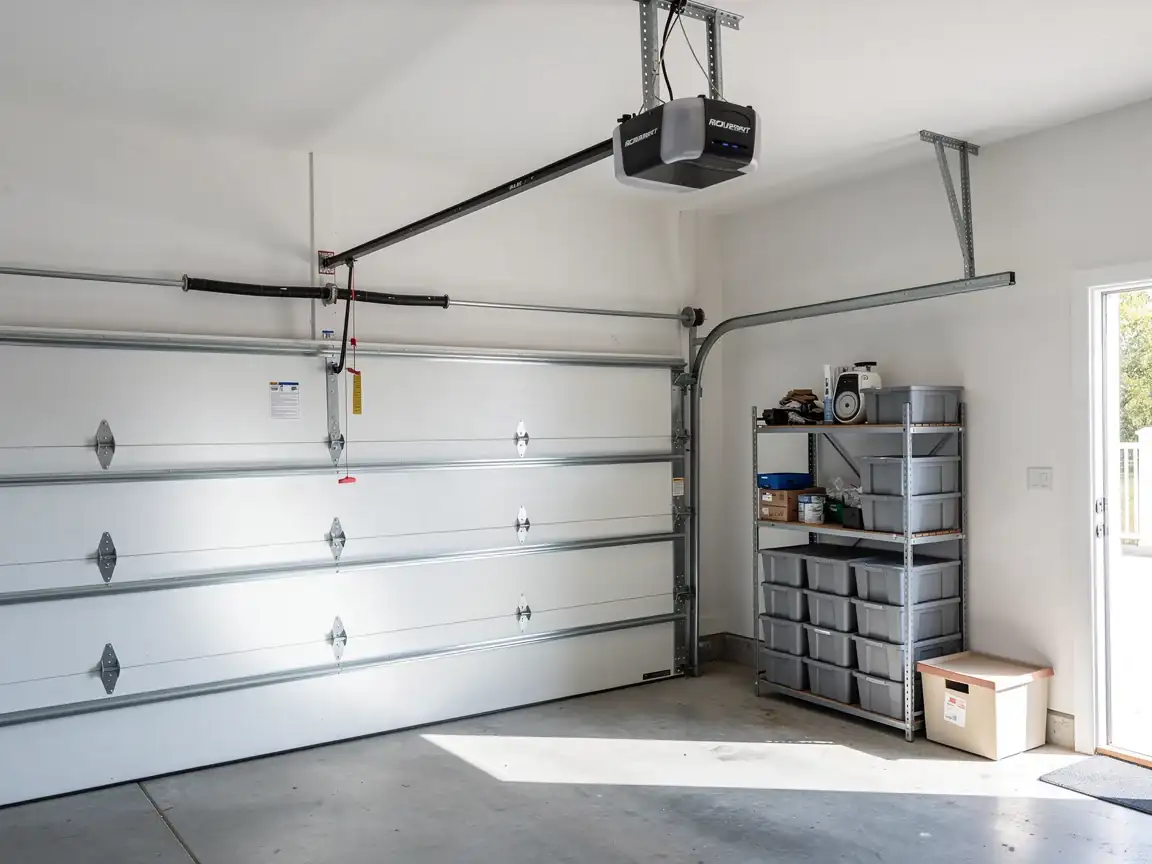
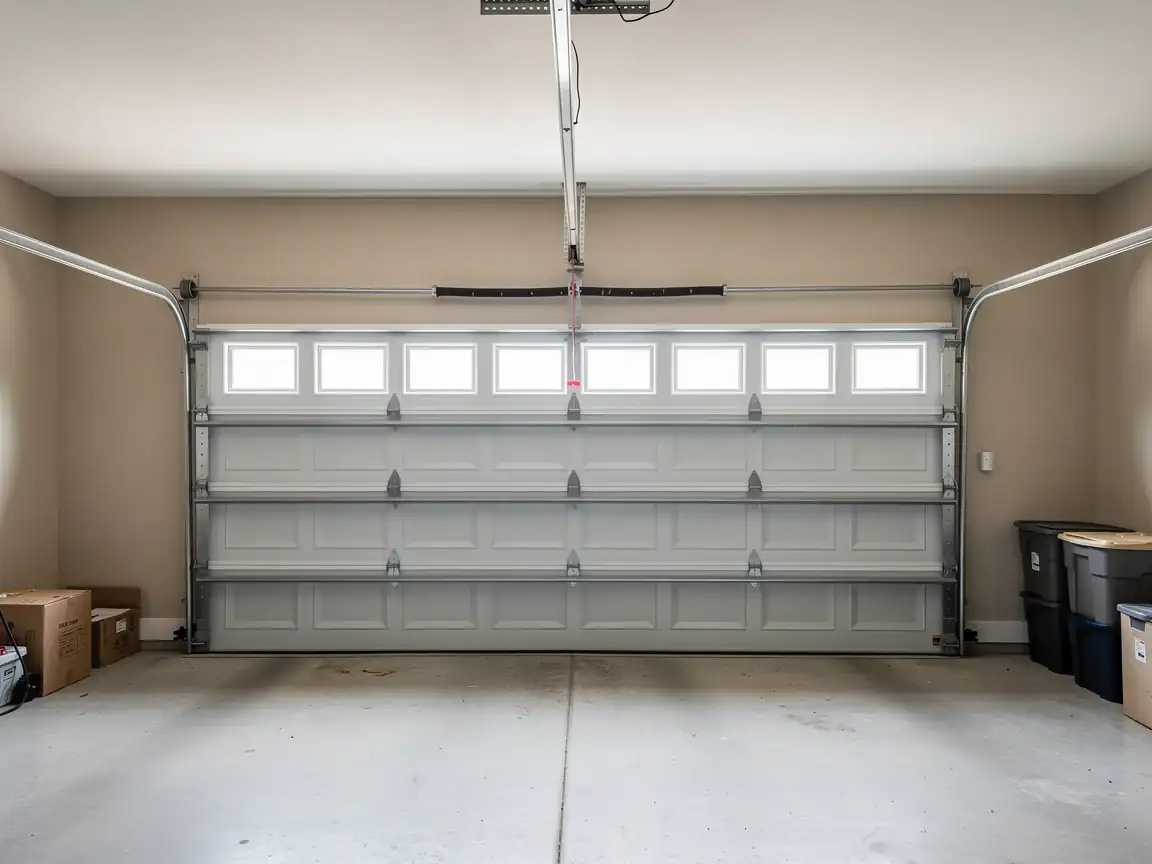
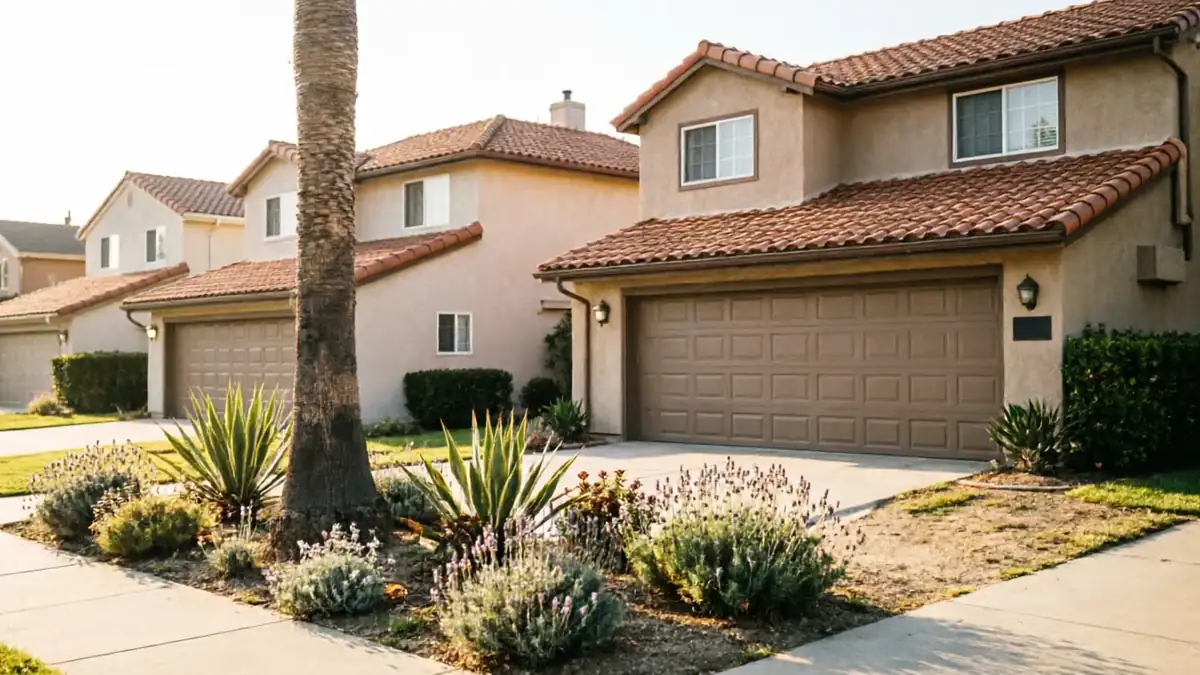
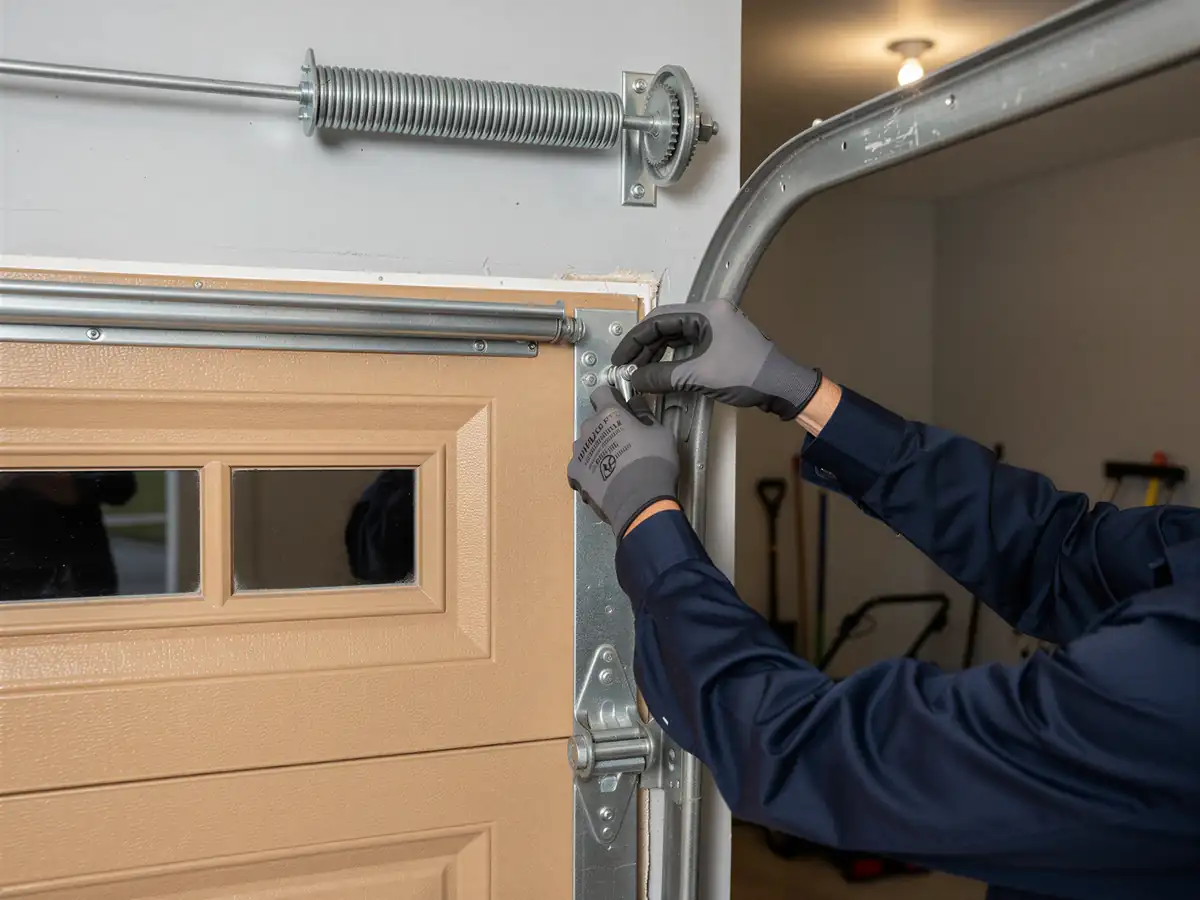
Housing in Temescal Valley skews newer than a lot of what we work on elsewhere in the service area - most of it went up after 2003, well past the older 1960s-70s stock that makes up a lot of the rest of the territory. That means standard torsion springs sized for lighter, newer steel sections, builder-grade openers with circuit boards rather than older relay-driven units, and track hardware that's still holding factory tolerances instead of twenty extra years of sag. We carry the common torsion spring sizes and roller types that fit this generation of door on the truck. What we don't always have on hand is anything custom - a specialty insulated panel or an oddball opener model from a builder package that's been discontinued. If that's what's broken, we'll tell you straight that it's an order, not a same-visit fix.
Can You Do This Yourself
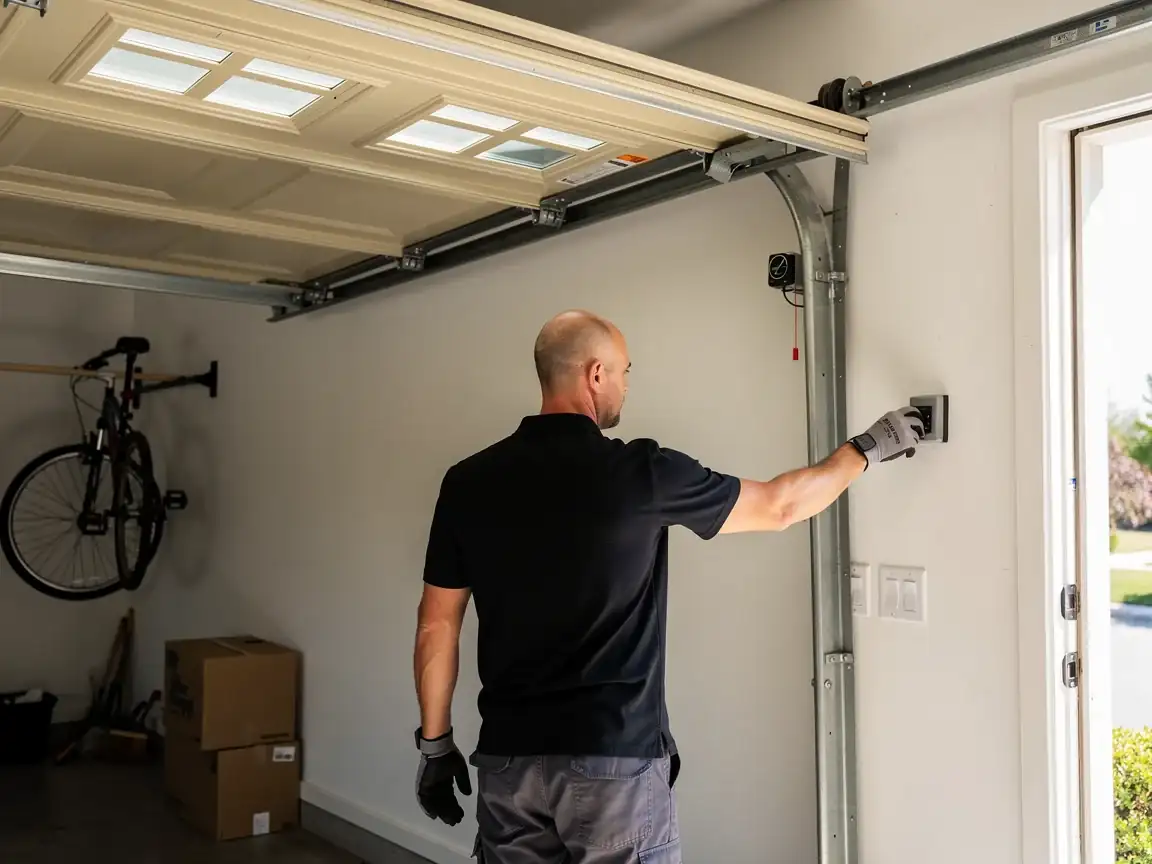
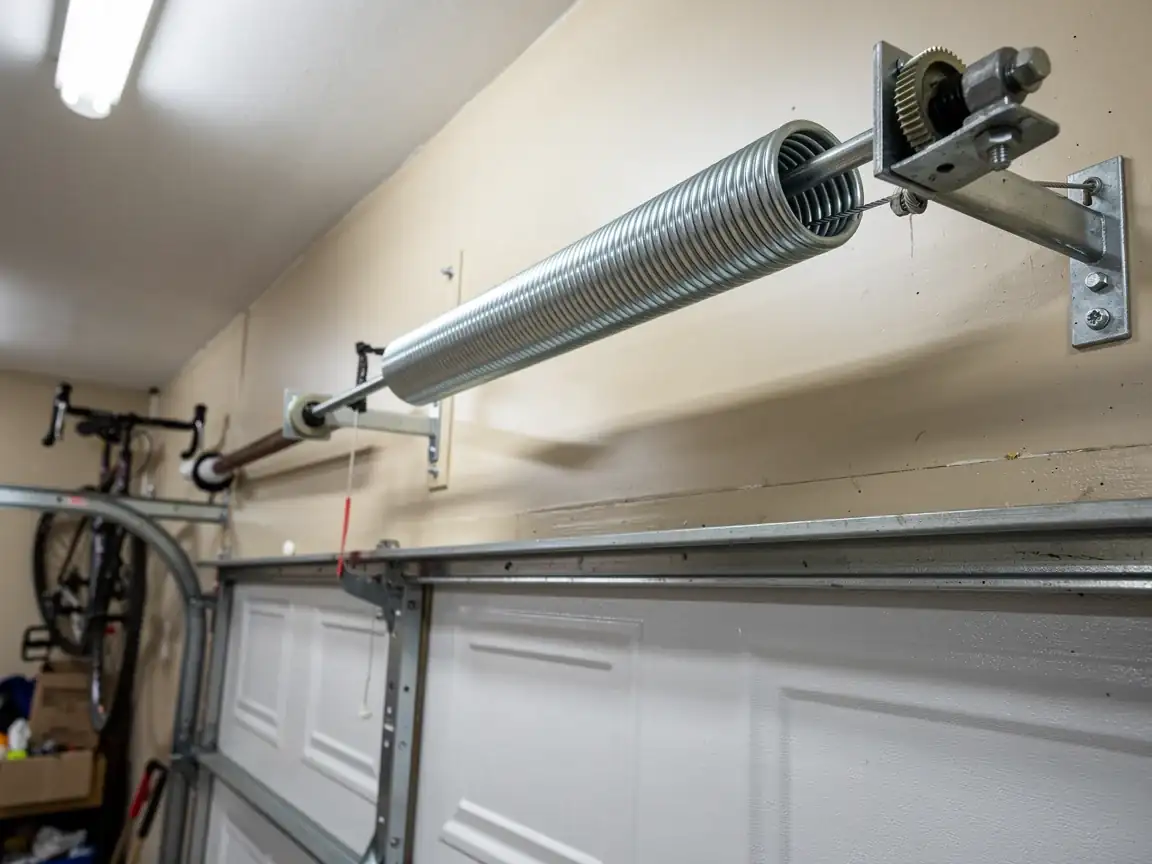
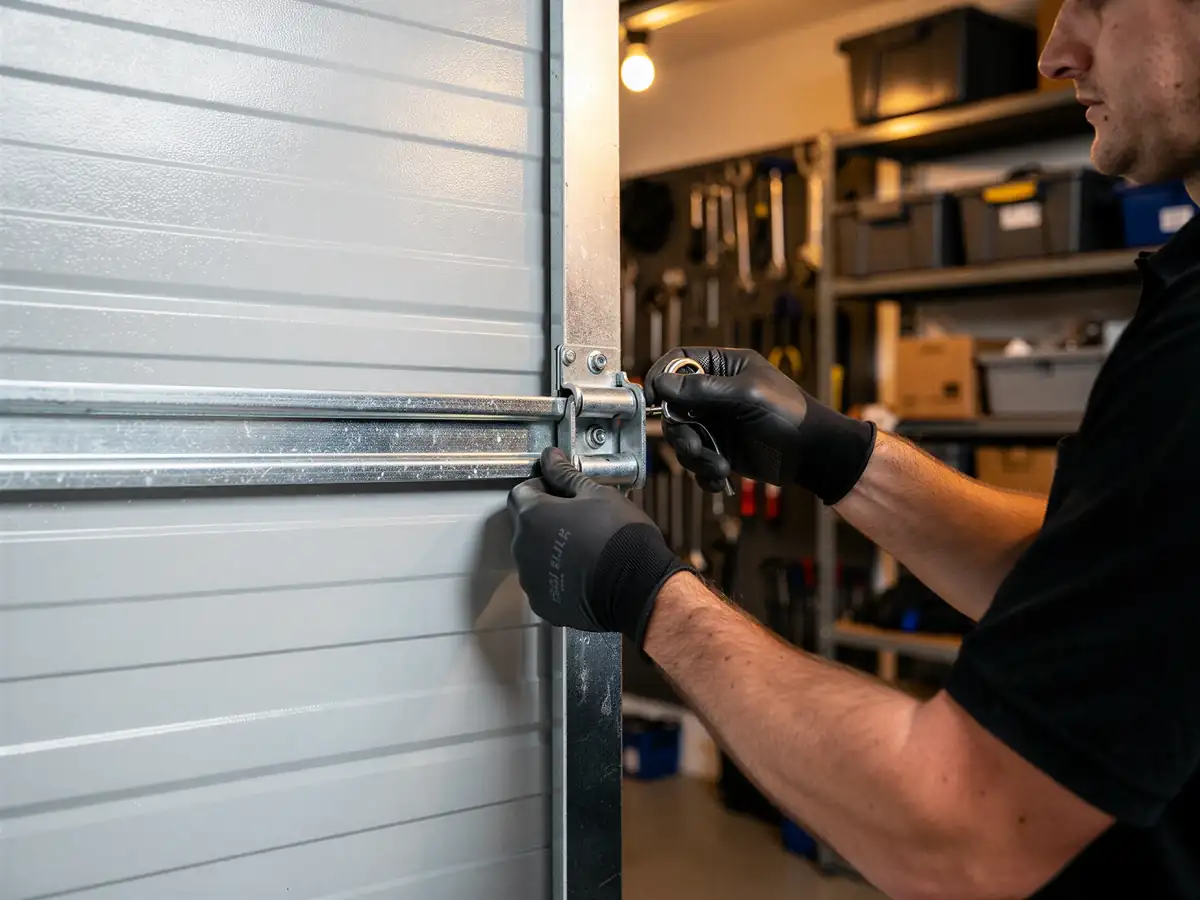
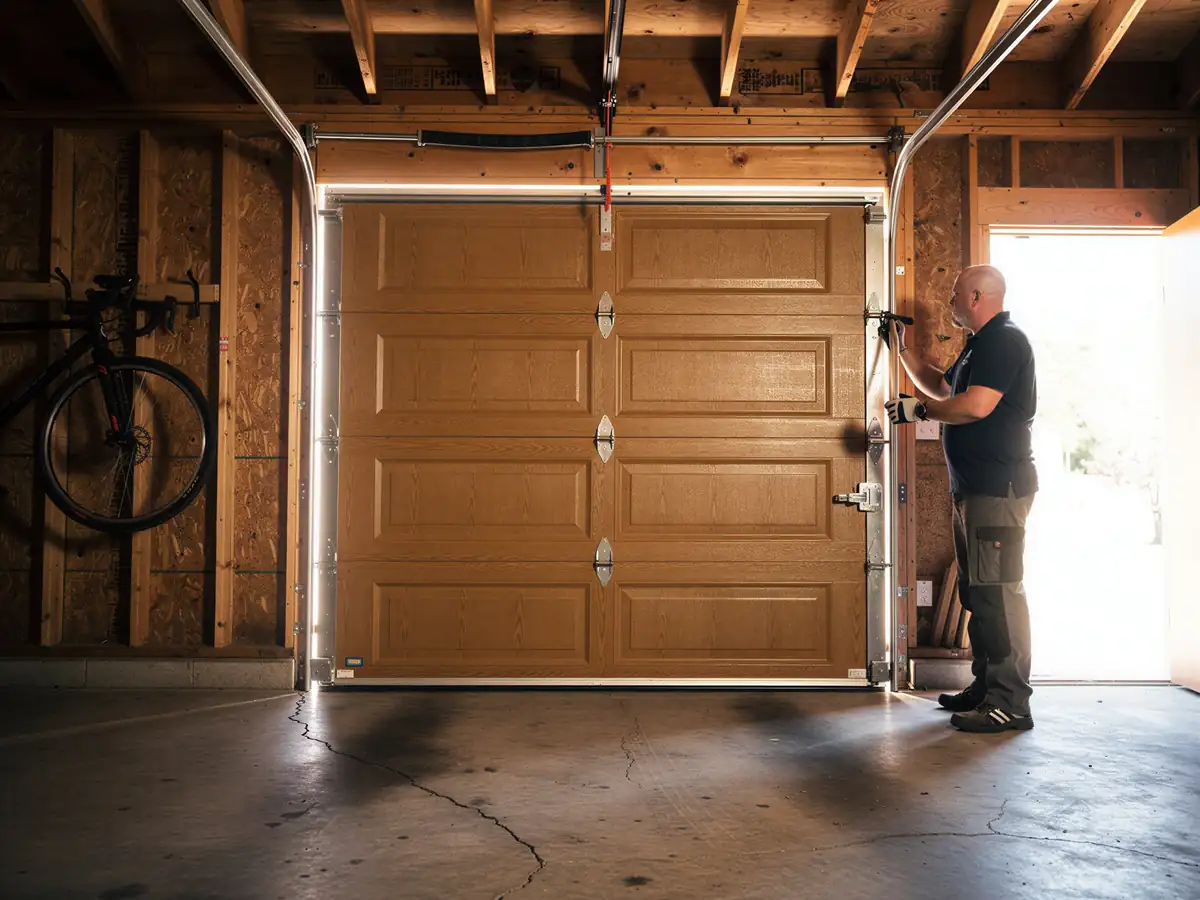
A torsion spring under tension can break a hand or worse - that's not an exaggeration, it's why we don't walk homeowners through spring swaps over the phone. If the problem is a sensor that's knocked out of alignment, or a track with visible debris in it, those are things you can safely look at yourself before calling anyone. If the door won't budge, if you hear a loud bang before it stopped working, or if a cable has come off the drum, leave it alone and call. Newer openers, which is what you'll mostly find on 2003-and-later construction, often have a manual release cord - pulling that to free the door for a night is reasonable. Rewiring the opener's logic board or resetting torsion spring tension is not a homeowner job, and we won't pretend otherwise.
What Causes It Around Here
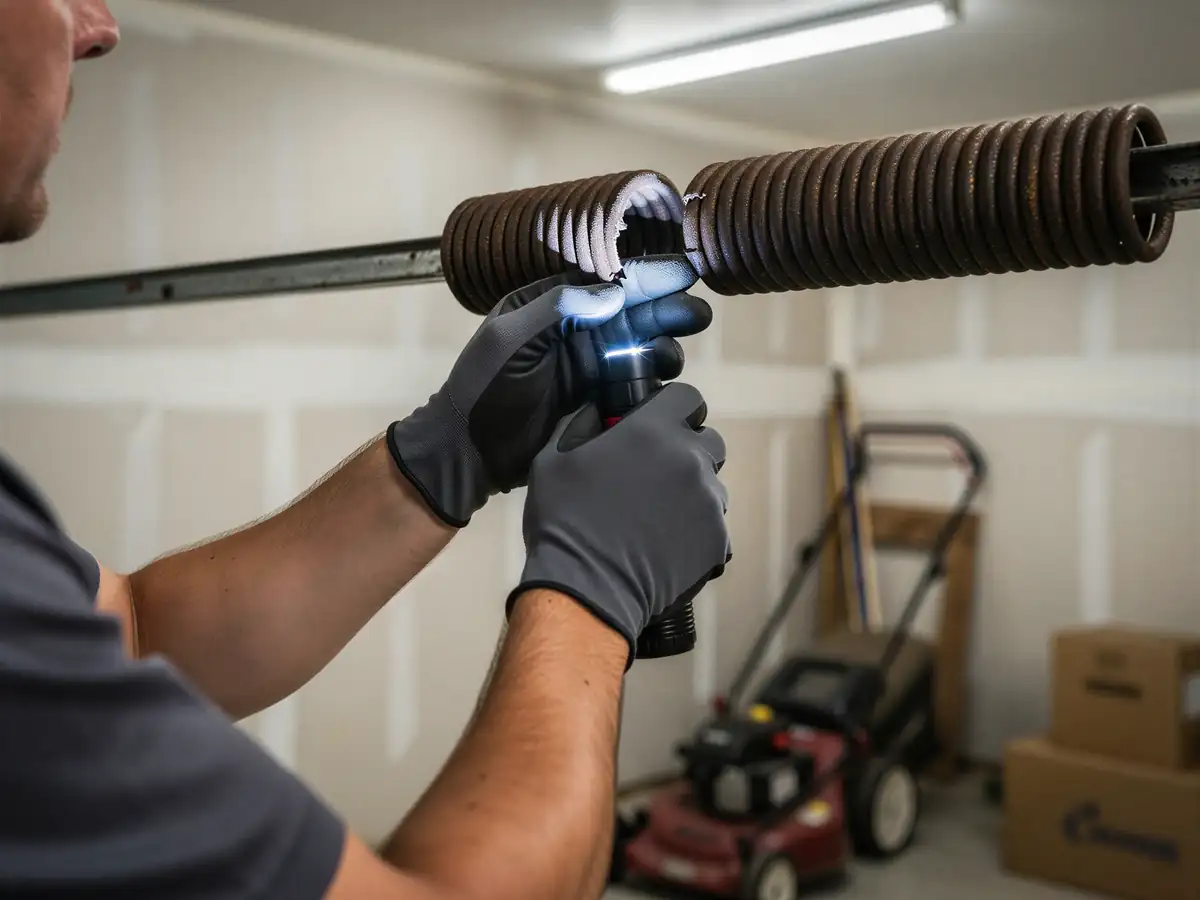
The climate through this part of the service area is mild temperate - no hard freezes, no extreme summer swings that crack panels or seize hardware the way harsher climates do elsewhere. That takes one failure mode off the table, but it doesn't take all of them off. What we do see on 2003-era construction is opener circuit boards reaching the end of their service life right around now, since that generation of builder-installed openers is pushing twenty years old. We also see torsion springs that were sized correctly when the house was new but have simply cycled out their rated number of openings - a spring doesn't care how mild the weather was, it cares how many times it's been wound and released. Compared to the older 1960s-70s stock elsewhere in the territory, Temescal Valley sees fewer rust-and-rot track failures and more electronics and fatigue-cycle failures.