Time on the Job
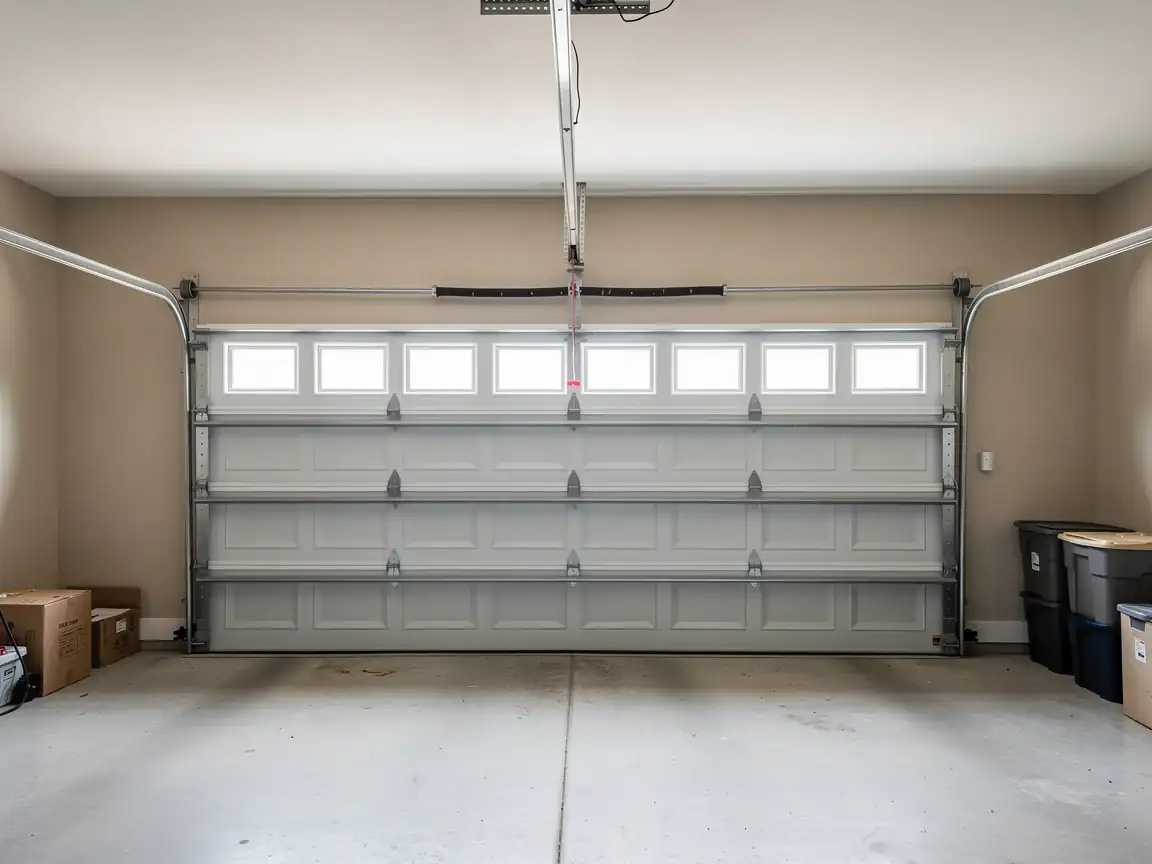
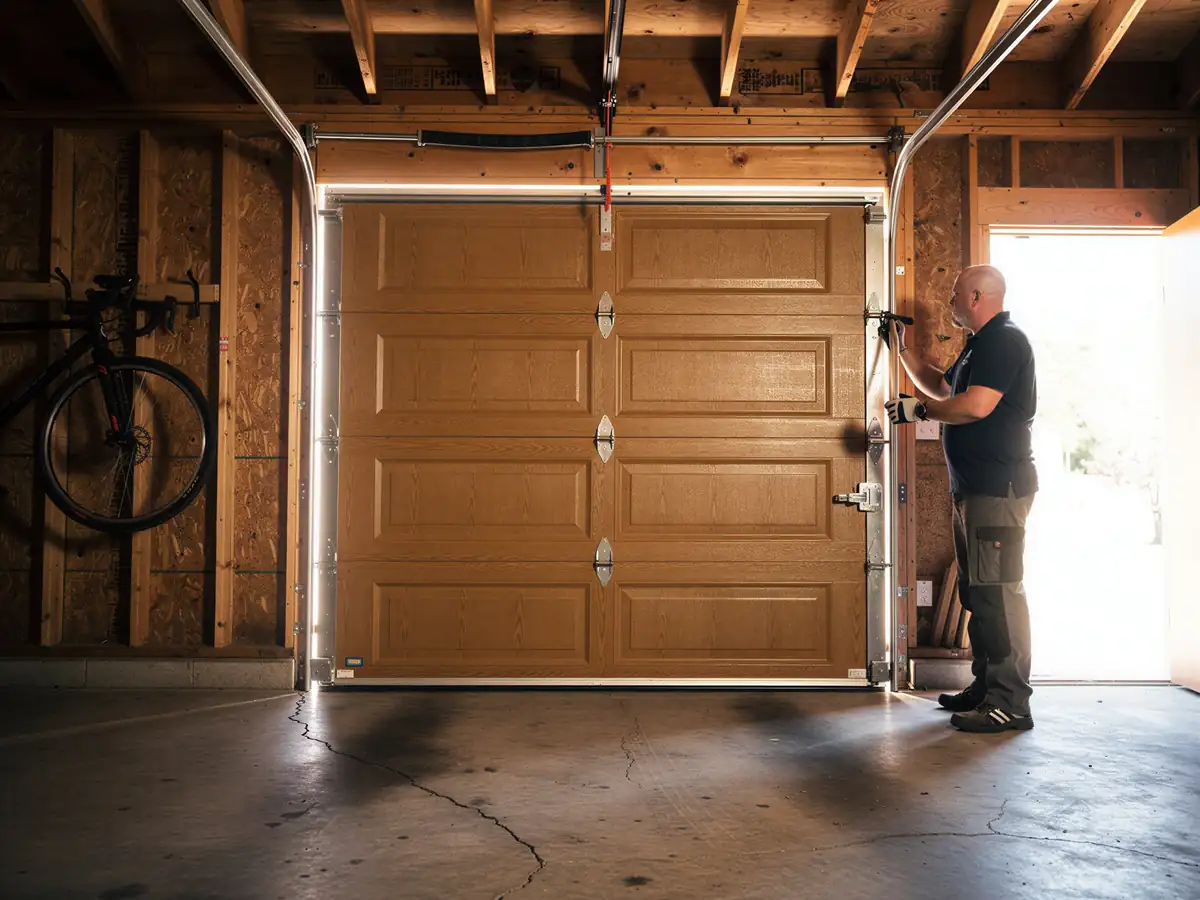
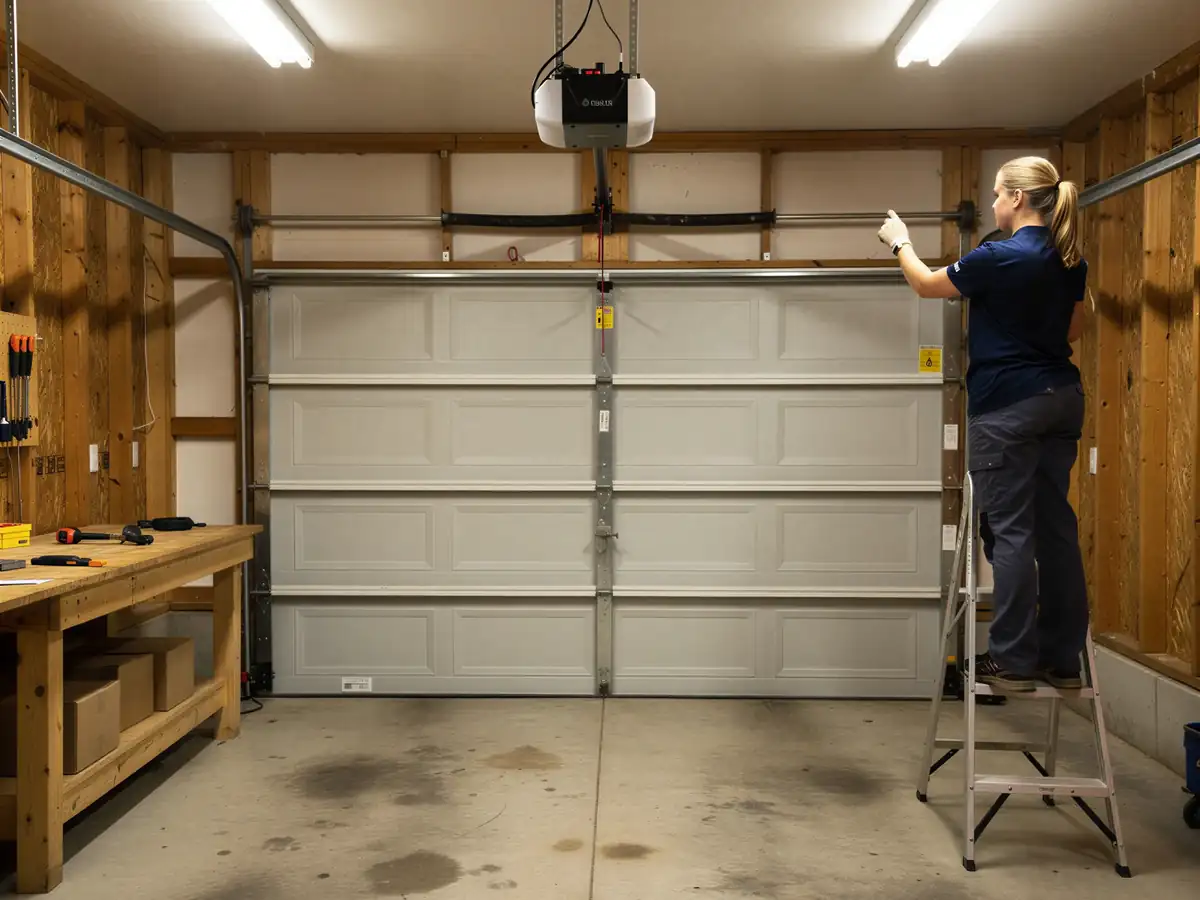
Temescal Valley sits about 18 miles out from our shop in Irvine, which is further than most of the stops on our route. That drive matters for how a cable call actually plays out: we're not dispatching from somewhere nearby, we're loading the truck for a trip. On a highway cable snap, the door usually stays cocked at whatever angle it broke at, hanging unevenly on one side with the other cable still looped on its drum. That's a door we leave alone until we arrive rather than something that gets worse by the hour, so the distance doesn't turn into a bigger repair. We'd rather tell you honestly that you're looking at a same-day slot, not a rush-hour one, than promise a response time we can't back up from across the county. If the cable has come off the drum but the door still closes under its own weight, it's safe to leave parked until we get there. If it's hanging crooked and the opener is still trying to pull it, cut power to the opener at the wall and wait for us.
Stocked Parts
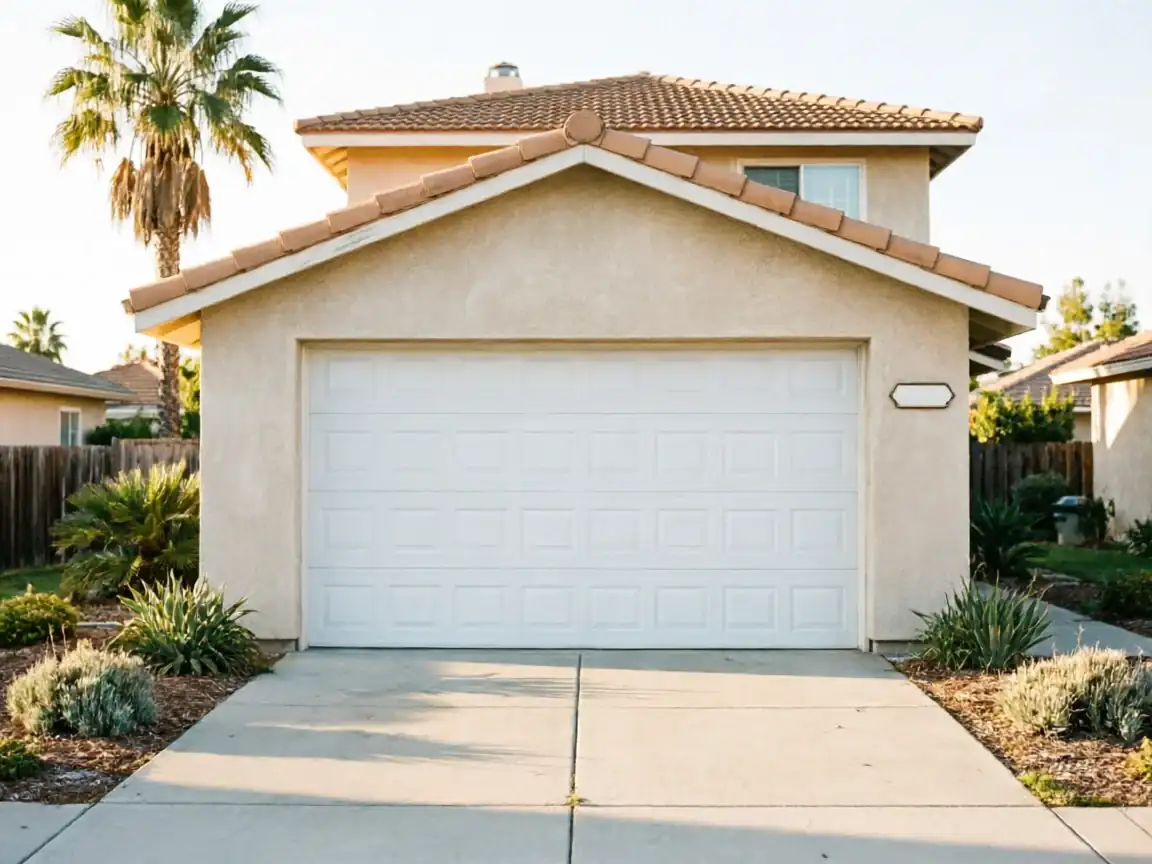
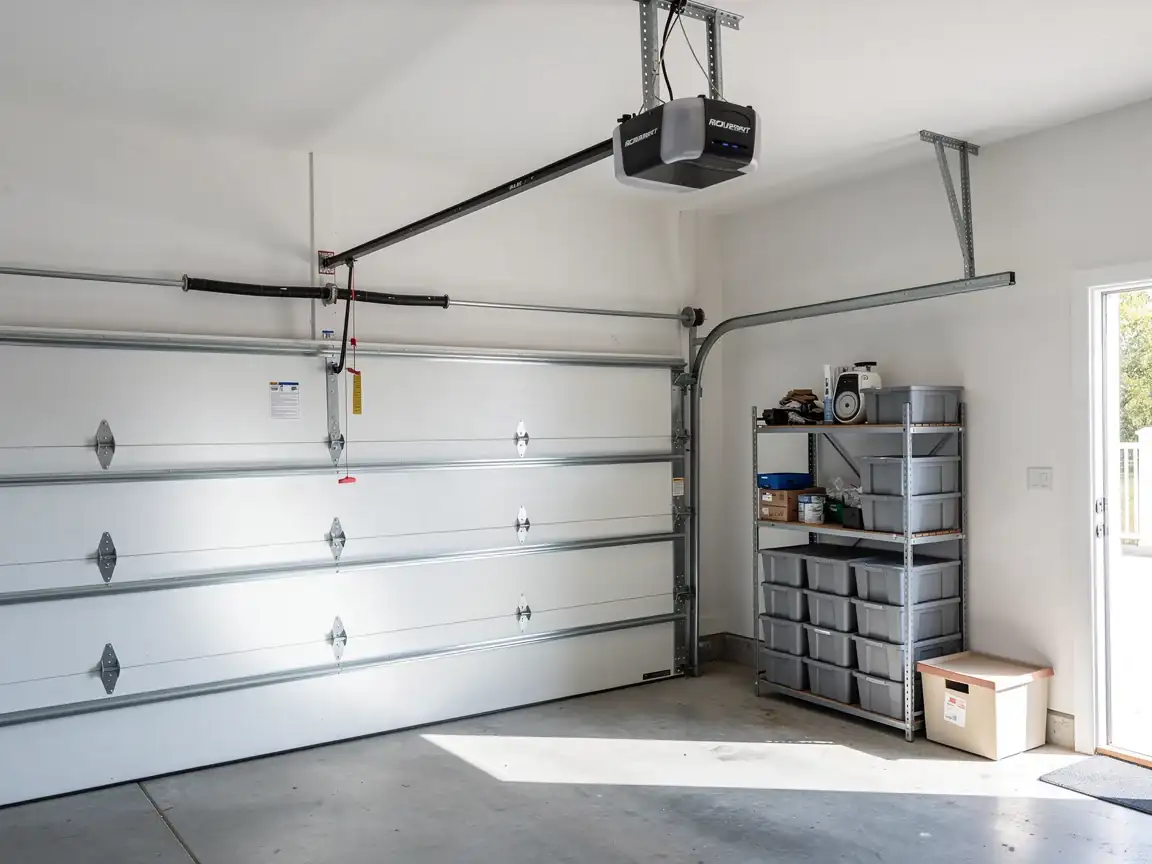
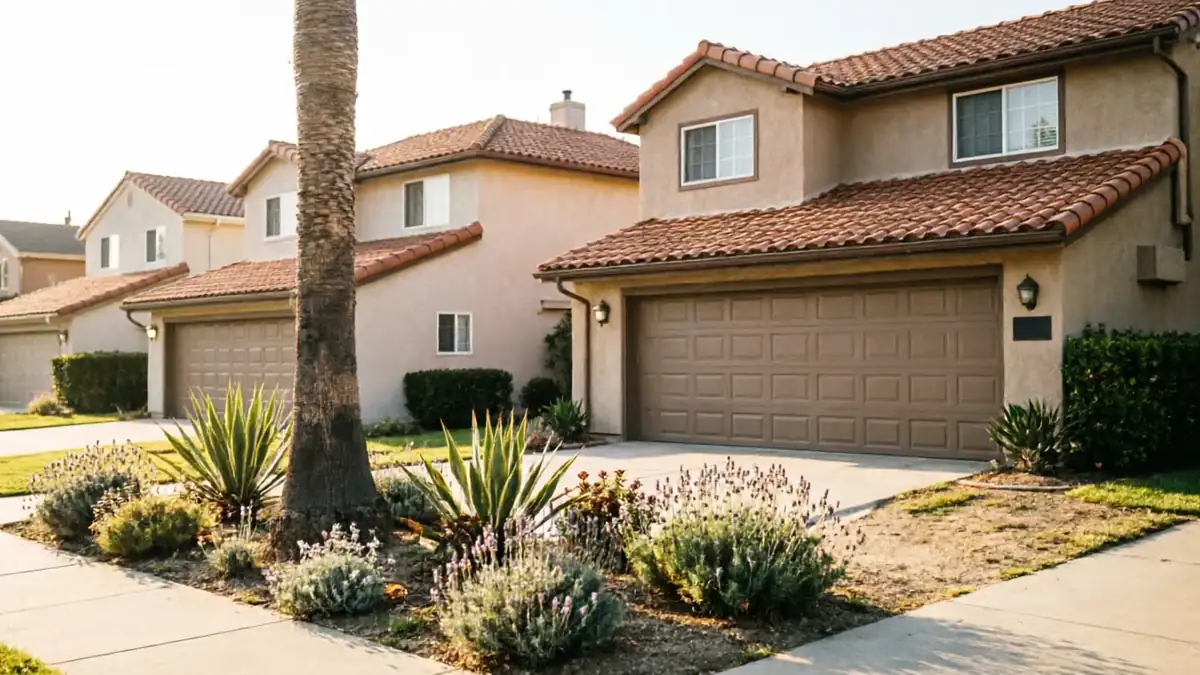
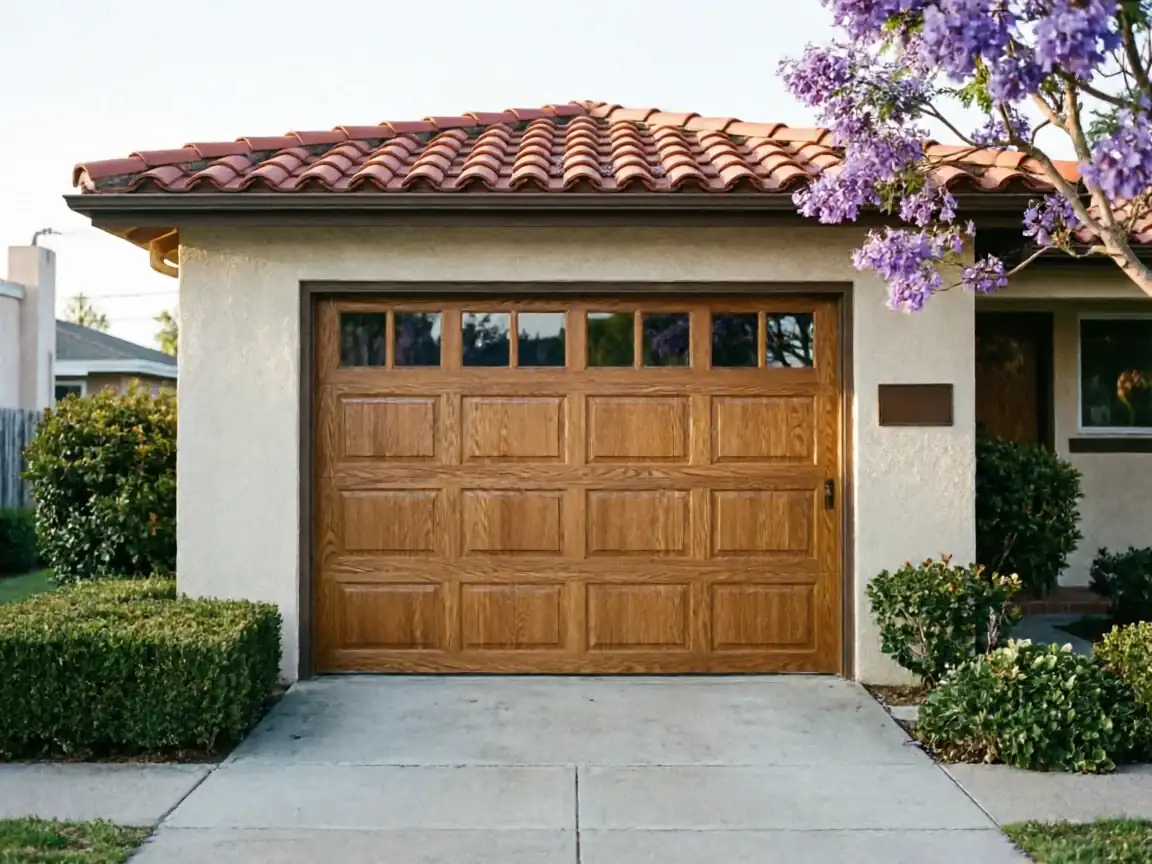
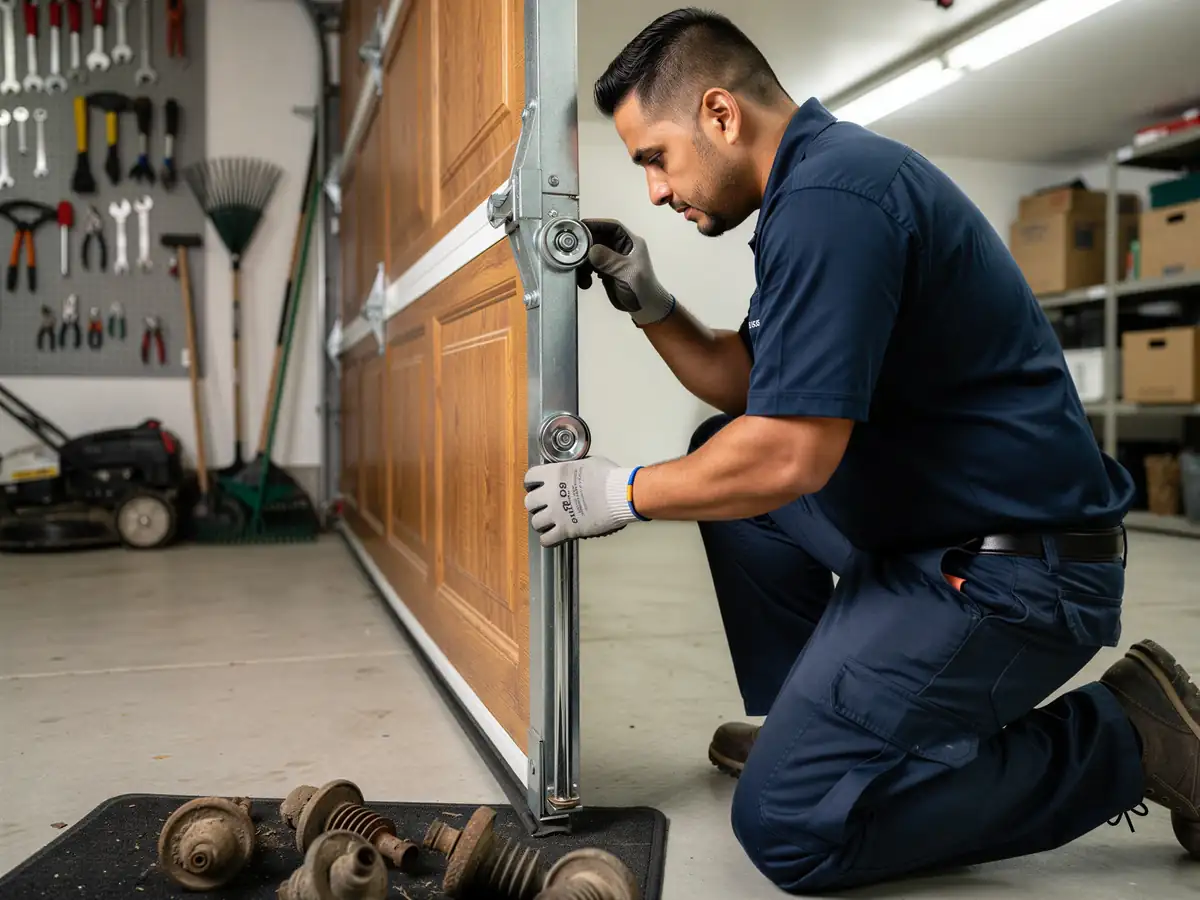
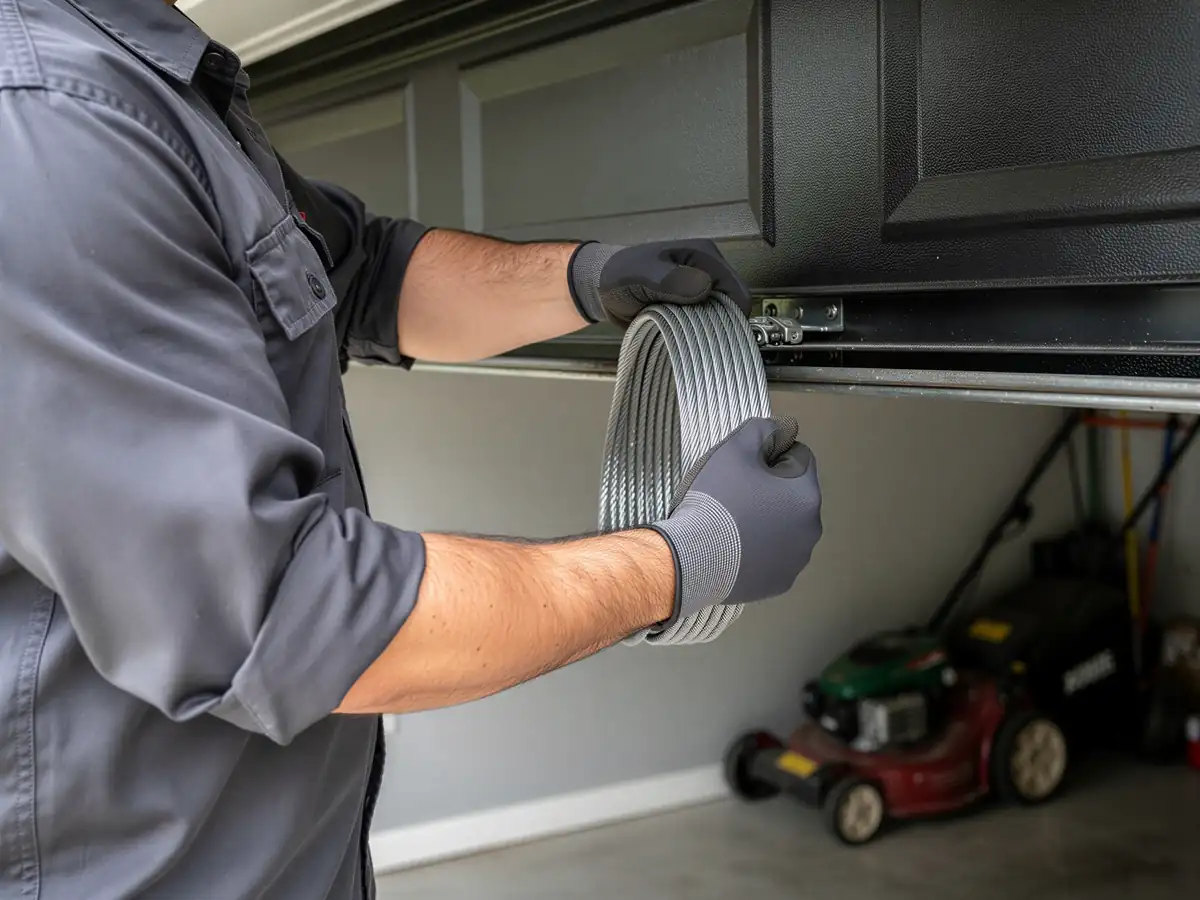
Temescal Valley's housing mostly went up around the early 2000s, newer than a lot of what we service closer to Irvine. That means standard-lift cable drums, galvanized aircraft cable in common gauges, and the drum-and-cable sets that fit torsion springs rated for taller, heavier insulated doors - the kind builders were putting on two-car garages in that era. We carry that hardware on the truck because it's the stock size for doors of this vintage, not something we have to special-order. What we don't carry for a same-day fix is anything custom - a non-standard track radius or a cable sized for an odd-width door that was a builder upgrade. Those jobs we can usually source within a few days, but we'll tell you upfront if that's what we're looking at rather than guess.
Can You Do This Yourself
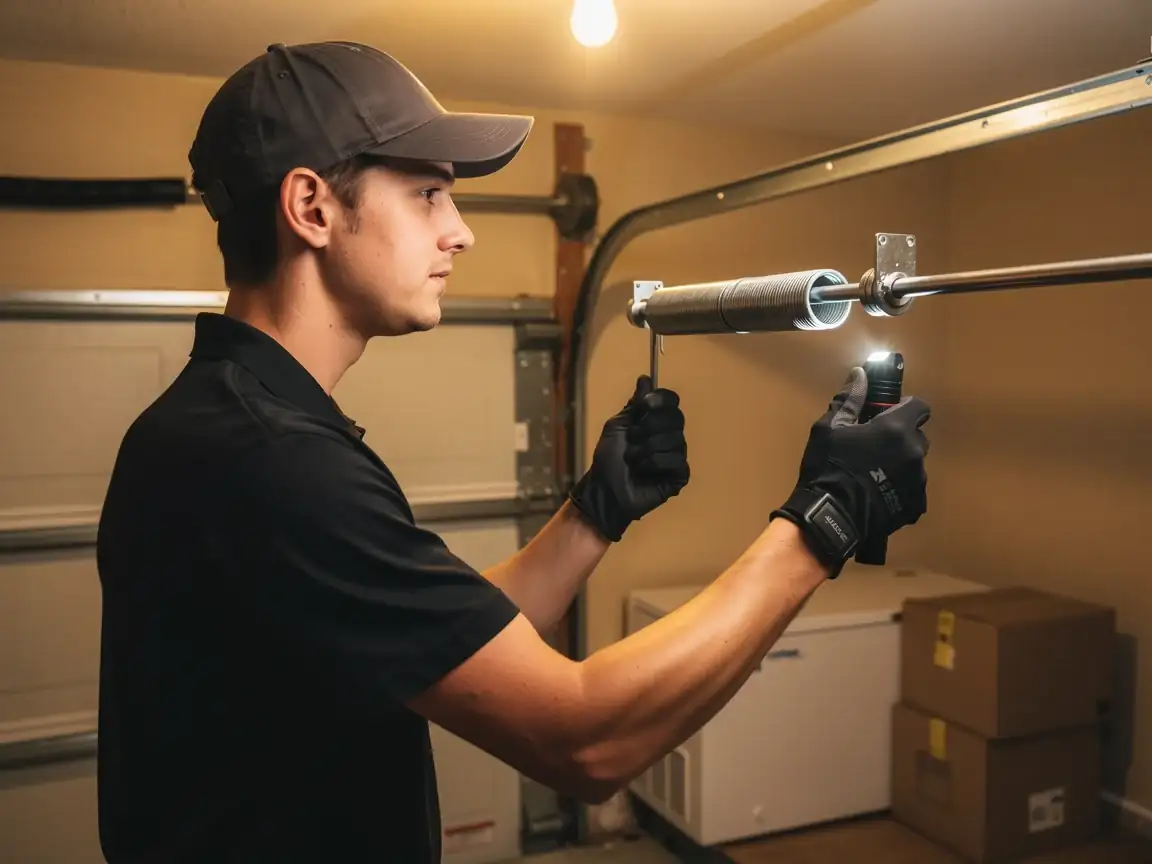
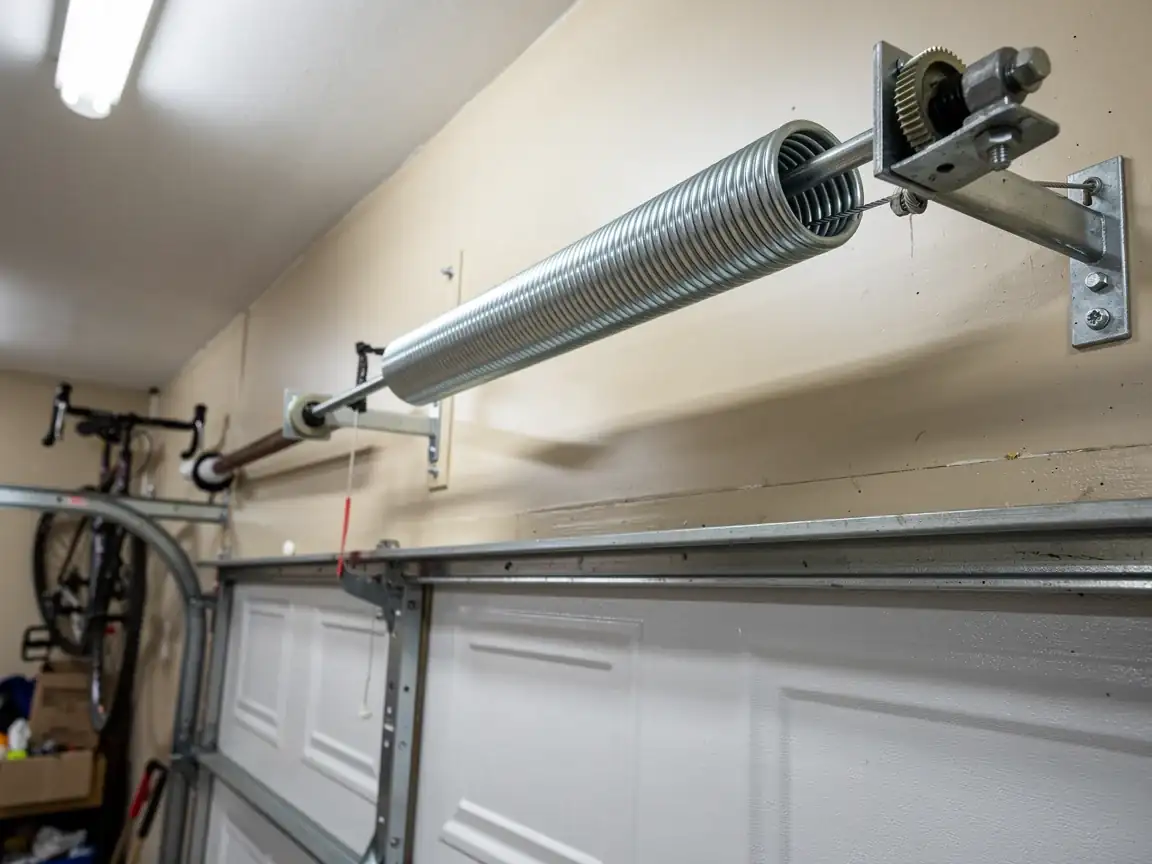
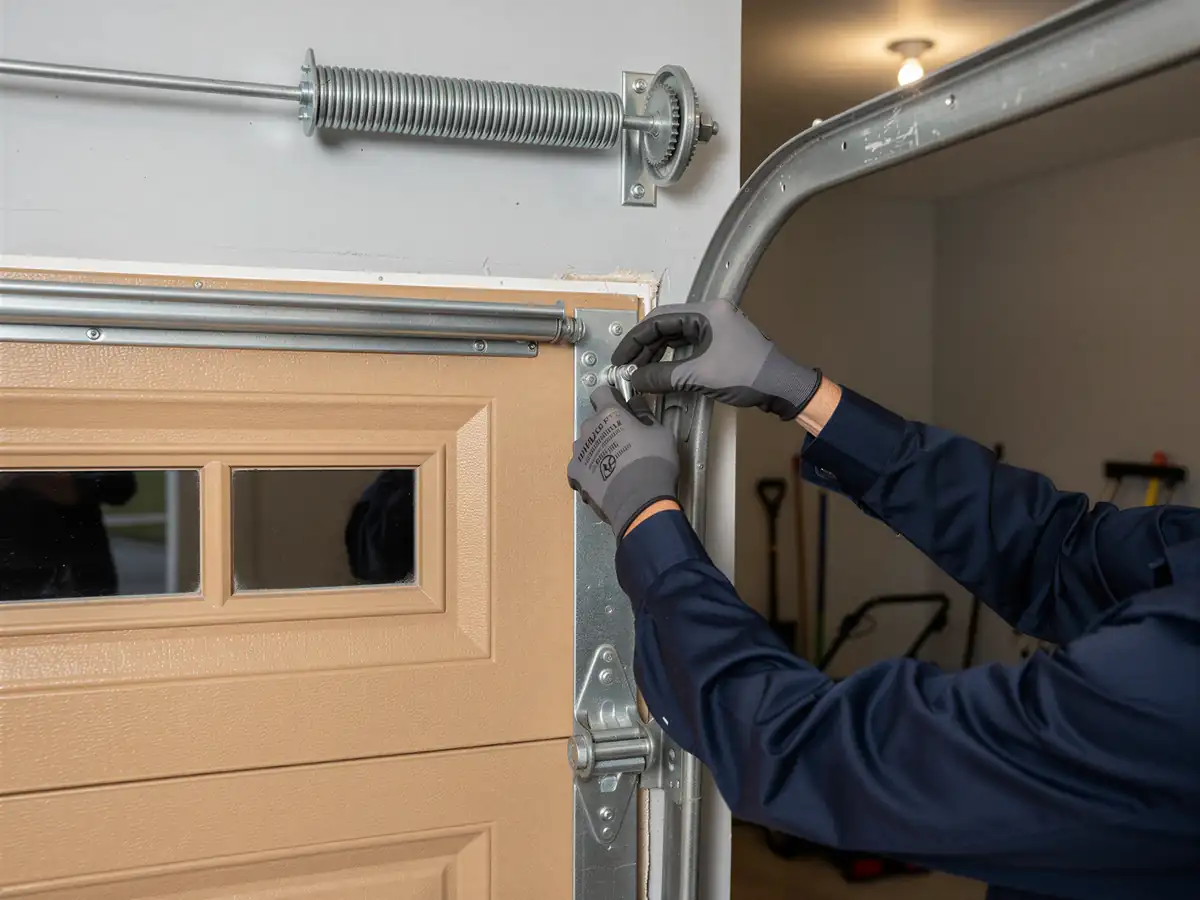
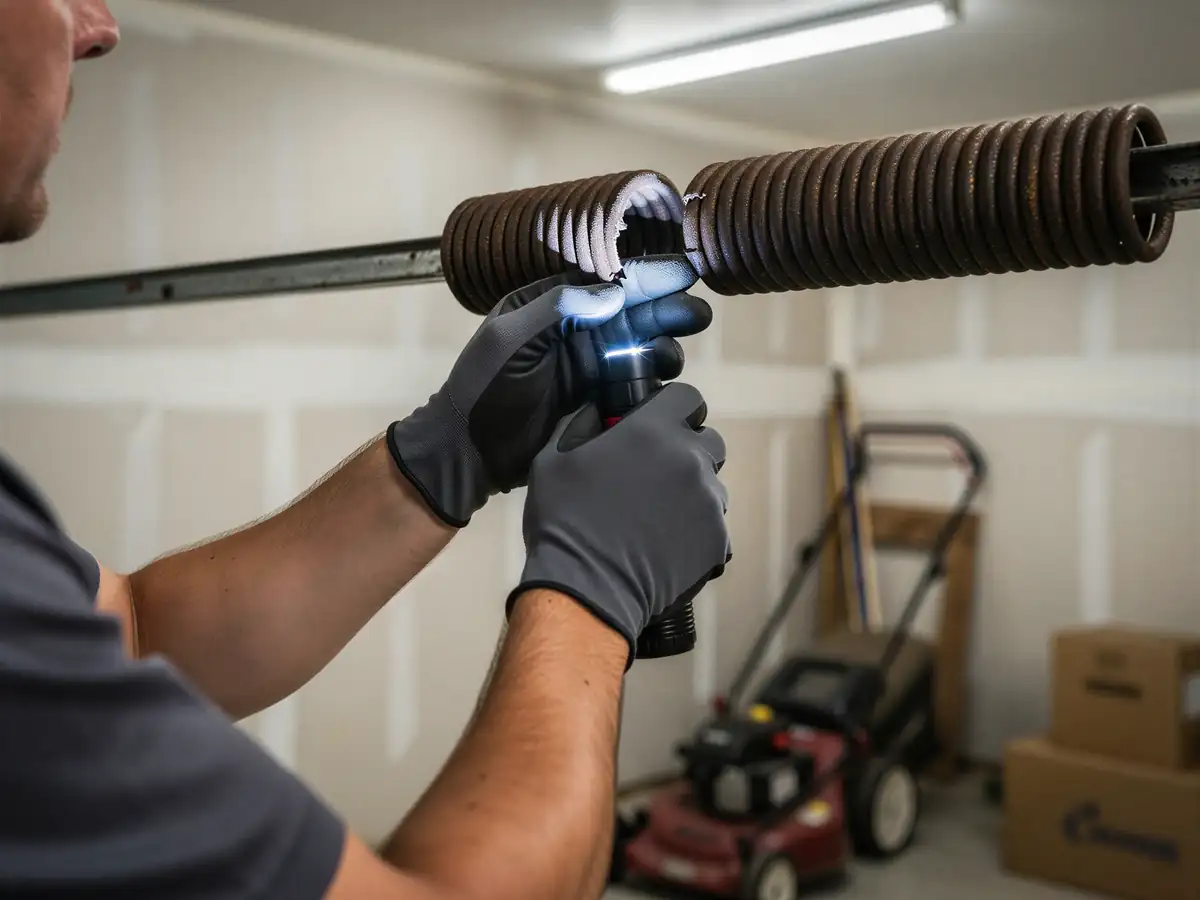
A torsion cable is wound under the same spring tension that makes a broken spring dangerous - the cable is just the part that's visible when it lets go. Even on a newer door with factory-fresh hardware, winding a replacement cable onto a loaded drum without the right winding bars and a way to hold tension is how people lose fingers or get hit by a drum that spins loose. If the door is off its tracks or leaning because only one cable held, don't try to force it back square yourself; the panel can bind and bend worse than the original cable failure. The one thing you can safely do is kill power to the opener and keep the door down and closed until a tech looks at it. Past that, this is not a weekend fix, and we'll say that plainly even though it costs us nothing to let you try.
What Causes It Around Here
With most Temescal Valley garages dating to the early 2000s, the cables failing now are mostly original factory cable at close to two decades of cycling - that's roughly the point where galvanized strands start fraying at the drum end even without any one dramatic event. We're not dealing with the older single-car, lightweight-door stock you find in some of the areas we also cover; these are heavier insulated double doors on standard-lift hardware, so when a cable does let go, both springs are usually still carrying real load and the door drops unevenly rather than crashing straight down. Mild coastal-influenced temperate conditions out this way mean we're not chasing the ice-and-expansion failures some regions deal with - it's wear, not weather, driving most of these calls.