The Cost of This Job
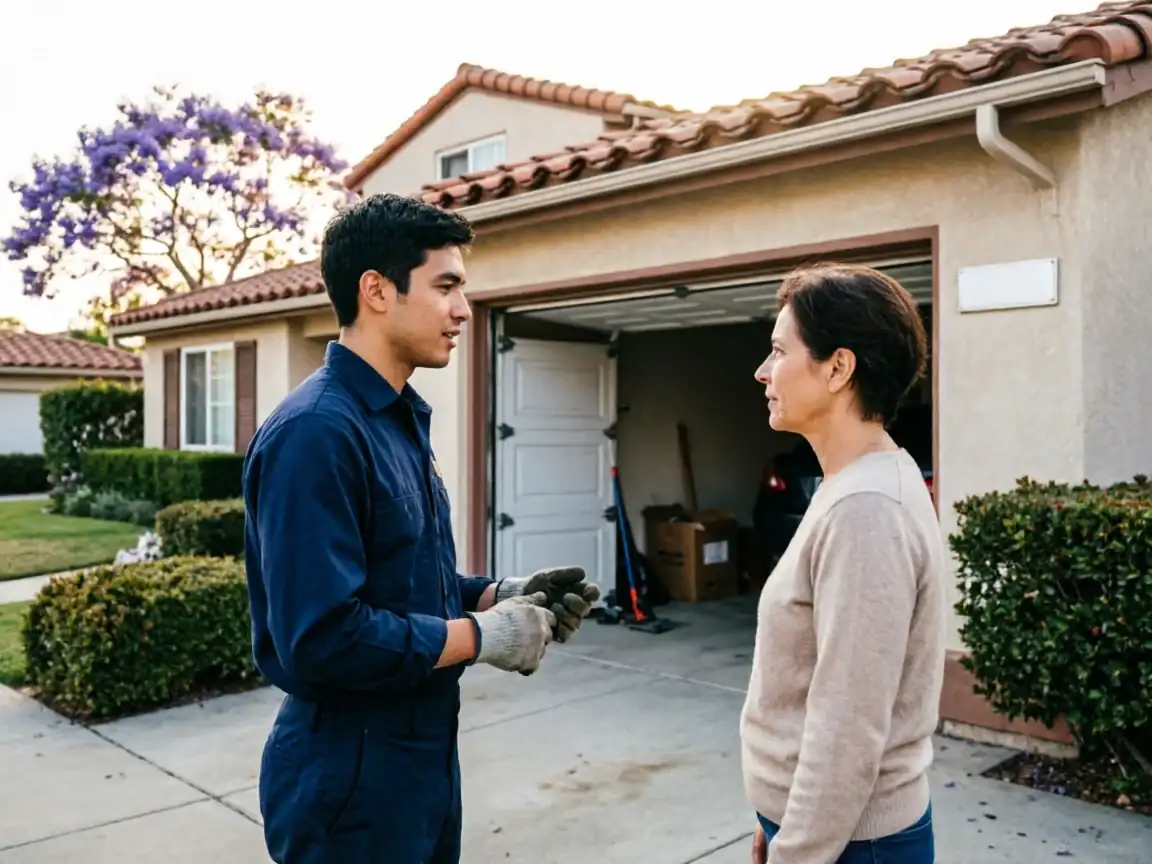
North Tustin's median household income runs $186,250, well above the $124,167 median across the rest of the service area we cover out of Irvine. That matters for how we talk about a repair call here. At that income level, a lot of owners could write a check for full replacement without blinking, but that doesn't mean replacement is the right call every time. A broken torsion spring, a bent track, or a worn cable on an otherwise sound door is almost always a repair, not a teardown, regardless of what's in the bank account. Where the line actually moves is on openers and on doors with multiple failures stacking up at once - cracked panels plus a dead opener plus hardware that's rusted through. At that point, paying to fix each piece separately on an older door often costs more than one new system, and we'll say so plainly instead of running up a bill in stages. We don't pad a repair invoice to match what a neighborhood can afford. The job gets priced on the parts and labor it actually takes, whether that's a $40 roller swap or a full spring and cable replacement.
What Causes It Around Here
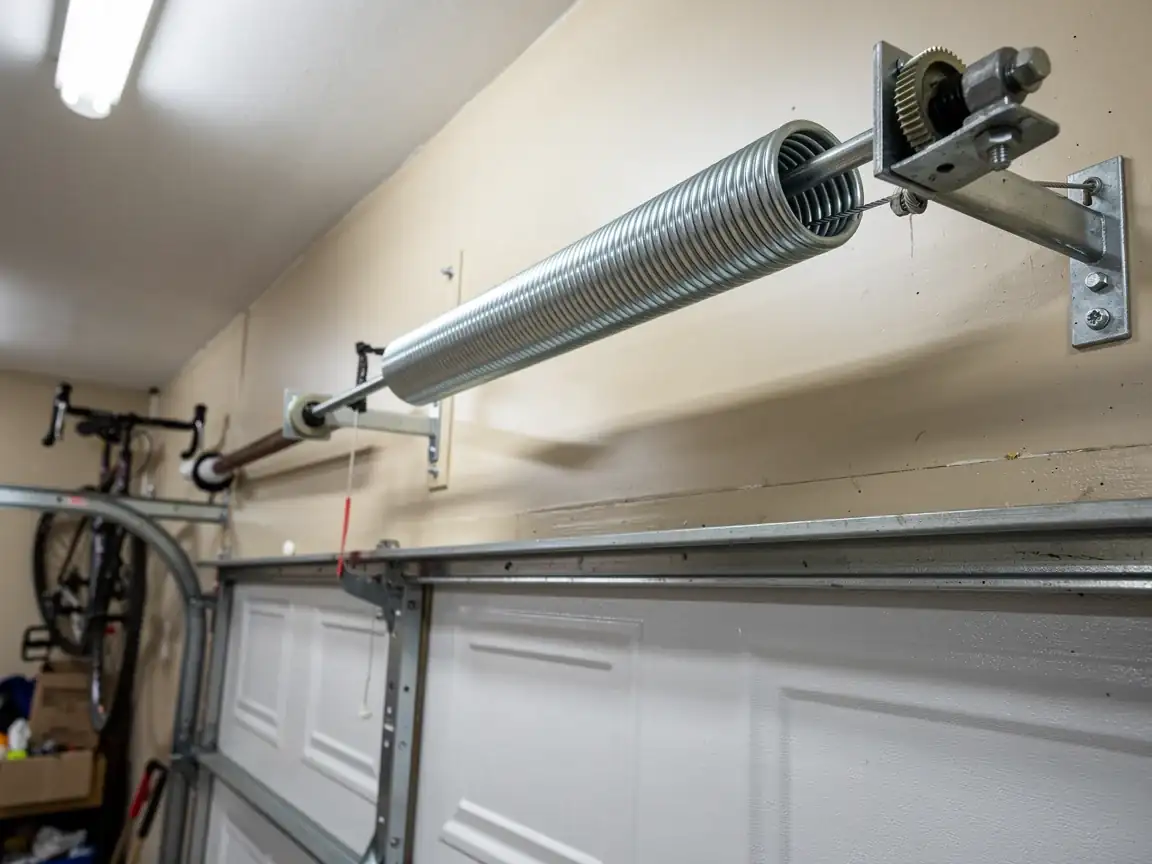
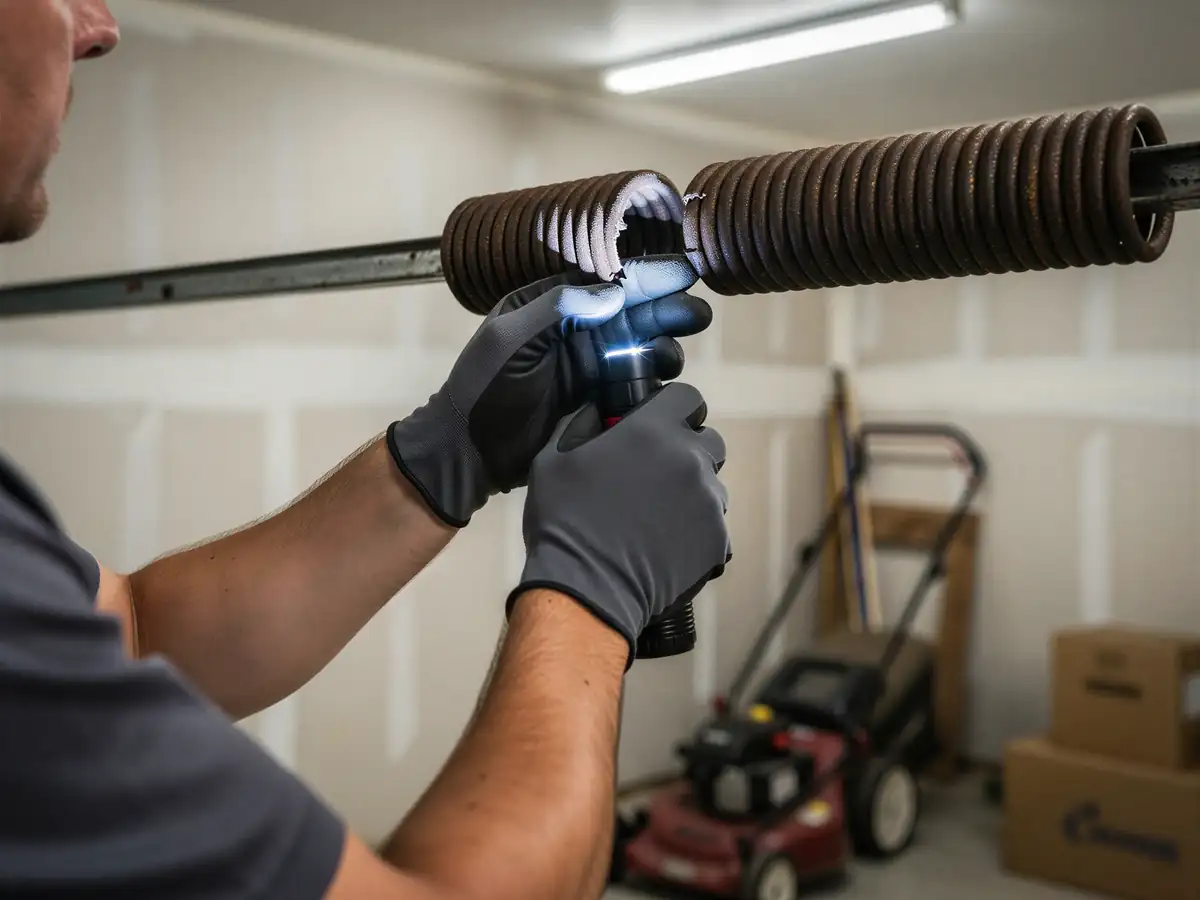
The median year built in North Tustin is 1965, which puts it right in the middle of the 1960s-70s housing stock that makes up most of the 29 communities we work across this service area. Doors on houses from that era were built for a different track and spring layout than anything made today - standard-lift, horizontal track, often with hardware that's been replaced once or twice over sixty years but not always with matching parts. The most common failure we see on houses this age isn't a dramatic break, it's slow fatigue: a torsion spring that's done its 10,000 cycles and finally lets go, a center bearing worn oval instead of round, or a cable that's frayed where it rides the drum. The region's mild temperate climate keeps the usual cold-weather spring contraction and ice-jam problems out of the picture, so when a door fails here it's almost always mechanical wear catching up with the house's age, not a weather event forcing the issue.
Time on the Job
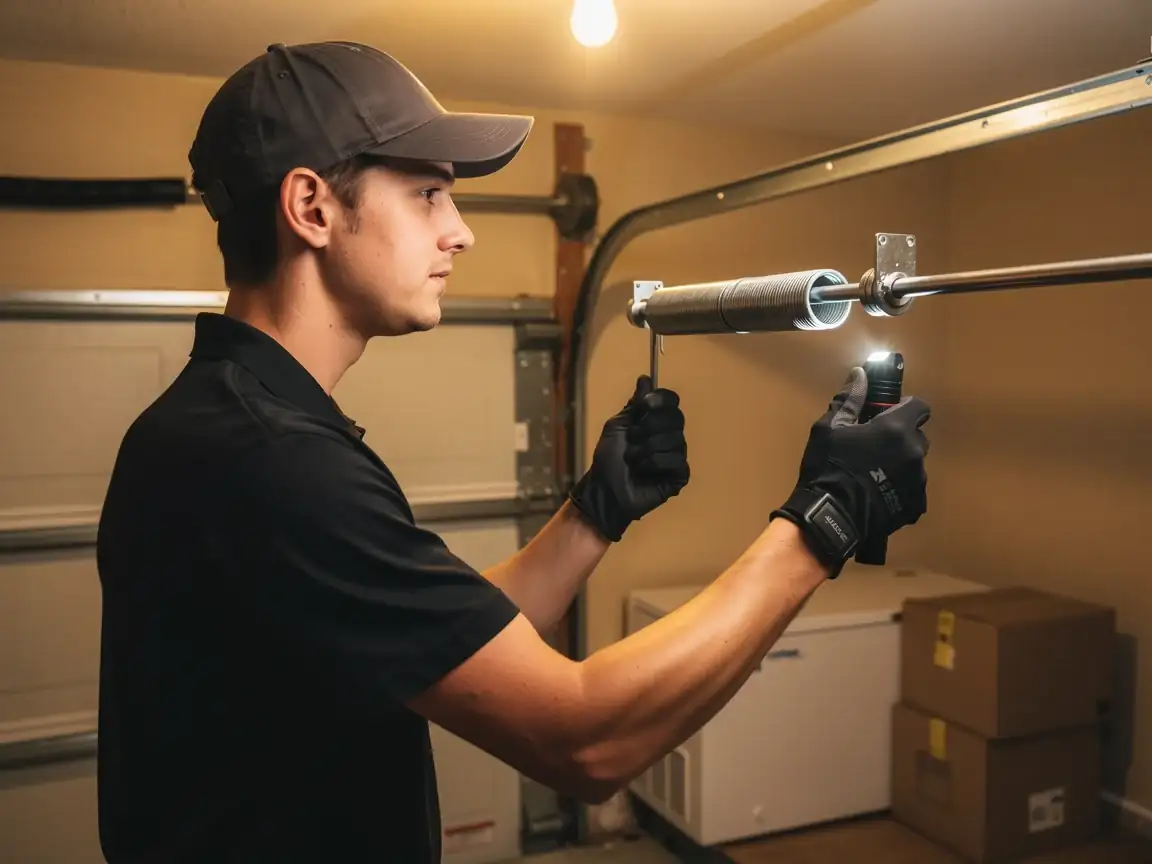
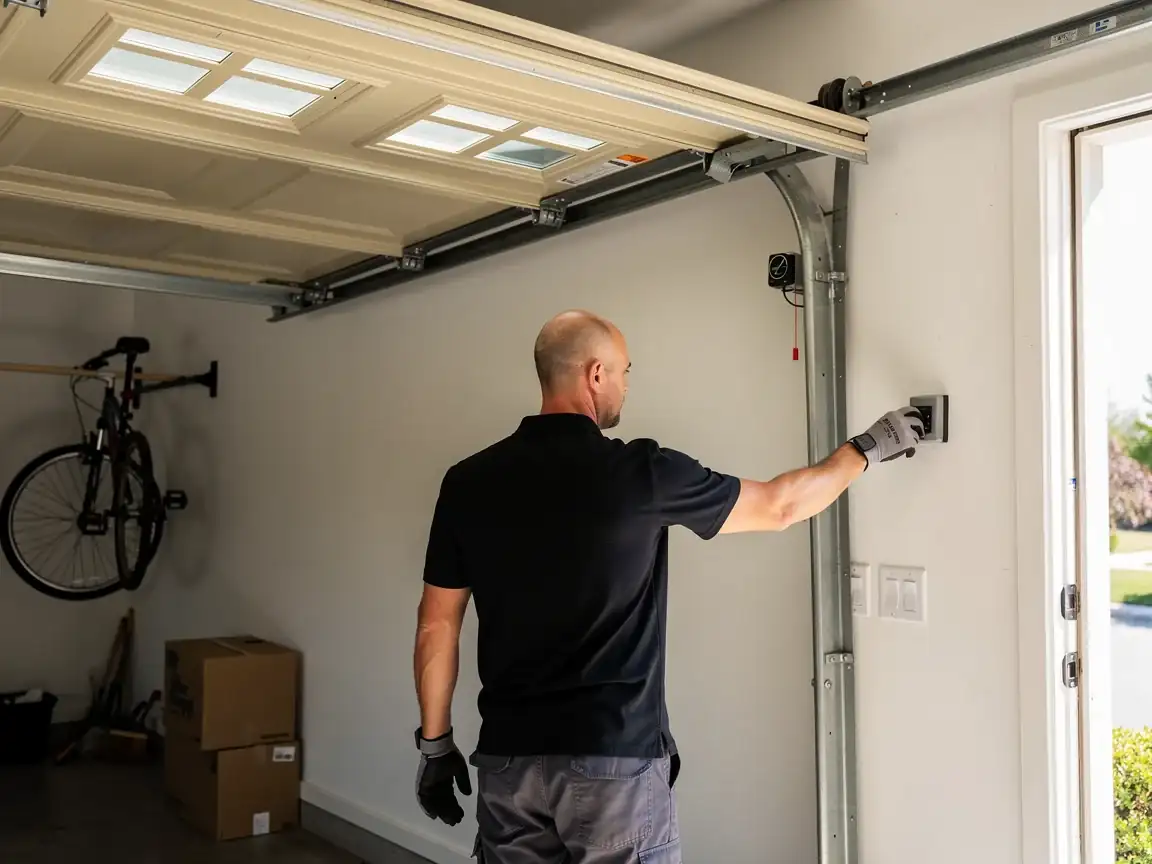
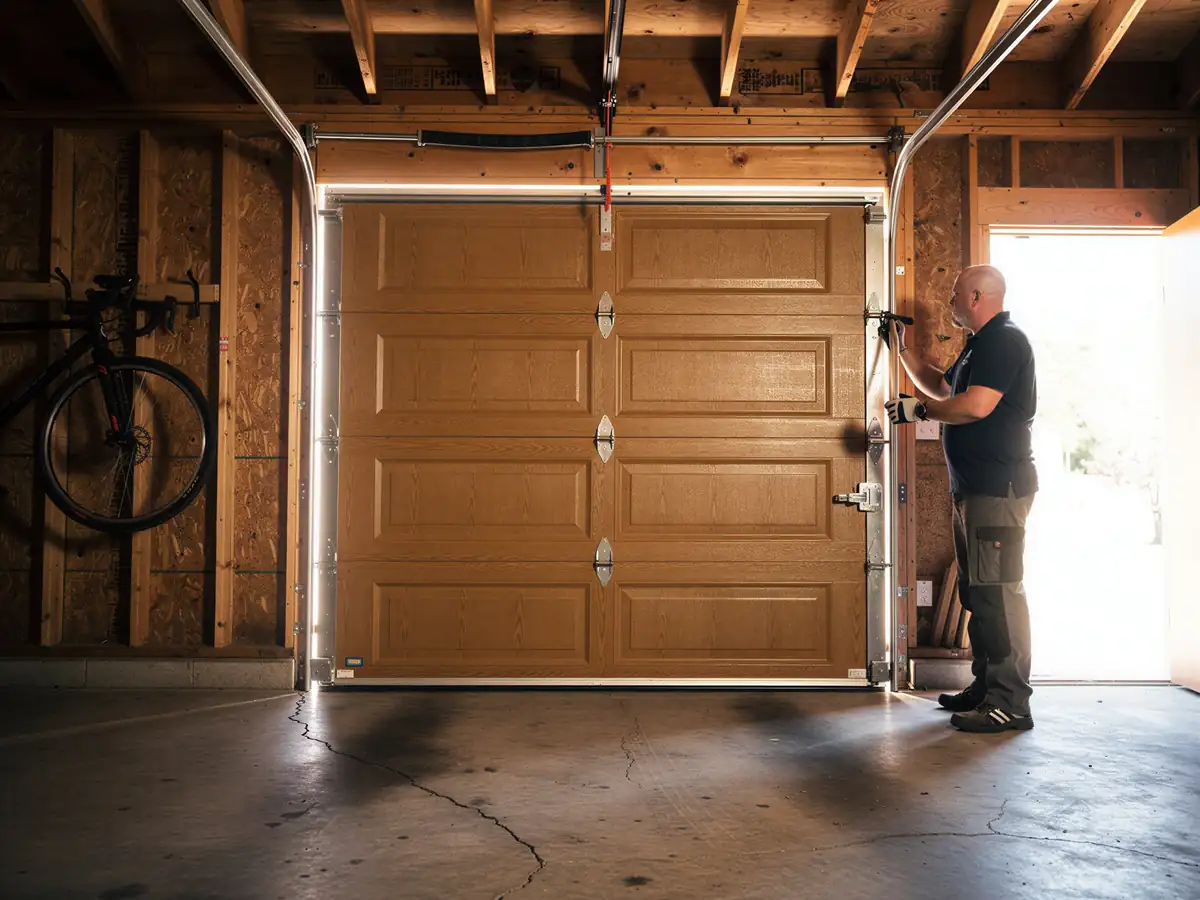
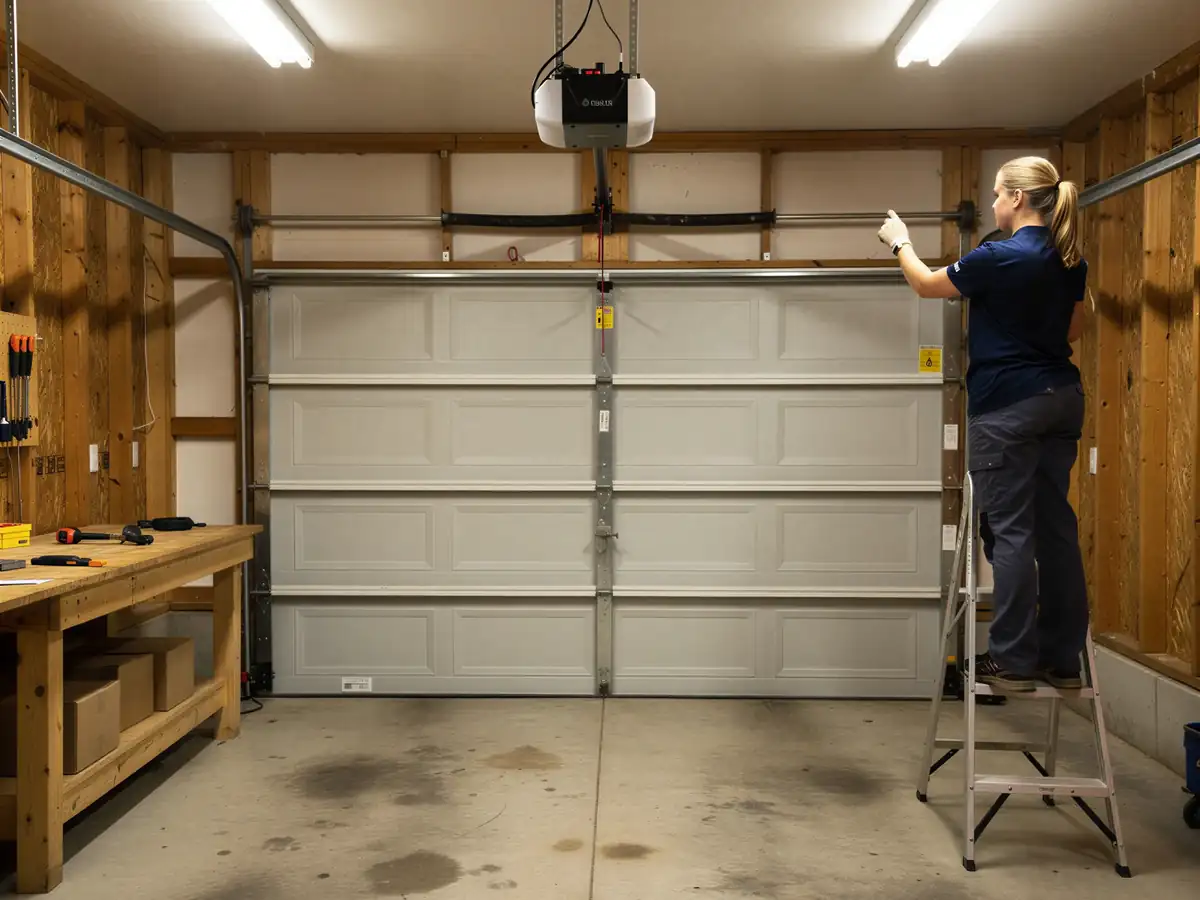
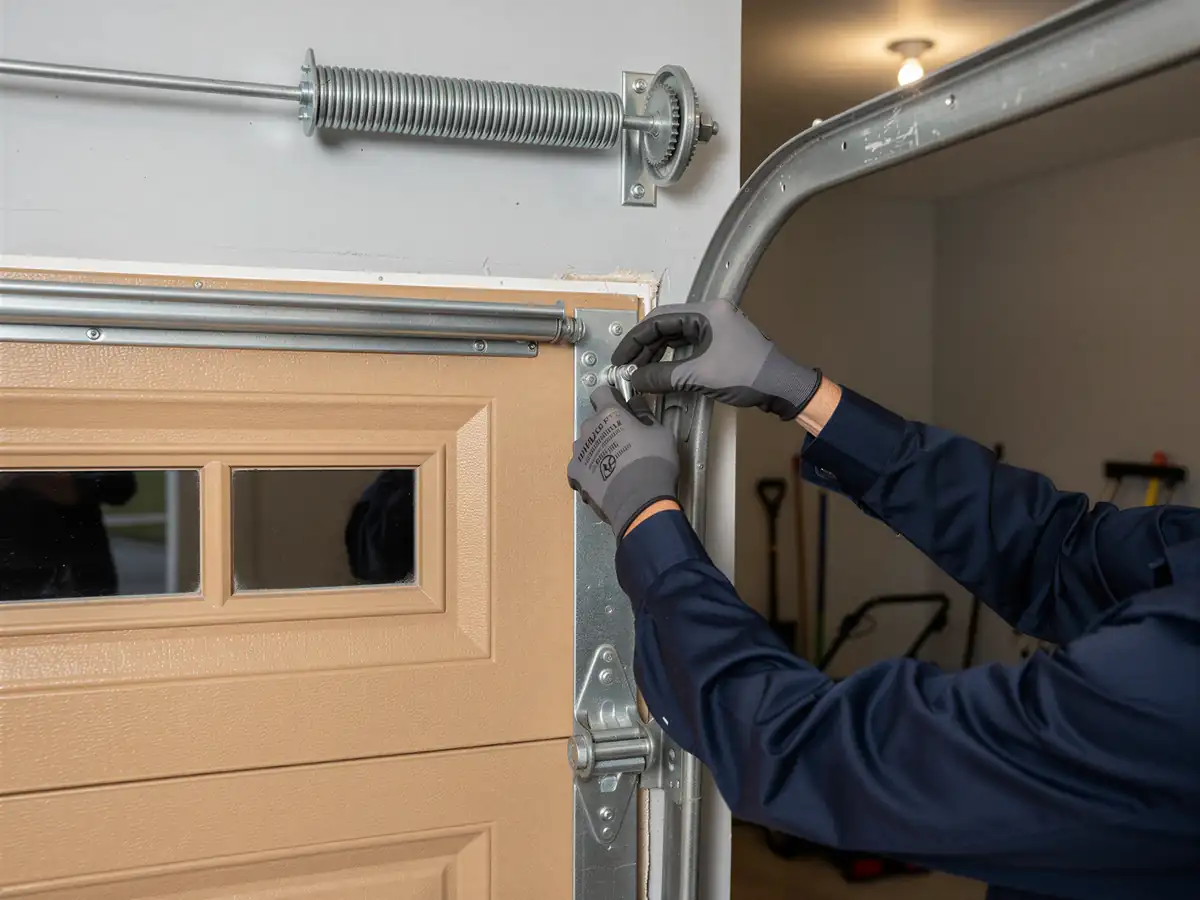
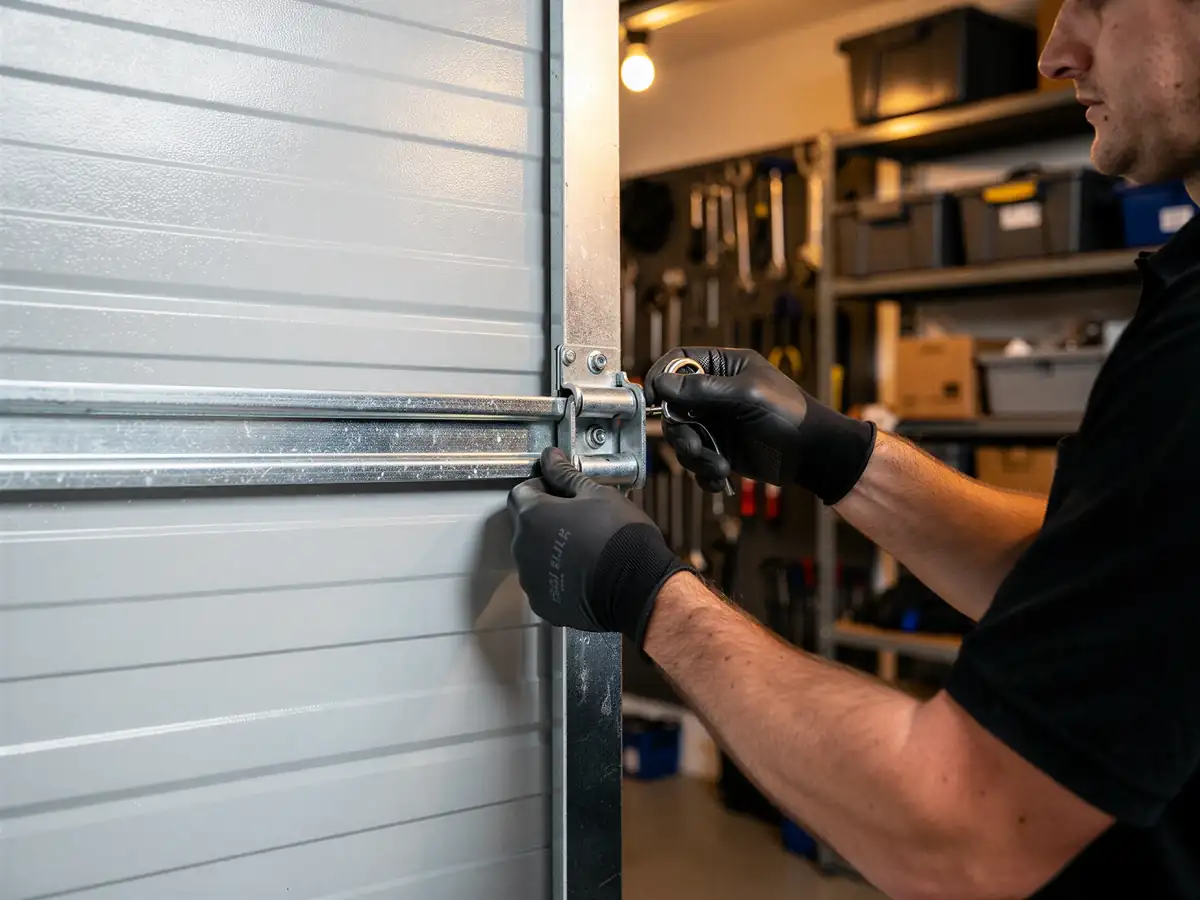
Most single-spring or cable repairs on a door this age run under two hours once the truck is on site, since the failure points are well understood and the parts are common stock. Jobs that run longer are usually ones where age has compounded the problem - a bent track that's been limping along, an opener that's been overworking against bad springs for months, or hardware that needs more than a swap to get square again. We travel the 6 miles out from Irvine for every call here; there's no local branch or storage point in North Tustin, so the time quoted for a job is the work itself, not travel padding. On a straightforward spring job, most of the visit is diagnosis, spring removal under tension, and reinstallation with a balance check - the balance check matters more on a sixty-year-old door than a new one, since the opener and track have likely absorbed some drift over the years that a quick spring swap alone won't fix.
What You Are Seeing
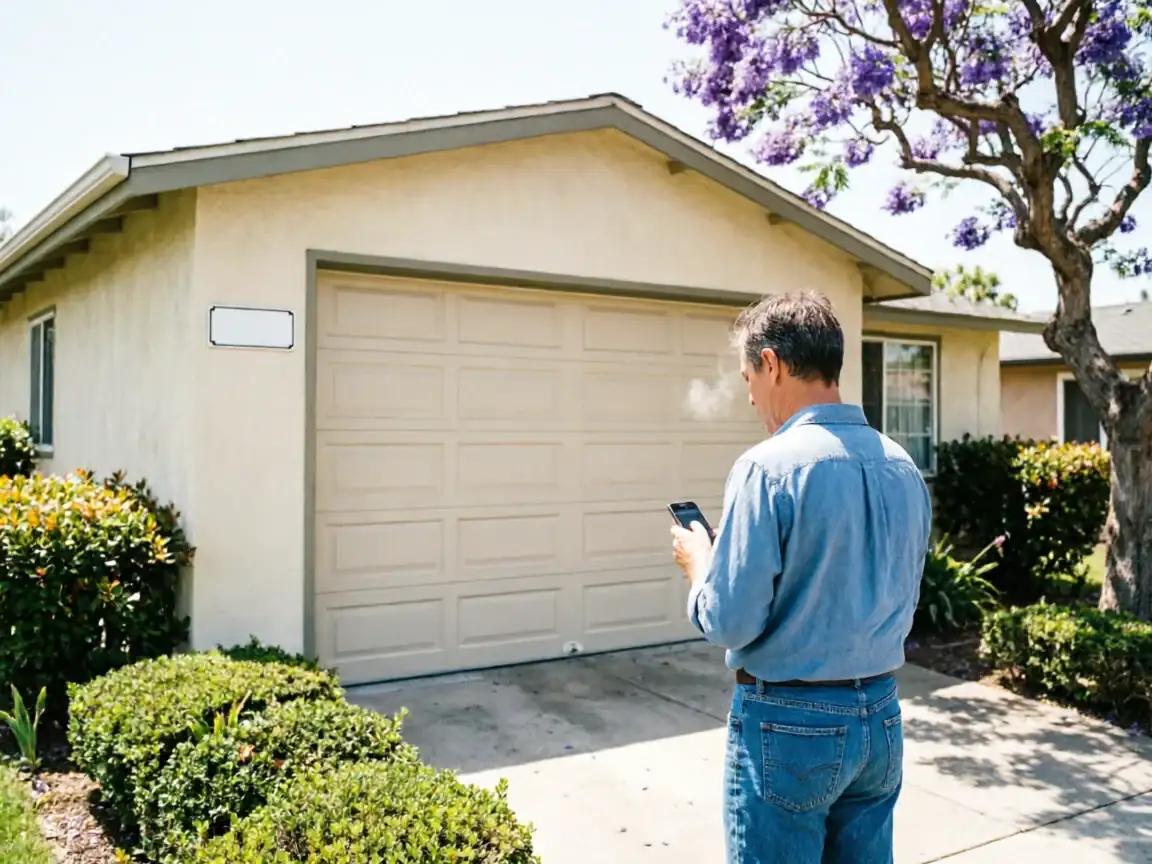
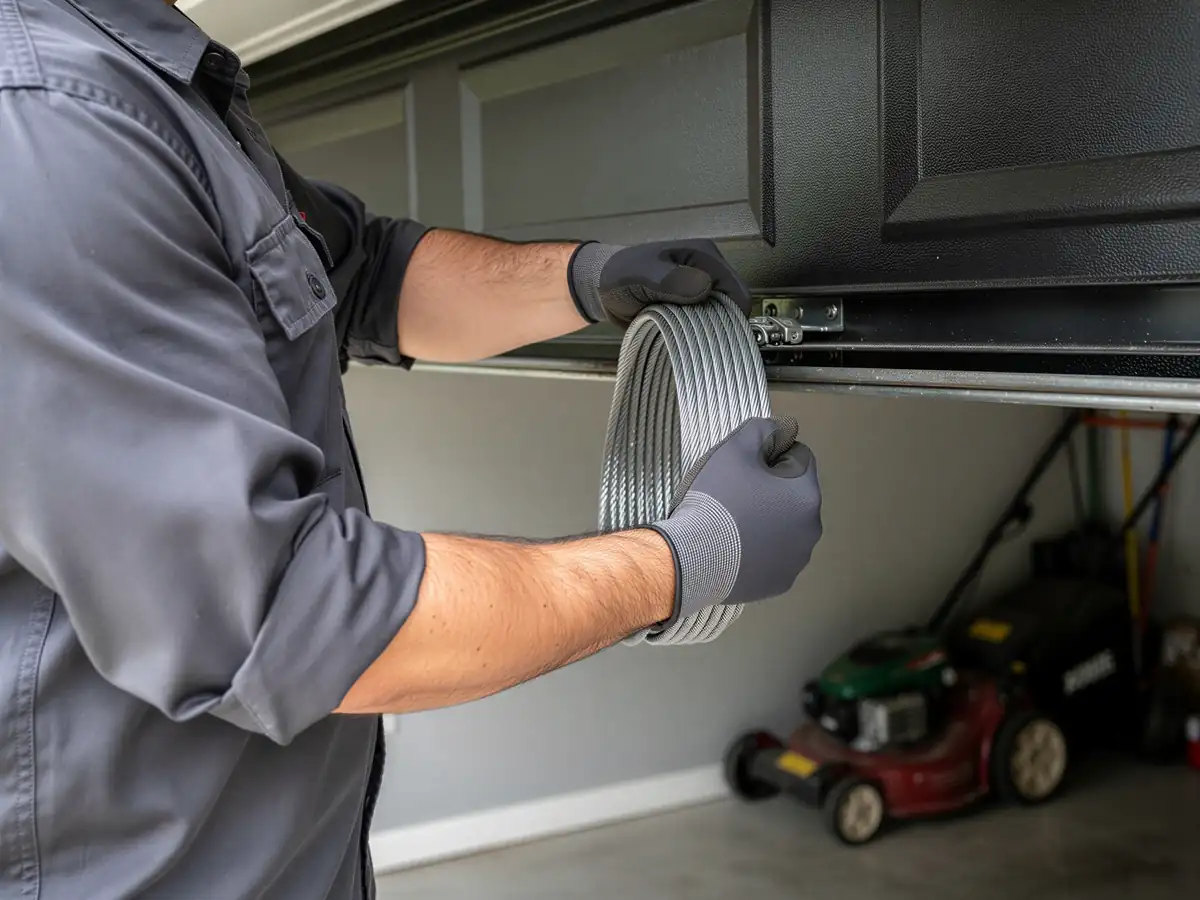
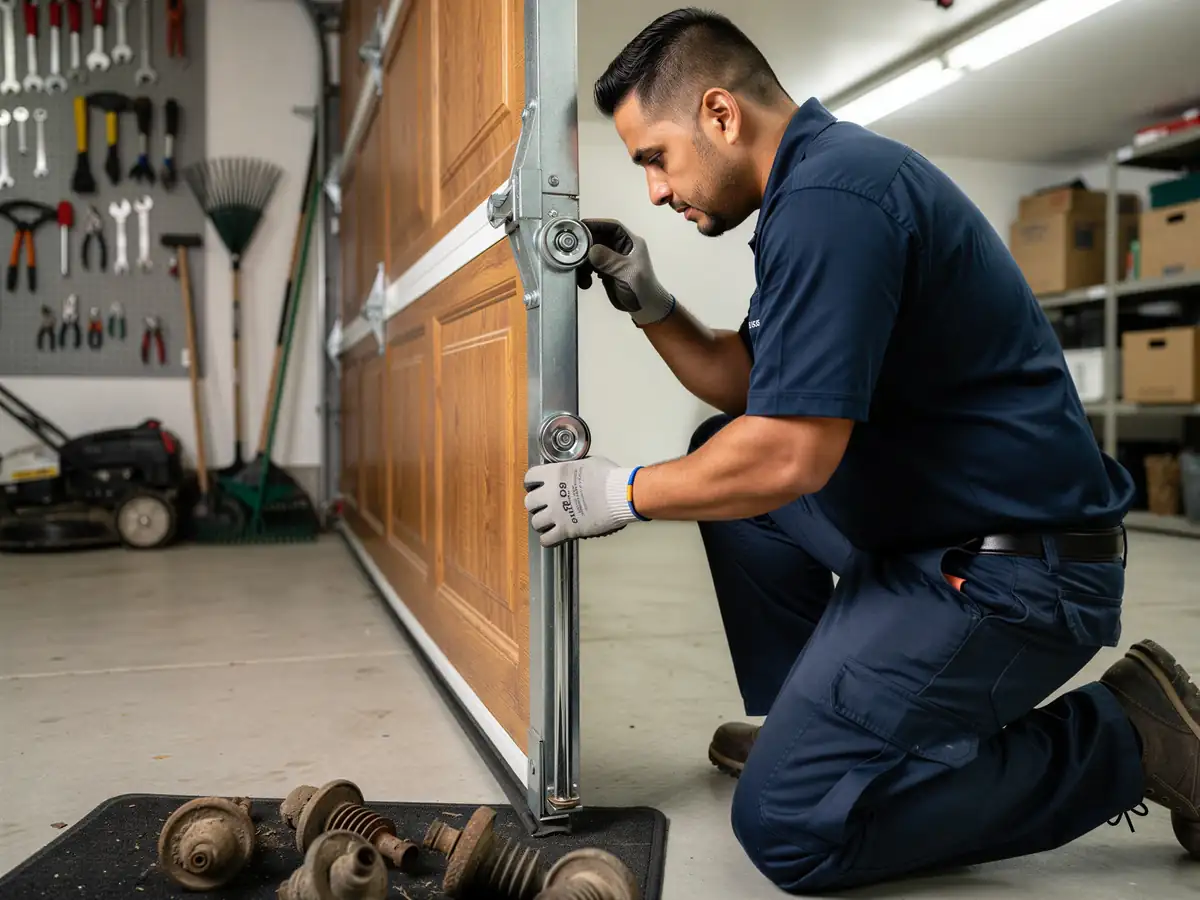
A door that won't stay open, or drops partway and reverses, usually points to a broken or badly unbalanced spring - common on houses from the 1960s where the original spring has simply outlived its cycle count. A loud bang followed by a door that won't move at all is almost always a snapped torsion spring. Grinding or popping during travel, especially on an older track, often means a bent rail or a roller that's worn its bearing out. If the door moves unevenly, hanging lower on one side, check the cables first - fraying near the drum is a known failure point on cable systems this age. None of these are emergencies that get worse by the hour in this mild climate, but a door stuck in the open position is a security gap worth closing fast, and one stuck shut can leave a car trapped. Either way, it's worth a call before you force the door by hand, which tends to turn a repair into a replacement.