The Cost of This Job
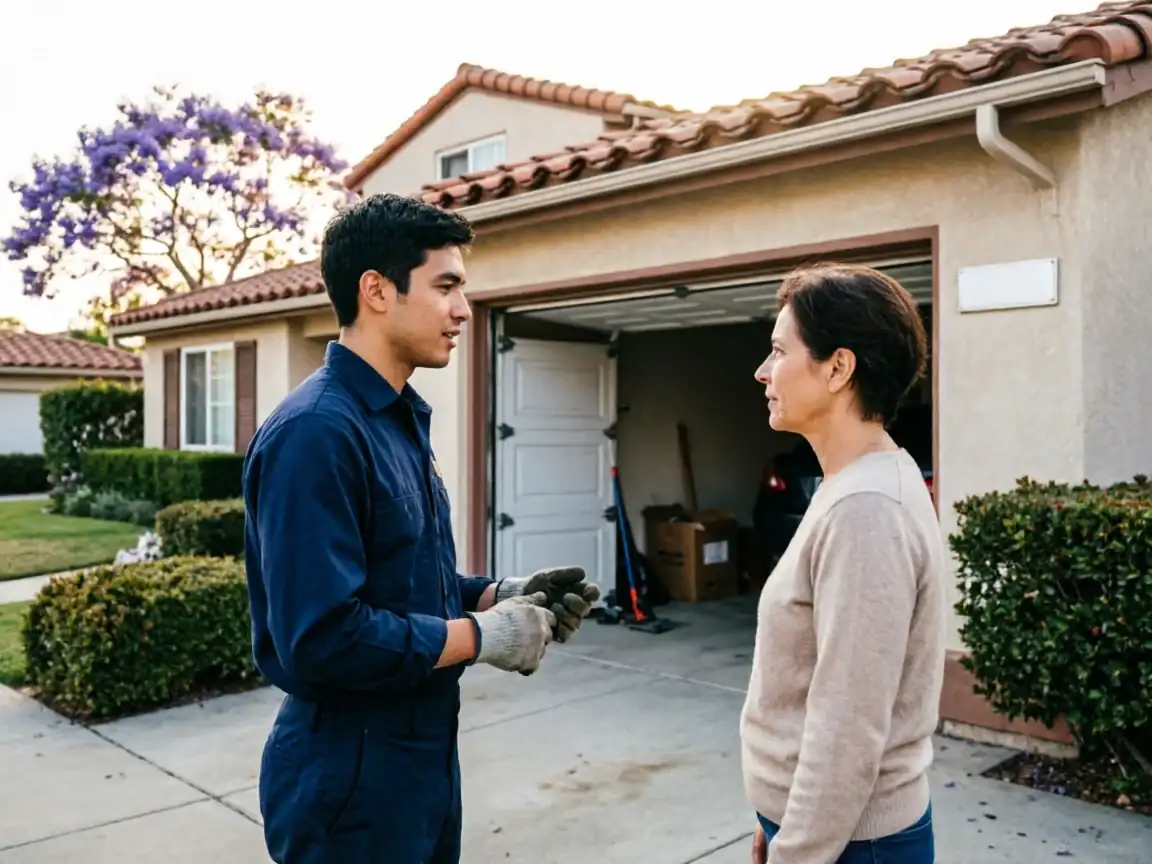
Six miles isn't far, but it's enough that we load the truck before we dispatch, not after. For an opener call in North Tustin that means the tech already has the logic board, the drive gear, and the sensor kit most likely to fix a mid-1960s setup before he's off the 55 and onto your street. The cost of the job itself runs the same whether you're six miles out or sixty - it's a circuit board, a gear, a capacitor, labor - but the drive affects when we can get there, not what we charge once we're on-site. We quote the repair itself over the phone once we know the opener's age and symptom, and we don't pad a bill for the mileage. If a part isn't in the truck because your opener is older than most of what we stock, that's a second trip, and we say so up front rather than guess at a number we'd have to walk back later.
What Causes It Around Here
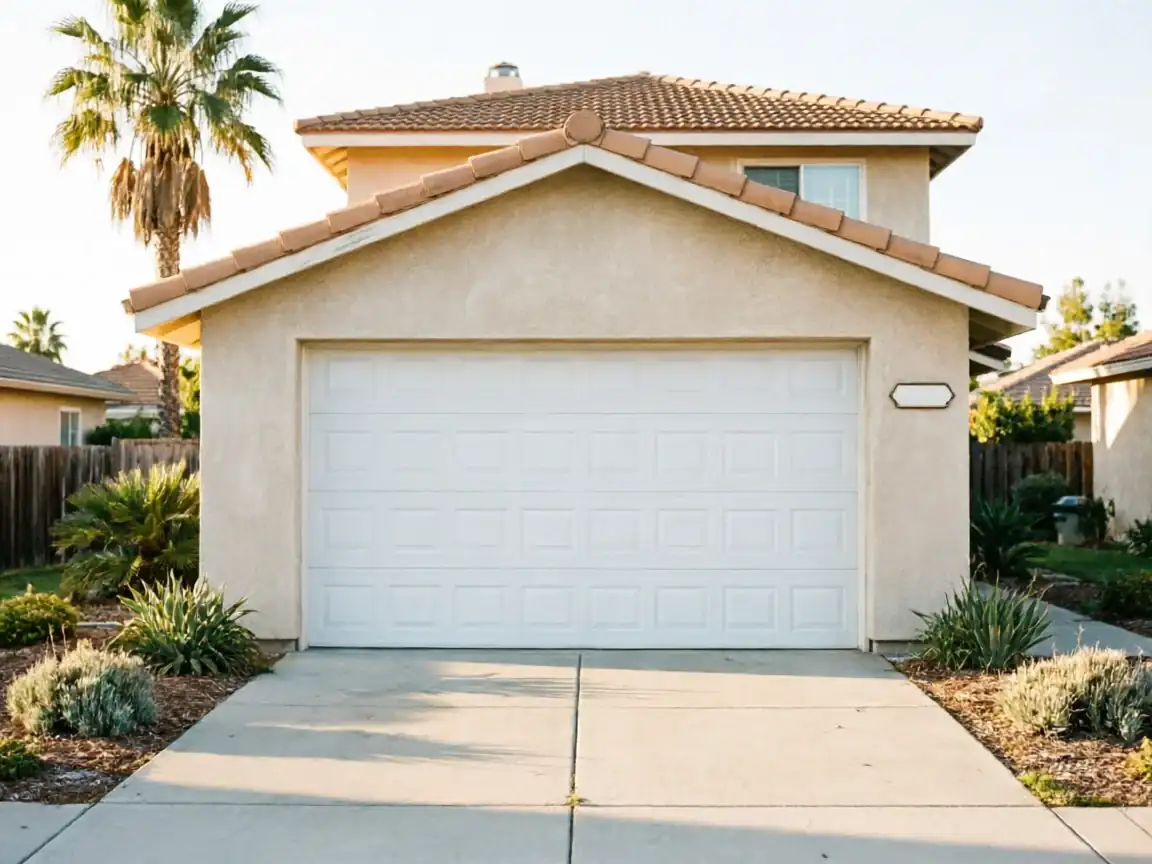
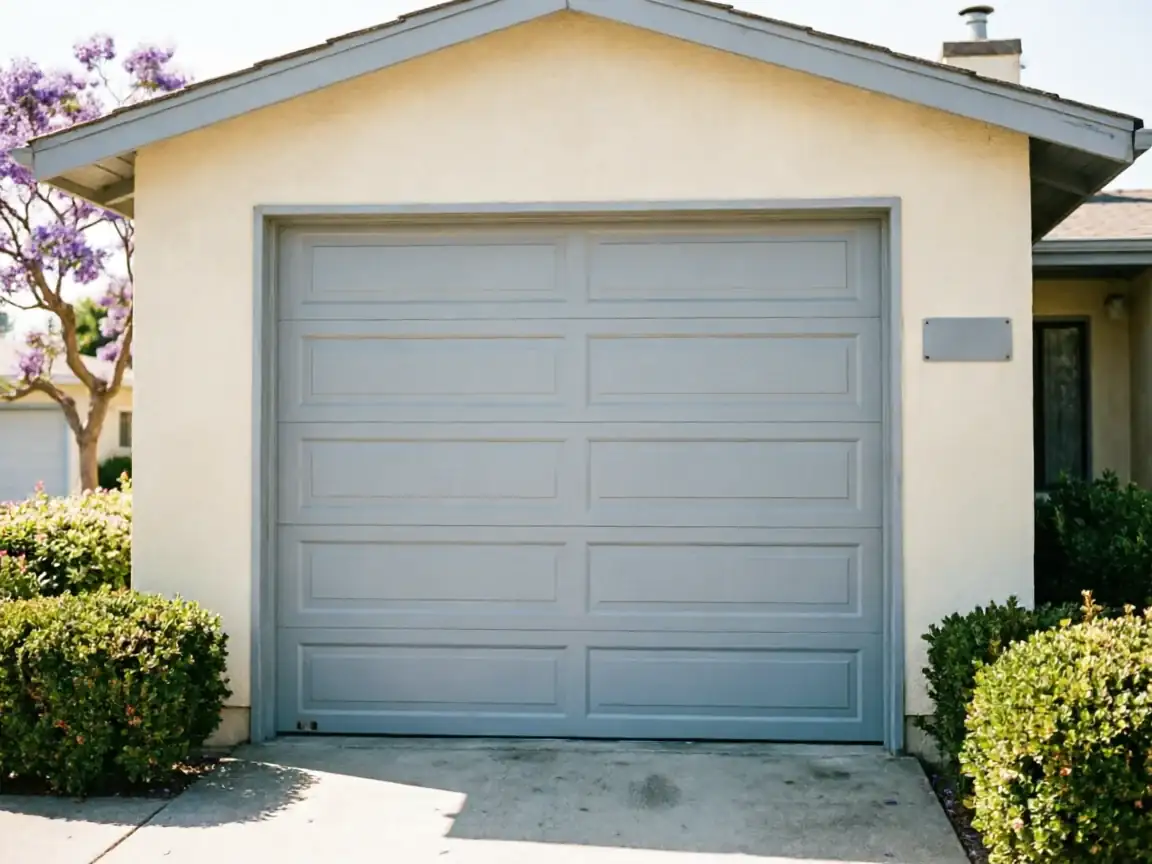
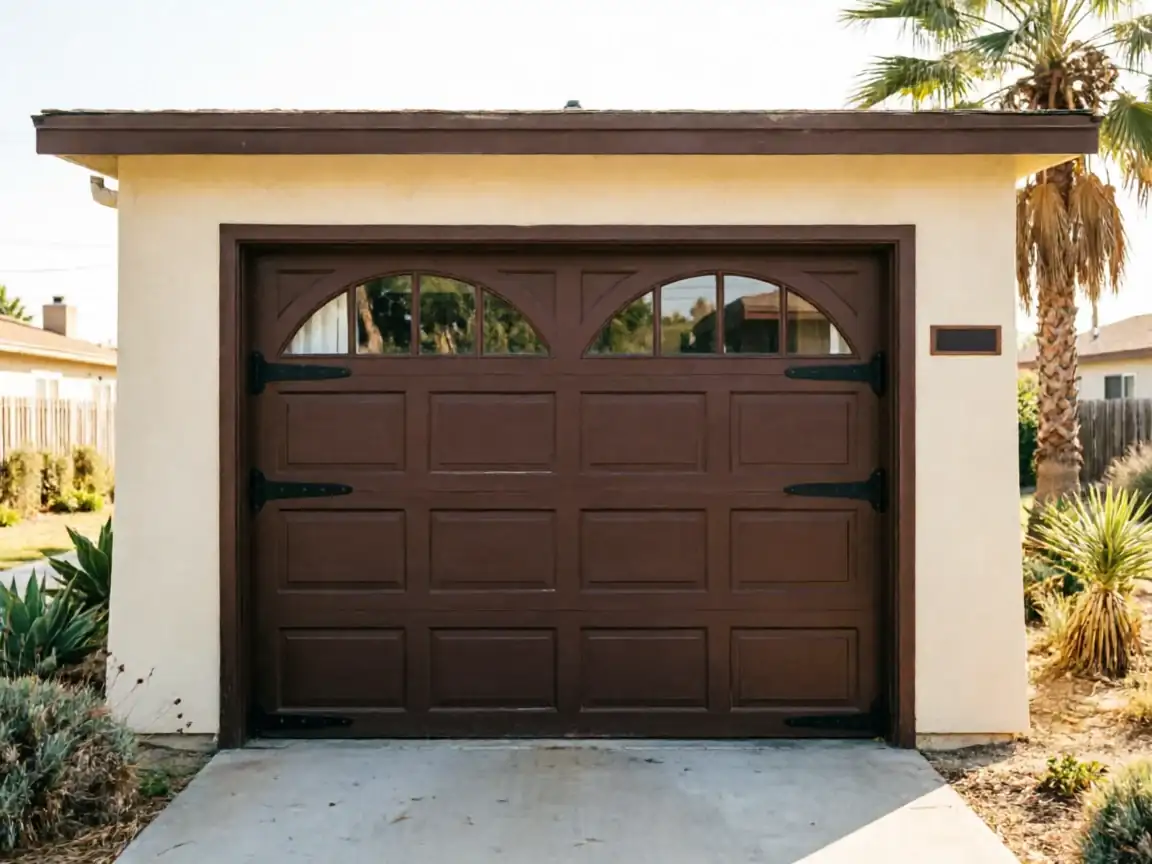
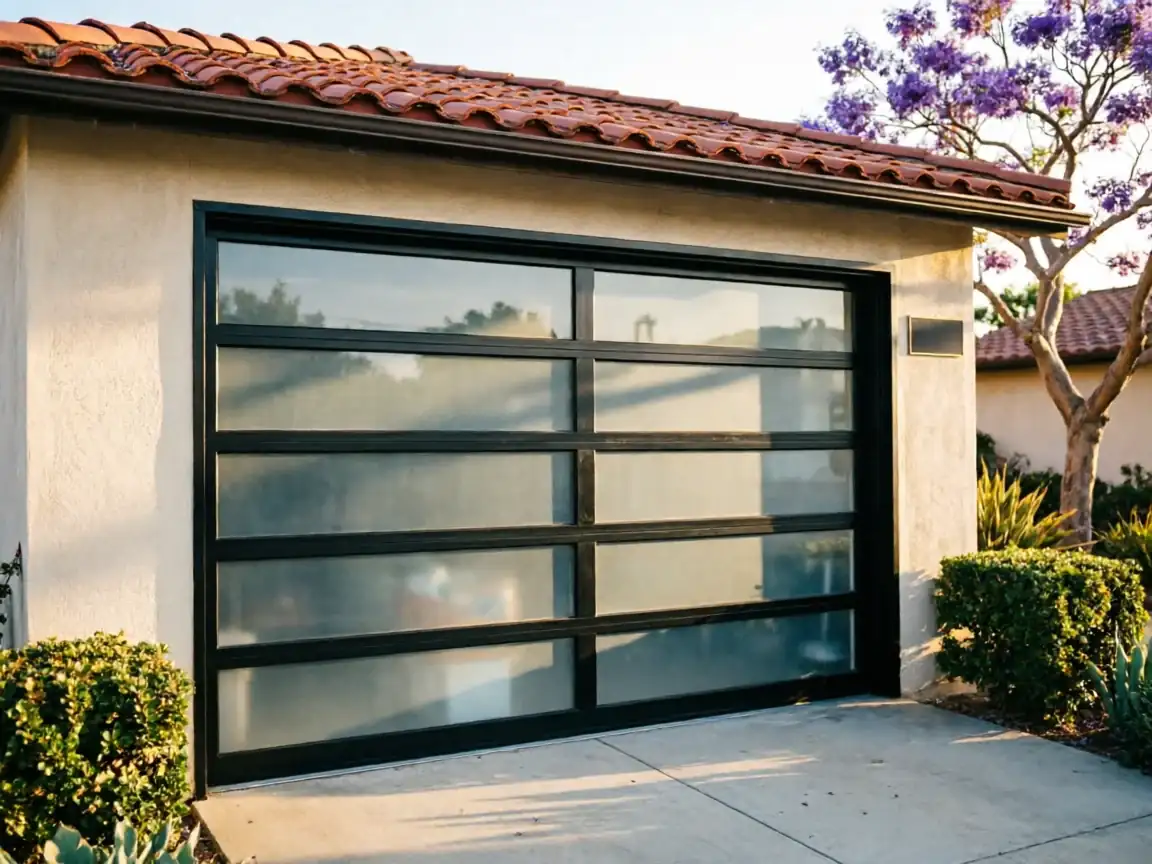
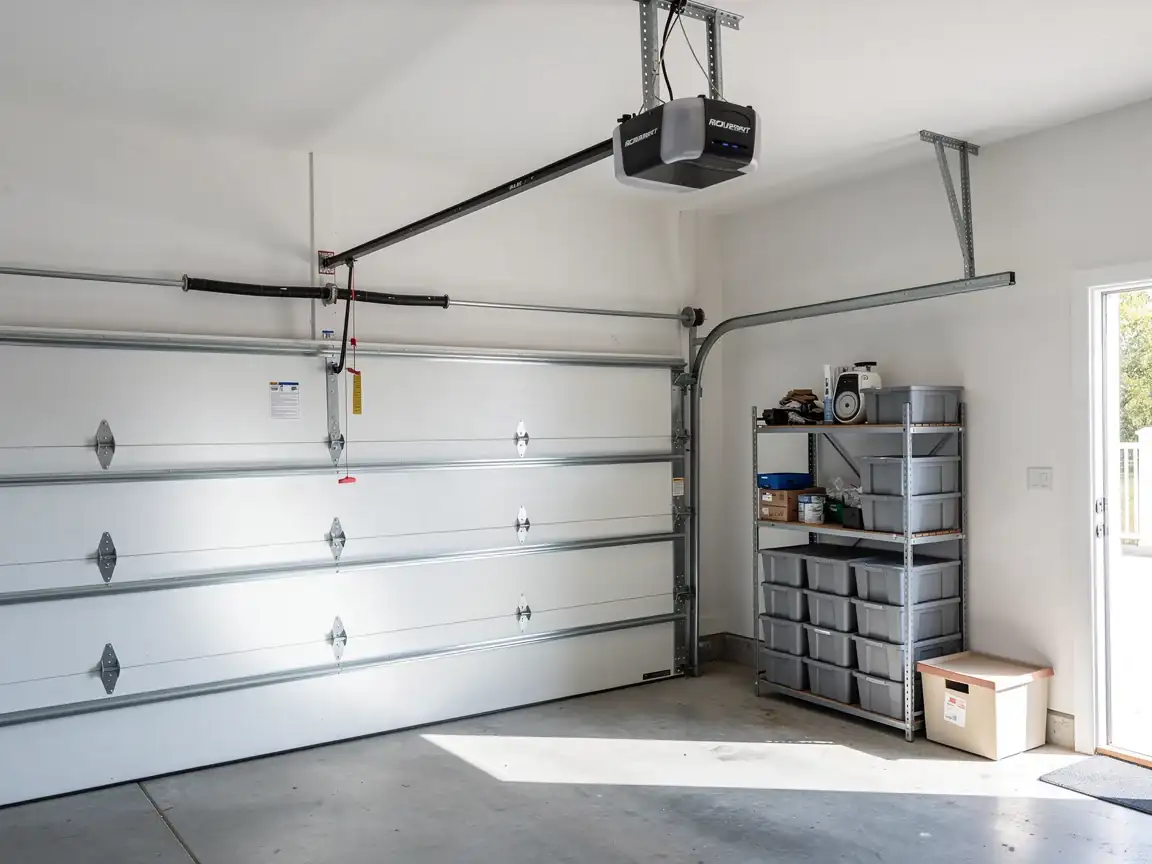
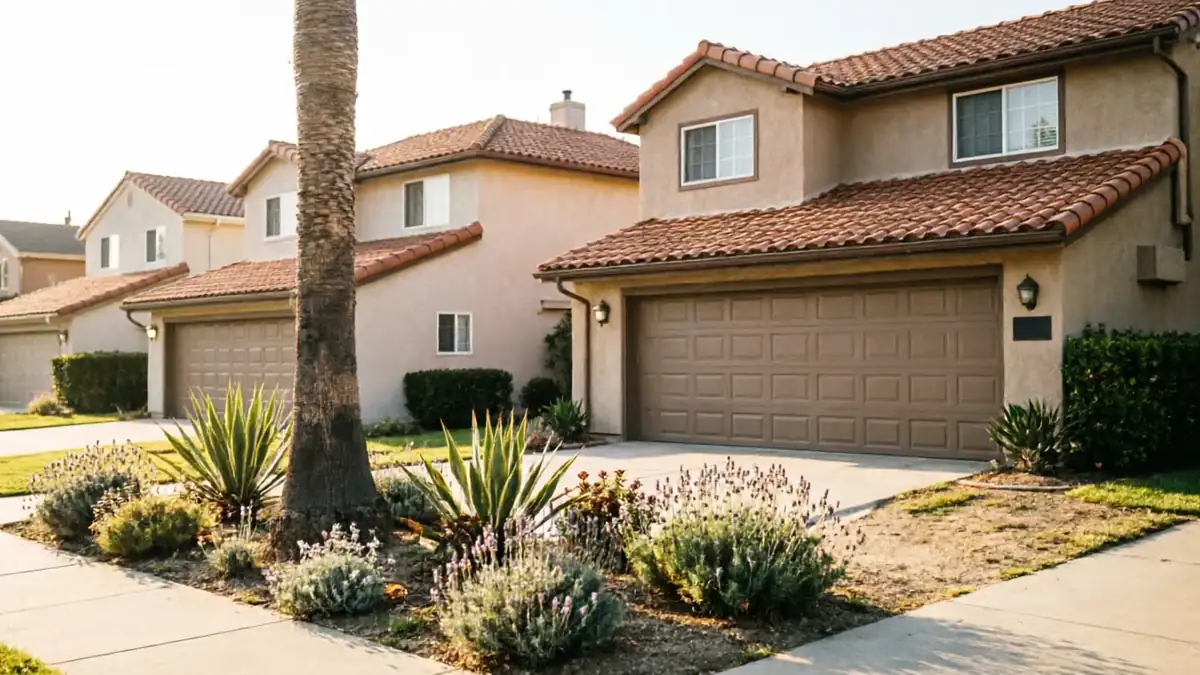
North Tustin's housing stock centers on 1965, which puts a lot of these garages into openers installed or replaced well before today's safety-sensor and rolling-code standards. That matches the broader pattern across our service area, where most garages date to the 1960s and 70s - chain-drive units with aging capacitors, worn drive gears, and logic boards that were never designed to talk to a phone app. The mild year-round climate here means we're not chasing freeze-cracked housings or heat-warped rail sections the way a tech in a harsher climate would; what fails on these openers is mechanical wear and electronics age, not weather damage. Higher household income in this pocket of the service area also means more owners have already swapped in a newer opener at some point, so we see a mix - a fair number of original units still running, and a fair number of five- or ten-year-old replacements starting to show the same gear and capacitor wear on a shorter timeline. Either way, the fault is usually in the head unit, not the door itself.
Time on the Job
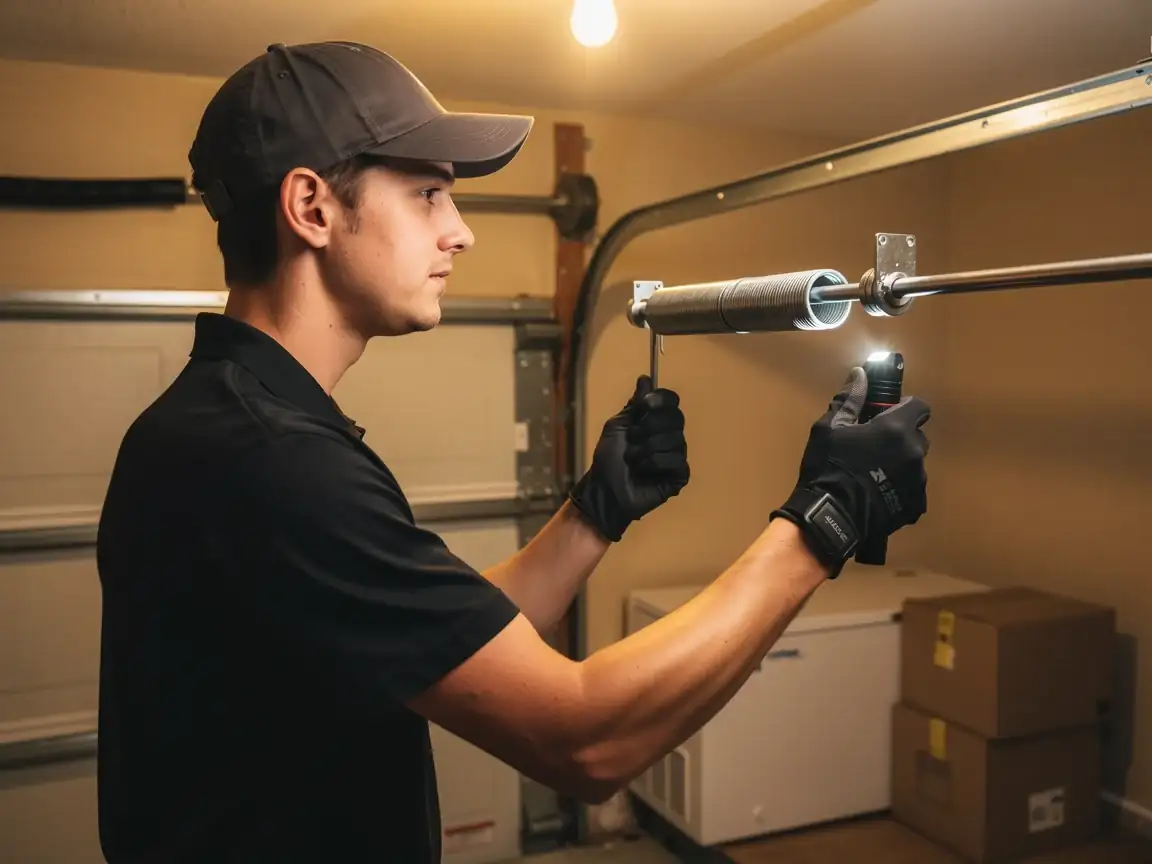
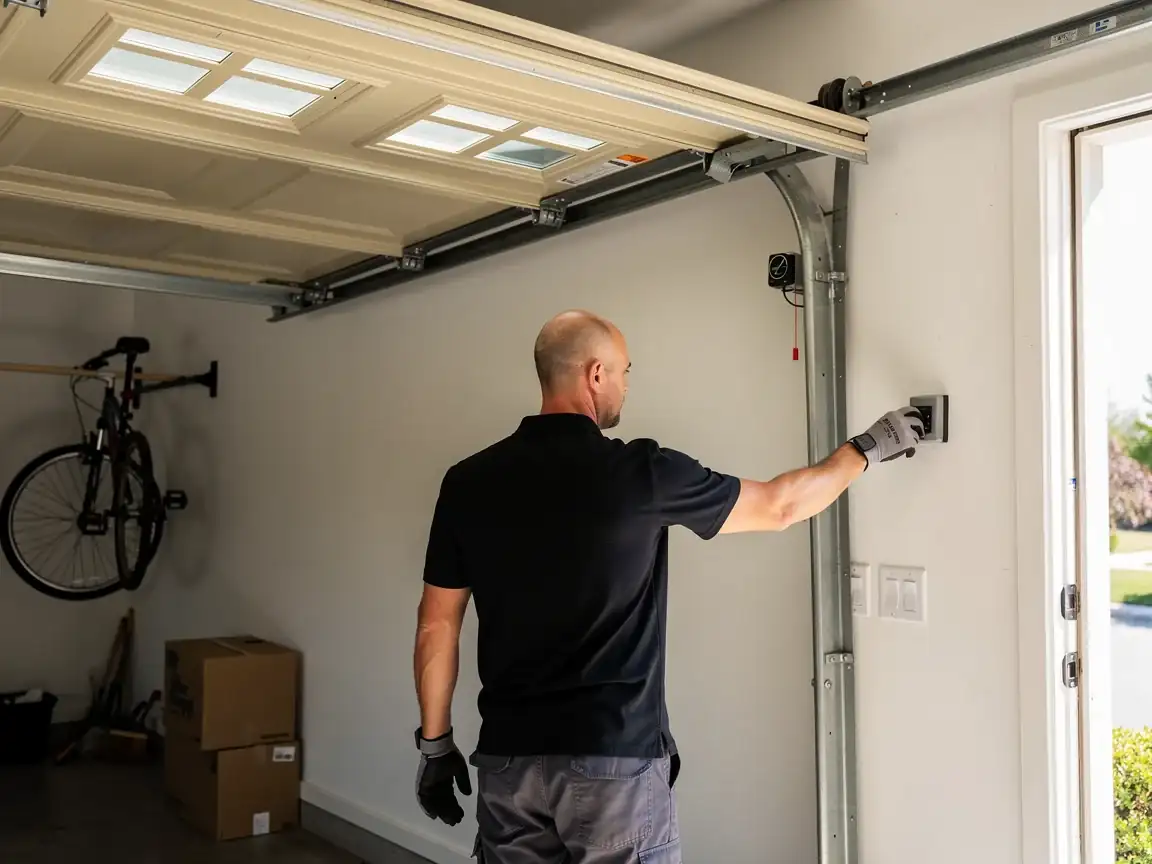
Most opener repairs here run under an hour once the tech is on-site - a gear swap or a sensor realignment doesn't take long once you know what's broken. Diagnosis takes longer than the fix on an opener that's cutting out intermittently or reversing for no clear reason; that's where we spend the extra time, because guessing wrong means a return trip nobody wants. Add the six miles from Irvine to your total wait, which is short compared to jobs we run further out in the service area, but we don't promise a same-hour window - we call ahead with a realistic arrival time once the day's route is set. If the job turns into a full opener replacement rather than a repair, plan on it taking longer than the diagnostic visit, since that's a second scheduled trip once parts are confirmed.
What You Are Seeing
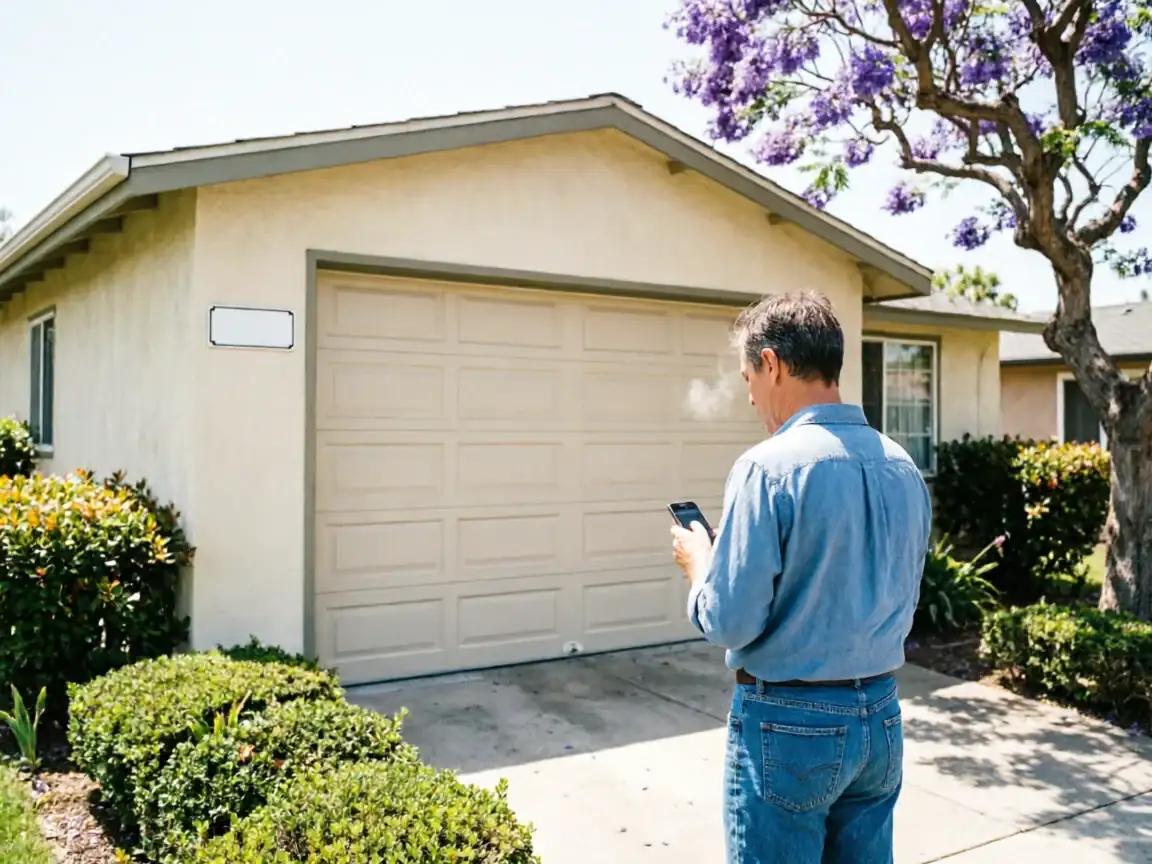
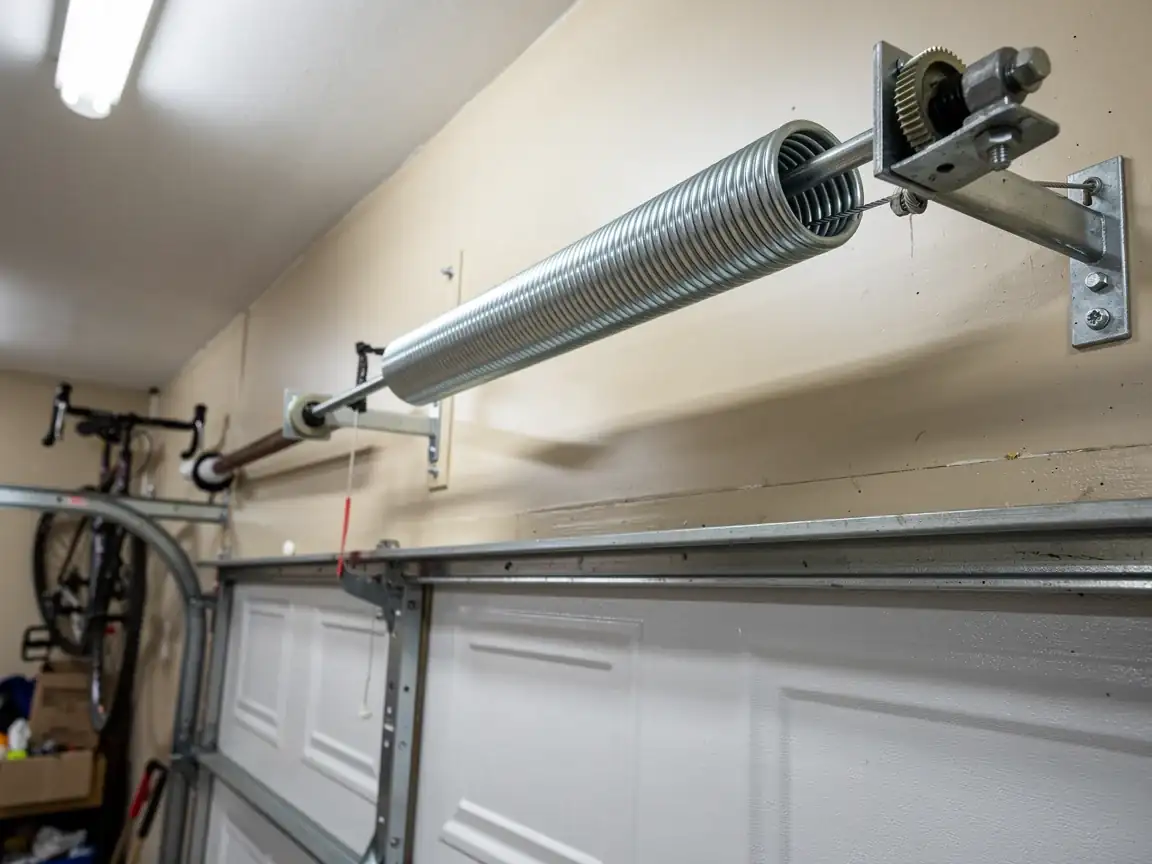
The door won't close all the way and reverses partway down - usually a dirty or misaligned safety sensor, sometimes a failing logic board. The opener runs but the door doesn't move - often a stripped drive gear, which is common on chain-drive units old enough to match this area's 1965 median build year. Opener makes noise but nothing happens - a worn gear or a capacitor on its way out. Remote works sometimes, wall button always - a logic board or antenna issue, not the remote itself. Door opens fine but won't close from the app - often a Wi-Fi module problem on a retrofit smart opener, separate from the mechanical side entirely. None of these point to the door panel or torsion spring - that's a different repair with a different cause, and conflating the two is how people end up paying for work they didn't need.