The Cost of This Job
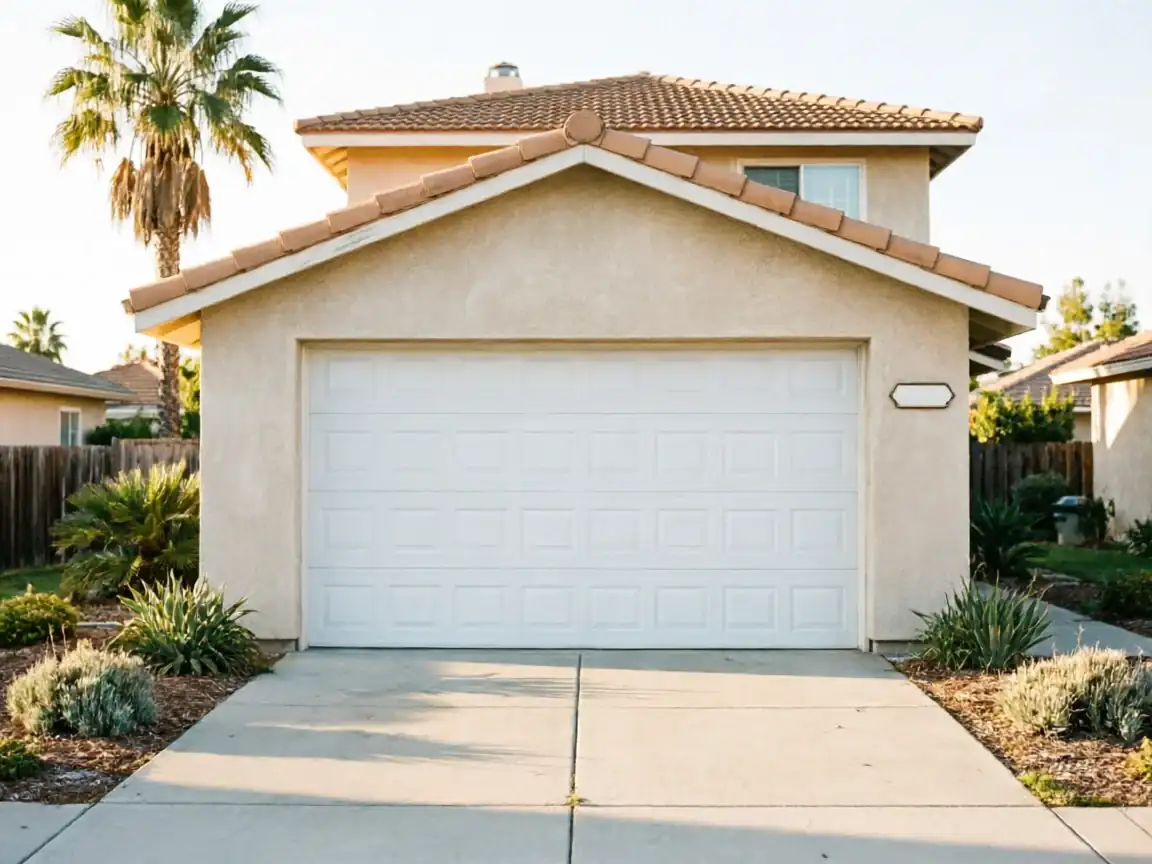
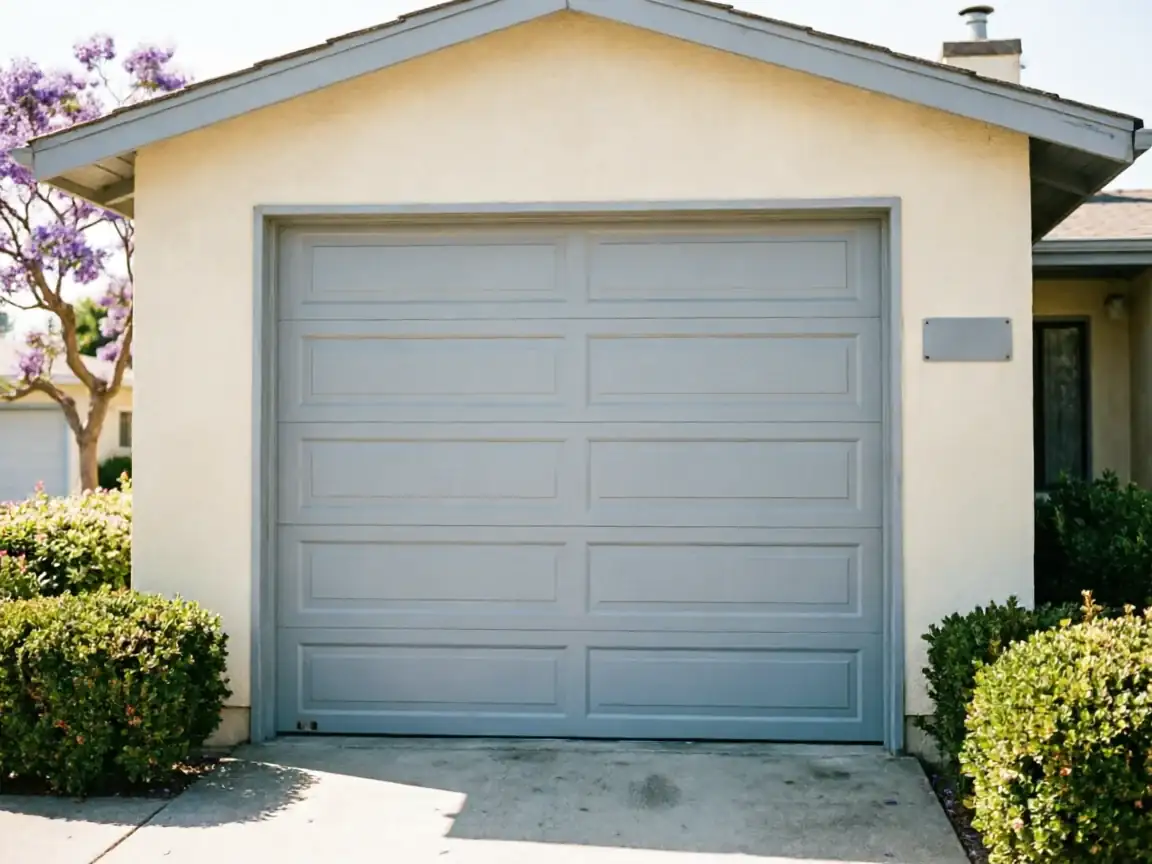
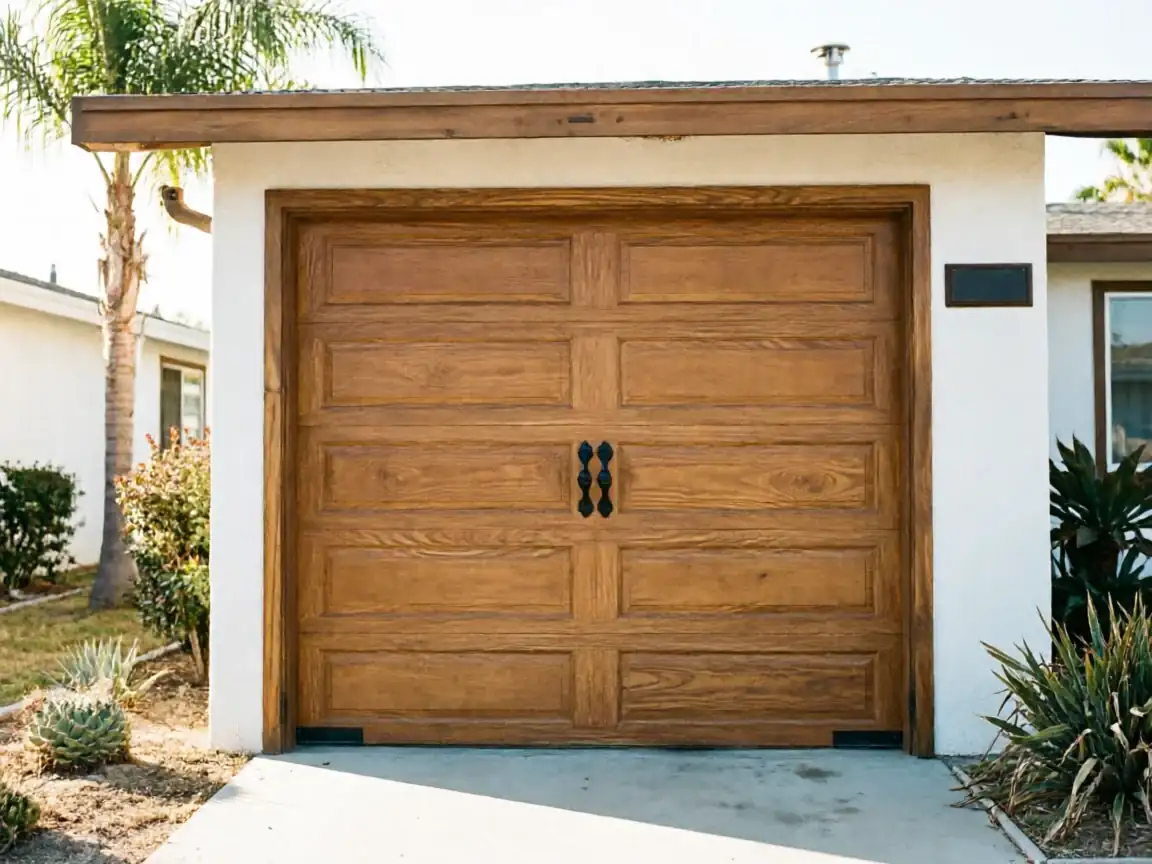
What drives the price here isn't the door itself - it's what's behind it. North Tustin's housing stock centers on 1965, which puts a lot of these garages on original jambs and headers built for a single-layer steel door half the weight of what's sold today. Swapping that for a modern insulated door means new track, sometimes a reinforced header, and almost always new torsion springs sized for the heavier panel. That extra bracket and hardware work is what separates a straight swap from a full install, and it's where the estimate moves.
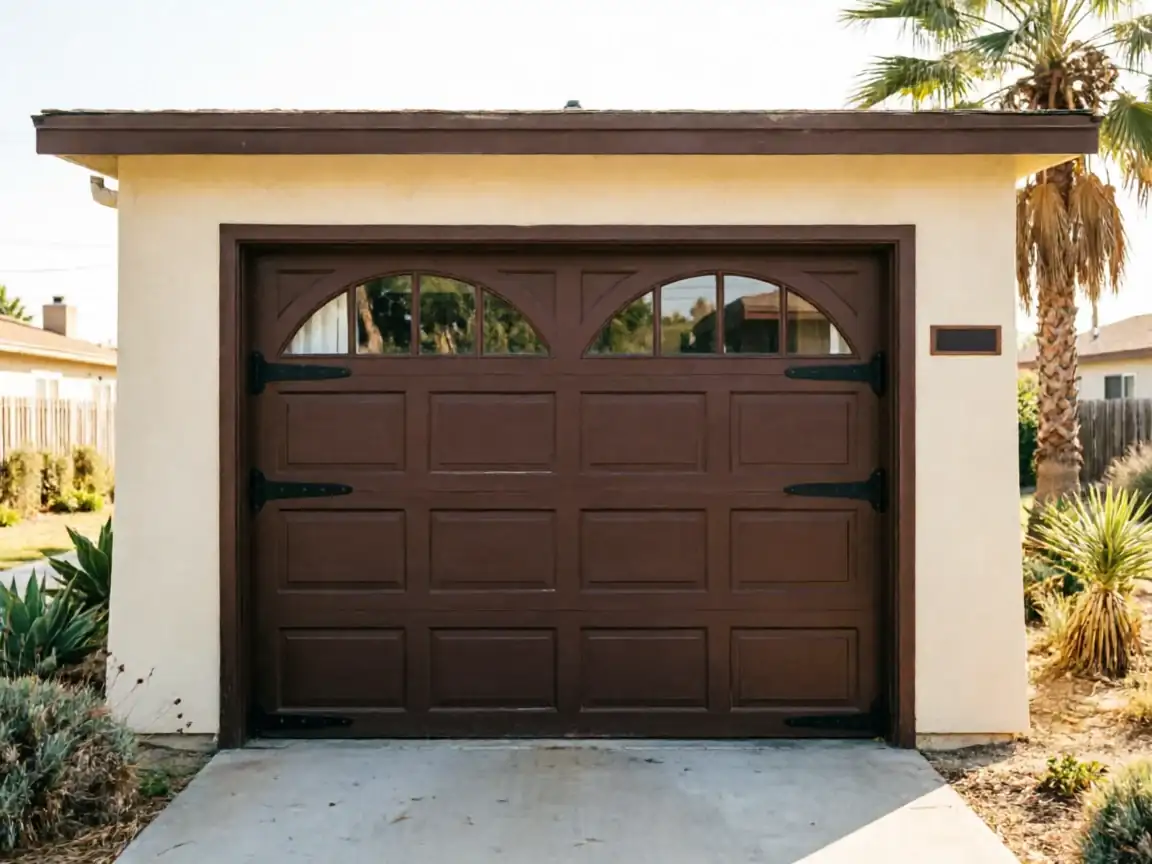
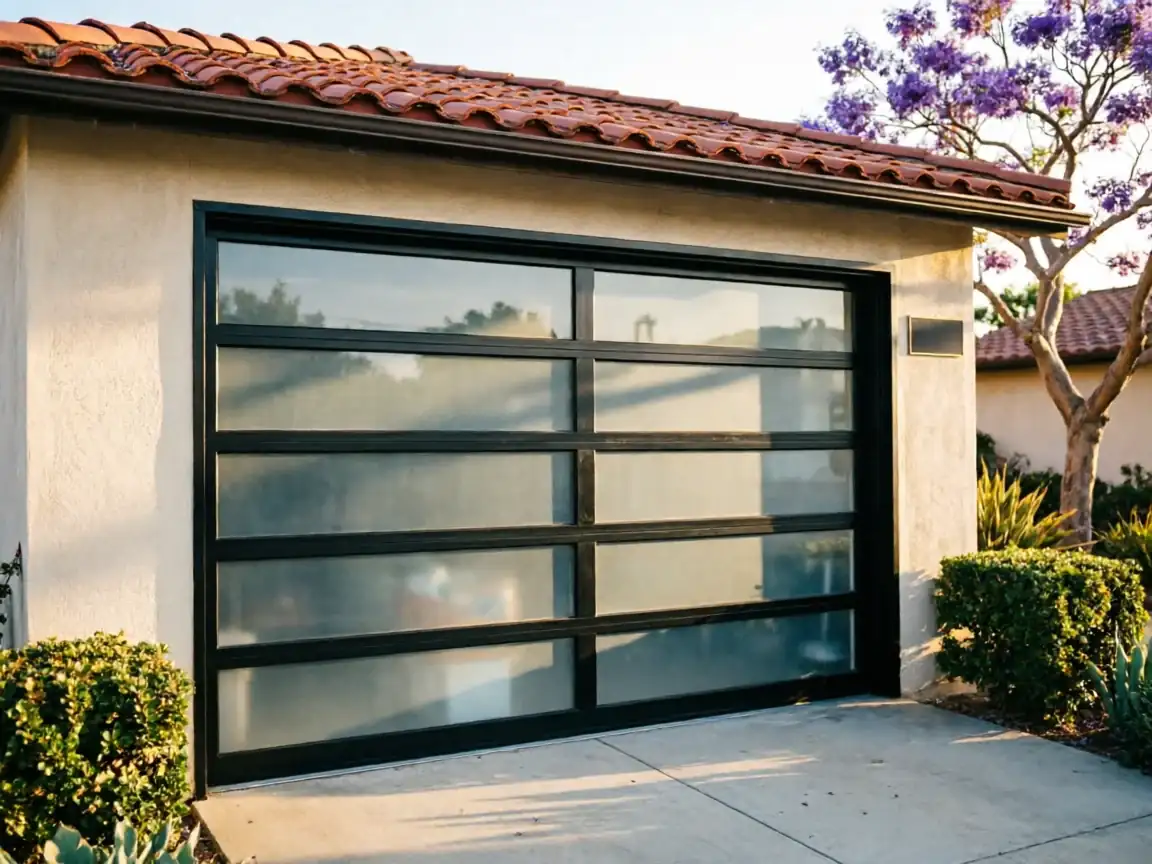
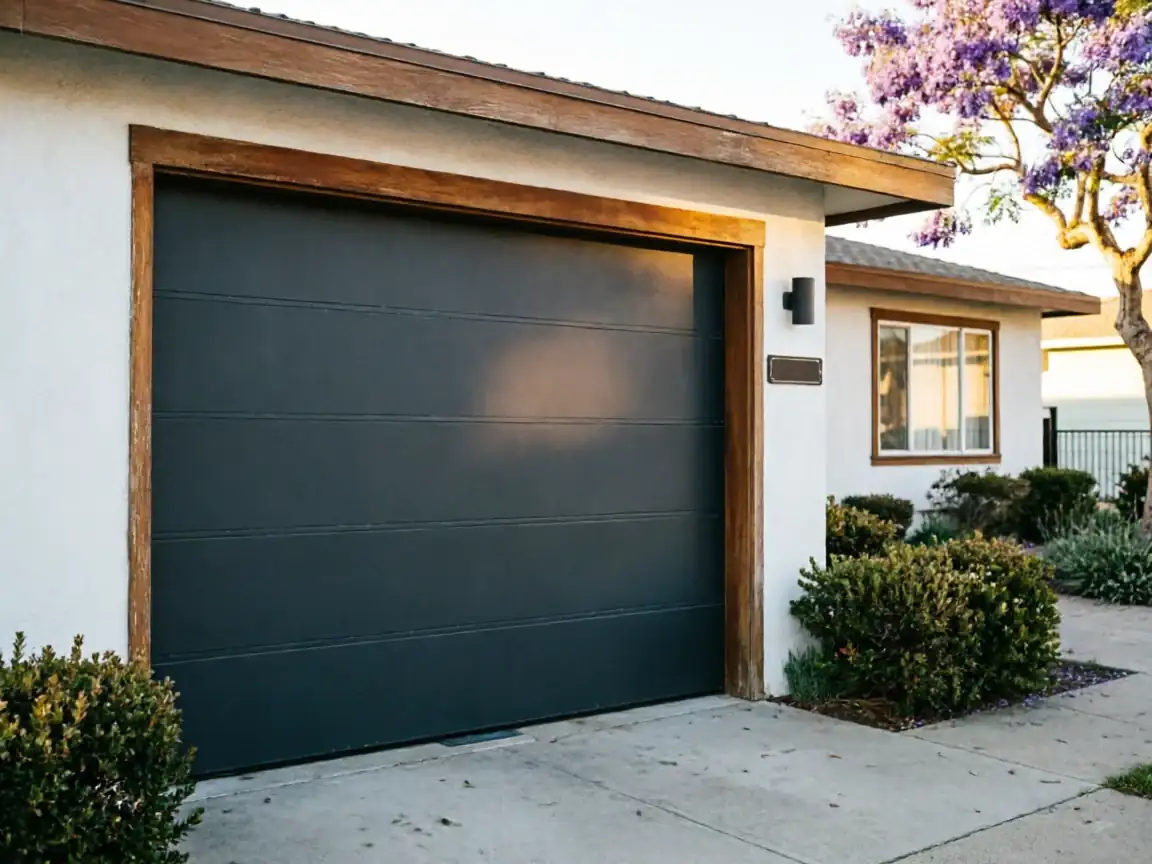
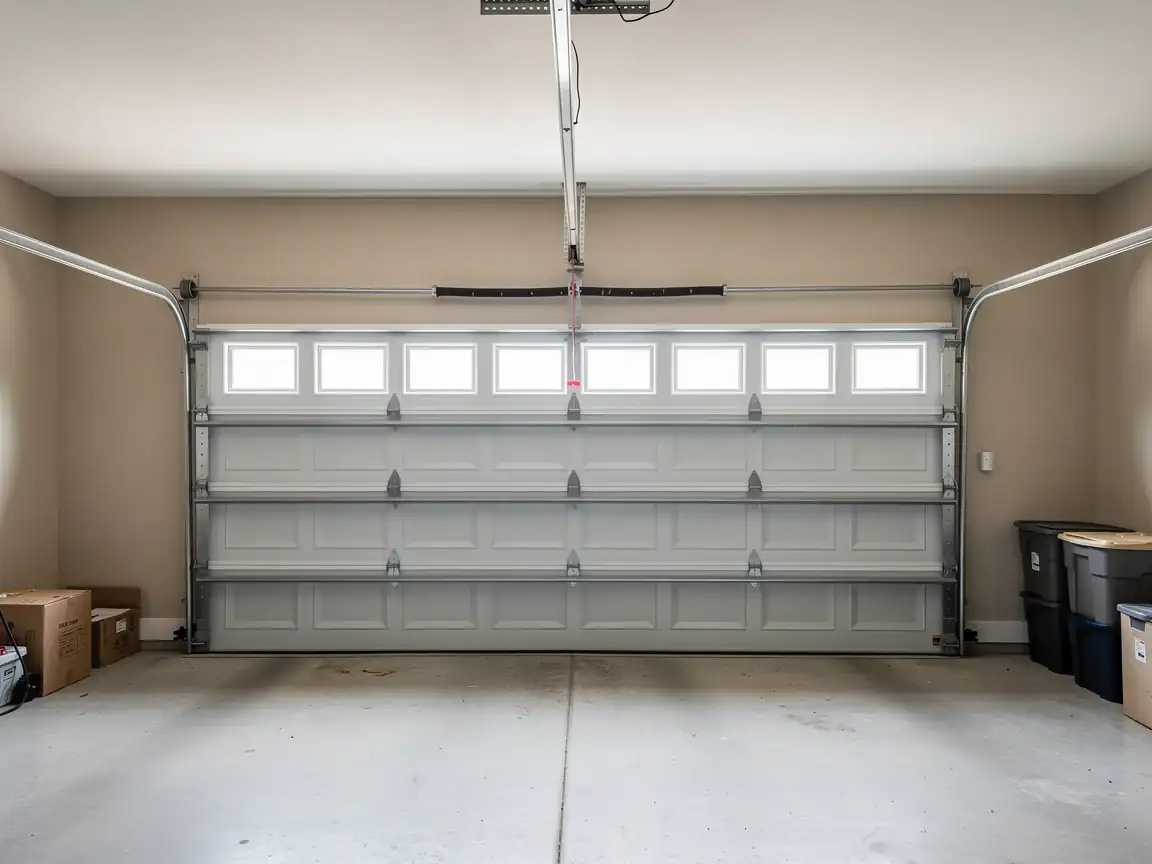
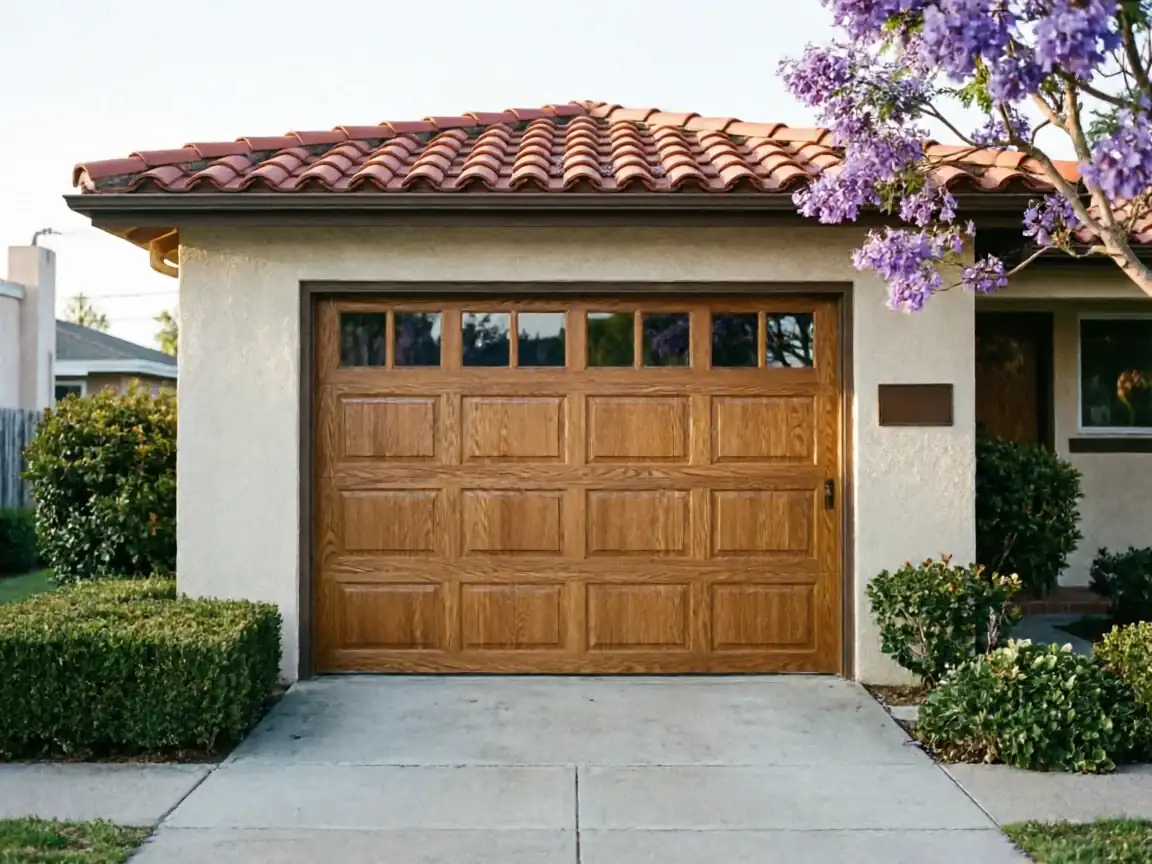
North Tustin's median household income runs well above the wider service area's $124,167, and we see that reflected in what gets ordered - more insulated steel and composite doors with custom window rows, fewer bare economy panels. None of that changes the structural work underneath; a 1965 opening still needs the same header check regardless of what door goes on it. We quote the job after we've looked at the opening, not off a price list, because the age of the structure matters more than the door catalog.
The honest limitation: if your header or jamb has shifted or rotted from decades of settling, that carpentry isn't part of a door install and we'll say so rather than bolt new hardware to bad wood.
What Causes It Around Here
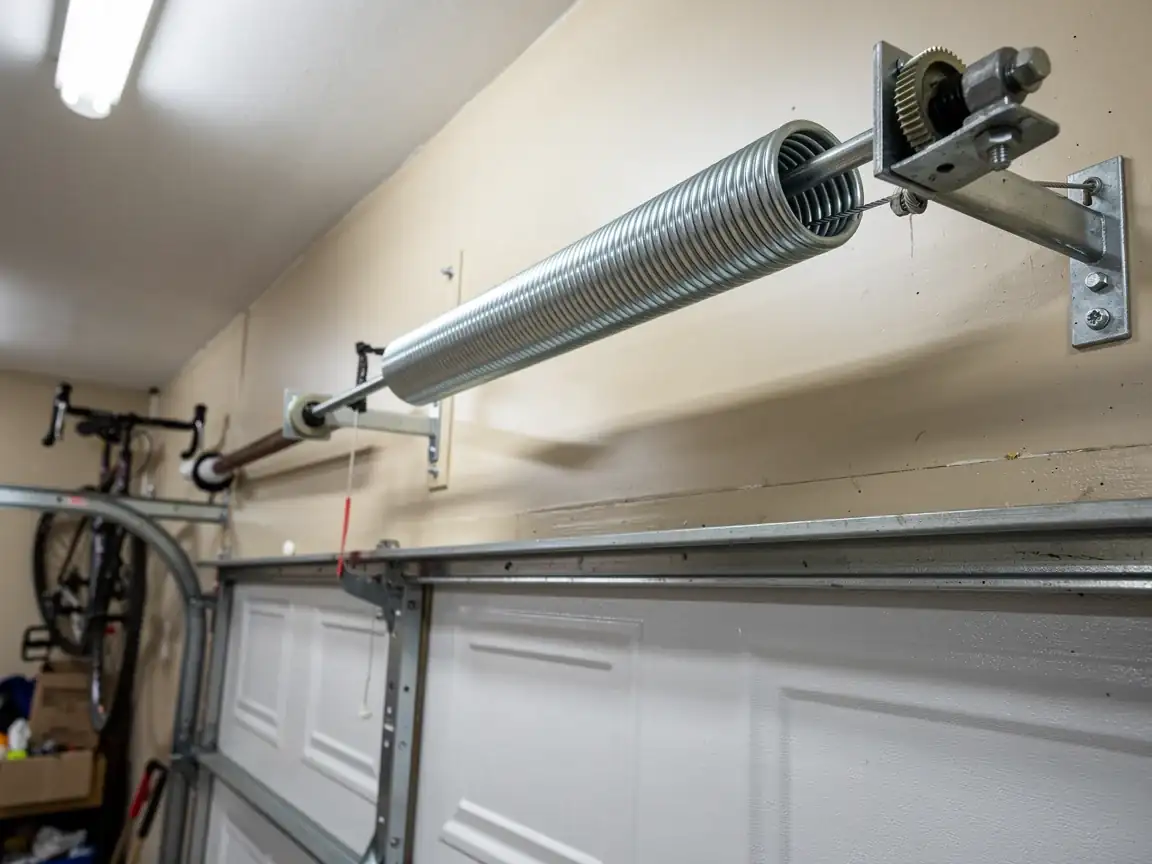
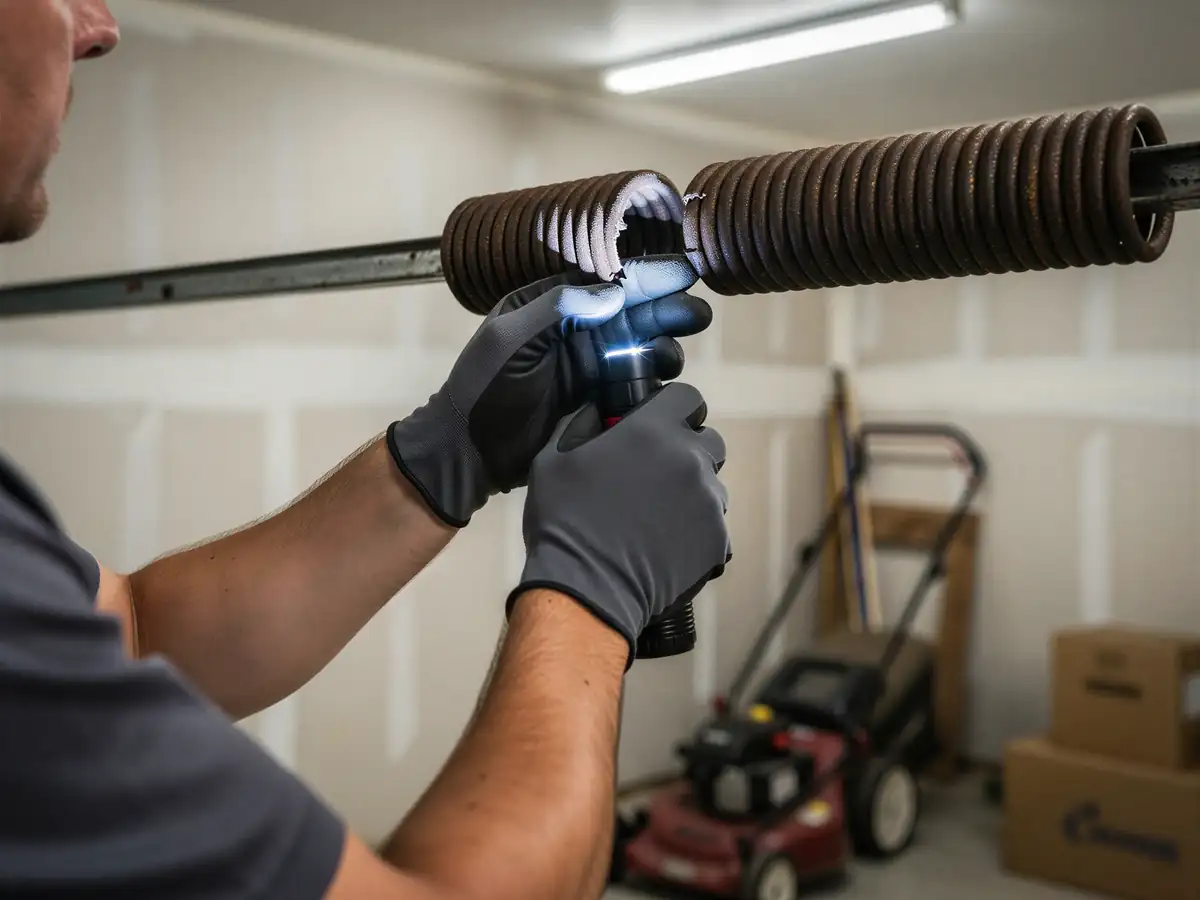
A house built around 1965 was framed for the doors of that era - single steel skin, lighter springs, side-mounted torsion on a bracket that was never meant to hold 35 years of service, let alone 60. By the time an owner calls about installing new, the old setup has usually already told them something was wrong: a door that's heavy to lift by hand, a track that's bowed slightly from one side carrying more load than it should.
The mild temperate climate here means North Tustin doors aren't fighting freeze-thaw cycling or storm-driven moisture the way doors in harsher climates do. That's good news for the door skin itself. It's less good news for the hardware, because without weather forcing early failure, a lot of these torsion systems and track runs have simply aged in place since the house was built, well past when they'd normally get replaced. We go into these jobs assuming original hardware until we see otherwise.
Stocked Parts
We run installs from Irvine, about 6 miles out
So the door and the hardware that goes with it come off the same trucks we use across the rest of the service area - insulated steel sectional doors in standard widths, torsion springs sized to the new door's weight, and the track and roller sets that pair with them. Nothing about North Tustin changes what we carry; the area's older homes just mean the bracket and header hardware get more attention during the swap.
- 6 miles
What we don't stock is custom millwork doors or specialty wood finishes built to order
Those run on a manufacturer lead time outside our control, and we'll tell you that up front if you're set on one rather than let it stall the job.
Time on the Job
A straight door swap on an opening that's structurally sound is typically a same-day job start to finish. Where North Tustin's 1965-era stock adds time is in the inspection before any new door goes up - checking the header, the jamb, and the existing bracket mounts for wear that's had six decades to accumulate. If that check turns up solid framing, the install moves at the normal pace. If it turns up a header that's flexed or split, that's a conversation about carpentry before the door goes on, and it adds time we won't guess at until we've opened things up.
What You Are Seeing
If you're looking at new installation rather than a repair, it's usually one of a few things: the original 1965-era door has reached the point where parts for it no longer exist, the owner wants insulation the single-steel-skin original never had, or the door's simply been patched enough times that replacement makes more sense than another repair call. With 8,926 households in North Tustin and a housing stock this consistent in age, we see the same pattern repeat - original doors nearing or past sixty years old, on hardware nobody is still manufacturing replacement parts for.
Sometimes what looks like a job for new installation is actually a fixable spring or cable issue on a door that still has life left. We'll say so rather than sell a replacement a repair would solve - that's a judgment call we make on site, not over the phone.
What the Fix Involves
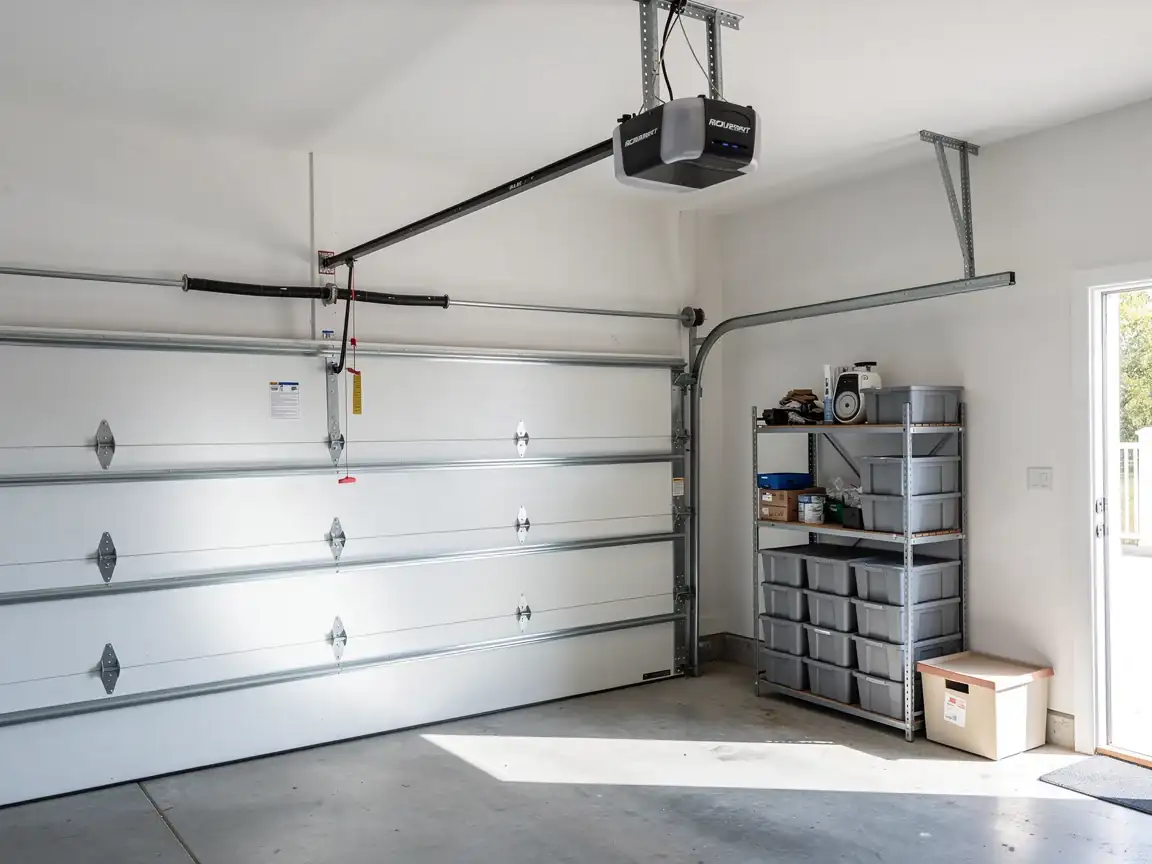
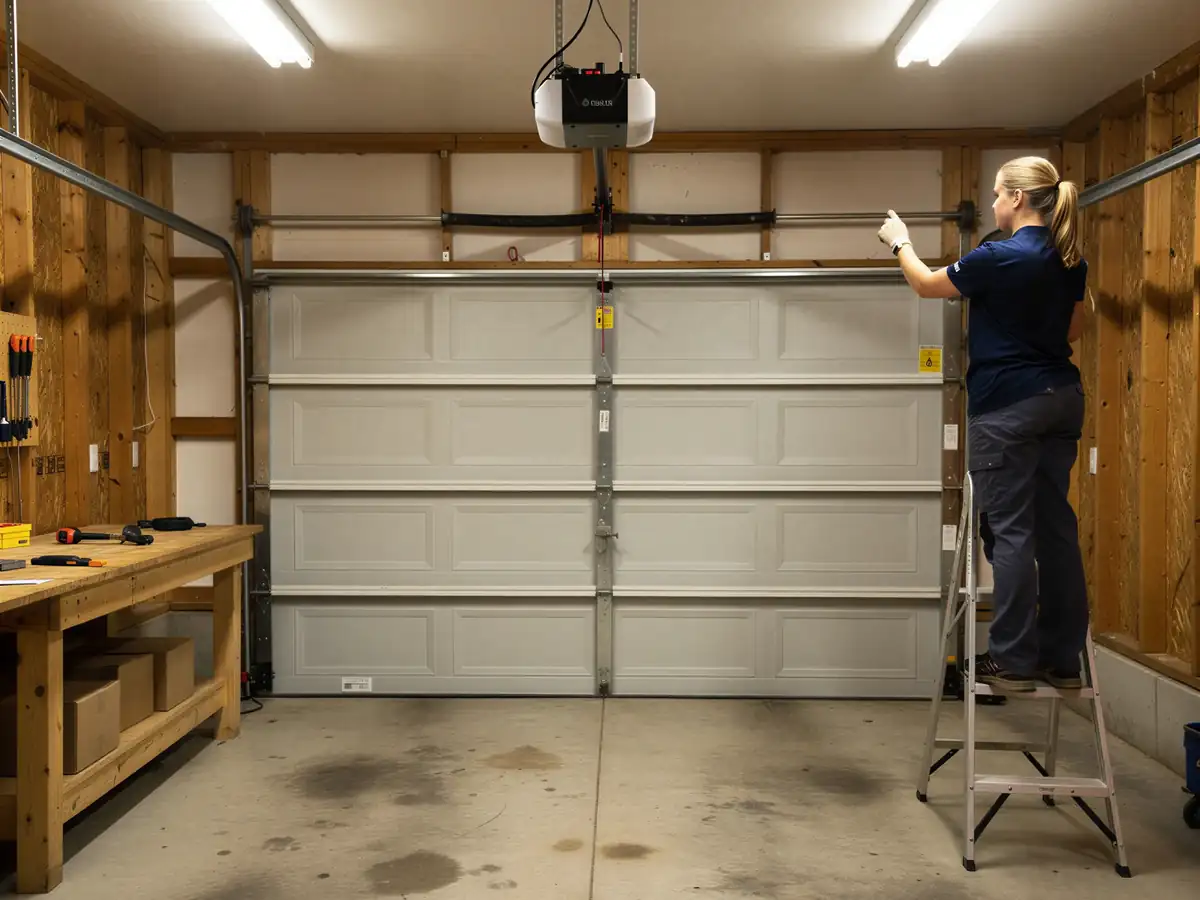
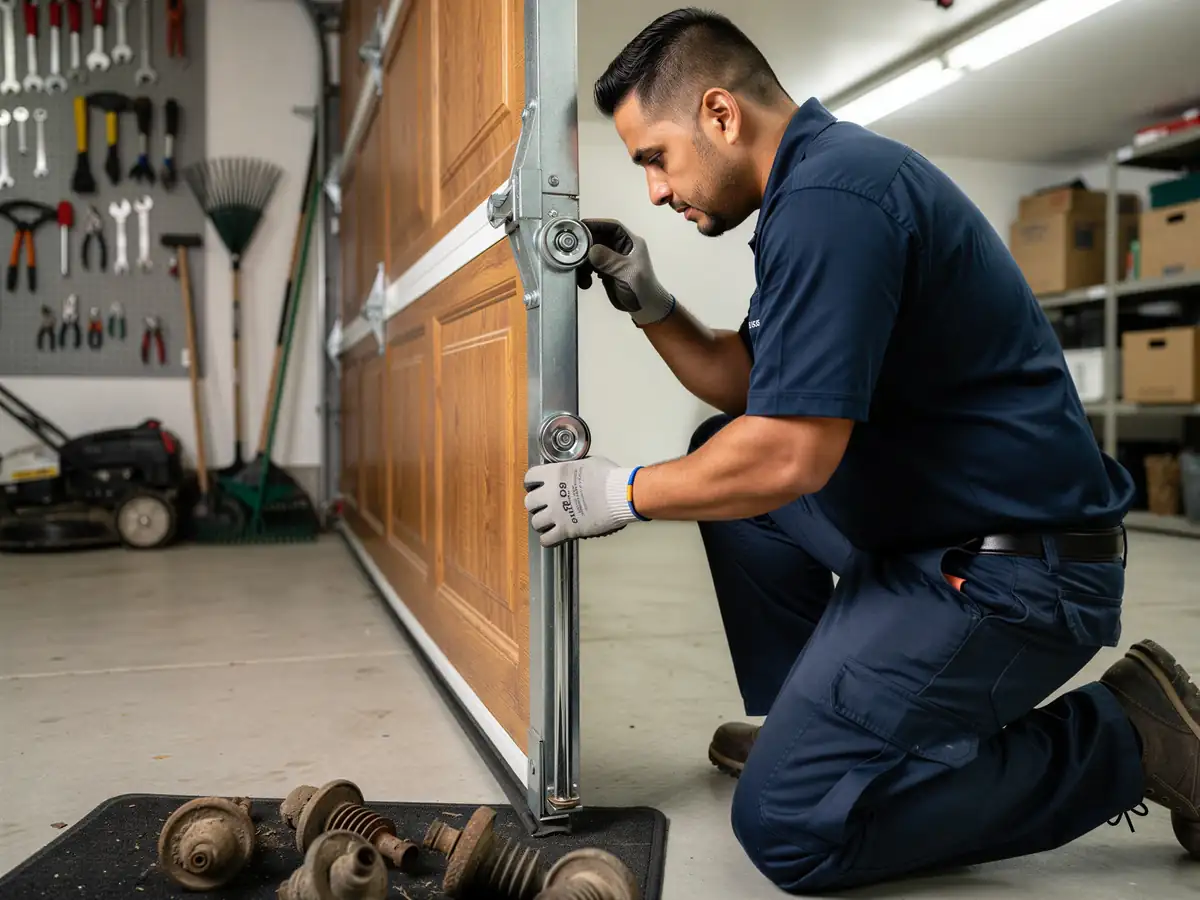
New installation here starts with removing the old door and torsion system entirely
Then inspecting the opening - header, jambs, and track mounting points - before anything new goes up. On a house from 1965, that inspection step isn't optional; it's where we catch whether the structure can take a heavier insulated door as-is or needs reinforcement first.
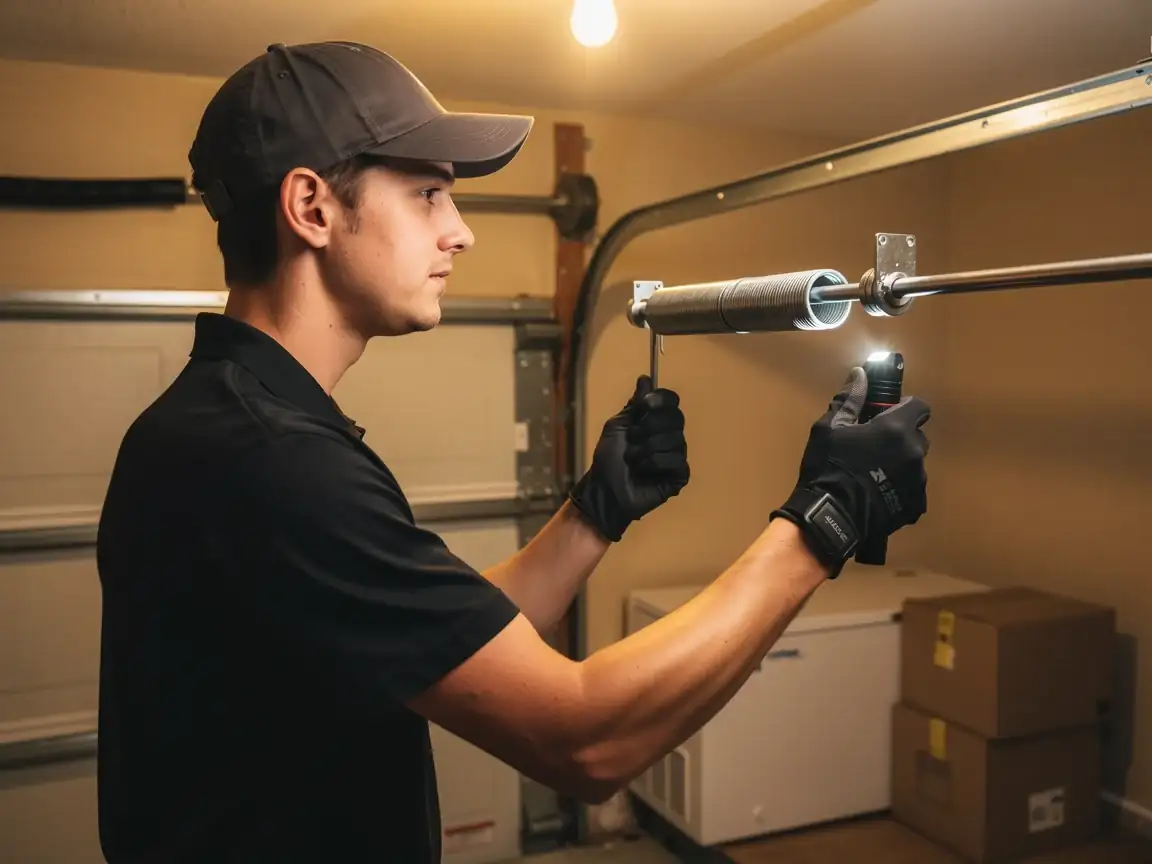
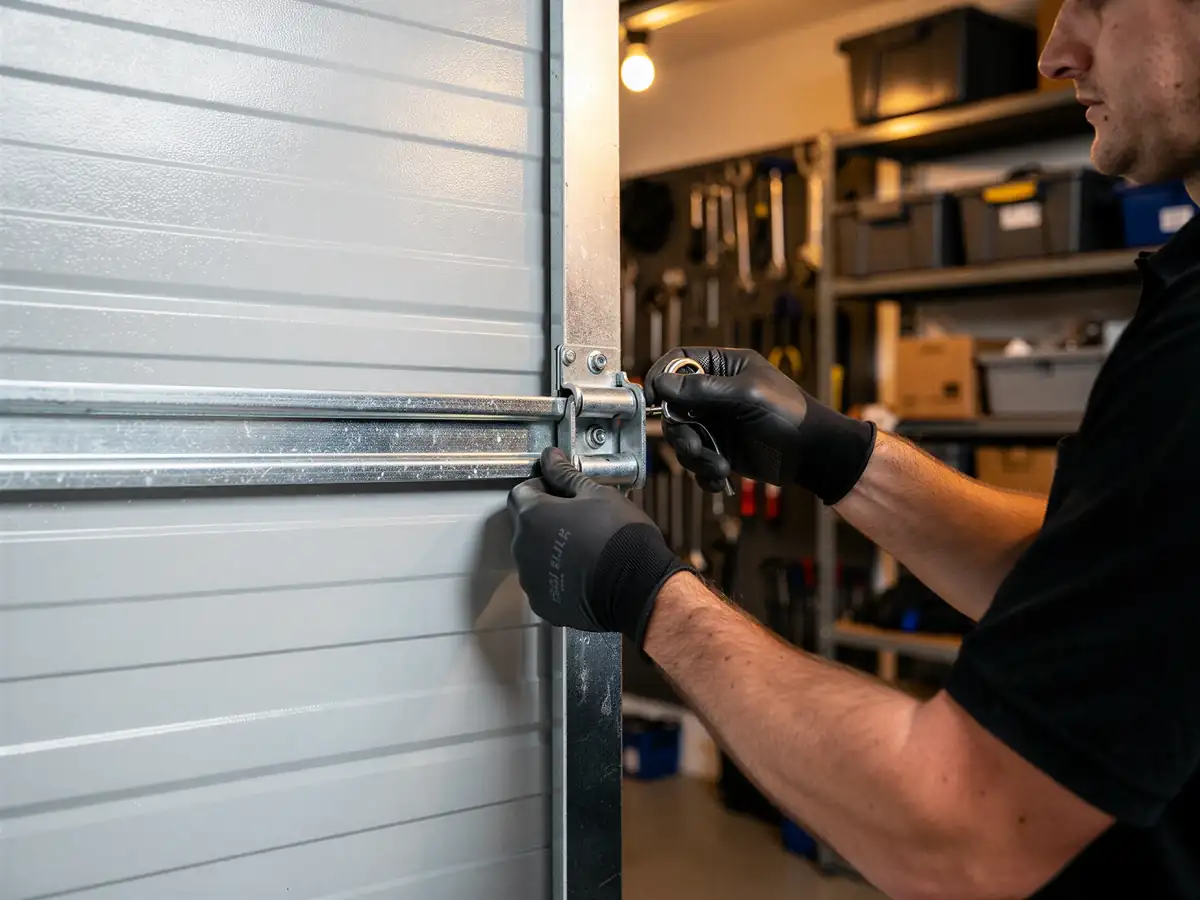
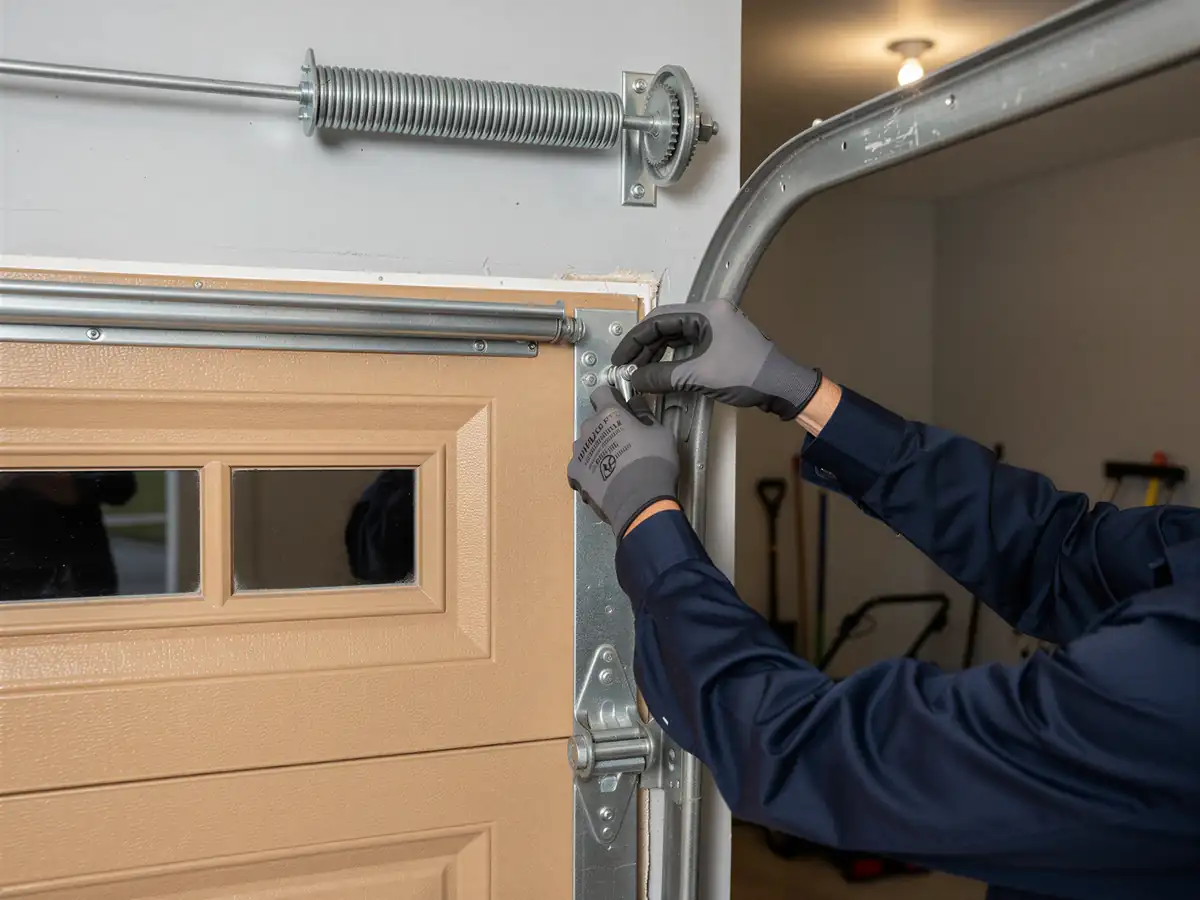
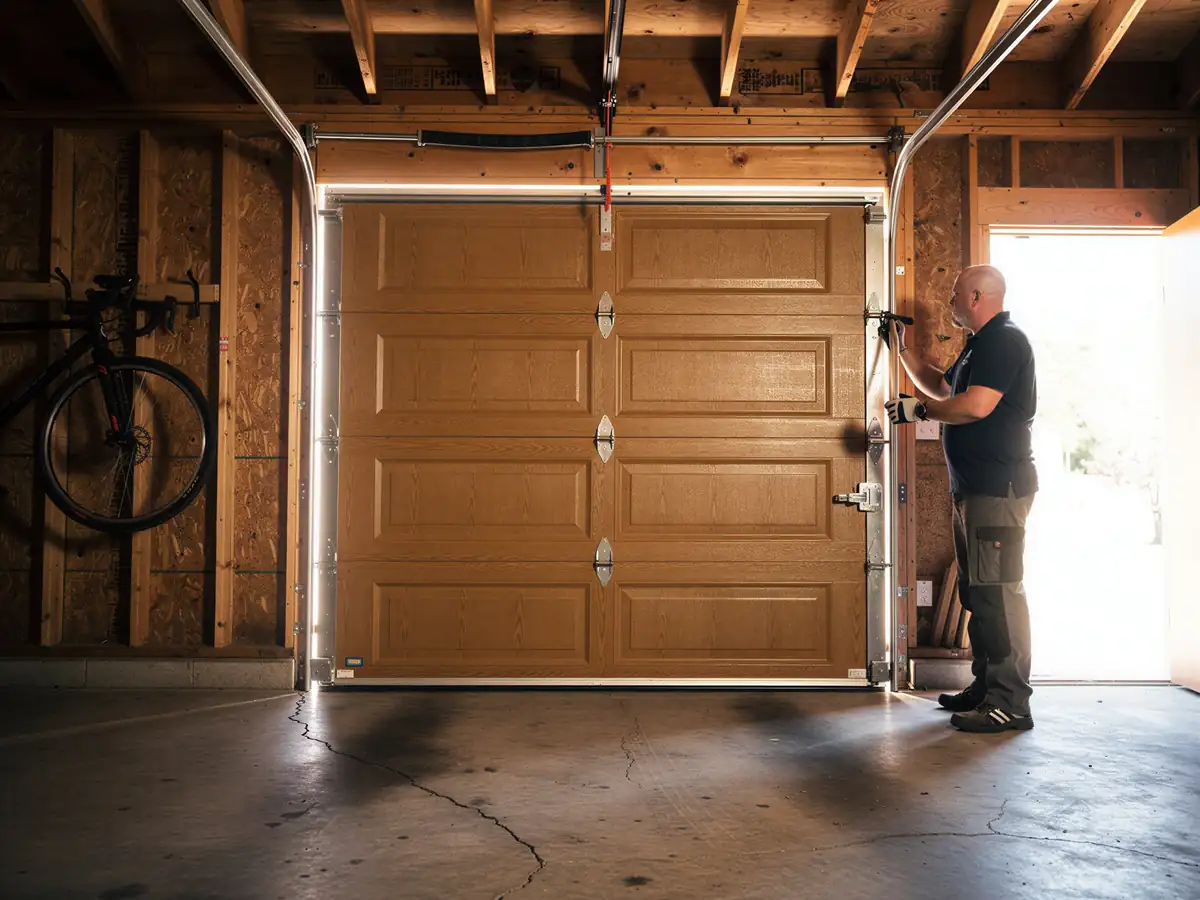
Once the opening checks out, we set new track, mount springs sized to the new door's actual weight
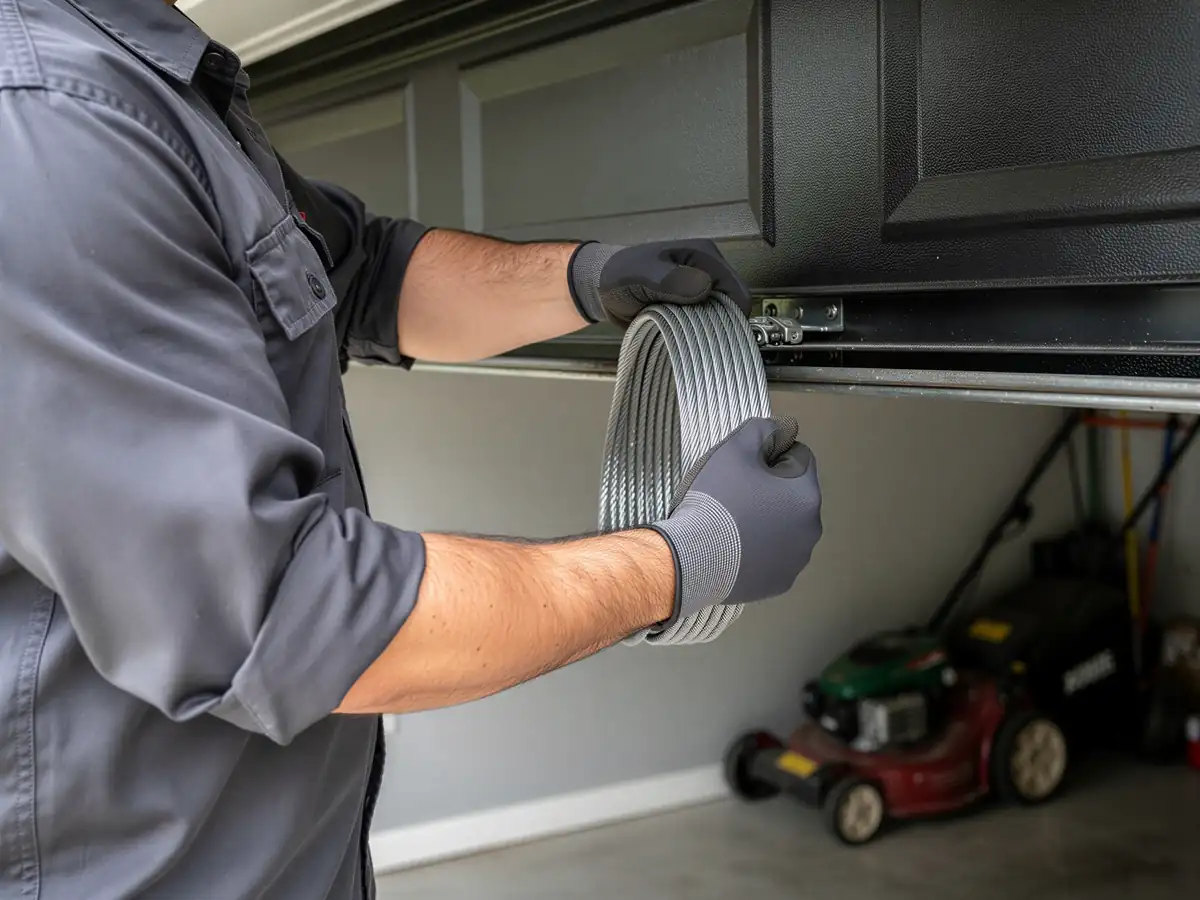
And hang the panels with new rollers and cable. We balance and test the door under its own spring tension before we call it done, since a door that lifts easily by hand on day one is the real sign the torsion system is sized right - not just that it looks straight.