The Cost of This Job
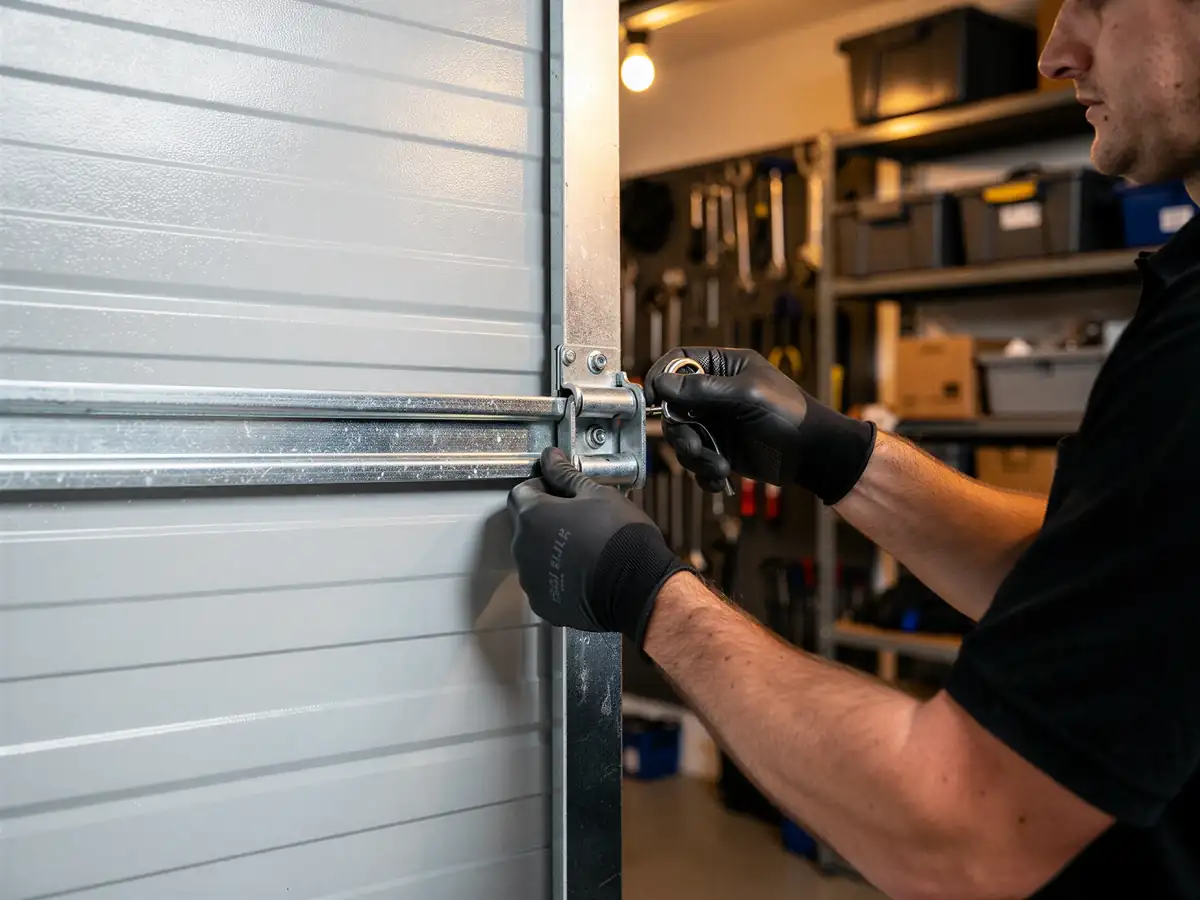
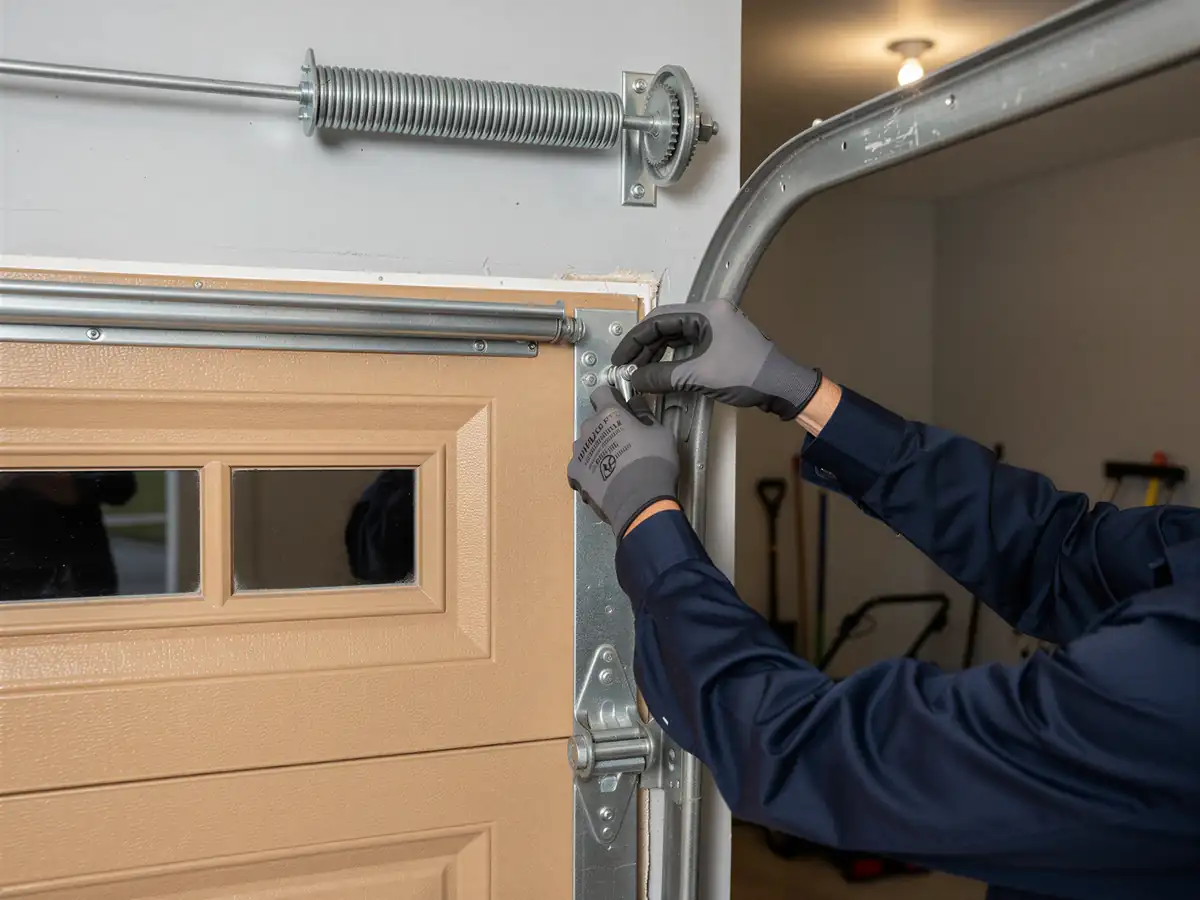
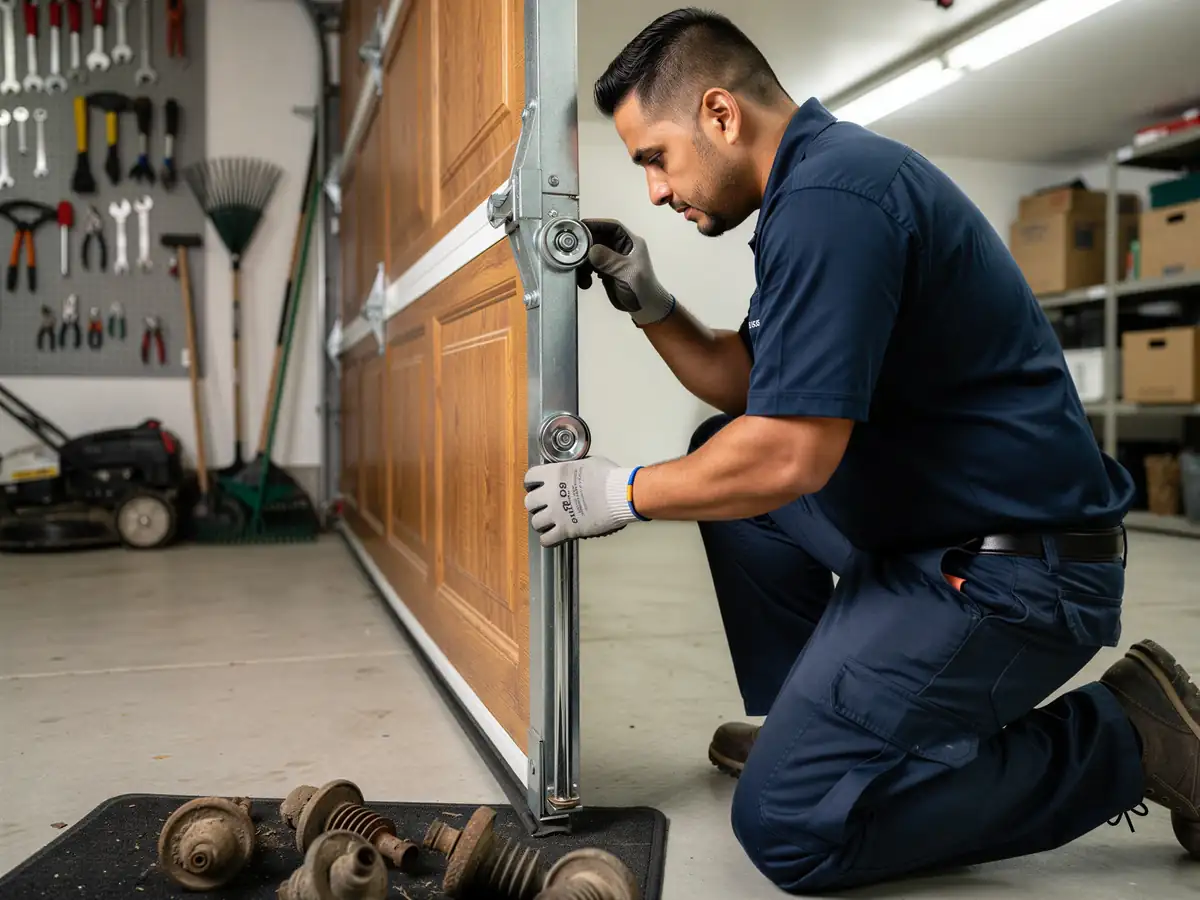
We don't have a flat number to quote here without seeing the door, since roller jobs split into two very different repairs: a quick swap of 6 to 10 rollers on a door that's otherwise sound, or a roller-and-track job on a door where the old steel rollers have worn the track edges enough that new rollers alone won't quiet things down. North Tustin's roughly 8,926 households sit in a tight enough area that we see the same handful of door ages over and over, which makes it easier to tell you on the phone which category your door falls into before a truck ever leaves Irvine. What we won't do is sell you a full track replacement when a roller swap and a track adjustment will do the job. If your rollers are the only worn part, that's all we touch.
What Causes It Around Here
The median home in North Tustin was built around 1965, a decade or so earlier than the broader service area's 1976 median. That earlier build date usually means steel rollers on steel tracks rather than the nylon-on-steel setups that became common later, and steel-on-steel wears faster and louder. The area sits in the same mild temperate climate band as the rest of the region, so you're not fighting the freeze-thaw cycle that cracks nylon rollers elsewhere in the country. What you are fighting is straightforward age and use: thousands of open-close cycles on hardware that predates the sealed-bearing rollers most doors ship with today. Grit and dust working into an open bearing is the usual culprit, not weather.
Time on the Job
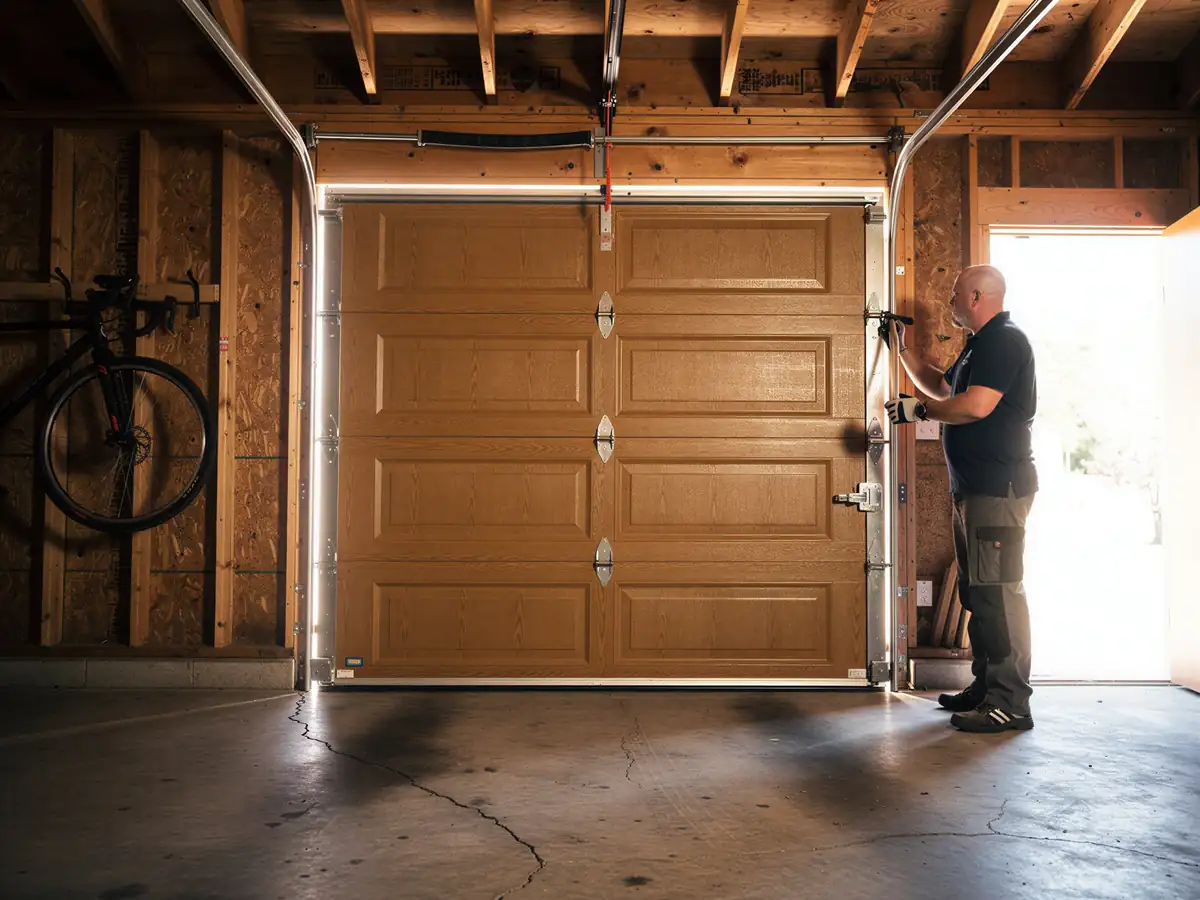
A straightforward 10-roller swap on a door with sound tracks is a same-visit job once we're on site. Add track wear from decades of steel rollers riding the same groove, and the visit runs longer because we're cleaning up or adjusting the track alongside the roller swap, not just because the parts take longer to install. We come out from Irvine, about 6 miles away, so the job itself is quick once the truck arrives - we're not estimating a response window here, just the work time once we start.
What You Are Seeing
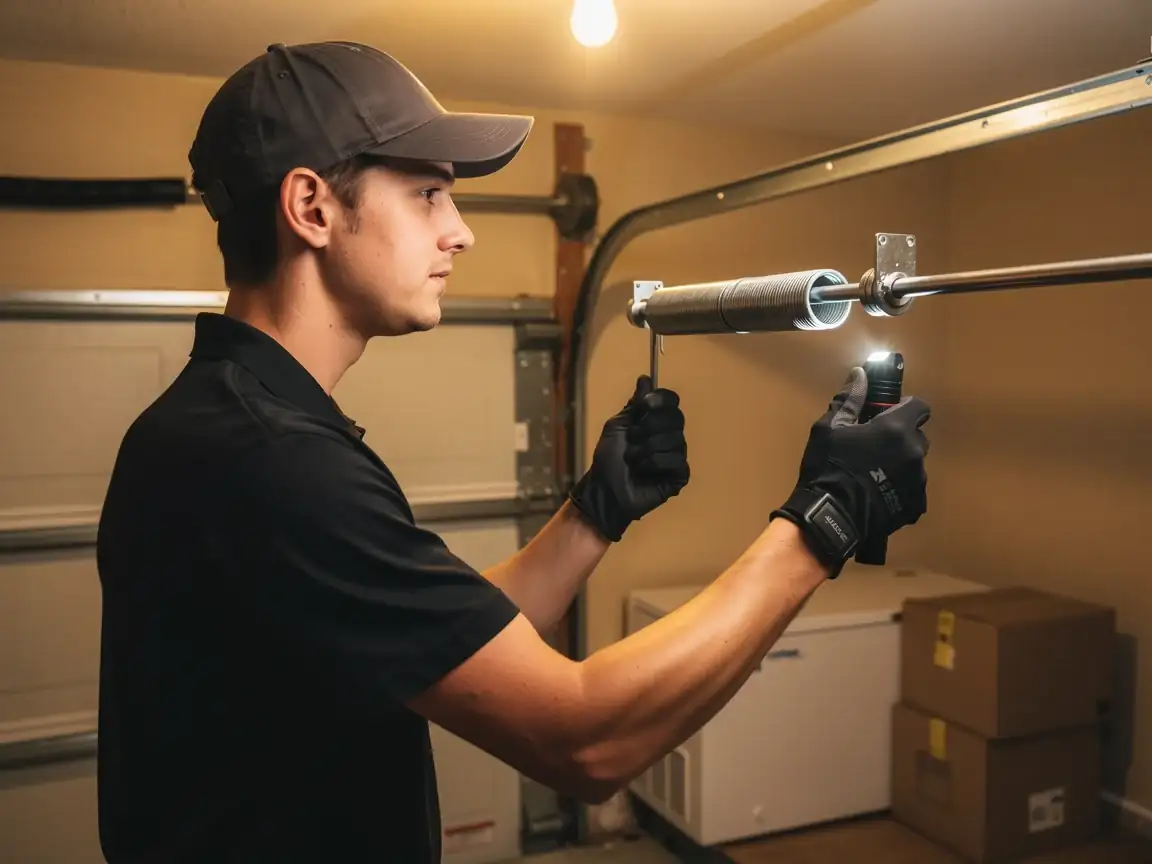
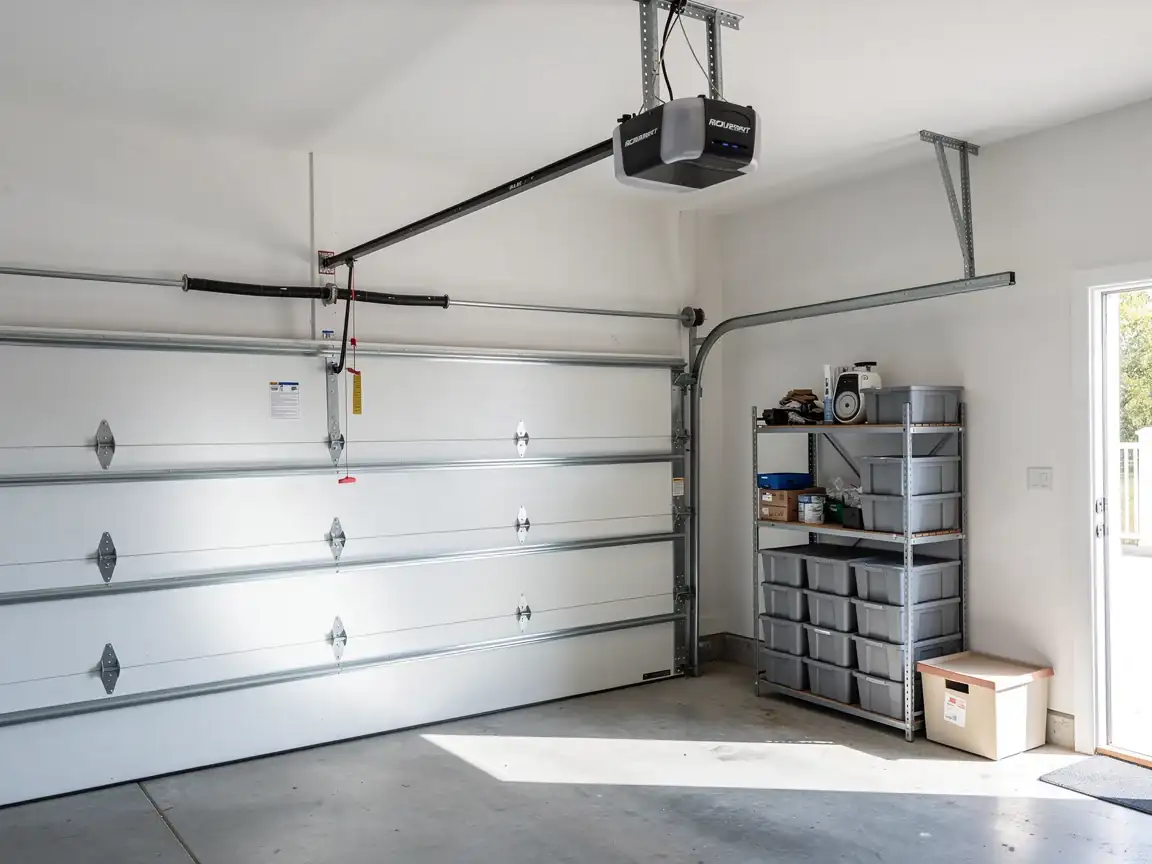
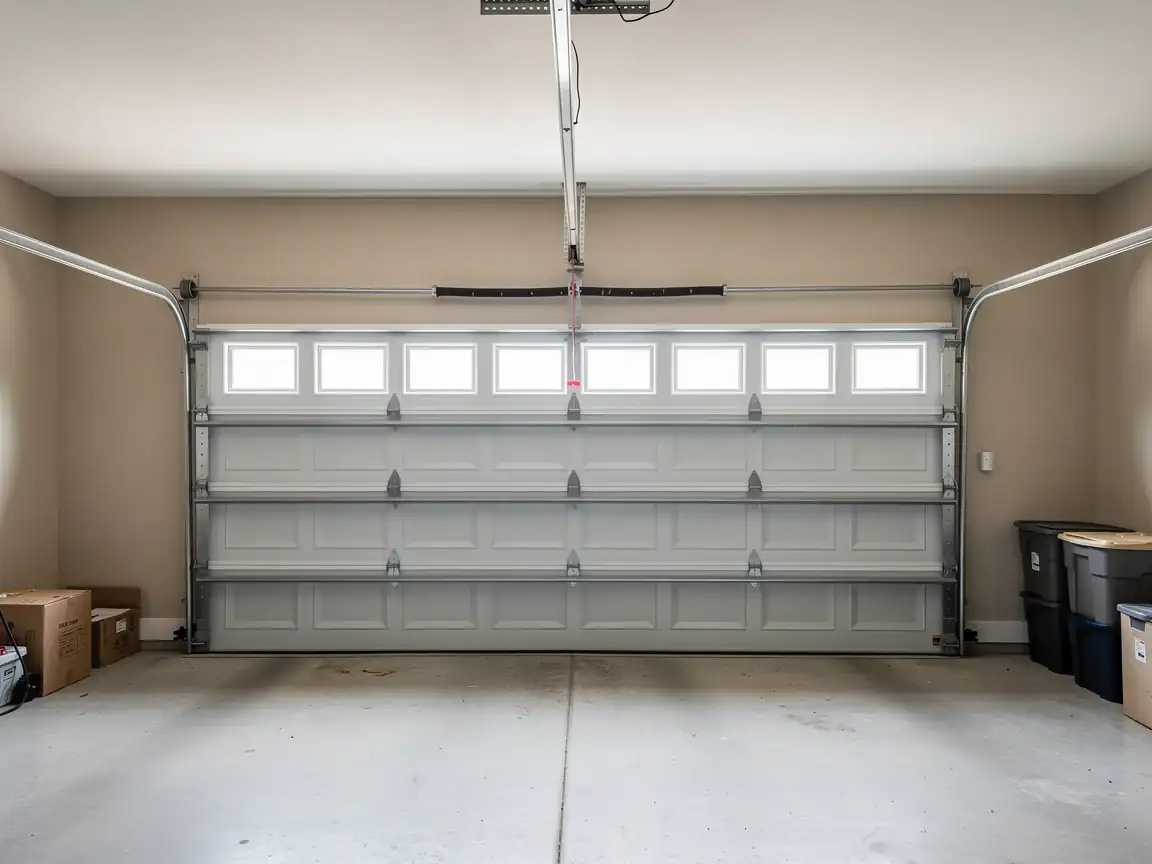
On a door this age, the signs are usually a grinding or rattling sound as the door travels, especially noticeable in a quiet neighborhood where the sound carries into the house. You might see a roller that's visibly flat on one side, chipped, or sitting loose in its bracket. Some doors shudder or jerk at one point in the travel, which usually means a roller has worn enough that it's catching rather than rolling smoothly through that section of track. None of this is an emergency - a worn roller doesn't usually strand your car in the garage - but left alone it accelerates wear on the track and the opener motor that's fighting the extra resistance.