The Cost of This Job
We don't post a flat number here because the fix depends on what's actually on the wall, and in North Tustin that varies more than you'd think for a town this size. A lot of the doors going up around 1965 came with steel sections and torsion springs sized for a lighter panel than what's sold today - if yours still has the original hardware, parts and labor run differently than a job on a door installed in the last fifteen years. We'll tell you the number before we touch anything, broken down by part and labor, not a flat "service call" charge that hides what you're paying for. One honest note: if the opener itself is original to a 1965 build, we may tell you replacement beats a repair, because sourcing parts for some of these old units eats more in labor hours than a new unit costs installed.
What Causes It Around Here
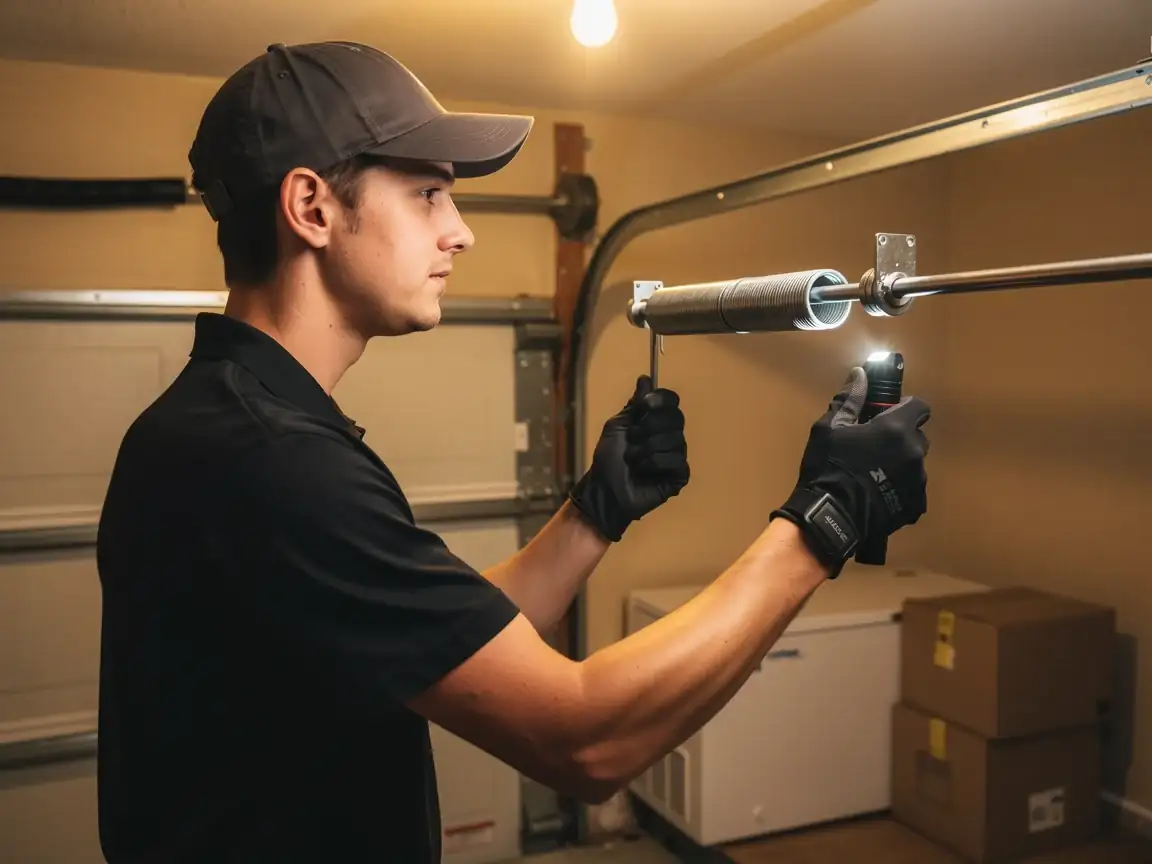
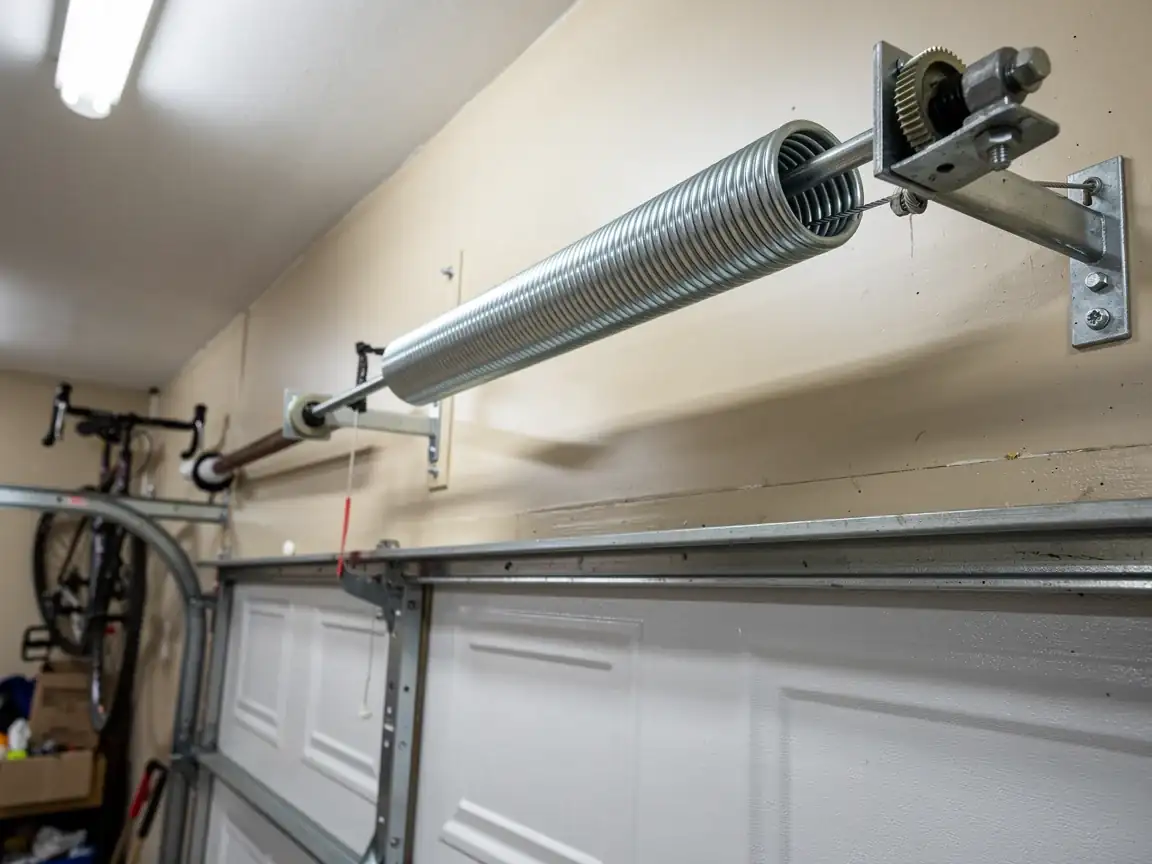
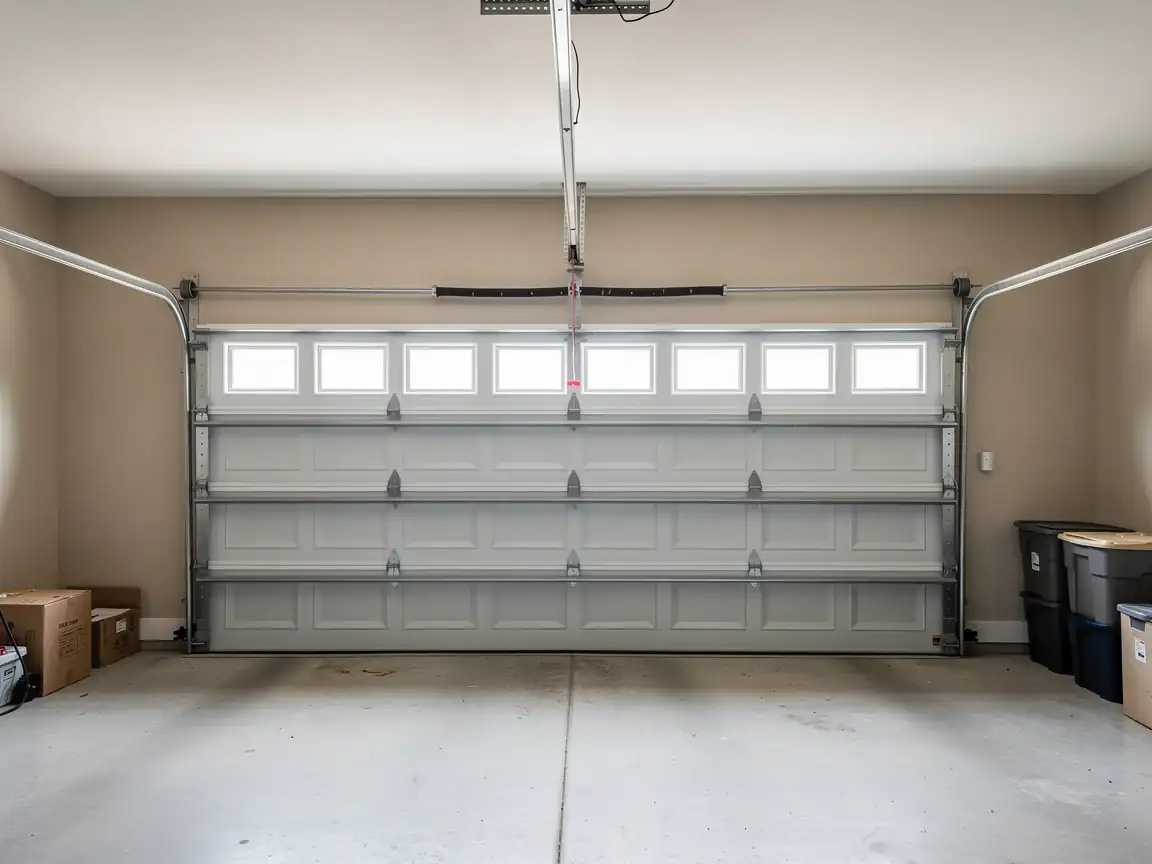
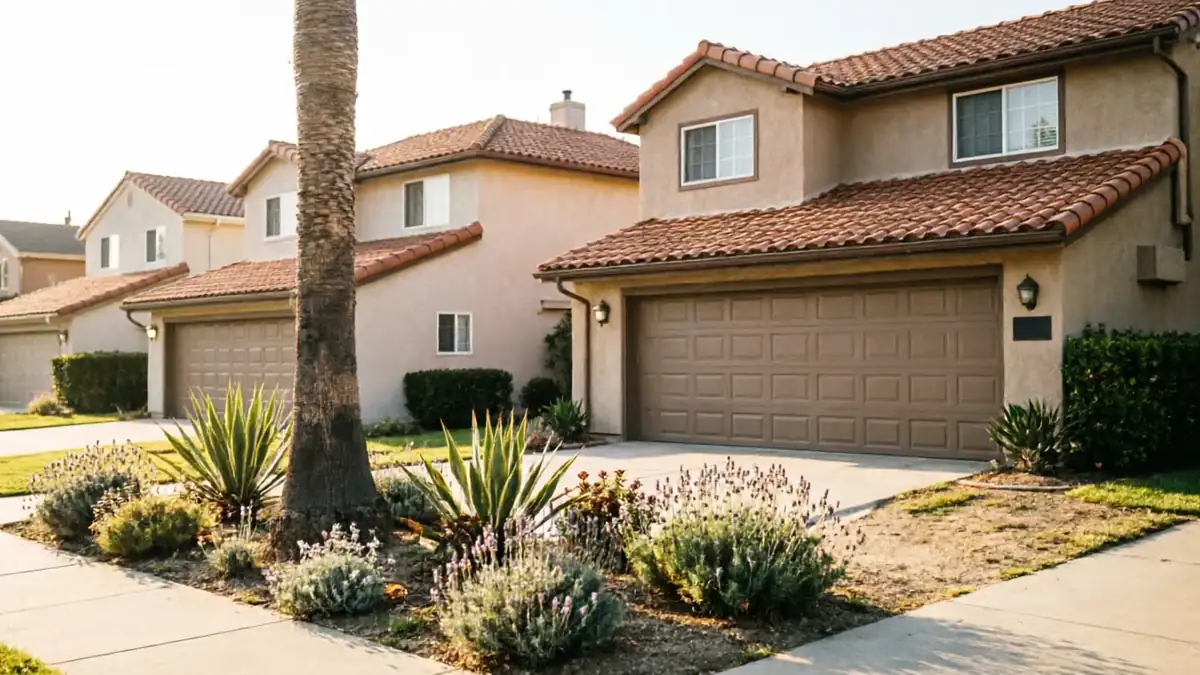
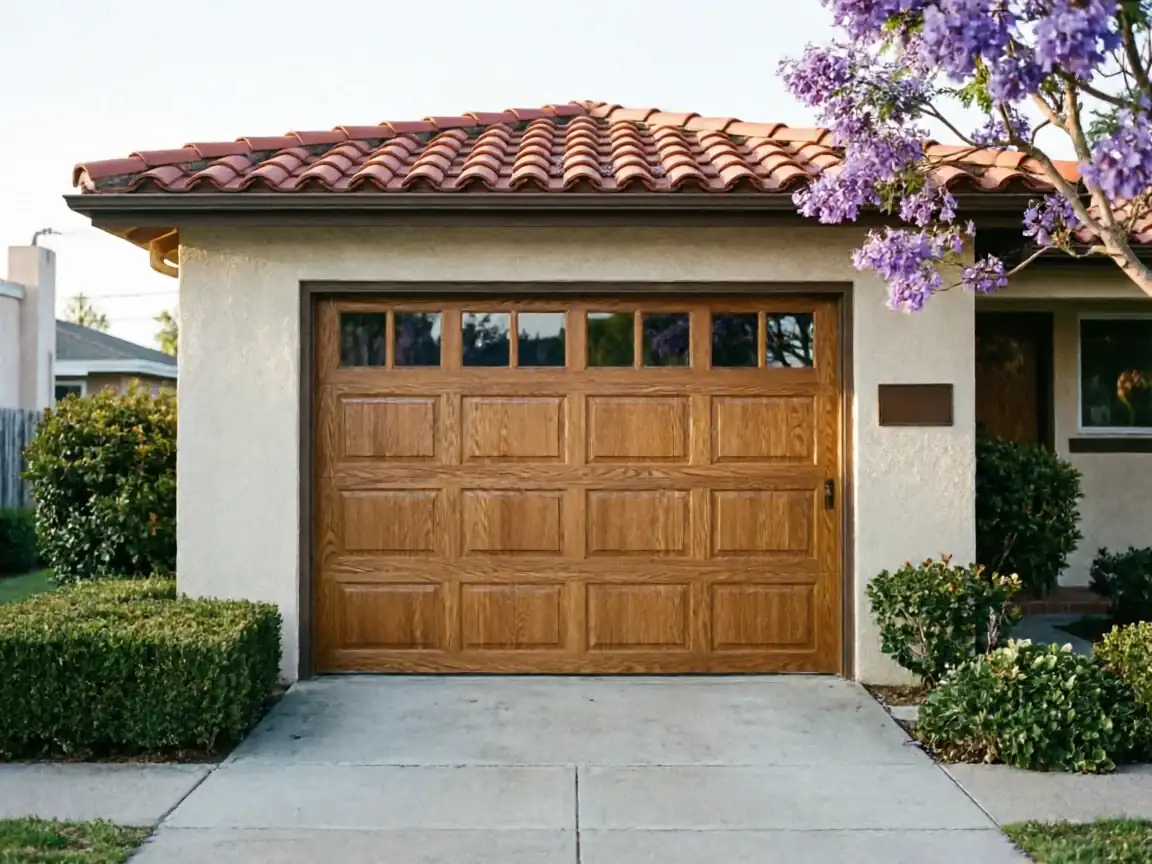
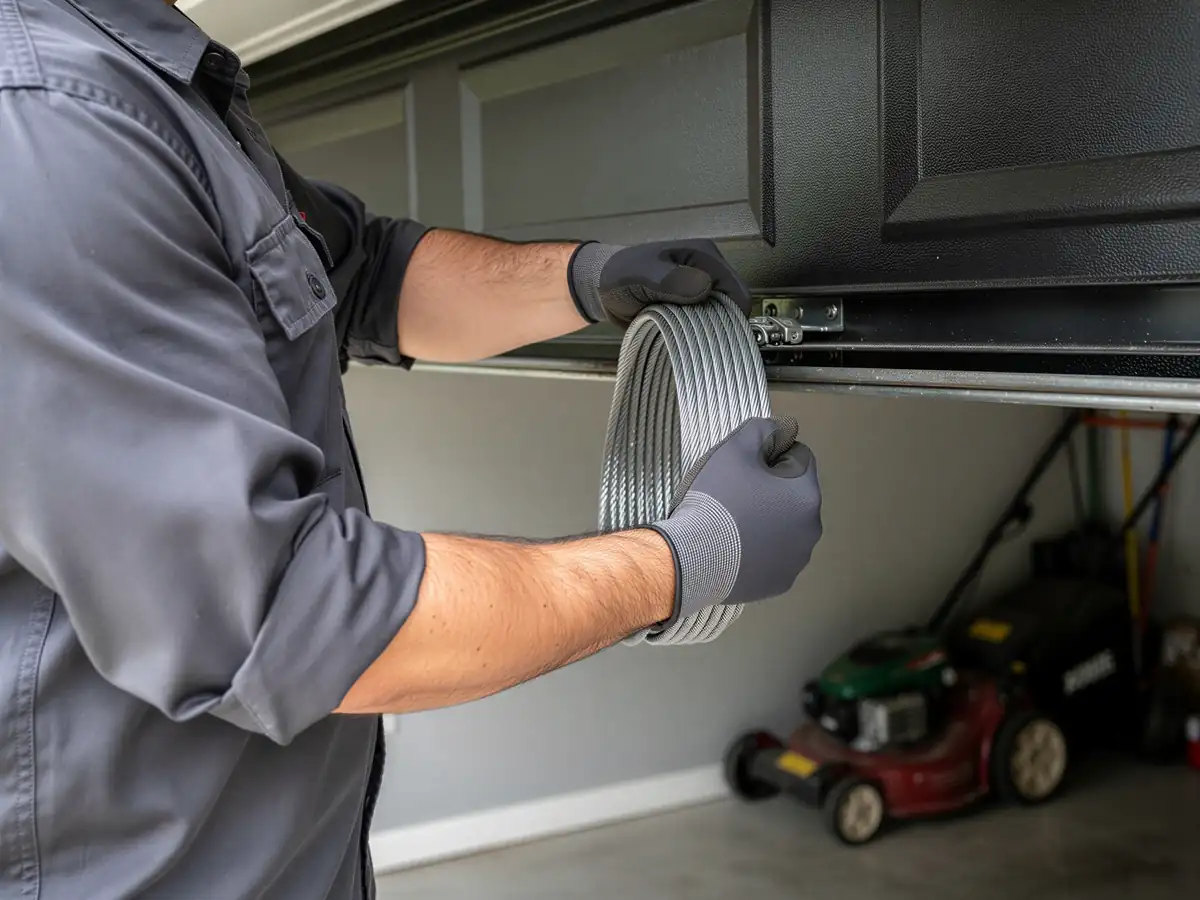
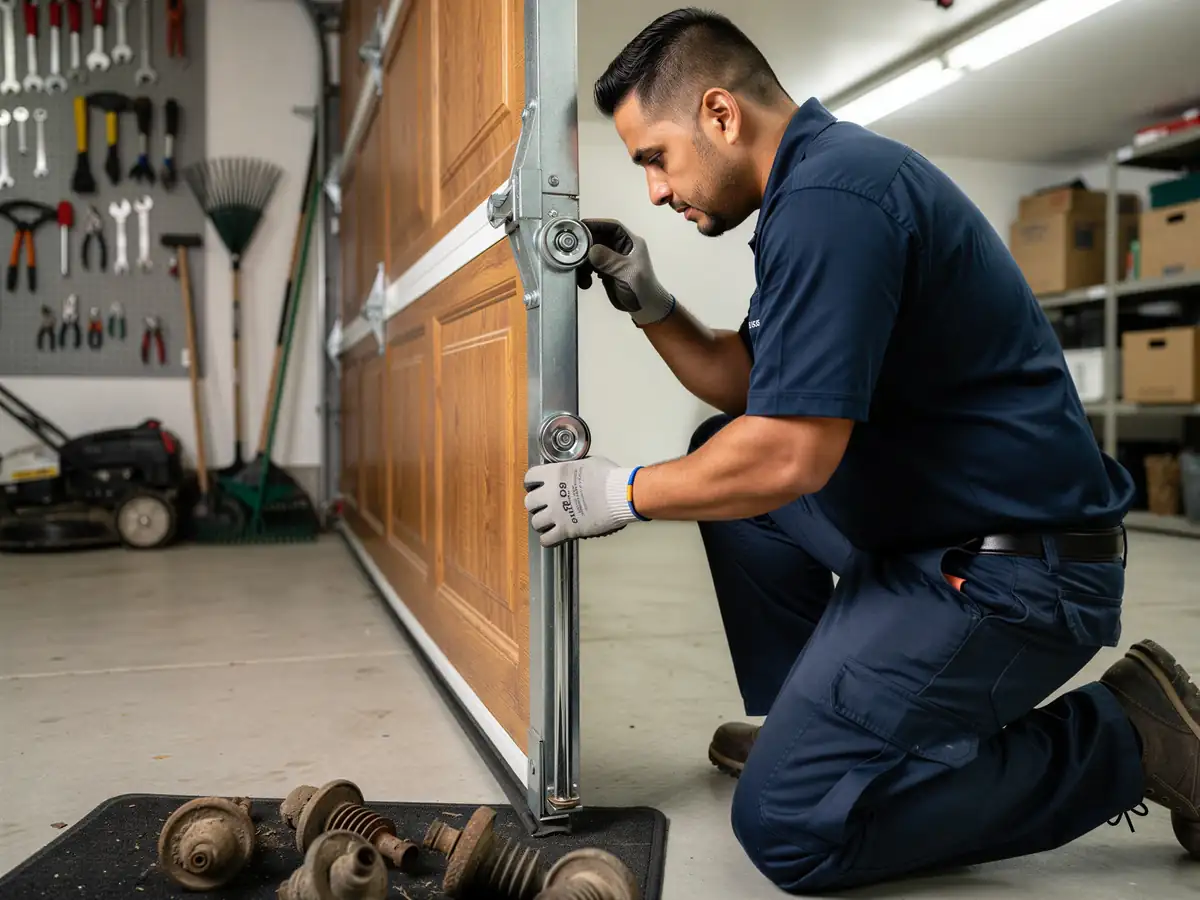
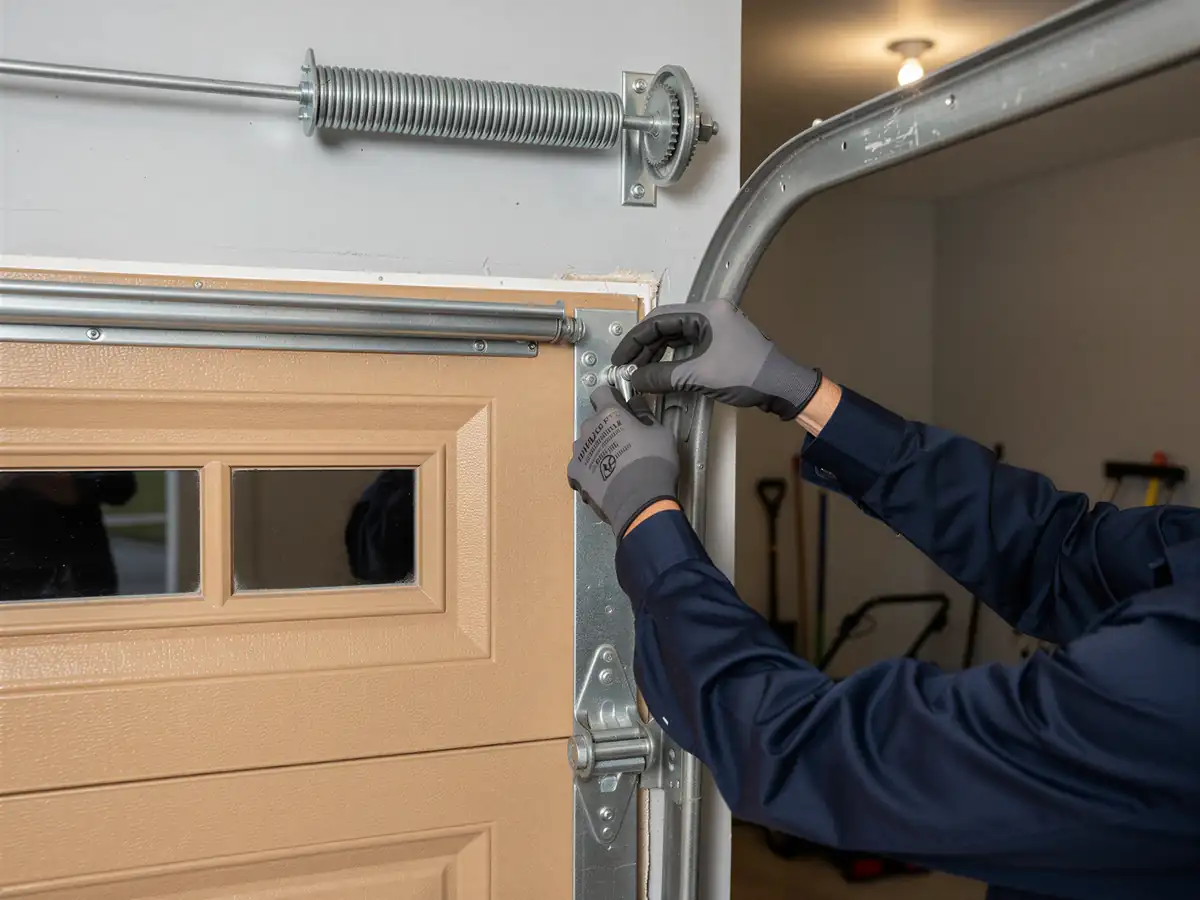
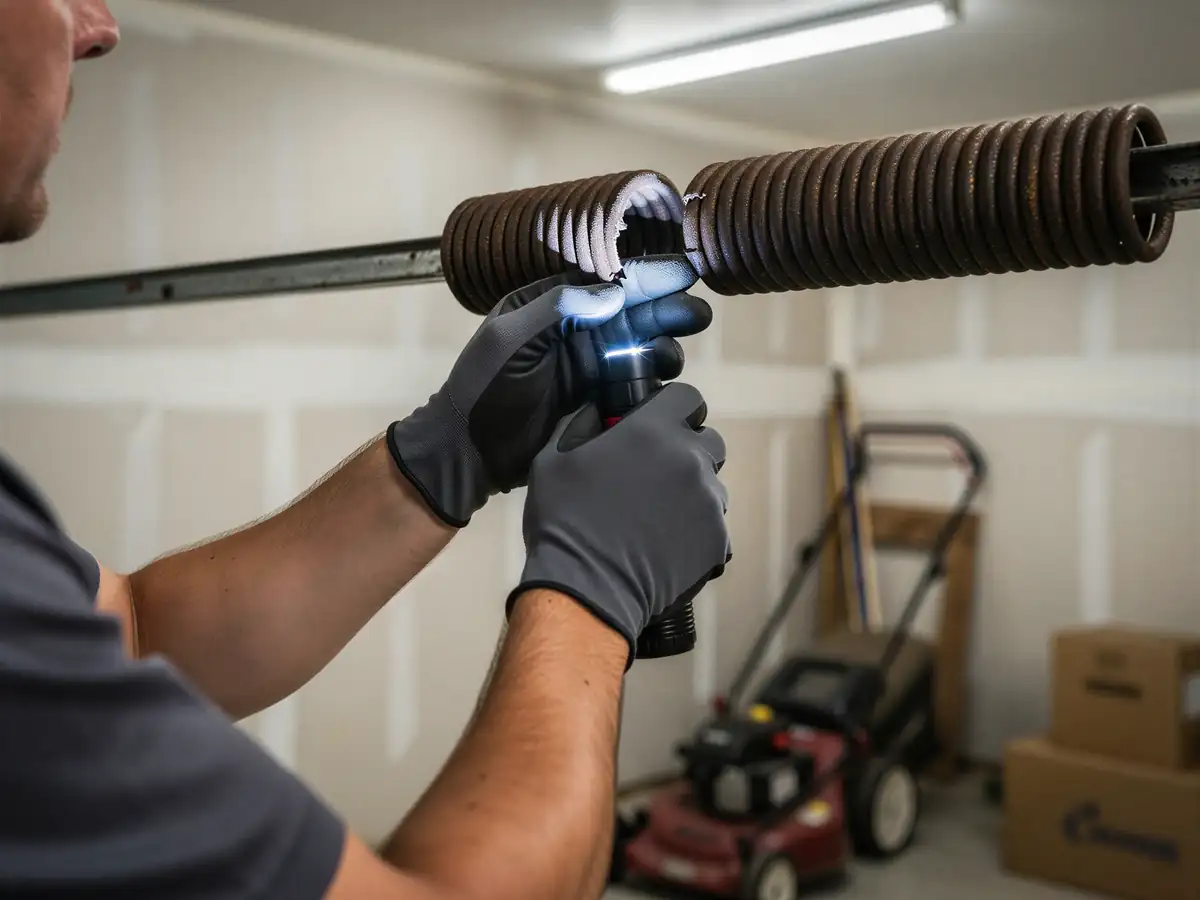
North Tustin's housing stock centers on 1965, a decade ahead of the broader service area's 1976 median build year, and that gap shows up in the hardware. Doors from that era were hung on heavier-gauge torsion springs than what you'll find on a door from the 1990s onward, and those springs have had sixty years to fatigue, even with the mild temperate climate here keeping rust and wood swell to a minimum. We don't see the extreme heat-cycling that cracks sections in hotter inland towns, so when something fails in North Tustin, it's almost always age and cycle count on original parts, not weather damage. Cables fraying at the drum, rollers worn oval instead of round, and center bearing plates that have outlived three or four reinstalls of the same spring - that's the pattern. It's slow failure, not sudden damage, which is also why a lot of these doors keep limping along years past when they should've been swapped.
Time on the Job
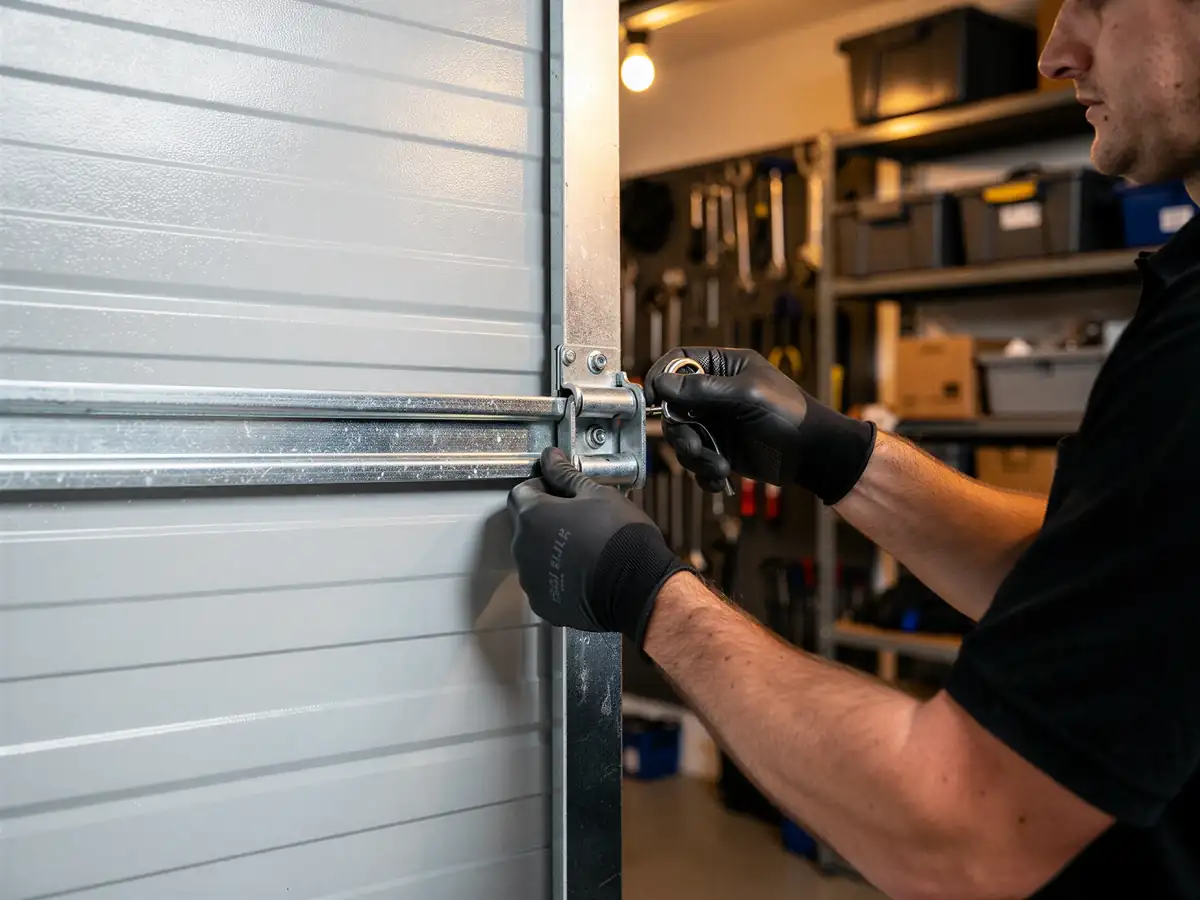
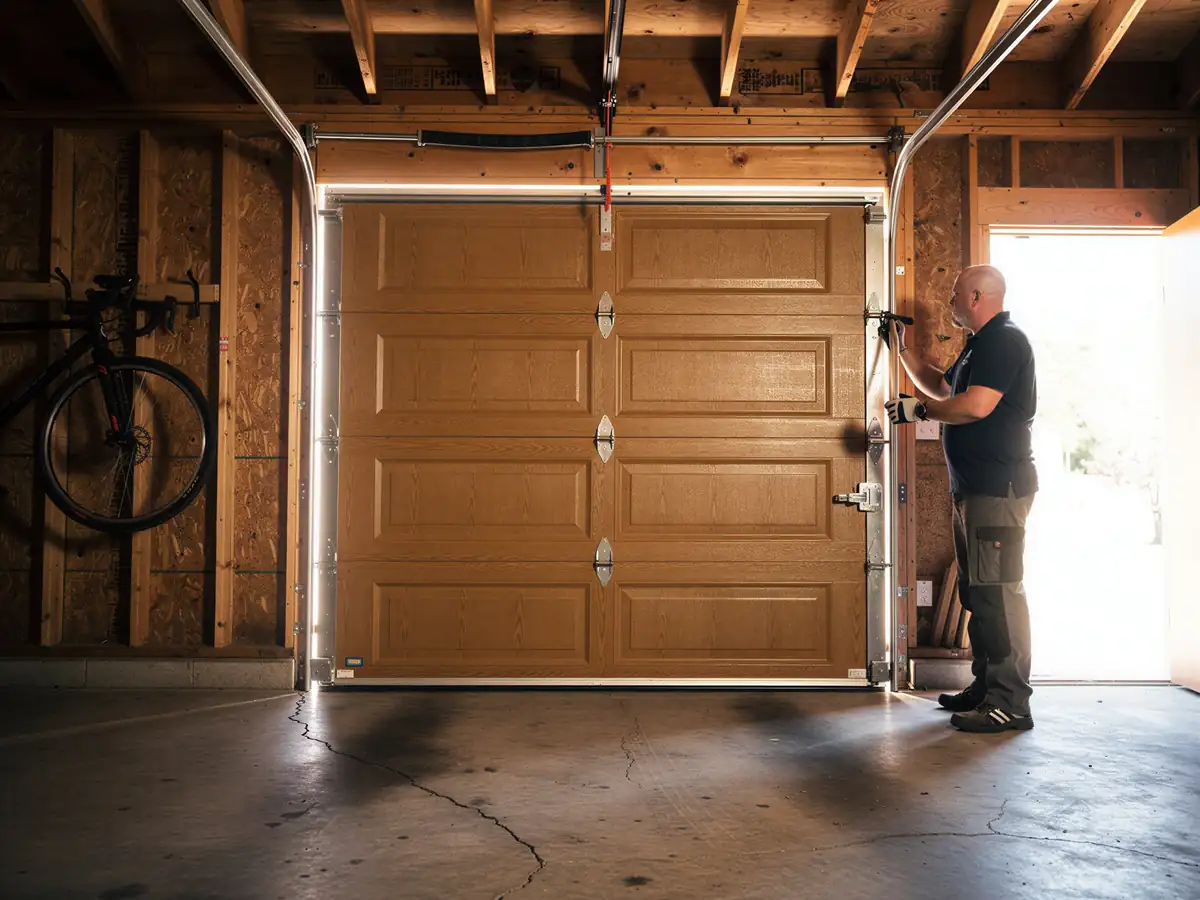
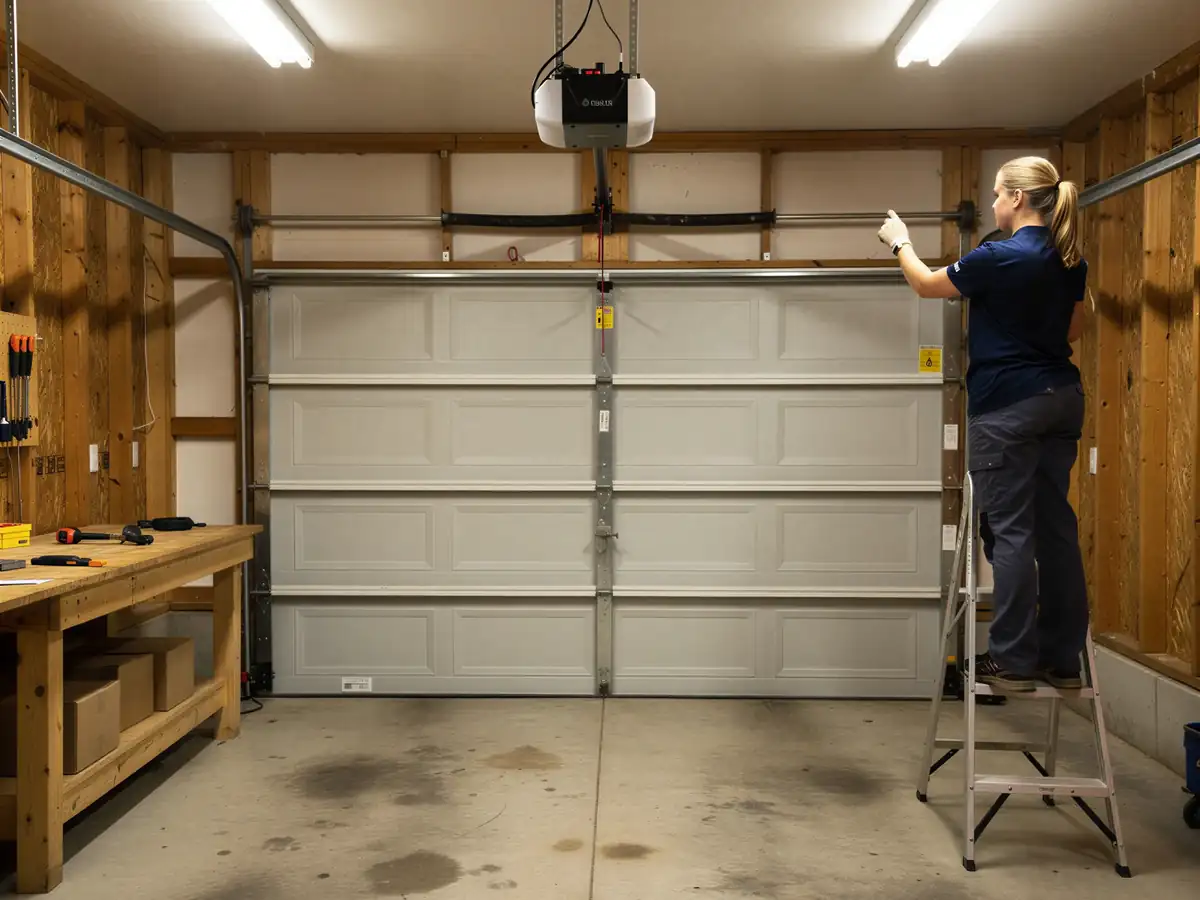
A straightforward torsion spring swap on a standard door, once we're on site, usually wraps in under two hours. Cable and roller replacement adds time depending on how much the drum or track has worn alongside it - on a 1965-era door with the original hardware, we often find more than one part has reached the end of its life at the same time, since everything's been cycling together for the same number of years. Opener-only repairs run faster if the motor and gears are intact and it's a wiring or sensor issue. We travel the 6 miles out from our Irvine shop for every North Tustin call, so the job itself starts once we're parked in your driveway - we're not estimating a response window here, just the work once we arrive.
What You Are Seeing
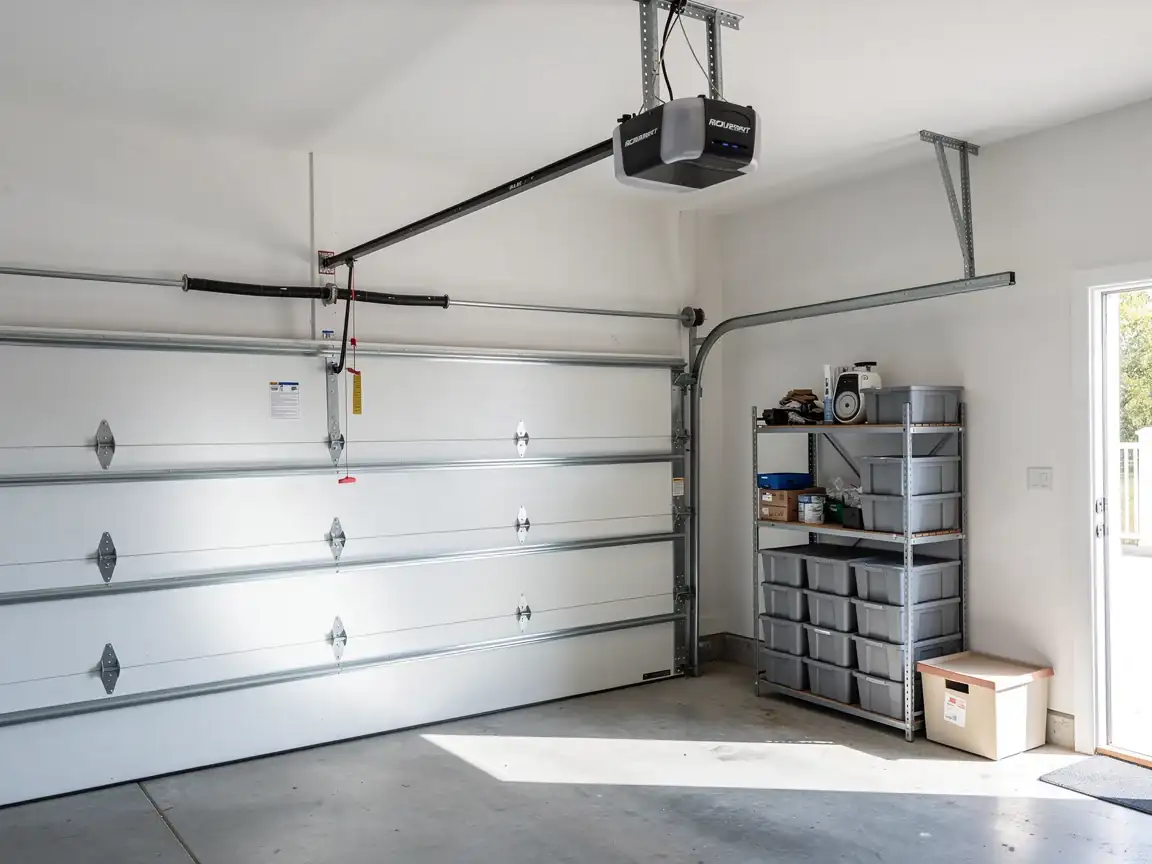
If the door won't budge and you hear a bang before it stopped moving, that's a torsion spring letting go - common on these older doors because the spring has outlived its rated cycle count. A door that opens a few inches and reverses, or drifts back down on its own, usually points to a weak or broken spring no longer holding the weight on one side. Grinding or popping from the track area, especially on heavier original-era doors, is often a roller gone bad or a bent track rail that's been nudged out of line over the years. If the opener runs but the door doesn't move, check whether the trolley has disengaged from the carriage - a common failure point on older chain-drive units still in service on some of these homes. None of these are things to force open by hand once a spring has gone; the door is heavier than it looks and the cable under tension is not something to work around yourself.