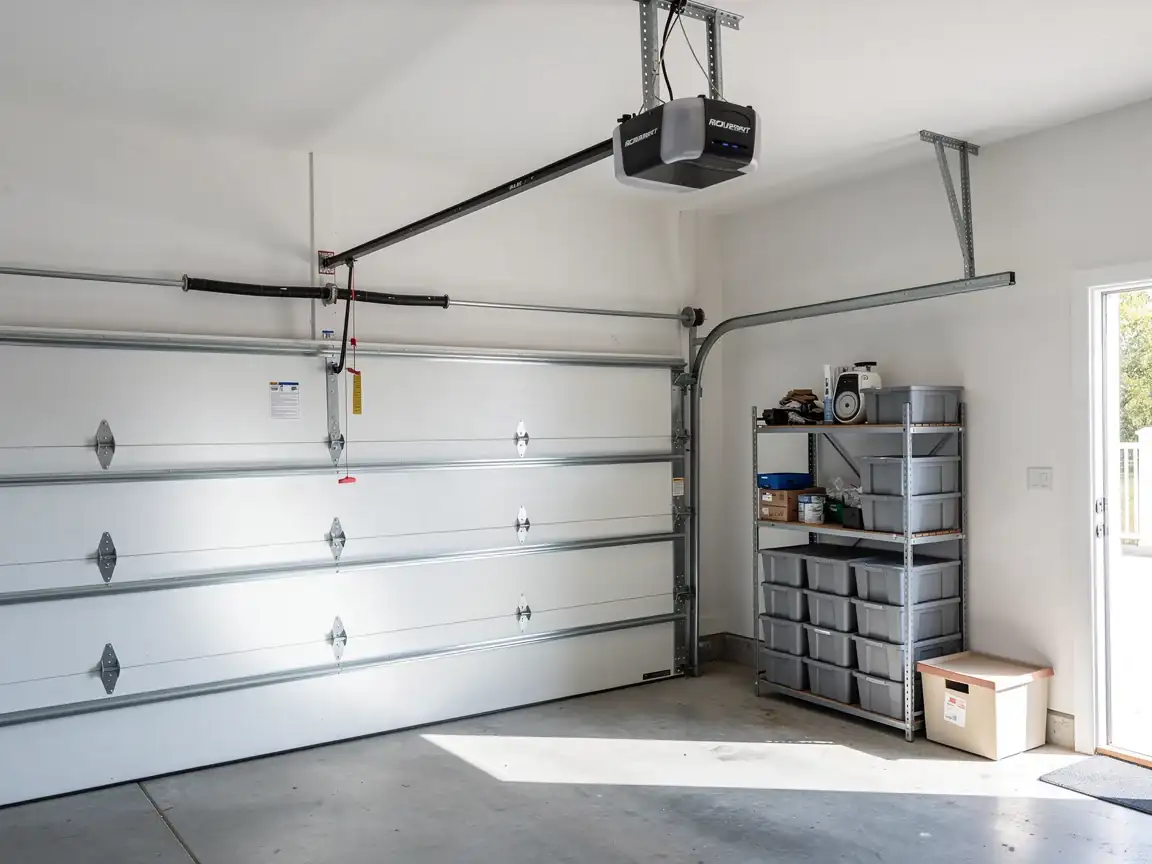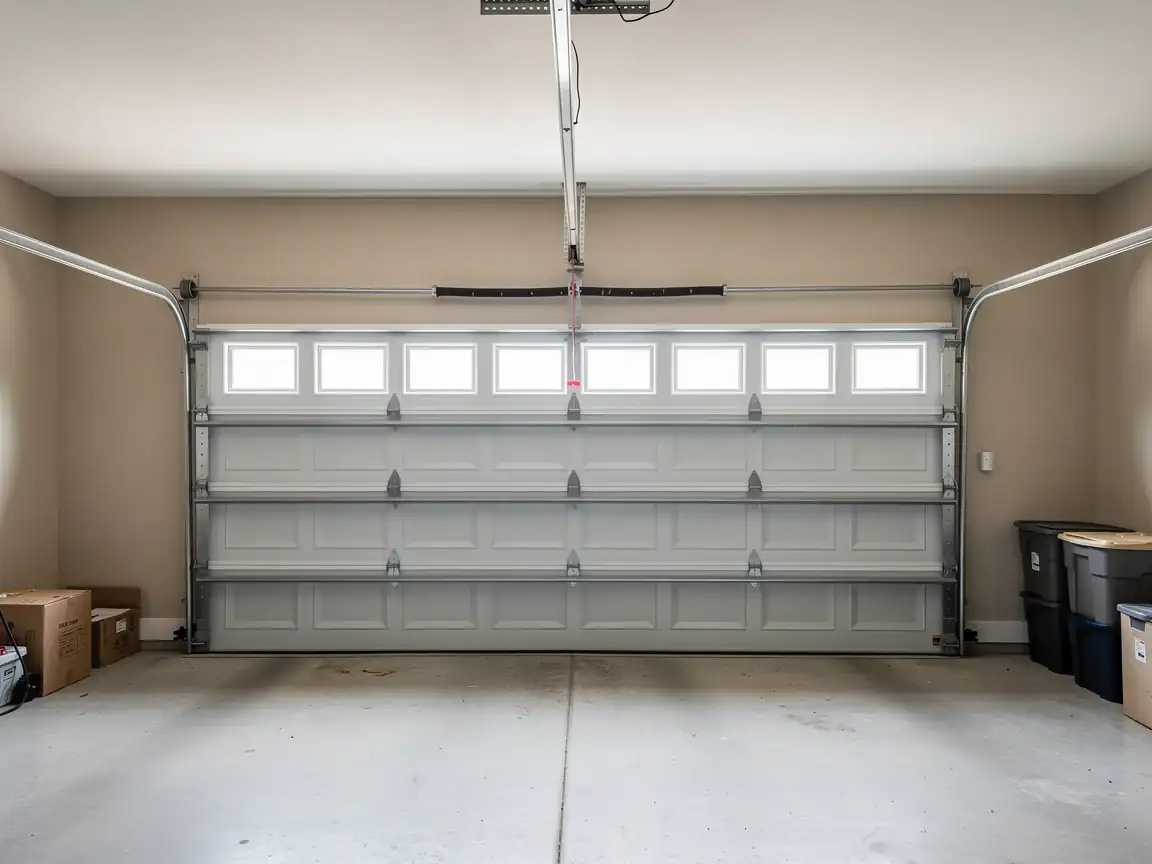
The Cost of This Job
We don't have a published price list for North Tustin specifically, and we're not going to make one up here. What we can tell you is what drives the number up or down: a 1965-built house with its original torsion setup usually needs more than a lube-and-adjust, because the hardware itself has outlived its design life. Around here, median household income runs $186,250, well above the wider service area's $124,167, and we see that reflected in how homeowners approach maintenance - more people catching worn rollers or a stiff spring before it snaps, rather than waiting for a Saturday morning the door won't open at all. A basic tune-up (lube, balance check, hardware inspection, safety reversal test) costs less than any spring replacement, which is the whole point of doing it on a schedule instead of waiting for a failure call. Ask us for a number when we're on site looking at your actual door, your actual spring size, and your actual opener - that's the only honest quote we can give.
What Causes It Around Here
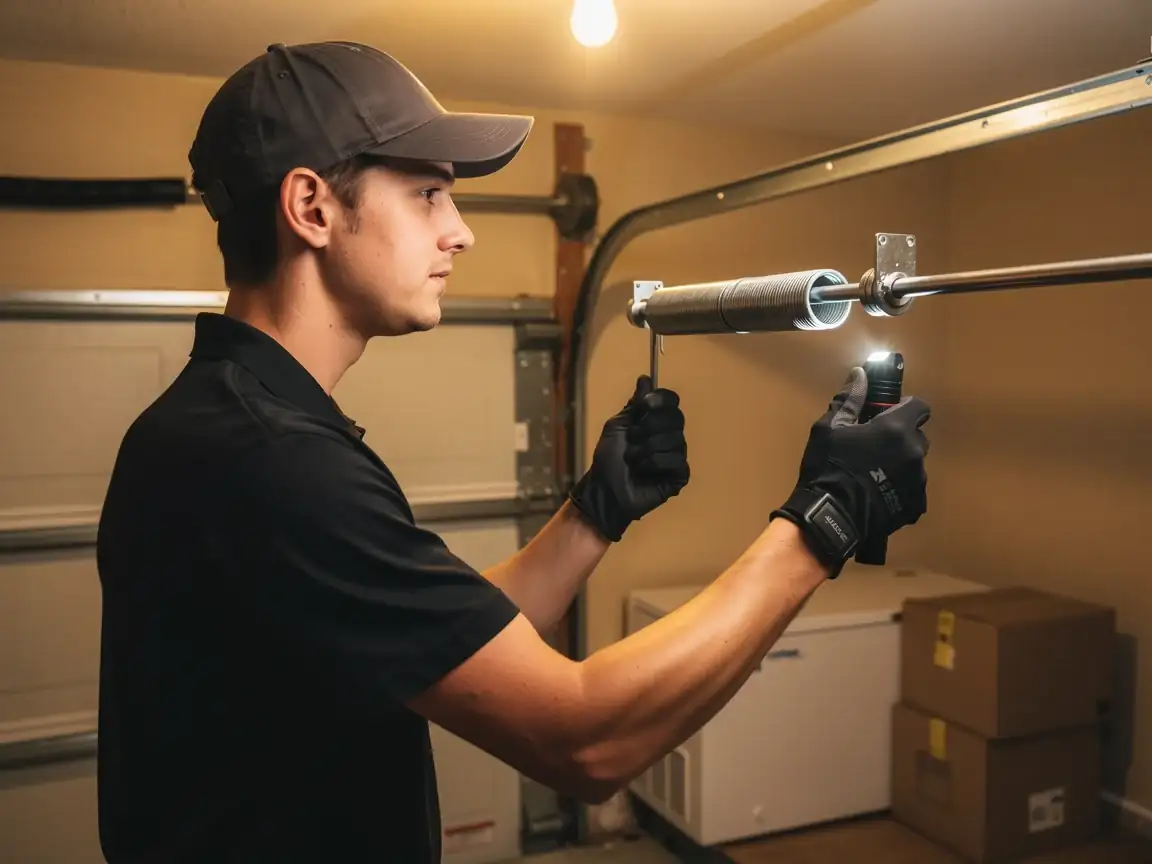
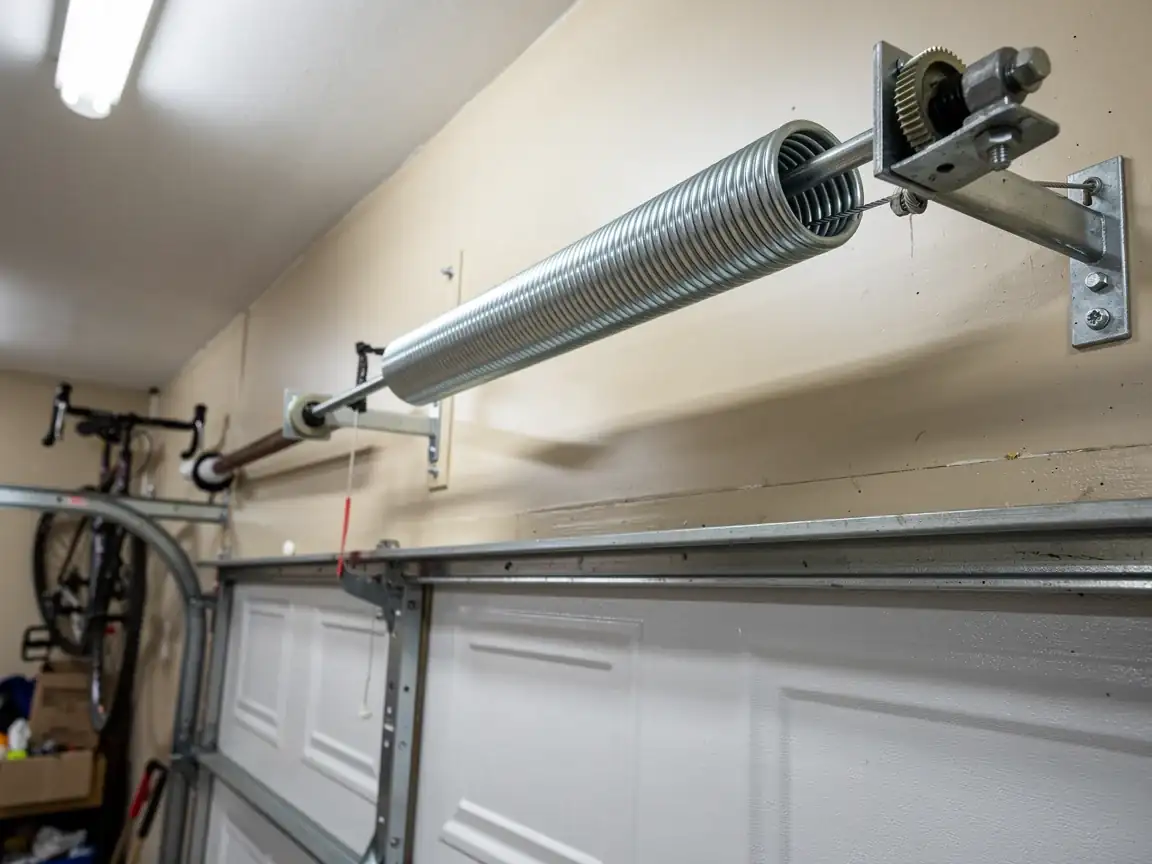
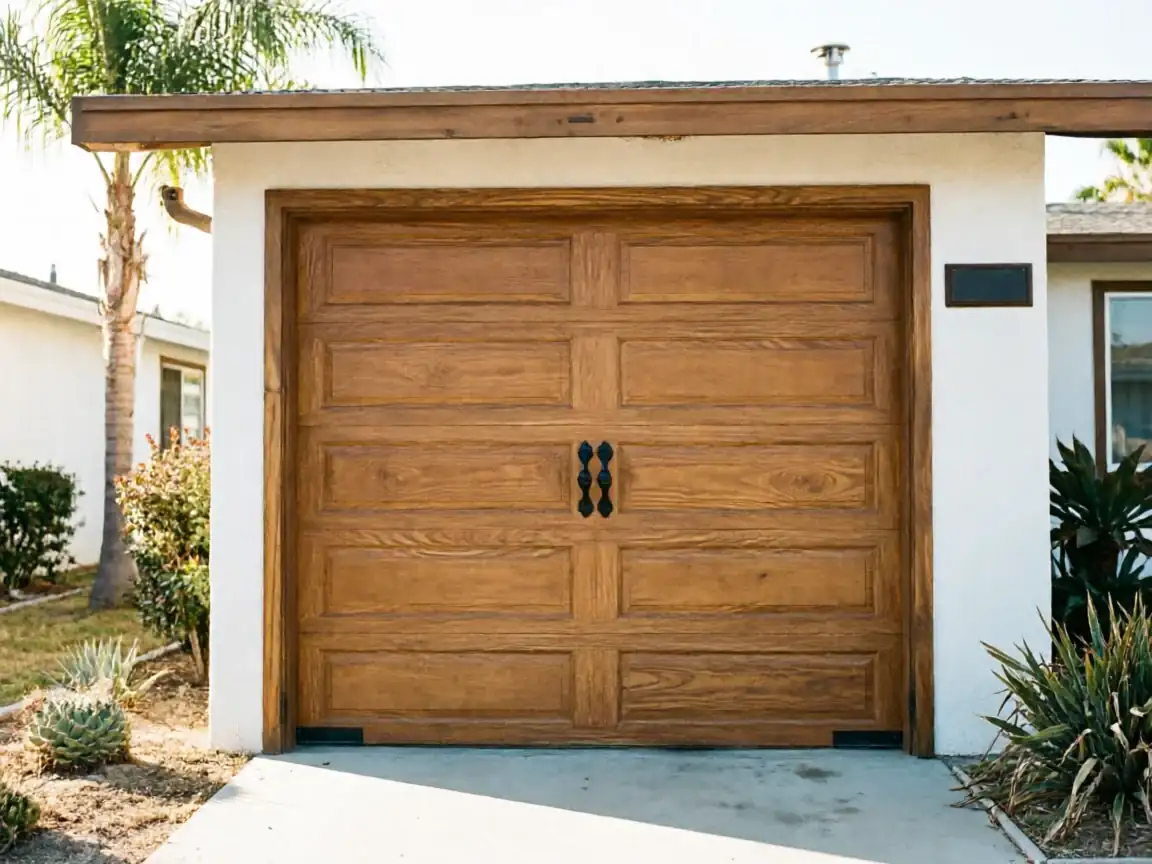
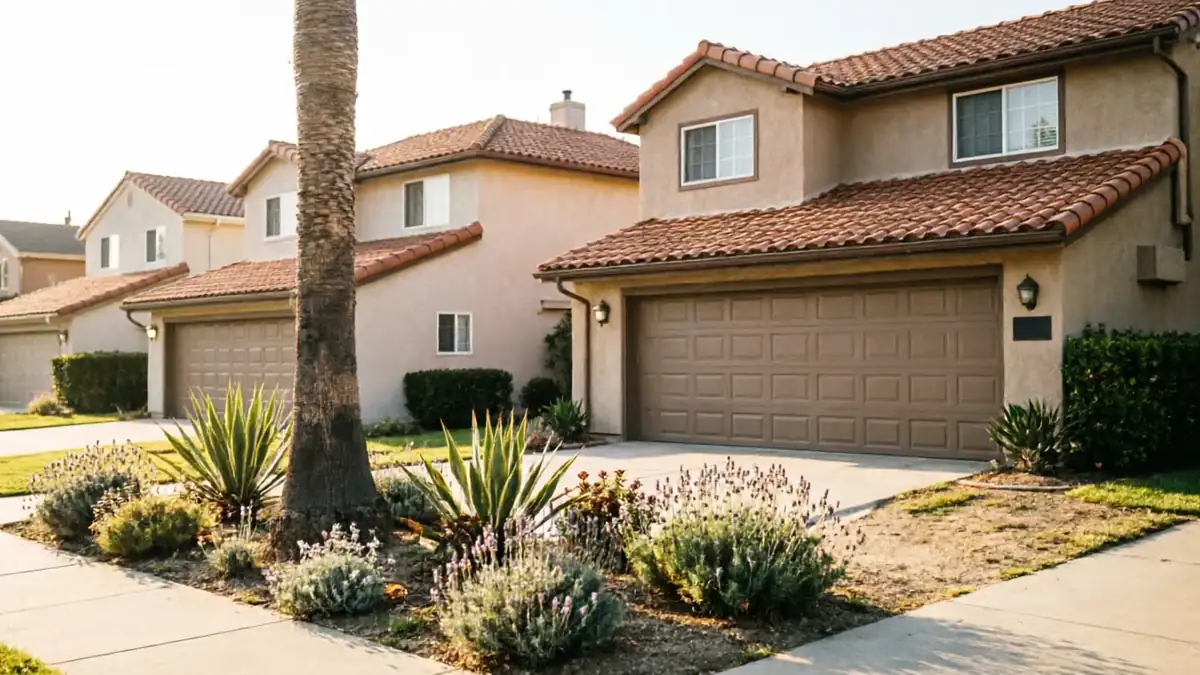
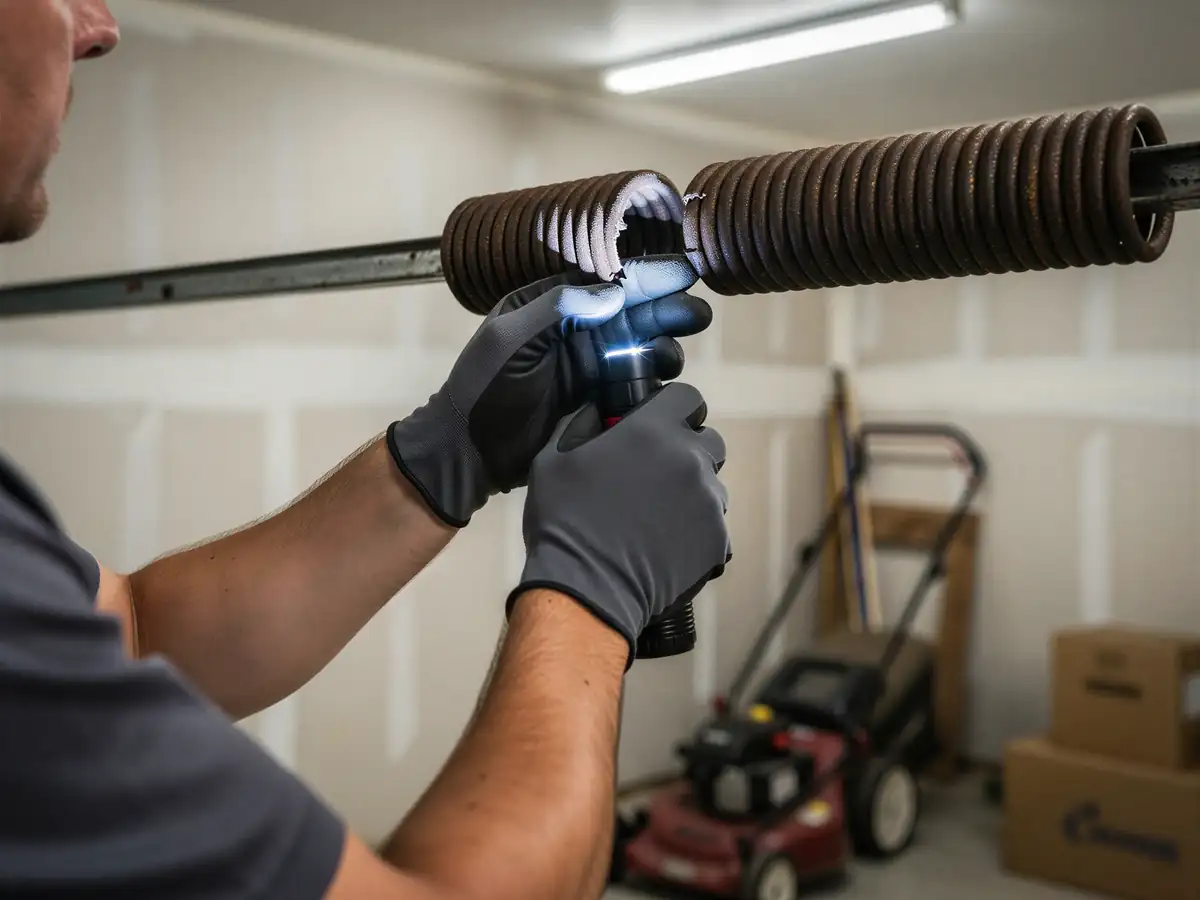
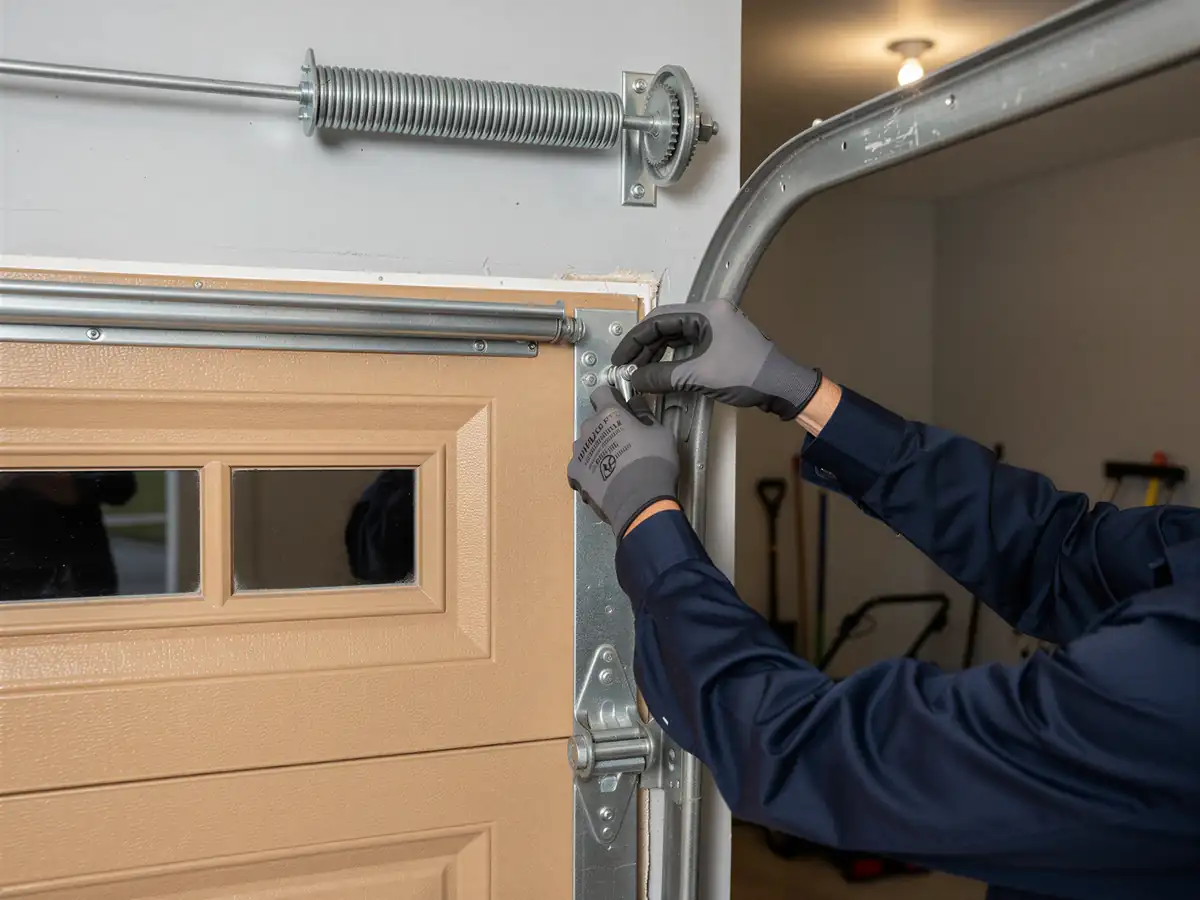
North Tustin's housing stock centers on 1965, which puts it on the older edge of the broader service area's 1938-2015 range (median 1976). A door built or replaced in that era typically came with galvanized torsion springs rated for a shorter cycle life than what manufacturers sell now, often paired with steel tracks that have had sixty years to pick up rust pitting, misalignment, or dents from decades of cars easing past. The mild temperate climate here doesn't cook rubber seals or warp wood panels the way extreme heat or freeze-thaw cycles do elsewhere, so the usual failure mode isn't weather damage - it's fatigue. Metal that's been flexing under tension since the Johnson administration eventually gives out, and it rarely gives warning. We also see a fair number of original extension springs still in service on single-car doors from this era, which is a maintenance item in itself since those need safety cables that weren't always required when the door went in.
Time on the Job
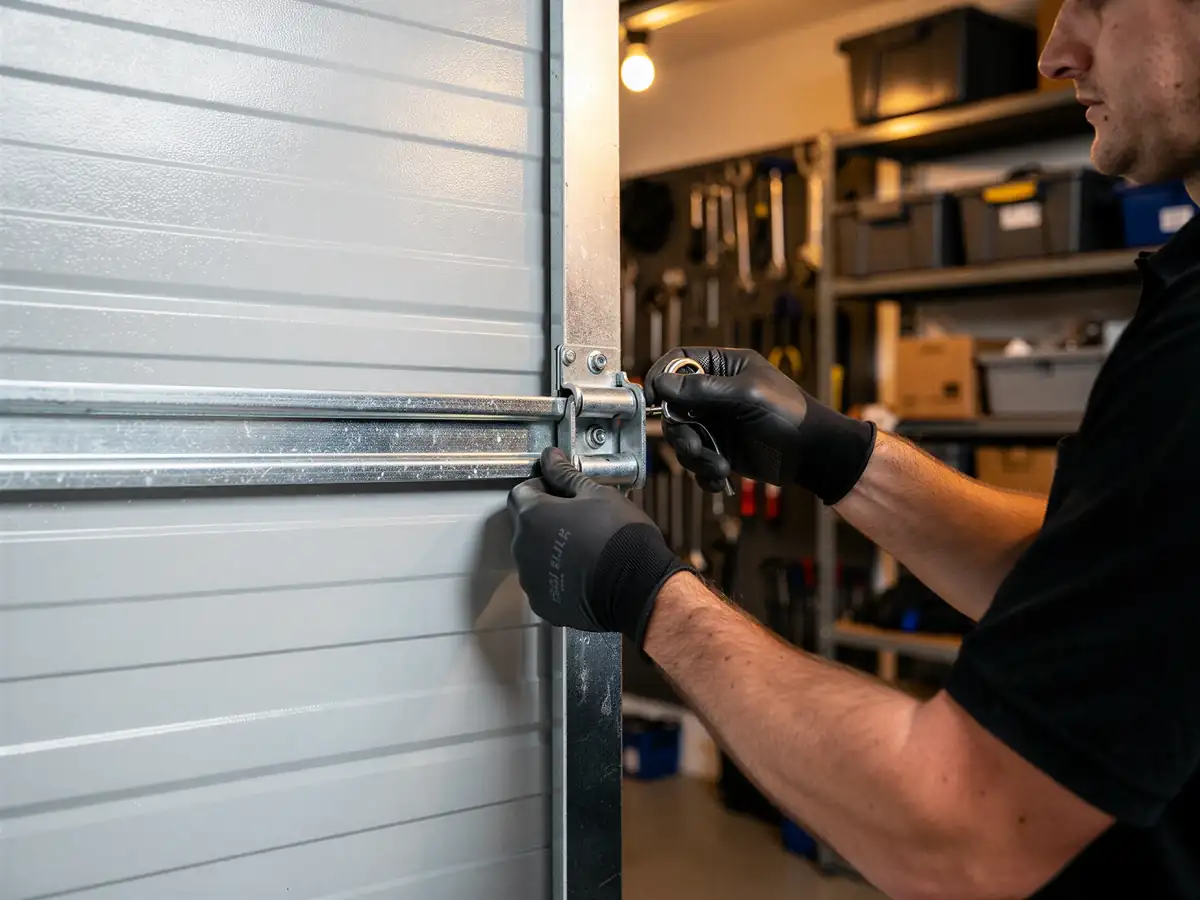
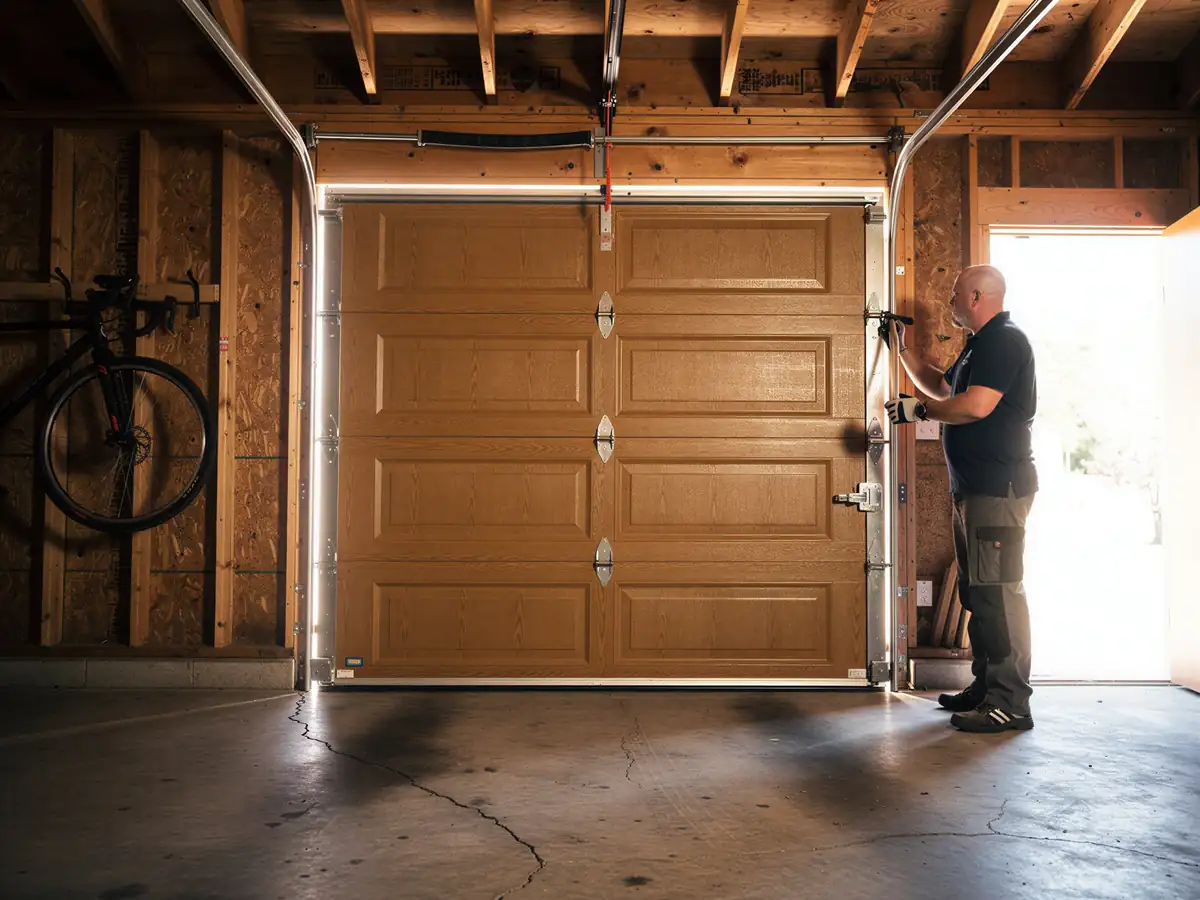
A straightforward tune-up on a door from this era - balance check, lubrication, hardware tightening, track alignment, safety reversal test - usually runs under an hour once we're set up. Spring replacement on an original torsion system takes longer, partly because sixty-year-old mounting hardware doesn't always come apart clean, and partly because we're matching spring wind and wire gauge to a door that was never re-measured when it was installed. We travel from our Irvine shop, about 6 miles away, so factor that into when we can get to you rather than how long the work itself takes once we're there.
What You Are Seeing
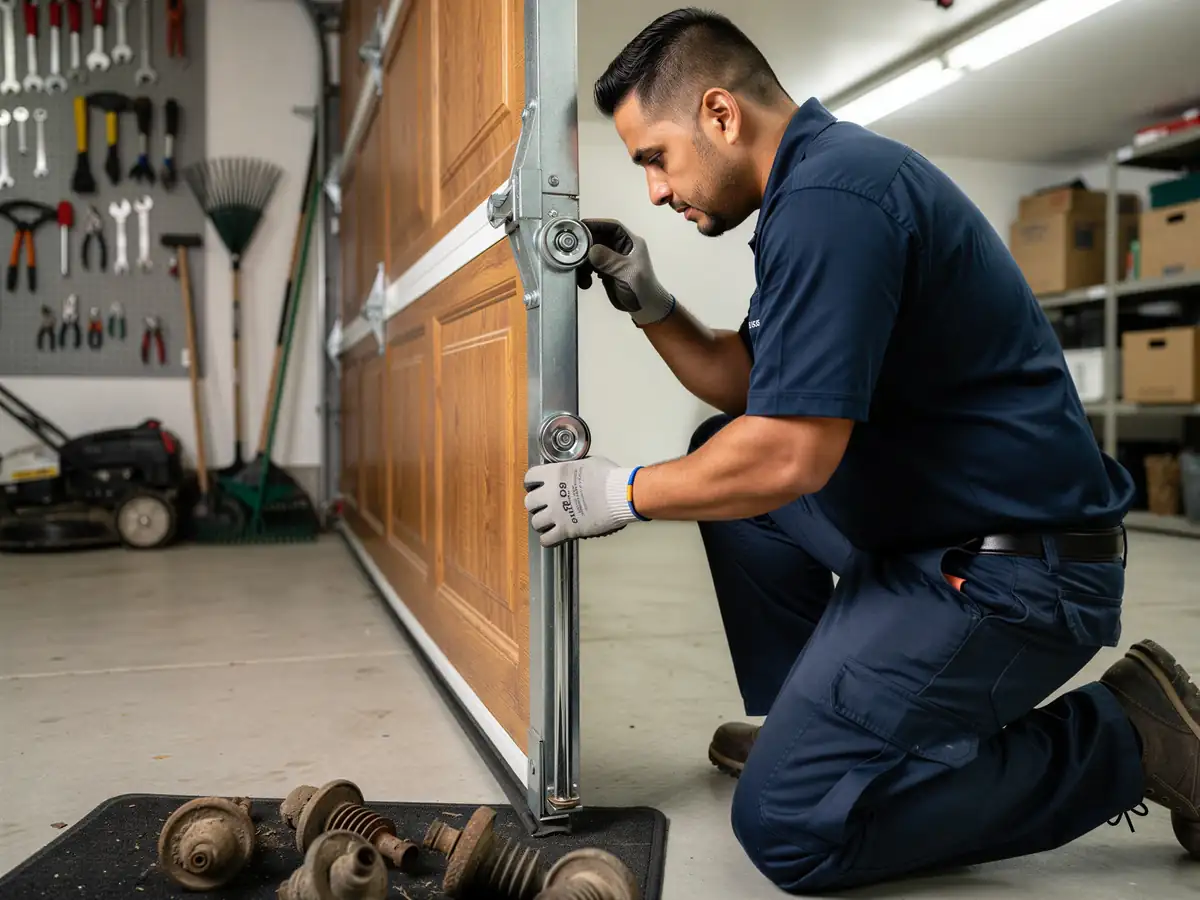
If your door is original to a 1965-era North Tustin house, the warning signs are usually mechanical, not cosmetic. A grinding or popping noise on the way up often means a roller bearing has worn through its lubricant, which on hardware this old can mean the roller itself is due, not just a fresh coat of grease. A door that's noticeably heavier on one side, or that reverses unevenly, points to spring fatigue - torsion springs from this period weren't rated for the cycle counts modern ones are, and by year sixty, most have long since lost tension even if they haven't physically snapped. Gaps at the bottom seal are usually just age and UV, not a structural problem, and the mild climate here means that's cosmetic more often than it is anywhere with real winters.