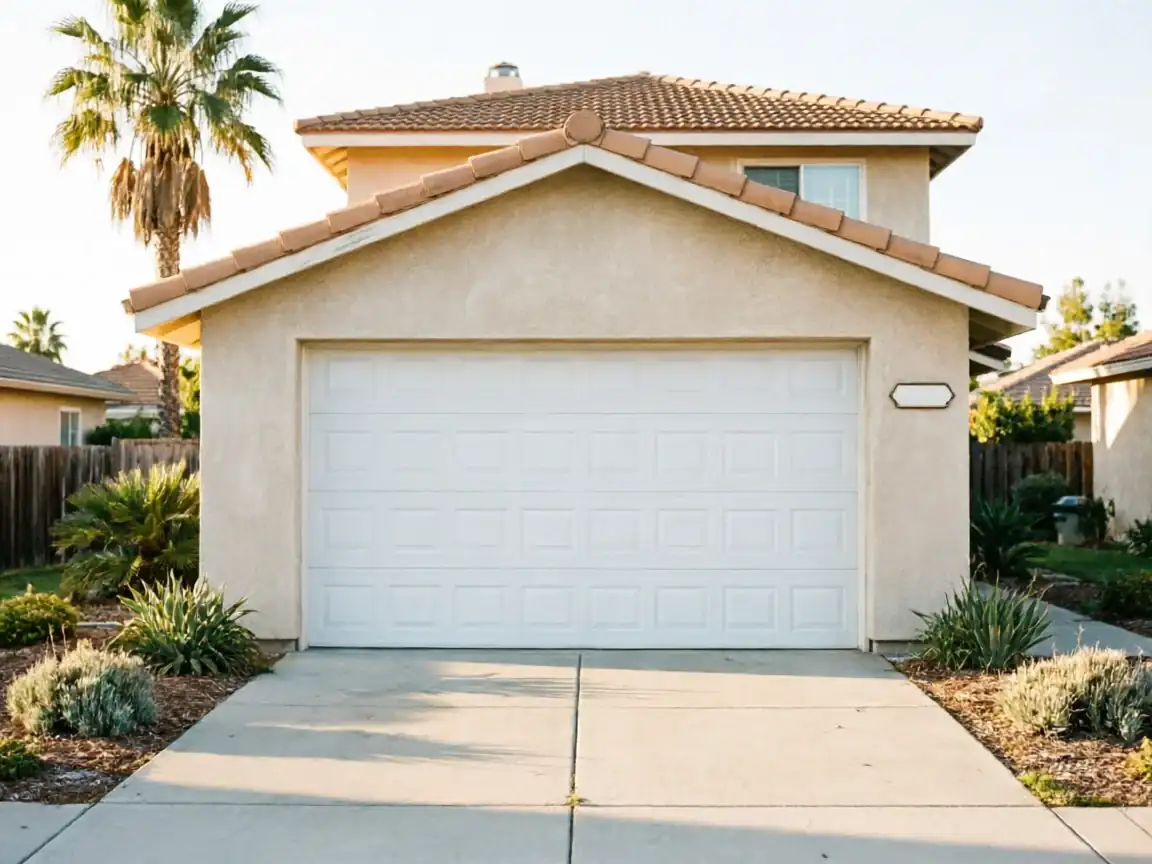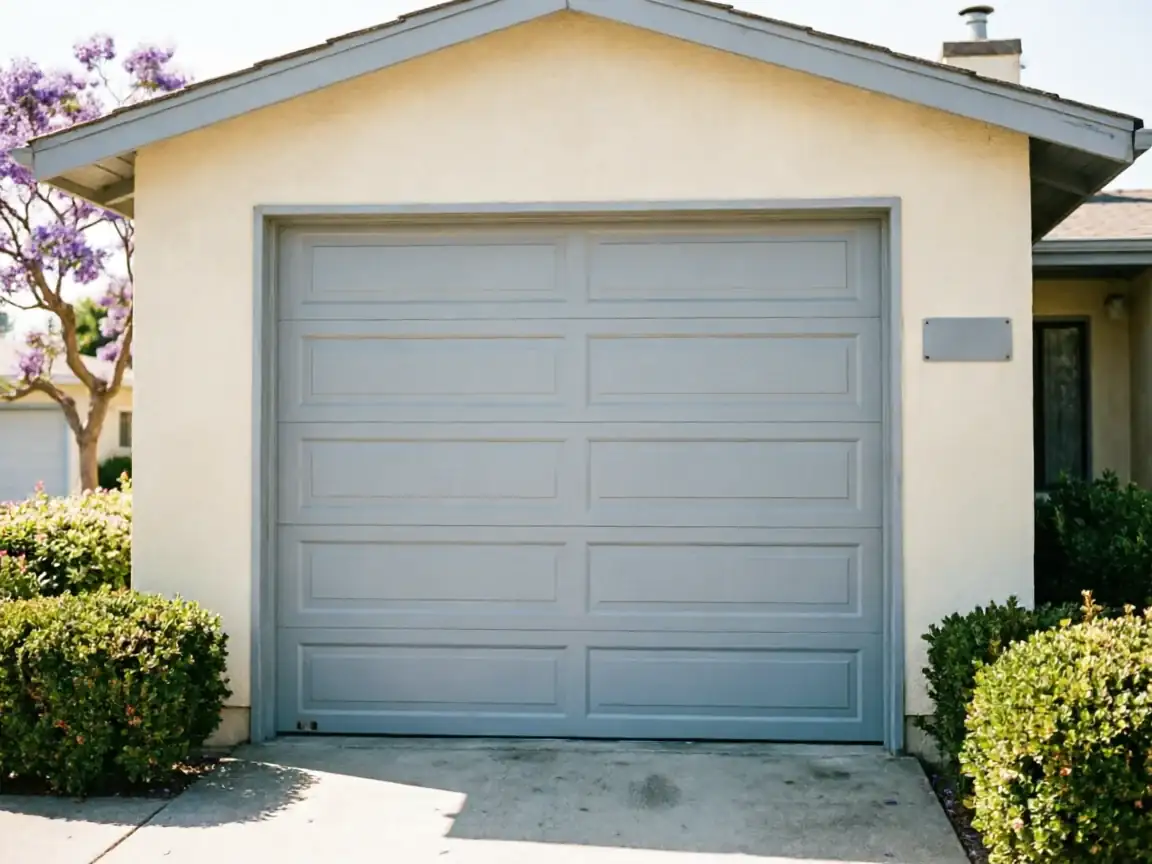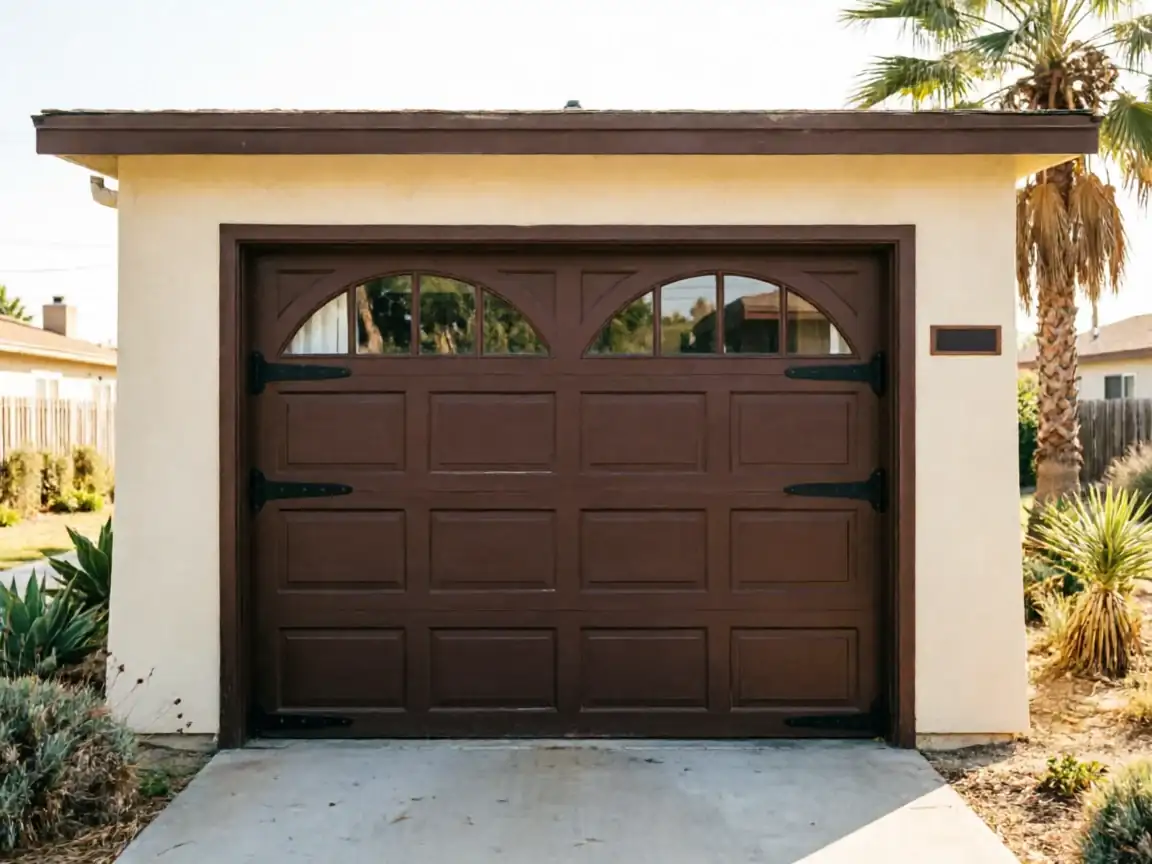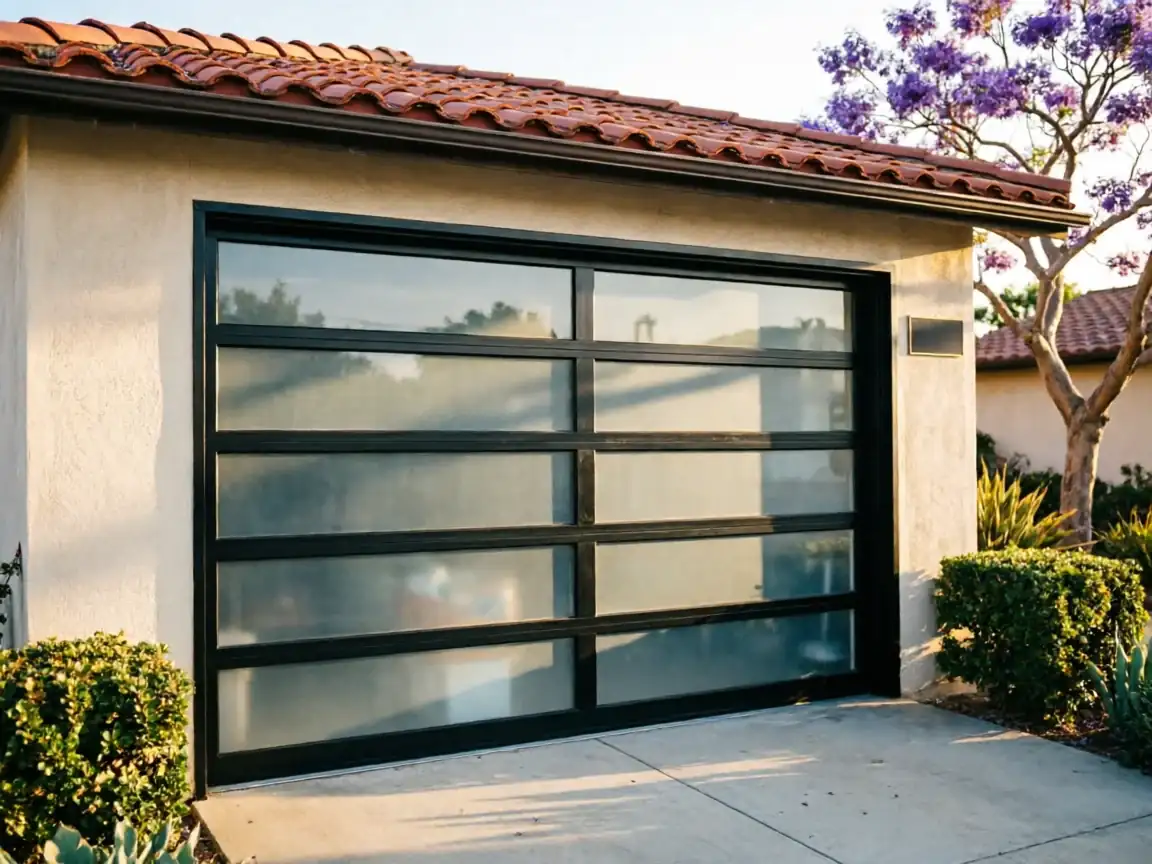
The Cost of This Job
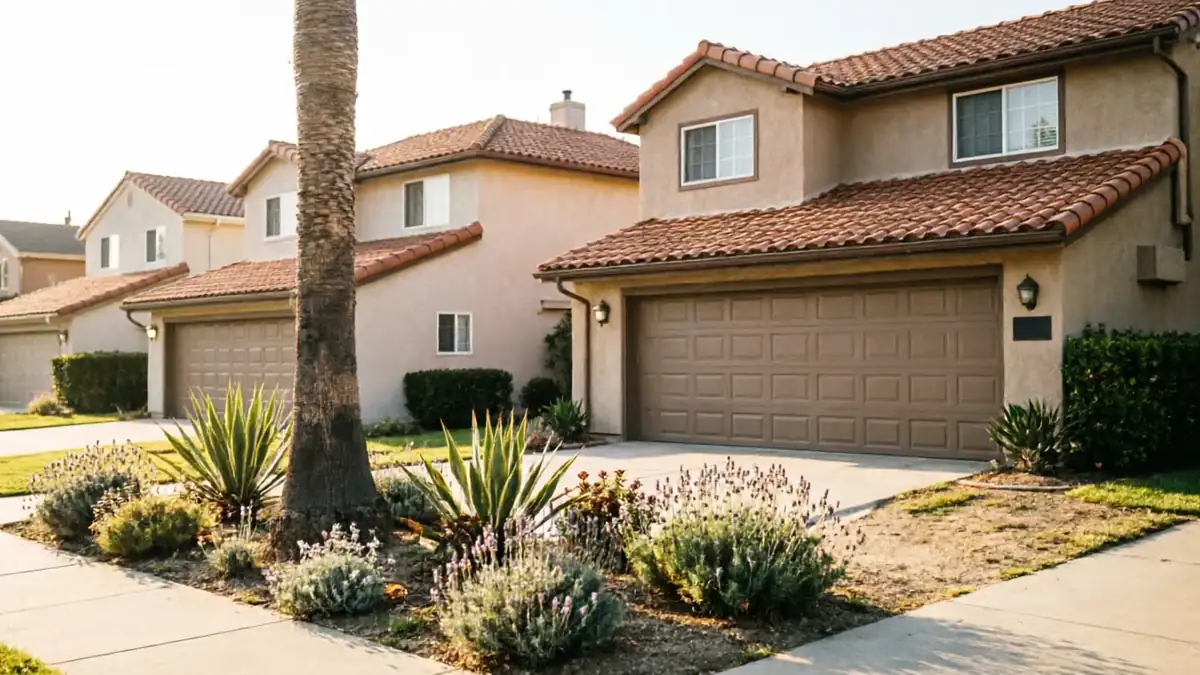
We don't have a published price list for North Tustin specific jobs, and we're not going to invent one. What we can tell you is what drives the cost here versus a newer build: North Tustin's median house dates to 1965, a full decade before Irvine's citywide median of 1976. That decade matters because it's the difference between a door built for a steel torsion system that's still common today and one built around older extension-spring hardware that needs a full swap-out rather than a patch. A patch job on a newer door and a full hardware conversion on a 1965 door are not the same invoice, and we'll tell you which one you're looking at before we quote anything. We travel the 6 miles out from our Irvine shop for every call, and that's part of the job, not an add-on fee we tack on after the fact.
What Causes It Around Here
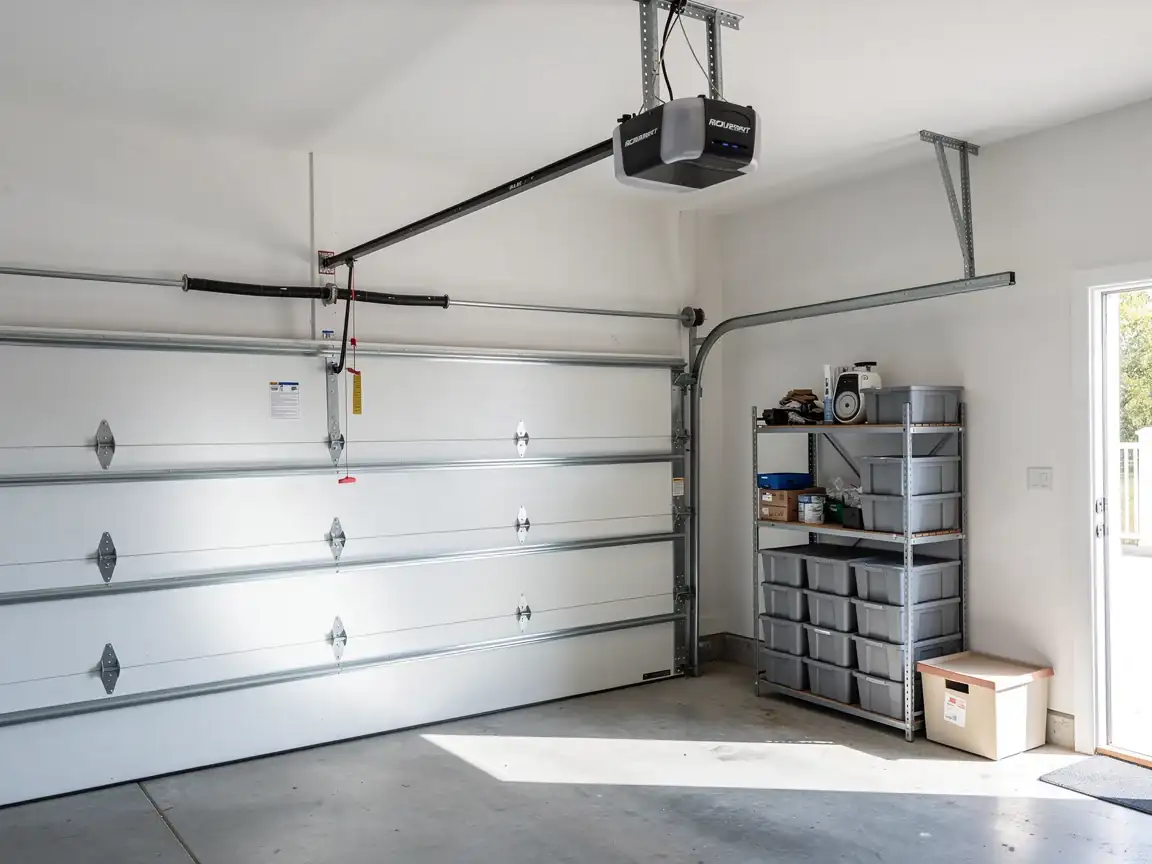
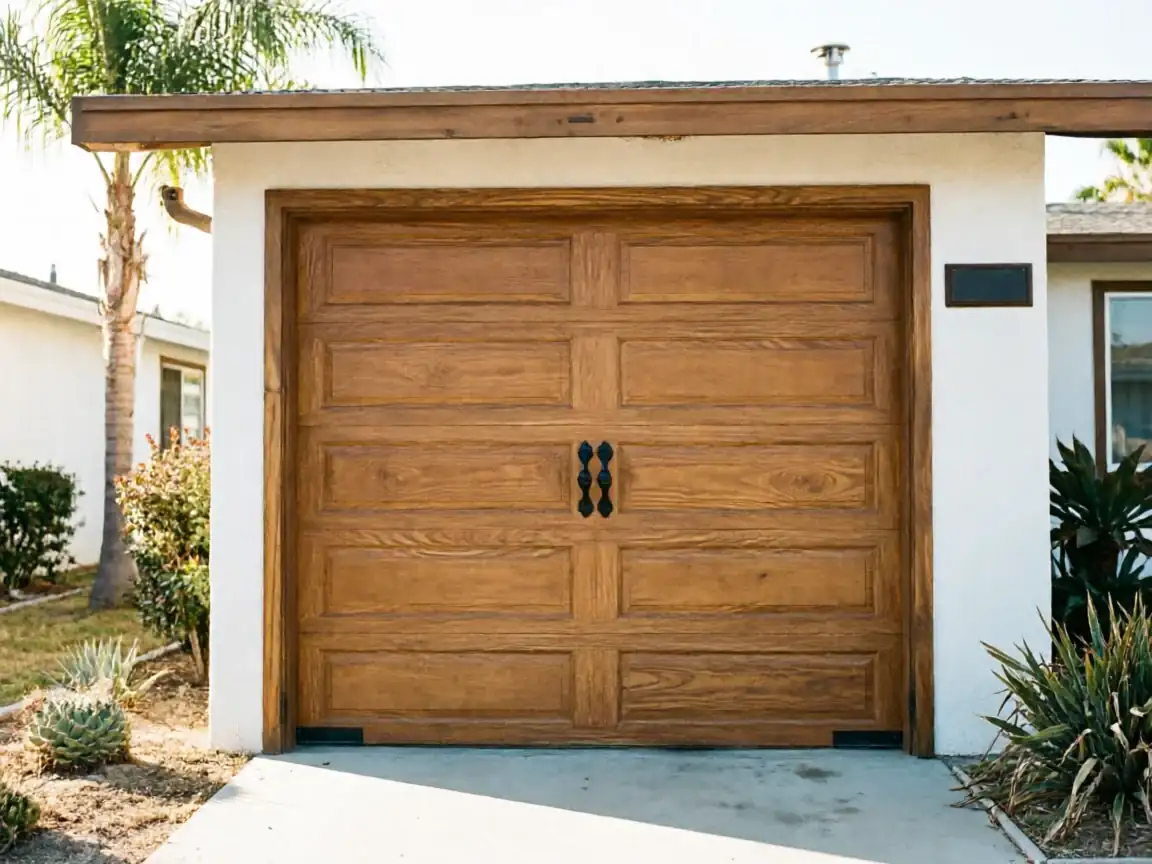
Doors installed in the mid-1960s were built for a different load and a different era of opener. Springs sized for lighter wood panels now carry heavier insulated steel replacements that got swapped in somewhere along the way, and that mismatch is what snaps a cable or strips a spring years before it should. The area sits in a mild temperate band with no real freeze-thaw cycle, so you're not dealing with ice-cracked rollers or frozen track the way colder climates do. What you are dealing with is four, five, six decades of sun-cycling on original hardware that was never meant to run this long. Combine that with the higher household income here, $186,250 median against $124,167 across the broader service area, and we see more owners who upgraded the door itself at some point but left the original torsion hardware underneath it - which is its own kind of mismatch.
Time on the Job
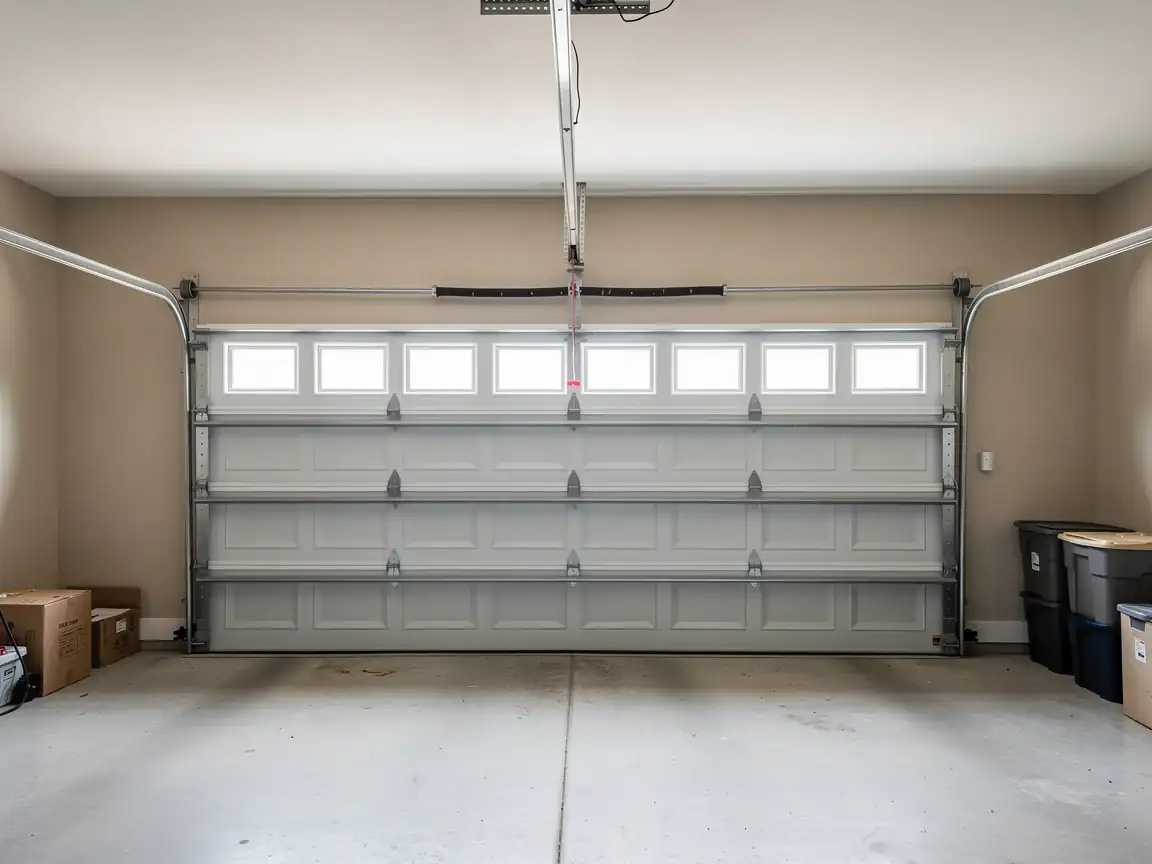
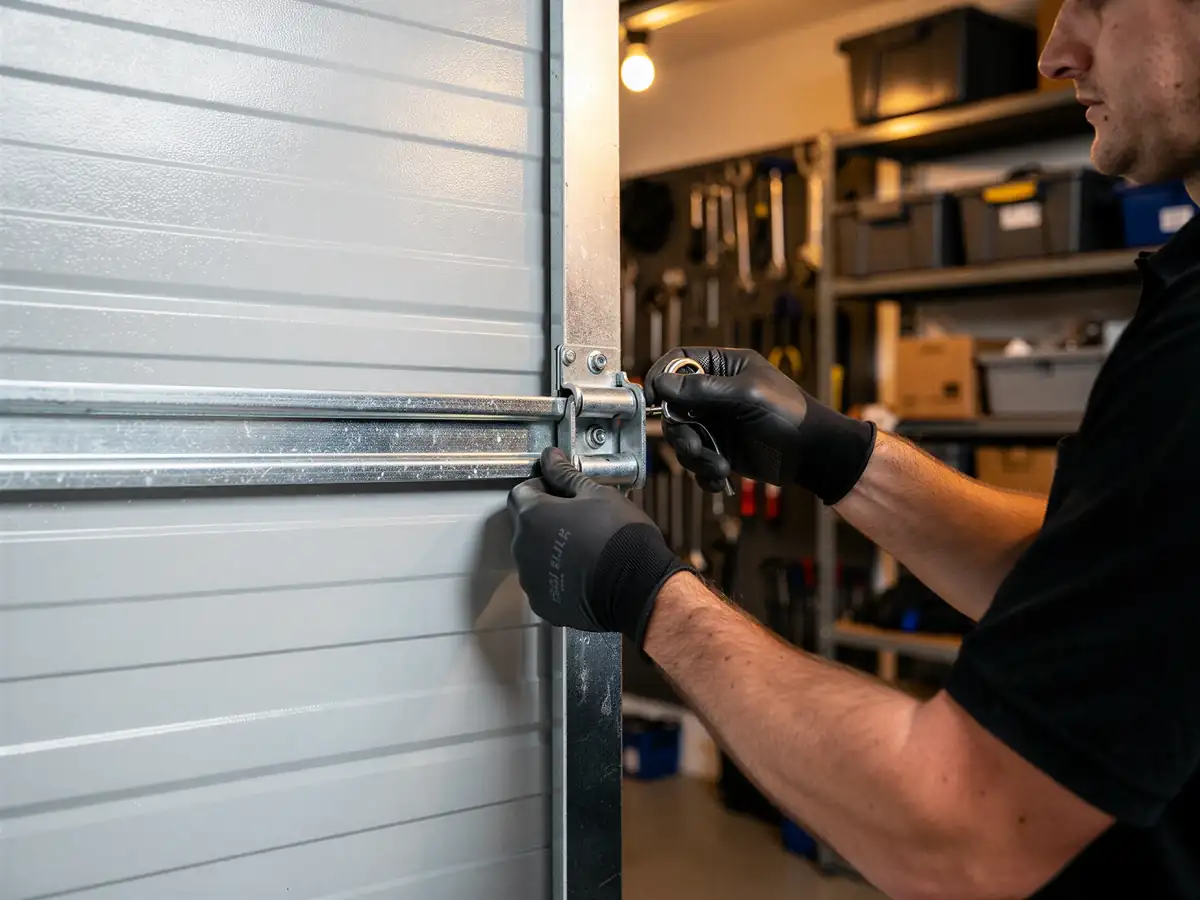
A straightforward spring or cable job on a 1960s torsion system runs about what you'd expect for standard hardware, since the mechanics haven't changed as much as the materials have. Where it runs longer is when the original hardware has been modified over the years - a heavier door added without resizing the spring, or a opener bolted onto a track it wasn't matched to. We check for that mismatch before we start, because catching it after we've already started the swap costs you a second trip and us a second drive out from Irvine. With roughly 8,926 households in North Tustin on this older stock, we see this pattern often enough that it's the first thing we look for, not an afterthought.
What You Are Seeing
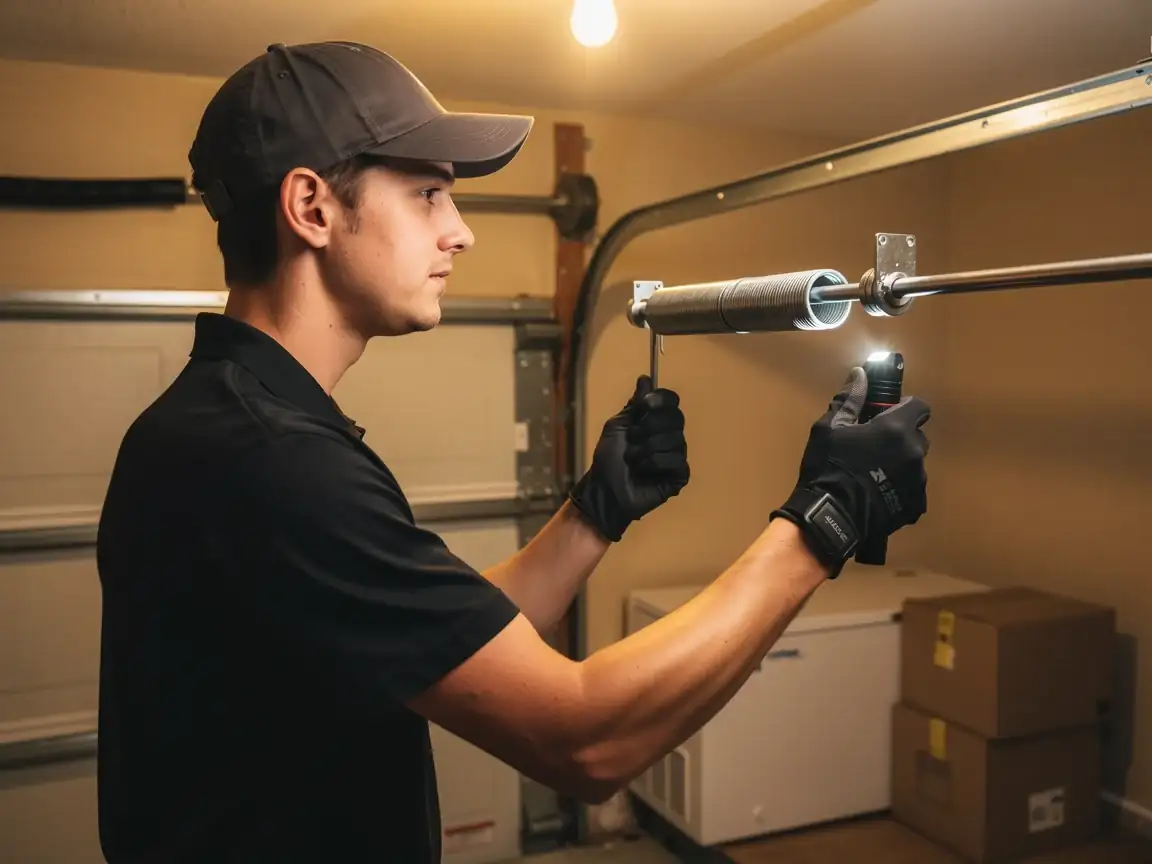
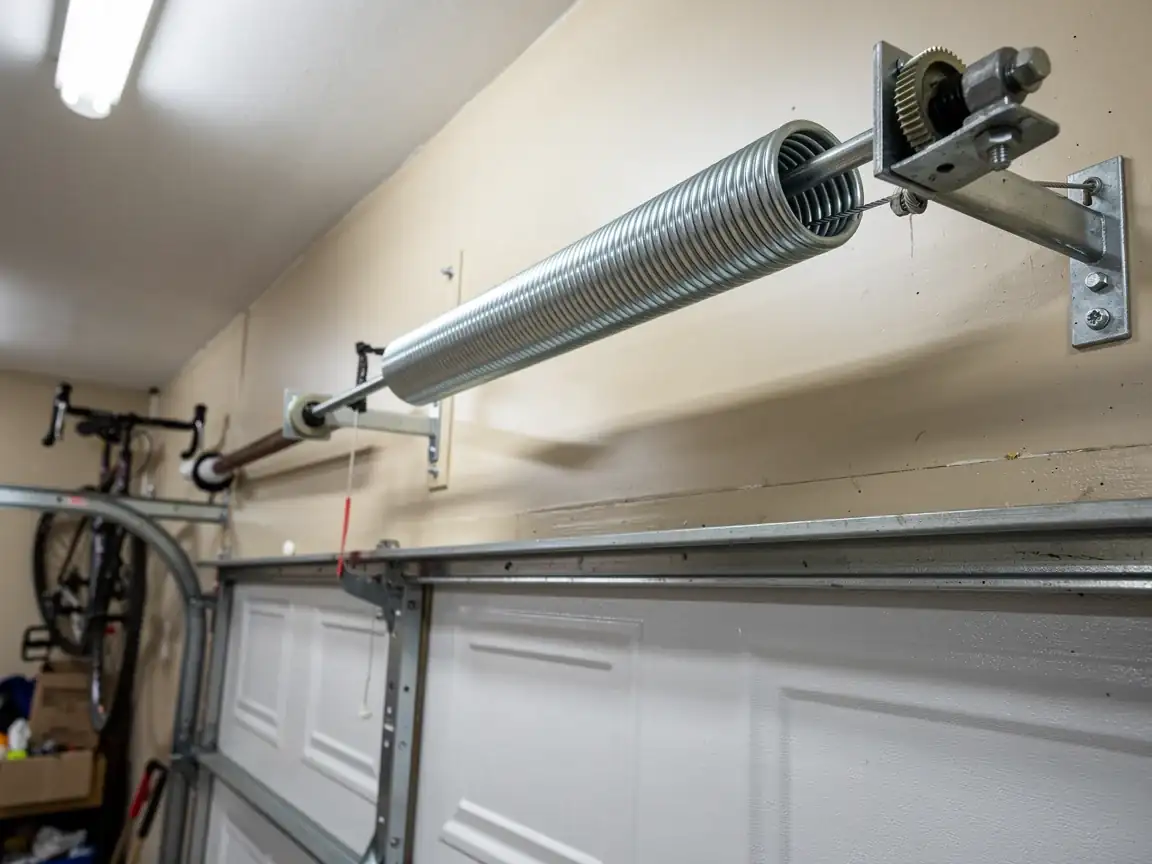
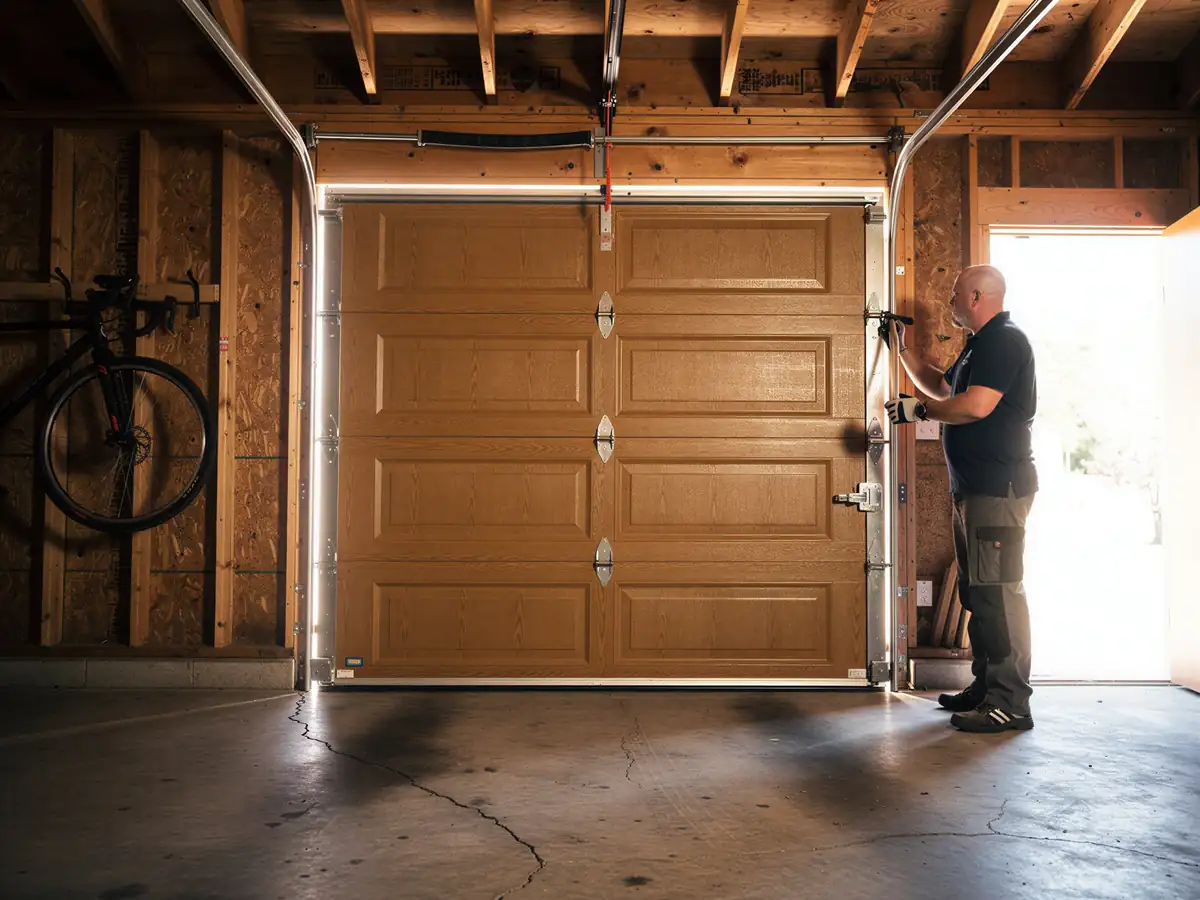
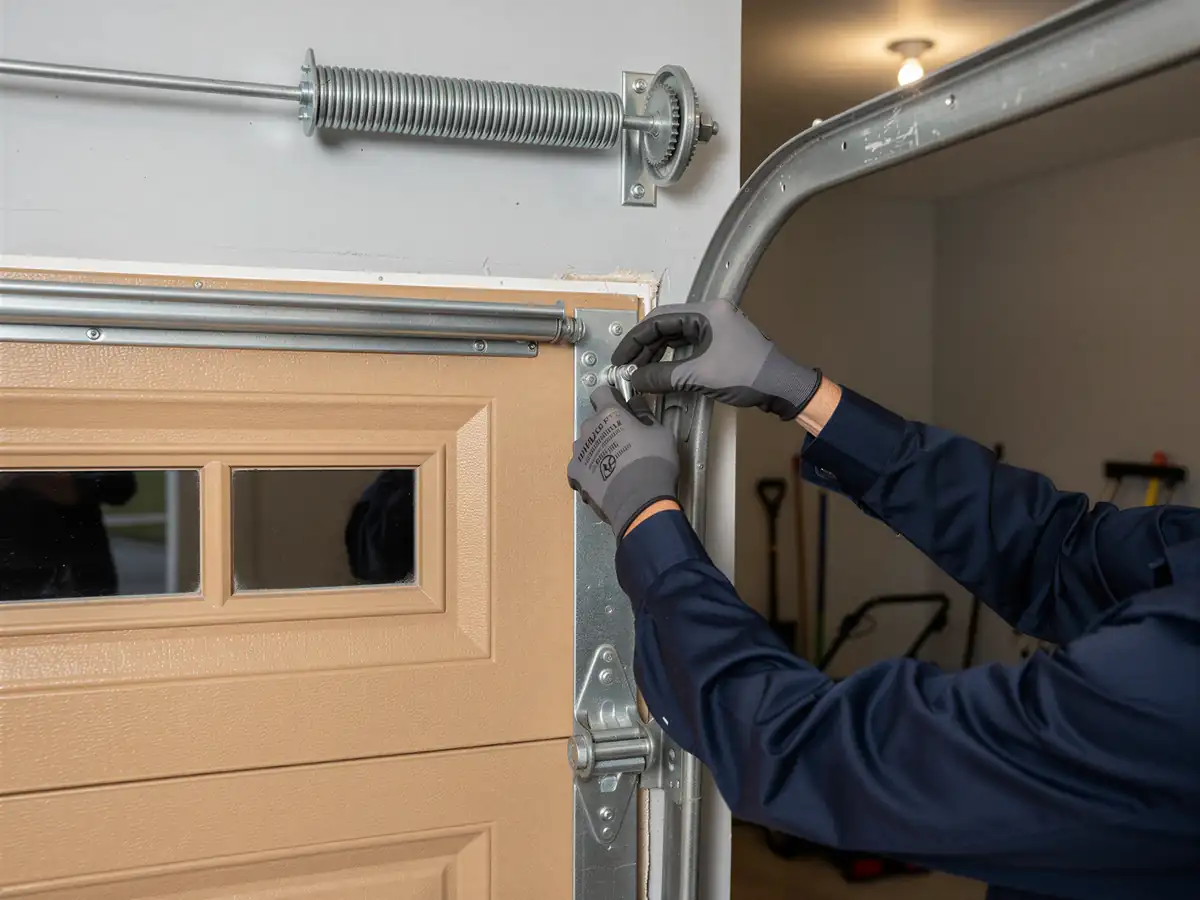
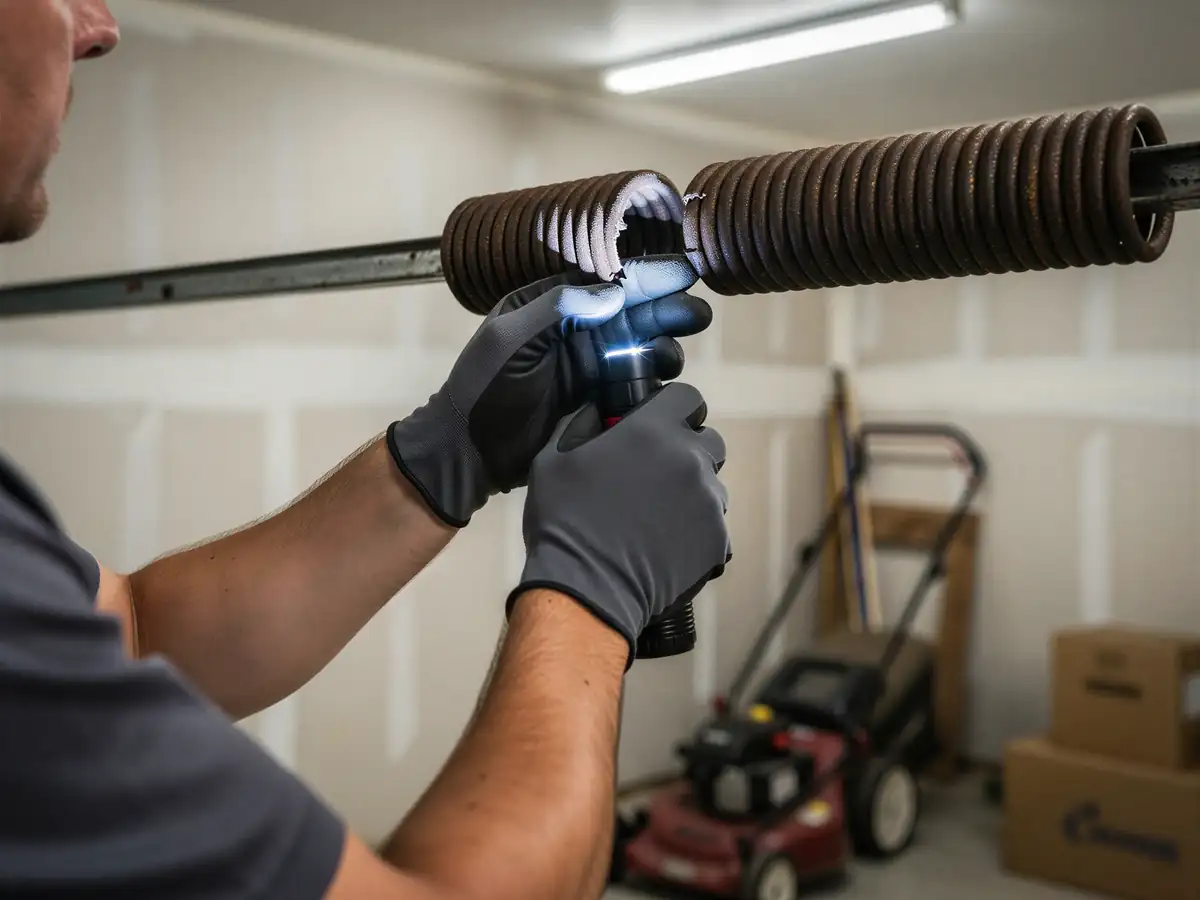
If your door is from the original build era, the signs are usually mechanical, not cosmetic: a spring that's visibly gapped when the door is down, a cable fraying where it wraps the drum, or an opener straining and reversing partway up. None of that is dramatic, which is exactly why it gets ignored until the spring lets go entirely - usually with the door halfway up and nobody near it, which is the good outcome, or with someone under it, which isn't. A door that's merely slow or noisy going up is a lubrication or roller issue, cheap to fix. A door that won't lift, or lifts and drops, is a spring issue, and that's not a DIY call on a torsion system under this kind of tension.