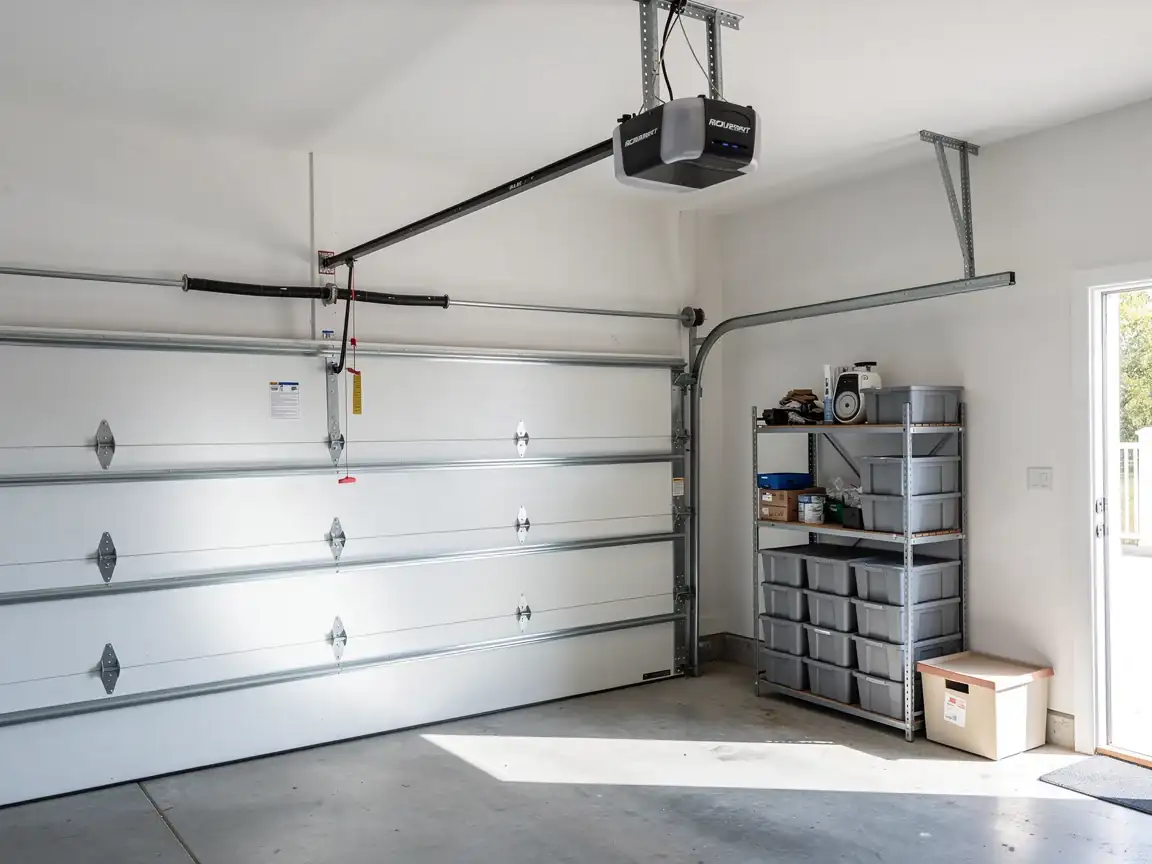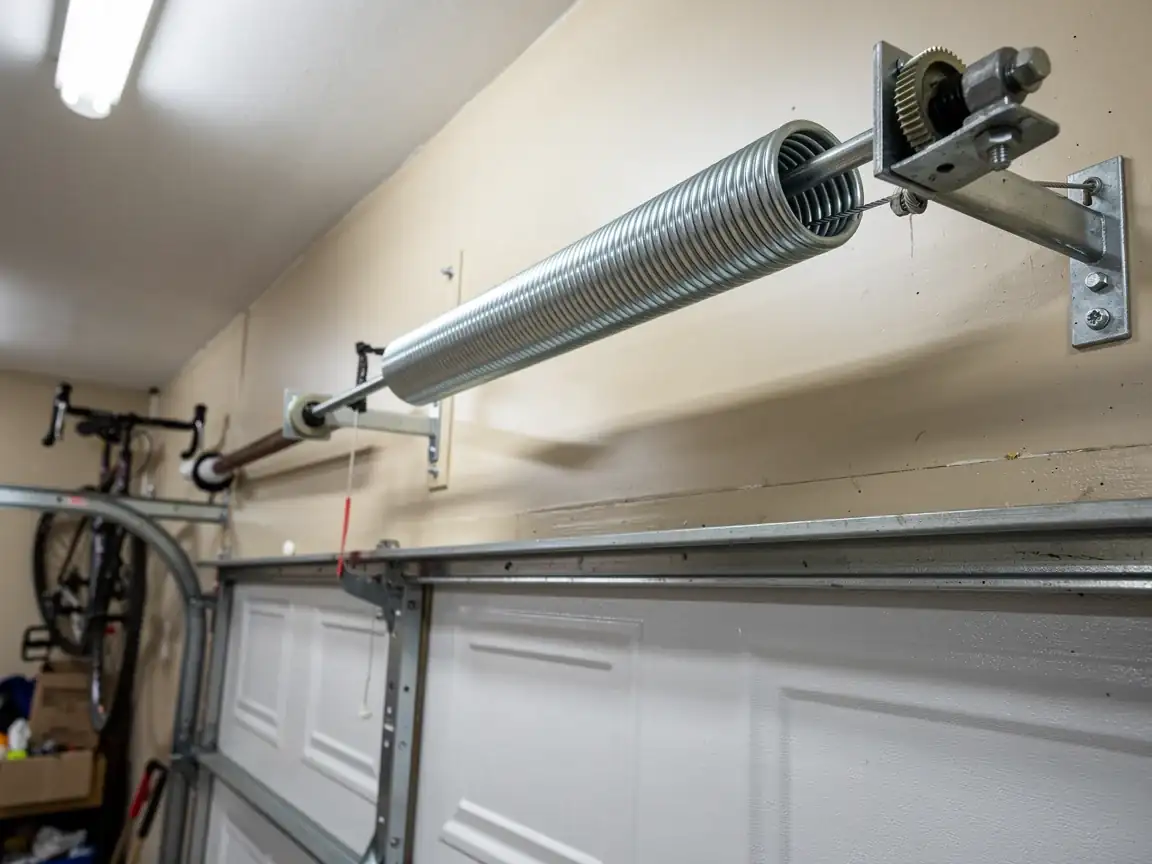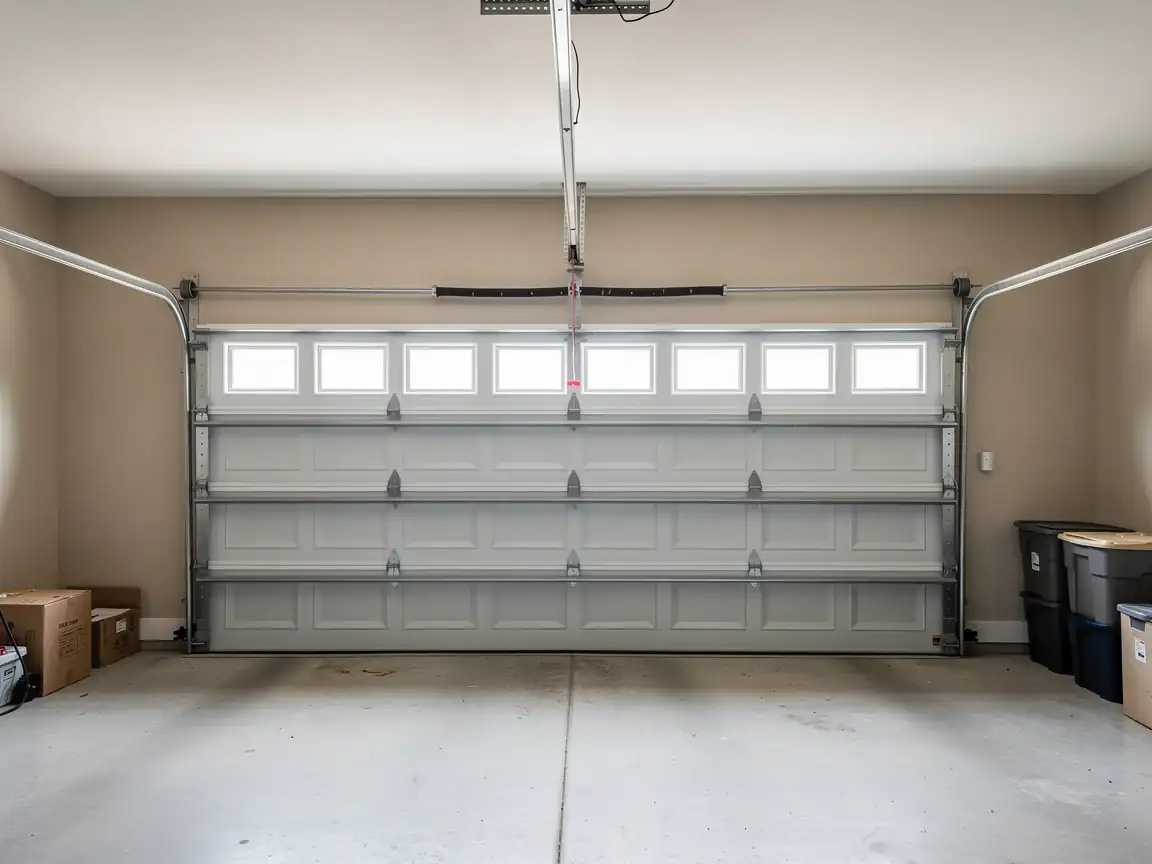
The Cost of This Job
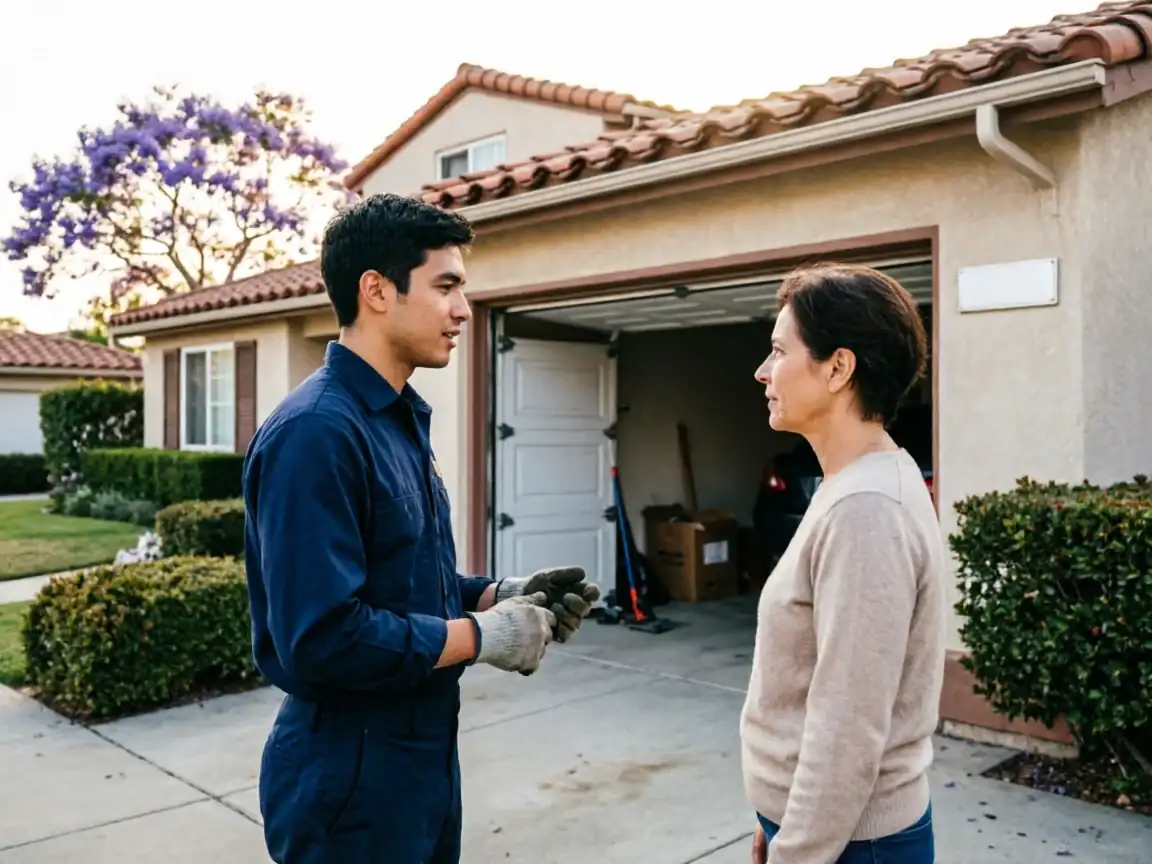
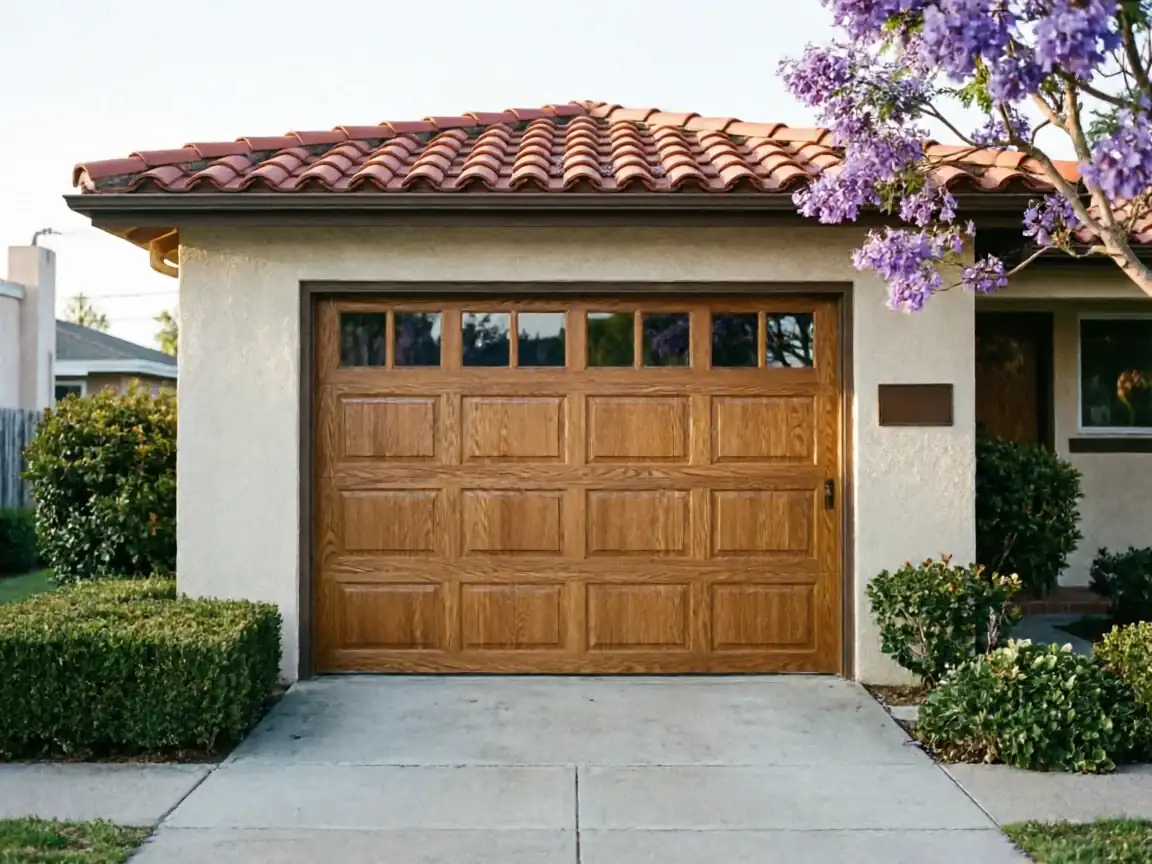
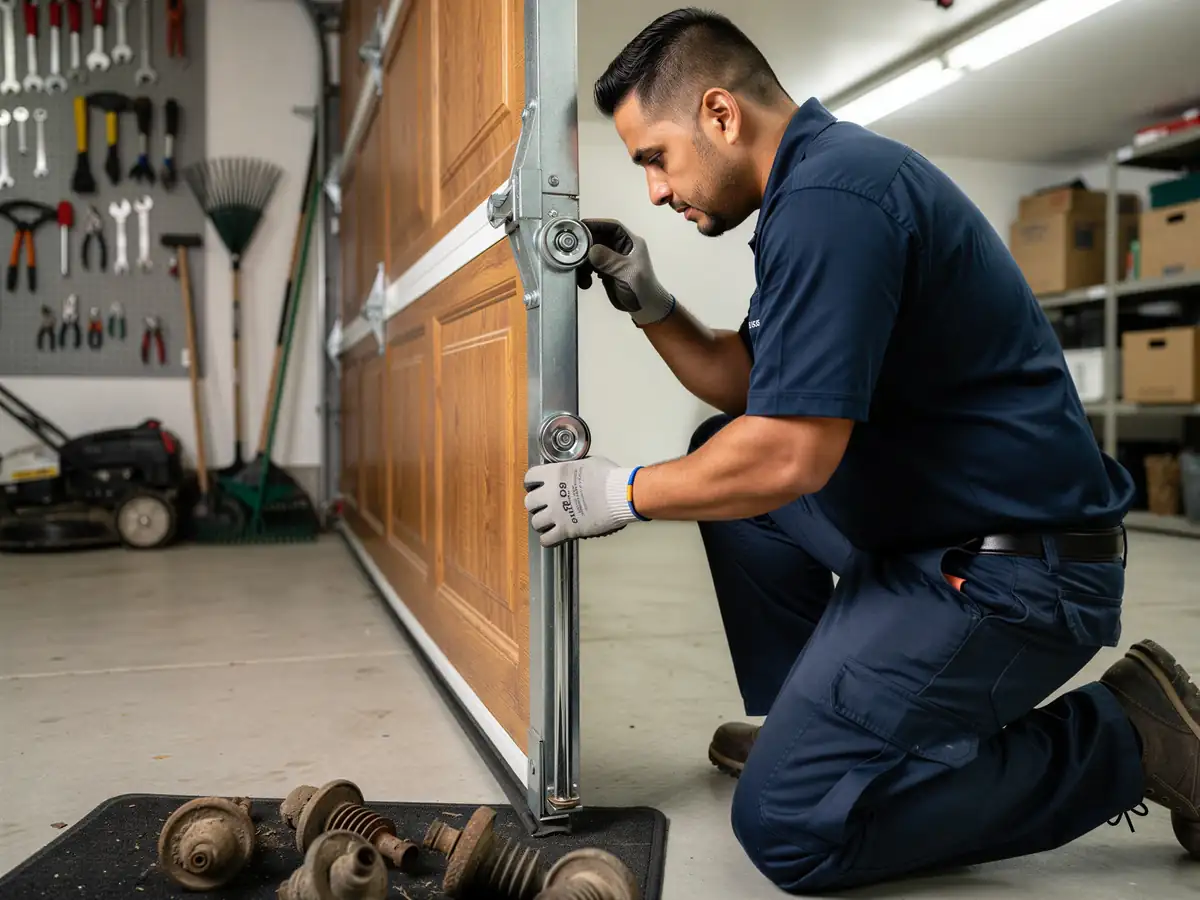
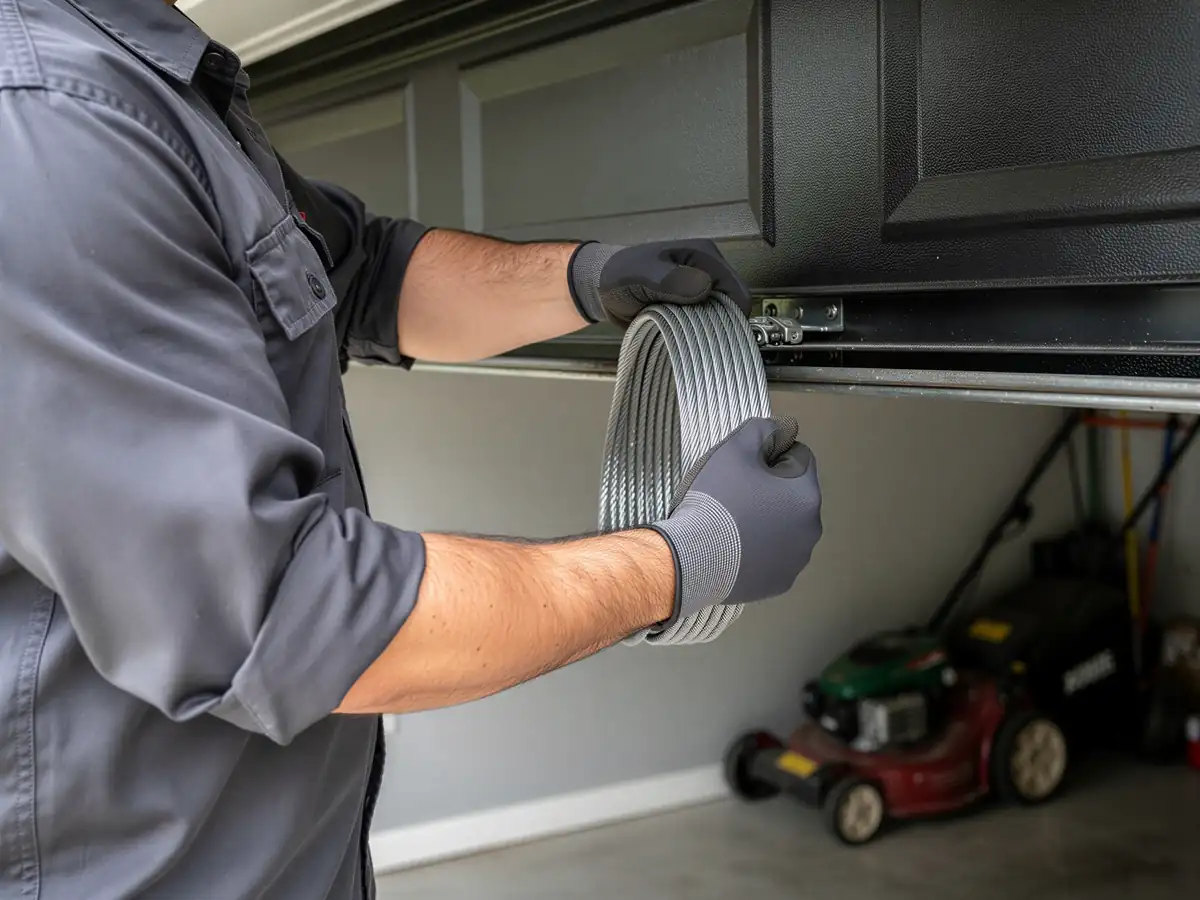
We don't post a flat number here because cable jobs vary with drum condition, spring state, and whether both cables need replacing at once (they should). What we can tell you is what drives the price in North Tustin specifically: the median home here was built around 1965, which means a lot of doors are still running the drums and cable size that shipped with the house. Original drums are narrower and wear a groove that chews a new cable fast if you don't replace the drum with it. A job that's "just a cable" on a newer door often turns into cable-plus-drum here, and that's the honest quote you'll get, not the lowball one. We travel from our Irvine shop, so the number you're quoted is the cable work itself - no separate trip charge folded in. If a tech opens your door and finds the drums are shot too, you'll hear that before any work starts, not after.
What Causes It Around Here
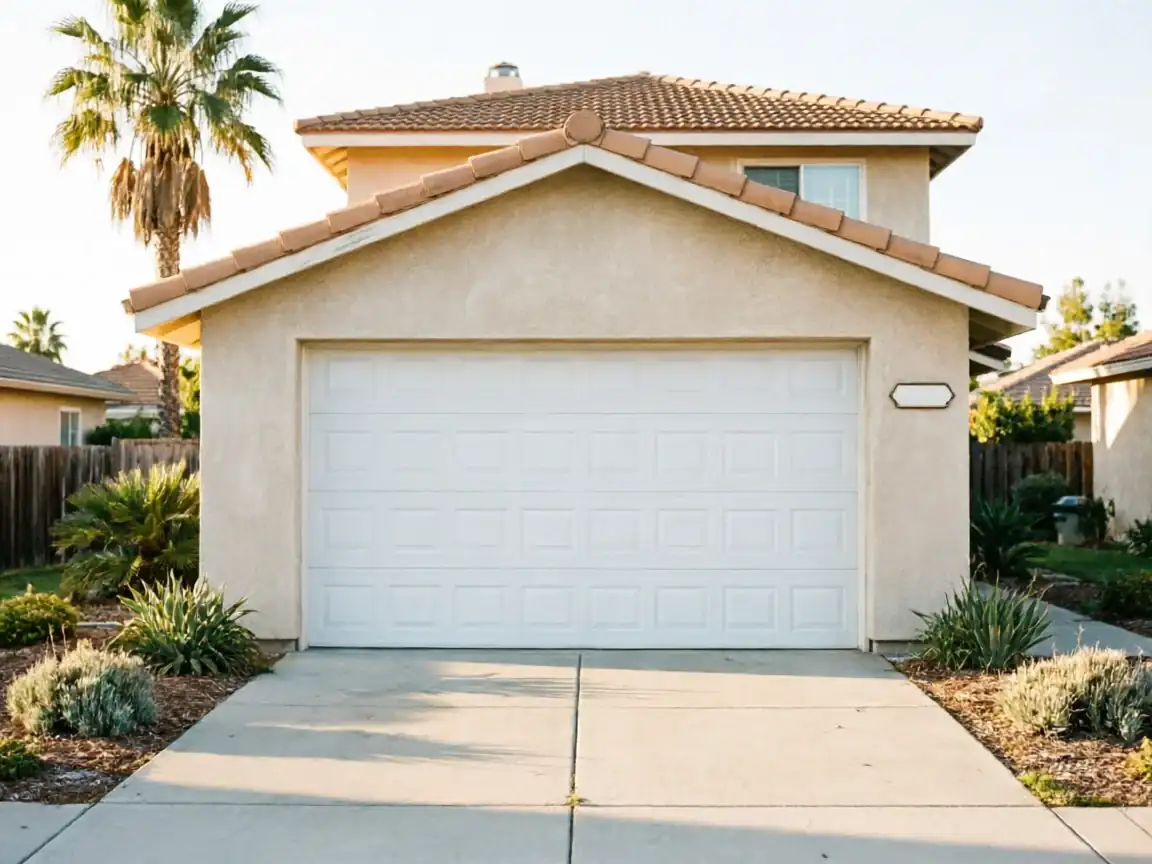
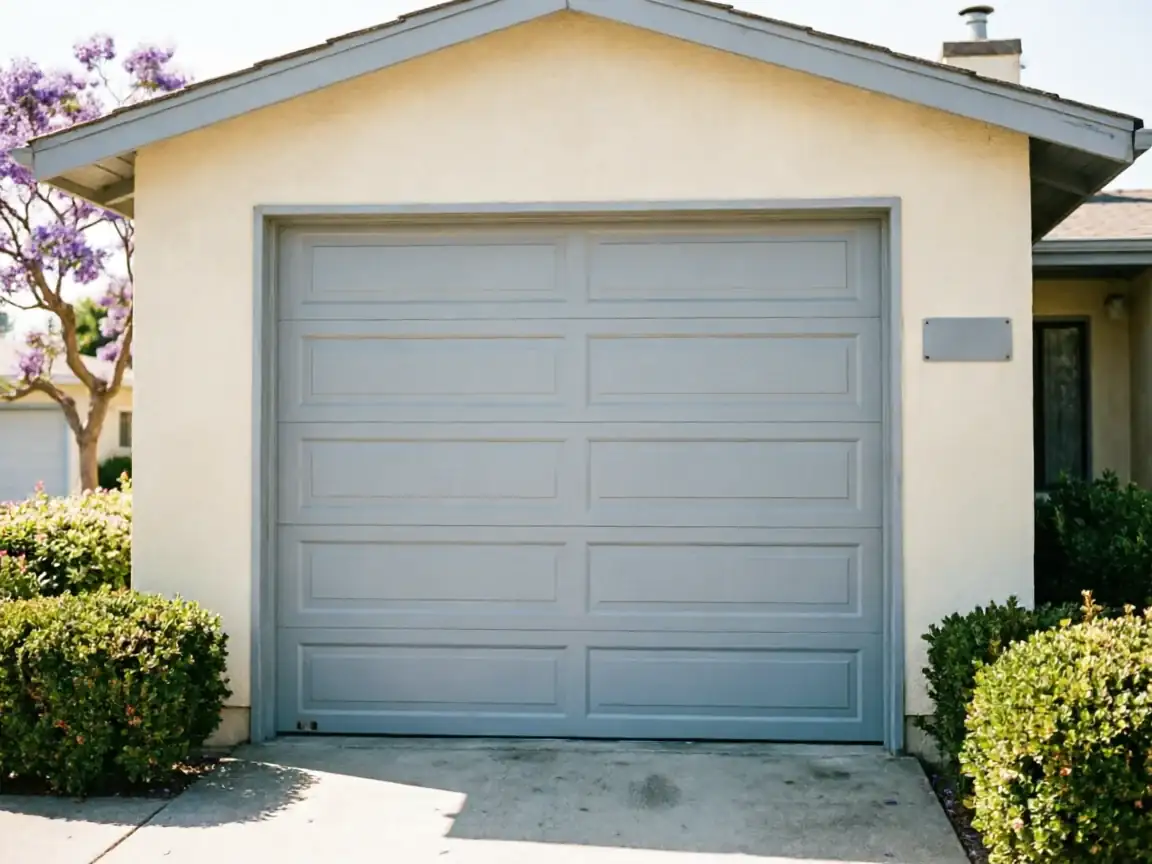
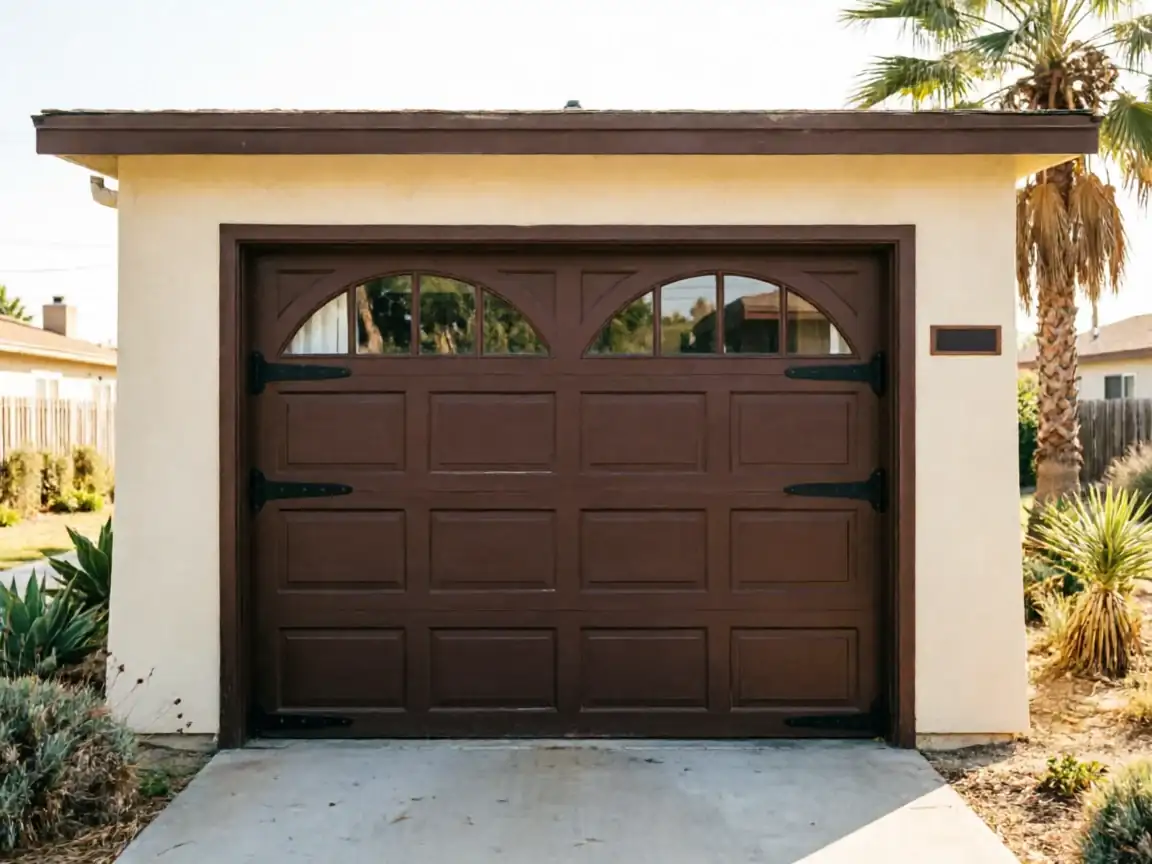
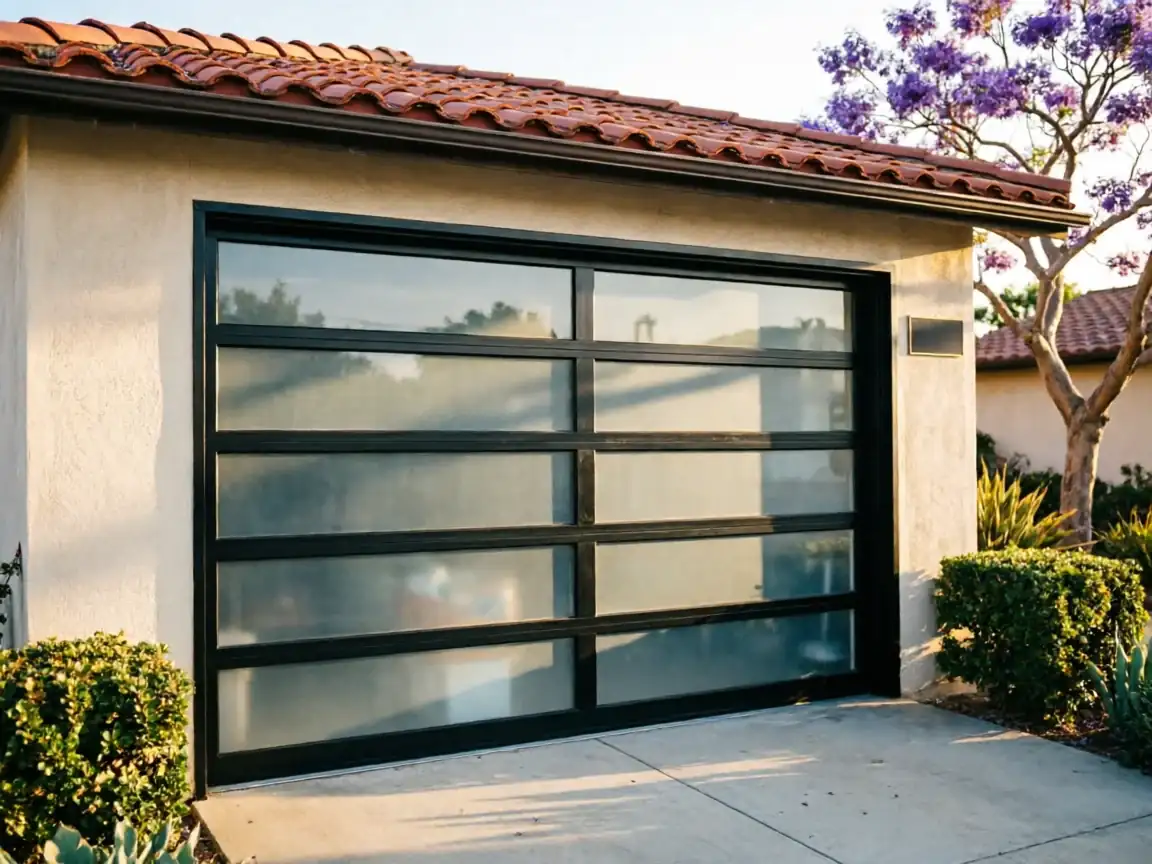
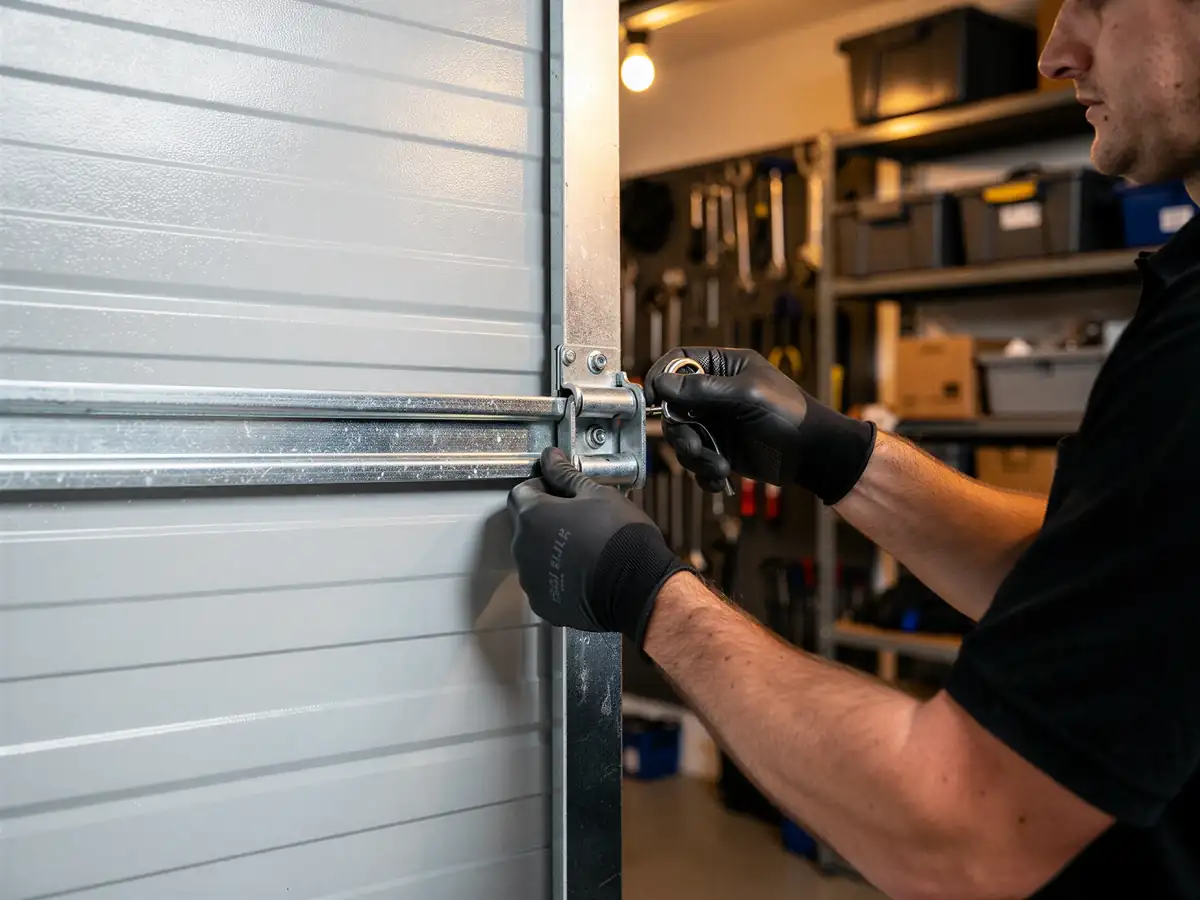
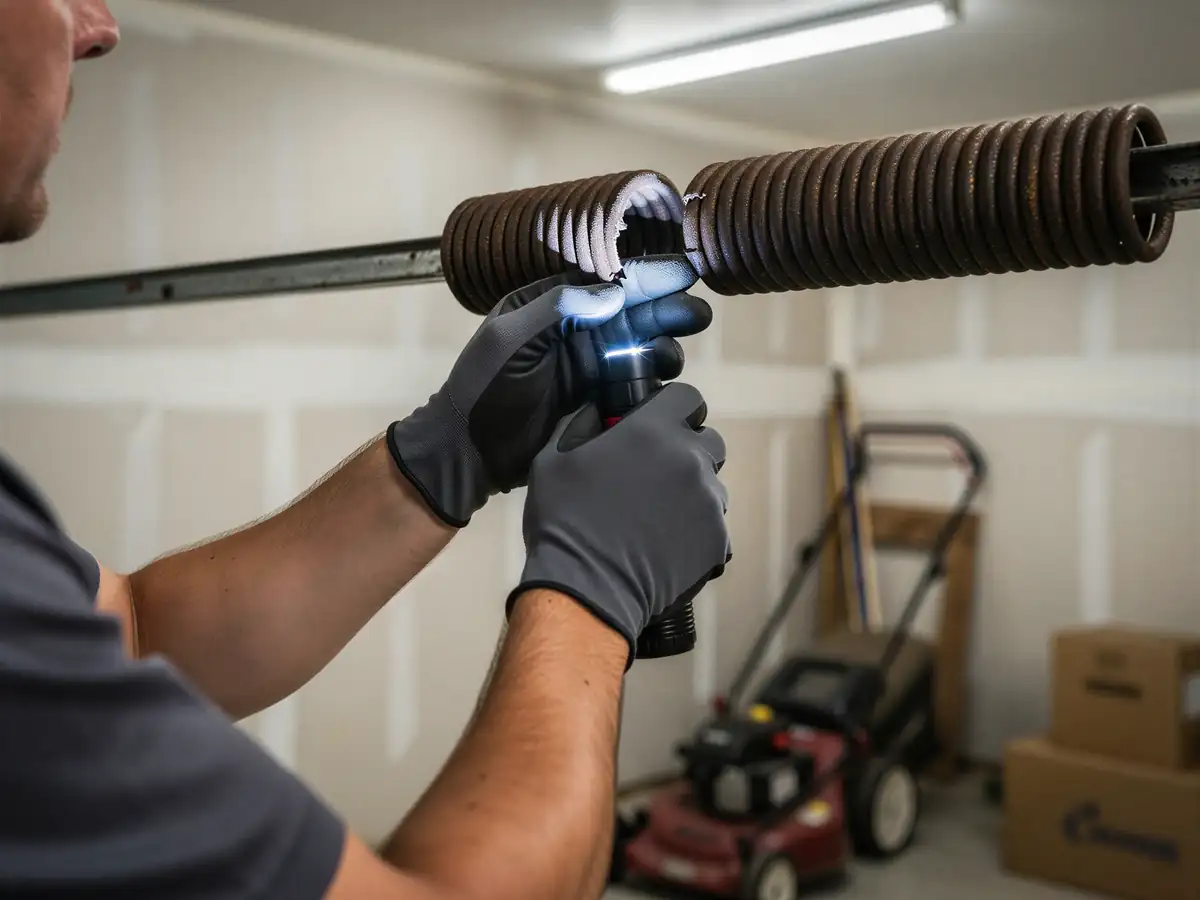
Cable failure in this part of the service area is mostly age, not abuse. With a median build year of 1965, a lot of North Tustin garages still have the factory-installed galvanized aircraft cable nobody has ever swapped out. That wire doesn't fail all at once - it frays strand by strand where it wraps the drum, usually invisible until a few strands finally let go under load. At 6 miles from our Irvine base this is one of the closer legs of the service area, and what we see consistently on that run is corrosion at the bottom bracket fitting on original hardware, plus cable stretch that's thrown the drum out of sync side to side. Mild temperate weather here doesn't rust cable the way a humid climate would, so when a 60-year-old cable finally snaps, it's almost always fatigue from tens of thousands of open-close cycles, not weather damage. That's useful to know because it means the fix is about replacing worn parts, not chasing a weather-related cause.
Time on the Job
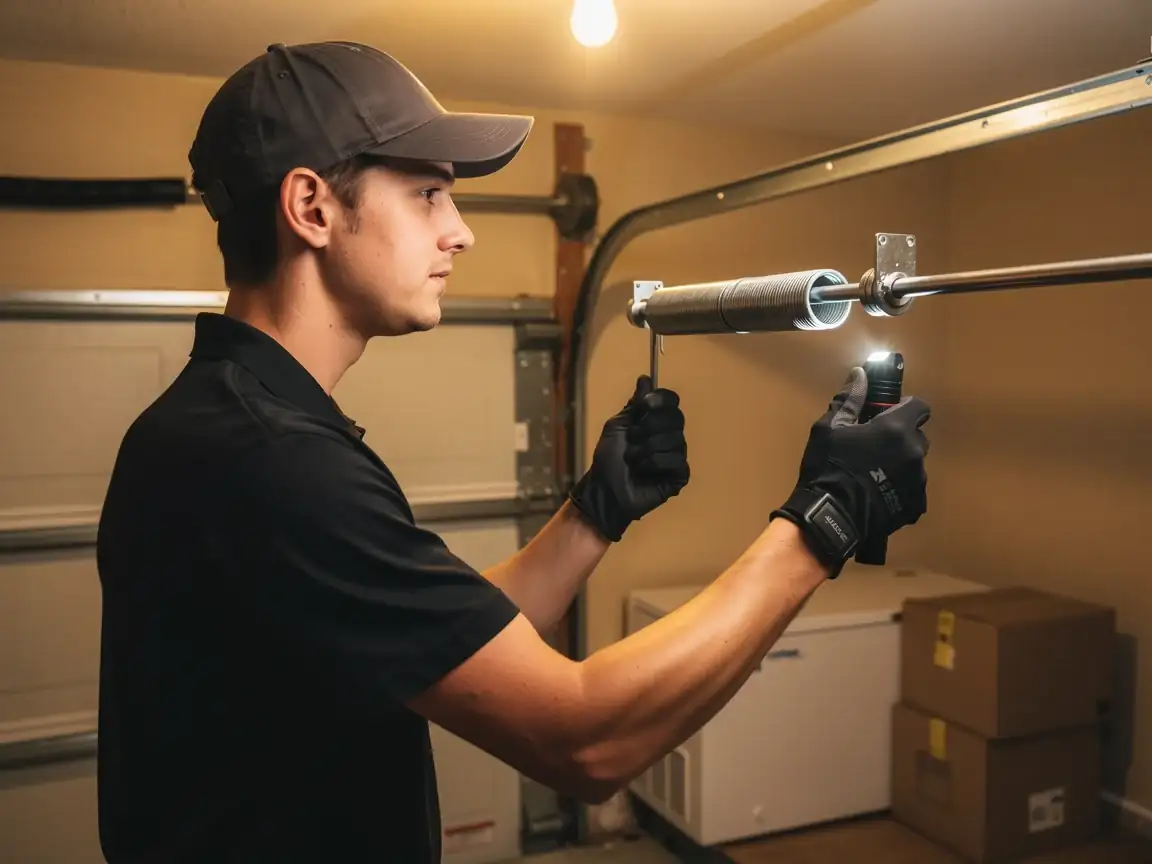
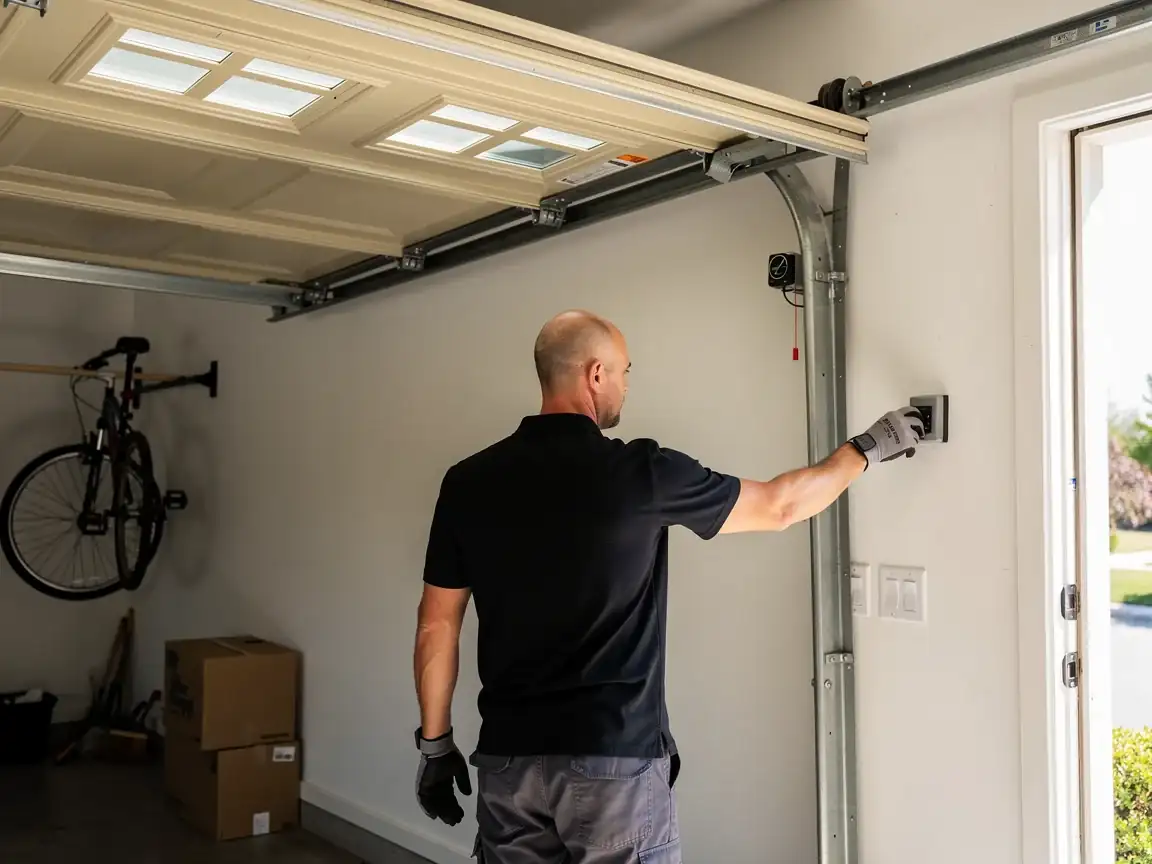
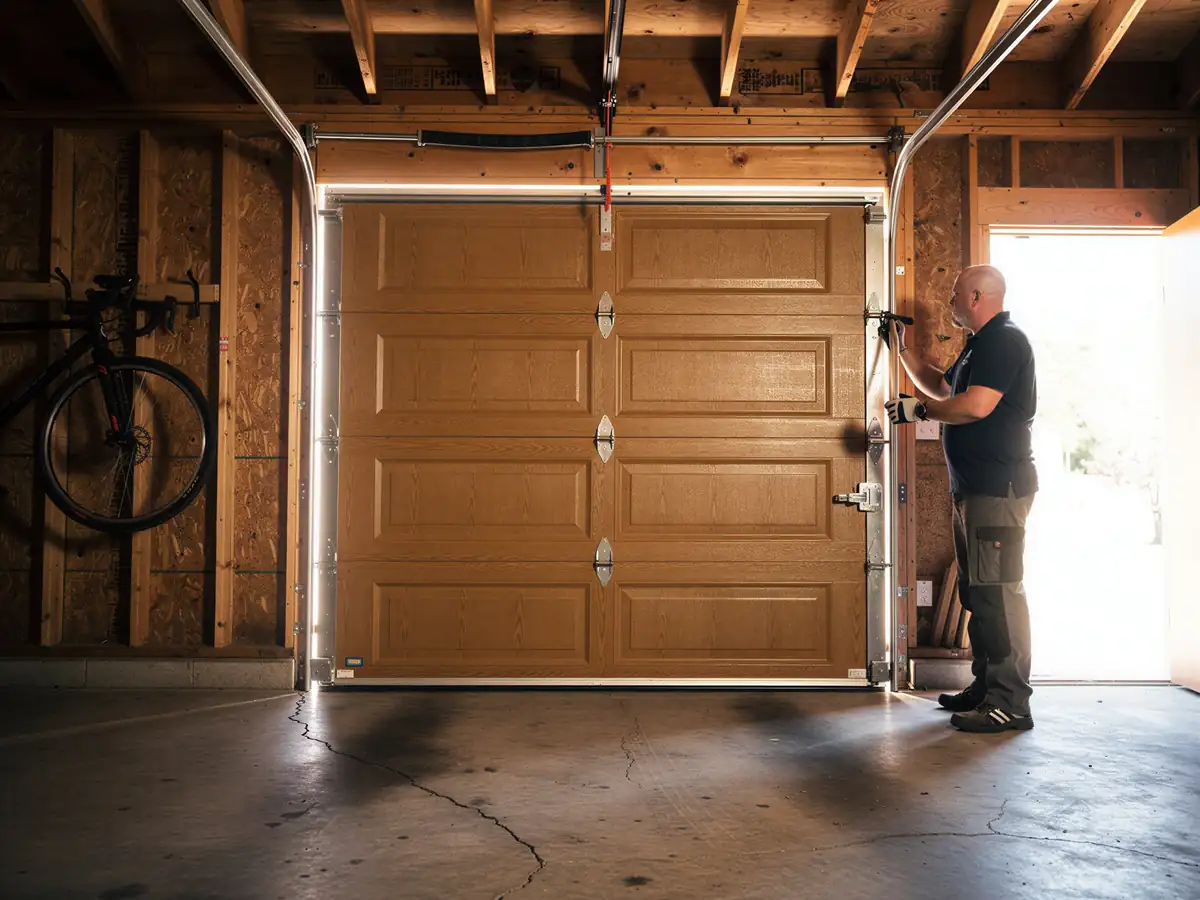
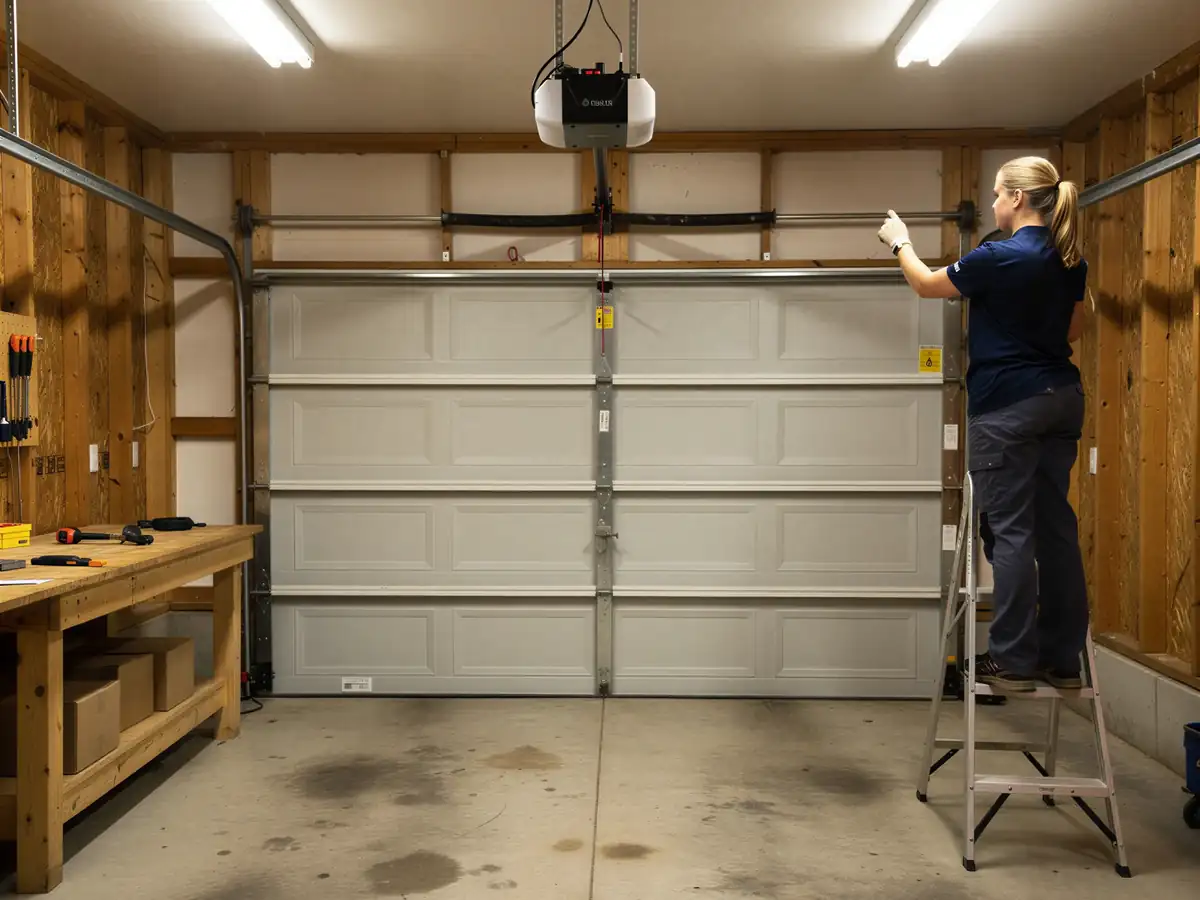
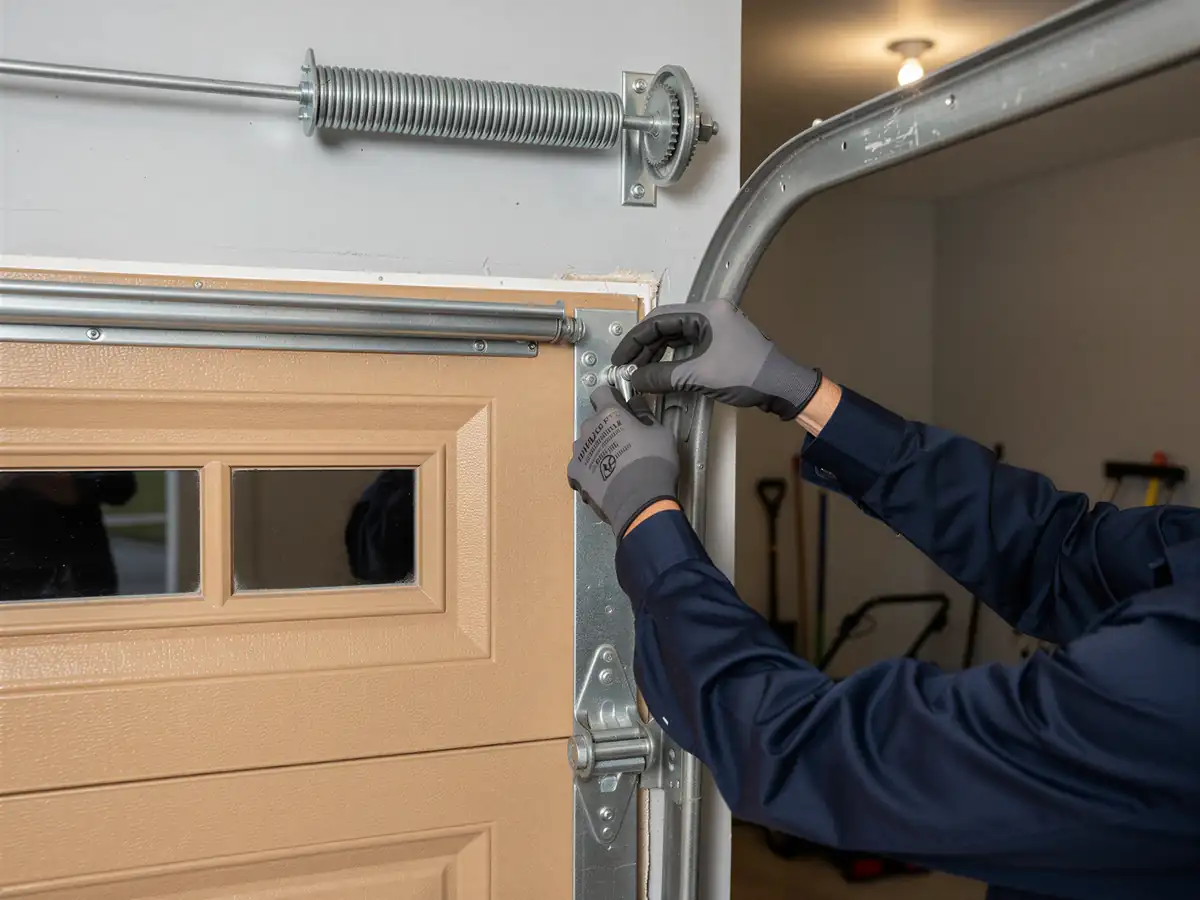
A straight cable replacement, both sides, on a standard torsion system runs under two hours once the tech is on site. Add drum replacement - common on original 1965-era hardware - and you're looking at closer to three. What stretches it is finding the second problem: a cable that snapped because a bearing seized, or a track that's bent from the door running crooked on one worn-out cable while the other held. We check both before calling the job done, because replacing a cable and leaving a seized bearing in place just buys you a repeat call in a few months.
What You Are Seeing
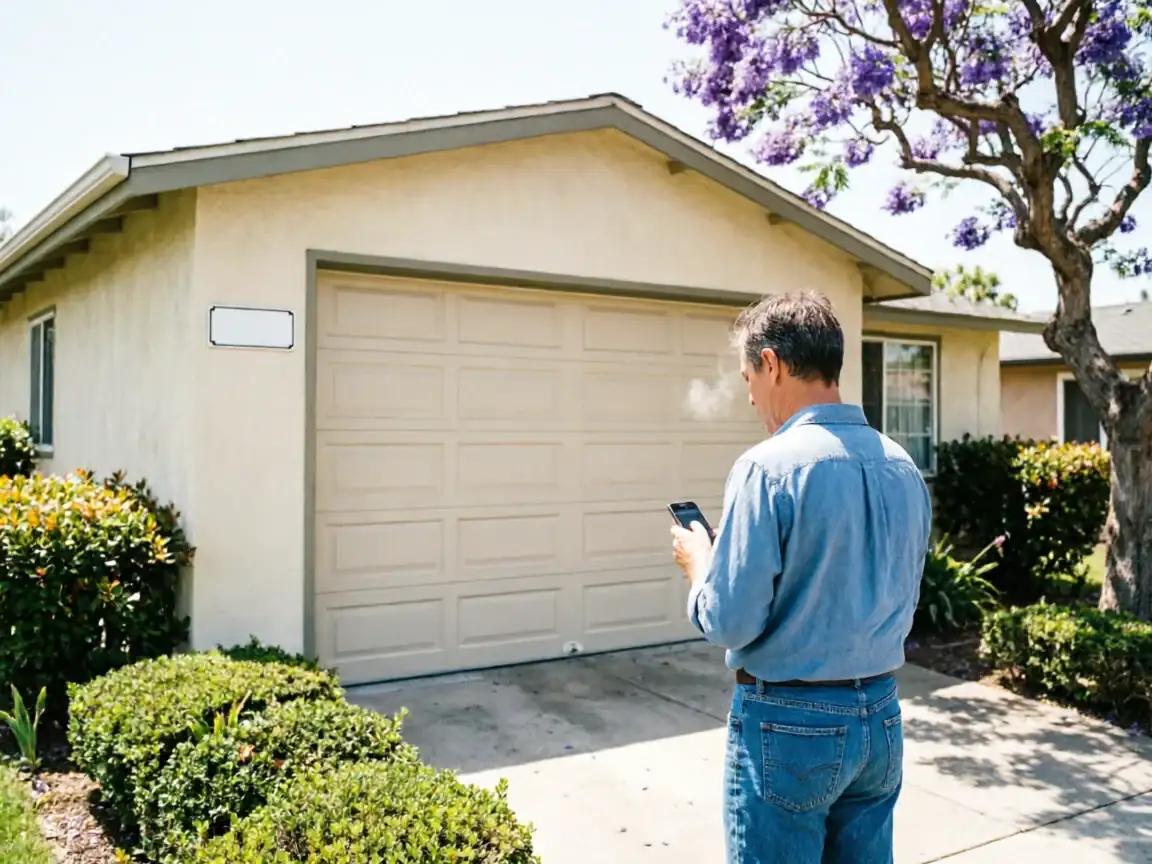
A cable that's actually broken shows itself clearly - the door sits crooked, drops hard on one side, or won't move off the floor at all. More often what gets us called is the warning stage: a door that shudders partway up, a visible kink or frayed strand near the bottom bracket, or one side of the door looking lower than the other when it's closed. On older North Tustin doors we also see the cable slipped off the drum entirely, usually from years of slow stretch finally letting it jump the groove. None of that is safe to force through manually - a cable under spring tension that lets go while someone's hands are near it is a genuine injury risk, so if you're seeing any of this, stop operating the door until it's looked at.