Booking a Visit
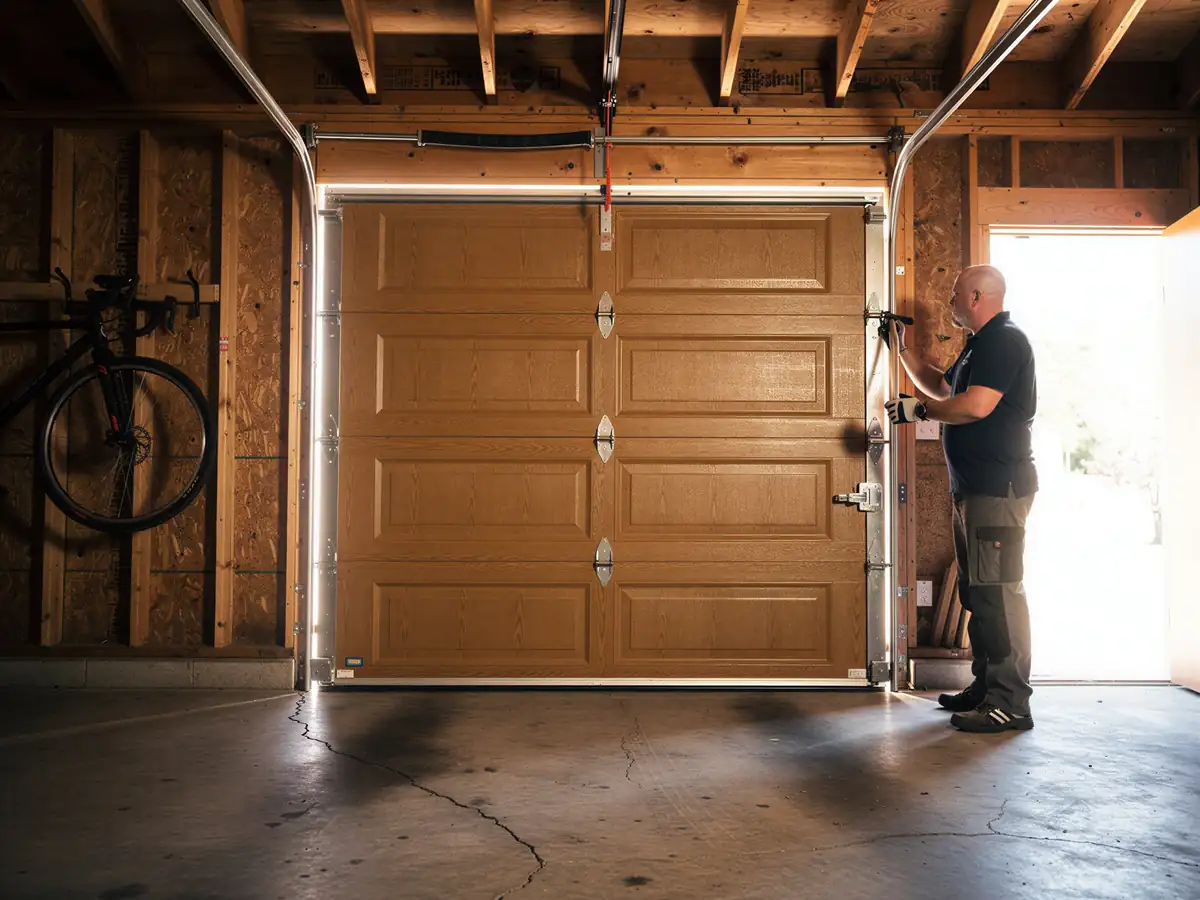
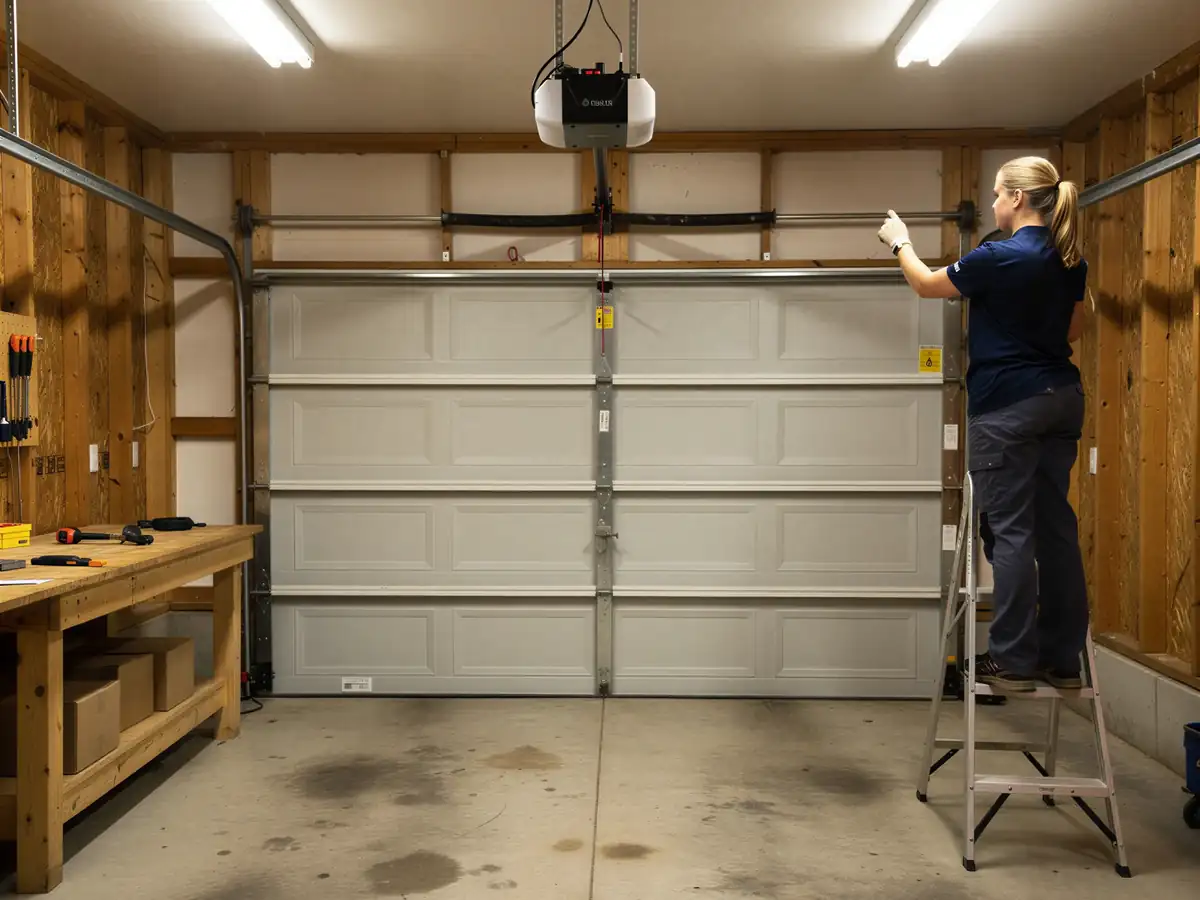
We're based in Irvine, about 18 miles from Buena Park, and we come out for roller jobs on a scheduled basis rather than running a local branch here. That means we can't promise a same-hour arrival the way a shop around the corner might, but we can tell you what to expect once we're on site: a look at the track alignment, not just the rollers, because on a house this age the two problems usually travel together. Bring us the make of your opener if you have it, and let us know if the door has ever been serviced for alignment before - it changes how we approach the job.
We work from the Buena Park garage door service page for broader repair work, and this page is specifically about rollers and the track wear that comes with them. If you're not sure which you need, the noise is usually the giveaway - more on that below.
What Causes It Around Here
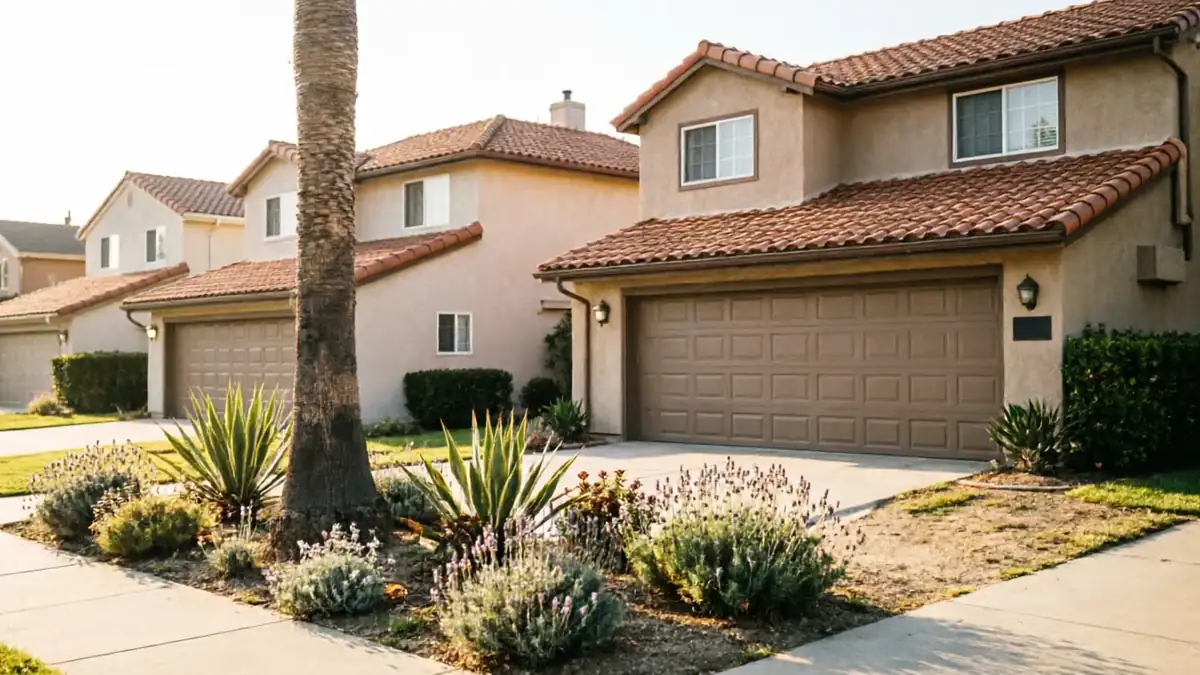
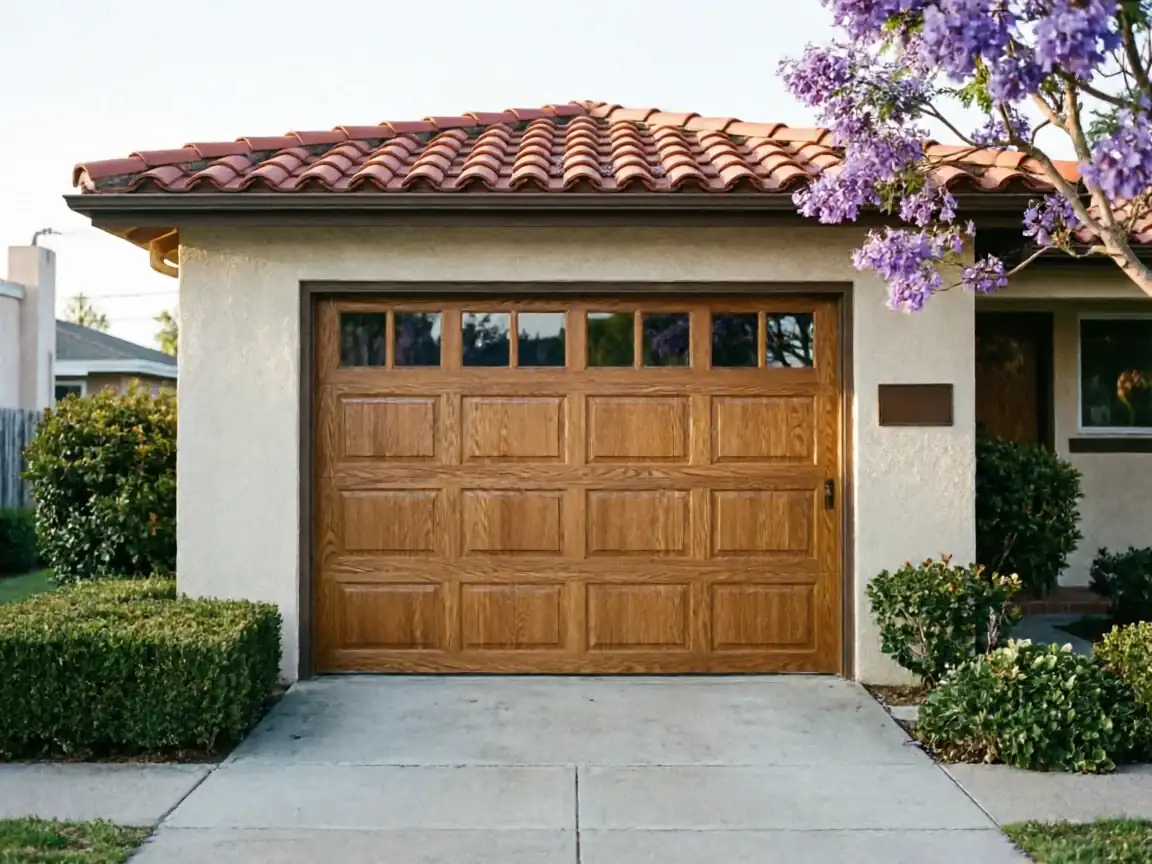
Buena Park's housing stock runs older than the typical house across our service area - the median build year here is 1966, about a decade ahead of the 1976 median we see service-area wide, and the broader range runs from 1938 to 2015. A house built in the mid-1960s was very likely fitted with its garage door, and possibly its rollers, well before nylon rollers with sealed bearings were standard. Steel rollers on old track wear differently: they groove the rail instead of riding smooth, and that groove gets worse every month you leave it.
The climate here is mild - no deep freezes, no extreme swings - so you're not dealing with the ice-and-thaw cycle that cracks rollers in colder states. What you are dealing with is decades of UV and dry heat drying out whatever lubricant was last applied, plus track that's never been realigned since the house was built. On an older Buena Park door, the roller and the track usually fail together, which is why we check both.
What Can Go Wrong
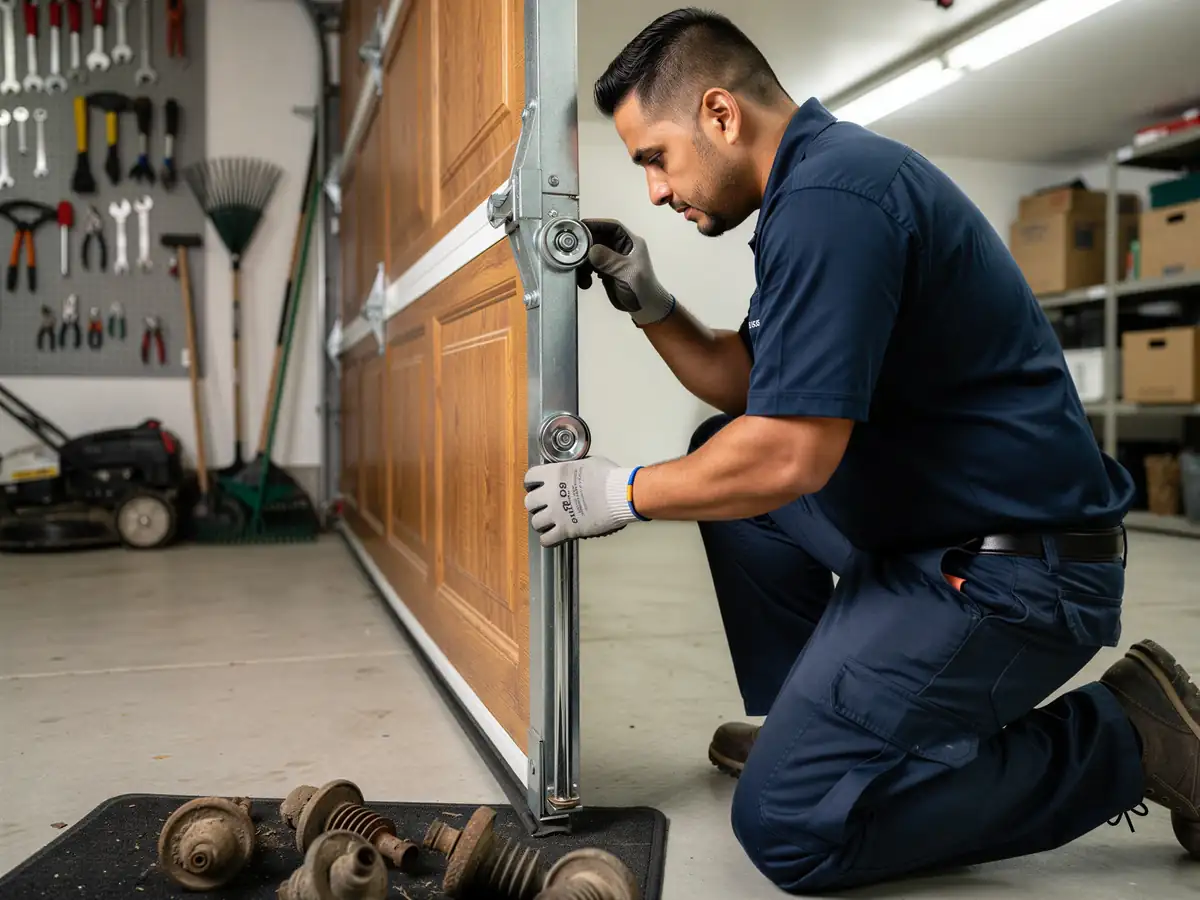
The most common failure we find on 1960s-era doors is a cracked or flat-spotted roller that's been grinding against a track edge long enough to wear a burr into the metal
Left alone, that burr catches every roller that follows it, so replacing one roller without addressing the burr just buys you a few weeks. On double doors especially, uneven roller wear side to side pulls the door slightly off square, which stresses the opener's travel limits and can trip the safety reversal.
We also see rollers that look fine but have seized bearings
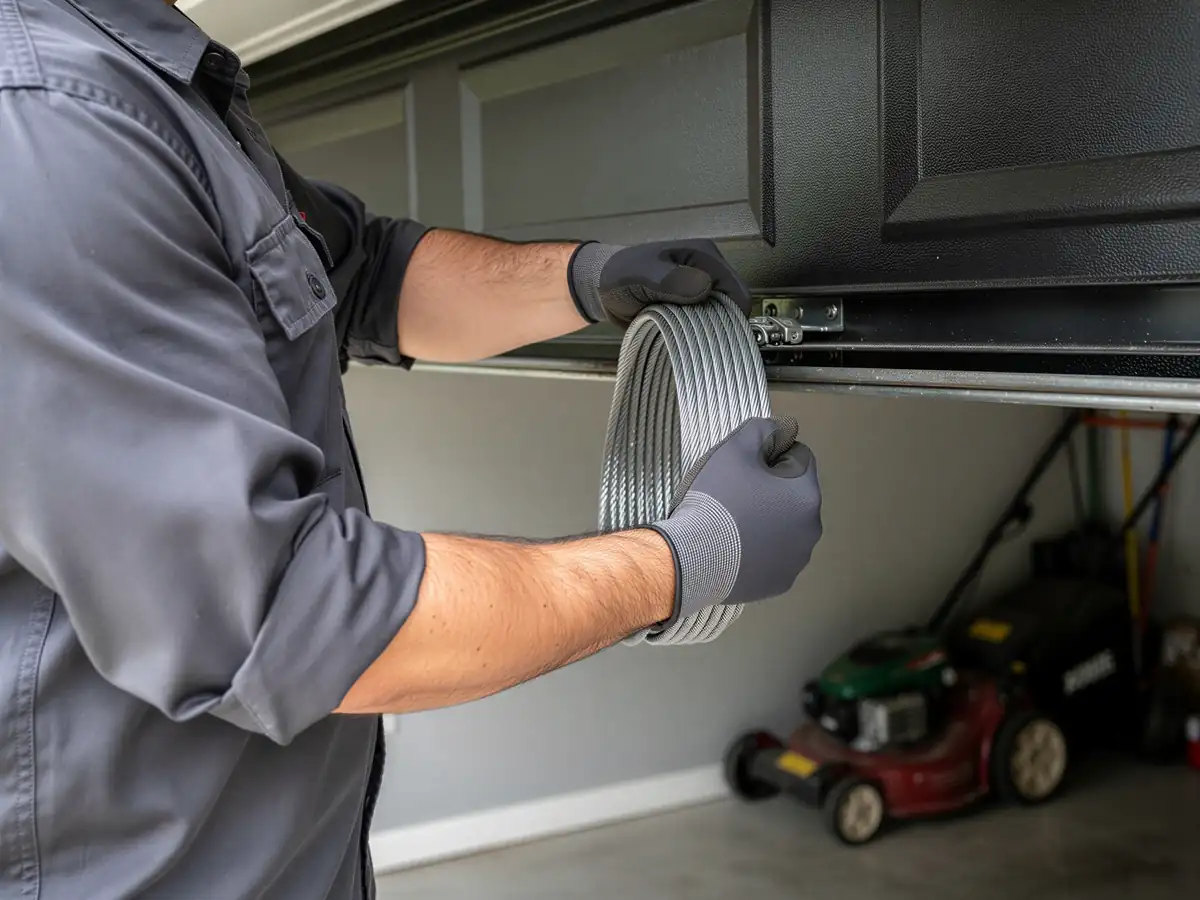
The wheel doesn't spin, it just skids down the track, wearing a flat side into itself. That's a quieter failure; it sounds like scraping rather than the sharper clack of a cracked roller. Either way, this is a parts-and-labor job, not a lubricant job, once the roller itself has deformed. We won't sell you a tube of spray lube for a problem spray lube can't fix.
What You Are Seeing
A grinding or scraping noise that gets louder as the door opens, rather than a steady hum, usually means a roller riding on a worn flat spot. A door that shudders or jerks partway up is often a roller that's caught on a burr in the track rather than a motor problem - people assume the opener is failing when it's really the hardware it's pulling against. If you see visible gaps where the roller sits away from the track on one side, that's play in a worn roller stem, and it only gets worse.
Rust streaks on the rollers themselves, as opposed to the track, point to original steel rollers nearing the end of their life - common on a house built in the mid-1960s that's never had the hardware upgraded. None of these signs mean the door is unsafe to use today, but each one is a roller that's going to fail eventually, usually on a day you need the door most.
Can You Do This Yourself
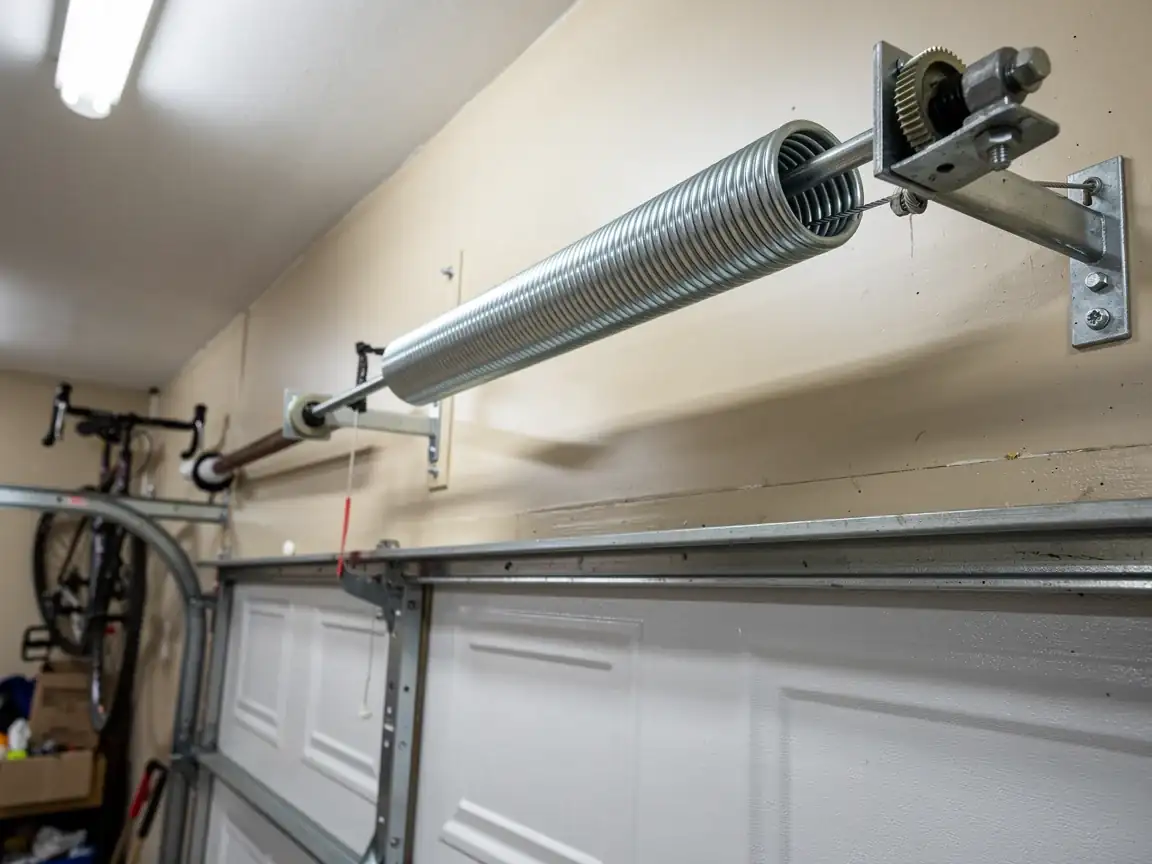
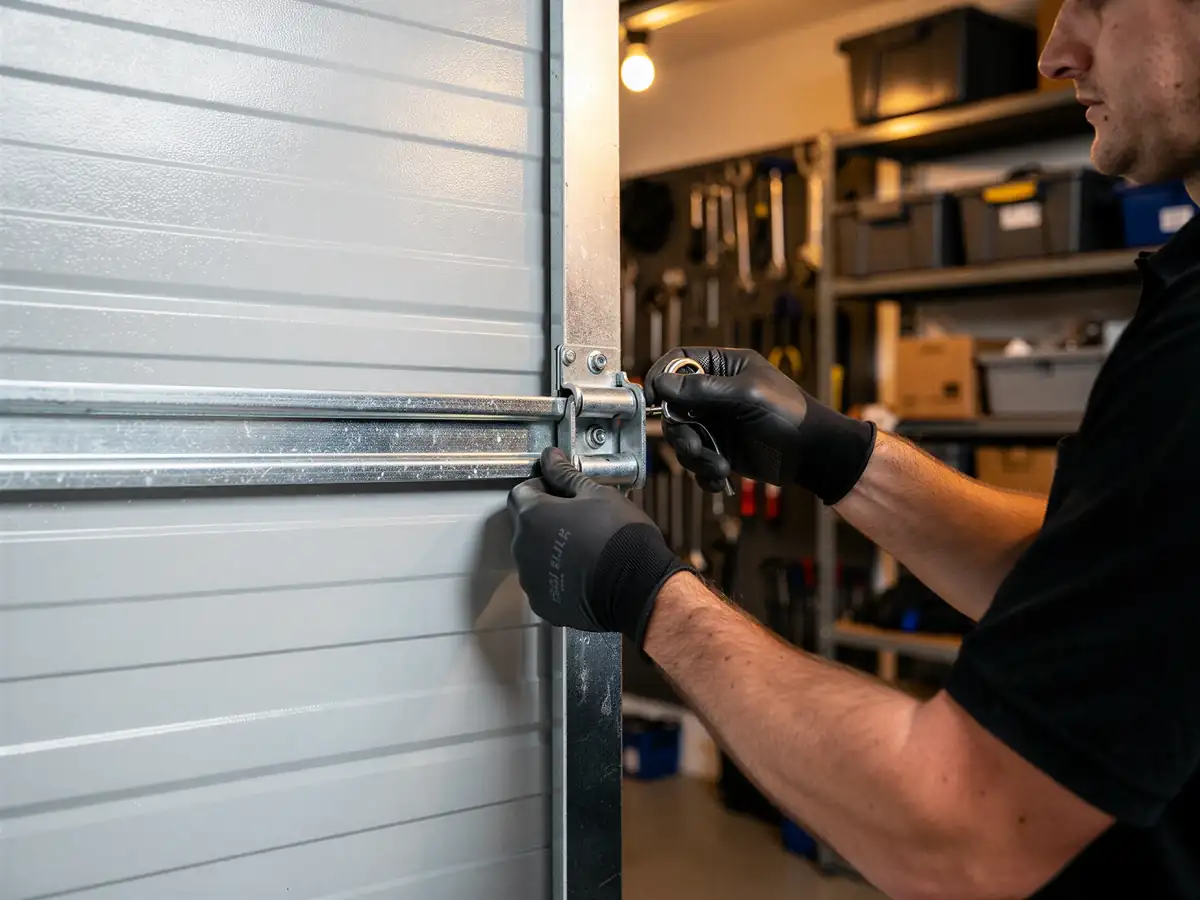
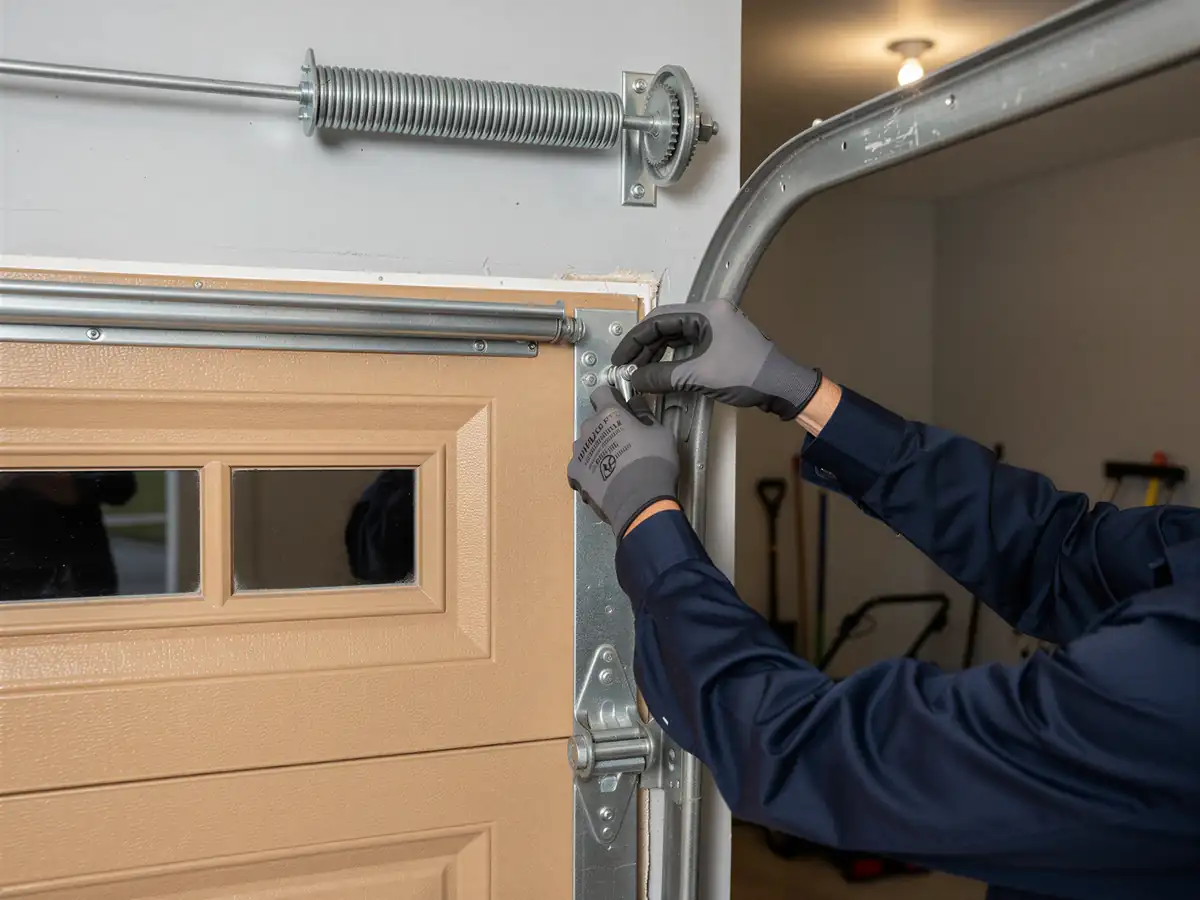
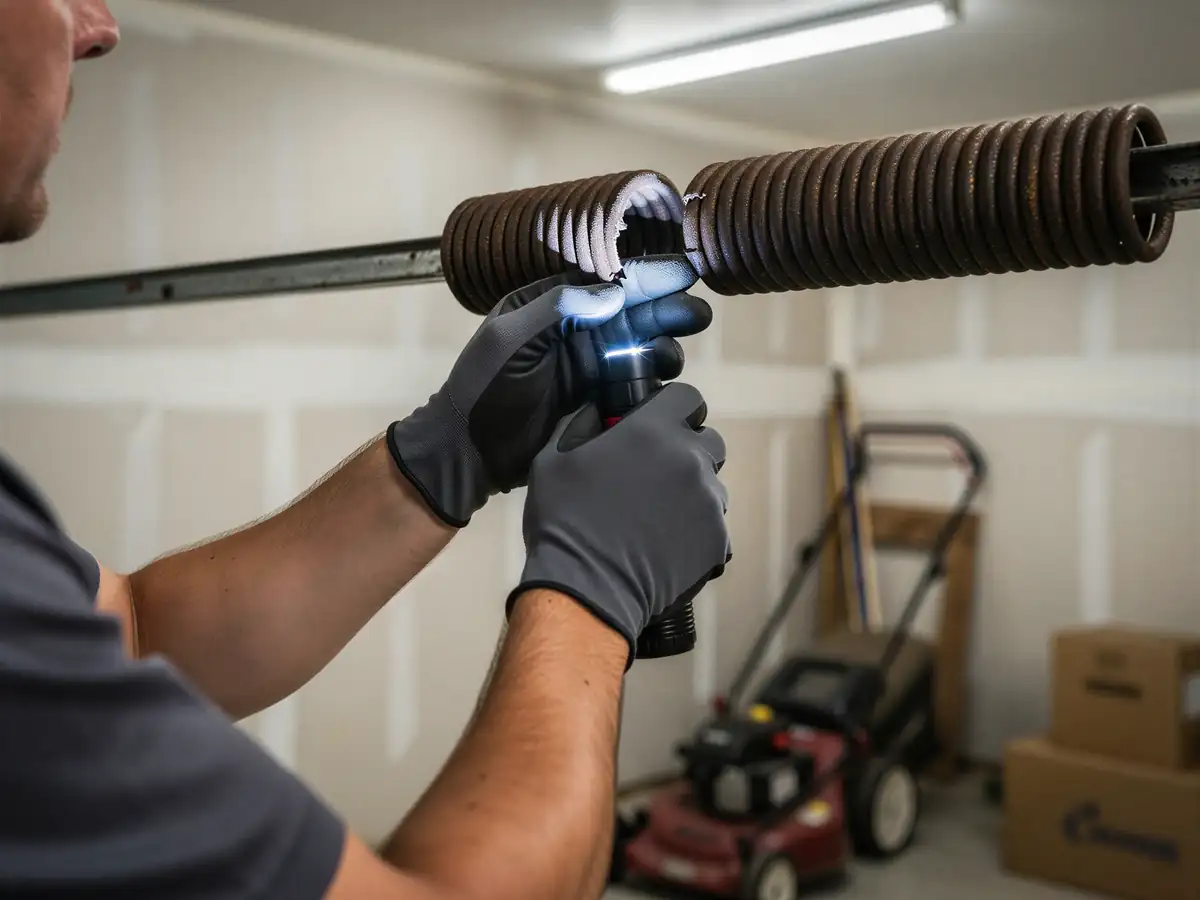
Swapping a single roller on a door that's unplugged and fully down, with the spring tension released, is within reach for some homeowners - it's a wrench and a bit of patience. Where it gets risky is the top rollers near the spring and cable system; working near a loaded torsion spring without the right bars is how people get hurt, and we'd rather you call for that part even if you handle the bottom rollers yourself.
The honest limit here: if your track has the kind of grooving we see on a lot of older Buena Park doors, new rollers alone won't fix the noise - the track needs straightening or replacing too, and that's not a DIY job with hand tools. If you're not sure whether what you're looking at is a roller problem or a track problem, it's worth having someone look before you buy parts. For general repair questions beyond rollers, see our Buena Park service page; for the city-wide view of this same job, there's also our Irvine roller replacement page.