Booking a Visit
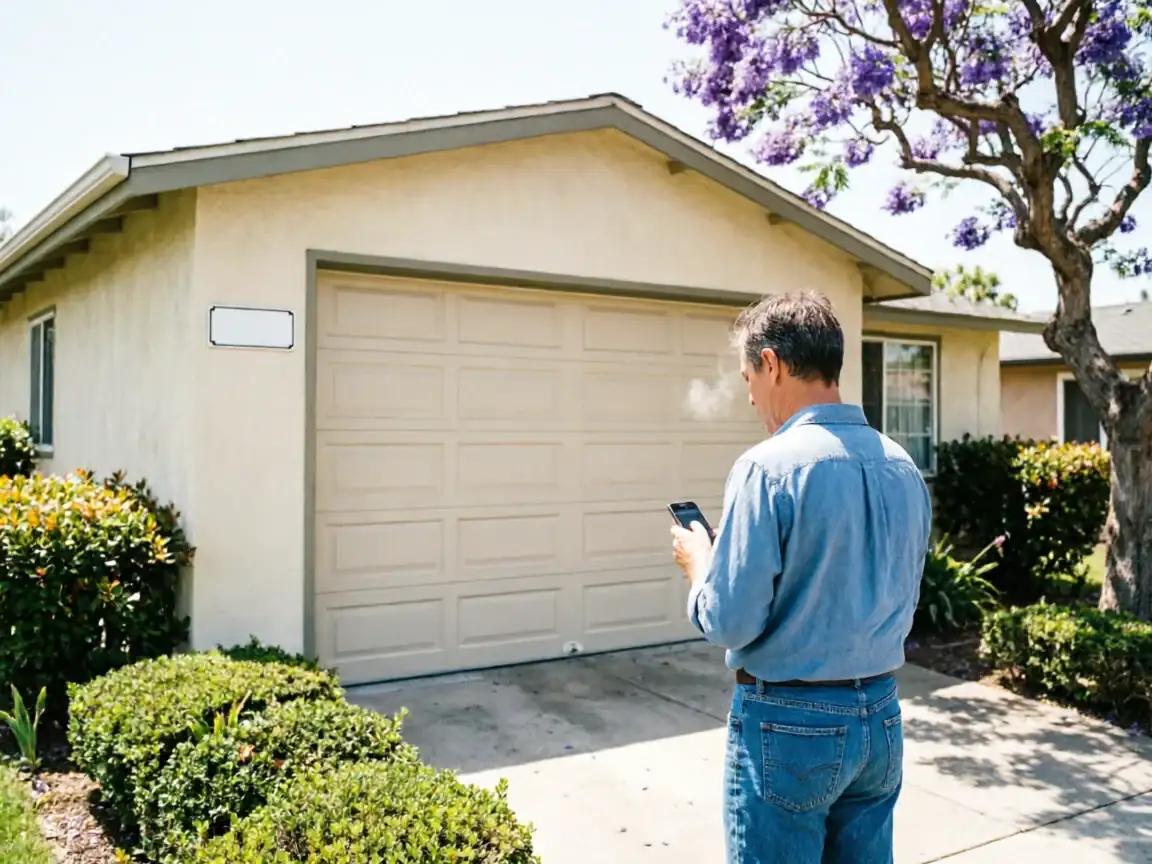
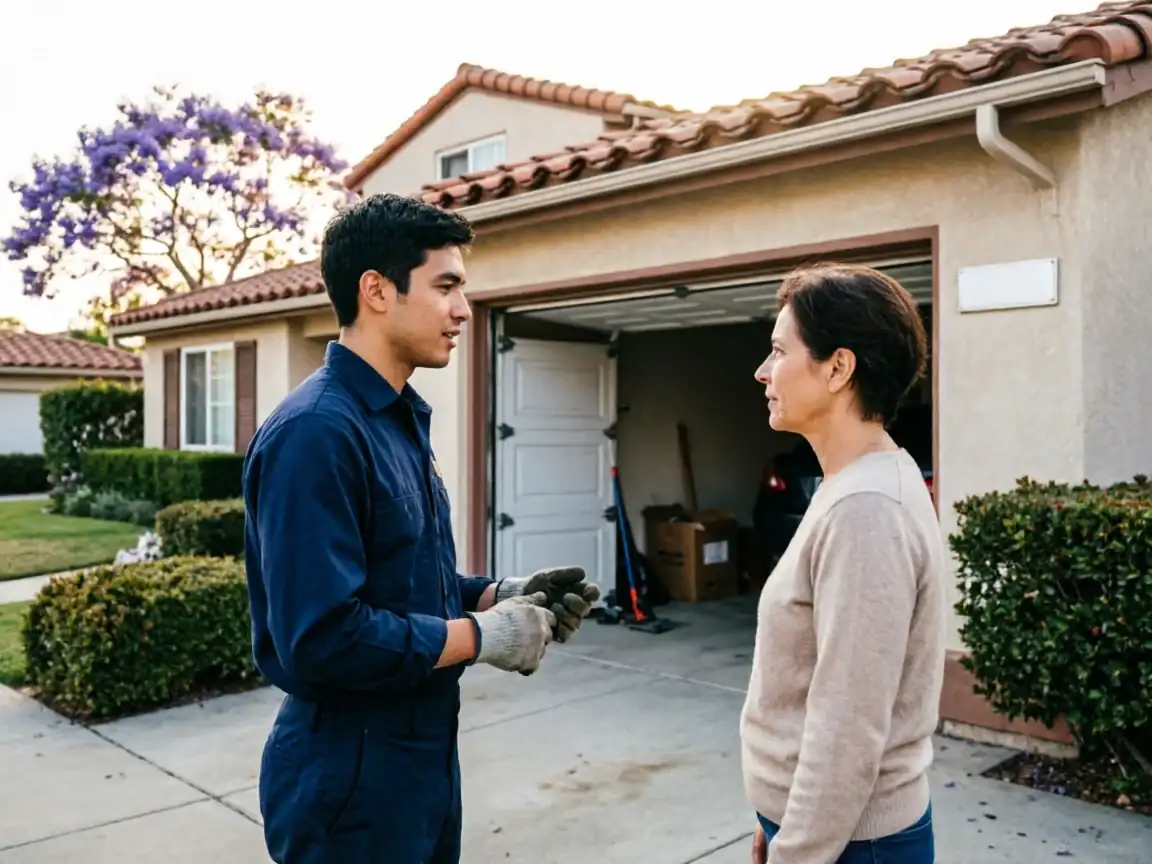
Buena Park holds around 24,199 households, enough that we run maintenance visits here on a scheduled basis rather than as a walk-up service. We're based in Irvine, about 18 miles away, so we ask that you book ahead instead of expecting a same-day slot - we don't keep a branch or a standing crew in Buena Park, and we won't pretend otherwise. What we do is group visits by neighborhood when we can, so a tune-up here gets planned alongside other calls on the same side of town, which keeps the trip worth making for both of us.
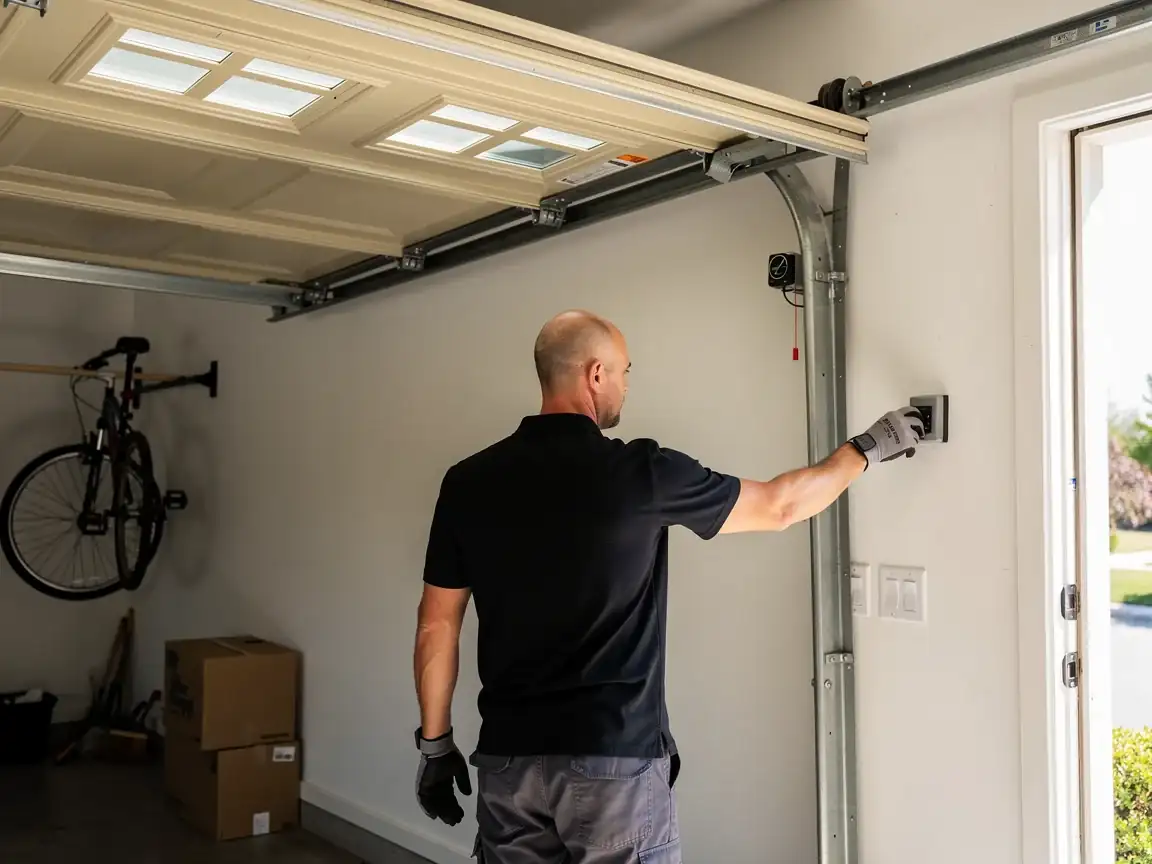
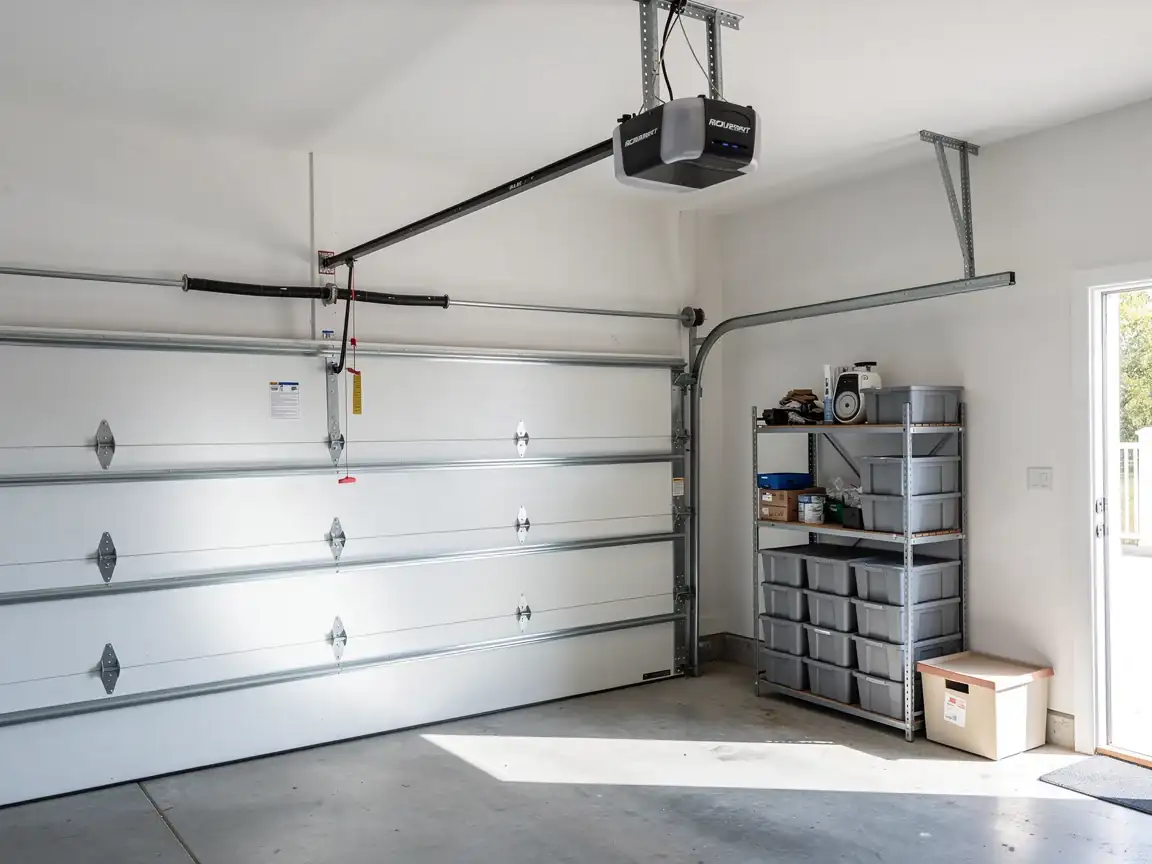
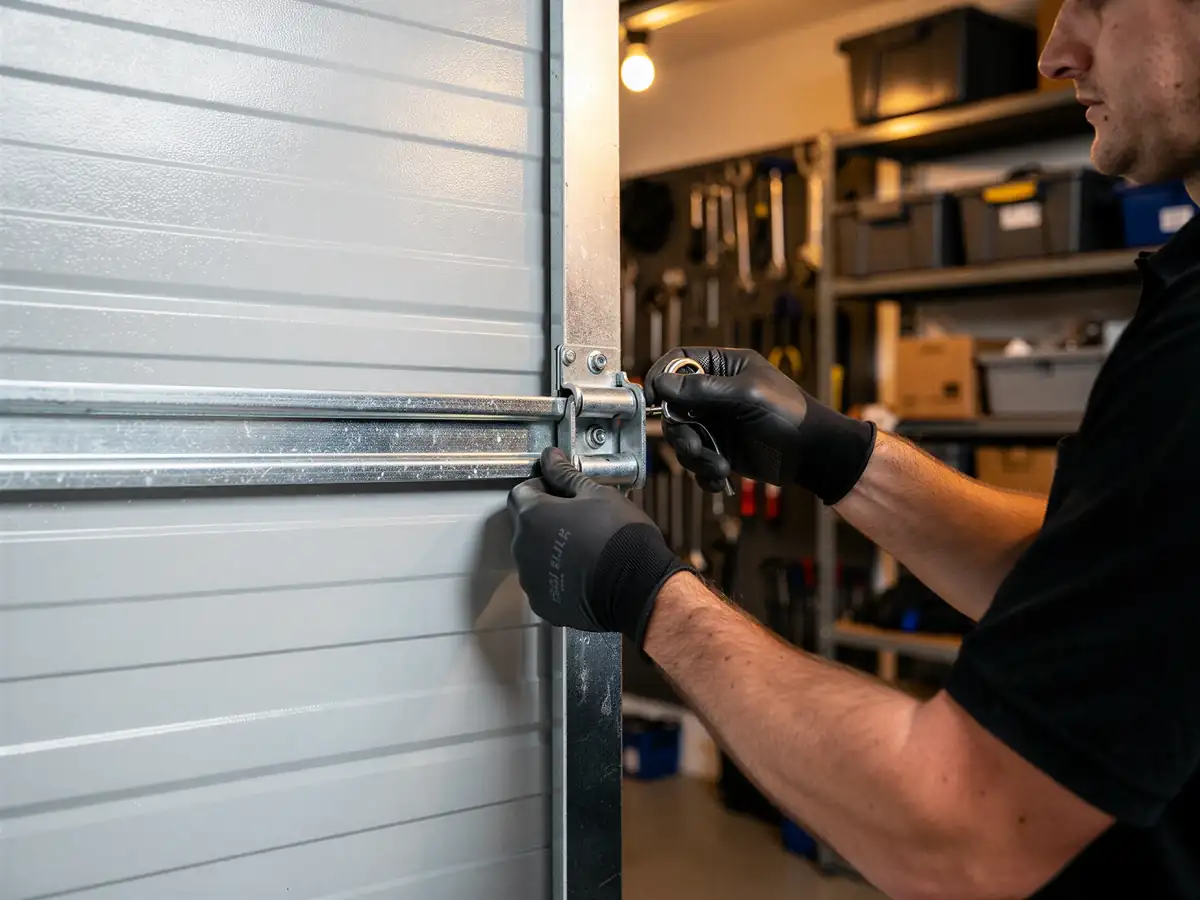
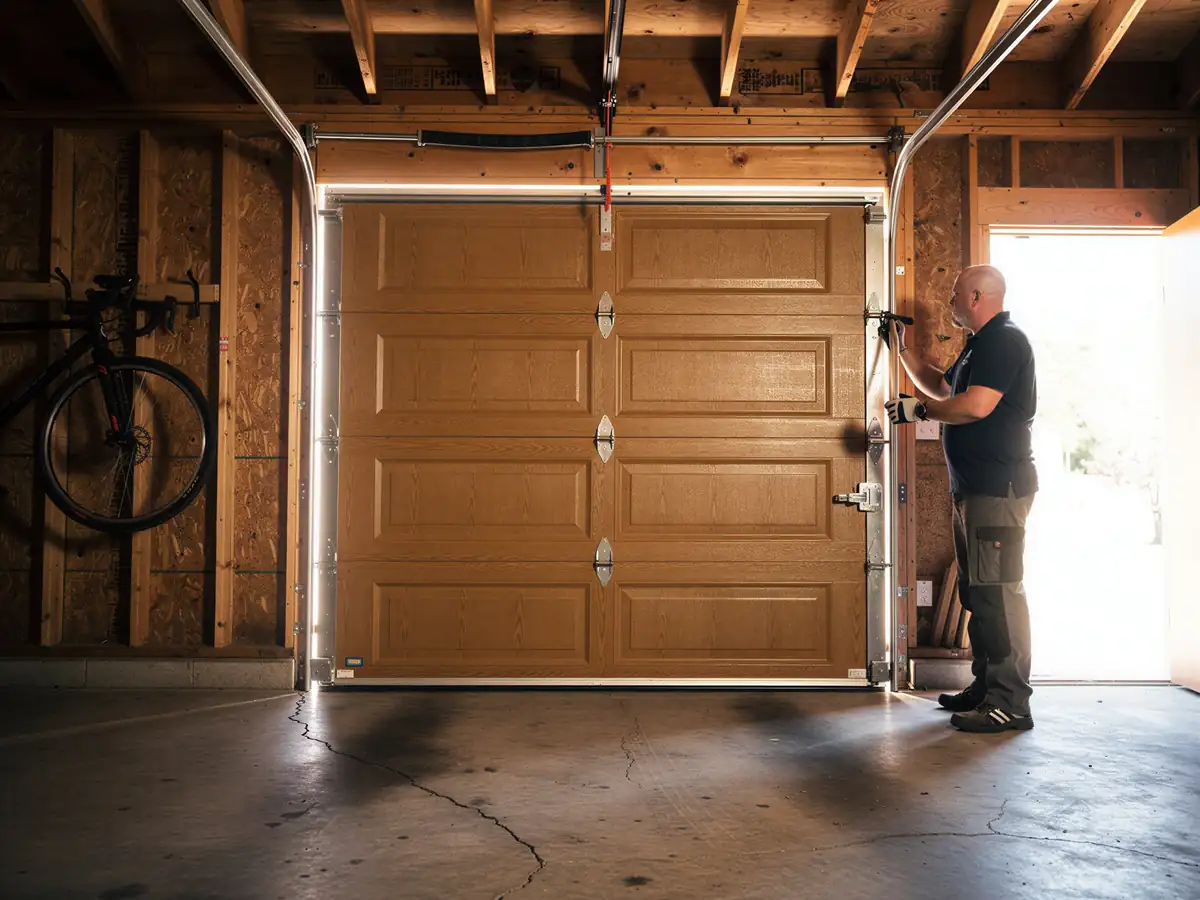
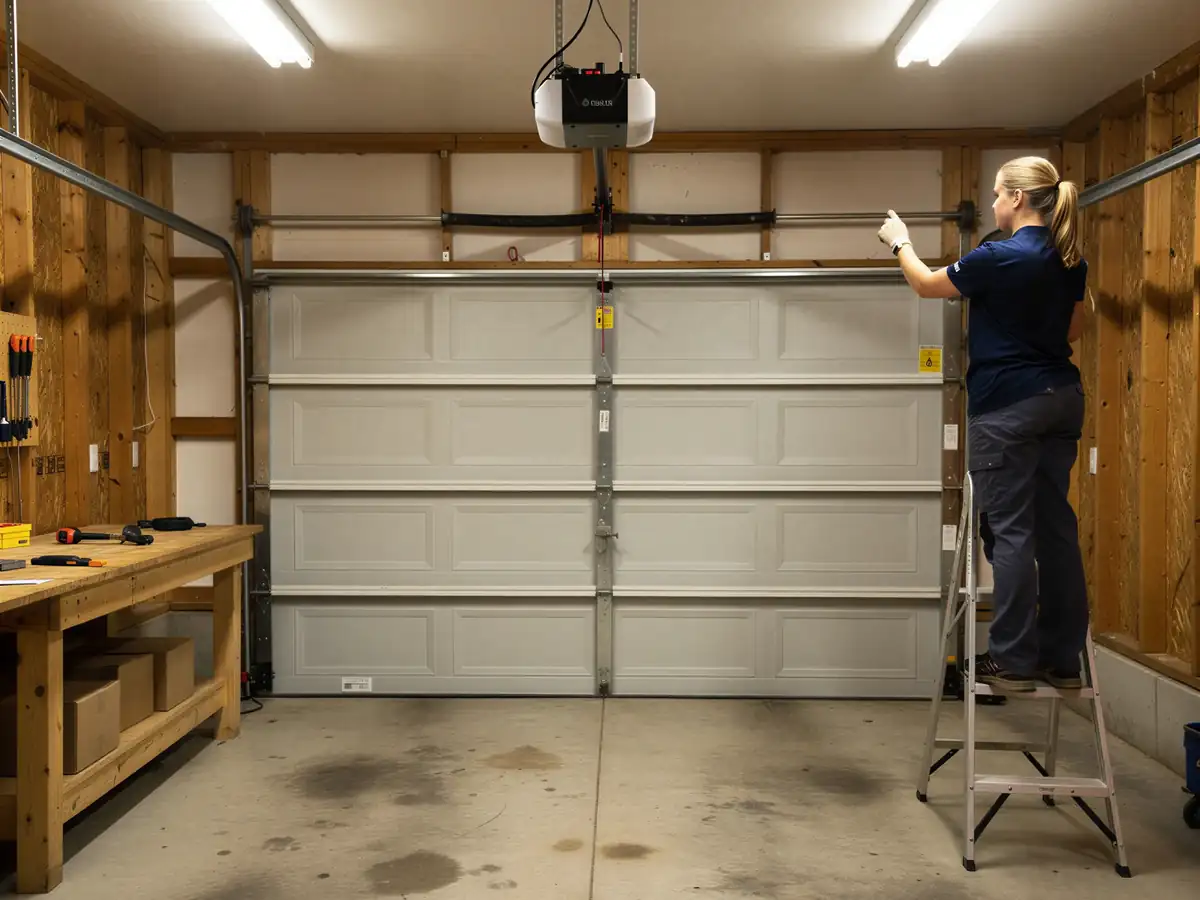
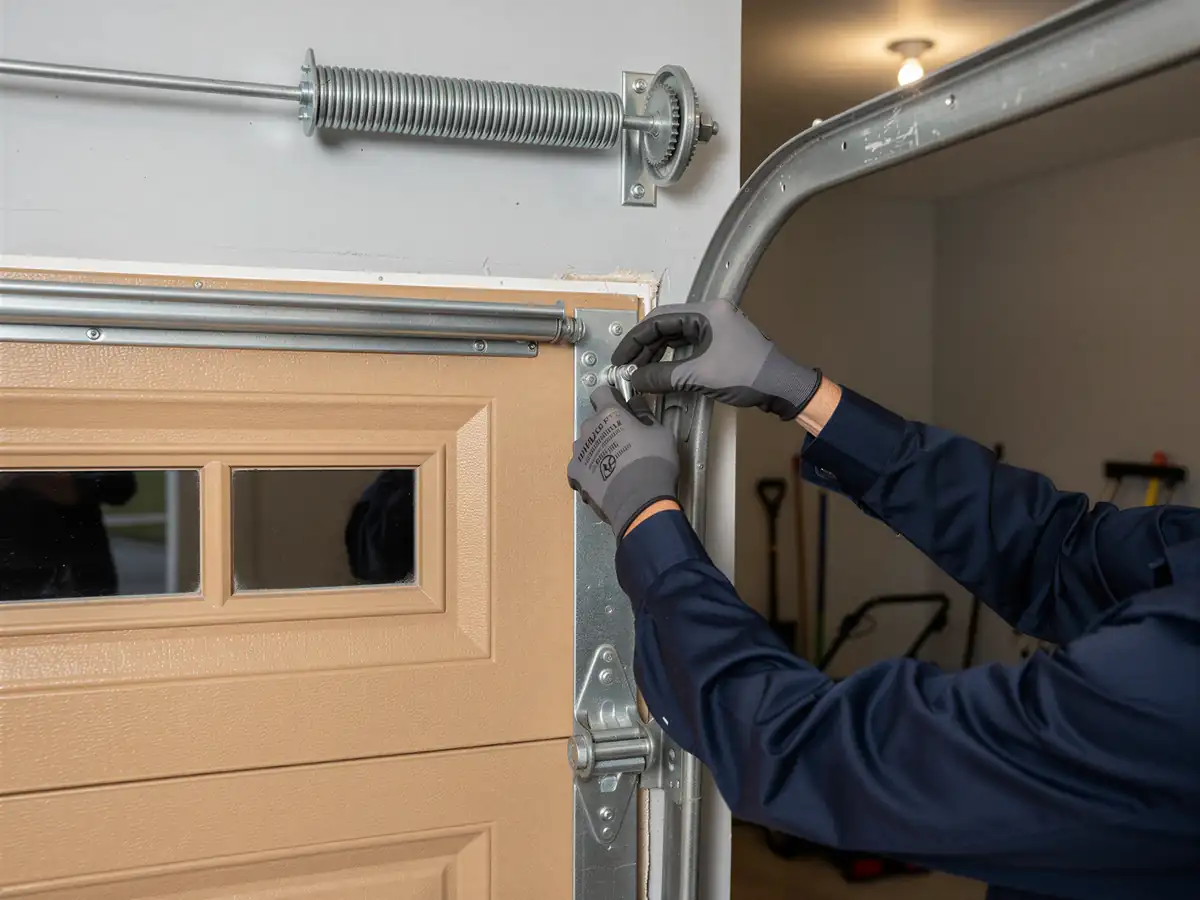
A maintenance visit covers the things that quietly fail on a door that nobody's touched in years: lubrication, hardware torque, track alignment, and a spring-balance check. None of that requires us to be local to Buena Park - it requires us to actually show up with the right eyes for houses this age. That's the part we can promise.
What Causes It Around Here
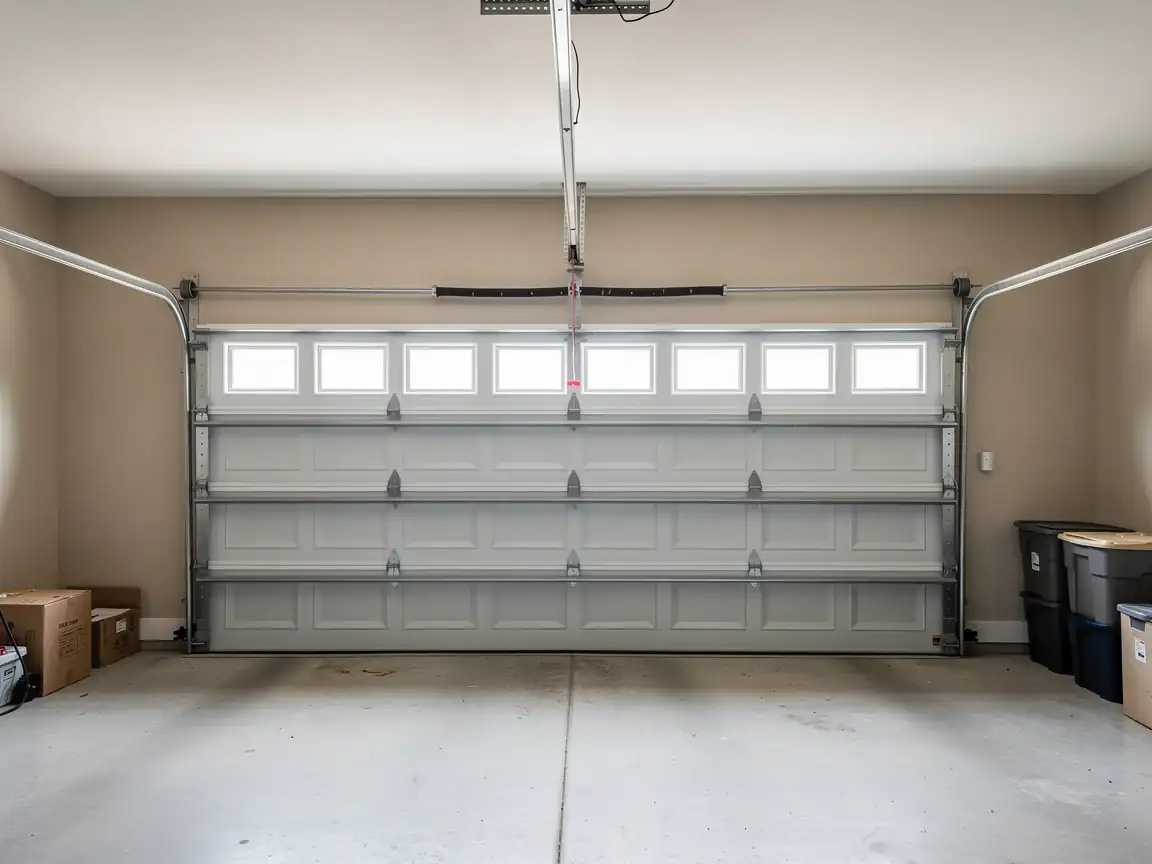
The median home in Buena Park was built around 1966, which puts a lot of garage doors here on their second or third opener but still running original-era track and drum hardware that nobody's swapped out on schedule. Over close to sixty years, galvanized rollers and cable drums don't fail dramatically - they just dry out, stretch, and start carrying load unevenly, which is a slow problem that maintenance catches and a breakdown call doesn't prevent.
The mild temperate climate across this part of the service area actually works in these doors' favor - there's no deep freeze-thaw cycle chewing up seals or snapping brittle springs the way it would farther inland or up north. The failure mode here is closer to plain fatigue: decades of cycles on hardware that was fine when installed but was never rated to run forever without grease and a torque check.
What Can Go Wrong
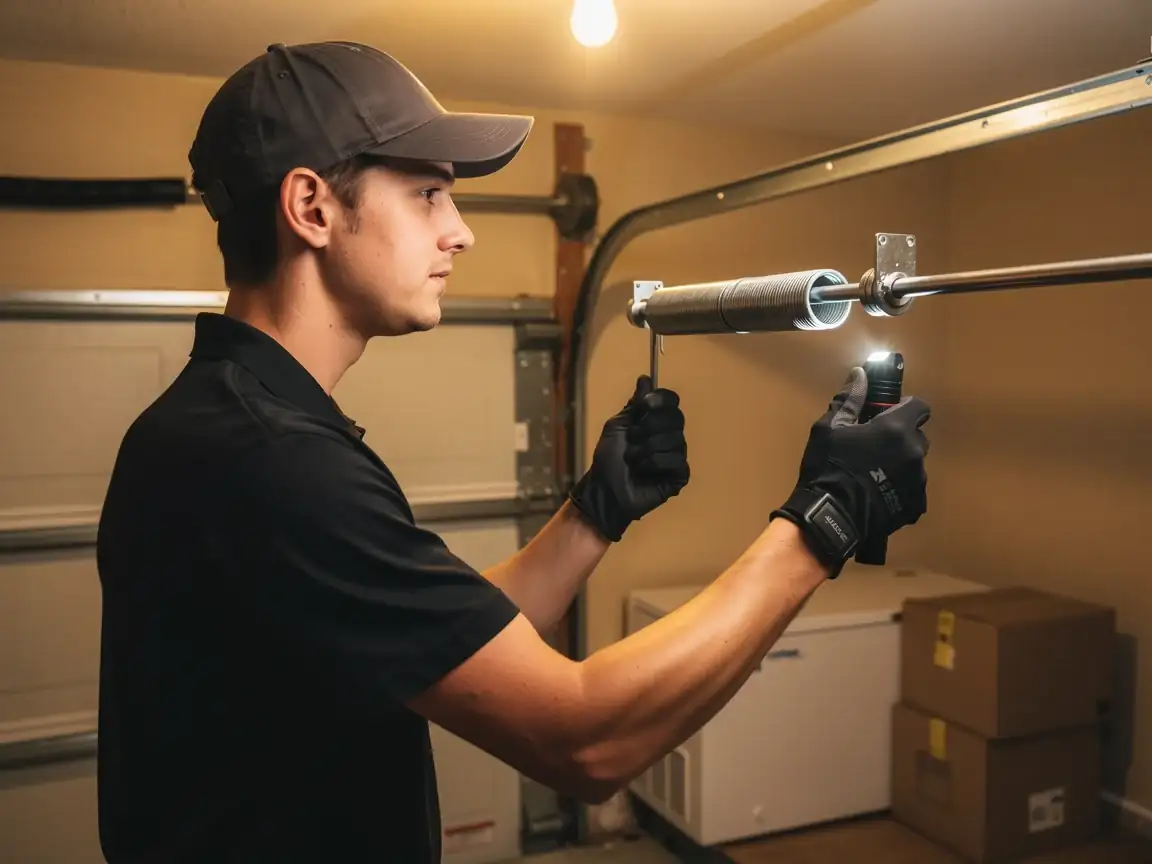
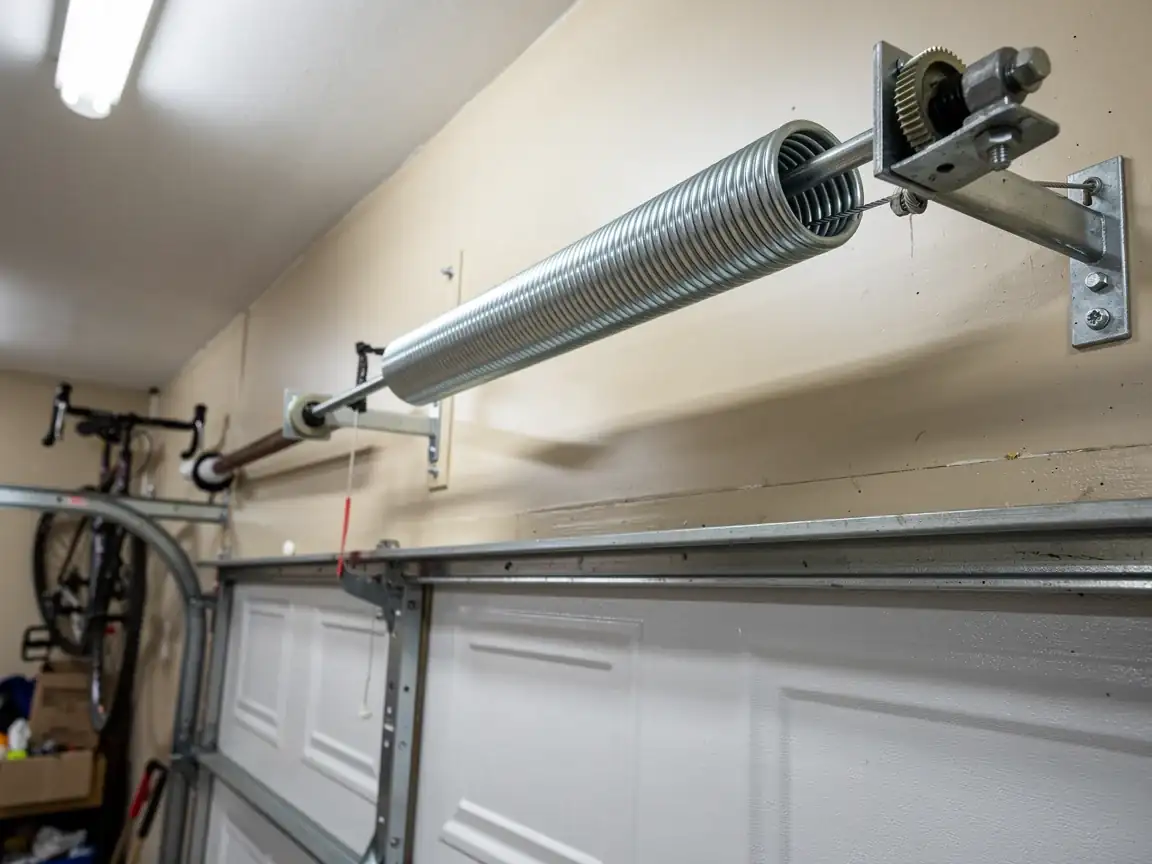
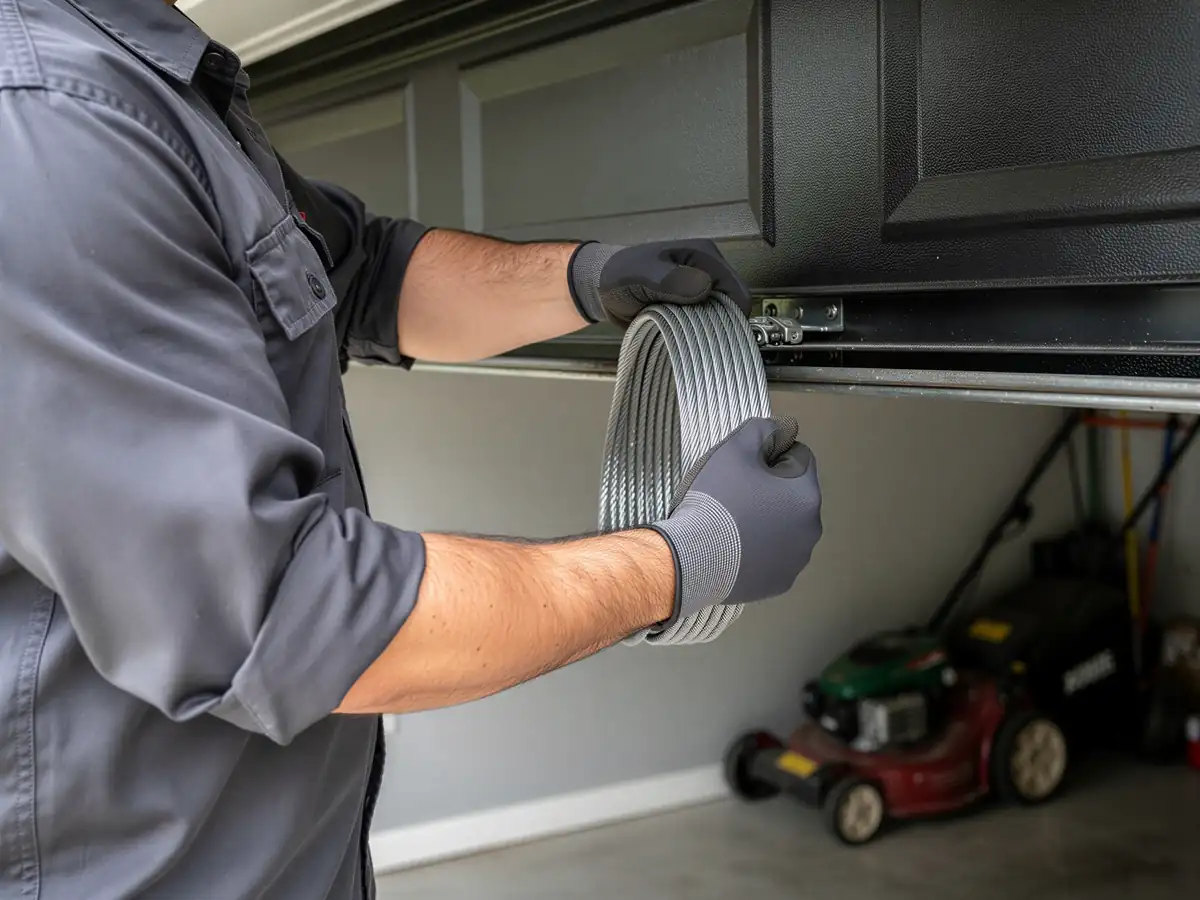
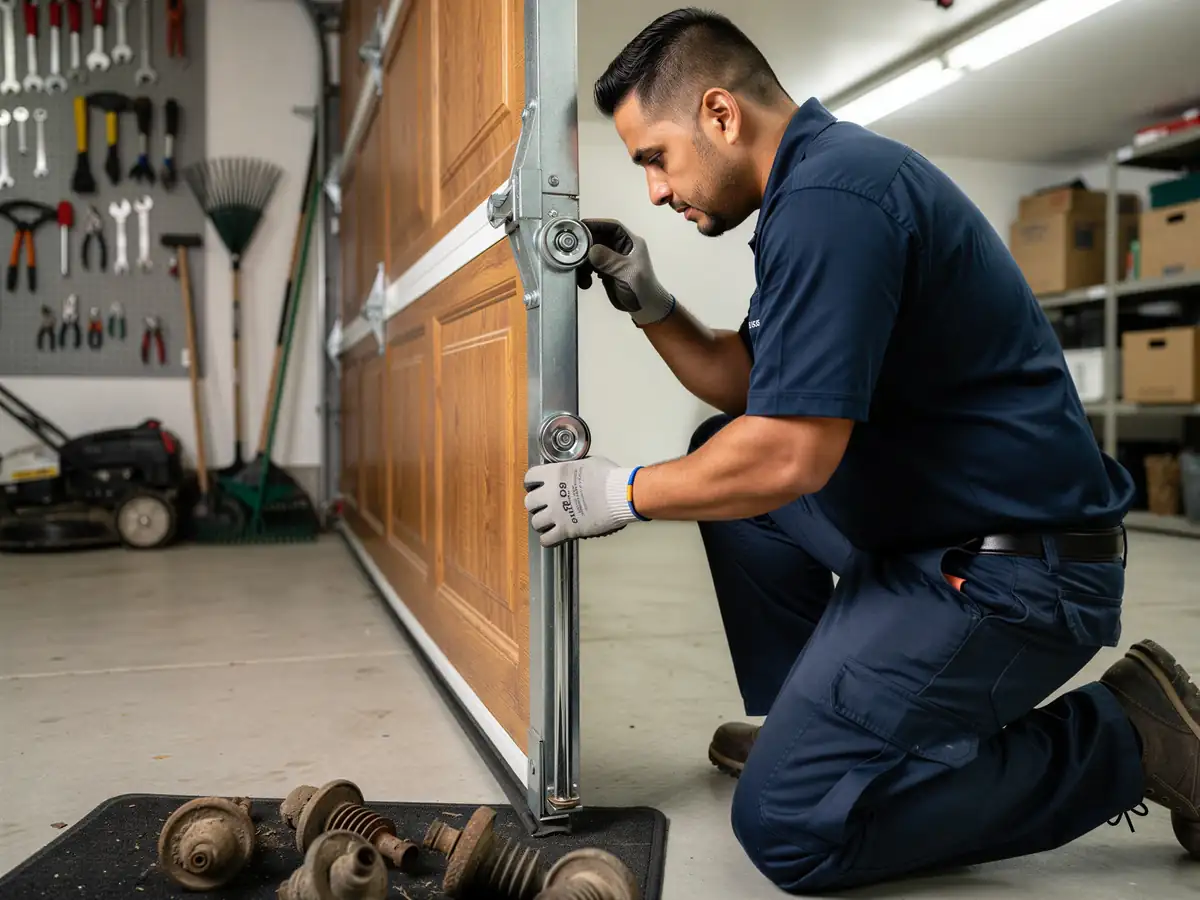
On a door this age, the parts most likely to be past their service life are the torsion spring, the lift cables, and the roller brackets
All of which were sized for the door as it shipped in the 1960s or 70s, not for whatever heavier insulated panel replaced it since. We see springs that were never matched to a door's current weight, which means they're either overworked and close to snapping, or under-tensioned and letting the opener do work it shouldn't be doing.
We also find bent track sections from years of a door running slightly out of balance
And center bearing plates that have worn enough to let the shaft wobble under load. None of this is an emergency on the day we see it. Left alone, it is.
What You Are Seeing
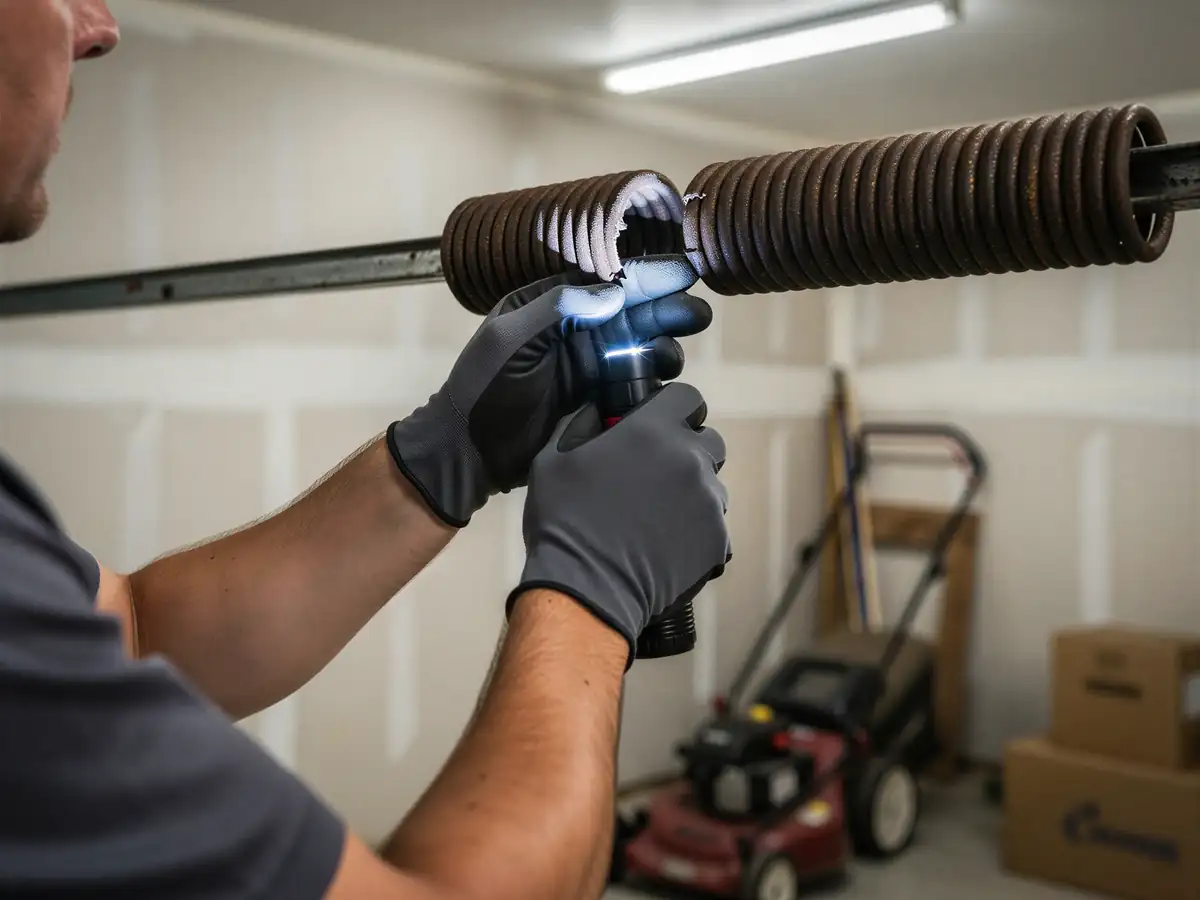
If your door's started making a grinding or popping noise partway through its travel, that's usually a dry roller or a worn bearing plate, not the opener motor. A door that hesitates, reverses on its own, or looks slightly crooked going up is telling you the spring tension and the door's actual weight have drifted apart - a basic balance issue that gets worse with every cycle. Cables that look frayed or a drum with visible grooves worn into one side are both signs the hardware's been running unevenly for a while.
None of these show up overnight on a mid-1960s door. They build slowly, which is exactly why a door that's run fine for years can go from quiet to broken over a single bad spring in one bad week.
Can You Do This Yourself
Lubricating hinges and rollers with the right garage-door grease, vacuuming out track debris, and visually checking for frayed cable or rust on the spring coils - all of that is reasonable homeowner work, and doing it twice a year will stretch the life of hardware this age. What isn't reasonable to do yourself is adjusting spring tension or replacing a torsion spring. The spring on a standard door is under enough stored force to cause a serious injury if it lets go while you're working on it, and that's true regardless of how handy you are.
Our honest limit here: if a door's track is badly bent or the opener is a model old enough that parts are no longer made, we'll tell you replacement is the better call rather than spending your money patching something that'll fail again in a year.