Booking a Visit
We run this job out of Irvine, about 18 miles from Buena Park, so a cable repair here gets scheduled rather than walked up on. That's not a knock on the work - it just means you call ahead, tell us the door is sagging on one side or the cable has jumped the drum, and we bring the cable stock and drums sized for the doors common to this area. Buena Park sits in a service area with 316,088 households total, and the 24,199 of those that are here skew toward a build era that shapes what we load on the truck before we leave Irvine. Tell us the rough age of the house if you know it, or just the door's opener brand and whether it's a one-car or two-car door - that's usually enough to pull the right parts before we're on the road. We don't keep a branch in Buena Park, and we're upfront about that distance so nobody expects a same-hour drop-in. What we can promise is that we come prepared for the hardware this neighborhood actually has, not generic stock.</br>Link below gets you to general service scheduling for Buena Park if cable work turns out to be part of a bigger repair.
What Causes It Around Here
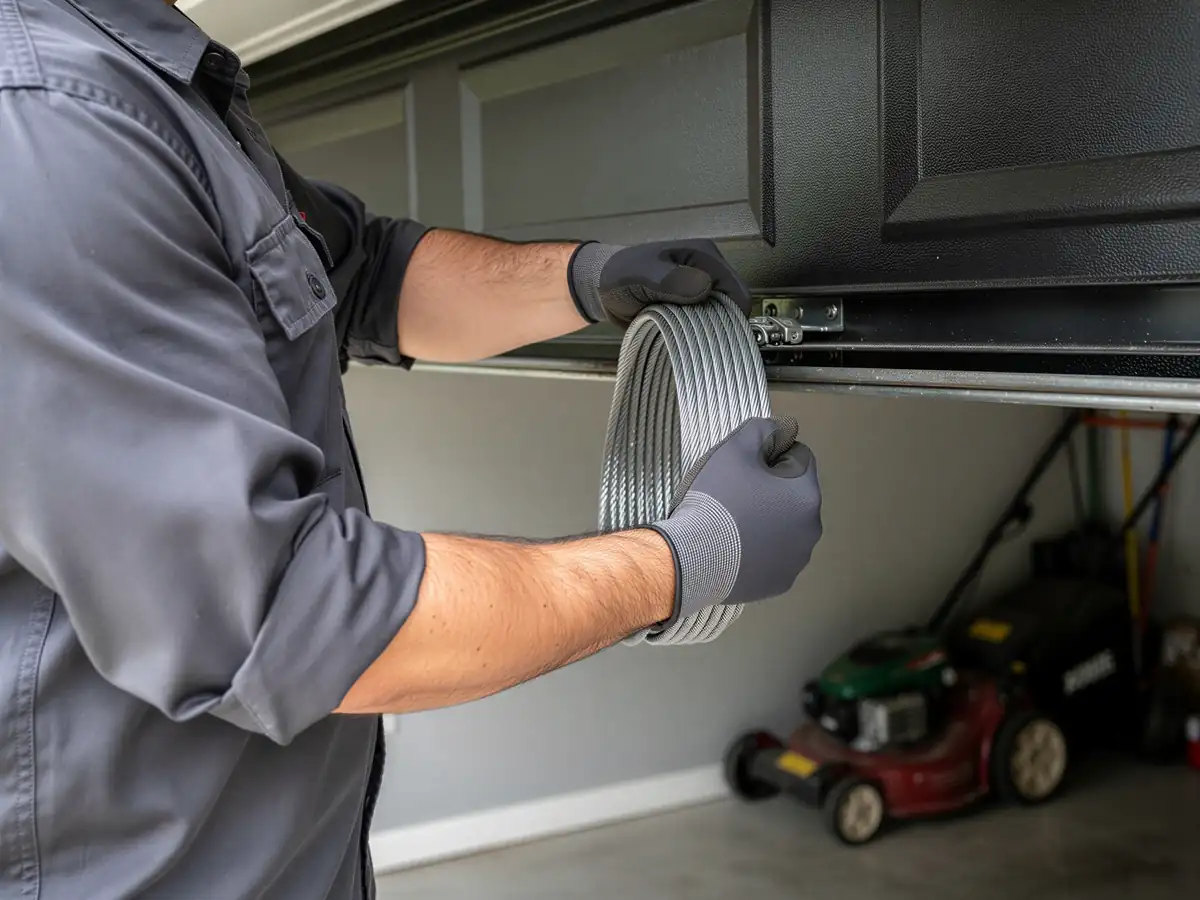
The median house in Buena Park went up around 1966, and that era mattered for cable spec. Builders through the mid-to-late 1960s mostly ran galvanized aircraft cable on steel drums sized for the door weights of that period - lighter sectional doors than what gets installed new today. Over decades those original cable runs get replaced piecemeal, sometimes with a mismatched gauge or a drum that doesn't quite match the spring the door was carrying. That mismatch is what we find more than anything else on calls from this part of the service area: a cable that's technically working but wearing wrong because the drum and cable were never a matched pair to begin with.
The climate band across this whole region is mild temperate, so we're not chasing the kind of cable corrosion you'd see somewhere with real humidity swings or road salt. Wear here is almost always mechanical - fraying from a drum edge, a kink from an improper service years back, or a cable stretched past spec because nobody caught it early. On a house built in the mid-60s, if the cable hasn't been touched since, it's original, and original cable at that age is past due regardless of how it looks from the ground.
What Can Go Wrong
A frayed cable that finally lets go does one of two things, and both are bad
On a door that's still under spring tension, a snapped cable lets the door drop unevenly, often jamming at an angle in the tracks and bending a roller stile or pulling a track bracket loose. On a door where the spring has already lost tension, the drop can be sudden and heavy enough to crack a bottom panel or catch whatever's underneath it.
We also see cables that haven't snapped yet but have jumped off the drum
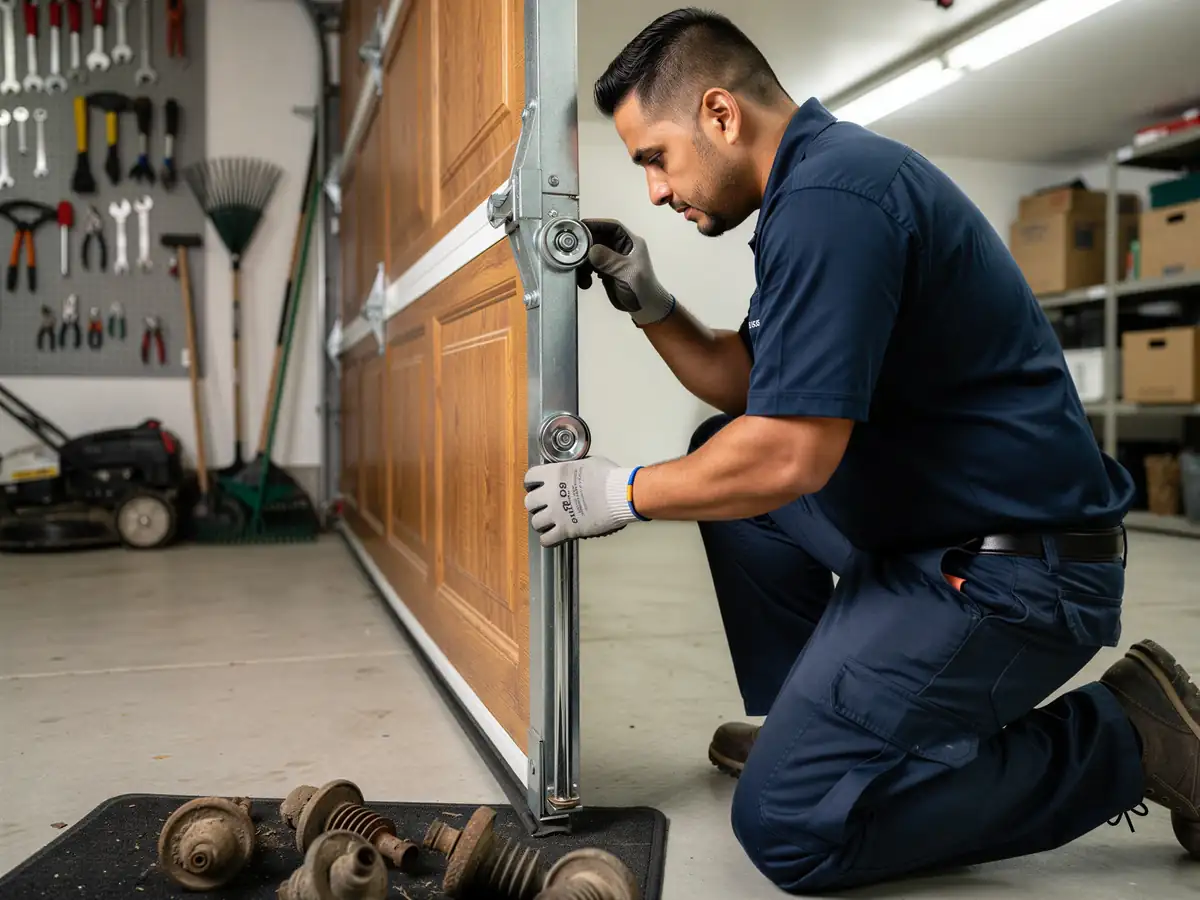
The door still moves, but it's grinding, pulling to one side, or making a slapping sound on the way up. Left alone, that's a matter of weeks before it does fail outright. On the 1960s-stock doors common in this part of the area, the bigger risk is that a worn cable is often paired with an aging spring the homeowner hasn't thought about, and replacing one without checking the other just moves the next failure a few months down the road.
What You Are Seeing
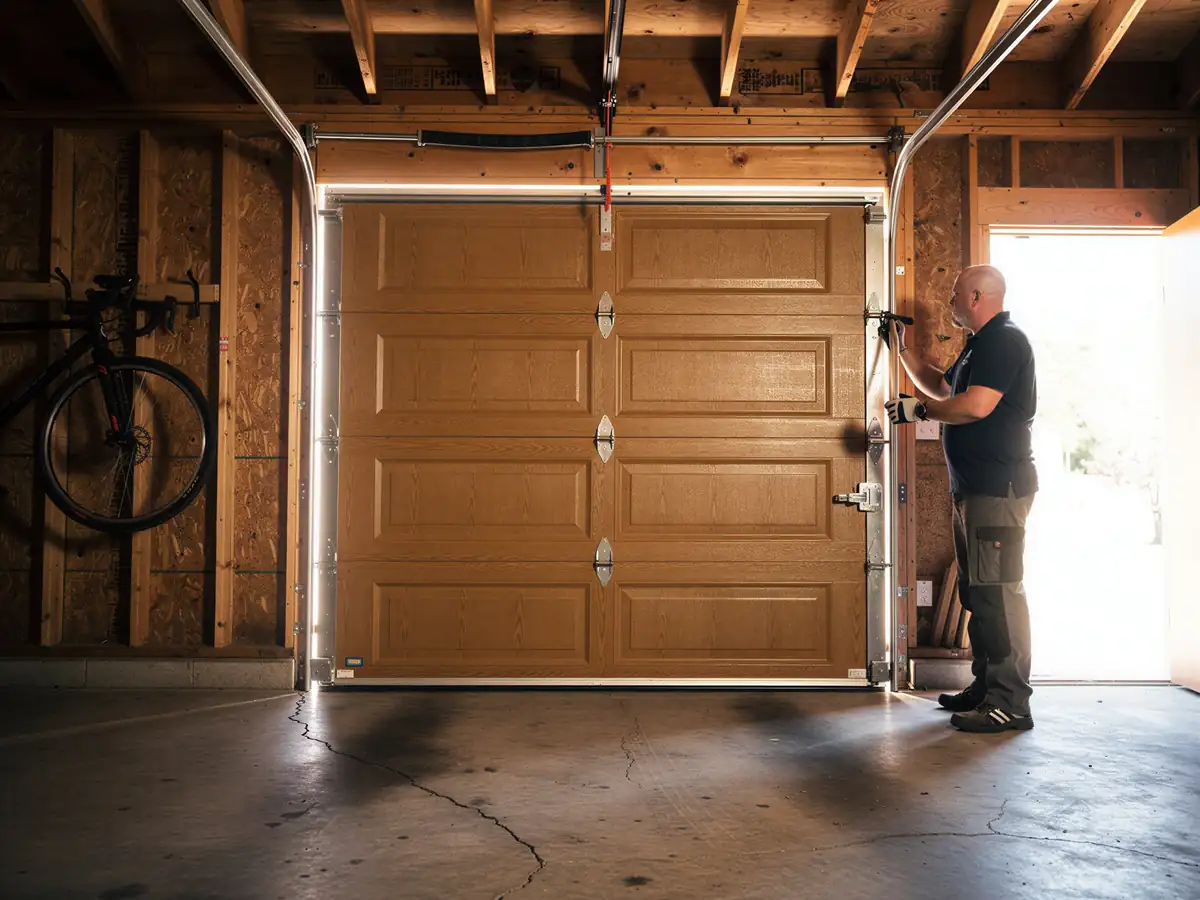
If one side of the door is noticeably lower than the other when it's partway open, that's a cable issue almost every time - one side has slipped or stretched more than the other. A visible kink or a handful of frayed strands near the bottom bracket is the clearest sign and means the cable is close to done, not just worn.
A door that slams the last foot instead of lowering evenly, or one that's suddenly much heavier to lift by hand with the opener disengaged, points to the same thing: the cable's no longer carrying its share of the load evenly. None of these are symptoms to drive on for long - a door stuck half-open on a snapped cable is also a door that's hard to secure.
Can You Do This Yourself
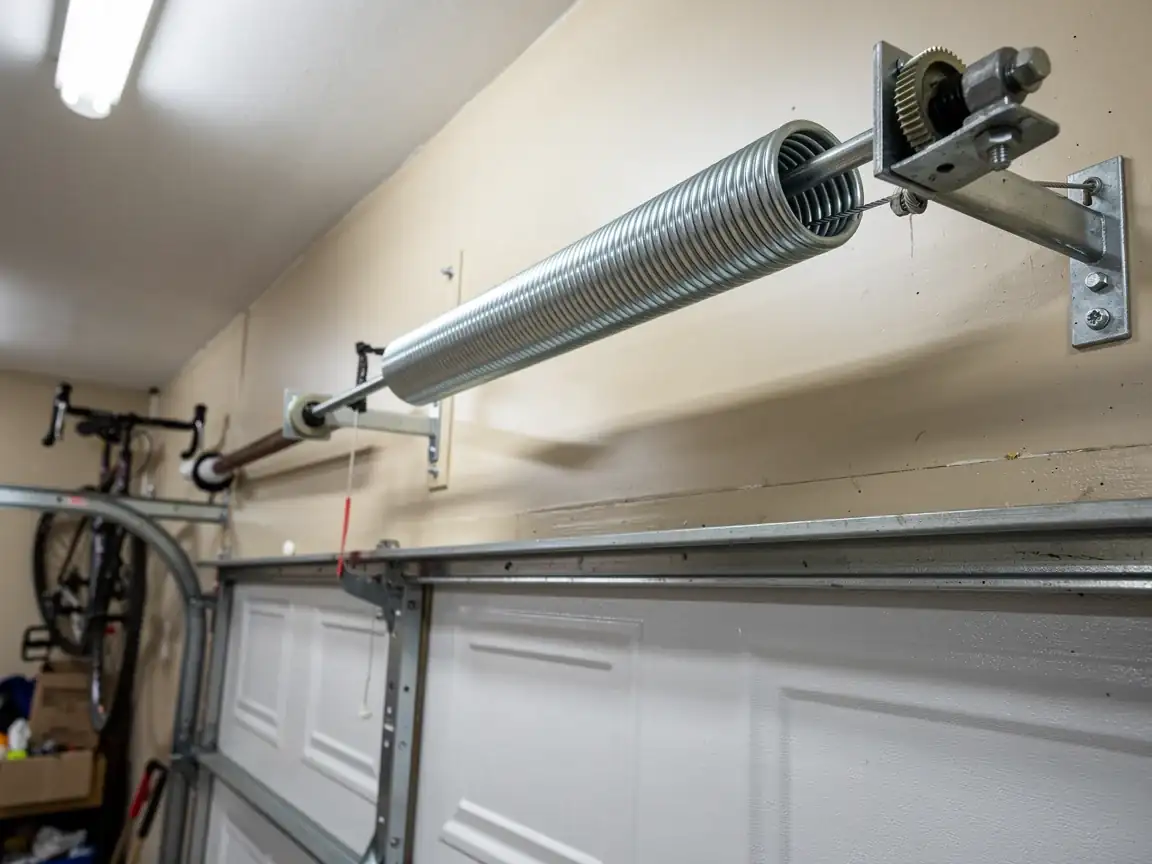
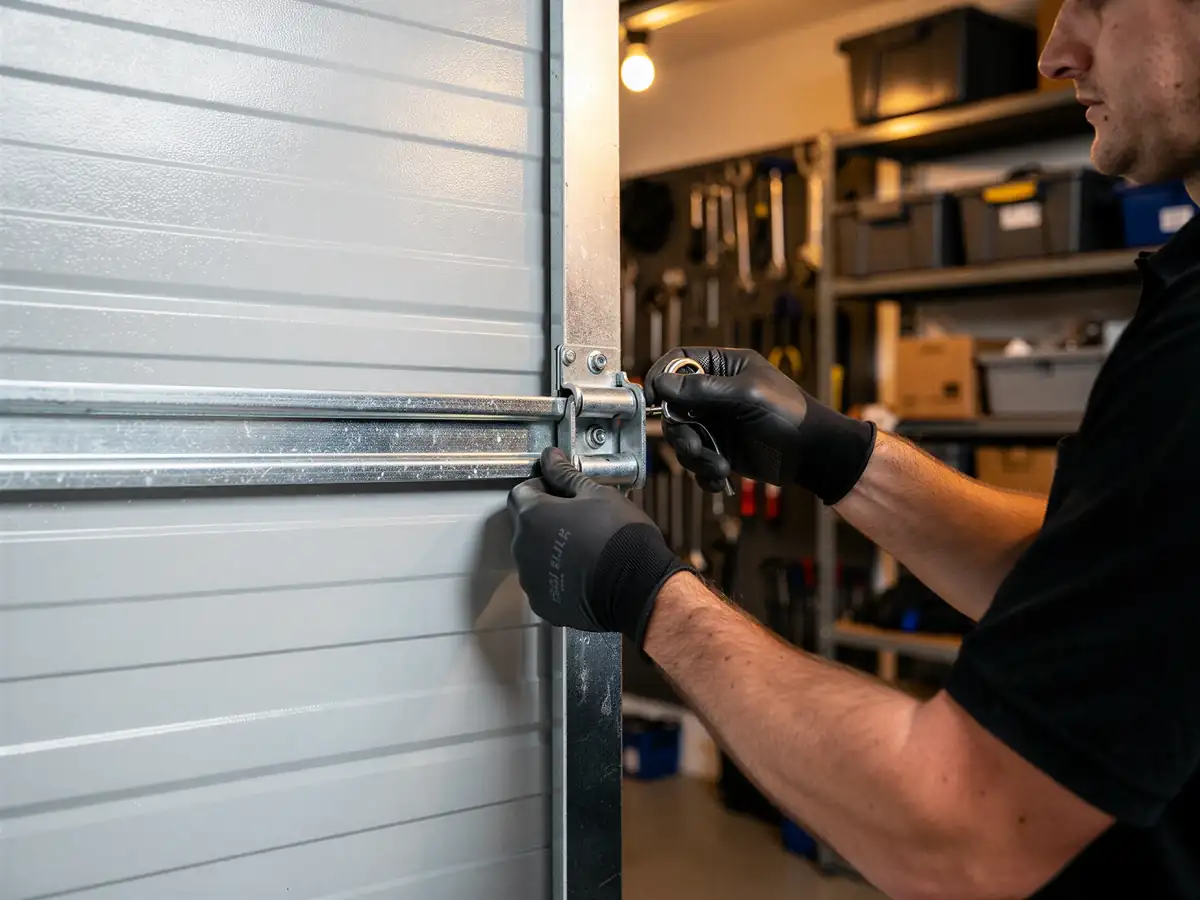
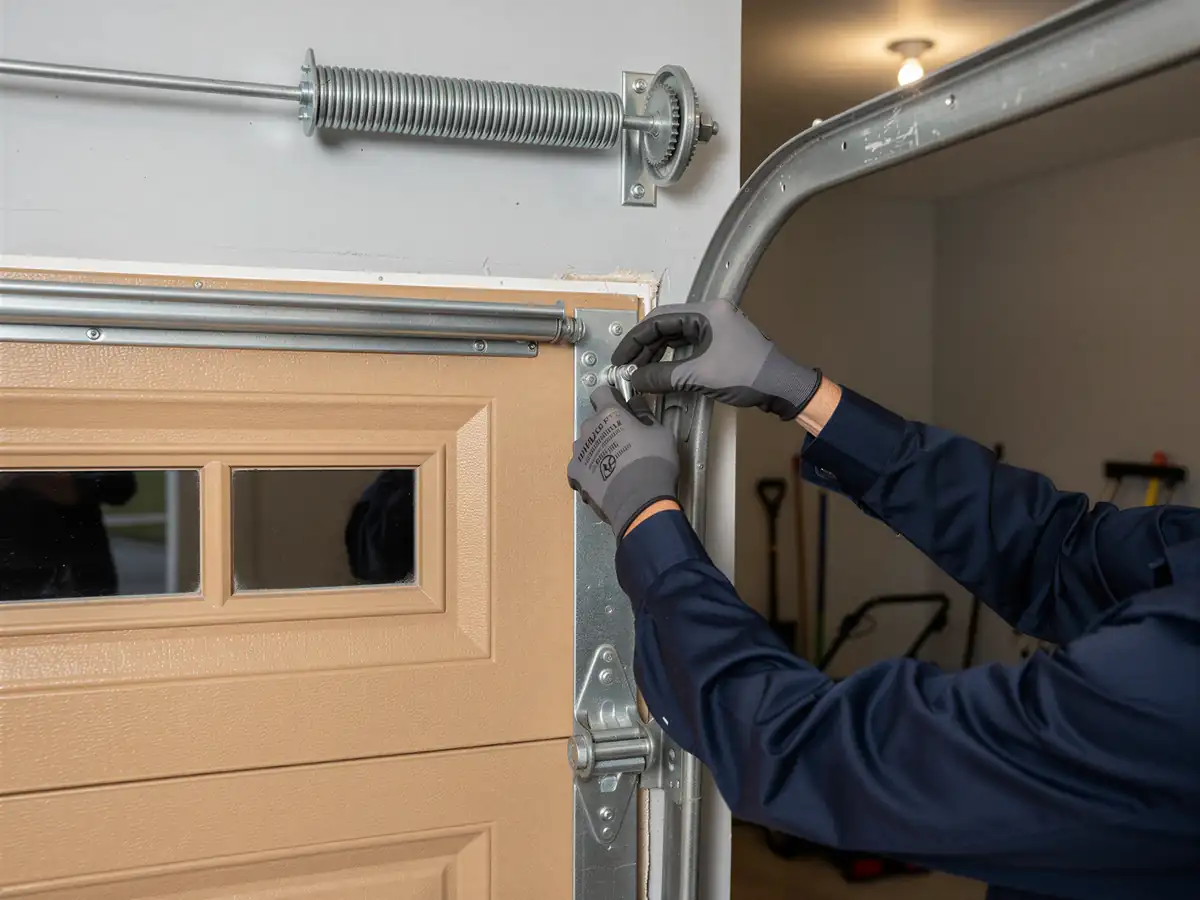
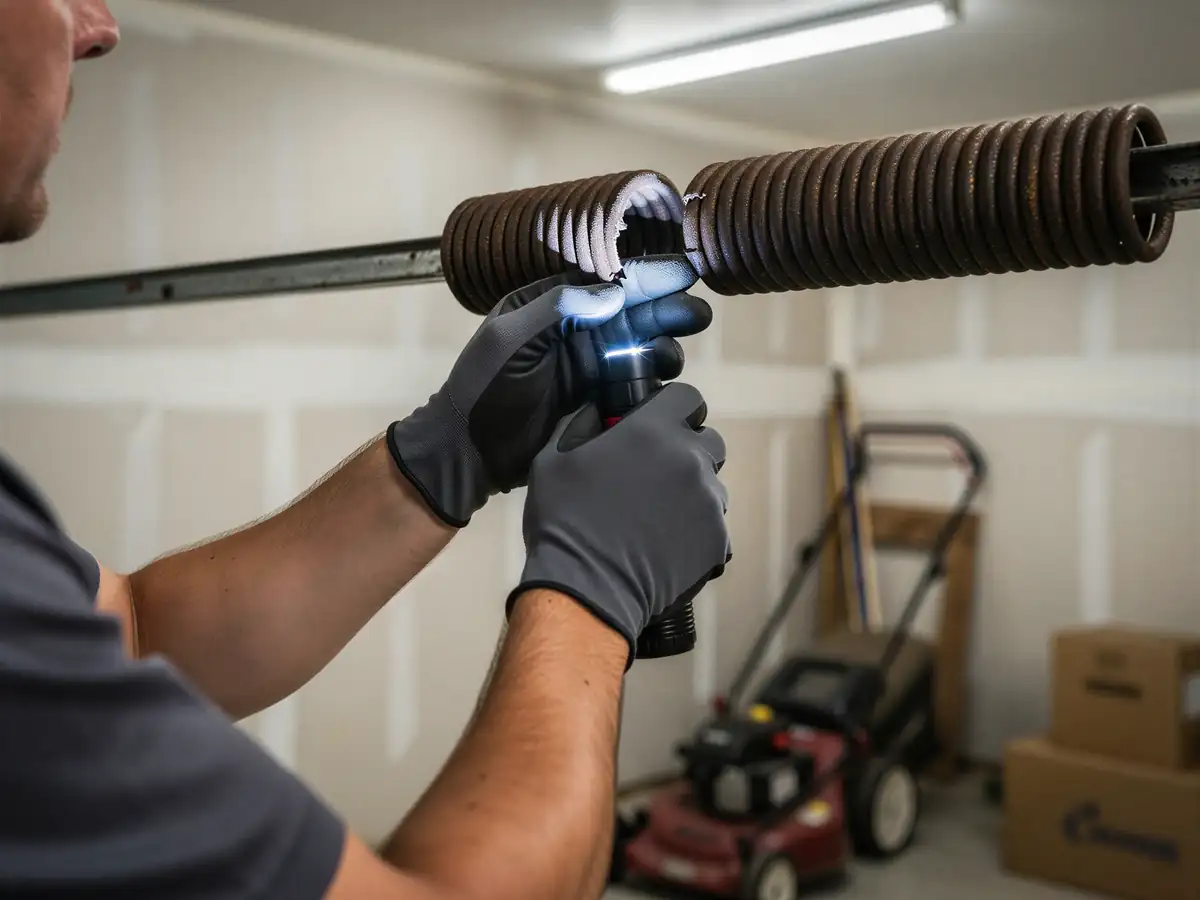
We'll say this plainly: don't replace a garage door cable yourself while the spring is still under tension. The spring is what makes this job dangerous, not the cable itself, and on the double-torsion setups common to houses from the 1960s and 70s that tension is substantial. If the door is already down and the opener is disengaged, you can safely inspect the cable for fraying, confirm it's actually the cable and not the spring or a bent track, and decide whether it's worth a call. That part's fine to do on your own.
What you shouldn't do is loosen a drum or try to re-seat a jumped cable while the door is anywhere off the floor. That's where people get hurt. If you're not sure whether what you're looking at is a cable or a spring problem, send us a photo before you touch anything - it saves a wasted trip and tells us what to load before we make the drive out.