Booking a Visit
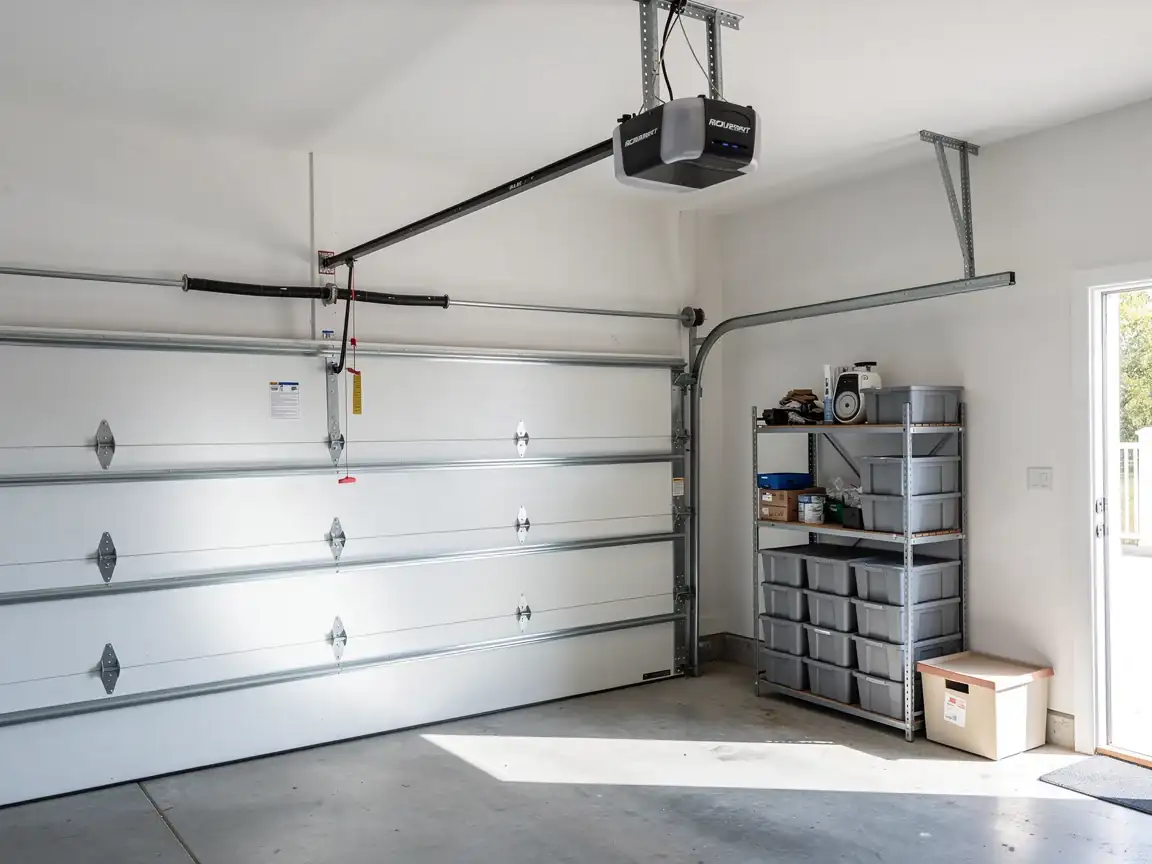
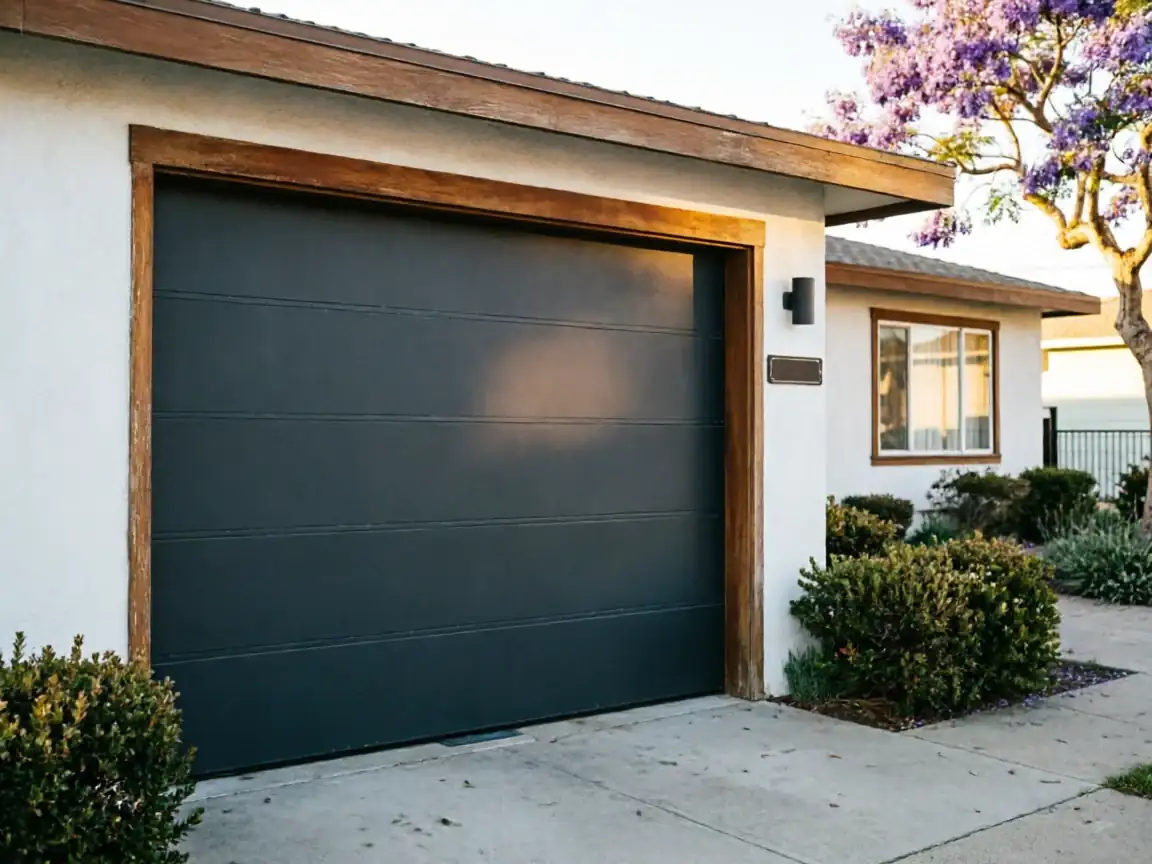
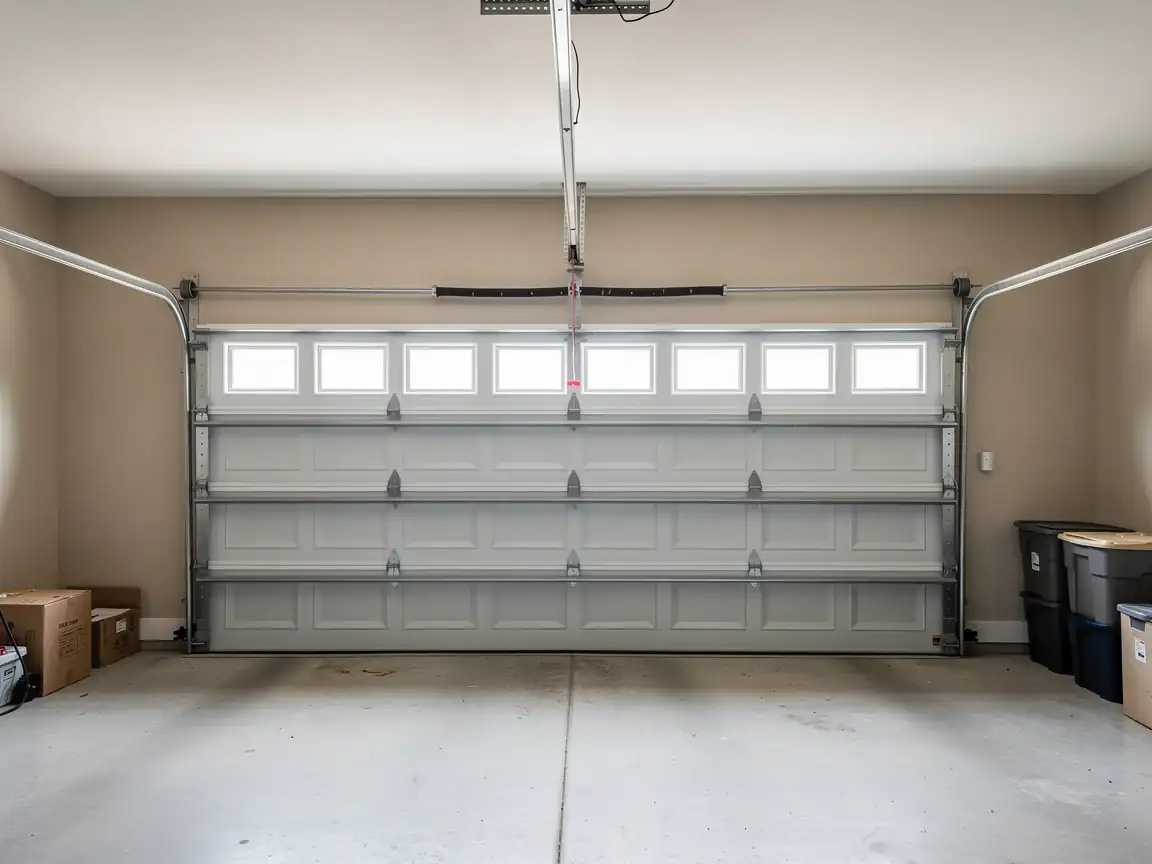
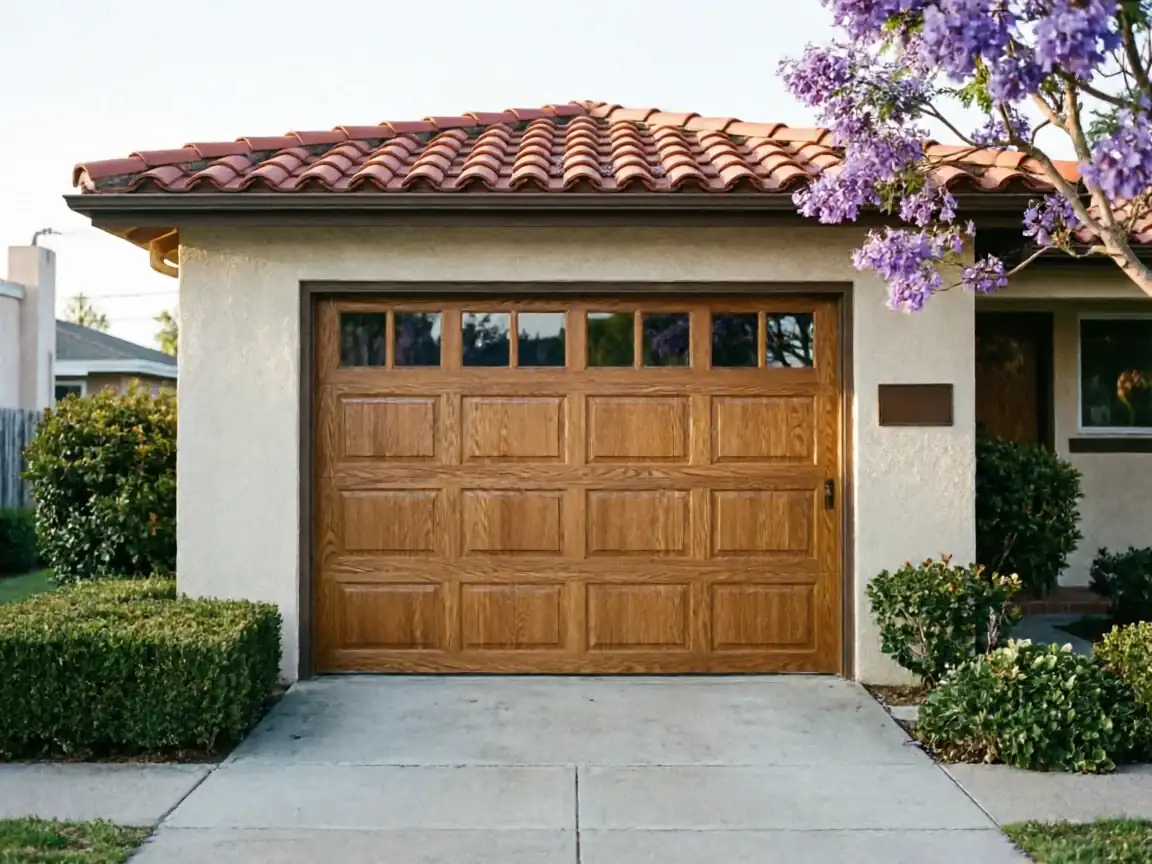
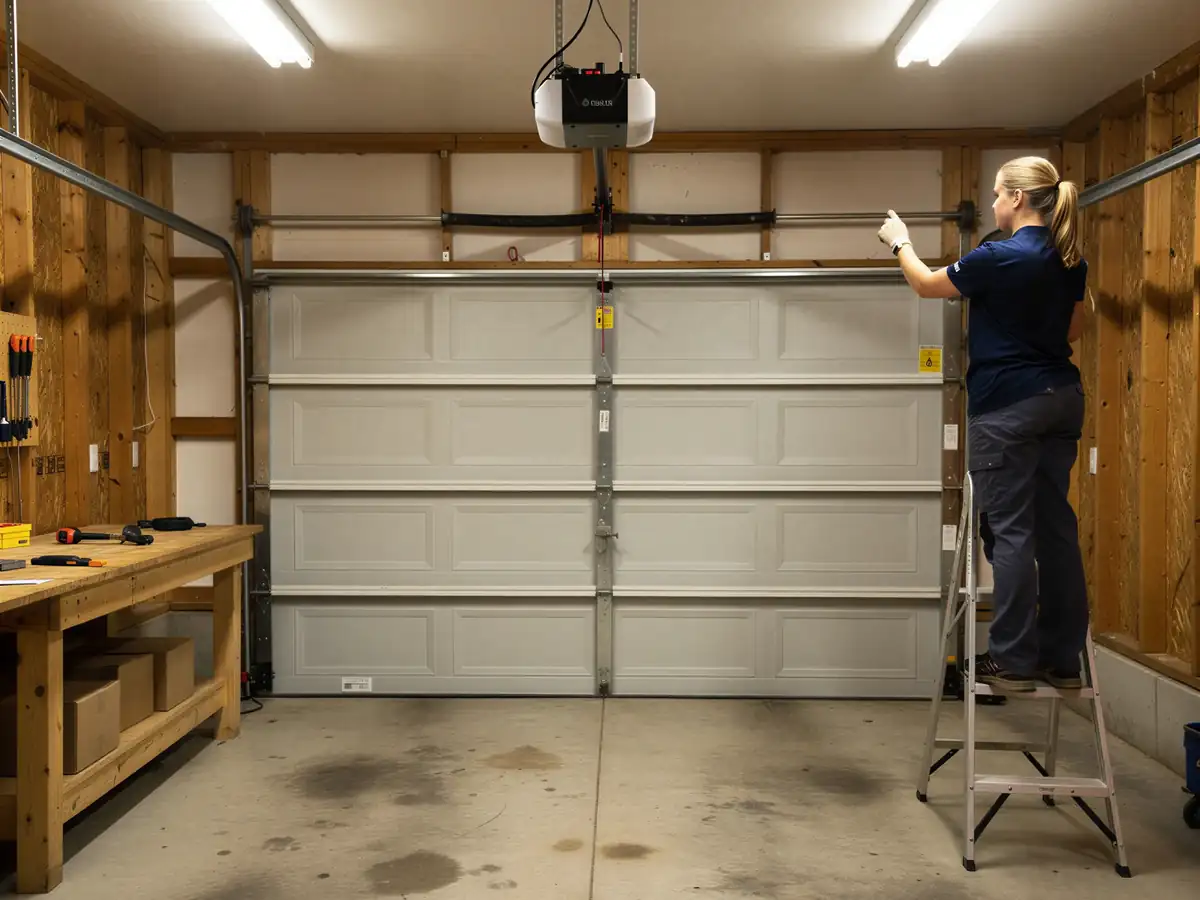
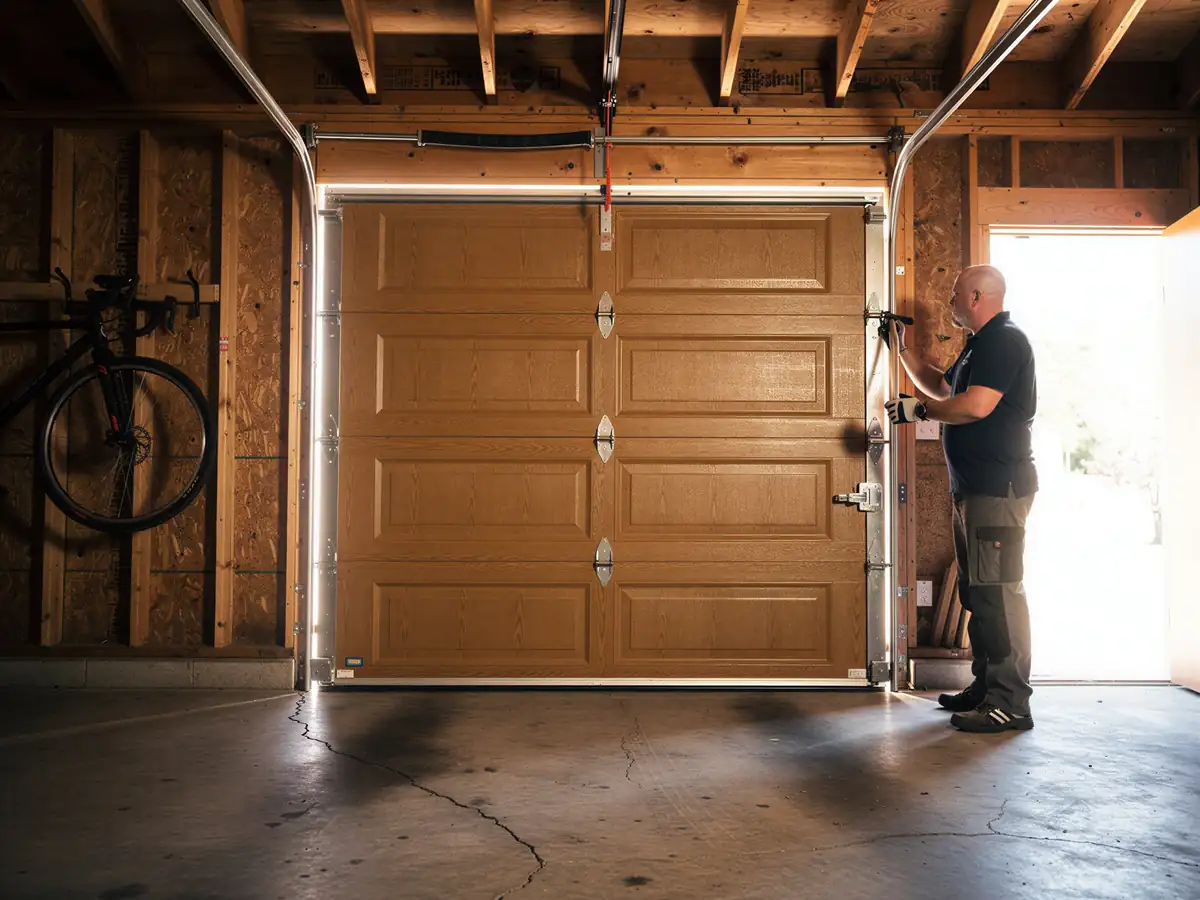
We run this job out of Irvine, about 18 miles from Buena Park, so a visit here gets scheduled rather than dropped in on the same afternoon. Once you call, we talk through door size, panel style, and whether you want an insulated section - most of what we install in this neighborhood replaces a single-layer steel or wood door that's been on the house since it was built. Bring us the width and height off the existing door, or we can measure on site before we quote anything. We don't carry every size and finish on the truck, so some orders take a few days to land before install day gets set. If you just need the opener or a panel looked at rather than a full replacement, that's a different visit - see garage door service for that side of the work. For the full rundown on how we handle installs out of our Irvine base, that's covered on our main installation page.
We'll give you a real install date once the door is confirmed in stock, not a guess.
What Causes It Around Here
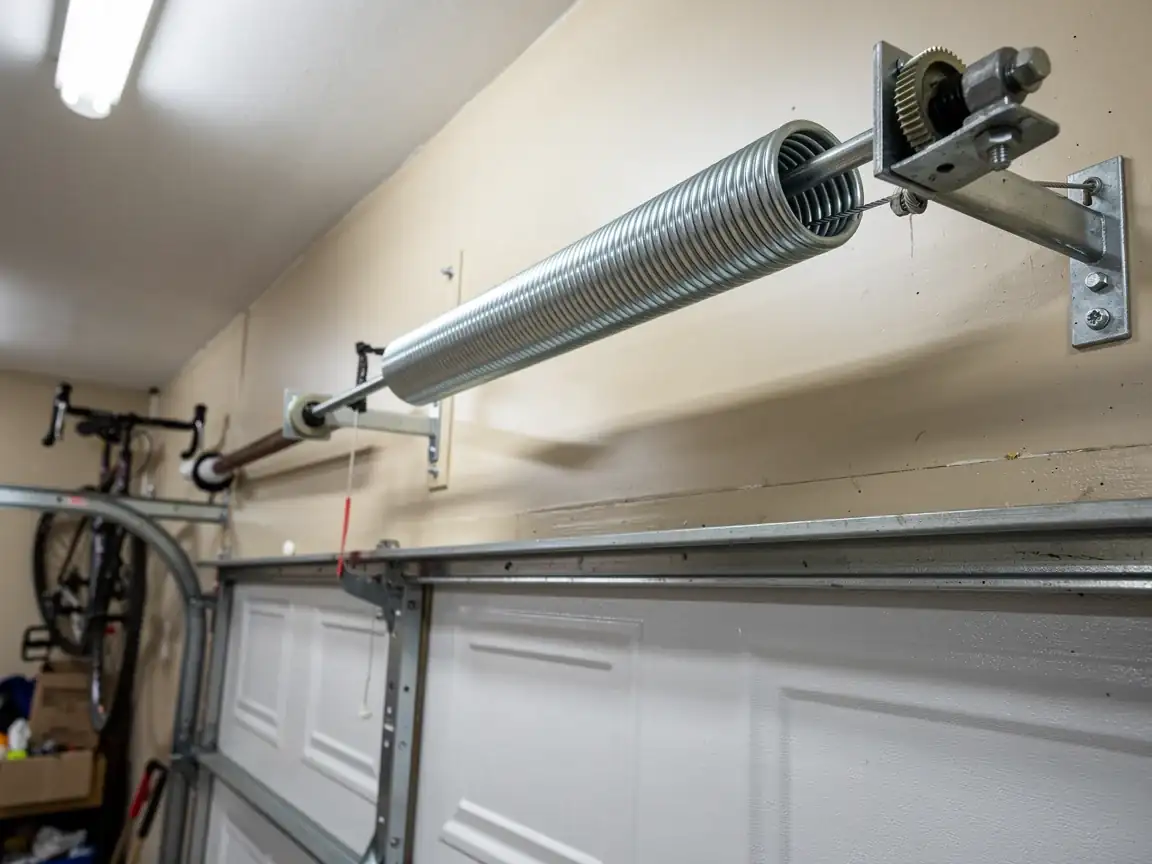
Buena Park's housing stock centers on 1966, which puts most garage doors here at or past the end of their reasonable service life even if nobody's touched them. A door built then was almost always a single steel skin or solid wood, hung on an extension spring system with steel track that was never designed to be adjusted much after the first ten years. The mild temperate climate across this part of the service area is kind to the finish - you don't get the freeze-thaw cracking or the coastal salt corrosion other regions deal with - but it does nothing for metal fatigue or dried-out wood panels. Sun and heat cycles still flex a door open and shut thousands of times a year, and a 1966 door has had roughly sixty years of that math. Add a household income median of $108,187 in this area, and a lot of these doors were kept running with patch repairs rather than replaced outright, which is part of why so many original units are still up on these houses. The fault isn't usually one bad part - it's a door built for a house that's now a different age than the door was ever meant to serve.
What You Are Seeing
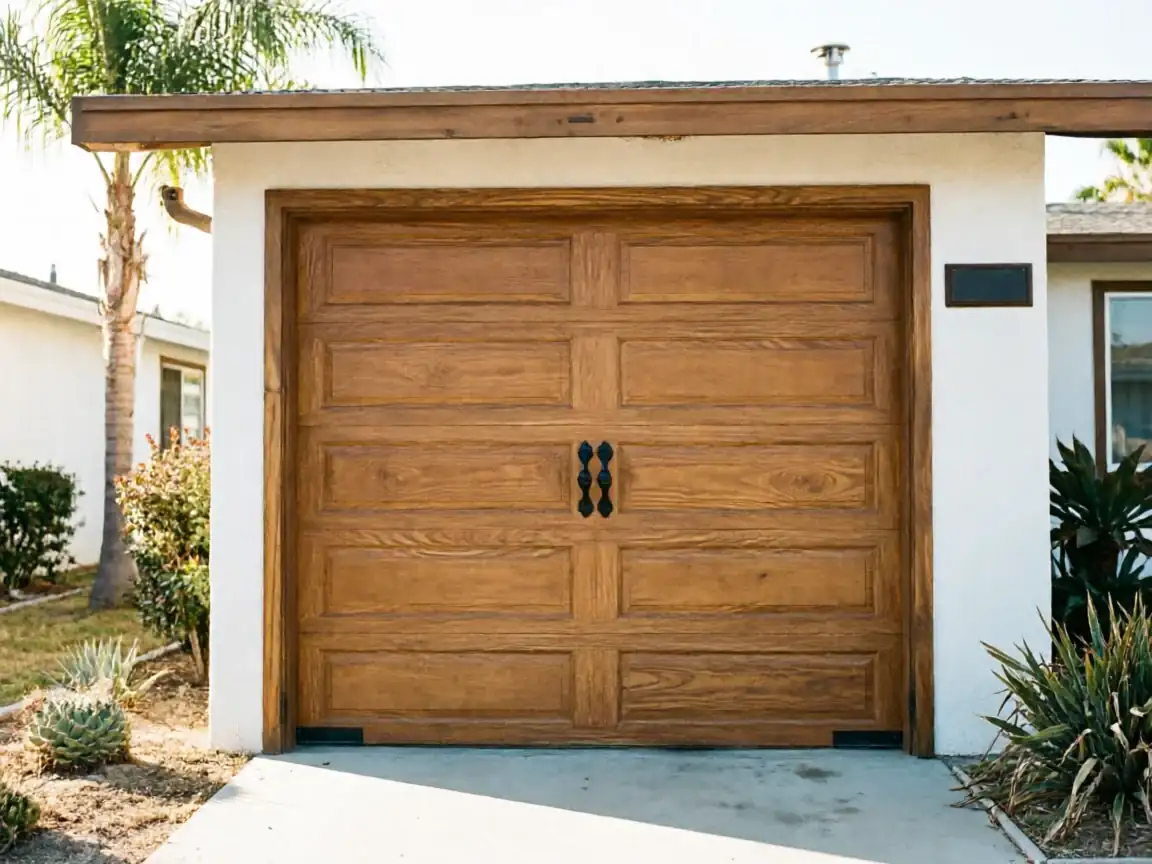
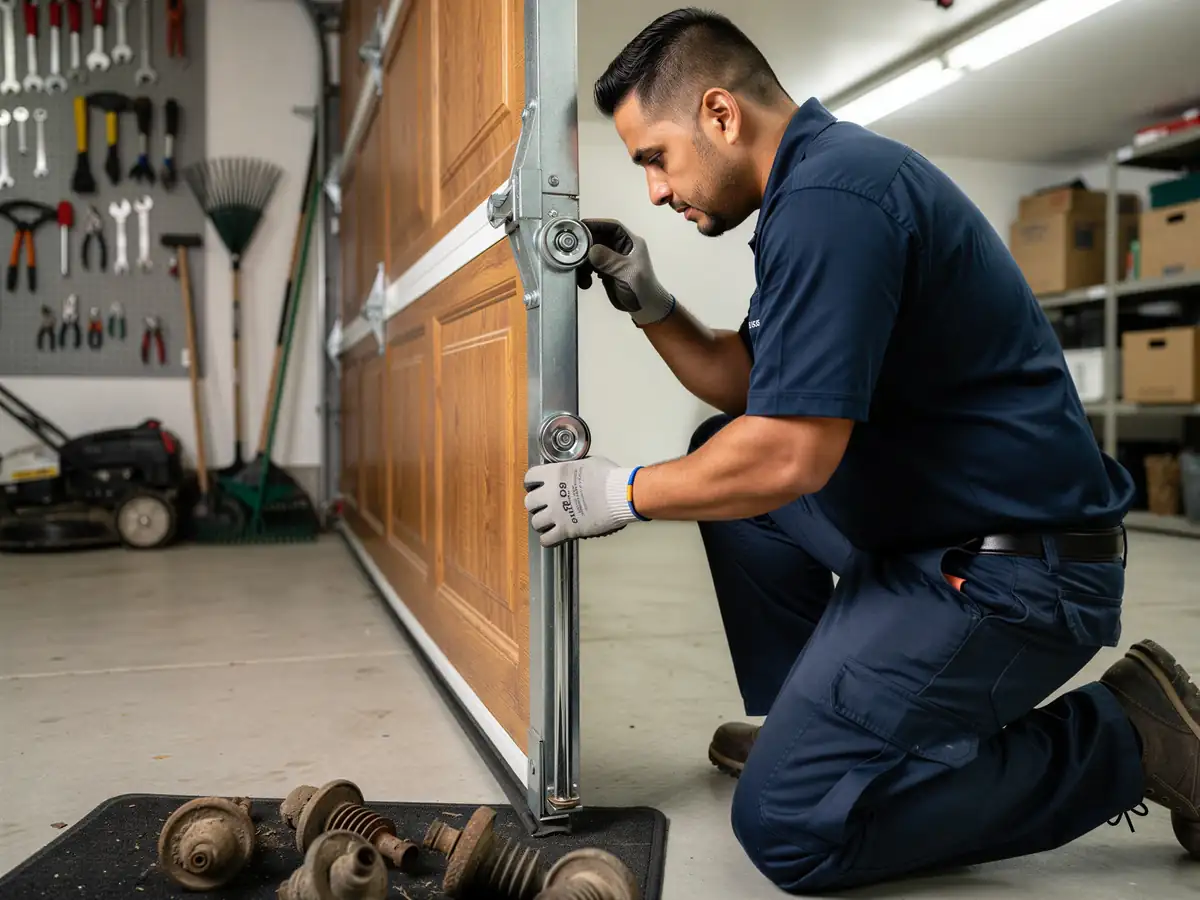
If your garage door predates the 1990s hardware most companies carry parts for, you'll notice it in small ways before it fails outright: the door is heavier to lift by hand than it should be, the opener strains and slows partway through the cycle, or one corner visibly sags when the door's halfway down. Wood doors show it as flaking paint over soft spots, or a bottom panel that's darker and heavier than the rest from years of ground moisture. Steel doors from the 1966-era stock often have surface rust starting at the bottom corners where water sits after rain, even under the mild climate here. If the door bangs or jumps instead of sliding smooth on the track, that's the roller-and-track wear talking, not the opener. None of these signs mean imminent collapse, but they're the kind of thing that gets worse gradually until a repair call turns into a full replacement conversation anyway.
Can You Do This Yourself
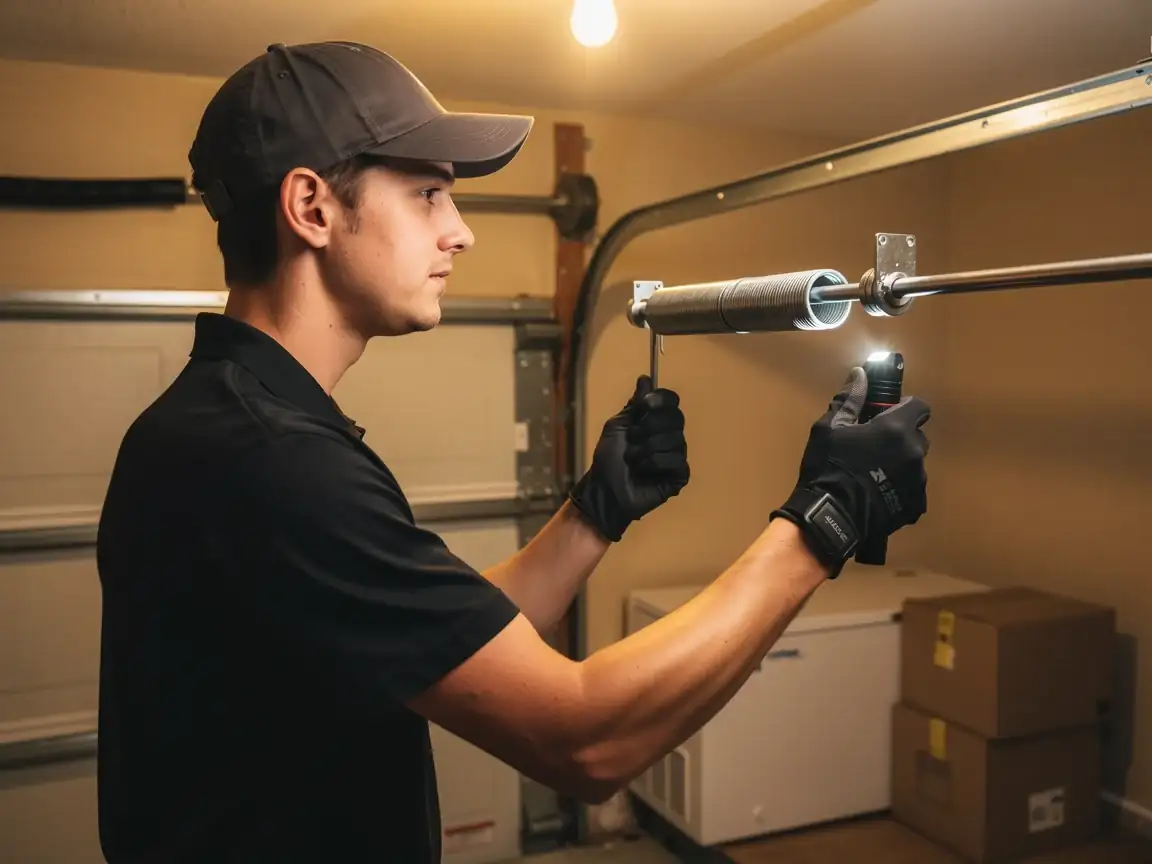
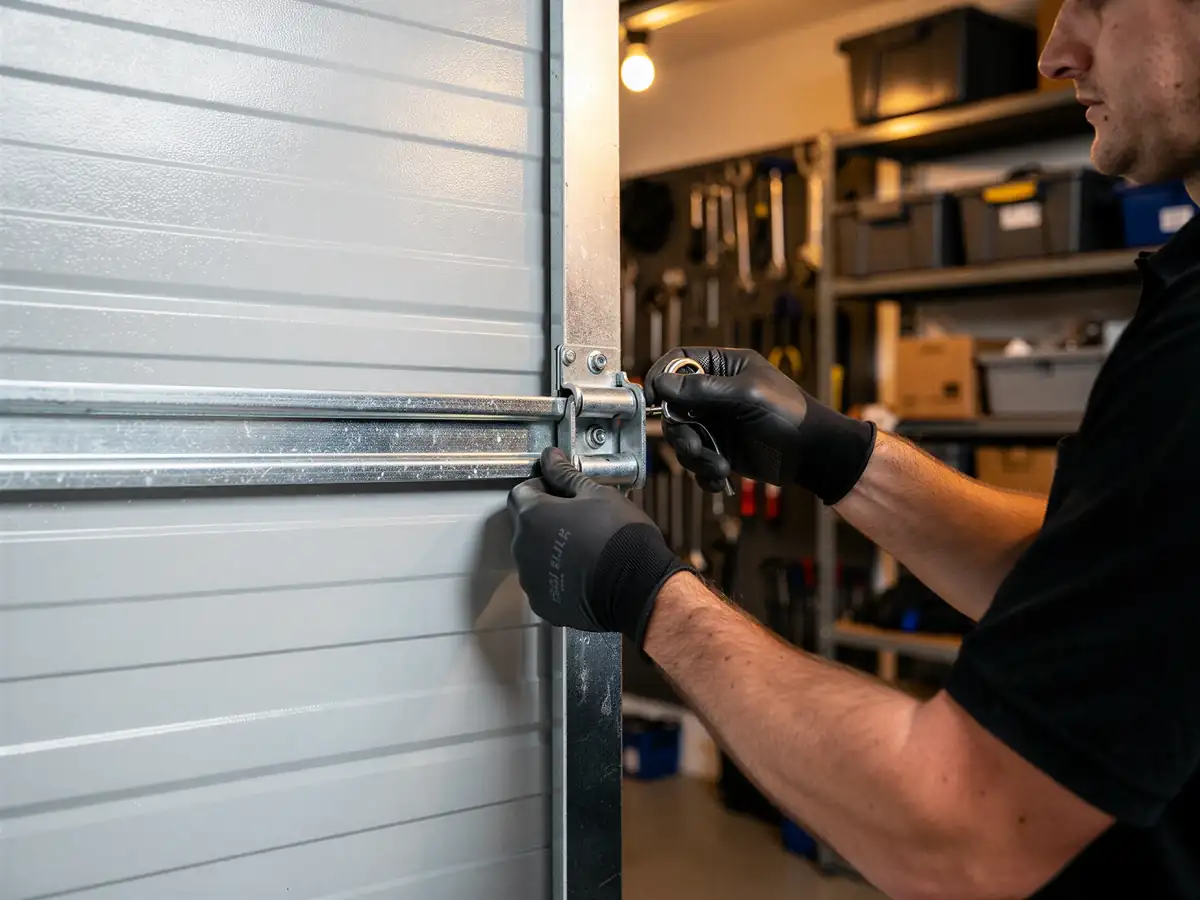
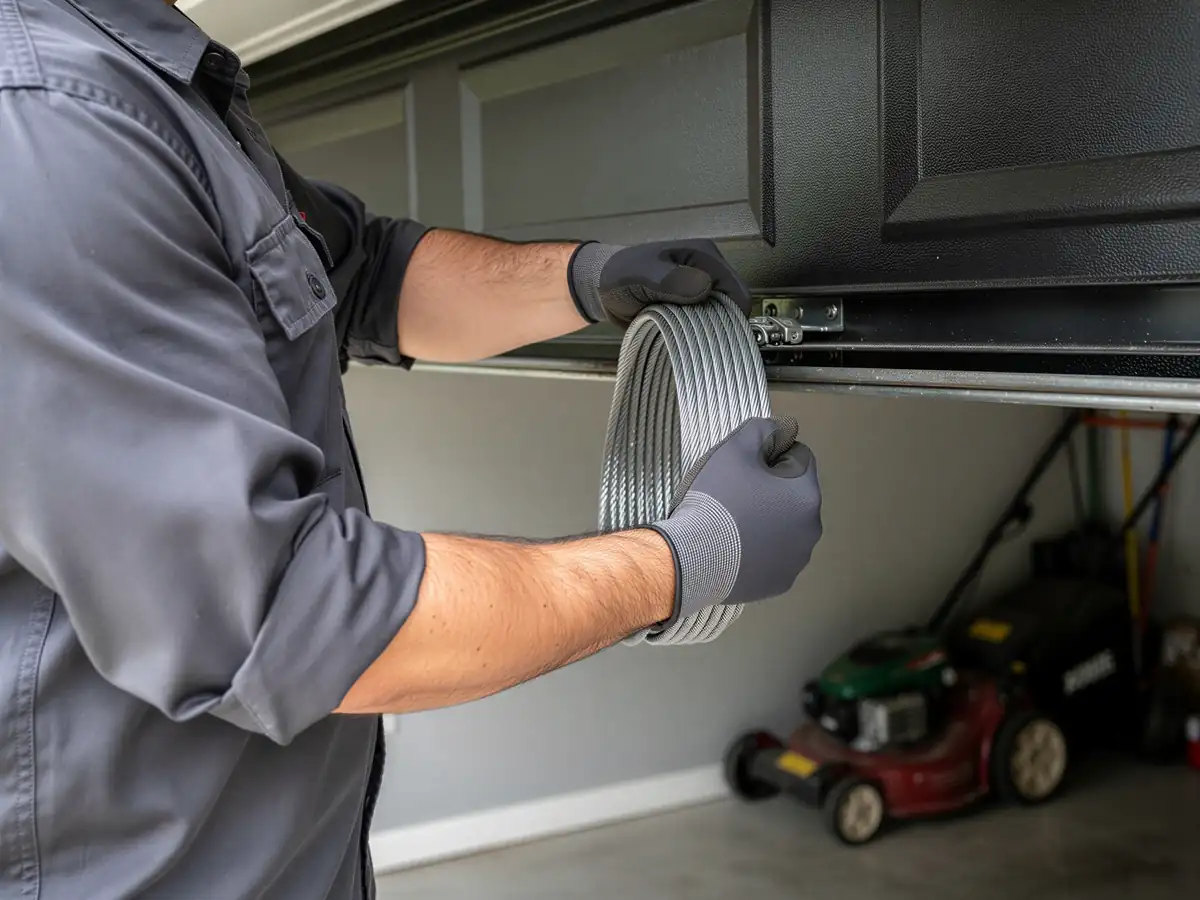
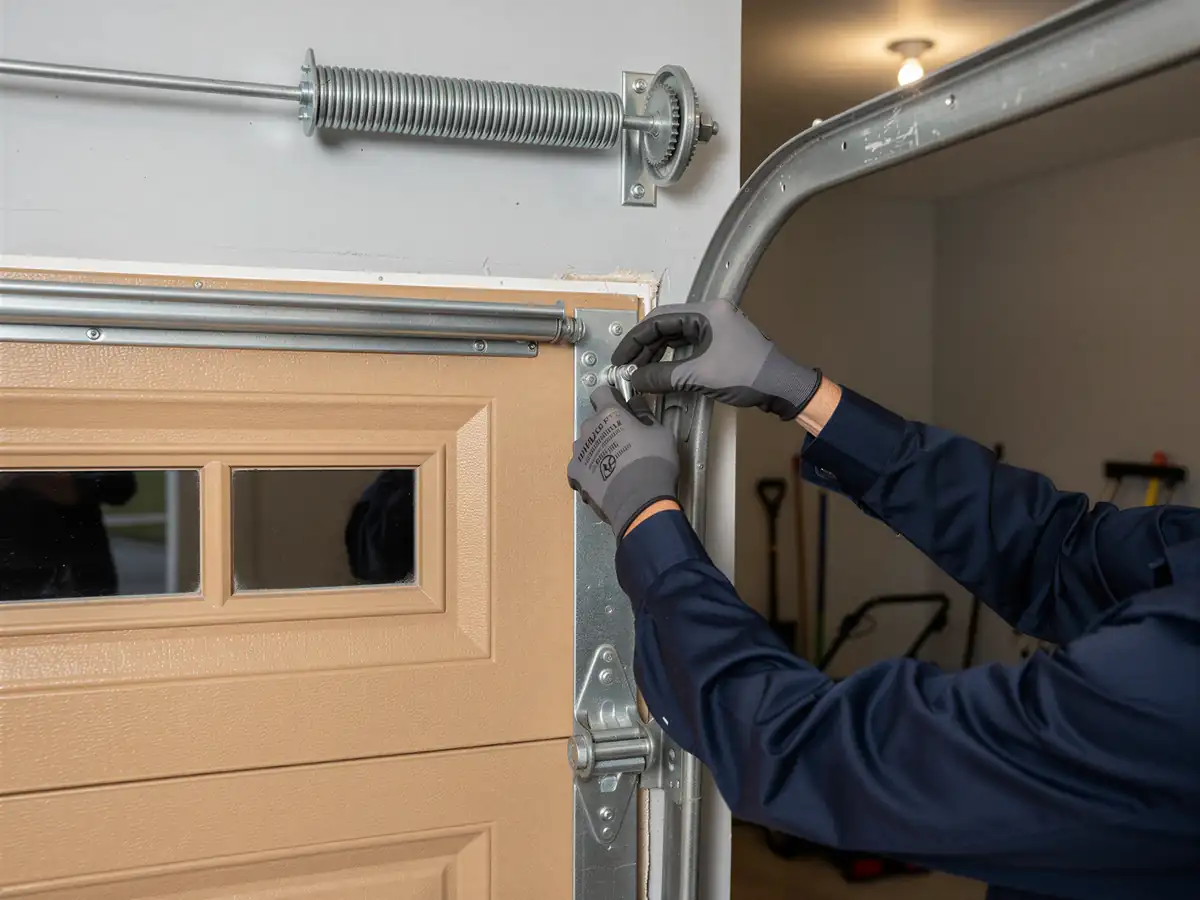
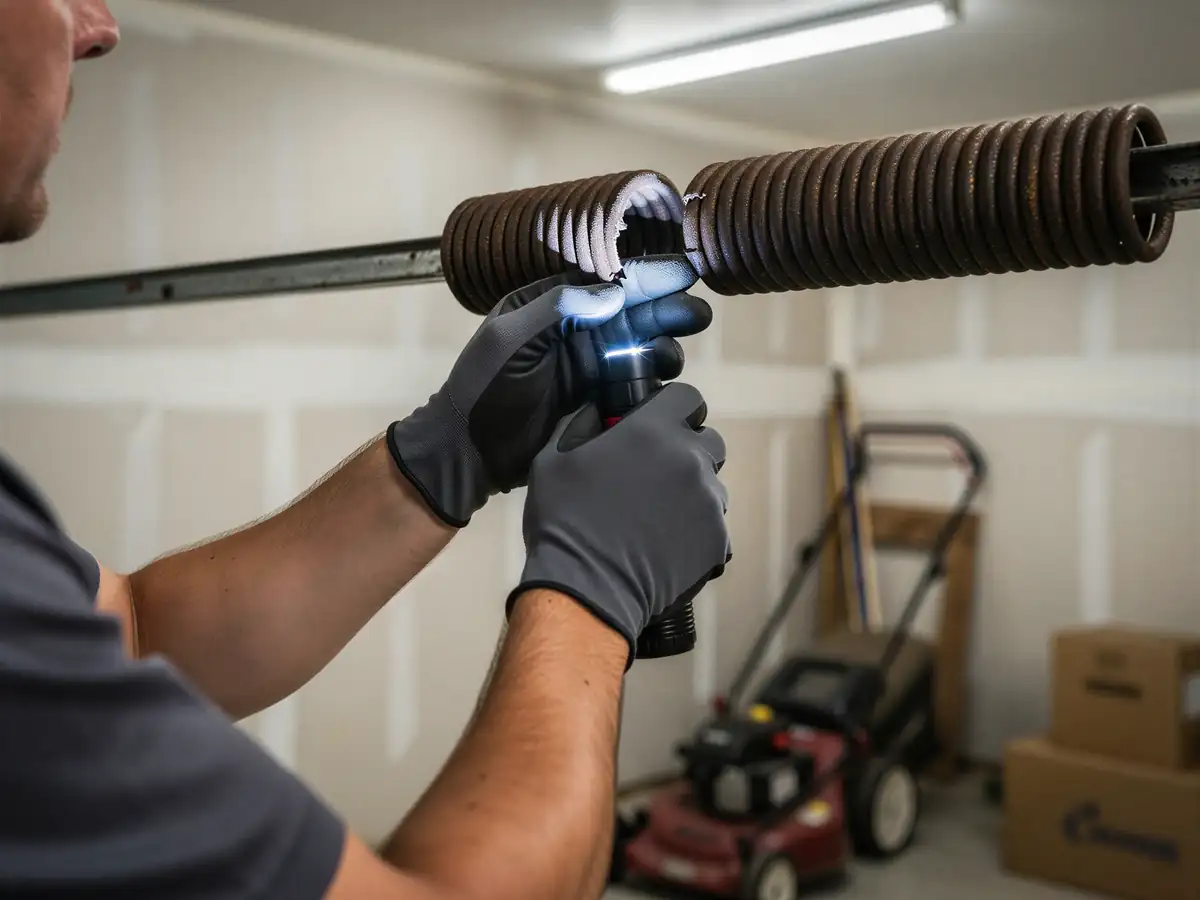
Swapping panels or adjusting track on a modern sectional door is reasonable DIY territory for someone comfortable with tools. A full replacement on a door this old usually isn't, mainly because the opening itself may not match current standard sizes, and the header or track mounts built in 1966 don't always line up with what a new door kit expects. We also won't pretend every size is sitting on the truck - some replacement doors for older openings need to be special-ordered, and that adds lead time you should plan around rather than get surprised by on install day. If you're set on doing the labor yourself, at minimum have someone else confirm the spring tension before you touch it; an extension spring system from this era has no secondary safety cable, and that's not a corner worth cutting to save a service call.