The Cost of This Job
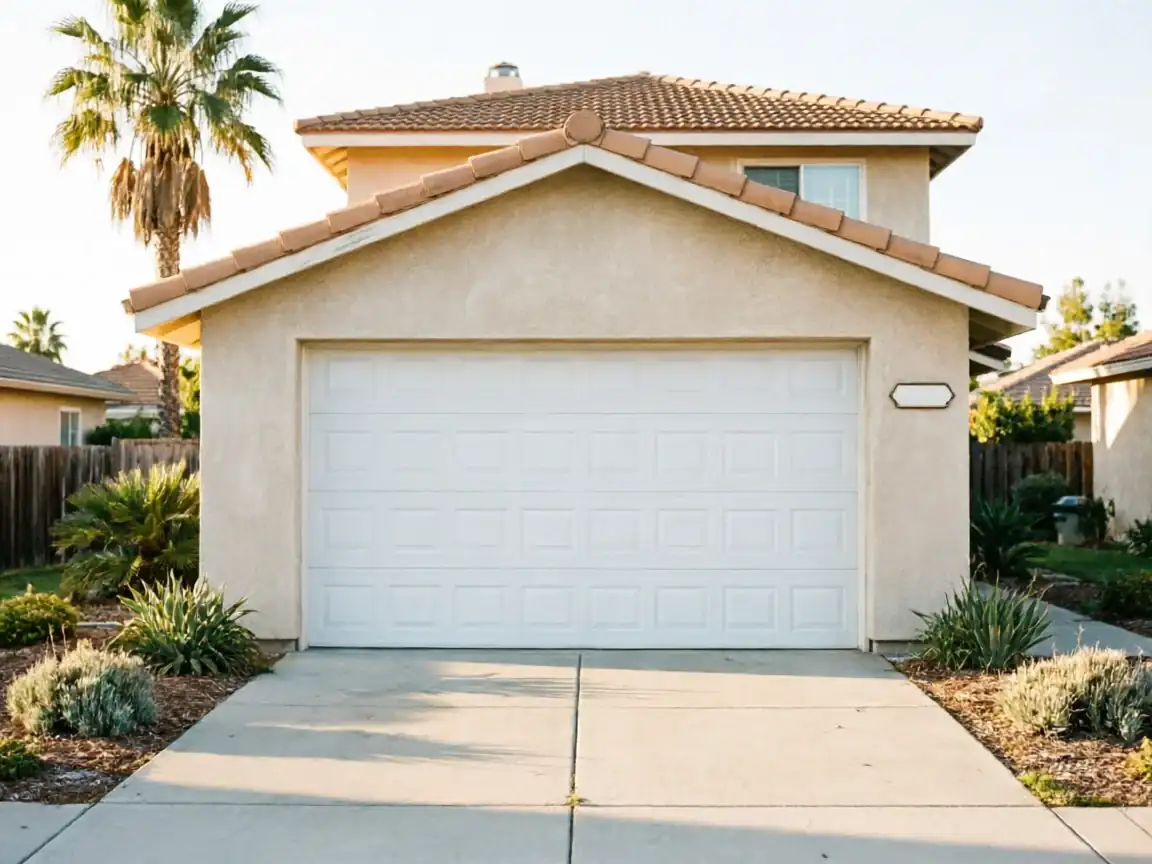
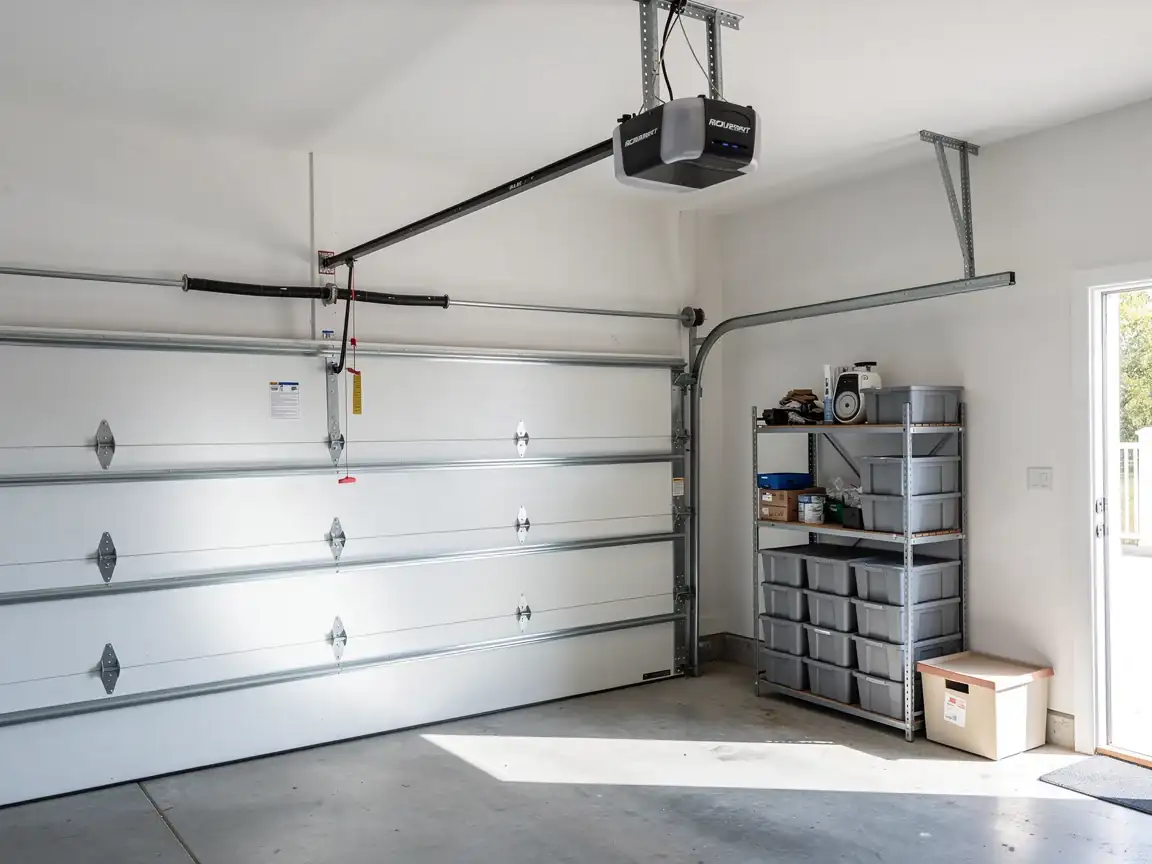
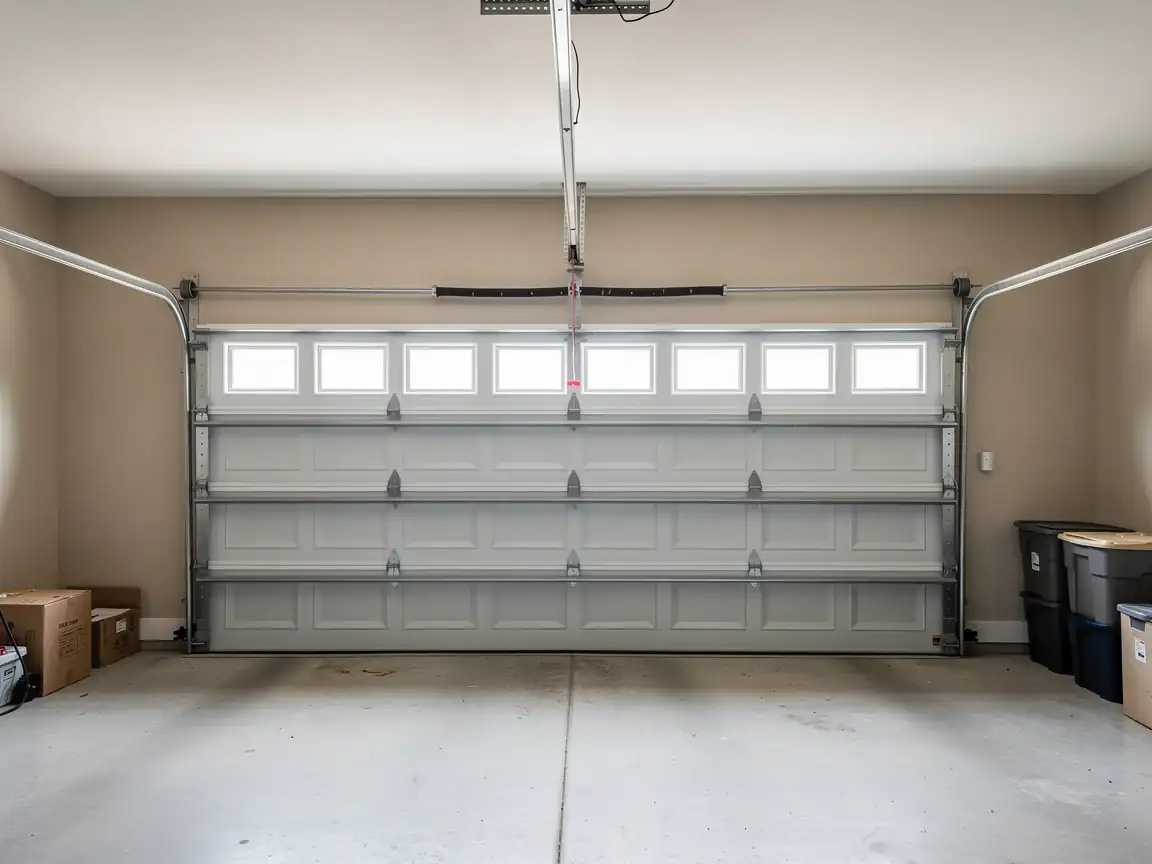
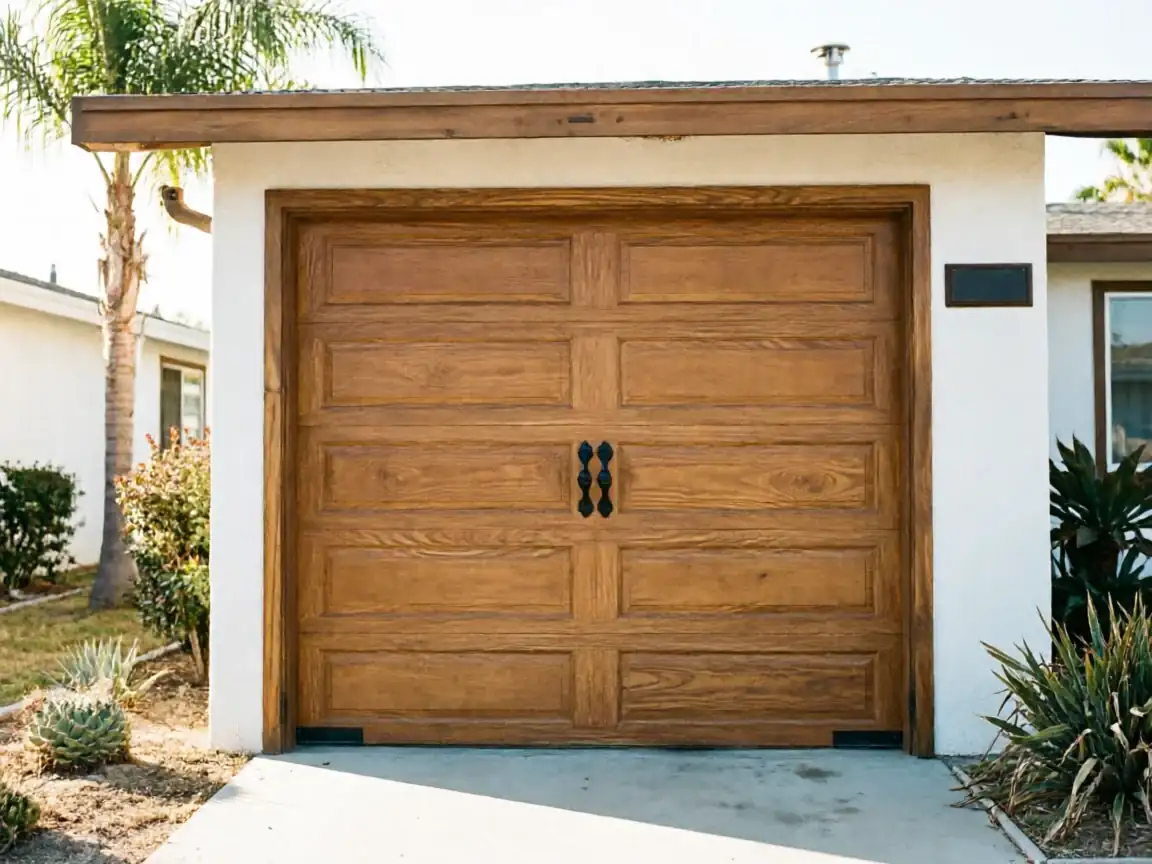
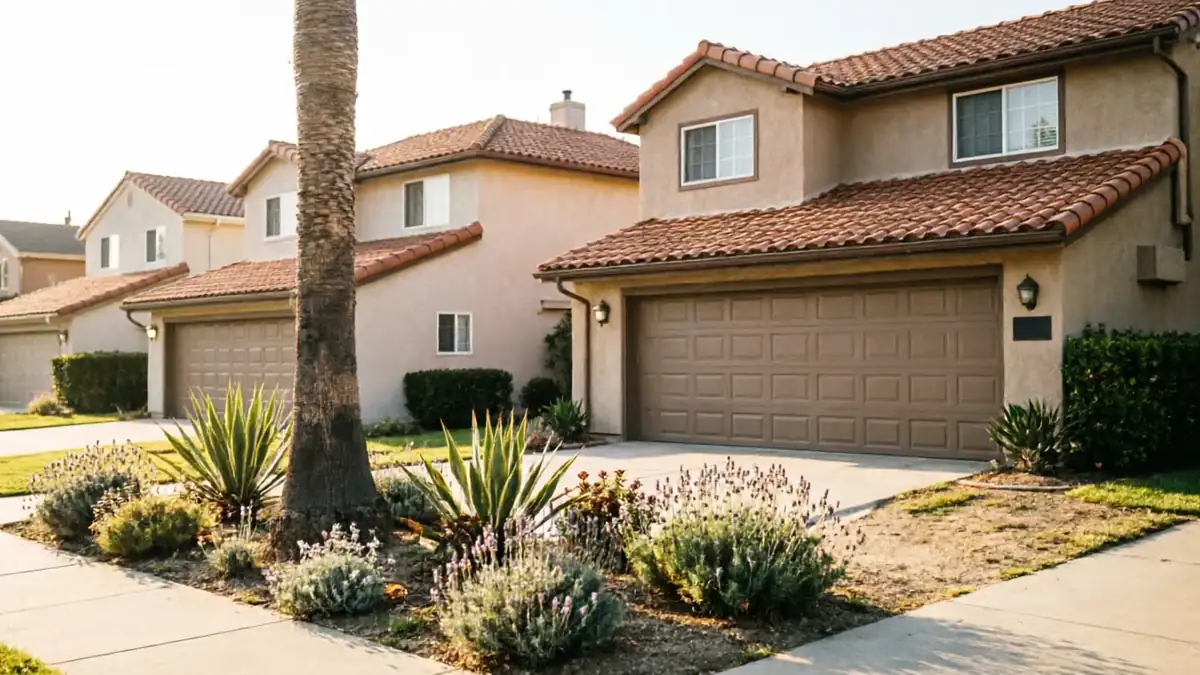
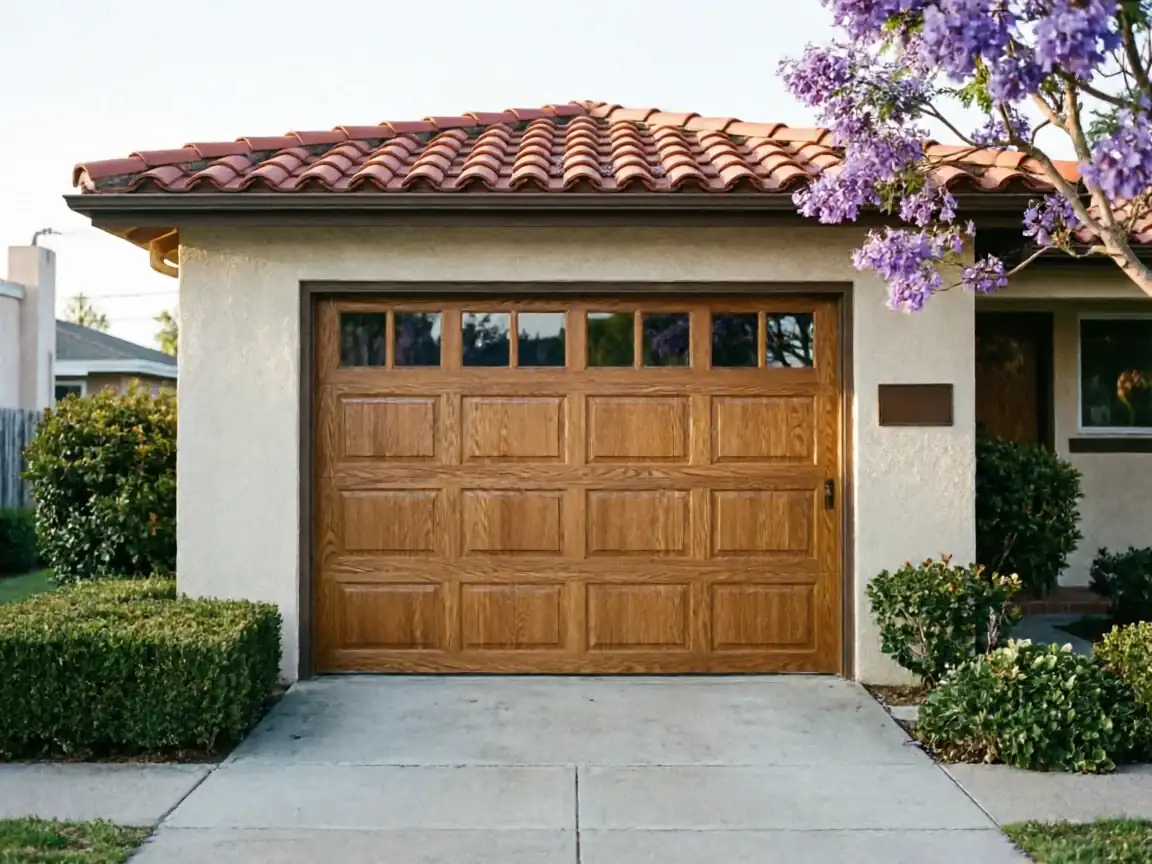
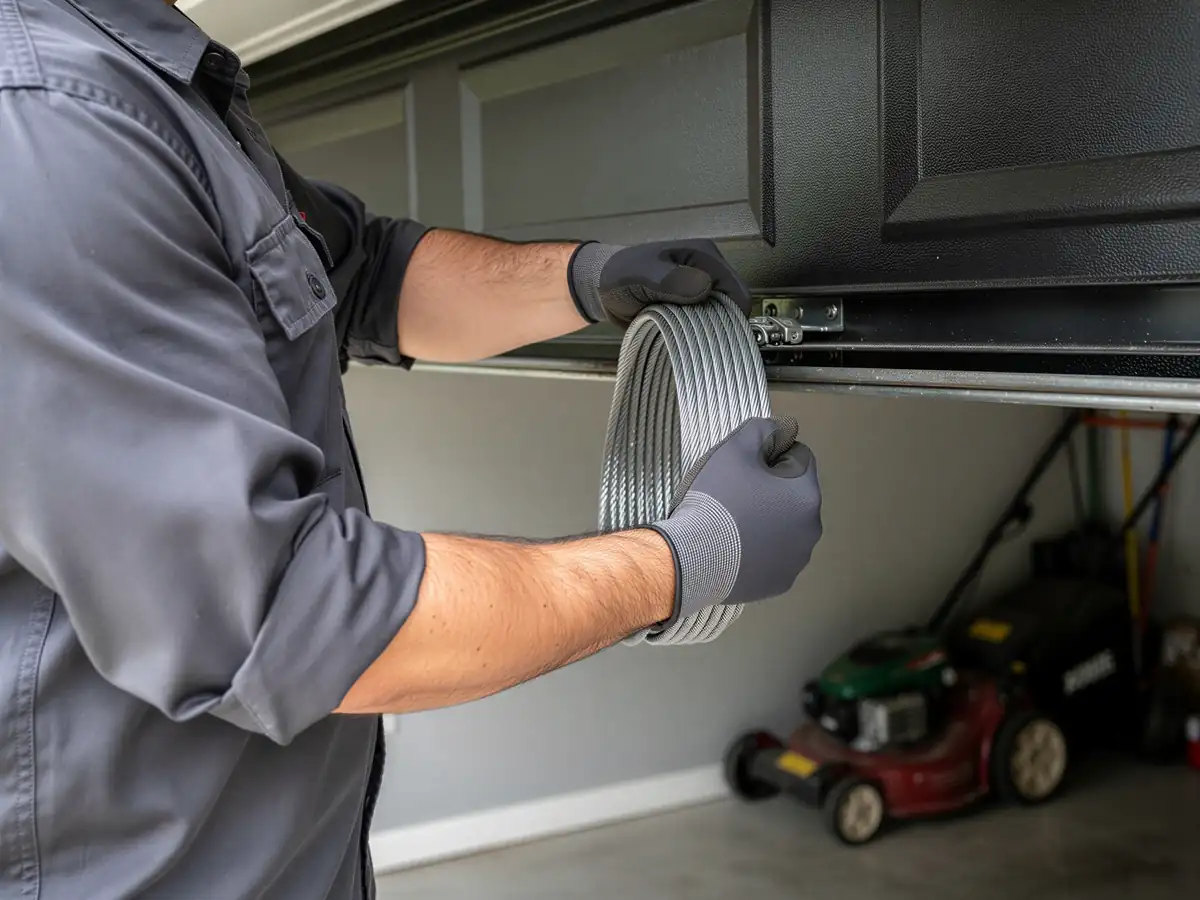
Roller replacement is one of the cheaper jobs we do, and in Chino Hills it stays that way because the doors are consistent. Most of the garages here went up in the early 1990s with the raised-panel steel door that was standard across Southern California subdivisions that decade - a single wide door on the two-car garage, or a matched pair on the three-car layouts. That means a known hinge spacing and a known roller stem length, so we're not guessing on the truck. A full set of rollers on one door is a smaller ticket than a spring job or a panel swap. Where the cost moves is the roller type: galvanized steel rollers, which a lot of these doors still have, cost less than sealed nylon but wear louder and faster, so some owners pay a bit more upfront to stop replacing them every few years. With a median household income of $122,600 in Chino Hills, most of what we see is homeowners fixing the roller problem on the original door rather than paying for a full replacement unit - the door itself is usually still sound at this age.
What Can Go Wrong
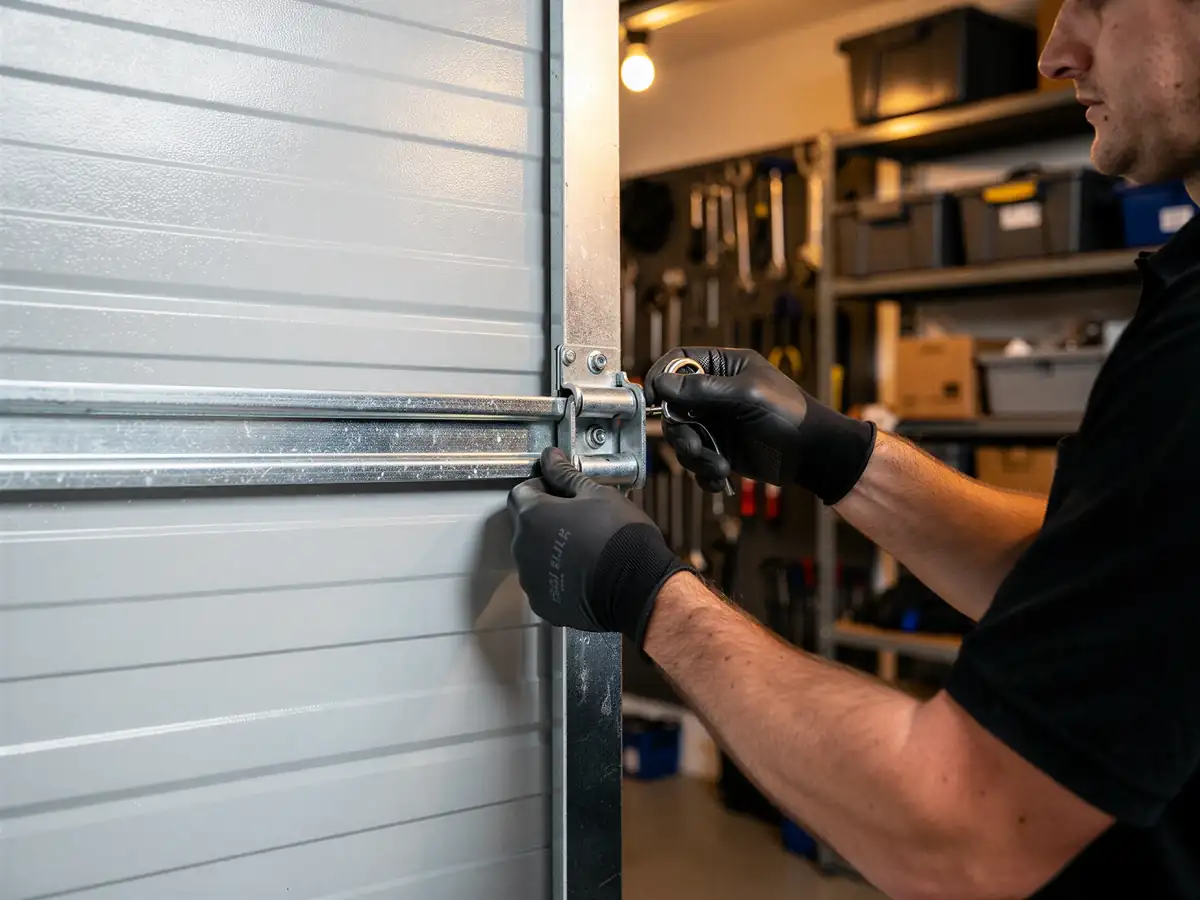
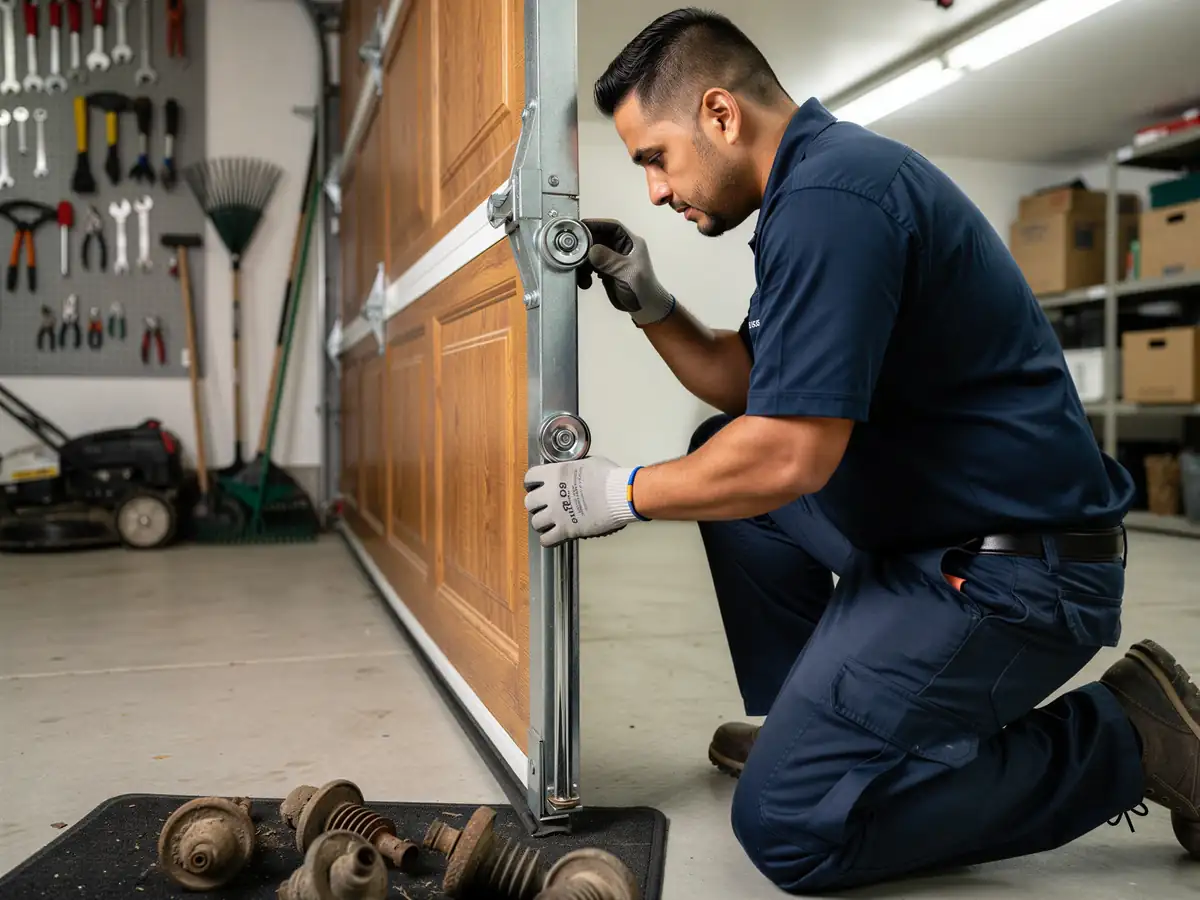
A worn roller doesn't fail quietly. On a steel door from this era, the stem is riveted or bolted into a hinge bracket that's been flexing for over thirty years, and once the roller wheel itself wears down to the bearing, the door starts riding off-center in the track. You hear it before you see it - a grinding or knocking that gets louder as the door opens. Left alone, a cracked roller can jump the track entirely, which bends the track rail and turns a $20 part into a bent-track repair. On doors with steel rollers, rust at the stem is the other failure point we see; the roller seizes instead of spinning, and the door drags rather than rolls. None of this is dramatic weather damage - the climate here stays mild year-round, so it's wear from age and cycles, not rust from storms. It's just thirty-plus years of opening and closing finally catching up with a part that was never meant to last the life of the door.
Can You Do This Yourself
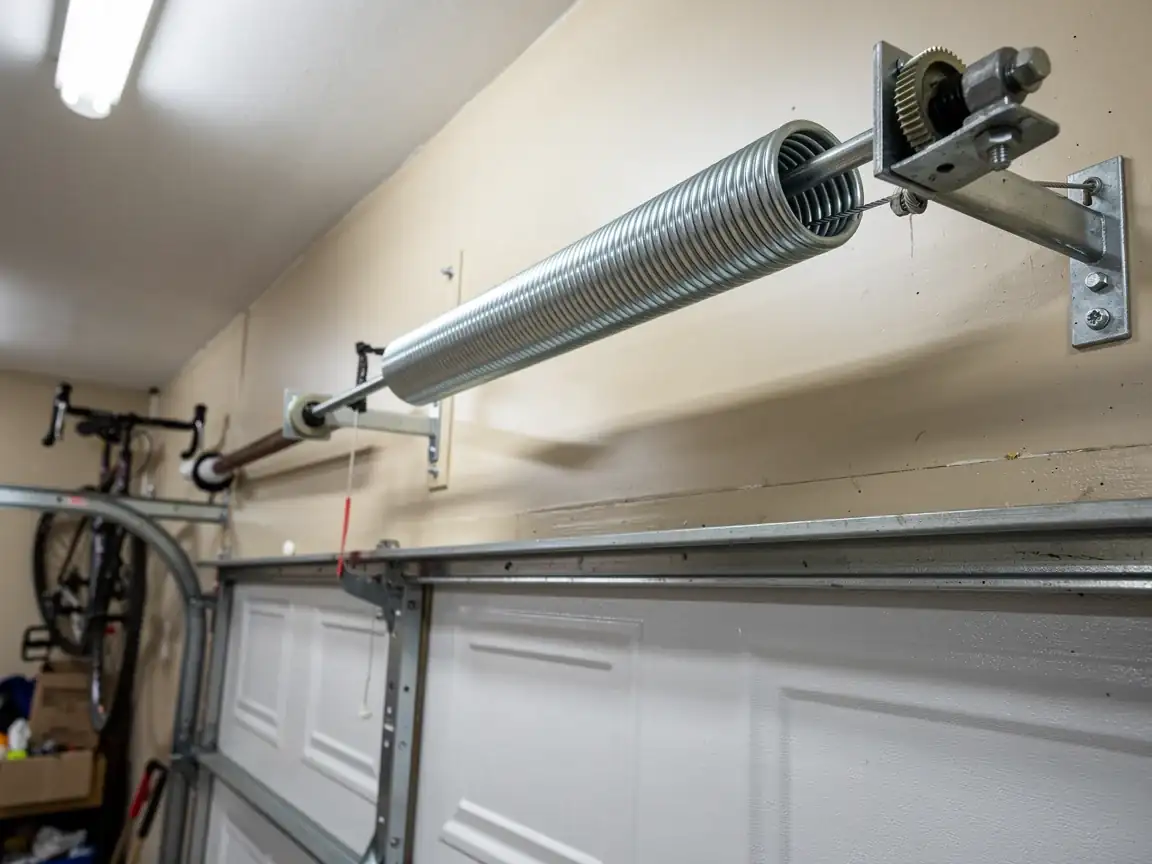
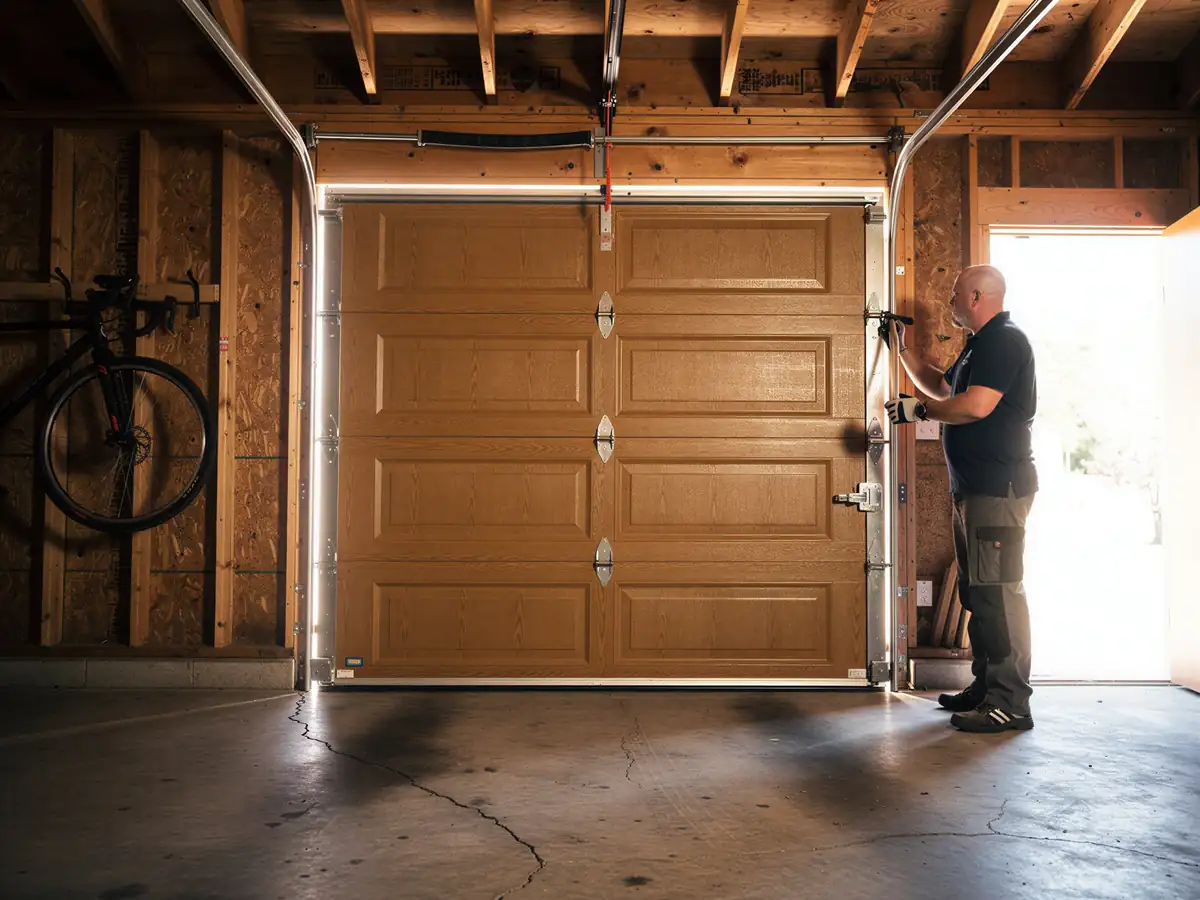
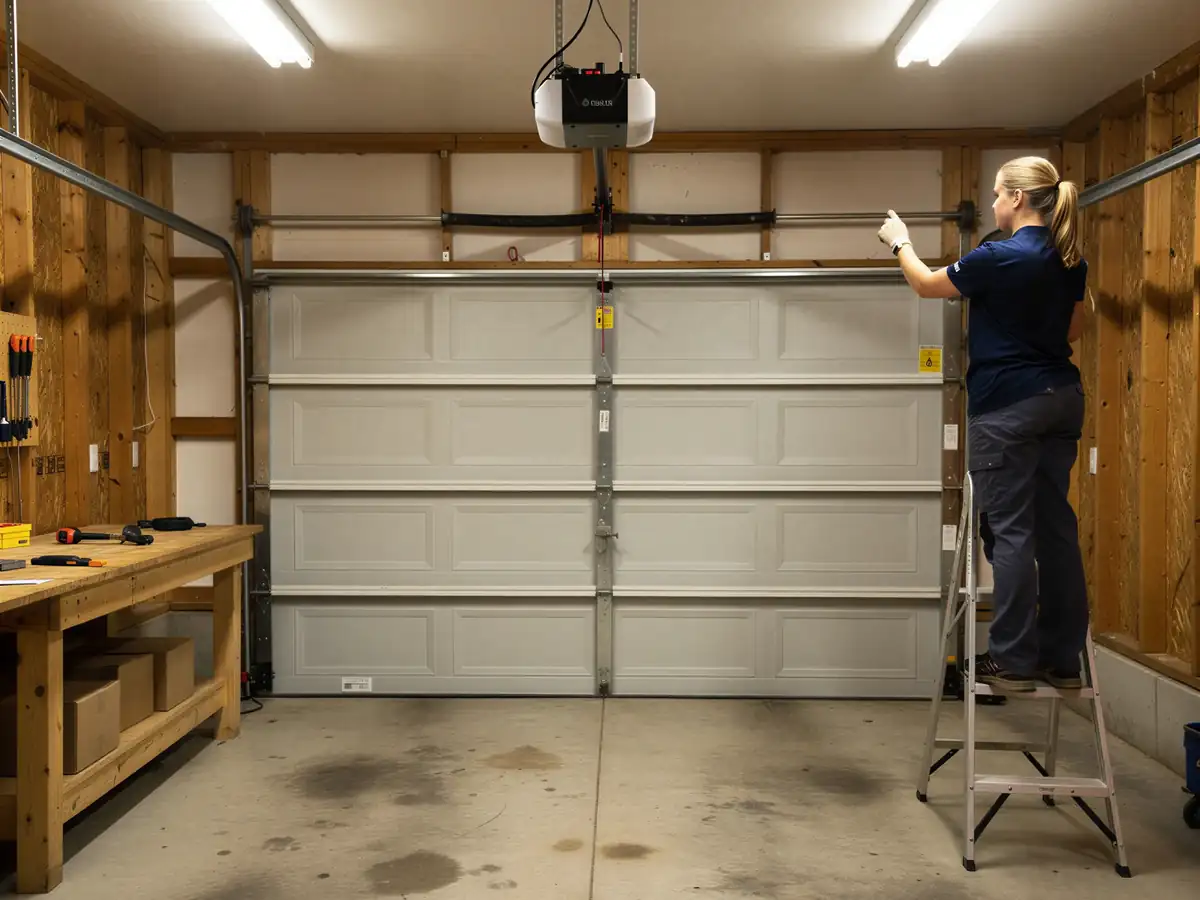
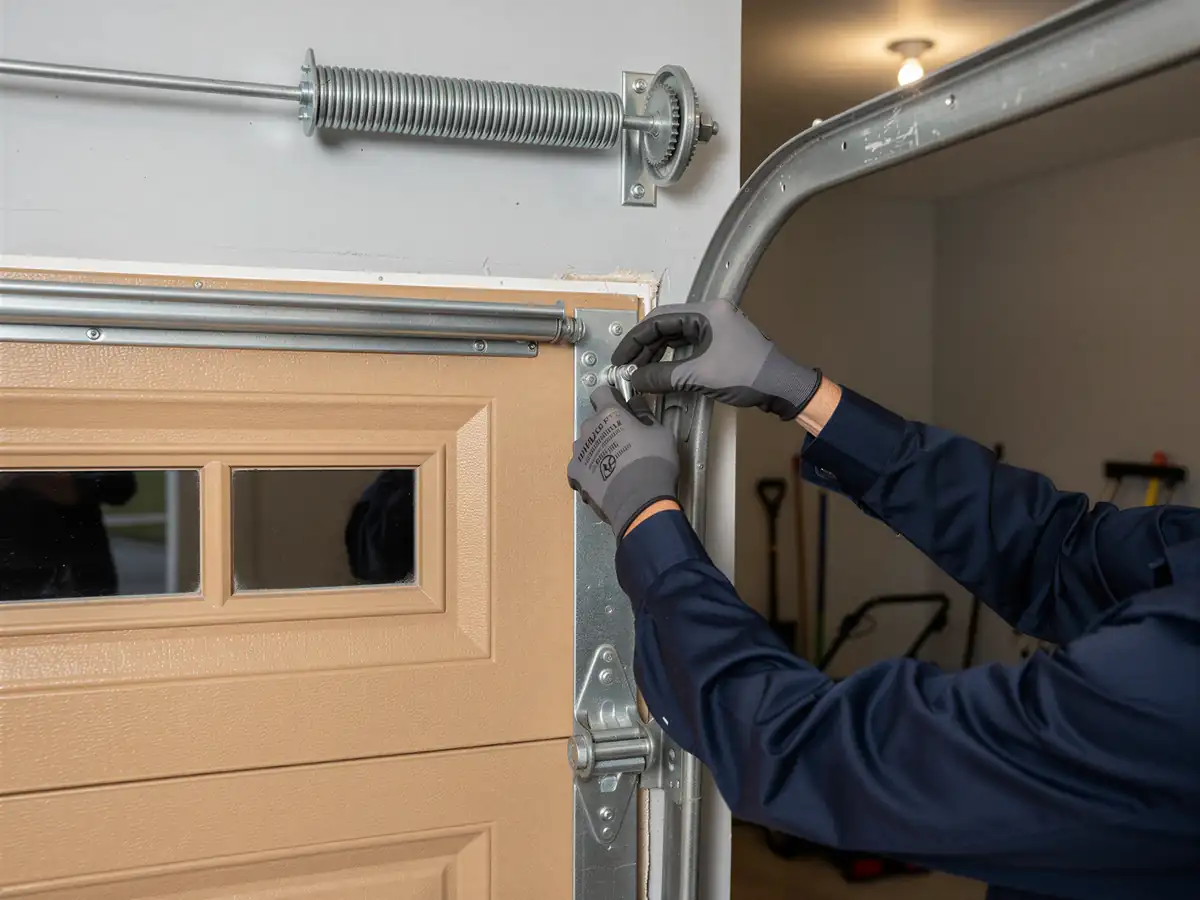
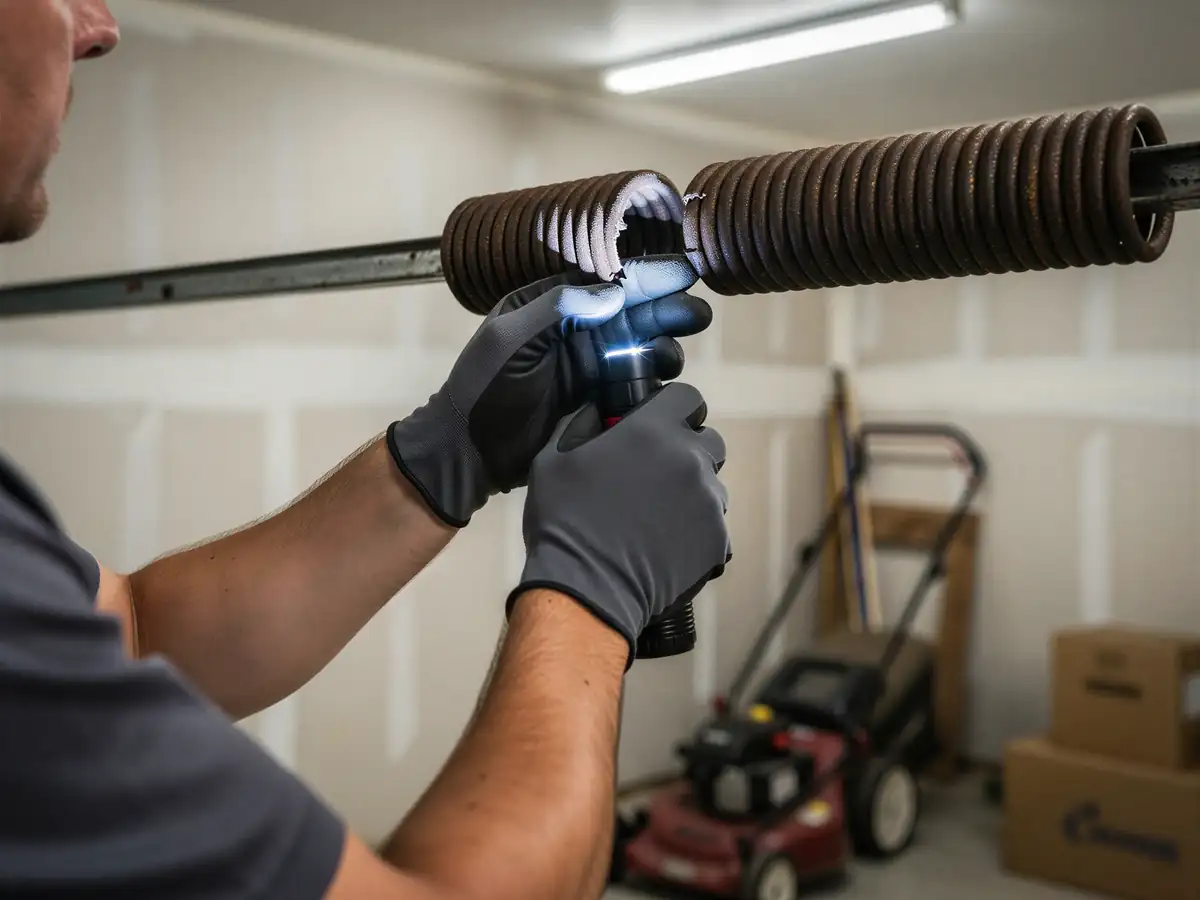
The bottom two rollers on either side of a door are a reasonable DIY swap if the door is down, the opener is unplugged, and you're not touching anything under spring tension. The trouble is the top rollers - on a lot of these doors the top section sits close to the spring and cable assembly, and that's not a place to be working with no experience. We also see homeowners buy the wrong roller size because galvanized and nylon rollers aren't interchangeable stem-for-stem across every door era, and a roller that's a fraction off binds the track instead of fixing it. If you're comfortable with hand tools and the door is fully down and secured, the bottom rollers are fair game. Anything involving the top track, the spring side, or a door that's already jumped the rail is worth a call rather than a Saturday project.
Time on the Job
A straightforward roller replacement, once we're at the house, runs under an hour for a full set on a single door - it's one of the faster jobs we do. The time that adds up is the drive: Chino Hills sits 18 miles from our shop in Irvine, so that's part of scheduling the visit, not part of the repair itself. We don't run a branch or a crew based in Chino Hills, which means we're not the right call for a same-hour emergency - if the door is stuck open and you need someone in the next twenty minutes, we're not that. For a roller job you can schedule a day or two out, the drive doesn't change the outcome; we show up with the parts and the door's fixed in one visit. Details on the broader roller job and what it covers are on our general roller replacement page.