The Cost of This Job
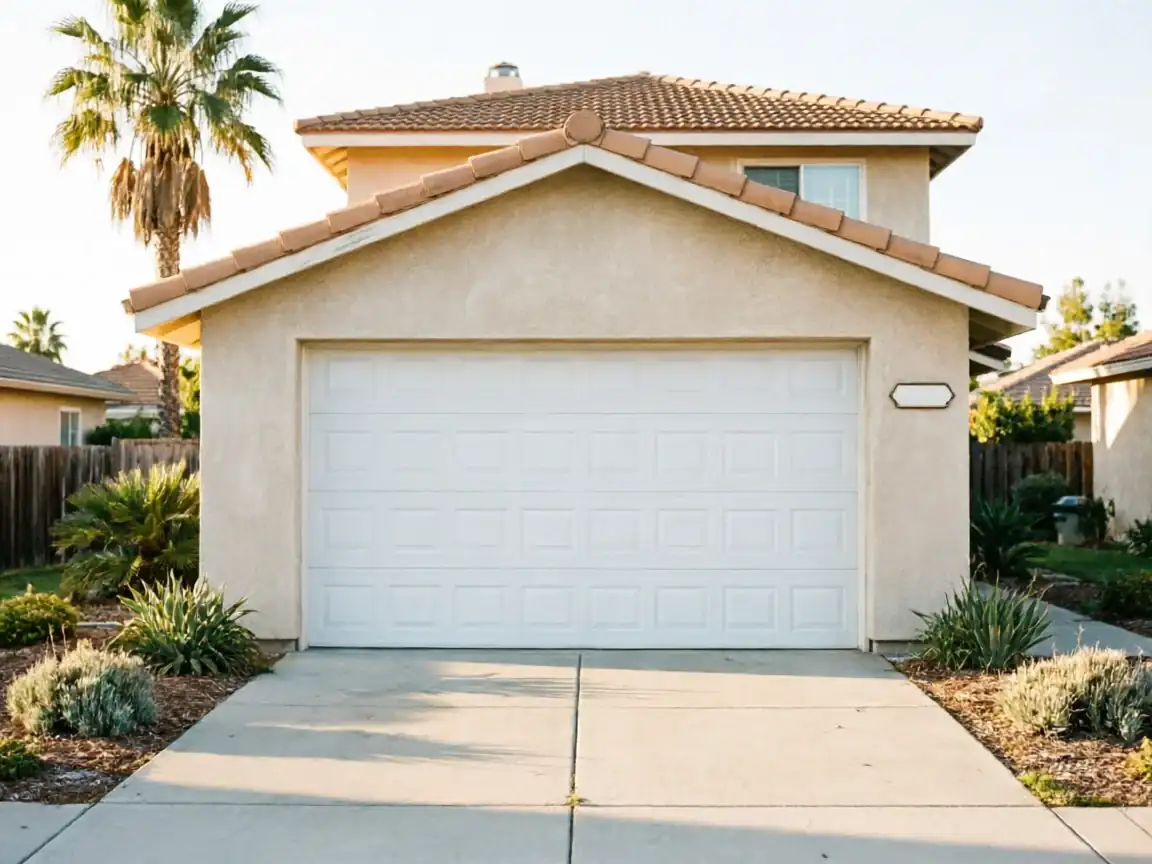
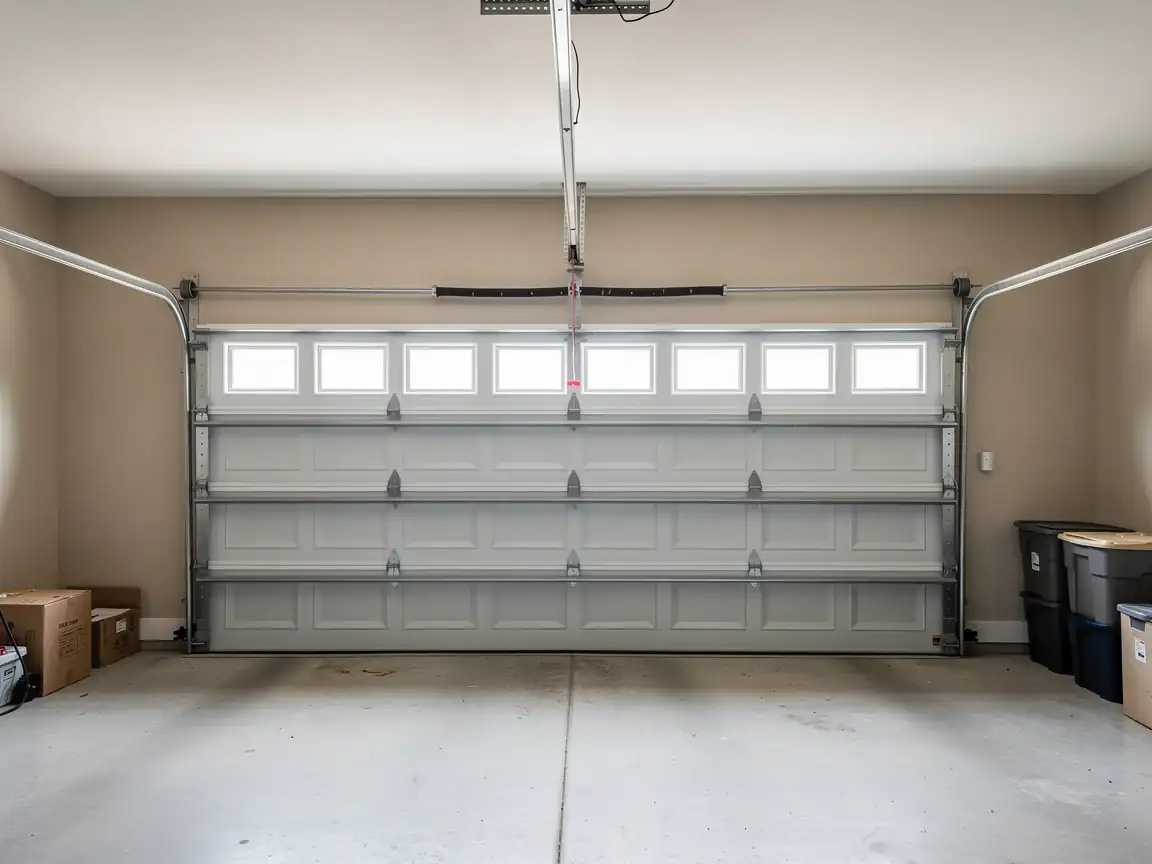
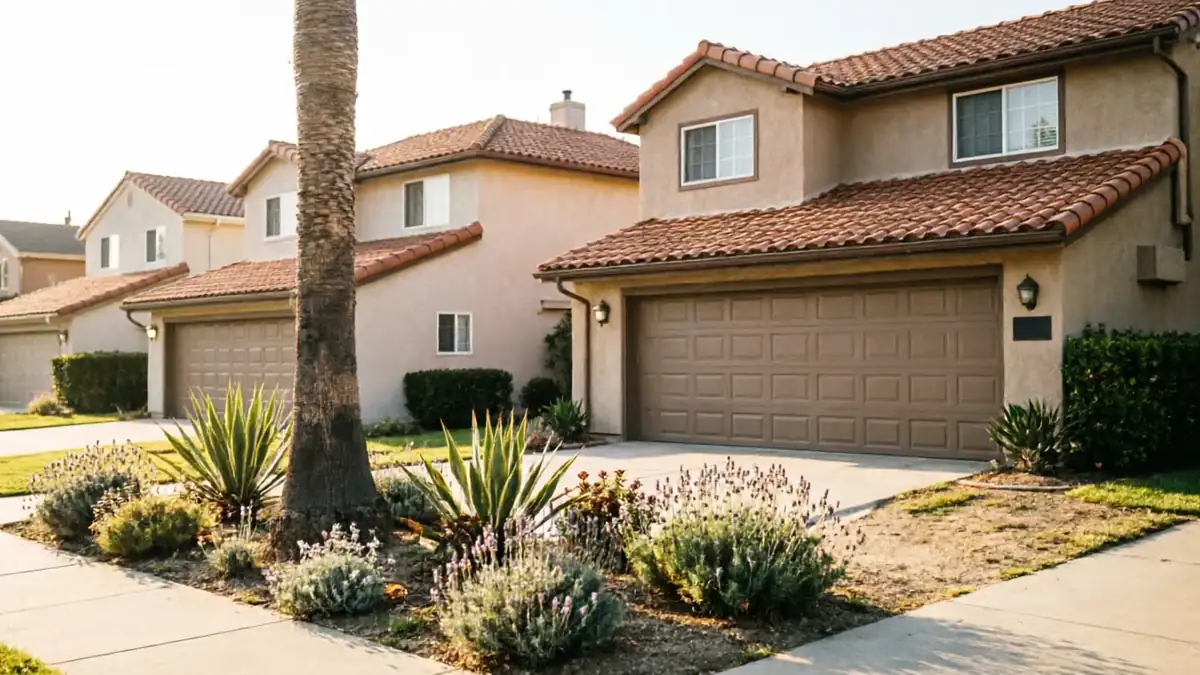
Chino Hills is a newer build than most of the towns we cover out of Irvine - the median home here went up around 1990, which puts most doors on steel sectional panels with torsion springs mounted on a center shaft, not the older extension-spring setups you'd find in a 1960s tract. That matters for pricing because torsion spring jobs and steel panel replacements are a different cost than what we quote on older housing stock elsewhere in the area. We don't publish a flat number here because the actual cost depends on spring size, number of panels, and whether the opener is original to the house or a later swap. What we can say is that 1990-era doors rarely need the kind of custom hardware fabrication that older houses sometimes do - the parts are more standard, which usually keeps the bill lower than it would be on a 1970s door. We're coming from Irvine, about 18 miles out, so any quote includes that drive, not a local dispatch fee tacked on after the fact.
What Can Go Wrong
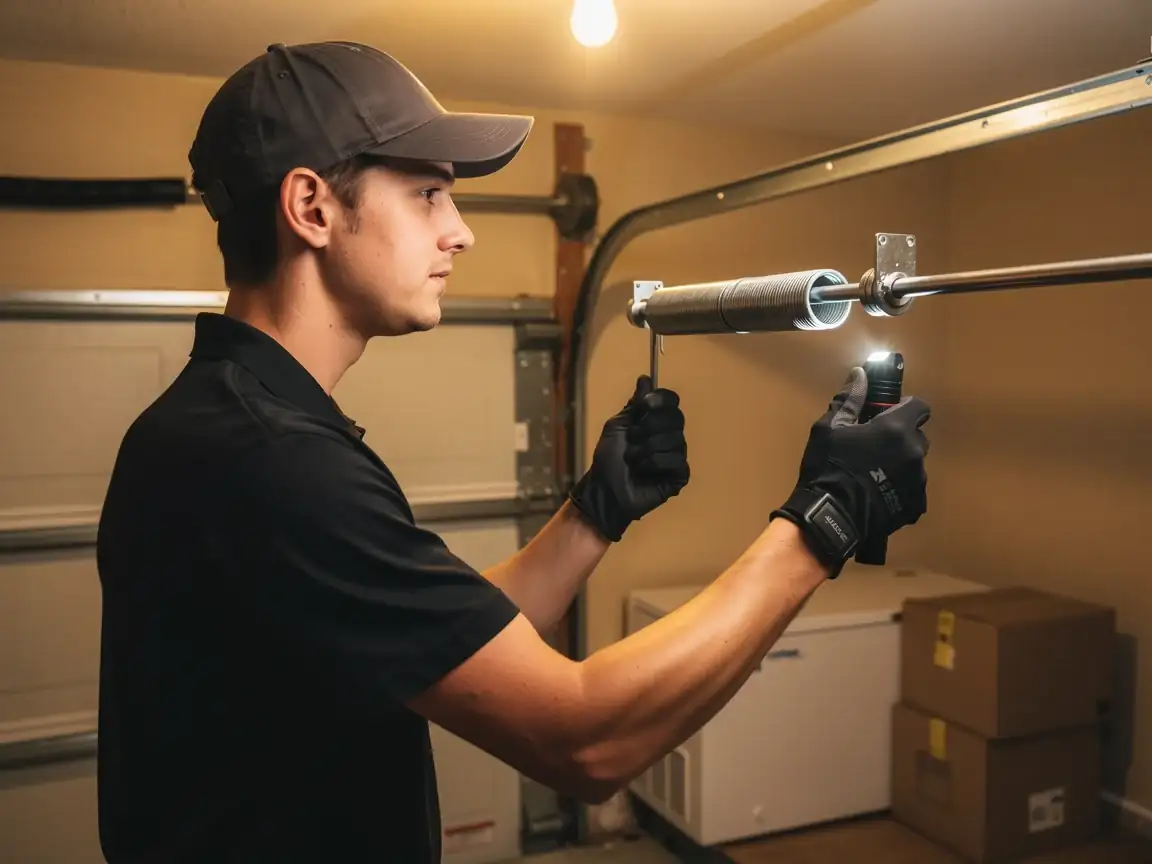
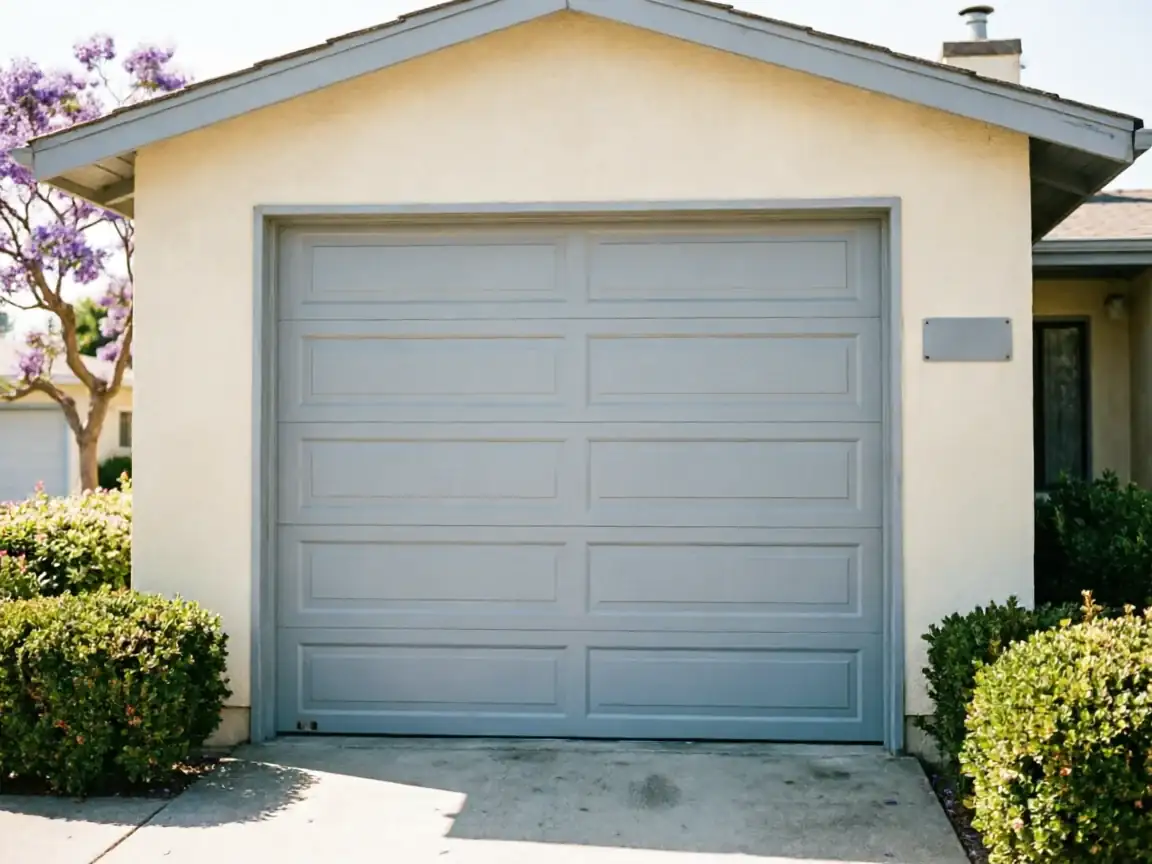
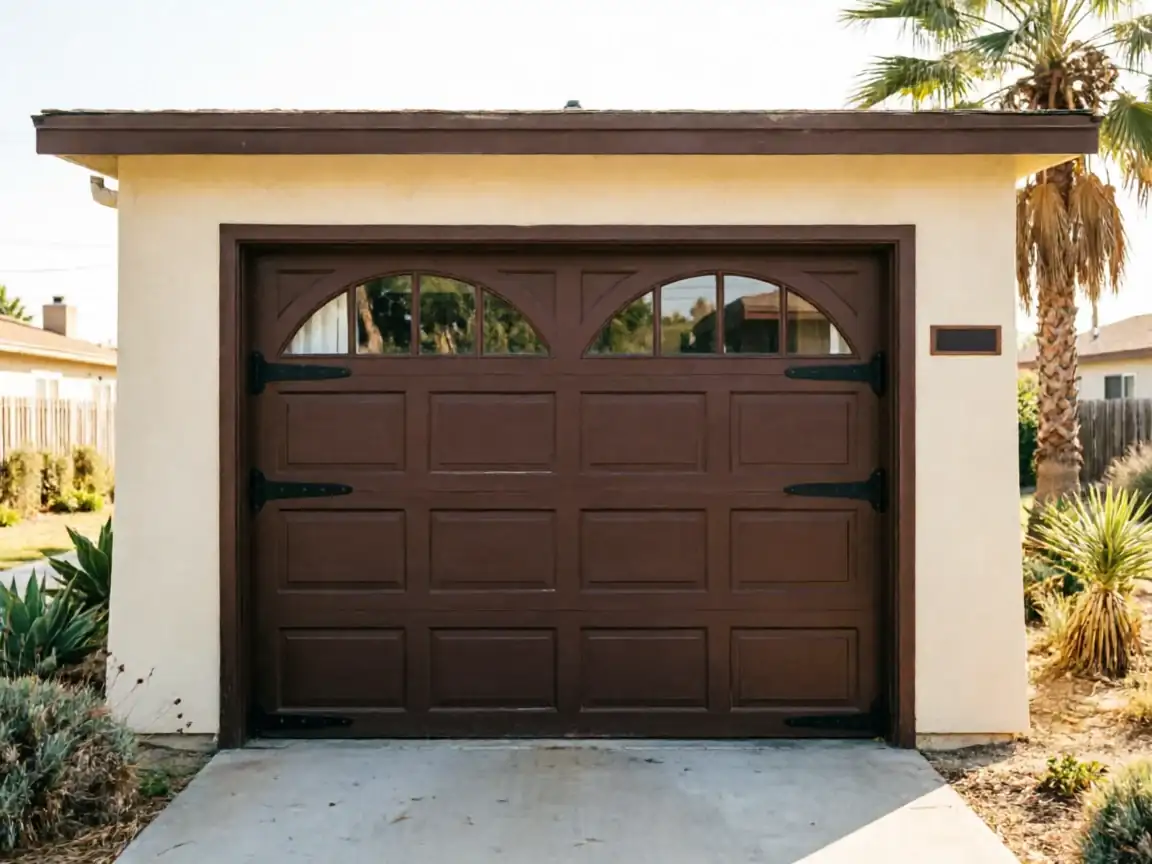
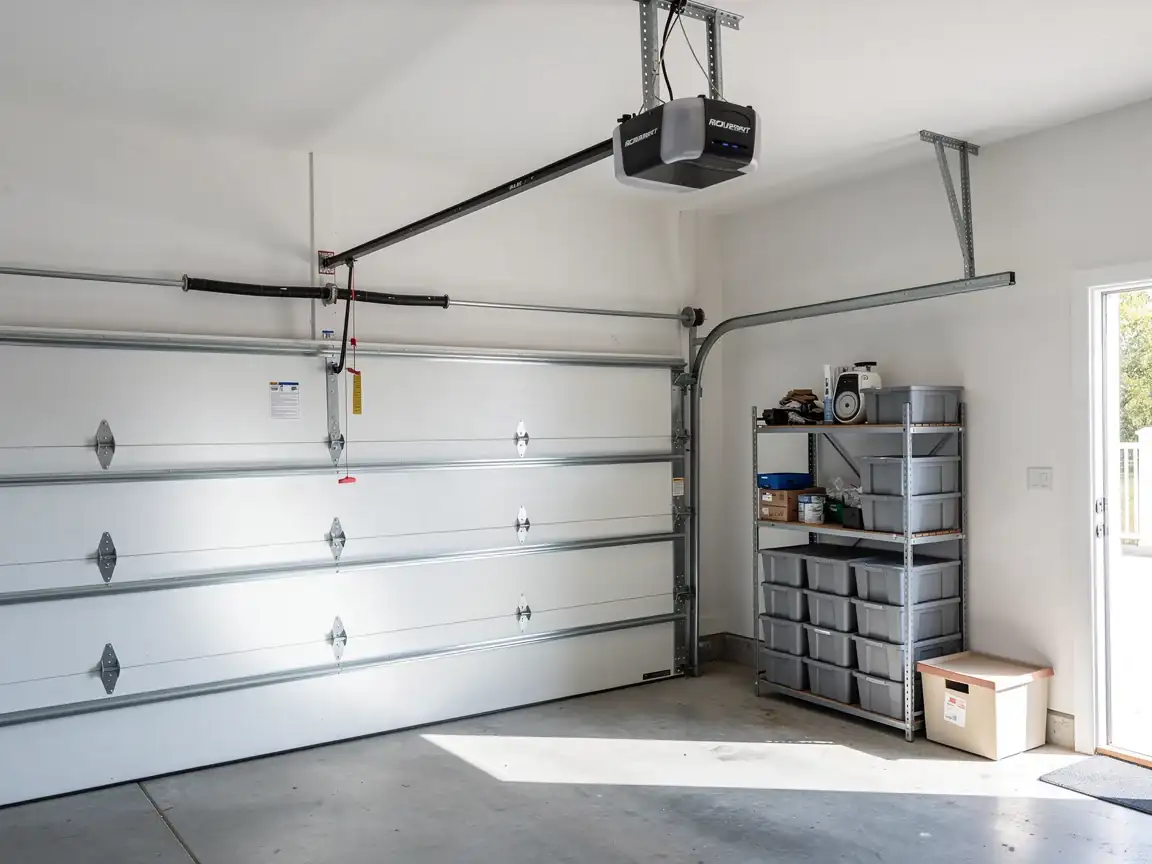
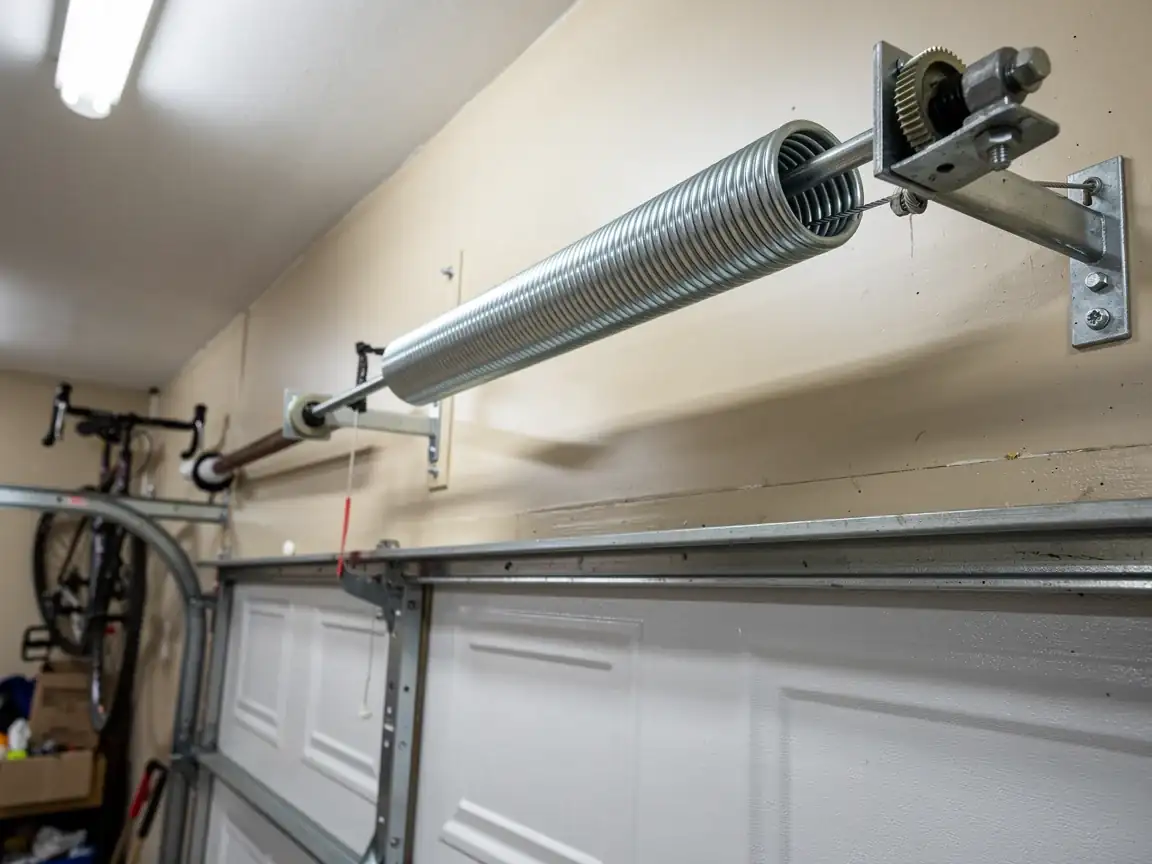
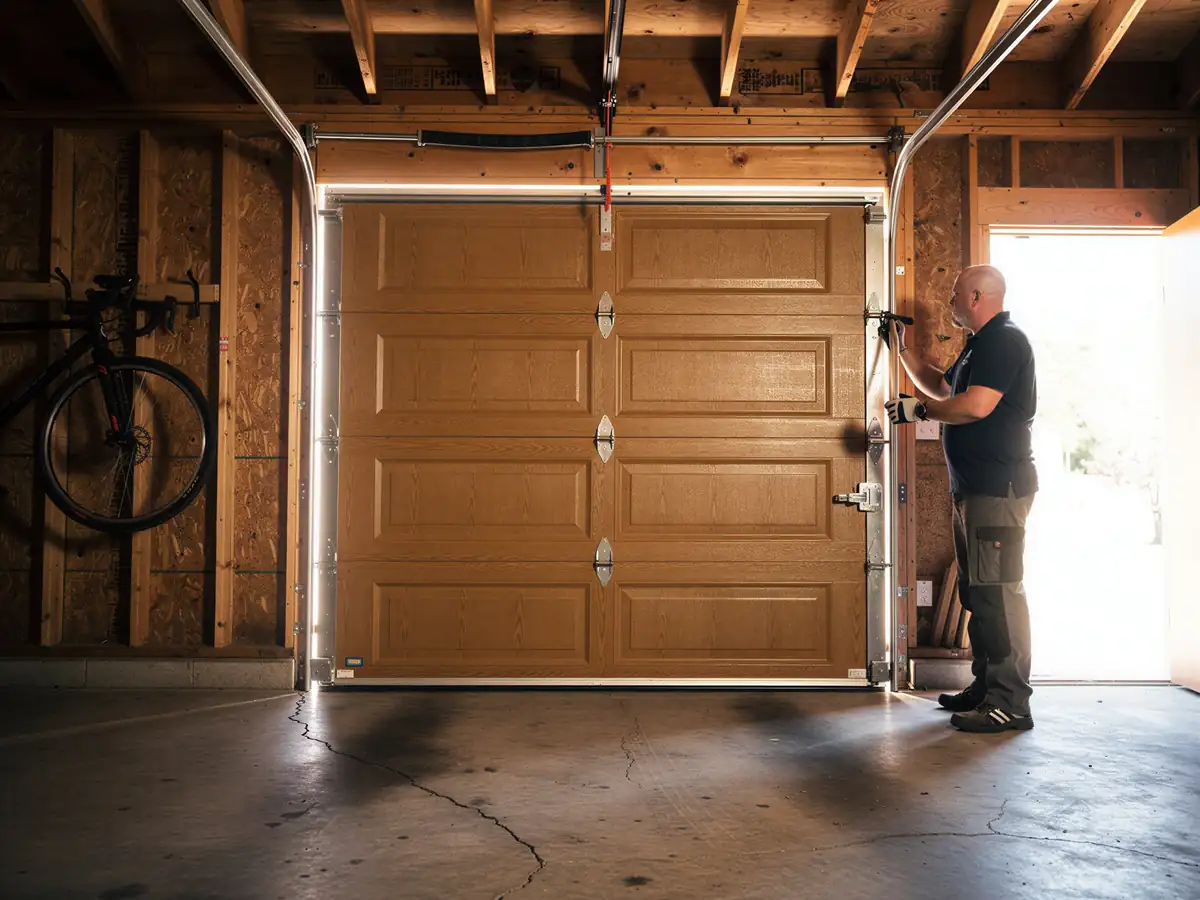
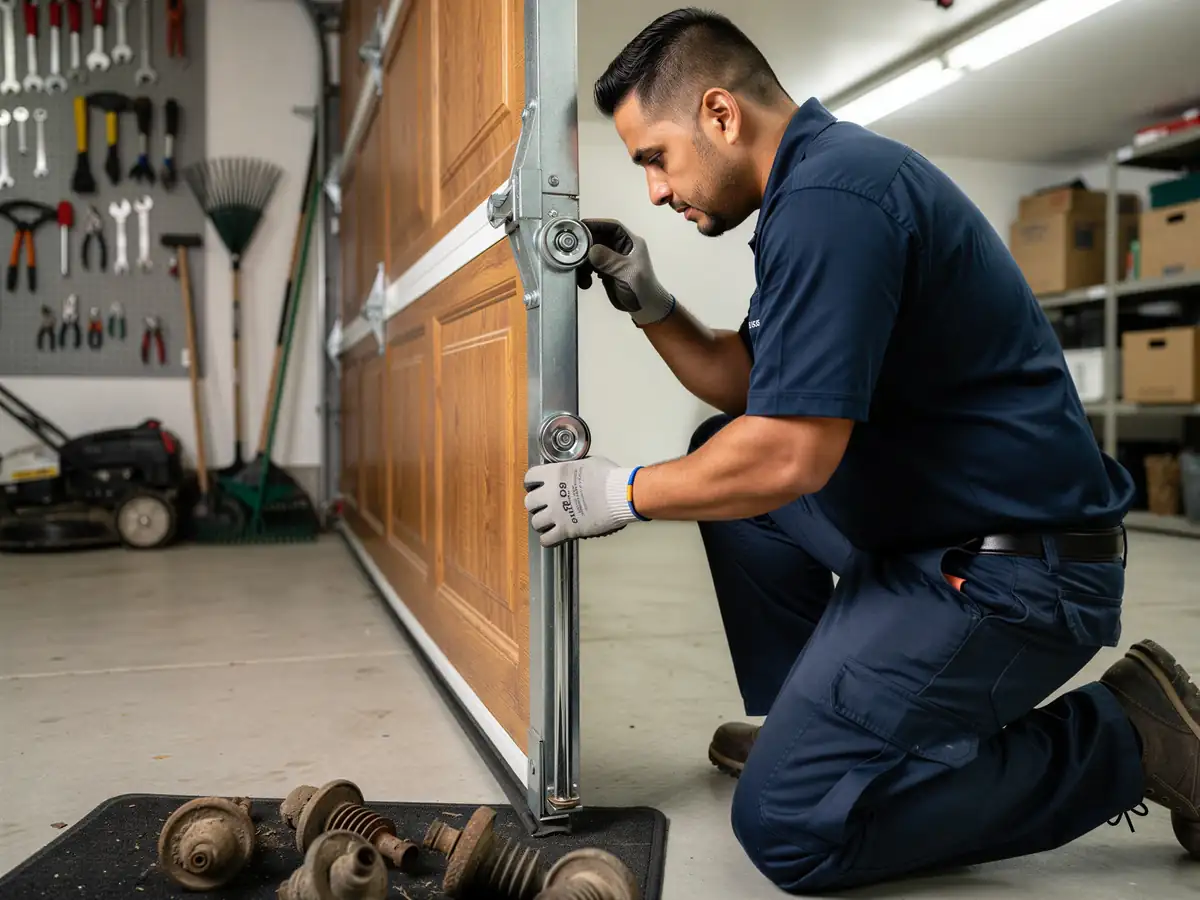
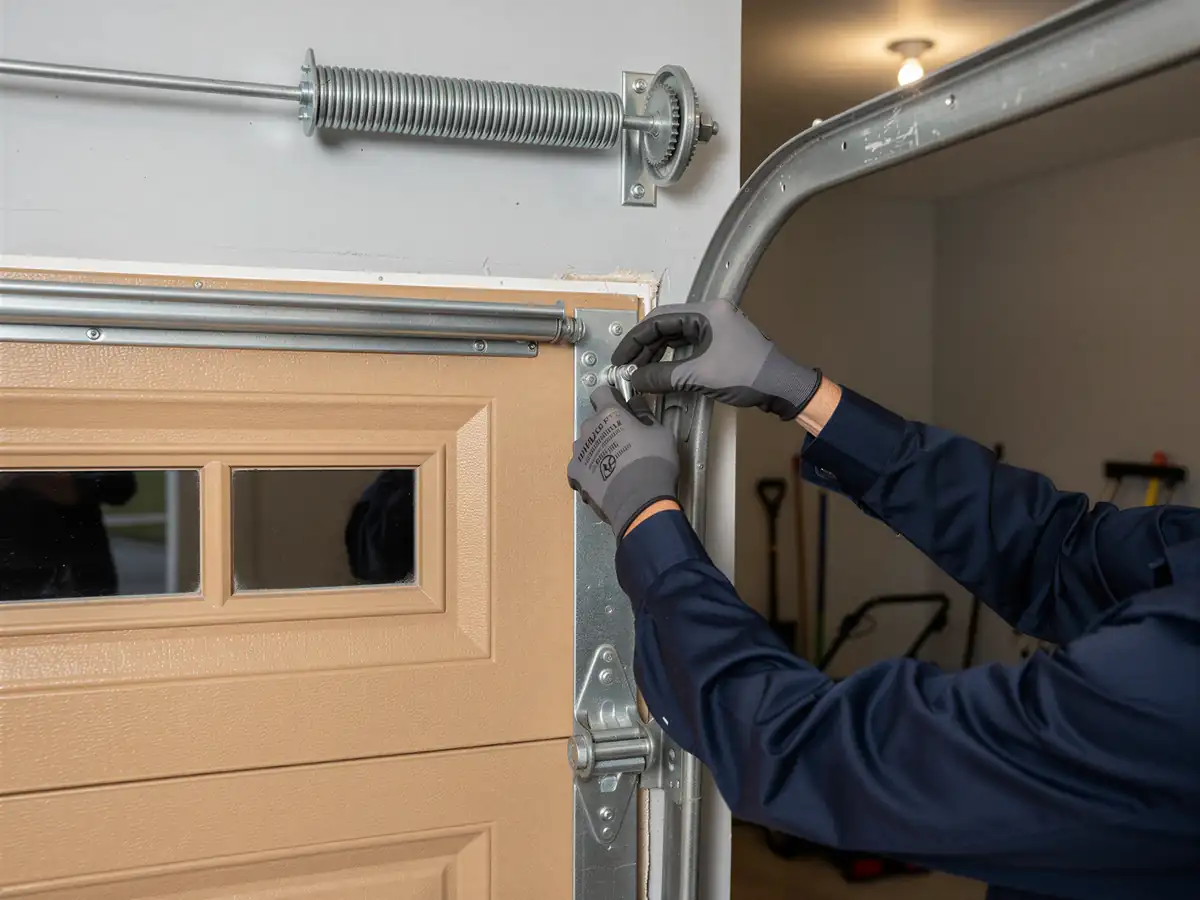
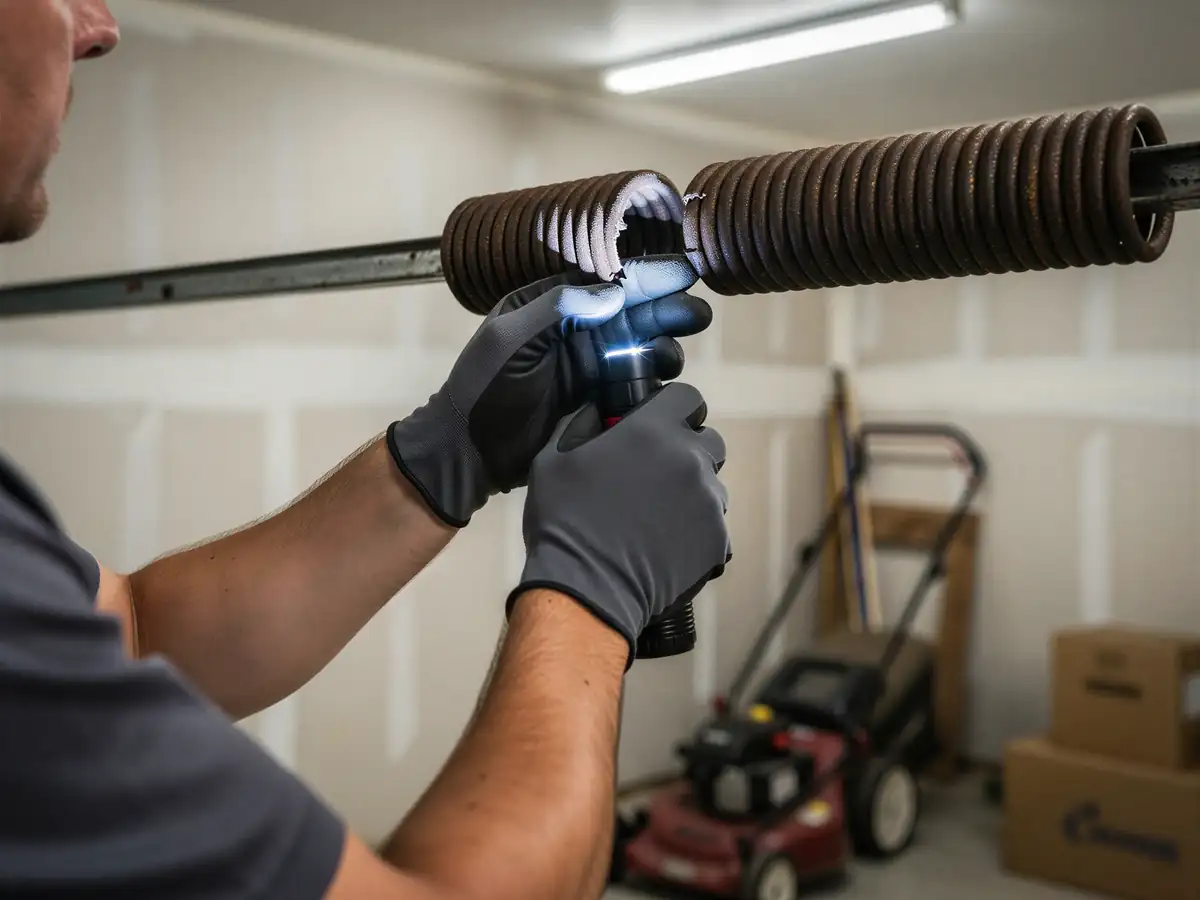
On a door from the early 1990s, the most common call is a broken torsion spring - the coil mounted above the door on a steel shaft, not the stretchy side-mounted springs older doors use. Those torsion springs are rated for a cycle count, and a door installed around 1990 has had three decades to burn through that rating, especially with two cars using it daily. Rollers on original steel doors from that era are often still the plastic rollers that came with the house, and those get brittle and start binding in the track long before the springs give out. Openers from the early '90s also tend to be chain-drive units nearing the end of their working life, and a failing opener often gets blamed on the door itself. The mild coastal-influenced climate here doesn't put the same stress on wood doors that you'd see from humidity extremes, but steel panels still dent and the weatherstrip at the bottom still dries out and cracks over time, letting in more draft than the door was built to allow.
Can You Do This Yourself
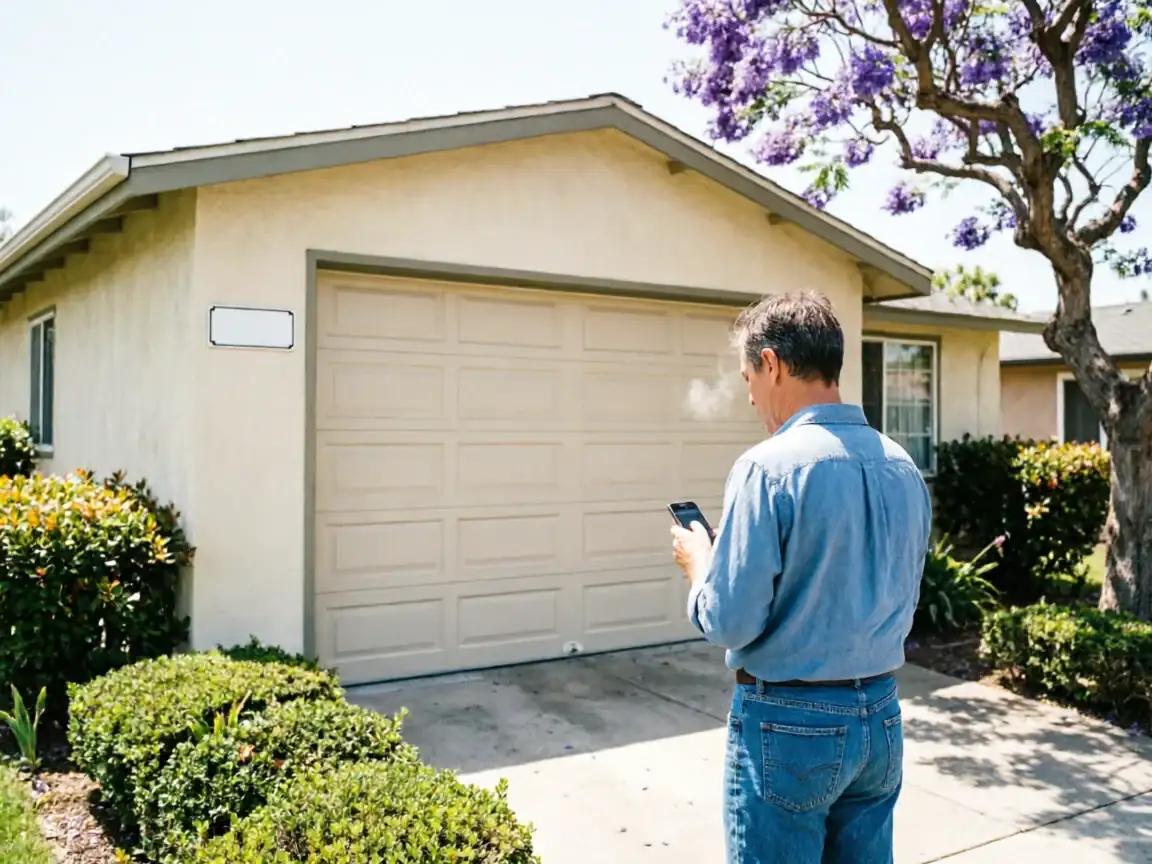
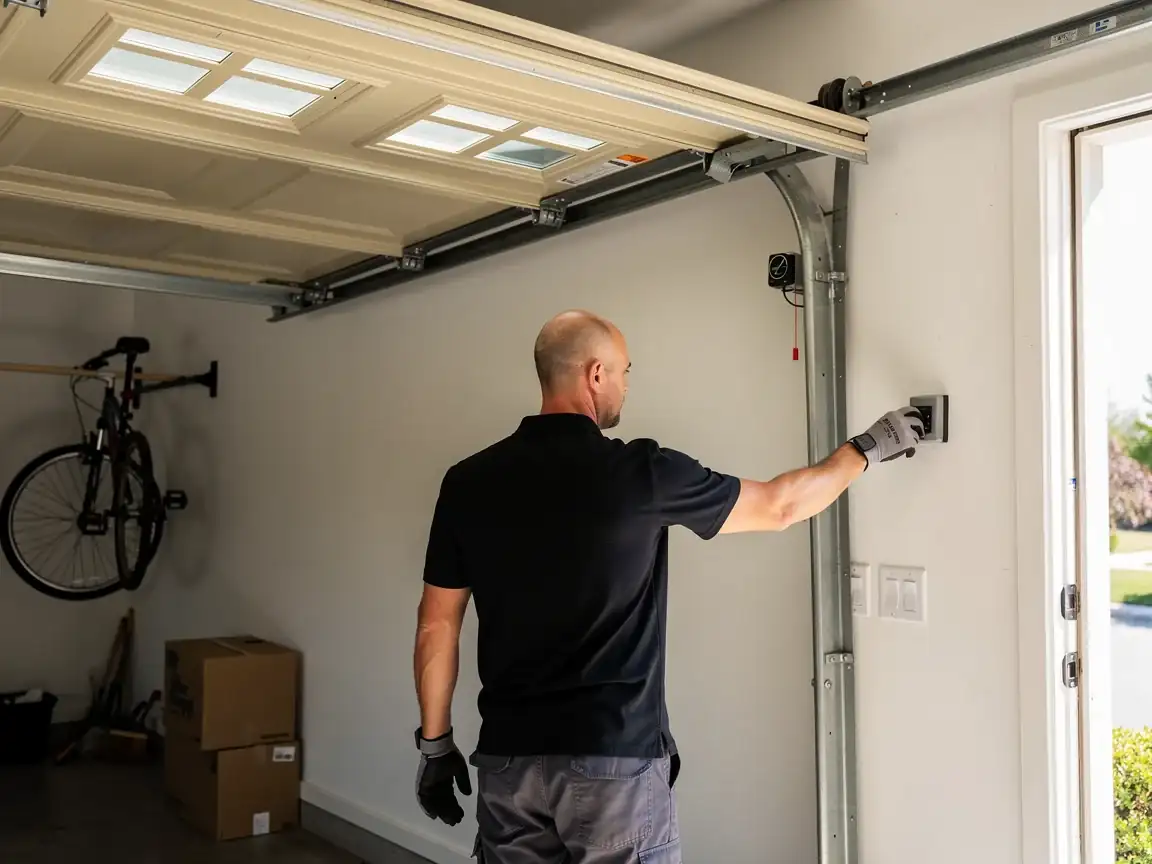
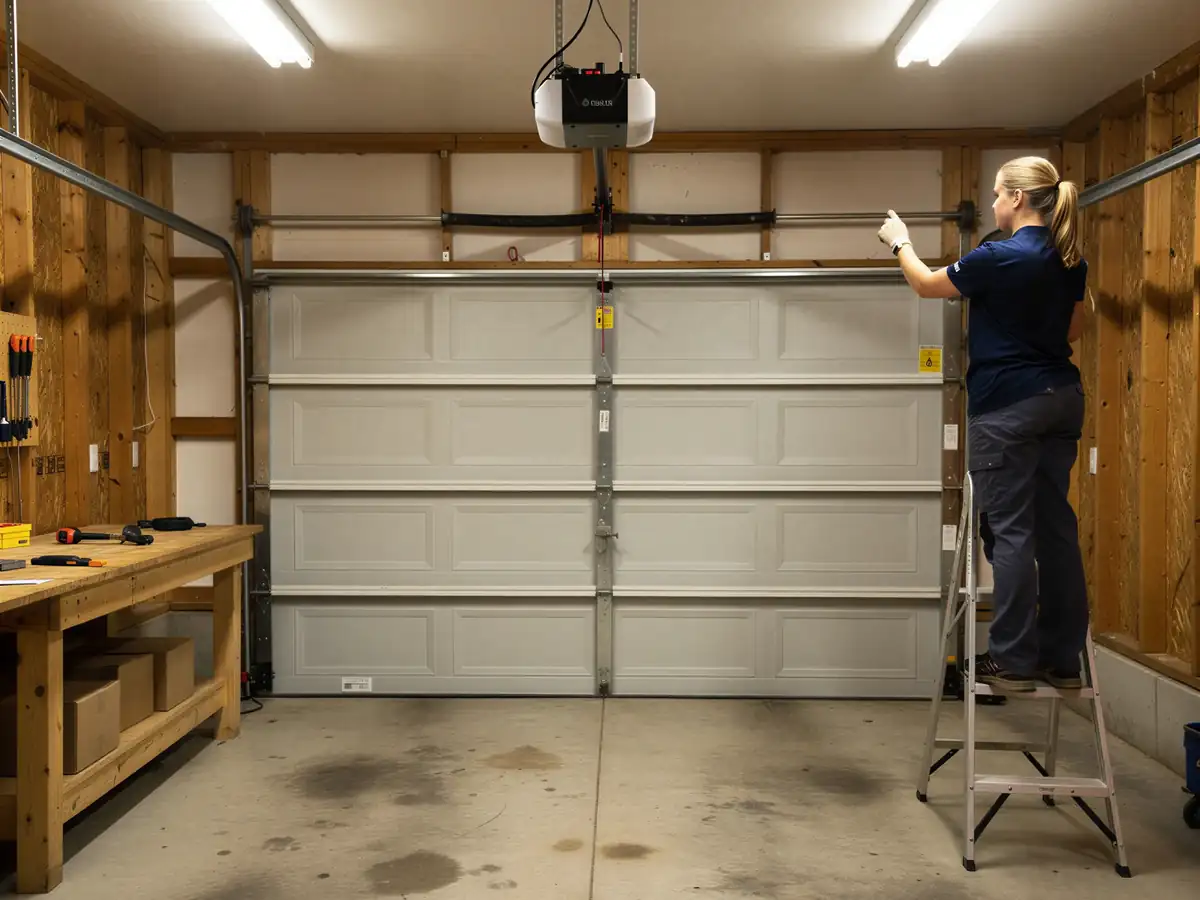
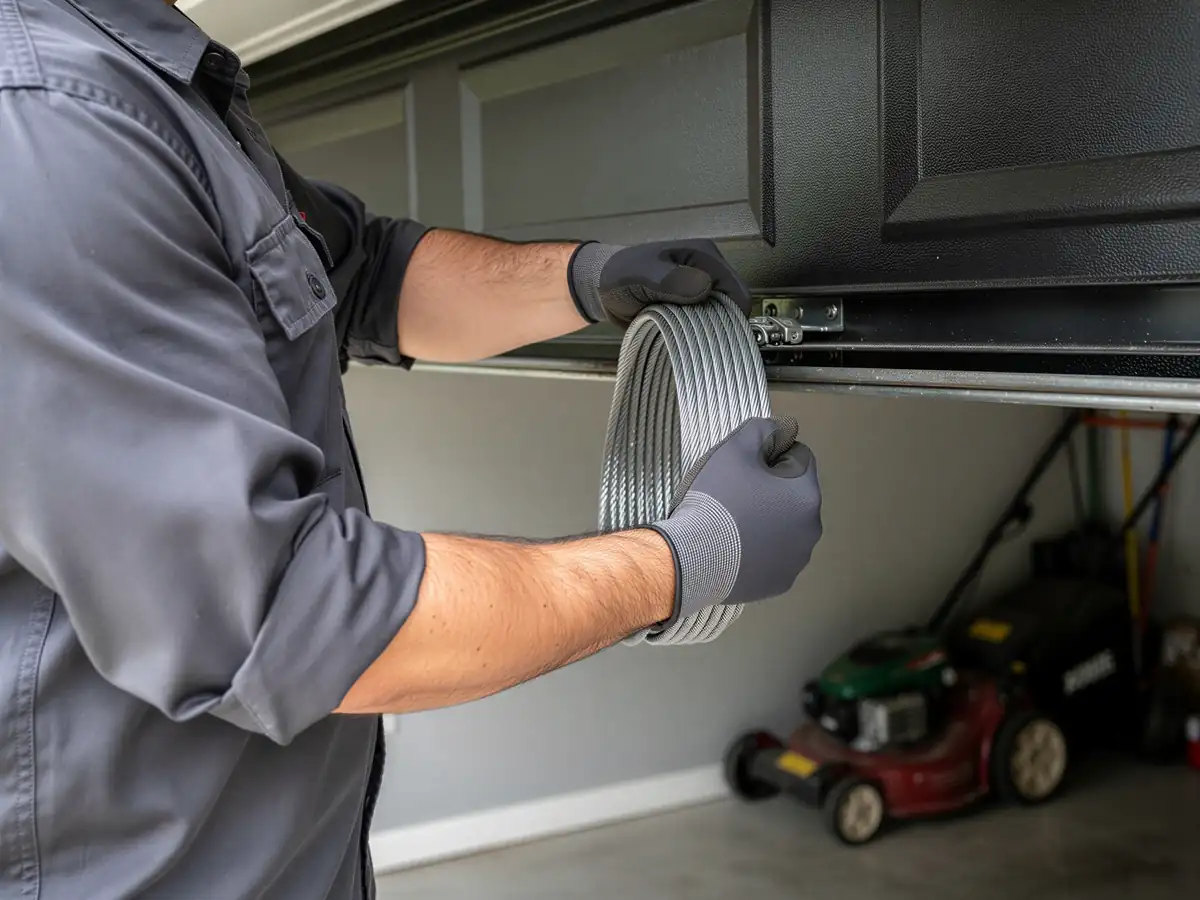
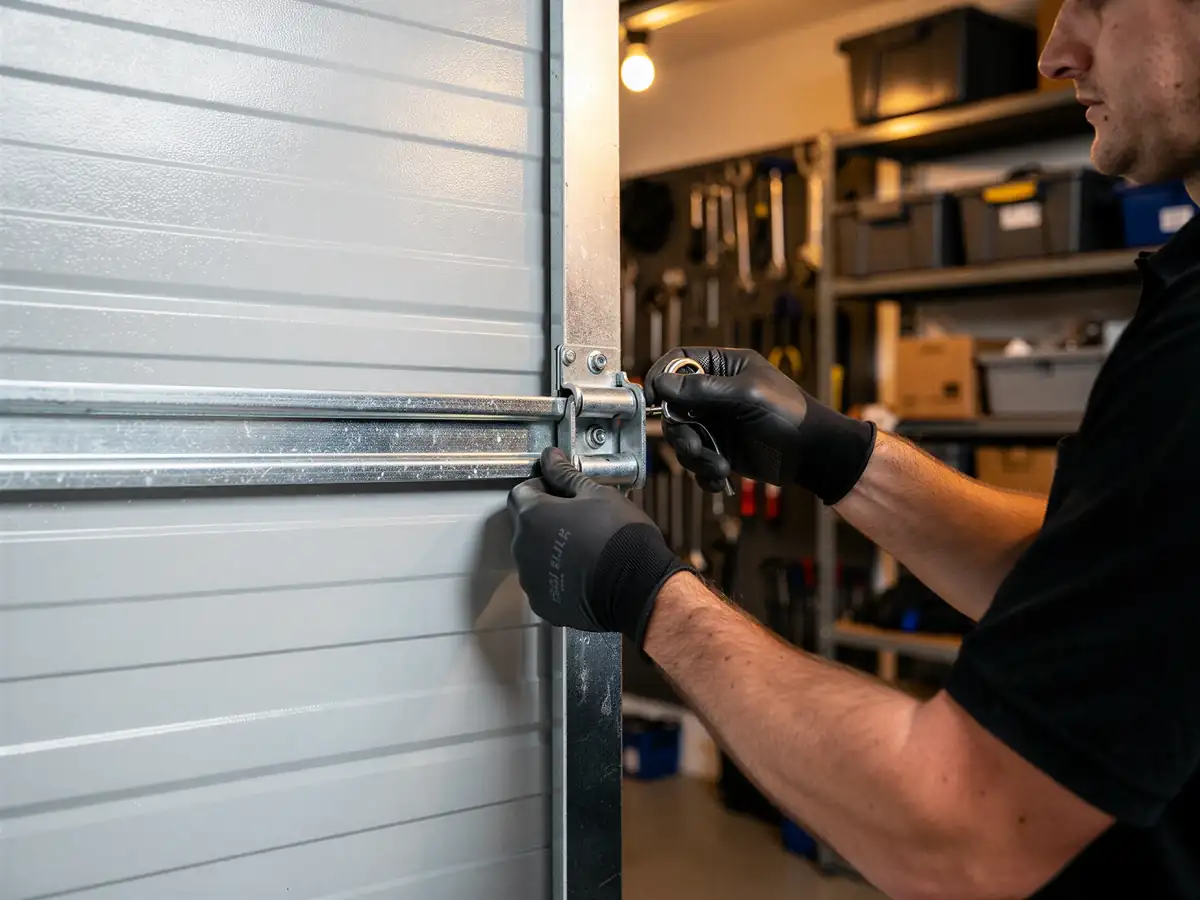
Replacing rollers or tightening a loose track bracket on a steel sectional door is reasonable DIY work if you're comfortable on a ladder and know which bolts hold tension. Torsion springs are not in that category. A torsion spring under full tension can break a wrist or worse if the winding bars slip, and on a 1990s-era door with a standard torsion shaft, the tension is high enough that a mistake isn't a minor one. Opener troubleshooting - checking the sensors, checking the wall switch, checking if the chain has slipped - is worth doing yourself before you call anyone, since it's often not the opener at all. But spring work, cable replacement, and anything involving the torsion shaft itself is a two-person job with the right bars and clamps, and it's where most garage door injuries actually happen.
Time on the Job
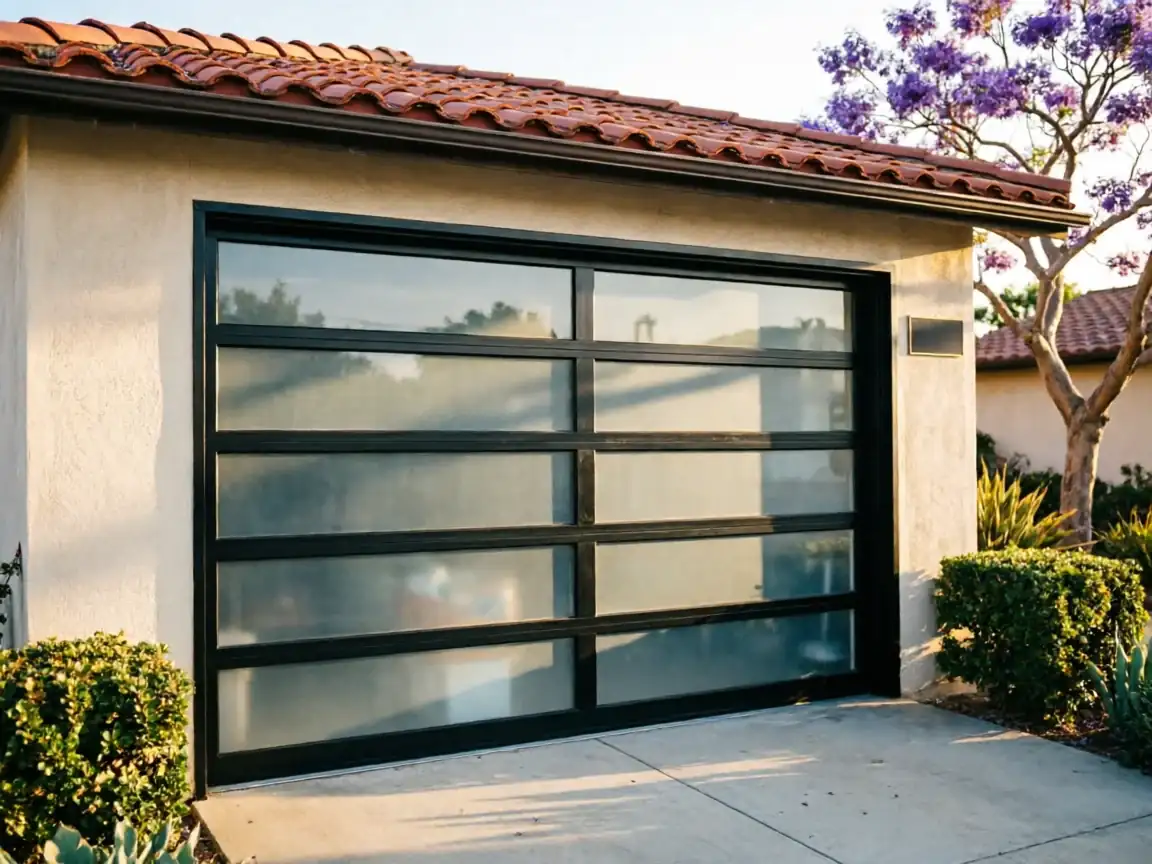
A straightforward torsion spring replacement on a standard steel sectional door, the kind common across Chino Hills' 1990s-era housing, usually runs under two hours once we're on site. Roller replacement and track adjustment add on from there depending on how many rollers have gone bad. Full door replacement is a longer job, generally most of a day, since it includes removing the old panels and track and squaring up the new system. None of that includes drive time - we're routing from Irvine, roughly 18 miles away, so when you call, factor that into when we can actually be at the house, not just the length of the repair itself.