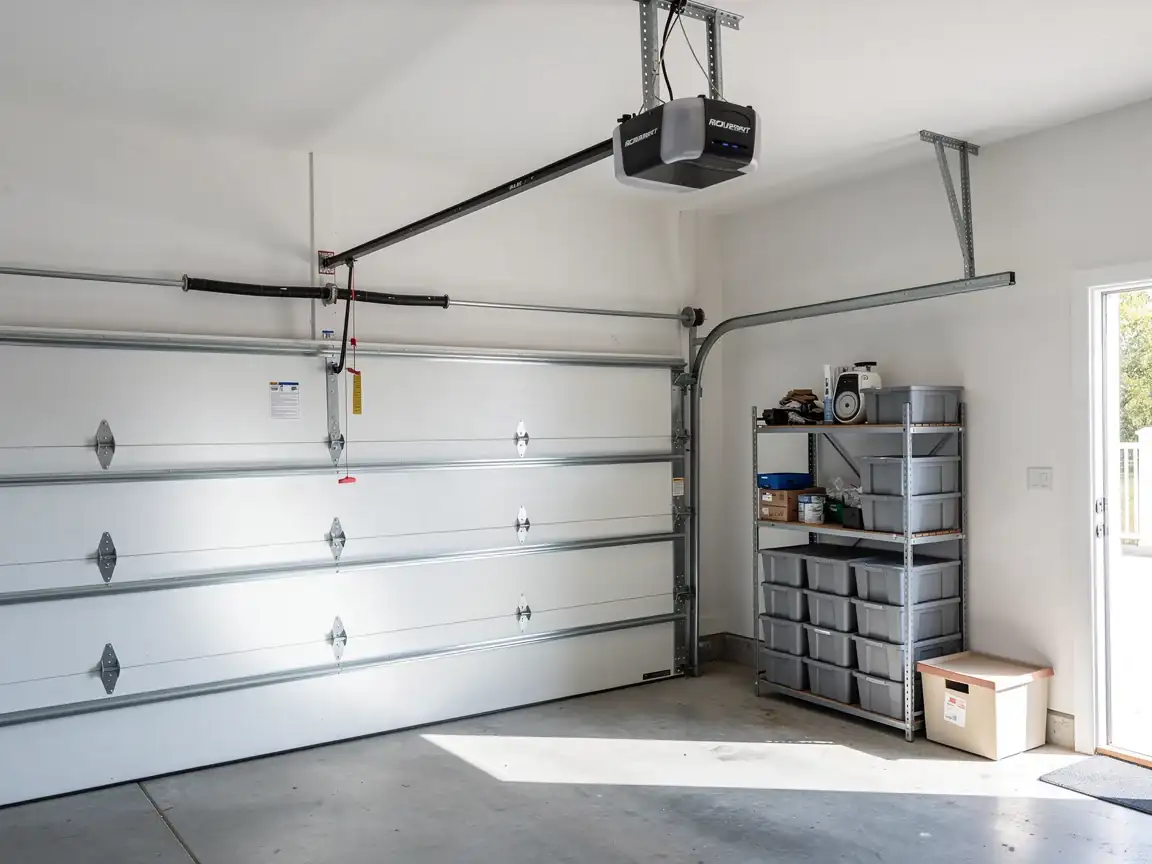
The Cost of This Job
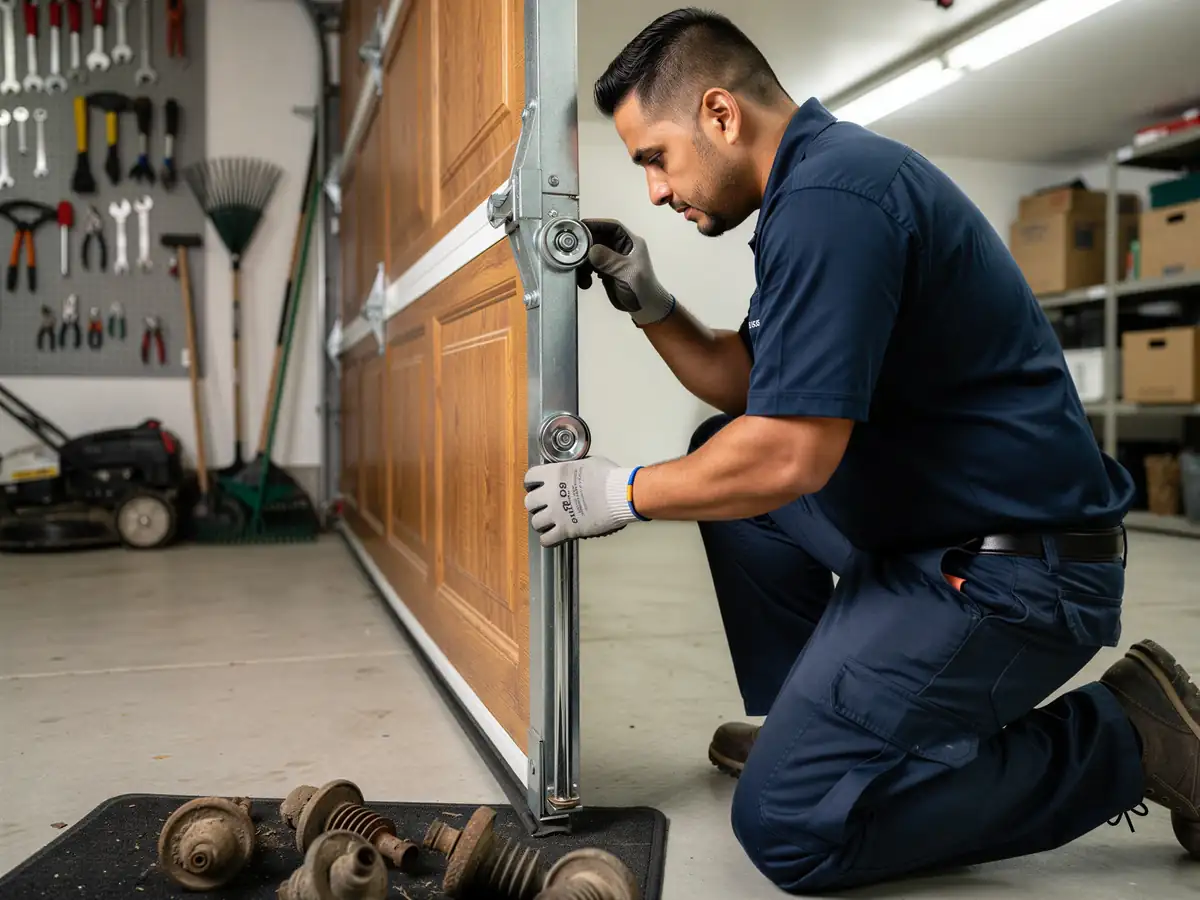
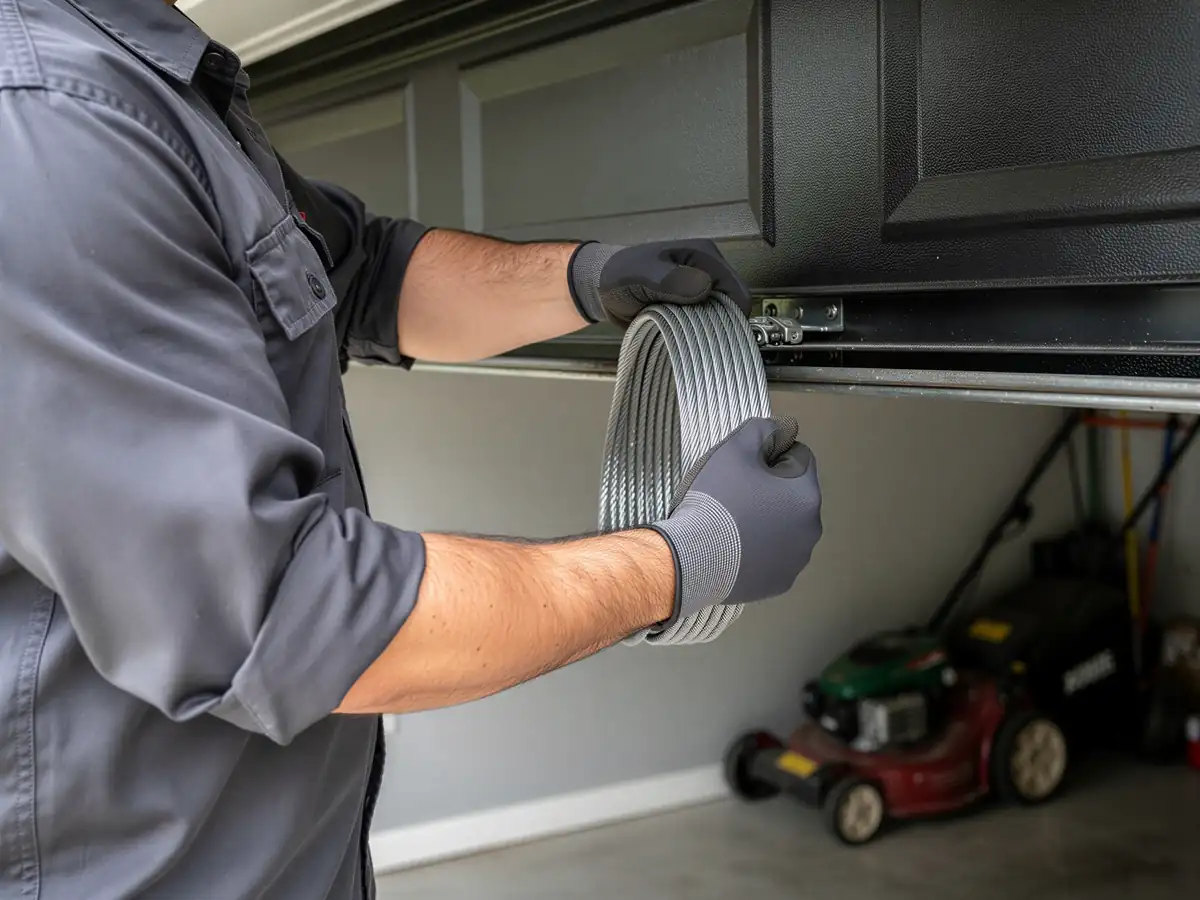
Start with the number that matters most: median household income in Chino Hills runs about $122,600, just under the $124,167 figure for the broader area we cover. At that income level, a snapped or frayed lift cable is almost always a repair, not a replacement decision. The door itself is usually fine; it's the cable, and sometimes the drum it wraps around, that failed. Across the full service area we track 316,088 households, and Chino Hills' roughly 25,485 homes are a smaller, newer slice of that picture. We drive out from our Irvine shop, about 18 miles away, and the trip itself doesn't change the price of the part - a standard lift cable is cheap, the labor is the real cost, and that labor is the same whether the job is around the corner or across the county. Where the math shifts toward replacement is when the cable failure has taken the drum, the track, or a panel with it. That's rarer here than it is in older sections of our territory, simply because the hardware is younger.
What Can Go Wrong
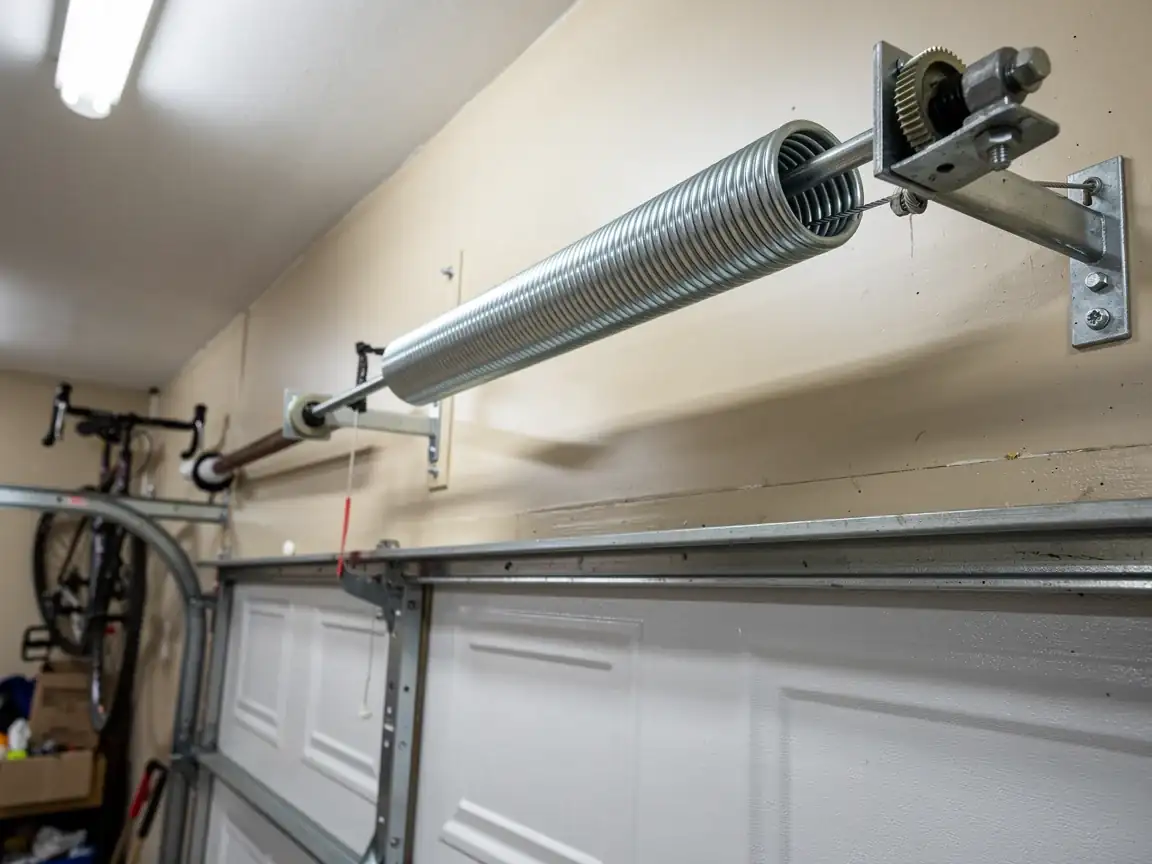
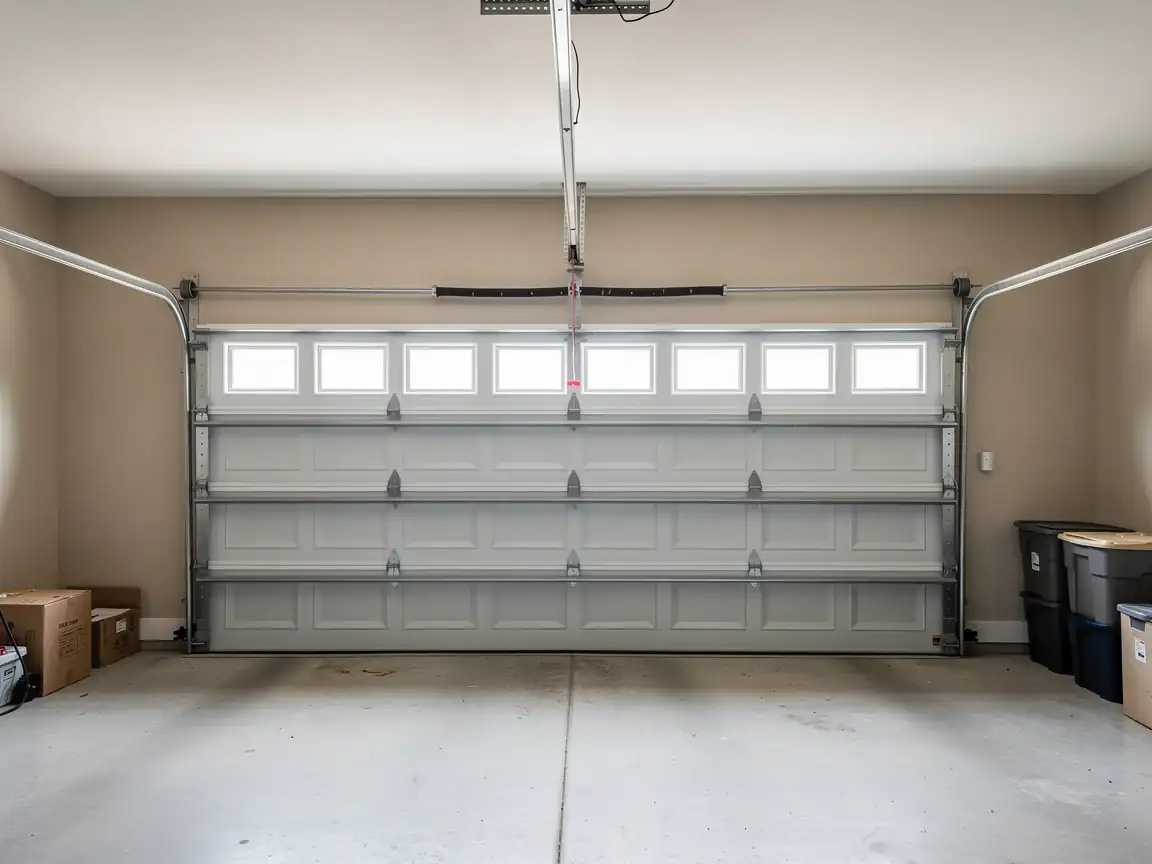
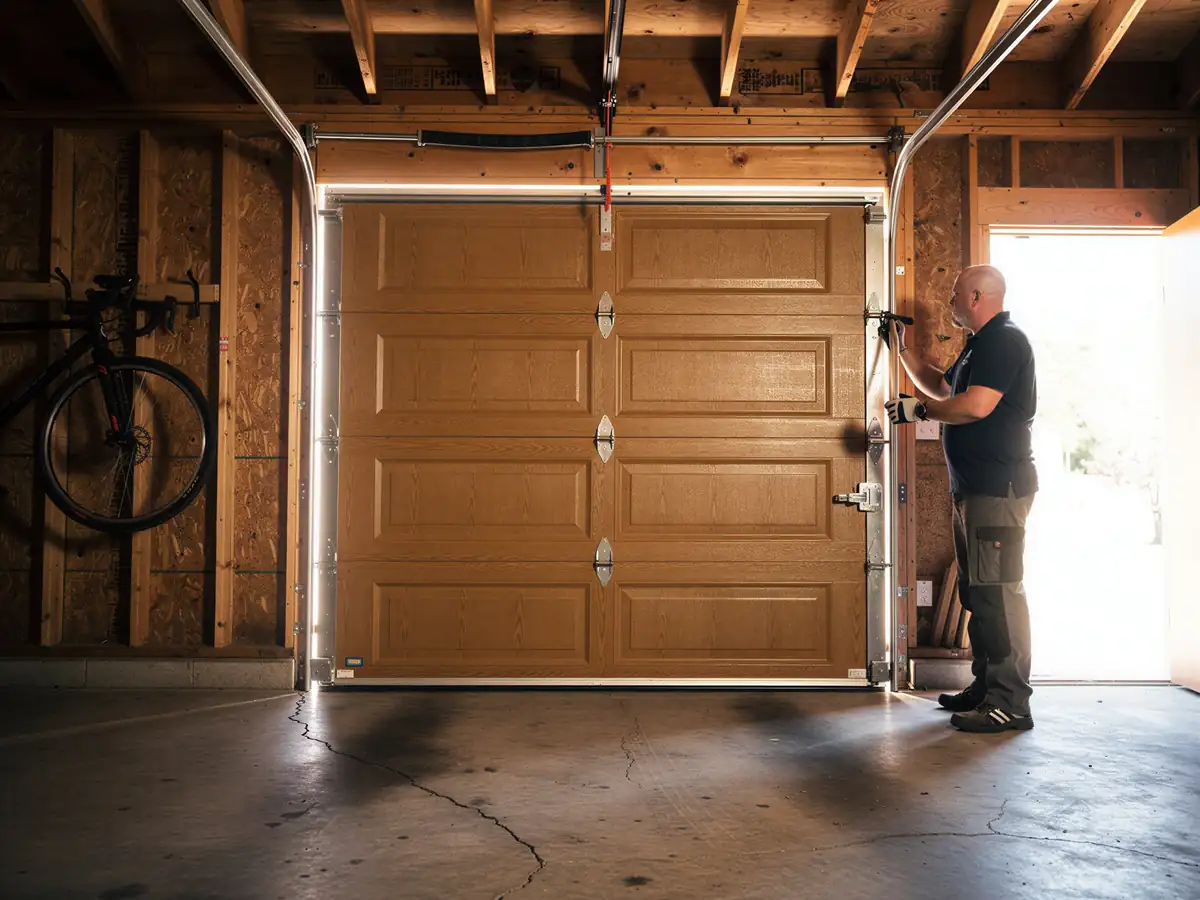
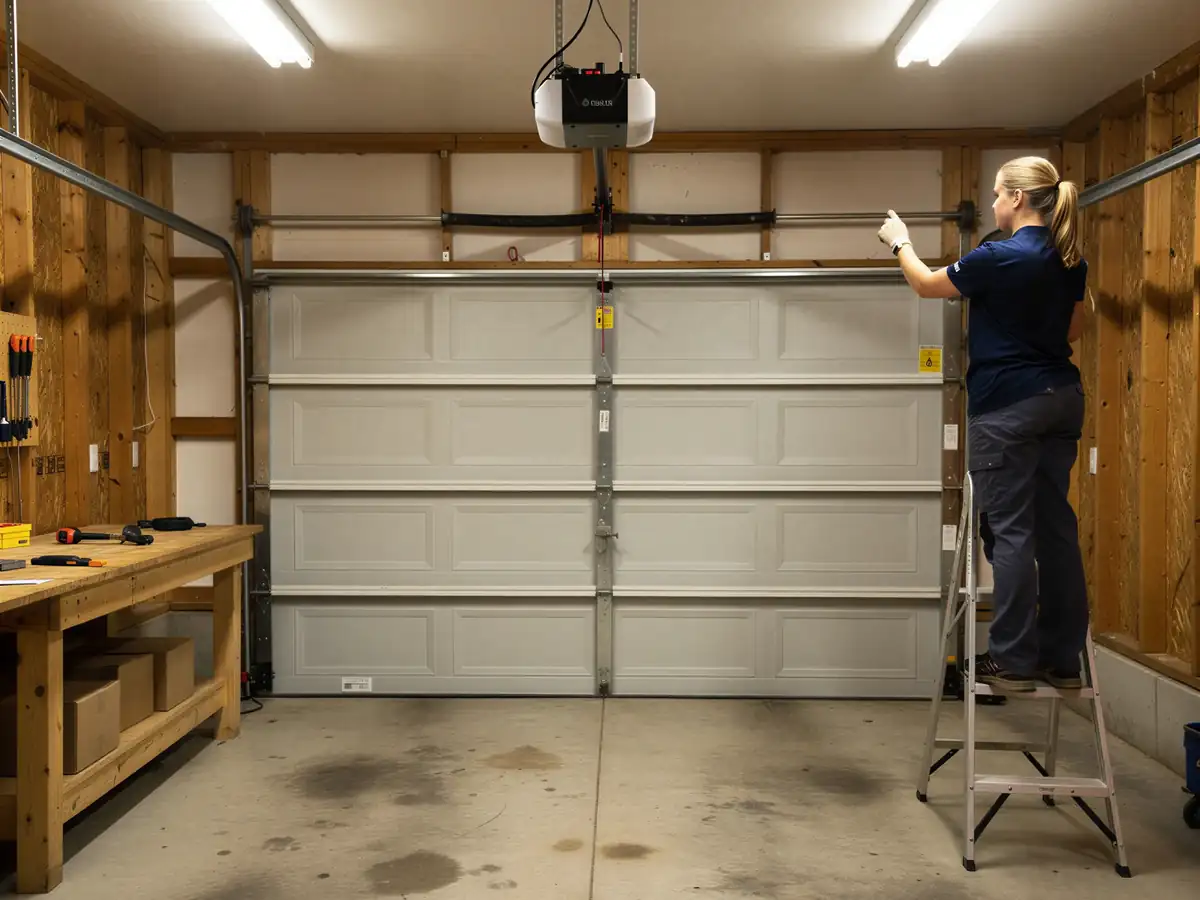
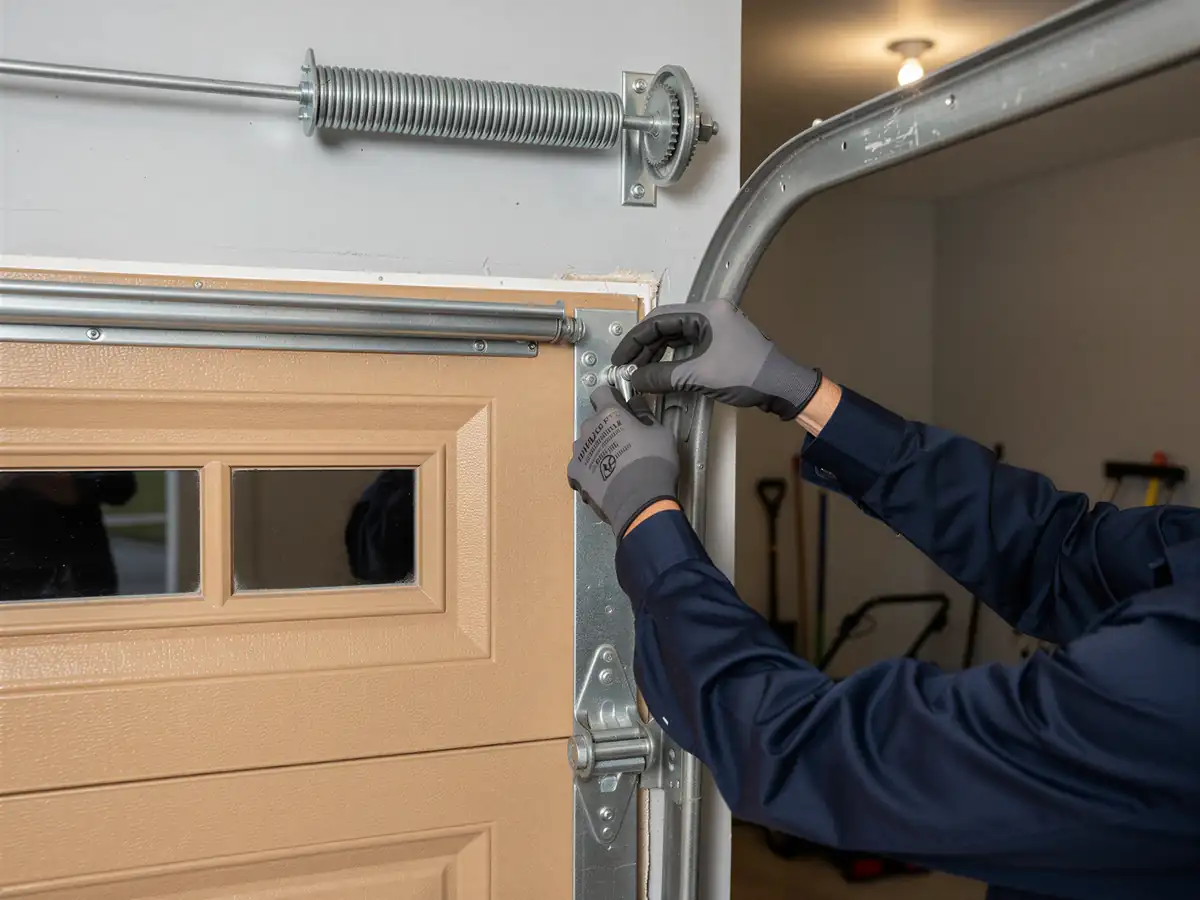
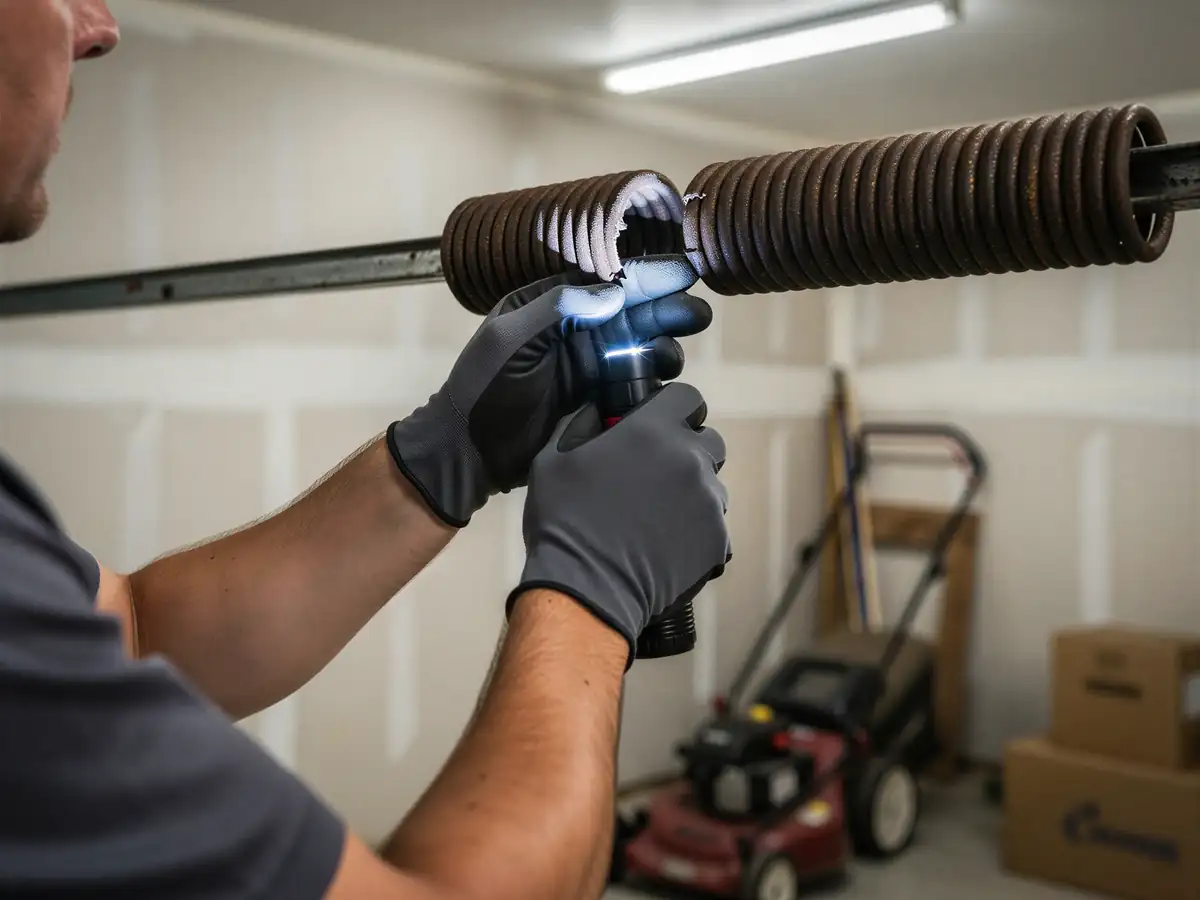
Chino Hills carries a median build year around 1990, well newer than the 1976 median across the rest of our area, and newer still than the 1960s-70s stock that dominates most of the 29 neighborhoods we track. That later build date means less original torsion hardware and more extension-spring setups with cables that run along the horizontal track instead of straight down beside the door. Those cables fail differently: they fray where they loop around the pulley at the back of the horizontal track, or they jump the pulley entirely when a roller sticks. On older torsion setups, the failure point is usually the drum at the top, where the cable unwinds unevenly and eventually shreds. We also see cables come loose at the bottom bracket when a door's been forced open or closed on a broken spring, which puts the full travel weight of the door onto a cable never meant to carry it alone. None of this is Chino Hills-specific weather damage - our mild climate band keeps outright rust-through uncommon - it's a hardware-age story, not a corrosion story.
Can You Do This Yourself
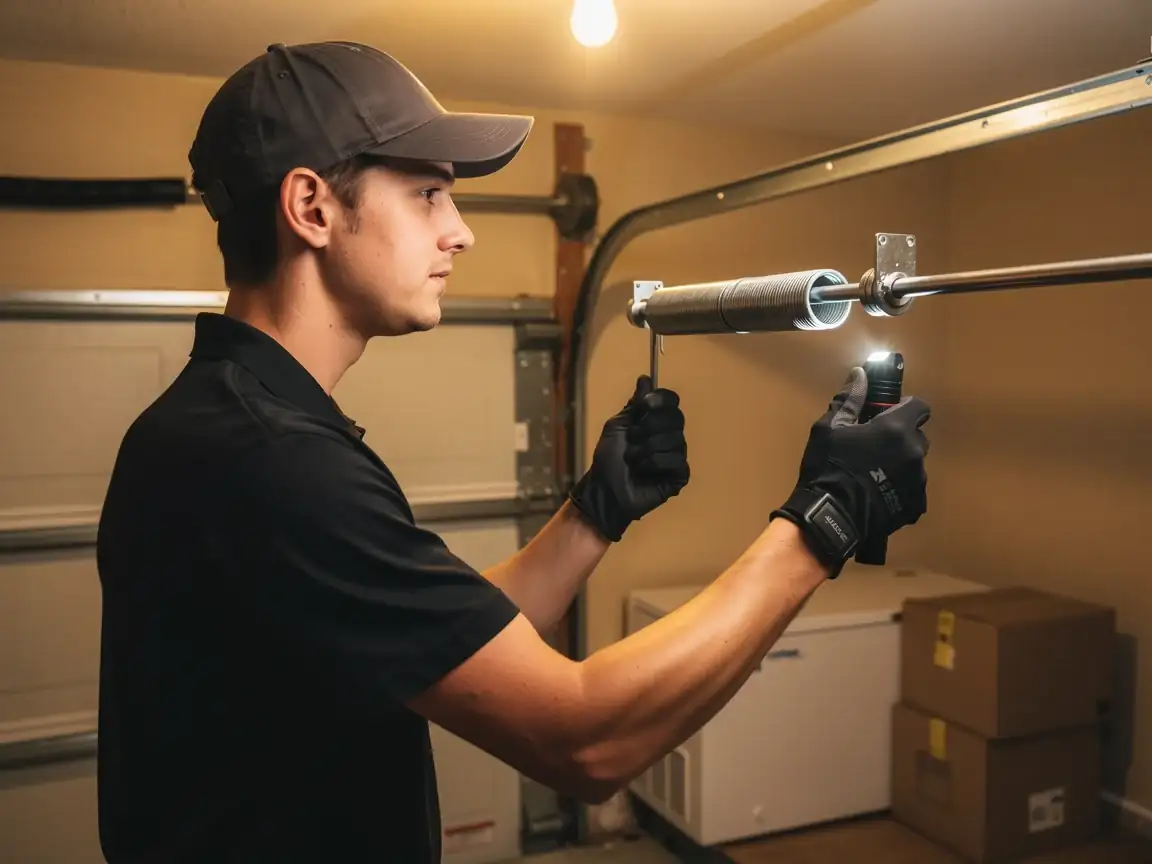
We'd rather tell you not to than let you find out the hard way. A lift cable on a residential door is under real tension, whether it's tied to a torsion spring overhead or an extension spring along the track, and a cable that lets go while you're working near it can whip hard enough to cause a real injury. Winding or unwinding tension to get slack in a cable takes the right bars and the right technique, and it's not something to improvise with pliers and a ladder. If the cable has simply come off the drum without breaking, and the door is sitting level and isn't under load, that's about the extent of what's reasonable to look at yourself before calling someone. Anything involving winding bars, broken strands, or a door that's come off track entirely isn't a weekend fix.
Time on the Job
A straightforward cable replacement on one side of a double door, with the drum and track intact, is a contained job - most of the time goes into releasing and resetting spring tension safely, not the cable itself. It runs longer when both cables need replacing, which we usually recommend doing together even if only one has failed, since the other is carrying the same age and wear. It runs longer still if the drum is damaged or the door has come off the track and needs realignment before the new cable can be set. We won't quote a fixed time before seeing the door, because a 1990s extension-spring setup and an older torsion door don't take the same path to the same repair, even though the end result looks identical from the driveway.