The Cost of This Job
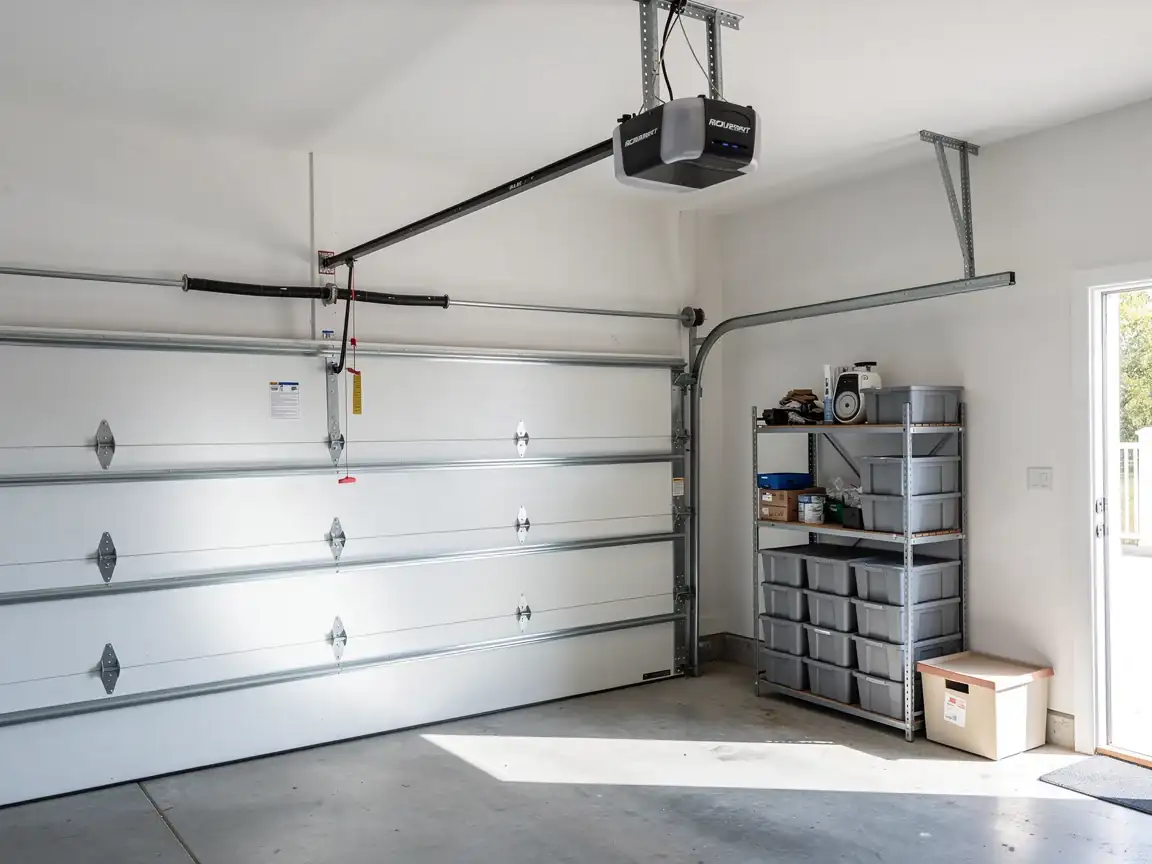
Most garage door openers in Chino Hills went into the garage when the house was built, and a lot of those houses date to right around 1990. That means a fair number of these units are over thirty years old and have never been swapped, just patched - a new logic board here, a replacement remote there, maybe a capacitor once. The cost of this job depends heavily on which era of opener you're carrying. A late-80s/early-90s chain-drive unit with a worn-out gear and sprocket kit is a different repair bill than a modern belt-drive with a failed circuit board, and neither is the same as a full opener swap. We don't quote a flat number sight unseen, because the two most common jobs we run into out here - gear kit replacement and full unit replacement when the motor itself is dying - land in different price brackets. What we can tell you is that if your opener still has a keyed wall switch instead of a keypad, that's a strong sign of its age, and age is the first thing that drives the estimate up or down. We travel from Irvine, about 18 miles out, to look at it in person before we say a number.
What Can Go Wrong
On an opener this old, the gear and sprocket assembly is usually the first thing to go - it's a plastic part designed to wear out before the motor does, and on a unit installed around 1990 it's likely been replaced zero or one times in its life. After that, the drive belt or chain stretches, the logic board's capacitors dry out, and the travel limits drift so the door reverses for no reason or stops short. We also see a lot of dead wall buttons and remotes that were never updated when rolling-code security became standard, which means the opener still answers to the original fixed code - not a safety issue most days, but worth knowing if you're buying or selling the house. The climate here is mild, so we don't see the moisture or freeze damage that wrecks openers in colder states; most of what fails is simple wear from three decades of daily cycles, not weather.
Can You Do This Yourself
Swapping a remote battery or reprogramming a keypad is fine to do yourself. Replacing a gear and sprocket kit or a logic board is not a bad DIY candidate either if you're comfortable with a screwdriver and you unplug the unit first - these are bolt-in parts, not calibration work. Where it gets risky is anything touching the travel limits or the force settings, because get those wrong and the door can fail to stop on an obstruction, which is a real safety problem, not just an inconvenience. If your opener is original to a 1990-era build and you're not sure what's inside the housing, that's a reasonable point to call rather than guess, since parts for some older models are harder to source correctly than the job itself is hard to do.
Time on the Job
A straightforward gear kit or logic board swap on an opener we've already diagnosed usually runs under an hour once we're on site. Full opener replacement, including mounting a new rail and head unit and syncing remotes, takes longer. The time we can't control is the drive out - Chino Hills sits about 18 miles from our Irvine base, so factor that into when we can get there, not into how long the repair itself takes once we arrive.